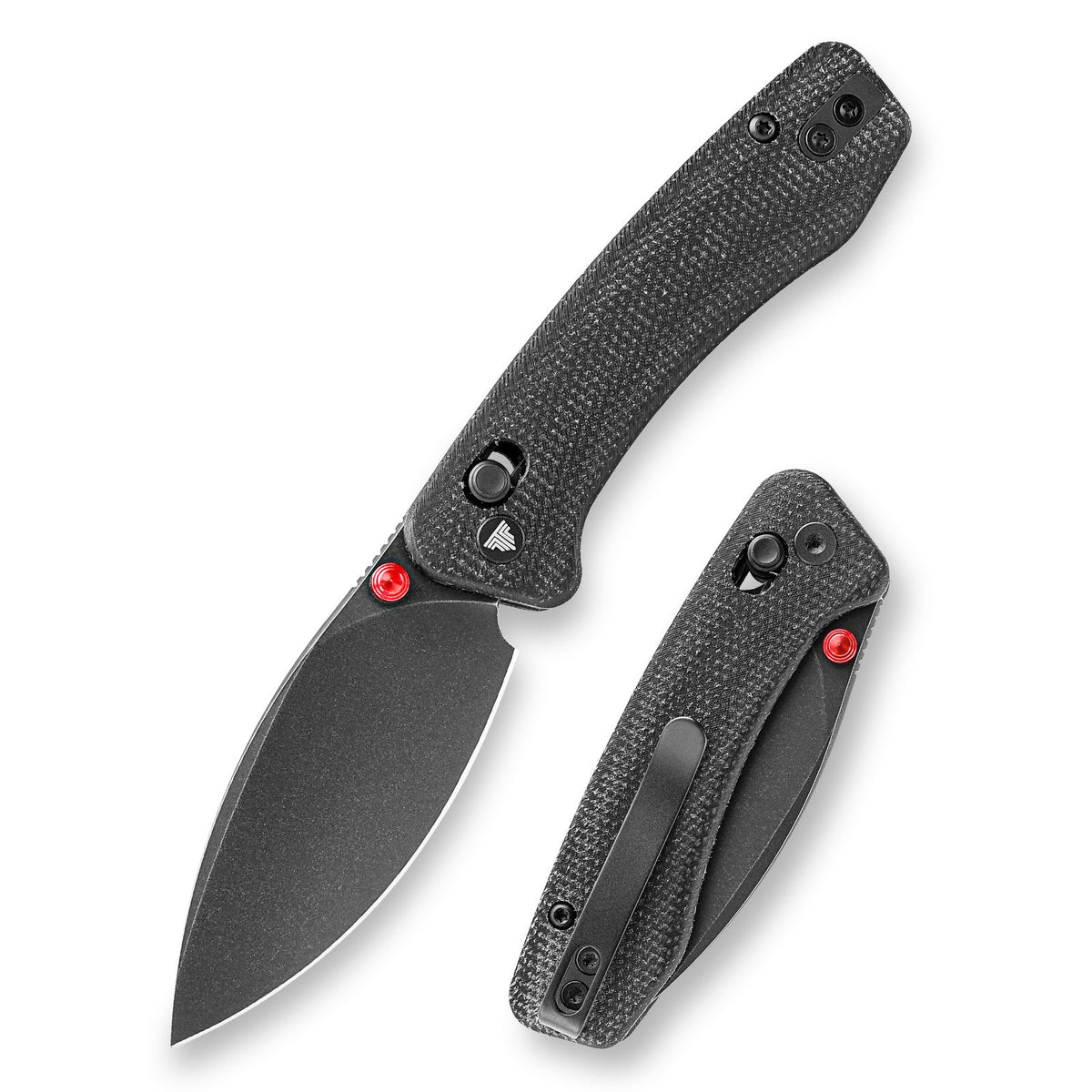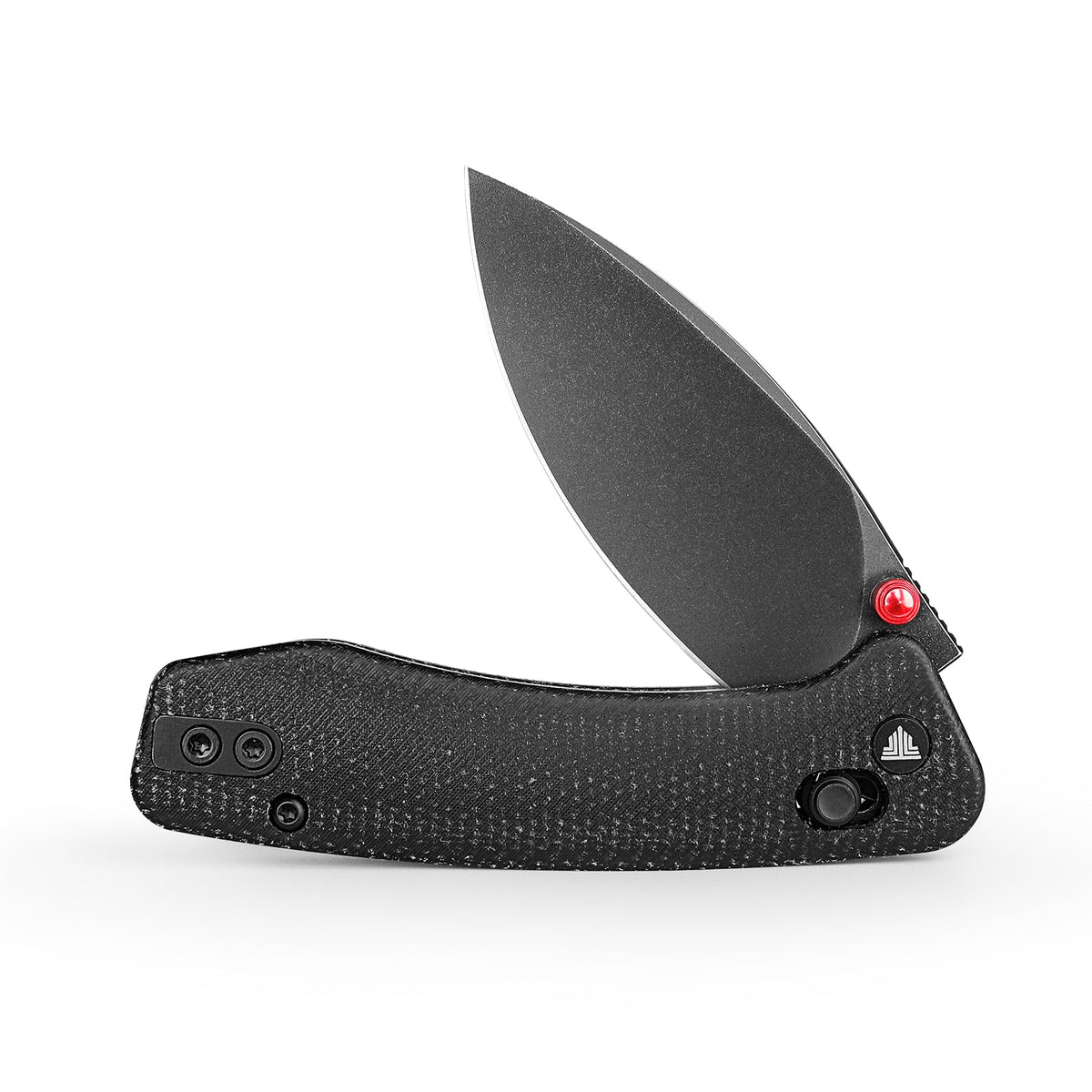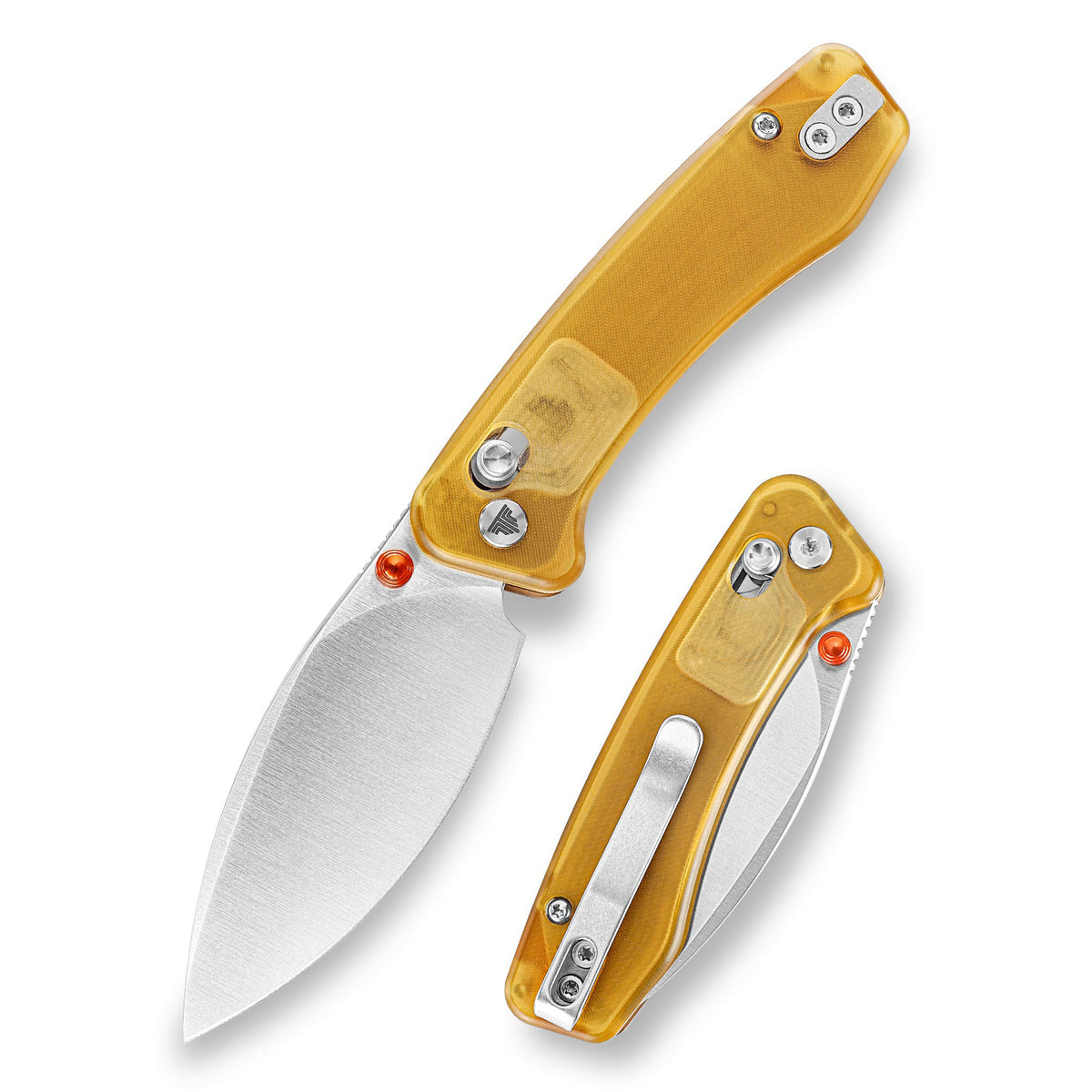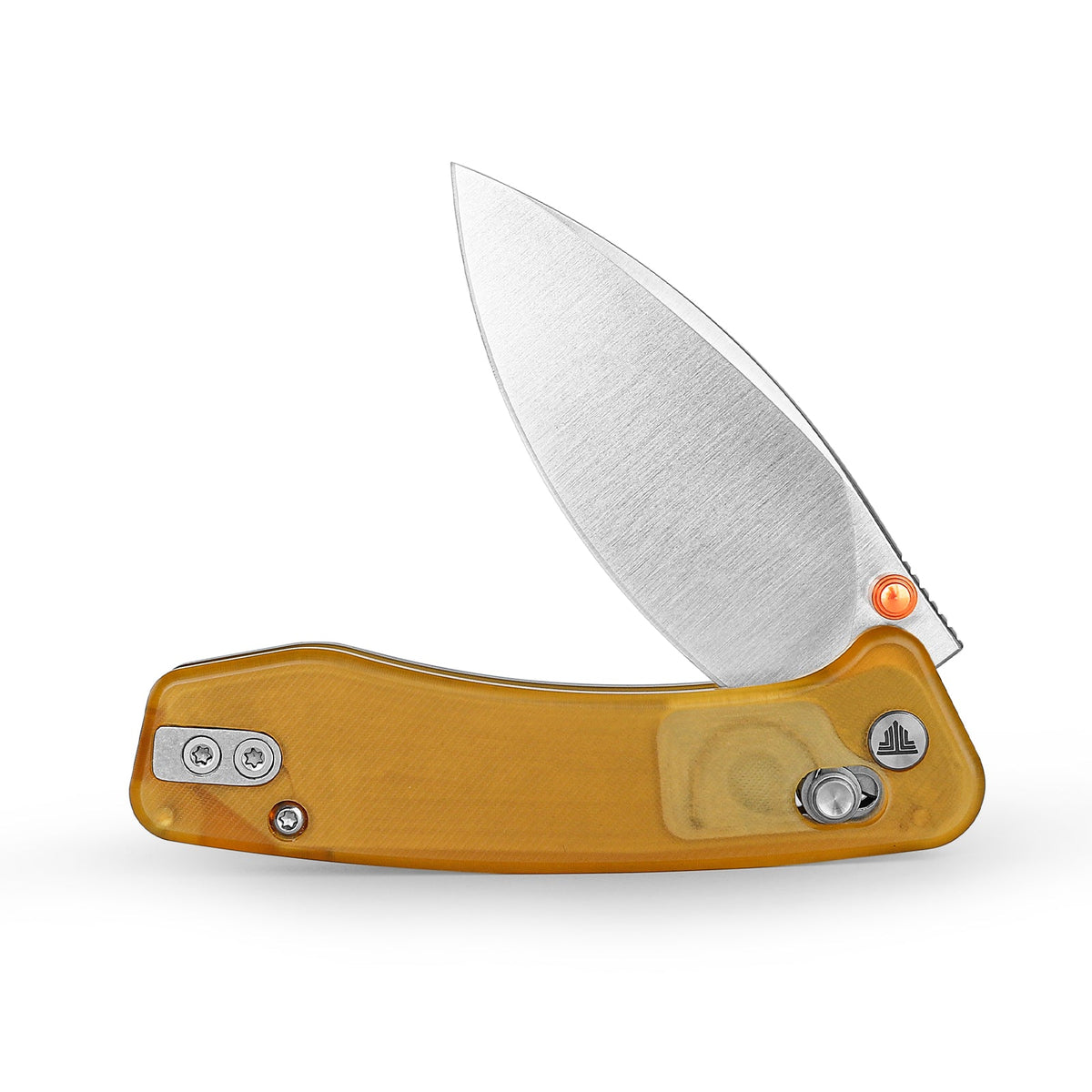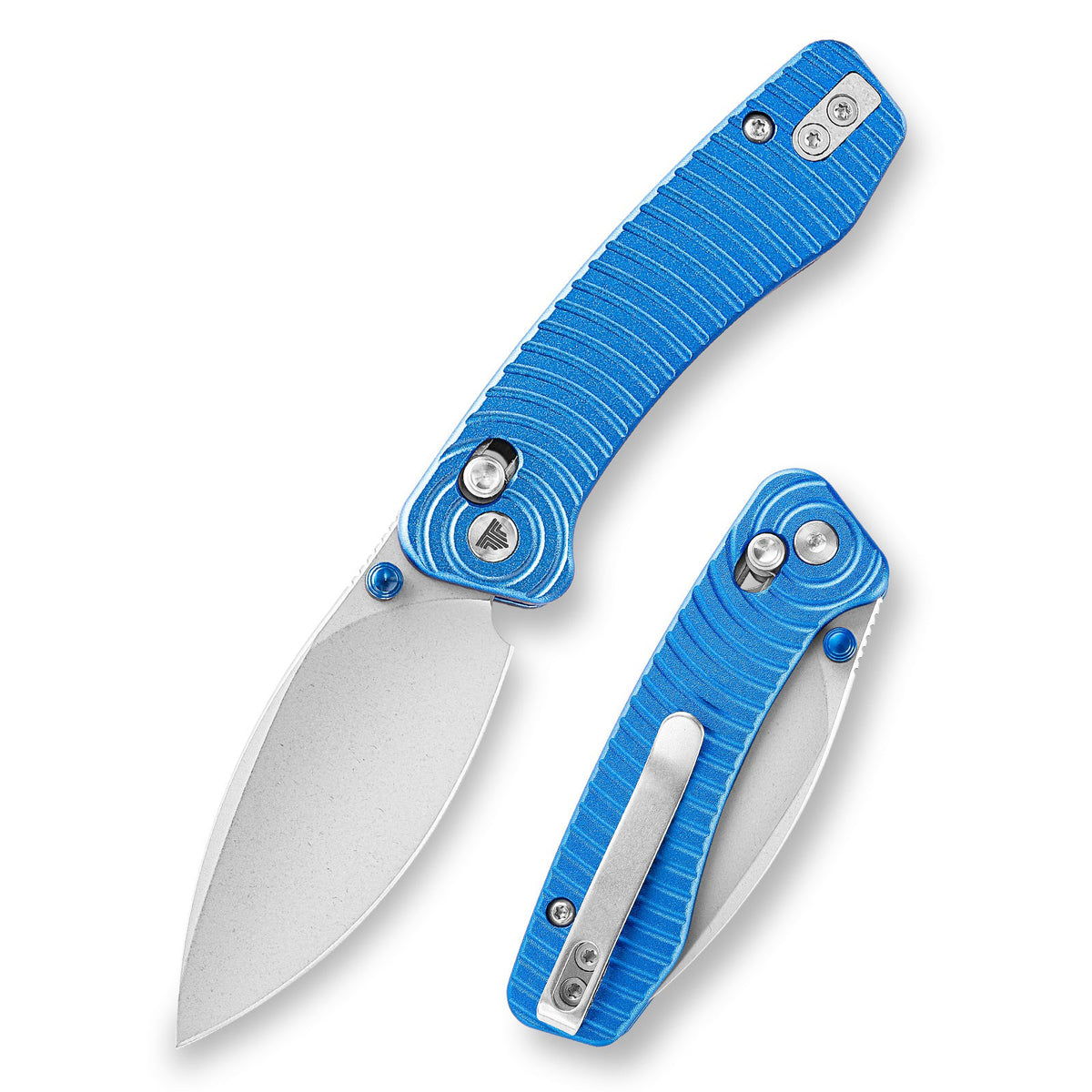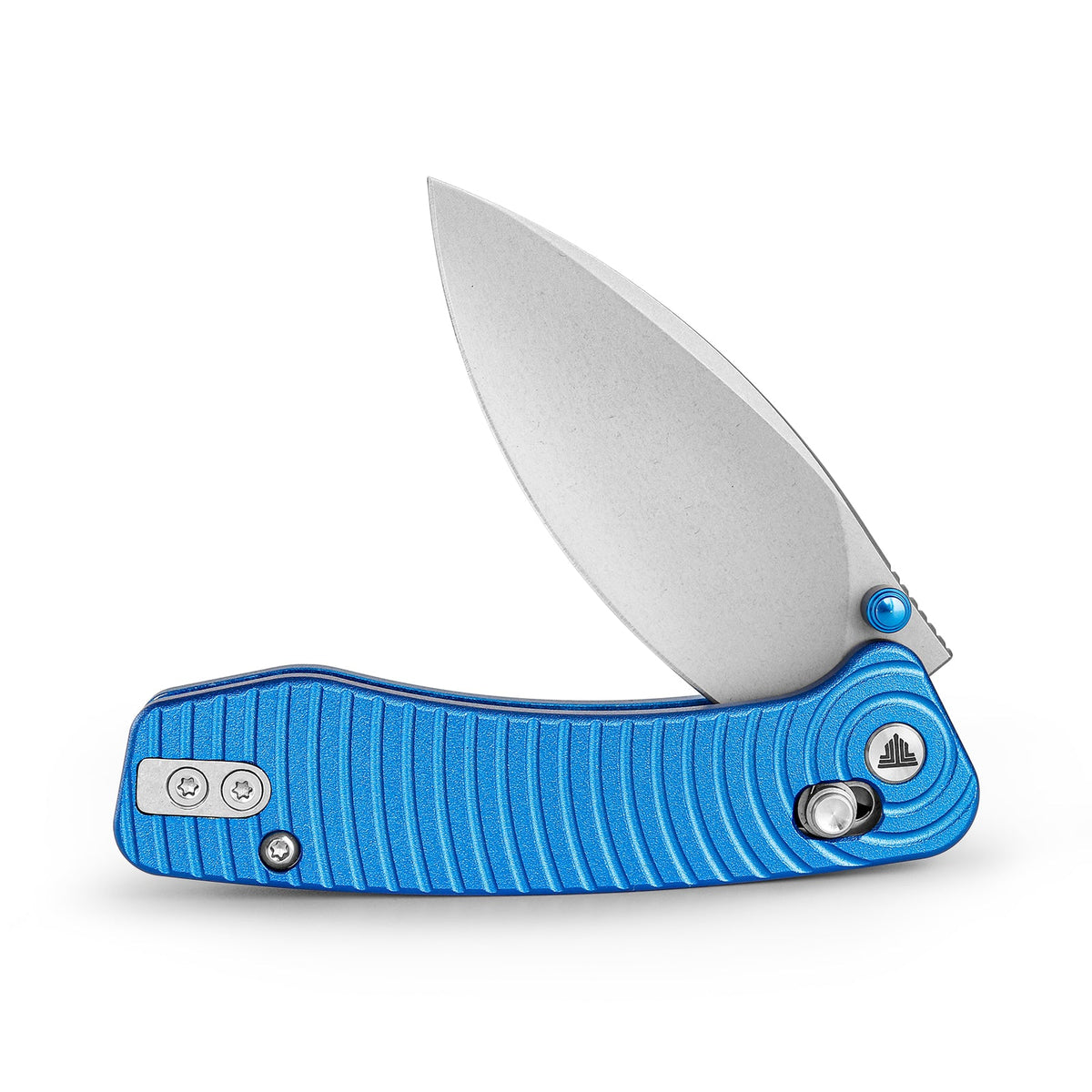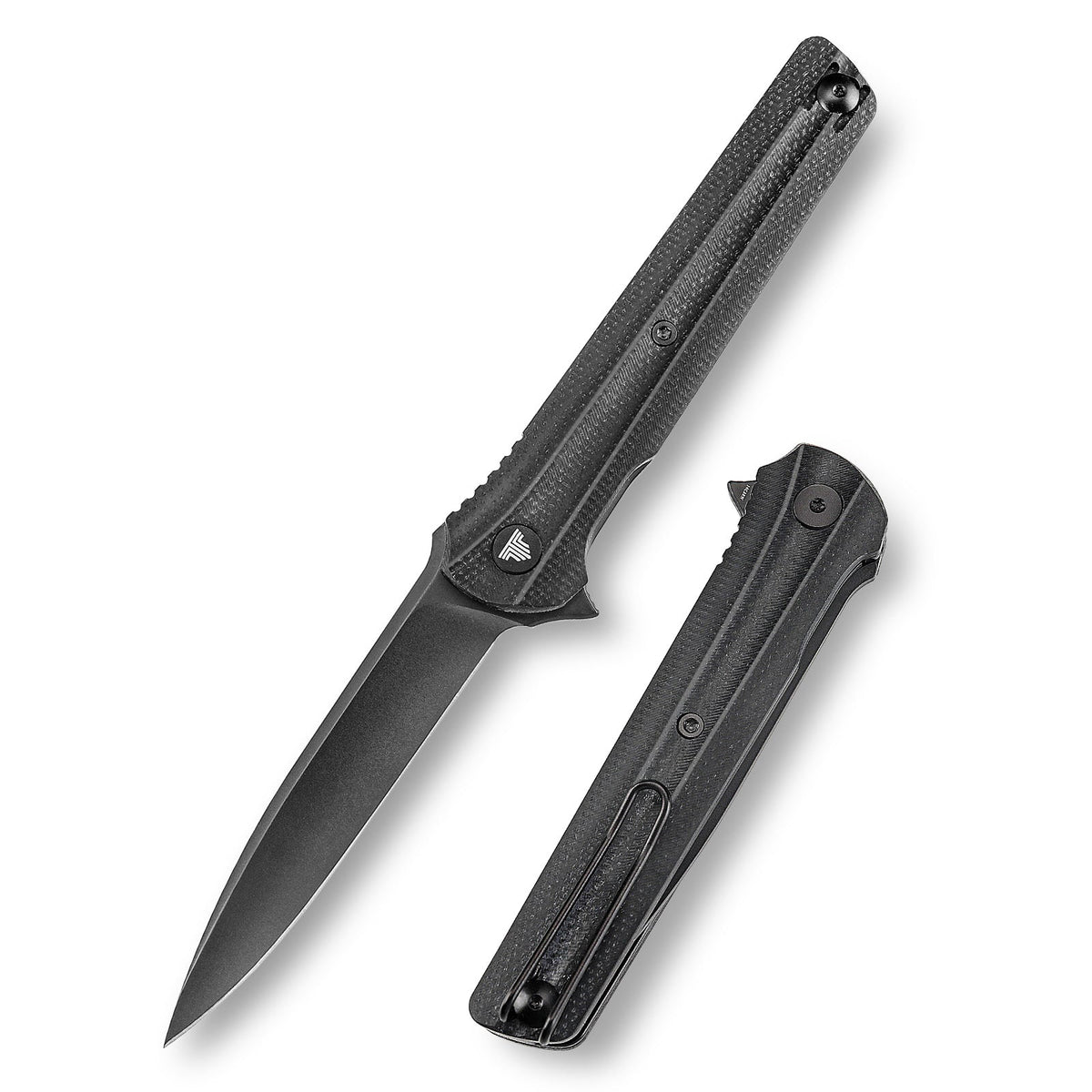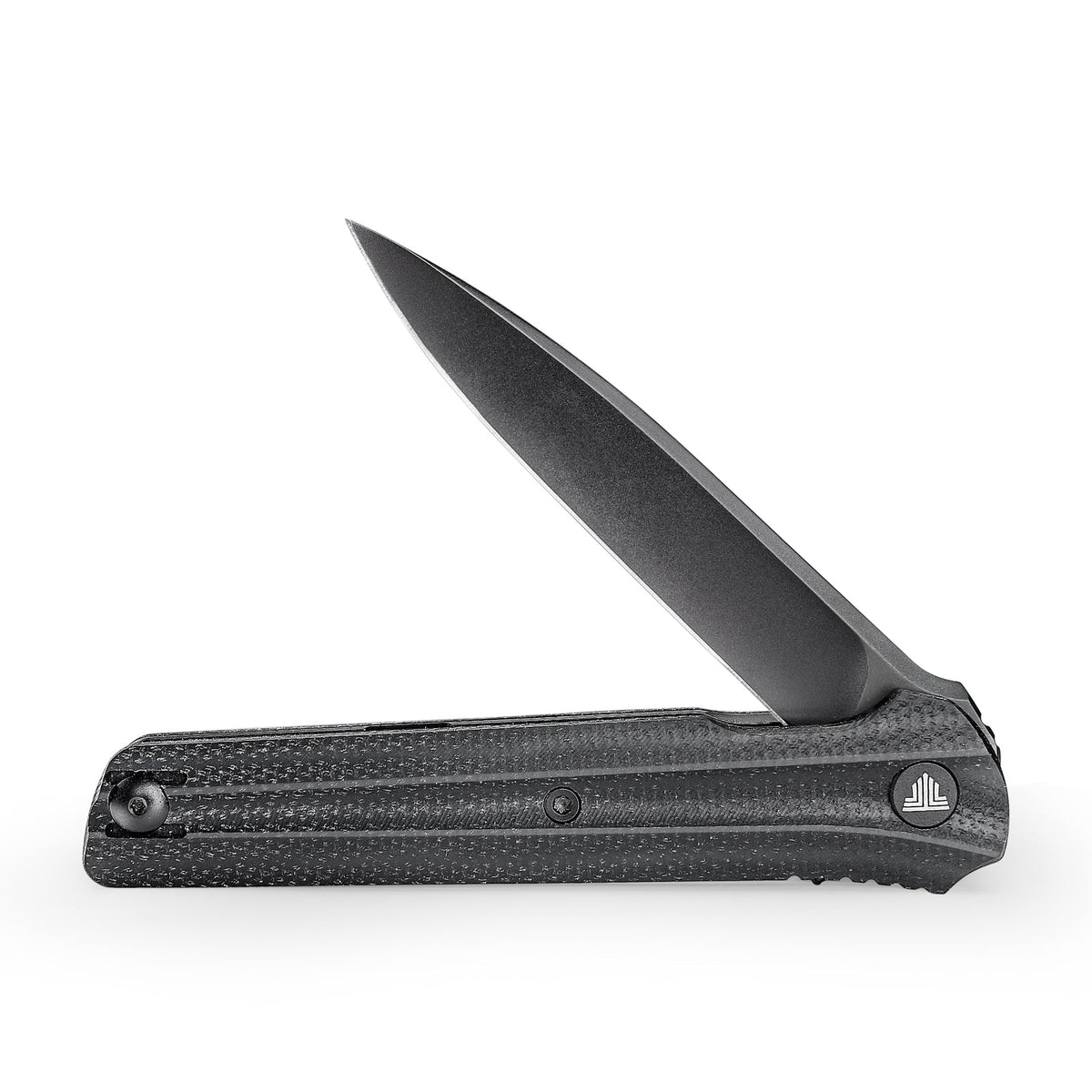

Overview & First Impressions
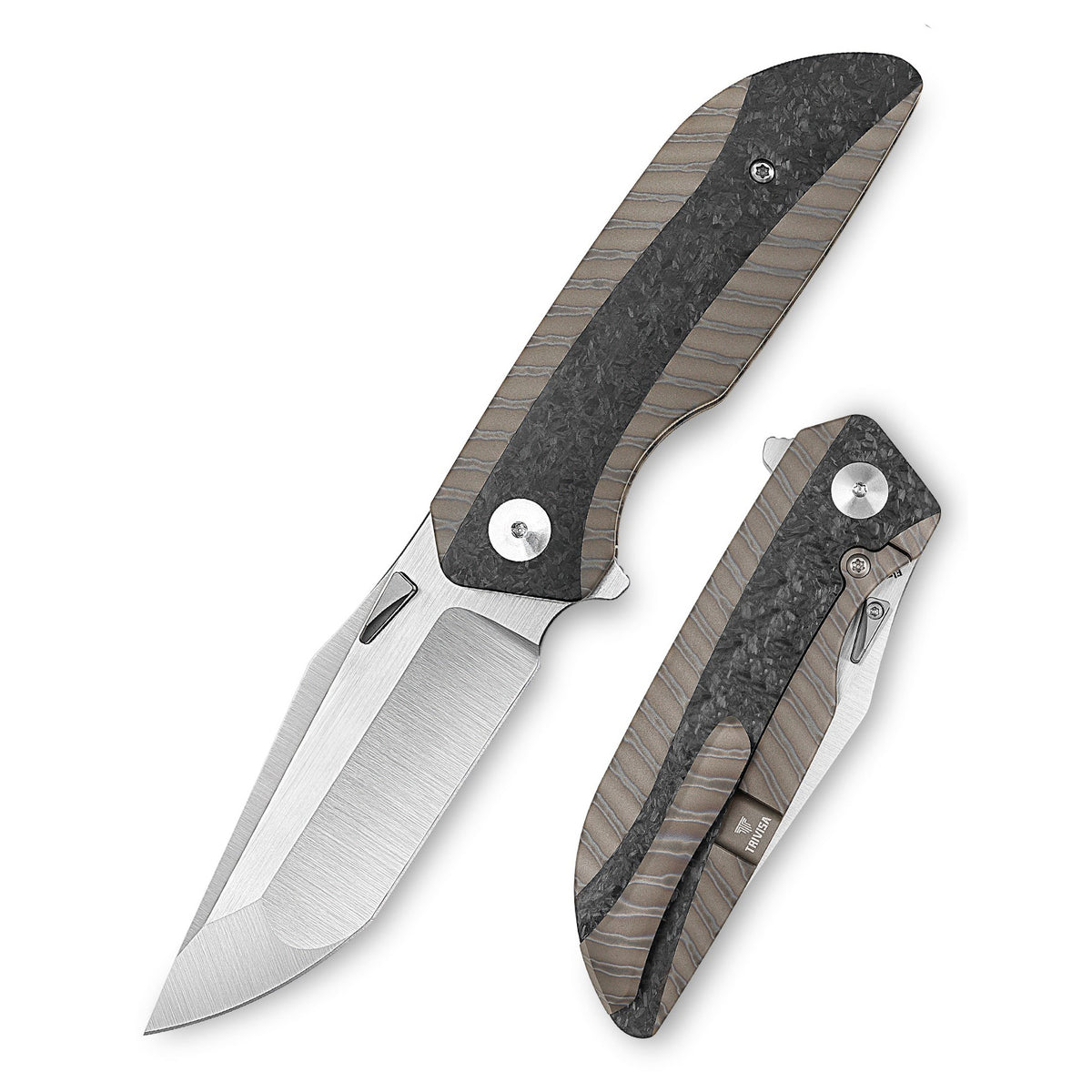
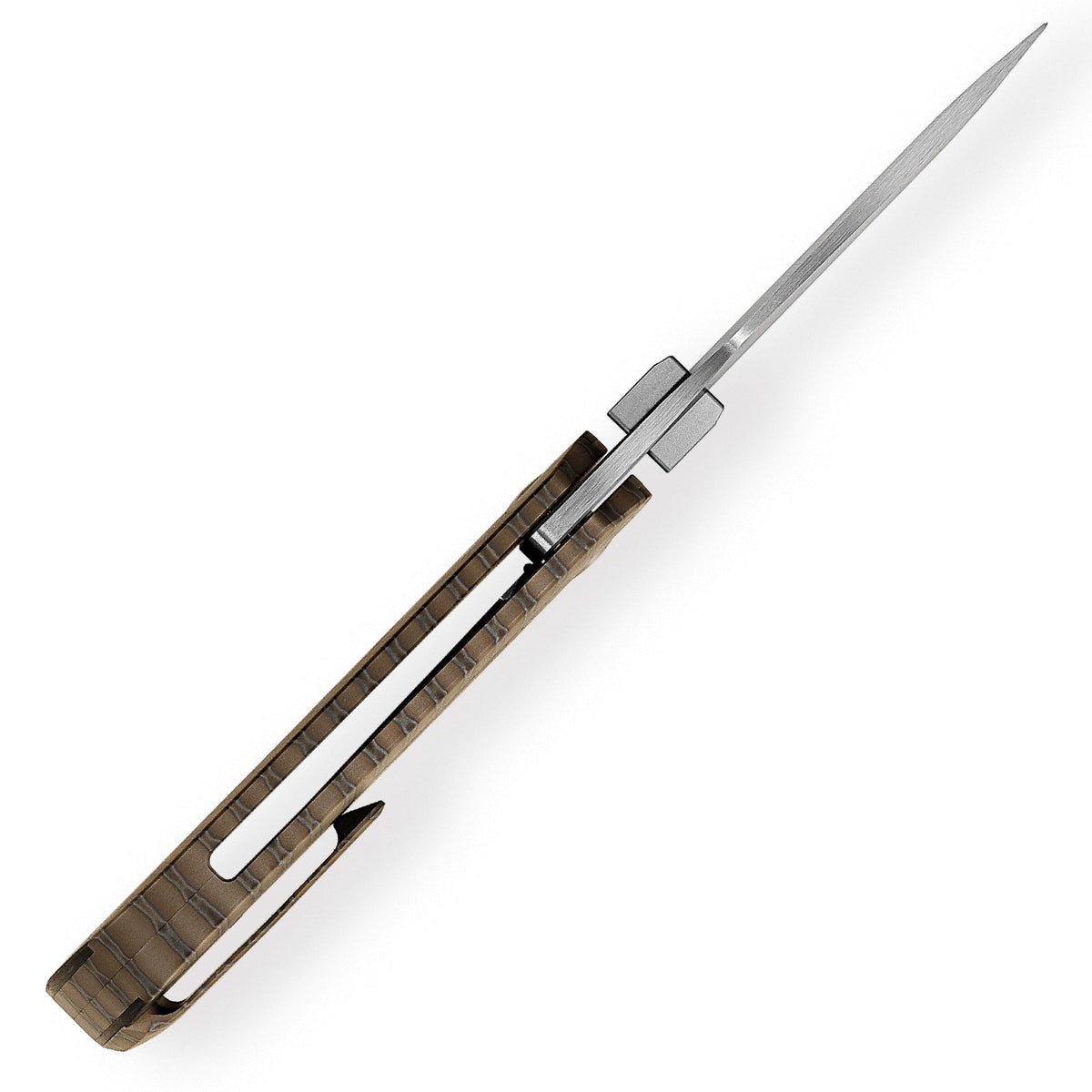
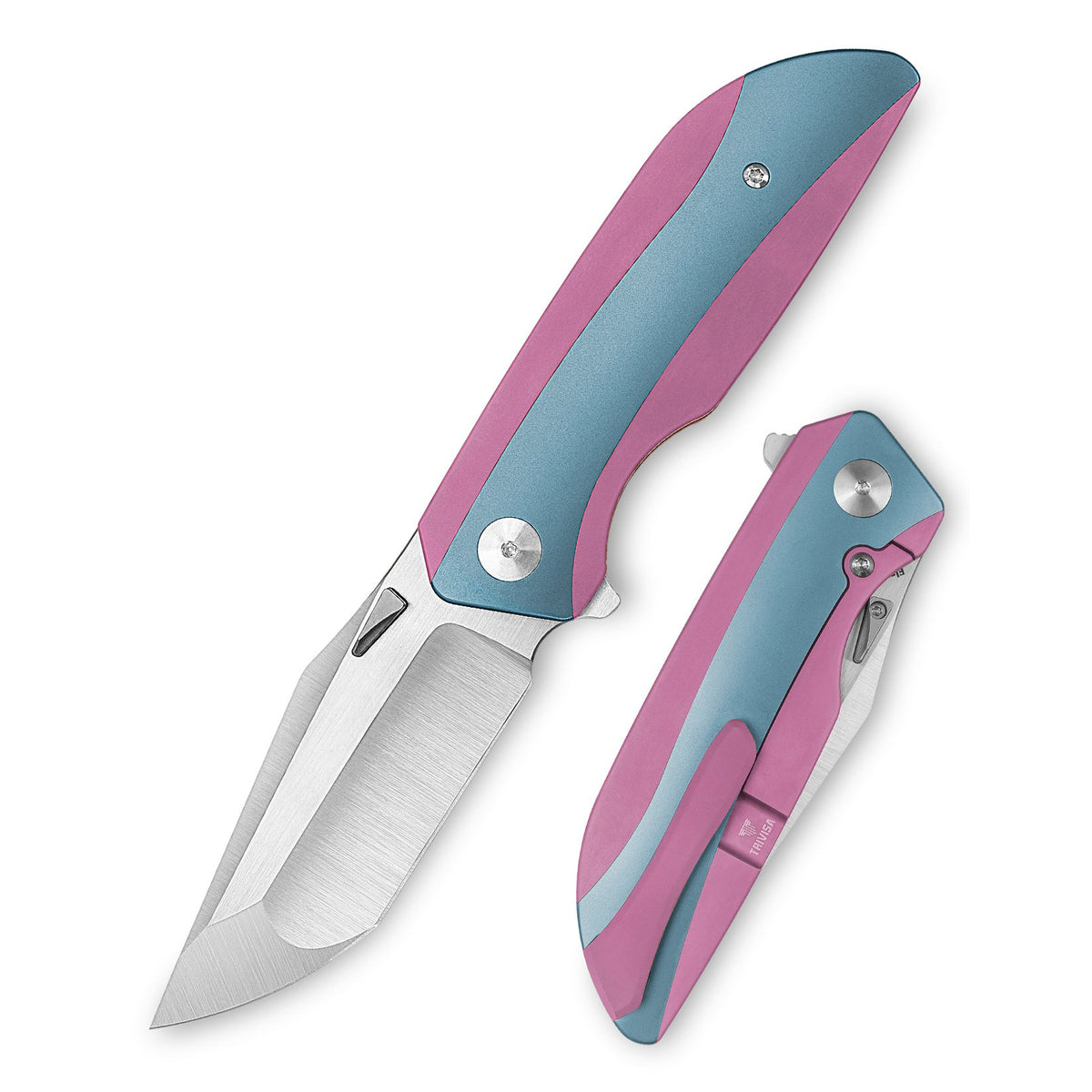
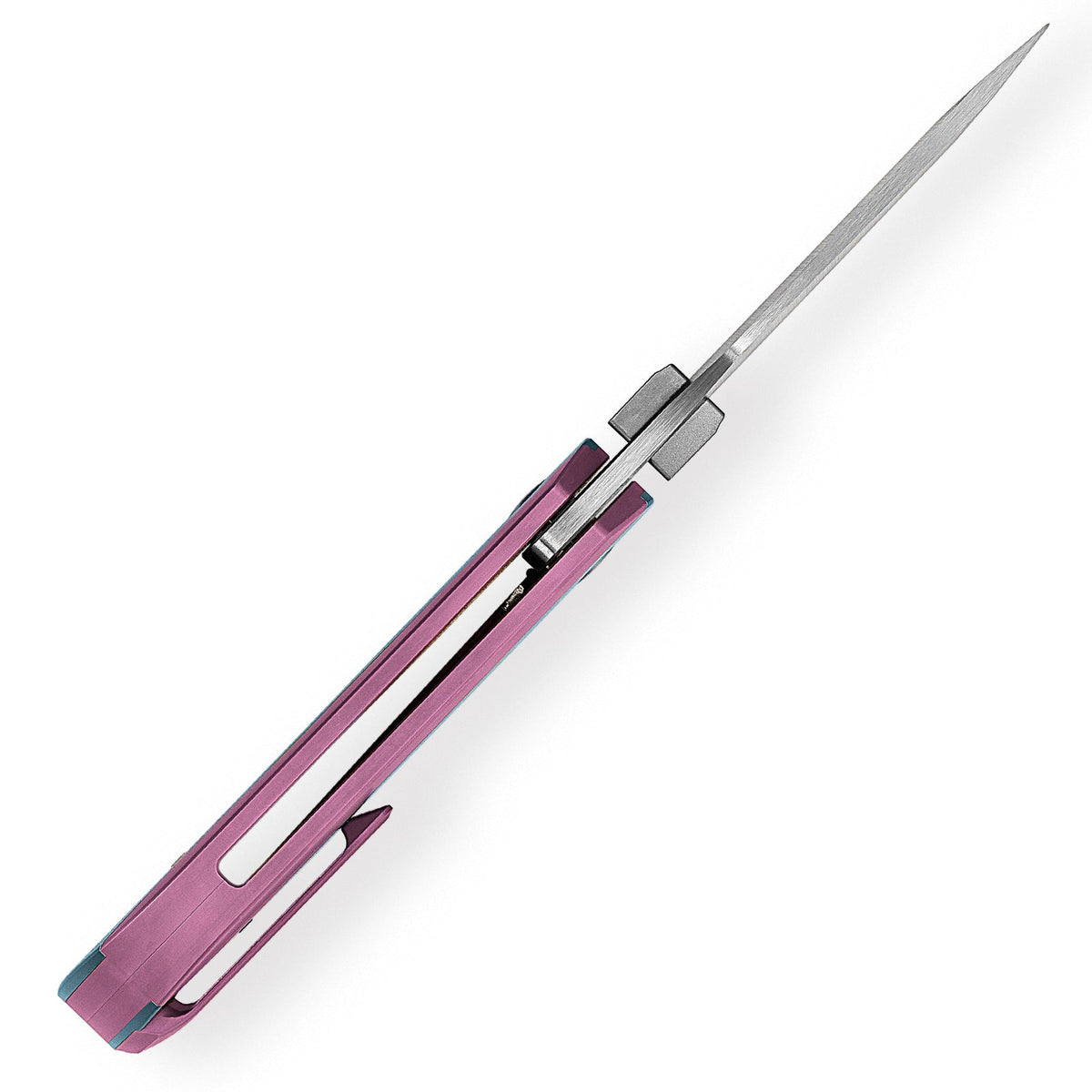
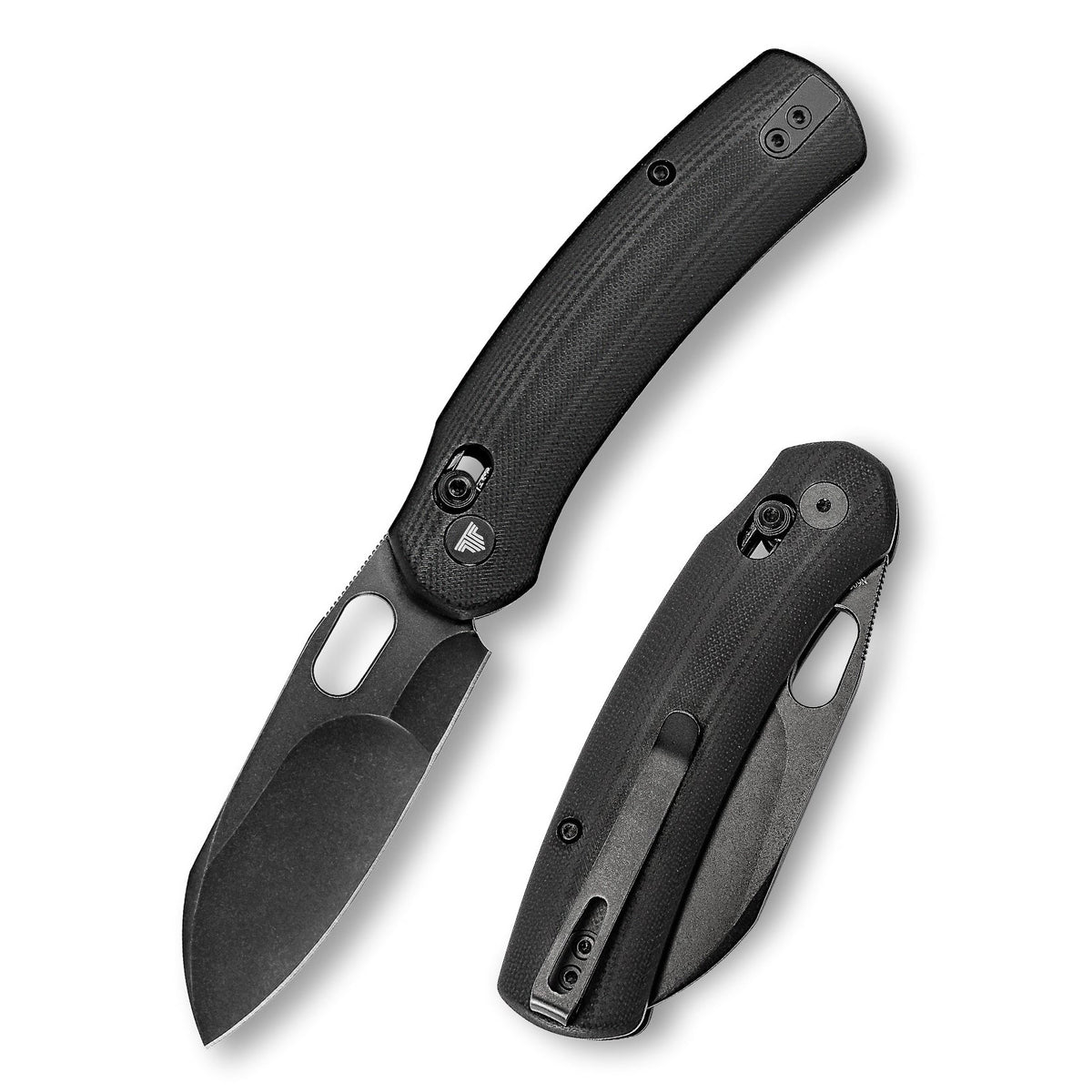
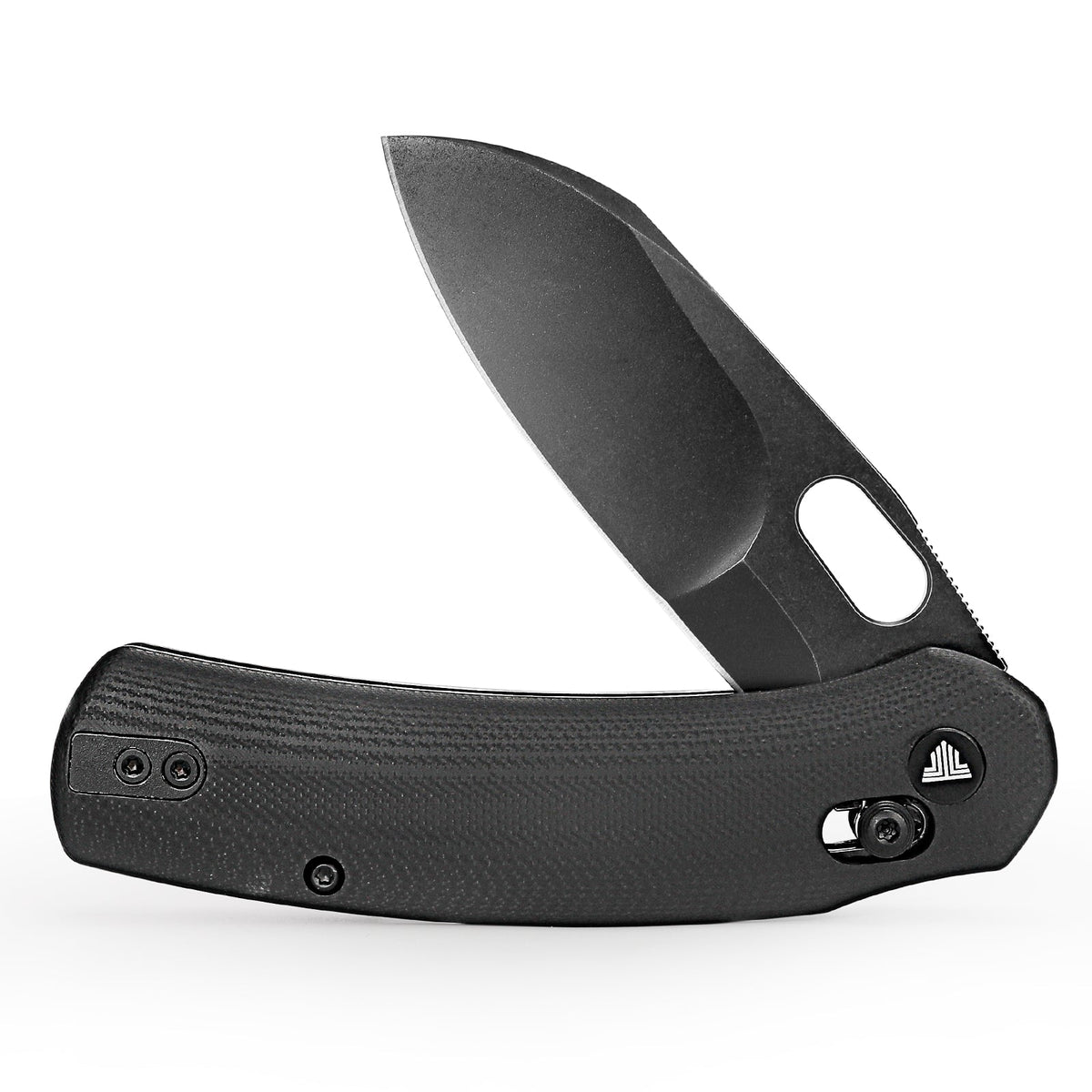
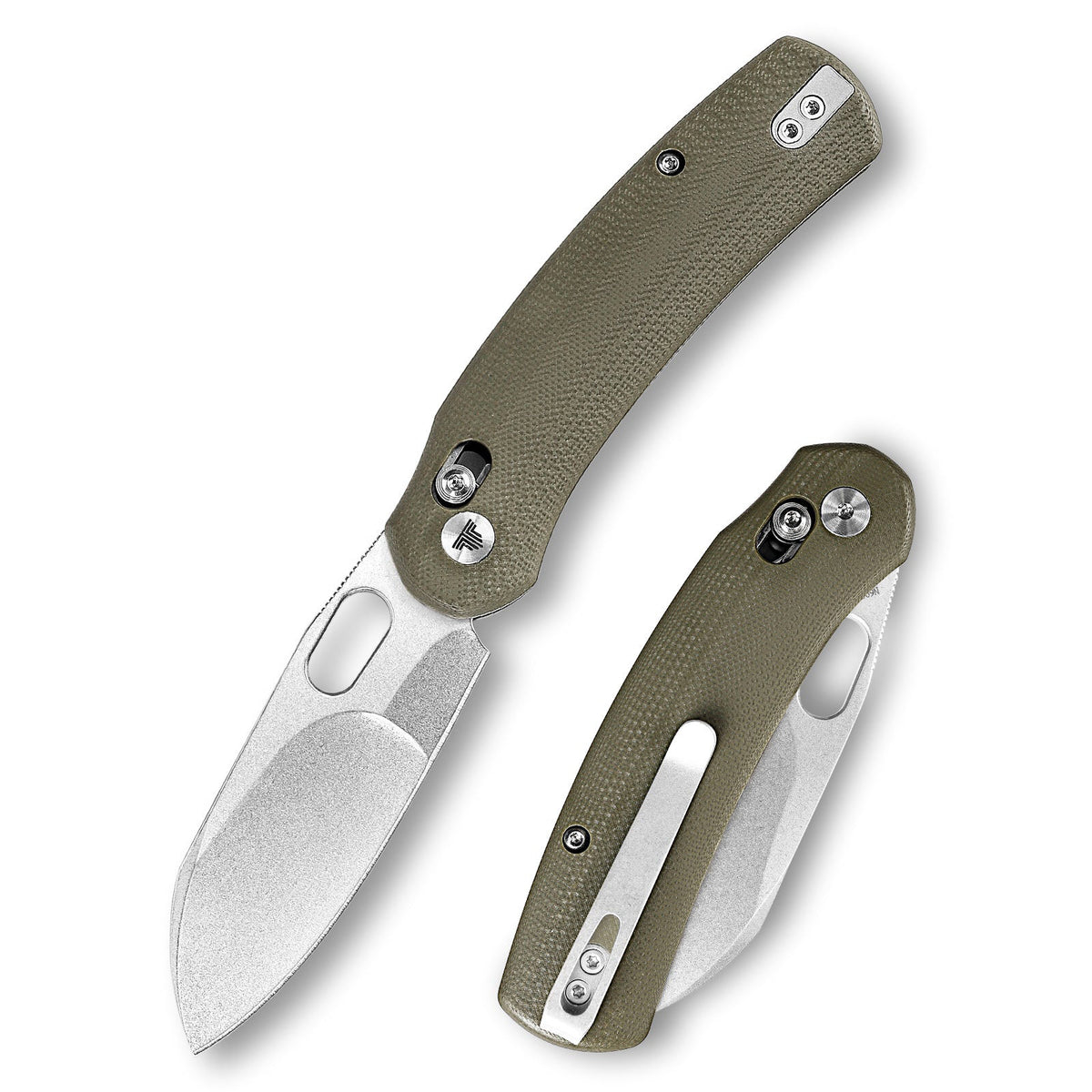
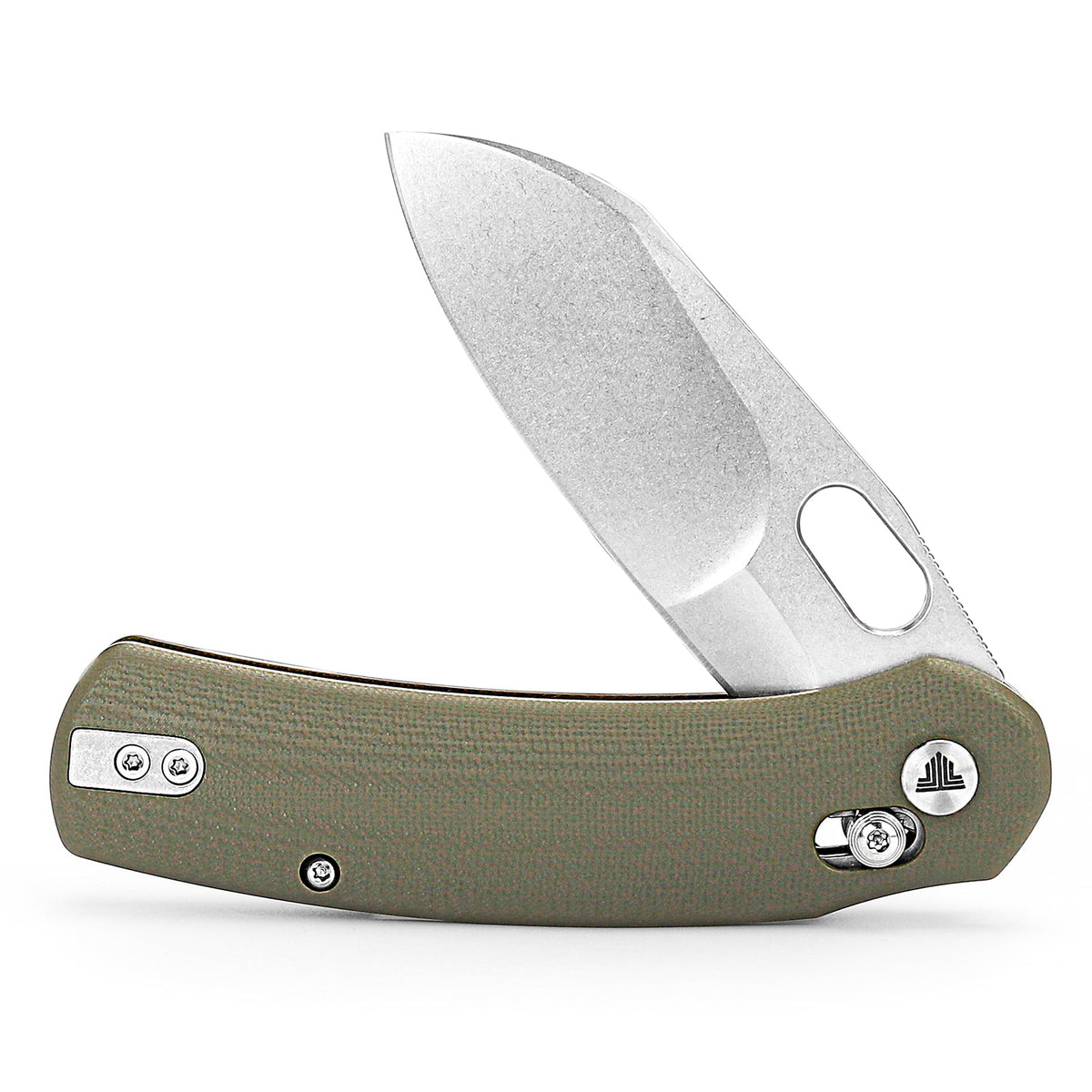
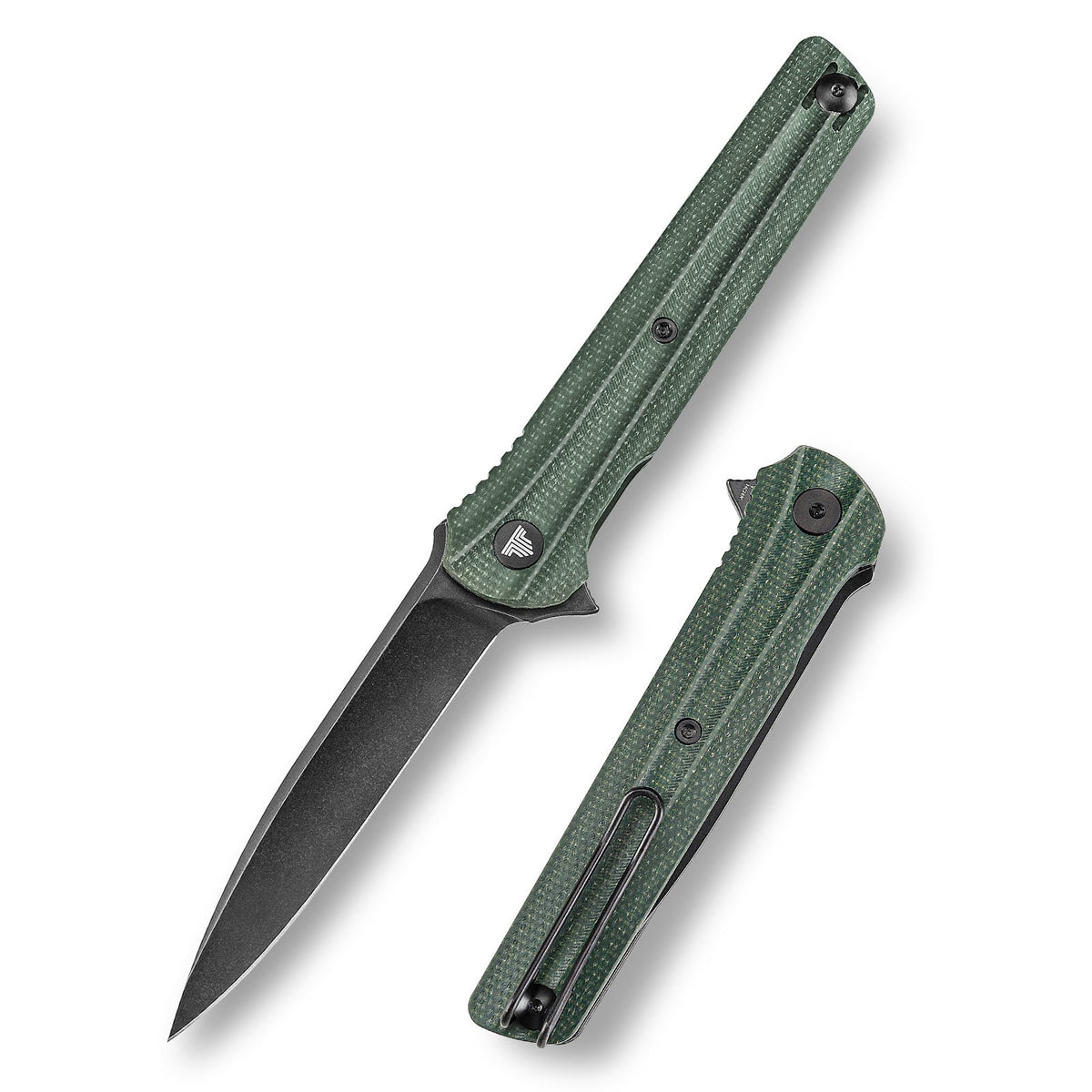
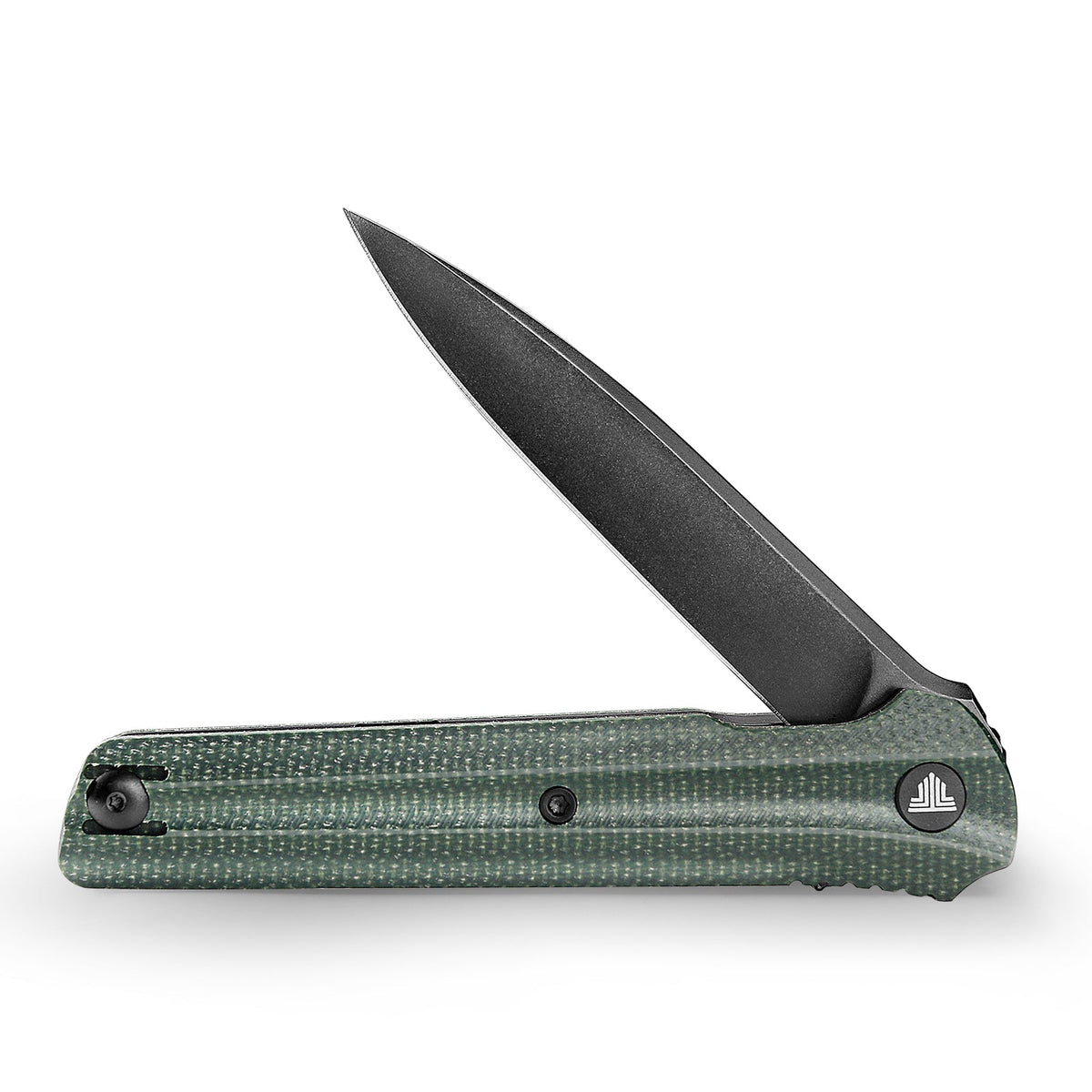
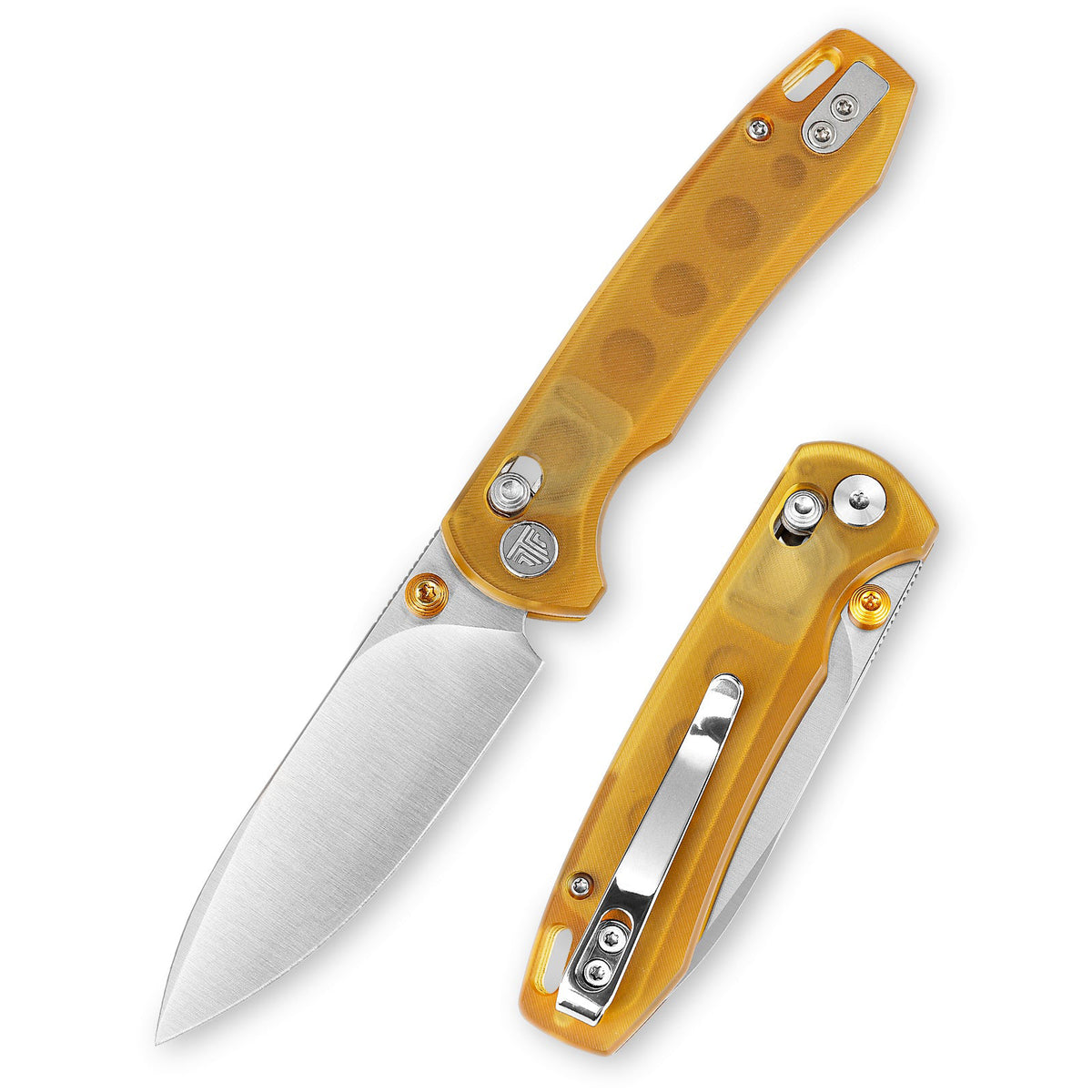
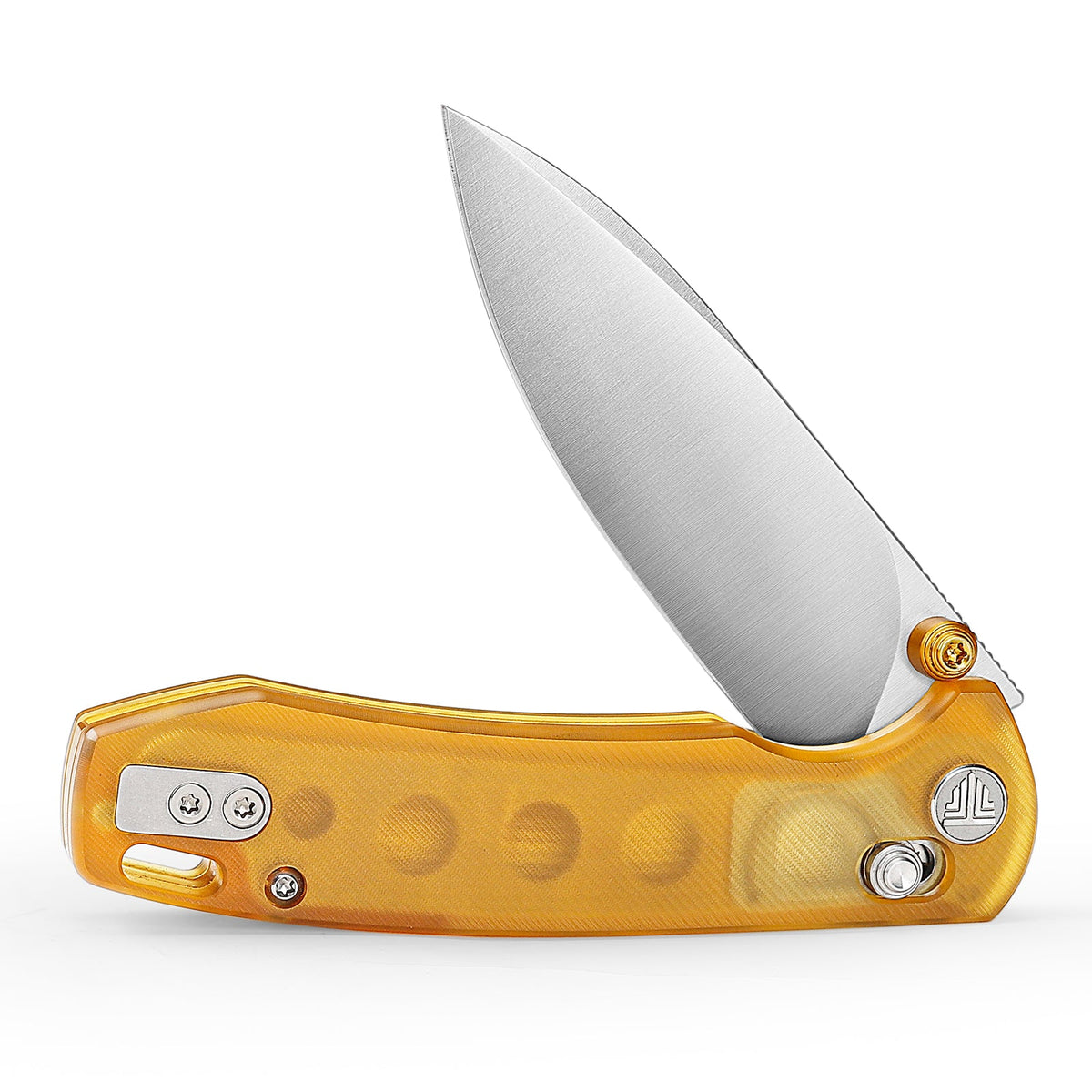
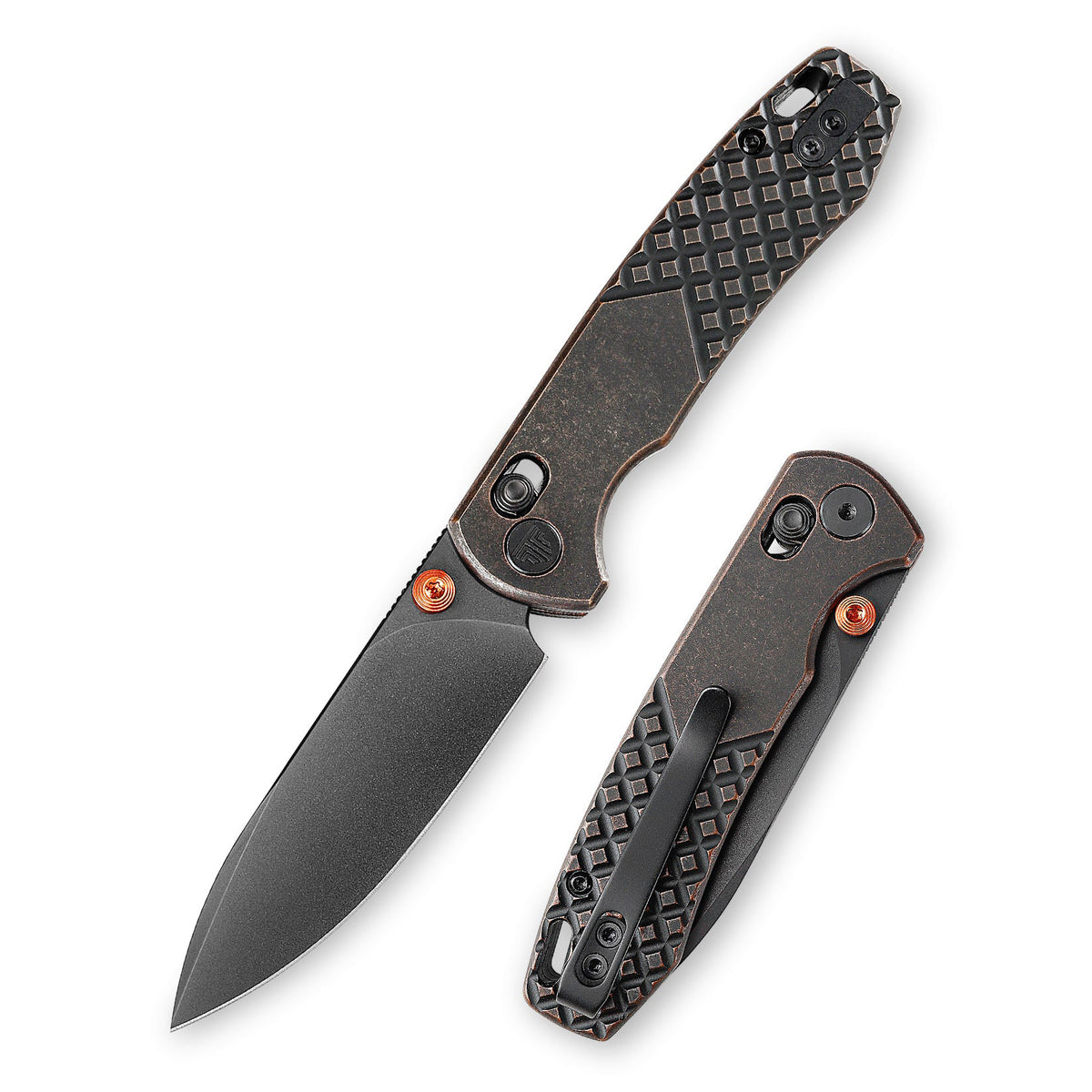
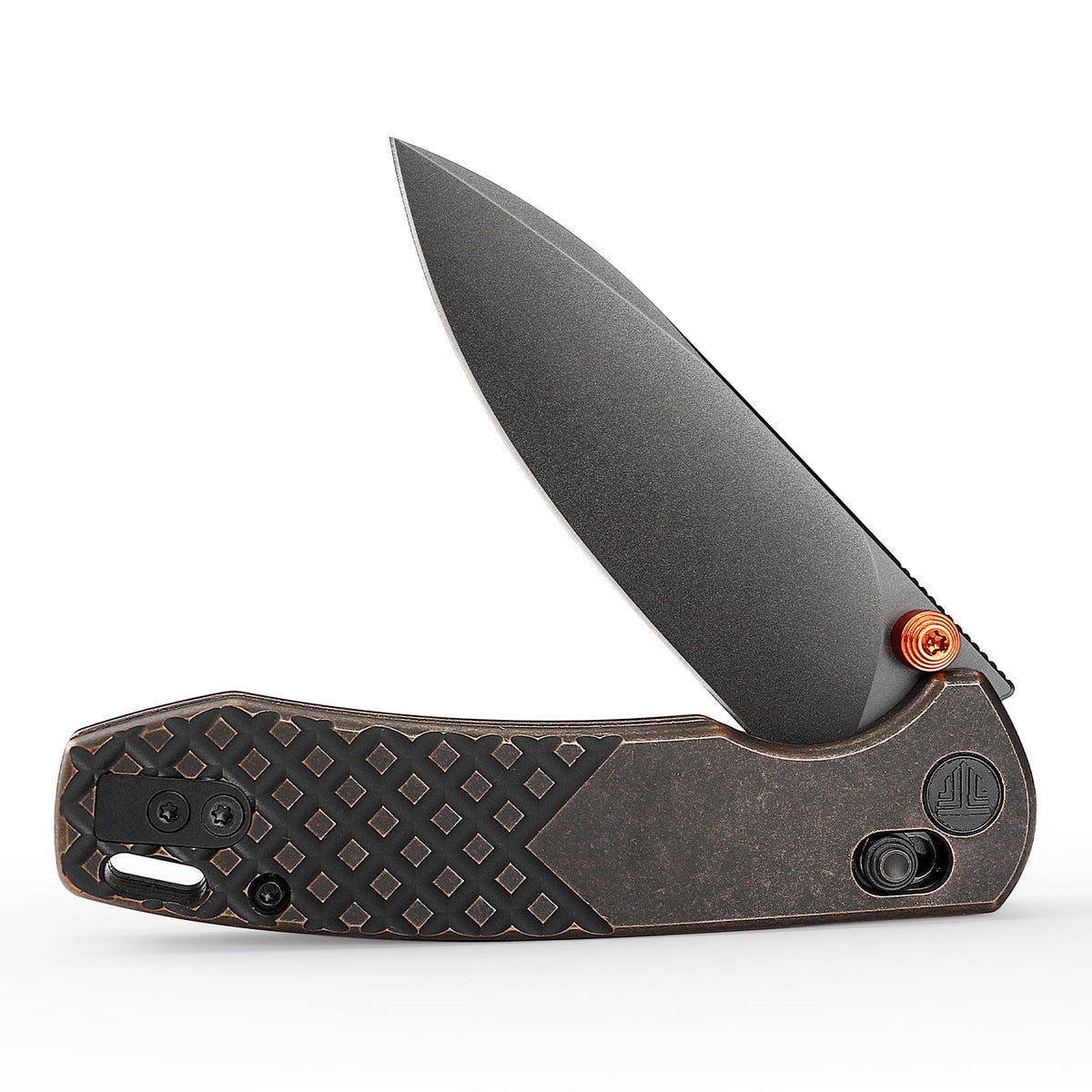
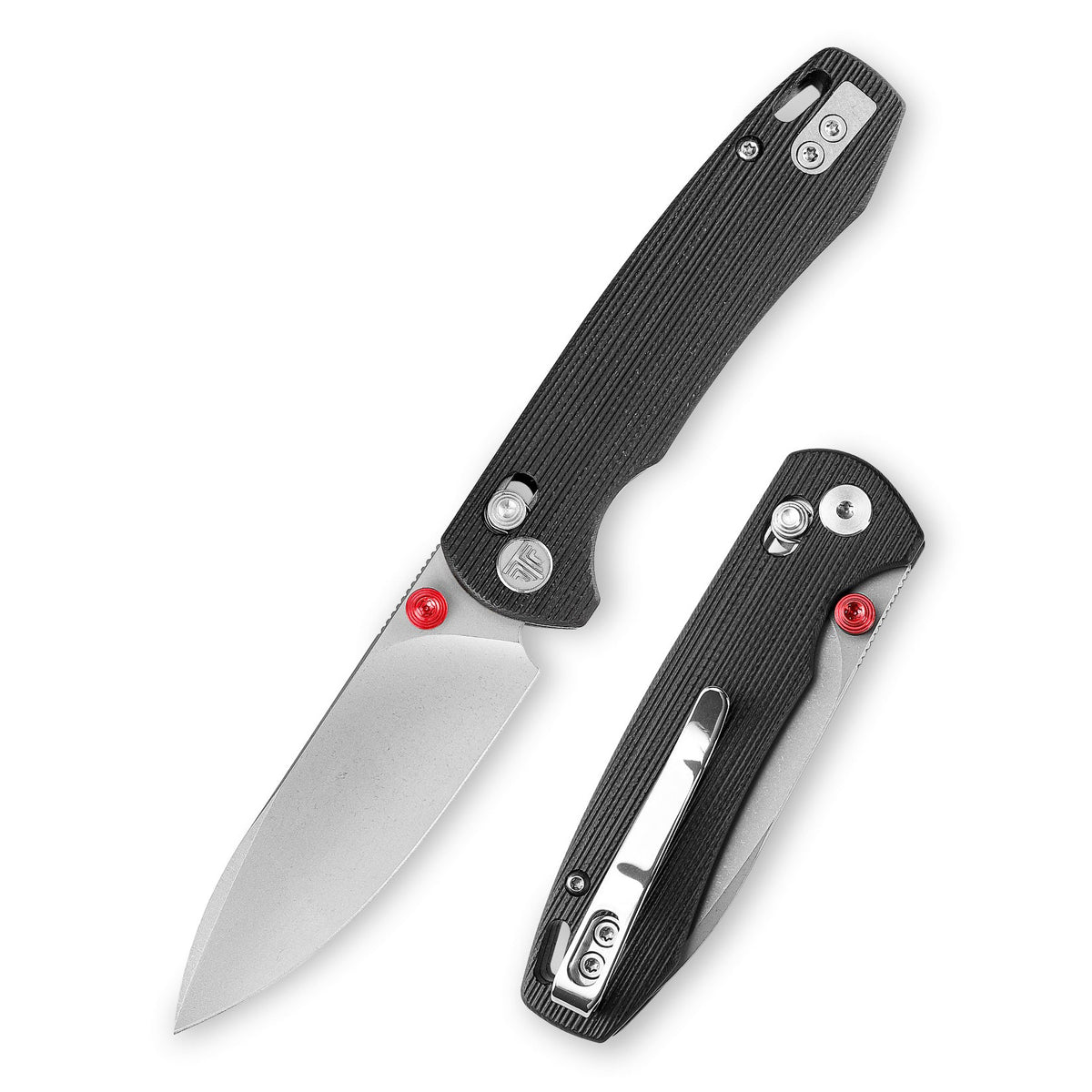
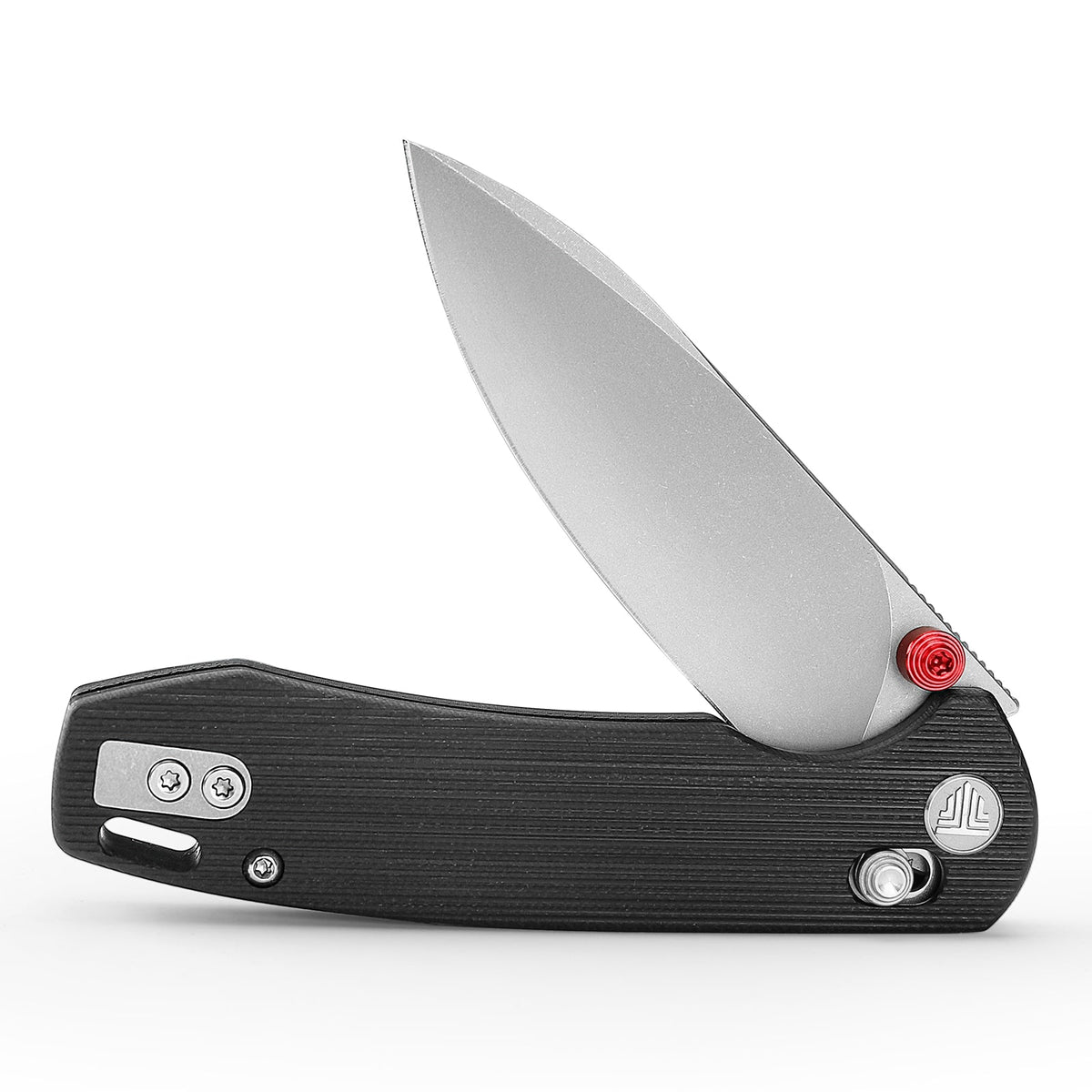
The same JM03 silhouette, two steel tiers: the standard Dragonfly runs a 2.99-inch 14C28N blade with a crossbar lock at 2.17 ounces; the Dragonfly Ultra upgrades to M390, an axis lock, titanium scales, and 3.04 ounces. If you have ever agonized over steel choice in a compact folding knives, this pair is the cleanest A/B test on our shelves - same geometry, radically different materials budgets.

Build Quality & Materials
14C28N at 60±1 HRC is the pragmatic champion: corrosion resistance that tolerates any weather, sharpening that takes five minutes on a basic stone, and a working edge that handles most daily cutting. M390 at 60±2 HRC holds an edge roughly twice as long and takes a keener finish, but demands better stones and more patience. Neither is wrong; they serve different relationships with maintenance.
Design & Ergonomics
The lock difference matters as much as the steel. The standard Dragonfly's crossbar lock is ambidextrous and fuss-free; the Ultra's axis lock adds flick-opening speed and a slightly different feel. Titanium scales versus Micarta or CF-G10 changes weight distribution and hand temperature - the Ultra feels denser and colder, the standard versions warmer and lighter.

Performance & Real-World Use
For a knife that cuts boxes and fruit daily and gets stropped weekly, the 14C28N versions deliver everything most users notice. For owners who hate sharpening and go months between sessions, M390's endurance is the decisive feature. Blade geometry is identical, so cutting feel differs only at the edge-retention horizon.
Carry & Ownership Notes
As Trivisa knives pairings go, this one answers the steel question better than any article can: carry both for a week. The standard trims live in our folding knives selection starting well under the Ultra's tier, and the crossbar action on the GM and CG is the friendliest lock in the family. Buy the steel you will maintain, not the steel you admire in reviews. The price-to-performance math deserves a worked example, because it clarifies the steel decision better than adjectives: the standard Dragonfly costs roughly a third of the Ultra tier, and for the ten most common daily cutting tasks - packages, fruit, twine, envelopes - both blades deliver indistinguishable results in the first two weeks after sharpening. The difference arrives at week five or six, when the 14C28N edge wants a touch-up and the M390 does not. Multiply that gap across a year of ownership and the M390's case becomes clear for high-volume users, while light users never reach the point where the premium pays off. Handle material follows the same logic: Micarta and G10 on the standard trims absorb abuse cheerfully, while the Ultra's titanium demands nothing but rewards care with a permanent finish. Match the materials contract to your actual usage, not your aspirations.
Who Is This For?
Budget-conscious daily carriers for the standard; sharpening-averse or performance-obsessed buyers for the Ultra. Buyers upgrading from budget folders should start with the standard Dragonfly rather than the Ultra - the crossbar platform teaches good habits at a price where learning mistakes cost nothing, and the steel upgrade can come later once you know your own sharpening rhythm.
Final Verdict
Same shape, two contracts: easy maintenance or long endurance. Pick your contract and stop reading steel arguments.