

Overview & First Impressions
Utility work punishes anything that needs two hands. You are strapped into a bucket at forty feet, wearing rubber gloves rated for thousands of volts, and every tool has to be reachable, operable and recoverable without looking down. That constraint rewrites the standard carry list. A right-angle light that clips to a chest strap and a blade you can open with one motion matter far more than output numbers, and a dropped item is not an inconvenience, it is a hazard to the crew below.
Materials & Construction
The Nextorch P10 is built for exactly this environment. It pushes 1400 lumens out to about 200 metres, runs from USB-C, and carries separate switches for white, red and blue output. Red preserves night vision while you write a tag number; blue reads a faded serial plate in the dark. Because Nextorch flashlights are designed around duty use, the body tolerates knocks that would kill a consumer light on the first drop.

Design & Details
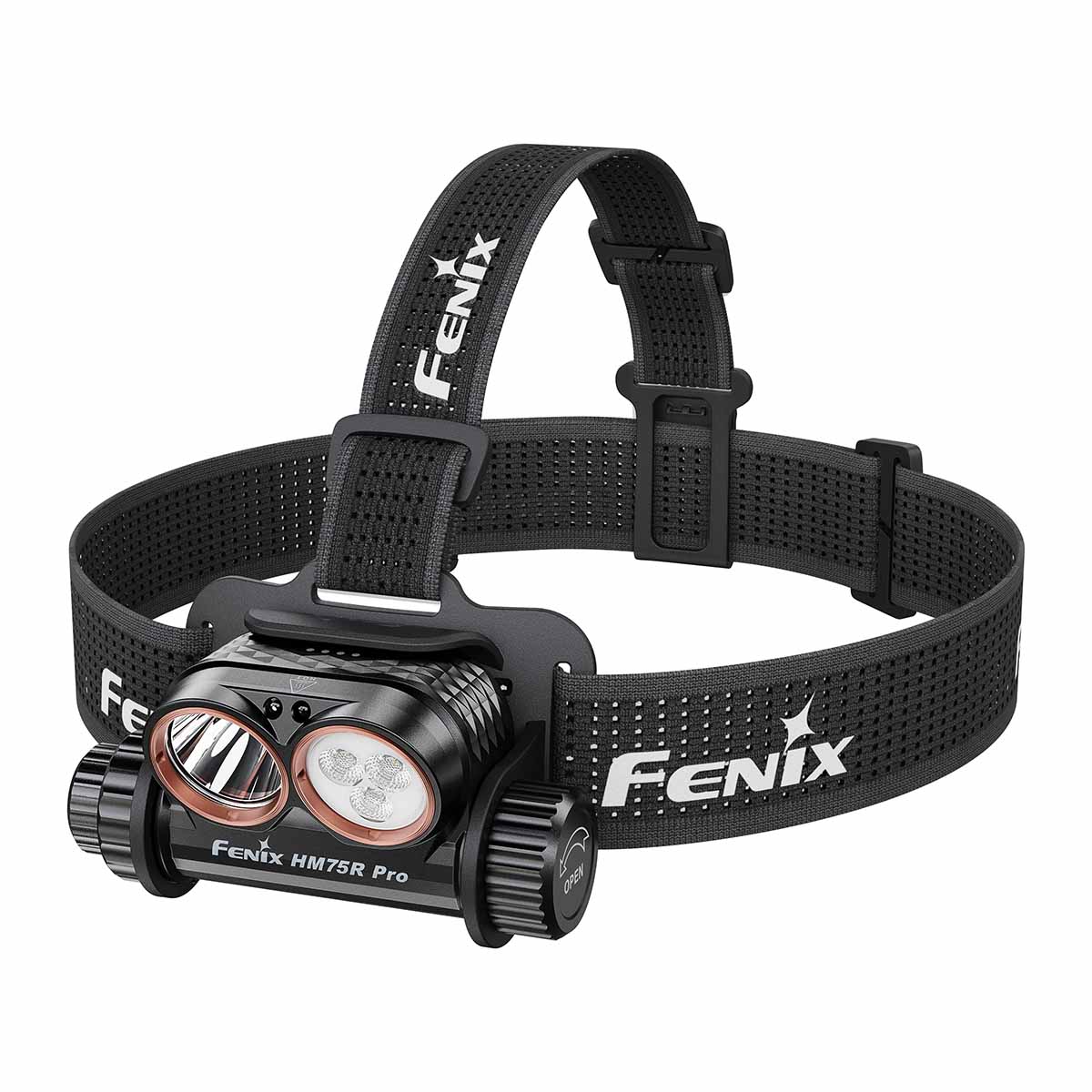
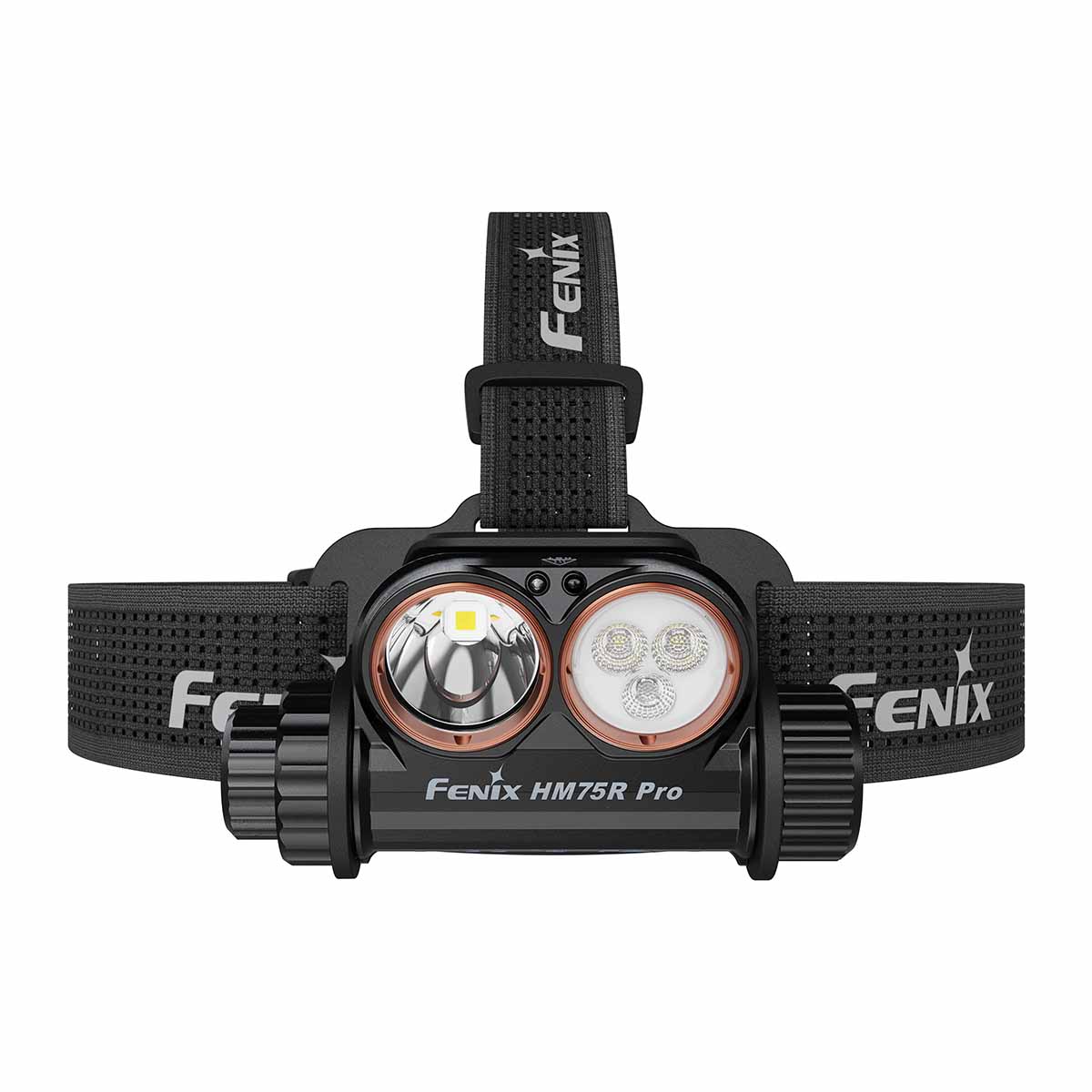
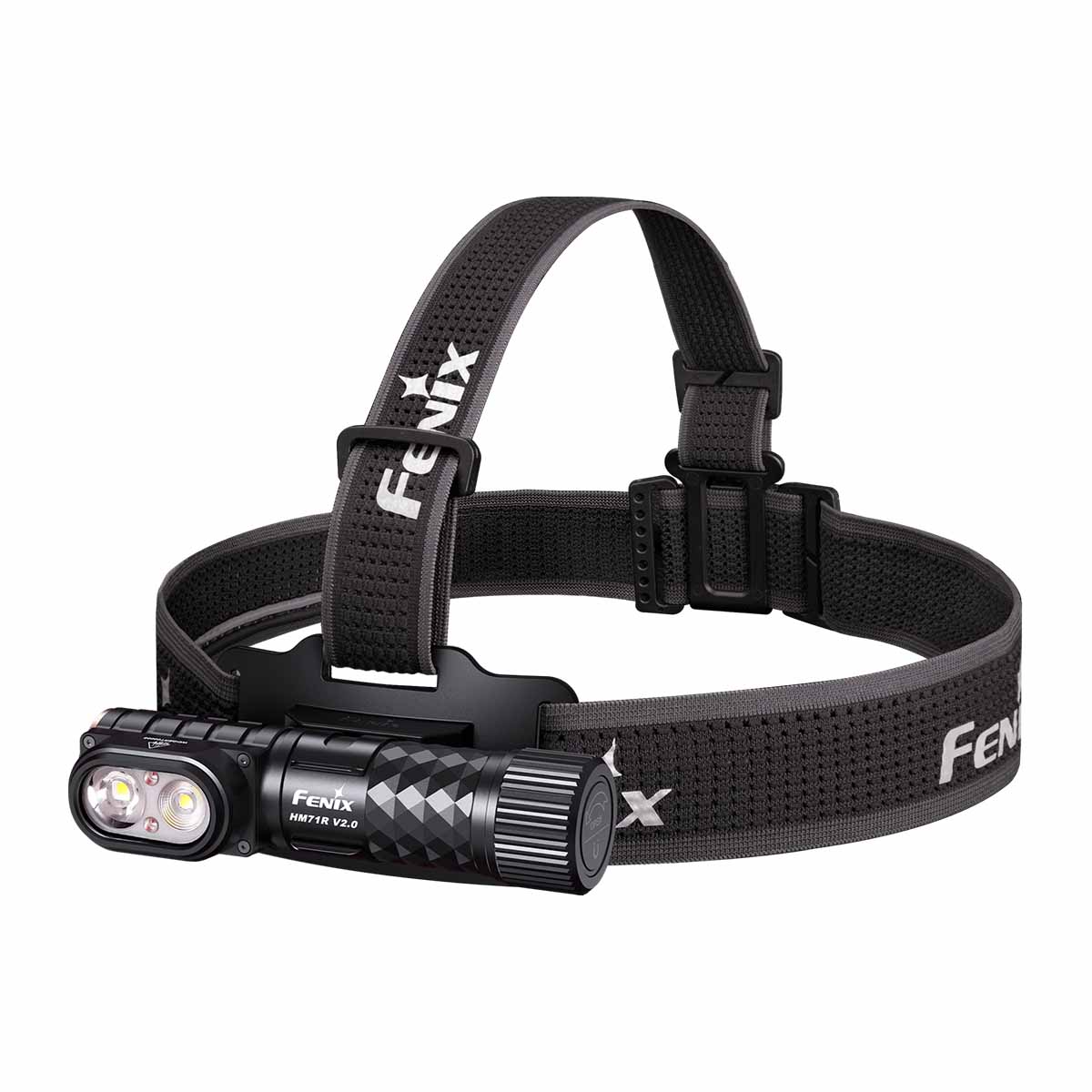
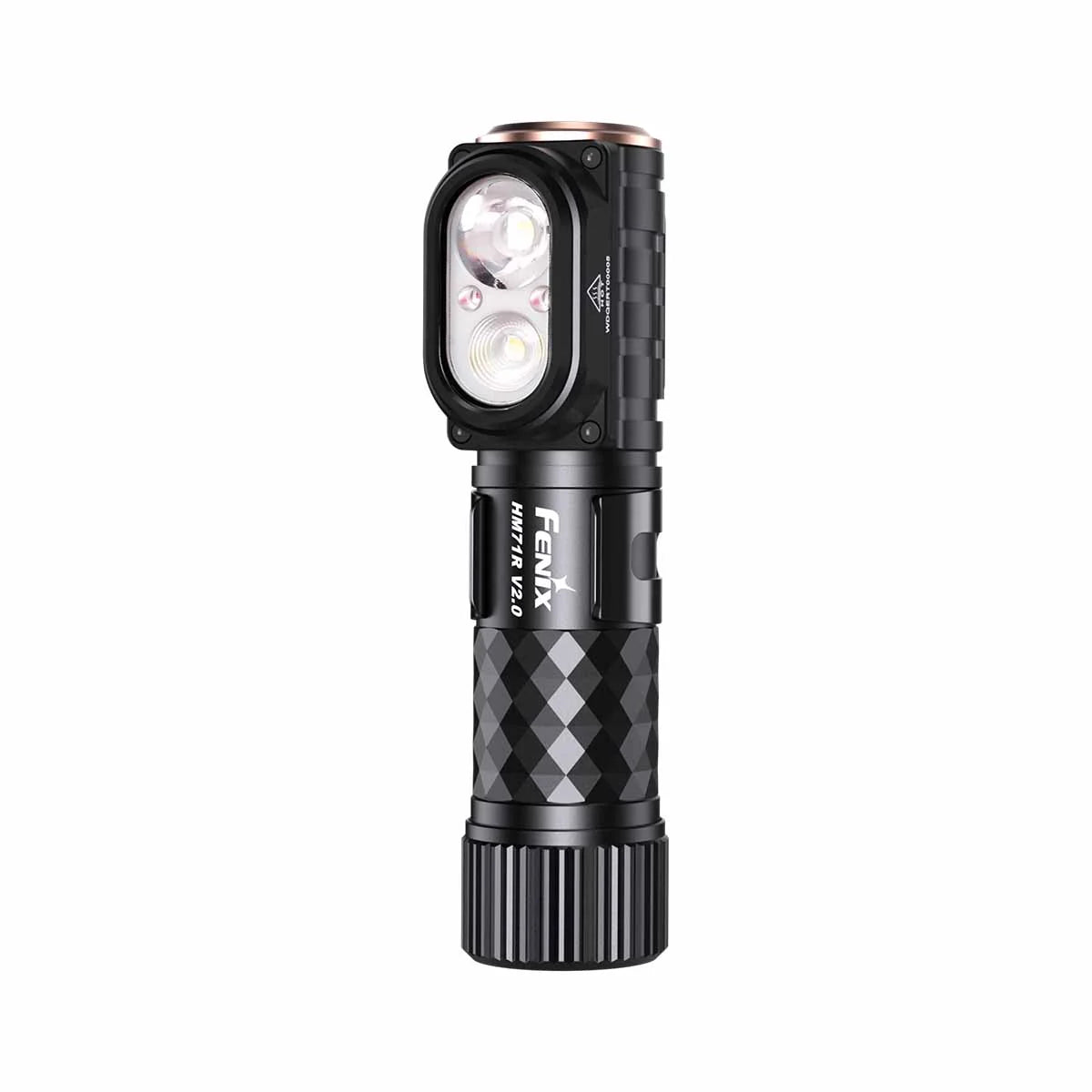
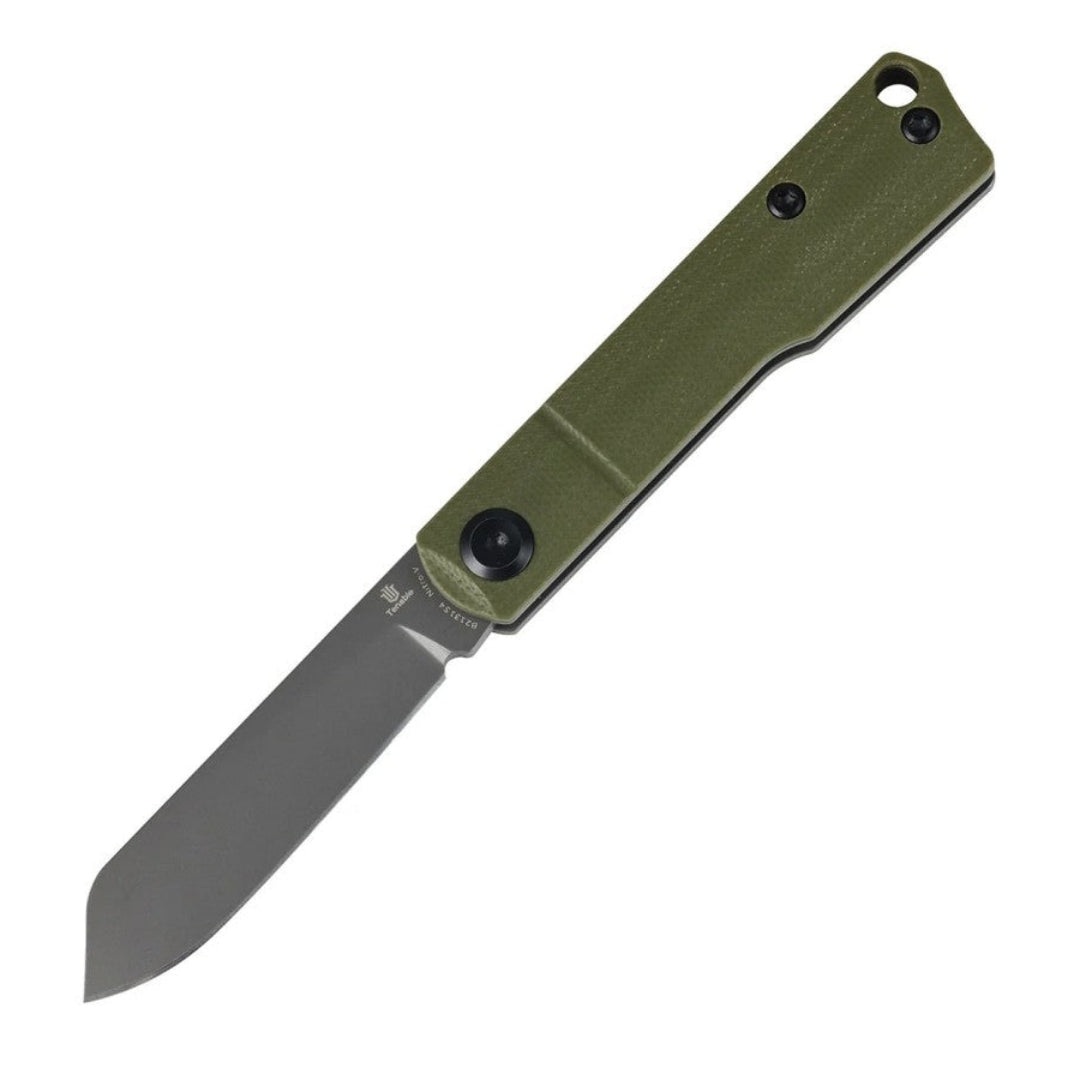
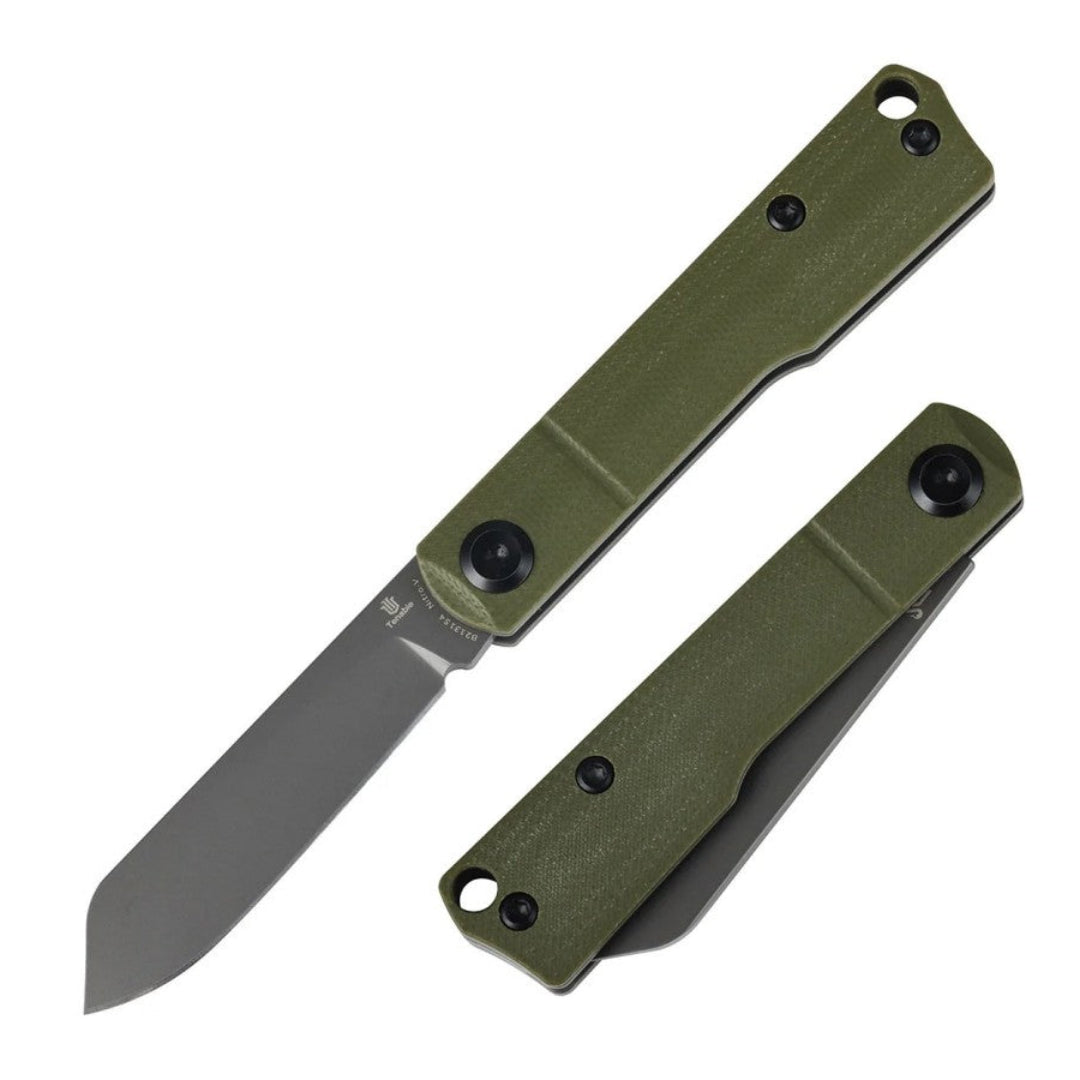
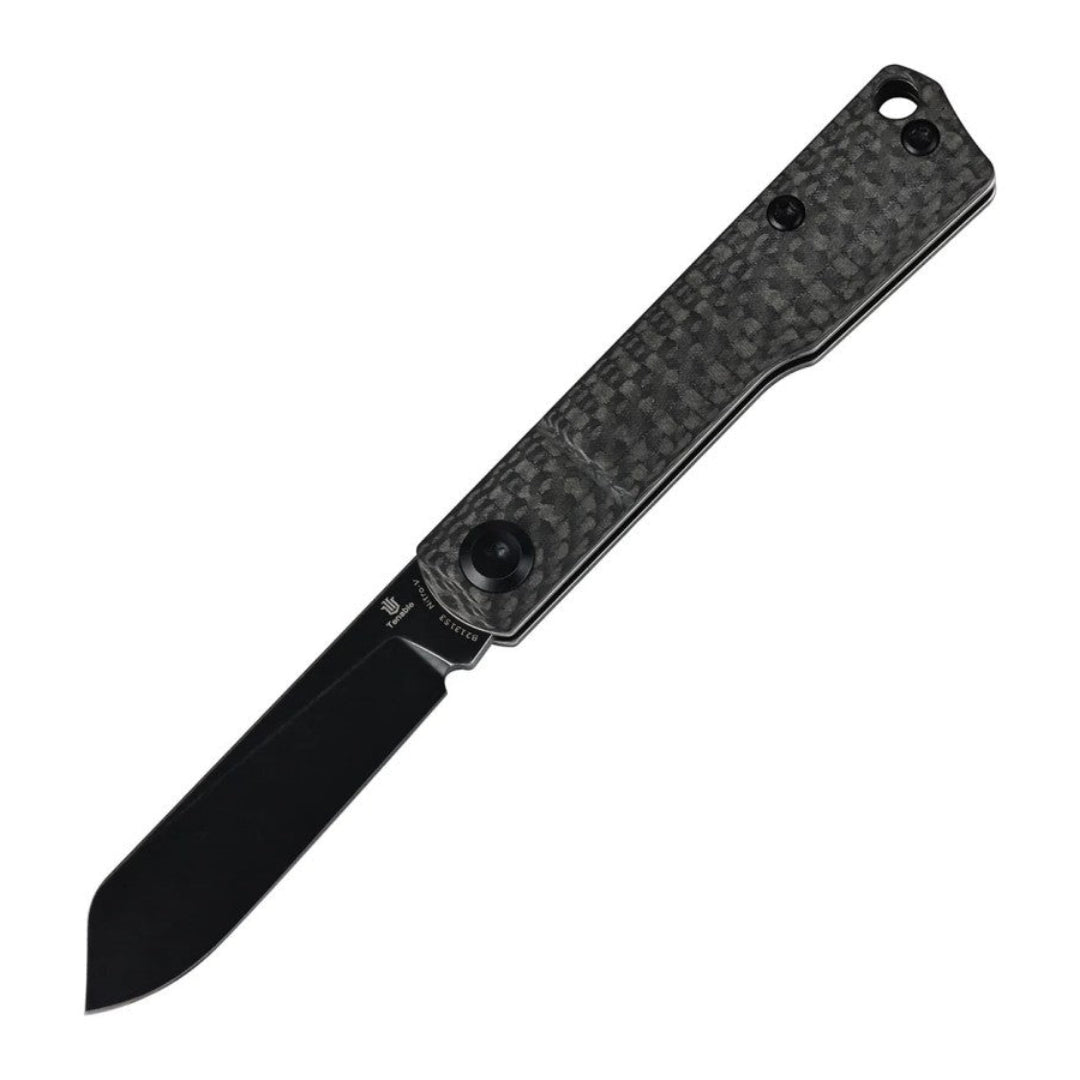
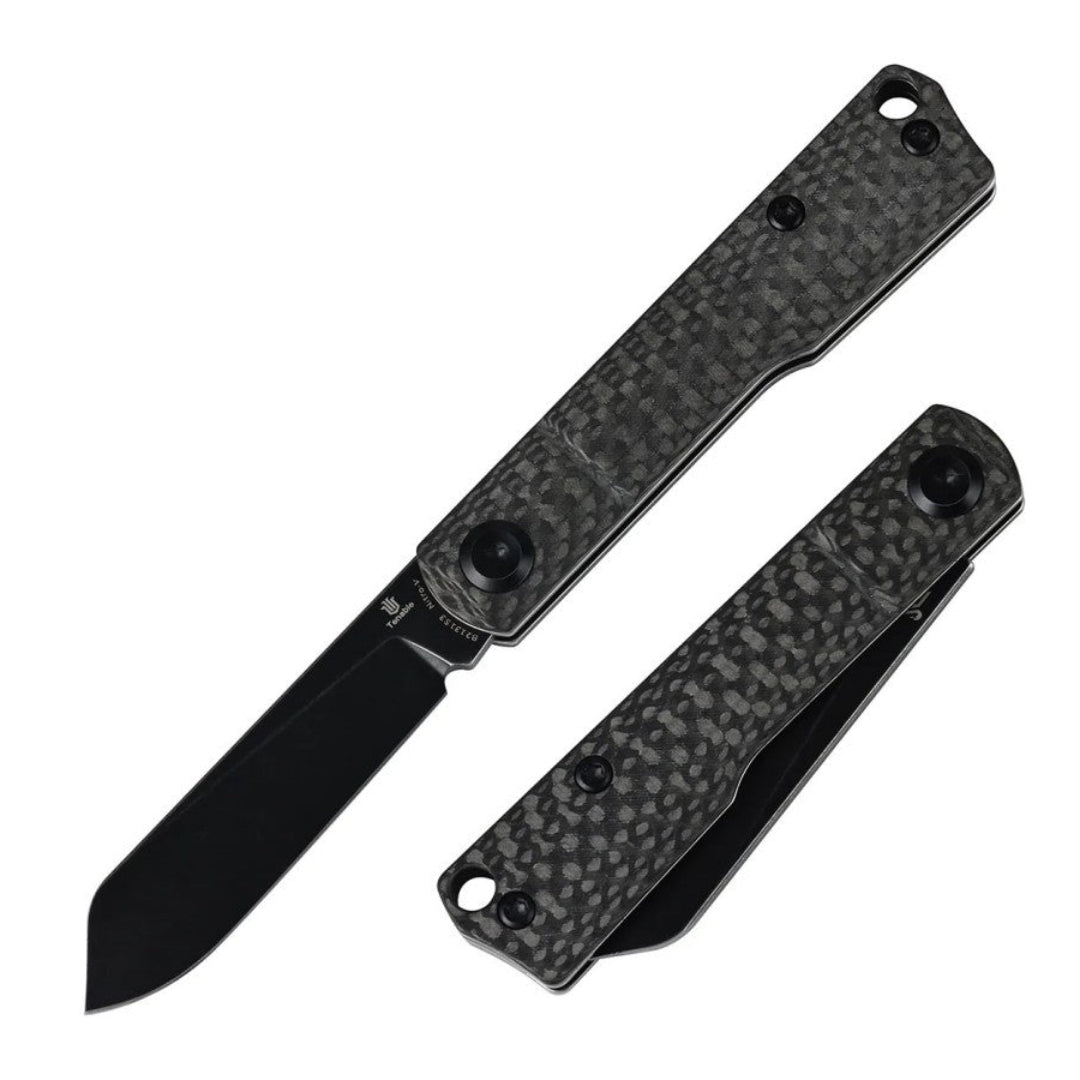
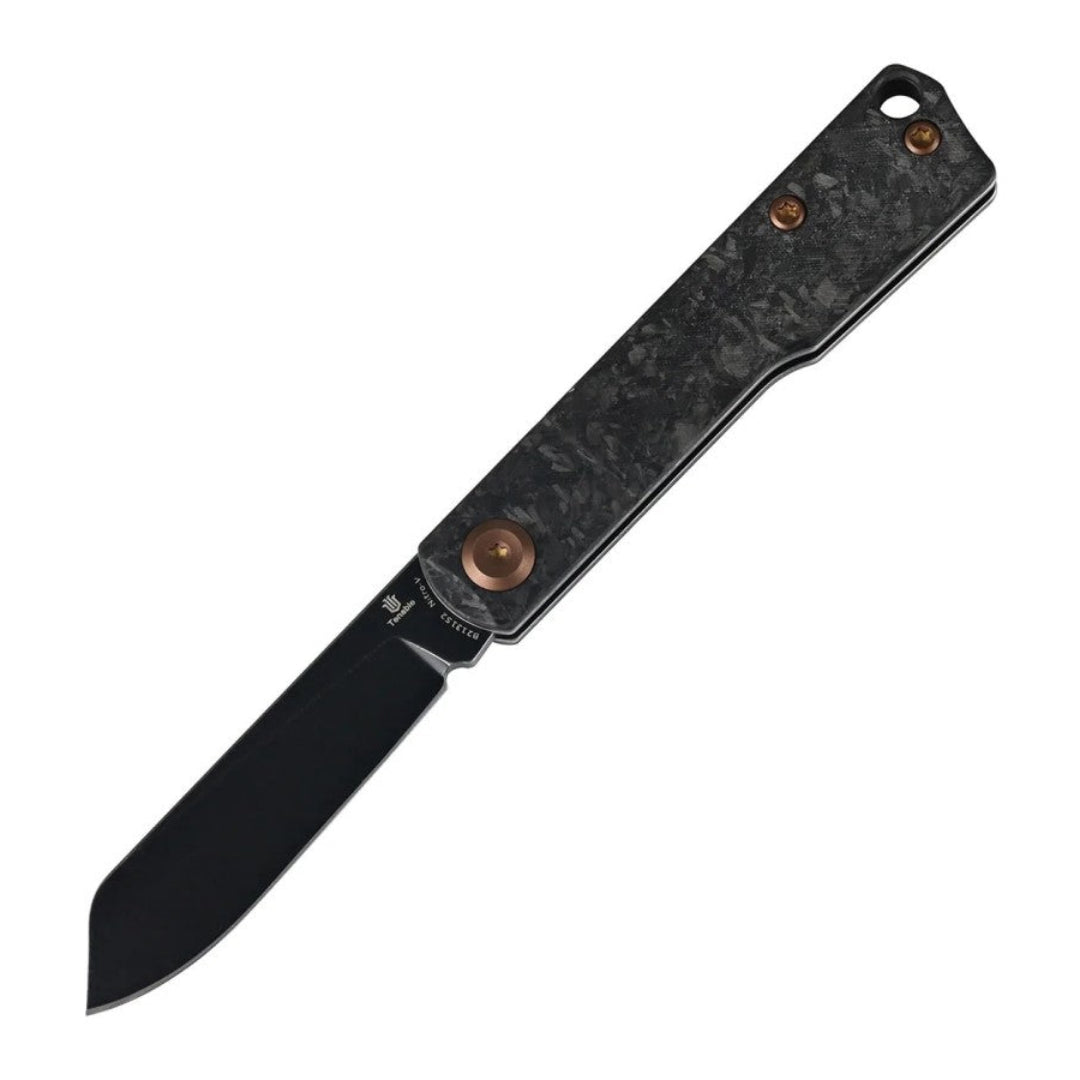
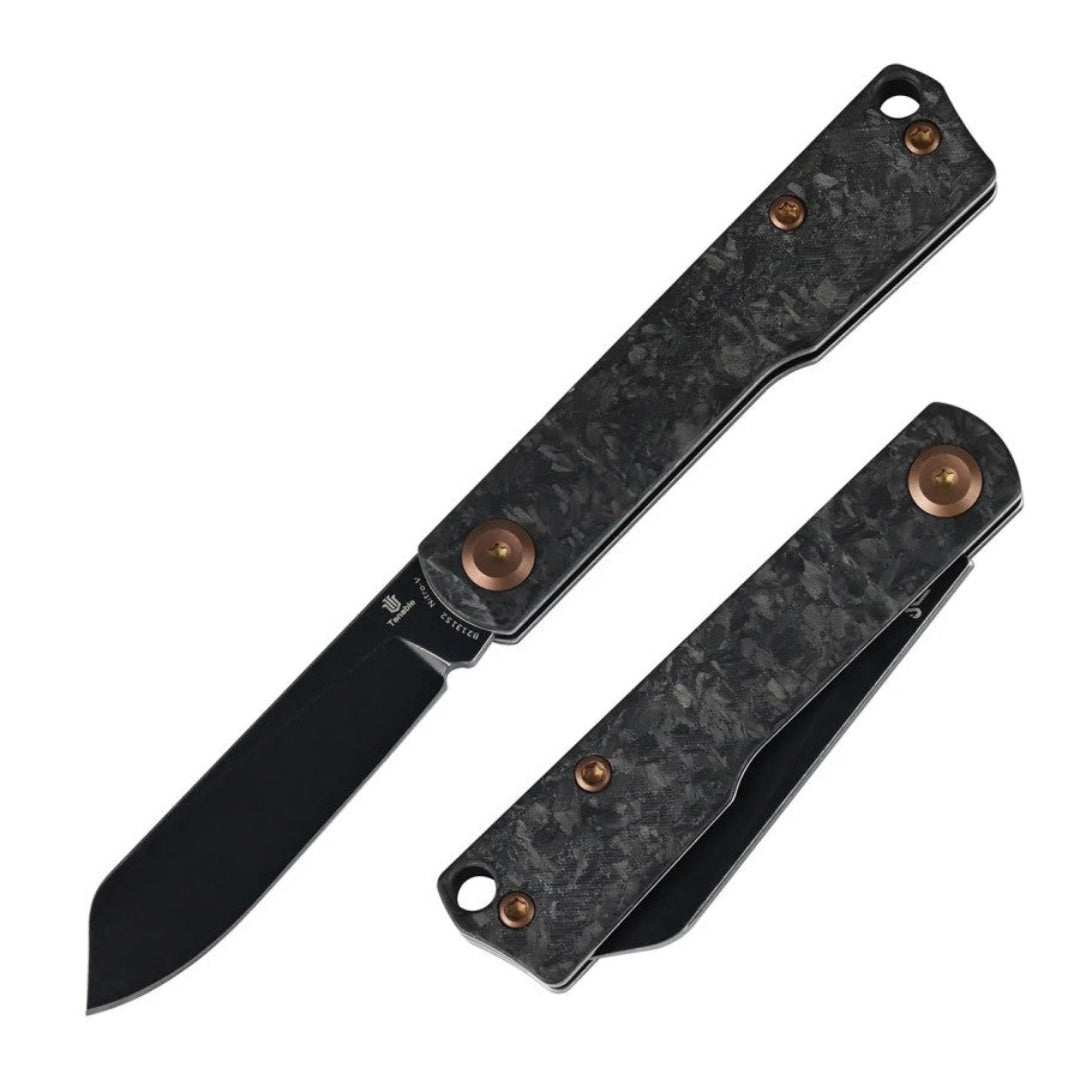
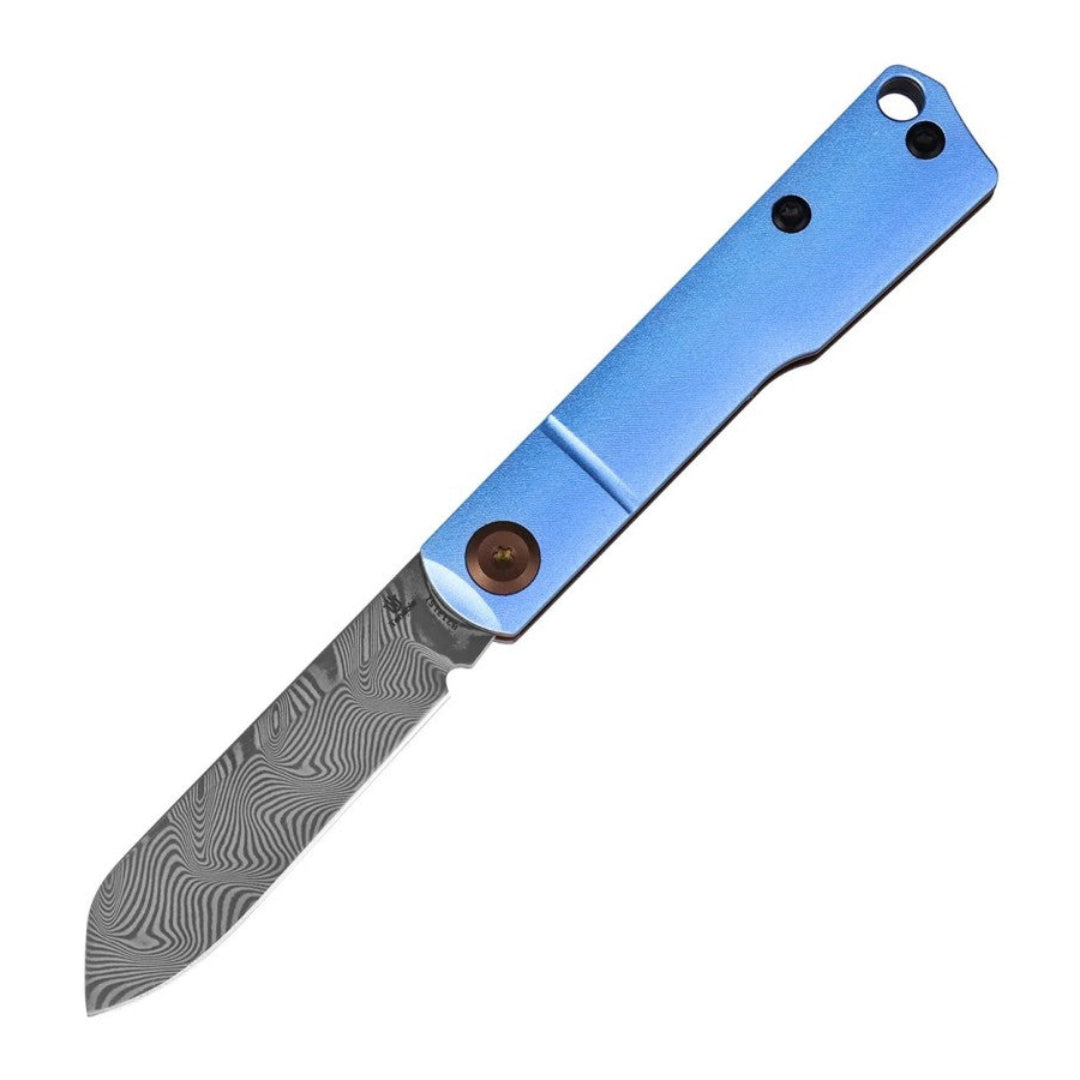
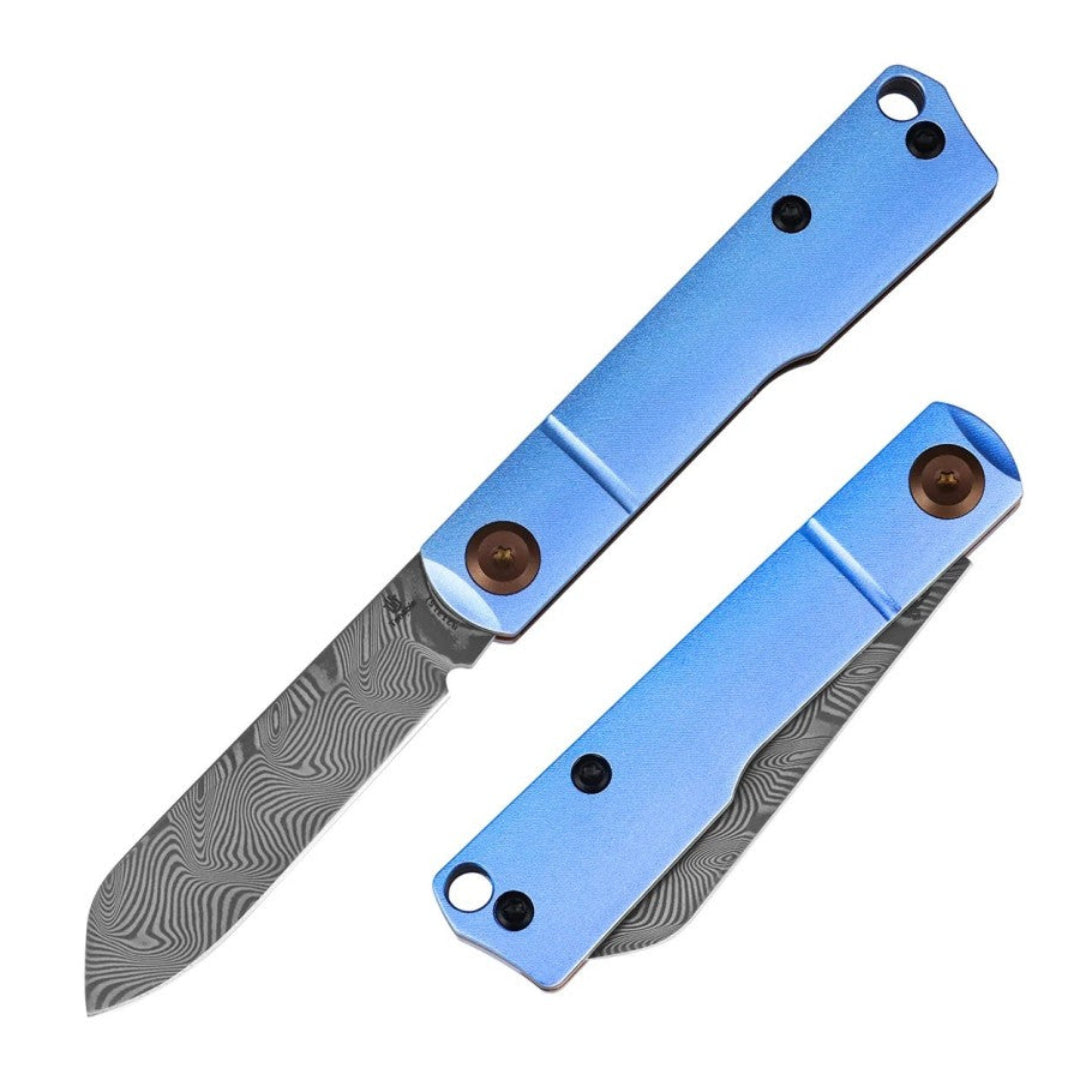
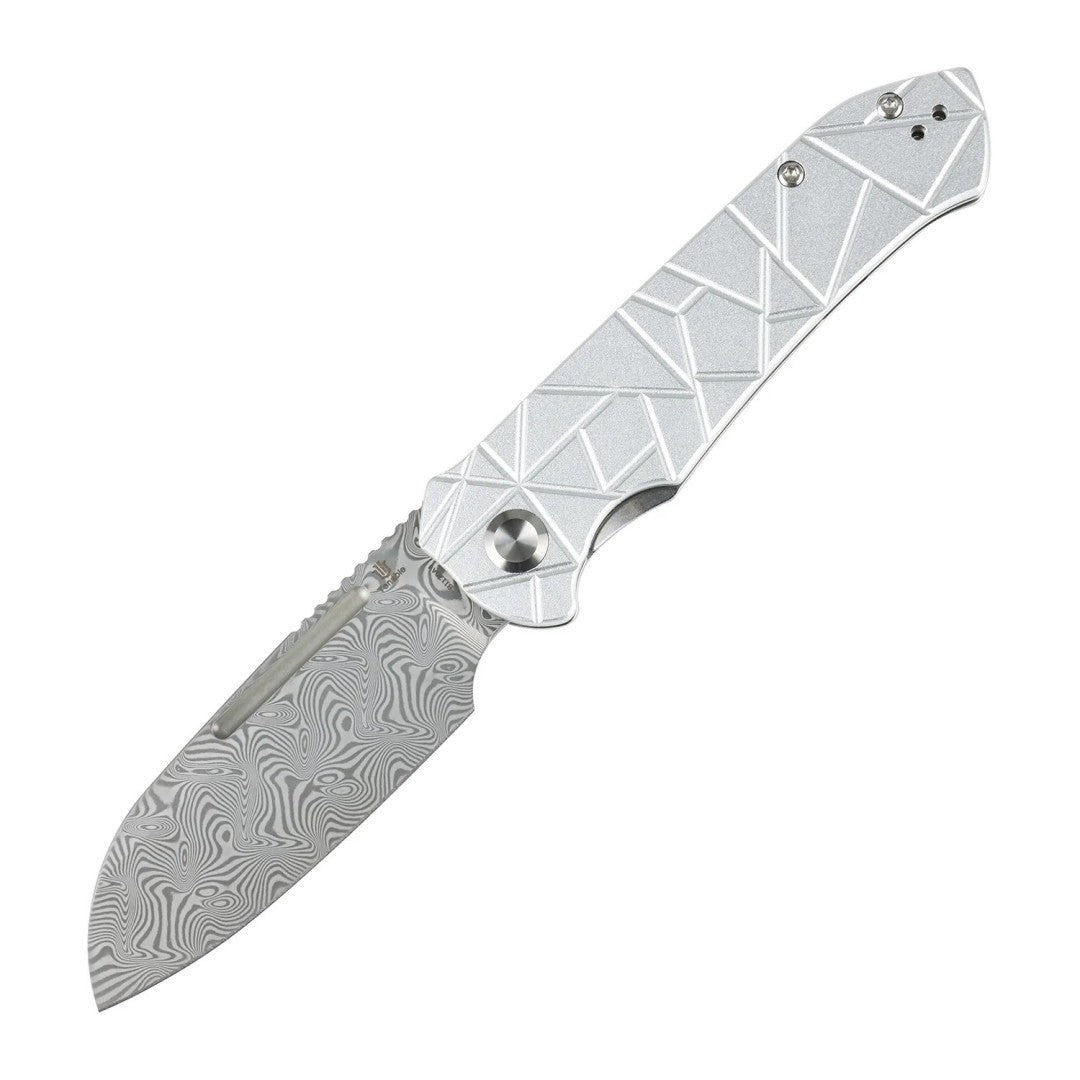
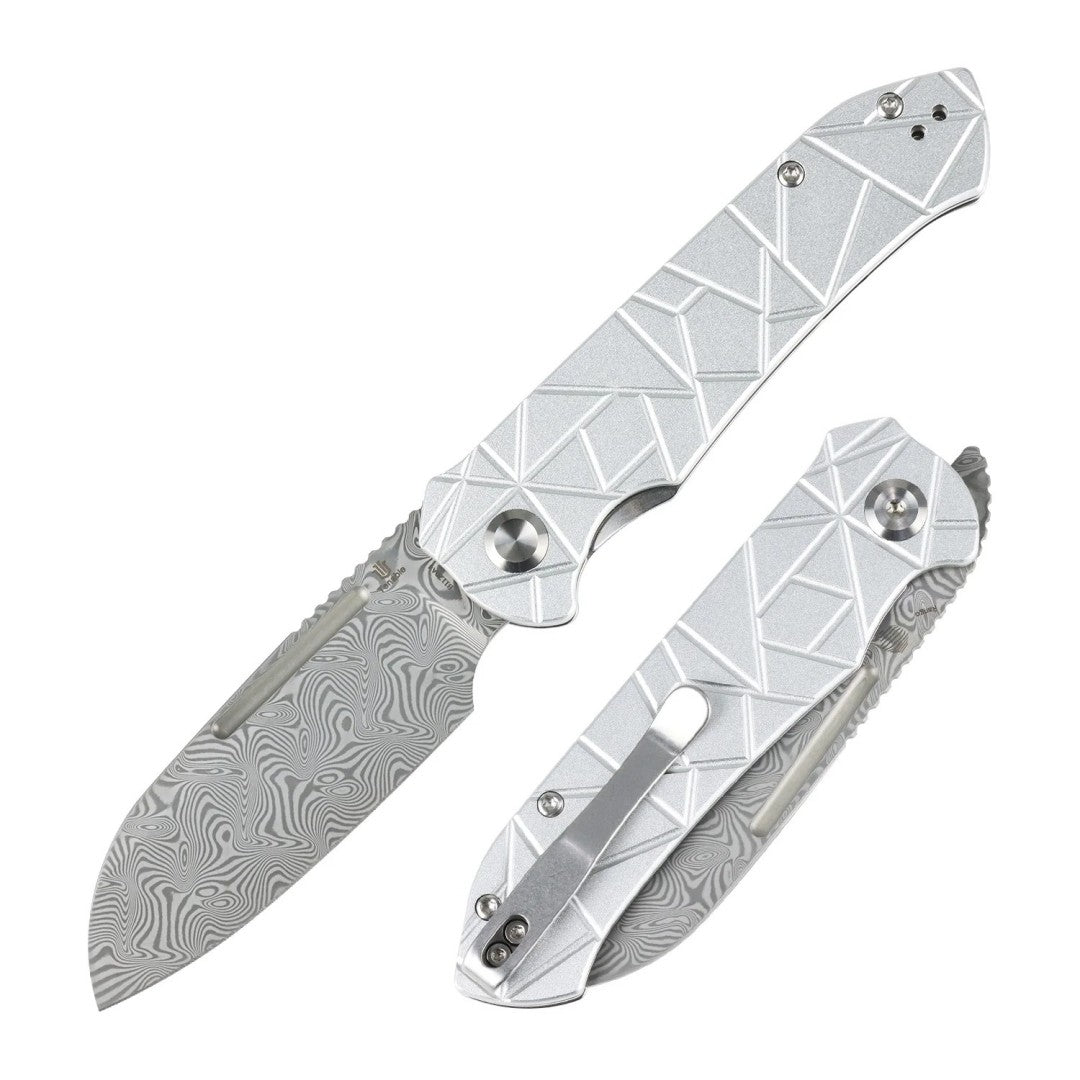
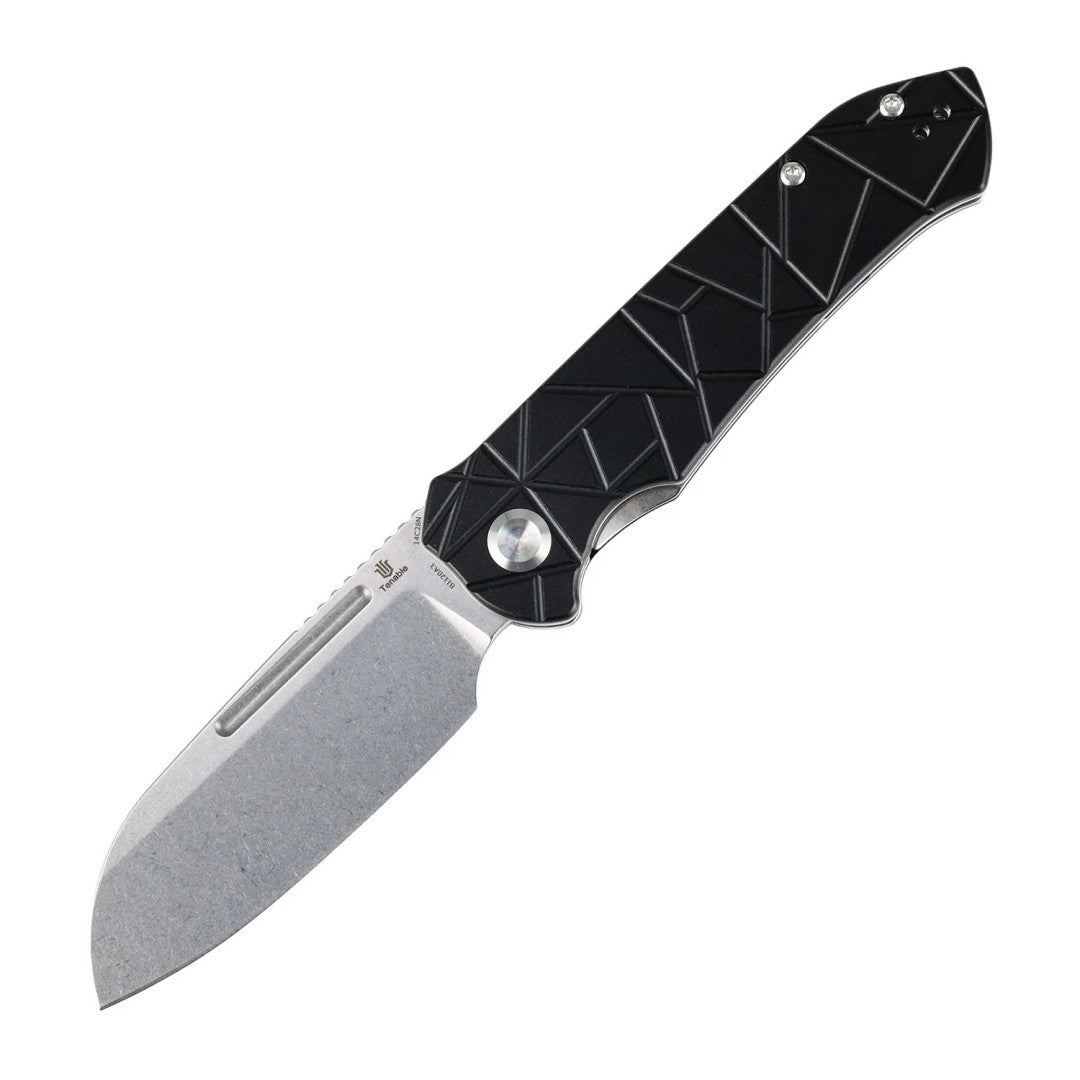
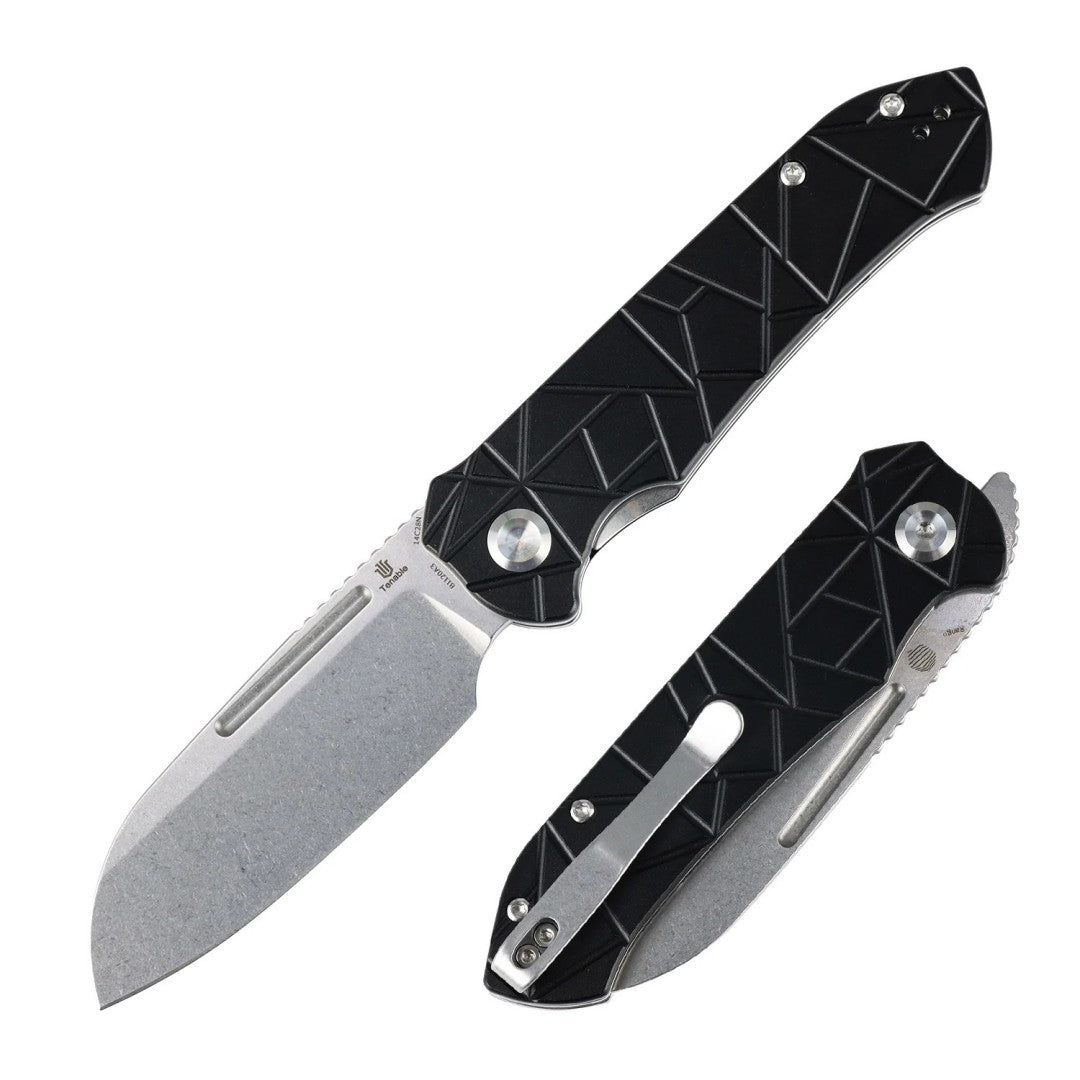
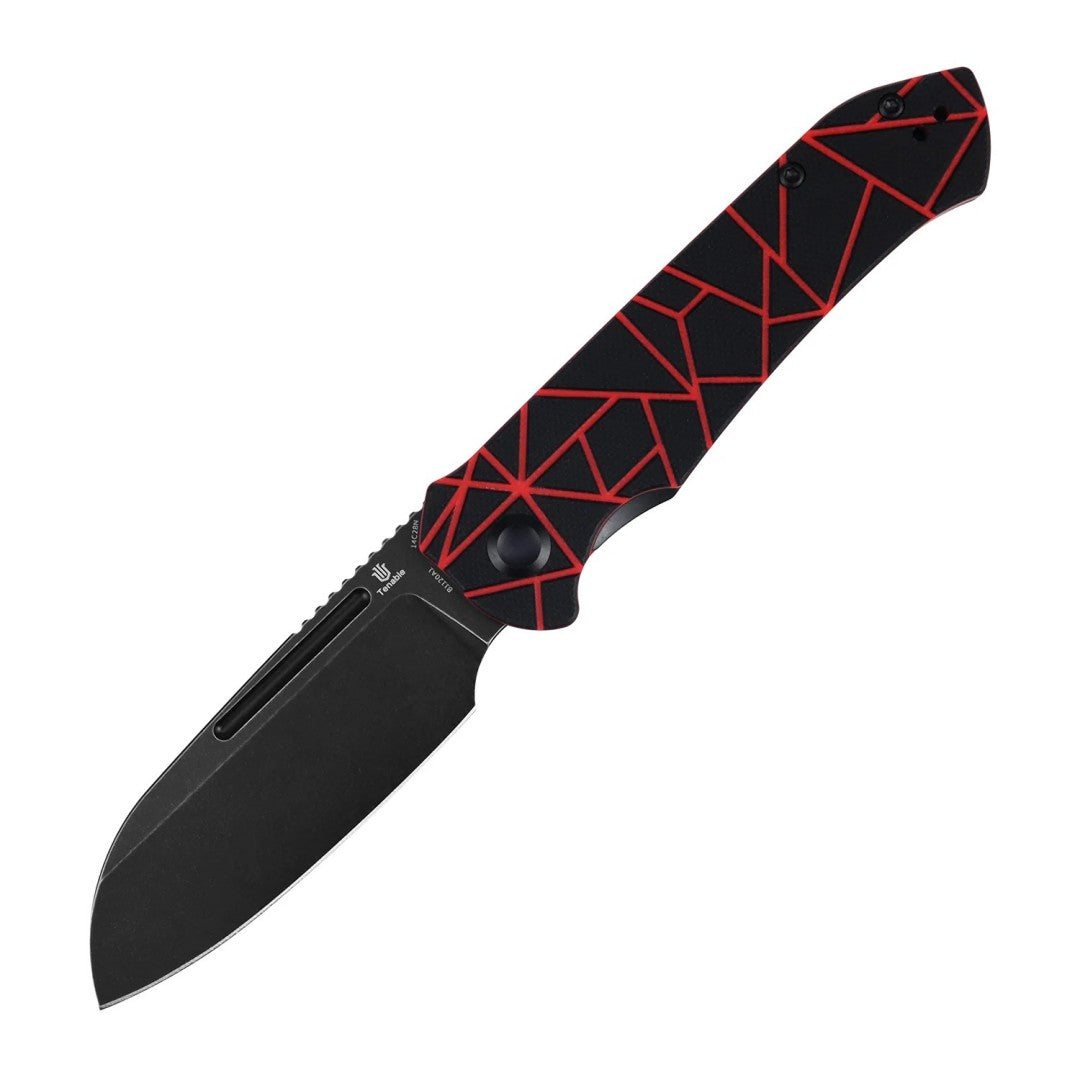
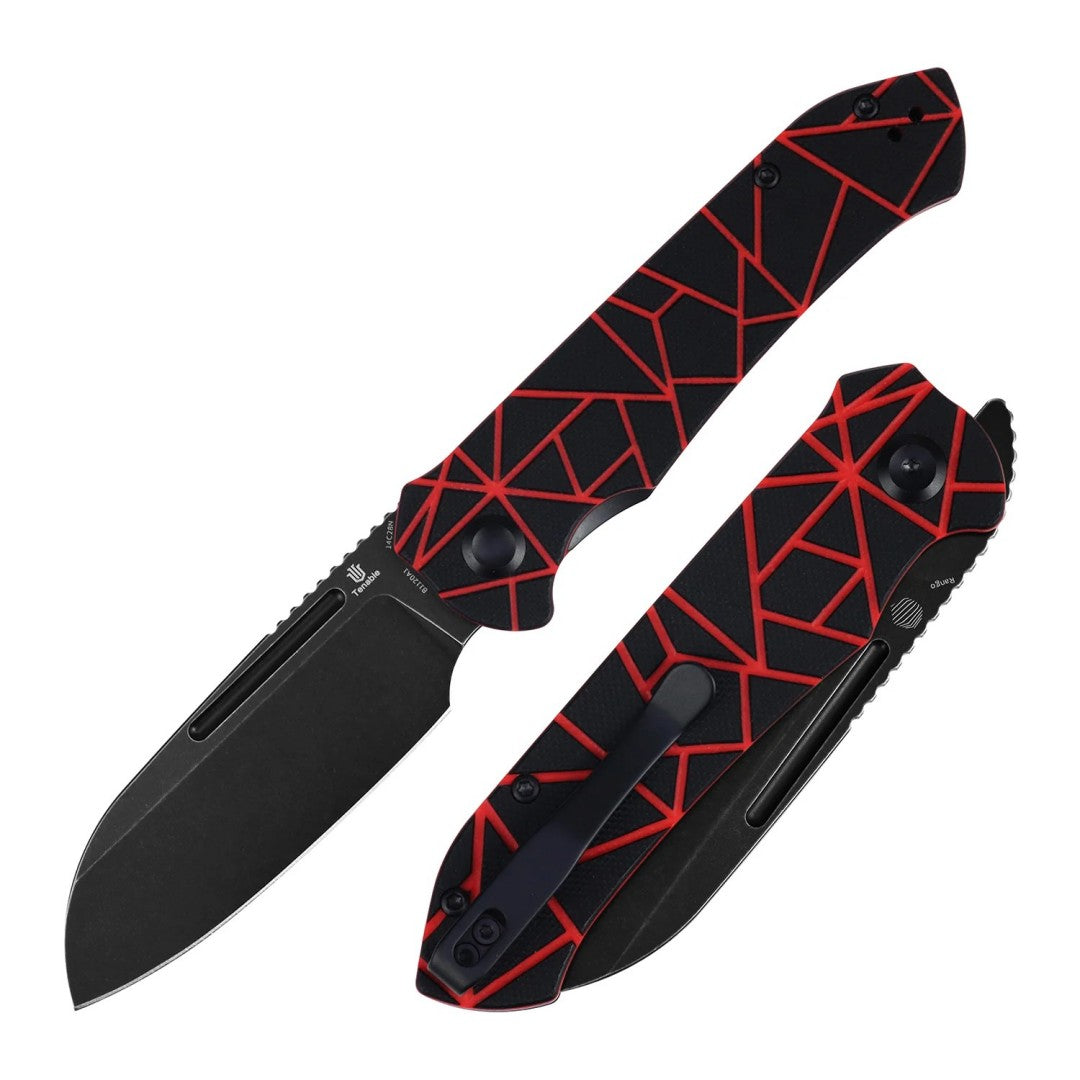
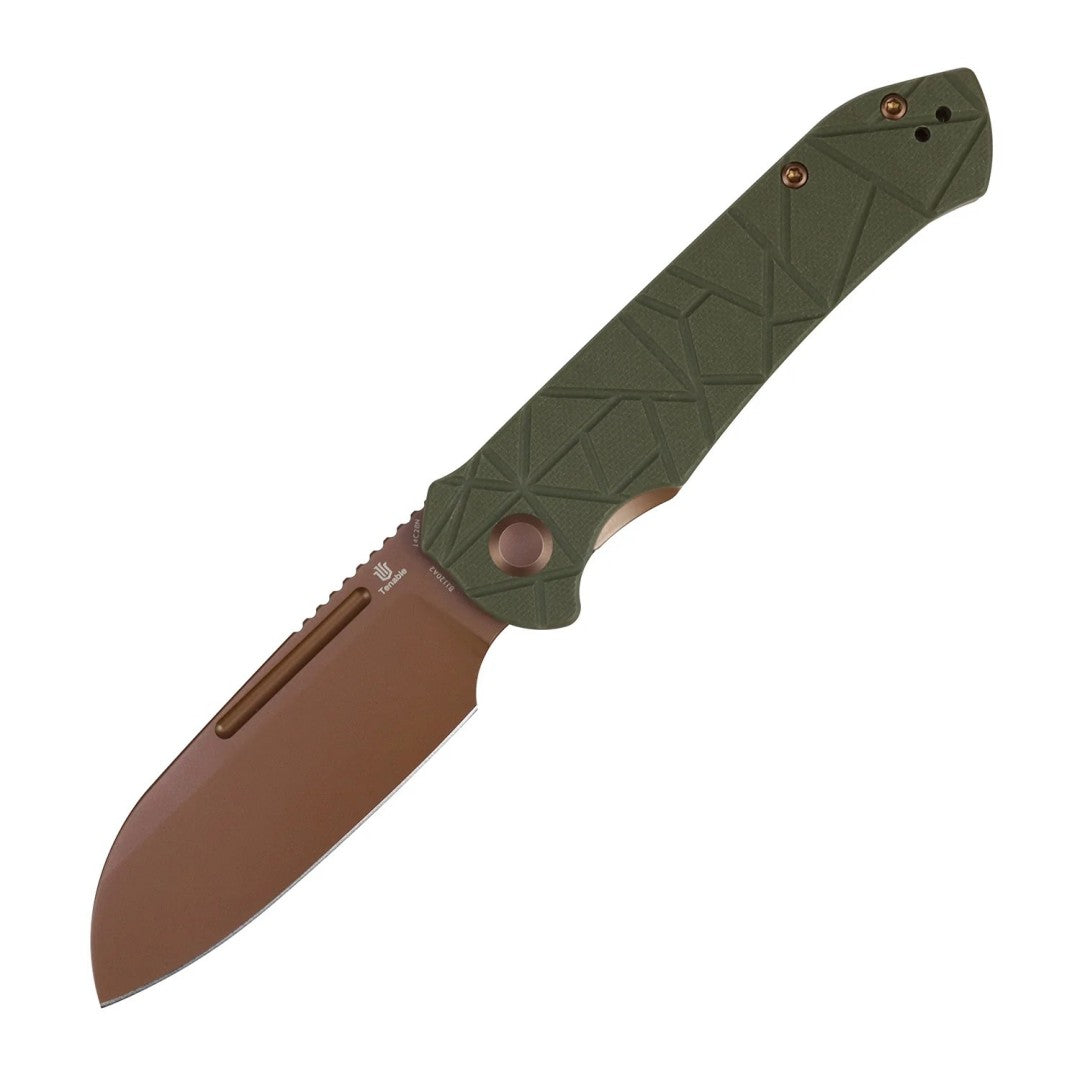
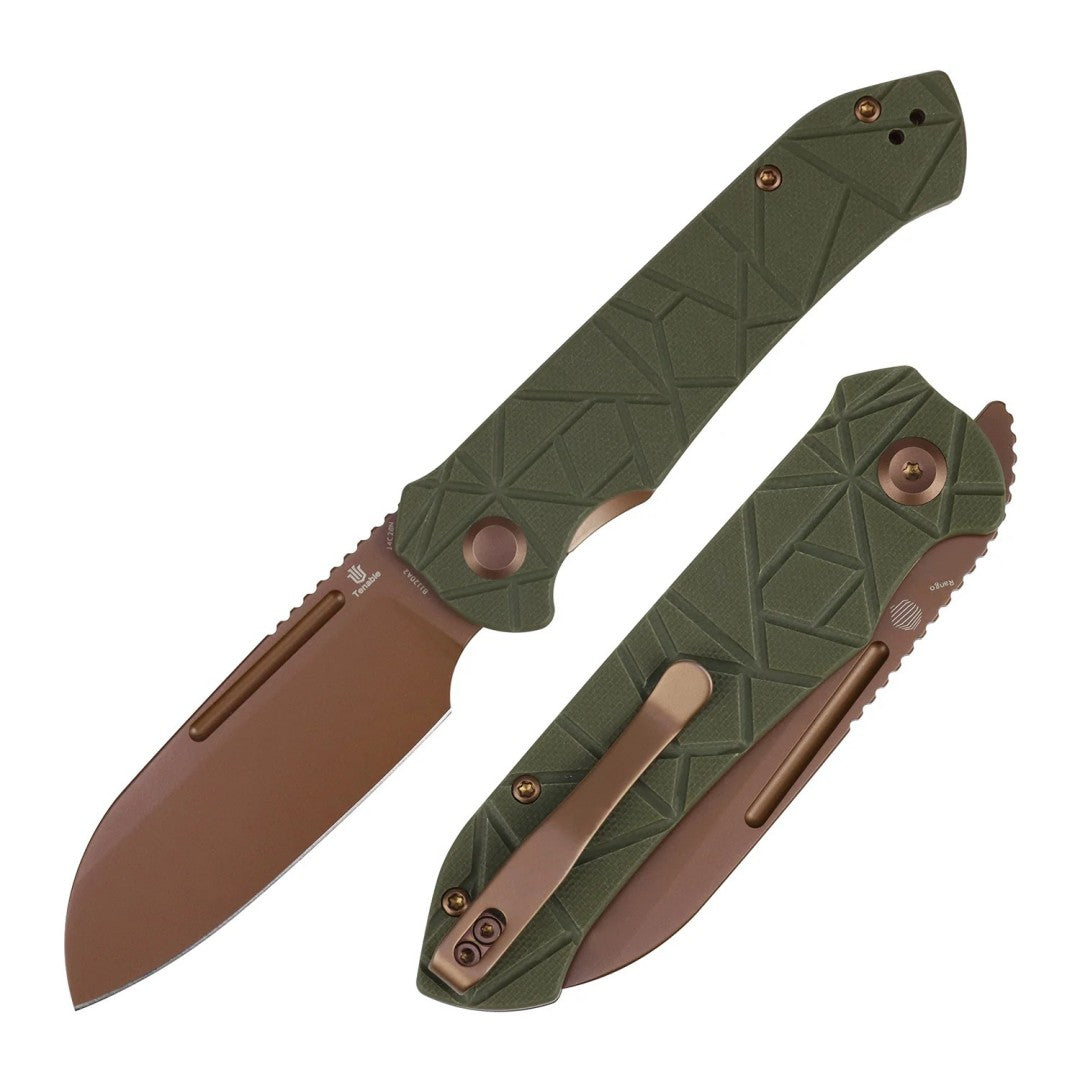
Carry geometry decides whether a light actually gets used. A right-angle body with a magnetic tail and a clip can live on a vest strap, a hard hat band or a belt, and it can be pulled free and stood upright to flood a work area while both hands stay on the task. For EDC knives the same principle applies in reverse: a folding blade with an ambidextrous opening method works from any stance, which matters when your dominant hand is the one holding the live conductor steady.
Real-World Use
Typical tasks are unglamorous and constant. Trimming split insulation, cutting lashing from a crossarm, opening sealed bags of hardware, cutting synthetic rope, stripping a jacket before a splice. Late-day calls add another layer because outages rarely happen at convenient hours, so a second light and spare cells belong in the bag. Everything bought through EdcMall arrives as a matched kit, which removes the guesswork of matching cells, clips and holsters from three different sources.

Ownership Notes
Rubber gloves change your grip more than you expect. Test any candidate blade with the gloves you actually wear, and prefer a thumb disc over a small flipper tab for the same reason. Keep dielectric tools separate from cutting tools so you never reach for the wrong one in a hurry. Inspect gloves, sleeves and light seals on a fixed schedule, and retire anything that has taken a hard drop rather than trusting it for a second season. Crews who compare a pocket EDC flashlight against a right-angle body usually keep both, because folding knives and a hands-free light solve two different problems and a second light costs very little in a kit that already has room for it.
Who Is This For?
This kit is aimed at lineworkers, cable splicers, telecom climbers and storm restoration crews. Anyone working around energised equipment should treat the light as a primary tool and the blade as secondary, because the majority of the job is seeing and verifying rather than cutting. Hobbyists who want the same gear for camping will find it excellent, just heavier than a weekend kit needs to be.
Final Verdict
The formula is simple. One hands-free light, one spare cell, one one-hand-opening blade, one pouch that keeps them together. EDC knives for utility work should be stainless, easy to open with gloves and cheap enough to lose without a crisis. Get the light right first, because everything else on a pole at night depends on being able to see it.