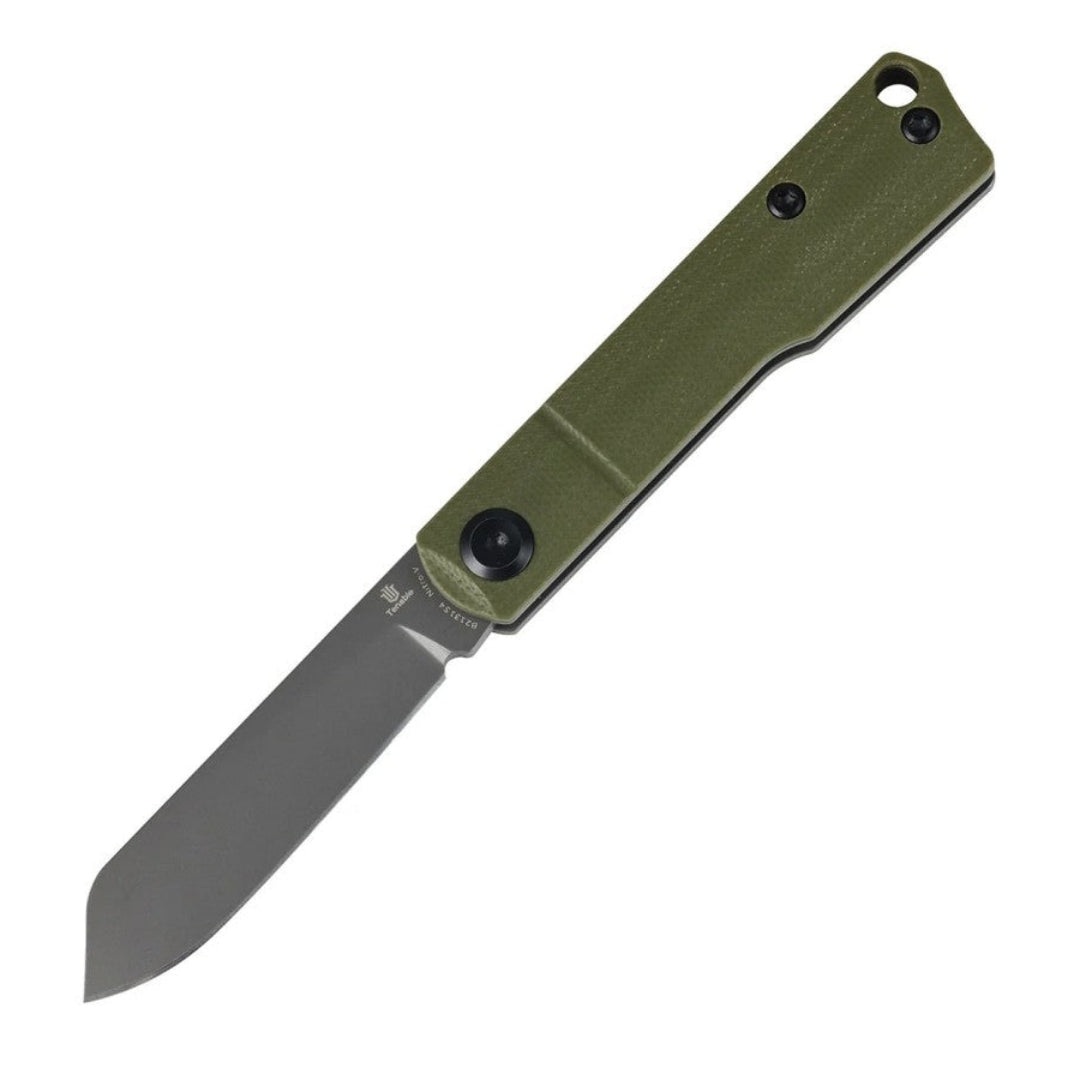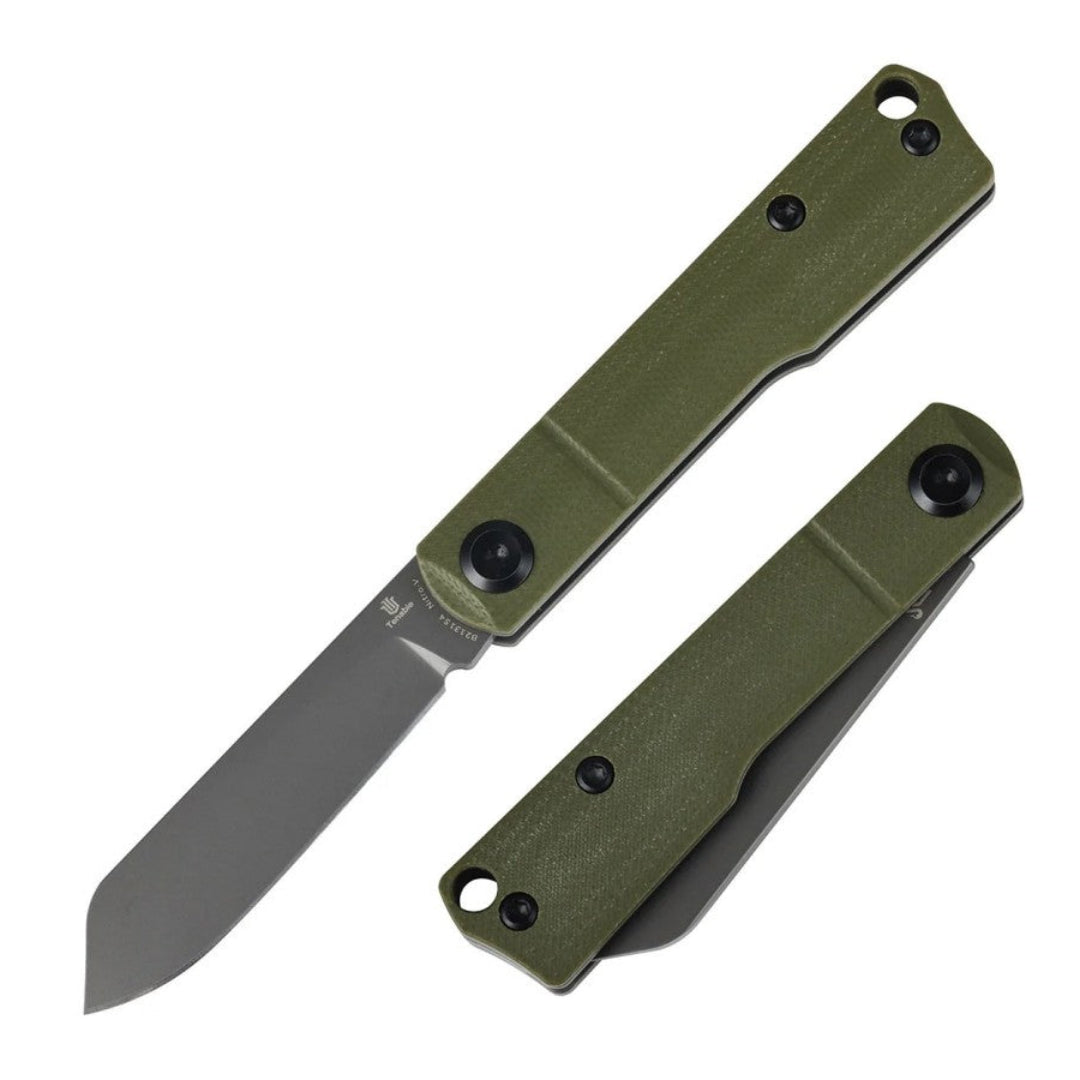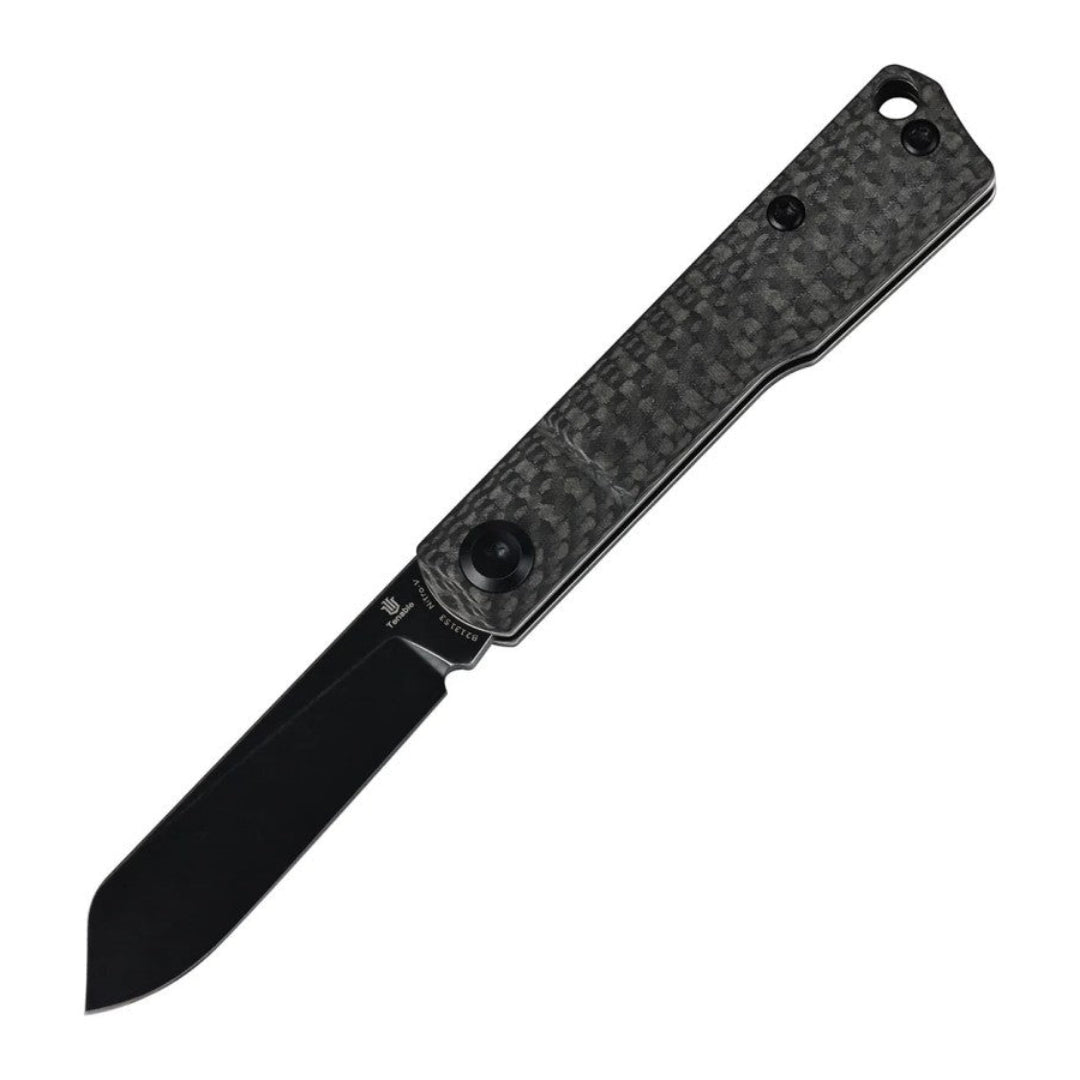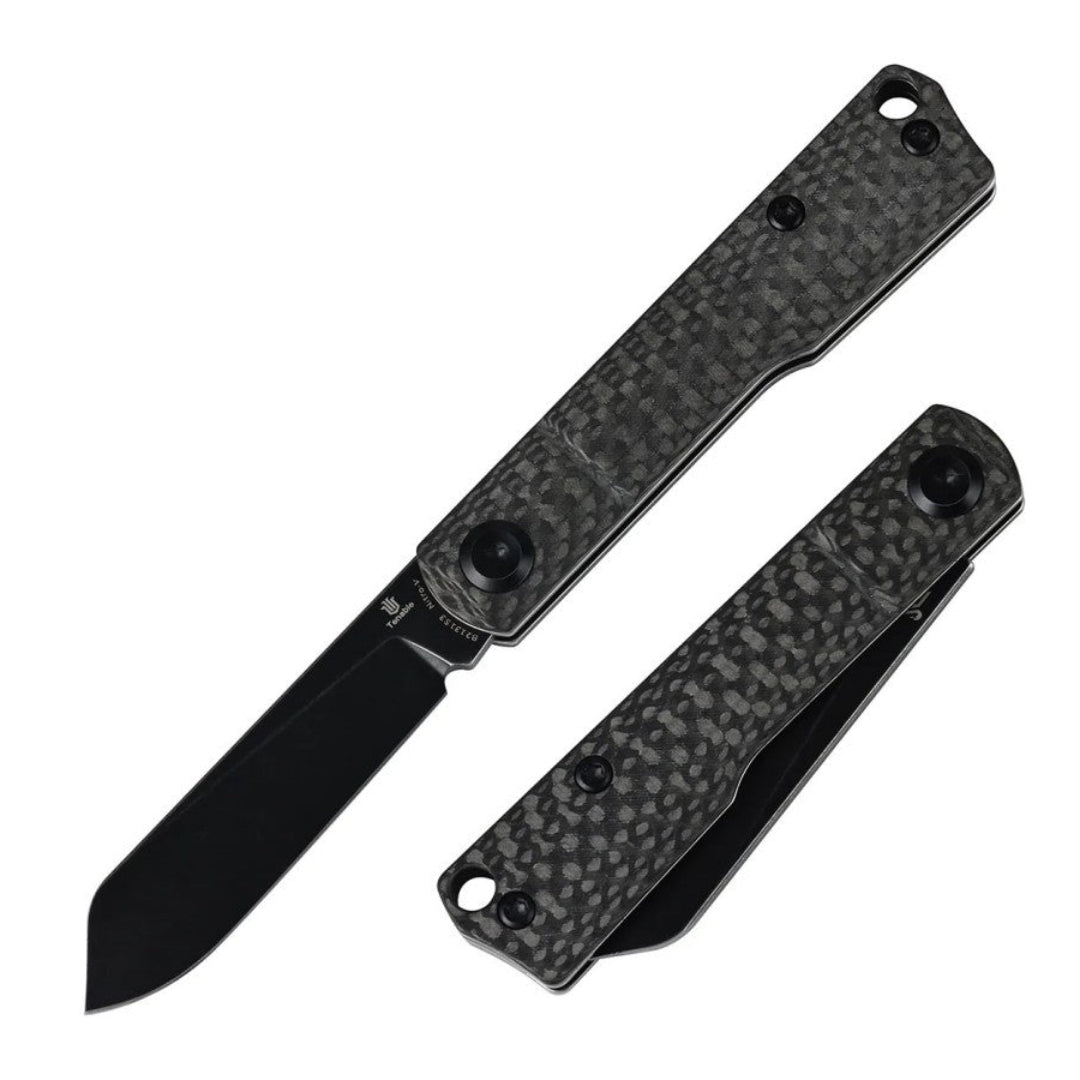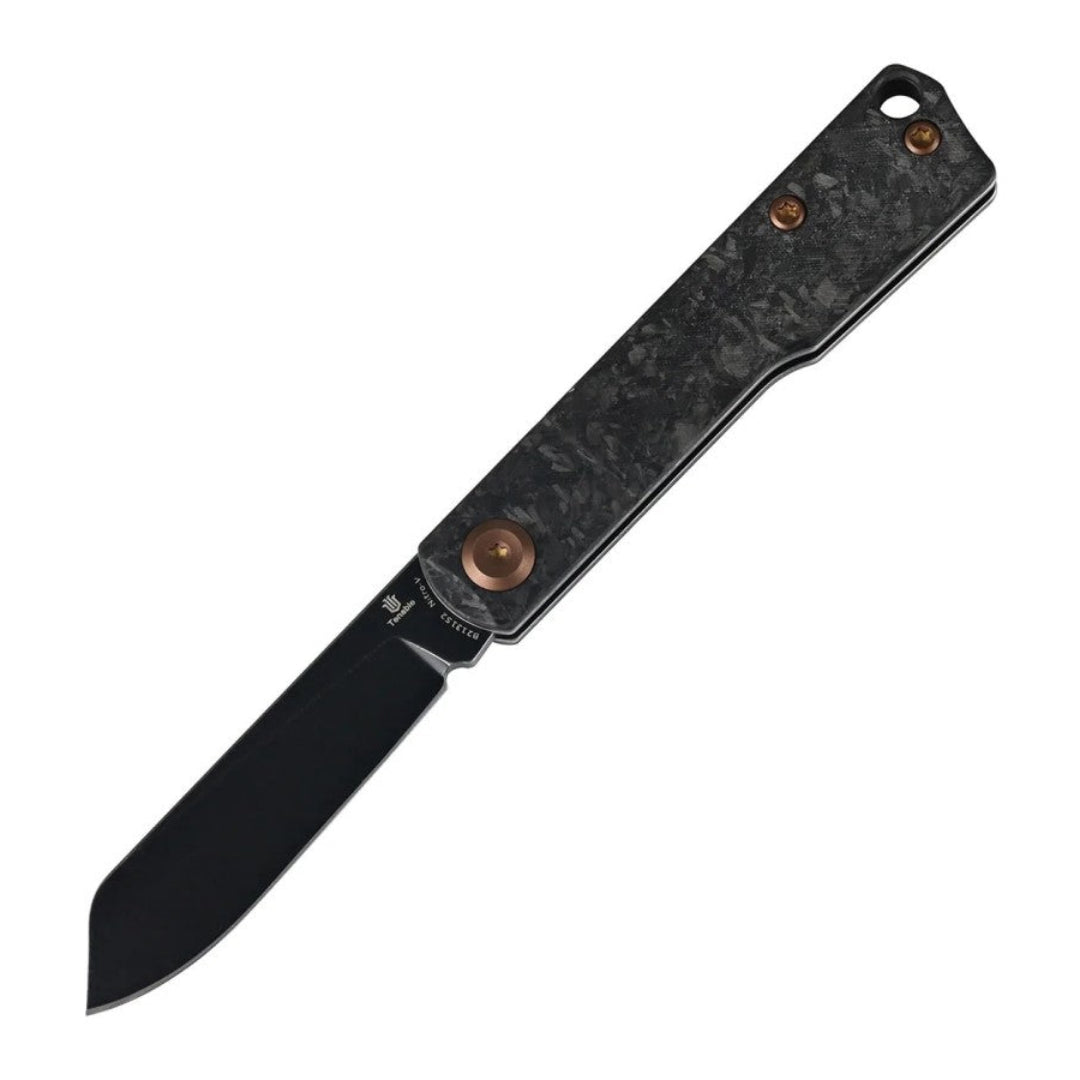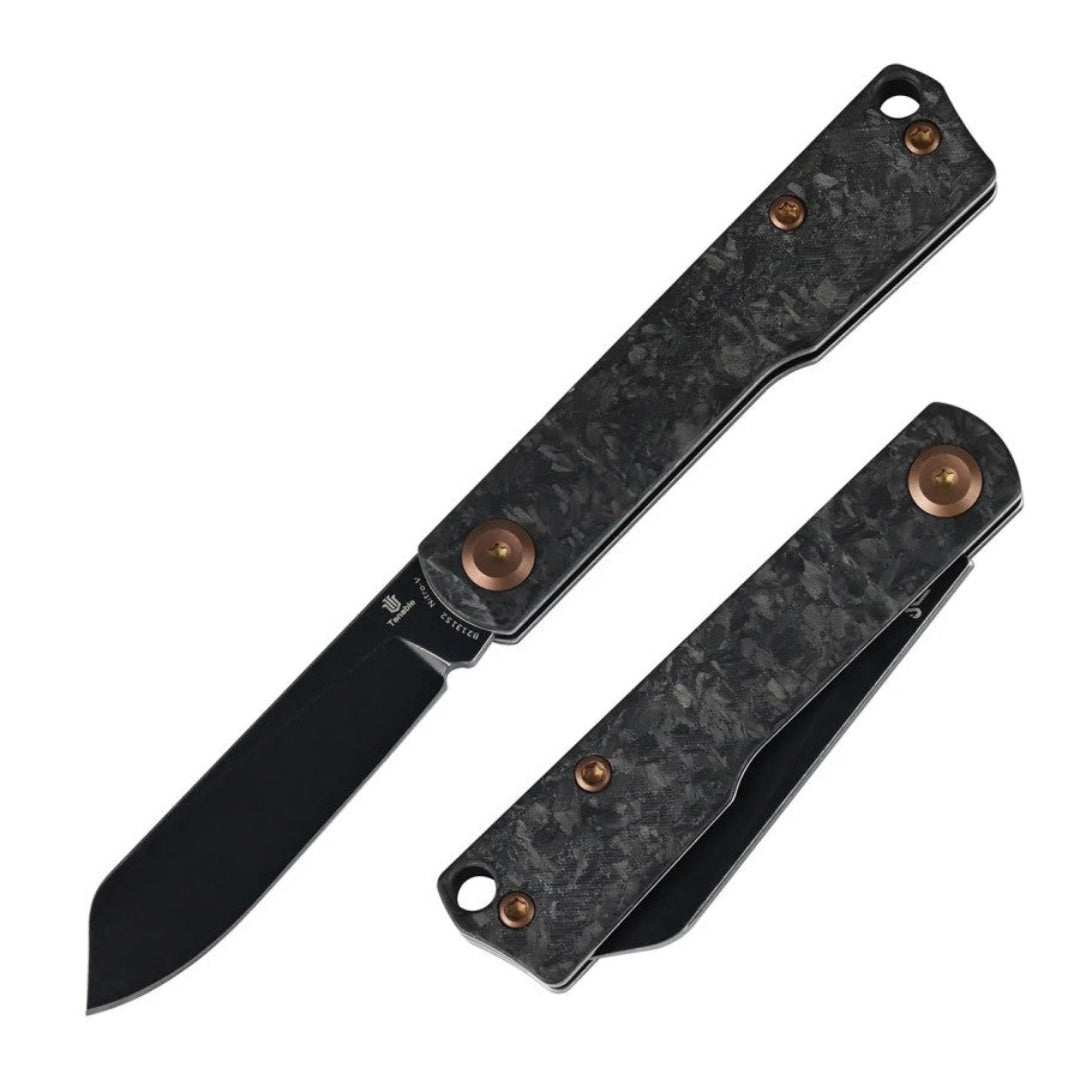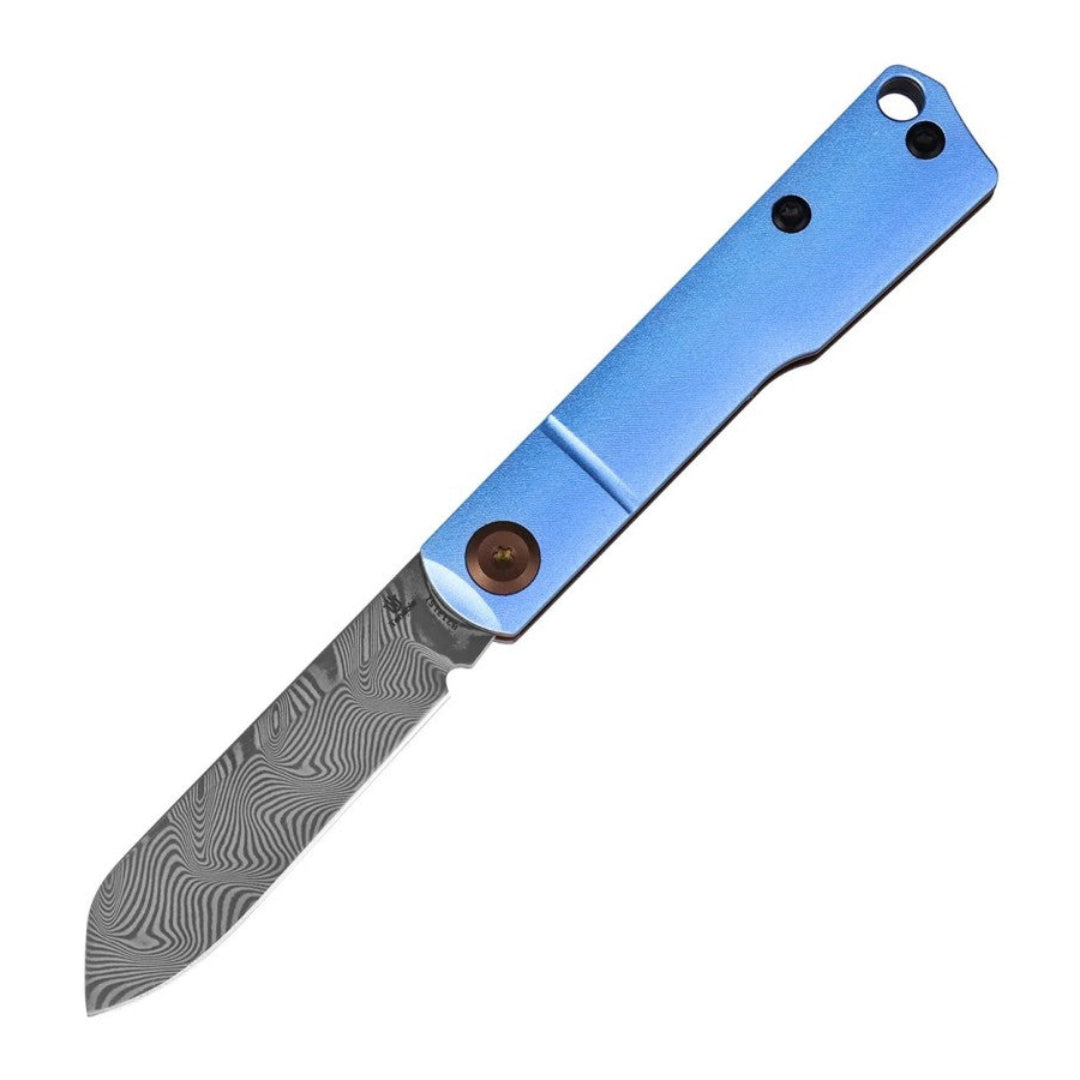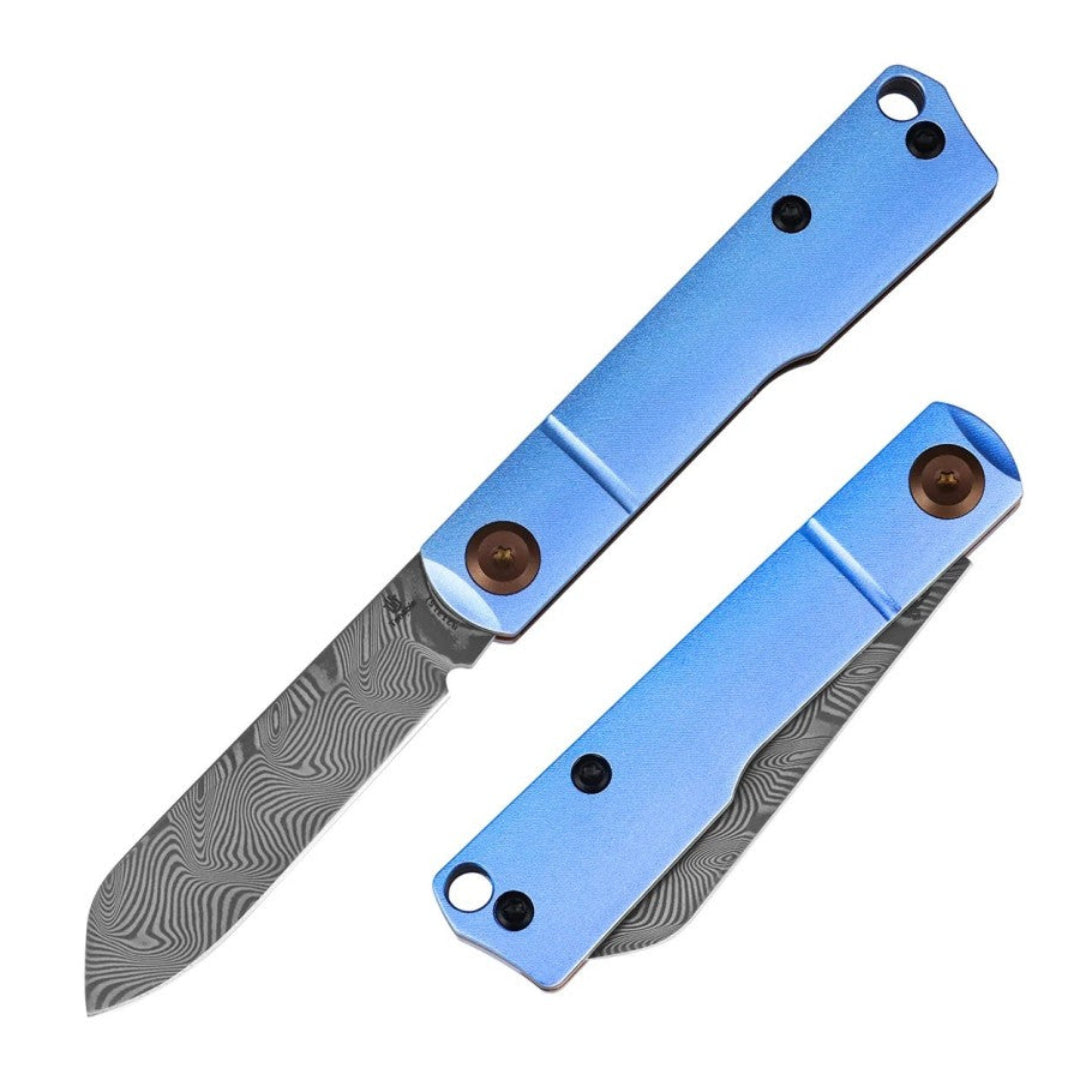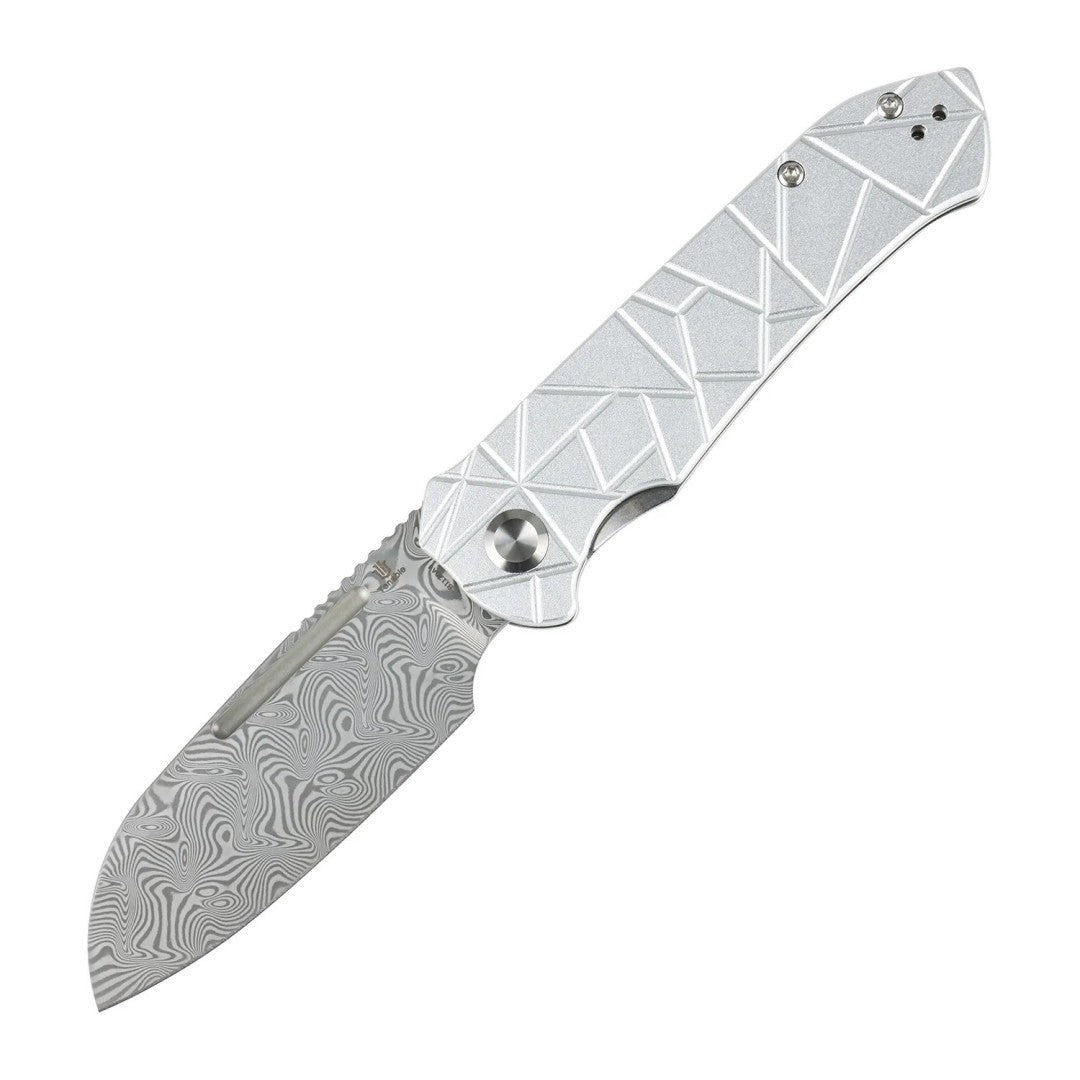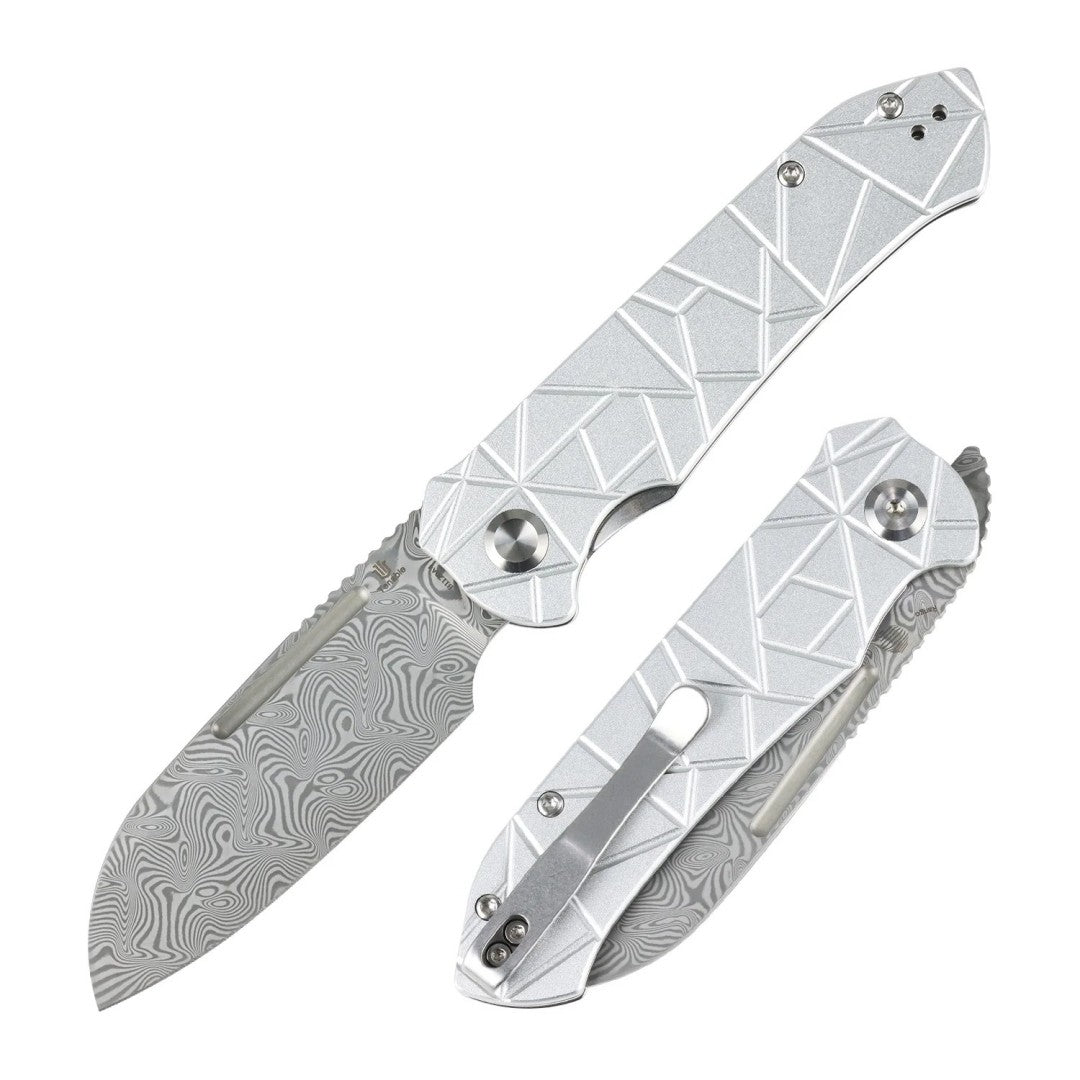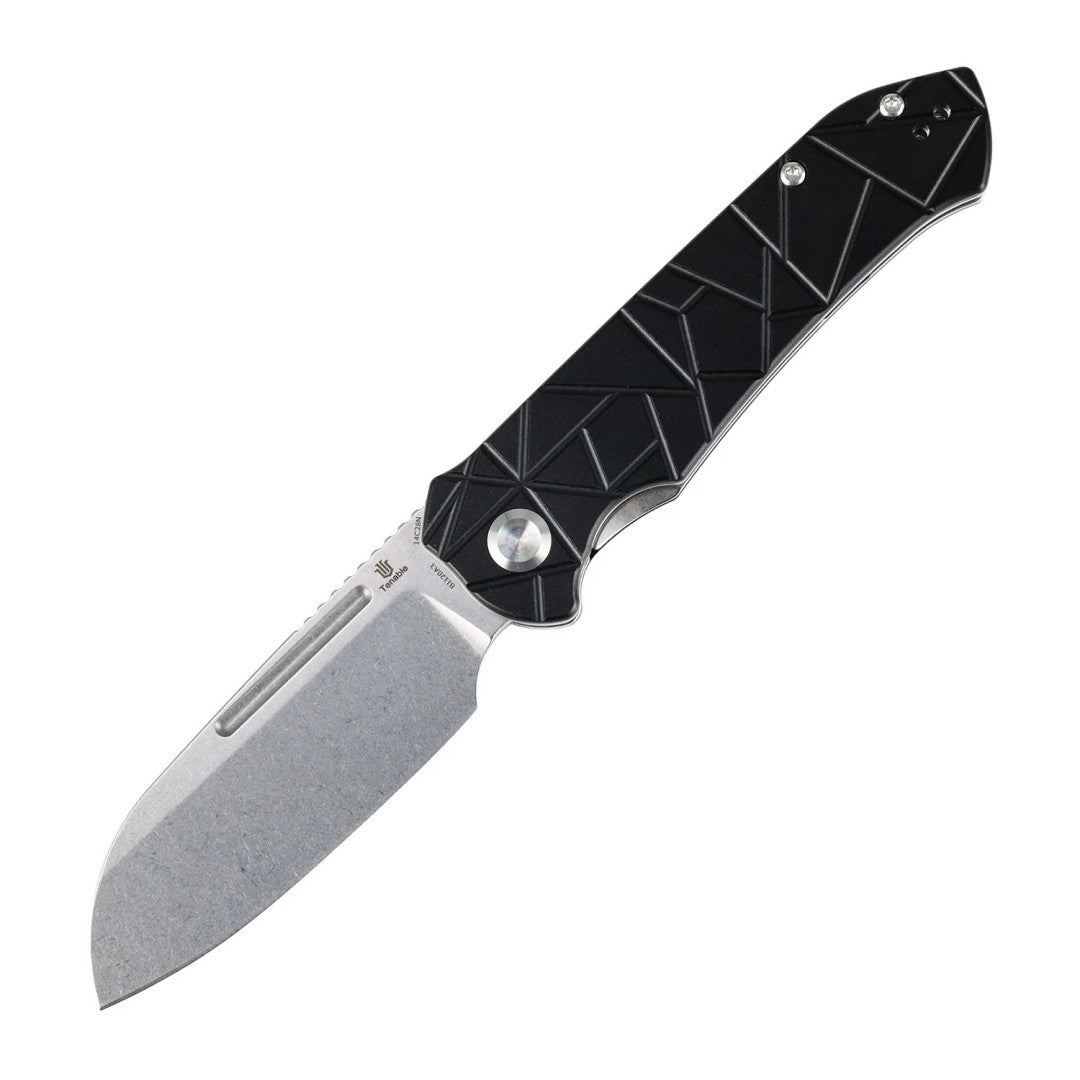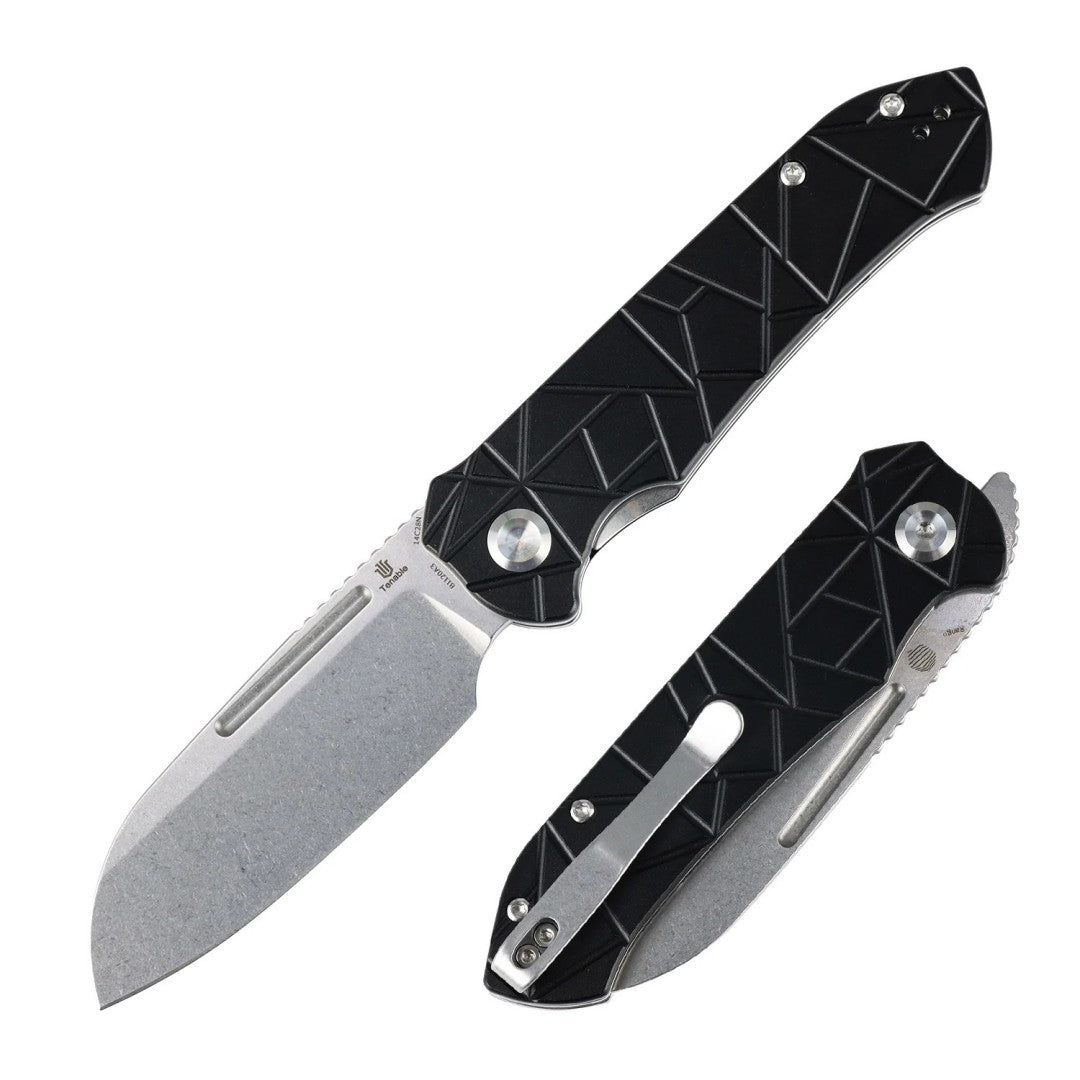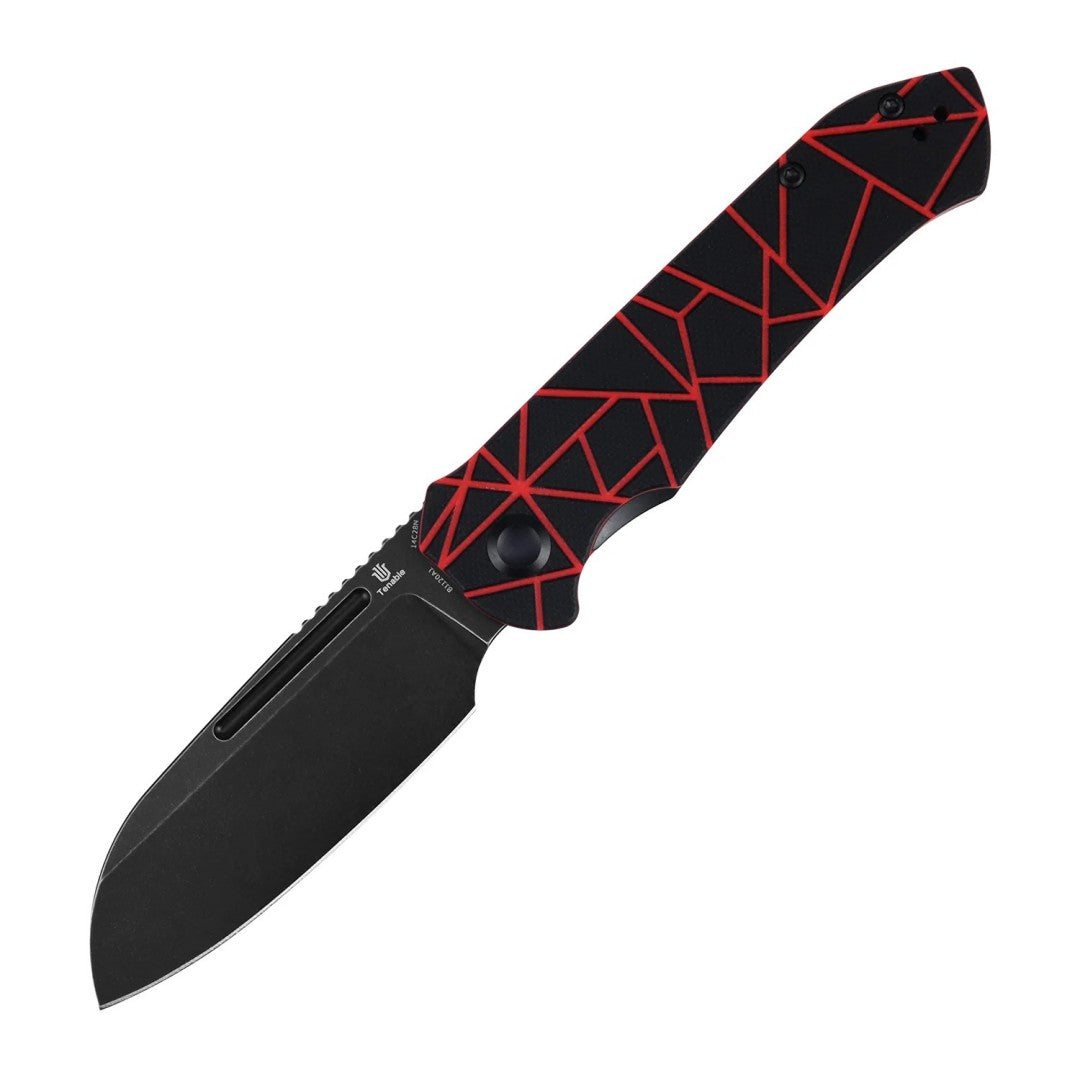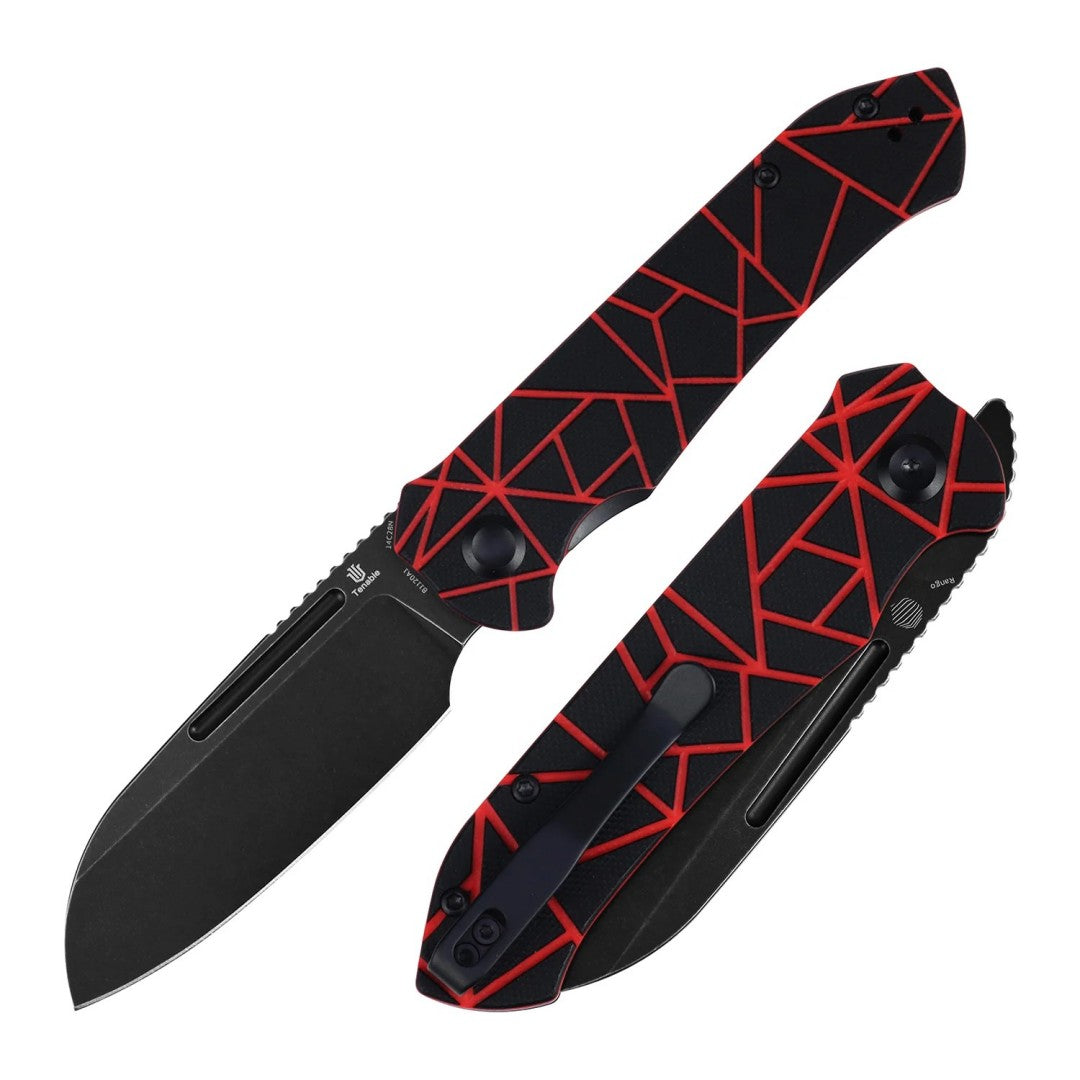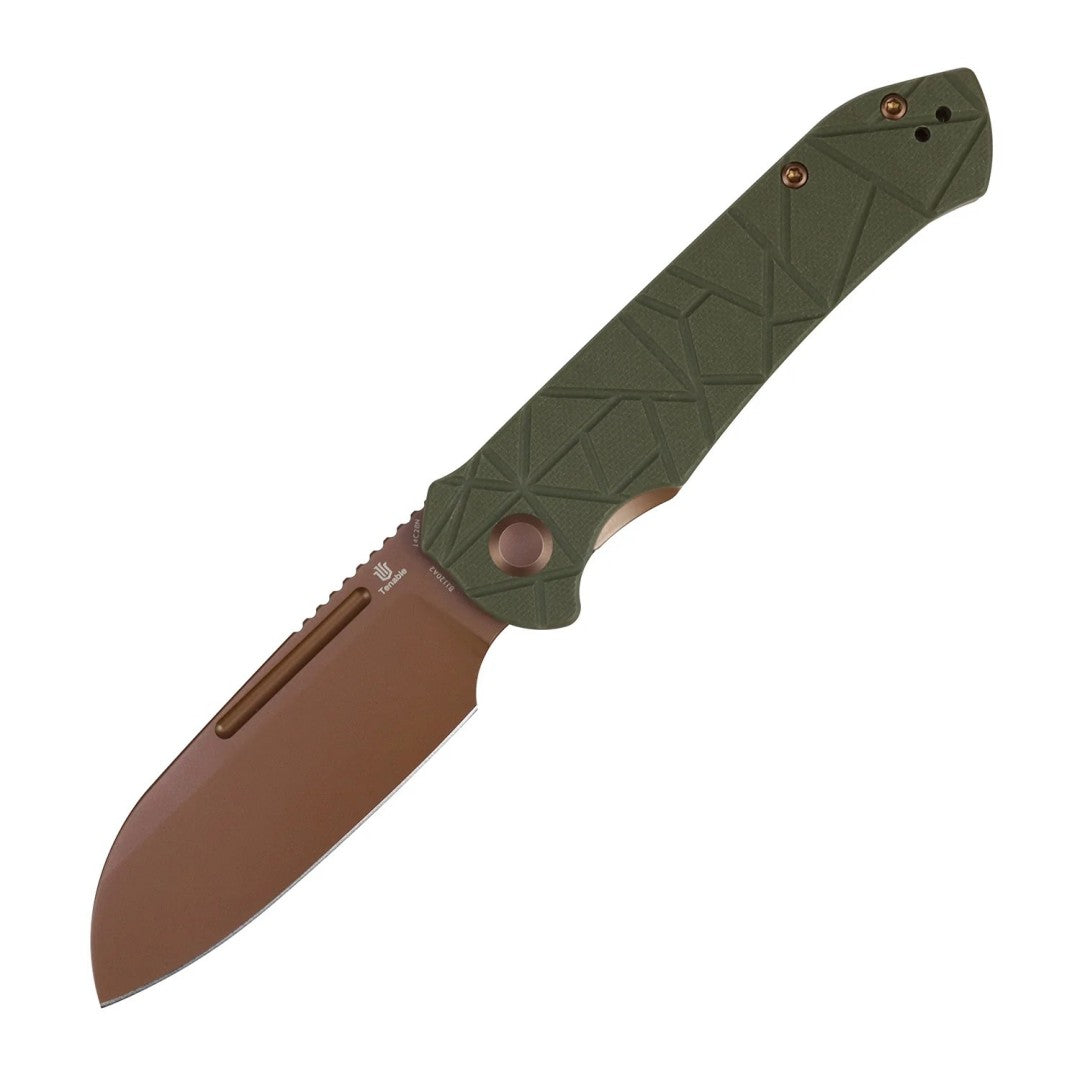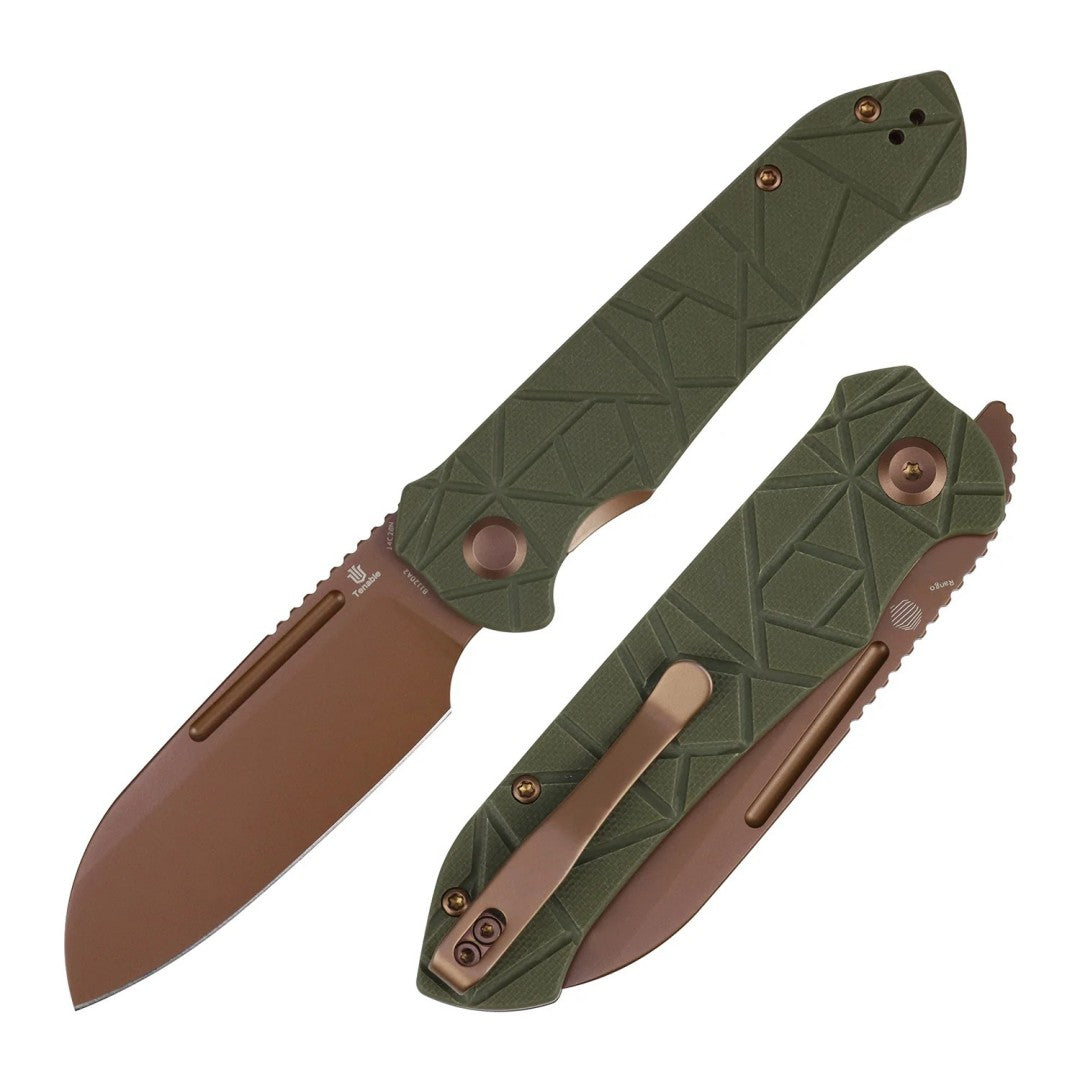
The modern premium everyday carry market is crowded with mid-sized production folders, yet many designs fall into predictable compromises. Some prioritize tactical durability at the cost of pocket comfort, while others sacrifice cutting efficiency for hyper-slender gentleman aesthetics. The Kansept Mini Lanza succeeds where conventional production knives fall short by combining custom-tier proportions, refined ergonomics, and an engineered locking system.
Conceived by custom artisan Brandon Corbin and built by Kansept, this compact folder sets a benchmark for mid-sized EDC carry. Evaluating its core architectural advantages against standard market alternatives shows why it earns top placement in high-performance pocket gear setups.

Structural and Competitive Performance Matrix
| Engineering Metric | Kansept Mini Lanza | Standard Production Frame Locks | Traditional Exposed Liner Locks |
| Lock Architecture | Internal Nested Liner Lock | Exposed External Frame Cutout | Exposed Outer Relief Slot |
| Grip Interaction | Zero lockbar binding under tight grip | Tight palm squeeze binds lock disengagement | Palm pressure can shift open lock leaf |
| Blade-to-Handle Efficiency | 3.19" blade inside a 4.31" handle profile | Shorter blade relative to total handle frame | Average blade length ratios |
| Pocket Profile | Flush titanium scales; non-flipper spine | Cutout edges can catch pocket linings | Open gaps trap lint and keys |
| Blade Steel Variants | CPM-20CV or Pattern-Welded Damascus | Standard S35VN or mid-tier stainless | Lower-tier 154CM or D2 tool steel |
 Key Architectural Advantages Over Competitors
Maximum Blade Ratio in a Compact Footprint
A primary design focus of Brandon Corbin is maximizing blade utility without ballooning handle dimensions. Many competitors in the 3-inch class feature thick handle butts and oversized finger choils that waste pocket space.
The Mini Lanza houses a 3.19-inch drop point cutting edge inside a compact 4.31-inch titanium handle. This maximizes usable cutting length for cardboard breakdown, rope slicing, and package prep while maintaining a streamlined footprint that sits comfortably alongside a flashlight or phone.
Clean Scale Symmetry via Internal Locking Mechanics
Most titanium folders in this class rely on standard frame lock cutouts. While functional, exposed lockbars disrupt the visual flow of the handle and create deep notches that catch on pocket seams during retrieval.
By housing a stainless steel locking leaf inside CNC-milled channels within solid 6Al4V titanium handle walls, this design keeps both exterior scales flush and smooth.
Recessing the lock leaf inside internal titanium channels eliminates external relief cutouts, ensuring that heavy palm pressure during push cuts never binds the locking bar against the blade tang.
Non-Flipper Pocket Comfort and Dual Stud Deployment
Standard EDC folders frequently feature protruding rear flipper tabs that jab into palms or scratch nearby gear inside tight denim pockets. This folder opts for dual thumb studs paired with a tuned ceramic ball-bearing pivot assembly.
The absence of a flipper tab leaves the back spine completely smooth. Depressing the thumb studs deploys the blade instantly, providing a manual action that feels controlled and refined.
 Superior Material Synergy and Daily Utility
Whether configured with American-made CPM-20CV super steel for extended wear resistance or acid-etched Damascus steel for custom character, the blade geometry stays flat-ground behind the edge for effortless slicing control.
By eliminating exterior lock binding, optimizing the blade-to-handle length ratio, and refining perimeter ergonomics, this folder delivers a distinct competitive edge for users who demand both functional utility and precision custom aesthetics.