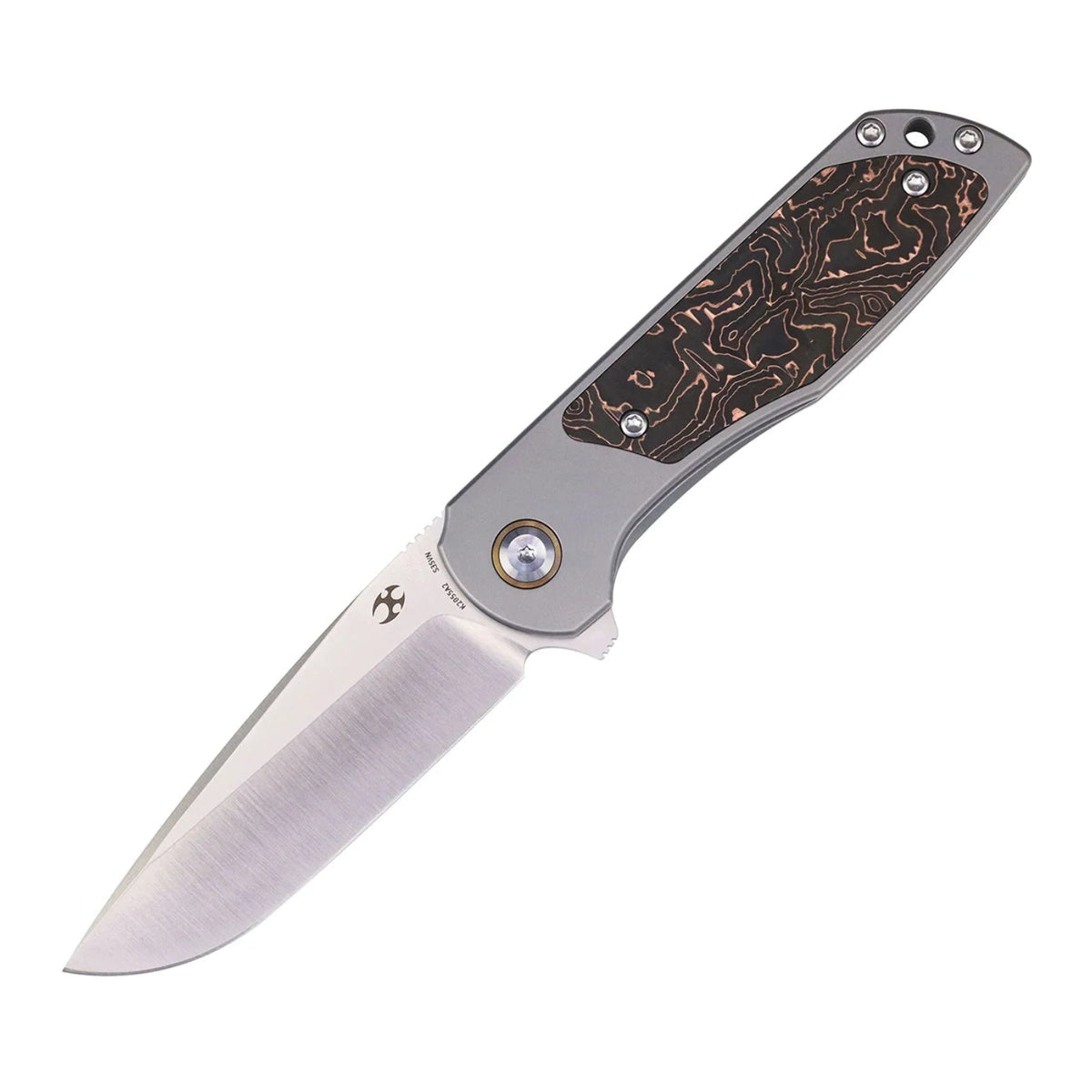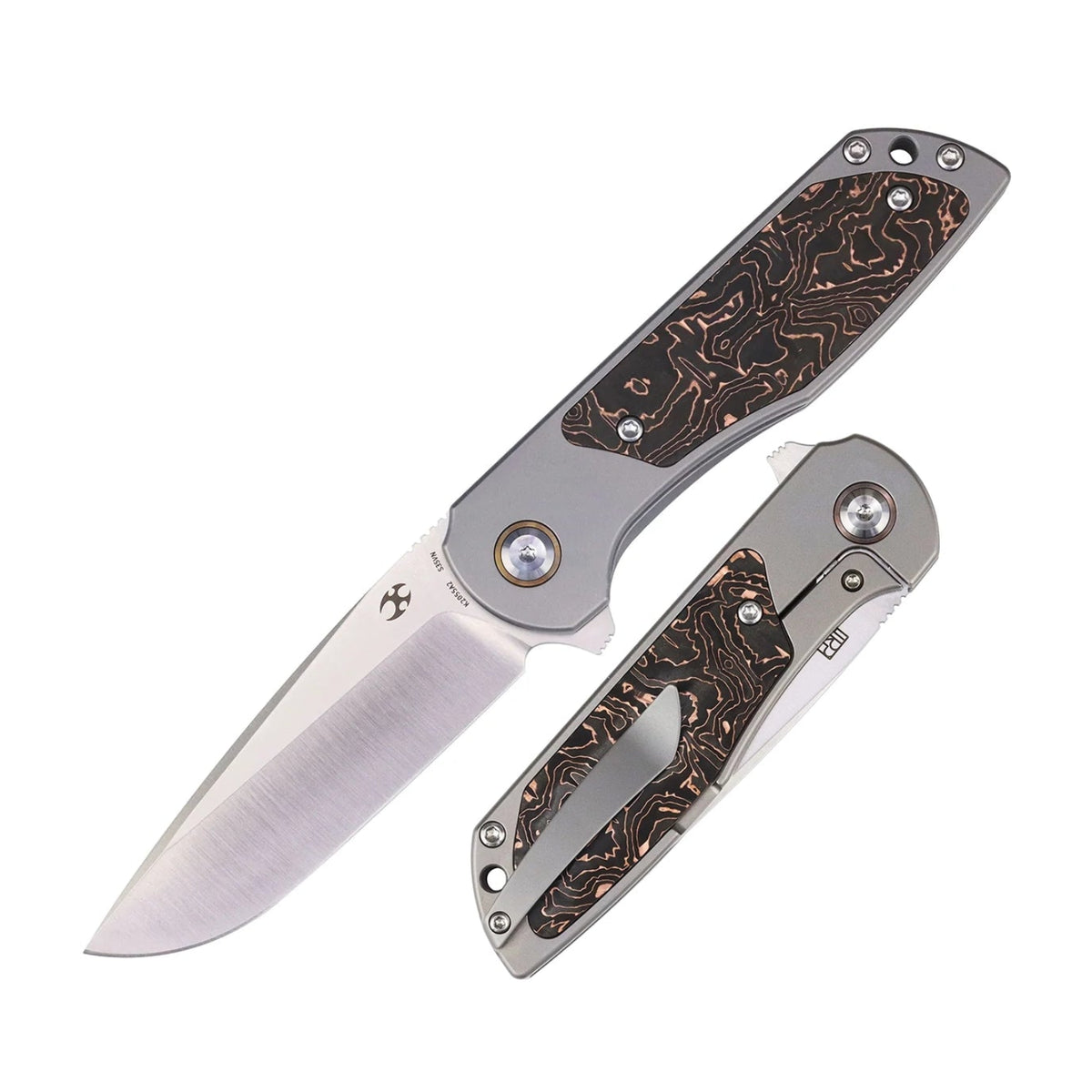

Overview & First Impressions
An atlatl is a lever, a hook and a handle, and making one is a lesson in how much work a small blade can do. The board is shaped to a slight reflex, the spur is cut to catch the butt of a dart, and the grip is thinned until the wrist can flick without wobble. Traditional builders used stone flakes; modern ones use a knife, and the quality of the spur cut is what decides whether the dart launches straight or kicks sideways into the dirt.
Materials & Construction
Hickory and ash are the usual choices, and both are hard on an edge that is ground too thin. 10Cr15MoV is a sensible steel for this work: it takes a keen apex, holds it through a long shaping session and resists the sweat and humidity of a summer range. QSP knives run it in a small fixed blade pattern with a full tang, which is the configuration that lets you push a cut with the heel of the hand instead of relying on wrist strength alone.

Design & Details
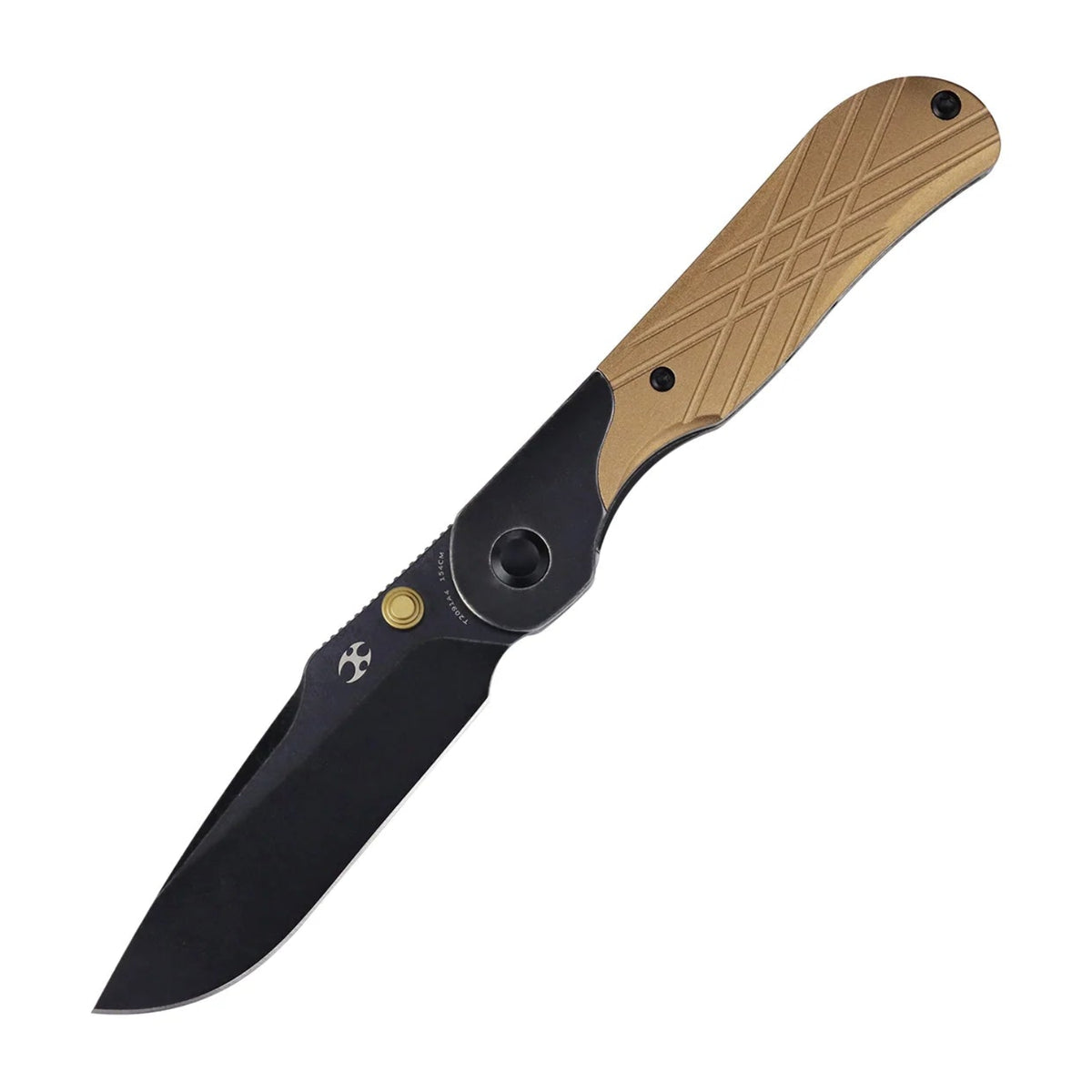
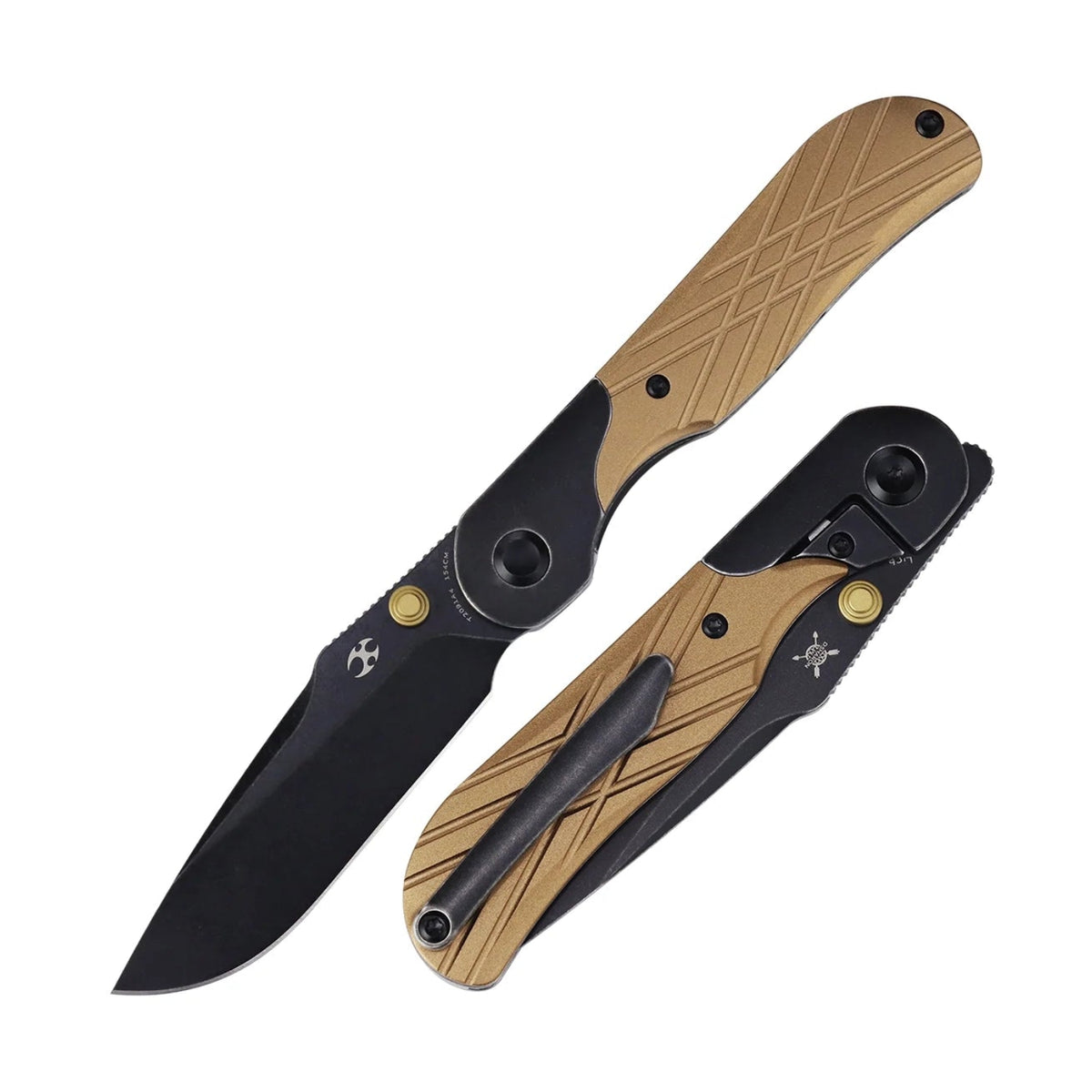
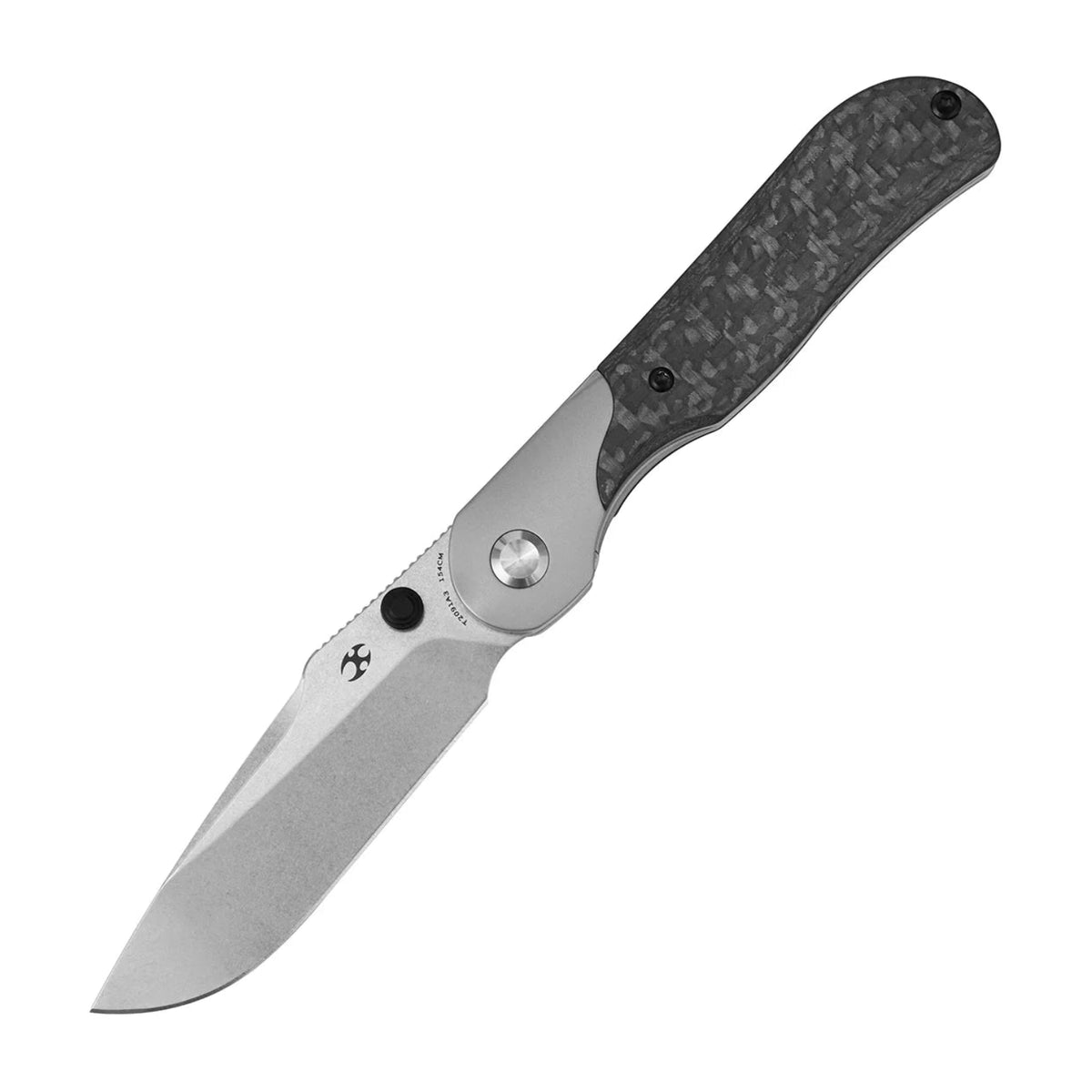
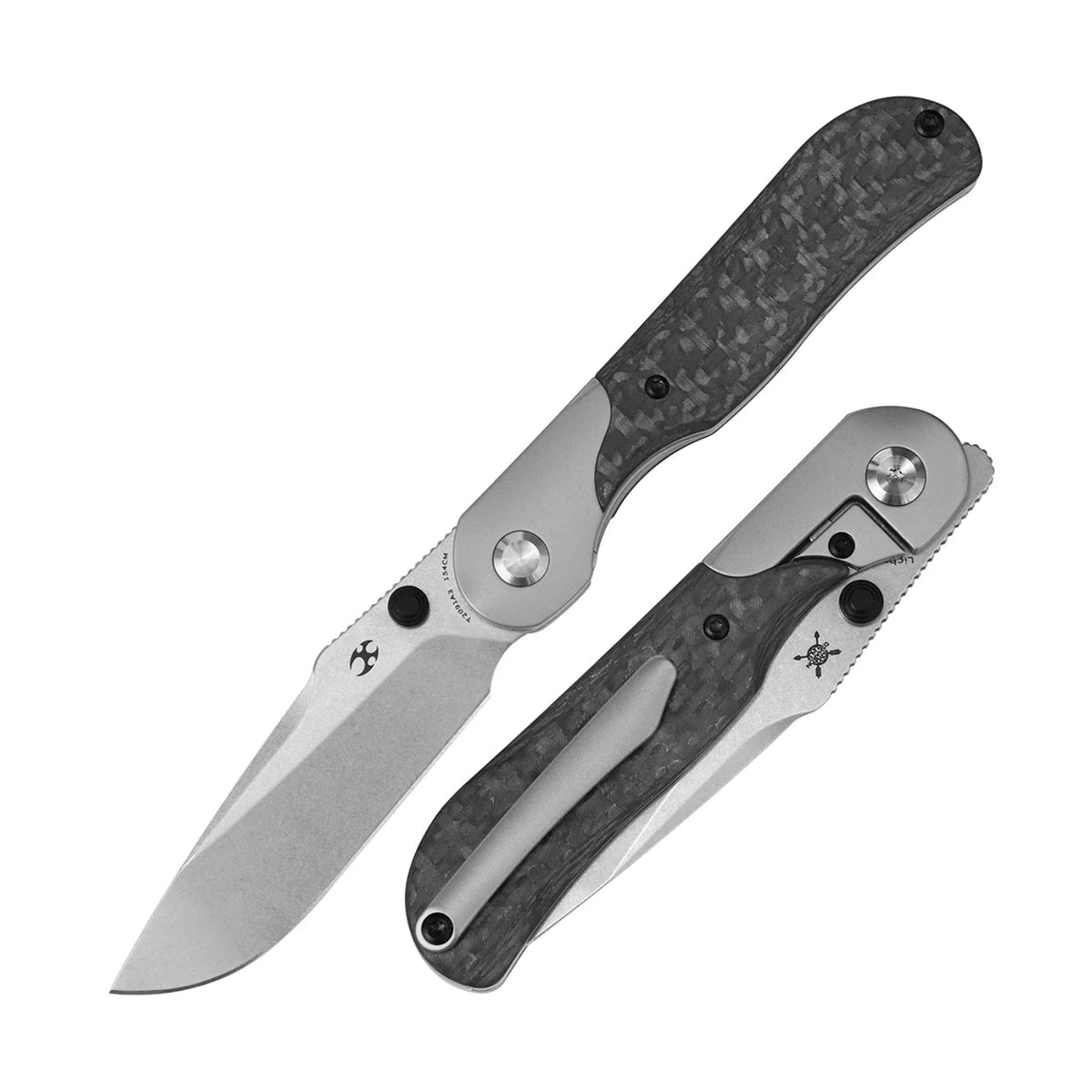
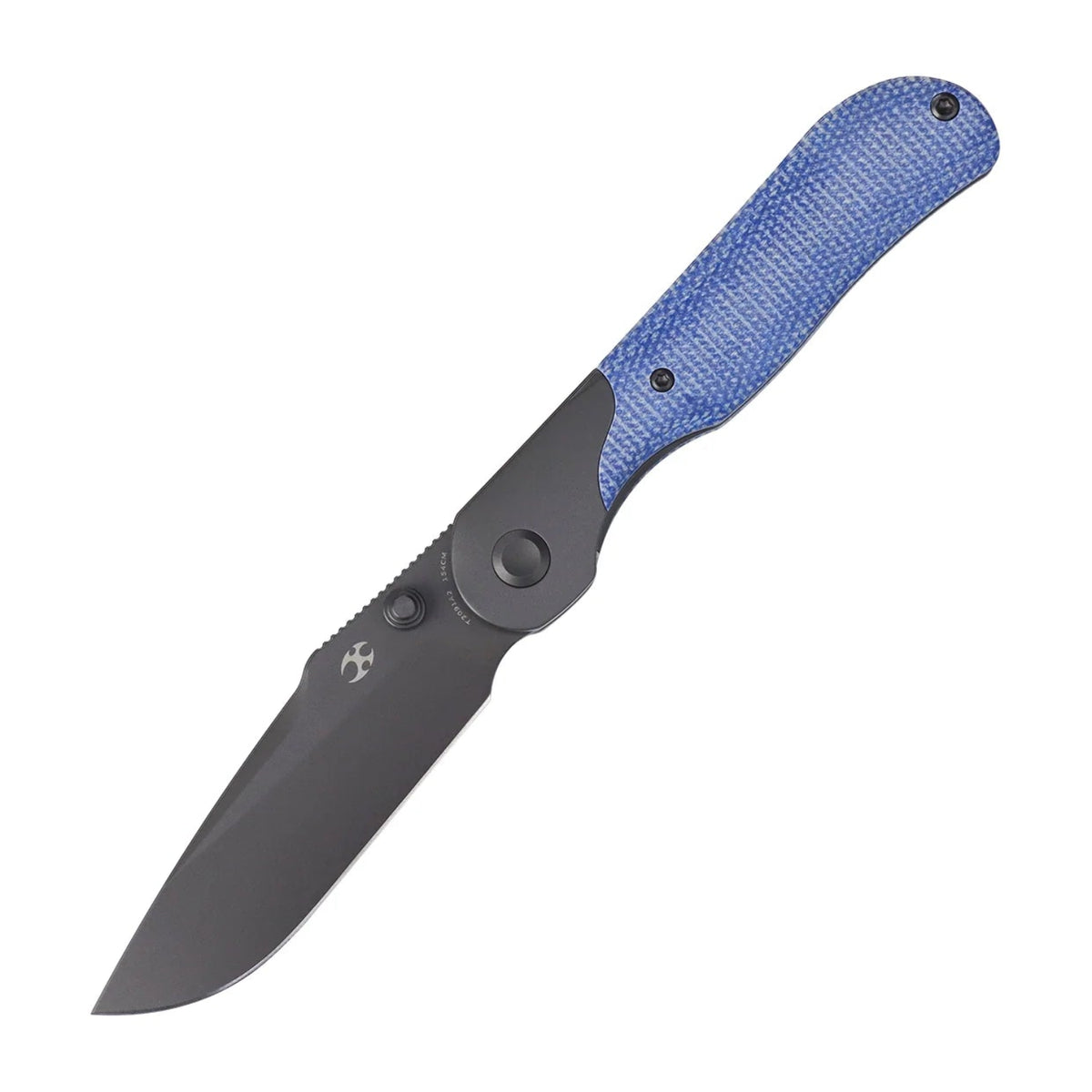
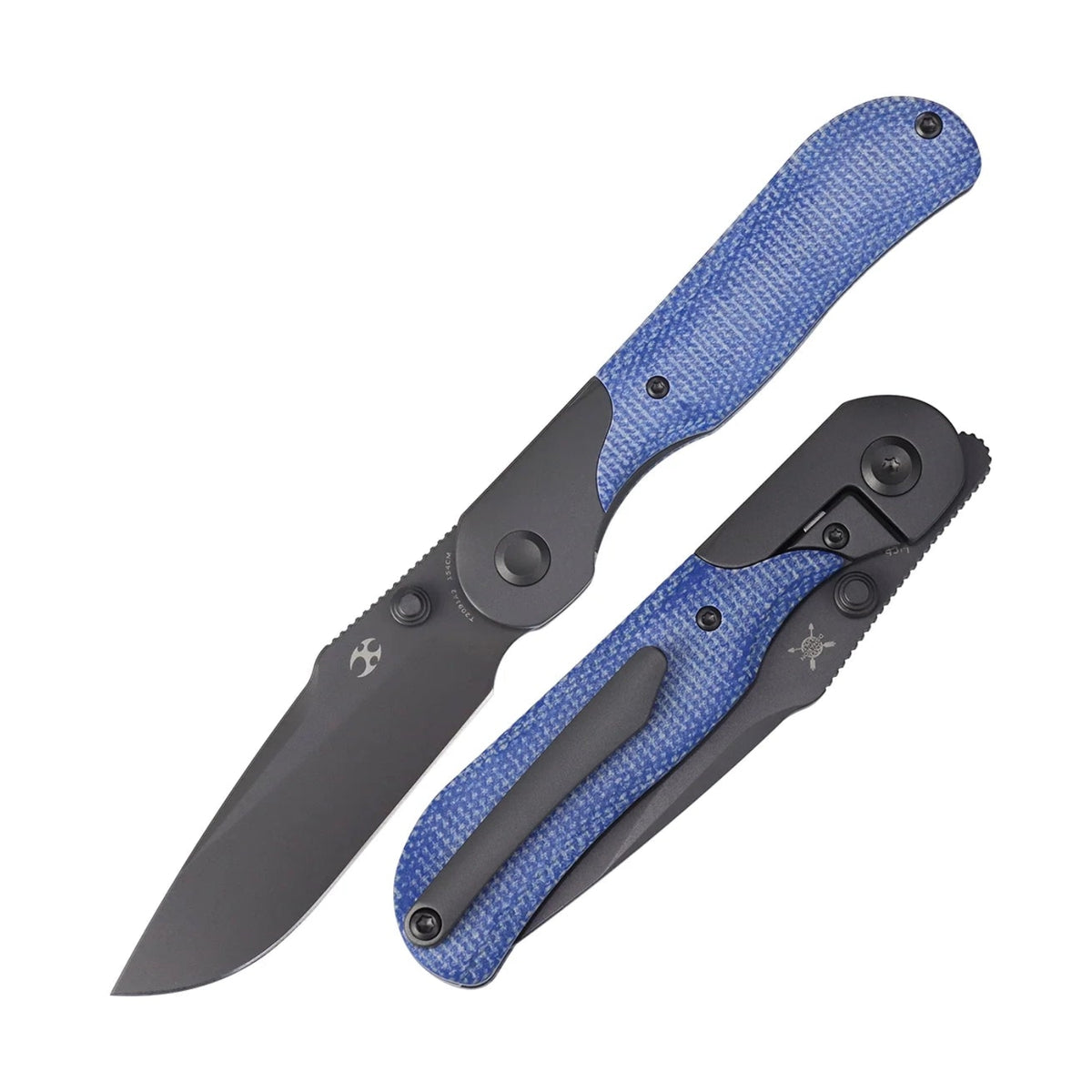
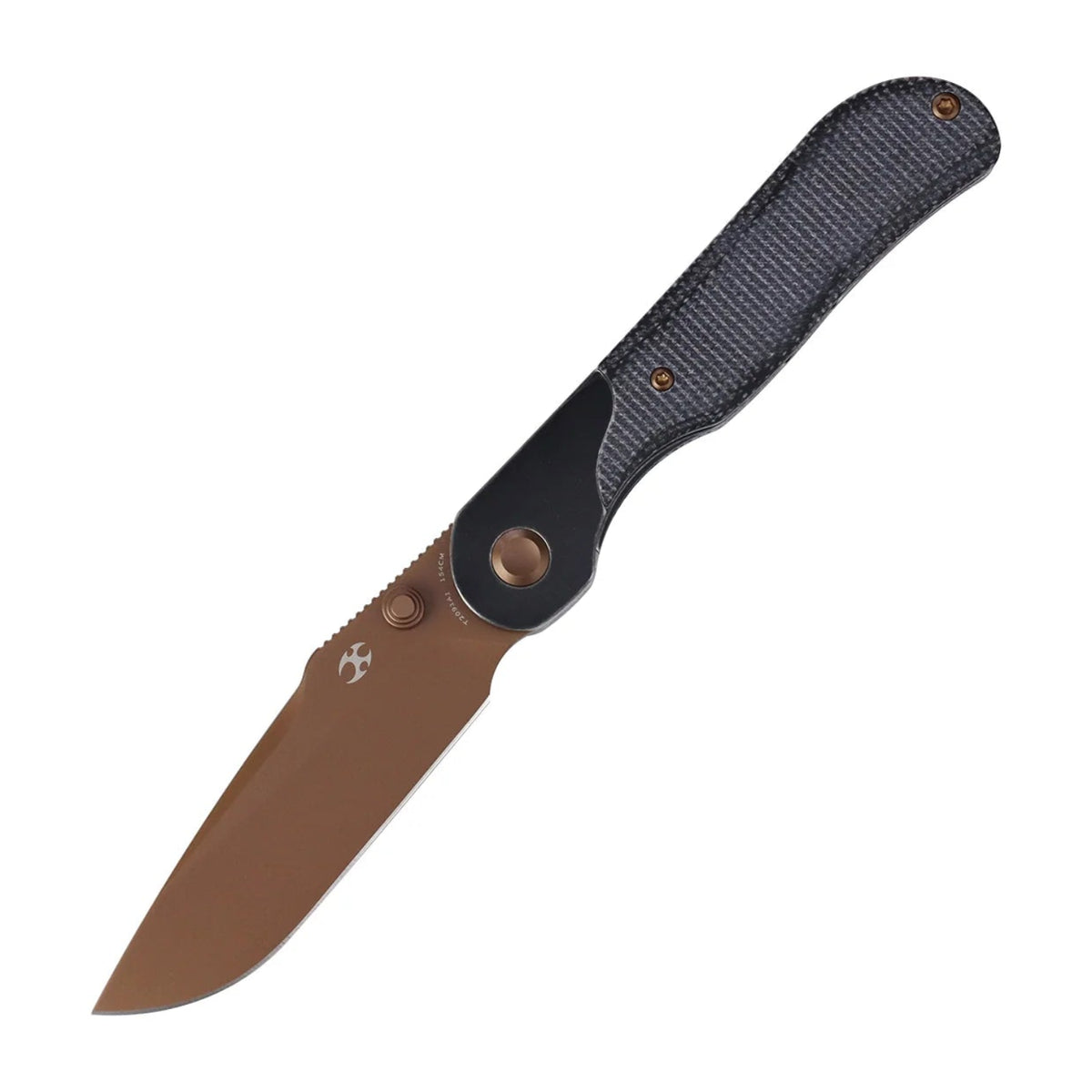
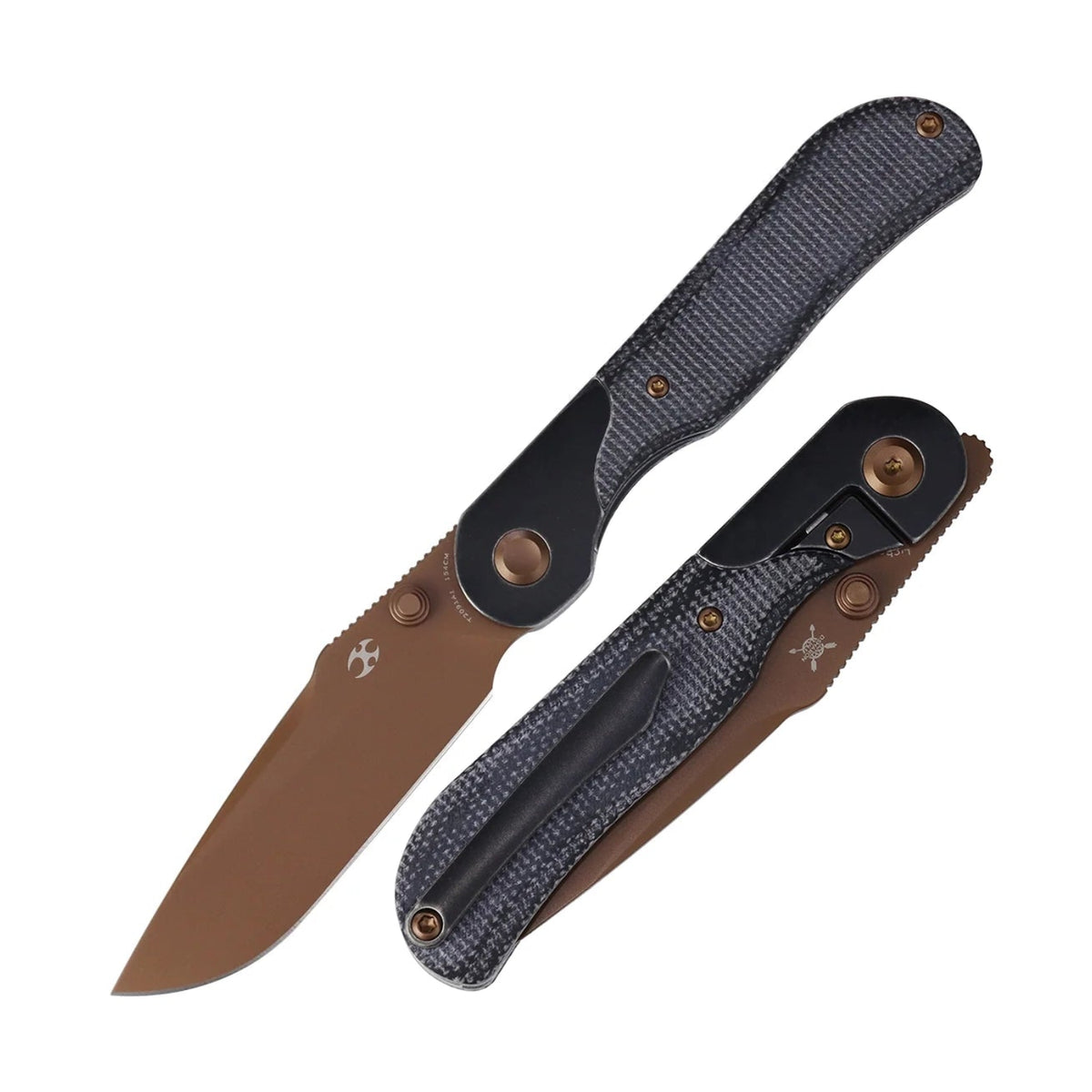
The Baby Viper is a compact fixed blade with a proud finger guard and a handle that fills the palm, which is what you want when the knife is being used in a pushing cut against resistant wood. A fixed blade has one clear advantage for this work: no pivot to clog with sawdust and no lock to cycle between cuts. The blade is short enough for detail work on a spur yet stiff enough to lever a shaving free without flexing.
Real-World Use
The build sequence runs from axe to knife to sandpaper. Roughen the board, cut the reflex profile, carve the spur so it sits at the right angle, then thin the grip until the release feels neutral. Each step needs a controlled cut that stops exactly where the pencil line is. A short fixed blade with a fine tip does that better than a long one, because the tip is closer to the hand that is steering it.

Ownership Notes
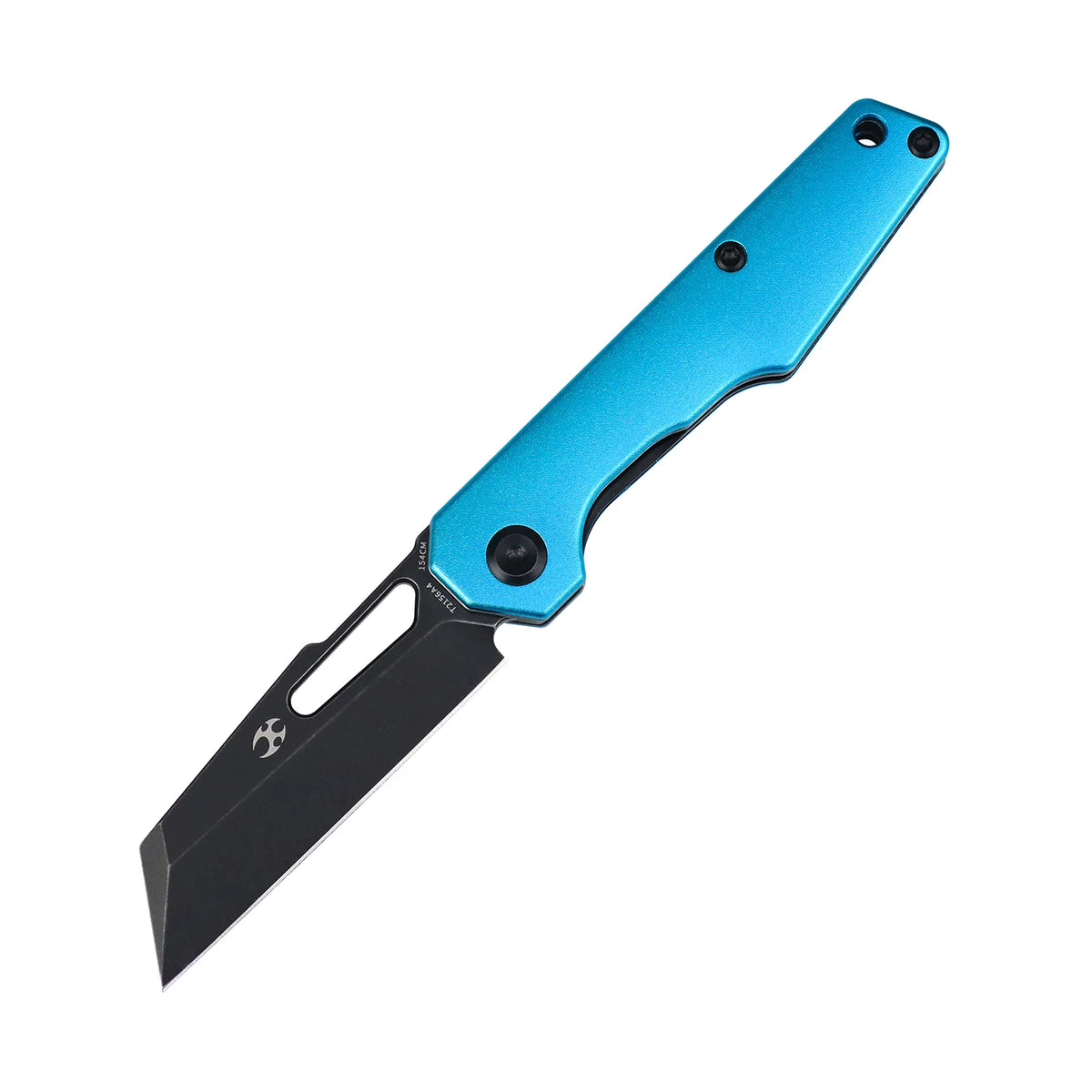
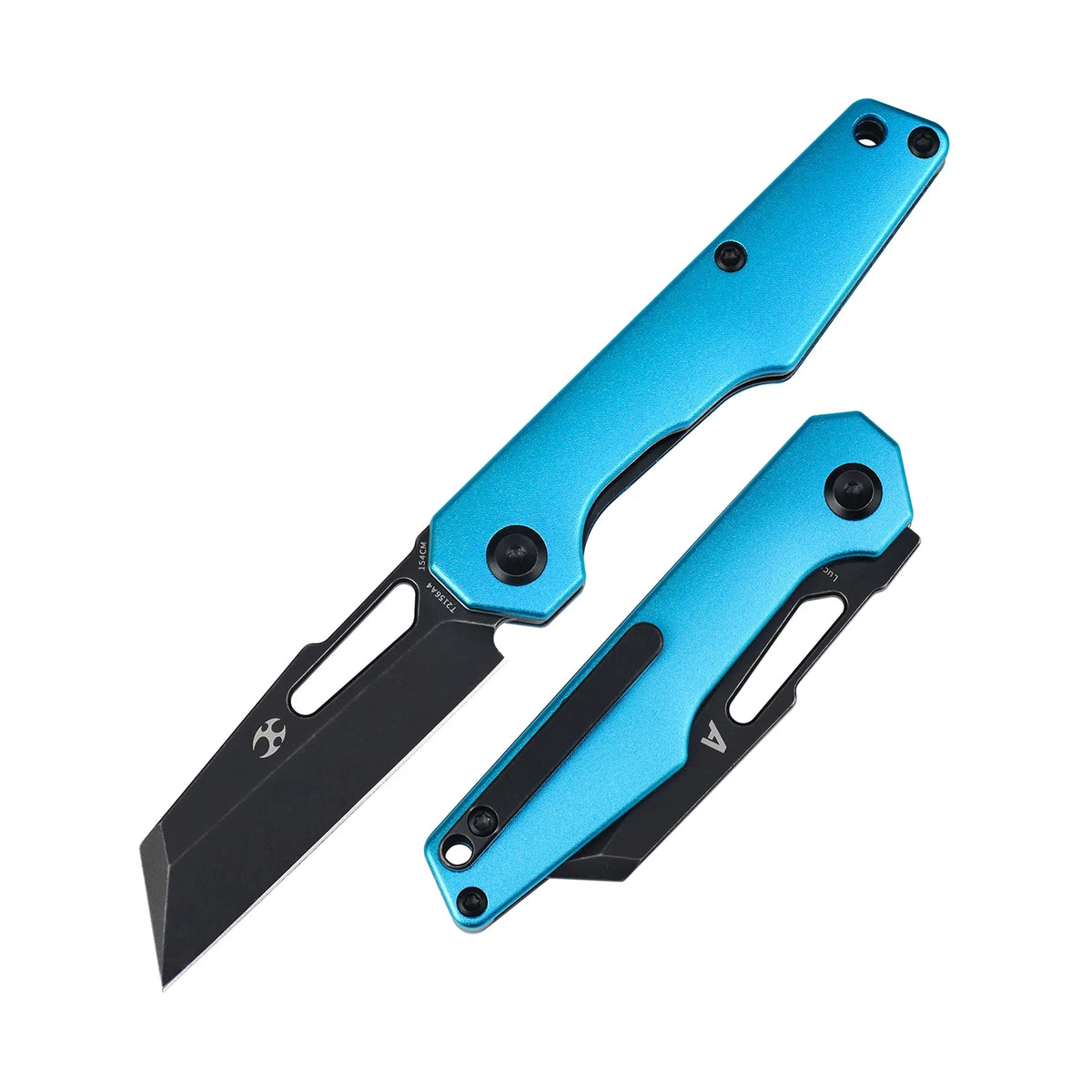
Primitive skills work happens outdoors, often at a bench made of a stump, and a fixed blade in a belt sheath is the practical carry. Folding knives are fine for finishing, but the shaping cut wants a solid handle that will take a push. EdcMall stocks the Baby Viper in several handle materials, and the resin versions are the ones that survive being dropped on gravel repeatedly. Buy a sheath with the knife, not after. Primitive skills instructors usually carry two EDC knives to a class: a fixed blade for demonstrating a push cut and folding knives for the finishing work that happens afterward.
Who Is This For?
Buy it if you build hunting gear, carve handles or teach primitive technology. It suits atlatl makers, bowyers doing detail work, bushcrafters and anyone who wants a small fixed blade that behaves. Skip it if you only ever cut cardboard and tape; a fixed blade is more knife than a desk job needs, and a compact folder in a pocket will do everything you actually ask of it.
Final Verdict
The Baby Viper is the right size for the work: big enough to shape a hardwood spur, small enough to carve a nock, and fixed so there is nothing to clean out of a pivot. 10Cr15MoV holds a usable edge through a full build without demanding a diamond stone, and the guard makes a pushing cut safe. A sensible first fixed blade for gear making.