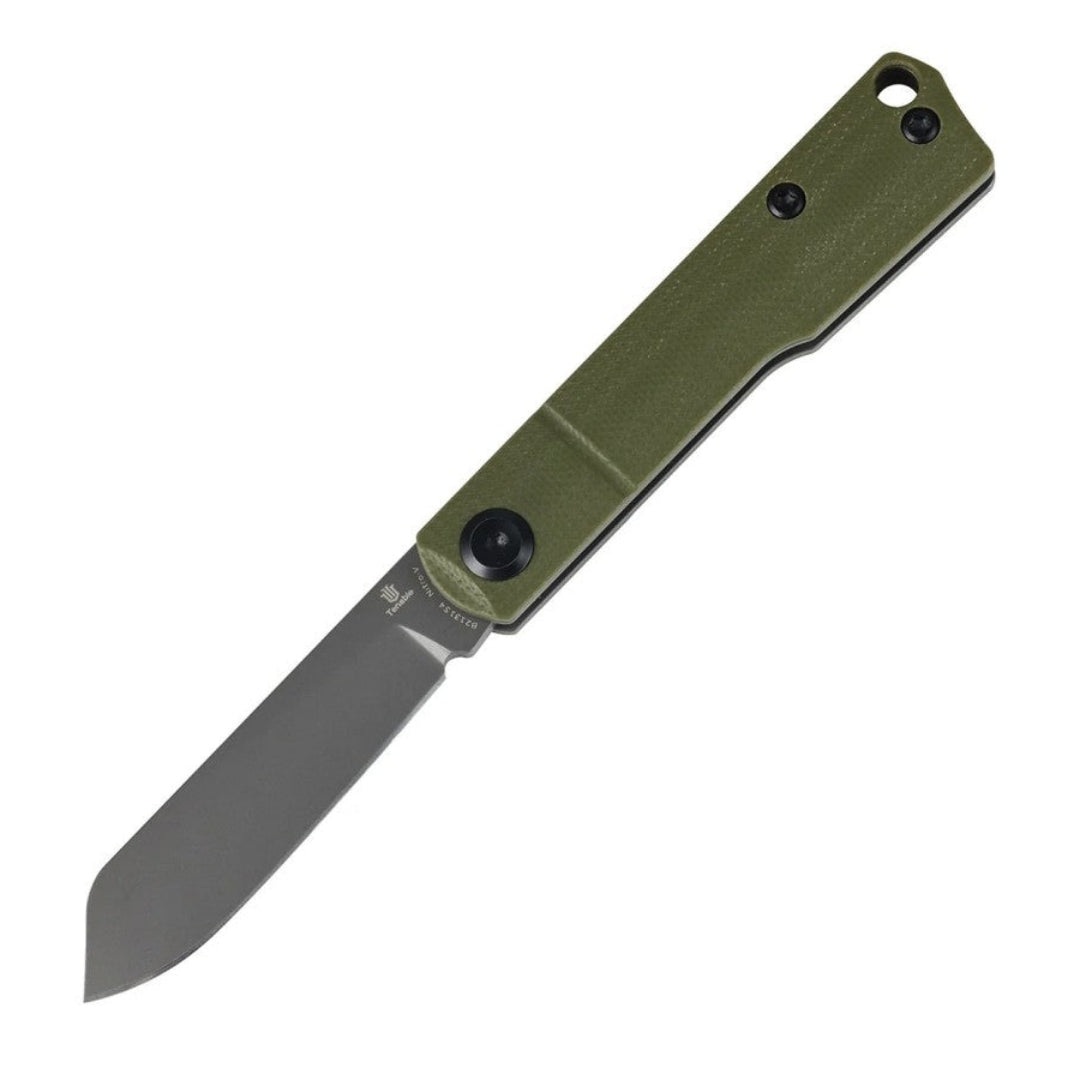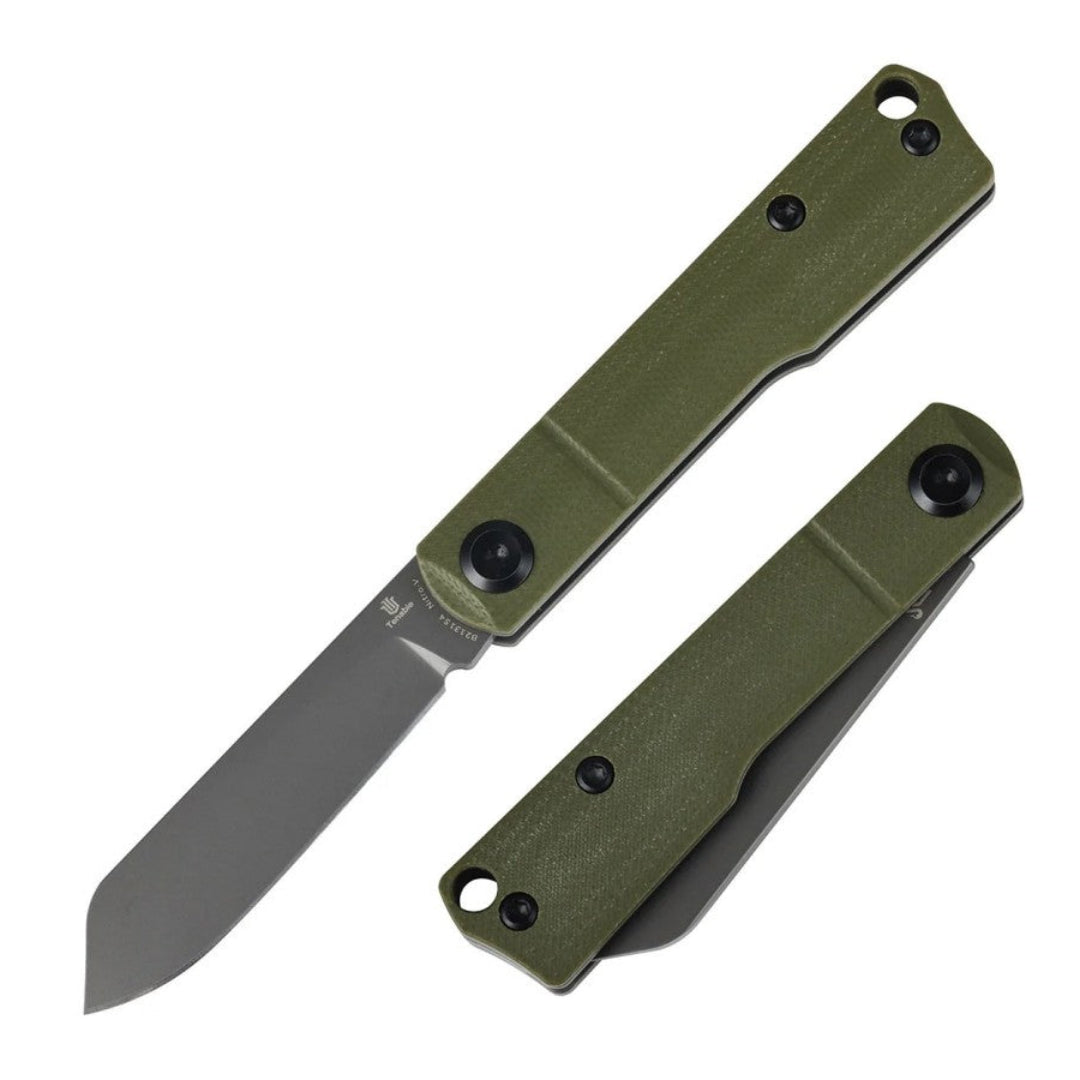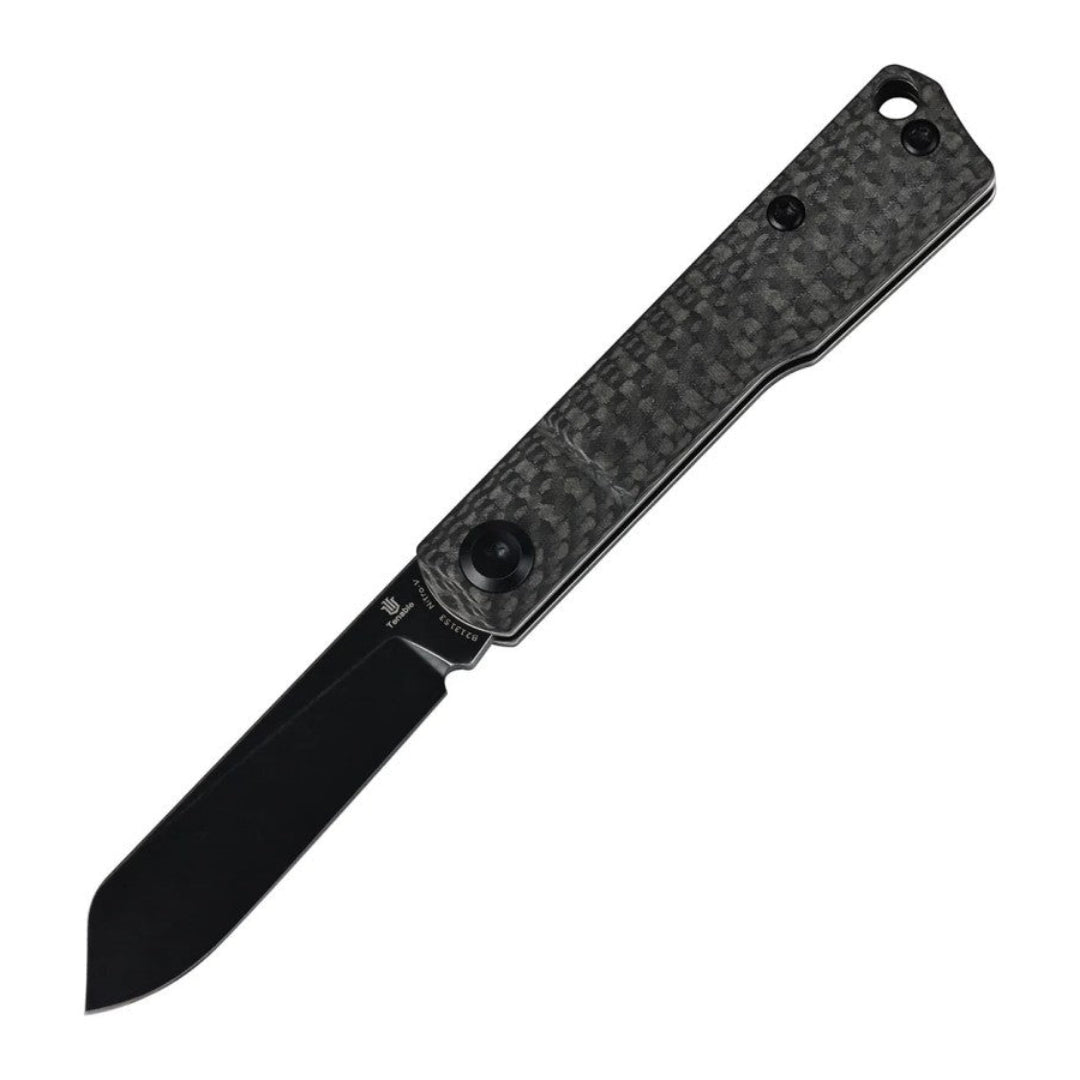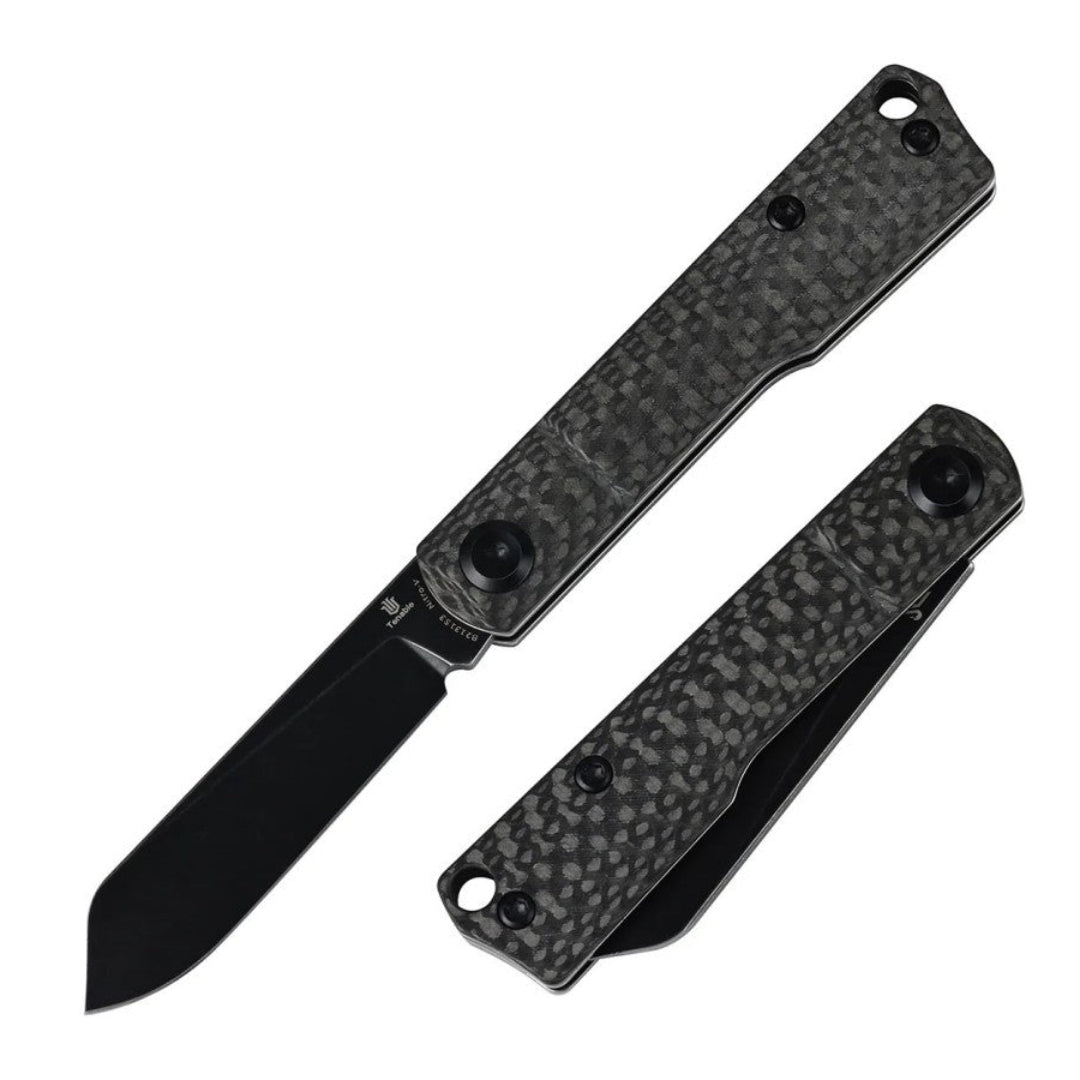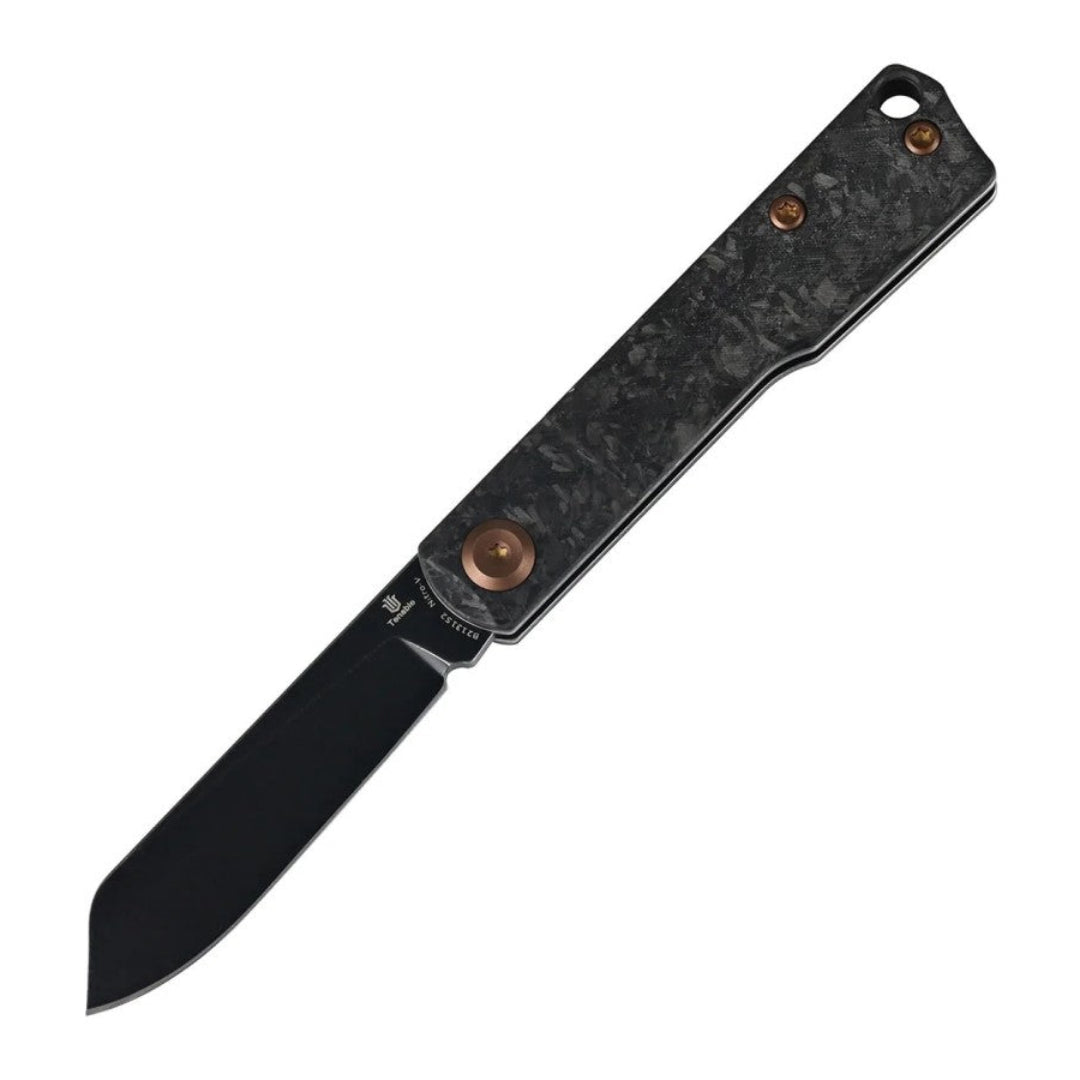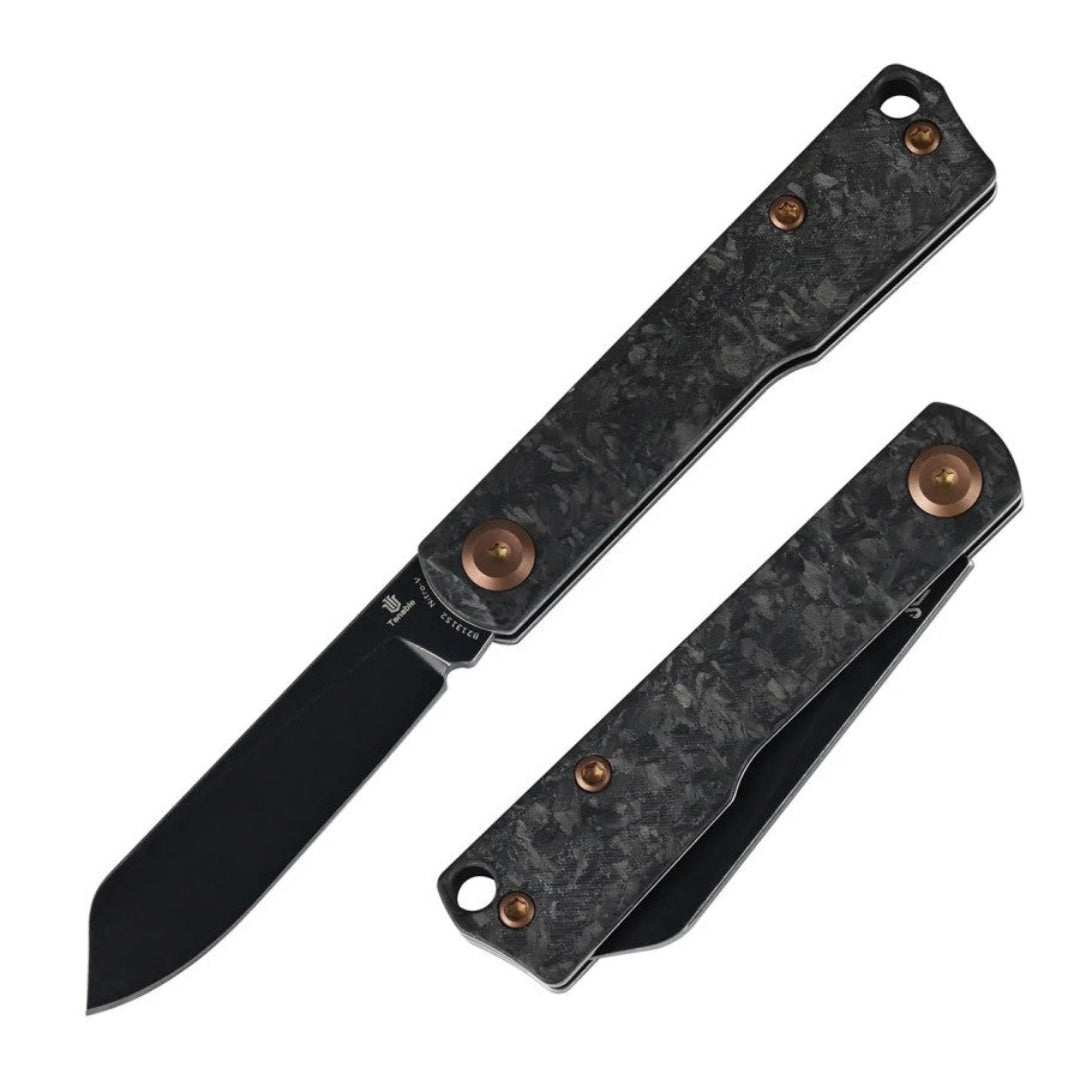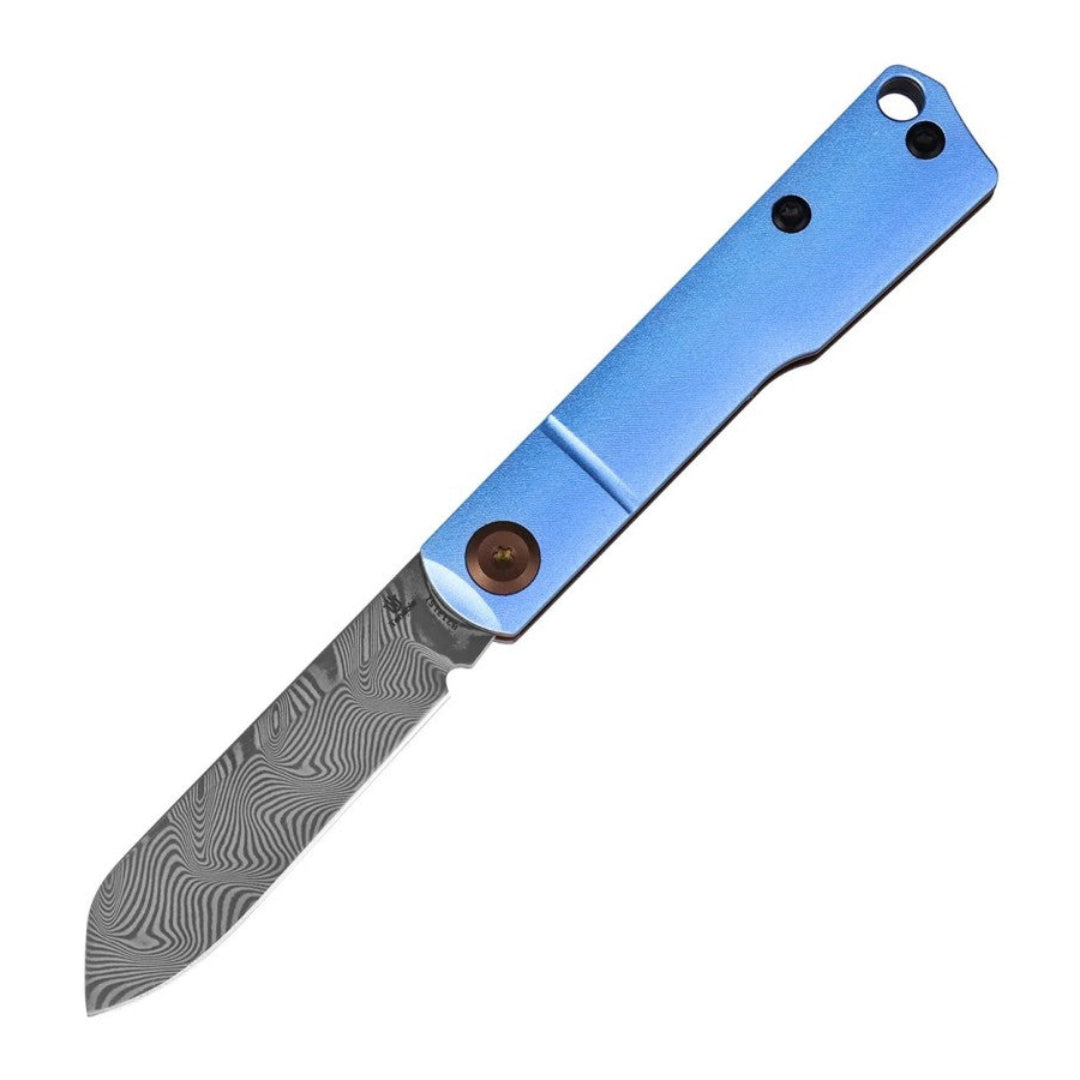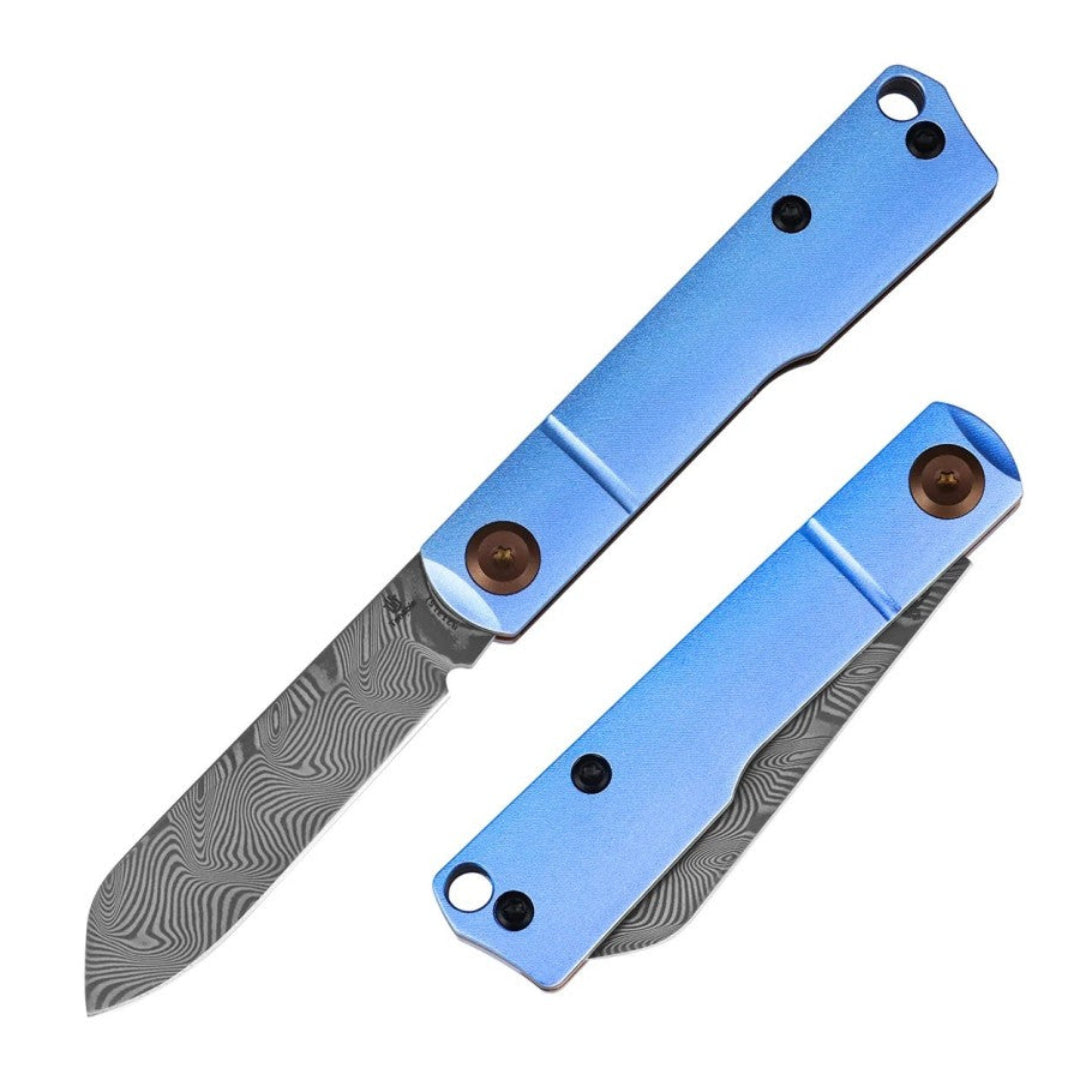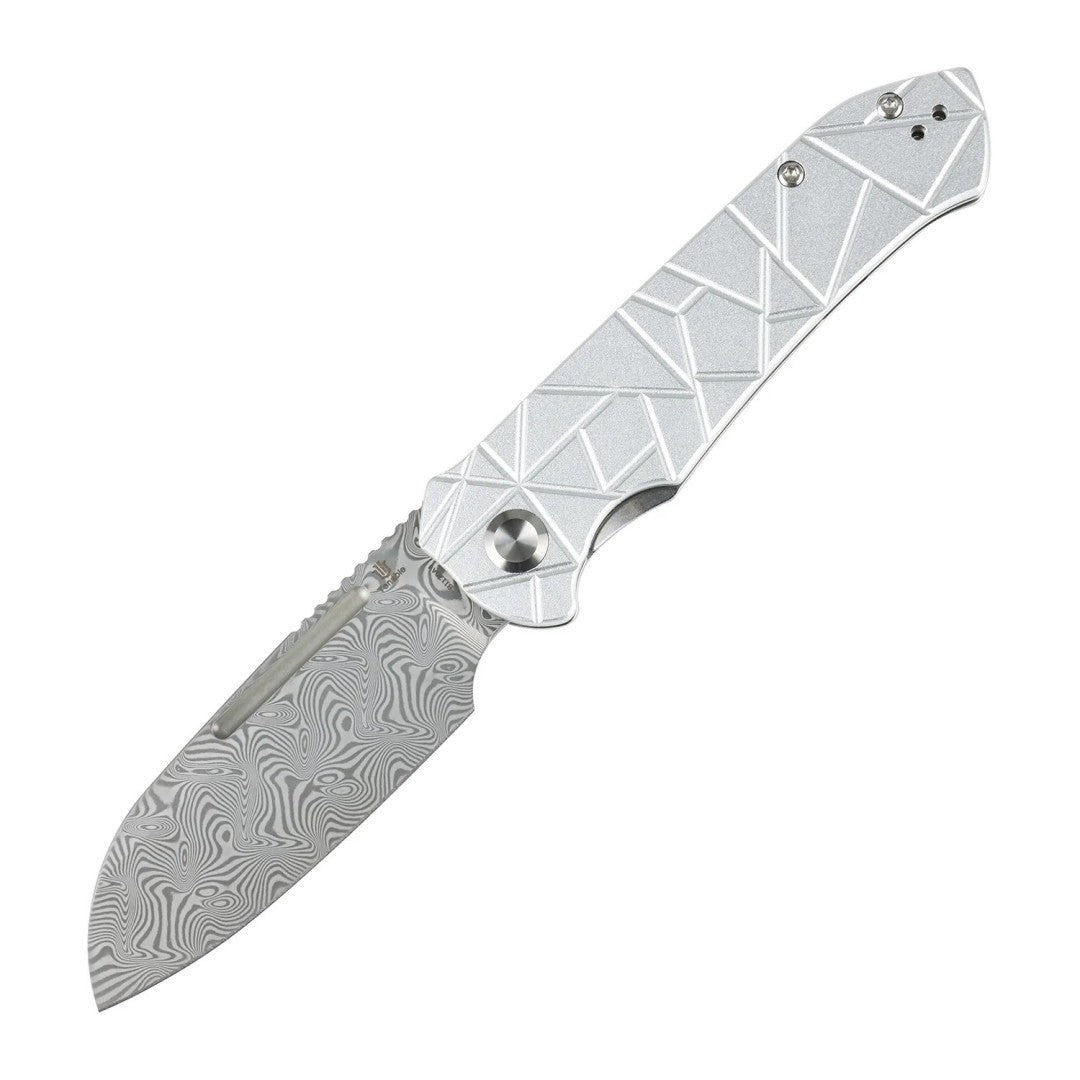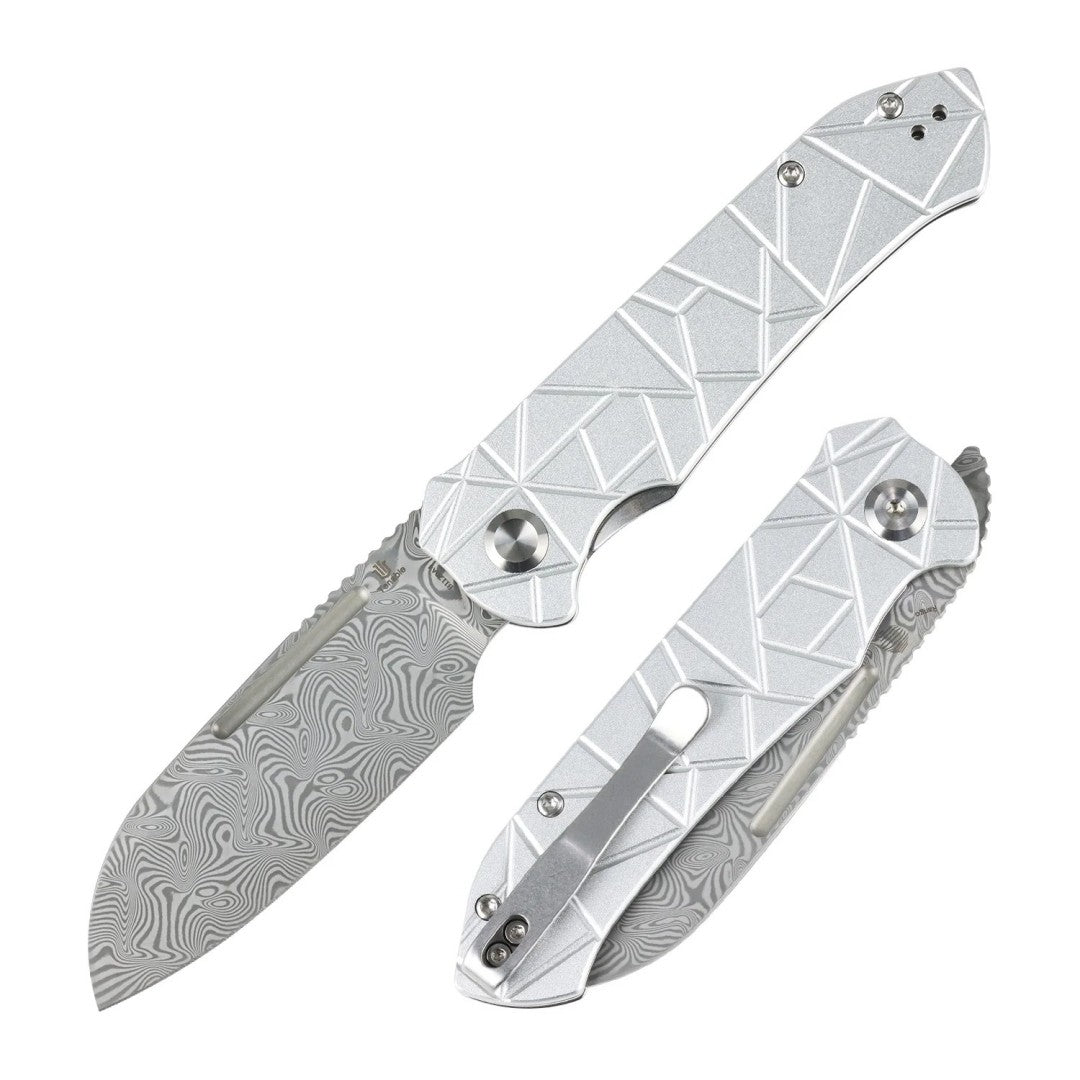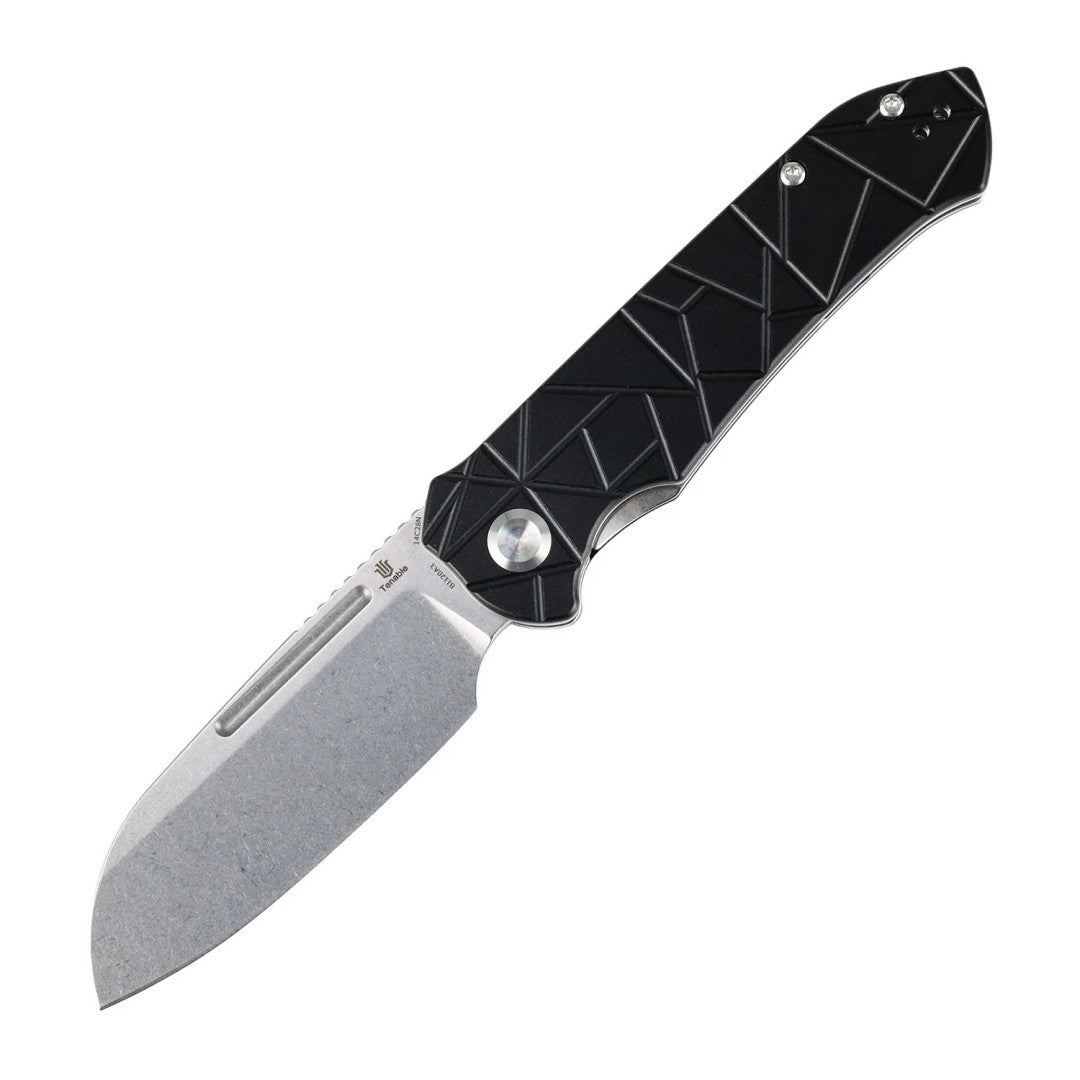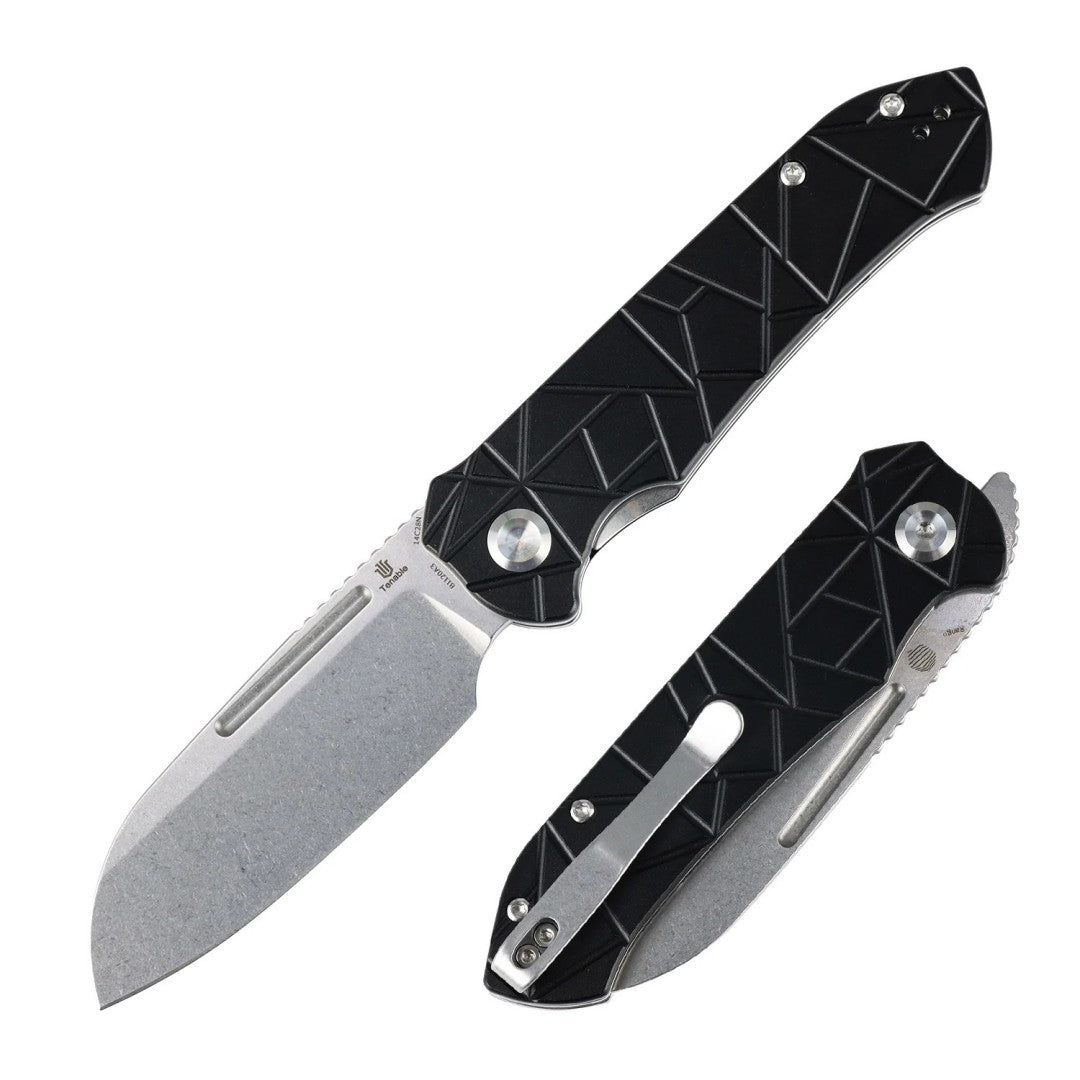

When it comes to choosing the right steel for your knife, the decision can be overwhelming. AUS-8 and CTS BD1N are two popular choices among knife enthusiasts, but which one is better? Let's dive into the details to help you make an informed decision.
What is AUS-8?
AUS-8 is a Japanese stainless steel known for its excellent balance of toughness, edge retention, and corrosion resistance. It contains carbon, chromium, manganese, molybdenum, and vanadium, which contribute to its overall performance. AUS-8 is relatively easy to sharpen and is commonly used in budget-friendly knives.
What is CTS BD1N?
CTS BD1N, on the other hand, is a high-performance stainless steel developed by Carpenter Technology Corporation. It is known for its exceptional edge retention, wear resistance, and corrosion resistance. CTS BD1N contains carbon, chromium, nitrogen, and molybdenum, which make it a popular choice for premium knives.
Comparing Performance
When comparing AUS-8 and CTS BD1N, it's important to consider their performance characteristics. CTS BD1N offers superior edge retention and wear resistance compared to AUS-8. This means that knives made with CTS BD1N will require less frequent sharpening and will maintain their sharpness for longer periods.
On the other hand, AUS-8 is easier to sharpen and is more forgiving when it comes to maintenance. It is a good option for those who prioritize ease of sharpening and are willing to trade off some edge retention.
Corrosion Resistance
Both AUS-8 and CTS BD1N offer good corrosion resistance, but CTS BD1N has the edge in this category due to its nitrogen content. Nitrogen helps improve the steel's ability to resist corrosion, making it a great choice for knives that will be exposed to harsh environments or moisture.
Conclusion
In conclusion, the choice between AUS-8 and CTS BD1N ultimately depends on your priorities and preferences. If you value superior edge retention and wear resistance, CTS BD1N is the better option. However, if ease of sharpening and maintenance is more important to you, AUS-8 is a solid choice.
Both steels have their own strengths and weaknesses, so it's essential to consider how you will be using your knife before making a decision. Whichever steel you choose, proper care and maintenance will ensure that your knife performs at its best for years to come.