If you’ve been paying attention to the knife world over the past few years, you’ve undoubtedly heard the buzz around CPM CruWear. This American-made tool steel has developed an almost cult-like following among hard-use enthusiasts, collectors, and anyone who values a blade that can take a beating and come back for more. But what exactly makes CruWear so special? In this comprehensive guide, we’ll break down everything you need to know about CPM CruWear steel, compare it to other popular blade materials, and showcase five outstanding CruWear knives released in the last five years — all available at accessible price points.
What Is CPM CruWear Steel?
CPM CruWear is a high-alloy tool steel developed by Crucible Industries in the United States and manufactured using the advanced Crucible Particle Metallurgy (CPM) process. This powder metallurgy technology ensures an ultra-fine, extremely homogeneous grain structure that maximizes the performance potential of the steel, translating to superior consistency and reliability in a finished blade.
Crucible originally developed the conventionally melted version of CruWear as an upgrade to the venerable A2 and D2 tool steels — two workhorses that had earned respect in the cutlery business for their wear resistance and tough cutting performance. The CPM version takes everything good about the original and elevates it: better machinability, improved resistance to chipping, and higher attainable hardness thanks to increased percentages of tungsten and molybdenum that enable a secondary hardening response.
The composition of CPM CruWear is deliberate and purposeful. It contains approximately 1.10% carbon for hardness and wear resistance, 7.50% chromium for moderate corrosion resistance, 2.40% vanadium for fine carbide formation, 1.60% molybdenum for toughness, and 1.15% tungsten for enhanced wear resistance. Notably, CruWear intentionally avoids the high-chromium “stainless” route. Instead, it relies on vanadium, molybdenum, and tungsten to create very fine, evenly distributed carbides through the CPM process. This microstructure is the secret behind its signature performance profile: high toughness, stable edges, and a friendlier sharpening feel than many high-chromium stainless powder metallurgy steels like S30V or M390.
Heat treated typically to 60-65 HRC, CPM CruWear delivers a balanced combination of edge retention, wear resistance, and — most notably — exceptional toughness. It’s one of the few steels that isn’t heavily skewed toward a single property; instead, it offers a well-rounded performance package that appeals to users who demand reliability across a variety of cutting tasks.
How Does CPM CruWear Compare to Other Knife Steels?
Understanding where CPM CruWear stands in the knife steel landscape helps you make an informed purchase decision. Here’s how it stacks up against other popular blade materials:
CPM CruWear vs. D2: This is the most direct comparison, since CruWear was designed specifically as an upgrade to D2. CruWear contains less carbon and chromium than D2, but significantly more vanadium and tungsten. The result is greater wear resistance, much higher toughness, and a higher attainable hardness (up to 65 HRC vs. D2’s typical 60-62 HRC). The overall carbide content of CPM CruWear is actually less than D2, which contributes to its superior toughness and chipping resistance. If you like what D2 offers but wish it were tougher and more resistant to edge damage, CruWear is essentially the direct upgrade.
CPM CruWear vs. CPM-3V: This comparison highlights a classic trade-off in tool steels. CPM-3V offers the highest impact toughness of any tool steel in its wear resistance range, approaching the levels of shock-resistant grades like S7. CruWear, while exceptionally tough, doesn’t quite match 3V’s impact resistance. However, CruWear delivers better wear resistance and edge retention in return. A helpful way to think about it: 3V is the ultimate choice for heavy-duty fixed blades that might encounter rocks, bone, or serious abuse; CruWear offers a more balanced package that many users prefer for folders and general-purpose fixed blades.
CPM CruWear vs. CPM-M4: These two high-performance tool steels are frequently cross-shopped. M4 generally wins in edge retention and wear resistance, while CruWear offers better toughness and significantly better corrosion resistance (though neither is stainless). CruWear is also noticeably easier to sharpen — a key consideration for users who maintain their own edges. Both are outstanding steels, but CruWear’s more forgiving nature and better corrosion resistance make it a more practical choice for everyday carry in varied environments.
CPM CruWear vs. S30V/S35VN: S30V offers better edge retention and vastly superior corrosion resistance, but CruWear is significantly tougher and easier to sharpen. In practice, S30V and S35VN excel as all-around stainless EDC steels, while CruWear is preferred for applications requiring high toughness and easy field maintenance. If you work in wet environments, S30V may be the better choice; if you prioritize toughness and sharpenability, CruWear is hard to beat.
CPM CruWear vs. M390/20CV: The premium stainless powder metallurgy steels like M390 and 20CV outperform CruWear in edge retention and corrosion resistance. However, CruWear is considerably tougher — independent testing shows CruWear’s toughness is more than double that of M390. It’s also far easier to sharpen when the time comes. The choice here depends on your priorities: maximum wear resistance and stainlessness versus toughness and ease of maintenance.
The Bottom Line: CPM CruWear isn’t trying to be the best at any single metric. It’s a purpose-built tool steel that delivers an exceptional balance of toughness, edge stability, and user-friendly sharpening — all wrapped in a package that’s more corrosion-resistant than carbon steels and tougher than most stainless alternatives. That’s why it’s become a favorite among discerning knife users who value real-world performance over spec-sheet bragging rights.
5 Best CPM CruWear Steel Knives
Here are five outstanding CPM CruWear knives released in the last five years, spanning folding and fixed-blade designs from trusted brands. Each one delivers exceptional value and showcases what makes this steel so special.
1. Spyderco Para 3 with Brown Canvas Micarta (Folding Knife)

The Spyderco Para 3 has long been a favorite in the EDC community, and this production version with brown canvas Micarta handles represents the definitive “CruCarta” configuration. It features a 2.95-inch full-flat-ground blade crafted from CPM CruWear, offering an outstanding balance of edge retention and toughness that suits everything from package duty to light outdoor tasks. Skeletonized full stainless steel liners provide structural rigidity without unnecessary weight, and the Compression Lock mechanism delivers smooth, reliable operation with easy one-handed closing. The Micarta scales are sanded smooth but left unpolished, meaning they will naturally develop a patina over time that gives each knife its own unique character. This knife is part of Spyderco’s full production lineup, making it more accessible than limited sprint runs while retaining the premium materials that made the CruCarta combination an instant classic.
Why We Love It: The perfect marriage of premium tool steel and classic handle material in a proven EDC platform that’s built to be used, not just admired.
2. Benchmade 539GY Anonimus (Fixed Blade)

The Benchmade Anonimus is a purpose-built fixed blade designed for bushcraft, survival, and tactical applications. Its 5-inch drop point blade is forged from CPM CruWear and finished with a grey Cerakote coating that enhances corrosion resistance while maintaining a low-visibility profile. The handle features OD green G-10 scales that provide a secure, comfortable grip even in wet conditions. Full-tang construction ensures the strength and durability required for demanding field tasks, and the included Boltaron sheath comes with a ferro-rod loop for emergency fire-starting capability. At just under six ounces, the Anonimus strikes an ideal balance between portability and capability, making it an excellent companion for extended backcountry excursions or as a reliable truck knife ready for whatever the bush throws at you.
Why We Love It: A no-nonsense survival tool built around one of the toughest tool steels available, backed by Benchmade’s American craftsmanship and lifetime warranty.
3. Spyderco Stretch 2 XL (Folding Knife)

The Spyderco Stretch 2 XL is a modern evolution of the classic Stretch design, scaled up for users who appreciate a larger cutting tool with refined ergonomics. Its 3.99-inch leaf-shaped blade is full-flat-ground from CPM CruWear steel, delivering the wear resistance and toughness needed for extended cutting sessions. The grey G-10 handle provides a secure, comfortable grip with a palm swell that locks the knife into your hand during heavy use. Ambidextrous design is enhanced by a four-position pocket clip that accommodates left- or right-side, tip-up or tip-down carry. A stainless steel back lock mechanism provides reliable lockup with the smooth, consistent action Spyderco is known for. The Stretch 2 XL shines as a workhorse folder for outdoor enthusiasts, hunters, and anyone who regularly tackles cutting tasks that would overwhelm a smaller EDC blade.
Why We Love It: Generous blade length and exceptional ergonomics combined with CruWear’s balanced performance make this a top-tier folding workhorse.
4. Zero Tolerance 0004 (Fixed Blade)
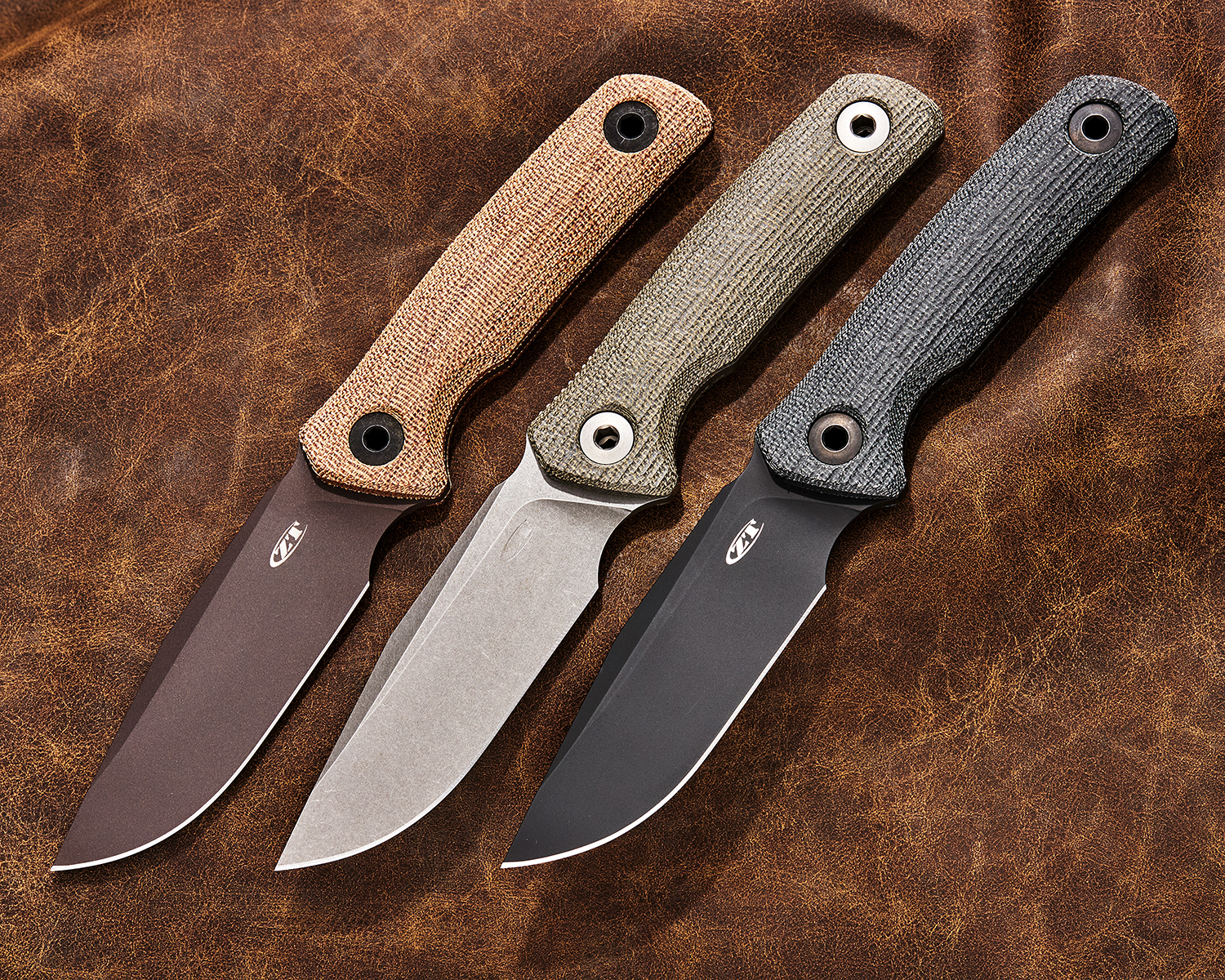
Zero Tolerance built its reputation on overbuilt hard-use knives, and the Model 0004 carries that tradition forward as one of the brand’s premium fixed blade offerings. At its heart is a 4.25-inch clip point blade crafted from CPM CruWear steel, a material known for its outstanding toughness, edge retention, and wear resistance. The blade is finished with a Cerakote coating that adds an extra layer of protection against the elements. The handle features natural canvas Micarta scales that provide excellent grip and develop a rich patina with use, mounted to a full-tang construction for maximum strength. The knife comes with an adjustable leather sheath that offers versatile carry options and a classic aesthetic that complements the tool’s premium build quality. For hunters, outdoorsmen, and serious knife users who demand professional-grade performance in the field, the ZT 0004 delivers without compromise.
Why We Love It: Zero Tolerance’s legendary build quality paired with a generous CruWear blade creates a fixed blade that’s ready for the toughest jobs in the backcountry.
5. Demko AD20 (Folding Knife)

Andrew Demko’s designs have earned legendary status among hard-use knife enthusiasts, and the AD20 represents the pinnacle of his folding knife engineering. The MG (machine-ground) production version features CPM CruWear blade steel — a semi-stainless tool steel that balances toughness and edge retention for applications where reliability is non-negotiable. The CruWear blade holds up exceptionally well under impact and lateral stress, making it a perfect match for a knife built to handle demanding cutting tasks rather than sit in a display case. The AD20’s signature Shark-Lock mechanism provides rock-solid lockup with intuitive one-handed operation, and the overall construction is robust enough to inspire confidence in any cutting scenario. While Demko knives are often associated with premium pricing and limited availability, production versions in CruWear bring this exceptional platform within reach for serious users.
Why We Love It: An iconic hard-use folding platform paired with one of the toughest tool steels on the market — a combination that’s built for work, not Instagram.
How to Choose the Right CPM CruWear Knife for You
Consider Your Primary Use Case: For everyday carry in an office or urban environment, the Spyderco Para 3 offers a compact, pocket-friendly package that won‘t raise eyebrows. If you need a larger folding workhorse for outdoor tasks or extended cutting sessions, the Stretch 2 XL delivers exceptional blade real estate. For bushcraft, survival, and field use, the Benchmade Anonimus or Zero Tolerance 0004 fixed blades provide the strength and capability required for demanding tasks. And for those who want the ultimate expression of a hard-use folding knife, the Demko AD20 stands in a class of its own.
Understand CruWear’s Maintenance Requirements: CPM CruWear is not a true stainless steel — it’s considered “semi-stainless” with approximately 7.5% chromium. This means it will develop a patina over time with use and requires basic maintenance to prevent unwanted corrosion. A quick wipe-down after use and occasional light oiling will keep your blade in excellent condition. Many users actually embrace the natural patina as part of CruWear’s character.
Check Local Knife Laws: Before purchasing any knife, especially automatic models like certain Demko or Benchmade configurations, verify that the design complies with local regulations regarding blade length, carry methods, and locking mechanisms.
Final Thoughts
CPM CruWear steel has earned its place among the most respected blade materials in the knife world for good reason. It doesn’t chase maximum edge retention numbers or push corrosion resistance to stainless extremes. Instead, it delivers exactly what hard-use knife enthusiasts actually need: exceptional toughness, reliable edge stability, and a user-friendly sharpening experience that keeps your knife in service rather than on a shelf waiting for professional maintenance.
The five knives featured above represent the best of what CPM CruWear has to offer across folding and fixed-blade platforms — all released within the last five years and all delivering outstanding value. Whether you’re a collector looking to experience one of the knife community’s favorite steels, or a serious user seeking a reliable tool for demanding work, any of these options will serve you well. CPM CruWear isn’t just a steel — it’s a statement that you value performance over marketing hype and real-world utility over spec-sheet numbers.