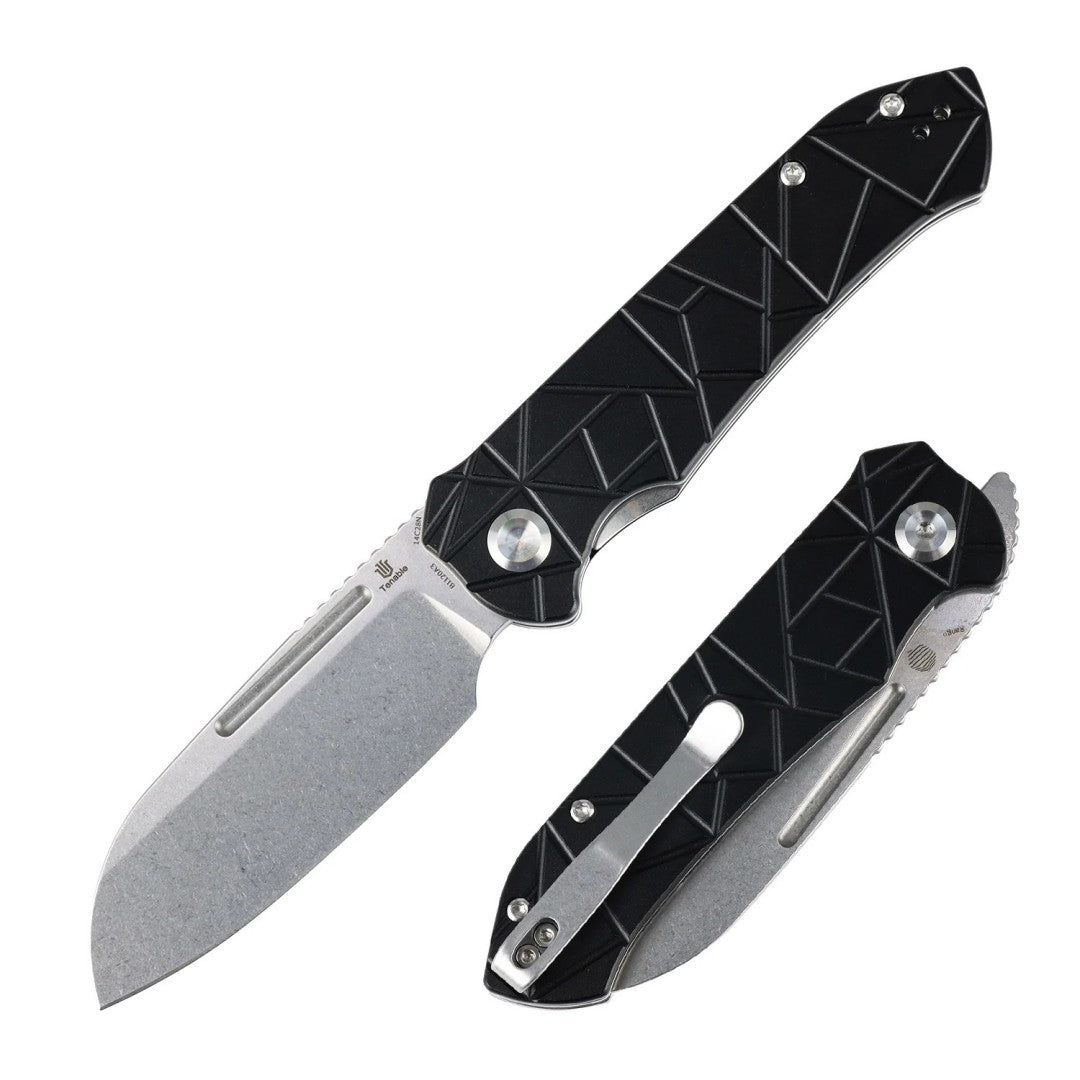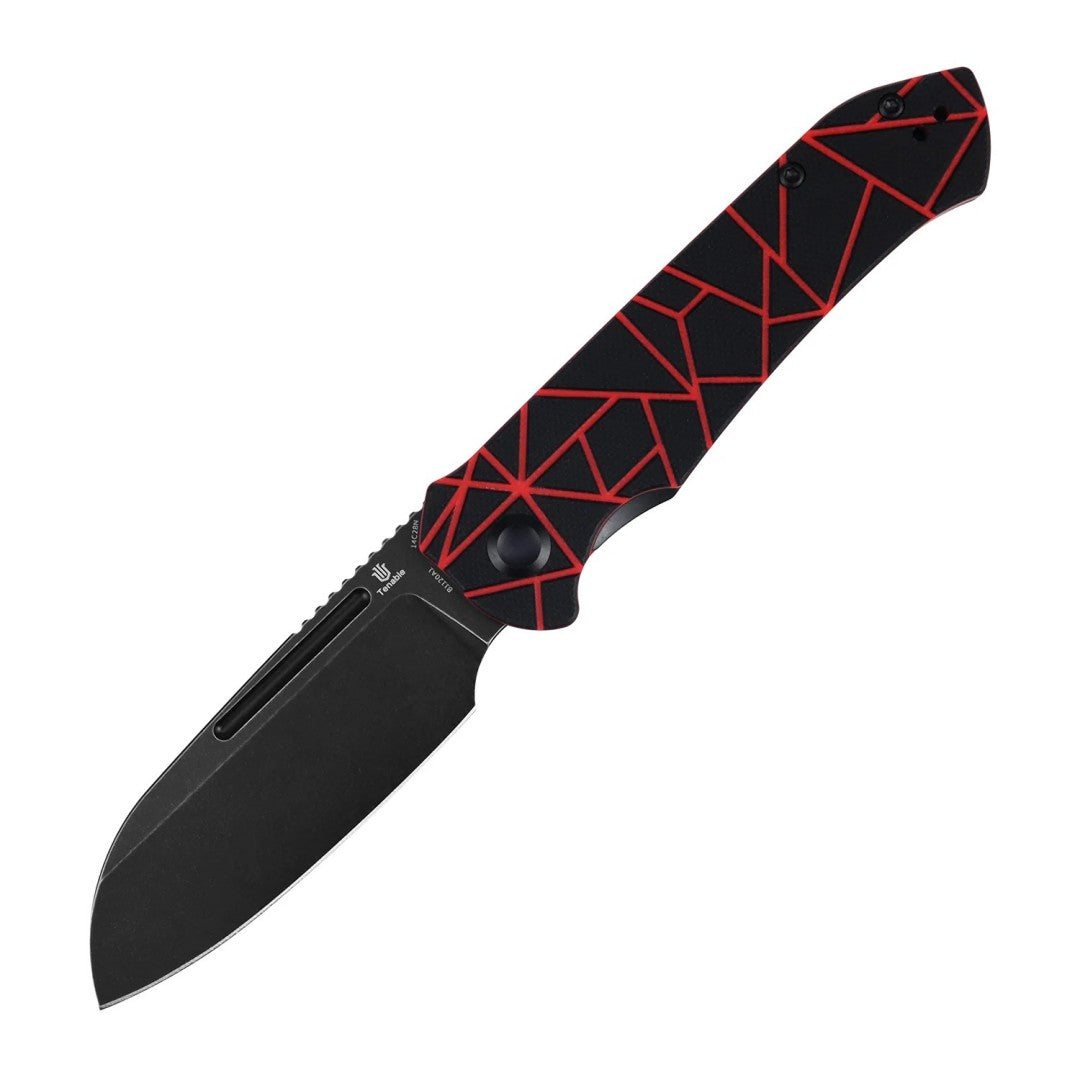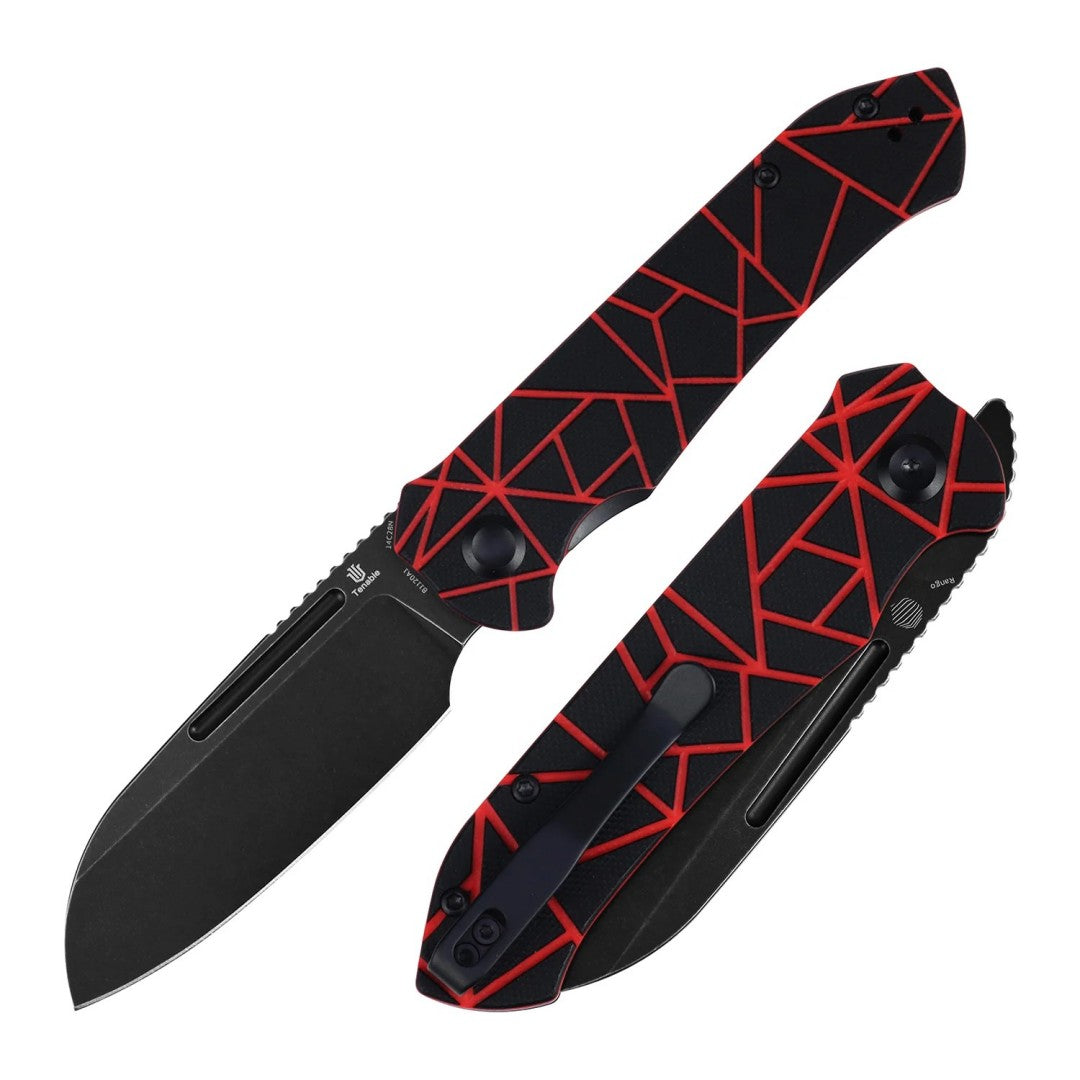
In the world of knife steels, few names carry the legacy and practical appeal of D2 tool steel. For decades, this semi-stainless, high-carbon, high-chromium alloy has served as the workhorse of the cutlery industry, trusted by custom knife makers and production brands alike. Its reputation is built on a foundation of exceptional edge retention and rugged durability. Whether you are building a versatile EDC rotation, selecting dependable tools for the backcountry, or seeking maximum value without sacrificing cutting performance, understanding what makes D2 special is the first step to making a confident choice.
In this guide, we will explore the composition and characteristics of D2 steel, compare it to other popular blade materials, and showcase five of the best fixed blade knives from different brands that put this remarkable steel to work.
What Is D2 Steel?
D2 is an air-hardening, high-carbon, high-chromium tool steel that was originally developed for industrial applications such as stamping dies, shear blades, and other tools requiring extreme wear resistance. Its transition into the knife industry was a natural one, as the properties that make it ideal for cutting metal also make it a formidable blade material.
The performance of D2 is driven by its carefully balanced chemical composition, which typically includes approximately 1.4-1.6% carbon and 11-13% chromium. This specific blend is key to its unique characteristics. The high carbon content enables the steel to achieve high hardness levels, while the chromium content contributes to its wear resistance and moderate corrosion resistance. In fact, D2 contains enough chromium to be classified as "semi-stainless," offering better stain resistance than many other tool steels but not quite matching true stainless steels like CPM-154. D2 is a common steel that is technically not stainless but very corrosion resistant, providing a good middle ground between the benefits of the two different types of blade steels.
Key performance characteristics include:
-
Excellent Edge Retention: D2 is renowned for its ability to hold a sharp edge through extended use. Its high carbon content and the presence of hard chromium carbides contribute to a level of edge retention that is often compared to more expensive premium steels. This makes D2 an ideal choice for demanding tasks where frequent sharpening is impractical.
-
High Attainable Hardness: D2 is typically heat-treated to a working hardness of 58-62 HRC. This range provides an ideal balance for knife blades, offering excellent edge stability and wear resistance without becoming excessively brittle.
-
Moderate Toughness: While D2 is not as impact-resistant as simpler carbon steels like 1095, it is tougher than many high-hardness stainless steels. D2 is comparable in hardness to 55-62 HRC and not as tough as 1095 grade steel, which means it is more prone to chipping when subjected to extreme lateral forces or heavy prying. For its intended use as a cutting tool, its toughness is more than adequate.
-
Moderate Sharpenability: D2's high wear resistance makes it more challenging to sharpen than simpler steels like 440C or 1095. However, it responds well to modern diamond and ceramic abrasives, and the time invested is rewarded with an edge that lasts significantly longer.
How D2 Compares to Other Popular Knife Steels
To fully appreciate D2's place in the knife world, it's helpful to see how it stacks up against other common materials:
-
D2 vs. 1095 Carbon Steel: This is a classic comparison between two traditional workhorses. 1095 is a simple carbon steel that is exceptionally tough and easy to sharpen in the field, making it a favorite for large survival knives and machetes. However, it rusts easily and requires consistent maintenance. D2 sacrifices some of that extreme toughness and ease of sharpening for significantly better edge retention and much-improved corrosion resistance. For EDC and general-purpose outdoor knives, D2 is often the more practical, lower-maintenance choice.
-
D2 vs. CPM-S30V: This comparison represents a step up in price and performance. S30V is a premium powder metallurgy stainless steel that offers better corrosion resistance and edge retention than D2. S30V is definitely superior to D2 in most every way—toughness, edge holding, and stain resistance. However, S30V is significantly more difficult to sharpen and commands a much higher price. D2 offers a large portion of S30V's performance at a fraction of the cost, making it a fantastic value option.
-
D2 vs. CPM-154: Both are popular choices for production and custom knives, but they serve different priorities. CPM-154 is a premium stainless steel known for its fine grain structure, excellent toughness, and superior corrosion resistance. It is easier to sharpen than D2 and more resistant to chipping. D2, however, often holds an edge longer than CPM-154 and can be found at a more accessible price point.
-
D2 vs. 8Cr13MoV / AUS-8: This is a clear upgrade scenario. D2 is a superior steel to these common budget stainless steels. It offers substantially better edge retention and holds a sharper, more durable edge for a much longer period. While 8Cr13MoV is easier to sharpen, the performance jump to D2 is significant and well worth the small increase in maintenance effort.
Five Exceptional D2 Fixed Blade Knives Worth Your Attention
Here are five standout fixed blade knives from different brands that showcase the remarkable versatility and value of D2 steel. Each one is a fantastic example of how this proven material can be applied to a wide range of designs and use cases.
1. Kansept Niko: The EDC and Tactical Specialist

The Kansept Niko is a multi-purpose fixed blade that blends tactical precision with rugged performance. The 3.54-inch clip point blade is made from durable D2 tool steel, with an aggressive up-sweep that allows excellent slicing and dicing capabilities. The handle is available in premium materials like twill carbon fiber or black canvas Micarta, providing a comfortable and secure grip. Full tang construction ensures maximum strength, while the integrated finger ring pommel adds versatility for secure retention and rapid transitions between grips. The knife comes with a form-fitted black Kydex sheath for reliable belt carry. This is an excellent choice for those seeking a capable and stylish fixed blade for EDC, tactical, or outdoor use.
2. Tenable Tiny Dancer: The Compact EDC Fixed Blade
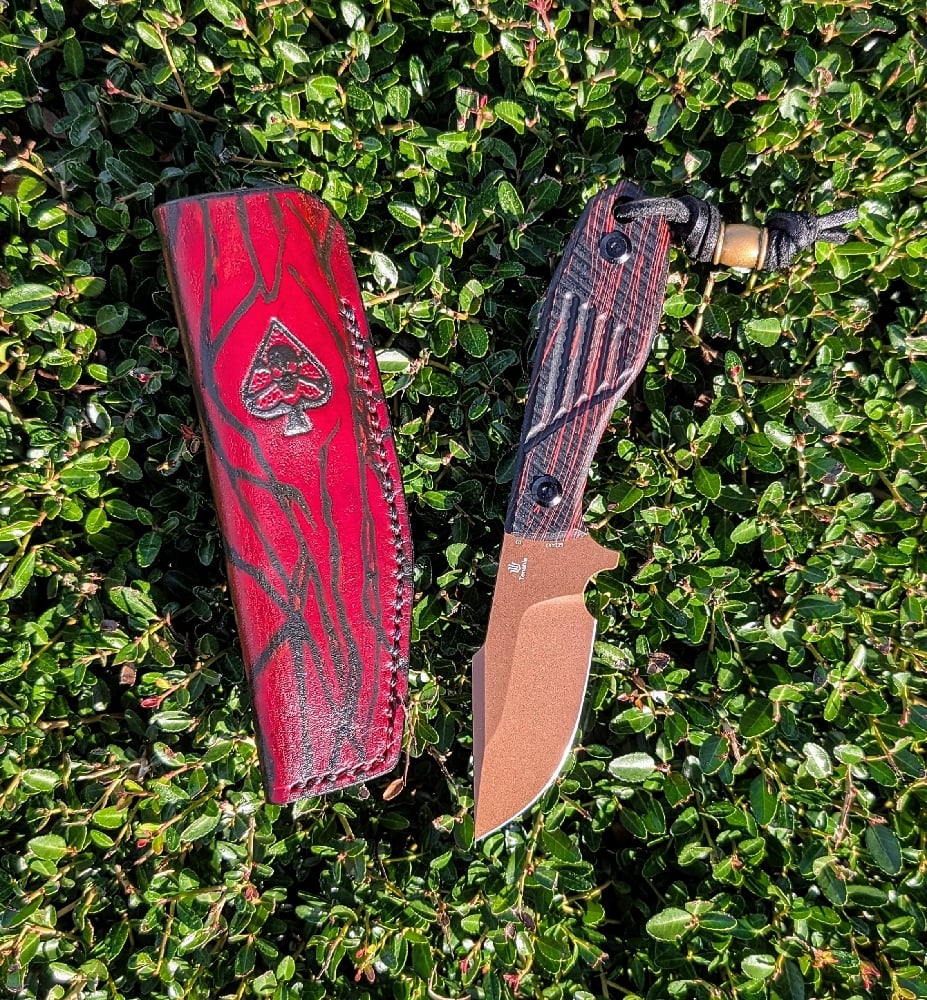
The Tenable Tiny Dancer is purpose-built as a pocket-sized EDC fixed blade that proves you don't need a large knife for daily tasks. Designed by JB Stout, the Tiny Dancer features a 3.17-inch drop point blade made from D2 tool steel, known for its exceptional wear resistance and long-lasting sharpness. The knife is built with full-tang construction and comes with a choice of grippy Micarta or textured G10 handle scales. It has been tested and proven effective for tasks ranging from processing deer to everyday utility work. Weighing just over 4 ounces with an overall length of under 7 inches, the Tiny Dancer is small enough for comfortable all-day carry while still providing professional-grade cutting performance. It includes a multi-angle Kydex sheath with a 180-degree adjustable clip for customized carry.
3. Bestech Heidi Blacksmith #1: The Versatile Workhorse

The Bestech Heidi Blacksmith #1 is a slim but sturdy fixed blade knife designed to be useful for a variety of tasks. The 3.15-inch clip point blade is crafted from D2 tool steel hardened to 59-61 HRC, providing a robust edge that can handle hard work. The knife features a full tang construction for stability and strength, with thin, lightly textured carbon fiber handle scales that fit neatly in the hand while keeping the overall profile slim. Jimping on the blade spine and a large lanyard hole add extra functionality. Weighing just 2.5 ounces, it is exceptionally lightweight for its capabilities. The knife comes with a Kydex sheath for convenient carry. For those seeking a high-value, lightweight fixed blade for EDC or light outdoor use, the Heidi Blacksmith #1 is a compelling option.
4. QSP Bison V2: The Reliable Outdoor Companion
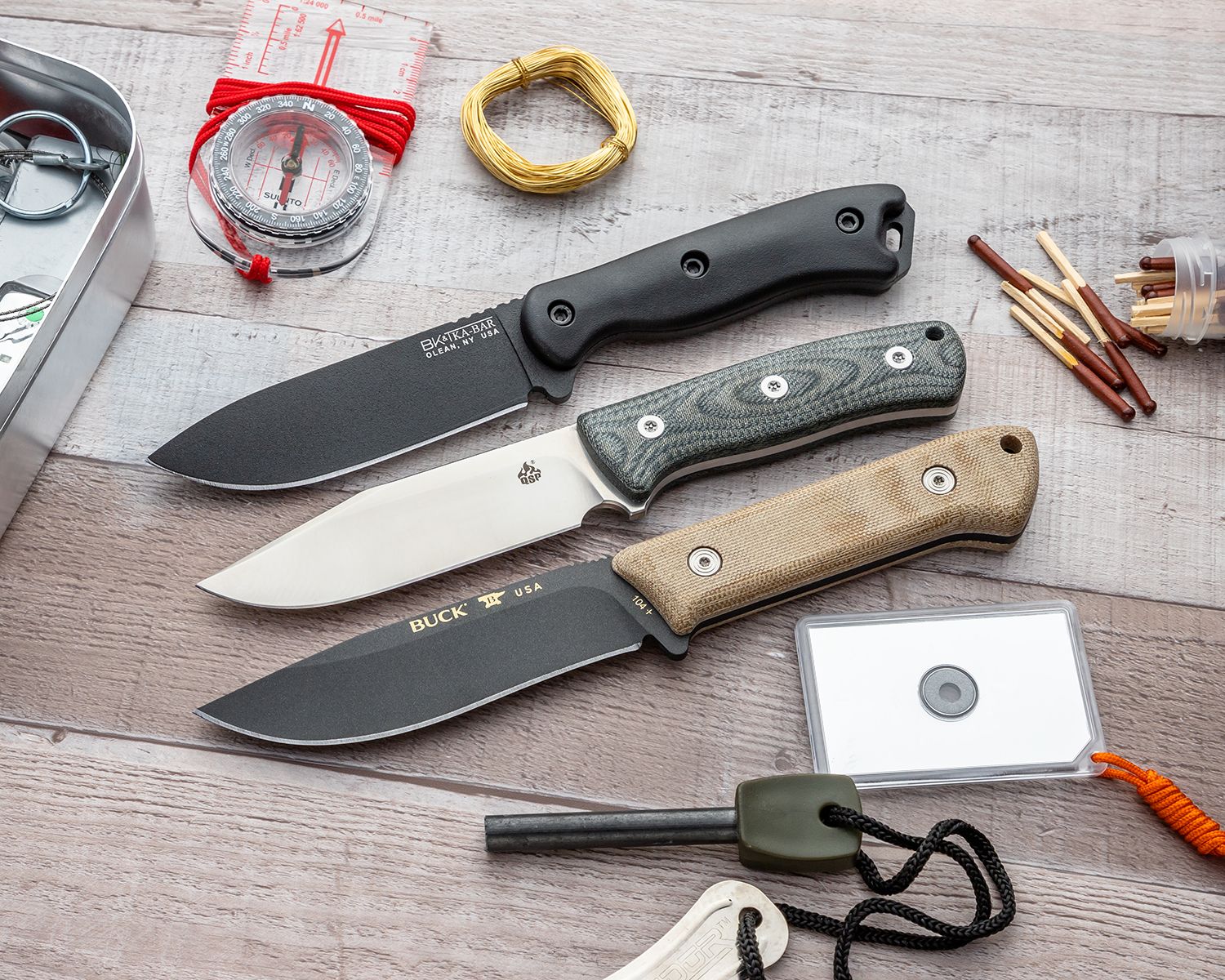
The QSP Bison V2 is a no-nonsense, hard-working fixed blade built for reliability and value. This knife features a substantial 4.50-inch clip point blade made from sturdy D2 tool steel, with a satin finish and a blade thickness of 0.165 inches for added strength. The handle is made from smooth black linen Micarta with light texturing, providing a comfortable and secure grip even in wet conditions. With an overall length of 9.375 inches and weighing nearly 7 ounces, the Bison V2 is a capable knife ready for camping, hiking, or as a general utility tool. The included Kydex sheath can be mounted vertically or horizontally to suit your carry preference. For those who need a reliable, hard-use blade without the premium price tag, the Bison V2 delivers.
5. Civivi Tamashii: The Tactical Design by Bob Terzuola

The Civivi Tamashii is a purpose-built tactical fixed blade designed by the legendary Bob Terzuola. It features a 4.07-inch D2 tool steel blade with a trailing point shape, offering a great design for slashing with a decent point for stabbing. The handle features a natural flared-out finger guard and thumb ramp for a secure, confident grip. It is available with premium materials like brown canvas Micarta or dark green G-10. Full-tang construction ensures durability, while the included Kydex sheath is outfitted with the excellent Terzuola T-Clip for secure and versatile belt carry. With an overall length of 8.8 inches and a weight of just 4.43 ounces, the Tamashii balances power and portability, making it a dependable edge for your EDC lineup.
Comparison at a Glance
| Feature | Kansept Niko | Tenable Tiny Dancer | Bestech Heidi Blacksmith #1 | QSP Bison V2 | Civivi Tamashii |
|---|---|---|---|---|---|
| Blade Steel | D2 Tool Steel | D2 Tool Steel | D2 Tool Steel (59-61 HRC) | D2 Tool Steel (58-60 HRC) | D2 Tool Steel (59-61 HRC) |
| Blade Length | 3.54" | 3.17" | 3.15" | 4.50" | 4.07" |
| Overall Length | 7.30" | 6.83" | 6.85" | 9.375" | 8.80" |
| Weight | 4.02 oz | 4.73 oz | 2.5 oz | 6.98 oz | 4.43 oz |
| Handle Material | Carbon Fiber / Micarta | Micarta / G10 | Carbon Fiber | Black Linen Micarta | Micarta / G10 |
| Sheath Type | Kydex | Kydex | Kydex | Kydex | Kydex with T-Clip |
| Best For | EDC, Tactical | Compact EDC | Versatile EDC | Outdoor, Camping | Tactical EDC |
Why D2 Belongs in Your EDC and Tool Collection
The fixed blade knife is a cornerstone of any serious EDC or outdoor gear collection, valued for its strength, reliability, and instant deployment. Pairing this format with a blade of D2 steel gives you a tool that offers a truly compelling balance of performance and value. You get the exceptional edge retention and toughness of a premium tool steel at a price point that makes it accessible to everyone.
As noted by experienced users, D2 is a common steel that provides a good middle ground between the benefits of carbon and stainless steel types. For those seeking a durable, reliable, and high-performing fixed blade that won't break the bank, D2 remains one of the best choices available. The knives featured in this guide—from Kansept's tactical Niko and Tenable's compact Tiny Dancer to Bestech's versatile Heidi Blacksmith #1, QSP's rugged Bison V2, and Civivi's purpose-built Tamashii—demonstrate the remarkable versatility of this legendary tool steel.
Frequently Asked Questions
Is D2 steel good for EDC?
Absolutely. Its excellent edge retention and good corrosion resistance make it ideal for an everyday carry tool. It will stay sharp through countless daily tasks and requires less maintenance than pure carbon steels.
How does D2 compare to 1095 steel?
1095 is tougher and easier to sharpen, but it rusts easily and has poor edge retention. D2 sacrifices some toughness for much better edge retention and corrosion resistance, making it a more practical choice for many users.
Do D2 knives require special maintenance?
They require a bit more attention than true stainless steels. While D2 is "semi-stainless," it can rust if neglected. Basic care—wiping the blade clean and dry after use and occasionally applying a light coat of oil—is all that's needed.
Are D2 knives hard to sharpen?
D2's high wear resistance makes it more challenging to sharpen than simpler steels, but it is very manageable with modern diamond or ceramic stones. The payoff is that you won't need to sharpen it nearly as often.
Can D2 be used for hard-use outdoor tasks?
Yes. D2 offers good toughness and excellent edge retention, making it suitable for a wide range of outdoor cutting tasks, from processing wood to general camp utility. It is not as impact-resistant as 1095 or CPM-3V, so heavy prying or batoning should be avoided.