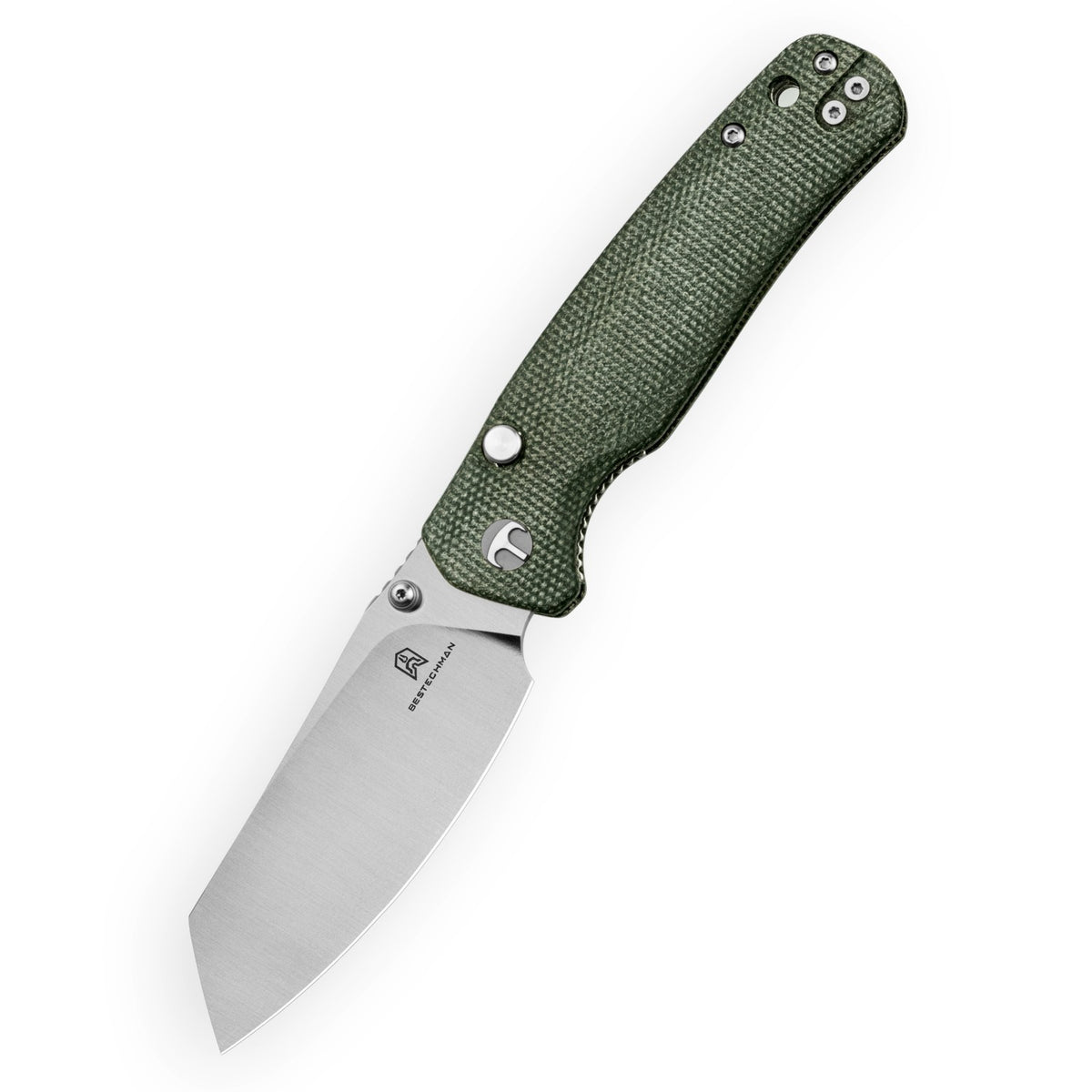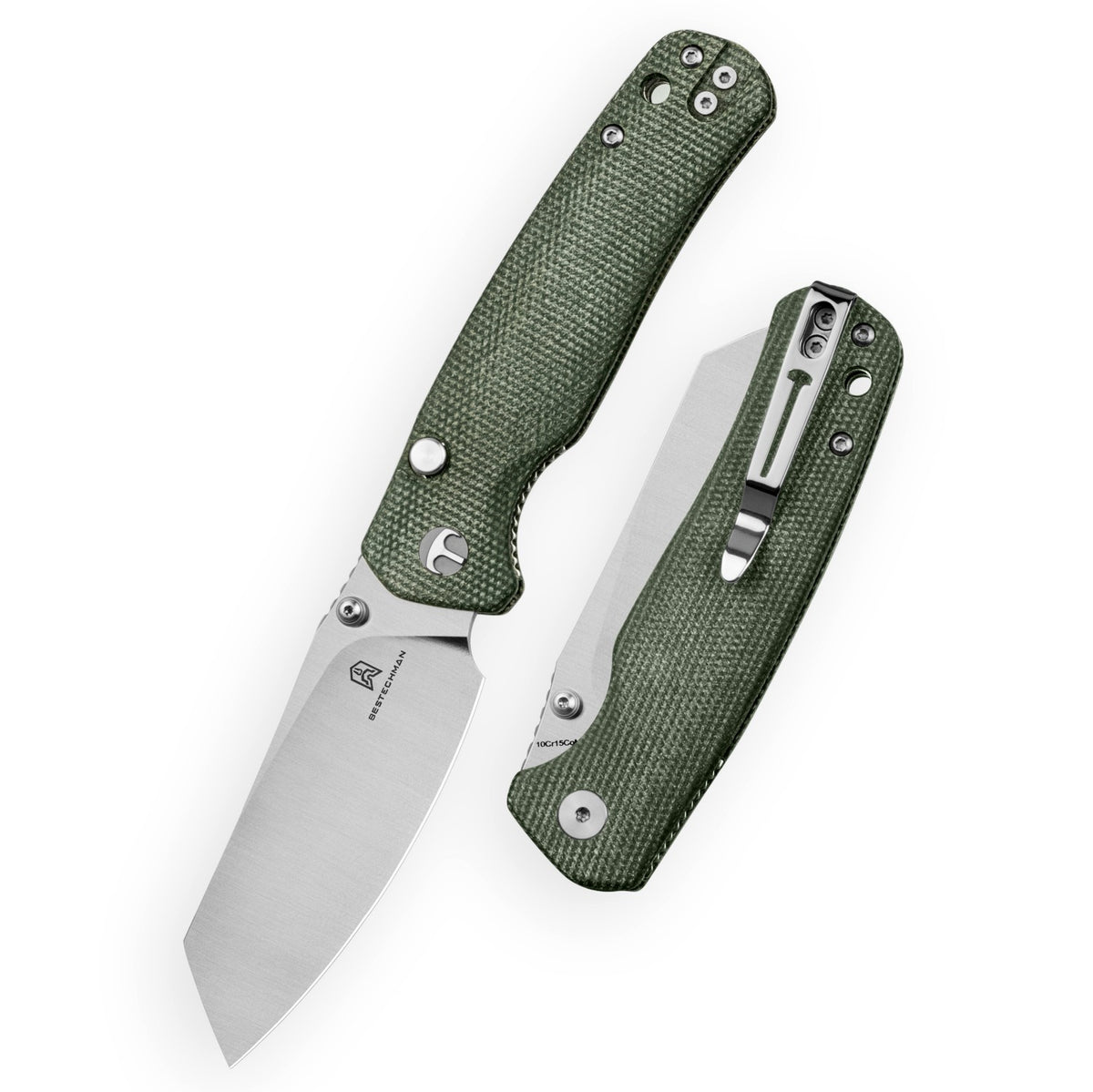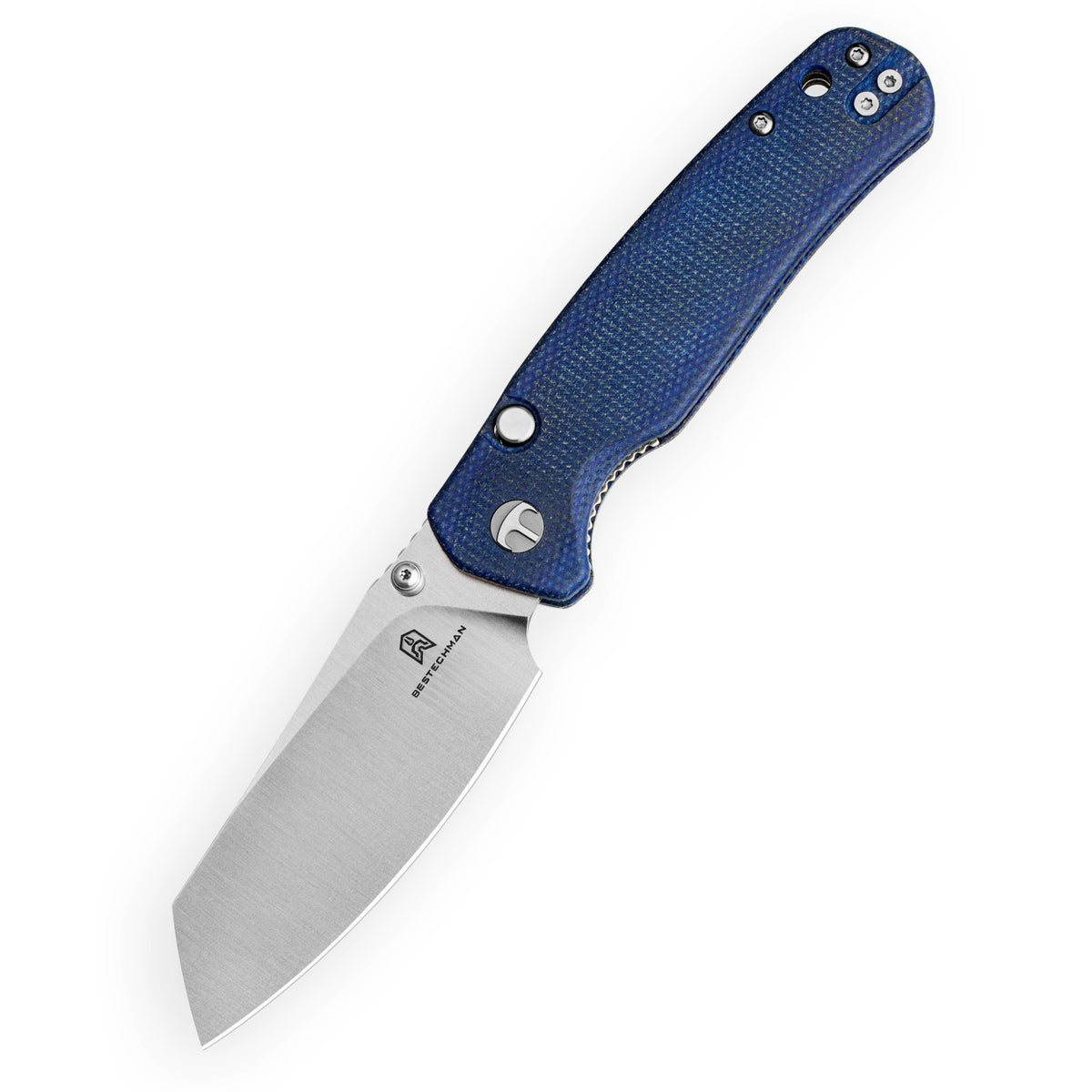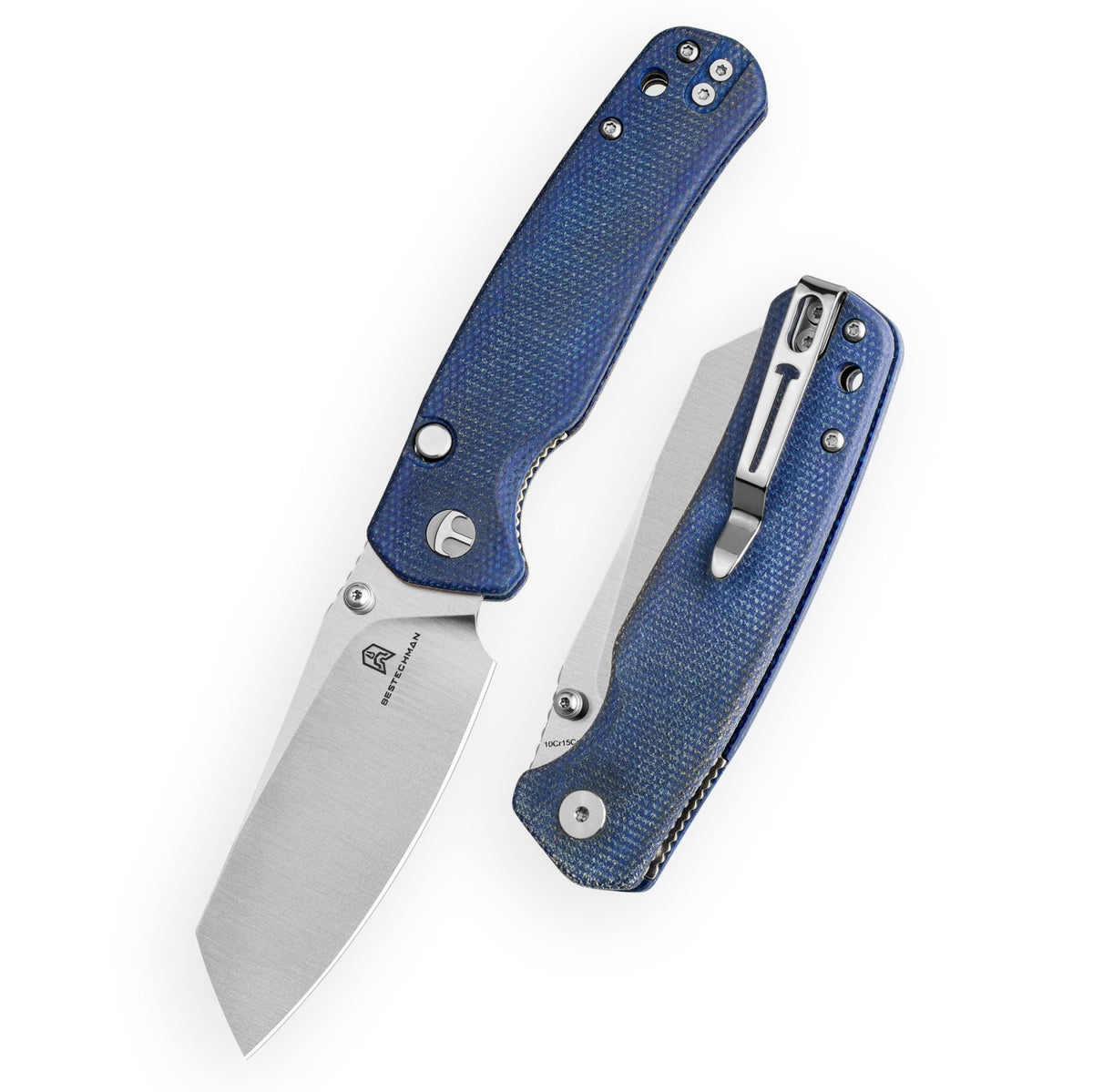

Overview & First Impressions
On a trail, a knife earns its place by doing small jobs well and by never becoming a problem. You are not processing firewood; you are cutting cord, opening food packaging, trimming a blister patch, slicing cheese and sometimes repairing a strap. The honest answer for most backpackers is a small fixed blade or a light, locked folder, and the choice between them comes down to how much you value a lock that cannot fail.
Materials & Construction
14C28N is a near-perfect trail steel: highly corrosion resistant for sweat and rain, tough enough to resist chipping on a careless stroke, and easy to bring back to a shaving edge on a pocket stone. Micarta scales stay grippy when wet and do not crack in the cold. A full tang fixed blade in this steel weighs very little, which is the entire argument for carrying one in the first place.

Design & Details
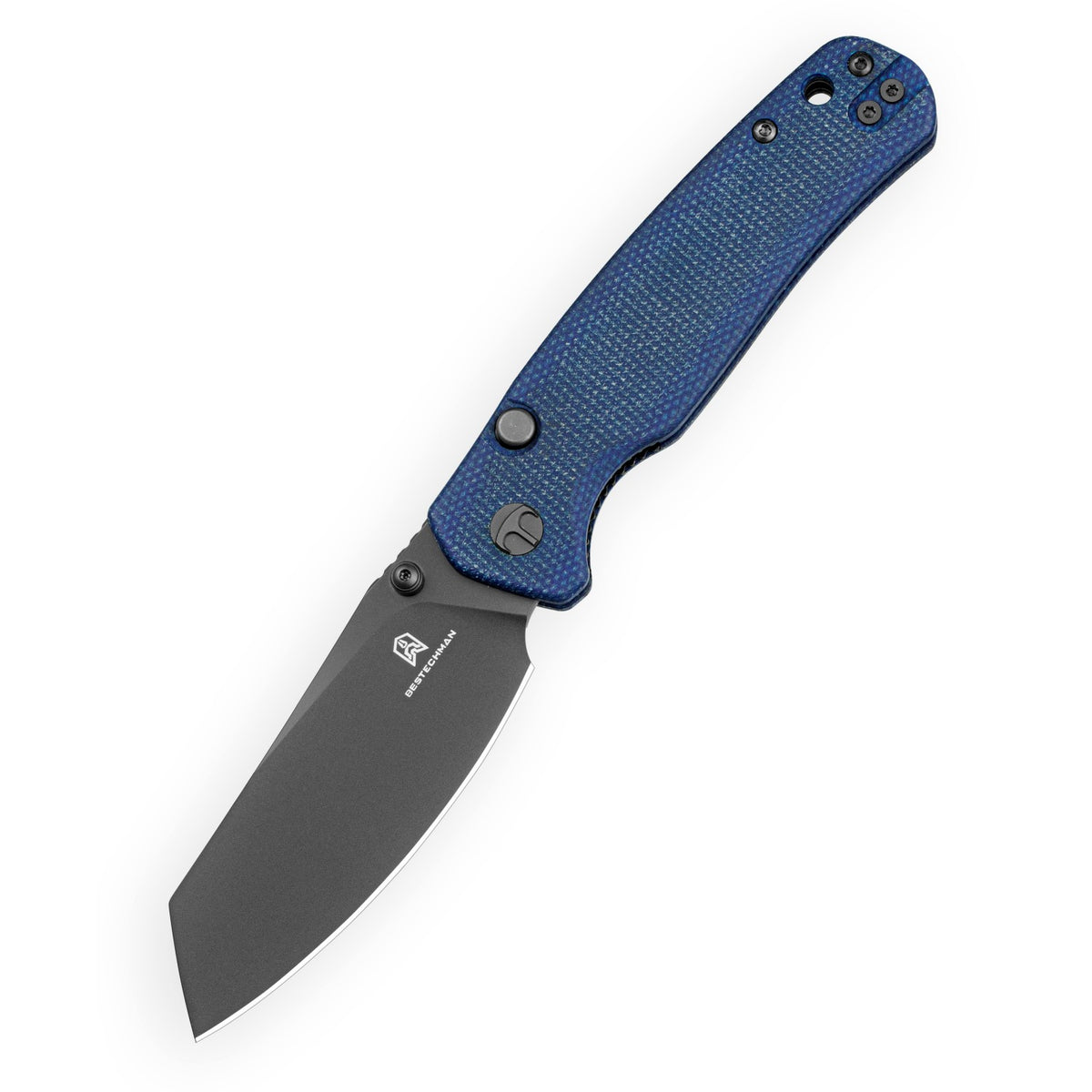
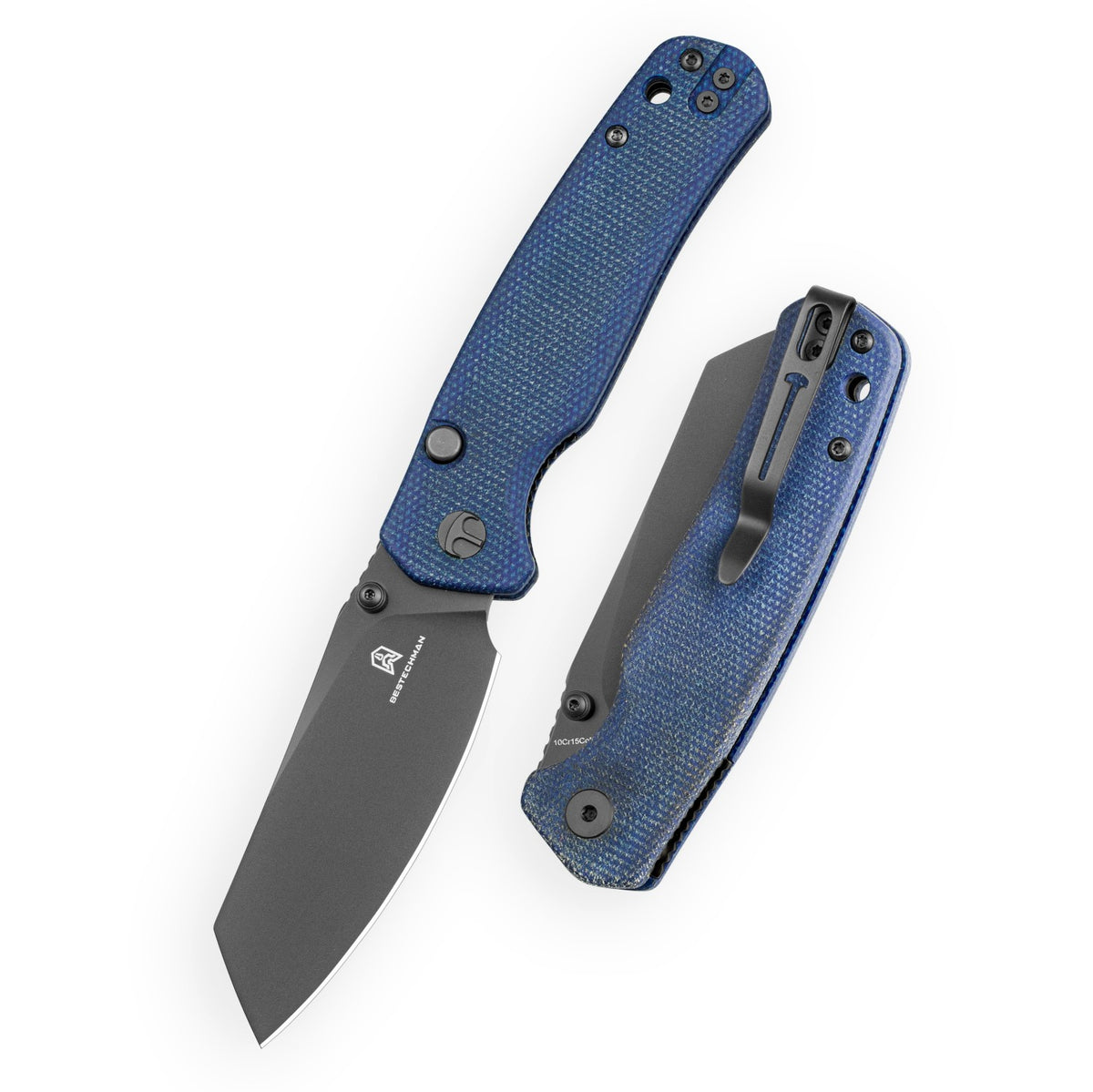
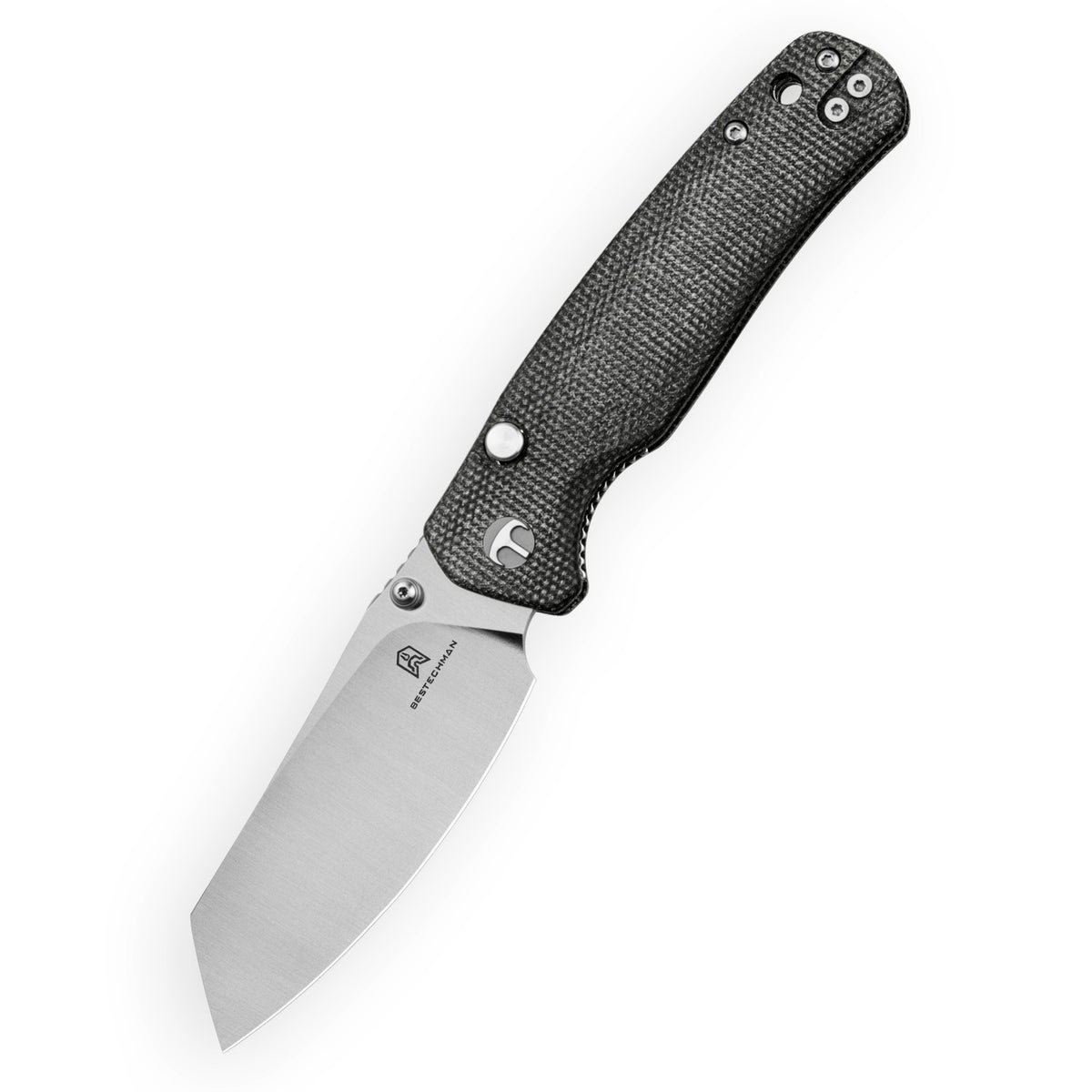
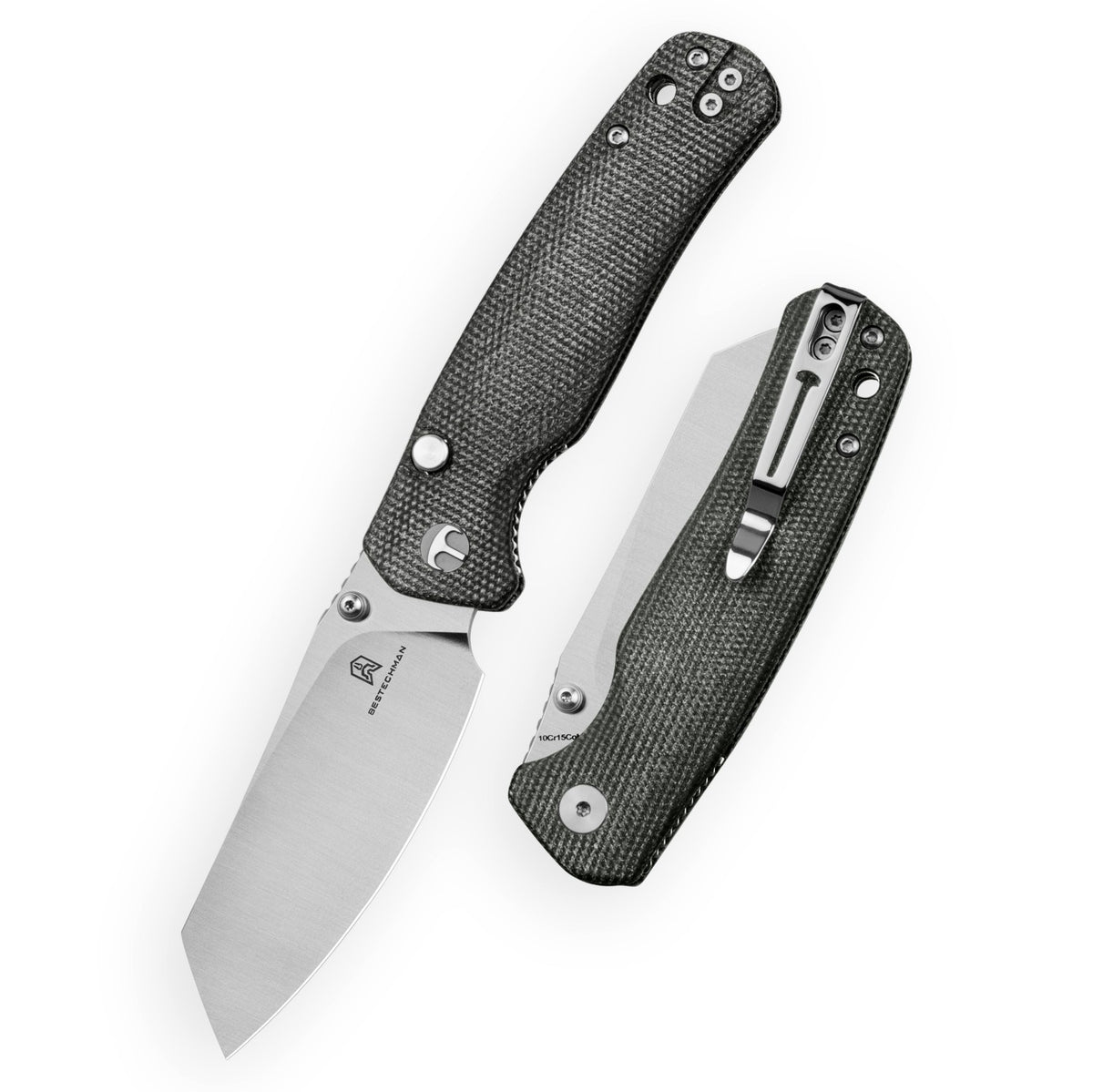
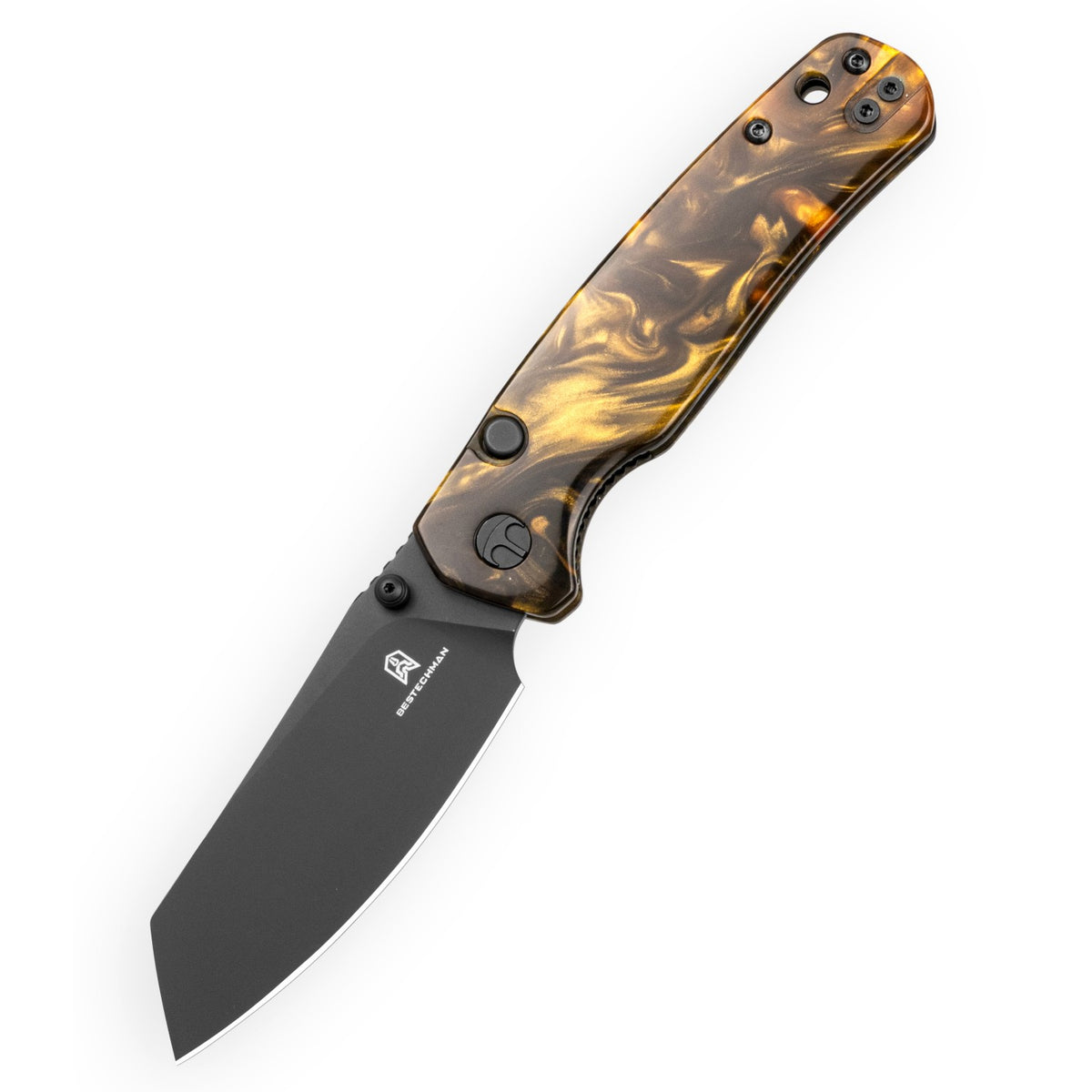
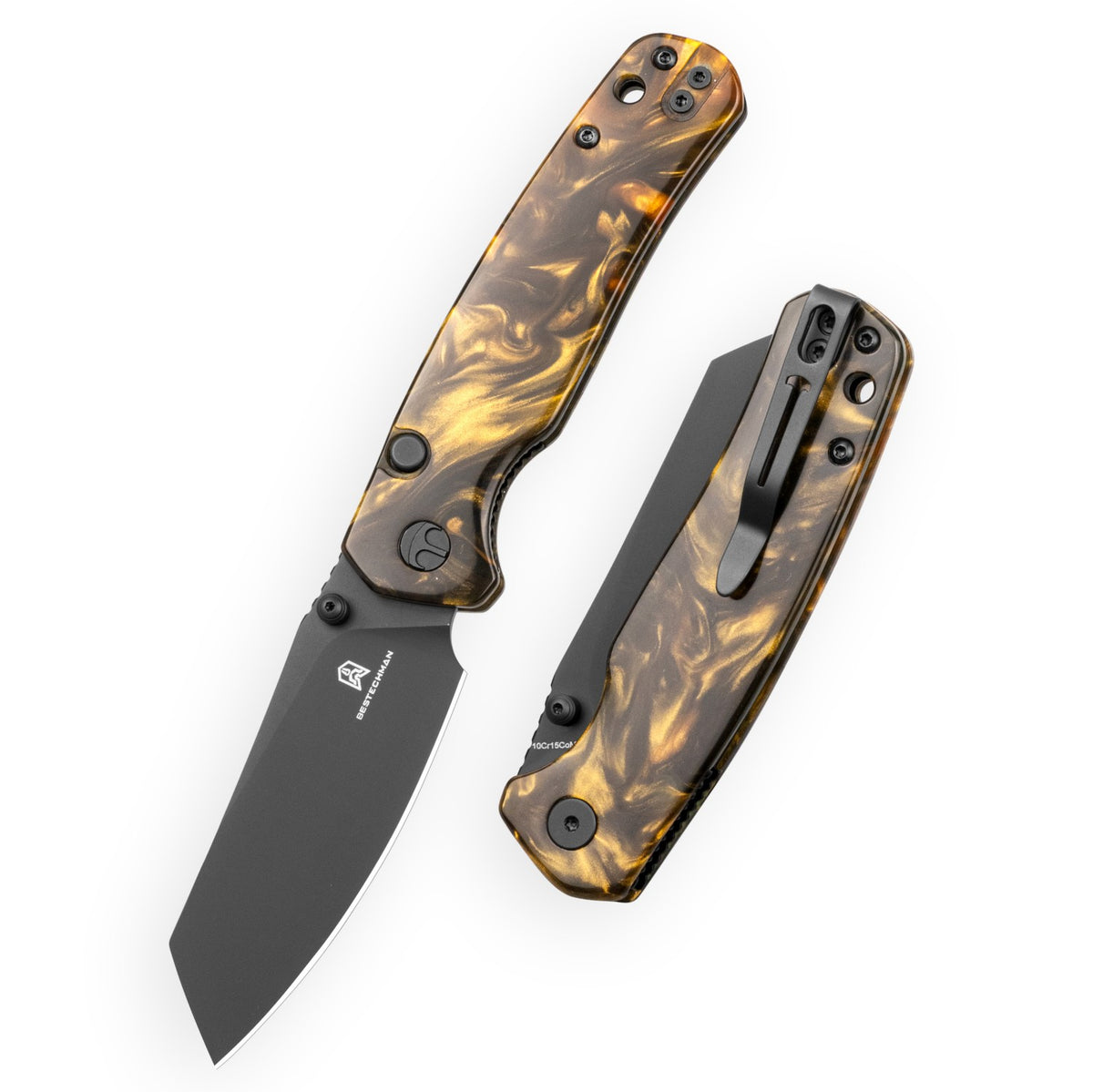
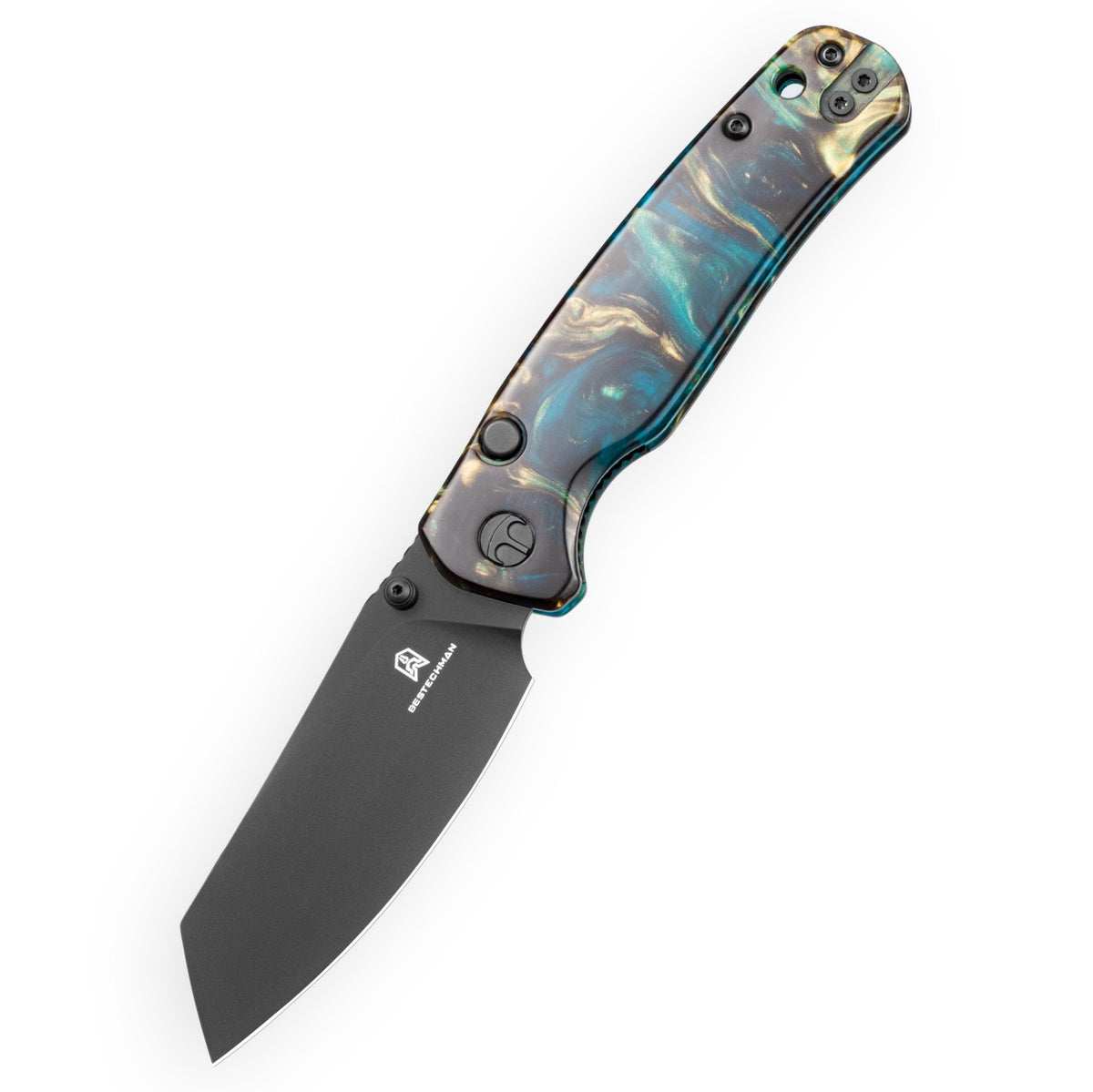
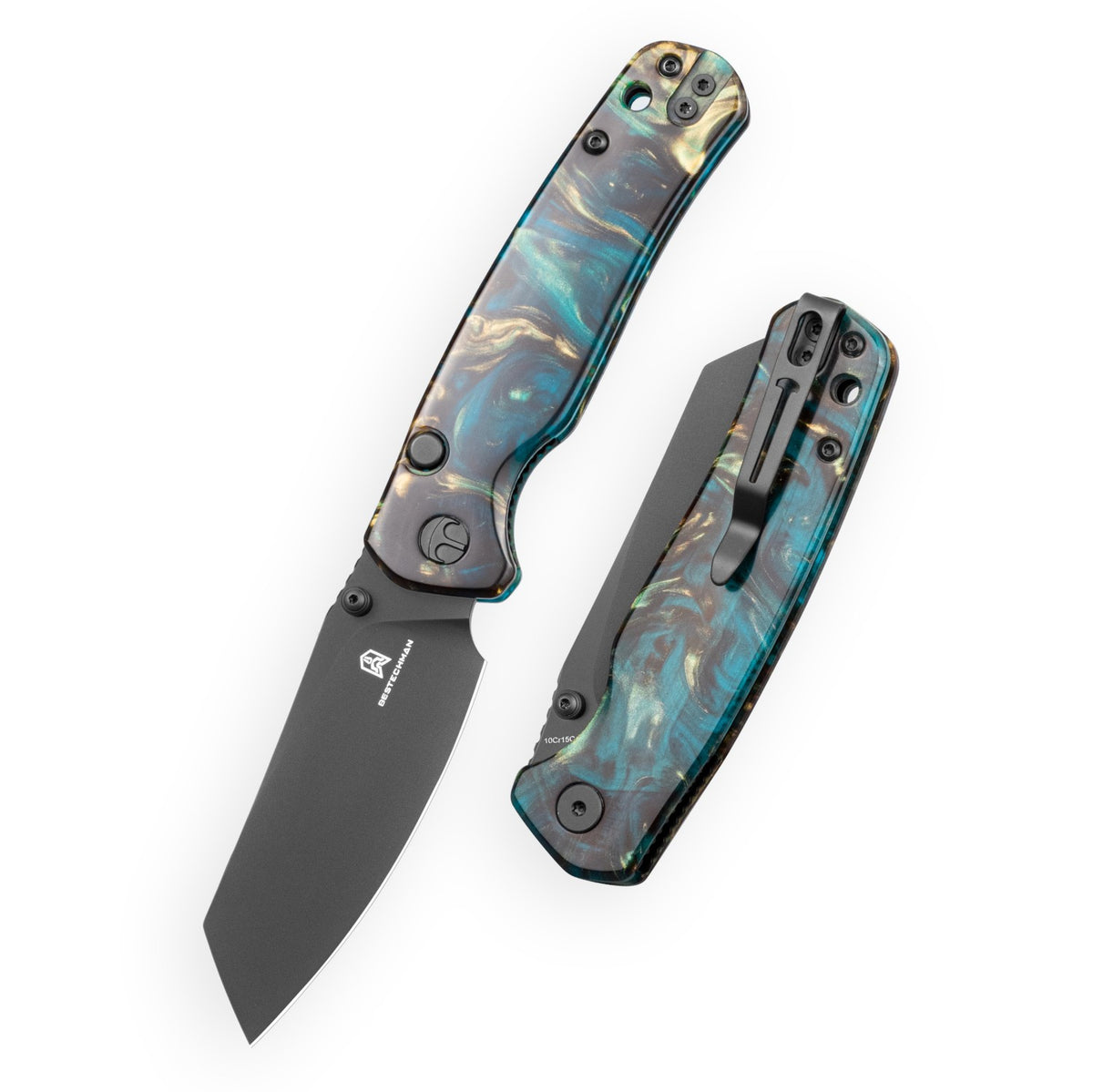
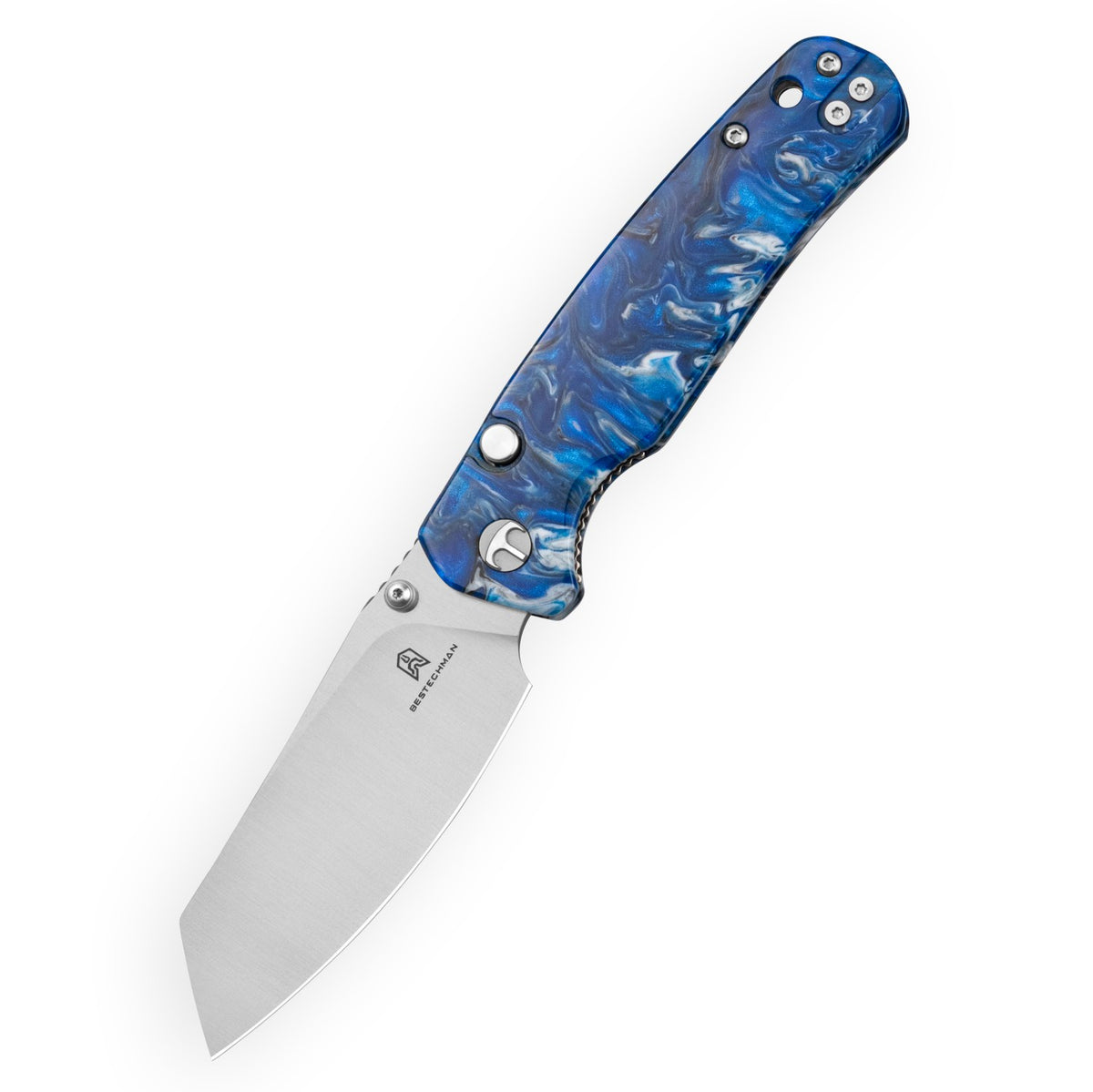
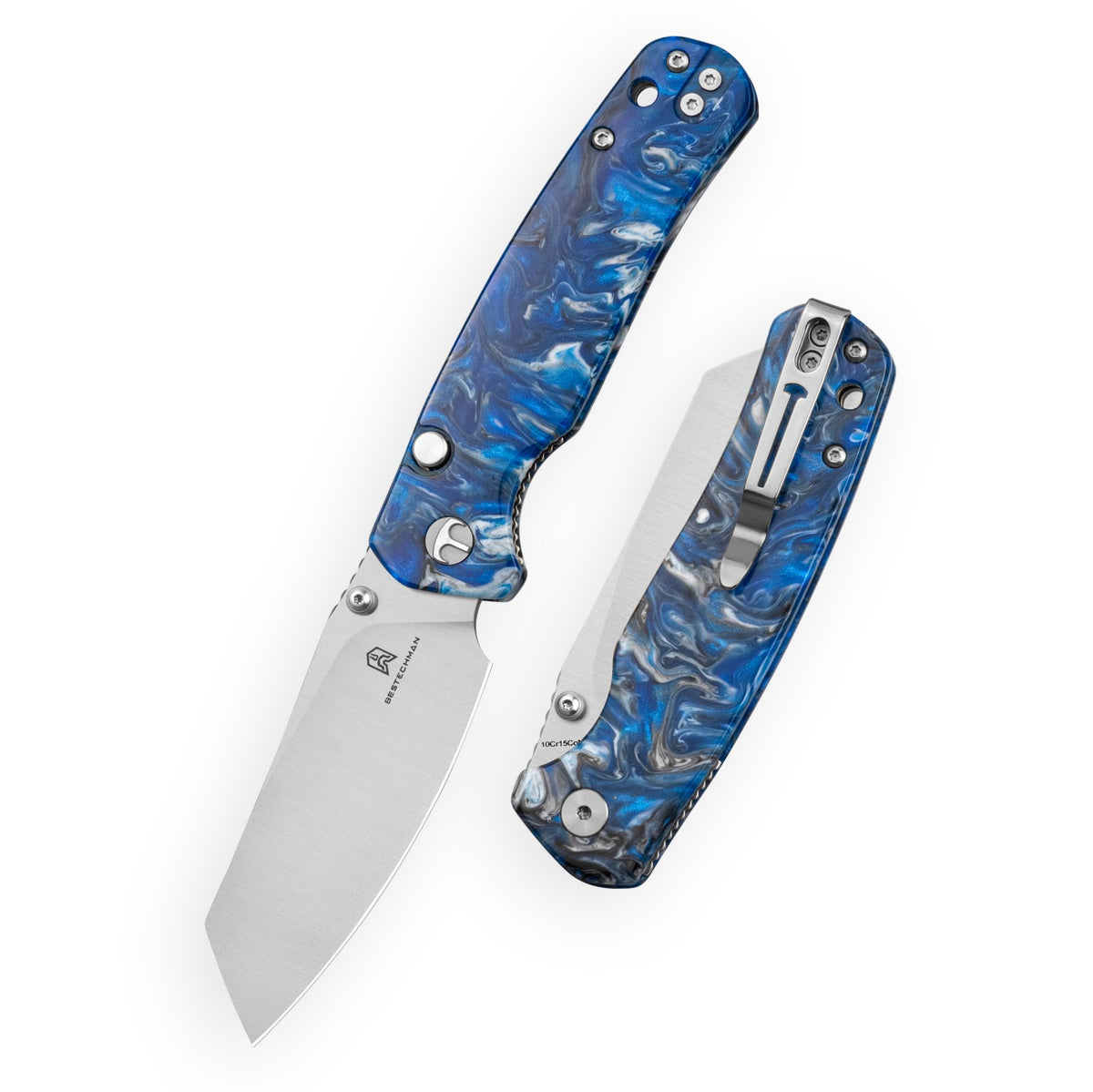
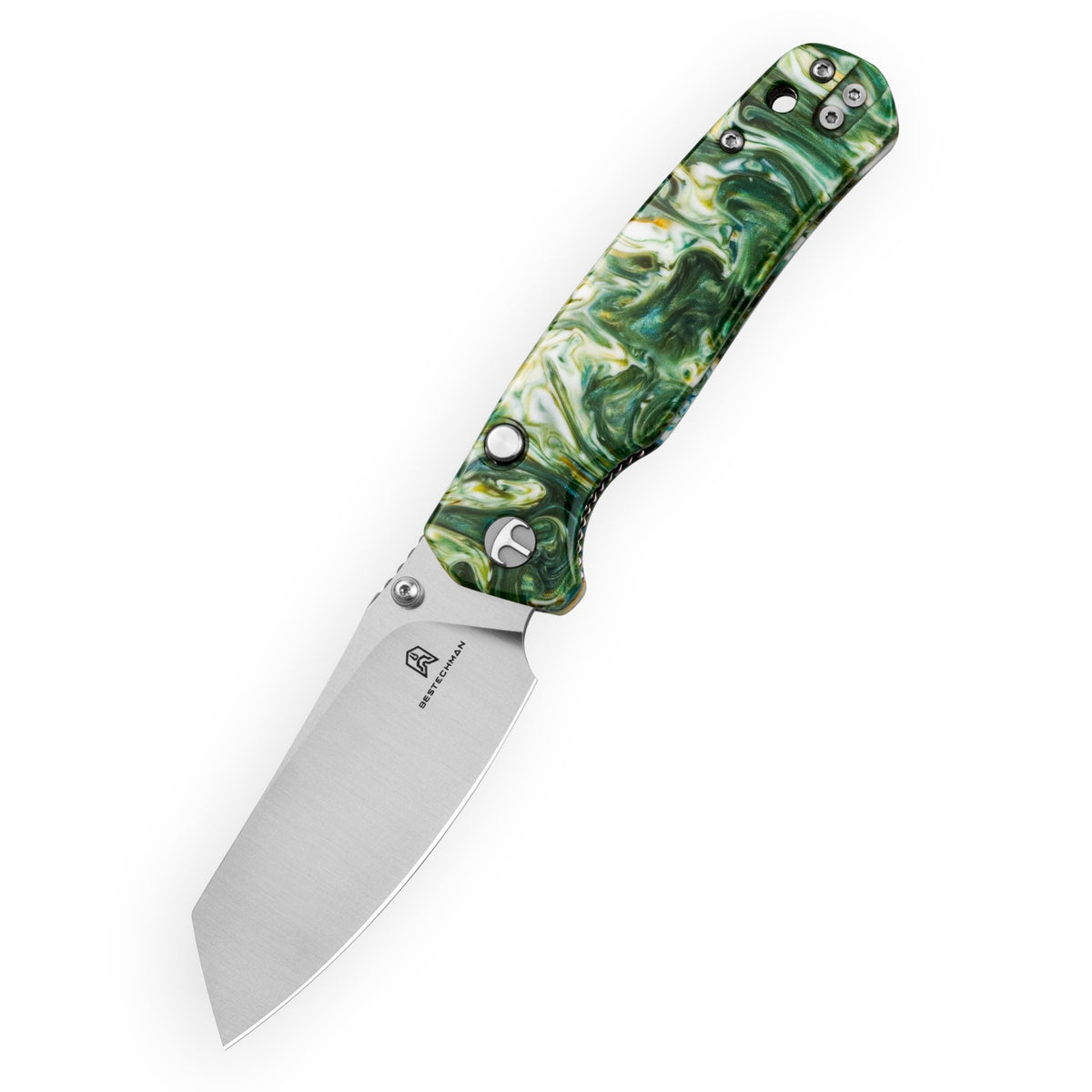
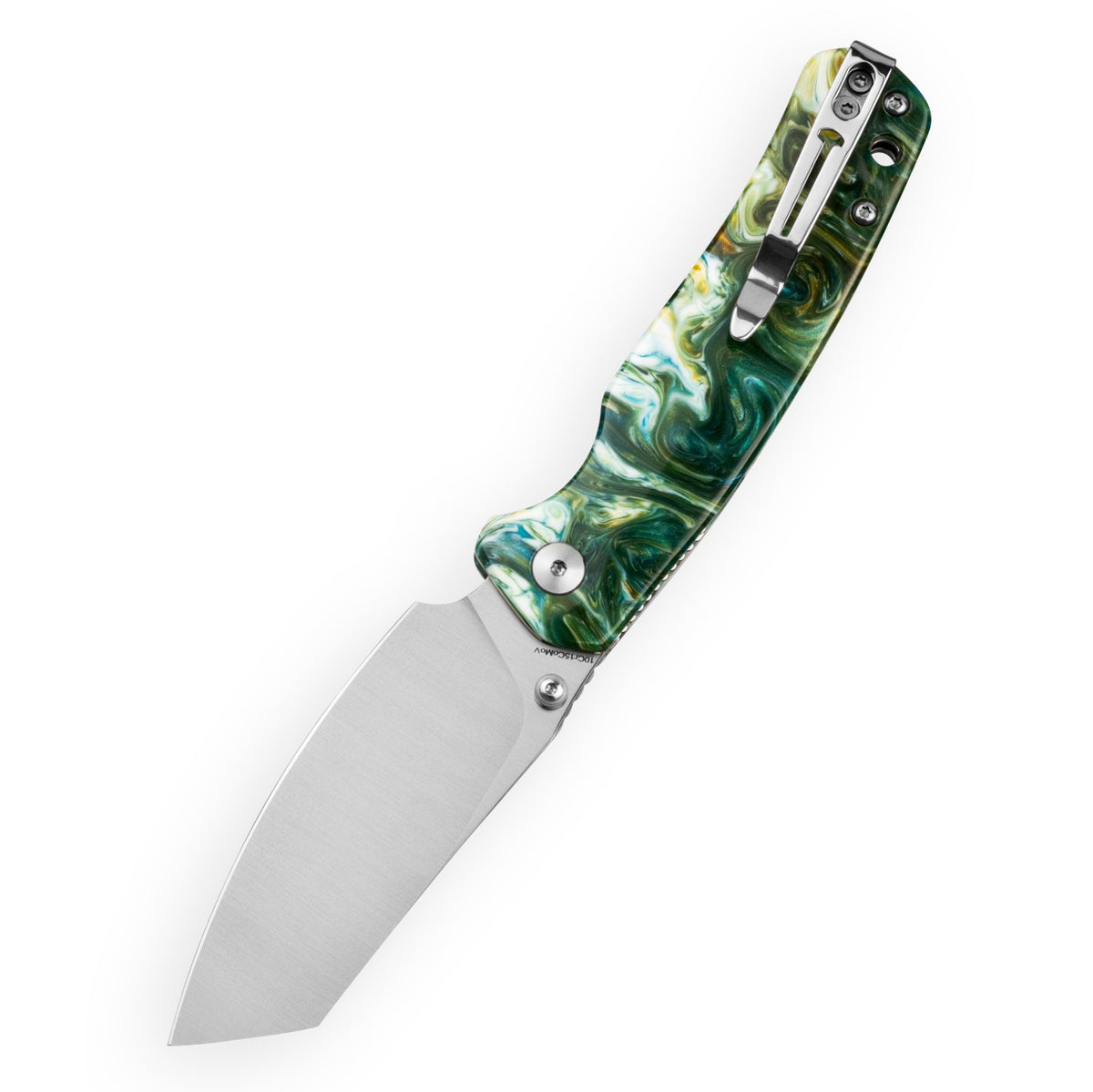
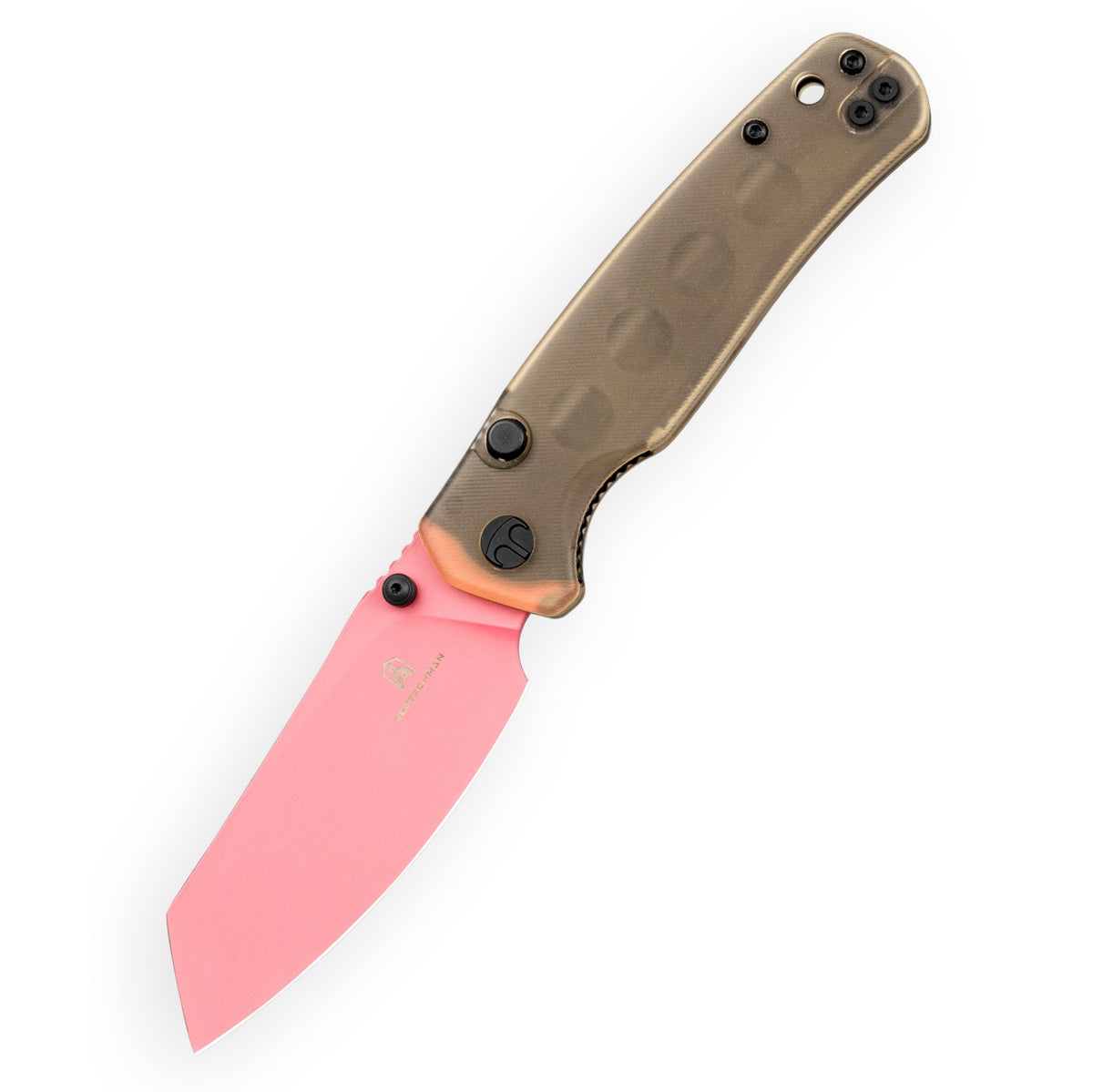
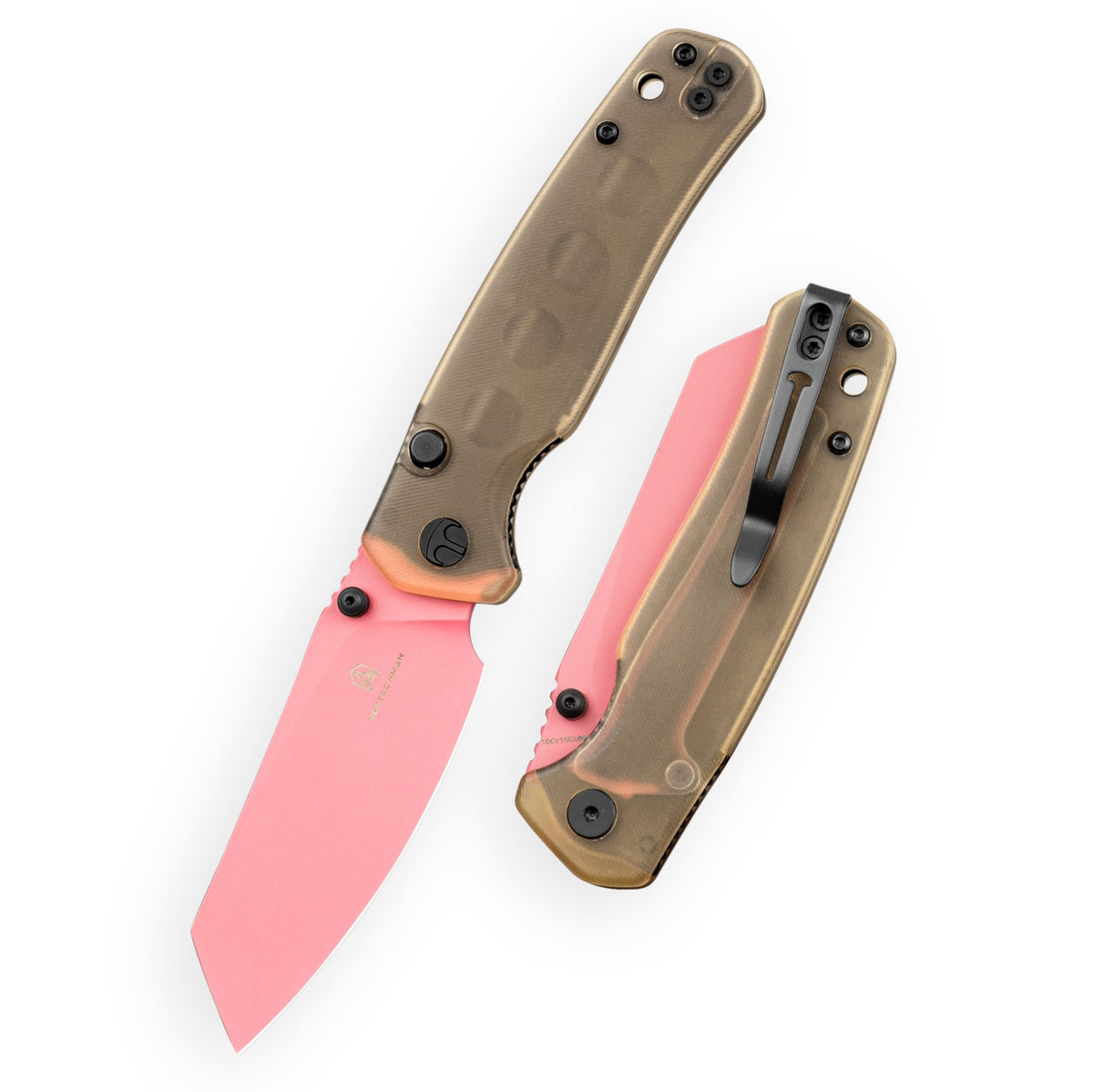
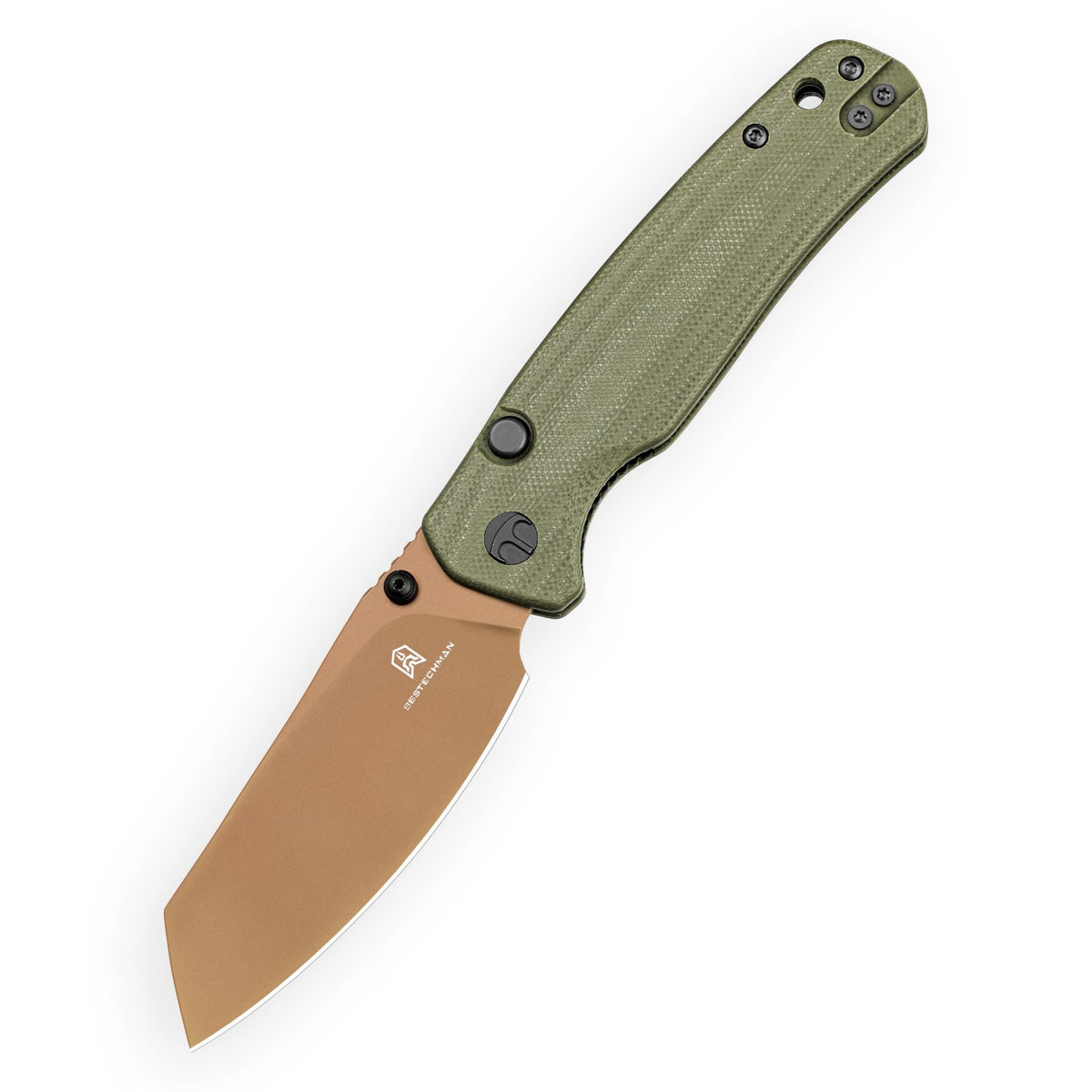
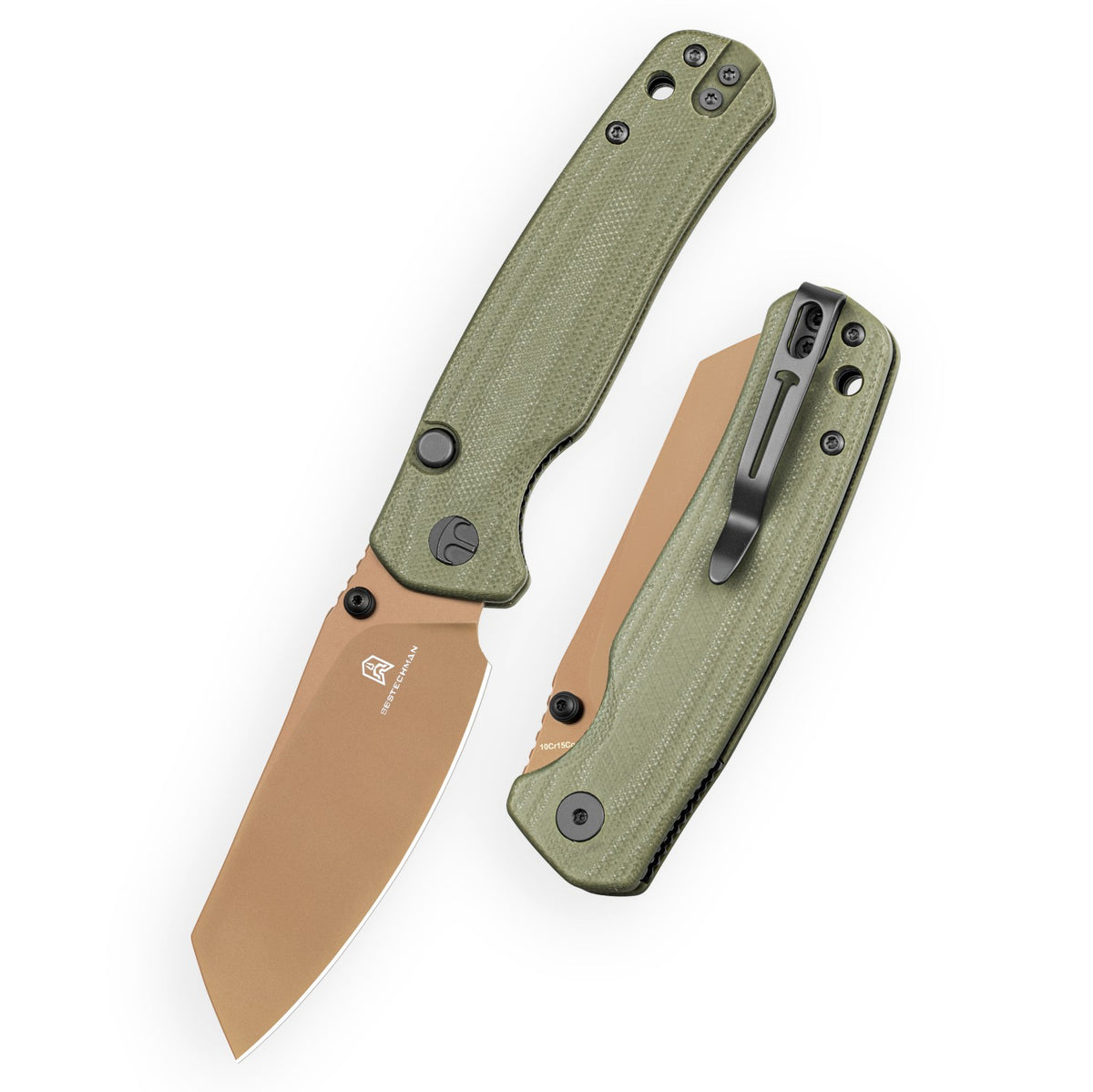
For three-season hiking, look for a blade between two and a half and four inches with a strong point and a plain edge. A deep carry sheath that rides high on the hip keeps the handle accessible without snagging on a pack belt. If you carry a folder instead, insist on a lock that will not release under a spine whack, and prefer a slightly thicker stock over a slicer, because trail cutting is rarely delicate.
Real-World Use
The realistic trail tasks are unglamorous. Cutting a length of guy line, trimming a blister patch, opening a freeze-dried pouch, slicing a block of cheese on a log. A knife with a fine tip and a comfortable handle does all of it, and a heavy tactical blade does none of it better. Practice opening and closing with cold hands before you leave, because gloves change the equation.

Ownership Notes
Two habits are worth building. First, carry a small sharpener, because a dull trail knife is a liability. Second, keep the knife on your person rather than in your pack, since a pack can be set down or swept away. On multi-day trips, a dry cloth and a drop of oil at camp keeps rust from getting a foothold in the pivot or the sheath. Trail cutting rarely rewards a large blade, and most hikers who carry EDC knives discover within a season that a compact tool does every job a big one does. A small fixed blade also removes the maintenance question entirely, since there is no pivot to collect grit and no mechanism to fail when the weather turns.

Who Is This For?
This is for day hikers, thru-hikers, climbers and campers who want one small cutting tool that disappears into a kit. If you mostly car camp and cook over a fire, a larger fixed blade is justified. If you fly to the trailhead, remember to pack the knife in checked luggage.
Final Verdict
Prioritize corrosion resistance, grip and a strong tip, and ignore blade length bragging rights. A compact fixed blade like the Tenable ToothPik in 14C28N weighs almost nothing and does every real trail job well. Compare the full Tenable knives lineup at EdcMall before you choose between fixed and folding.
Shop the Tenable ToothPik G020A4 14C28N Fixed Blade at EdcMall