

Overview & First Impressions
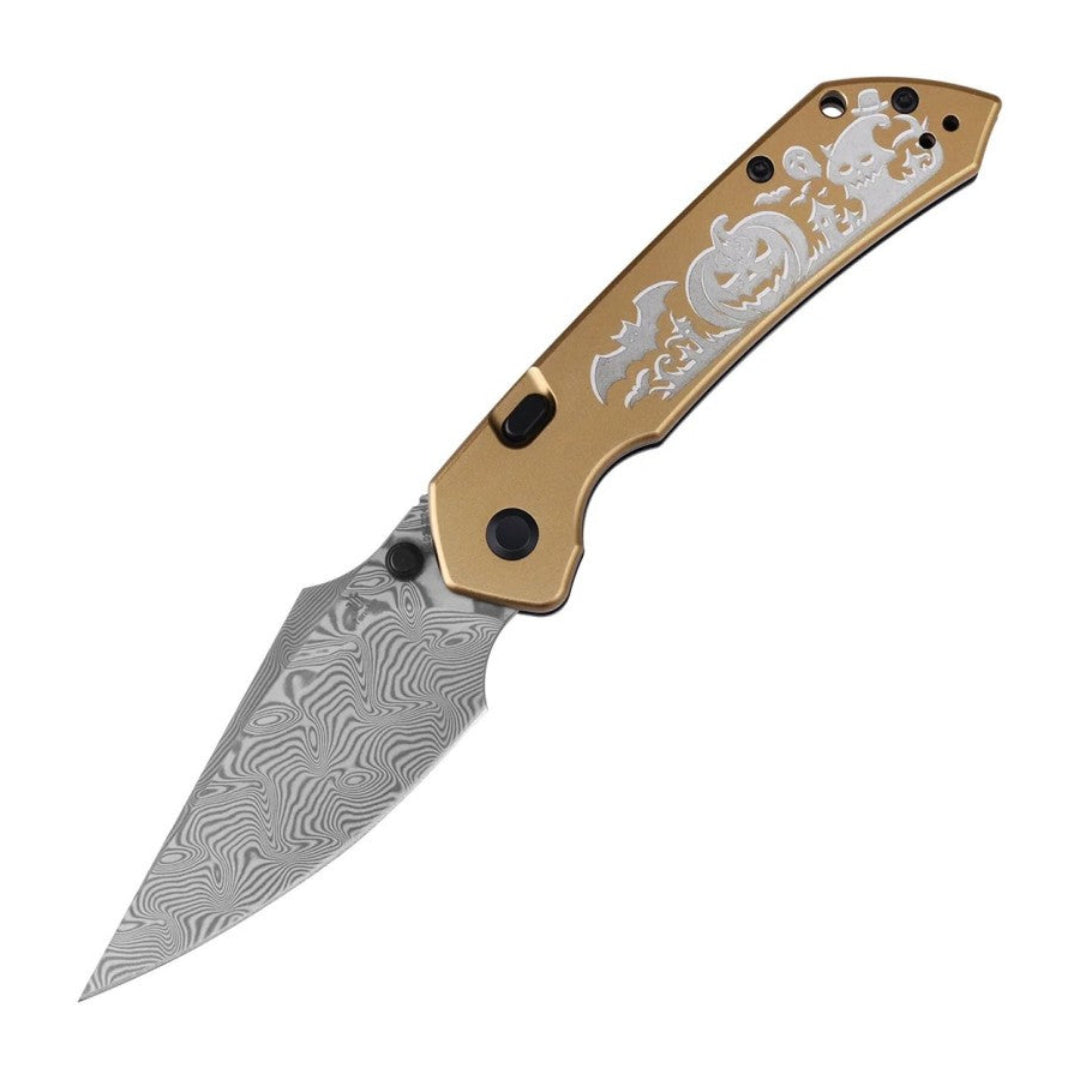
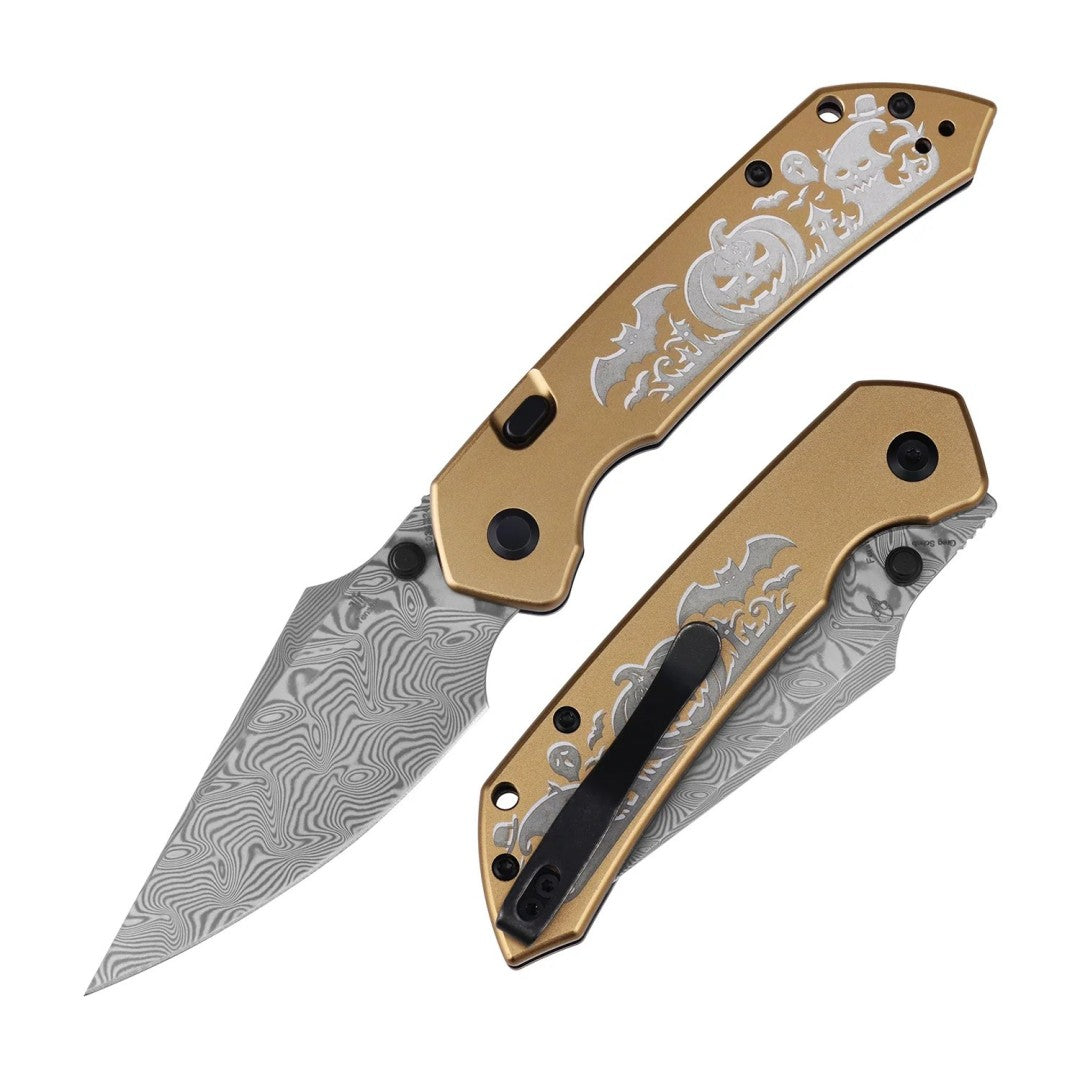
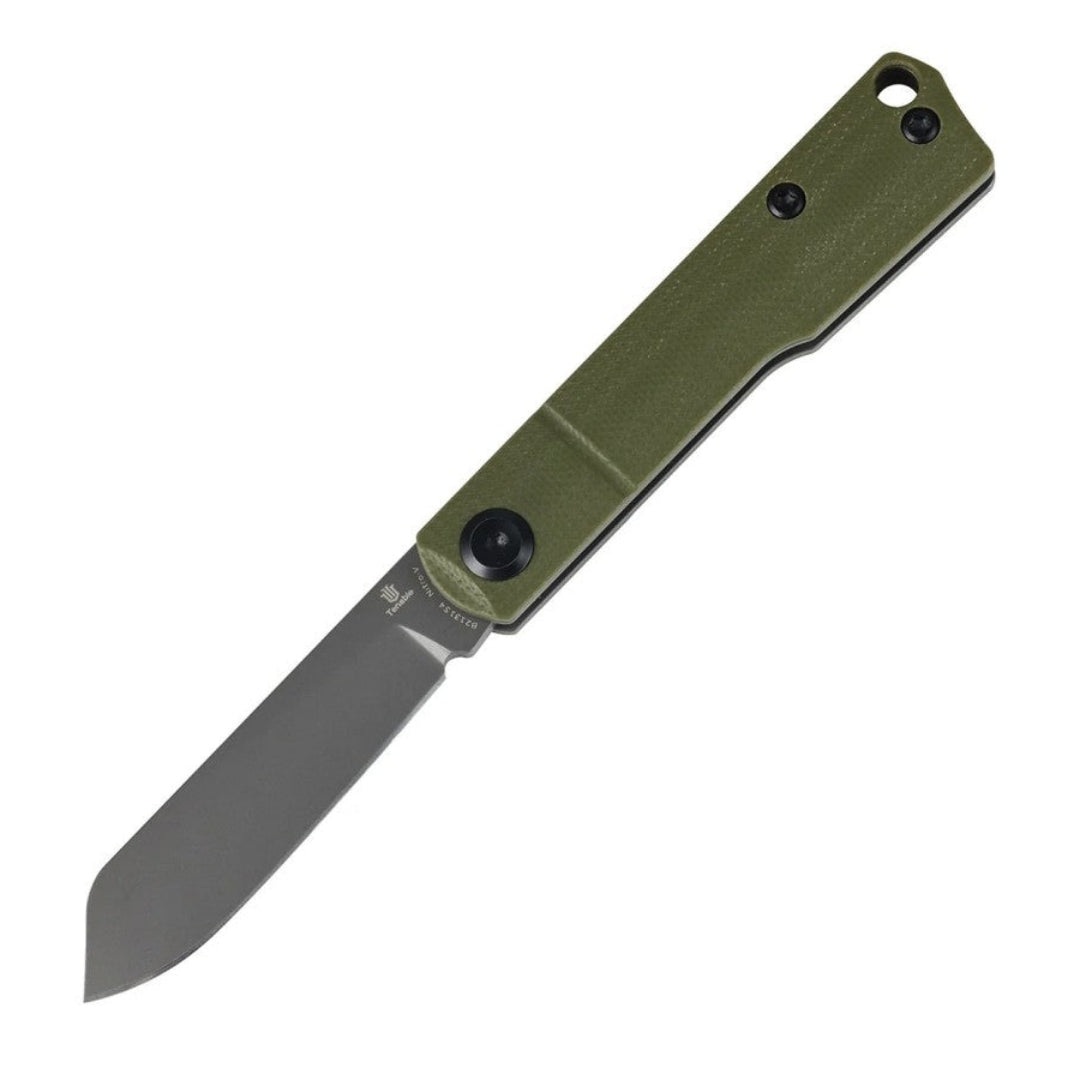
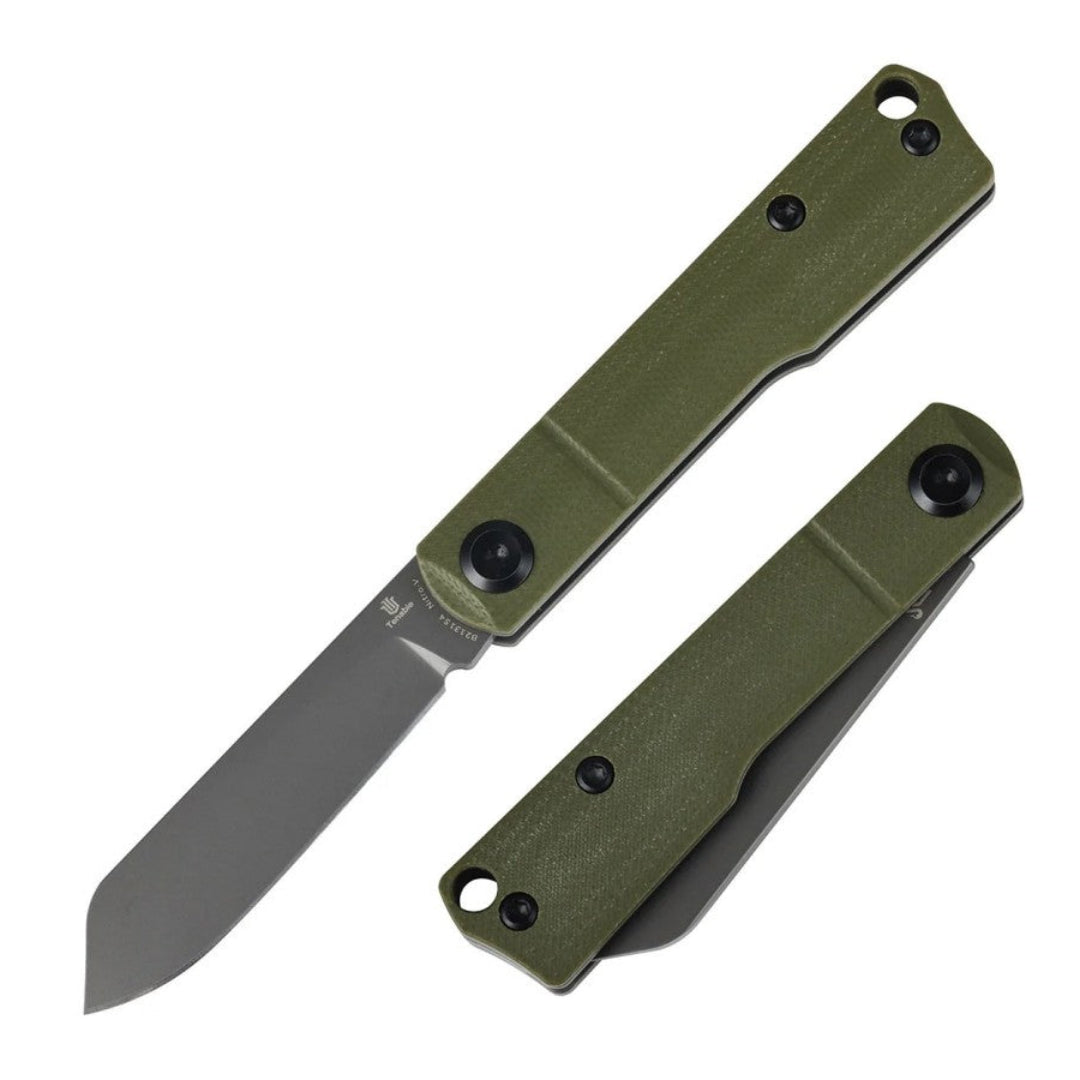
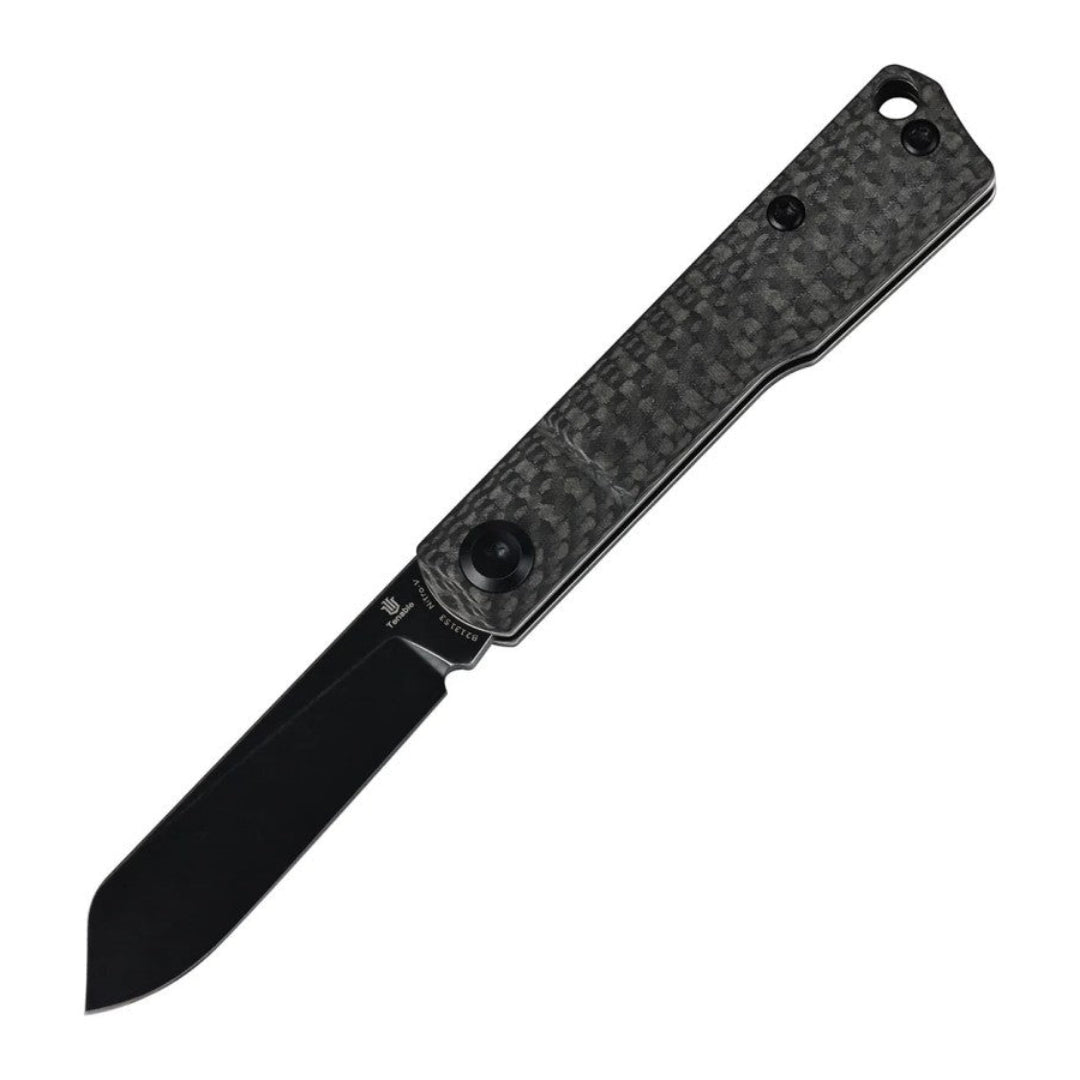
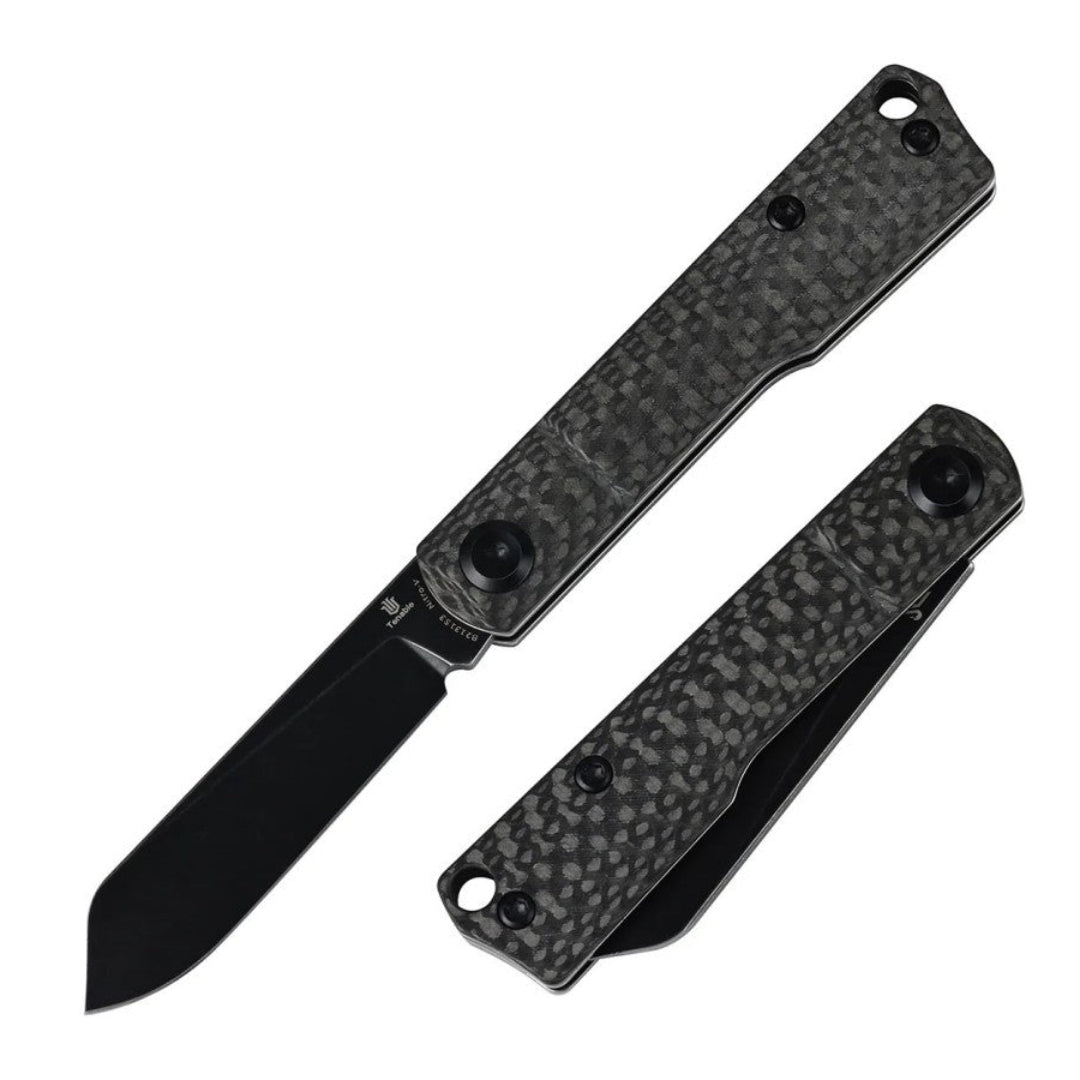
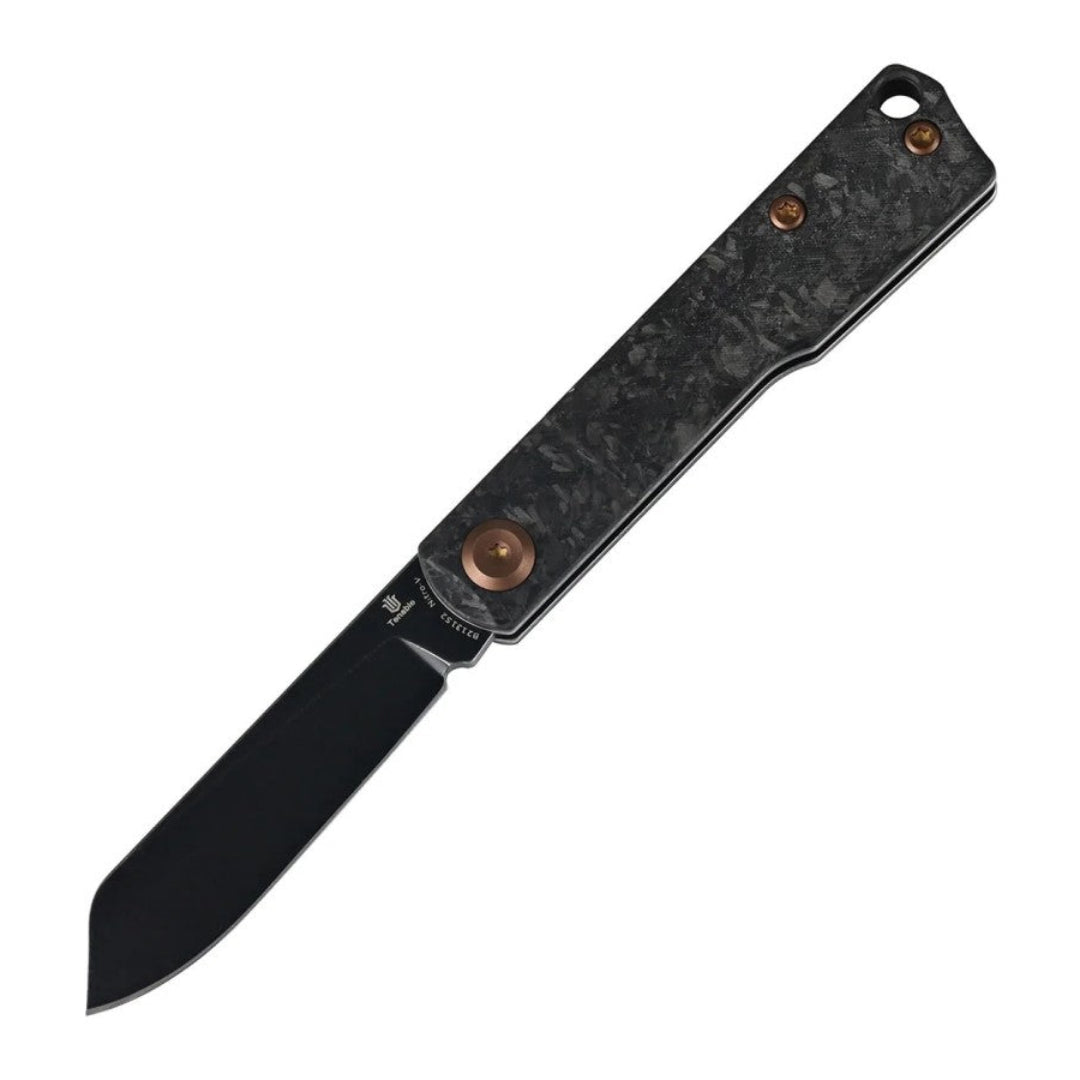
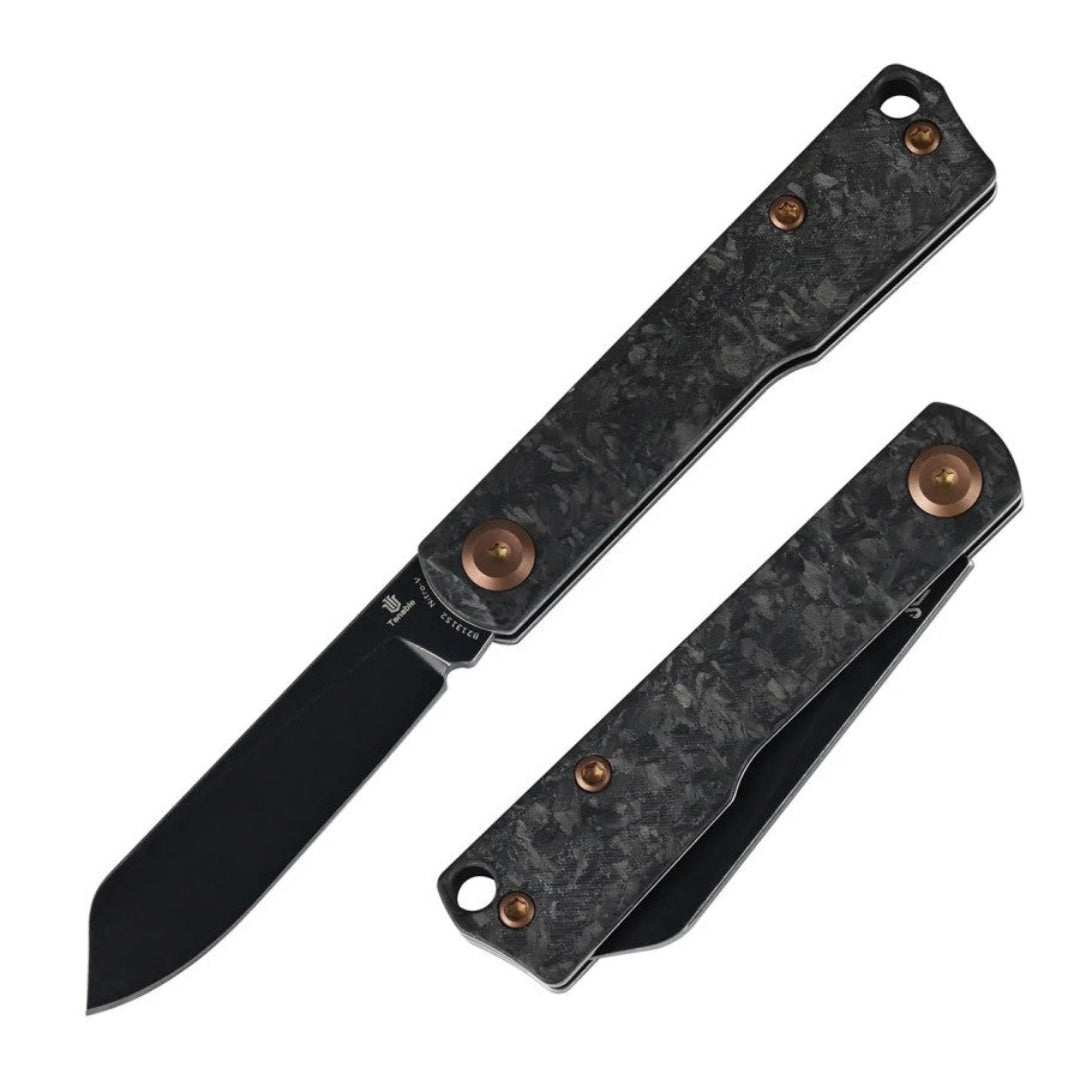
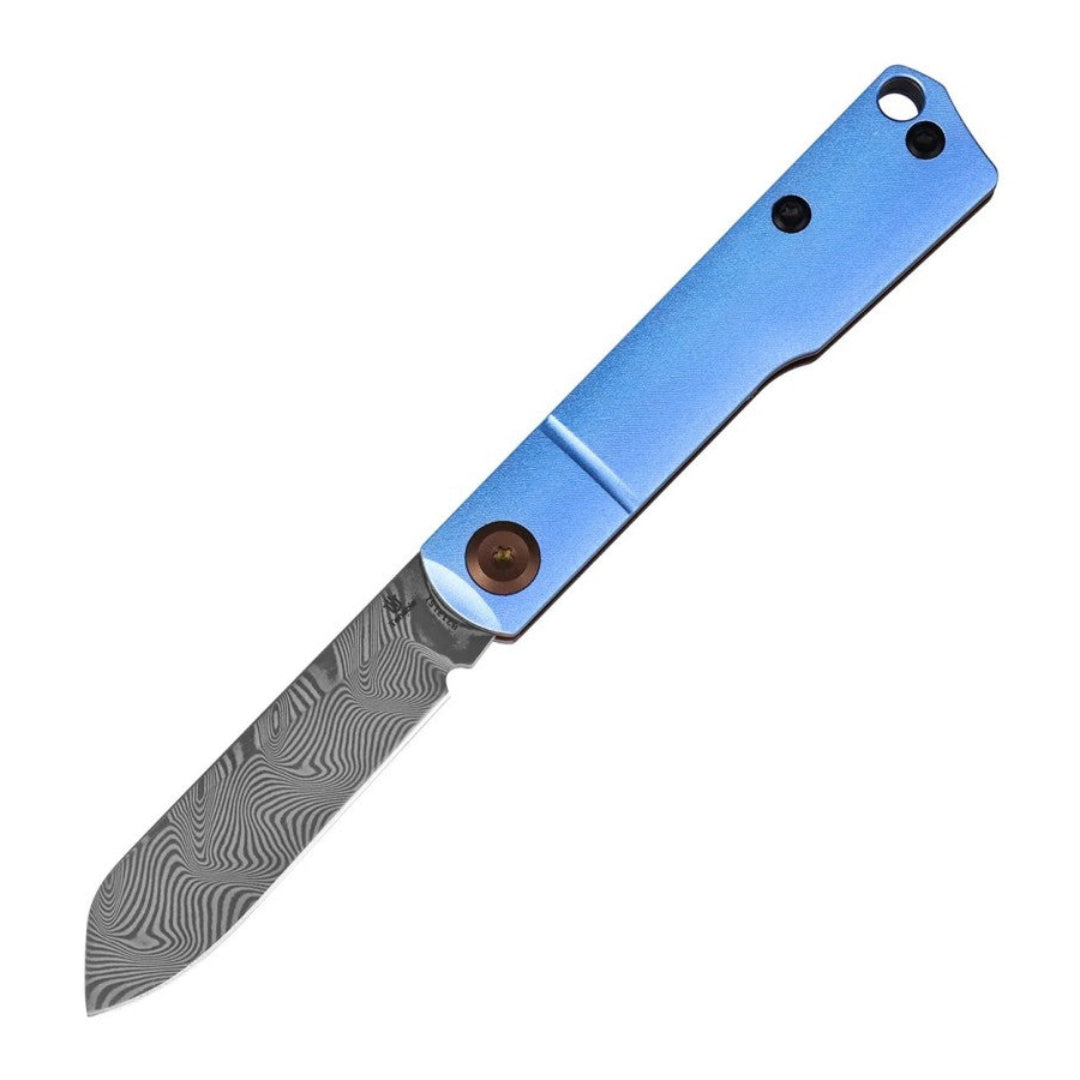
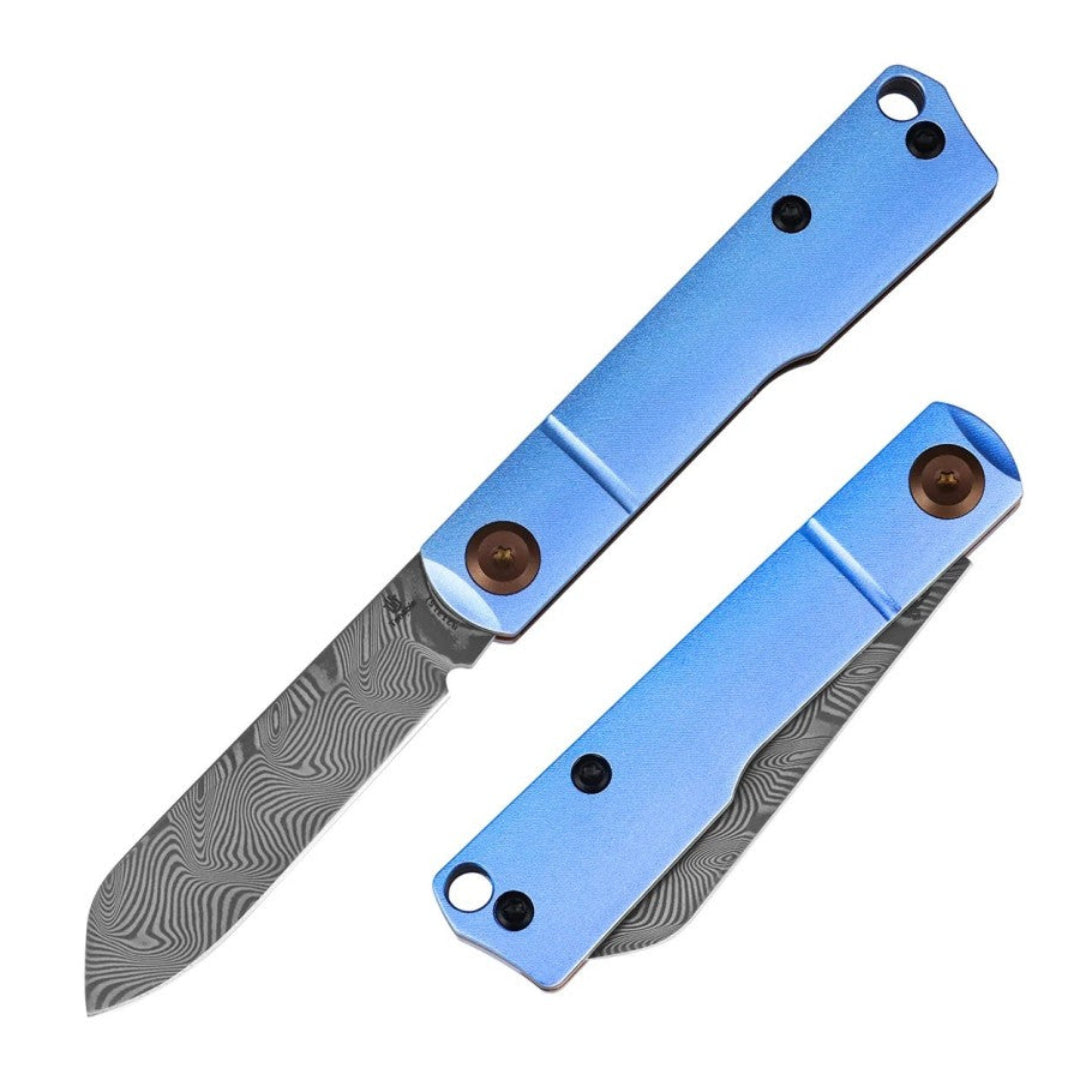
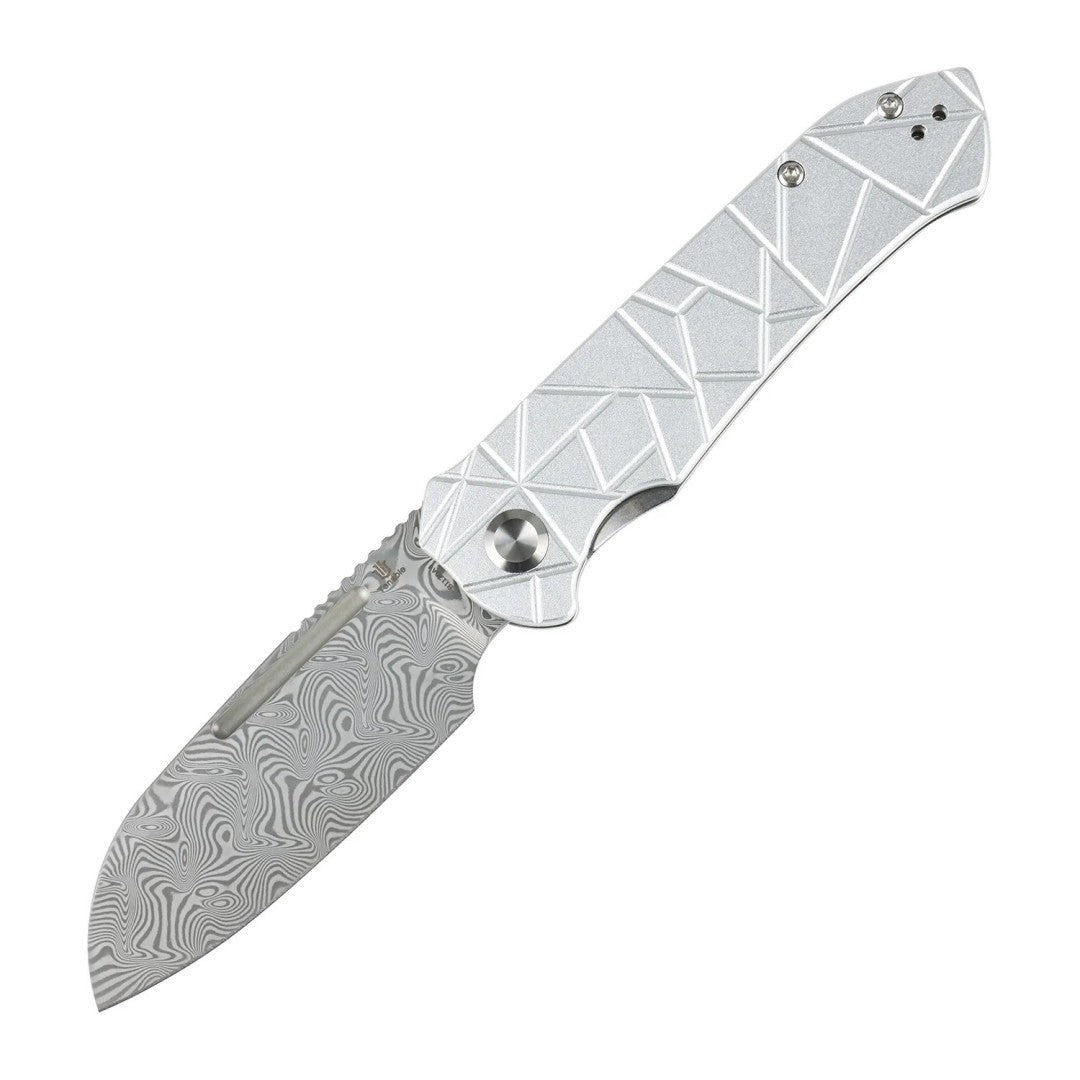
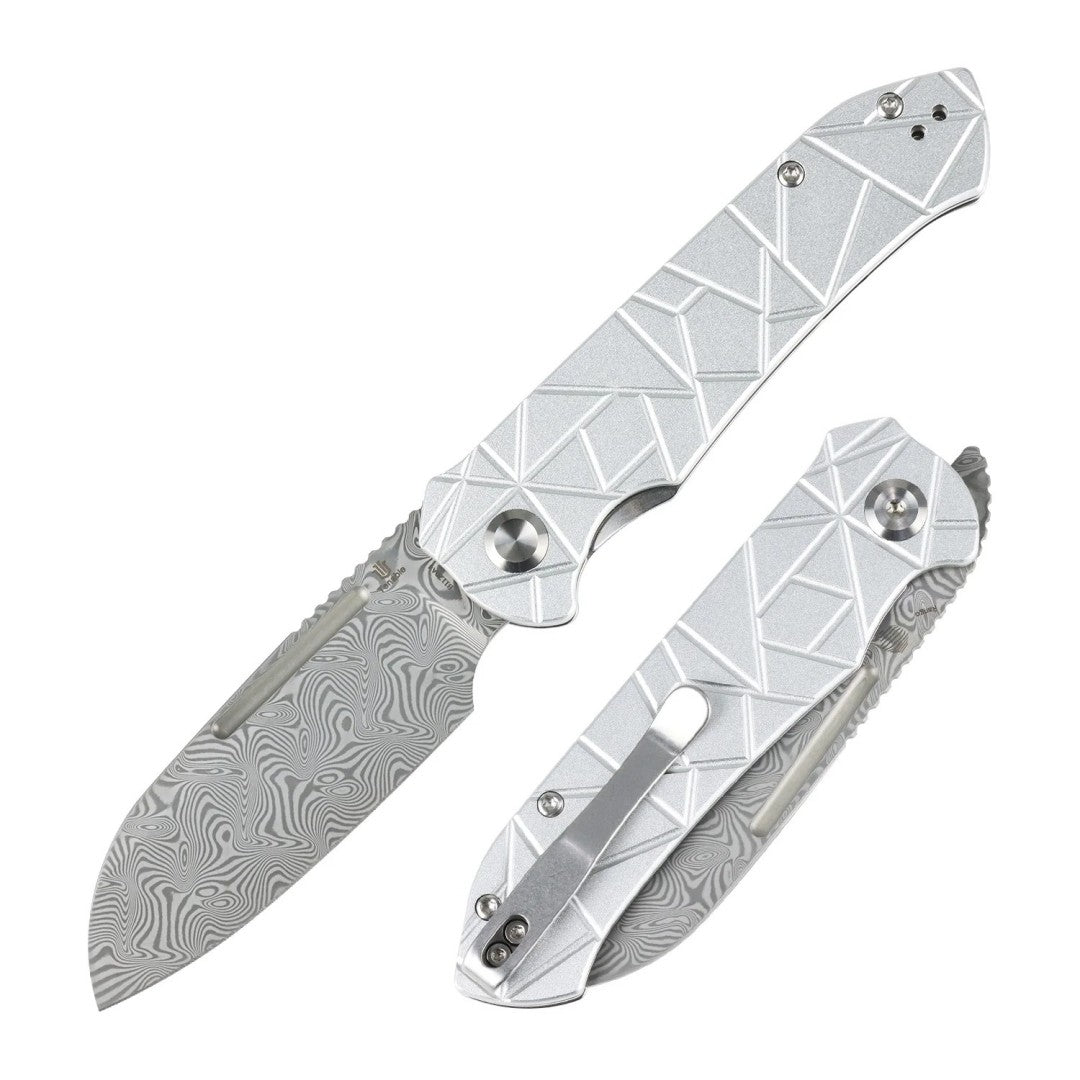
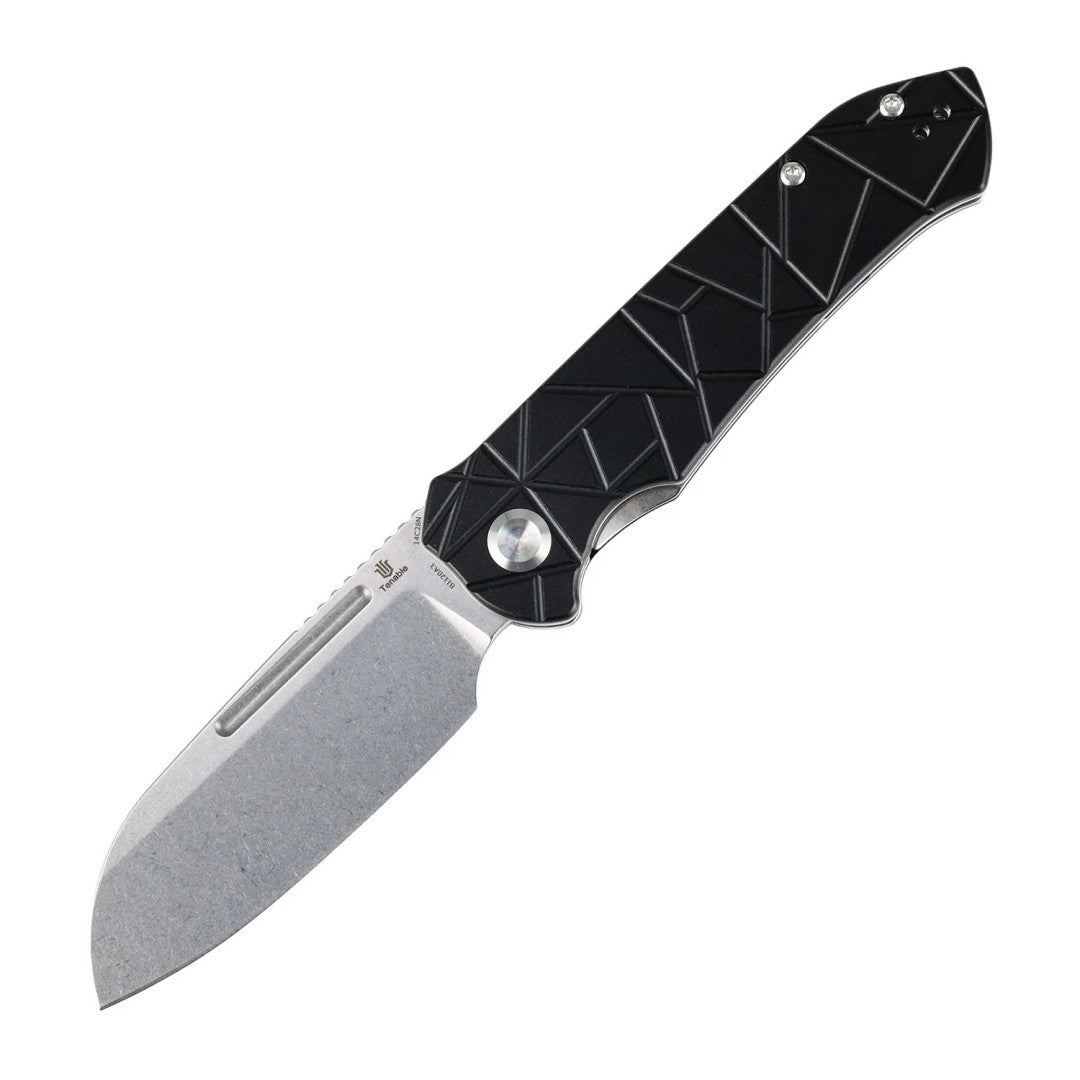
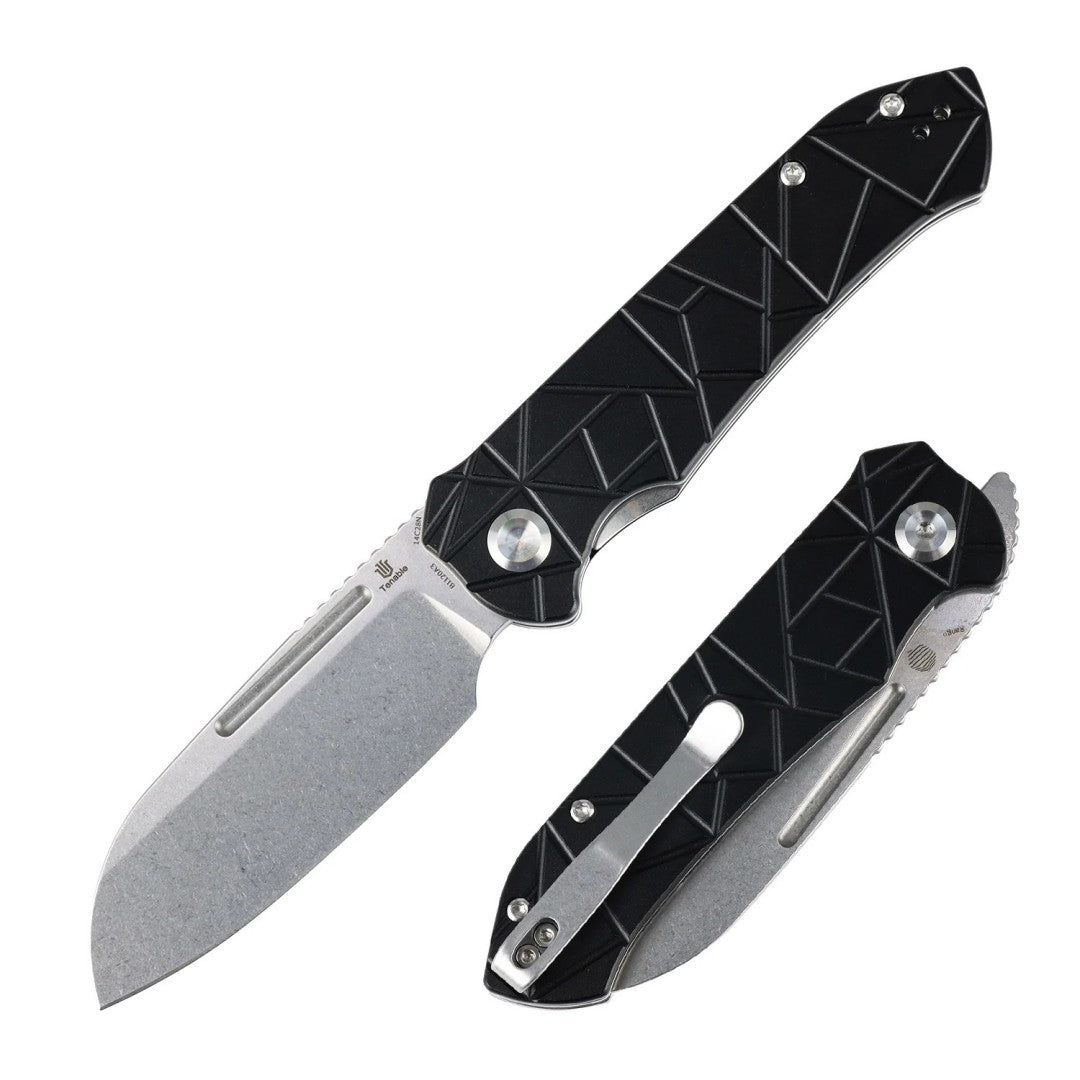
Two variants, one platform, and a decision that comes down to taste. The Lanza BMK14-D-1 and BMK14-D-2 are both Damascus steel liner lock folding knife designs on G10 handles, and they share blade geometry, dimensions, and mechanism. What separates them is the handle's visual treatment and, in subtle ways, how the knife presents itself in the hand. This comparison covers the small differences that actually matter when both knives cost the same.

Build Quality & Materials
Both knives use a pattern-welded Damascus blade with an etched surface that reveals the layered structure, so neither has a performance advantage in cutting. Steel quality is identical, heat treatment is identical, and both benefit from the same maintenance rhythm: wipe after wet tasks and oil lightly. G10 appears on both handles, which means equal resistance to moisture, sweat, and temperature change, and equal grip in wet conditions. Expect both to look effectively new after a year of regular carry, aside from the deliberate patina the etched blade develops.
Design & Craftsmanship
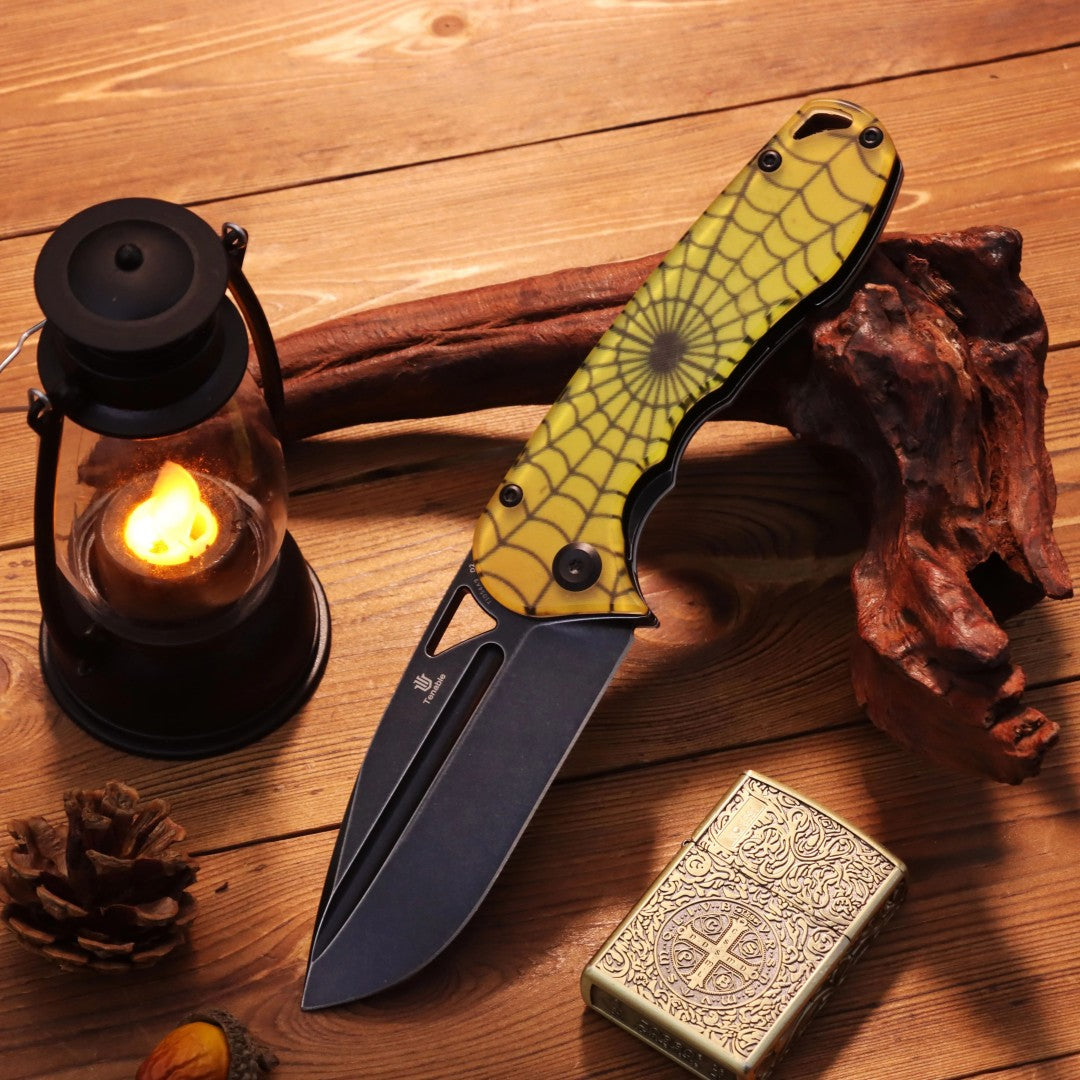
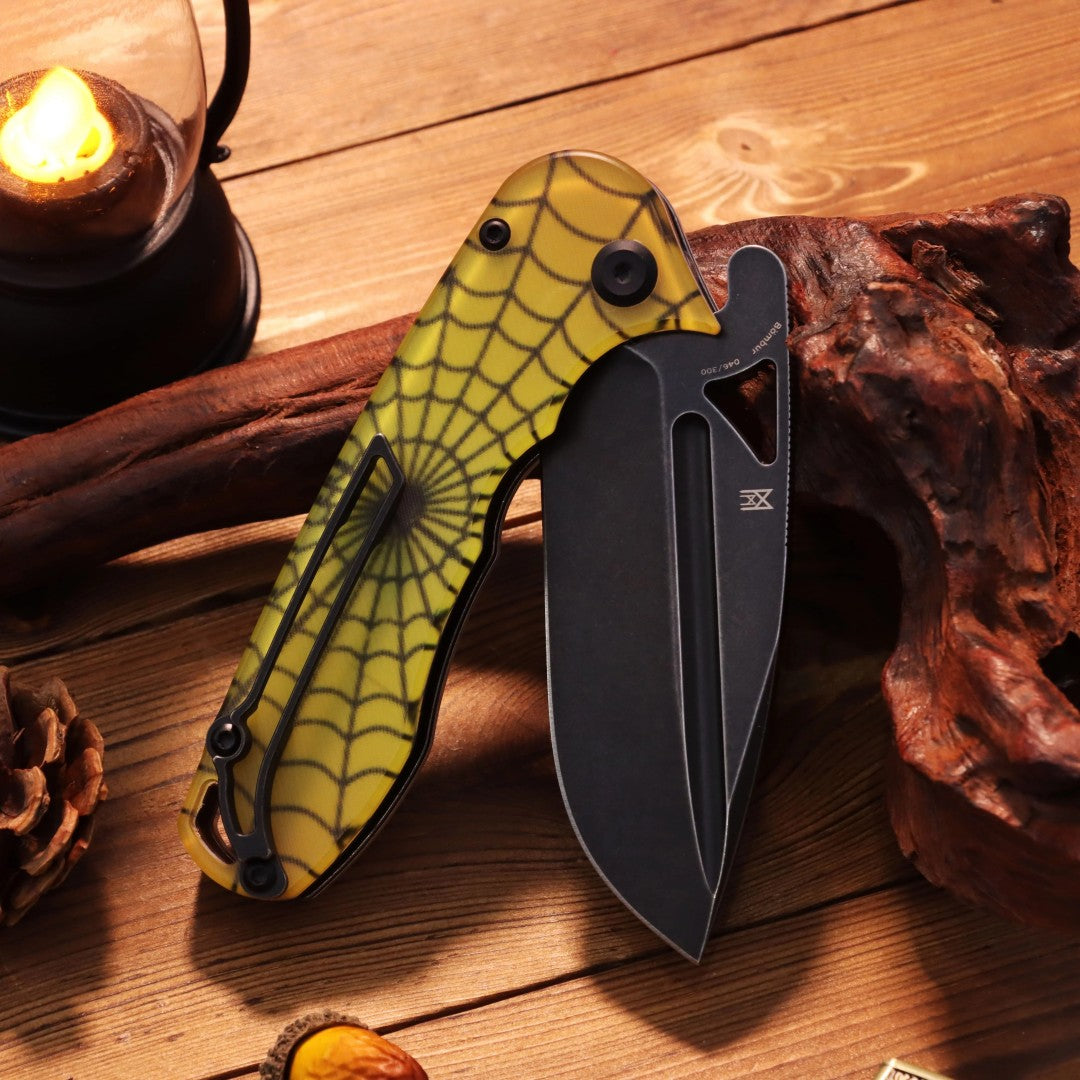
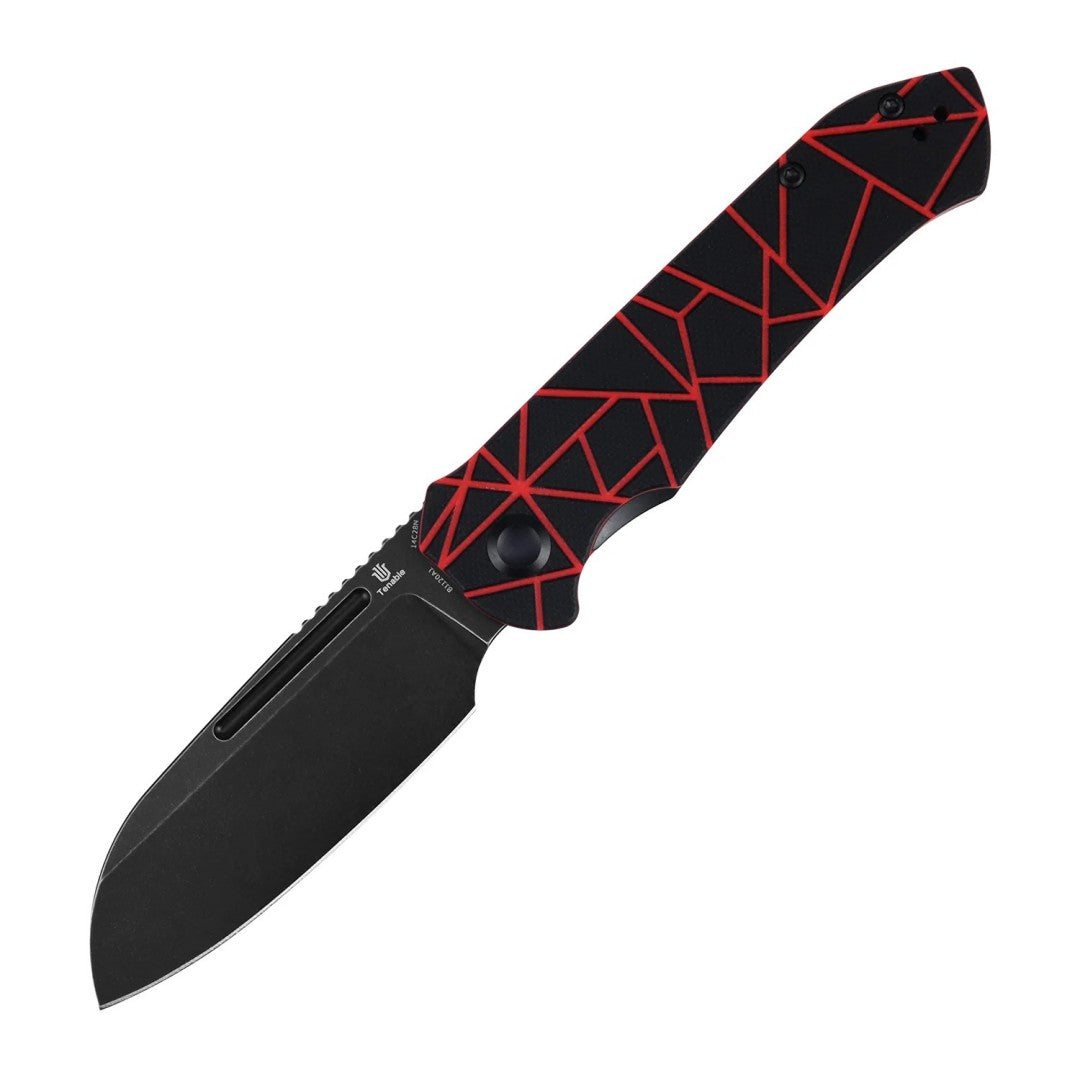
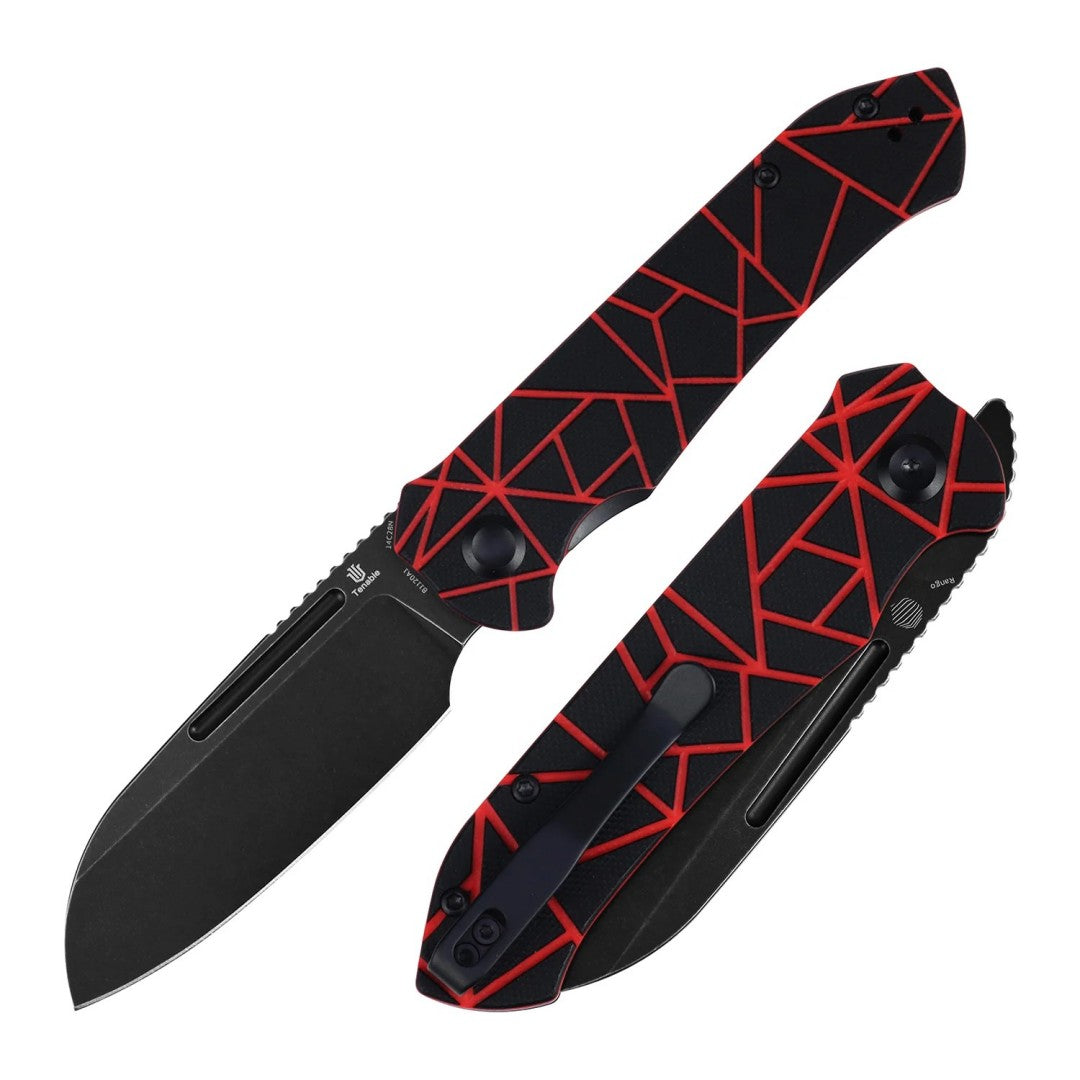
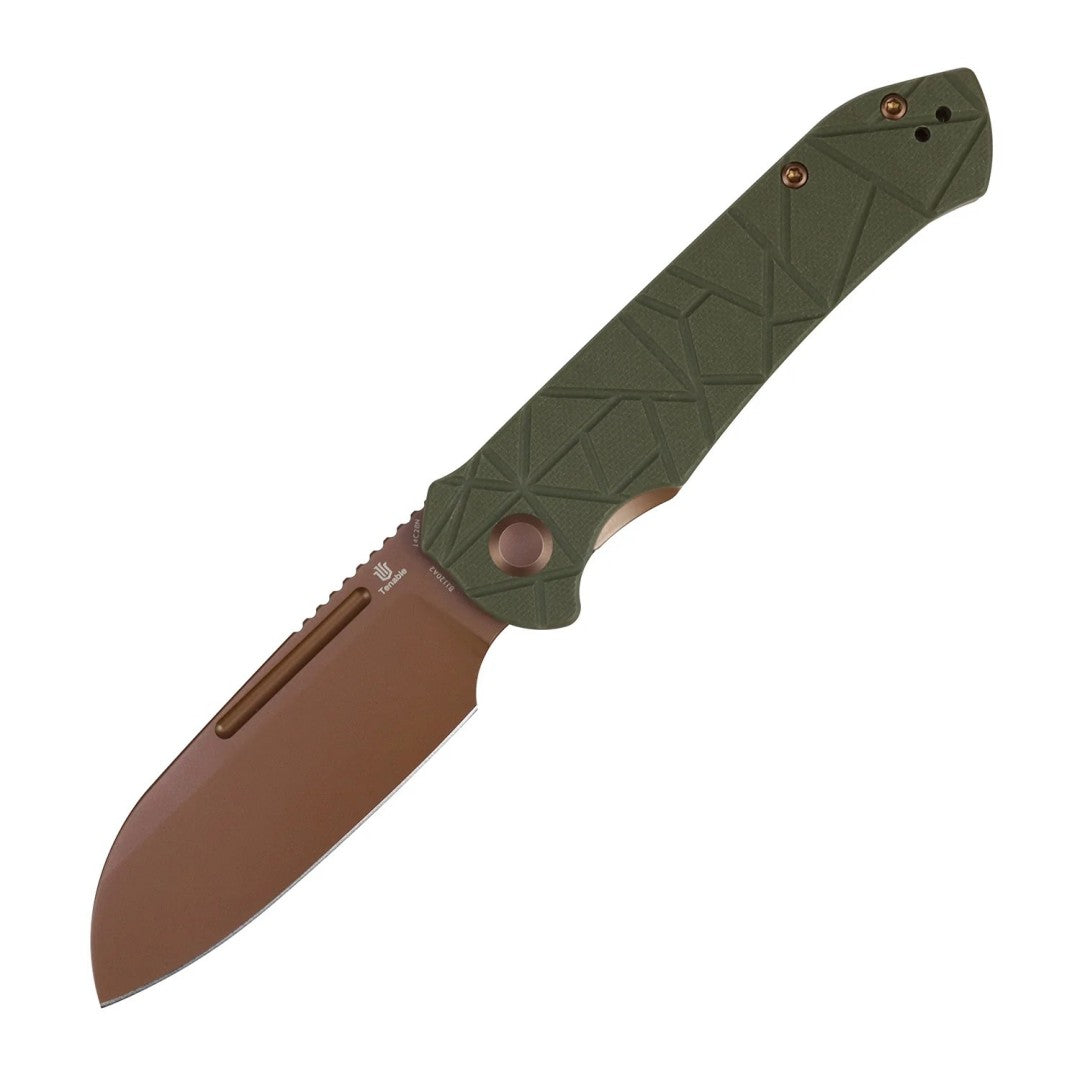
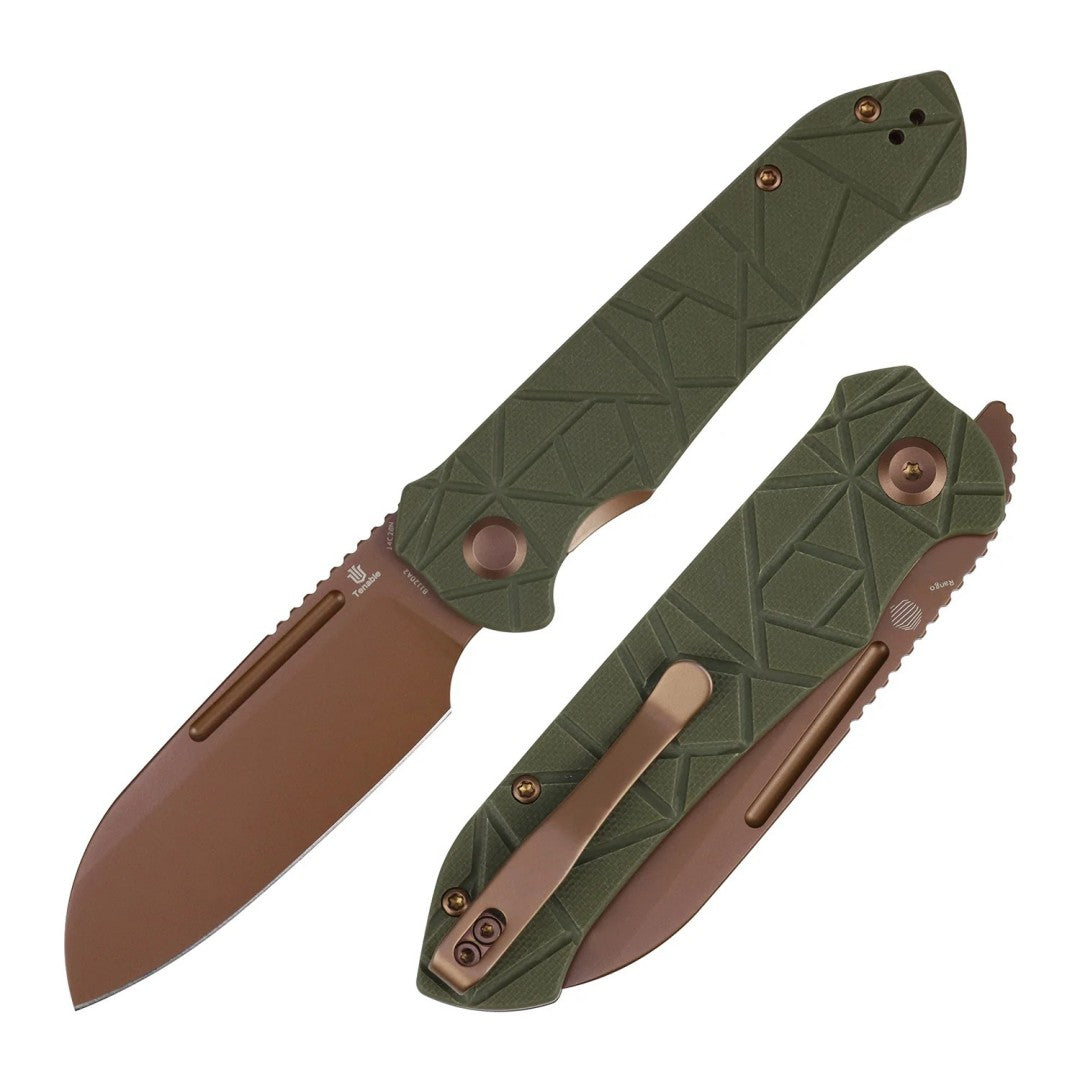
The differences live in the scale pattern and finish. One variant presents a cleaner, more uniform texture that reads as restrained and slightly formal; the other leans into a more pronounced pattern that gives the knife additional visual depth and grip. Both keep the slim, elegant Lanza silhouette with a flush-engaging liner lock and a low-riding pocket clip. Because the pattern is molded into the G10 rather than applied, it will not wear smooth with use. Which one looks better is genuinely subjective, and the honest answer is that both suit the same role equally well.

Performance & Real-World Use
In practice, choose on aesthetics and on how the knife will be used. A more uniform scale reads as professional and disappears in a business setting; a busier pattern is more at home in casual carry and among collectors who appreciate visible texture. Neither changes carry weight, blade deployment, or lock behavior. If you are buying your first Damascus folder, consider which one you would rather photograph, because that is the version you will reach for. Add a slim lanyard bead and the knife becomes easier to draw from a deep pocket.
Carry & Pairing Notes
A few ownership notes apply to both variants equally. Damascus blades should be wiped dry after any wet task and given light oil occasionally to preserve the etched contrast, and G10 handles need only a damp cloth. For carry, tuck the Lanza into a jacket pocket or slip pouch; it is a slim, dressy knife rather than a hard-use workhorse. If you collect Bestechman knives or other folding knives in patterned finishes, keep both variants in the same pouch so you can compare how the patterns develop over time. Adding a small keychain fob or a plain leather lanyard gives the knife a better draw angle from a deep pocket without altering its clean lines. It is the quiet detail that separates thoughtfully considered everyday EDC knives from the rest.
Who Is This For?
Buy the D-1 if you prefer a cleaner, more classic look on a Damascus blade and want a knife that works in formal and casual settings alike. Buy the D-2 if you want the pattern to be part of the personality of the knife and you enjoy a slightly more tactile handle. Collectors often end up with both, and at this price that is a reasonable outcome. Either way, you are getting the same dependable mechanism and the same serviceable Damascus edge.
Final Verdict
There is no functional loser between the Lanza BMK14-D-1 and BMK14-D-2: the lock, blade steel, and ergonomics are shared. Let your eye decide, then commit. Whichever pattern you choose, you are buying one of the better-value Damascus folders currently available. Compare both finishes side by side at EdcMall.