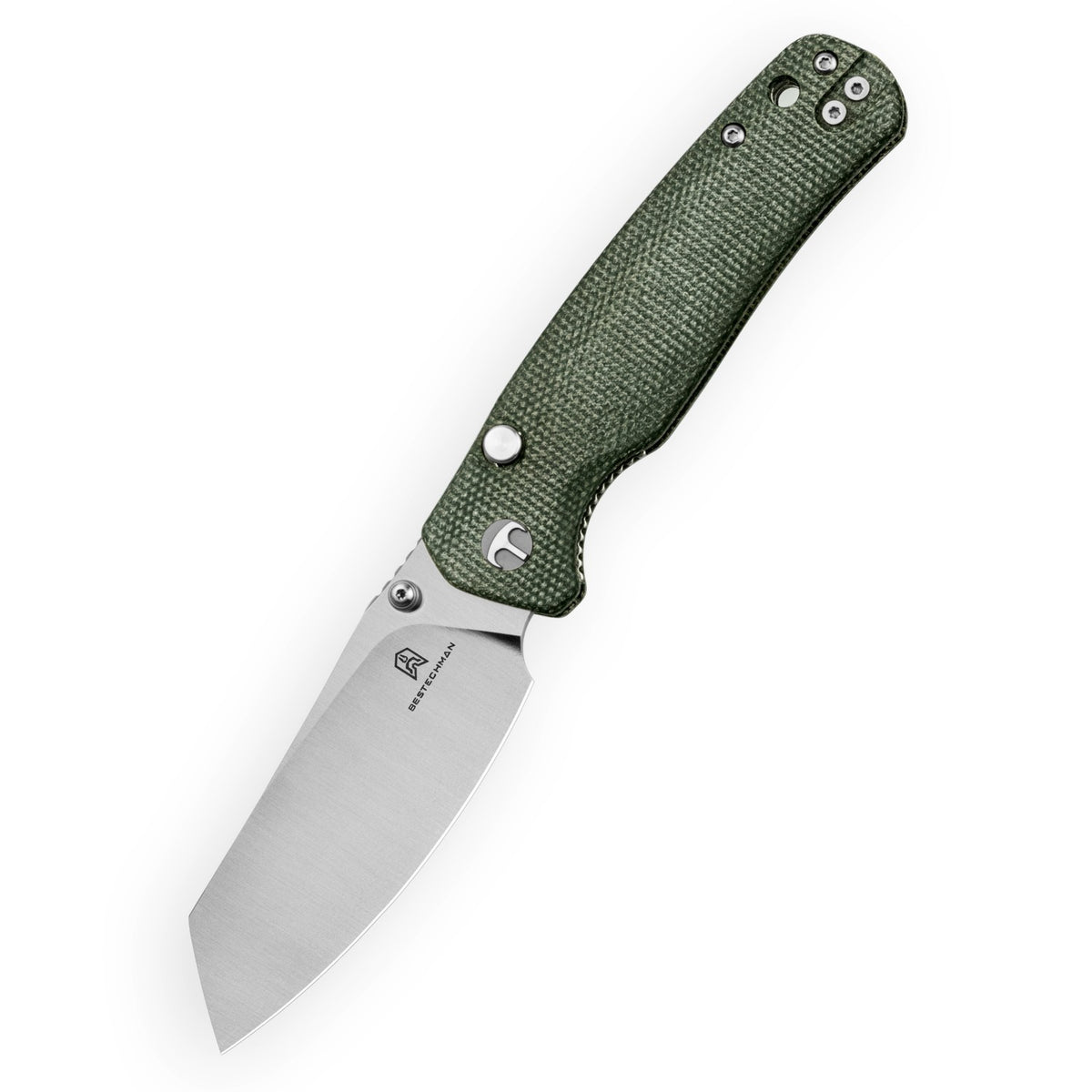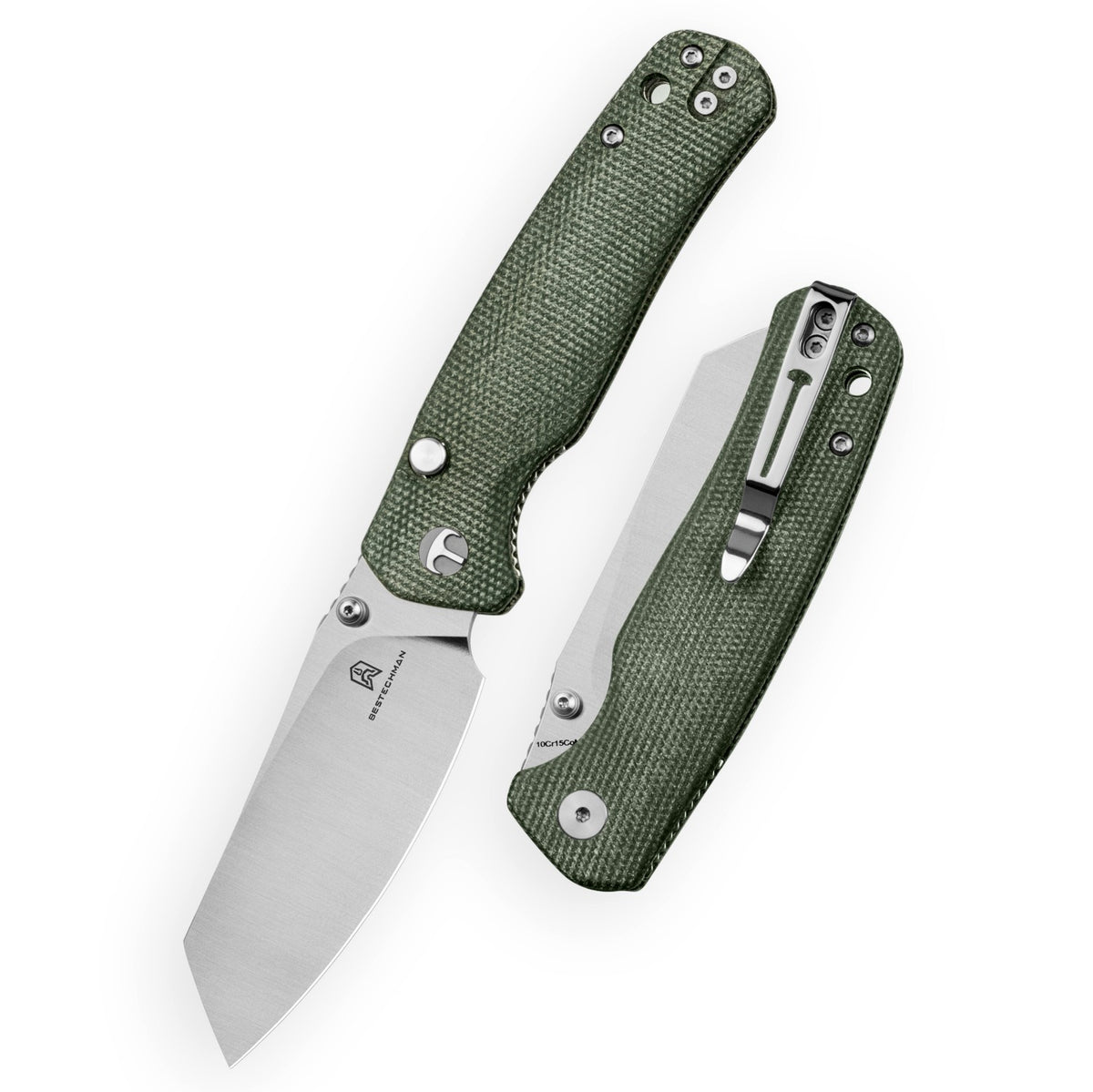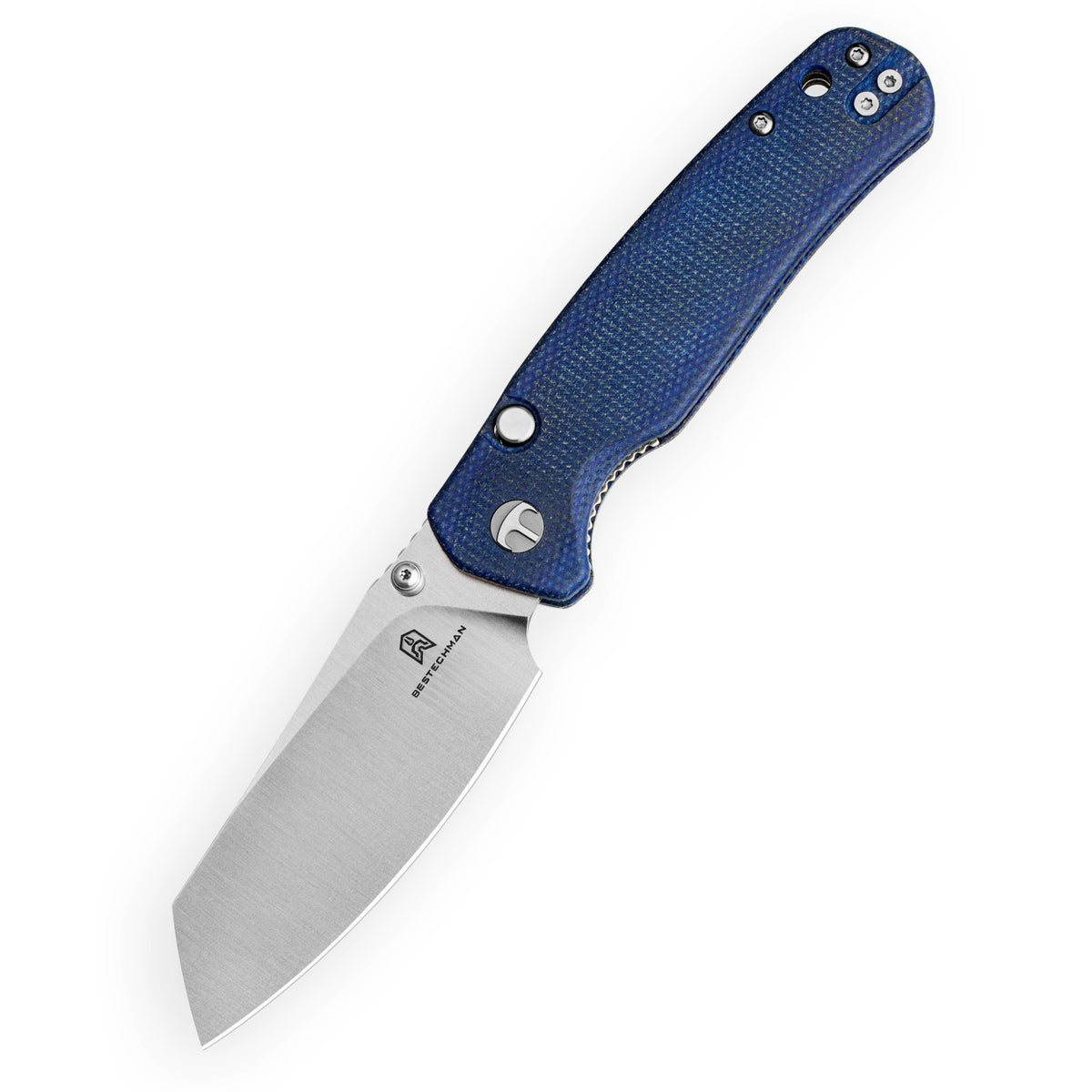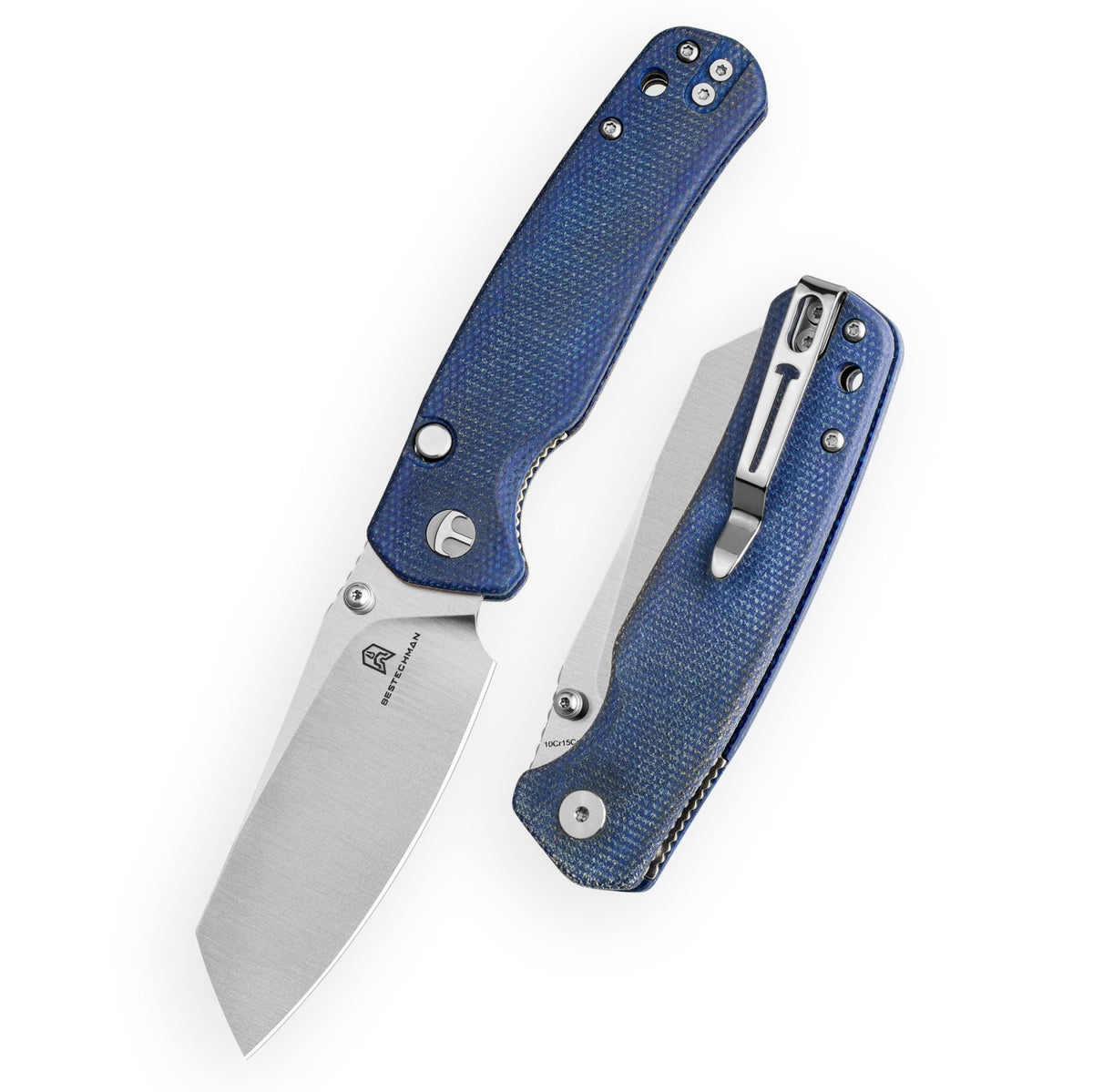


Overview & First Impressions
A folding knife that develops side to side play or a screw that backs out on its own is almost never defective. It is usually the result of a pivot screw that was assembled dry, then cycled thousands of times while the whole knife vibrated in a pocket. The fix is one of the cheapest and most effective habits in knife ownership: a small amount of medium strength threadlocker on the pivot and body screws when you reassemble the knife.
Materials & Construction
Threadlocker is an anaerobic adhesive, meaning it cures in the absence of air and in contact with metal, which is exactly what happens inside a threaded hole. Medium strength, usually sold as blue, holds a screw against vibration but releases with ordinary hand tools. High strength, sold as red, needs heat and is the wrong choice for a knife you may need to service. A fine steel such as CPM-S35VN can be sharpened for years, but a stripped screw head will end the knife's service life far sooner.

Design & Details
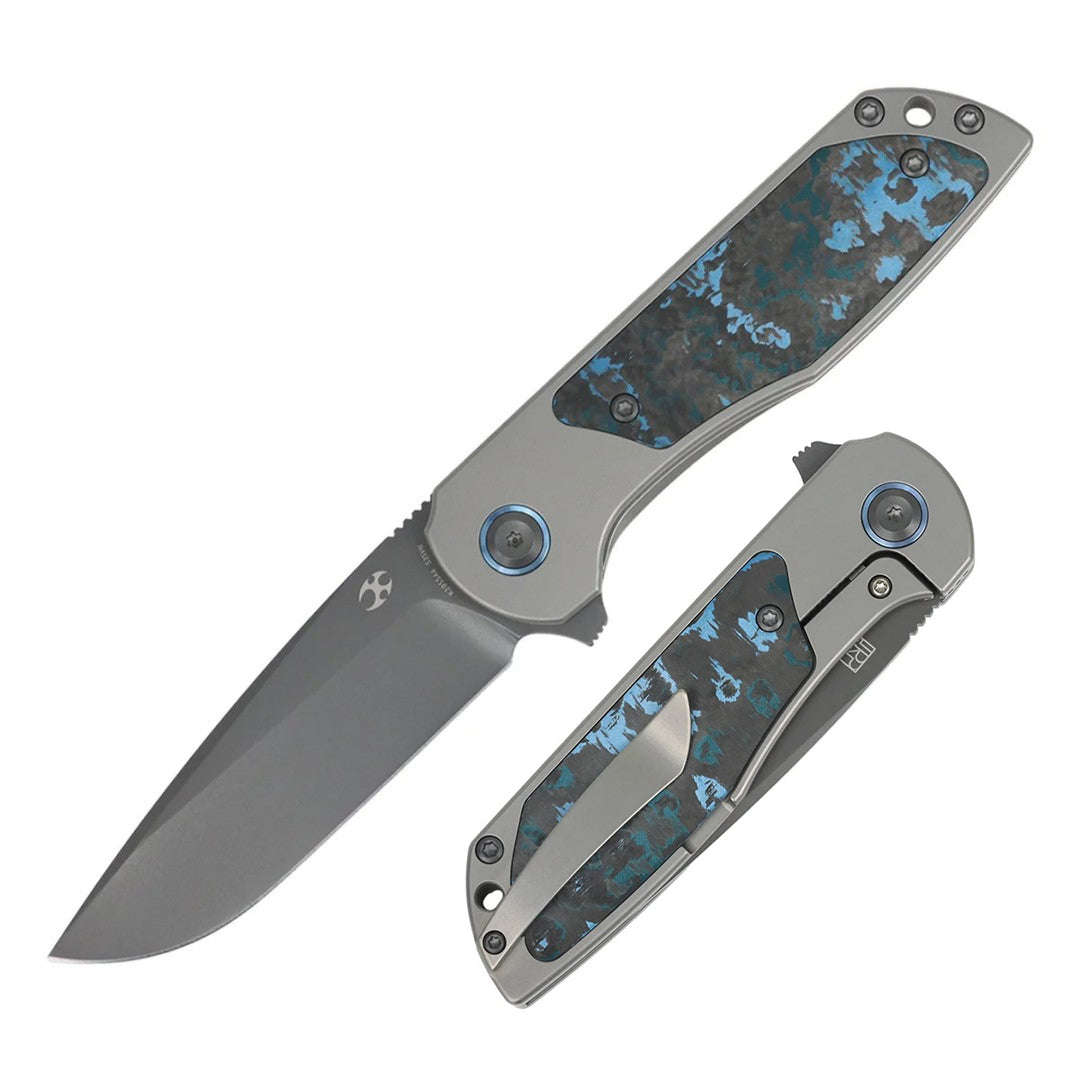
The pivot is the part that matters most. On a typical liner lock folder the pivot is a shouldered screw that sets the blade tension, and the body screws hold the scales and liners together. Loosen the pivot and the blade drops freely but develops play; tighten it and the action stiffens. The correct sequence is to clean the threads, apply a single small drop of blue threadlocker to the screw rather than the hole, set the pivot tension where you want it, then leave the knife closed and undisturbed for a full day so the adhesive cures.
Real-World Use
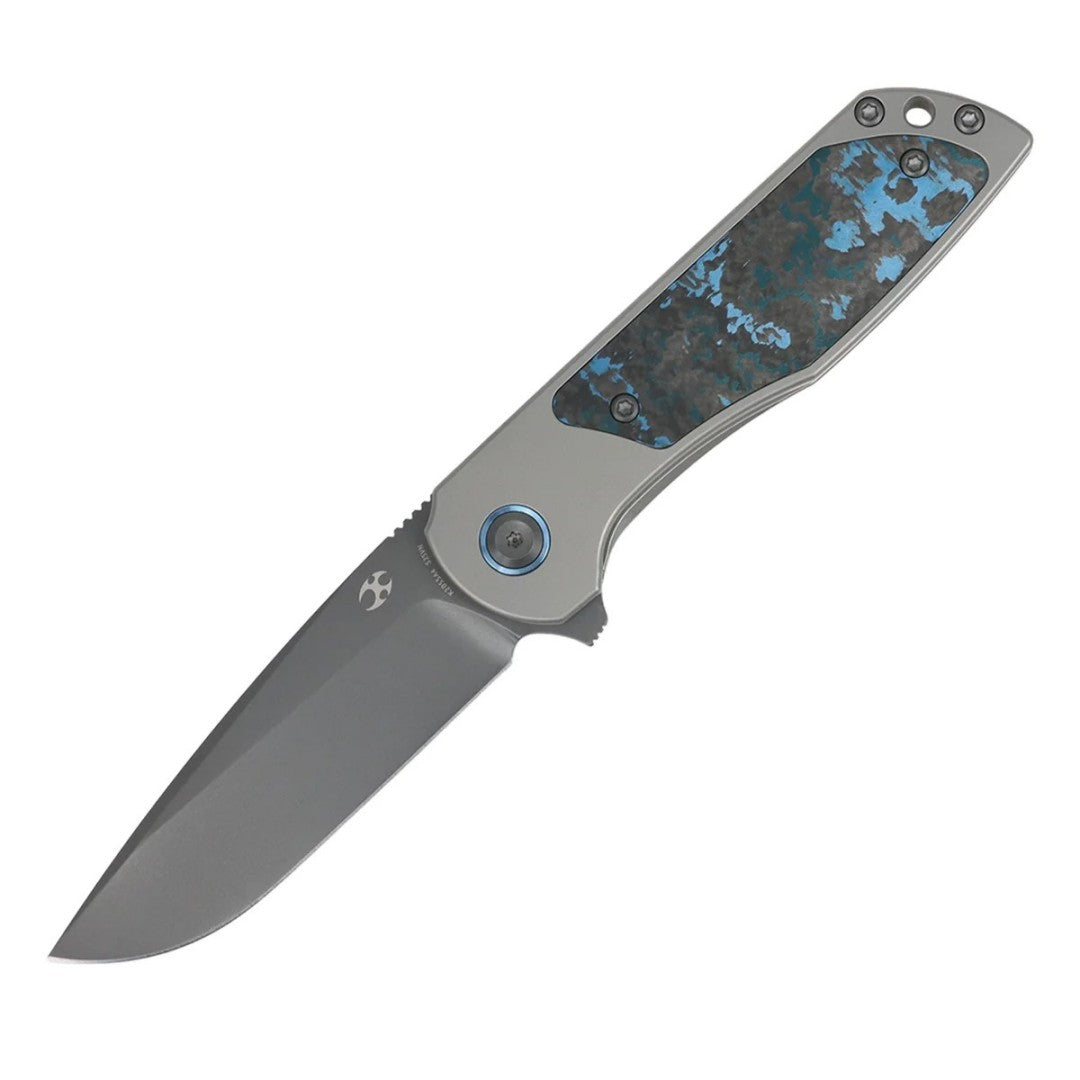
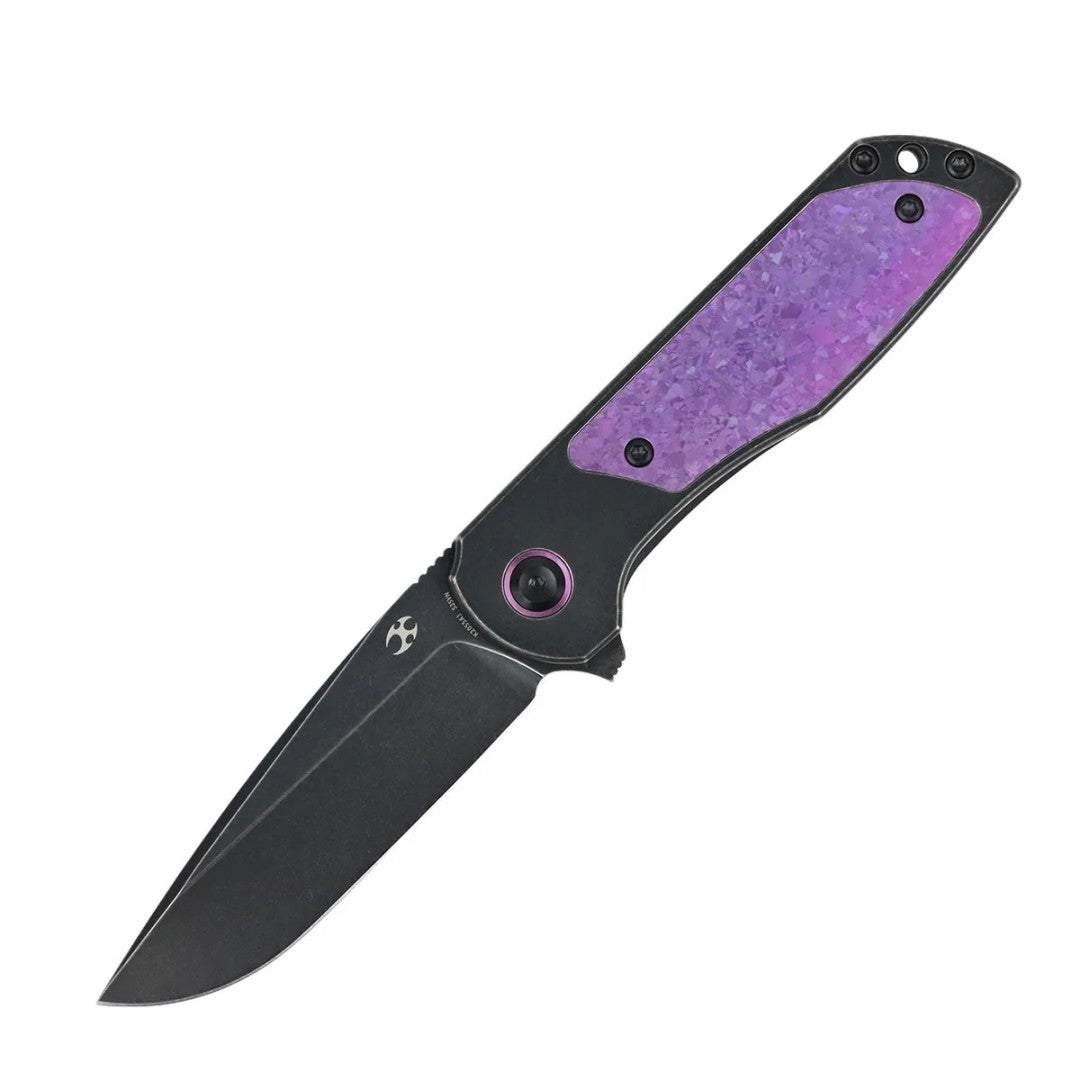
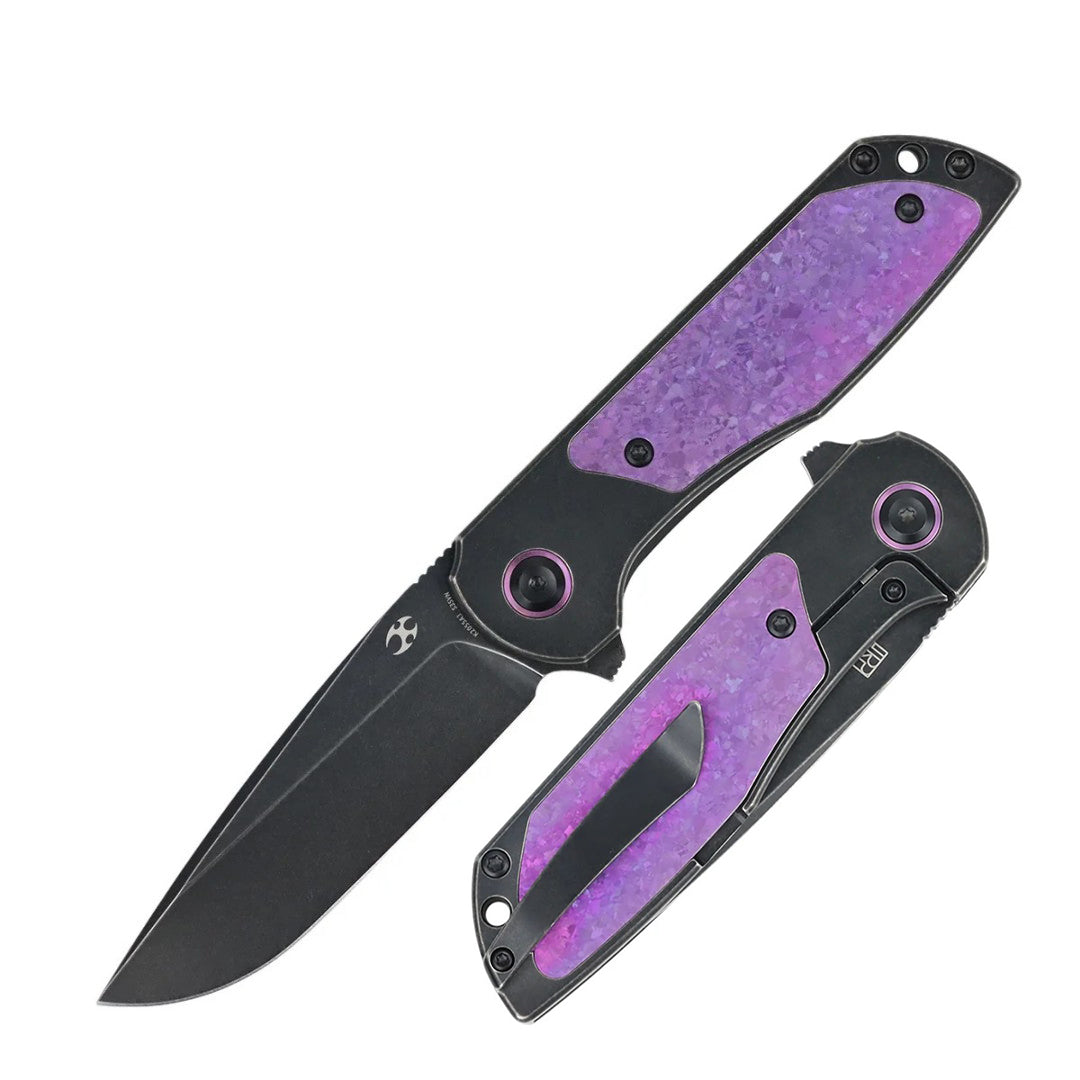
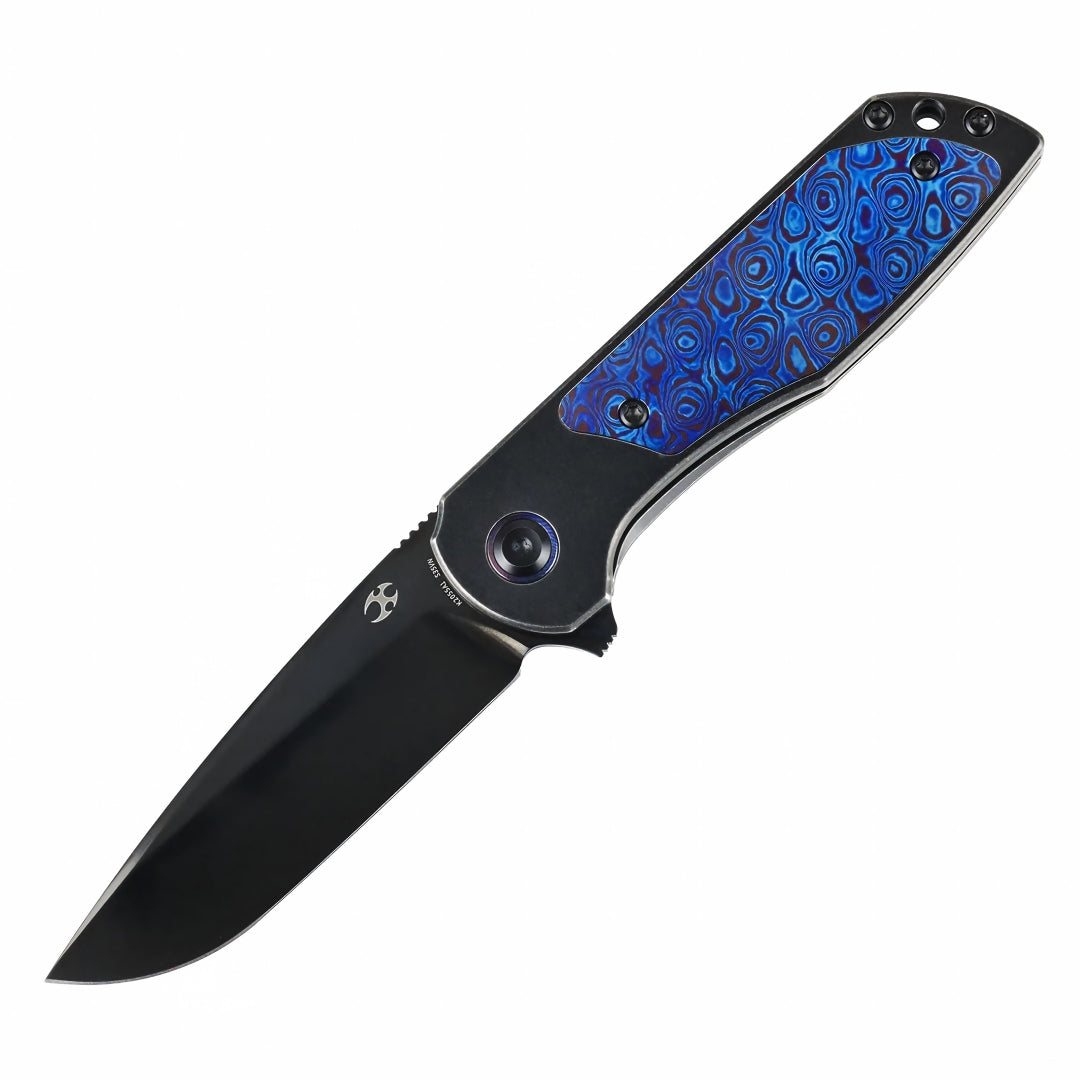
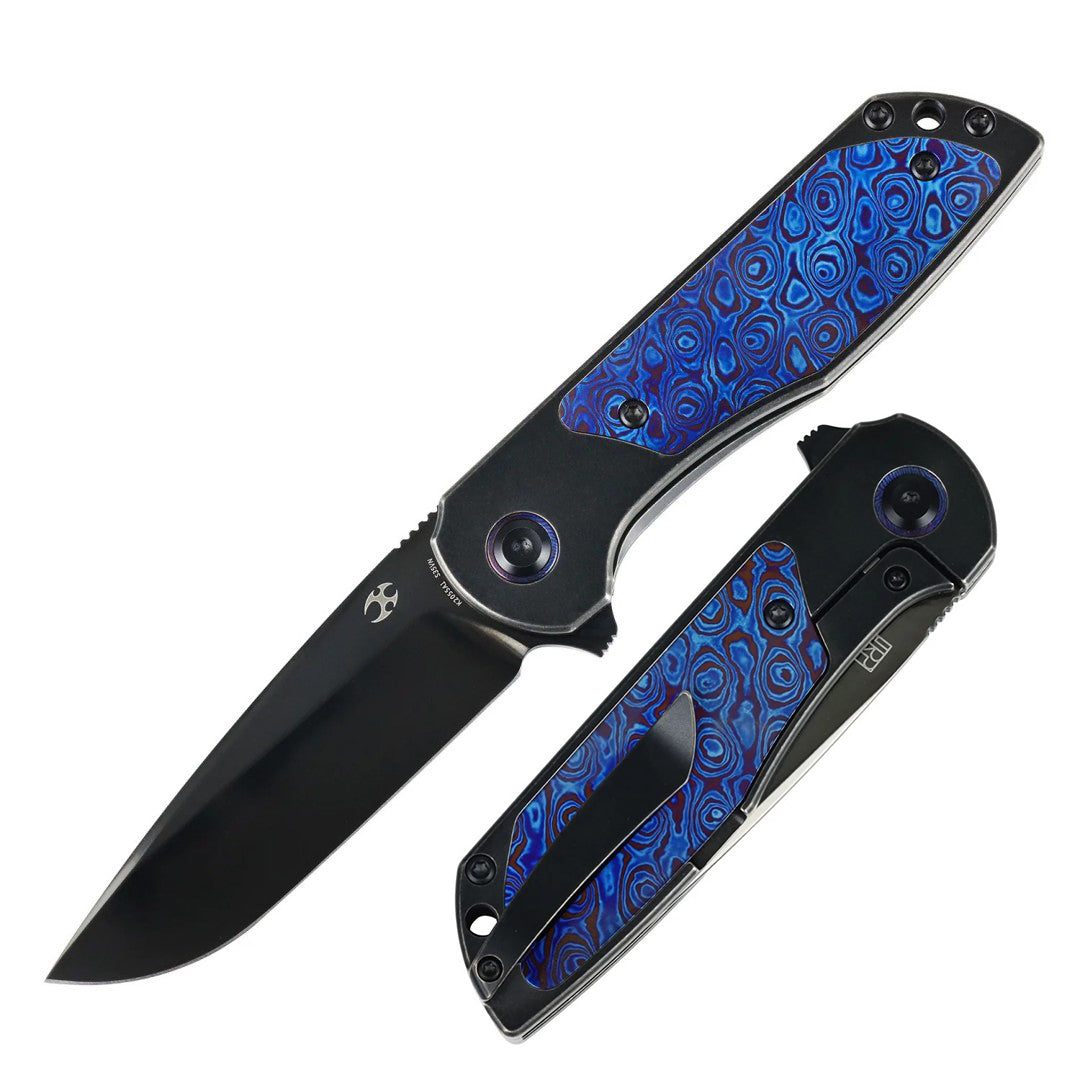
Reassembly is straightforward with the right driver. Hollow ground or quality bits in the correct size prevent cam-out, which is the most common cause of a ruined screw. Tighten body screws in a cross pattern rather than around the perimeter so the scales seat evenly. Model such as the Kansept Pretatout use a small number of fasteners and a simple construction, which makes them a good first knife to practise on, and check the action again after curing because the pivot often settles slightly.

Ownership Notes
Two cautions are worth repeating. First, never use threadlocker on a pivot you intend to adjust frequently, because cured adhesive adds friction to the adjustment. Second, if a screw refuses to move, apply gentle heat from a soldering iron rather than force, and accept that some factory assemblies use a stronger compound than you would choose yourself. Doing the job once and doing it properly is far better than a drawer full of EDC knives with stripped heads and a reputation for being fragile. Anyone who keeps a small driver set beside a bottle of blue threadlocker is already ahead of most owners, because Kansept knives and similar quality folders are built to be serviced rather than thrown away. Write the pivot tension you settle on in a notebook, because a half turn either way is the difference between a smooth action and an annoying one.
Who Is This For?
This is for anyone whose folder has developed play, anyone who has bought a used knife with a loose pivot, and anyone who enjoys maintaining their own gear. If you never adjust your knives and they hold tension fine, there is no reason to open them up. If you swap scales, replace a pocket clip or simply want the confidence to service a knife, a small bottle of blue threadlocker belongs in your toolkit next to the correct drivers.
Final Verdict
A drop of blue threadlocker, the right bit and a patient twenty four hours of curing will solve more knife problems than any upgrade. Learn the sequence: clean, apply, set tension, wait, test. It costs almost nothing, it protects an investment, and it turns a wobbly tool back into a precise one. Browse the Kansept Pretatout trims at EdcMall to see a well built liner lock up close.
Shop the Kansept Pretatout K1032A7 CPM-S35VN Folding Knife at EdcMall