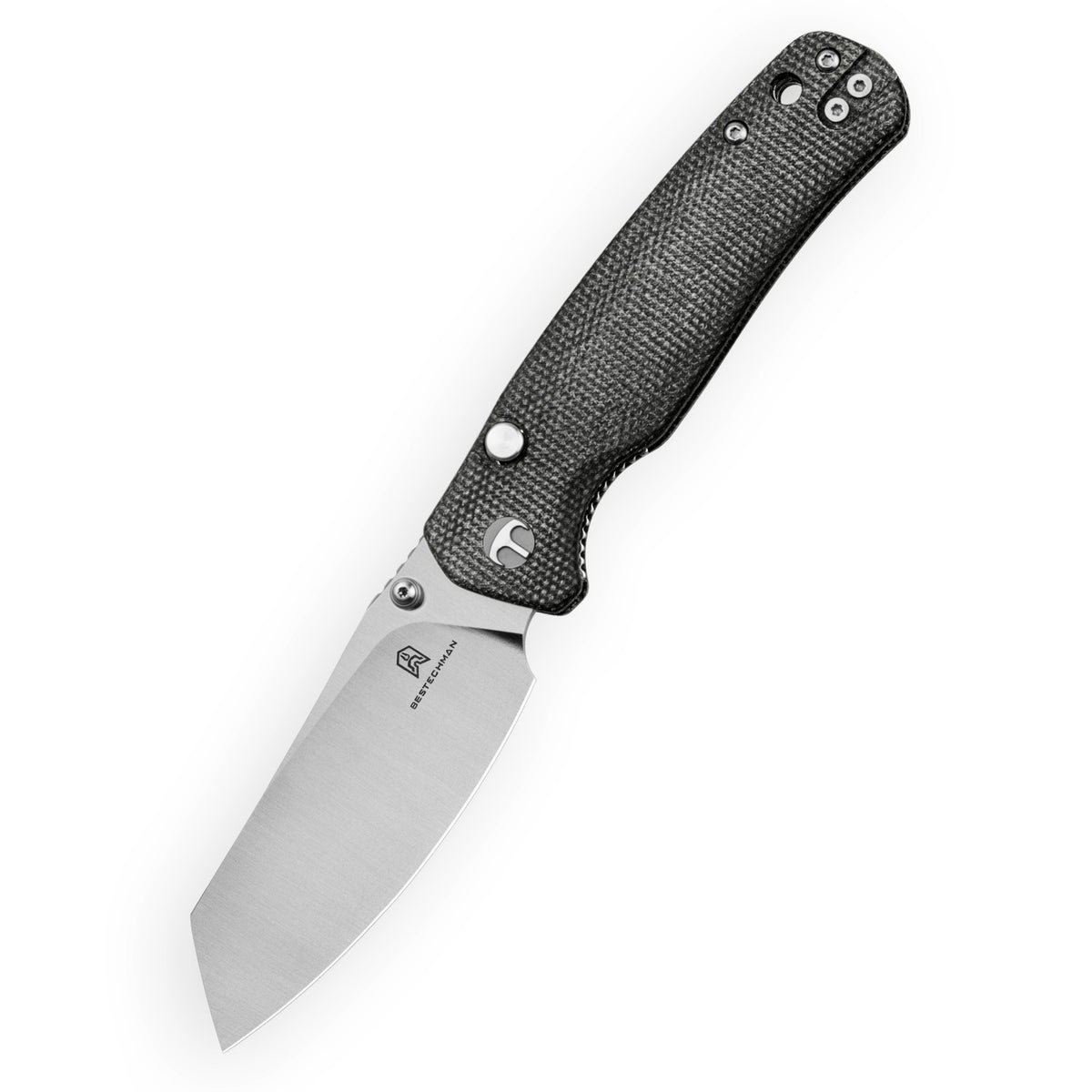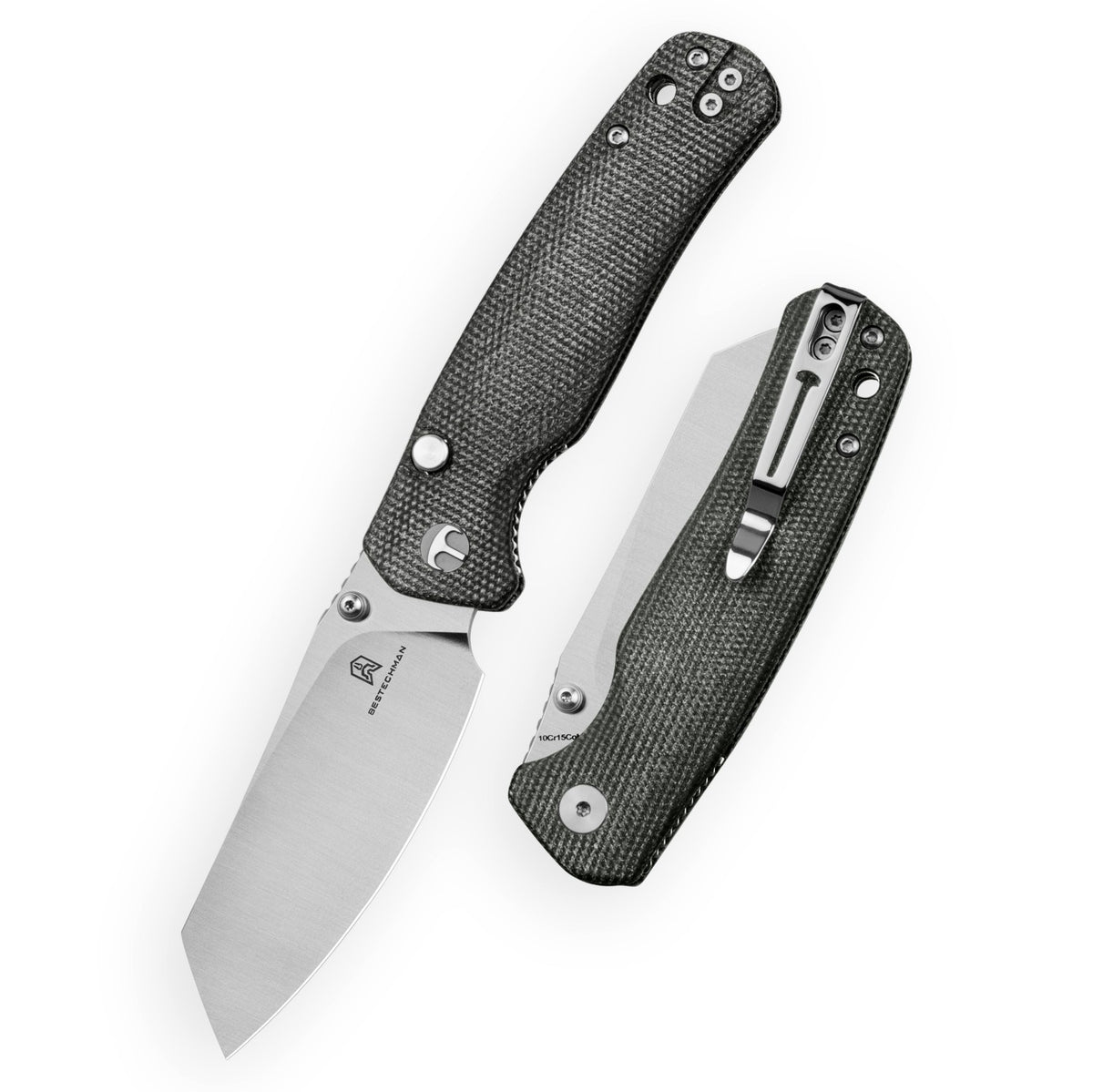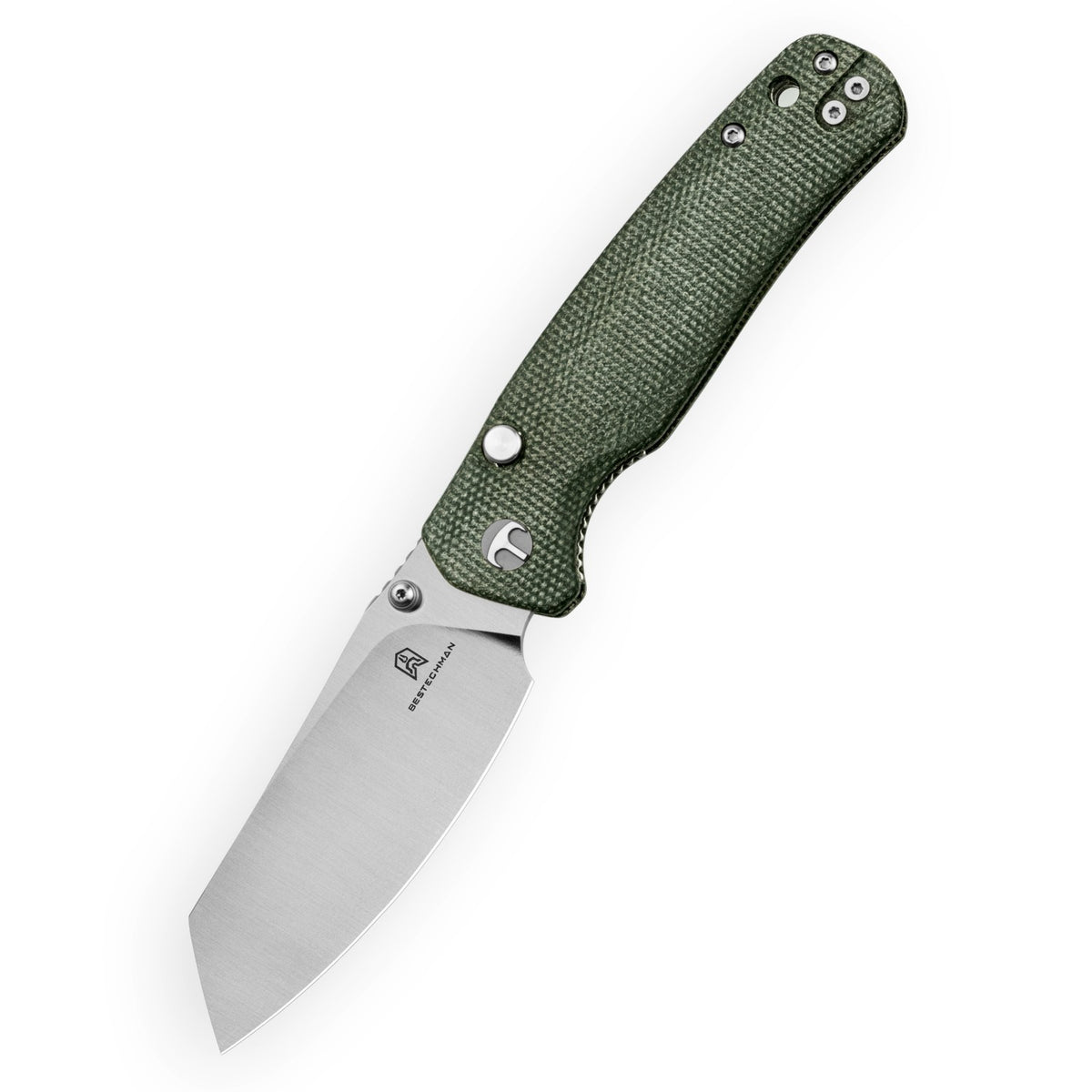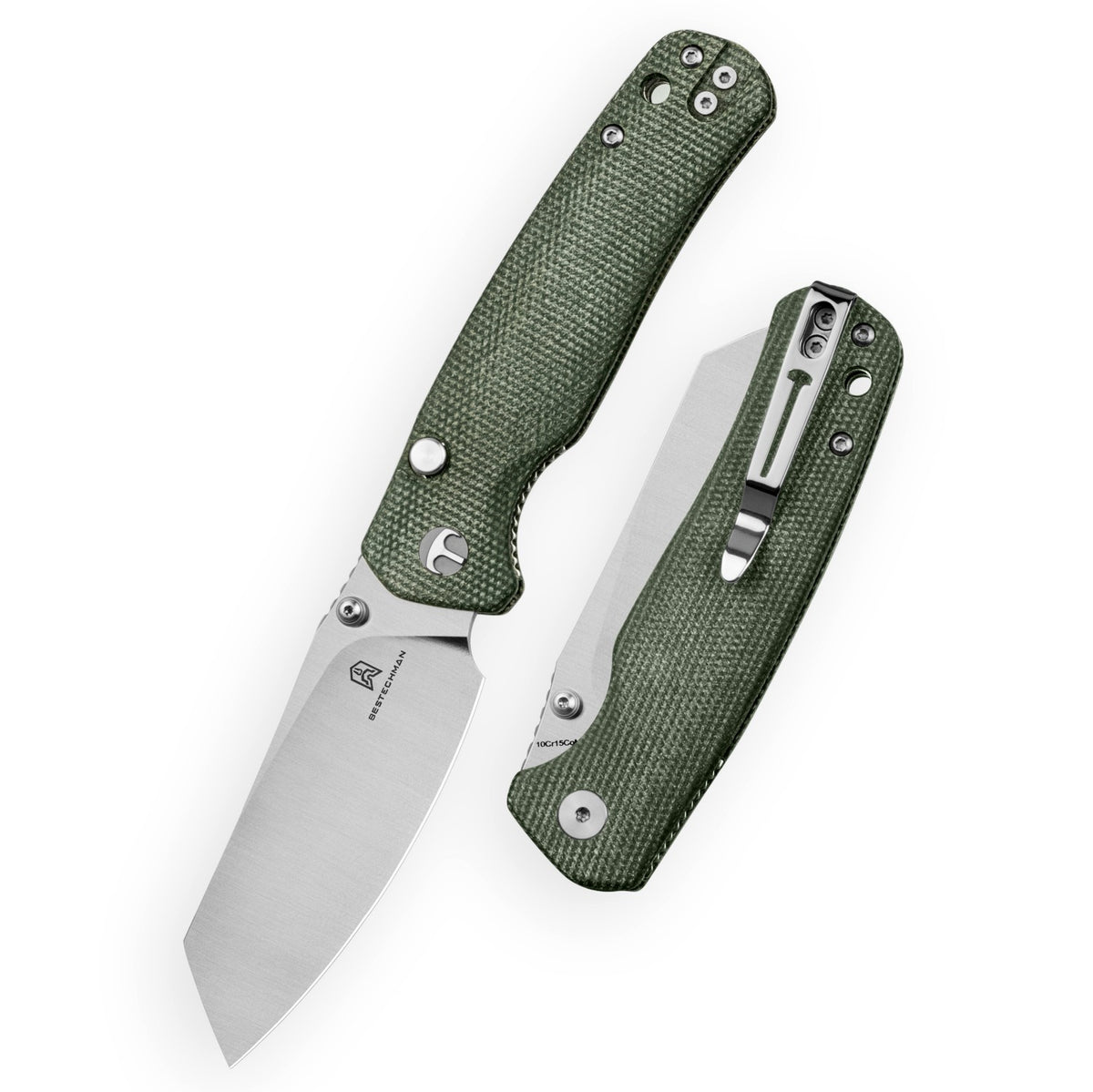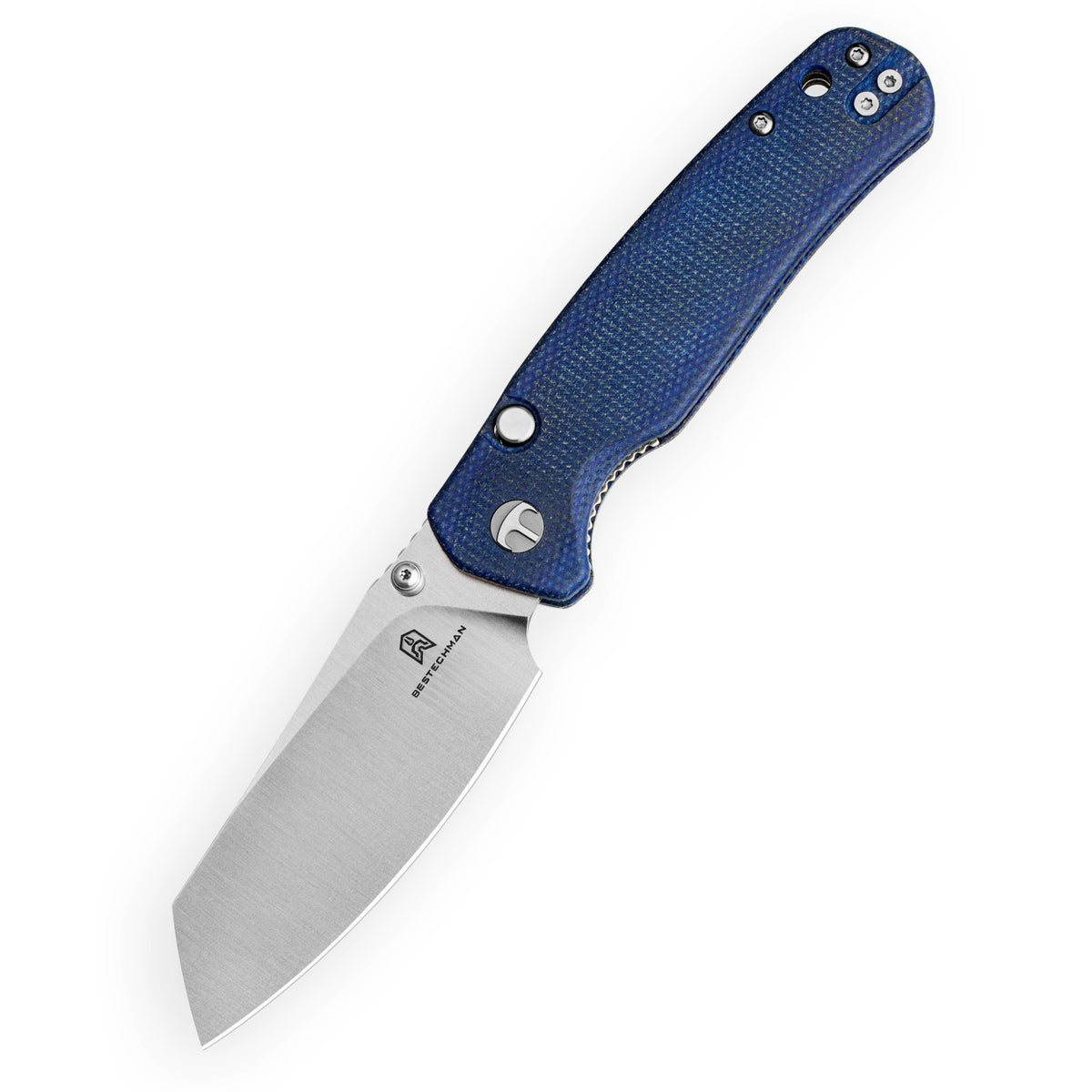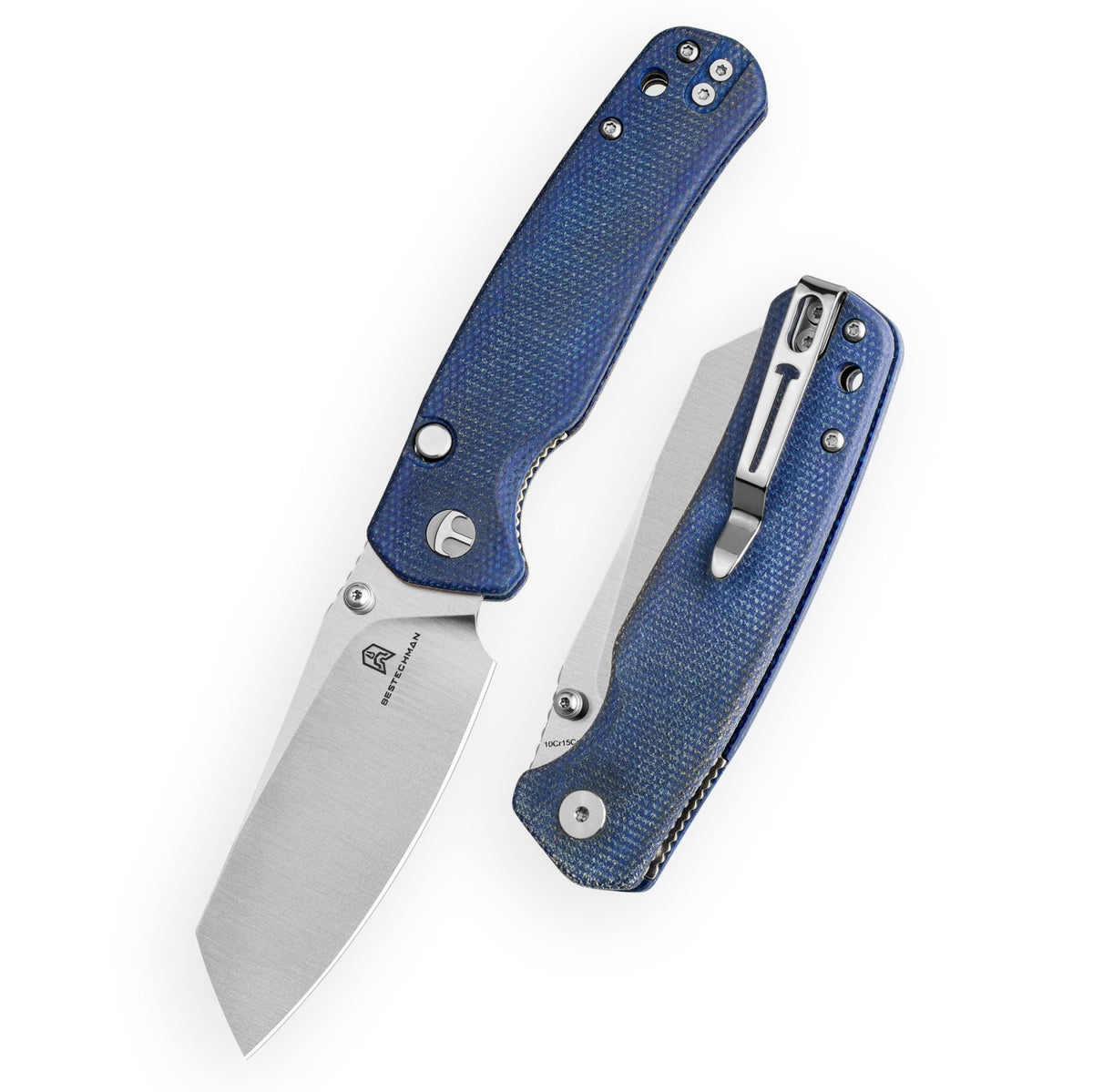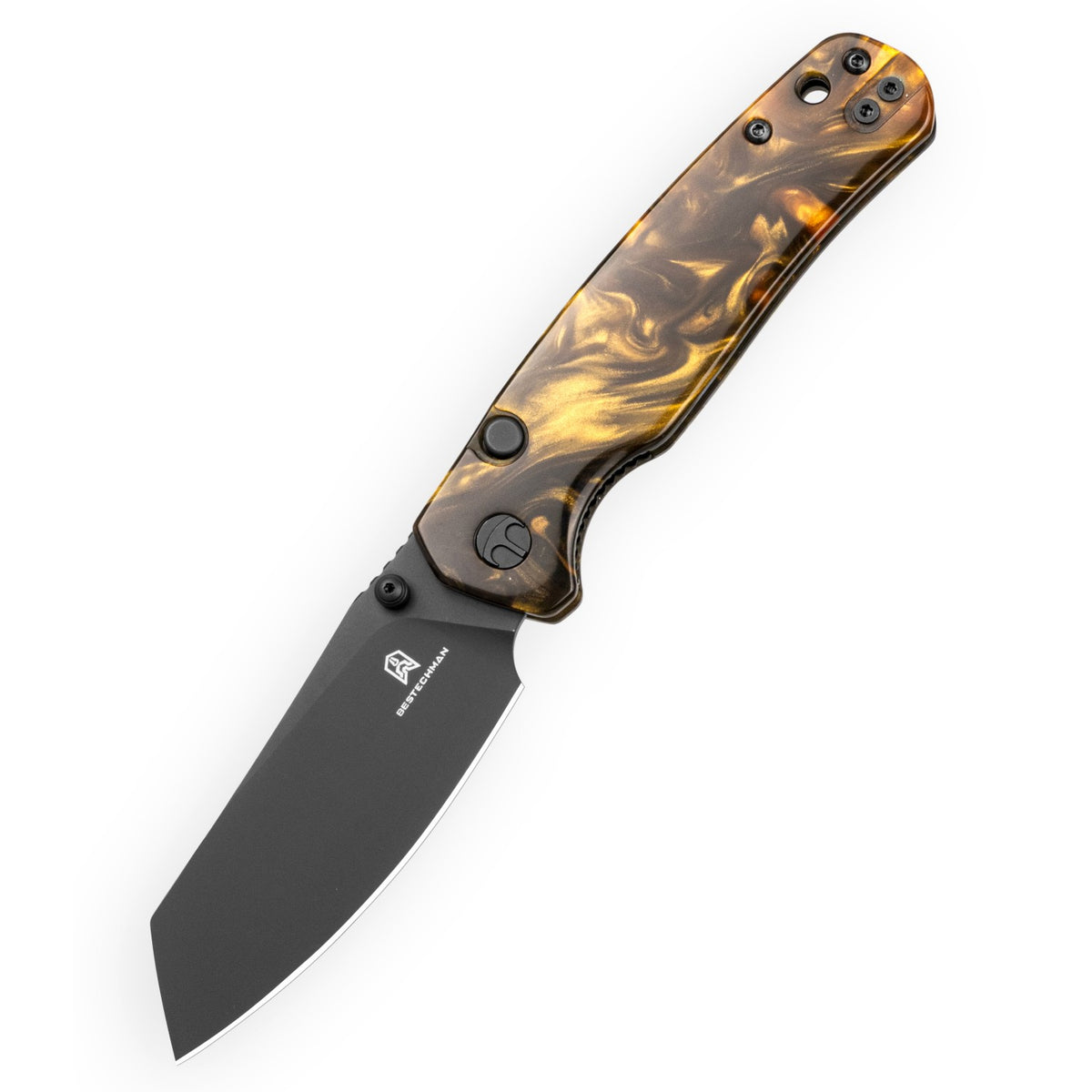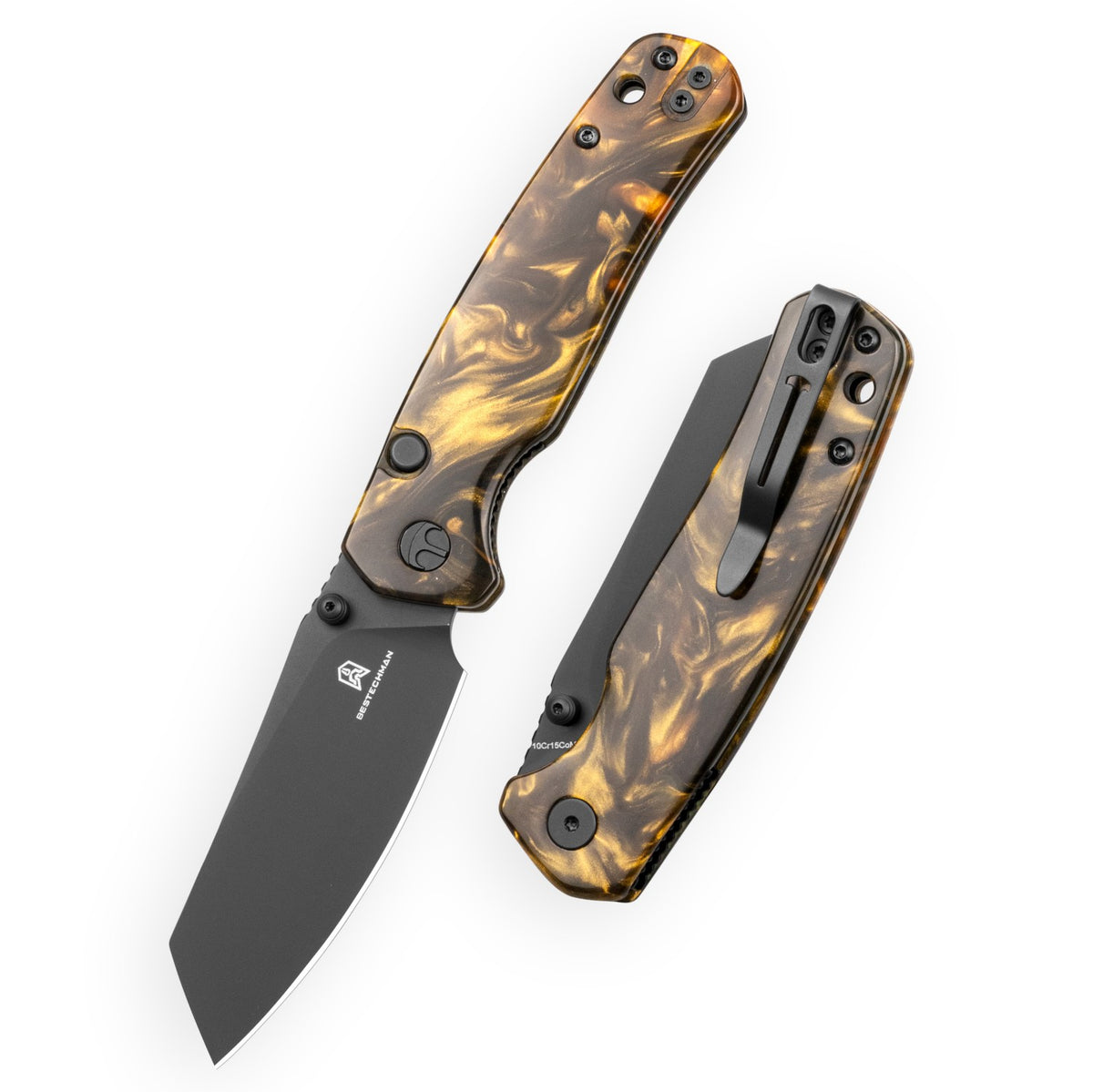


Overview & First Impressions
A bug out bag knife has one job that no other knife has to do: it must work after months of sitting in a bag, in a car, in a garage, without maintenance. That single requirement eliminates most of the enthusiast logic you see online. The best emergency blade is not the most exotic one, it is the one that still opens smoothly and still cuts when you finally need it.
Materials & Construction
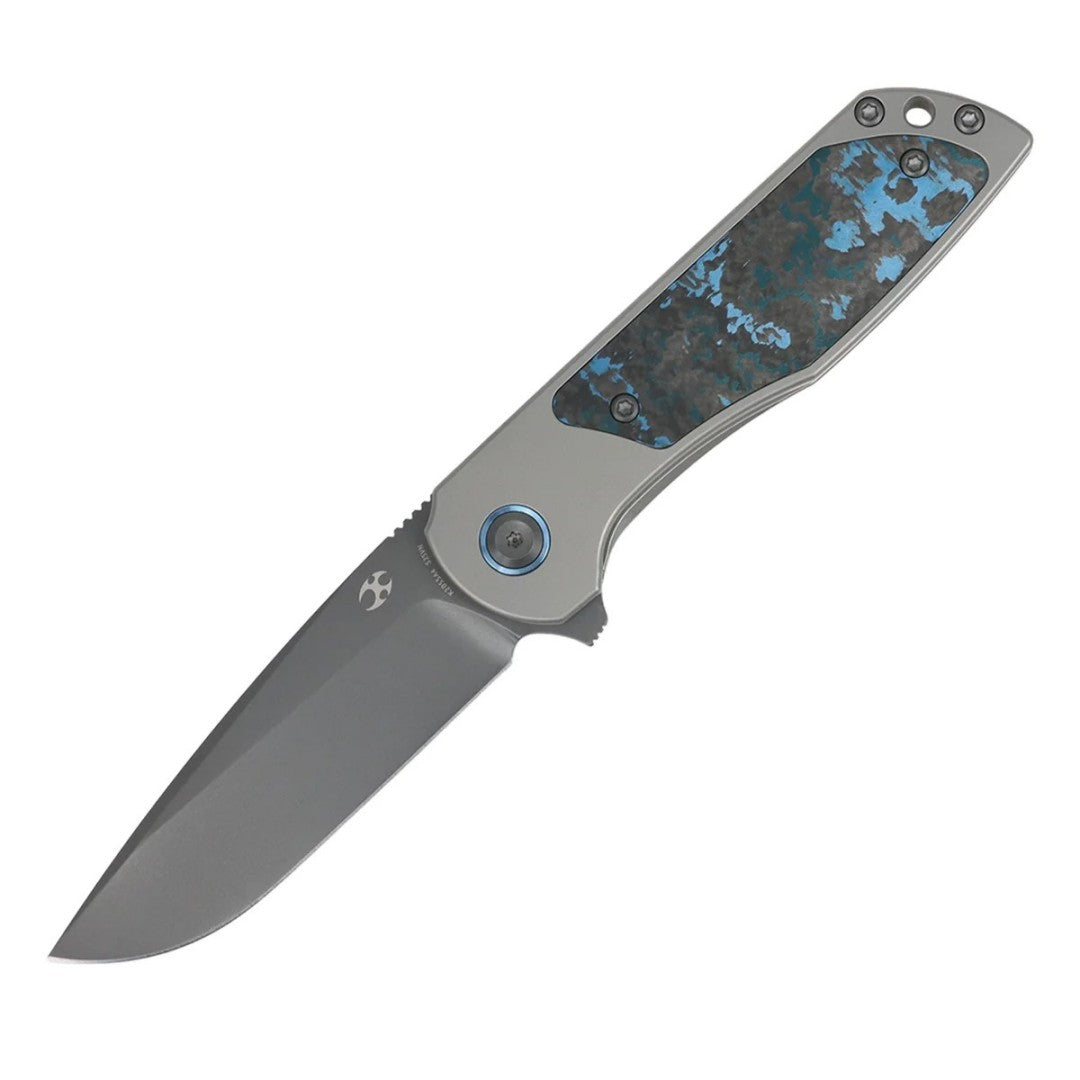
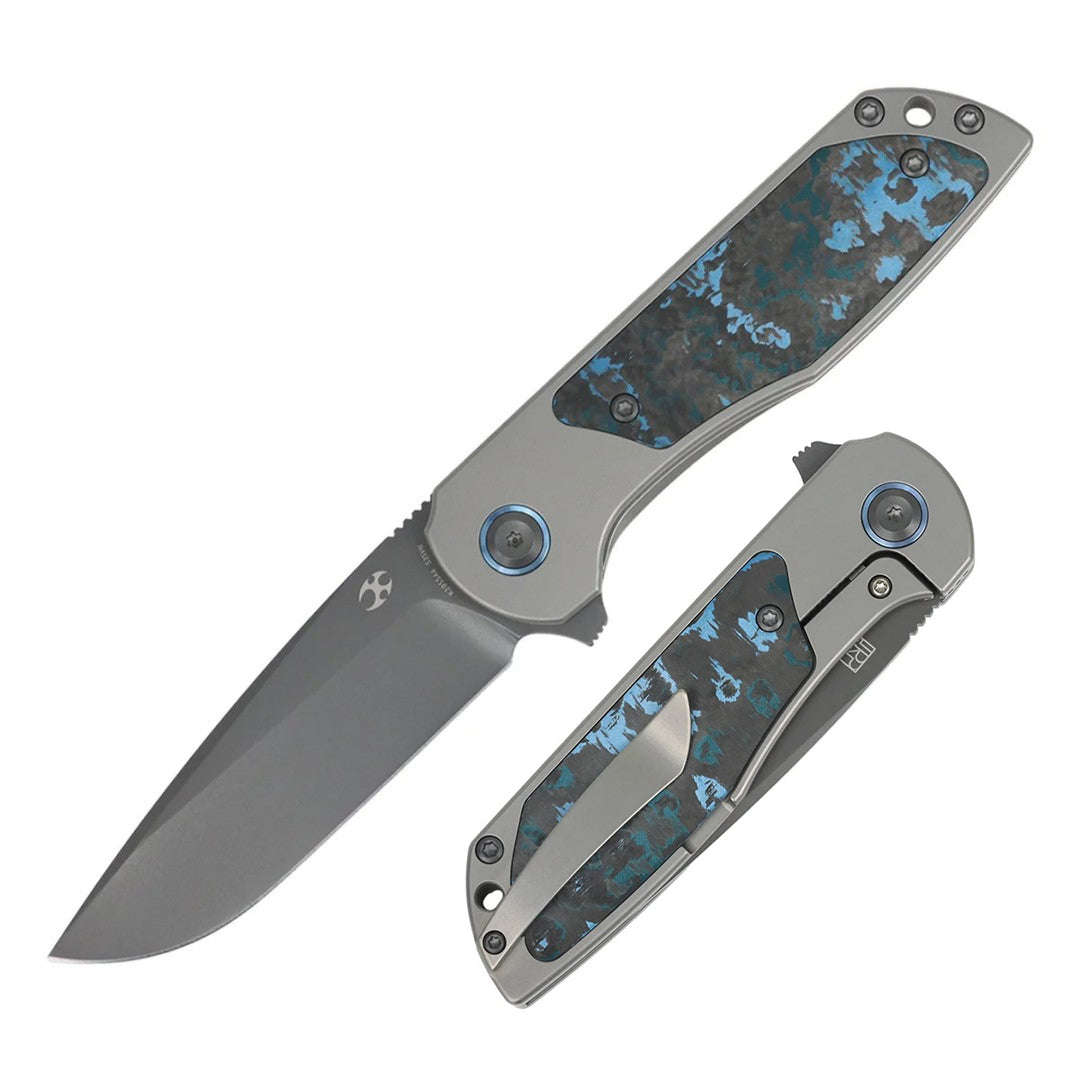
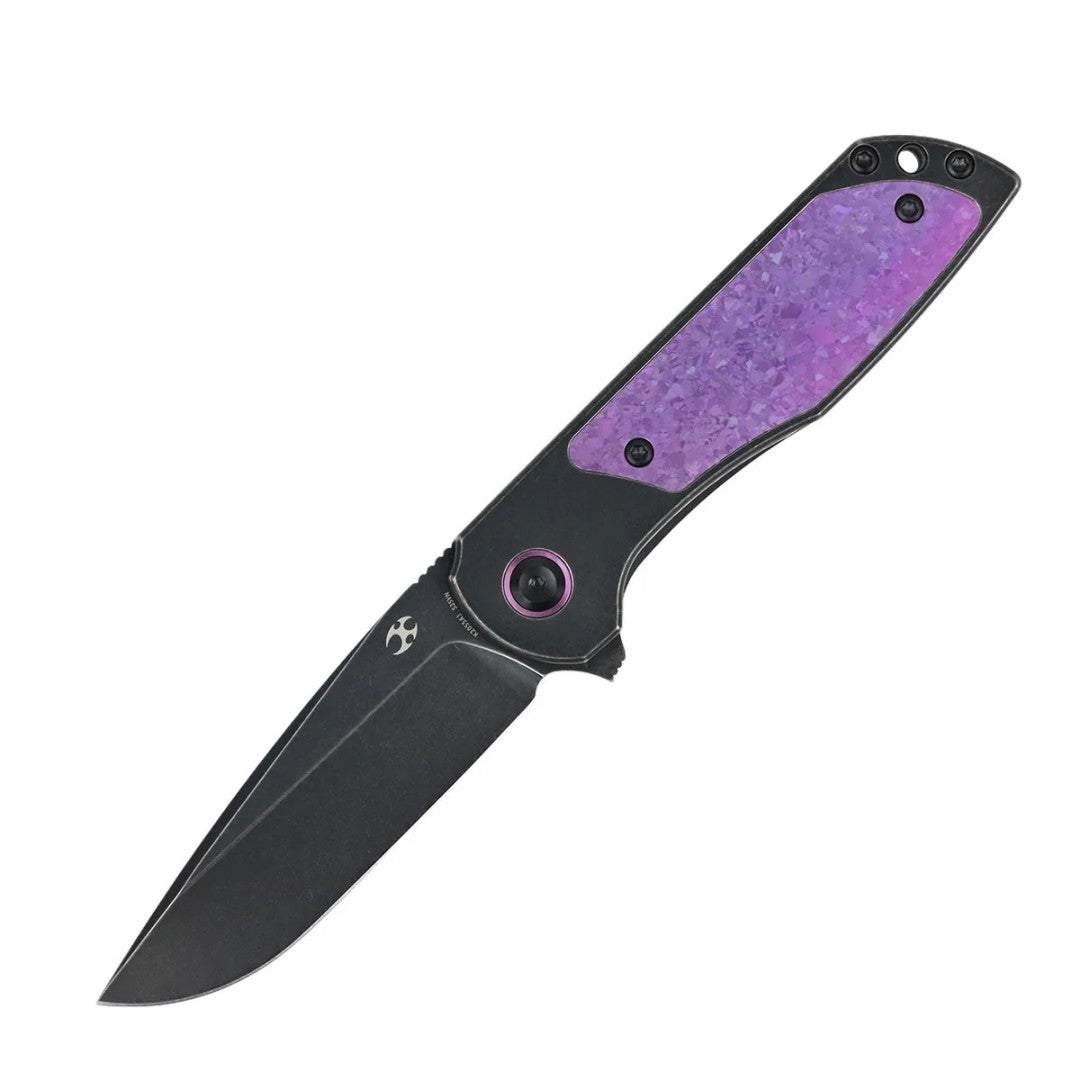
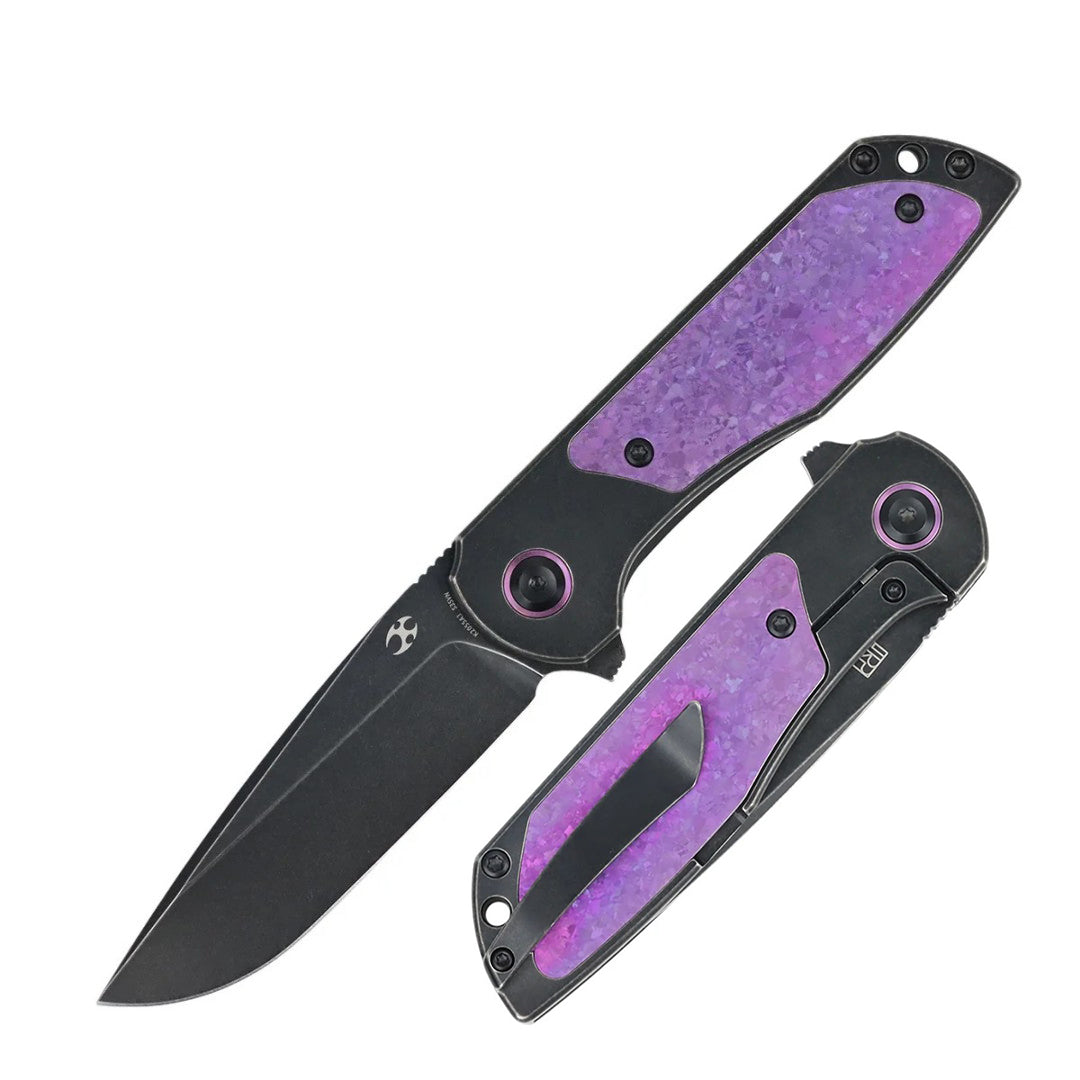
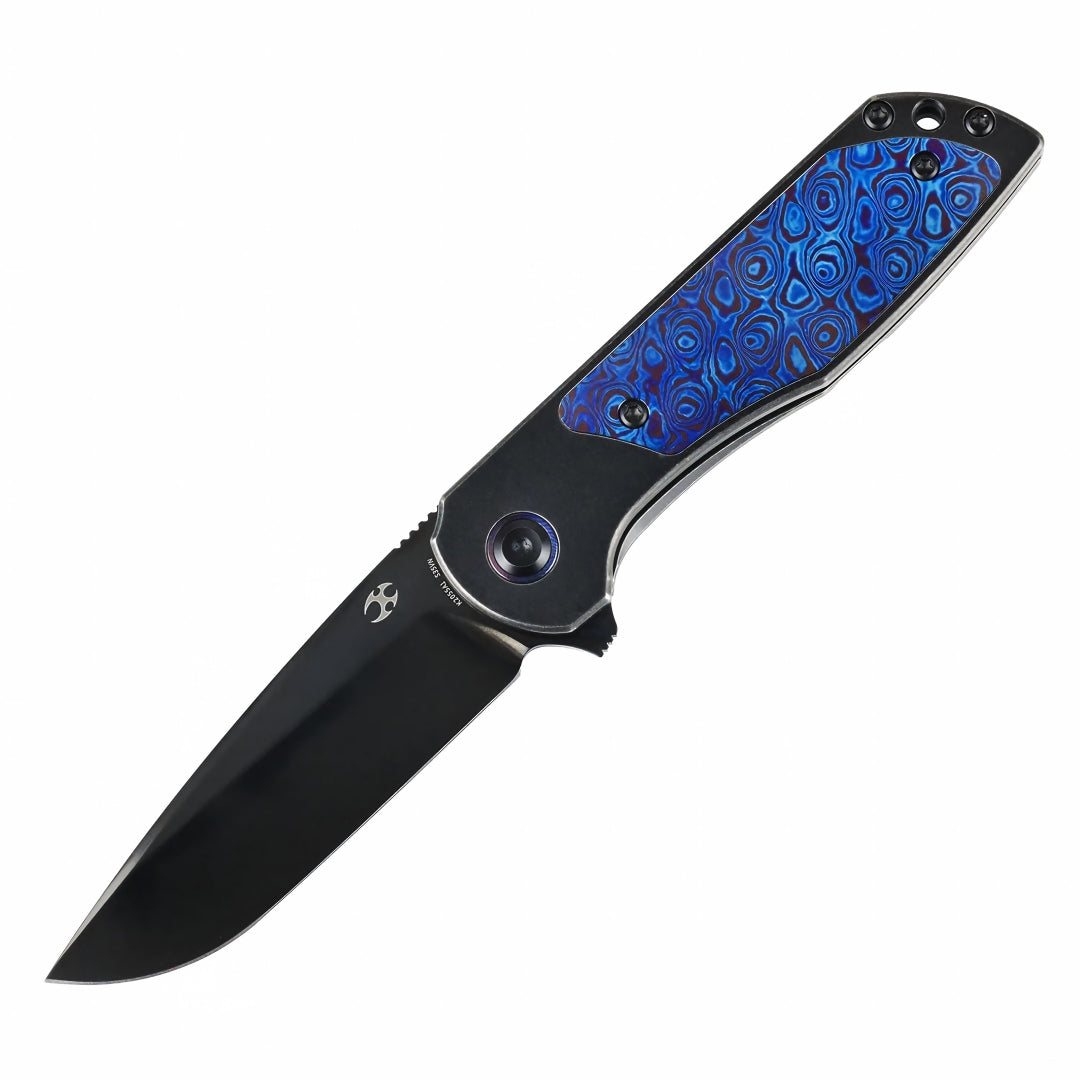
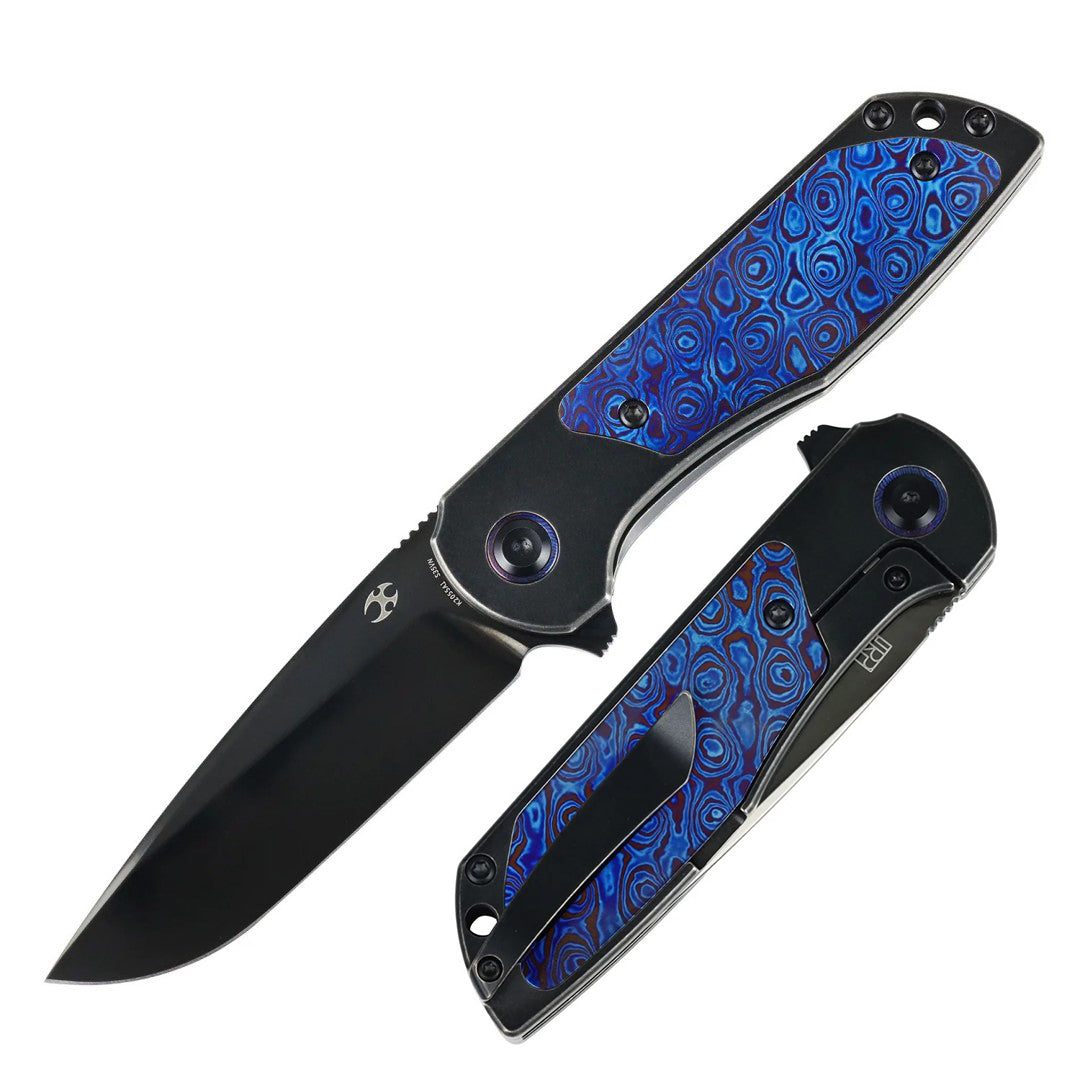
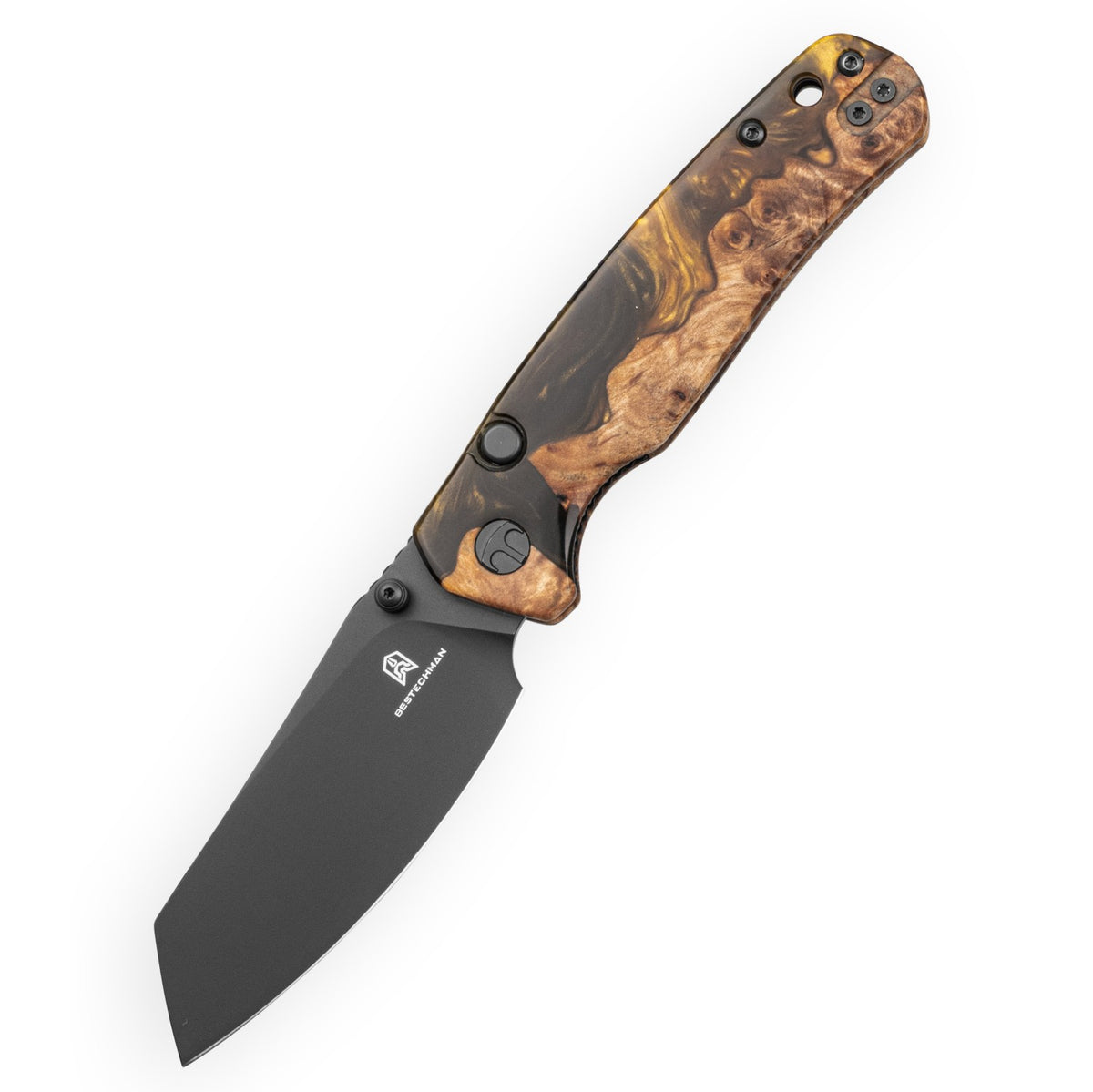
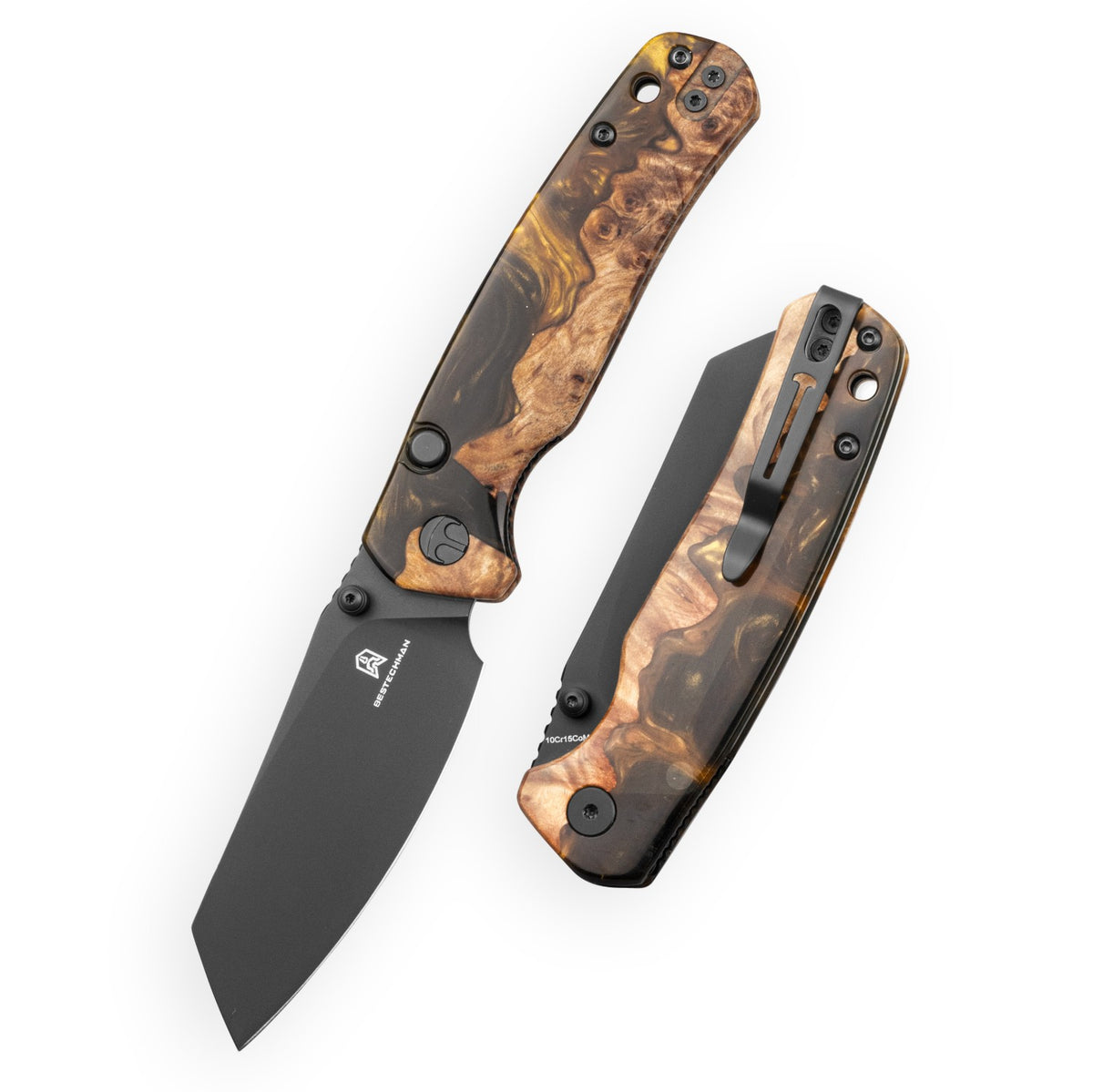
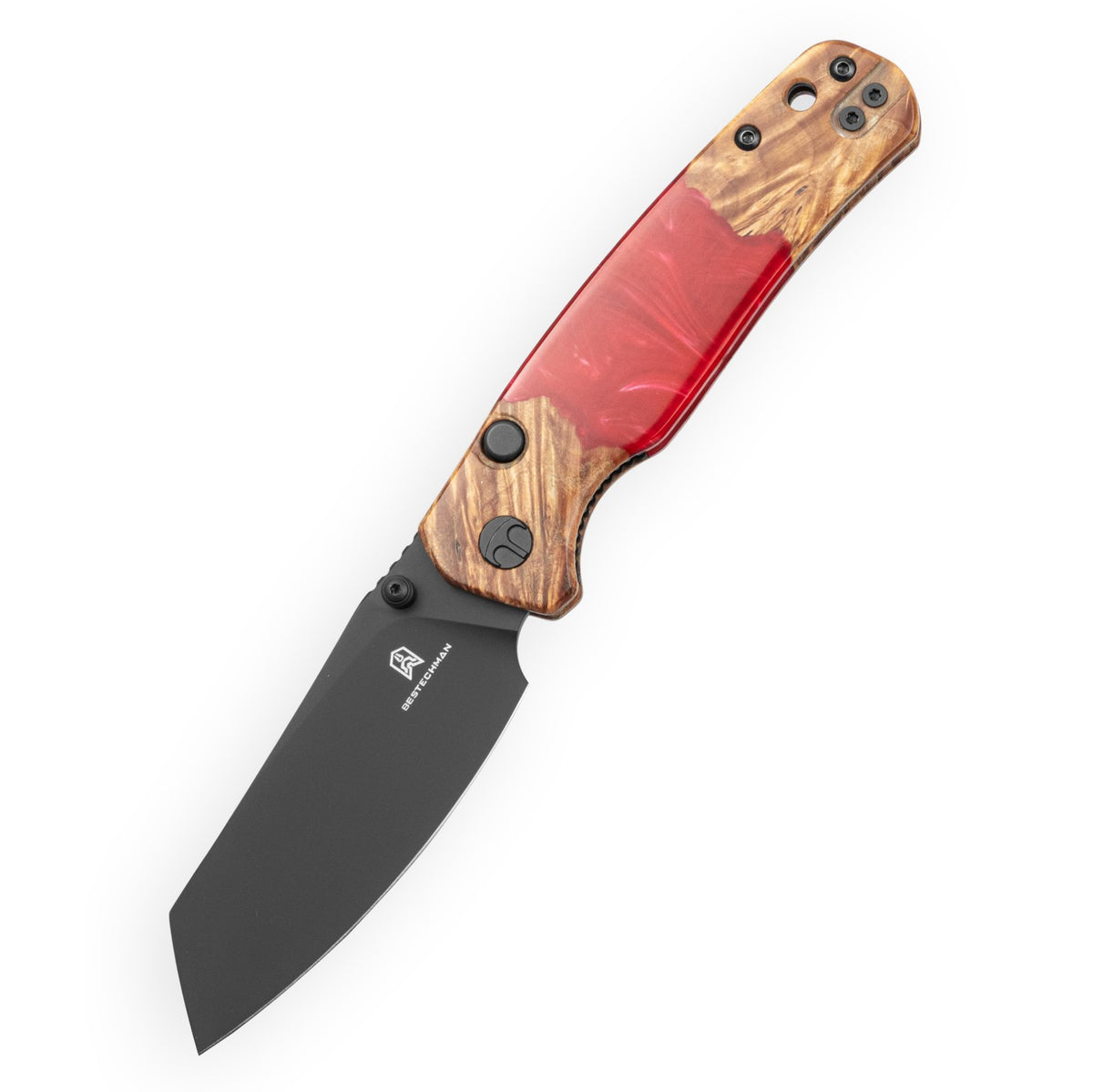
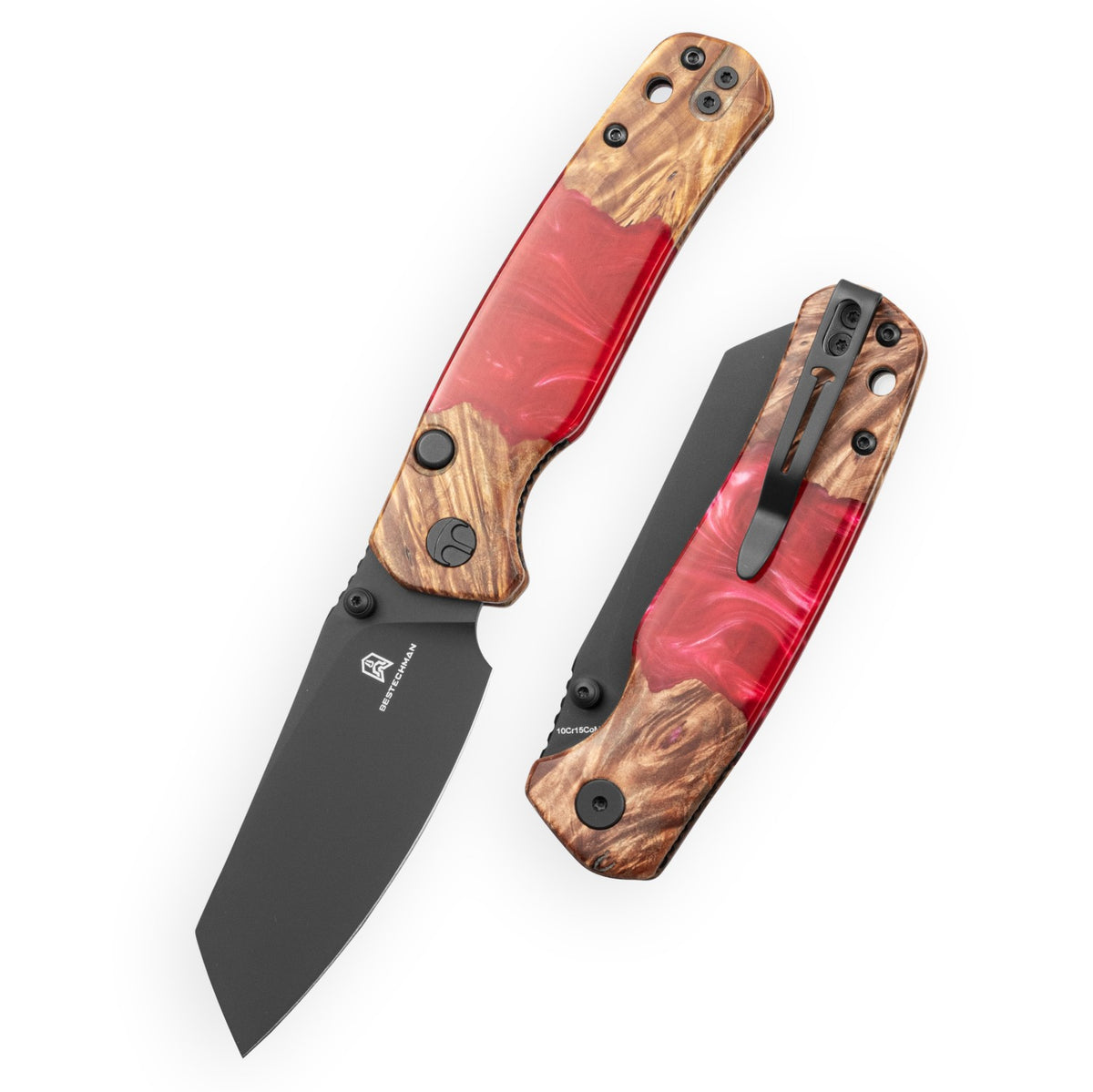
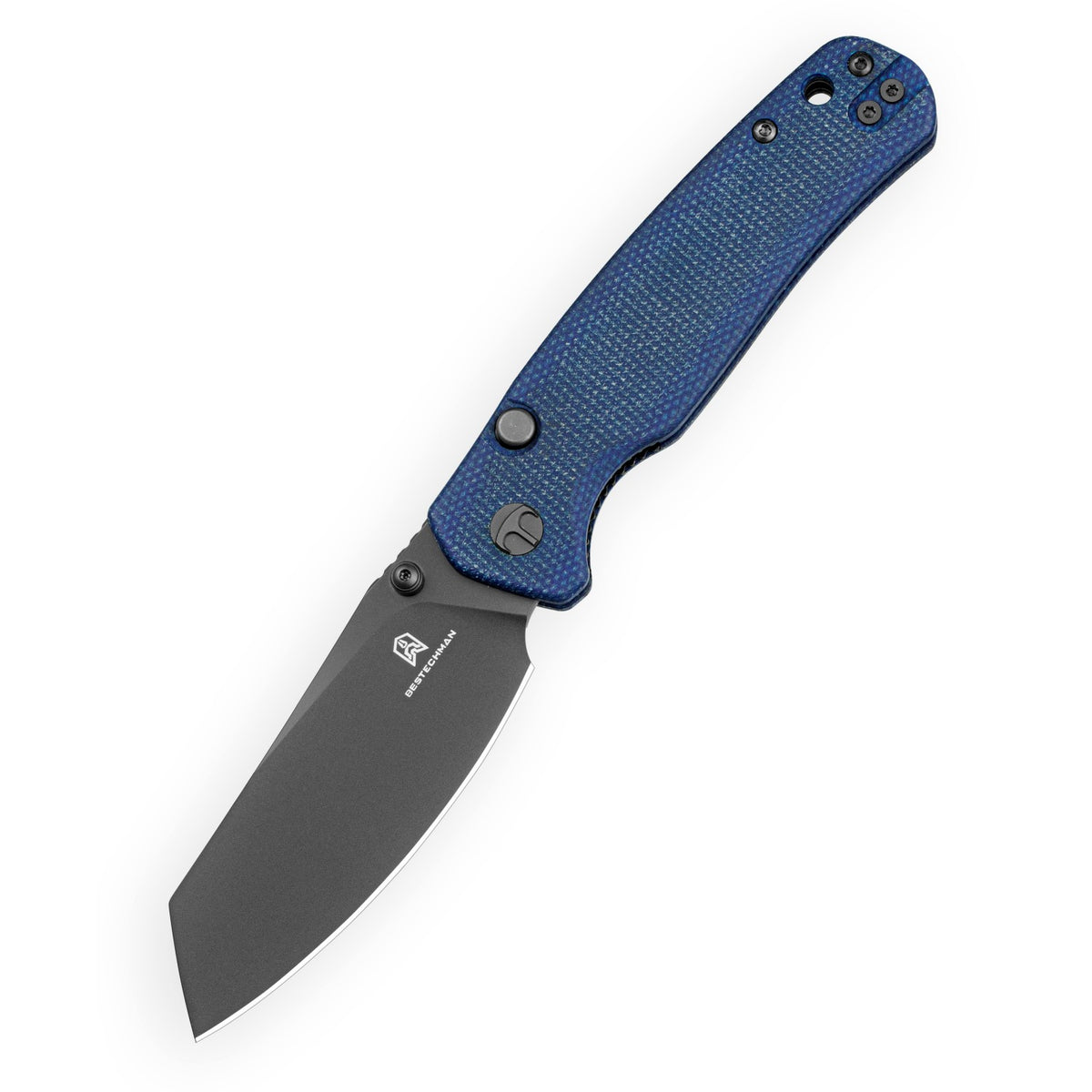
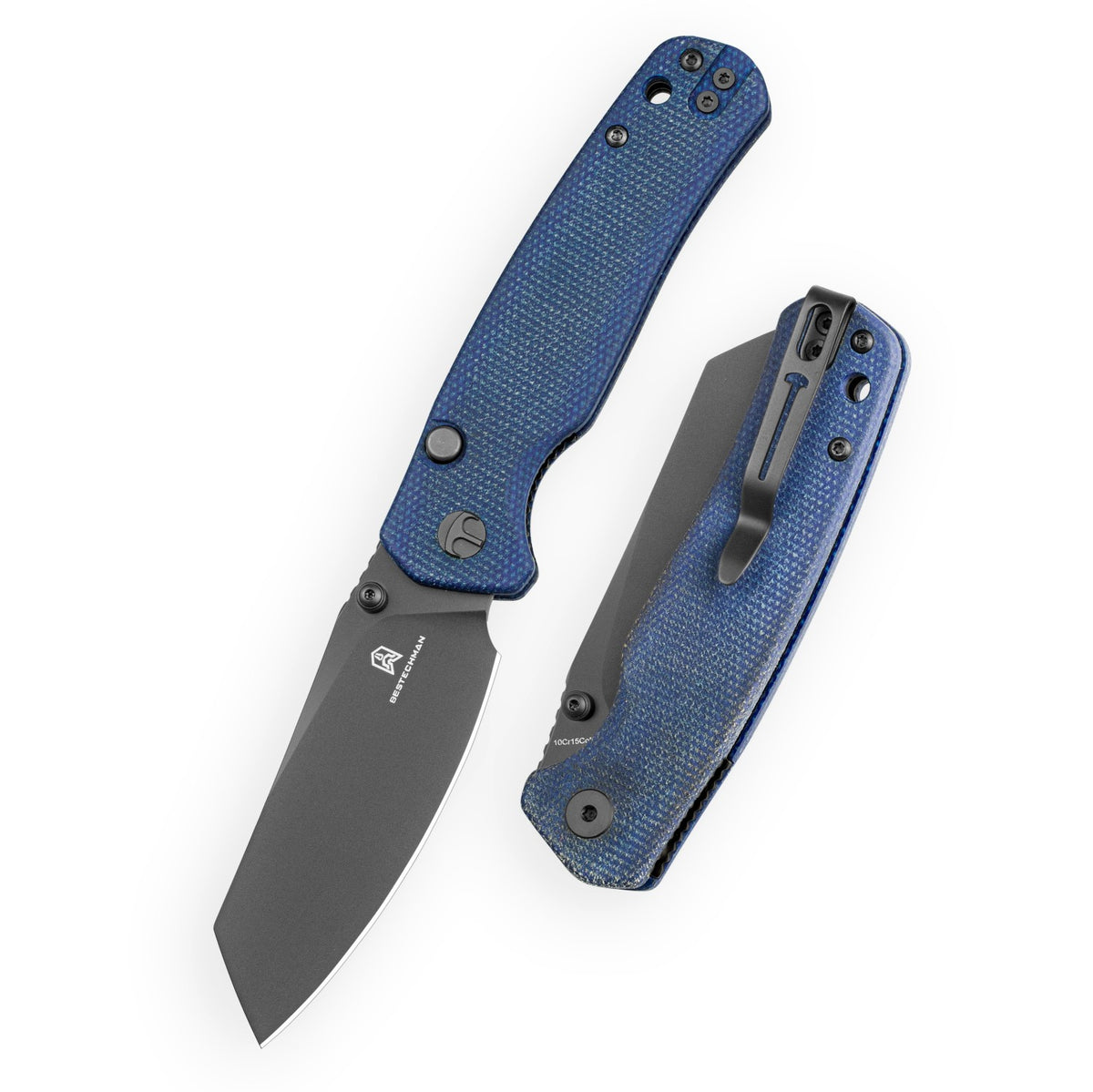
Stainless steel with good toughness is ideal, which is why Nitro-V has become so popular for this role. It shrugs off humidity and temperature swings while holding an edge through rope, cardboard, strapping and food packaging. On a folding knives platform, a simple proven lock beats a novel mechanism, because simplicity is what survives neglect. The QSP Badger pairs that steel with a rack lock and textured G10 scales that stay grippy when wet.

Design & Details
Everything in an emergency kit should be redundant, and the knife is no exception. A primary folding blade, a small backup and a pry tool cover nearly every realistic scenario without adding much weight. Choose a handle with real texture rather than a polished finish, and avoid blades longer than four inches because they add bulk without adding capability. QSP knives build the Badger with copper foil G10 that gives purchase even with cold, wet hands.
Real-World Use
Realistic tasks are mundane. You will cut paracord, open packaging, shave tinder, trim bandages and prepare food long before you ever build a shelter. Practise opening the knife one handed and closing it safely. Every six months, wipe the blade, add a drop of oil to the pivot and check that the lock engages cleanly. That is the entire maintenance commitment.
Ownership Notes
Storage quietly ruins most emergency blades. A leather sheath in a damp garage will stain stainless steel, so choose a synthetic sheath or store the knife dry and separate. If you live in a humid climate, a silica packet near the kit costs nothing and prevents the pitting that turns a dependable tool into a paperweight. Check the kit annually and replace anything that has developed rust. Anyone storing a kit for years should also check the sheath, because a stiff or cracked synthetic sheath can be harder to draw from than the blade is to open. A quick inspection every spring, done at the same time as the annual battery change, keeps everything in the bag ready rather than merely present.

Who Is This For?
Anyone building a first serious emergency kit benefits from this approach, as do car campers, overlanders and households that simply want a sensible plan. It is the wrong place for a prized collector piece, because an emergency kit is meant to be used and occasionally lost. Keep the heirloom at home and put a working EDC knives folder in the bag.
Final Verdict
Match the tool to the scenario, not to the fantasy. A stainless blade, a proven lock, a textured handle and a modest size will do everything an emergency actually asks. Add a backup, add a pry bar, and check the kit twice a year. Browse QSP Badger options at EdcMall to start a bag that you will genuinely trust.