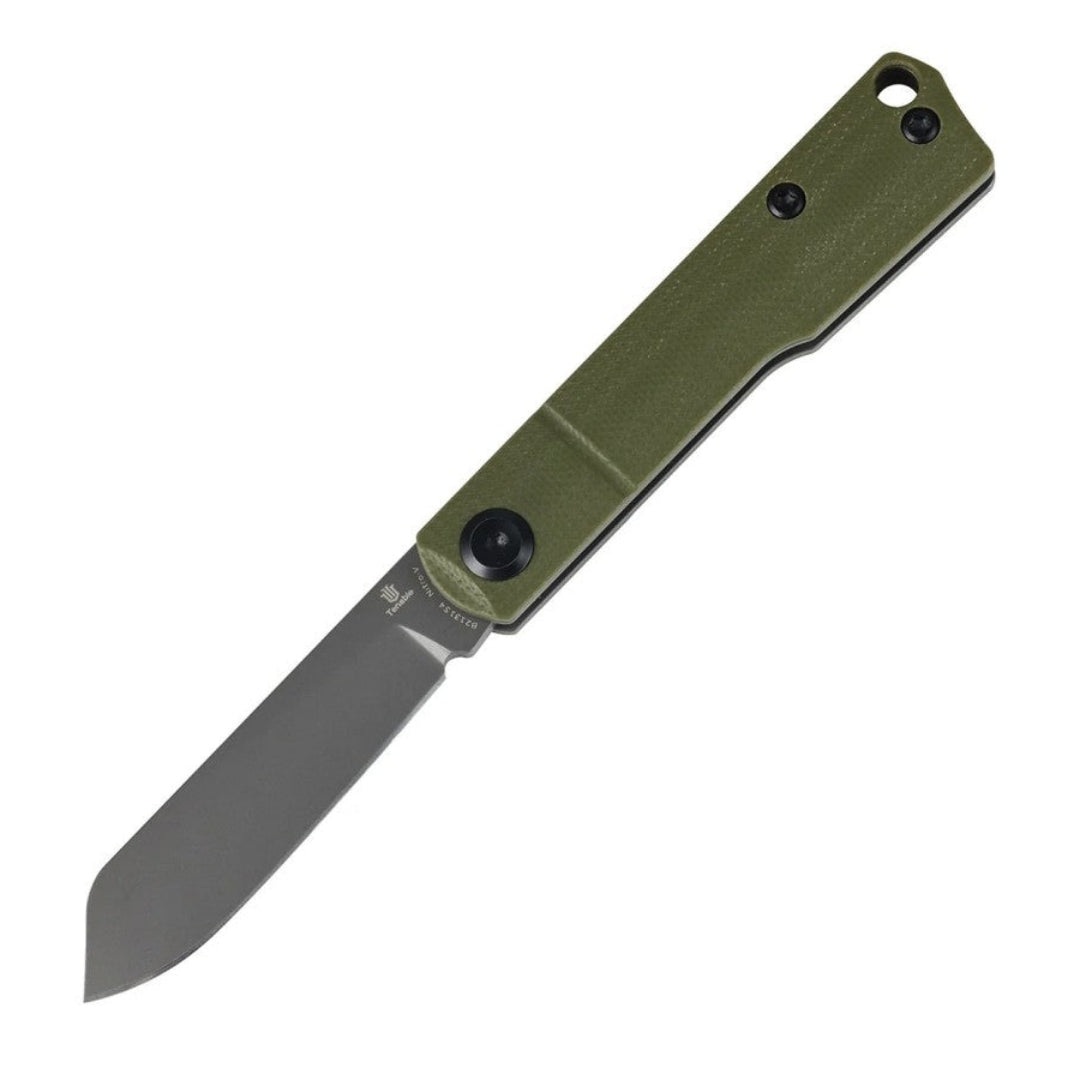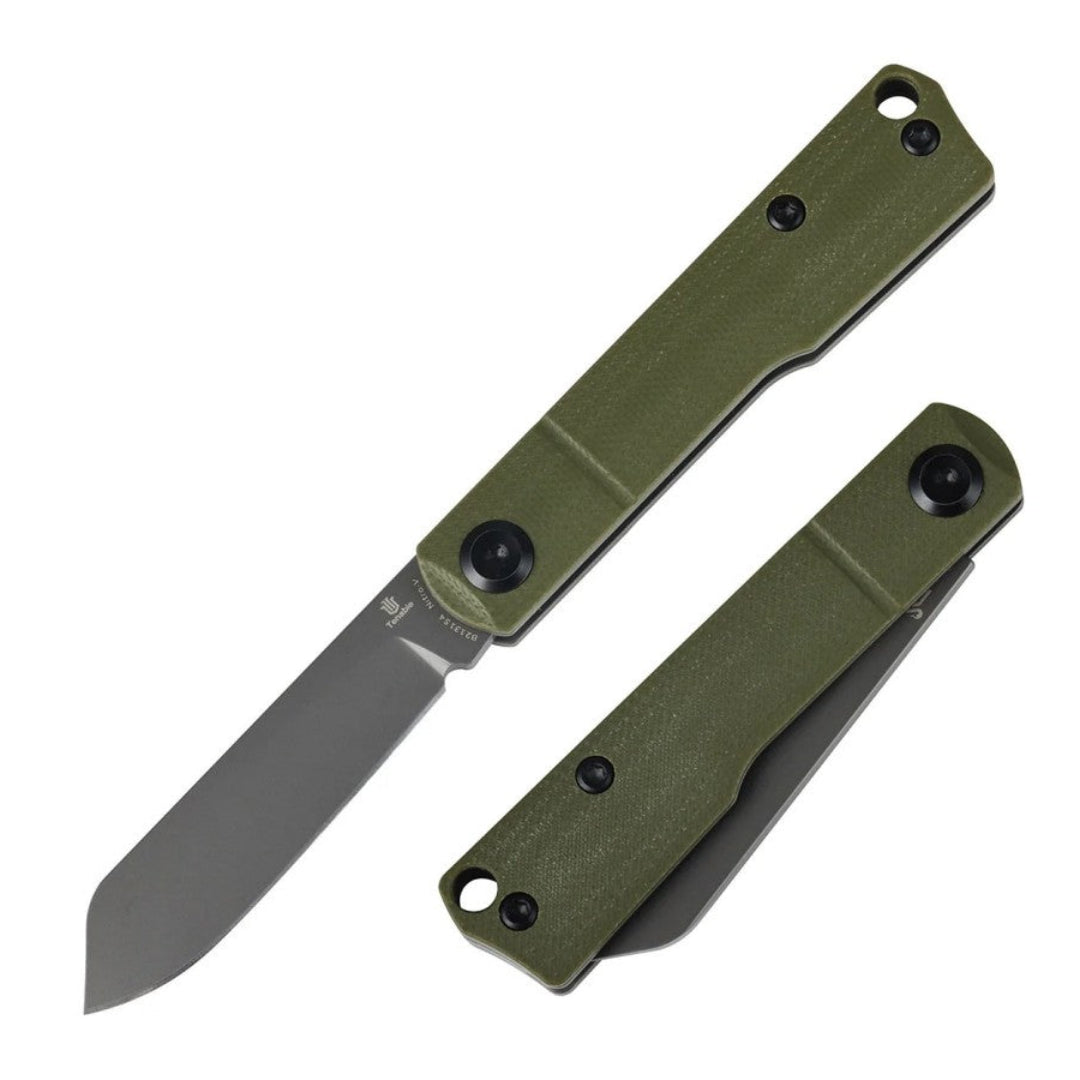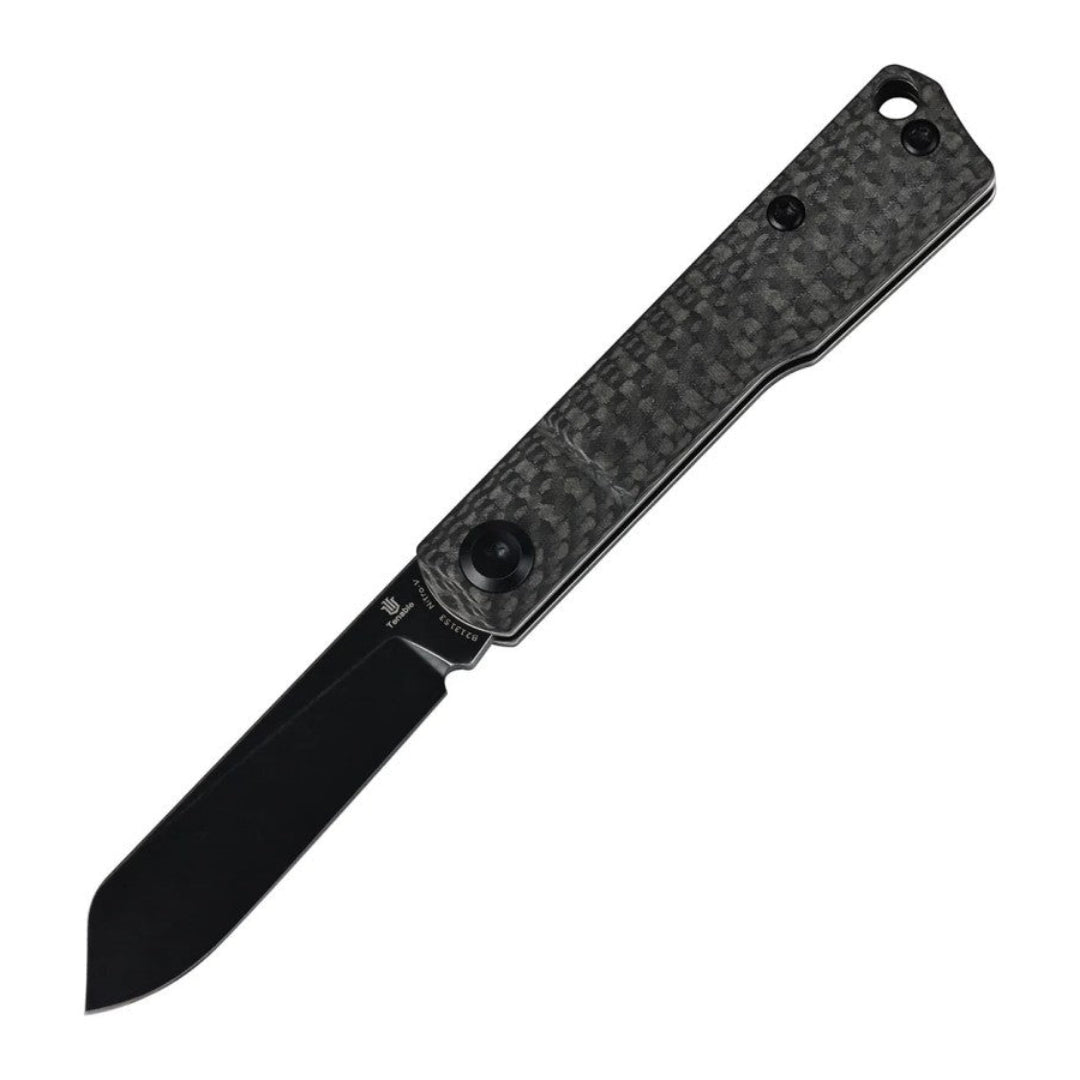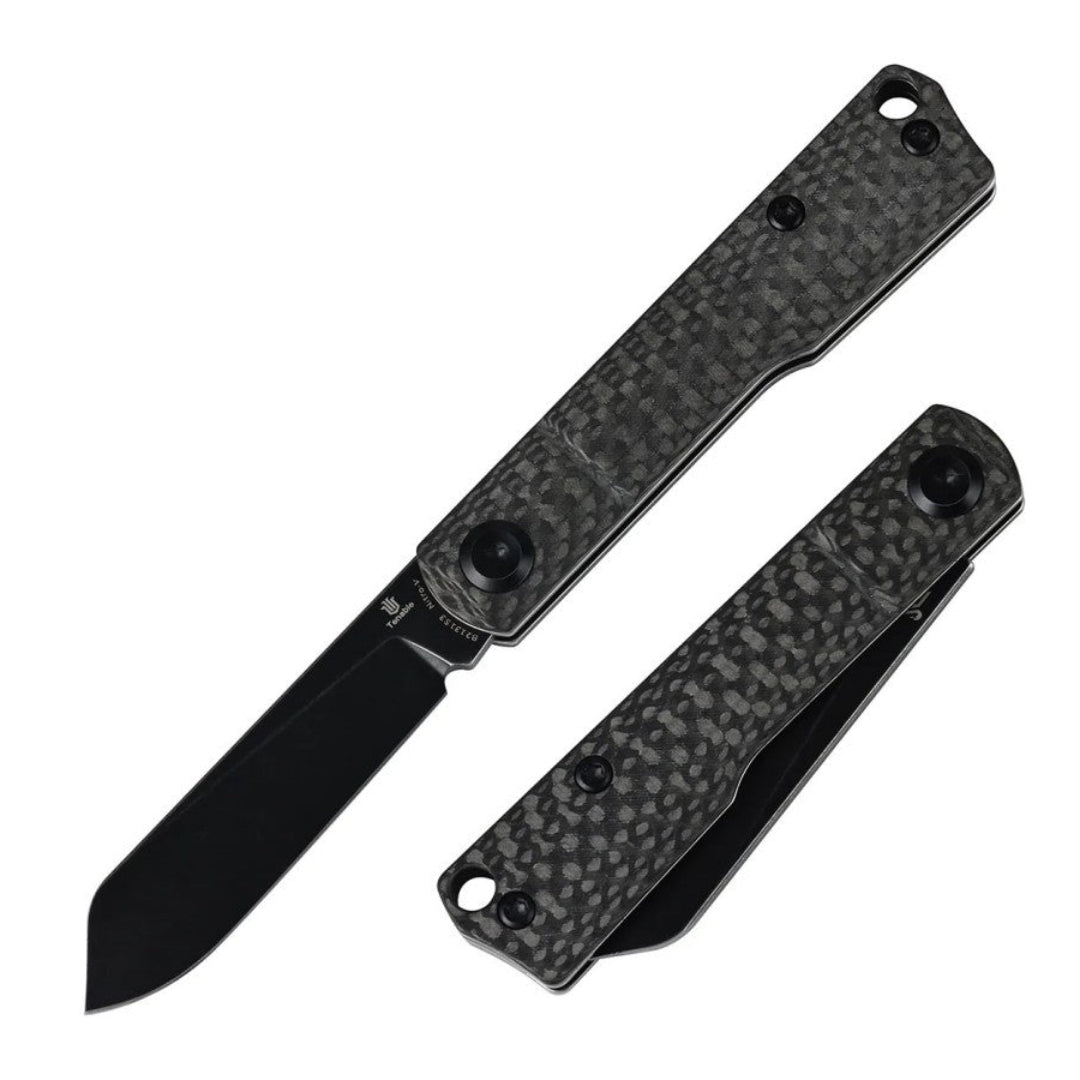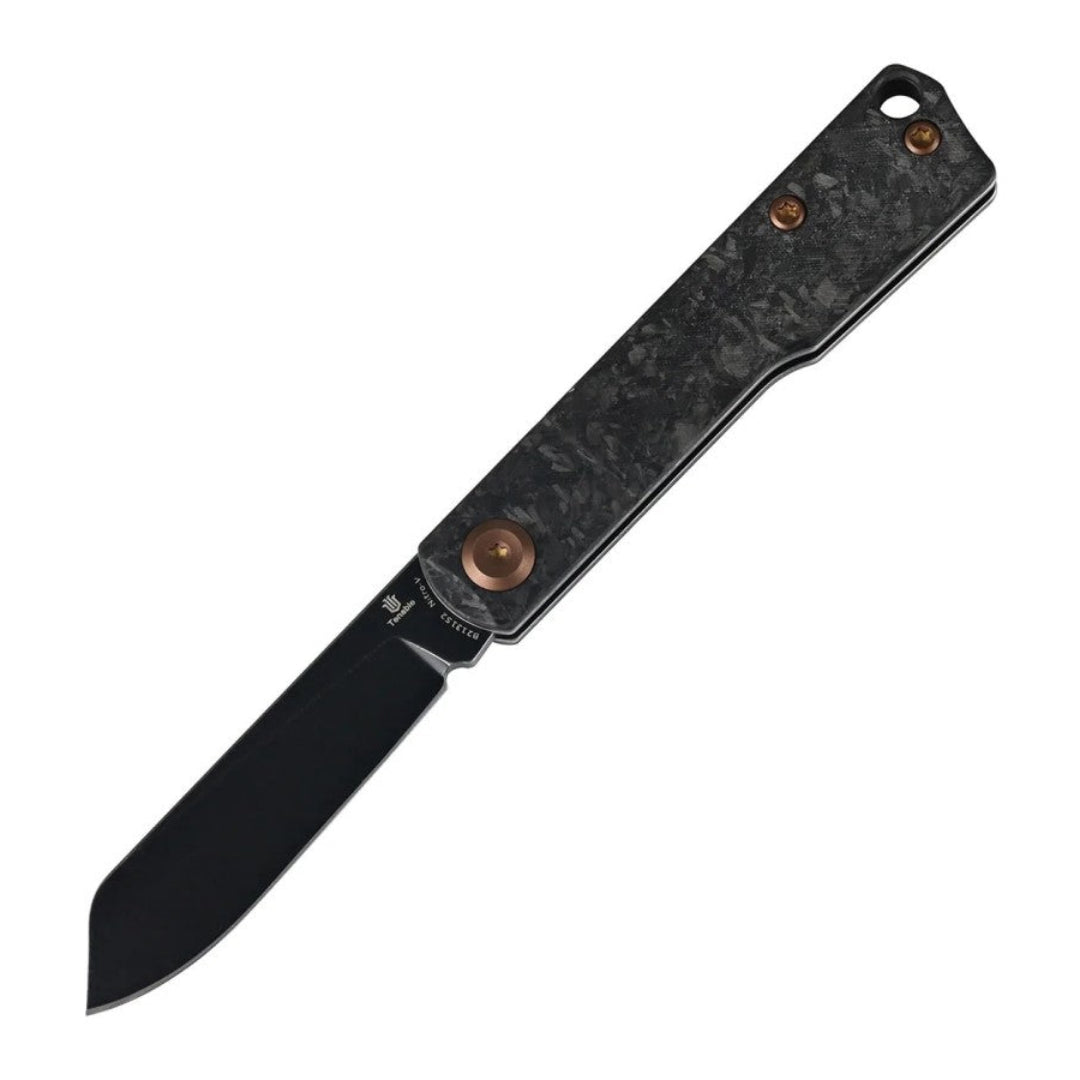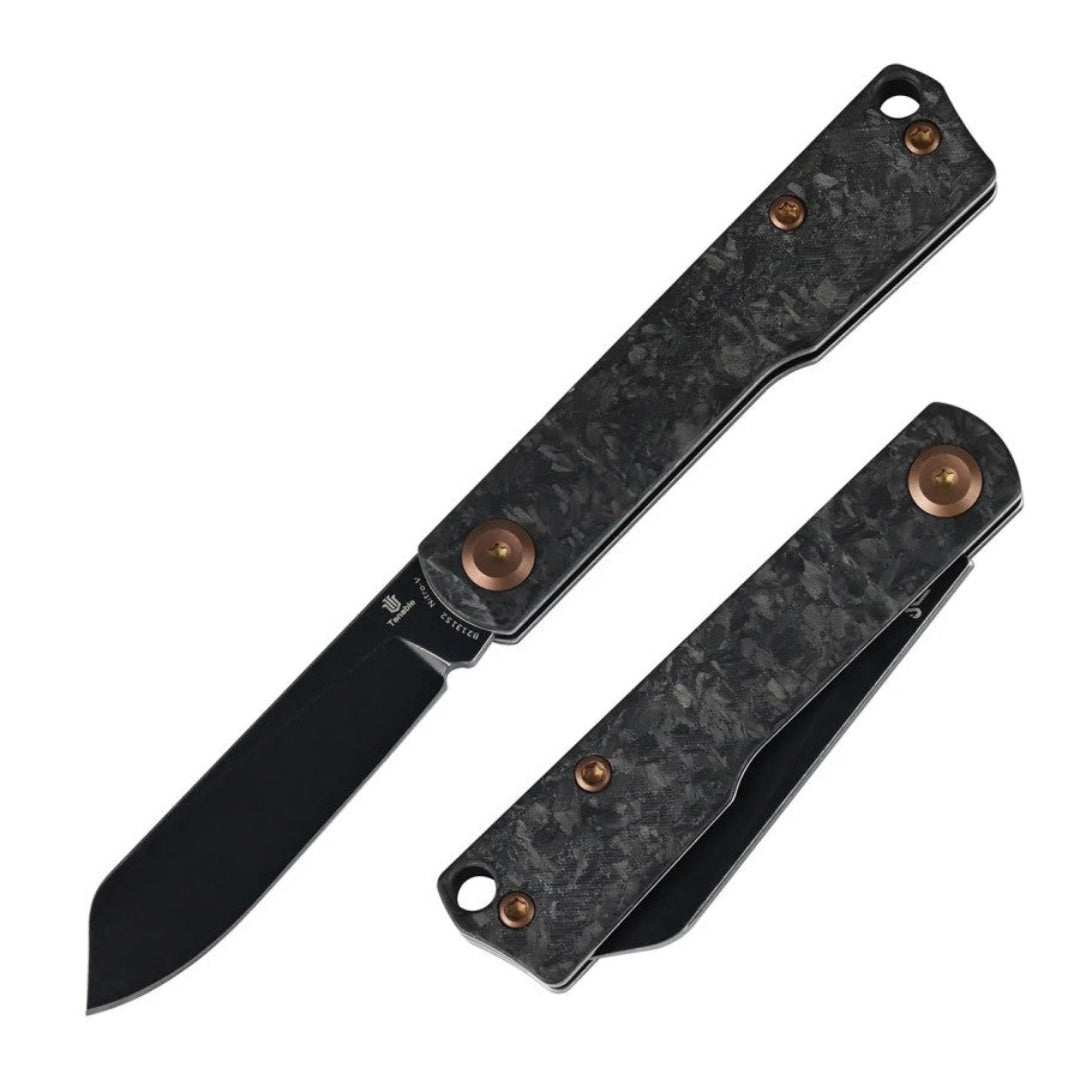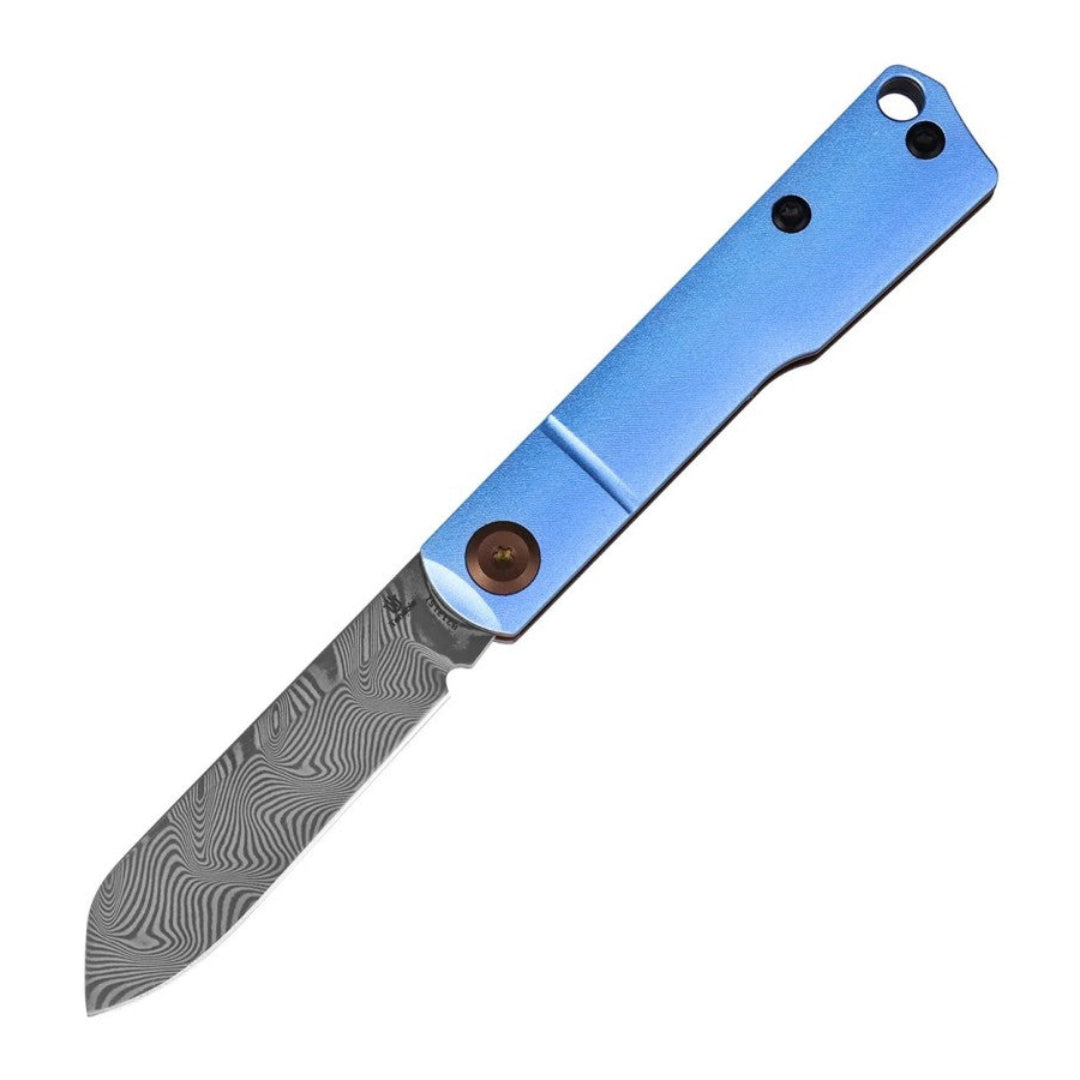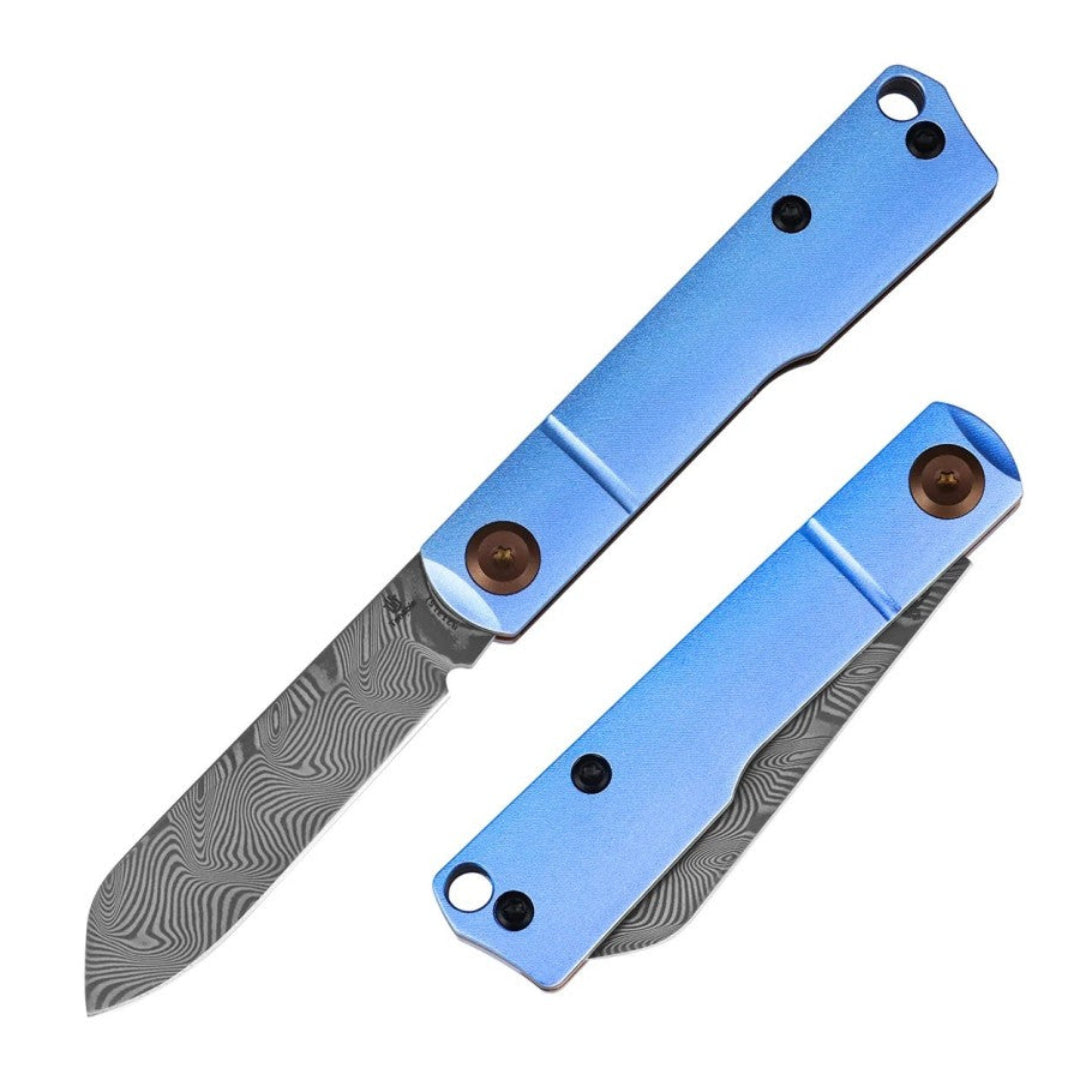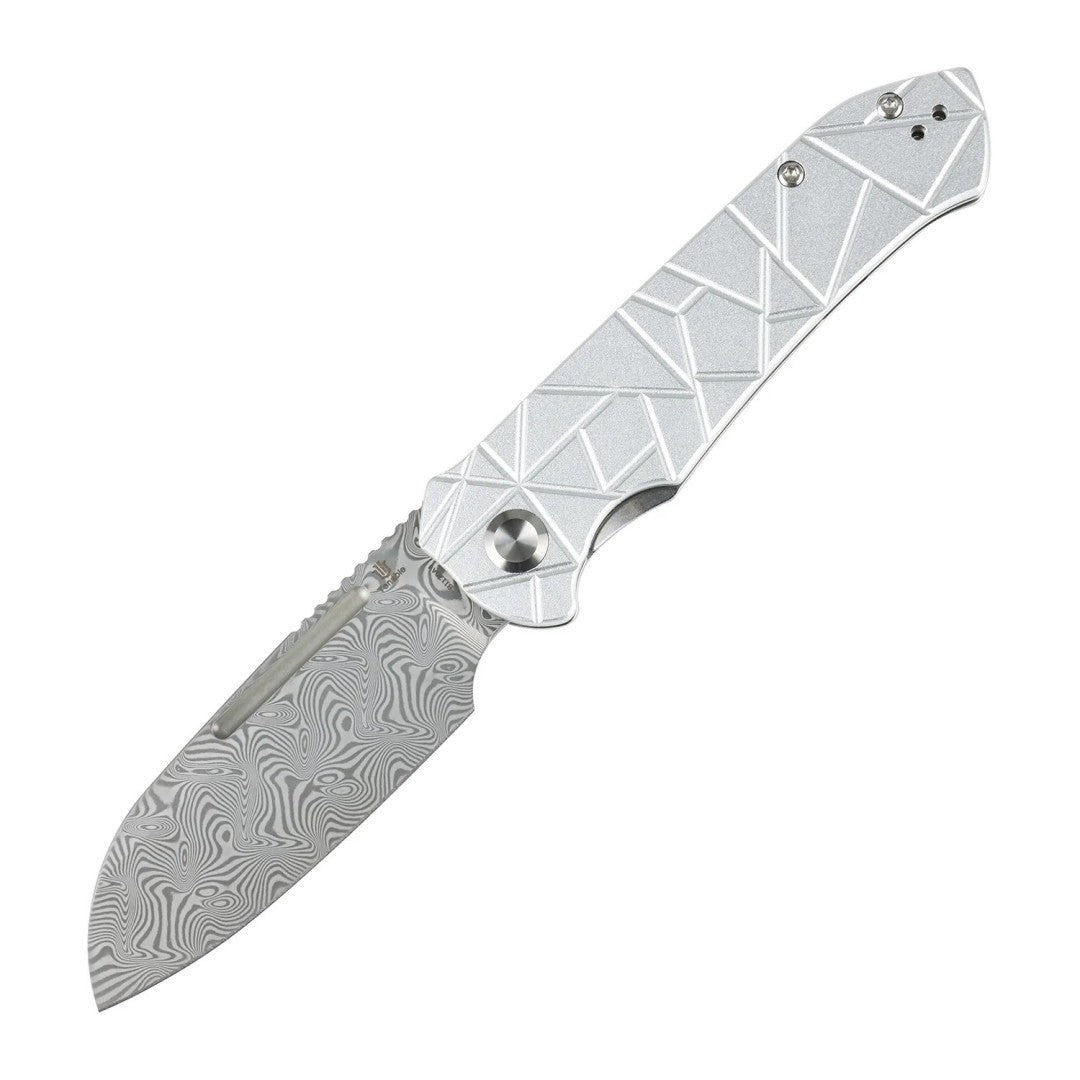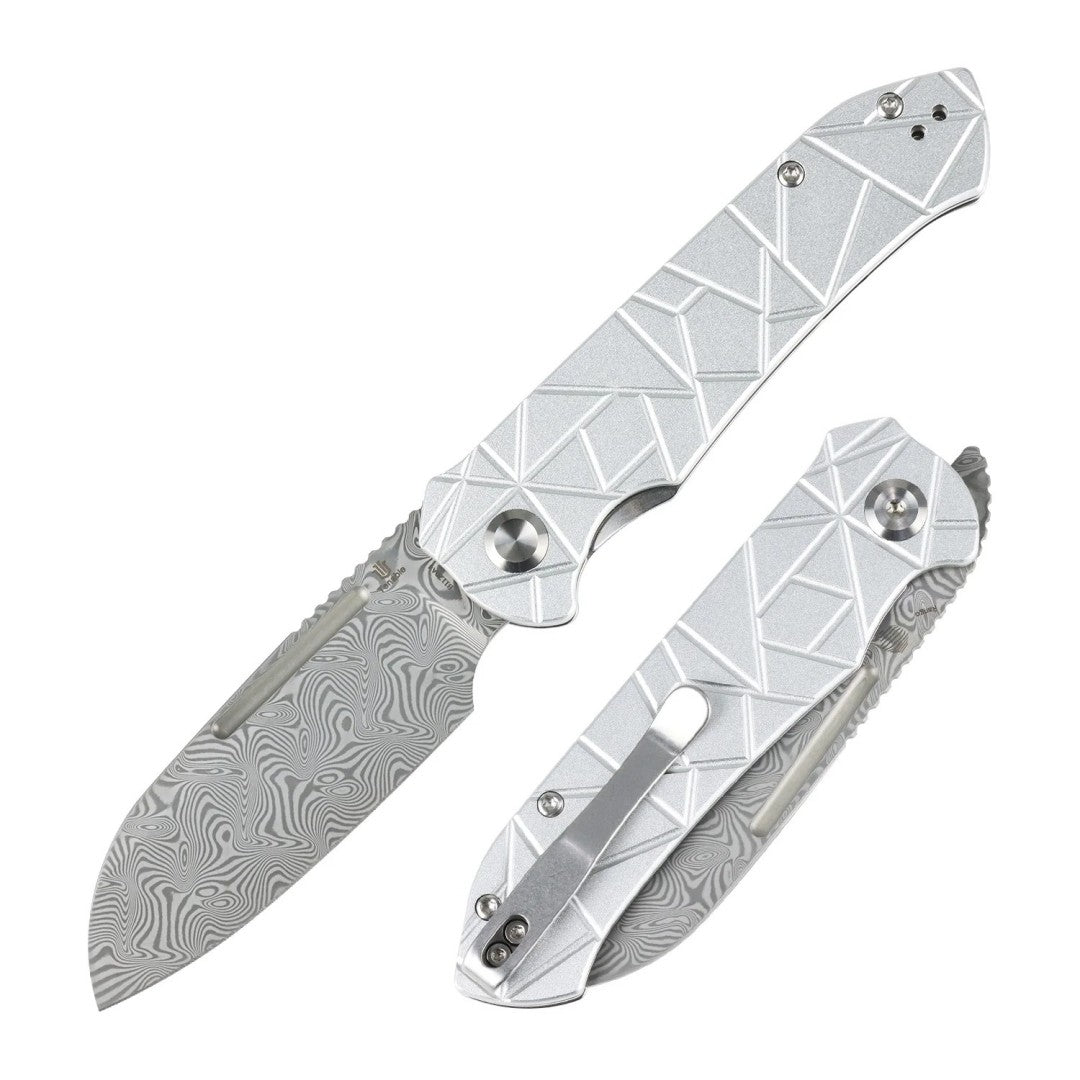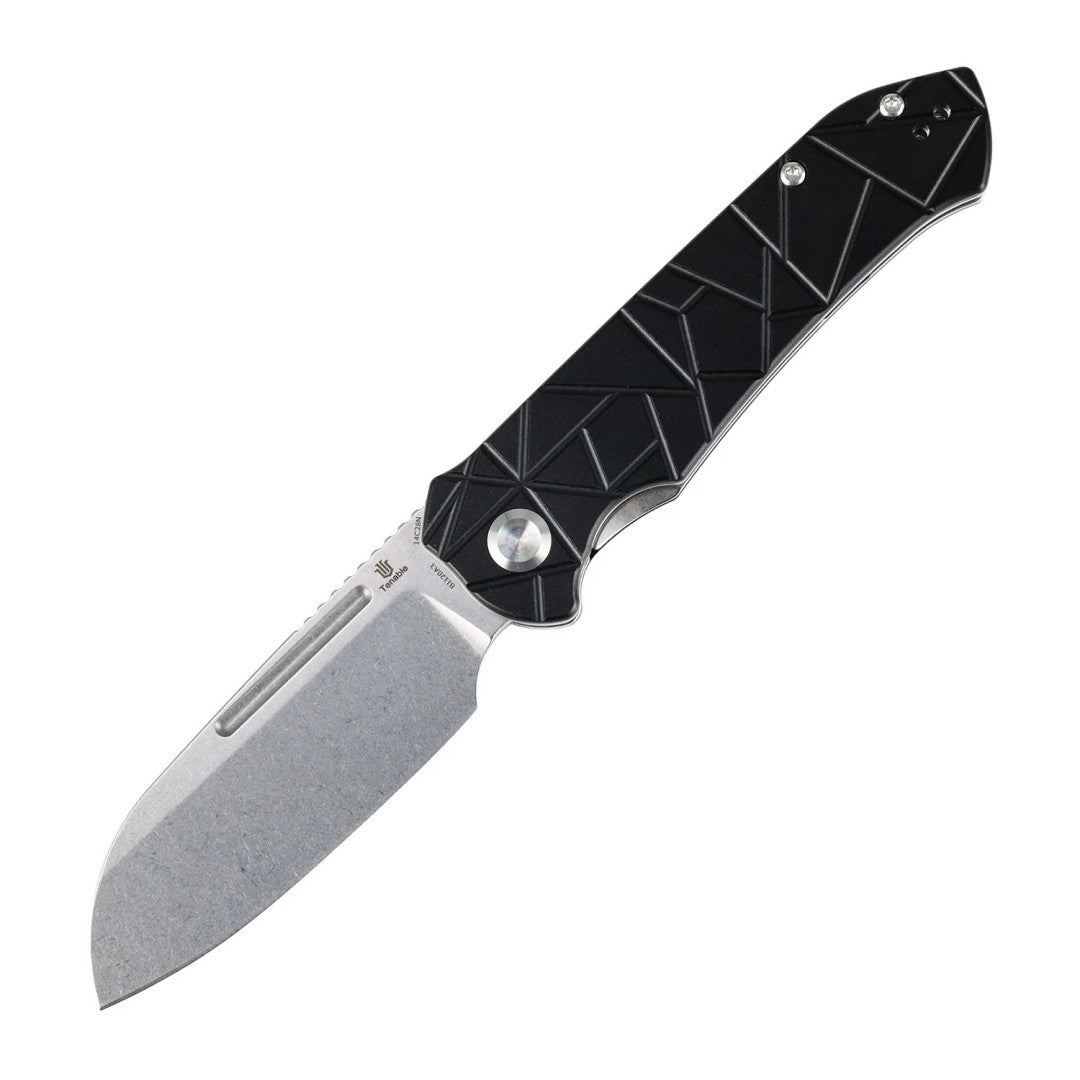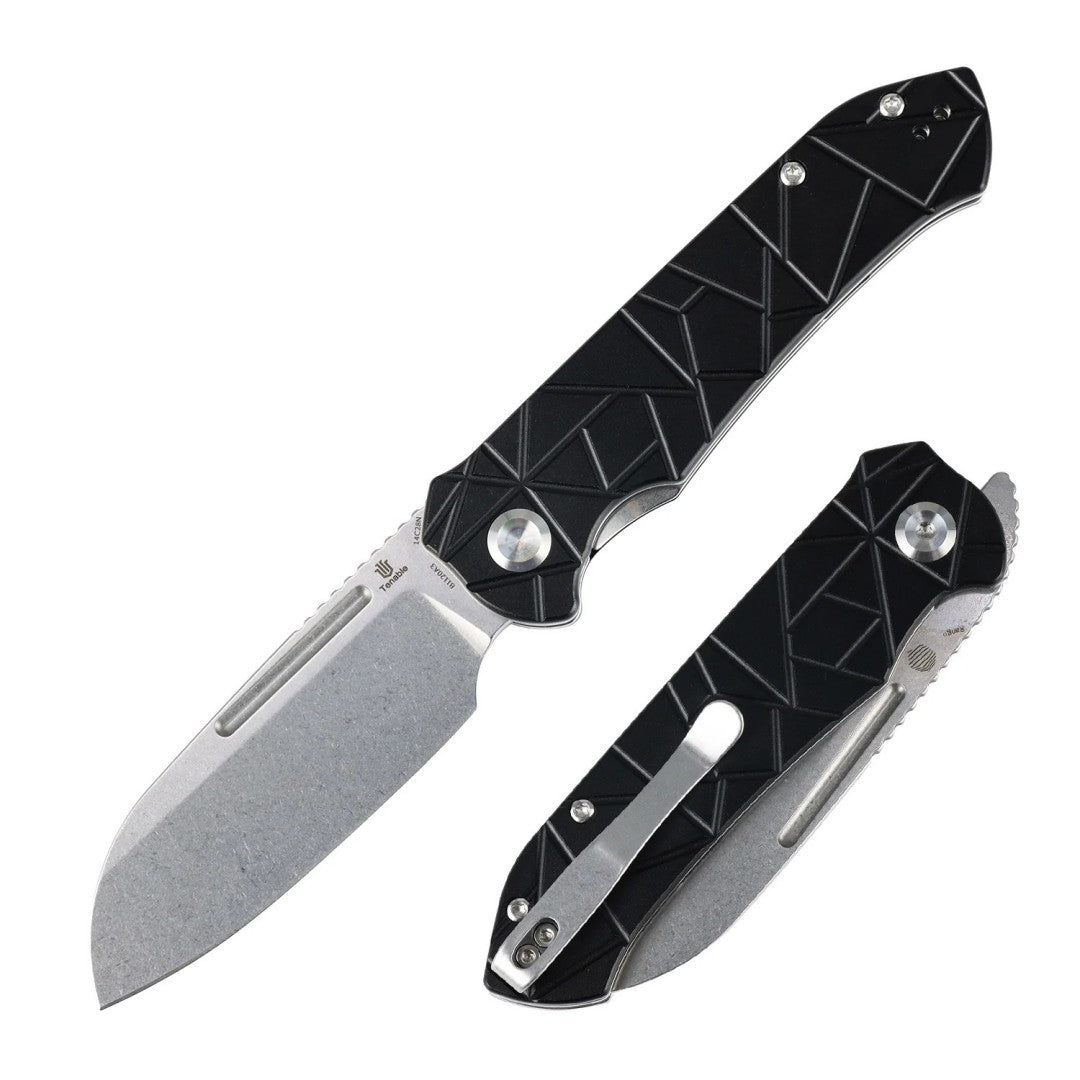

Nagao Higonokami Friction Folder Knife White Steel Hand Forging Bamboo leaf shape

In an era of "planned obsolescence," where smartphones are replaced every two years and plastic tools are designed to be thrown away at the first sign of wear, the concept of an heirloom has become increasingly rare. However, in the world of Everyday Carry (EDC), there is a legendary exception: the Nagao Higonokami.
This hand-forged Japanese folding knife is more than just a cutting instrument; it is a mechanical marvel of simplicity designed to outlast its owner. Whether you are a collector, a craftsman, or a minimalist, understanding why a Higonokami is built for the "long haul" reveals the true genius of Japanese blacksmithing.
The Power of Three: Indestructible Simplicity
The primary reason a Nagao Higonokami survives for decades is its lack of "failure points." Modern folding knives often rely on complex ball-bearing pivots, tiny internal springs, and delicate locking bars. If one of these small components snaps or rusts, the entire tool is rendered useless.
The Higonokami, by contrast, consists of only three components: the blade, a single-piece folded metal handle, and a heavy-duty pivot rivet.
-
No Springs: There is nothing to lose tension or "snap" over time.
-
No Locks: There are no complex mechanical interfaces that can wear down or jam with pocket lint.
-
No Screws: You don't have to worry about proprietary hardware stripping or vibrating loose.
This "friction-fold" design is essentially immortal. If the pivot becomes loose after twenty years of use, a simple tap on the rivet with a hammer tightens it back to factory specifications. It is a tool that can be serviced with basic household items, ensuring it remains functional for generations.
Metallurgy That Defies Time
A knife is only as good as its steel, and the Nagao forge uses materials that are designed for a lifetime of sharpening. Most authentic Higonokamis feature Hon-Warikomi (laminate) construction. This involves a core of ultra-hard Blue Paper Steel (Aogami) sandwiched between layers of softer, tougher iron.
This construction is the secret to its longevity:
-
Wear Resistance: The high-carbon core stays sharp much longer than standard stainless steel, meaning you remove less metal over time during sharpening.
-
Structural Integrity: The softer outer layers act as a shock absorber, preventing the hard core from snapping under stress.
-
The "Infinite" Edge: Because the blade is so simple and the steel so pure, even after decades of sharpening has reduced the blade’s profile, the knife remains a functional and high-performing tool.
The Living Handle: Brass and Character
One of the most cherished aspects of the Higonokami in the EDC community is its ability to record history through its "patina."
A brass-handled Higonokami begins its life with a bright, golden luster. As it is passed from parent to child, the metal reacts to the oils of the skin and the environment, darkening into a deep, rich bronze. The scratches and dings it earns aren't seen as damage; they are a visual record of a life lived. This "aging" process (often called Wabi-Sabi) turns a mass-produced item into a one-of-a-kind family treasure.
Global Versatility: A Tool for Every Era
Because the Higonokami is a non-locking friction folder, it remains one of the few high-performance knives that stays largely compliant with international knife laws. While "tactical" folders are frequently restricted or banned as laws change, the Higonokami’s traditional, non-aggressive silhouette remains socially and legally acceptable. This makes it a safe legacy to pass down, knowing that it will likely remain a legal and useful tool for the next generation, wherever they may live.
Maintenance: The Heirloom Ritual
To ensure your Nagao Higonokami is ready for the next generation, it requires a "ritual" of care that is both simple and rewarding:
-
Sharpening: Using a whetstone to maintain the edge is a skill that can be passed down alongside the knife.
-
Oiling: A light coating of camellia or mineral oil on the high-carbon blade prevents corrosion.
-
Cleaning: Unlike modern knives with internal "cages" that trap dirt, the open-handle design of the Higonokami can be wiped clean in seconds.
Conclusion: More Than Just Steel
When you buy a Nagao Higonokami from EDCmall, you aren't just buying a box opener or a woodcarving tool. You are investing in a piece of industrial art that refuses to quit. It is a silent witness to your daily life, destined to one day sit in the pocket of someone you love.
In a world of the "disposable," choose the "enduring." Carry a tool that has already survived the 20th century and is perfectly equipped to conquer the 21st.
Start your legacy today. Explore our full collection of authentic, hand-forged Nagao Higonokami knives at EDCmall and find the tool that will be passed down for generations.