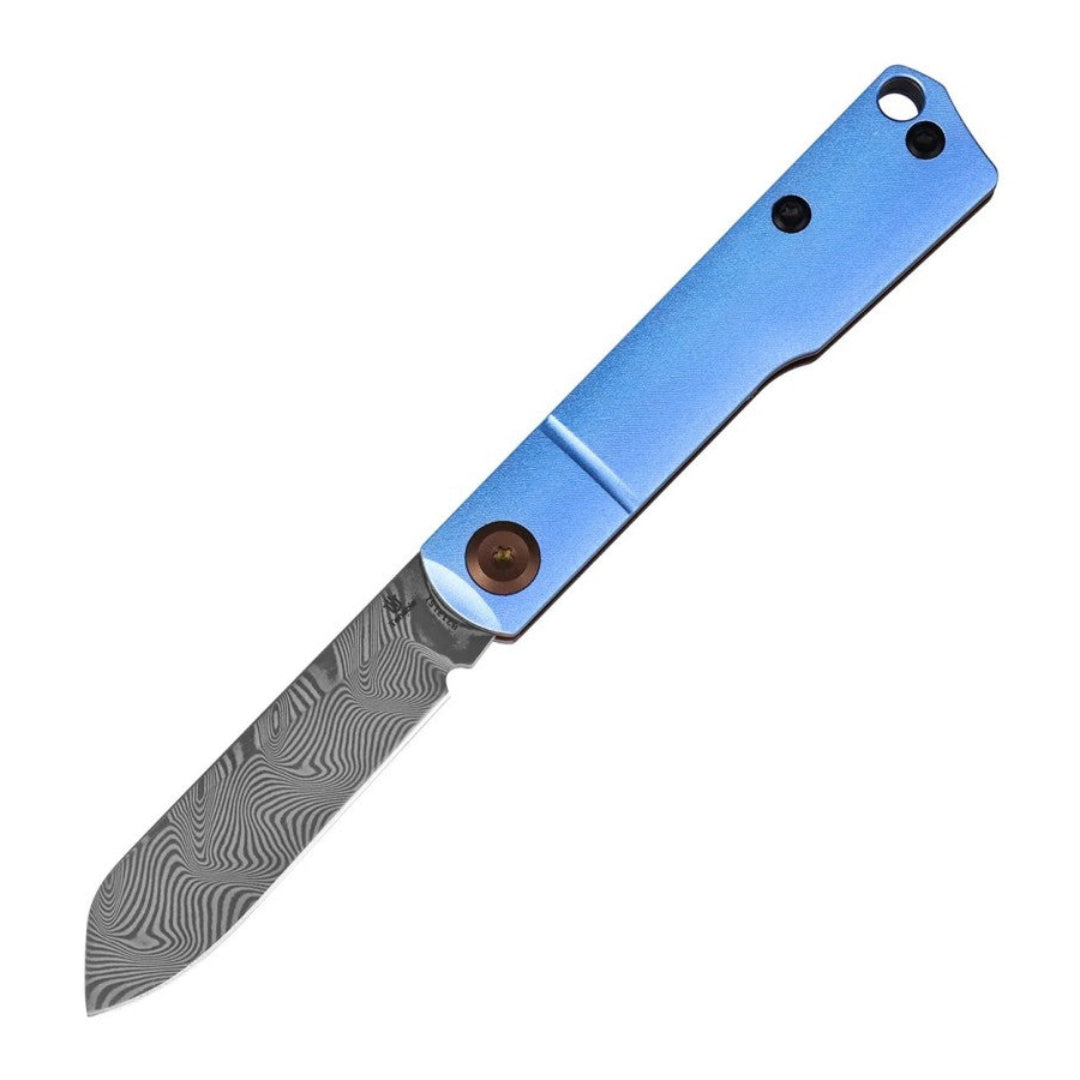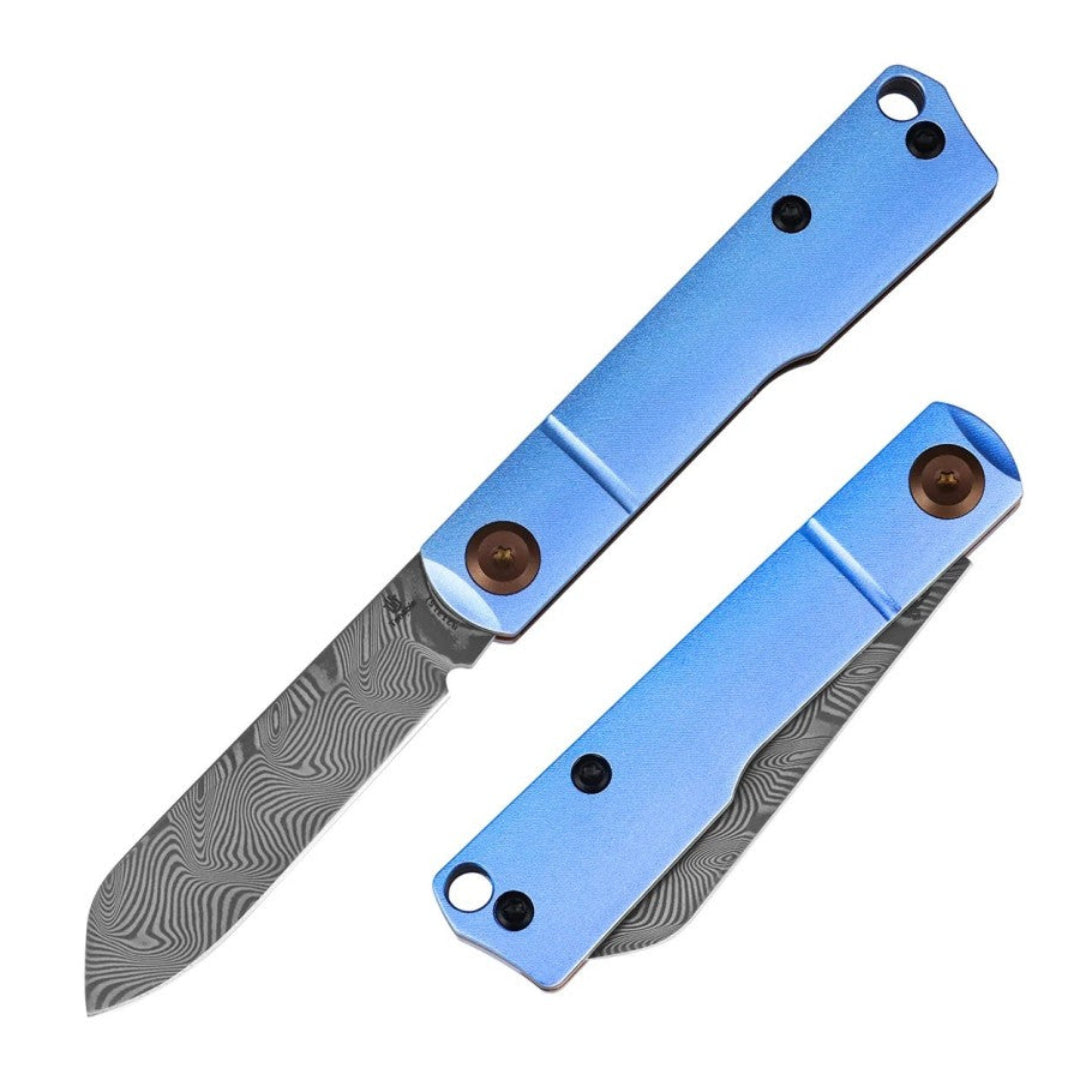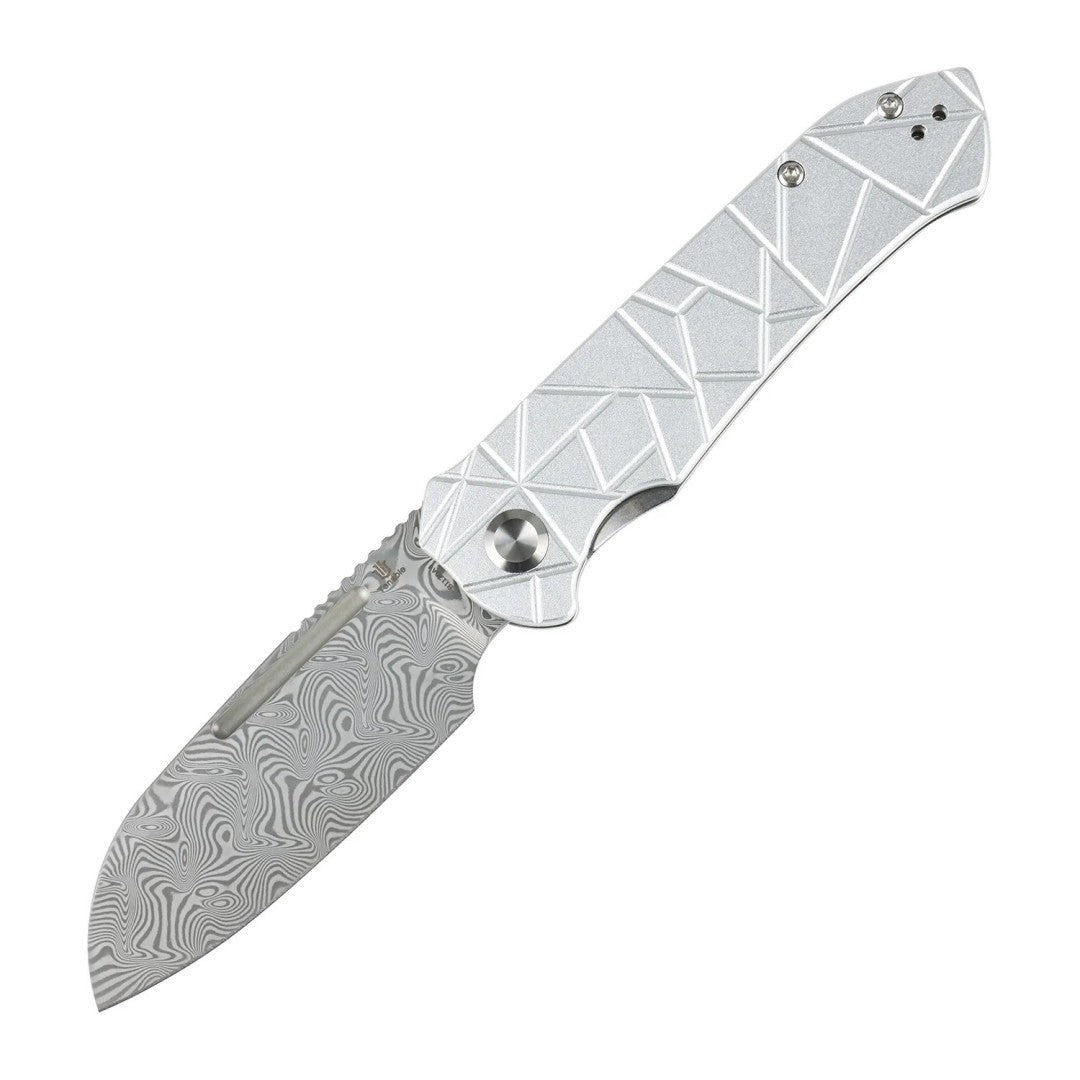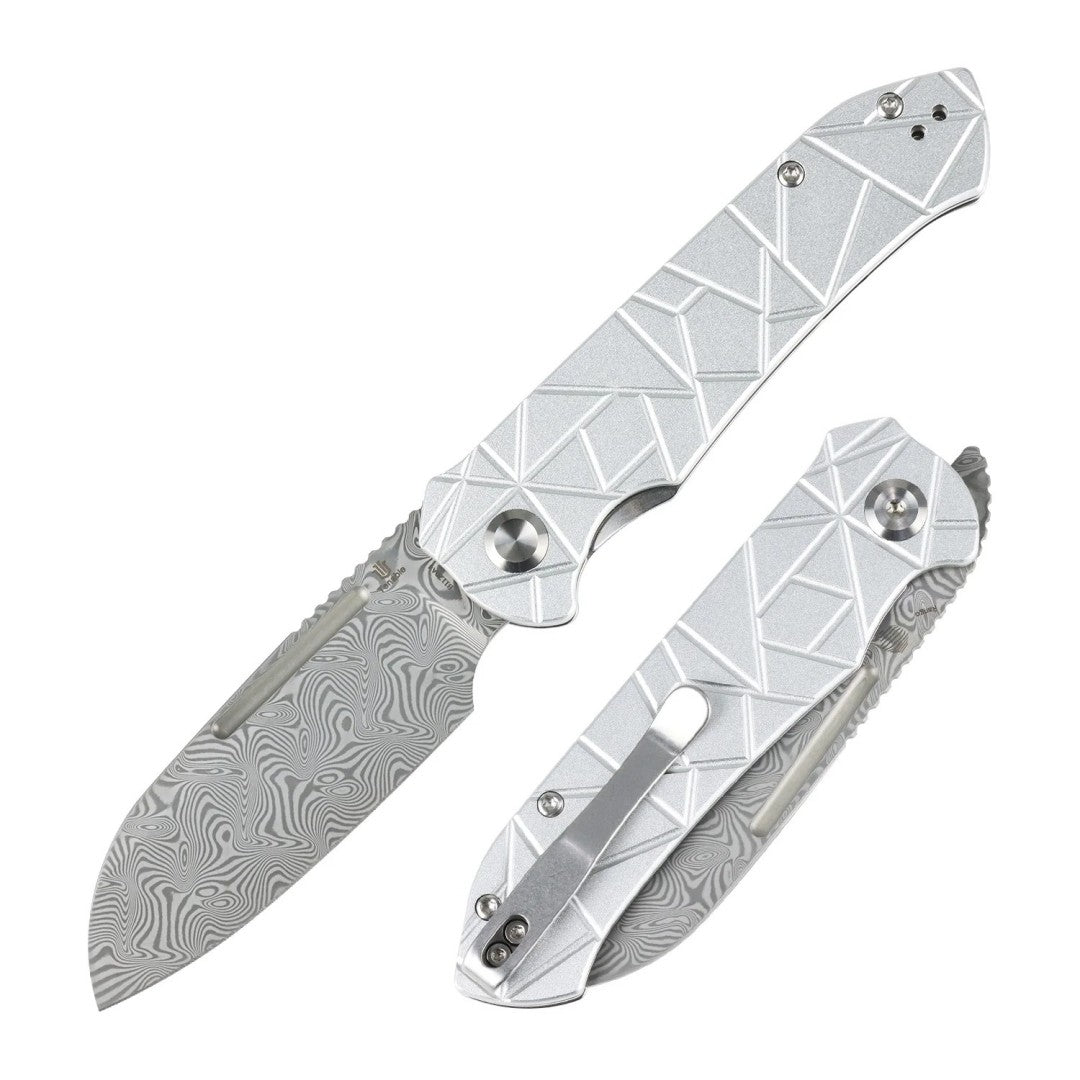

Nagao Higonokami Friction Folder Knife Brass Damascus Hand Forging

In the world of Everyday Carry (EDC), there is a distinct divide between tools that stay "factory fresh" and tools that evolve. While modern titanium and ceramic-coated knives are designed to resist the elements, the Brass Nagao Higonokami embraces them.
To own a brass Higonokami is to participate in a slow, beautiful transformation. Over months and years of service, the metal reacts to your touch, your environment, and your work, eventually "developing a soul." In this guide, we explore the science and the story behind the brass patina and why this aging process makes the Higonokami one of the most personal tools you can own.
The Science of the Shine: Why Brass Patinas
When you first unbox an authentic Nagao Higonokami from EDCmall, the handle glows with a bright, mirror-like gold. This is the natural state of polished brass—an alloy of copper and zinc. However, brass is a "living" metal.
As soon as it leaves the box, it begins to oxidize. The copper in the brass reacts with oxygen in the air and the natural oils (sebum) from your hands. This reaction creates a thin protective layer on the surface known as a patina. Unlike rust, which destroys iron, a patina is self-limiting and actually protects the underlying brass from deeper corrosion.
The 'EDC' Biography: Your Life in Metal
What makes a brass Higonokami special is that no two patinas are ever identical. The handle becomes a physical record of your life:
-
The Grip Pattern: The areas where your thumb rests on the Chikiri (lever) and where your fingers wrap around the handle will often stay slightly brighter due to constant friction, while the recessed engravings of the Kanji will darken into a deep, chocolate brown.
-
The Environment: If you live in a coastal area, the salt air may introduce subtle green hues (verdigris). If you work in a dry, high-altitude climate, the brass may turn a dark, smoky grey.
-
The Daily Tasks: If you use your knife for food prep, the acids in fruit or meat will accelerate the darkening process, creating "swirls" of character on the handle.
For the EDC enthusiast, these marks aren't "damage"—they are "history." Every scratch from your keys and every smudge from a day in the workshop adds to the industrial elegance of the tool.
From 'New' to 'Heirloom': The Stages of Aging
Watching your Nagao knife change is a lesson in the Japanese philosophy of Wabi-Sabi—finding beauty in the aged and the used.
-
The Golden Phase (Week 1): The knife is a showpiece. It’s bright, reflective, and eye-catching.
-
The Dulled Glow (Month 1): The "new car" shine fades into a warm, matte yellow. Fingerprints begin to leave permanent, unique shadows on the metal.
-
The Vintage Bronze (Year 1): The brass has transitioned into a deep, antique bronze. The Kanji stamps become more legible as the dark oxidation provides contrast against the brass.
-
The Soulful Tool (Year 5+): The metal feels different. A well-patinated brass handle develops a "soft" feel—a subtle texture that is more slip-resistant and comfortable than a brand-new polished handle.
Balancing Character and Maintenance
While the patina is desirable, a professional tool still requires care to ensure the high-carbon Blue Paper Steel blade remains at peak performance.
-
The Blade vs. The Handle: While you want the brass handle to age, you should keep the blade clean. High-carbon steel requires a light wipe of camellia or mineral oil to prevent rust, especially as the handle is busy oxidizing.
-
The "Reset" Option: The beauty of brass is that the aging process is reversible. If you ever decide you want that "first-day" glow back, a quick polish with a metal cleaner or a bit of lemon juice and baking soda will strip the patina and return it to gold.
-
Pivot Tension: As the metal "settles" into its aged state, remember that a quick tap on the pivot rivet will keep the friction-fold action tight and snappy.
Why Minimalists Love the Brass Evolution
Minimalism is often about owning fewer things that mean more. By choosing a brass Higonokami for your EDC rotation, you are opting out of the "disposable" culture. You aren't buying a knife that you will throw away when it gets scratched; you are buying a knife that needs to be scratched to reach its full aesthetic potential.
It is a tool that requires your participation to be complete. Without your hands to hold it and your pockets to carry it, the brass remains "soul-less."
Conclusion: Carry a Story
The Nagao Higonokami is one of the few tools in the world that gets better with every use. Its brass handle is a canvas, and your daily life is the brush. Whether you are an artist, an adventurer, or a craftsman, your Higonokami will eventually look like no one else's in the world.
Experience the beauty of the living metal. Explore our collection of brass-handled Nagao Higonokami knives at EDCmall today and start developing a soul in your steel.