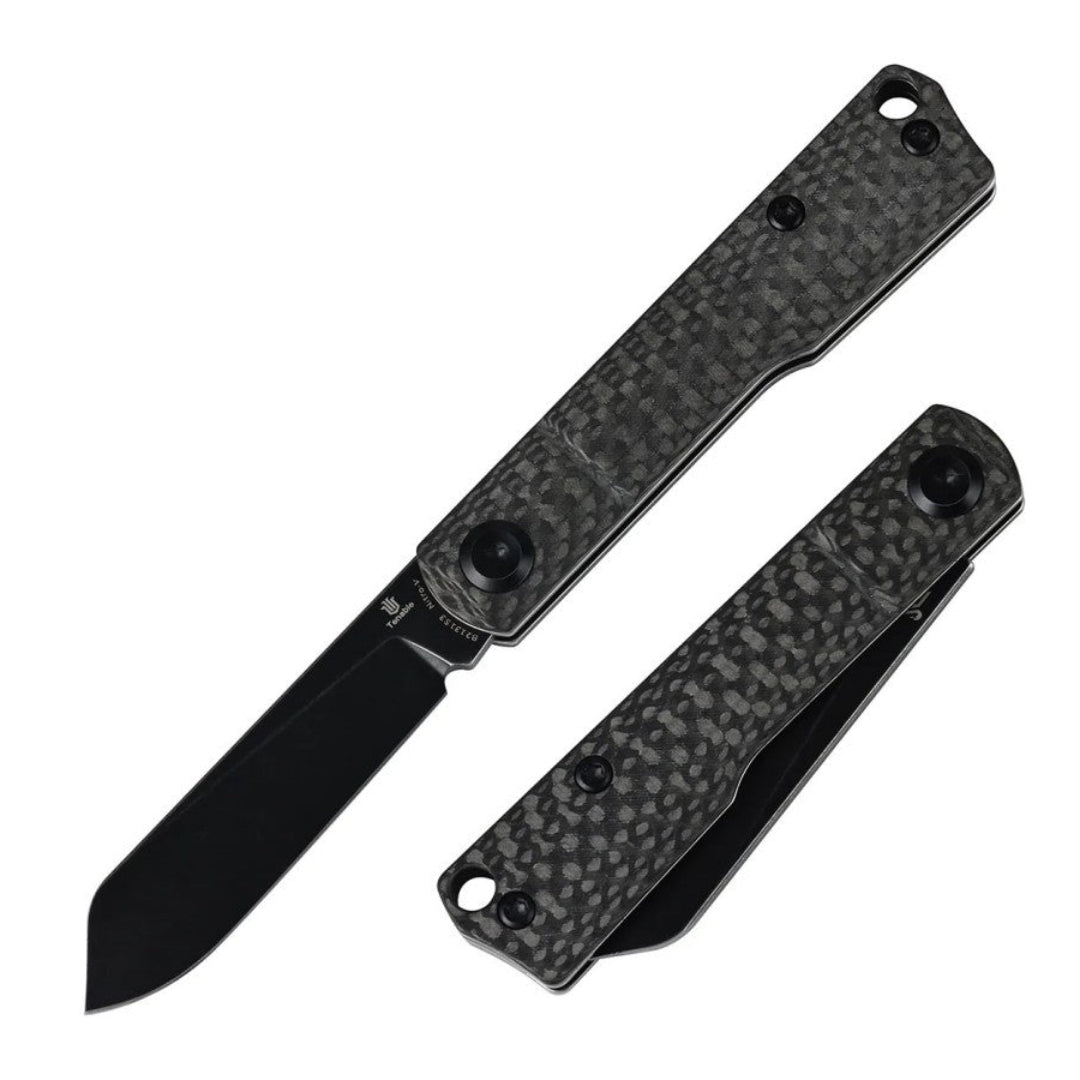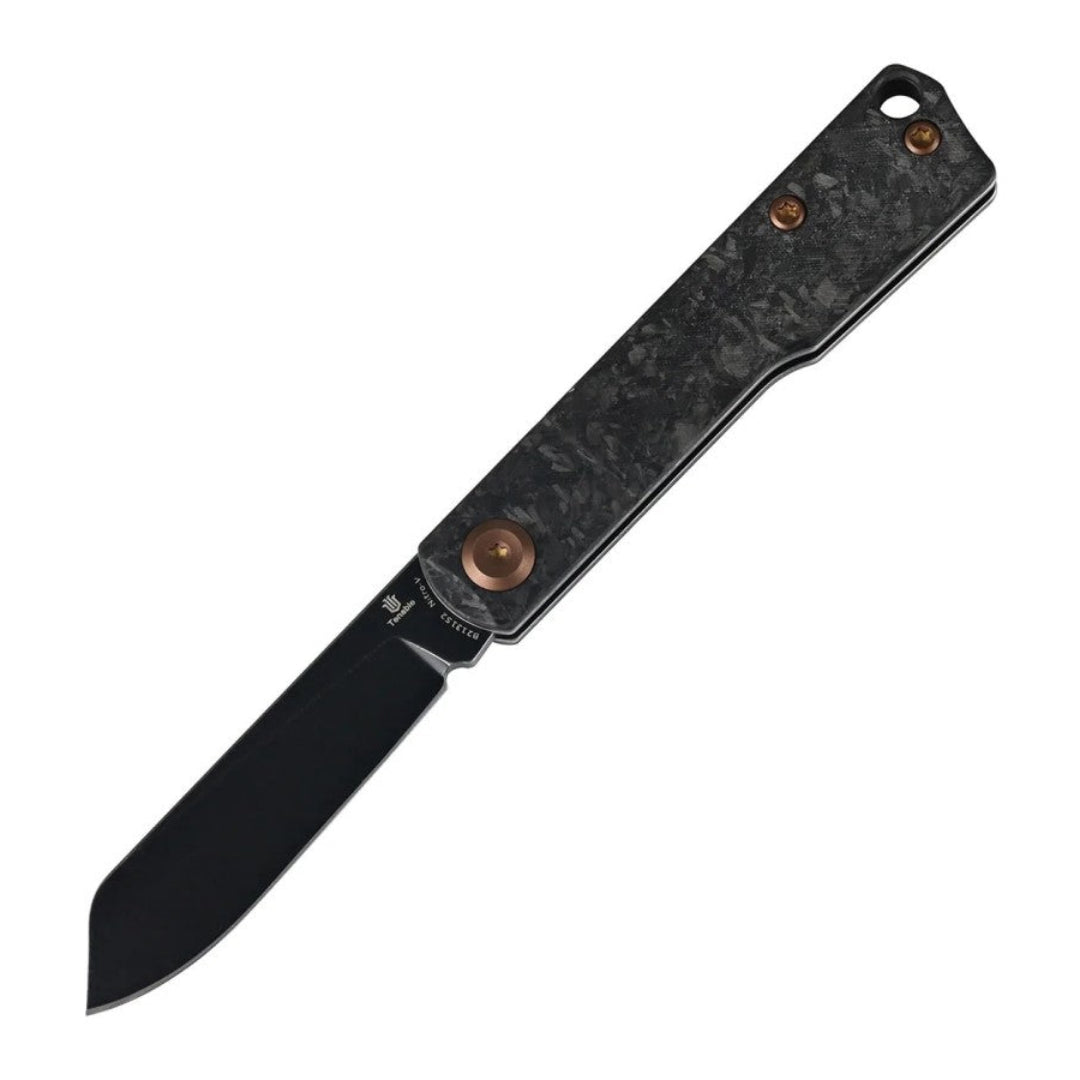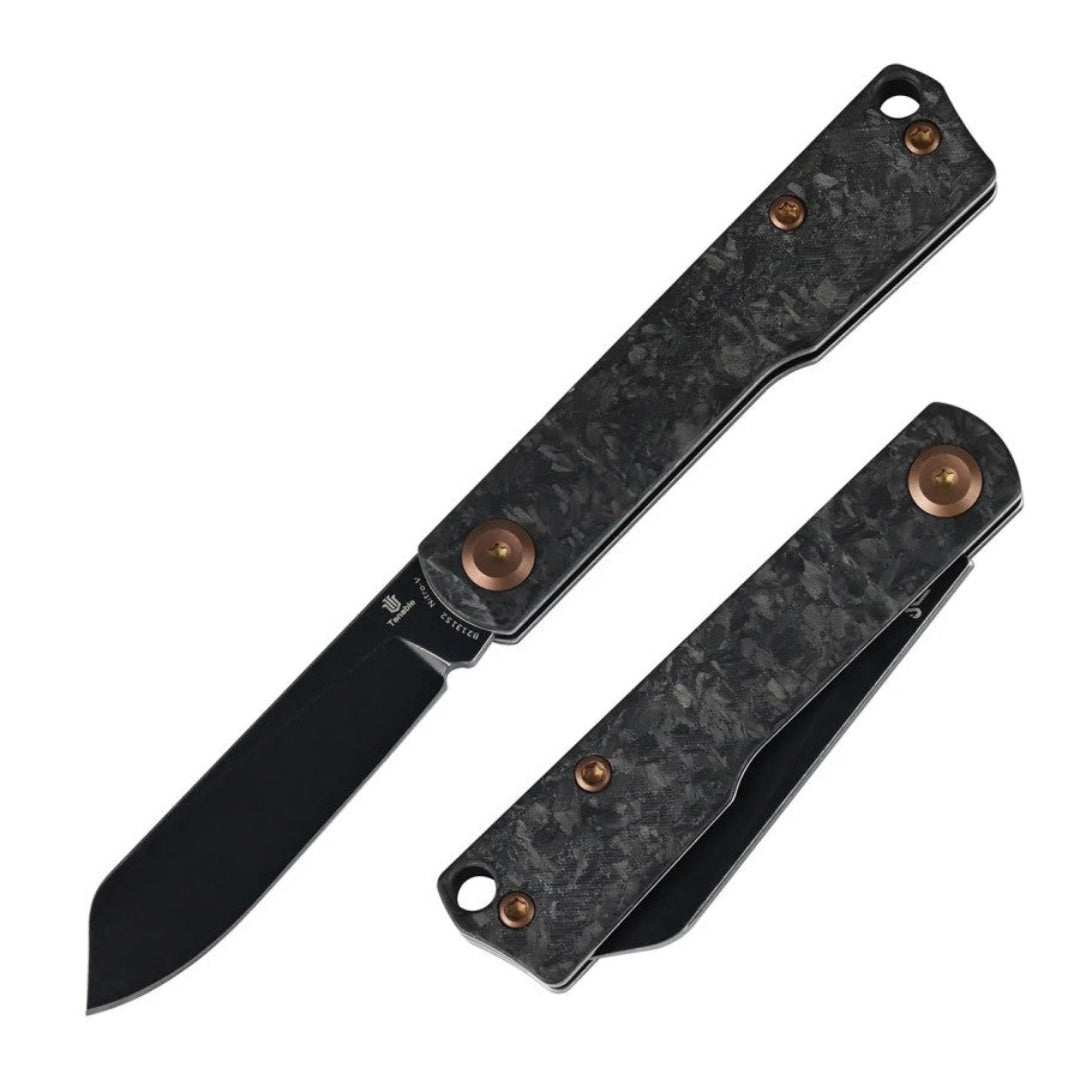


Overview & First Impressions
A livestock market is a logistical operation compressed into a single day. Cattle arrive on trucks, are penned by lot, moved through a weighing race, sold from a ring and loaded out again within hours. Around that flow there is a constant need for a knife: cutting twine on a bale, opening a sack of feed, cutting the seal on a batch of ear tags, trimming a length of rope halter and cutting the tape on a carton of documents. The knife is used in a hurry, with gloves, standing up, and often with animals moving nearby.
Materials & Construction
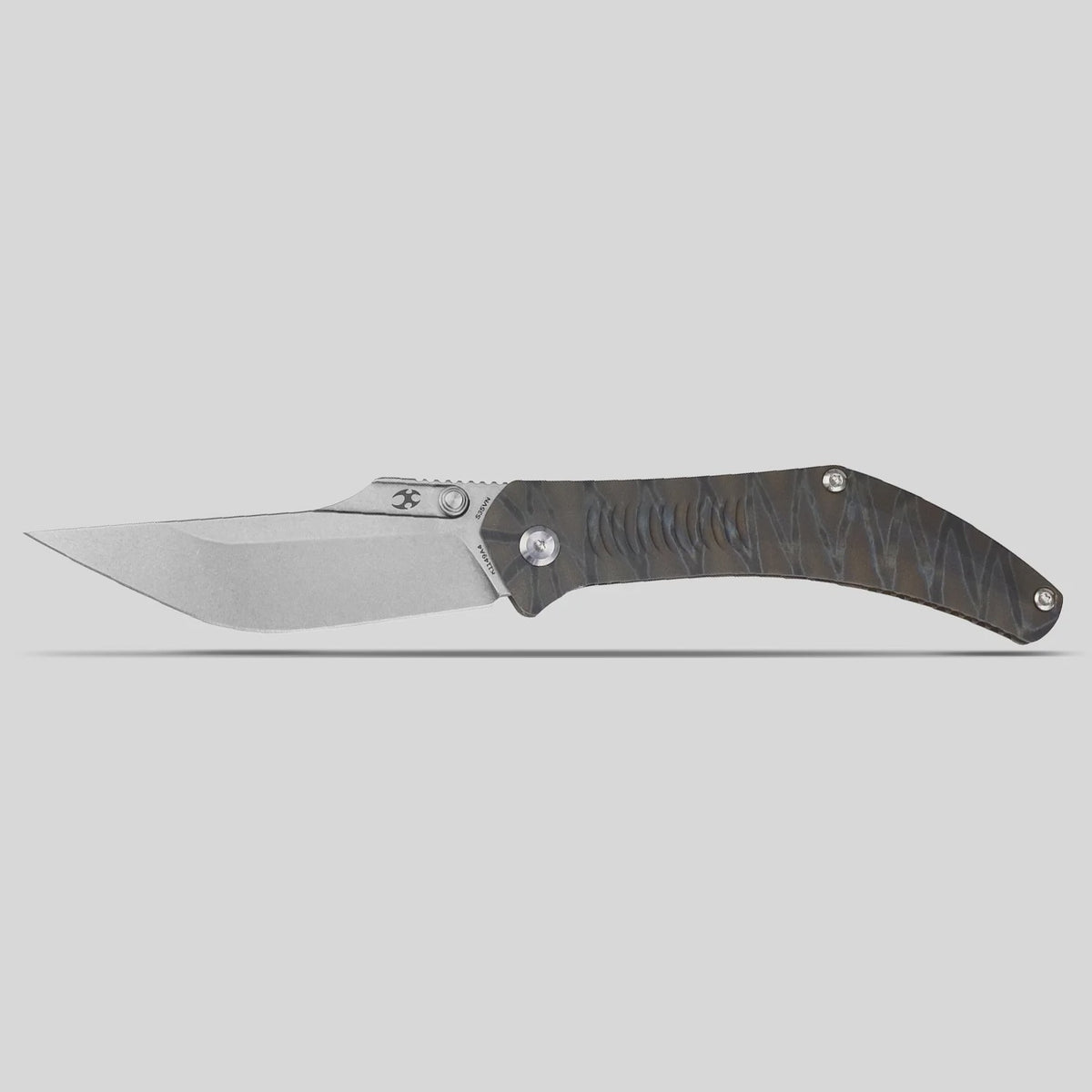
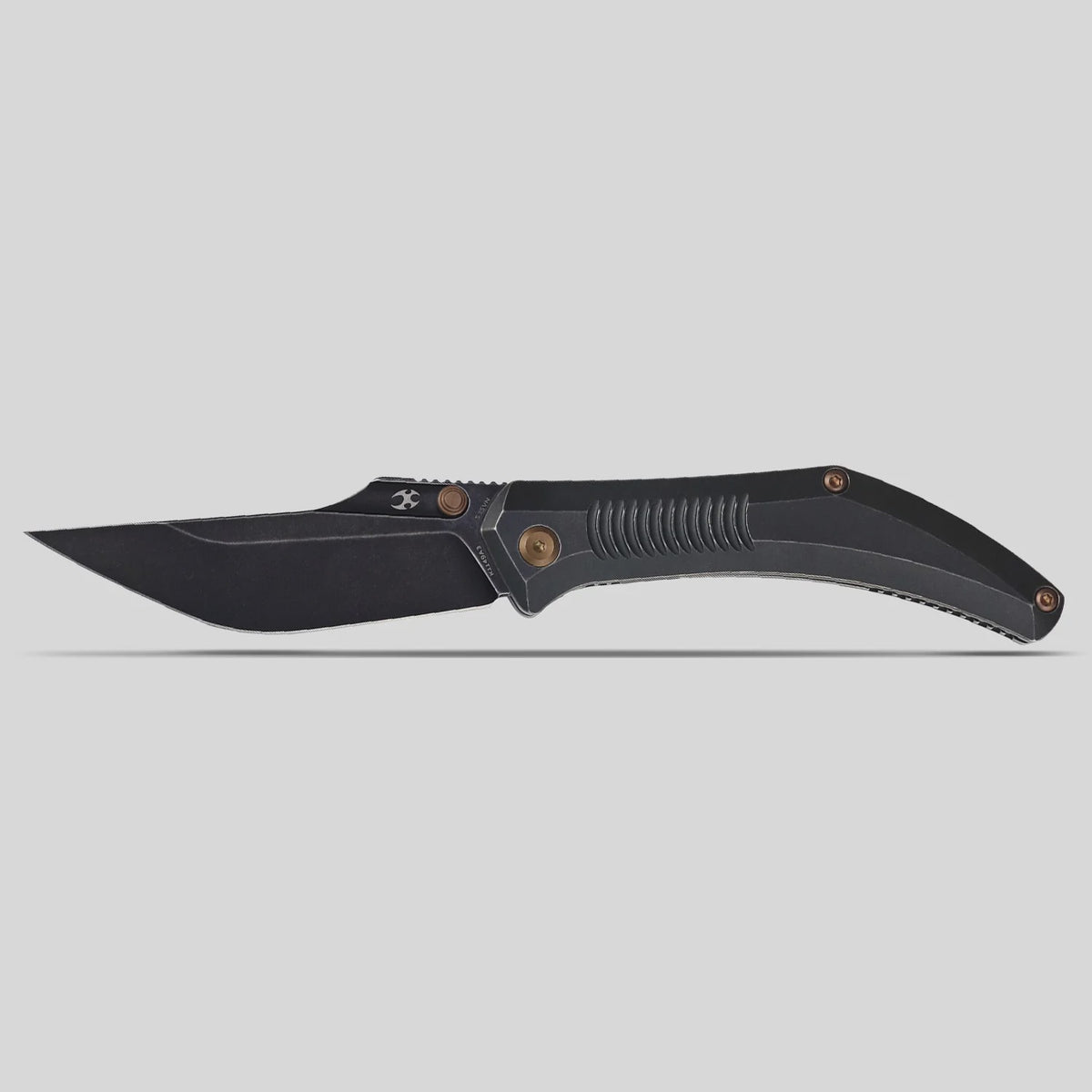
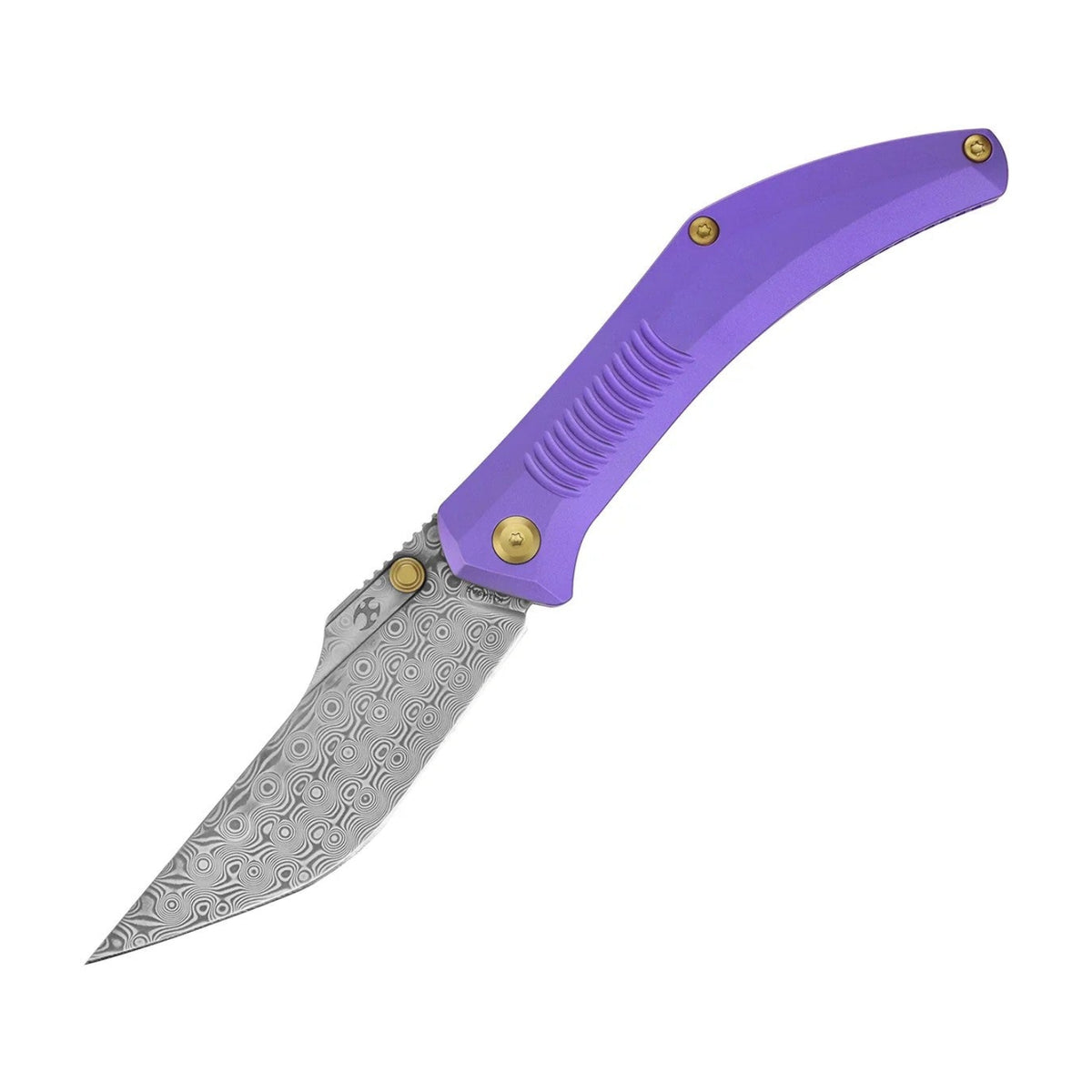
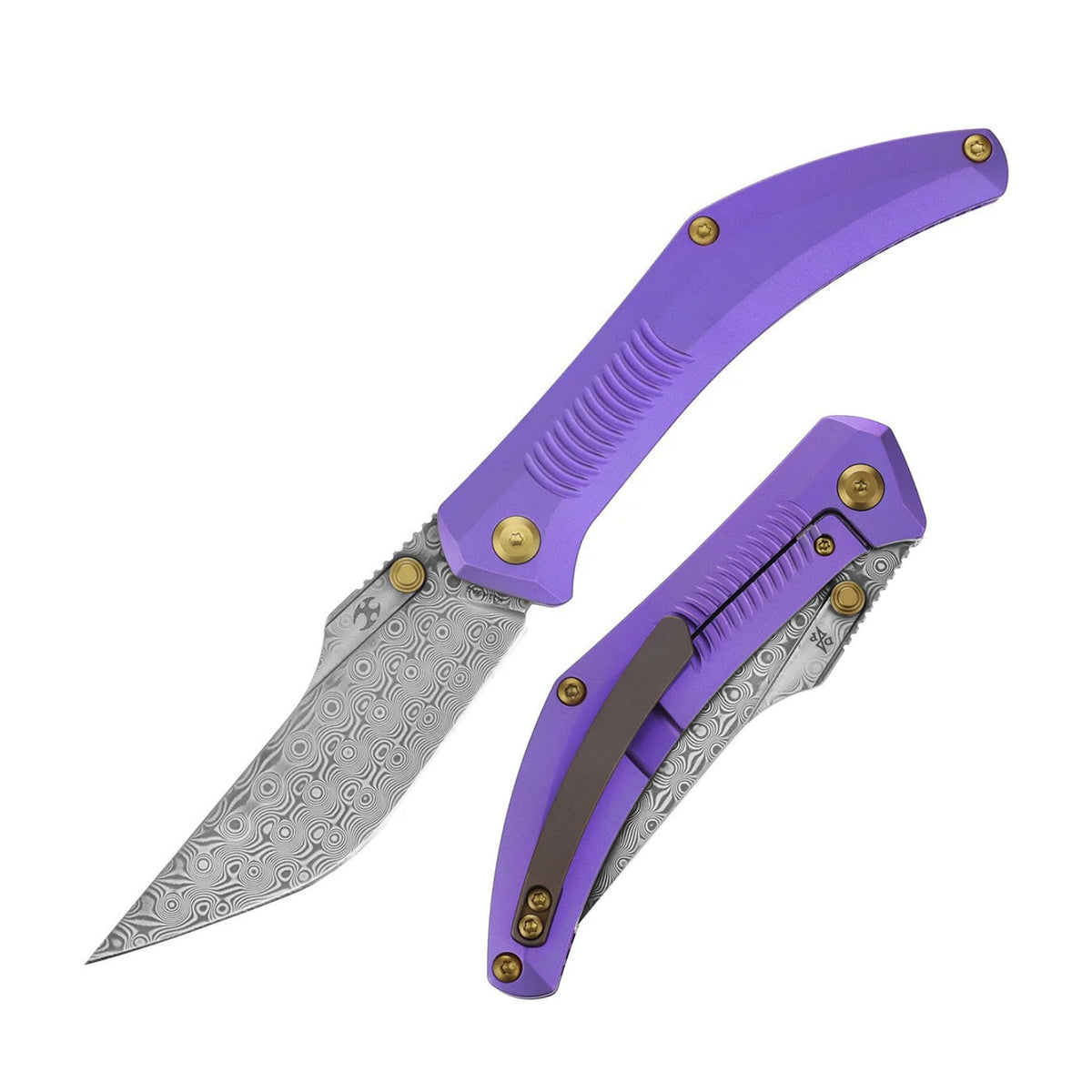
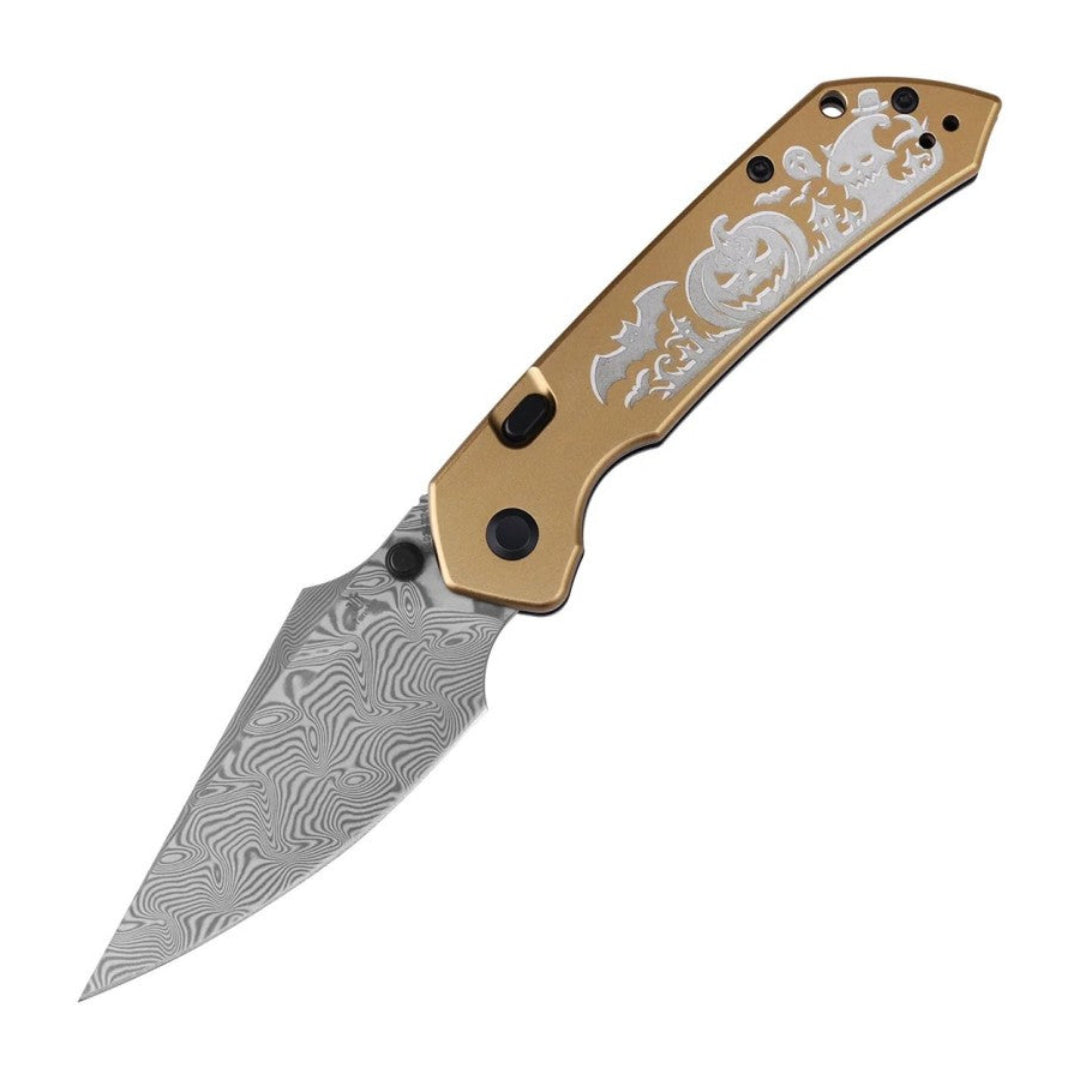
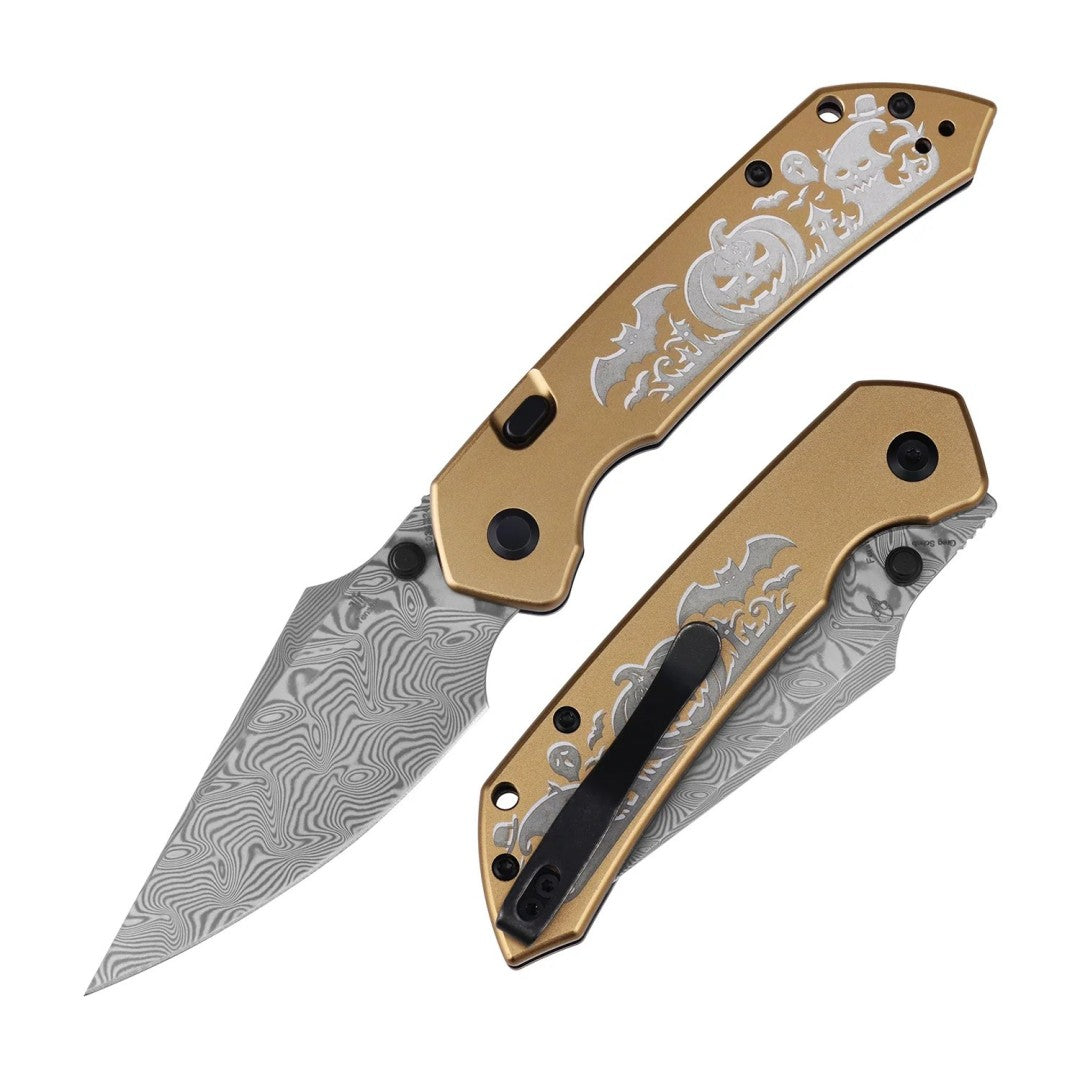
Working livestock gear benefits from a blade that holds an edge through abrasive material. A knife such as the Tenable Fenrir B1034H24 pairs a Damascus blade with a golden anodized aluminium handle, and Damascus steel gives a keen, aggressive edge that bites into twine, rope and feed sacks rather than skidding across them. Tenable knives build this pattern with smooth one-handed action, which is what matters in a market where the knife is opened and closed constantly. For a tool that is also carried off the clock, the Damascus pattern makes it a knife people are happy to own.

Design & Details
Market work rewards a knife that is quick and secure. A blade around three and a half inches cuts twine and sack material in one stroke, an aluminium handle wipes clean of dust and manure, and a strong clip keeps the knife on a trouser pocket through a day of climbing in and out of pens. Among folding knives, a design with a reliable detent is important, because a knife that opens in a pocket while its owner is handling a beast is a hazard.
Real-World Use
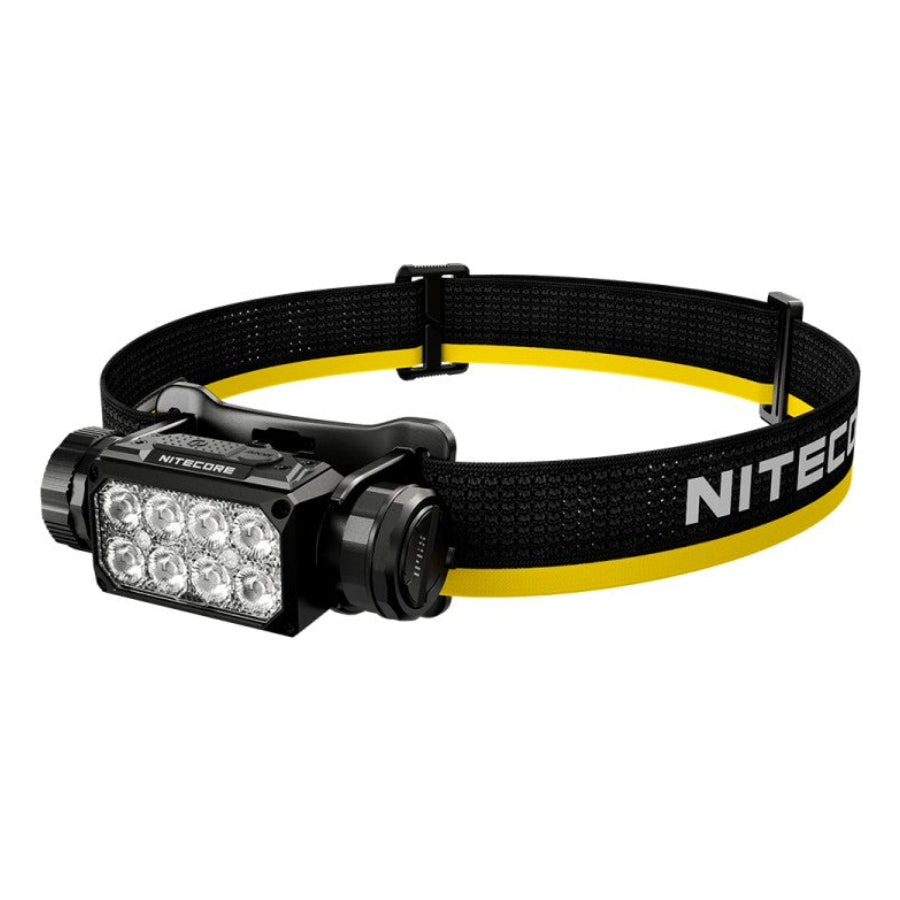
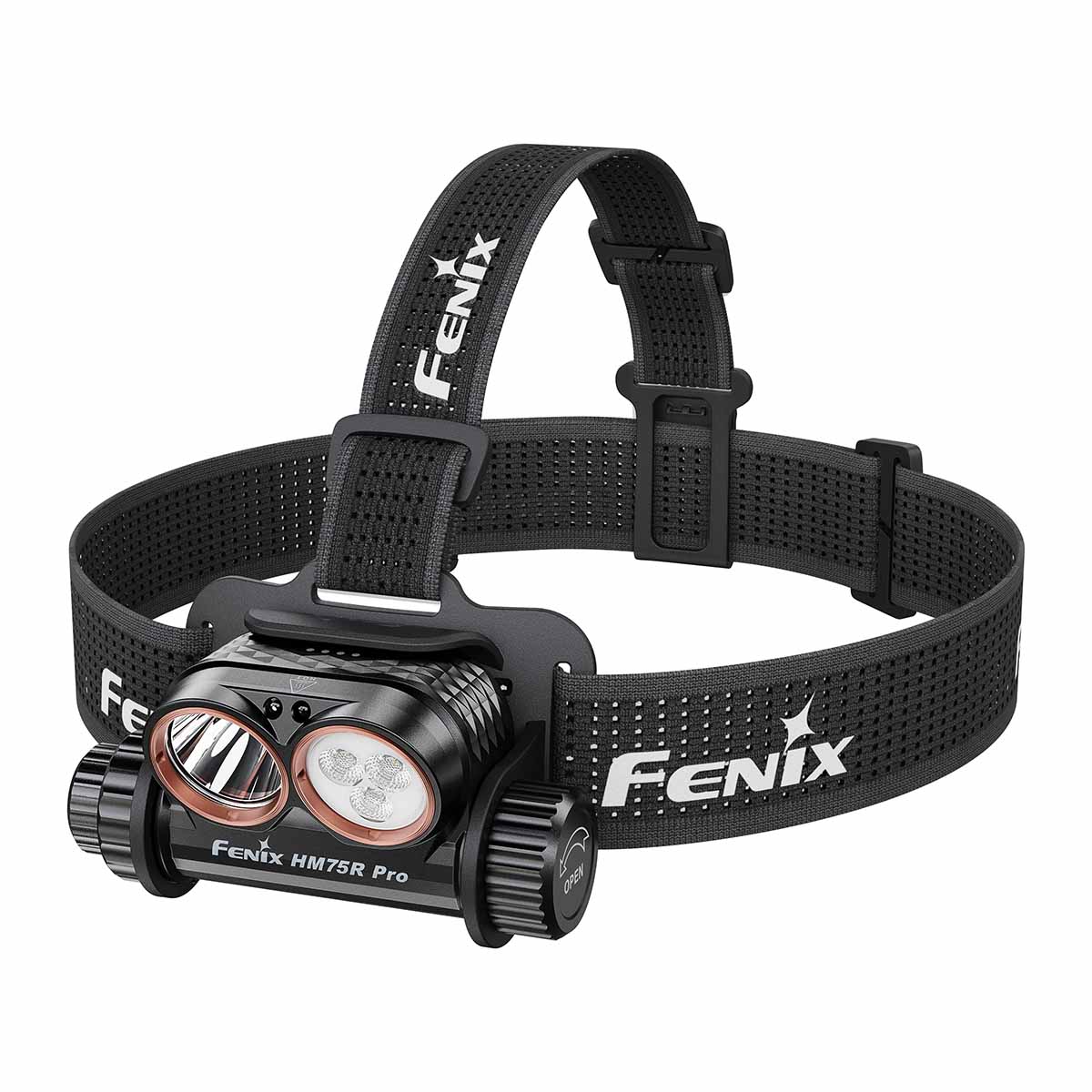
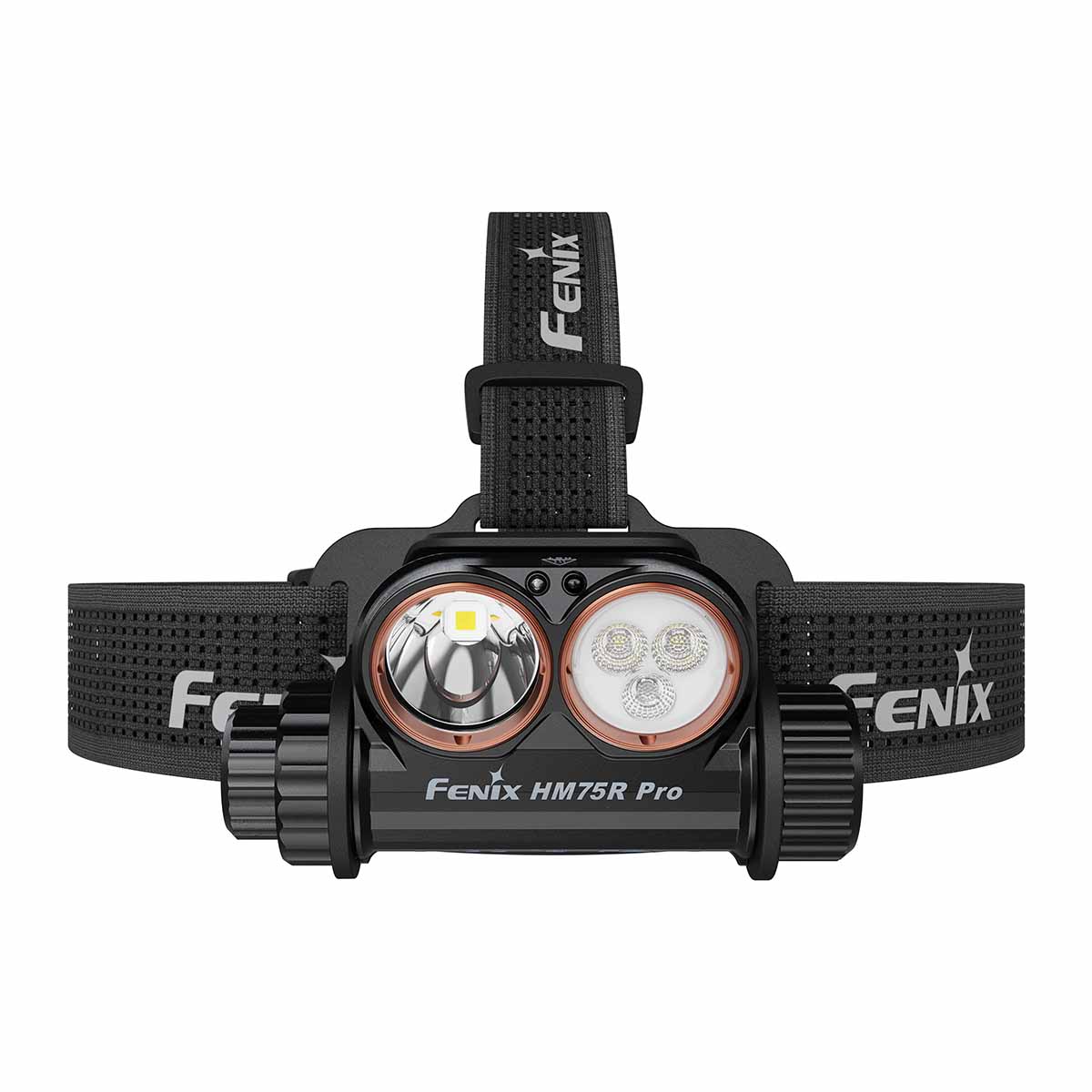
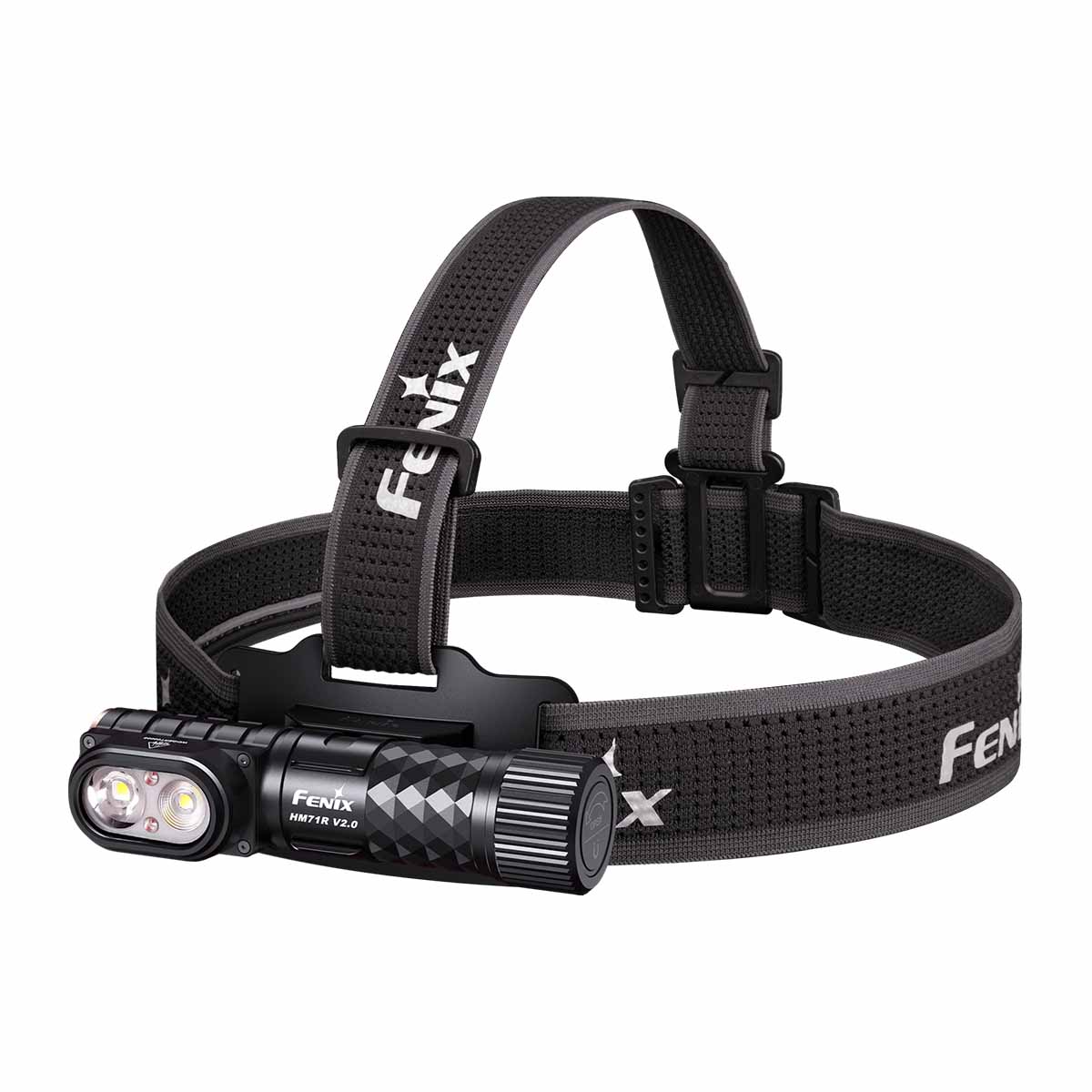
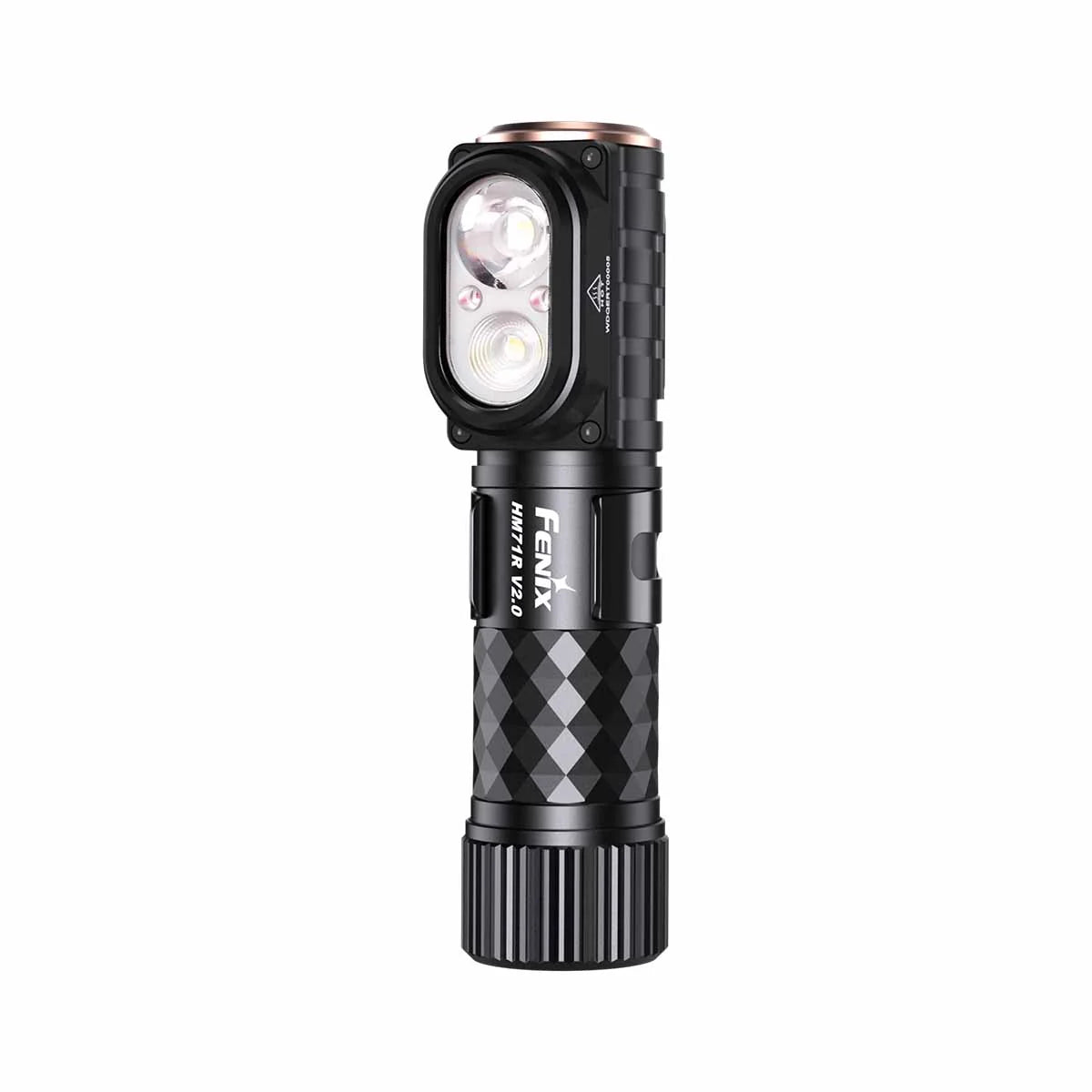
On sale day the knife cuts baling twine, opens feed sacks, trims a length of rope halter, cuts a zip tie on a pen gate, opens a carton of ear tags, slices the tape on a stack of paperwork and cuts a length of string for a lot tag. A compact EdcMall light is used to read an ear tag number in a shaded pen, check an animal in a race with poor lighting and find an ear tag in a straw-filled corner.

Ownership Notes
Livestock environments are dusty and wet, so the routine matters. Wipe the knife down at the end of every sale day, blow dust out of the pivot, and oil it because manure and feed dust are both corrosive. Never cut on concrete because it rolls an edge instantly. Keep the blade touched up on a pocket stone. EdcMall carries the folders and compact lights that suit market work. Market work is unforgiving of gear, so the knife you carry should be the one you are happy to wipe down with a rag at the end of a sale day. Among EDC knives, a plain stainless edge in a handle that does not hold moisture will outlast anything with a porous scale, no matter how good it looks on the shelf.
Who Is This For?
This is for livestock buyers and sellers, auction market staff, drovers, farm hands and anyone who handles cattle on a sale day. A hobby farmer with a handful of animals needs less. If you open fifty feed sacks a week, buy the edge that bites.
Final Verdict
Sale day is fast and dirty, so the knife has to open quickly, cut aggressively and wipe clean. A Damascus or high-carbon edge in an aluminium handle with a strong detent covers market work.