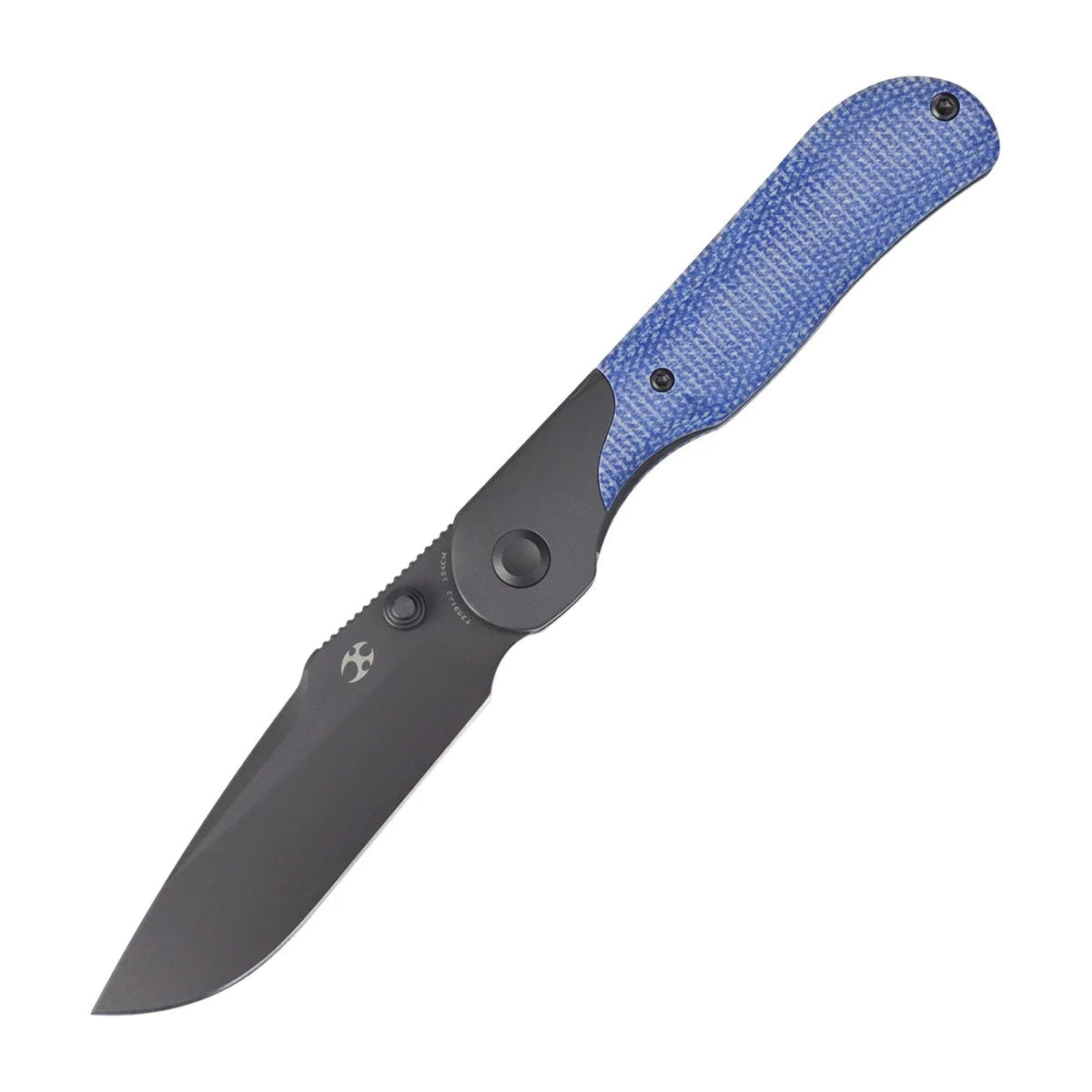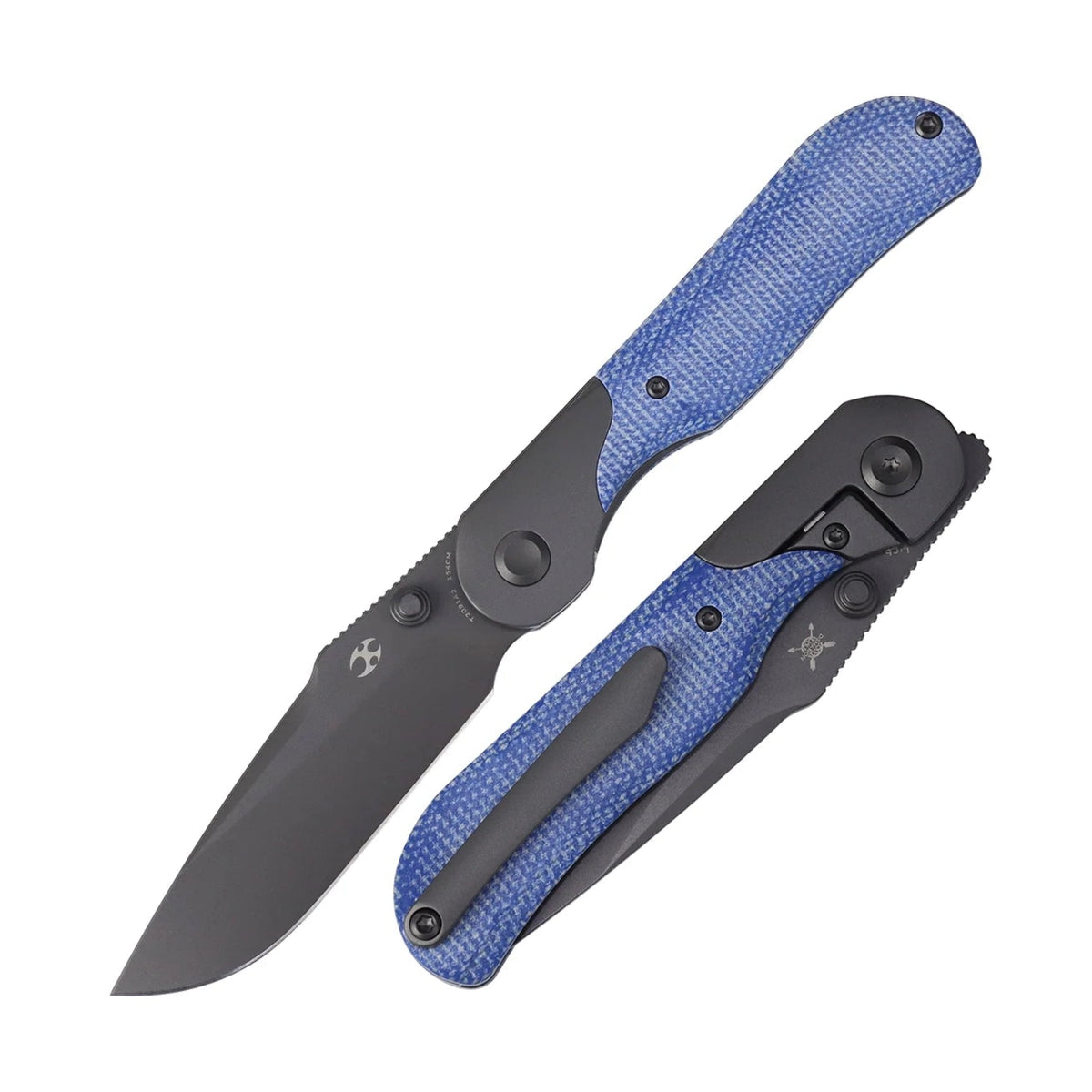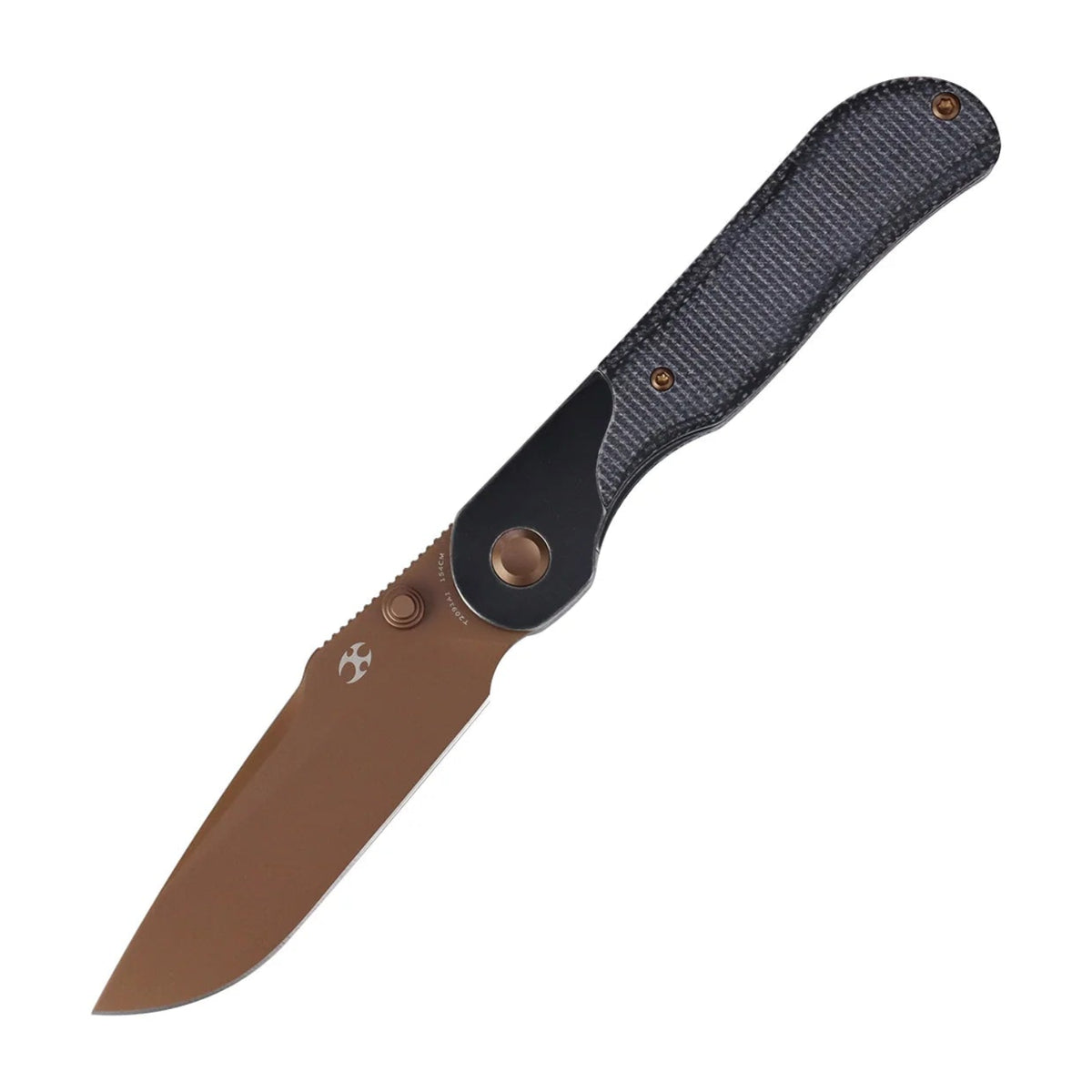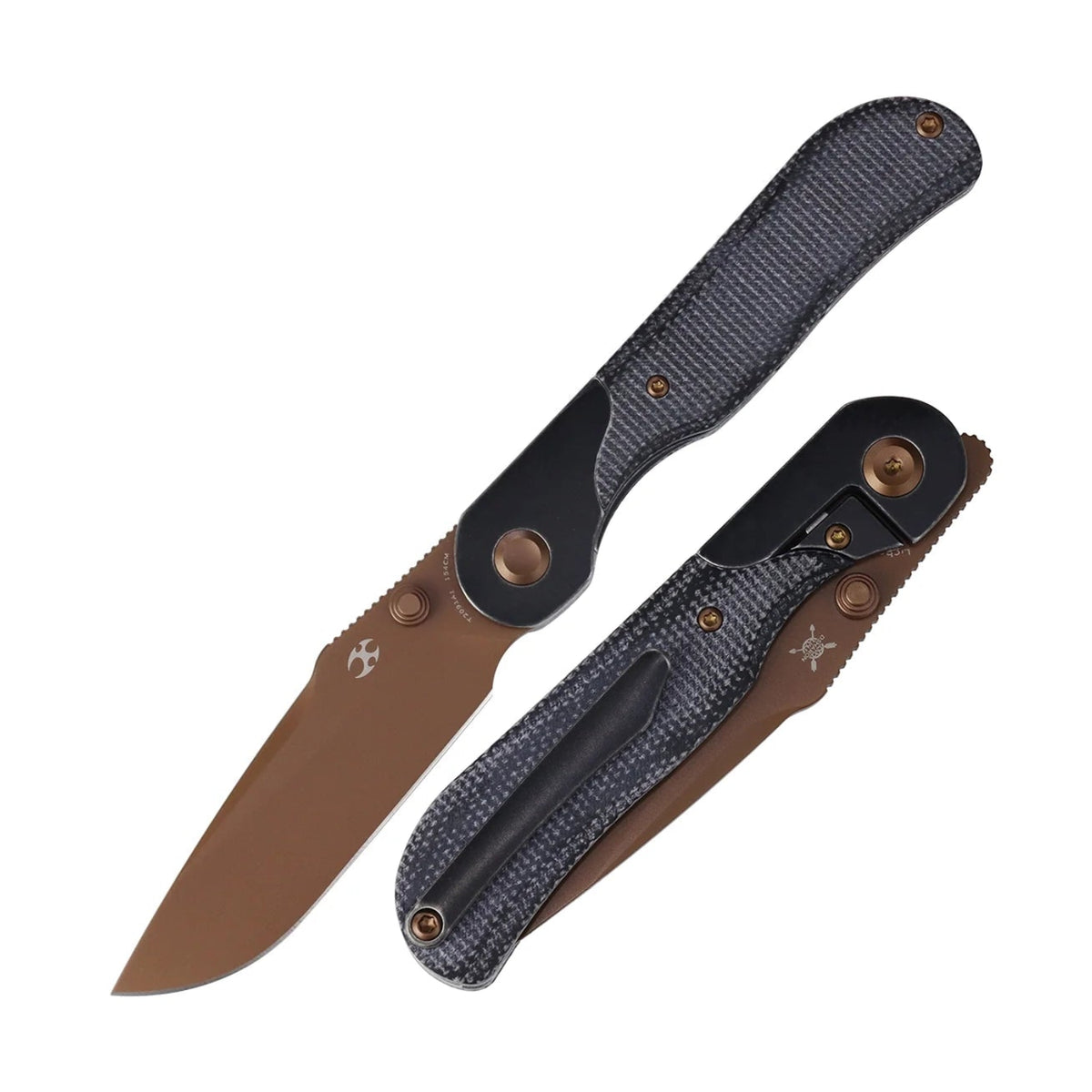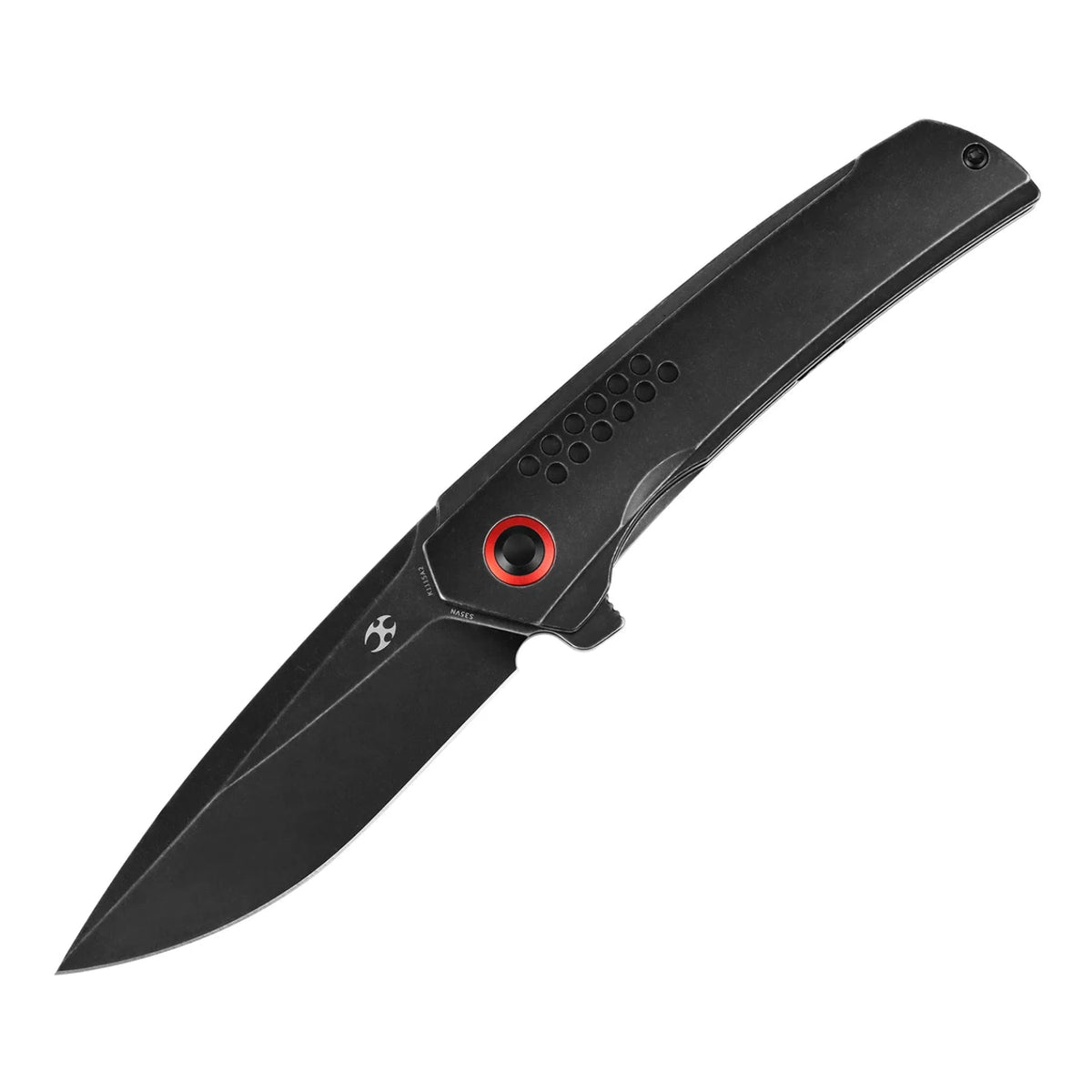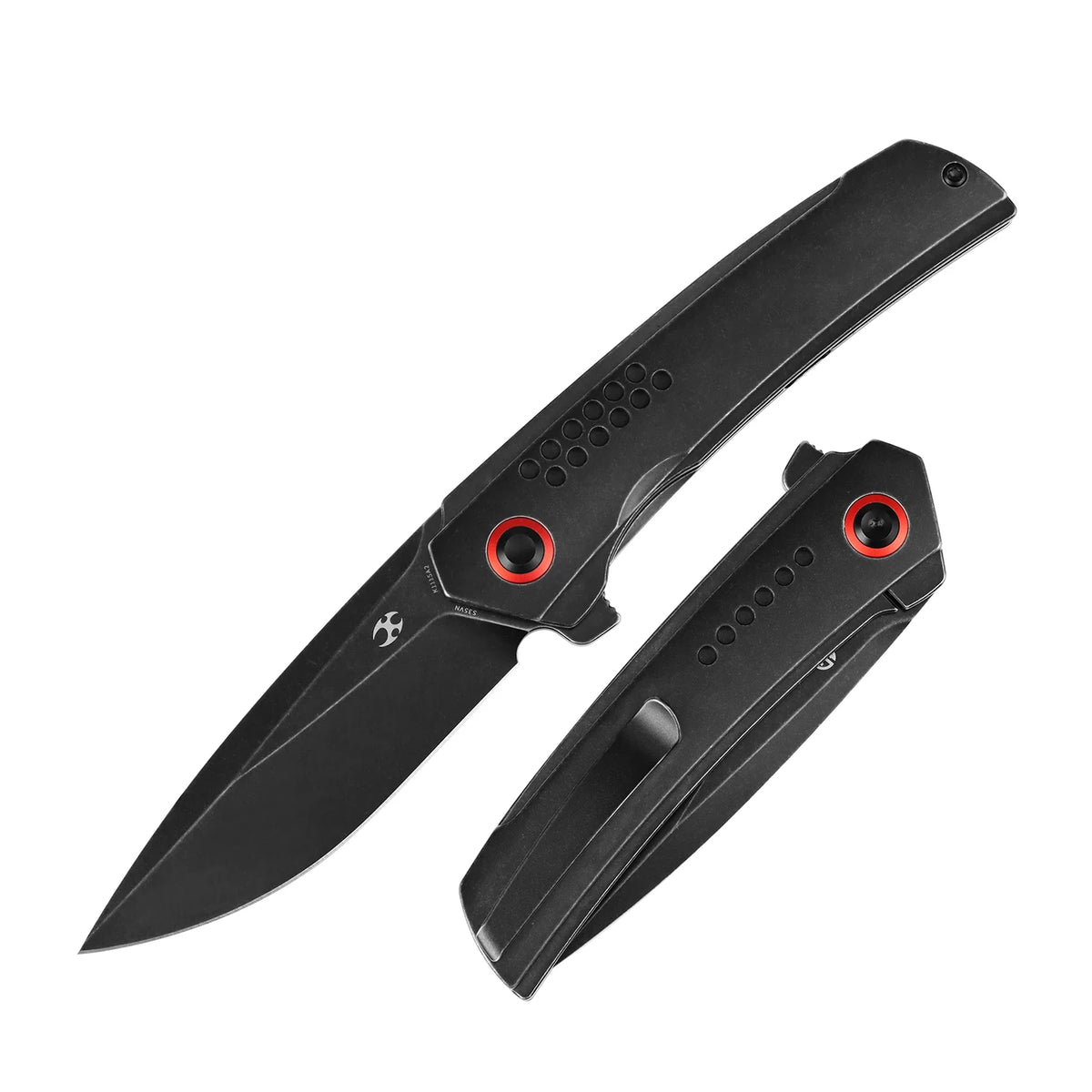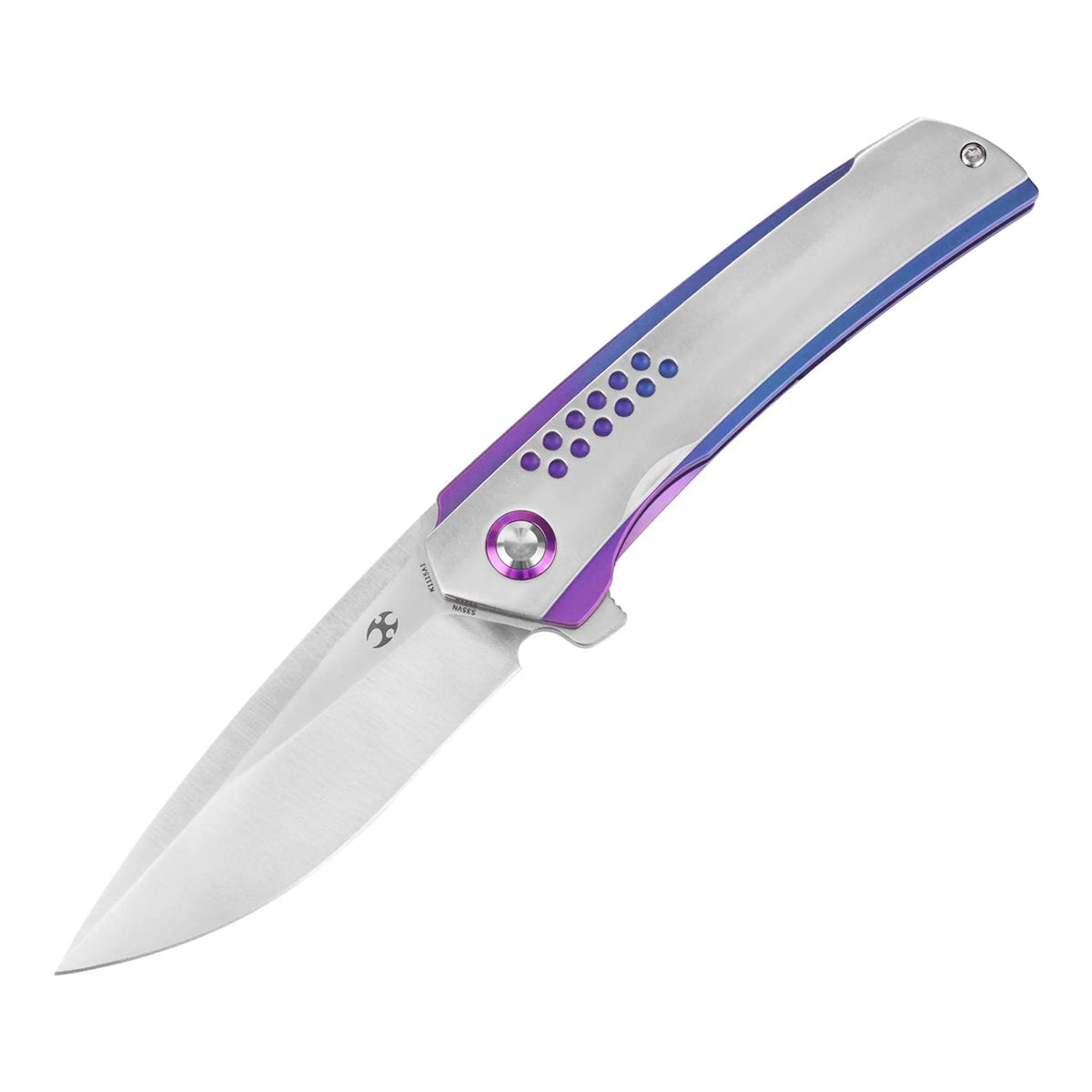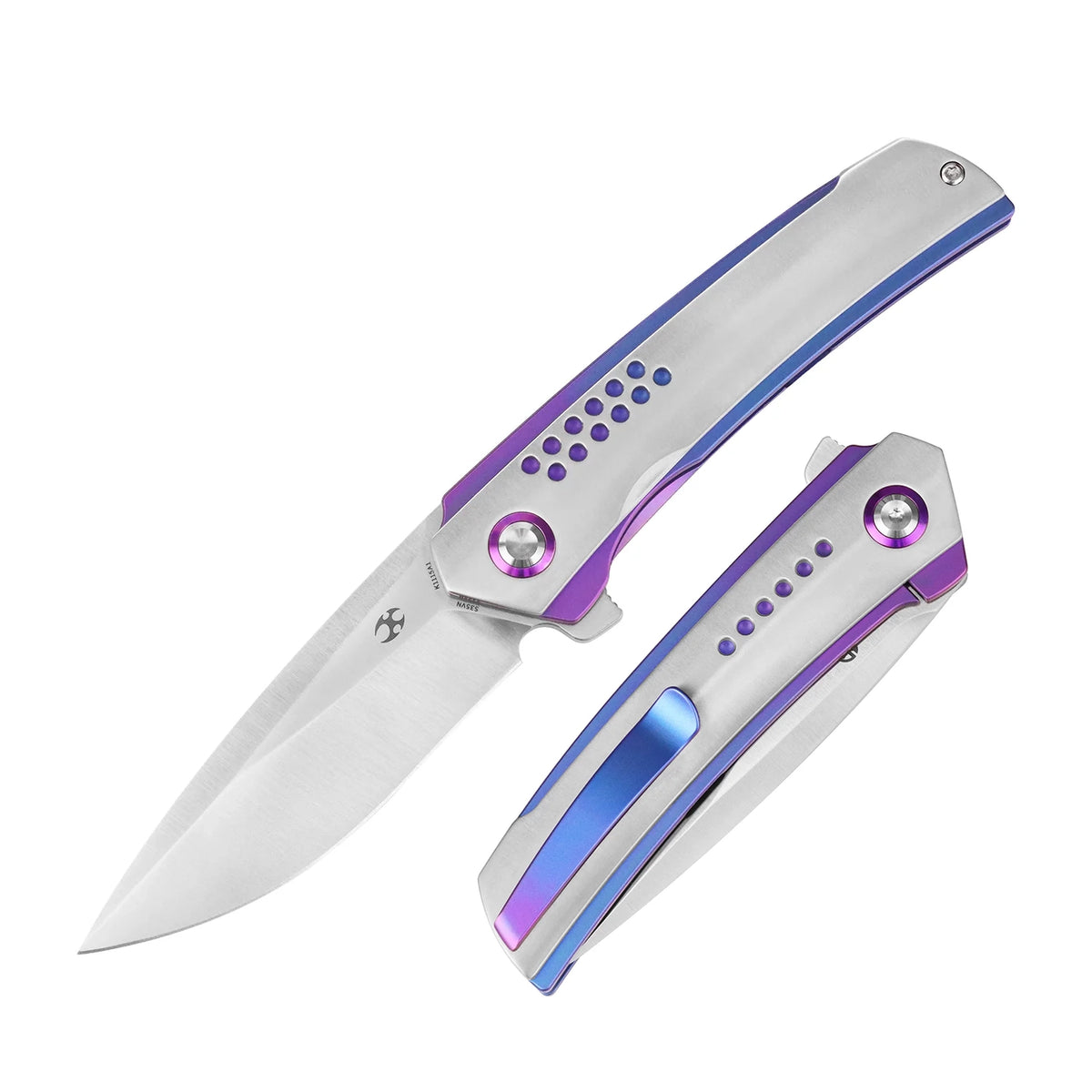
When it comes to premium steel options for high-performance knives and tools, CPM-S90V and O1 are two names that frequently come up in discussions among enthusiasts and professionals. Both steels have earned their reputations, but they serve different purposes and excel in different scenarios. Understanding the differences between them will help you choose the right steel for your specific needs.
CPM-S90V: The Modern Powerhouse
CPM-S90V is a powder metallurgy stainless steel developed by Crucible Industries. It represents the cutting edge of steel technology and is engineered for extreme edge retention and corrosion resistance. This steel contains high levels of vanadium and chromium, which contribute to its exceptional hardness and wear resistance.
One of the standout features of CPM-S90V is its remarkable edge retention. Blades made from this steel can maintain their sharpness through extended use, making it ideal for applications where frequent sharpening isn't practical. The steel also offers excellent corrosion resistance, making it suitable for environments where moisture and salt exposure are concerns.
However, CPM-S90V comes with trade-offs. It is significantly harder to sharpen than many other steels, requiring specialized equipment or professional services. The steel is also more brittle, meaning it can chip or break under heavy impact or when used improperly. Additionally, CPM-S90V is considerably more expensive than traditional options.
O1: The Classic Choice
O1 is a traditional tool steel that has been used for decades in the manufacturing of knives, chisels, and other cutting tools. It's an oil-hardening steel known for its excellent edge-holding ability and ease of sharpening. O1 steel is relatively simple in composition compared to modern alternatives, yet it delivers reliable performance.
The primary advantage of O1 is its ease of maintenance. It can be sharpened quickly and efficiently with basic sharpening tools, making it practical for everyday use and field applications. O1 also offers good toughness, meaning it's less likely to chip or break under stress. The steel is also more affordable than premium stainless options.
The downside is that O1 is not stainless steel—it contains minimal chromium and will rust if not properly maintained. This requires regular oiling and care, especially in humid or wet environments. Its edge retention, while respectable, doesn't match that of modern powder metallurgy steels like CPM-S90V.
Head-to-Head Comparison
Edge Retention: CPM-S90V significantly outperforms O1 in this category. If you need a blade that stays sharp for extended periods, CPM-S90V is the clear winner.
Ease of Sharpening: O1 is far superior. It can be sharpened with basic stones and tools, while CPM-S90V requires specialized equipment or professional help.
Corrosion Resistance: CPM-S90V is stainless and resists rust effectively. O1 requires regular maintenance to prevent corrosion.
Toughness: O1 is tougher and more forgiving of impact and stress. CPM-S90V is harder but more brittle.
Cost: O1 is considerably more affordable. CPM-S90V commands a premium price.
Which Should You Choose?
The answer depends on your specific use case. Choose CPM-S90V if you prioritize edge retention, work in corrosive environments, and don't mind the higher cost and difficulty of sharpening. It's ideal for professional applications where performance justifies the investment.
Choose O1 if you value ease of maintenance, affordability, and toughness. It's perfect for everyday tools, field work, and situations where you need to sharpen your blade quickly without specialized equipment.
Both steels are excellent in their own right—they simply cater to different priorities and use cases.