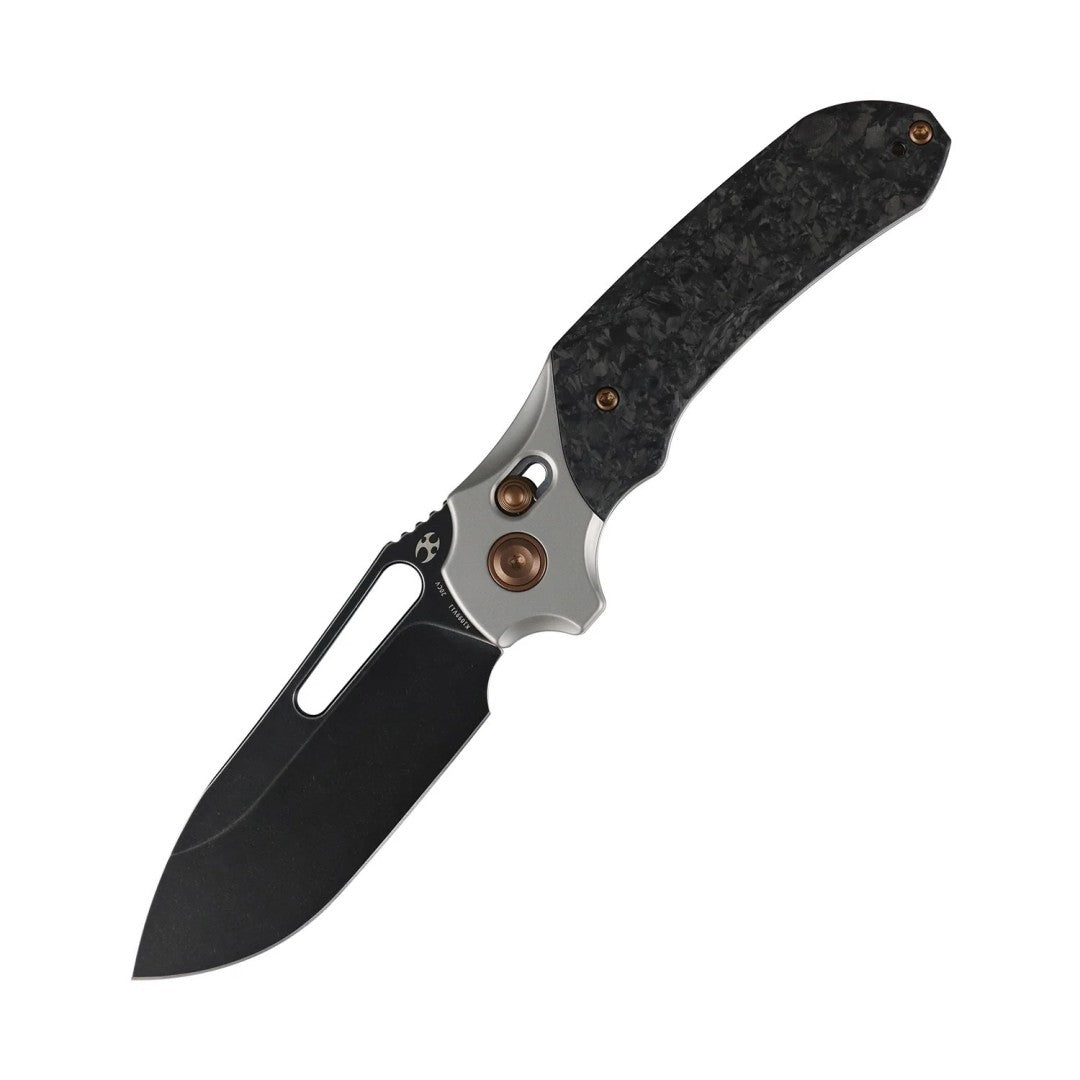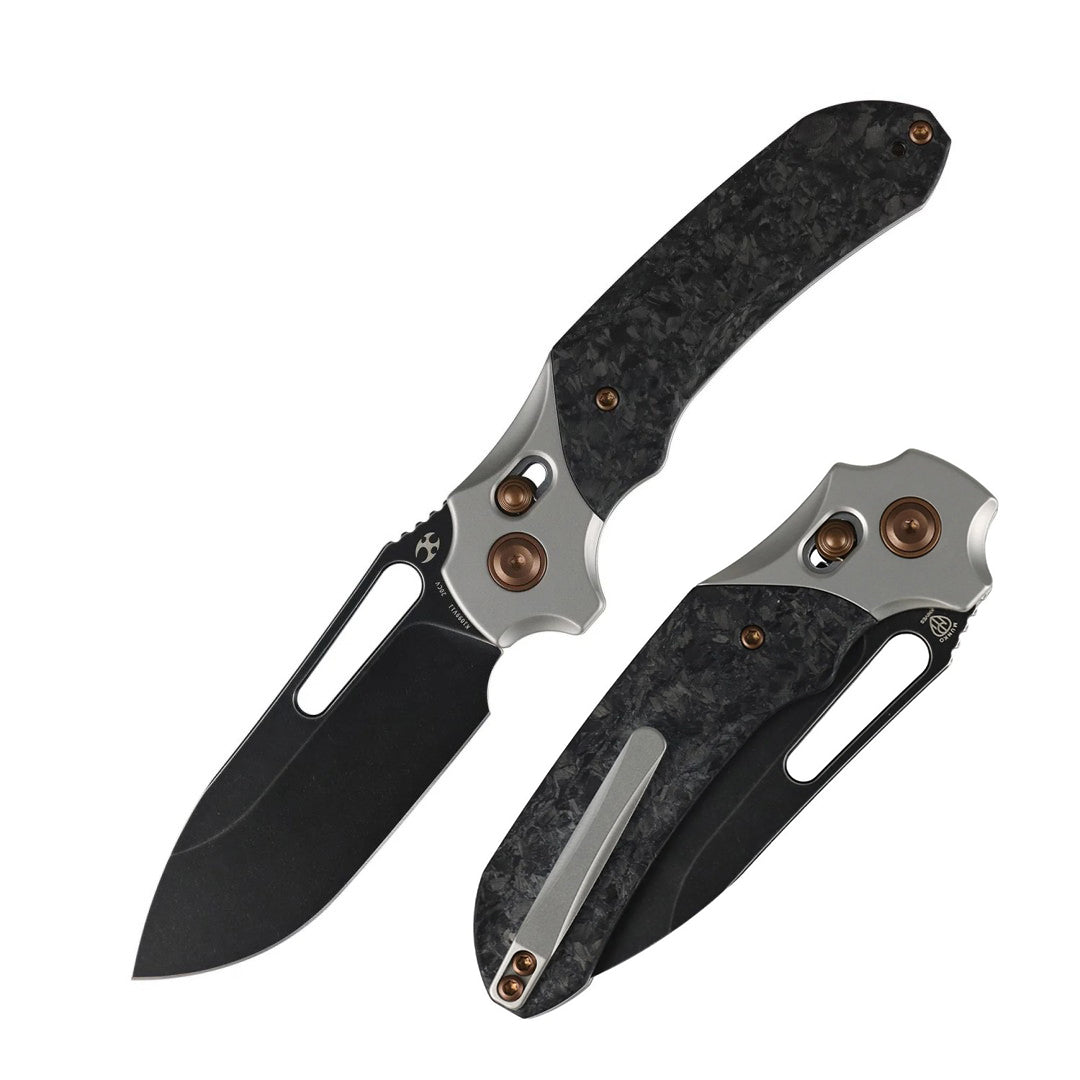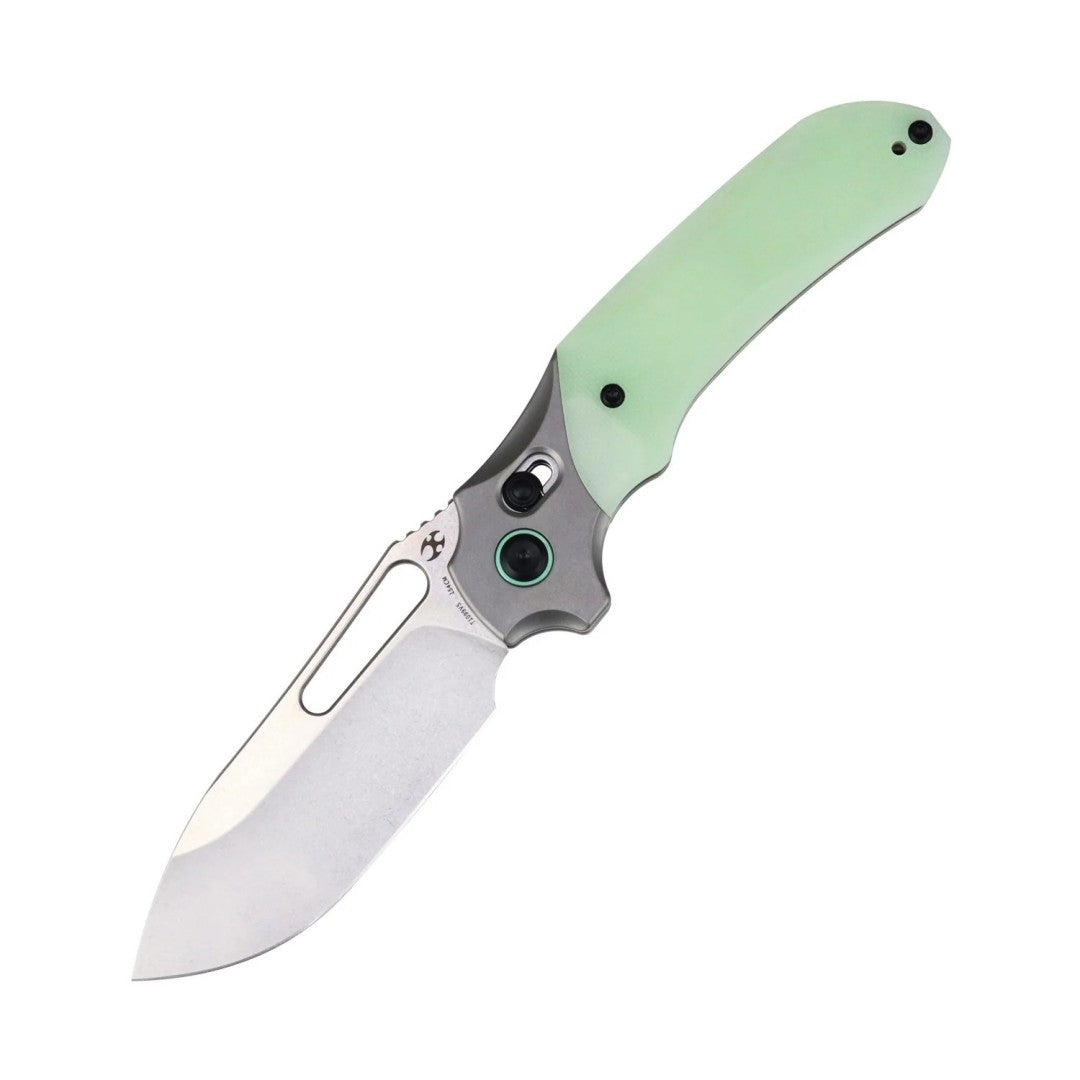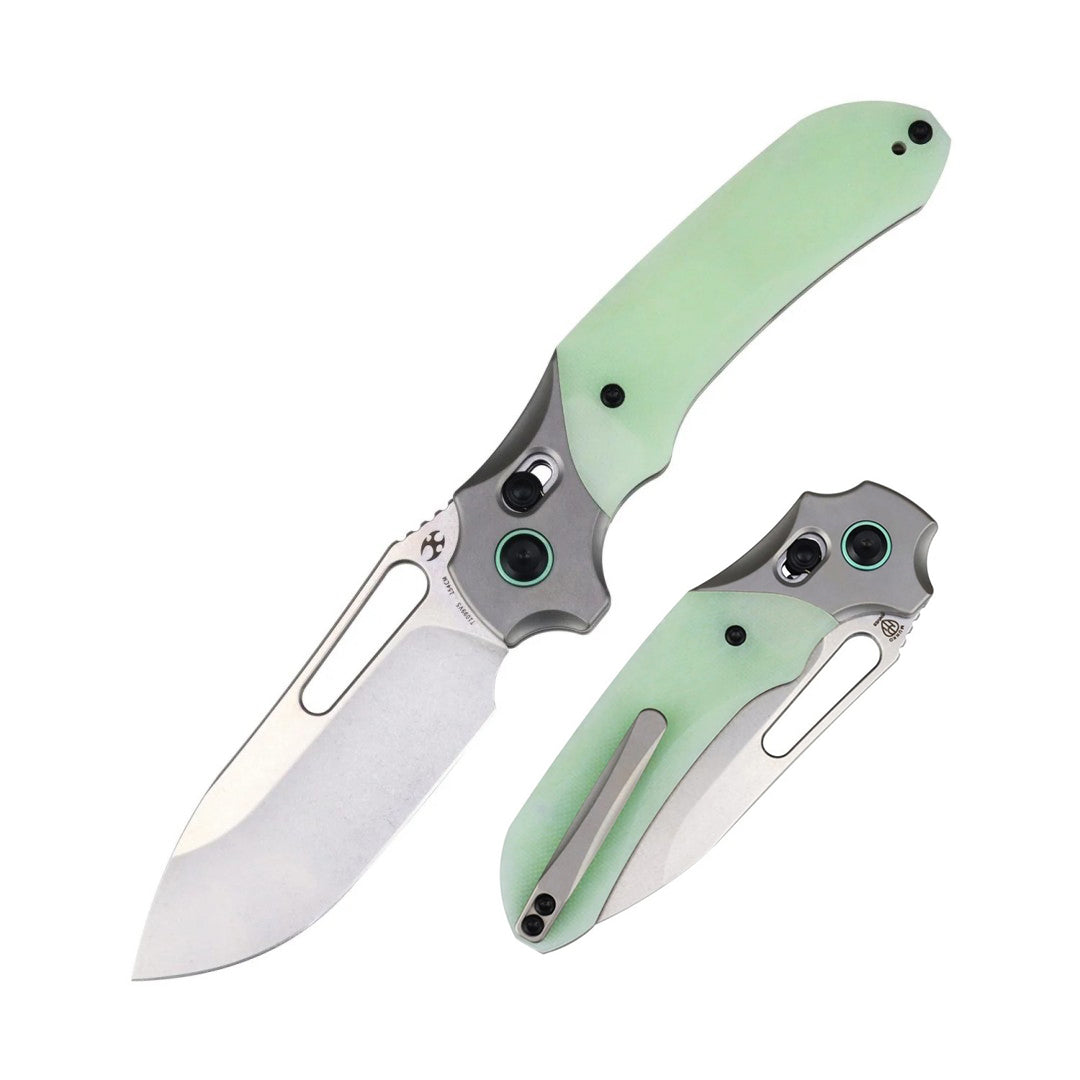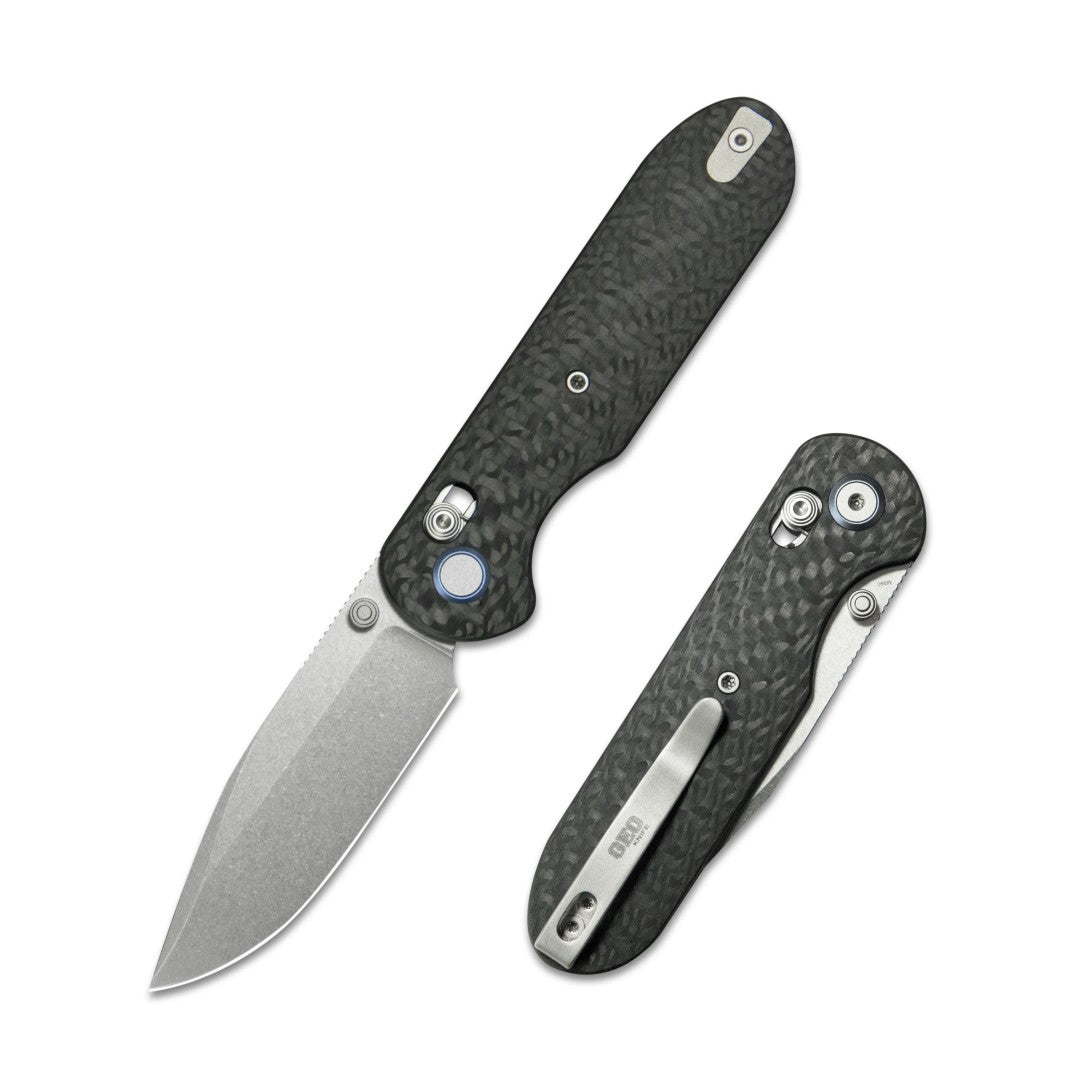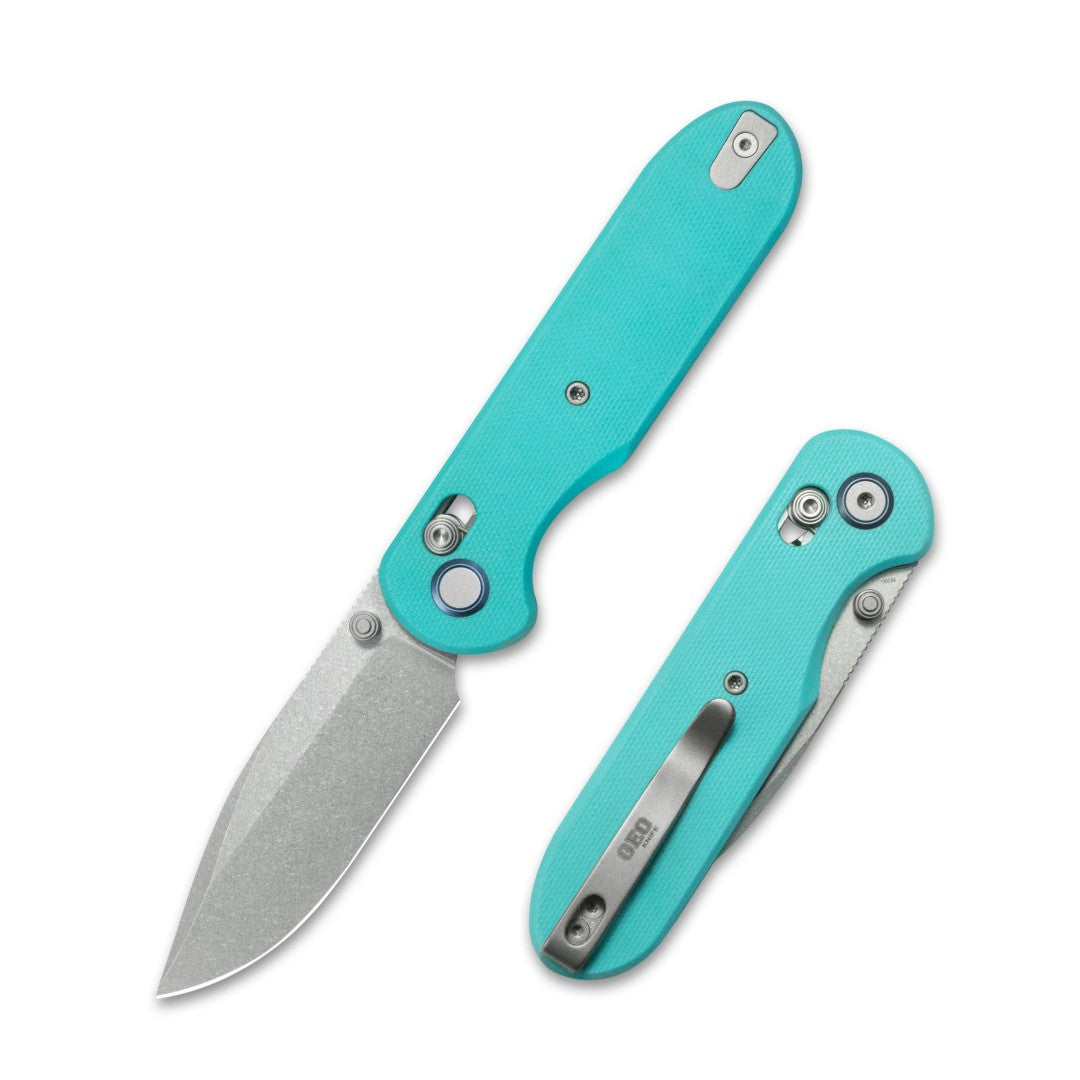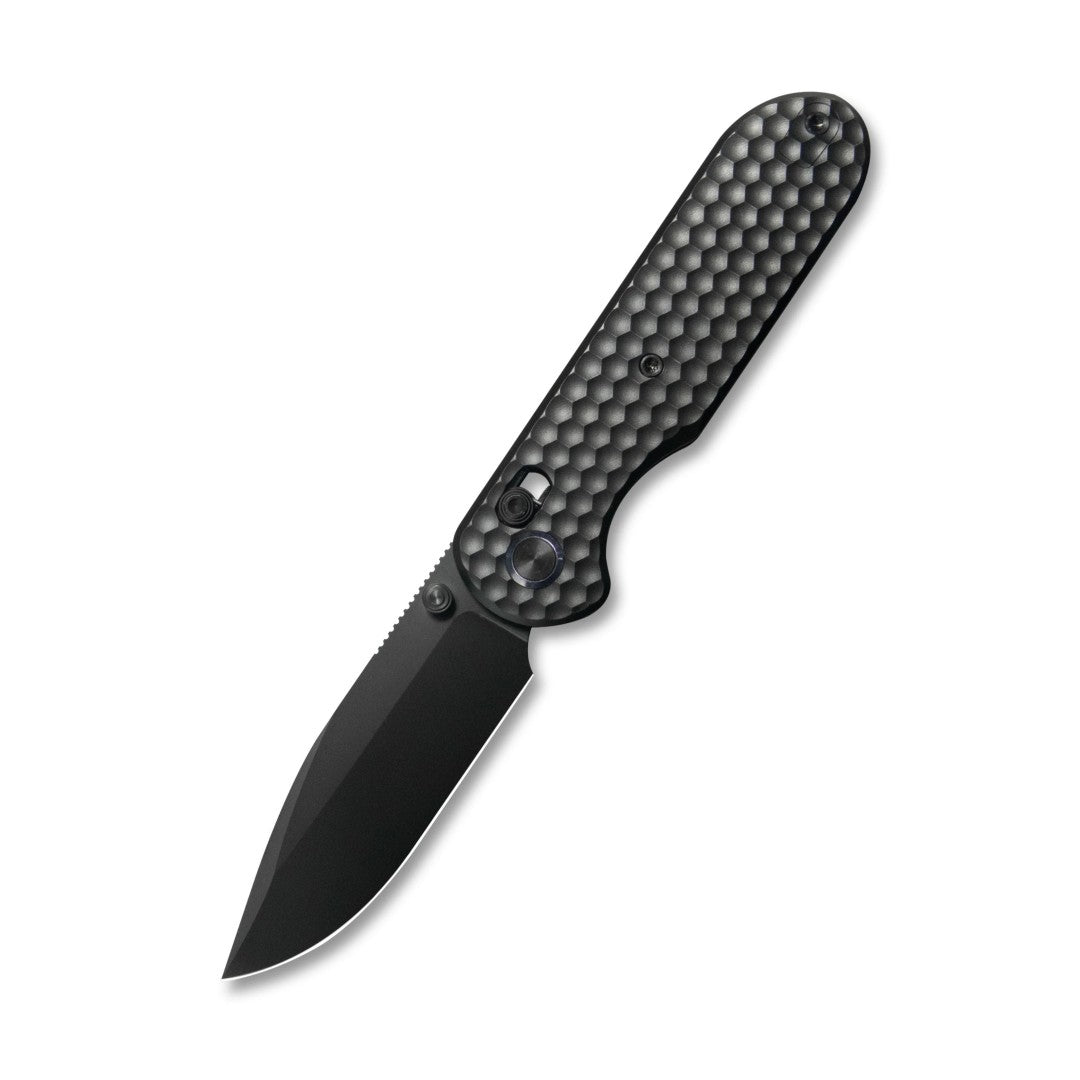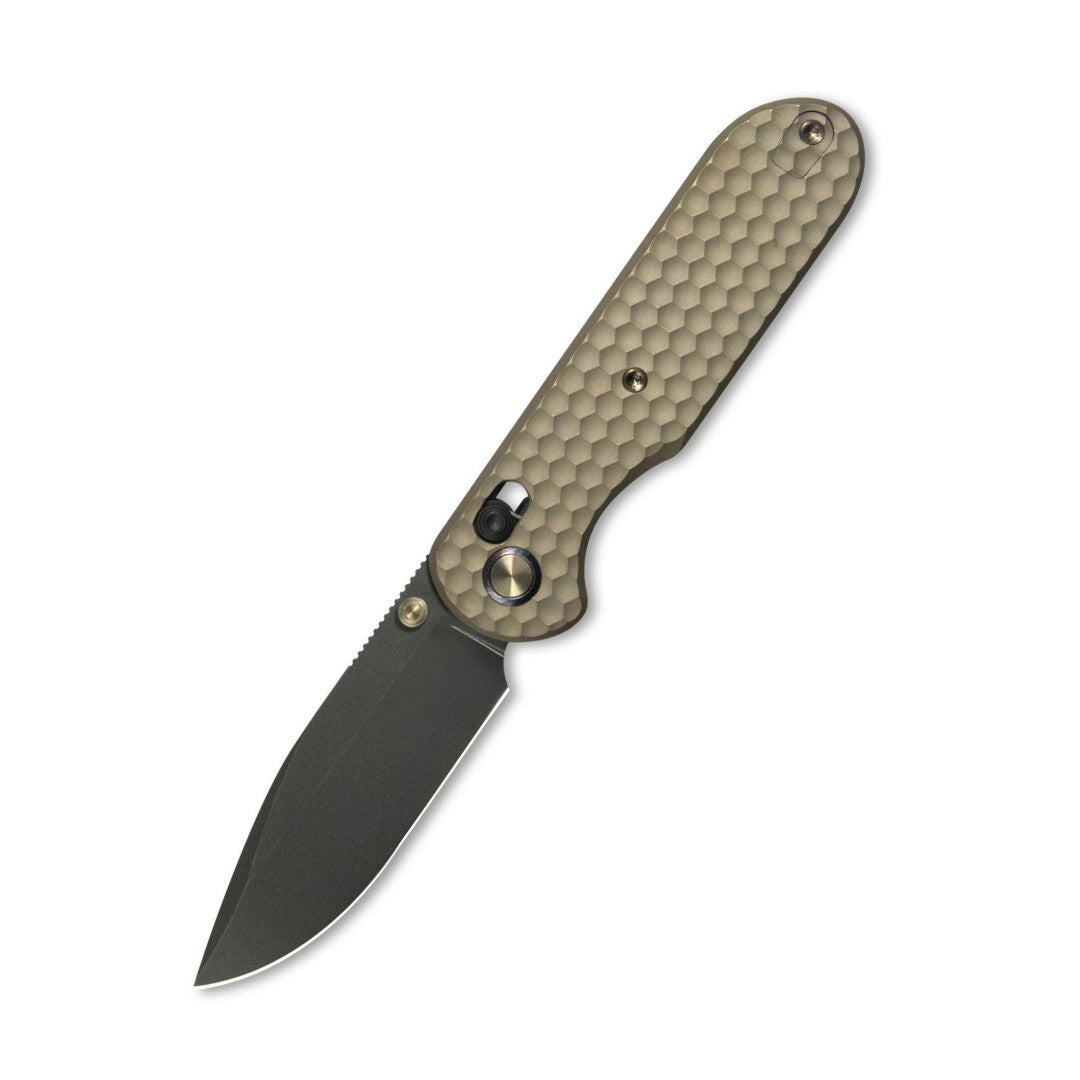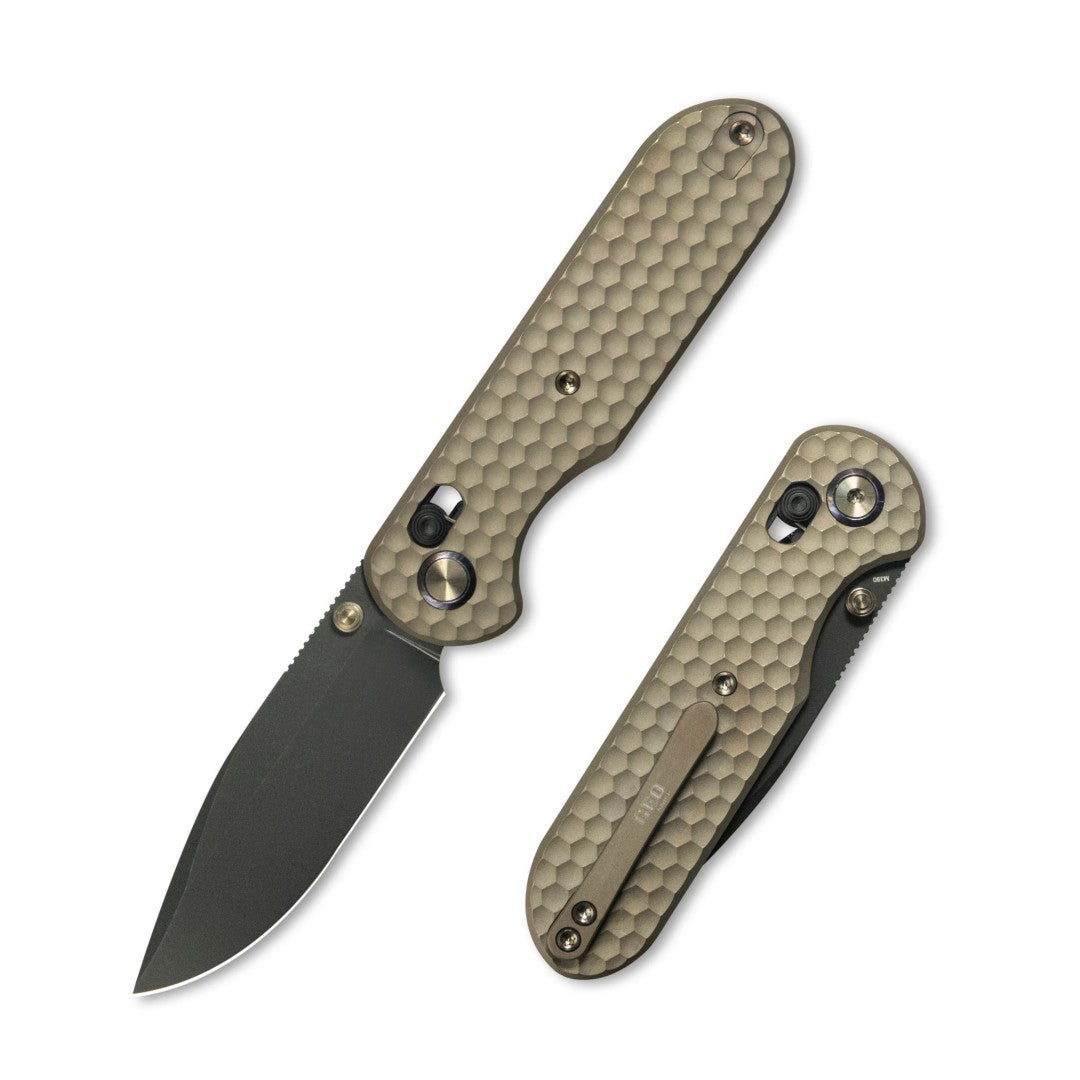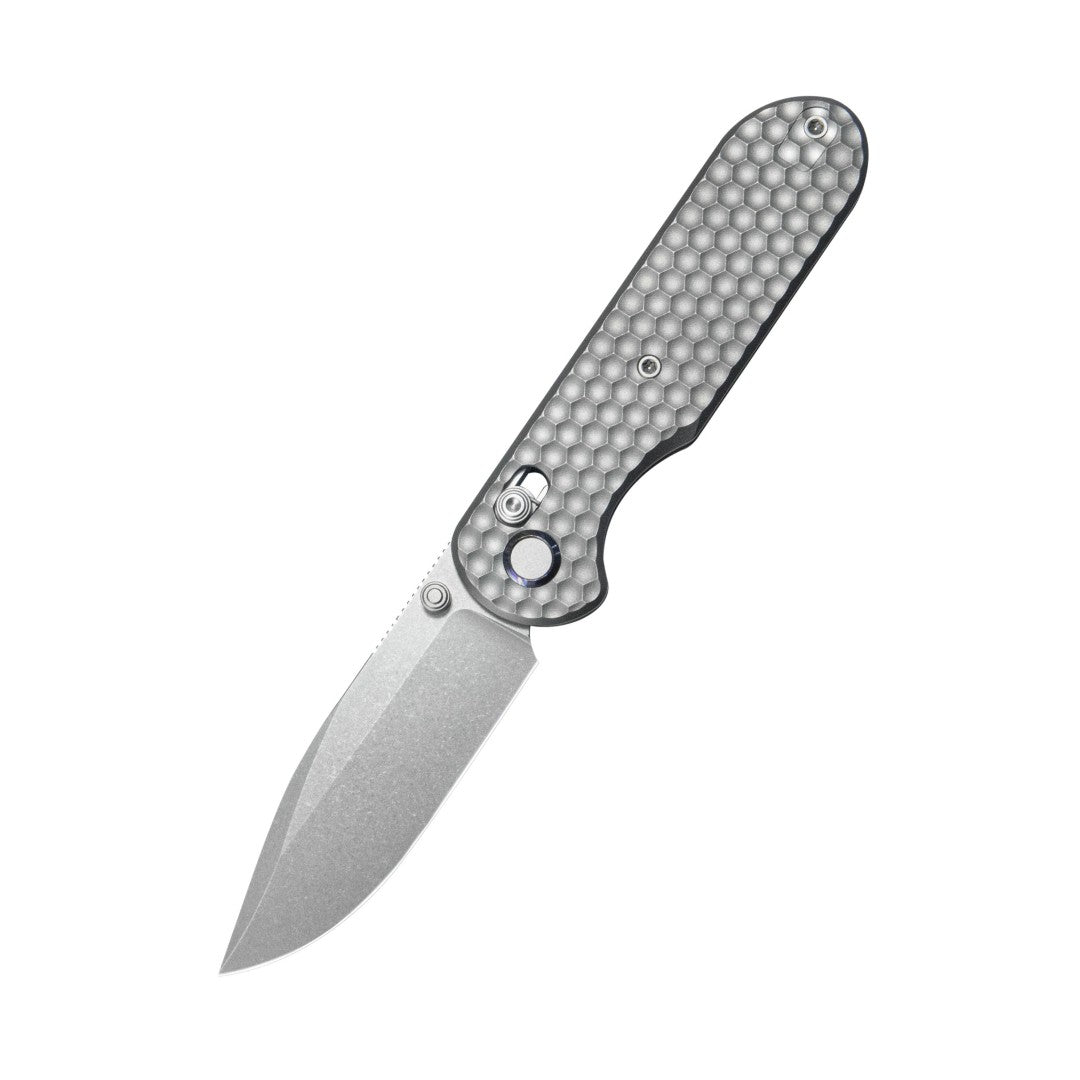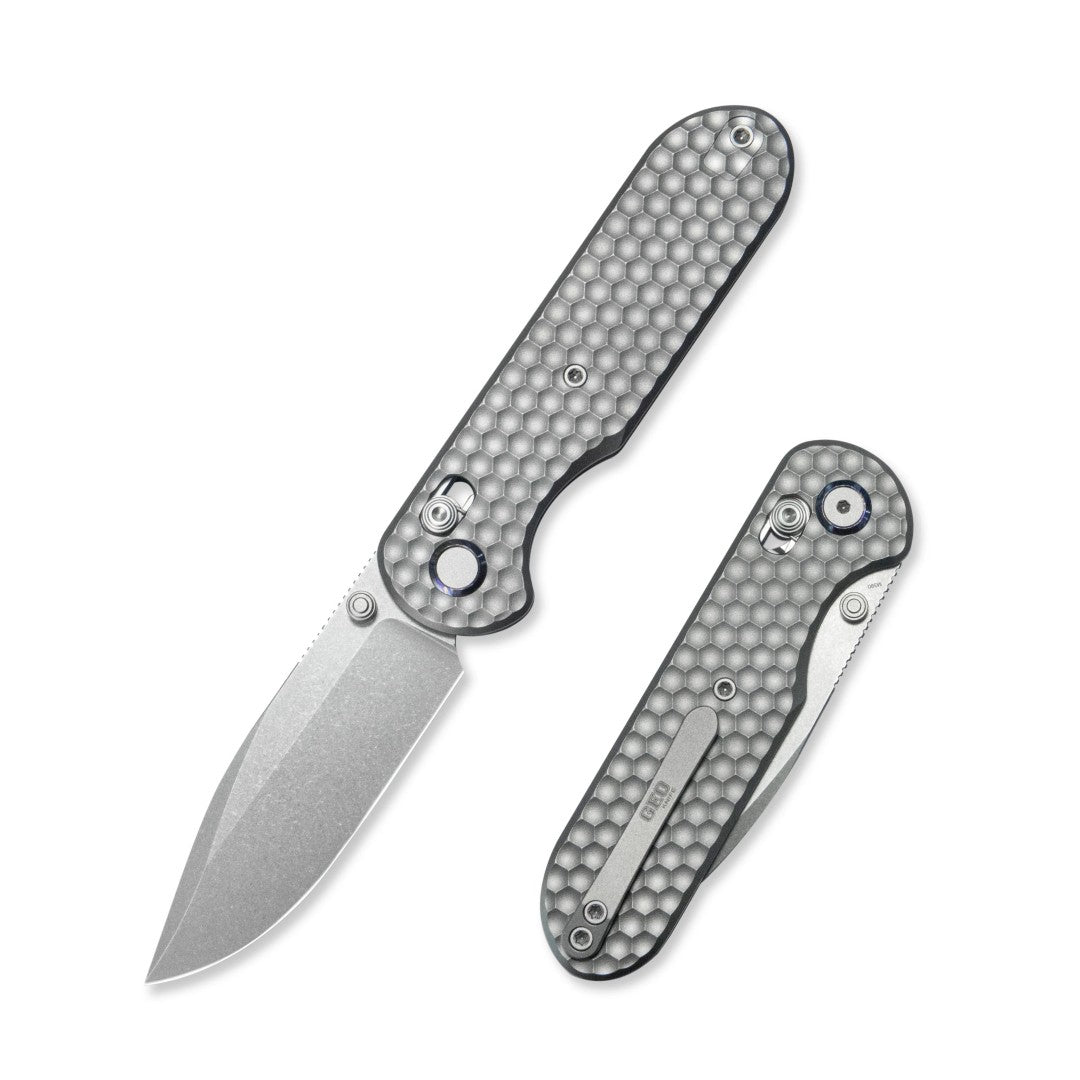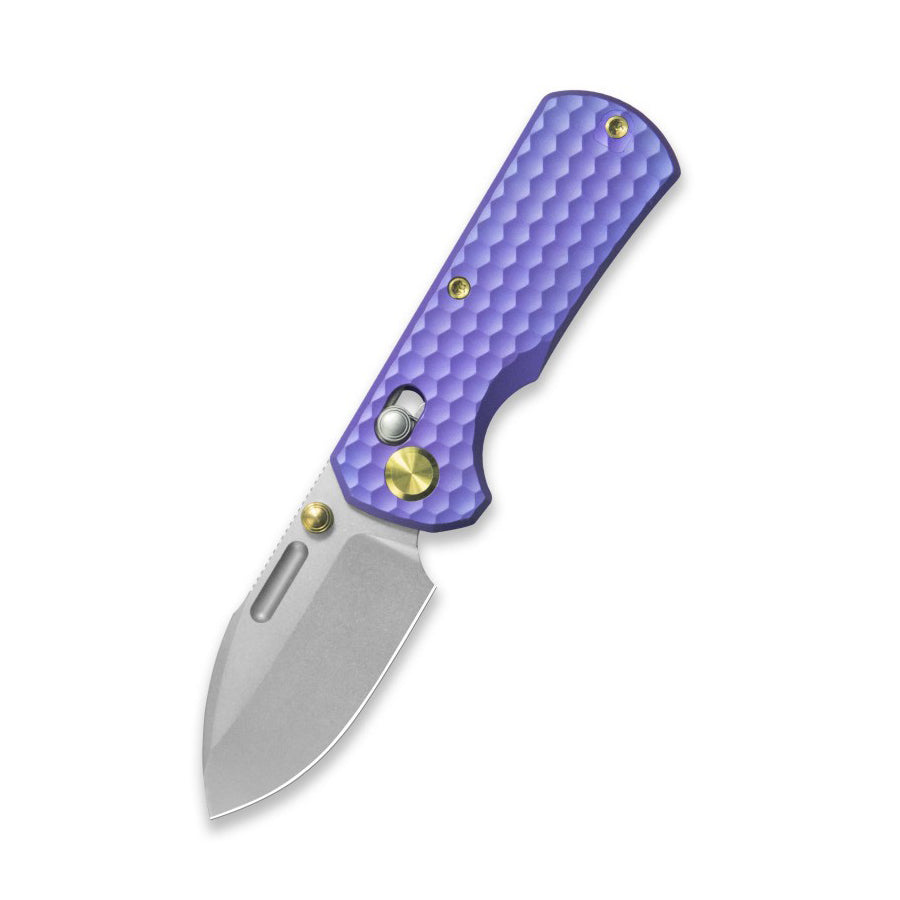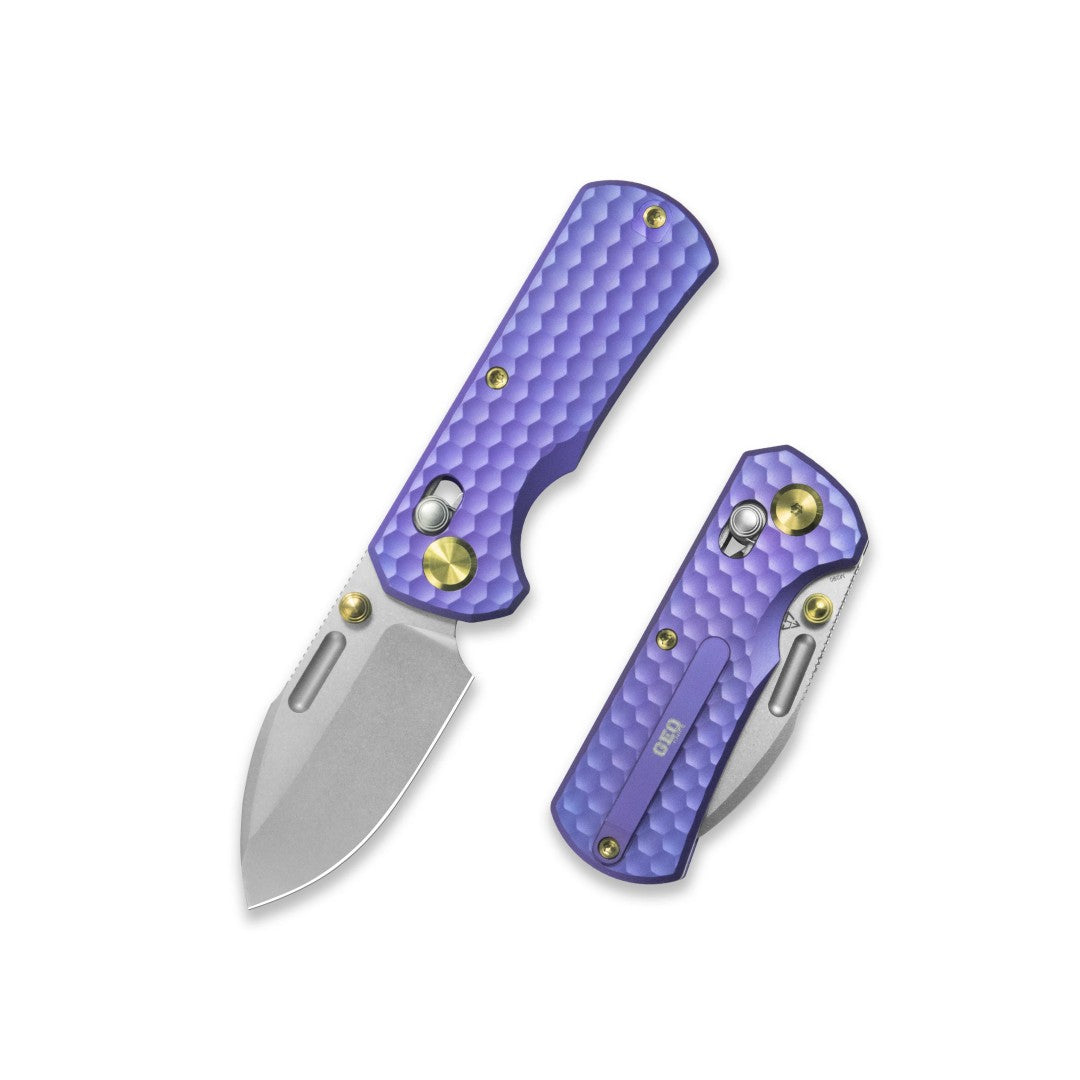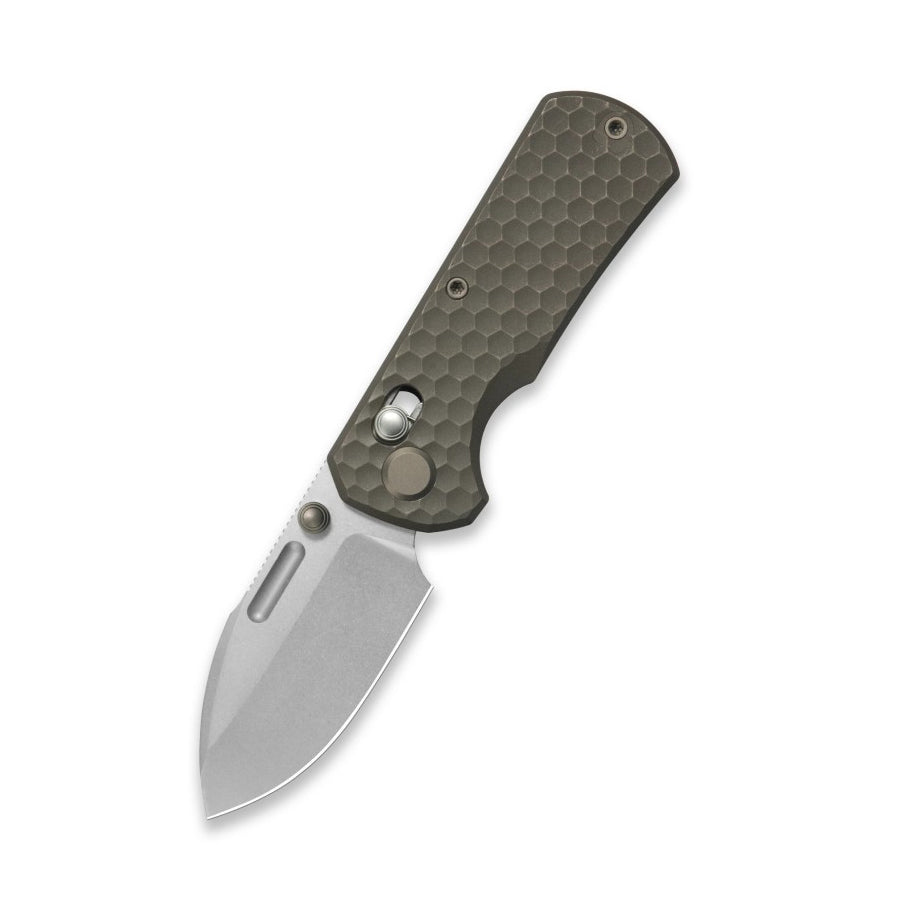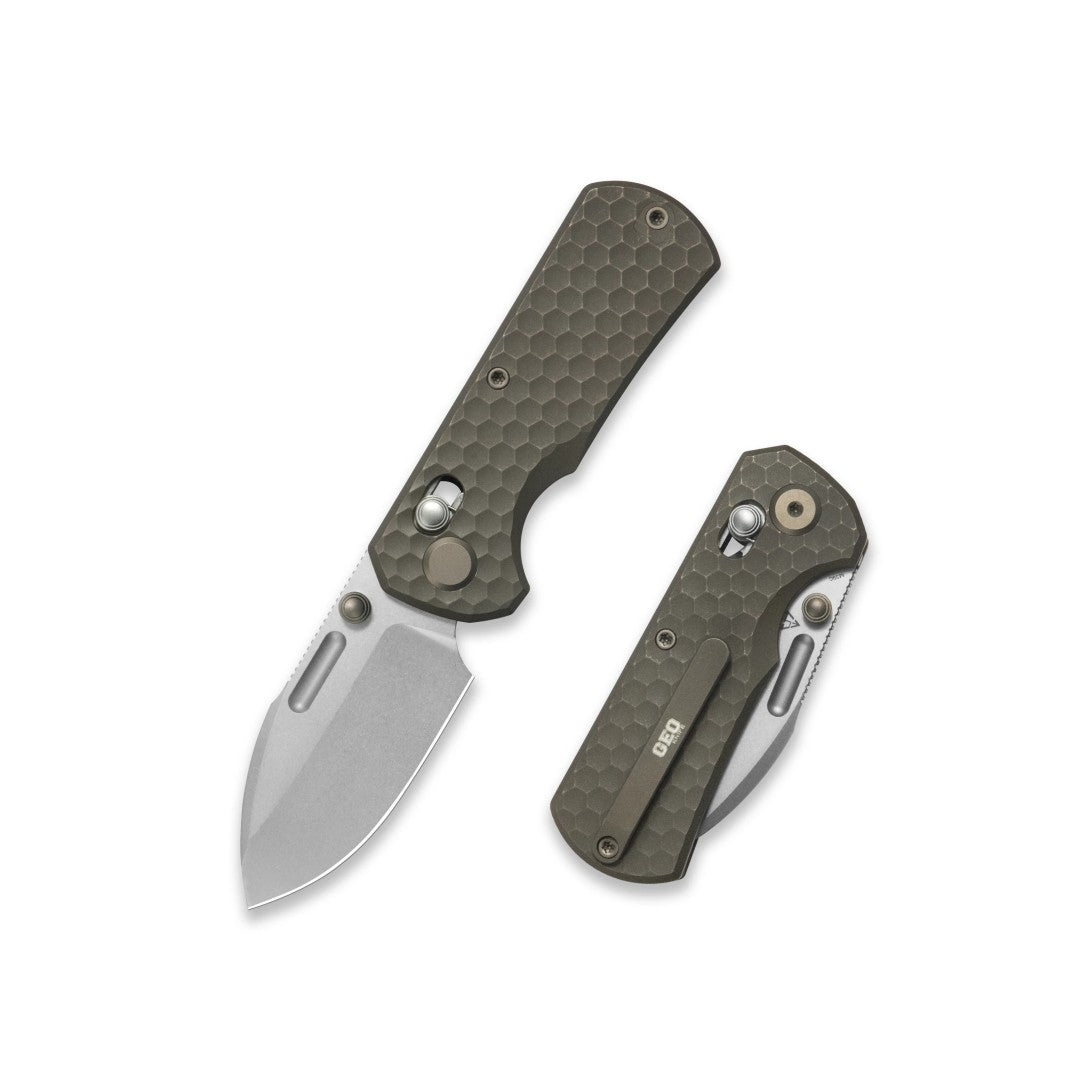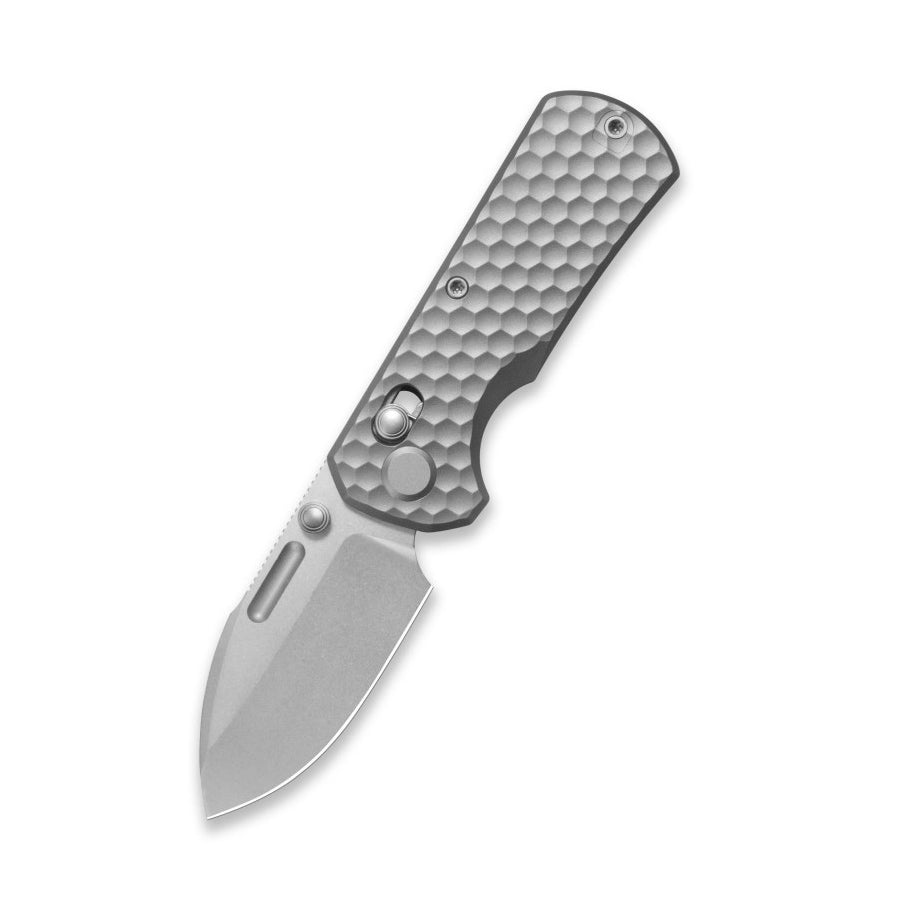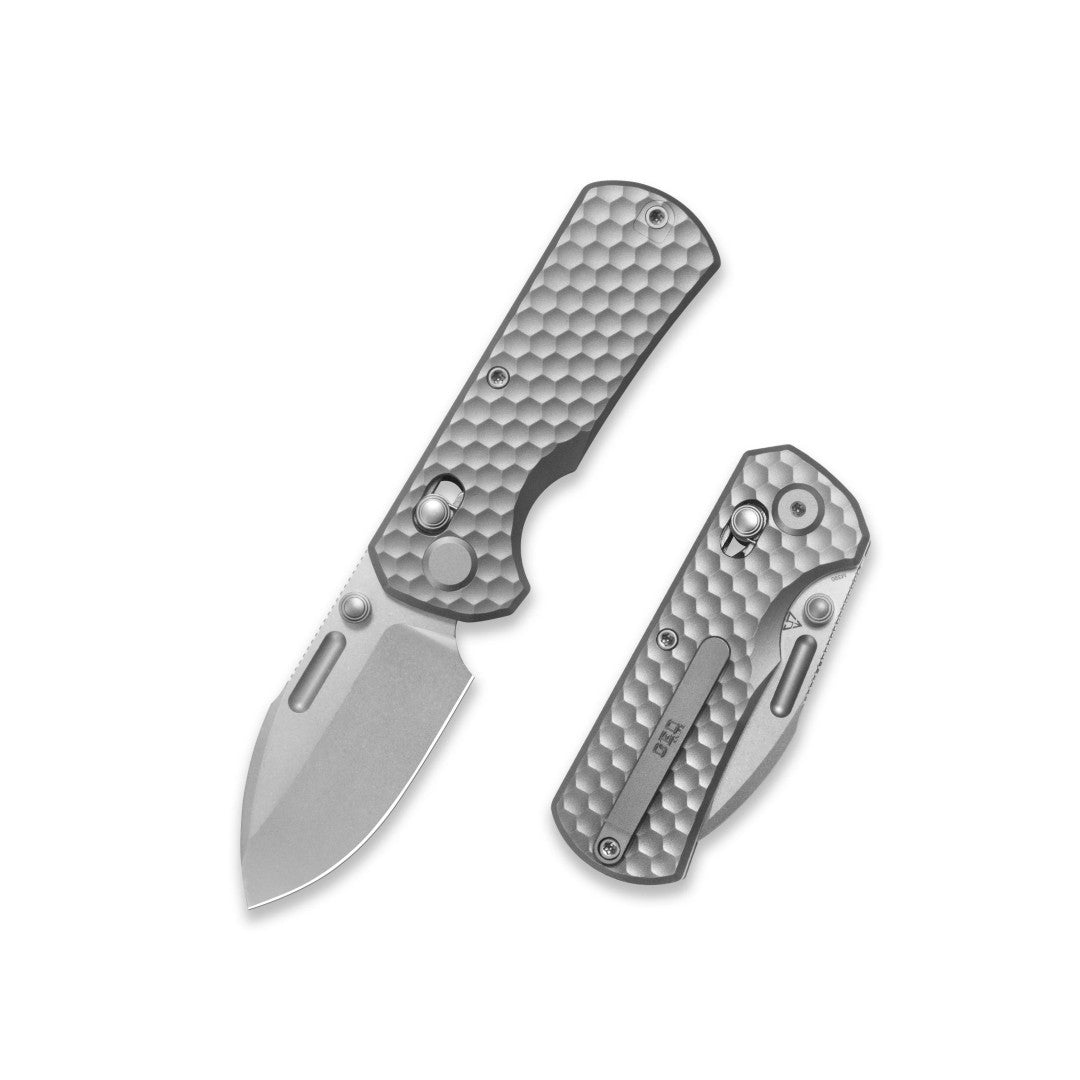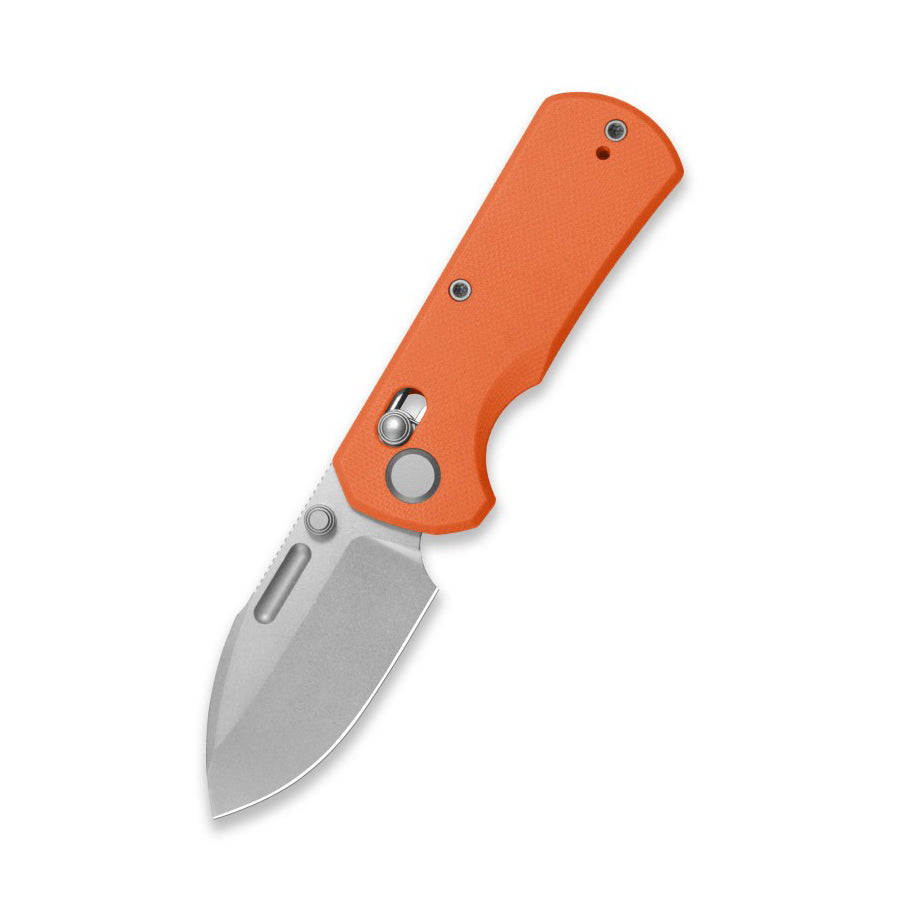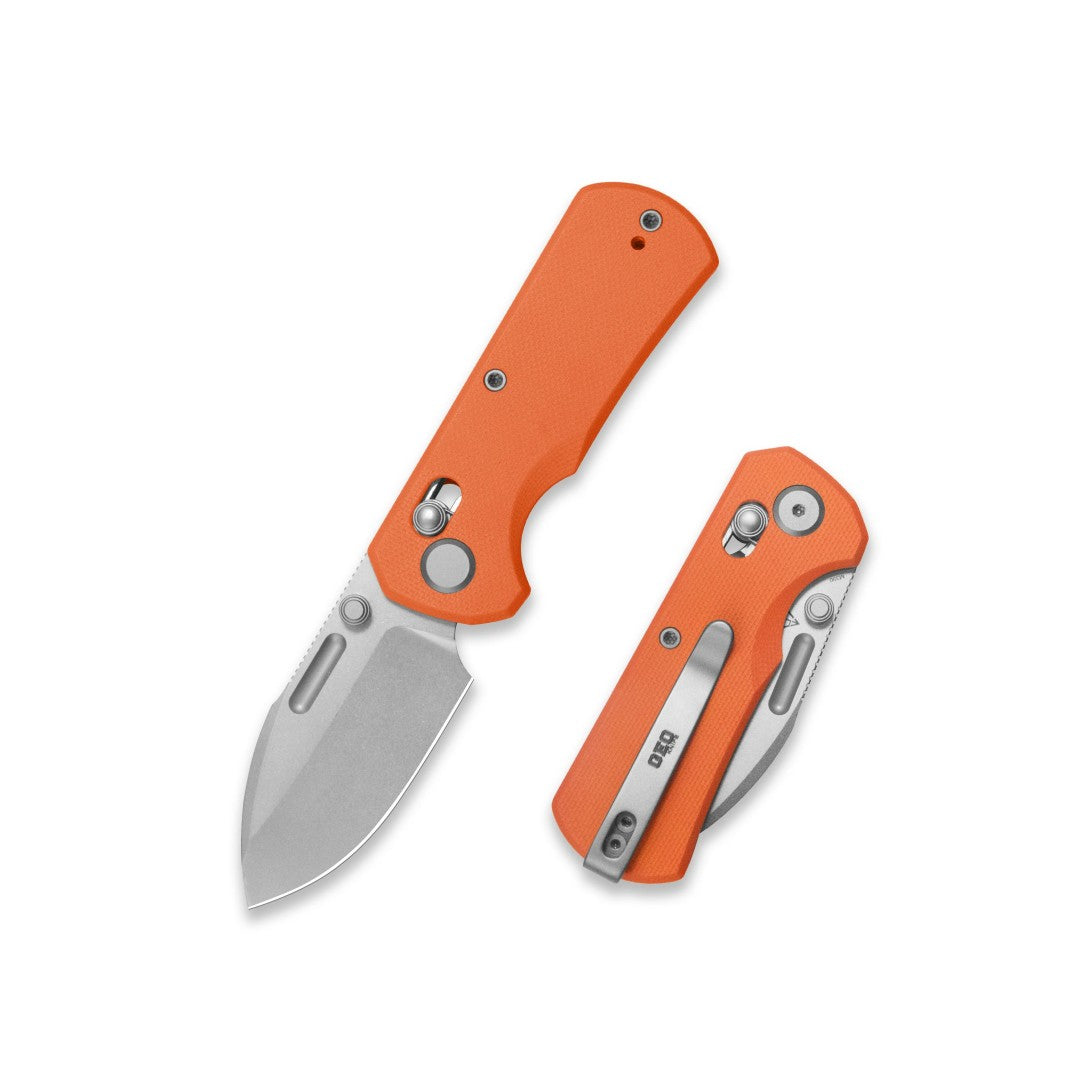
In the world of premium knife steels, few names command as much respect as Carpenter Technology’s CTS-204P. Often mentioned in the same breath as Bohler M390 and CPM-20CV, this advanced powder metallurgy stainless steel has earned a reputation as one of the most balanced high-performance blade steels available today. Whether you are a knife collector seeking the ultimate in edge retention, an everyday carry (EDC) enthusiast who demands reliability in all conditions, or a professional who puts blades through rigorous daily use, understanding what makes CTS-204P special is essential. This comprehensive guide will explore everything you need to know about this exceptional steel.
What Is CTS-204P Steel?
CTS-204P is a highly wear- and corrosion-resistant, air-hardening martensitic cold-work stainless die steel produced by Carpenter Technology Corporation using their proprietary Micro-Melt powder metallurgy (P/M) process. The steel is a fine-grain alloy that contains elements such as carbon, chromium, and vanadium, making it ideal for the manufacturing of custom knives, industrial knives, and high-end production knives.
CTS-204P is Carpenter’s direct equivalent of Bohler-Uddeholm M390 and Latrobe Duratech 20CV—three steels that are widely considered to be essentially identical in composition and performance. Many knife enthusiasts and manufacturers treat them as interchangeable, with real-world testing confirming that they perform indistinguishably in cutting tasks.
The Micro-Melt Powder Metallurgy Process
To fully appreciate CTS-204P, one must understand the advanced manufacturing process behind it. Carpenter’s Micro-Melt powder metallurgy process is a significant technological advancement over conventional steelmaking. In traditional steel production, large alloying elements can segregate unevenly during solidification, leading to inconsistent carbide distribution and reduced performance. The Micro-Melt process involves atomizing molten steel into fine particles that are then consolidated under high pressure and temperature, creating a segregation-free and homogeneously fine carbide and grain size distribution.
When coupled with molten metal filtration, this process results in improved cleanliness and toughness compared to conventionally cast and wrought processed material. CTS-204P’s uniform microstructure, fine carbide distribution, cleanliness, and high chromium content are responsible for the material’s excellent combination of wear resistance, toughness, polishability, and corrosion resistance. In severe applications requiring toughness and good wear and corrosion resistance, CTS-204P can reduce tooling requirements by as much as 75% compared to conventional tooling.
Chemical Composition
The exceptional performance of CTS-204P comes from its carefully balanced chemical composition. According to Carpenter Technology’s specifications, the steel contains the following elements:
| Element | Nominal Percentage |
|---|---|
| Carbon (C) | 1.9% |
| Chromium (Cr) | 20% |
| Vanadium (V) | 4% |
| Molybdenum (Mo) | 1% |
| Tungsten (W) | 0.65% |
| Silicon (Si) | 0.6% |
| Manganese (Mn) | 0.35% |
| Iron (Fe) | Balance |
Each of these elements plays a critical role in the steel’s performance. Carbon contributes to hardness and wear resistance. The high 20% chromium content provides outstanding corrosion resistance, while also boosting tensile strength and edge retention. Vanadium forms extremely hard vanadium-rich carbides that provide the steel’s exceptional wear resistance. Molybdenum enhances strength and machinability, while tungsten further improves hardness and wear resistance.
One subtle difference worth noting is that CTS-204P contains slightly more tungsten (0.65%) than M390 or 20CV (which contain 0.60%). While this difference is minimal in practice, it reflects Carpenter’s unique formulation.
Key Performance Characteristics
Wear Resistance
CTS-204P features very high wear resistance, provided by a significant volume fraction of hard vanadium-rich carbides that are uniformly distributed throughout the microstructure. This uniform distribution ensures that the steel resists abrasive wear exceptionally well, maintaining its cutting performance over prolonged periods of heavy use. Users report that CTS-204P stays sharp through extensive cutting tasks, making it a top choice for demanding applications.
Corrosion Resistance
With a chromium content of approximately 20%—well above the 14% threshold required for stainless steel classification—CTS-204P delivers outstanding corrosion resistance. The chromium-rich matrix ensures that the steel can be used in humid environments or around moisture without concerns about rust or corrosion. While it may not quite match the extreme corrosion resistance of nitrogen-based steels like LC200N, it is more than adequate for virtually all EDC, hunting, and outdoor applications.
Hardness (HRC)
CTS-204P typically achieves a working hardness of up to 62 HRC, with most production knives falling in the 60–62 HRC range. Some sources report that with optimal heat treatment, the hardness can reach 62–64 HRC. This high hardness level contributes directly to the steel’s excellent wear resistance and edge retention capabilities. The hardness is achieved through the presence of elements like carbon, manganese, and vanadium.
Edge Retention
CTS-204P offers excellent edge retention, holding its sharpness significantly longer than many established premium steels like S30V. In controlled testing, CTS-204P has been shown to outperform S30V in edge retention, though experienced users may find the difference difficult to detect in everyday use. The steel is considered to be roughly on par with S90V and S110V in edge retention, though these ultra-high vanadium steels may hold a slight edge in extreme wear resistance. For most users, CTS-204P provides more than enough edge retention for demanding daily tasks.
Toughness
Despite its high hardness, CTS-204P offers good toughness due to the fine, uniform microstructure achieved through the Micro-Melt powder metallurgy process. The steel can withstand heavy impact and is resistant to cracking under normal cutting conditions. However, some users have noted that CTS-204P is slightly more chip-prone in light impact compared to tougher steels like S30V. For this reason, it is best suited for folding knives and small fixed blades rather than large choppers or blades that will be subjected to heavy lateral stress.
Sharpening and Edge Maintenance
Sharpening CTS-204P requires patience and the right equipment. Due to its high hardness and wear resistance, the steel is not easy to sharpen, and beginners may face difficulties. Diamond stones are strongly recommended for sharpening and maintaining CTS-204P blades. One user reported spending two hours re-profiling a CTS-204P blade to a perfect 20-degree-per-side edge using diamond stones.
However, there is good news for those willing to invest the effort. Users report that aside from its very good edge-holding ability, maintaining the edge is surprisingly easy. Notably, there is no stubborn burr forming during sharpening, which means there is no risk of forming a wire edge either. This makes the sharpening process more predictable and manageable once you have the right abrasives.
Optimal Edge Geometry
CTS-204P performs best with an edge angle of approximately 15° per side (30° inclusive). Thinner edges may not be able to support all the carbides present in the steel, leading to reduced edge performance. The steel works excellently with both coarse, toothy edges and high-polished finishes.
How CTS-204P Compares to Other Premium Steels
CTS-204P vs. M390 and CPM-20CV
These three steels are widely regarded as equivalent. Many knife enthusiasts and manufacturers treat them as interchangeable, with real-world testing confirming that they perform indistinguishably in cutting tasks. The slight compositional differences—CTS-204P has marginally more tungsten while M390 has marginally more manganese—are negligible in practical use. All three feature very high wear and corrosion resistance and are popular choices for high-end folders and small fixed blades.
CTS-204P vs. S30V
CTS-204P represents a significant step up from S30V in terms of edge retention and corrosion resistance. In controlled rope-cutting tests, CTS-204P consistently outperforms S30V, though the difference may be difficult to detect without careful measurement. CTS-204P also offers better corrosion resistance and will hold a low-grit, toothy edge longer than S30V. However, S30V is slightly tougher, easier to sharpen, and less fussy about taking an extreme edge.
CTS-204P vs. S90V and S110V
CTS-204P is generally considered to be a step below S90V and S110V in terms of ultimate edge retention. The high vanadium content of S90V and S110V (9% and 11%, respectively) provides even greater wear resistance. However, CTS-204P offers better corrosion resistance than S90V and is easier to sharpen than both. For most users, the balance of properties in CTS-204P makes it a more practical choice than the extreme-performance S90V and S110V.
Popular Knives Featuring CTS-204P
CTS-204P is used by well-known brands like Benchmade, Microtech, and Spyderco for the manufacturing of high-end knives. Notable examples include:
-
Spyderco Para 3 Forest Green G-10 (Knifeworks Exclusive) : This elite knife features a precision-machined CTS-204P blade, offering an exceptional balance of wear resistance, toughness, and corrosion resistance in one of Spyderco’s most popular designs.
-
Zero Tolerance Hinderer 0562CF : This flipper knife features a 3.5-inch CTS-204P blade with a satin/stonewash finish, carbon fiber and titanium handles, and is widely praised for its impeccable build quality and confidence-inspiring performance.
-
Zero Tolerance 0620CF : CTS-204P powdered steel was chosen for this knife because of its ability to take a very sharp edge, wear resistance for superior edge retention, toughness, and polishability.
-
Reate Epoch : This folding knife features a CTS-204P stainless blade with a stonewash finish and titanium handles, showcasing the steel’s capabilities in a high-end custom production knife.
CTS-204P has also appeared in various Sprint Run and exclusive models from major manufacturers, cementing its status as a premier blade steel.
Best Applications for CTS-204P
Given its exceptional balance of wear resistance, corrosion resistance, edge retention, and good toughness, CTS-204P is ideally suited for:
-
High-end folding knives and EDC blades : The steel’s ability to hold an edge for extended periods while resisting corrosion makes it perfect for everyday carry knives.
-
Hunting and outdoor knives : Field dressing and processing game require a blade that stays sharp through multiple uses and withstands exposure to moisture.
-
Collector knives : Premium materials and exceptional performance make CTS-204P highly desirable among knife collectors.
-
Industrial and food-processing machinery : The steel’s wear and corrosion resistance make it suitable for demanding industrial applications.
-
Custom and limited-edition knives : The steel is a popular choice for high-end and limited-edition knives.
Heat Treatment
The heat treatment of CTS-204P significantly affects its final properties. When optimally heat-treated—for example, by reputable specialists like Paul Bos—the steel achieves excellent performance. Users report that BOS-heat-treated CTS-204P achieves hardness above 60 HRC and demonstrates remarkable toughness, with a 4.5mm-thick folding knife cutting through 1.2mm iron wire without rolling or chipping the edge. The recommended working hardness range is typically 60–62 HRC.
Pros and Cons Summary
Advantages
-
Excellent wear resistance—among the best in its class, provided by hard vanadium-rich carbides
-
Outstanding corrosion resistance—20% chromium content ensures reliable performance in moist environments
-
Excellent edge retention—holds a sharp edge significantly longer than S30V and other premium steels
-
Good toughness—for a steel with such high hardness and wear resistance
-
Fine-grained, uniform microstructure—results from the advanced Micro-Melt powder metallurgy process
-
No stubborn burr during sharpening—makes the sharpening process more predictable
-
Versatile edge performance—works well with both coarse and high-polished edges
Disadvantages
-
Difficult to sharpen—requires diamond stones and patience, especially for re-profiling
-
Higher cost—premium materials come with a premium price tag
-
Slightly chip-prone—some users report it is more chip-prone than S30V in light impact
-
Less tough than balanced steels—not recommended for heavy chopping or lateral stress applications
-
Optimal edge geometry is critical—edges thinner than 15° per side may not perform optimally
Final Thoughts
CTS-204P represents a remarkable achievement in premium blade steel design. As Carpenter’s American answer to the European M390, it delivers exceptional wear resistance, outstanding corrosion protection, excellent edge retention, and good toughness in a fine-grained, uniform package. While it requires patience and diamond stones to sharpen, the payoff is a blade that stays sharp through countless cutting tasks and resists corrosion in even demanding environments.
For knife enthusiasts who demand the very best performance and are willing to invest in proper sharpening equipment, CTS-204P is a steel that truly delivers. It has earned its place alongside M390 and CPM-20CV as one of the most respected and sought-after blade steels in the world. Whether you are adding to a collection or seeking a blade that will perform flawlessly in daily use, CTS-204P deserves serious consideration.