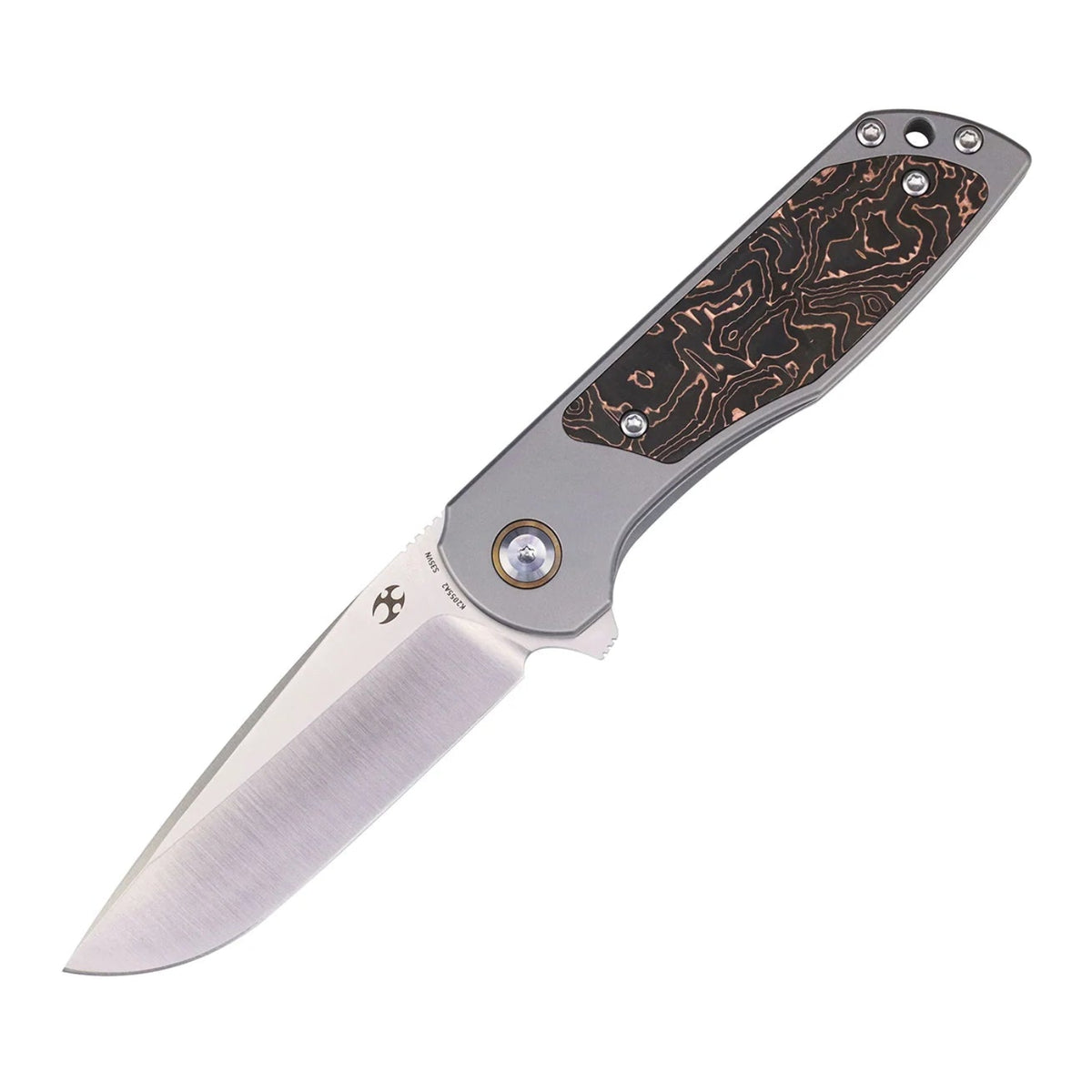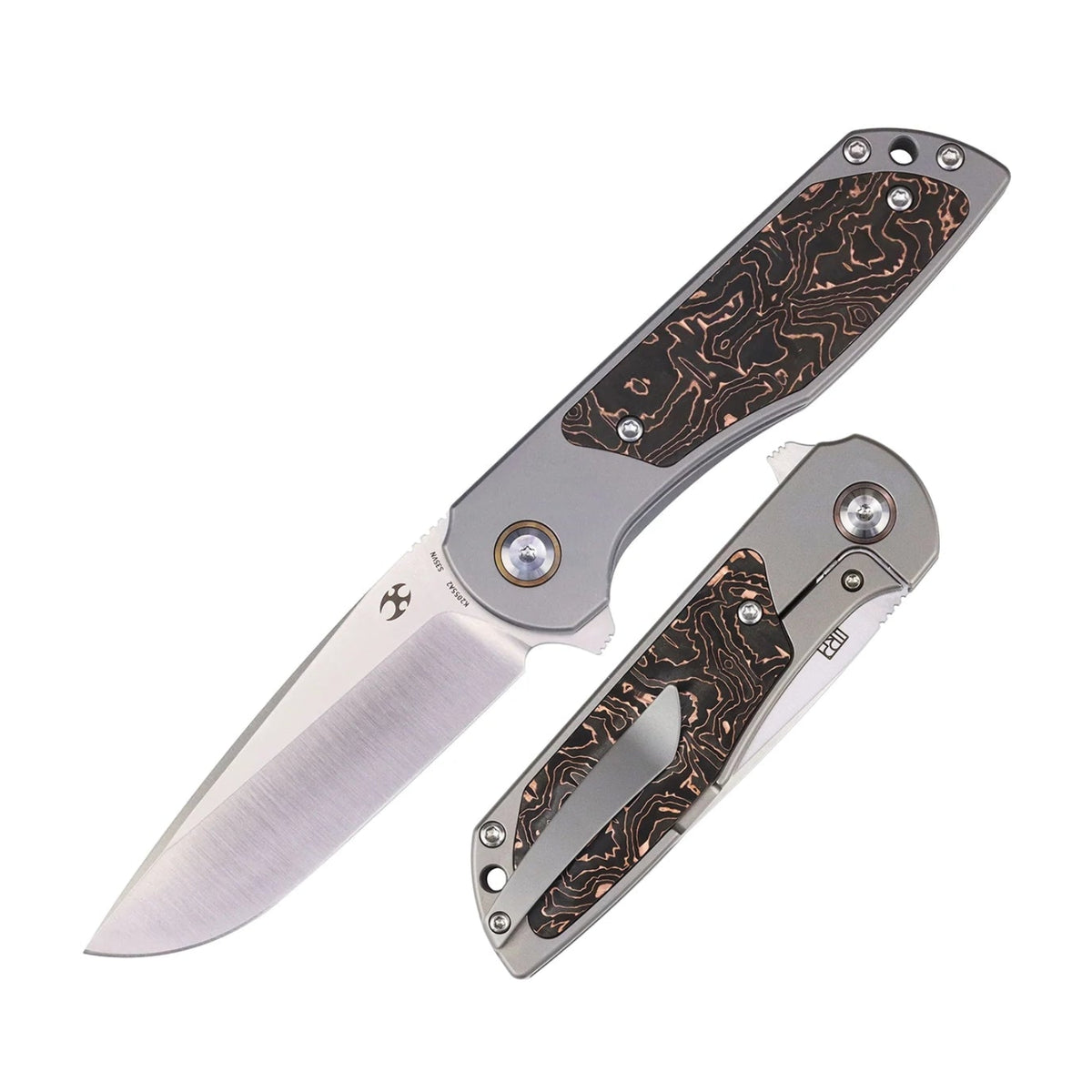
When comparing two premium knife steels, the choice between CTS BD1N and ZDP 189 depends on your specific needs and how you plan to use your blade. Both are excellent options favored by knife enthusiasts, but they excel in different areas.
CTS BD1N: The Balanced Performer
CTS BD1N is an American stainless steel known for its well-rounded performance. It offers a solid balance between edge retention, corrosion resistance, and ease of sharpening. This steel is relatively easy to maintain, making it ideal for users who want a reliable blade without demanding extensive care routines.
BD1N performs particularly well in everyday cutting tasks and is forgiving during use. It holds an edge reasonably well and resists rust effectively, making it suitable for various environments. If you prioritize practicality and don't want to spend excessive time on maintenance, BD1N is a dependable choice.
ZDP 189: The Edge Retention Champion
ZDP 189 is a Japanese stainless steel that prioritizes edge retention above all else. This steel is significantly harder and maintains its sharpness for extended periods, making it exceptional for precision cutting tasks. Knife users who demand superior edge longevity often gravitate toward ZDP 189.
However, this superior edge retention comes with trade-offs. ZDP 189 is more challenging to sharpen and requires more skill and proper equipment to maintain. It's also more brittle than BD1N, meaning it can chip if used improperly or on harder materials.
Which Should You Choose?
Select CTS BD1N if you want a versatile, user-friendly steel that's easy to maintain and suitable for general-purpose cutting. It's the better choice for those who value convenience and balanced performance.
Choose ZDP 189 if you're willing to invest time in proper maintenance and sharpening, and you need exceptional edge retention for precision work. This steel rewards experienced users who understand its characteristics and limitations.
Ultimately, both steels are high-quality options. Your decision should reflect your skill level, maintenance commitment, and primary use case.