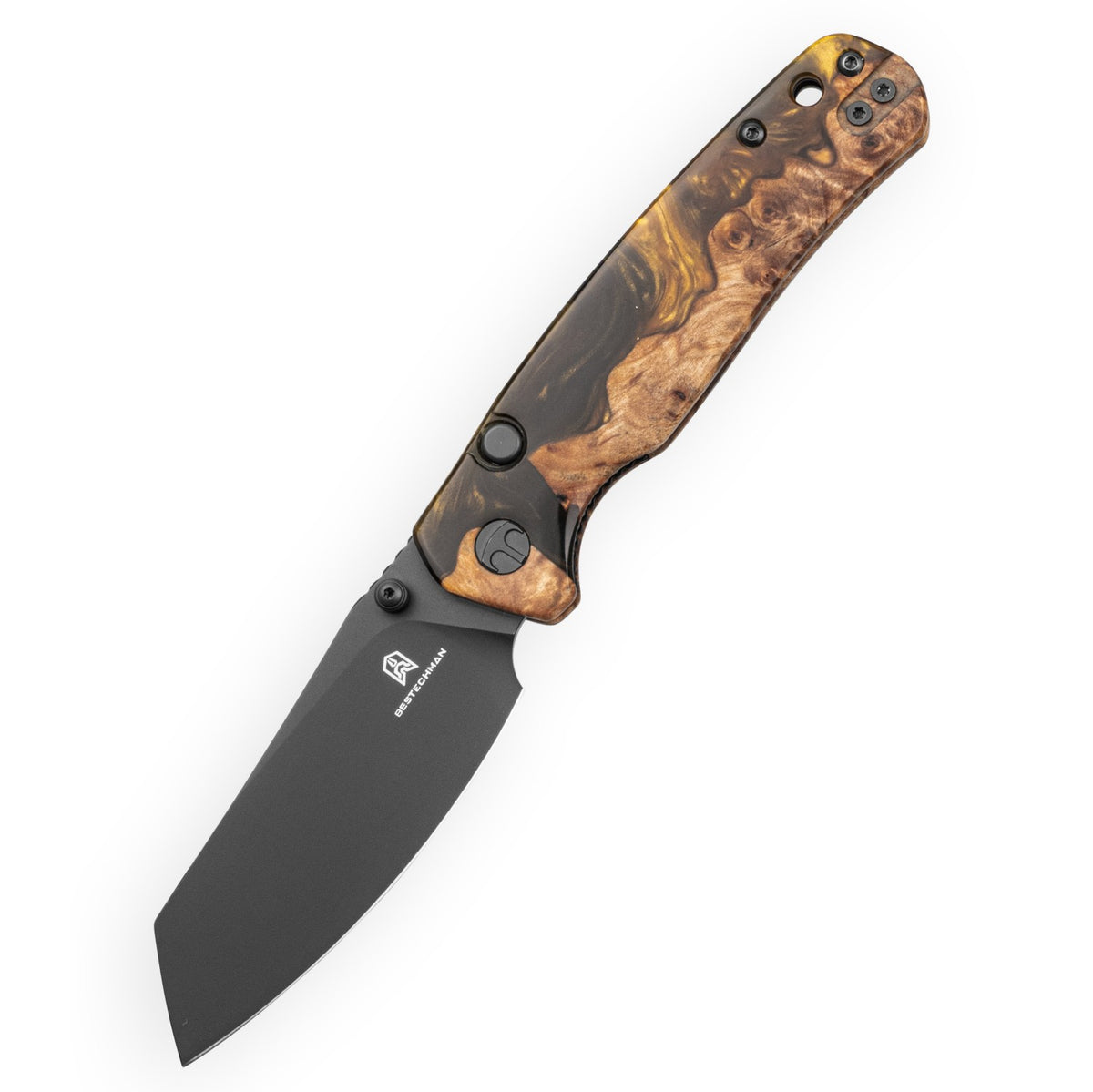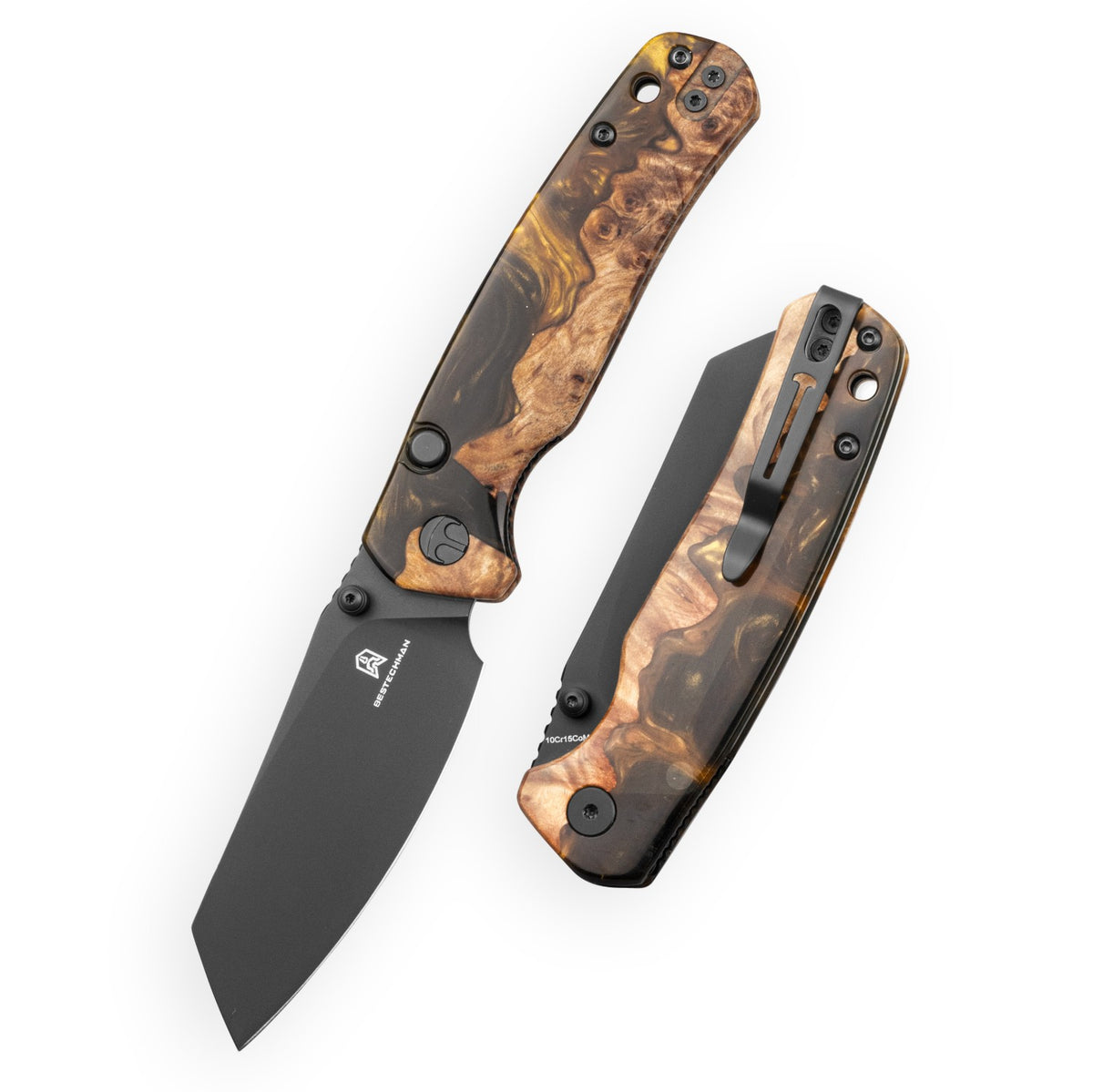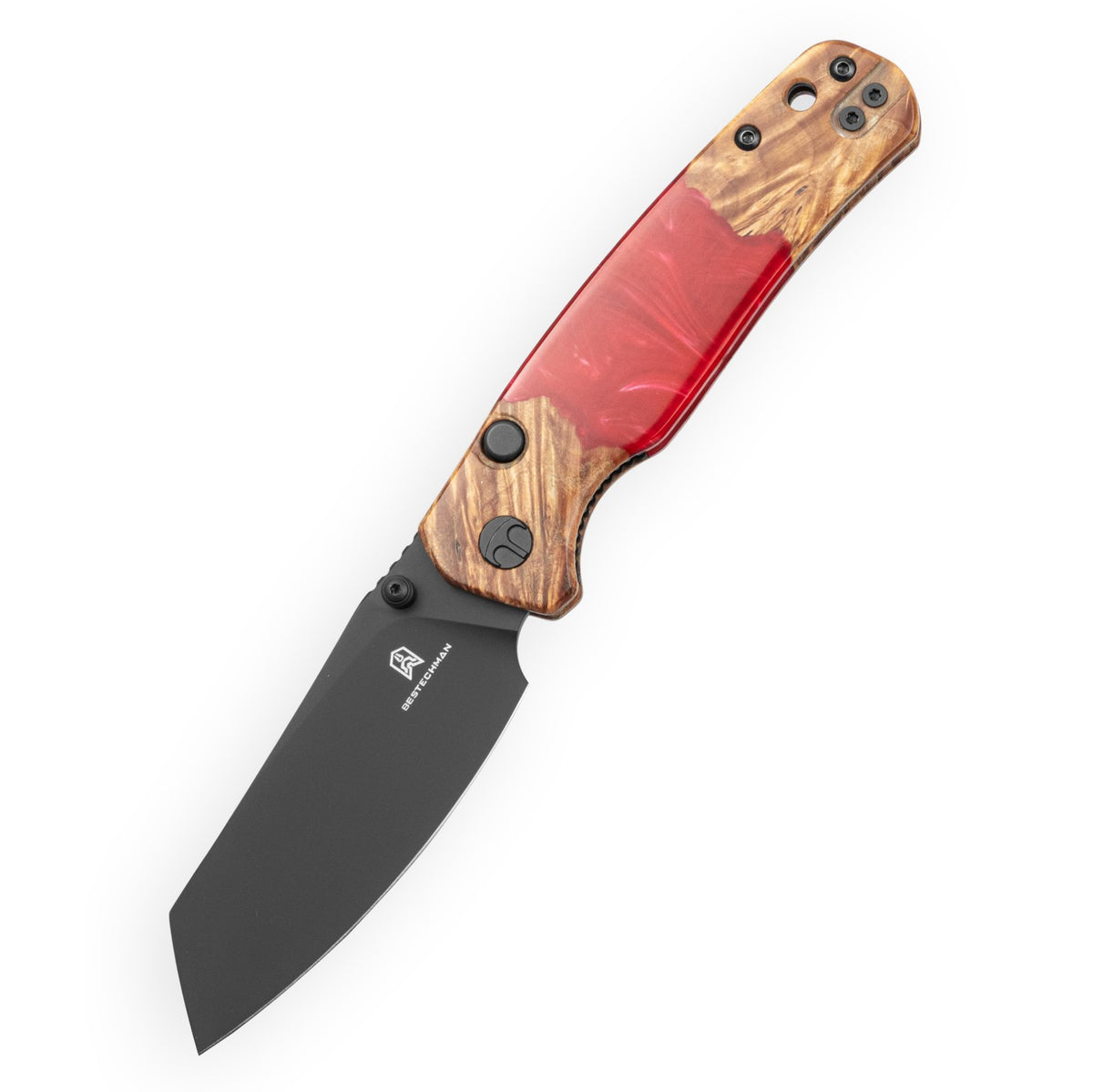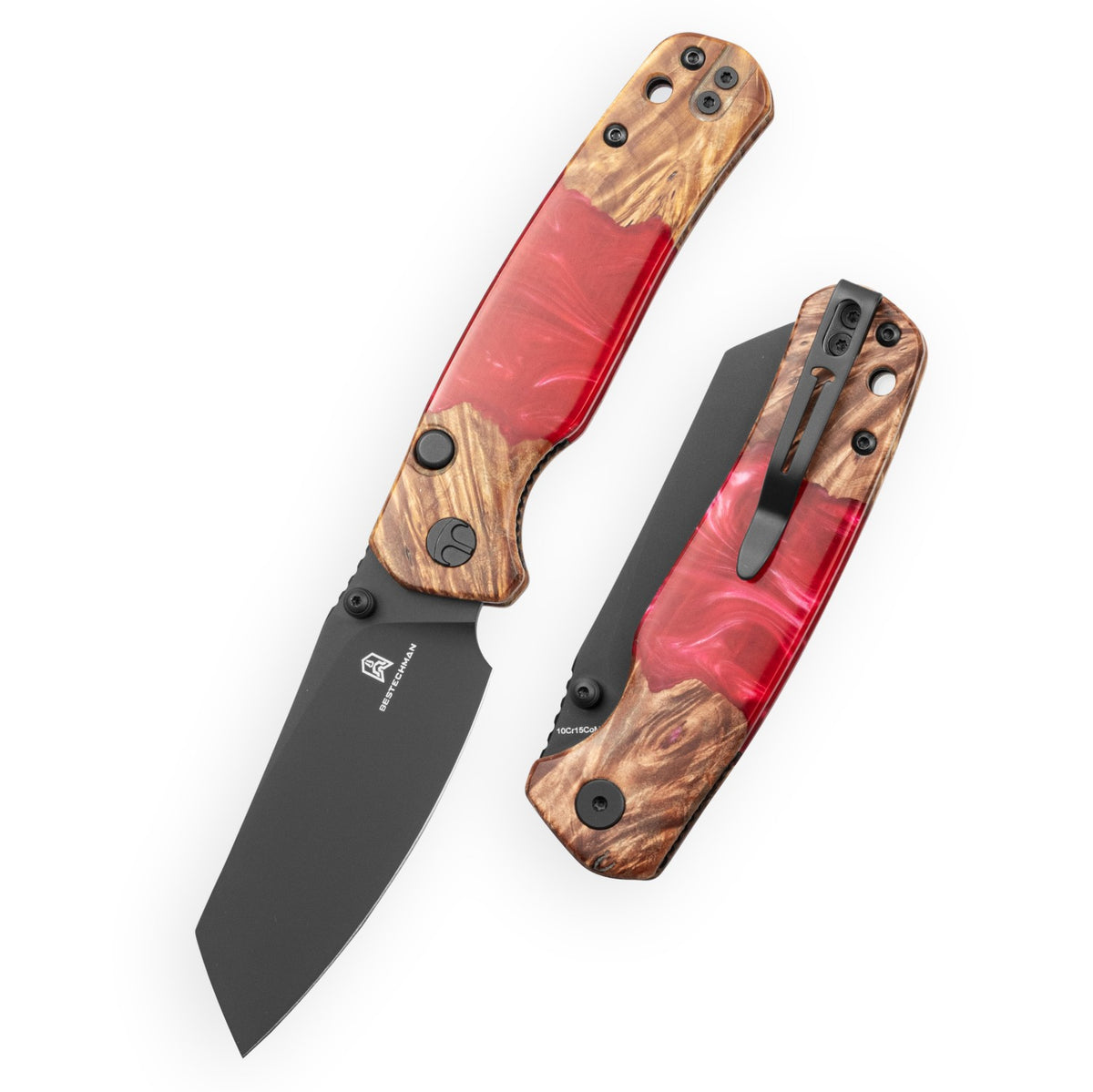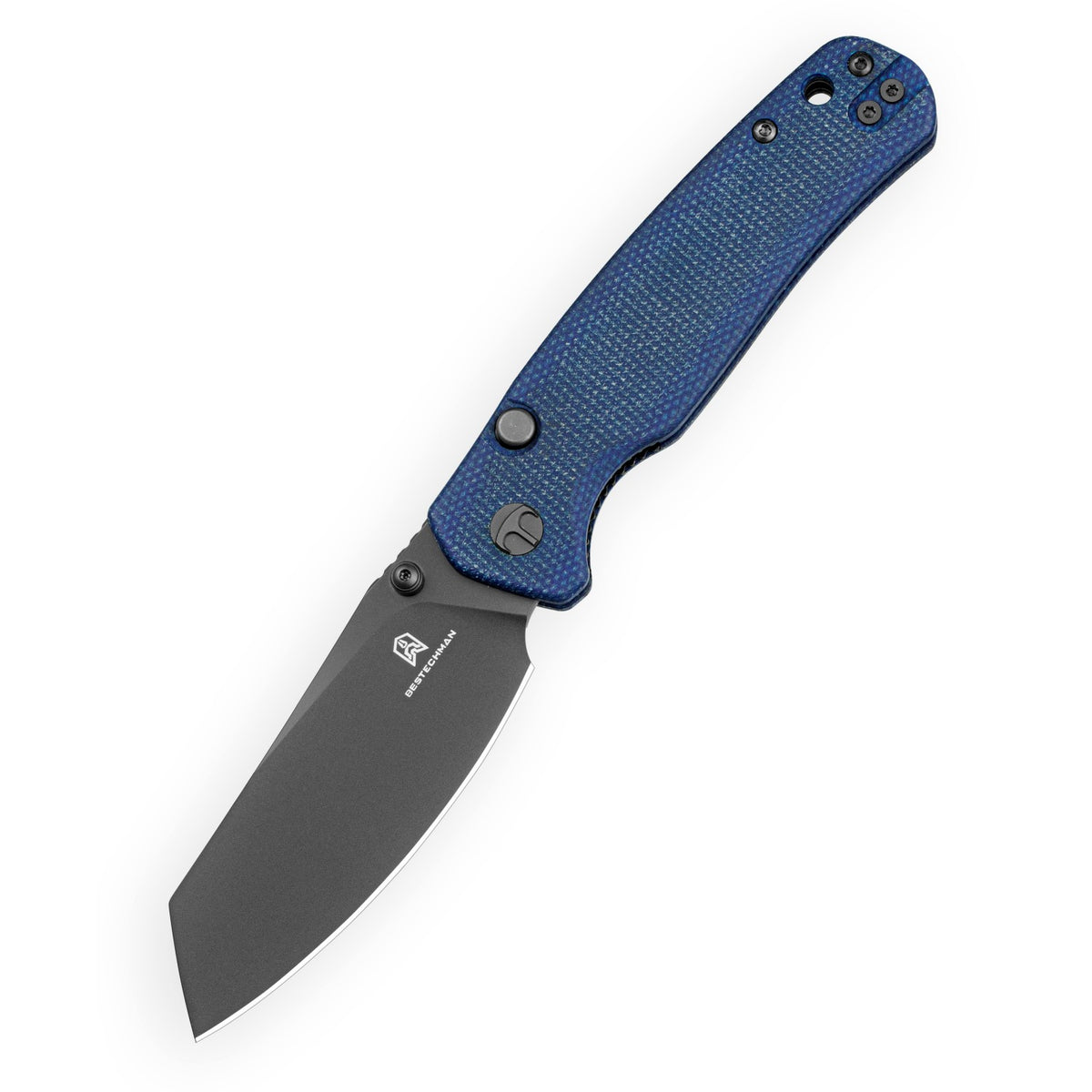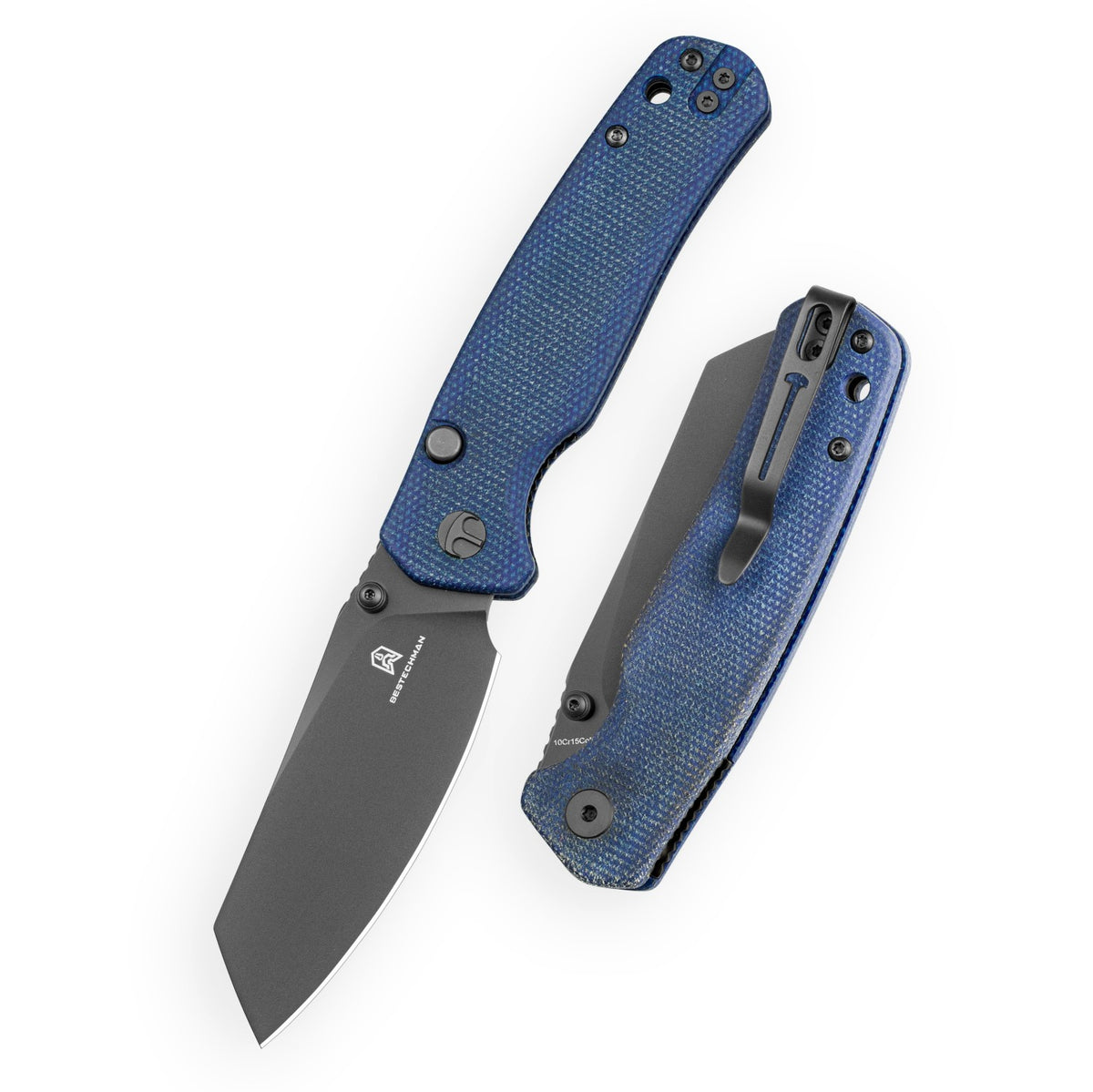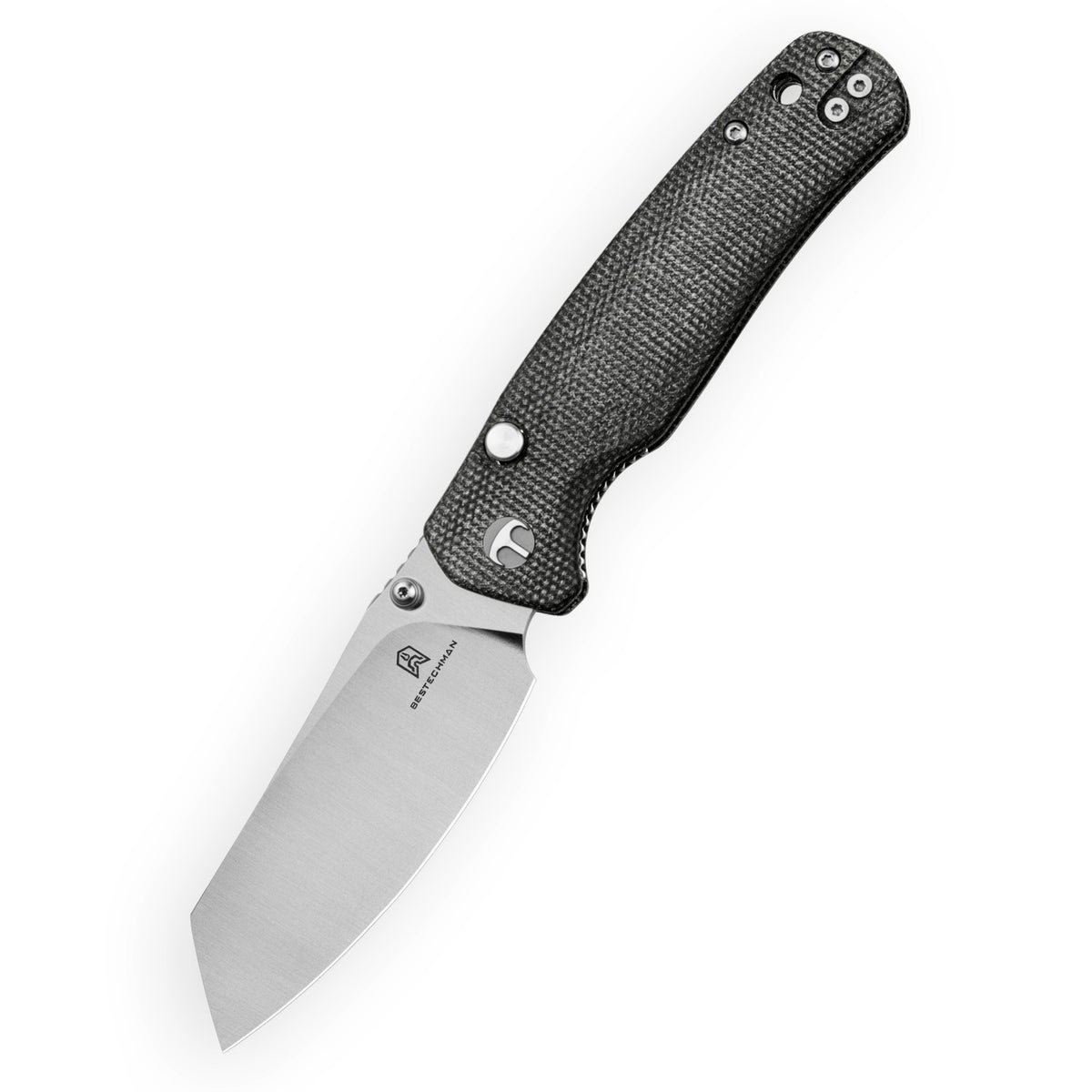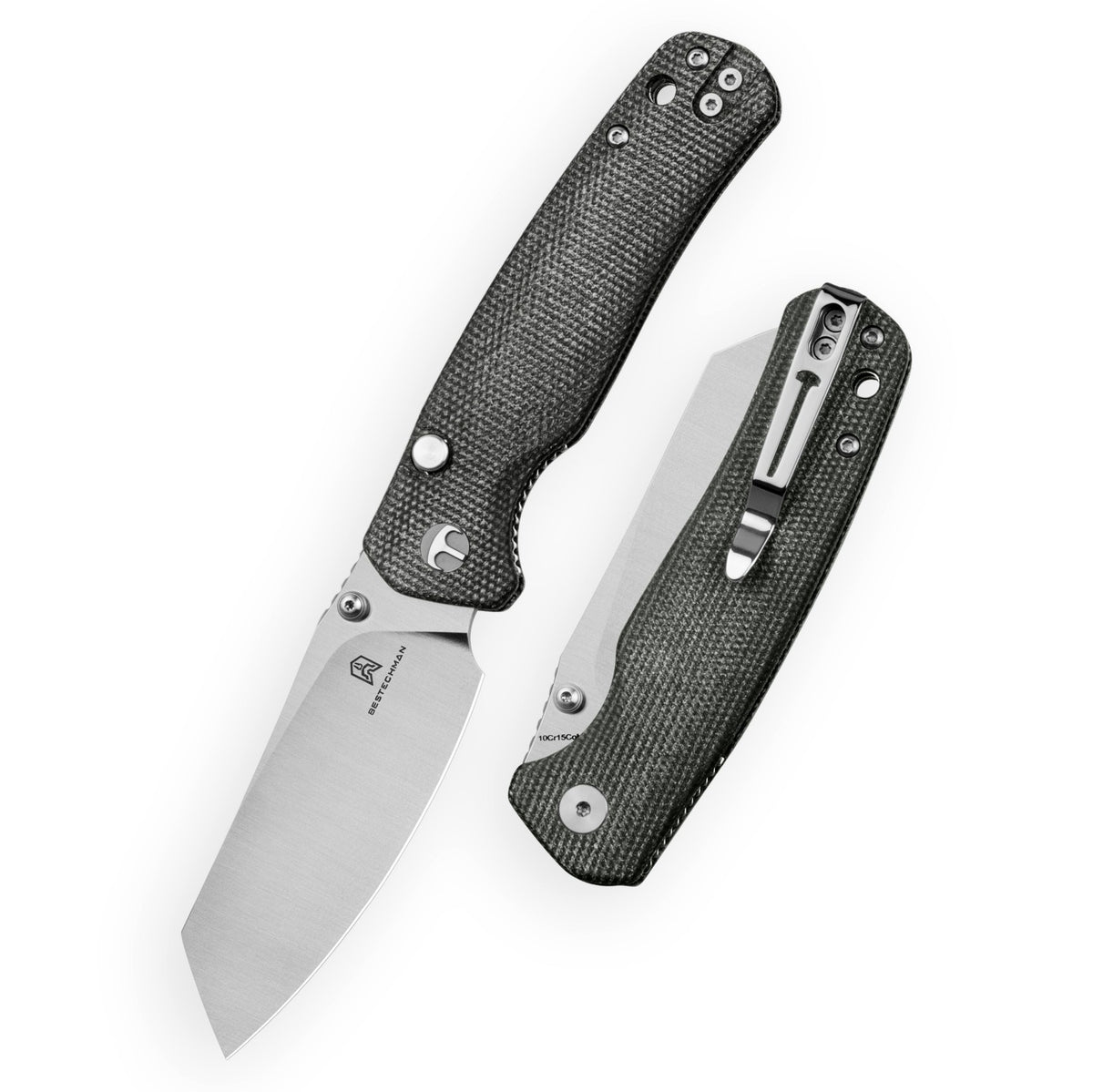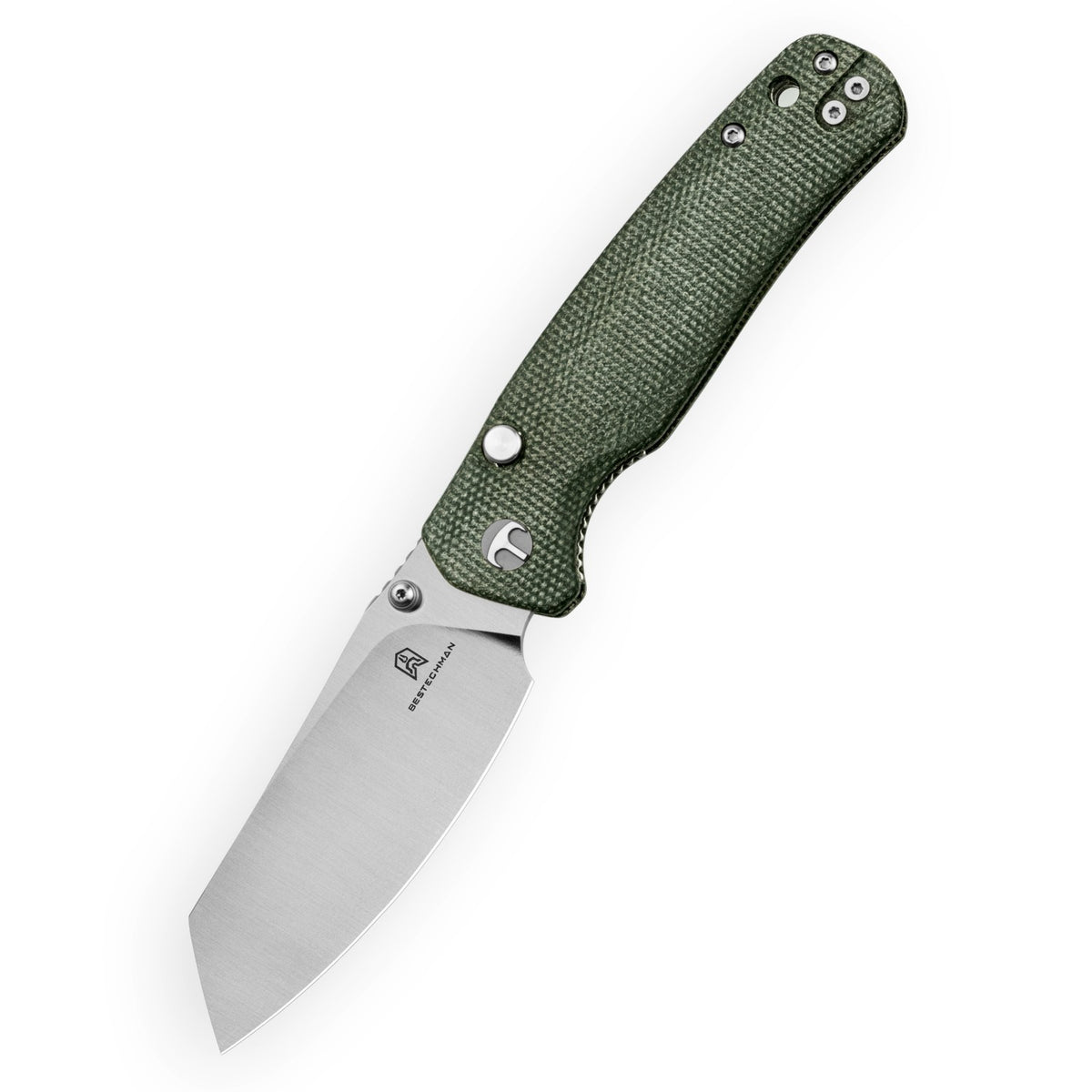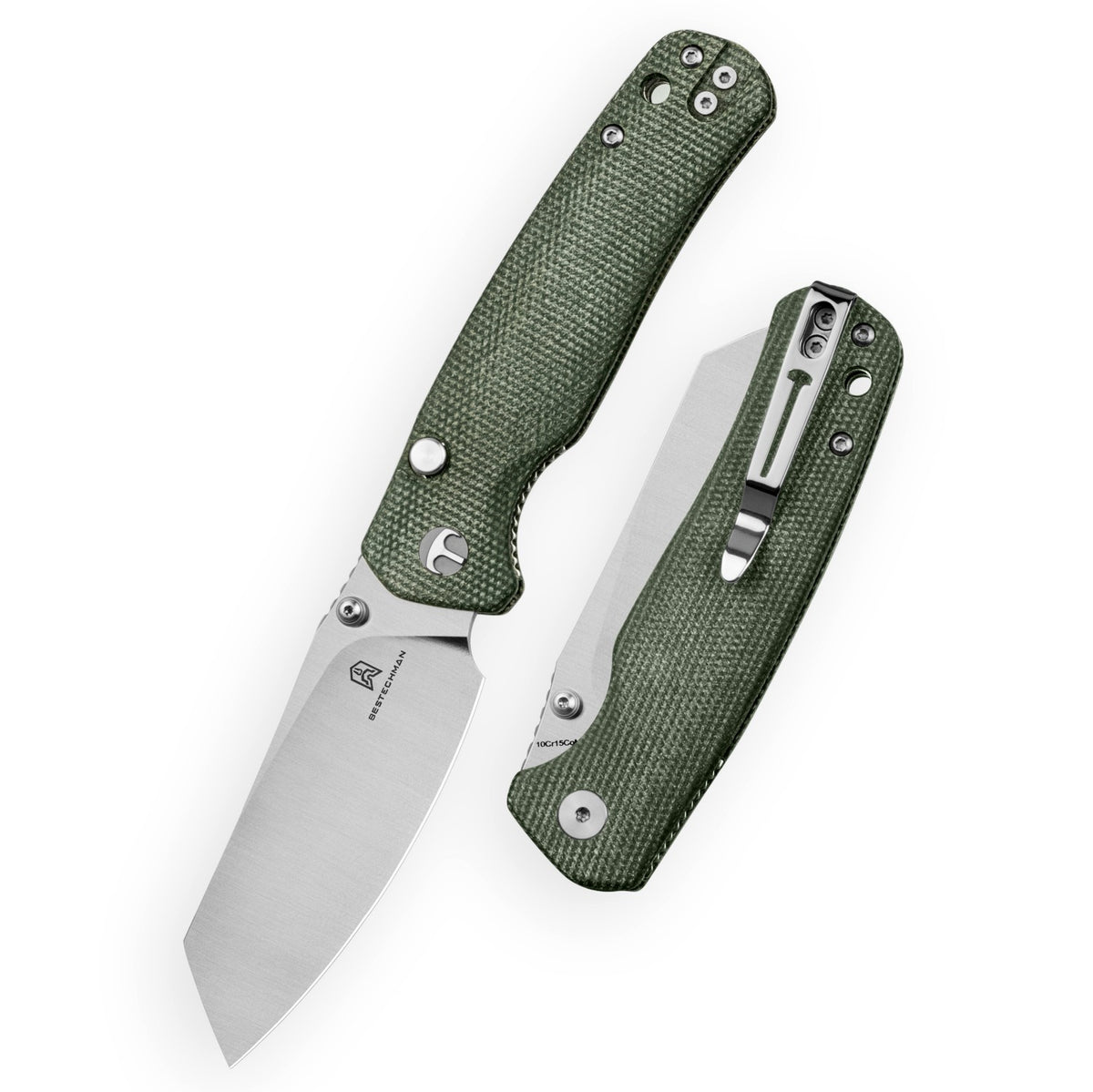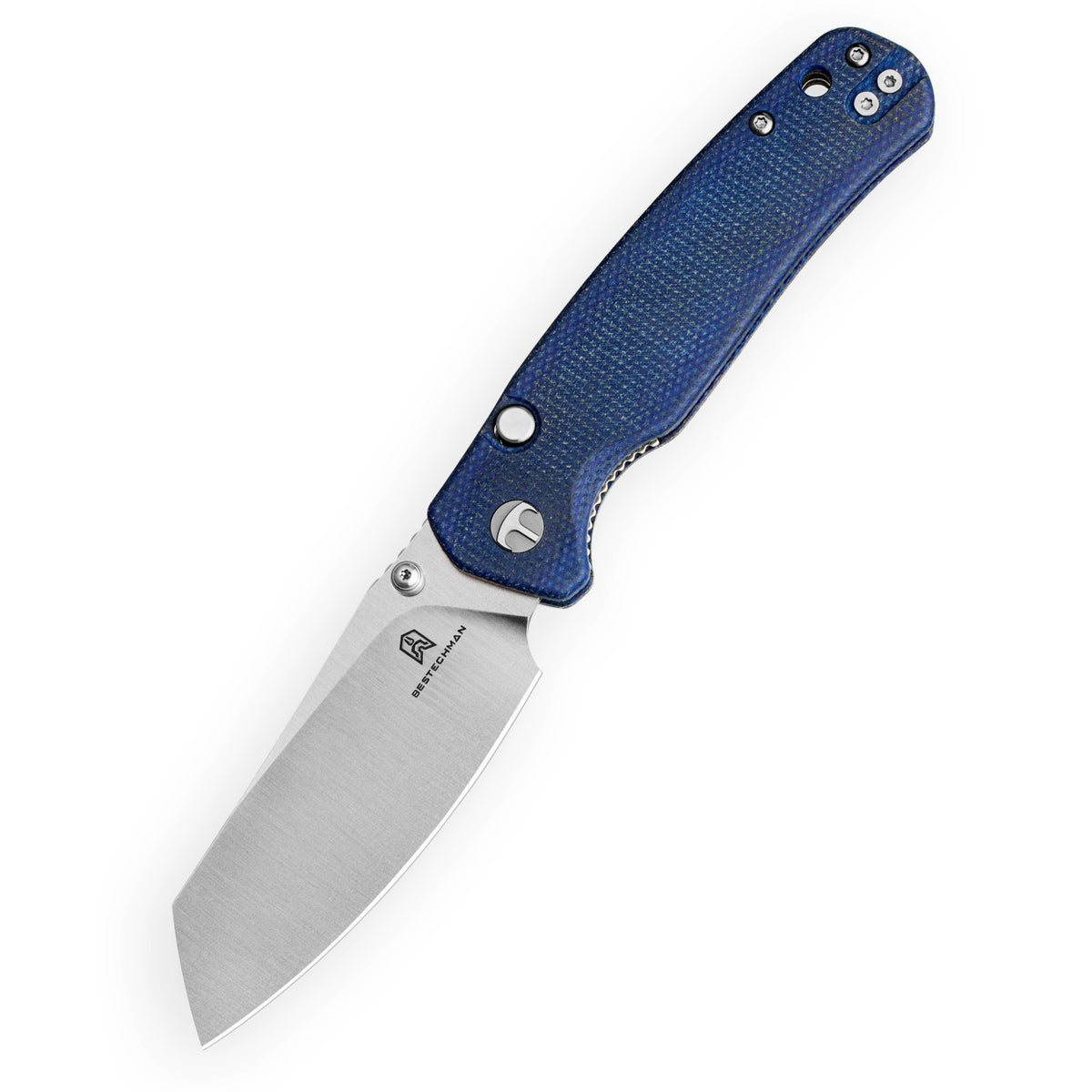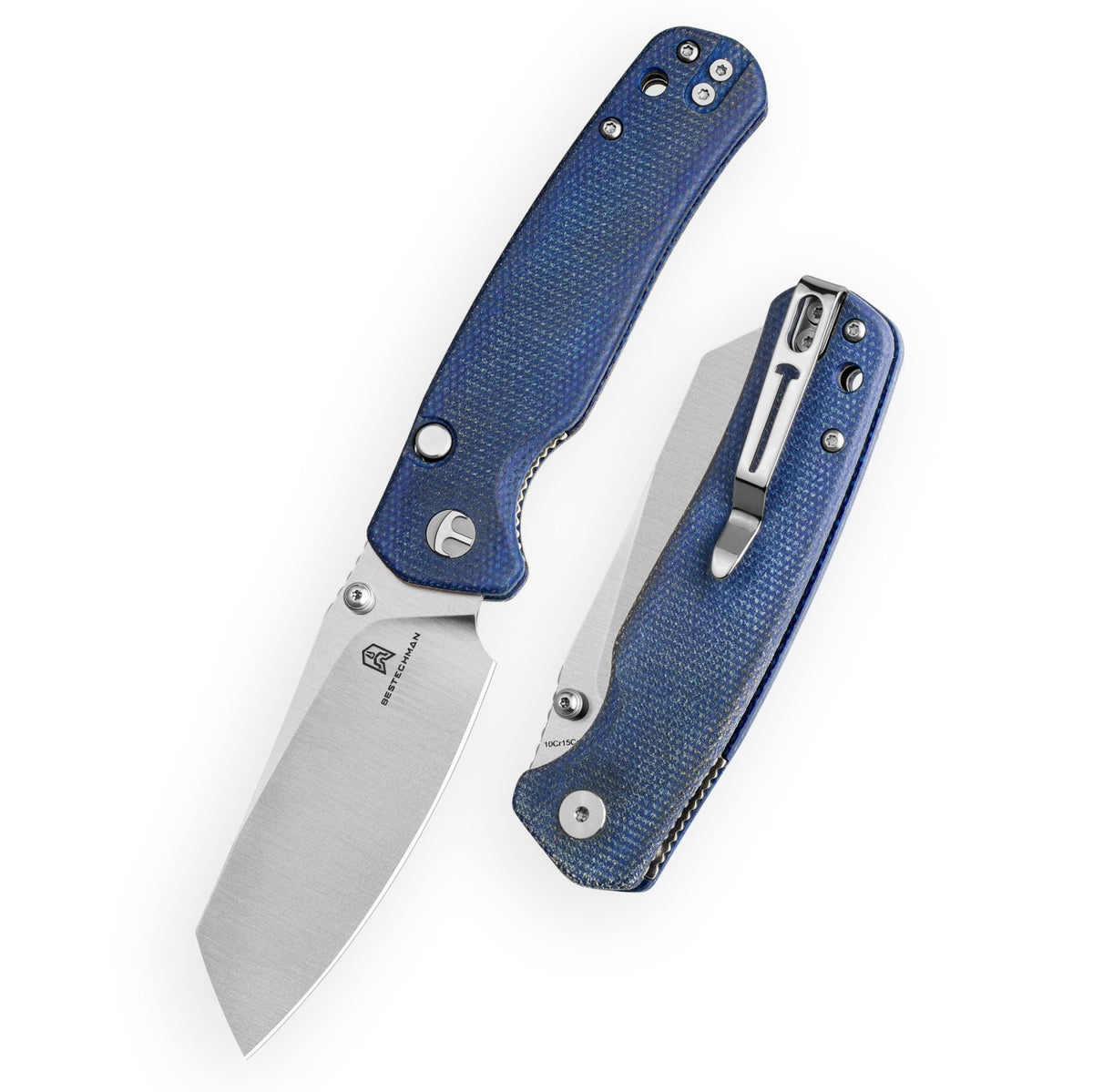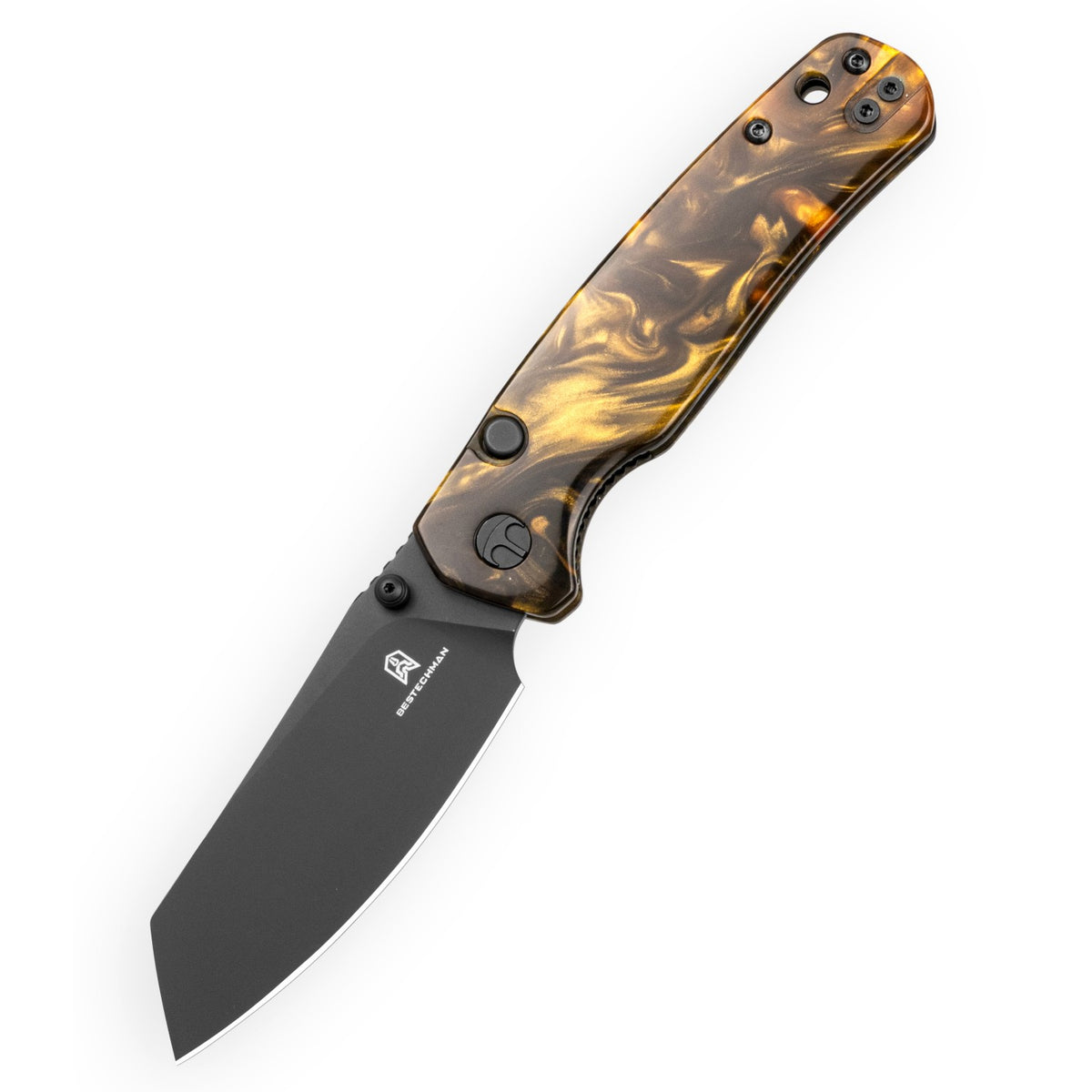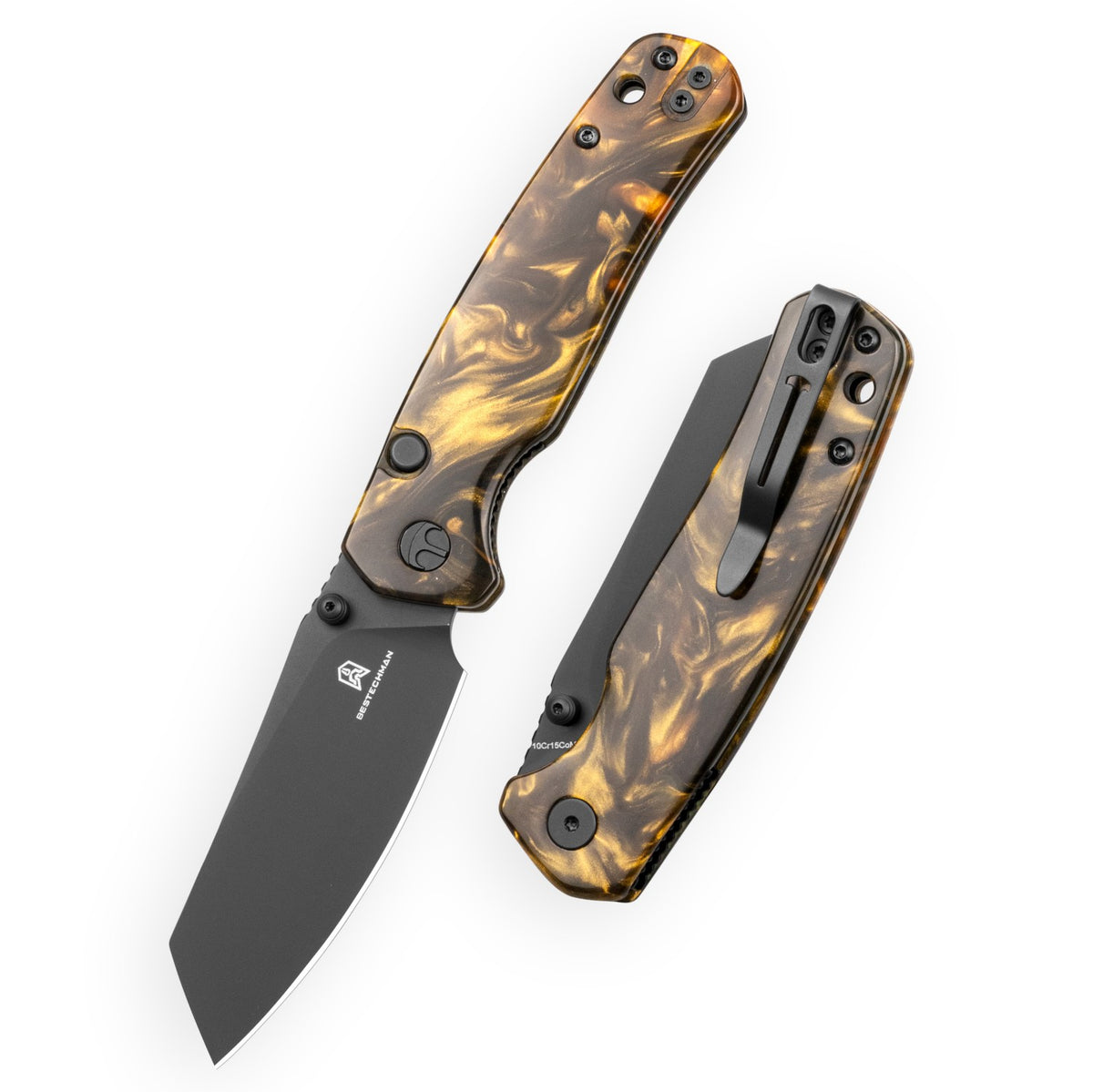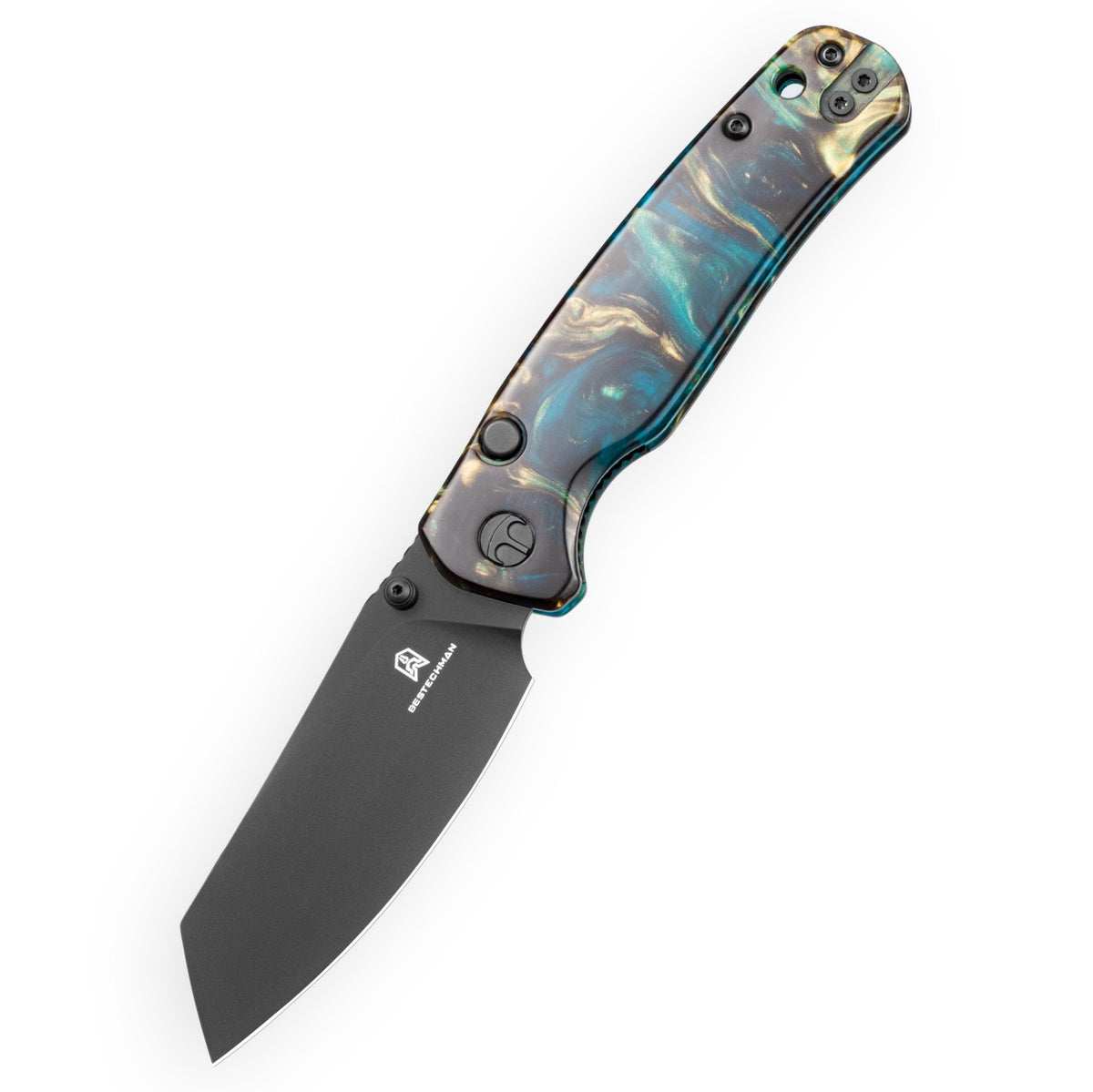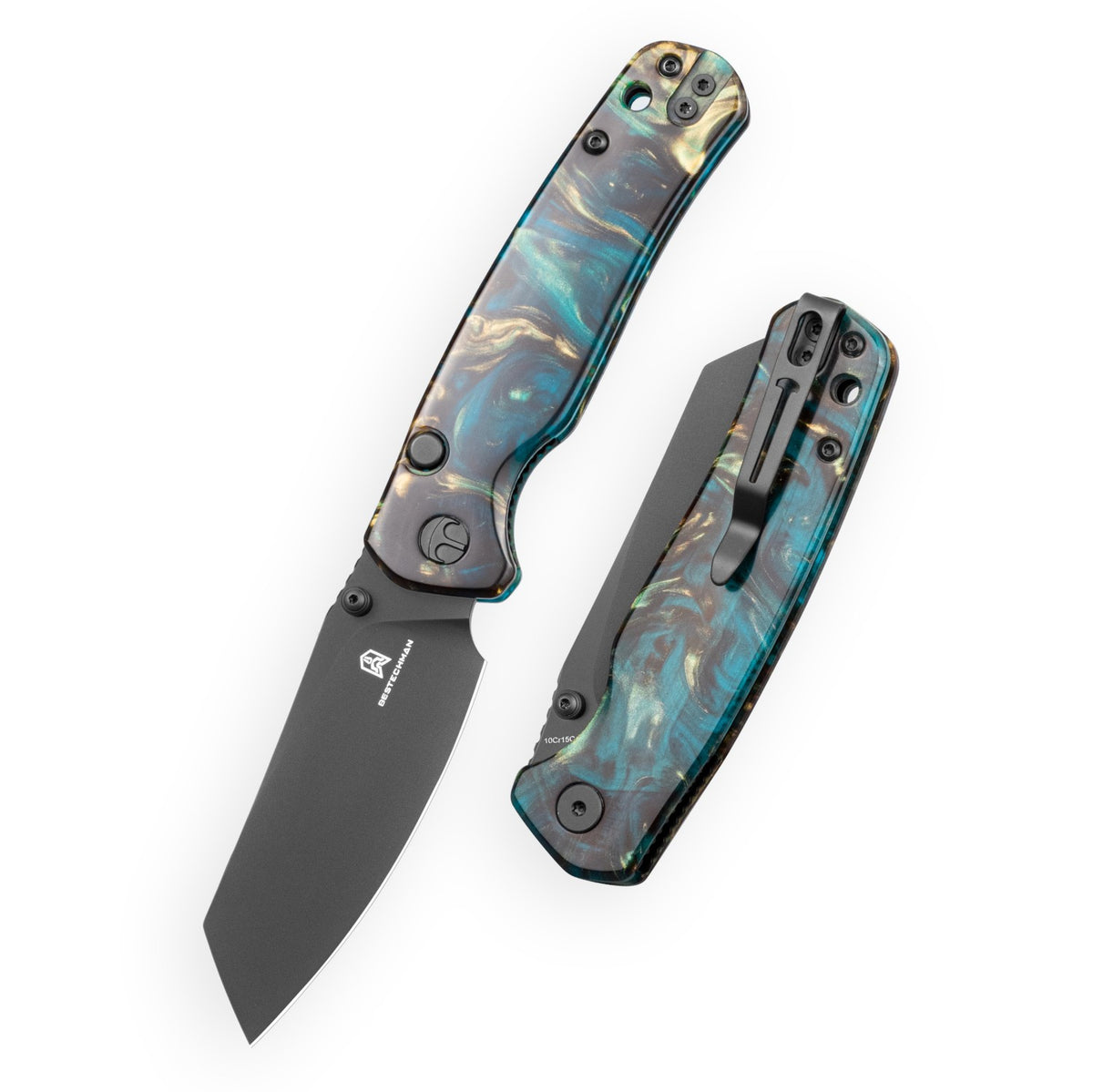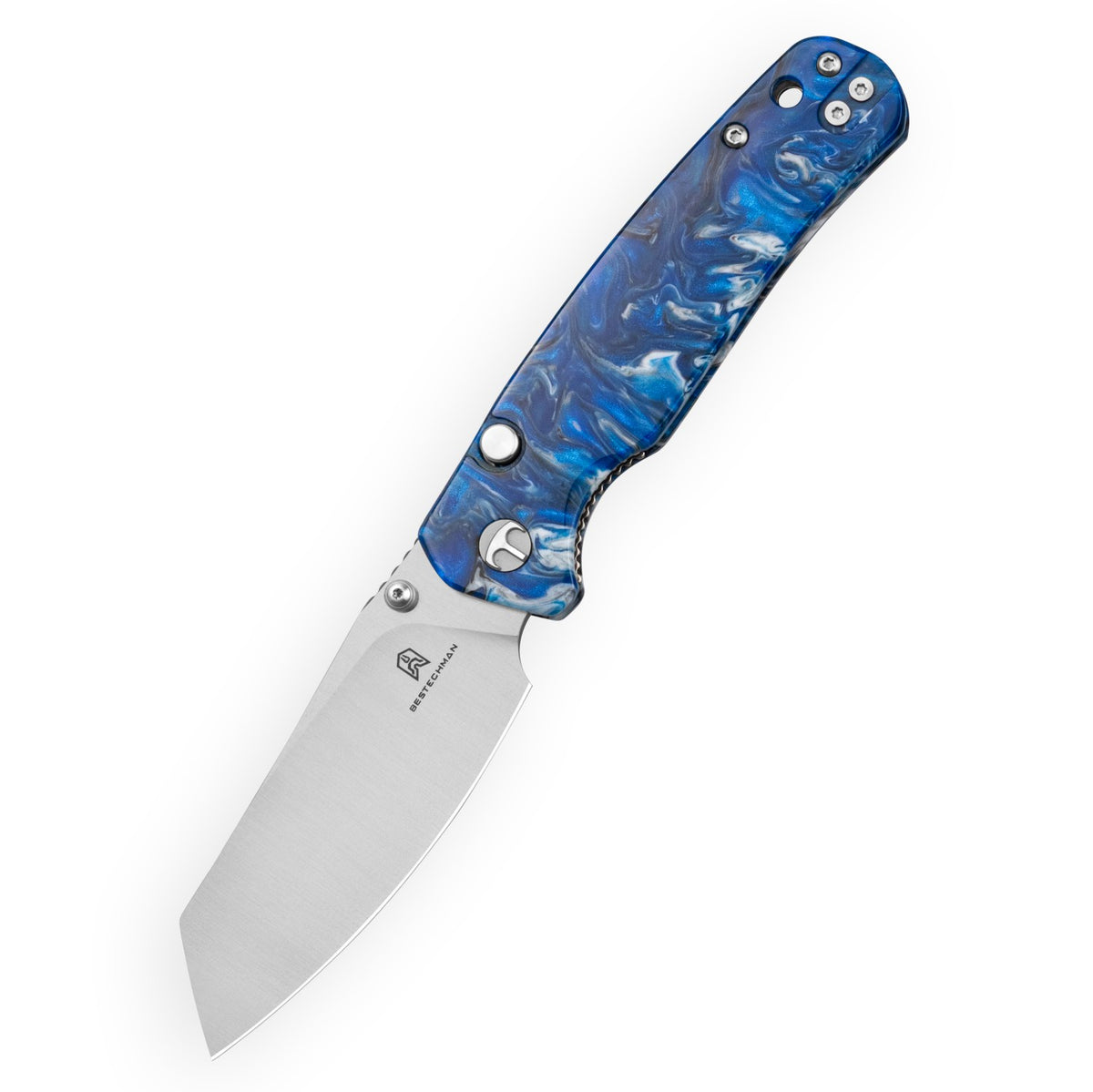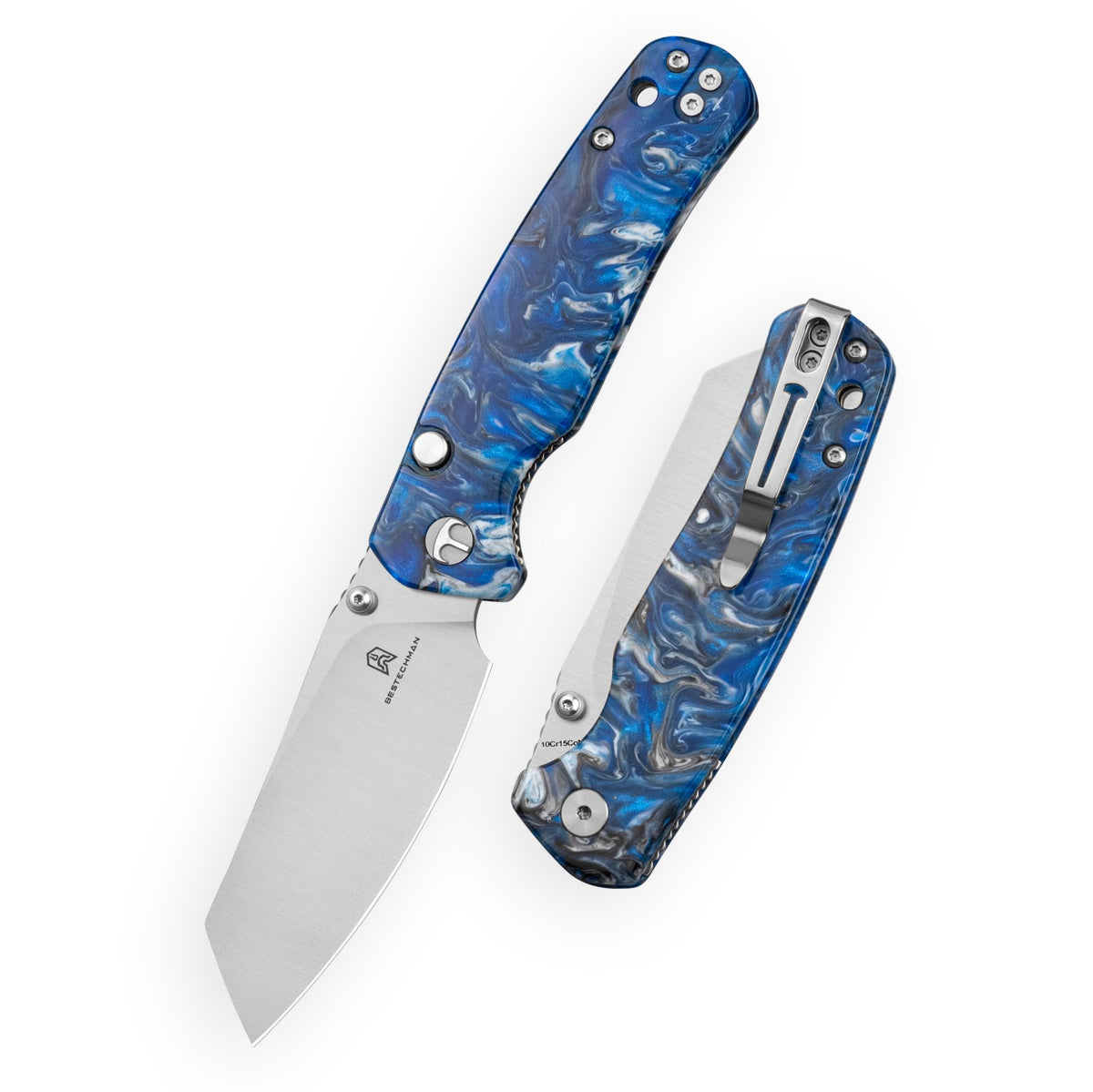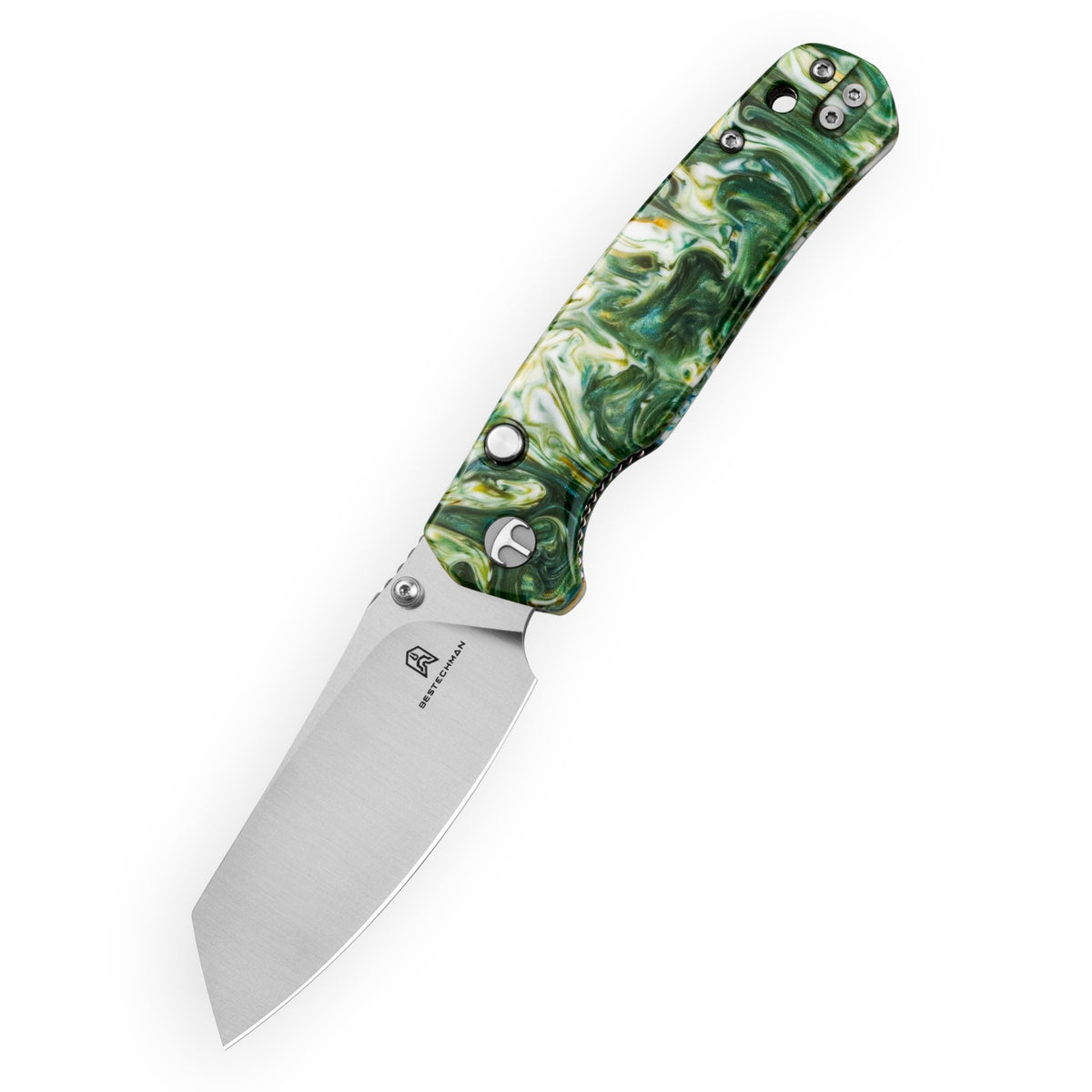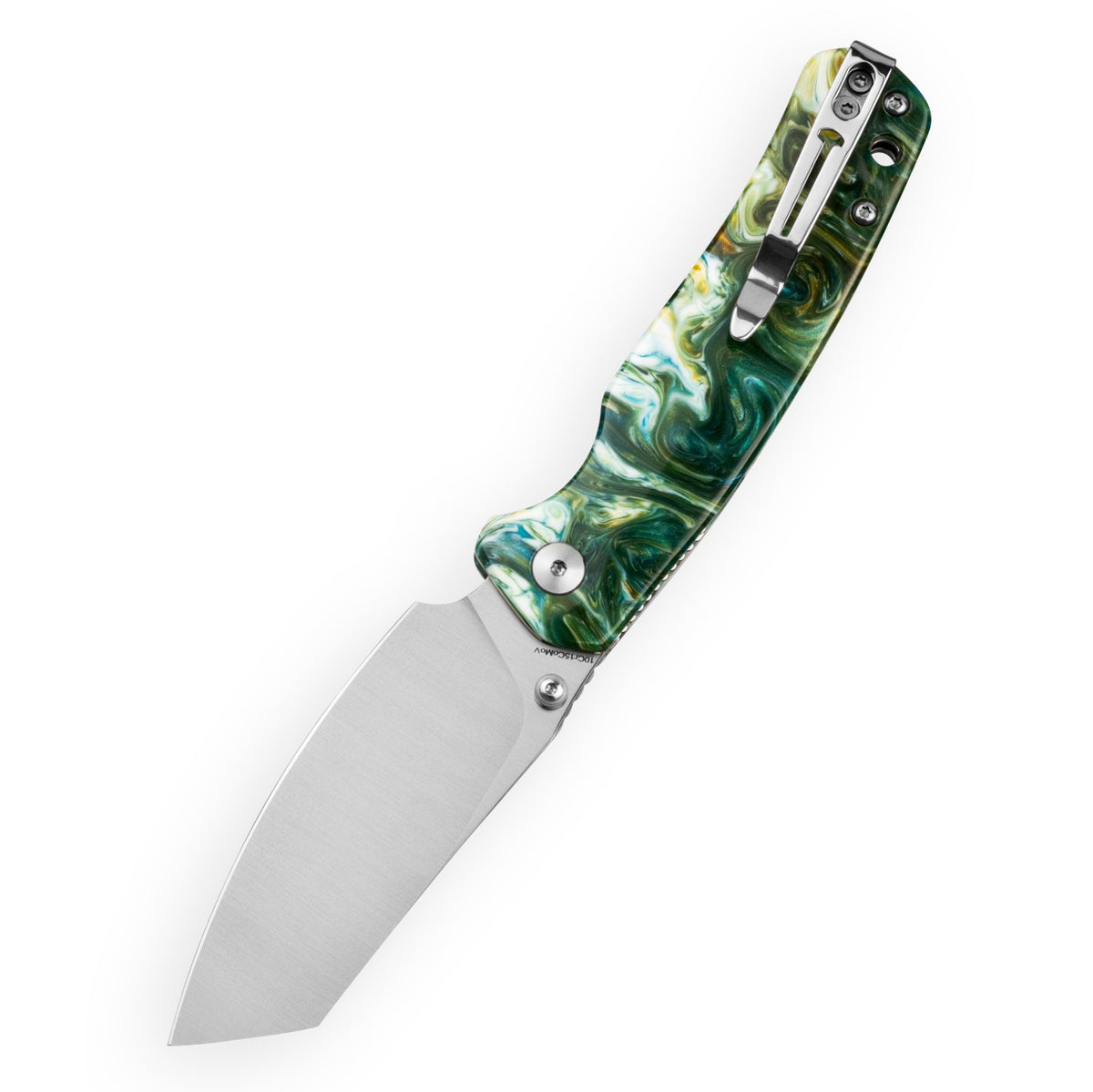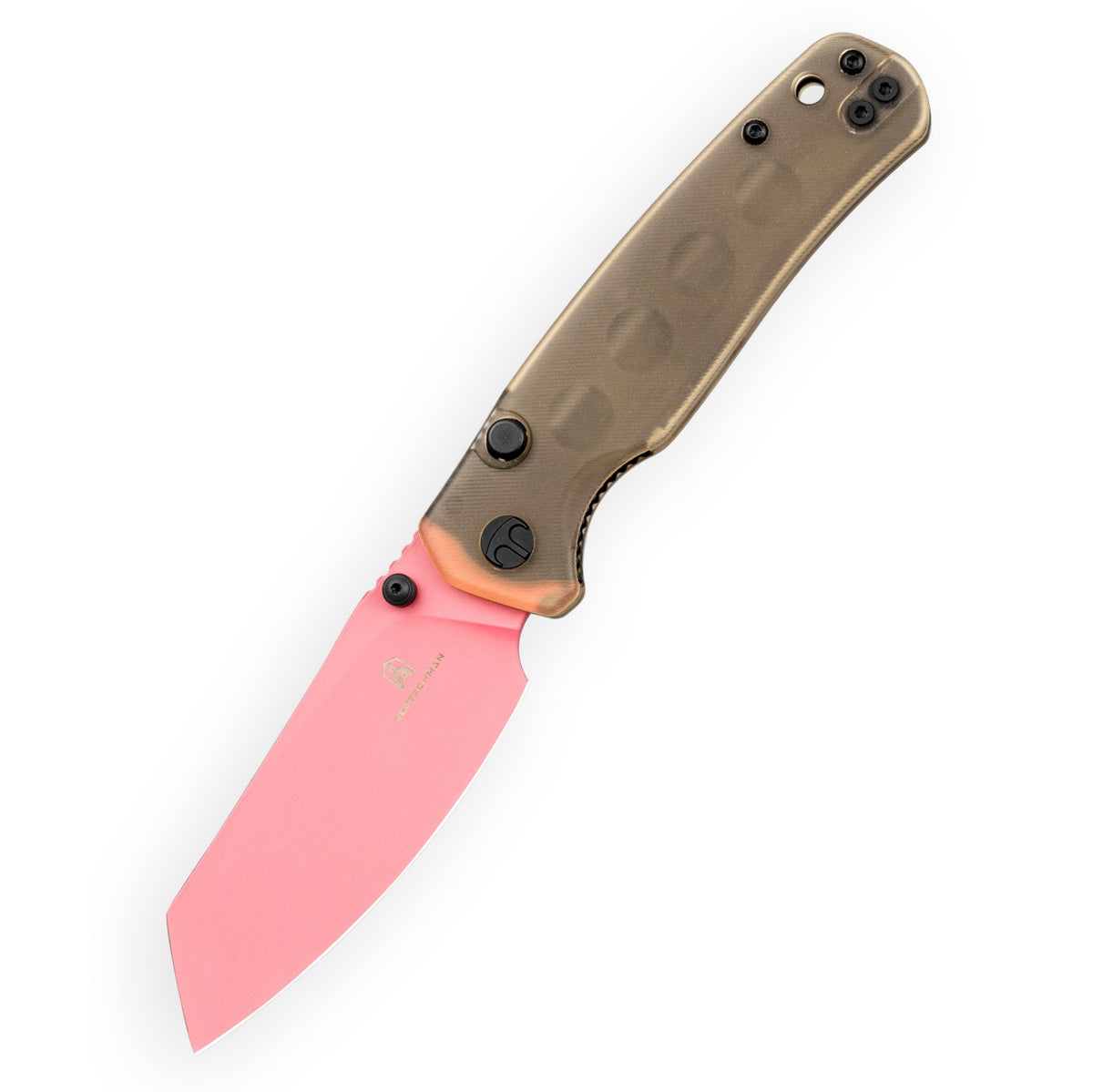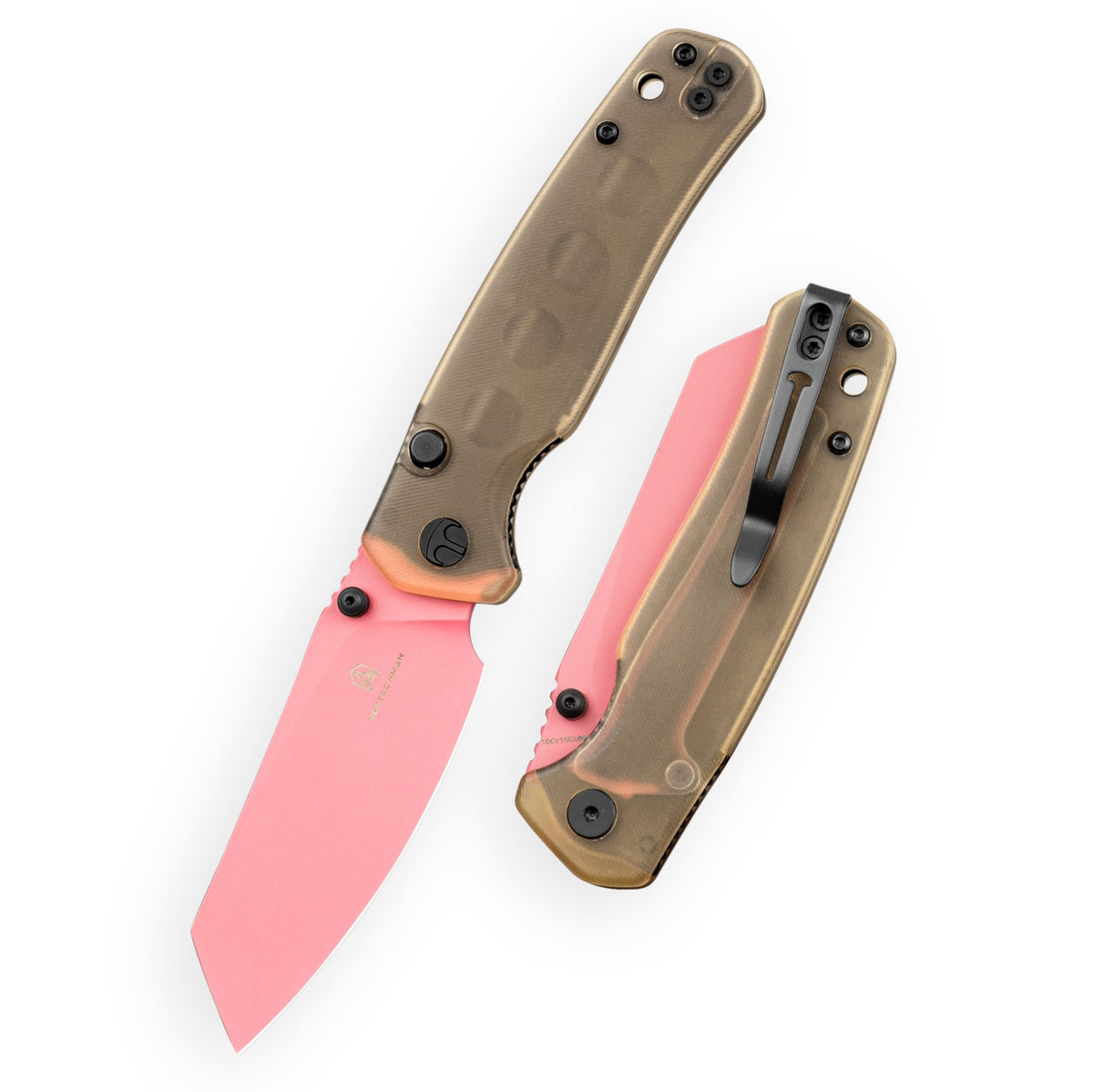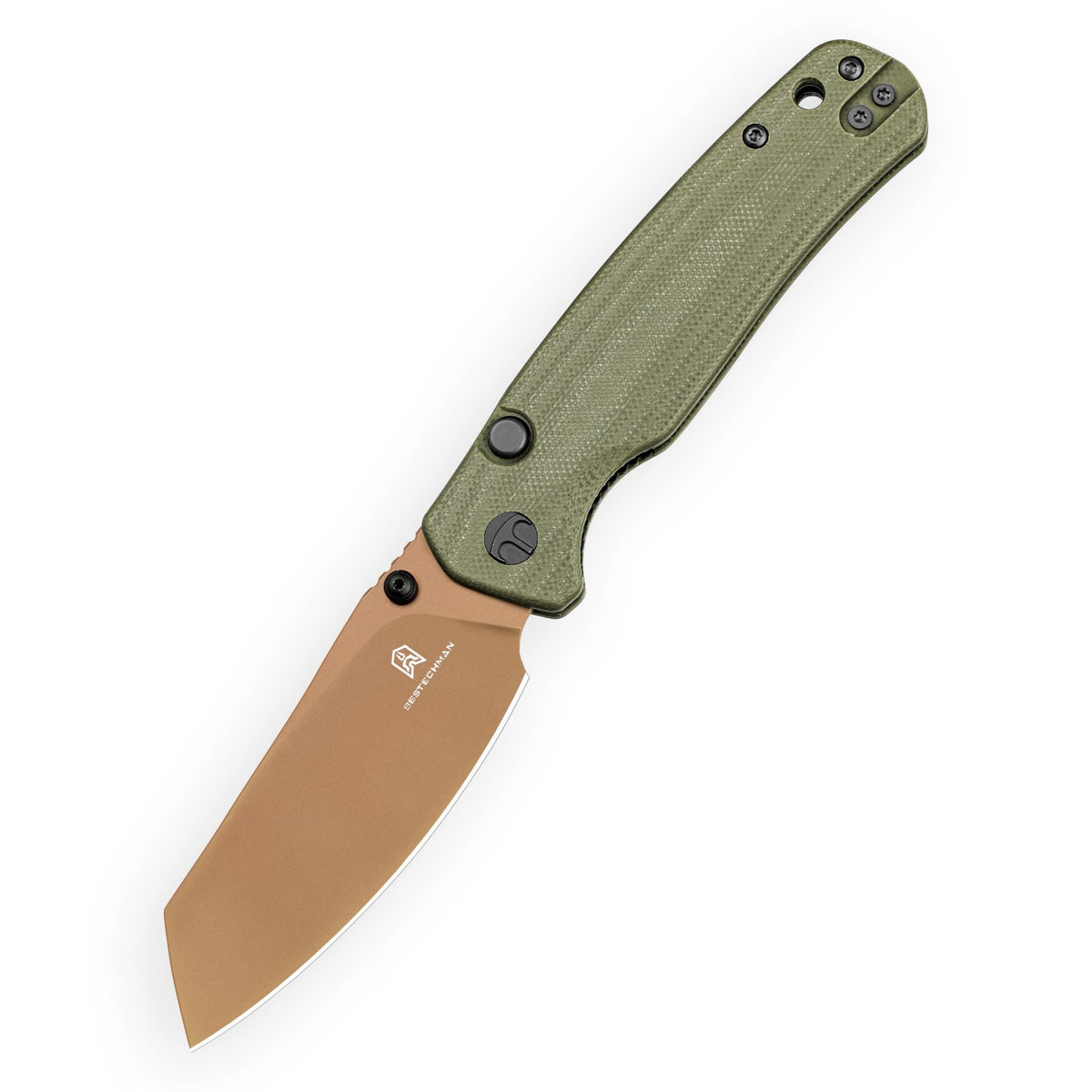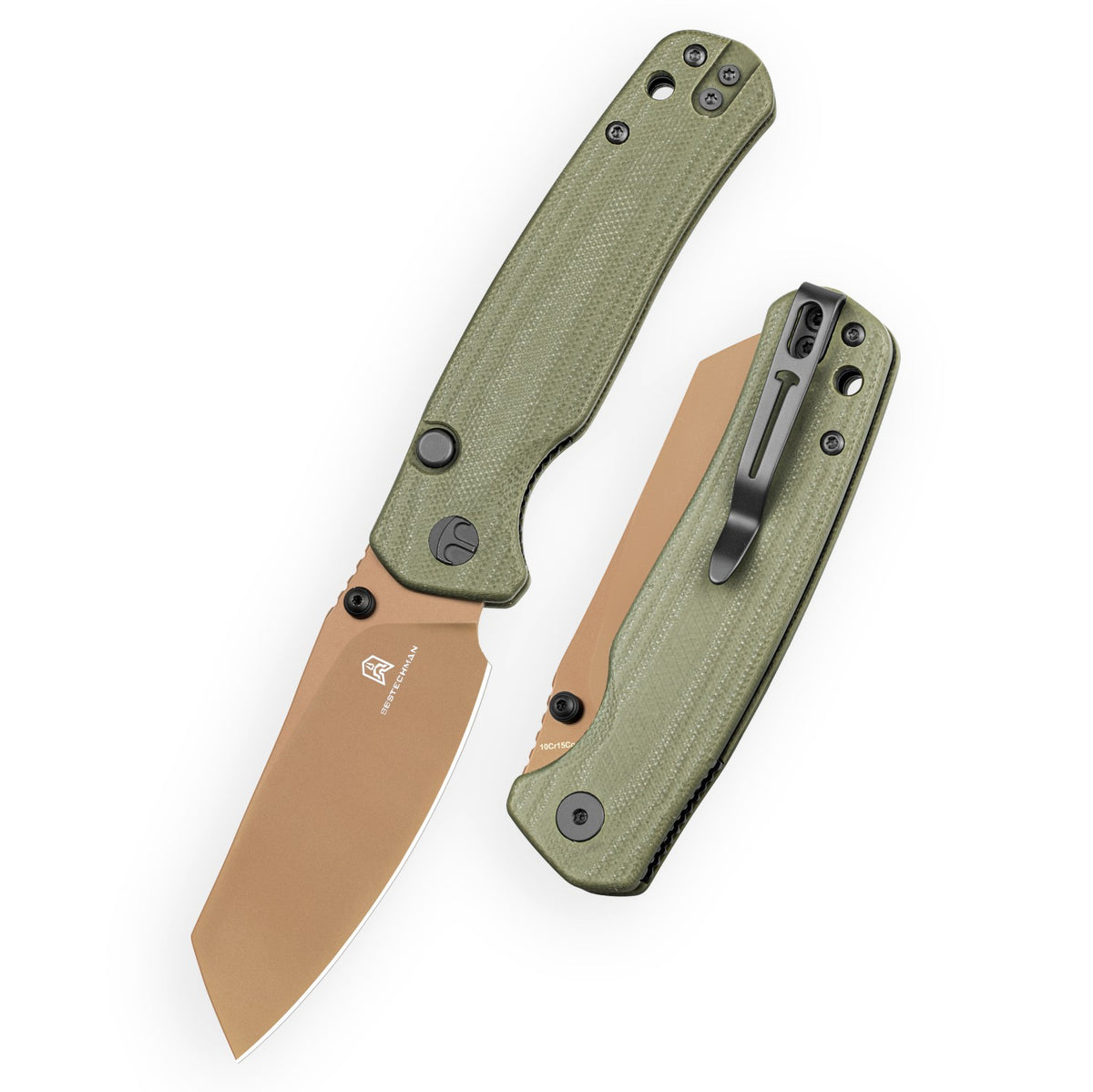
When it comes to choosing between D2 and H1 steel, the answer depends entirely on what you need the tool or blade for. Both are popular high-carbon steel options, but they have distinct characteristics that make each better suited for different applications.
Understanding D2 Steel
D2 is a tool steel known for its exceptional hardness and wear resistance. It contains high carbon content along with chromium, molybdenum, and vanadium, which contribute to its durability. D2 steel holds an edge extremely well and resists abrasion, making it ideal for applications where edge retention is critical. However, D2 is more brittle and requires careful handling to avoid chipping or breaking.
D2 performs best in dry cutting environments and is commonly used in industrial cutting tools, gauges, and punches. It's also popular for knife blades where users prioritize edge retention over ease of sharpening.
Understanding H1 Steel
H1 is a tool steel specifically designed for hot work applications. It offers excellent toughness and thermal fatigue resistance, meaning it can withstand repeated heating and cooling cycles without cracking. H1 steel is more forgiving than D2—it's less likely to chip or break under stress, though it doesn't hold an edge quite as long.
H1 is the go-to choice for applications involving heat, pressure, or impact. It's commonly used in die casting dies, forging dies, and other tools that experience thermal cycling or heavy mechanical stress.
D2 vs H1: Key Differences
- Hardness: D2 is significantly harder and maintains a sharper edge longer
- Toughness: H1 is tougher and more resistant to chipping and breaking
- Thermal resistance: H1 excels in high-temperature environments; D2 is better for room-temperature applications
- Ease of sharpening: H1 is easier to sharpen due to lower hardness
- Cost: D2 is typically less expensive than H1
Which Should You Choose?
Choose D2 if you need maximum edge retention, work in dry conditions, and don't mind more frequent sharpening. It's ideal for cutting tools, knives, and precision instruments.
Choose H1 if your application involves heat, impact, or thermal cycling. It's the better choice for dies, forging tools, and any situation where toughness matters more than edge sharpness.
Ultimately, the better steel is the one that matches your specific use case. Consider the environment, the type of stress the tool will endure, and whether edge retention or durability is your priority.