

Overview & First Impressions
Equine dentistry is done in a stall, on a horse that has opinions. A vet sedates, floats the molars, checks for sharp points and moves on to the next animal on the list. The vet bag holds a scaler, a float, a speculum and a small knife that is used to cut bandage, trim a wooden wedge and open a package with one hand. The EDC knives in a large-animal practice are chosen for cleanliness and predictability rather than size.
Materials & Construction
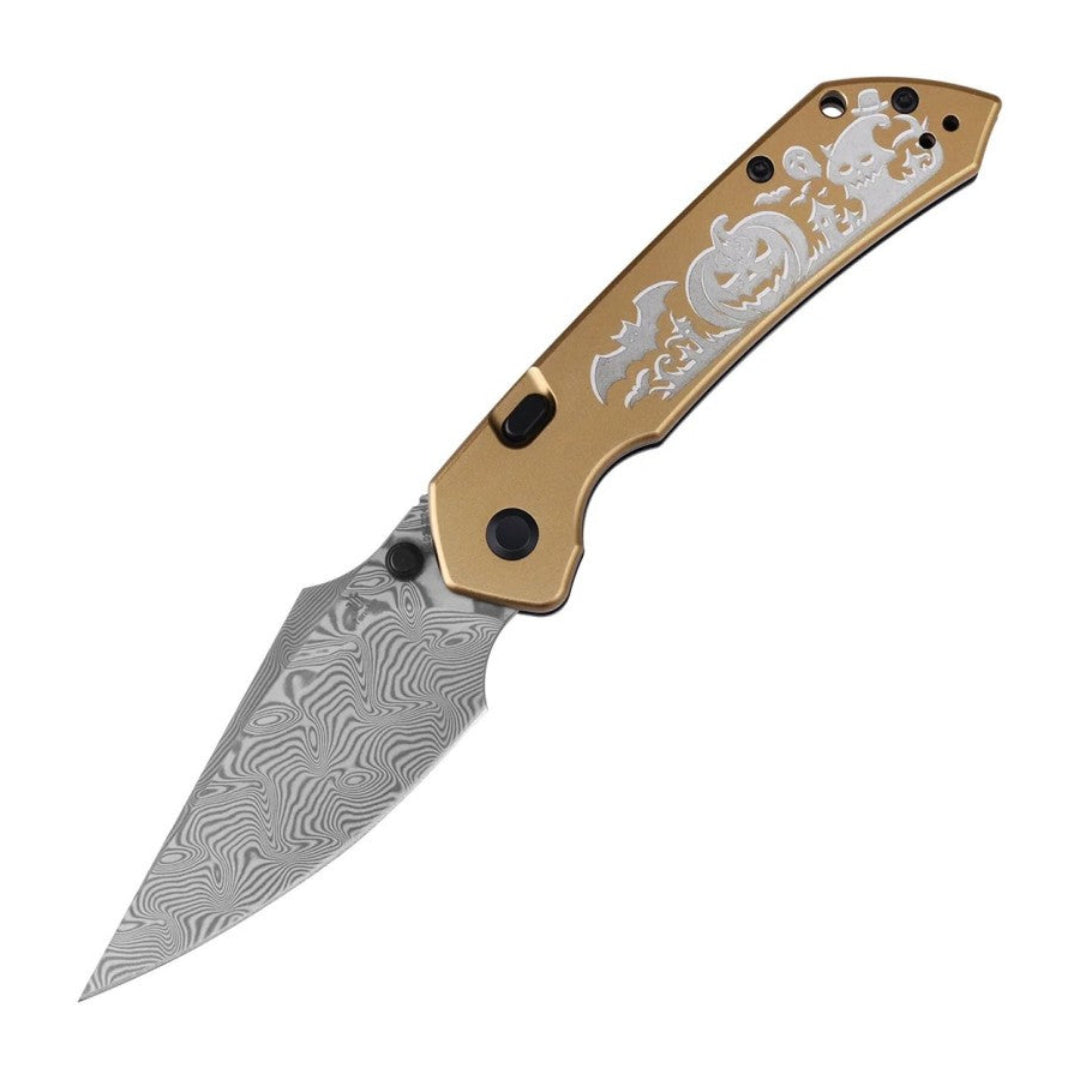
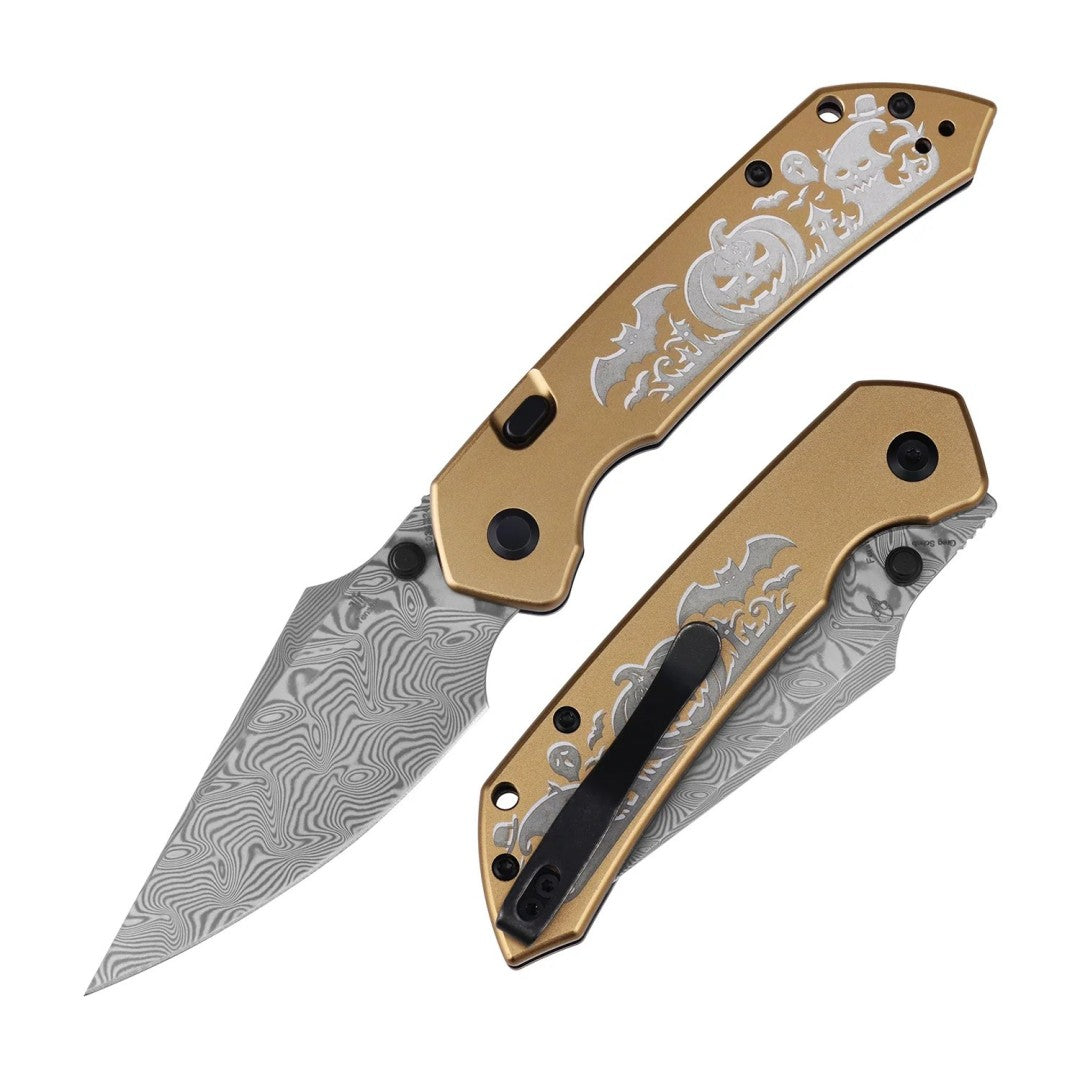
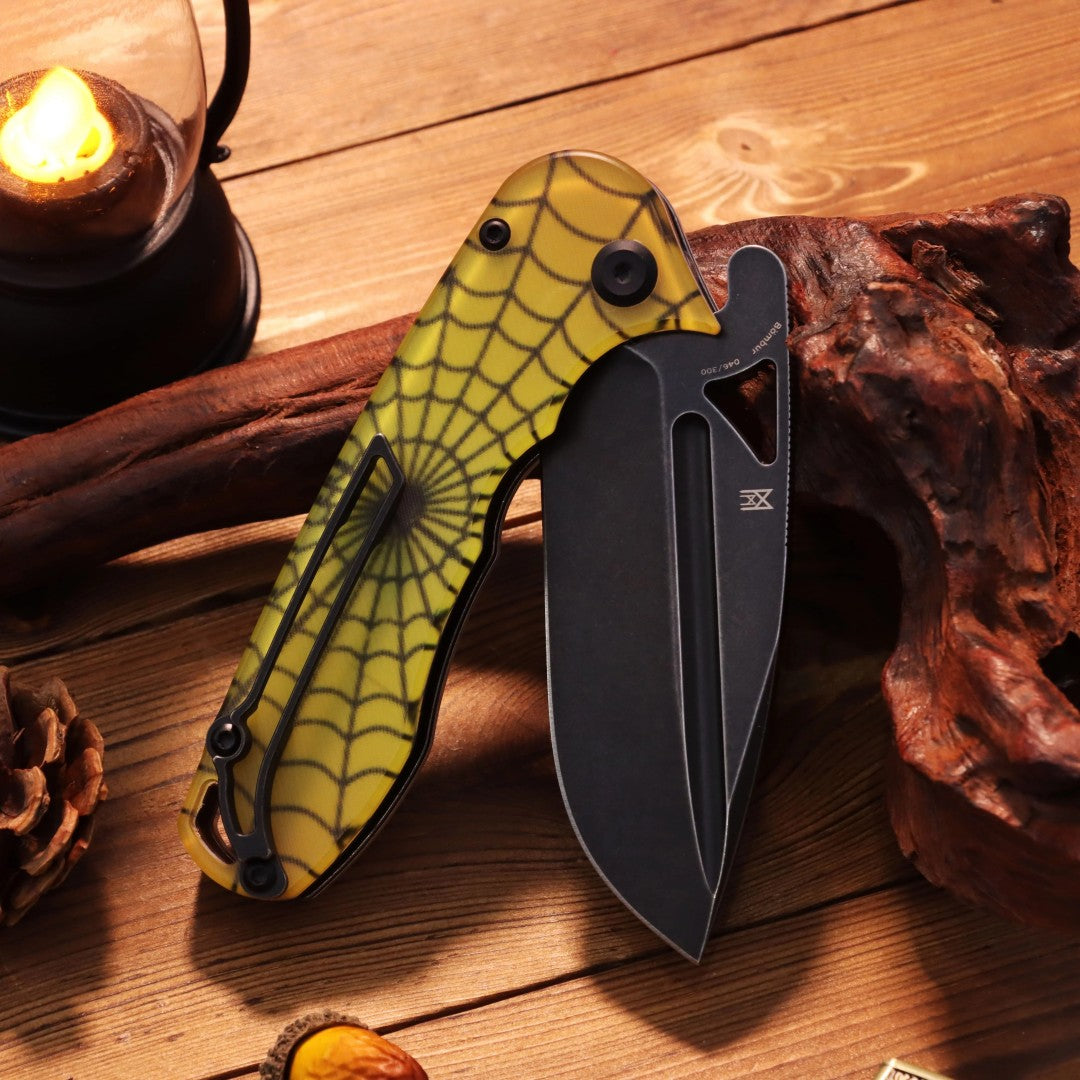
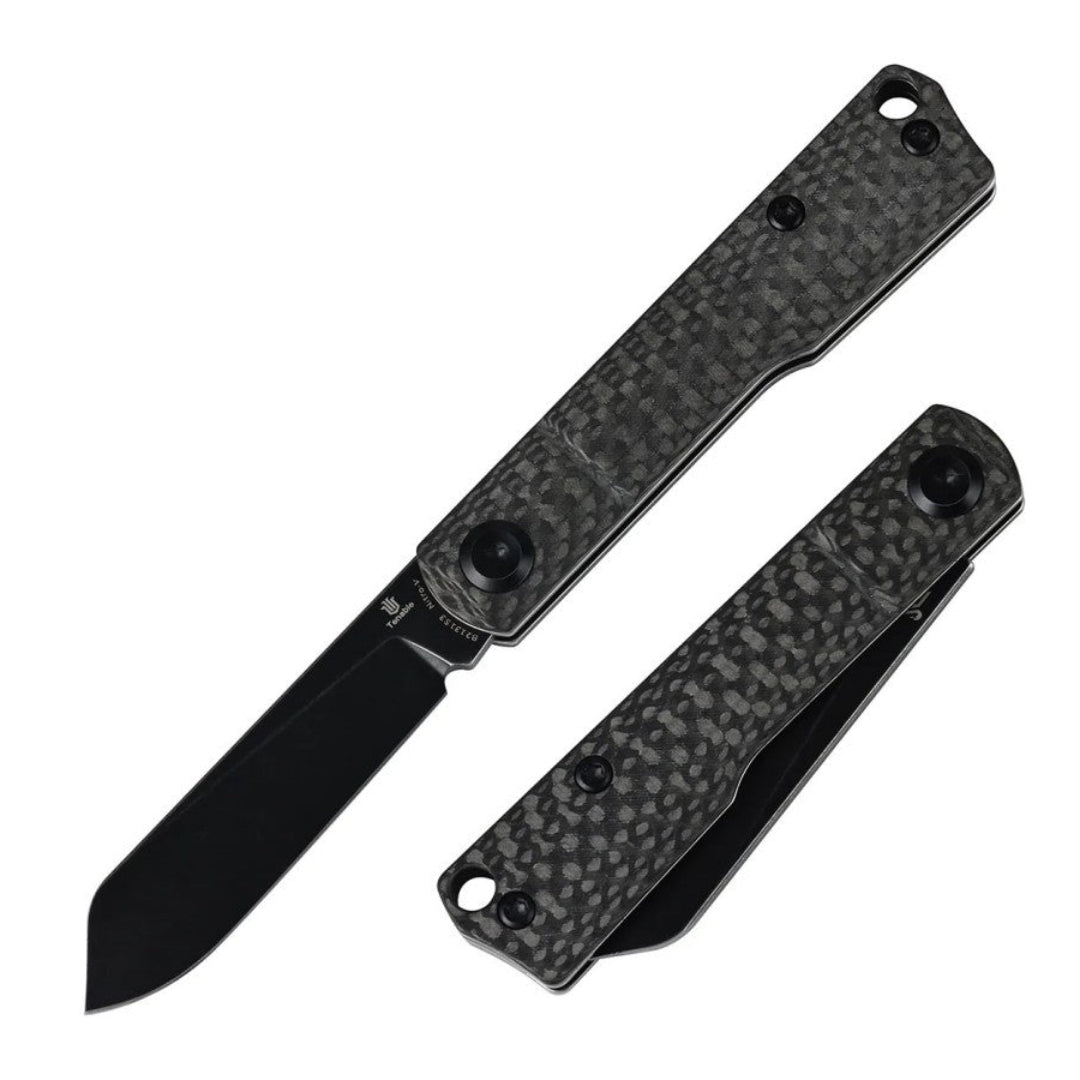
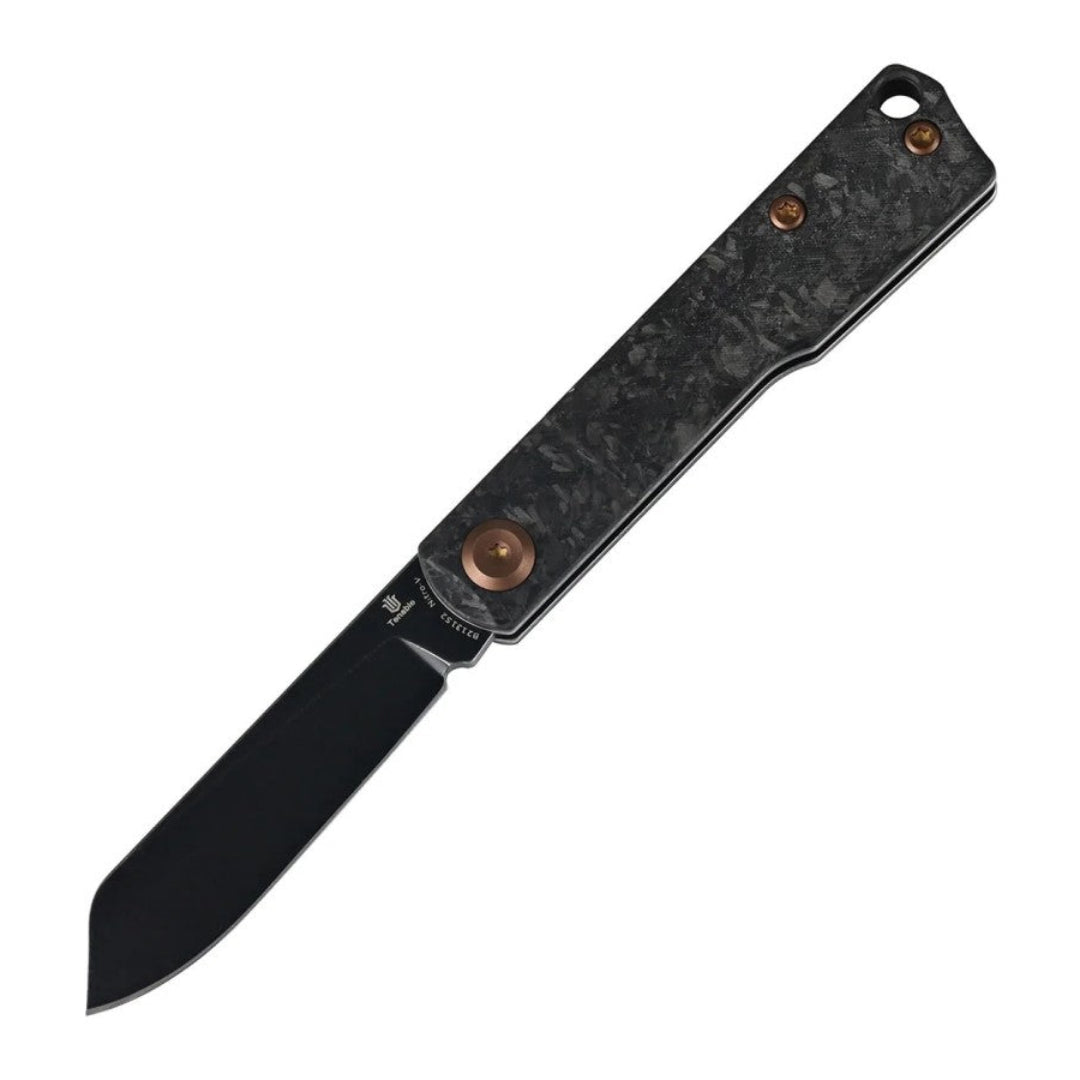
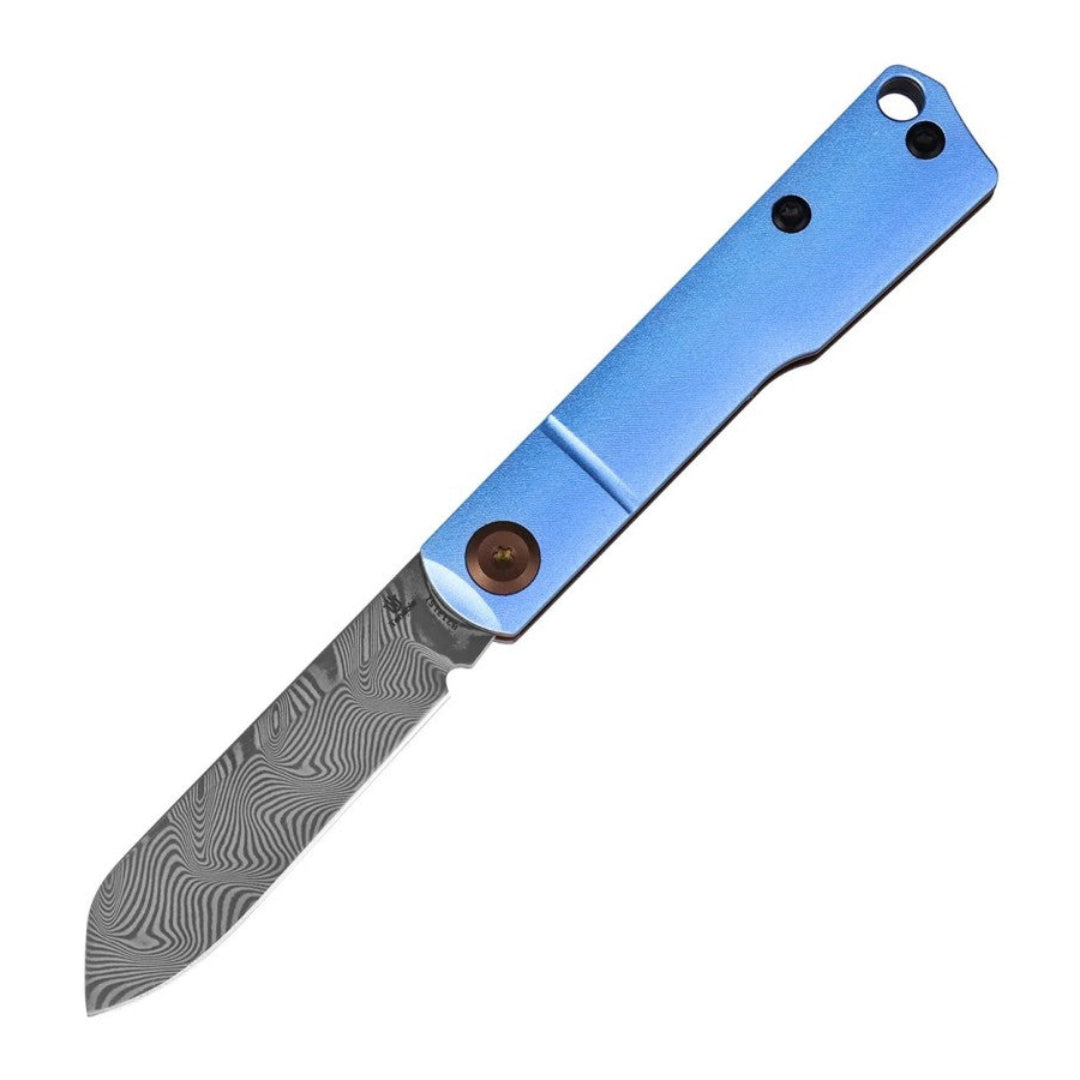
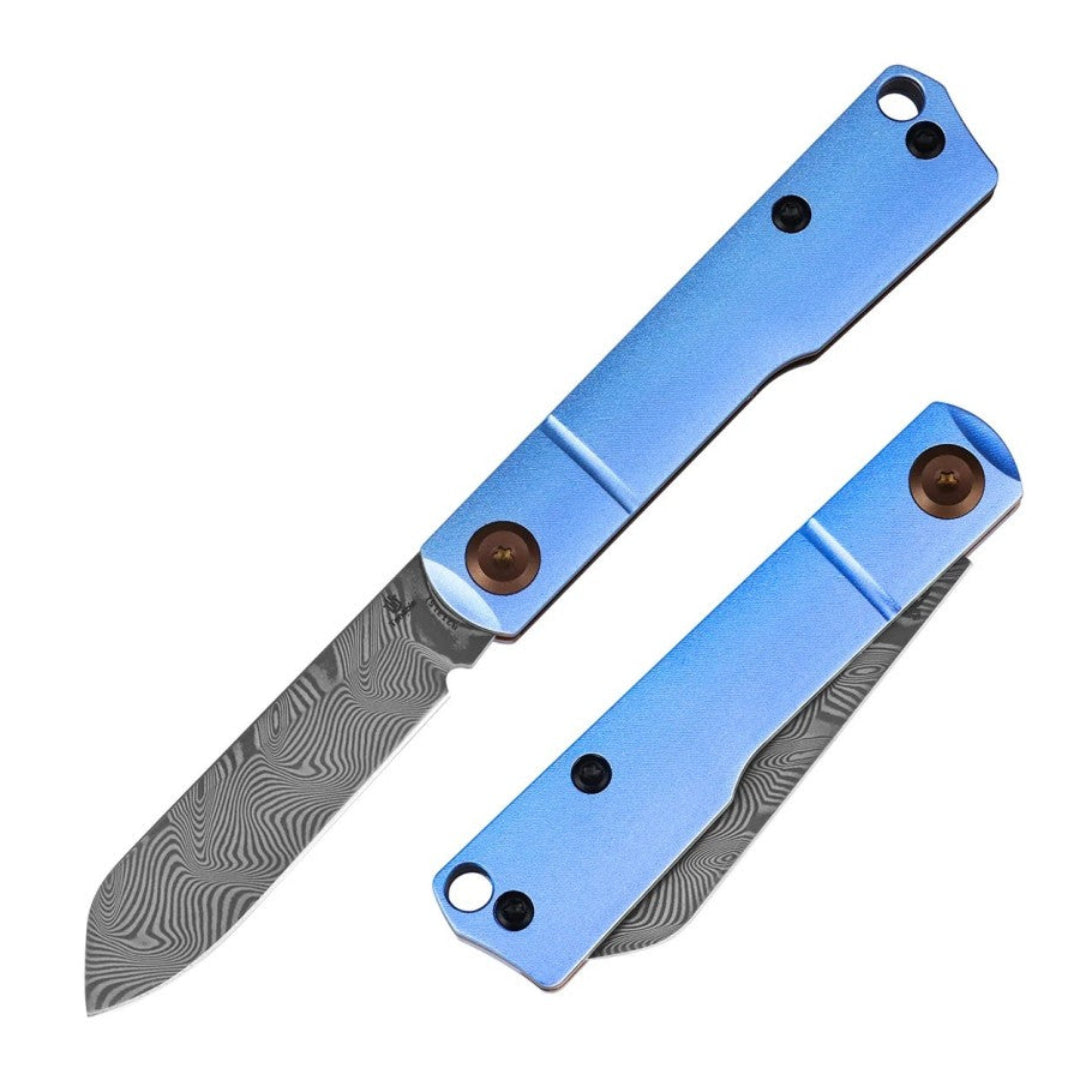
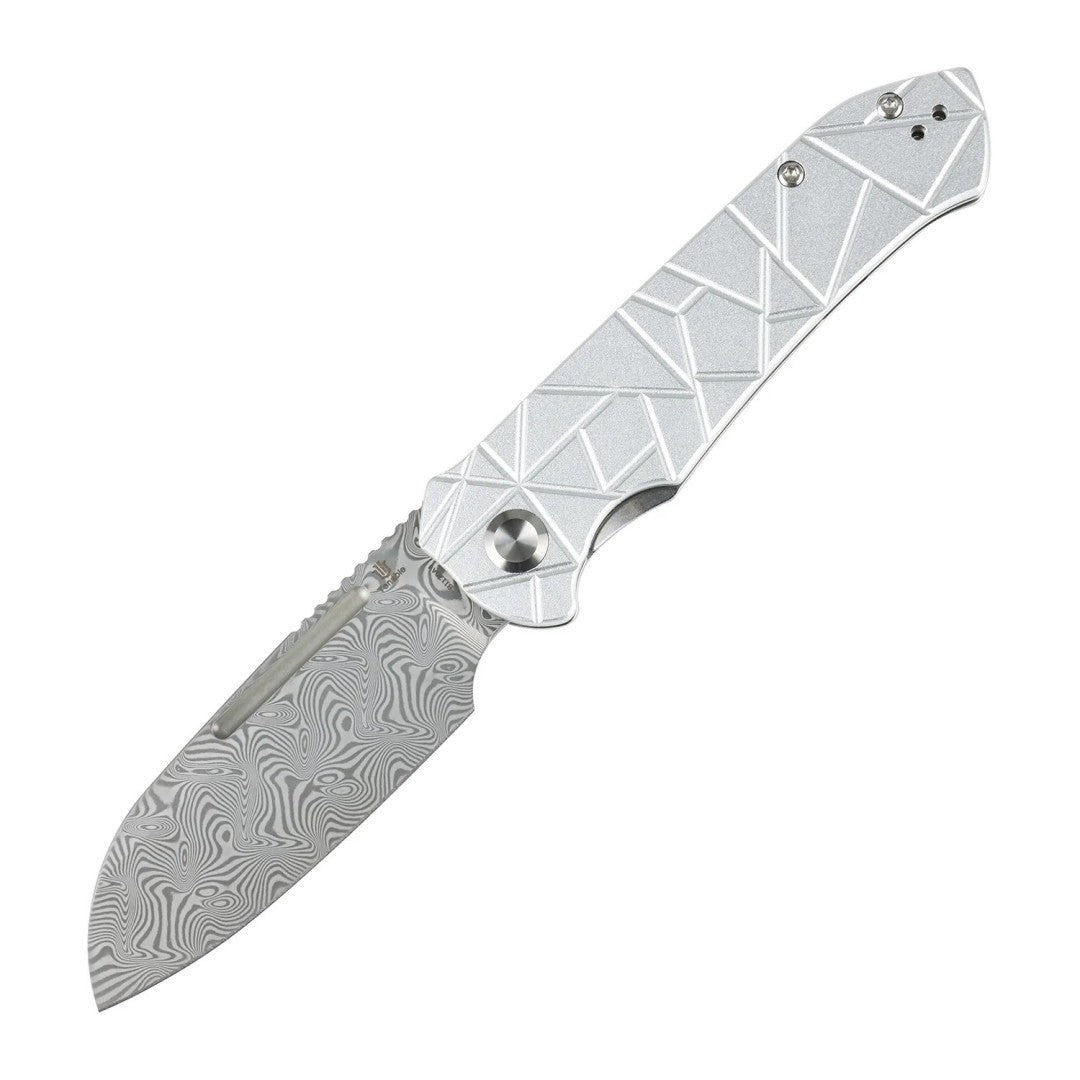
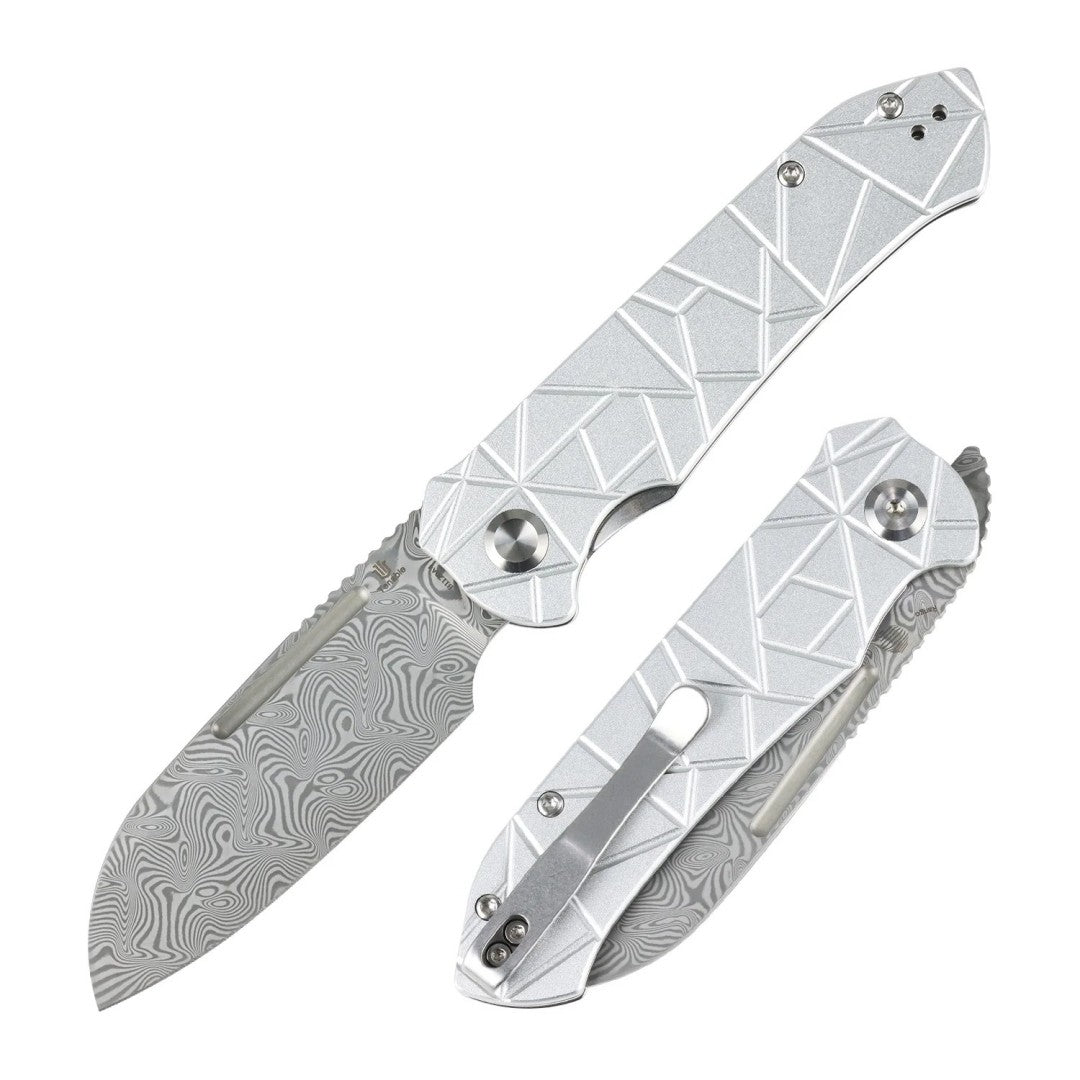
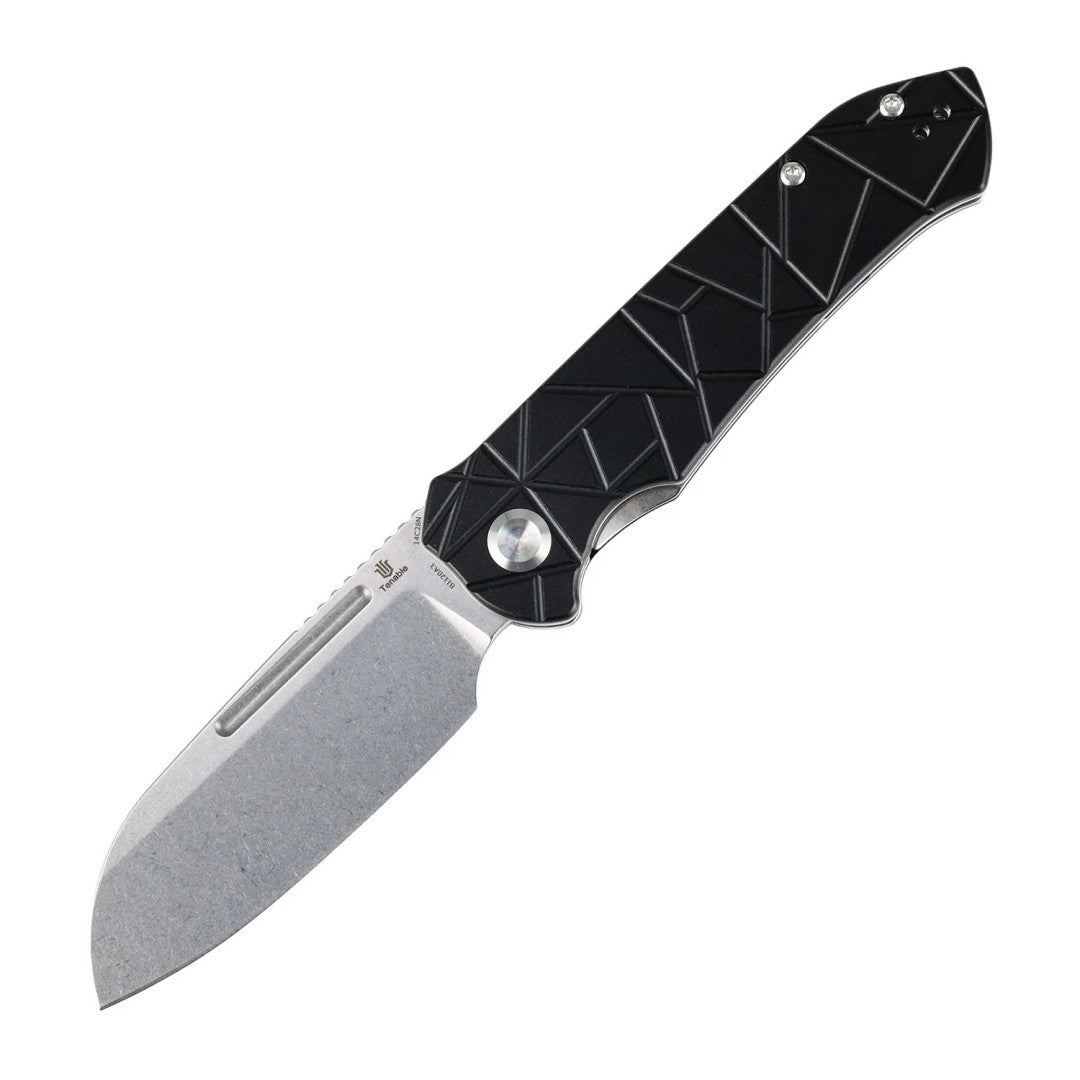
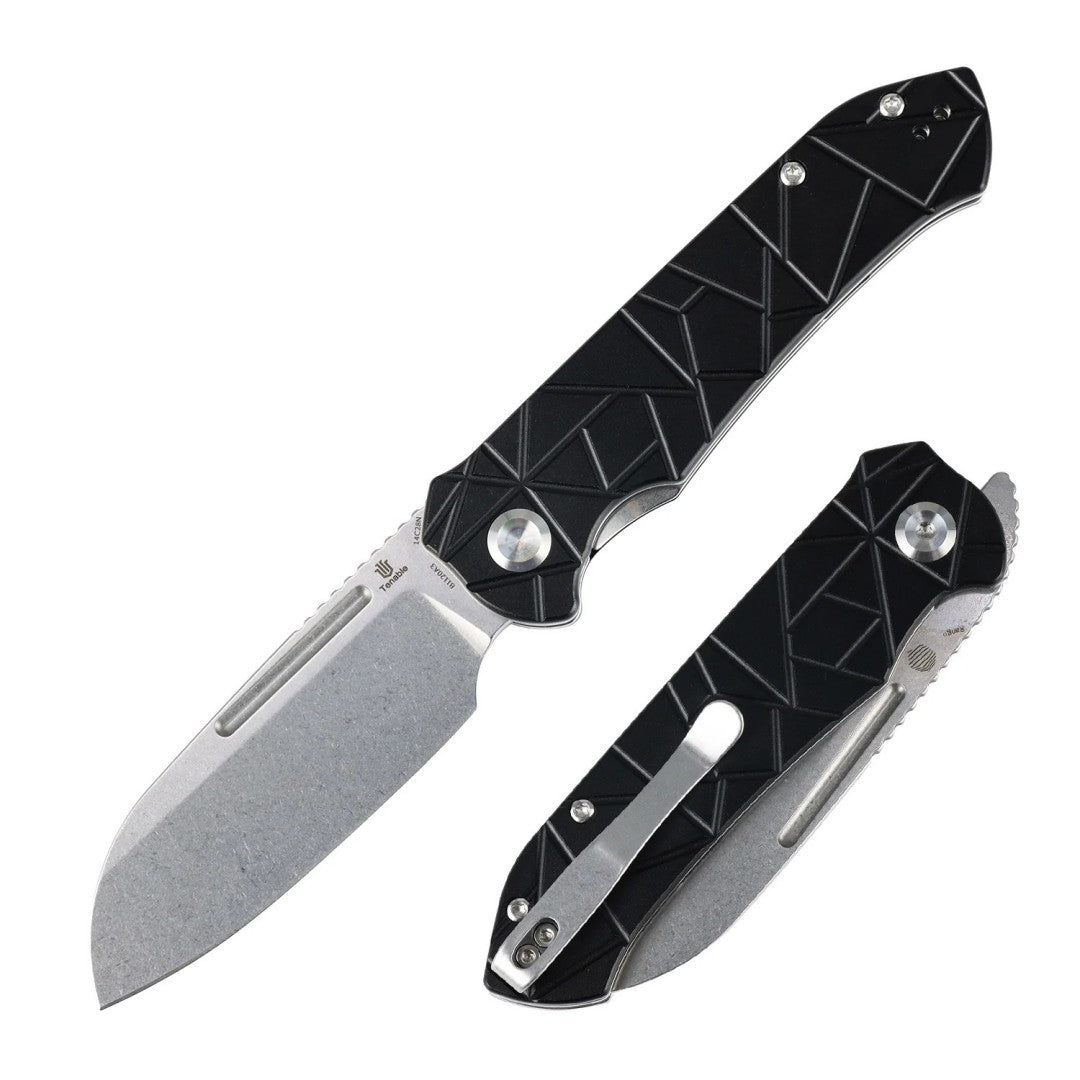
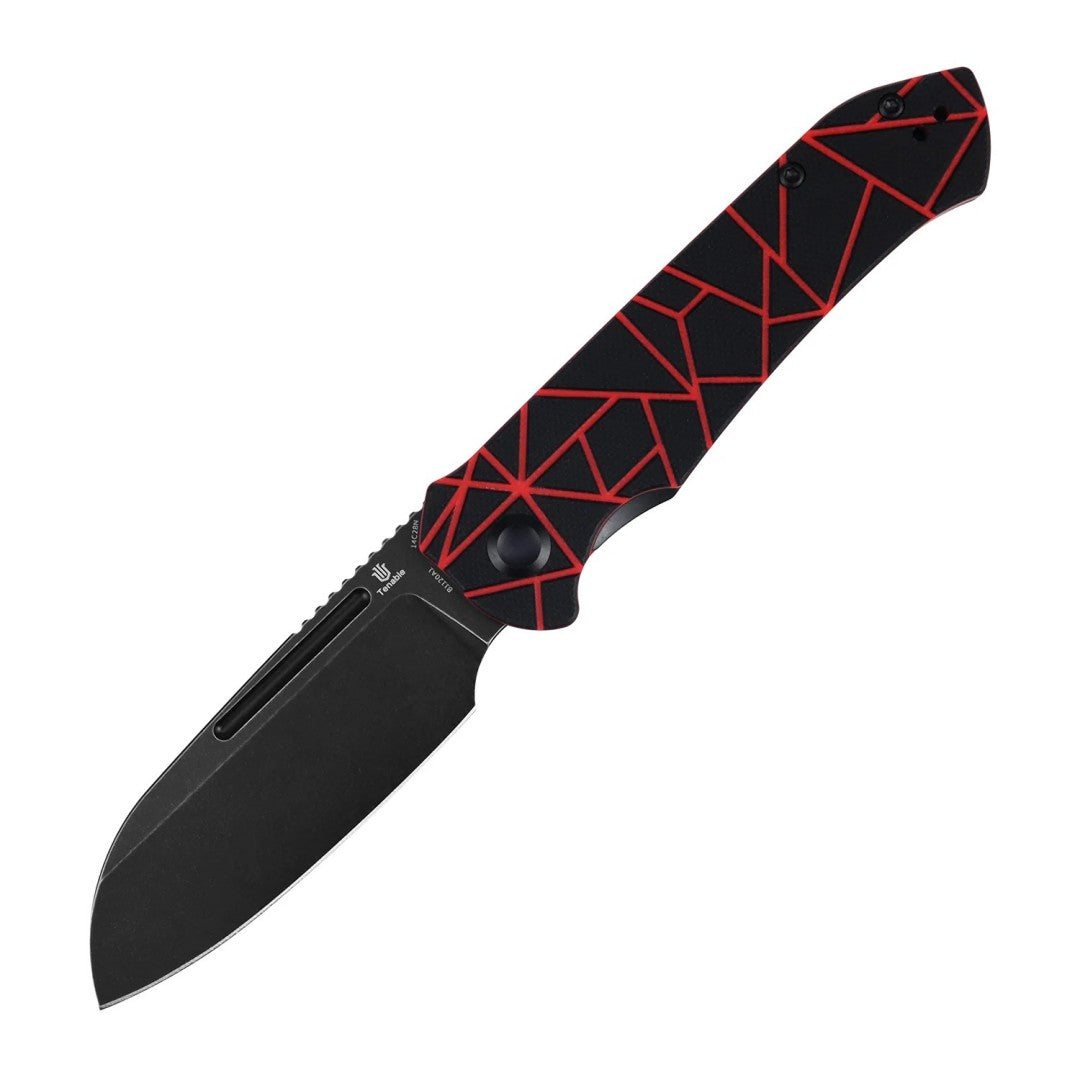
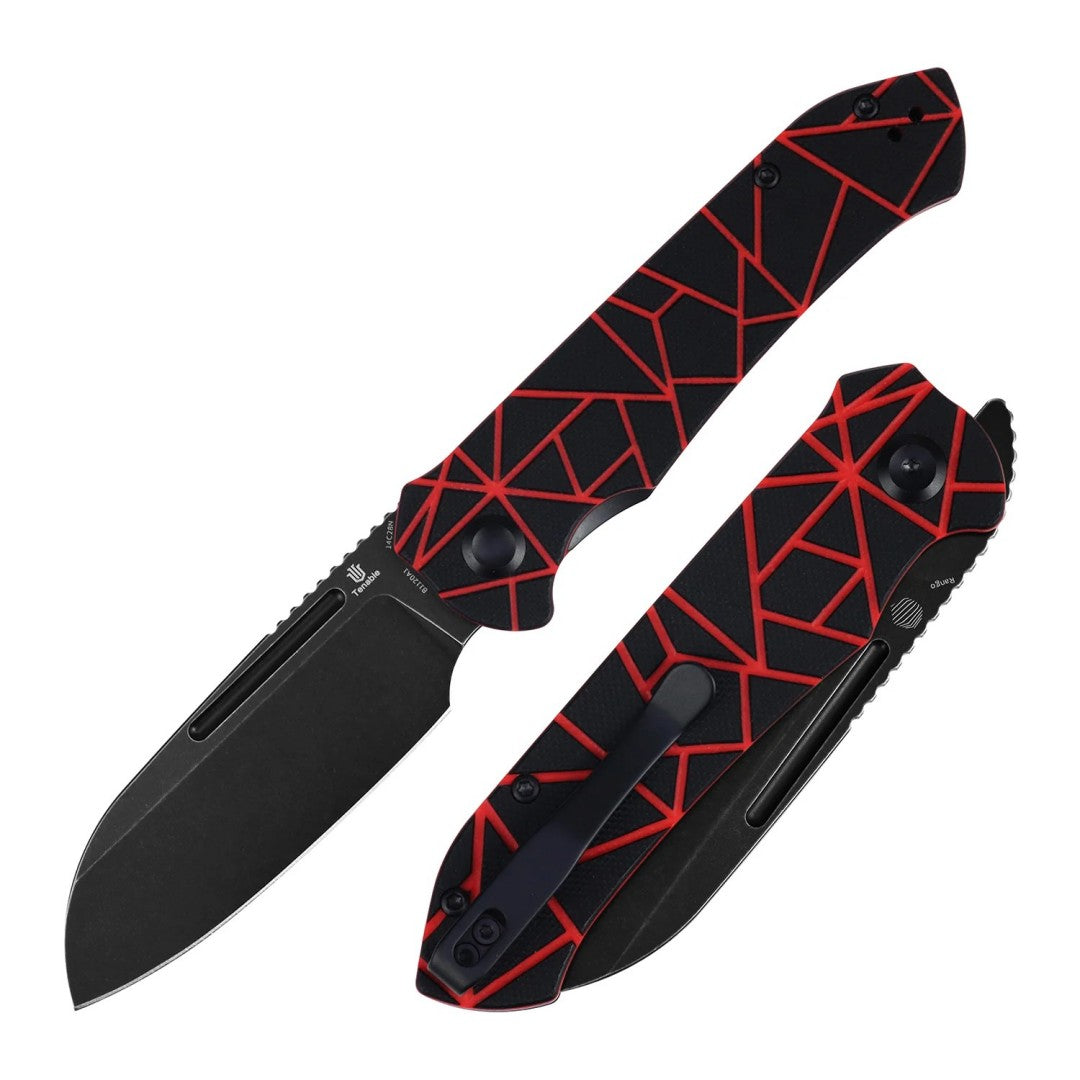
A Damascus steel folder such as the Tenable Fenrir B1034H24 is more than decoration in a veterinary kit: the layered steel takes a keen edge, holds it through a day of small cuts and cleans up easily after it has been handled near an animal. The pattern-welded surface also shows an owner that a dedicated, cleanable tool is being used, which matters for client confidence. Tenable knives present well and work well.

Design & Details
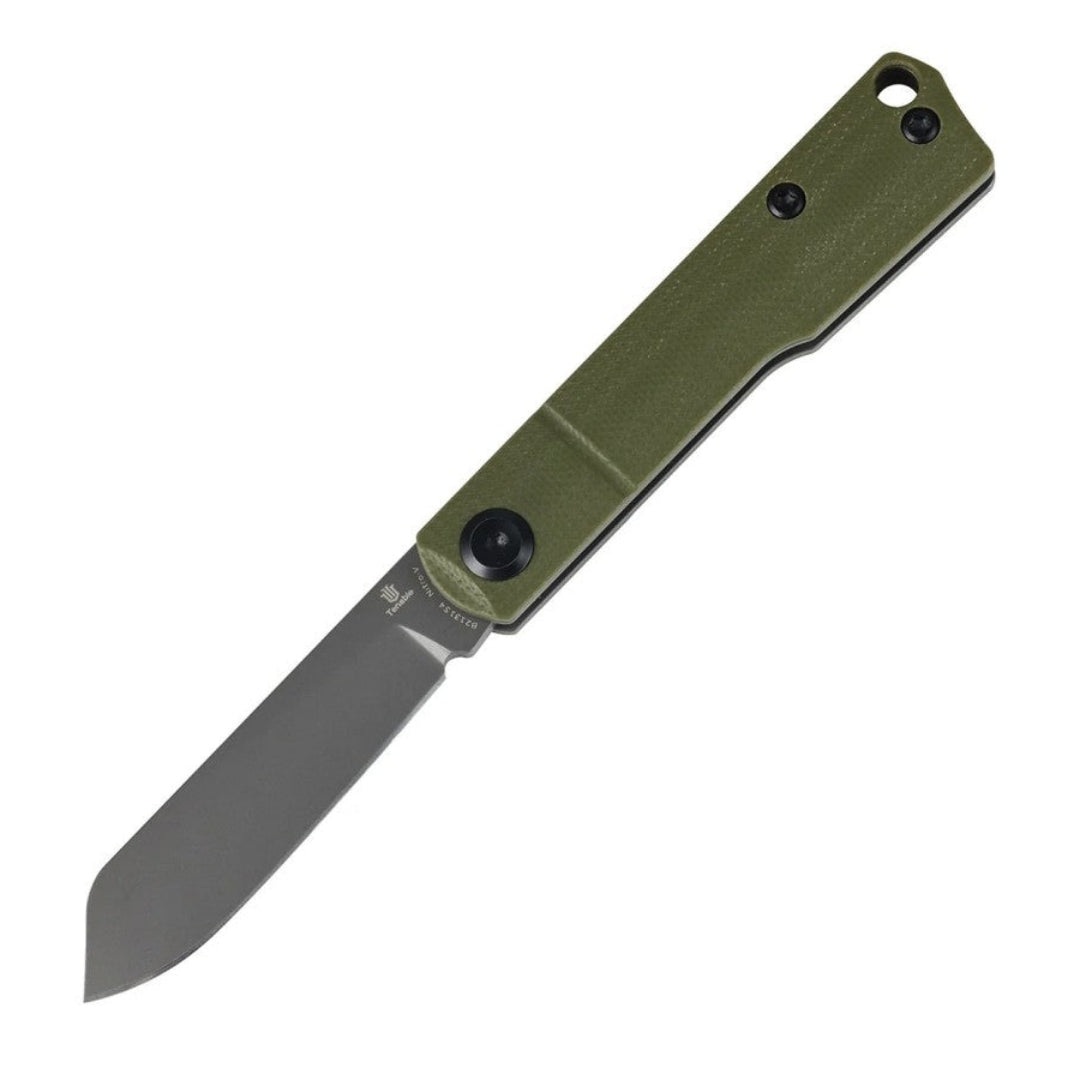
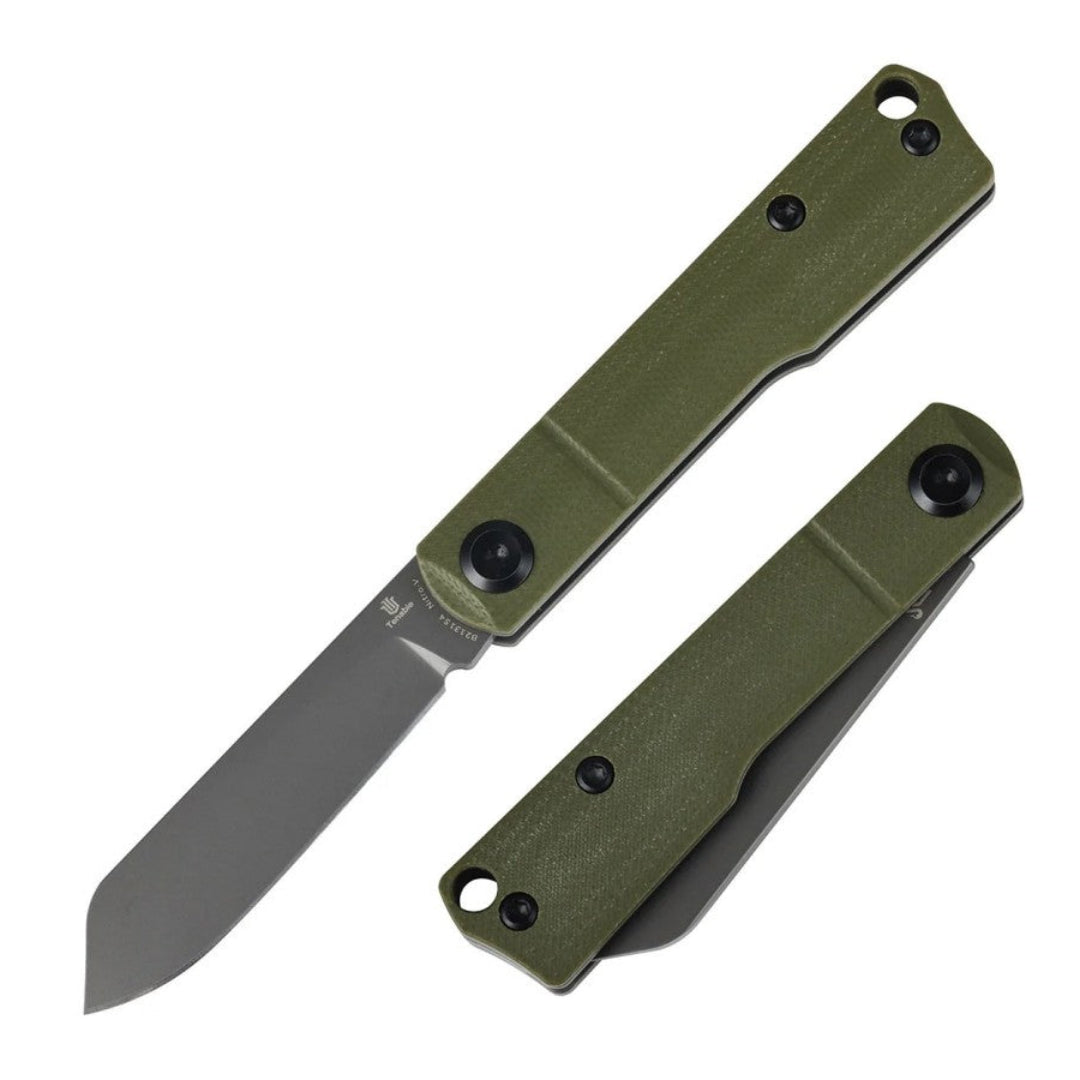
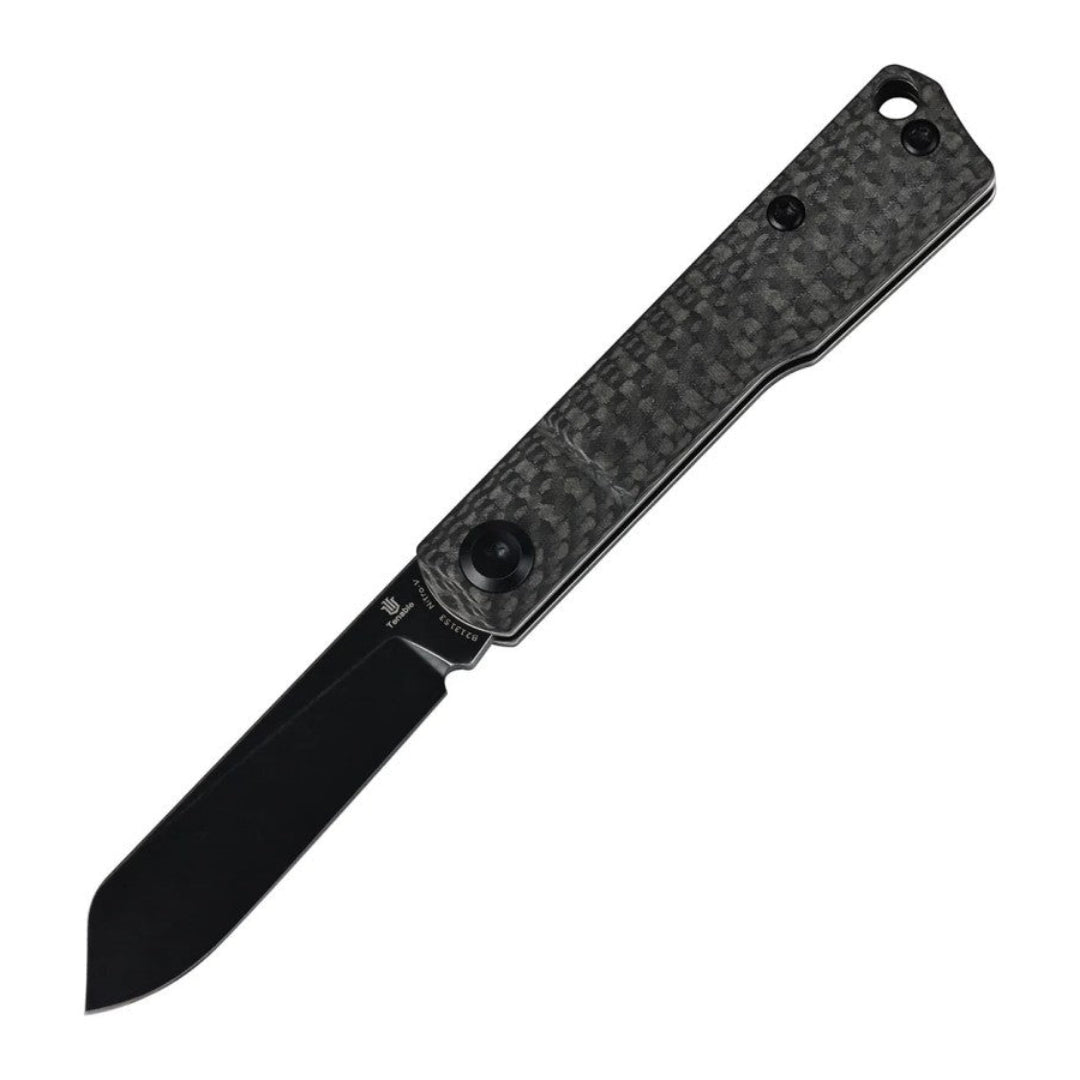
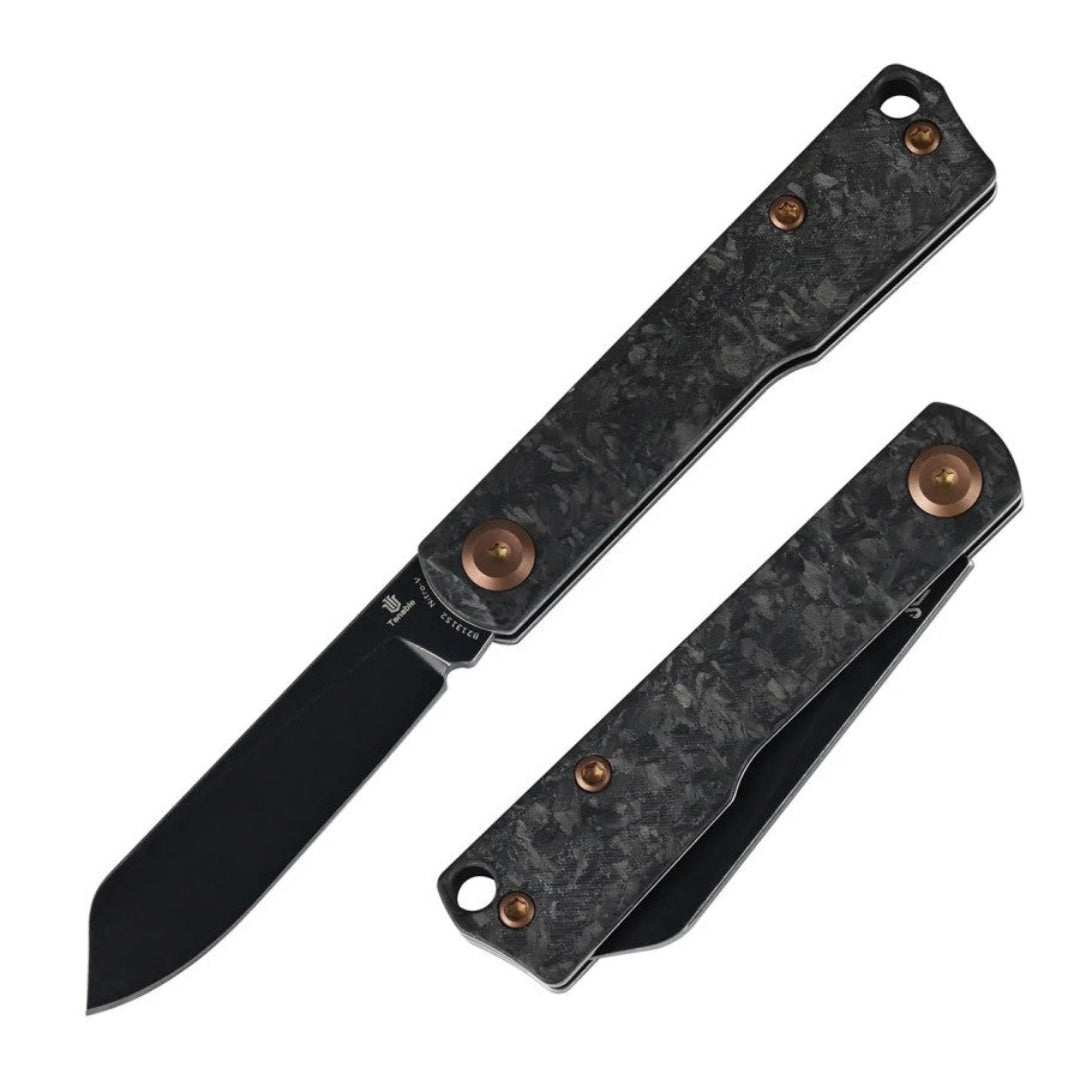
In a barn the priorities are hygiene and one-hand operation. Among folding knives, a slim profile with a smooth handle is easiest to wipe down between horses, and a blade under three inches is enough for bandage, twine and packaging. A lock that closes firmly and quietly is a courtesy when a sedated animal is standing right beside you in a narrow stall.
Real-World Use
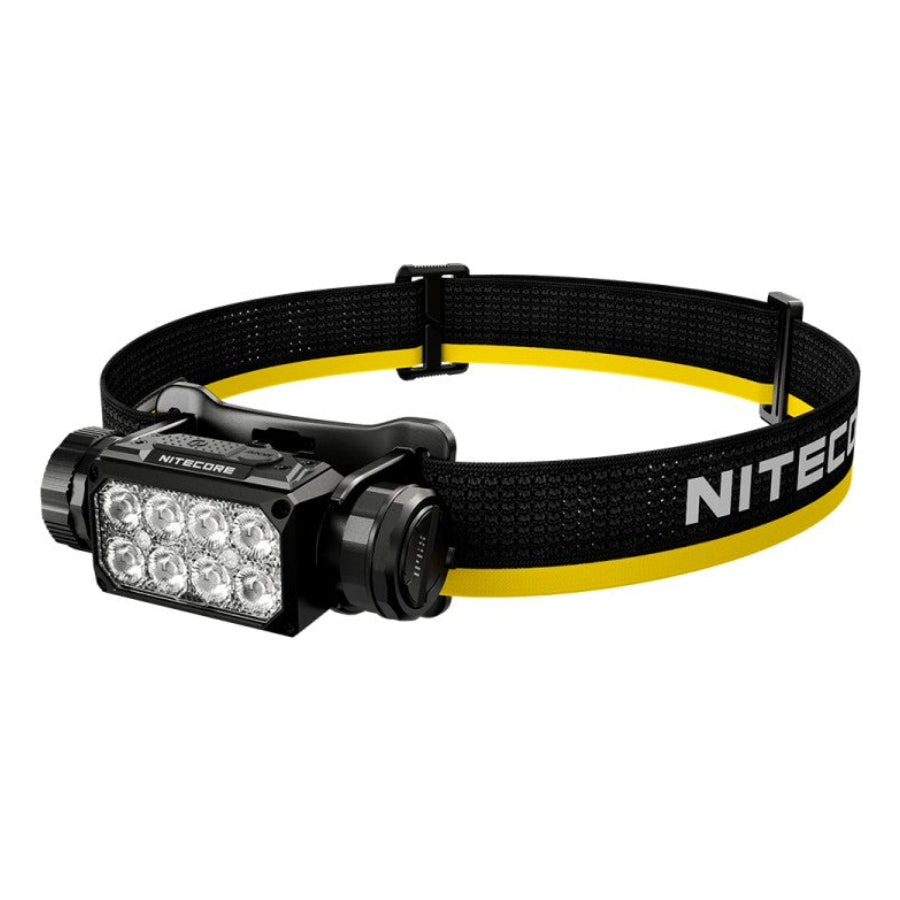
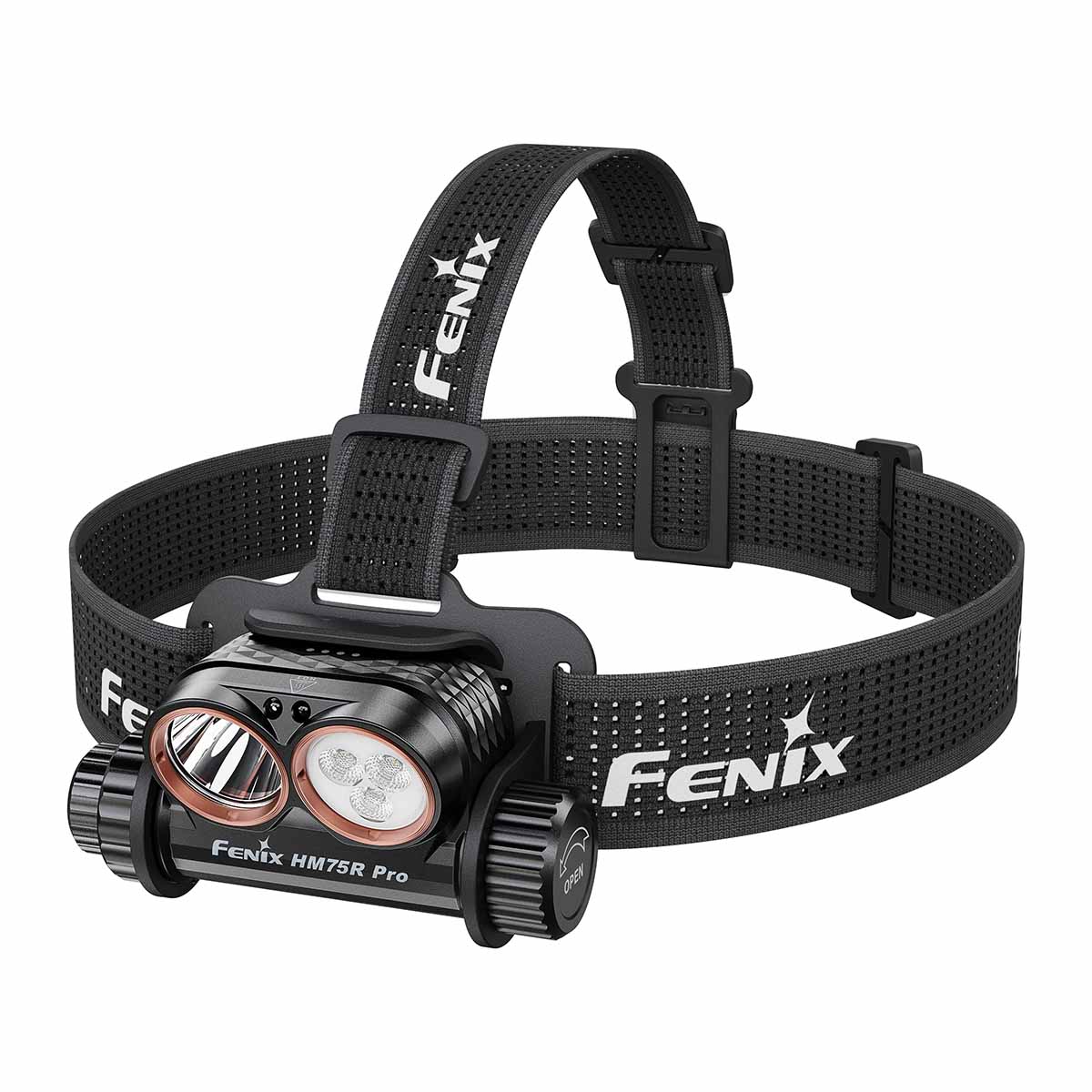
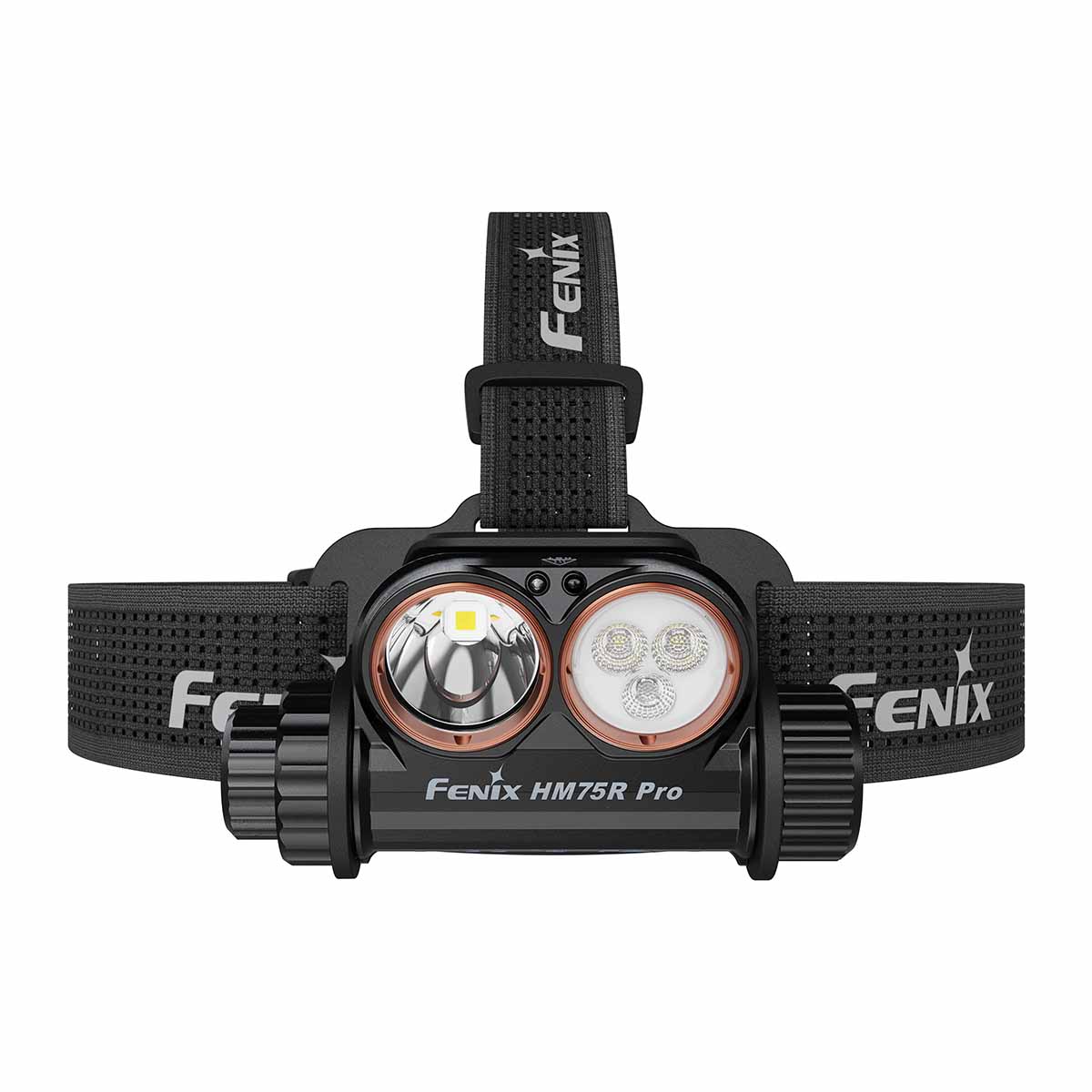
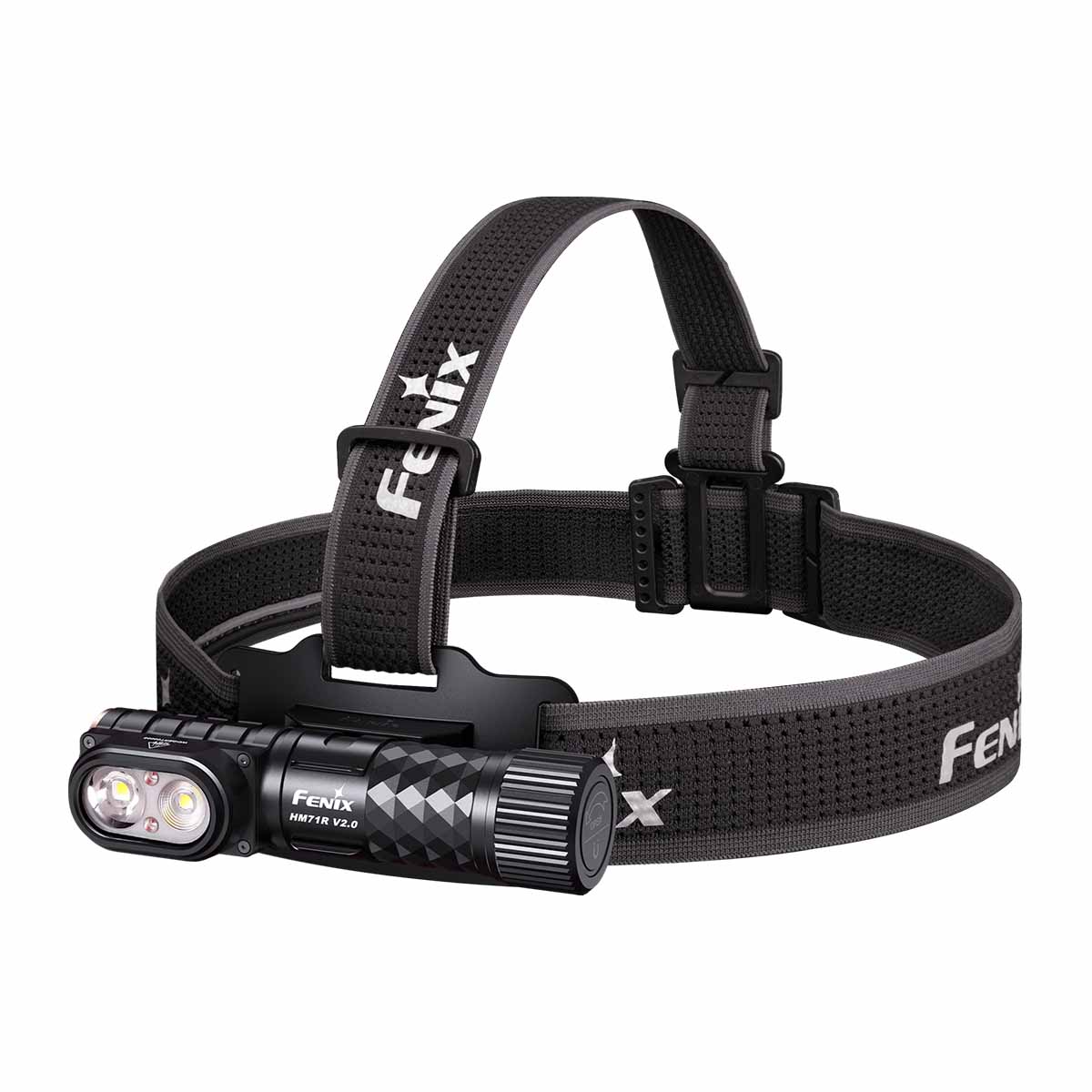
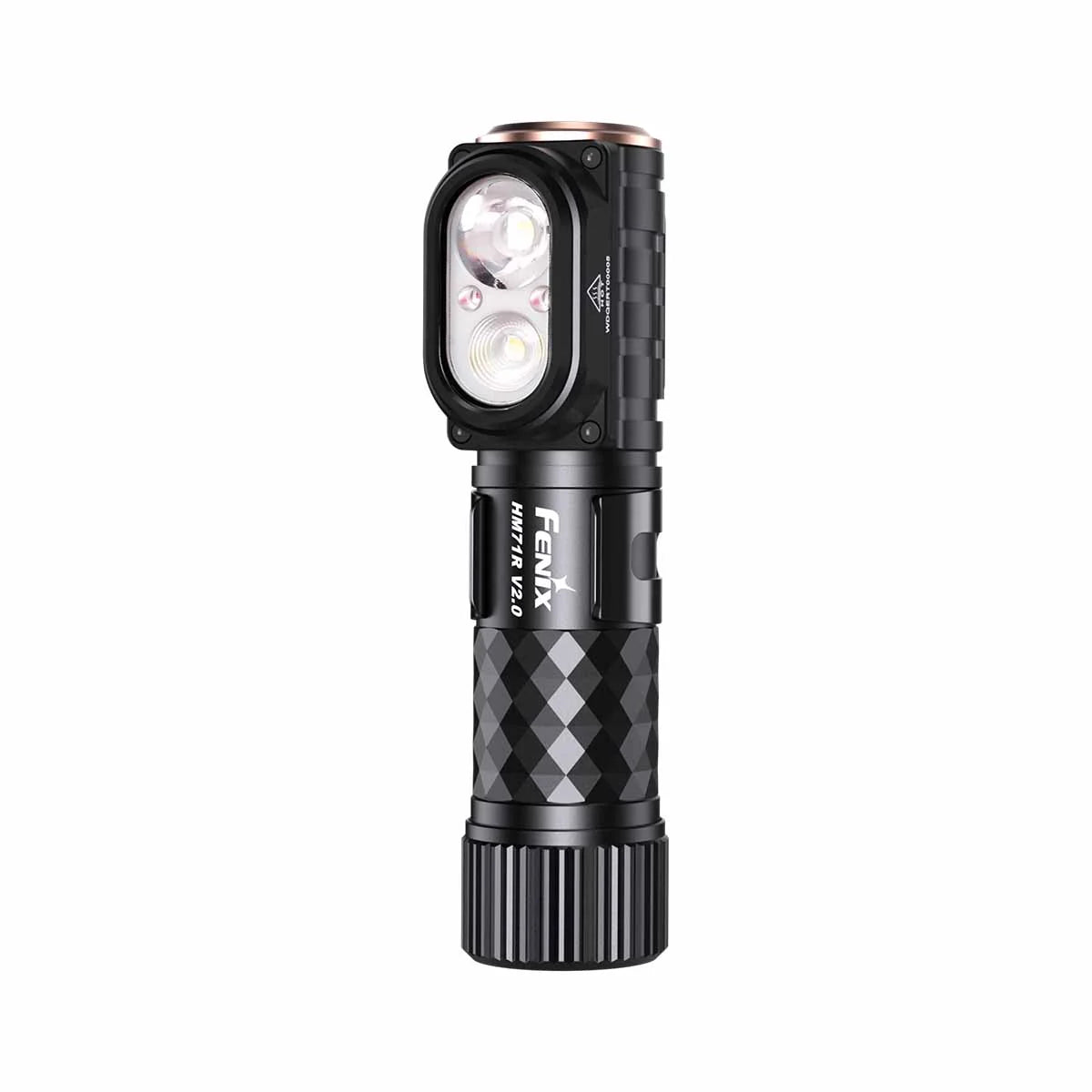
During a dental round the knife cuts bandage to length, trims a wooden mouth wedge, opens a package of gloves, cuts the string on a hay bale and slices the tape on a supply box. A small penlight is used to inspect inside a mouth and to check a wound in a dark stall, while a headlamp lets the vet work with both hands free.

Ownership Notes
Practice gear has to be easy to disinfect. Wipe the handle and the blade after every yard visit, keep a spare knife in the vehicle, and store the kit in a closed bag rather than an open tray. Replace anything that has been dropped in bedding. EdcMall carries the cleanable folders and lights that suit a mobile practice. Dental rounds also reward a written list. Note the horse, the tooth, the float used and any sedation dose so the next visit starts with history rather than a guess, and keep the kit in the same order in the bag so a stall with no table is never a problem. Replace worn consumables weekly, and keep the knife and the light charged and clean so nothing about the practice feels improvised.
Who Is This For?
This is for equine veterinarians, dental technicians, large-animal vet students and the assistants who hold the head. A backyard horse owner will simply call the vet. If you carry a dental kit from yard to yard, buy small, buy smooth and buy easy to clean.
Final Verdict
A veterinary kit is judged on how it behaves after it has been cleaned a hundred times. A keen-edged pattern-welded blade, a smooth handle, a firm lock and a light that reaches into a mouth will do far more for a practice than any oversized tool.