

Overview & First Impressions
Handle material is the part of a knife you actually touch, yet it is usually chosen last and discussed least. Beyond the common synthetics there is a whole world of natural and composite options, each with a distinct look, a distinct feel in the hand and a distinct maintenance requirement. Koa, cocobolo, kirinite and abalone cover most of what you will encounter.
Materials & Construction
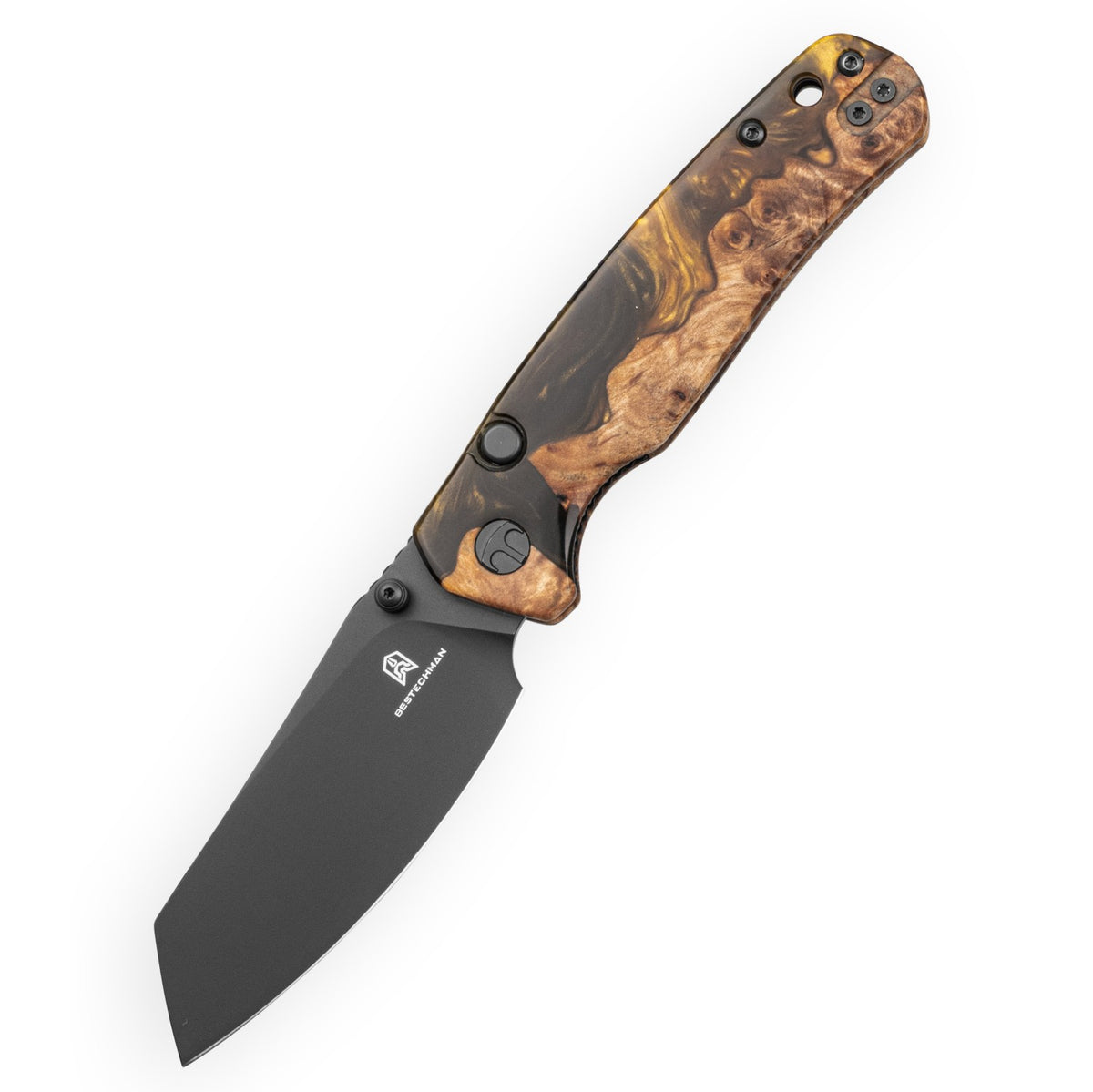
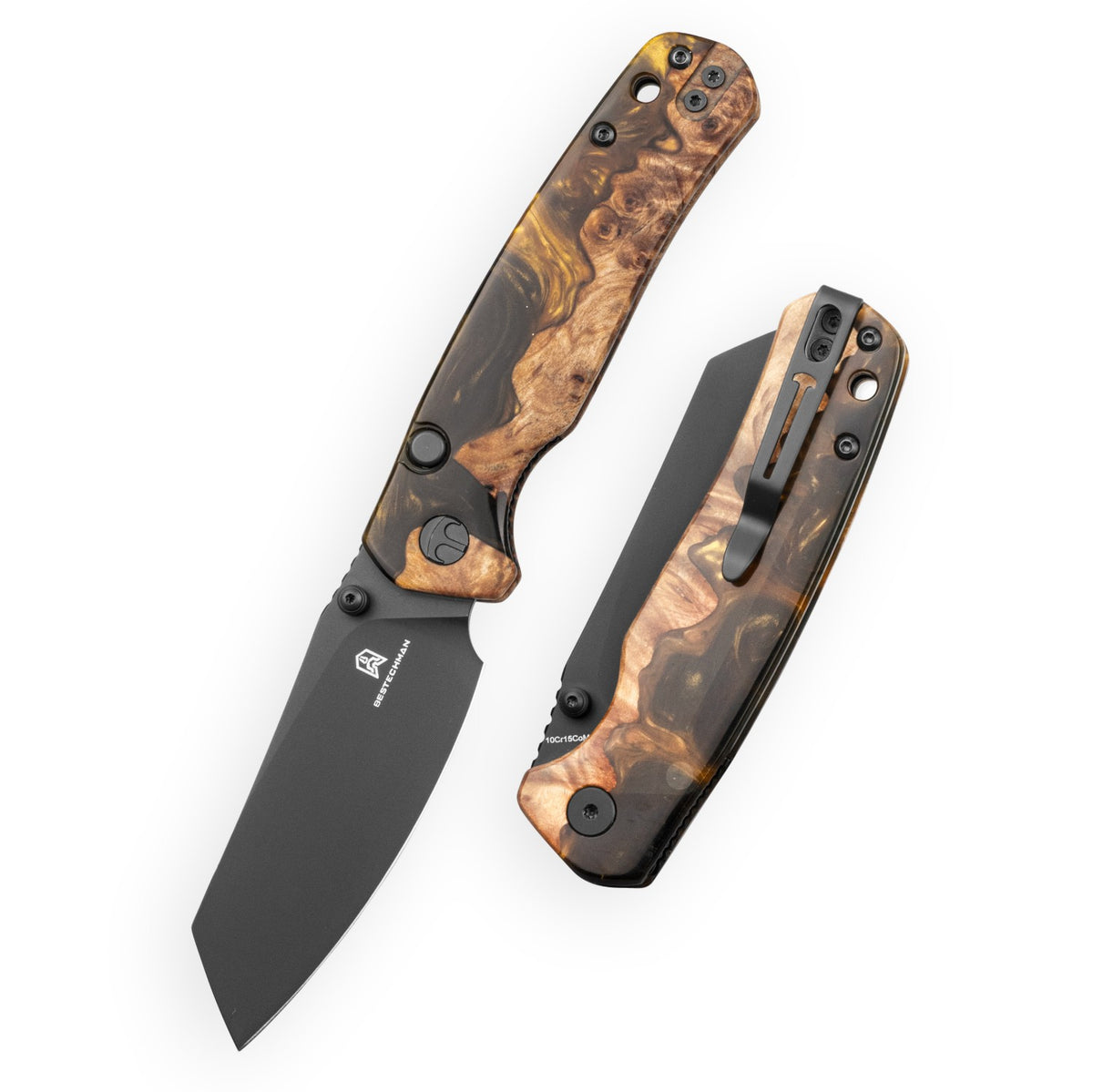
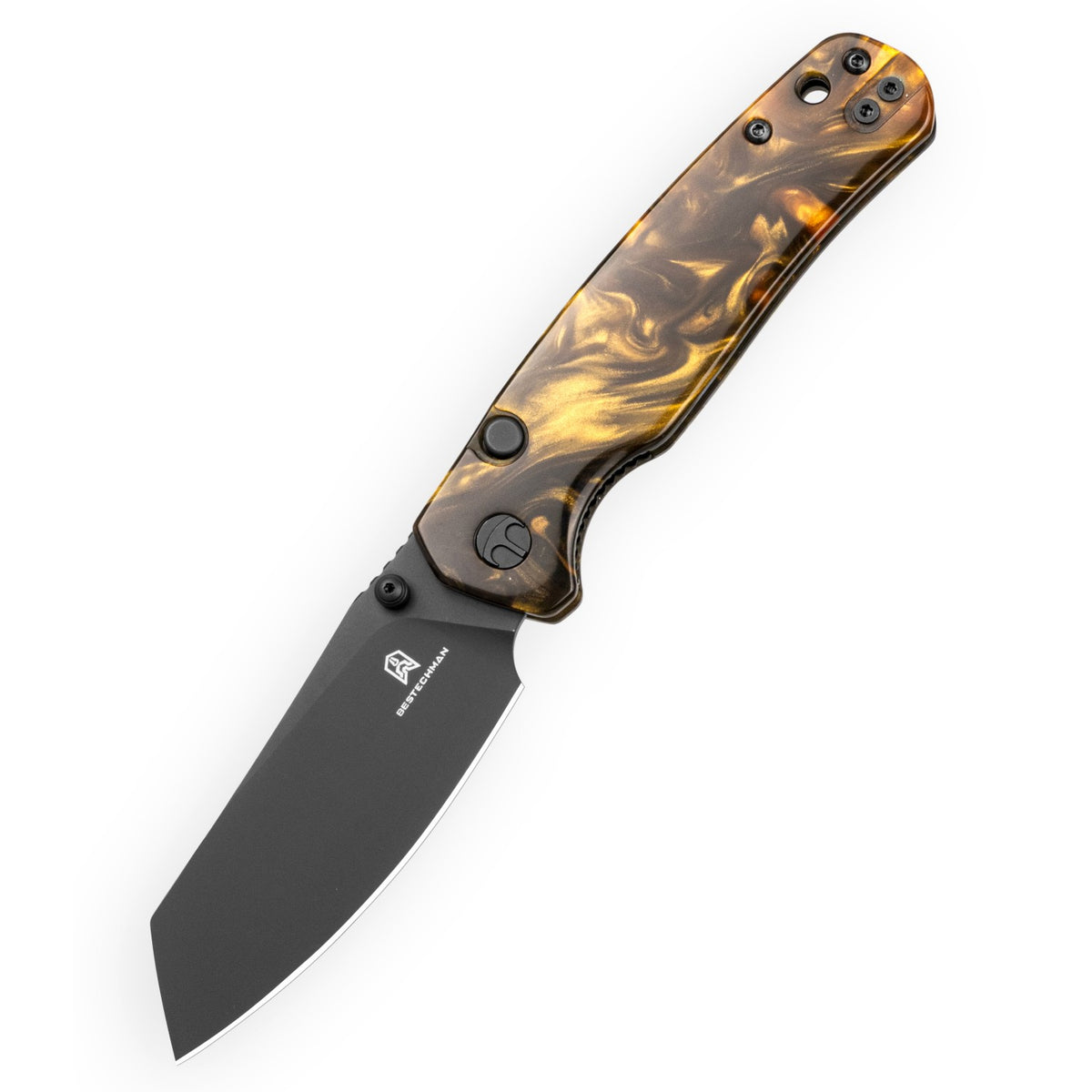
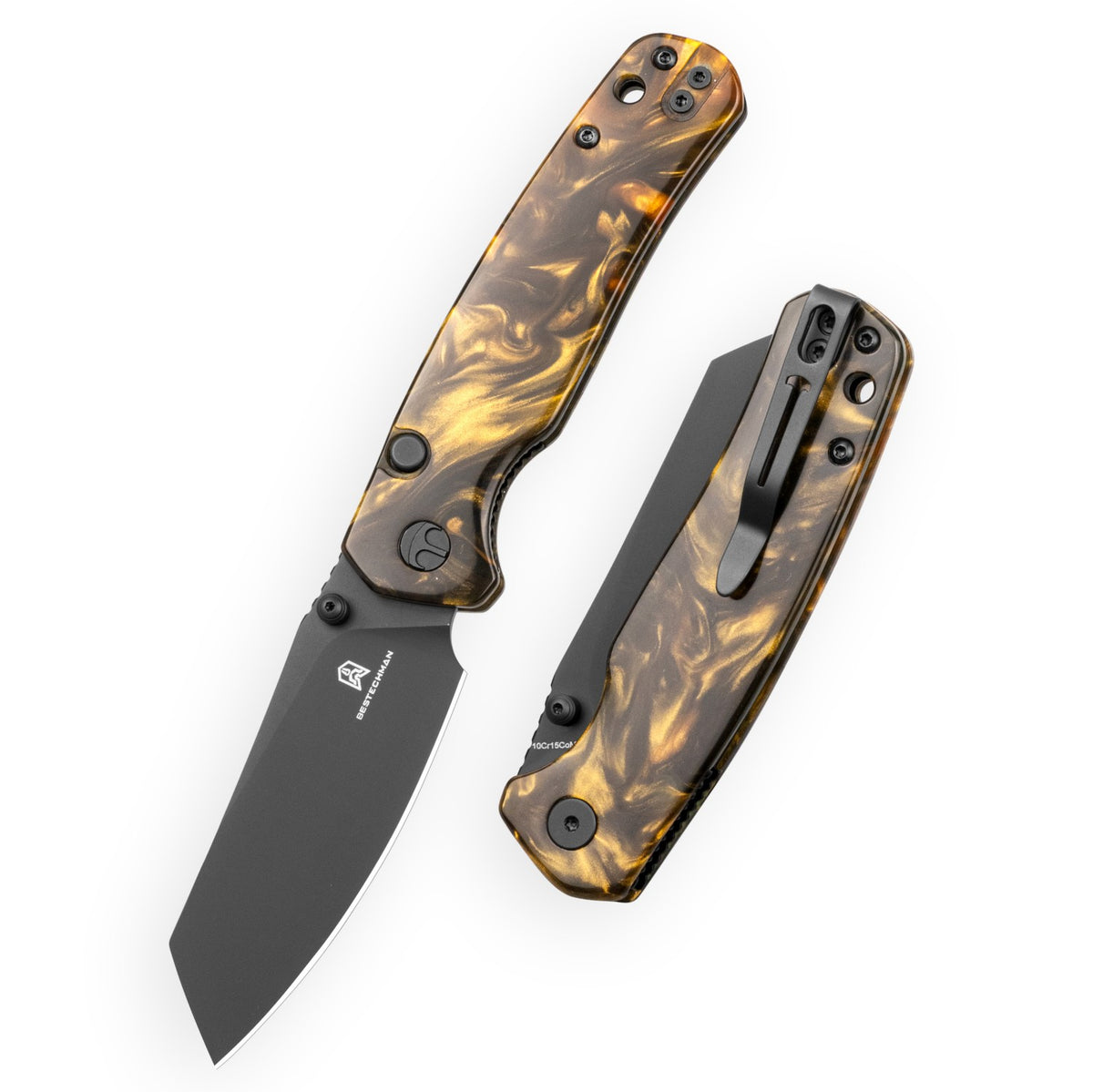
Koa is a Hawaiian hardwood prized for its shimmering figure and warm golden brown tones, and it takes a high polish while staying dimensionally stable. Cocobolo is denser and darker, with natural oils that make it resistant to moisture, though those same oils can irritate sensitive skin. Kirinite is an acrylic composite available in vivid swirls, while abalone is a shell inlay whose iridescence shifts with the light.

Design & Details
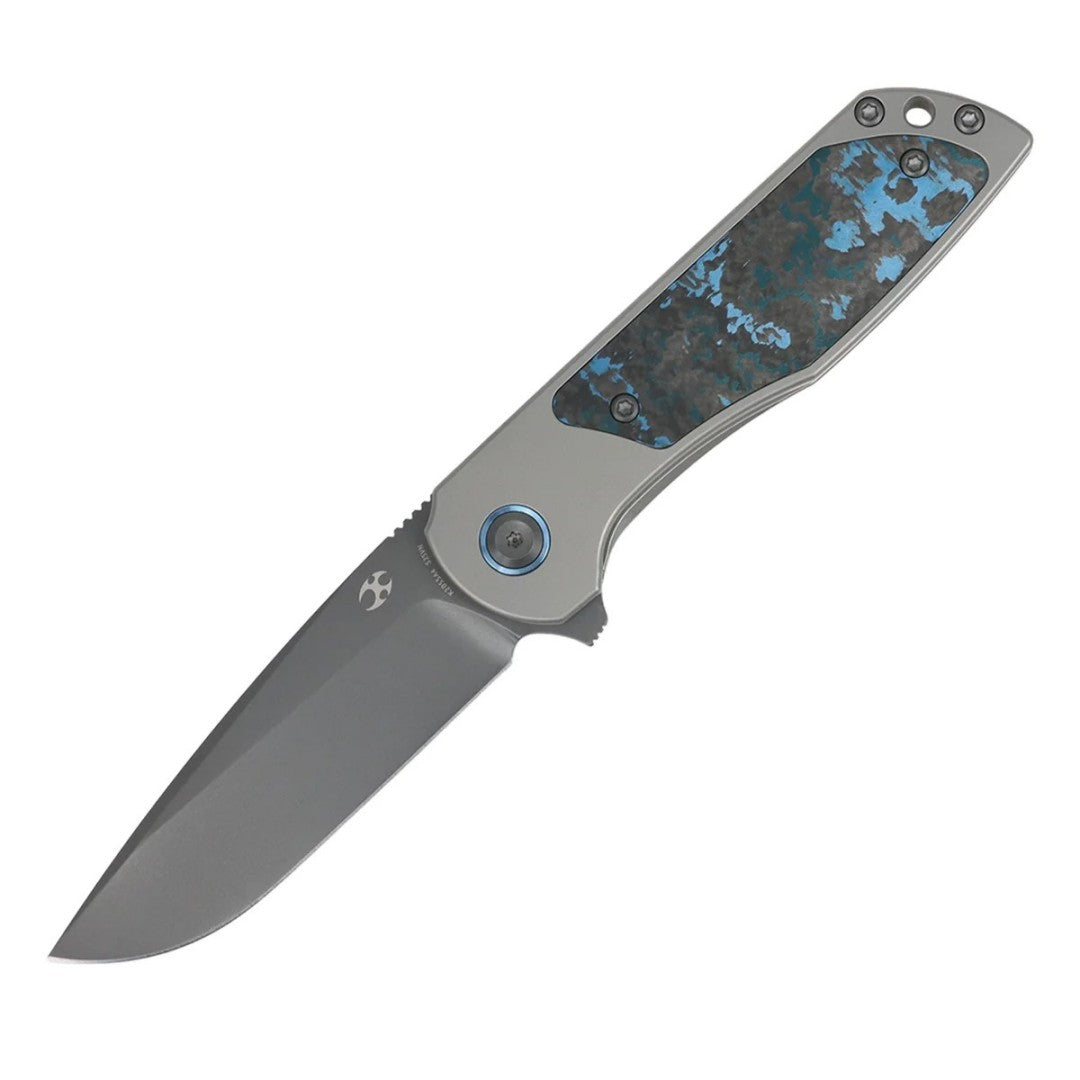
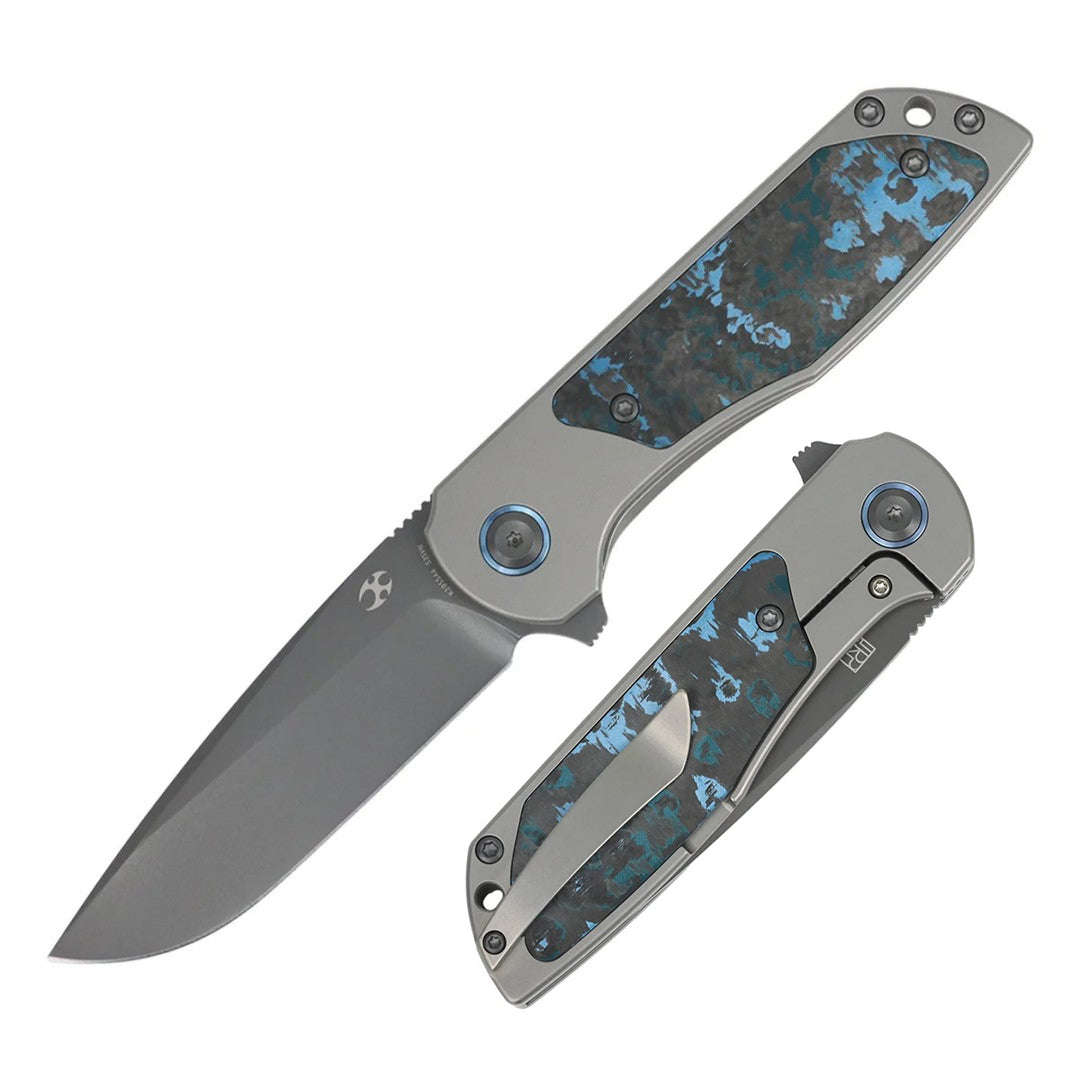
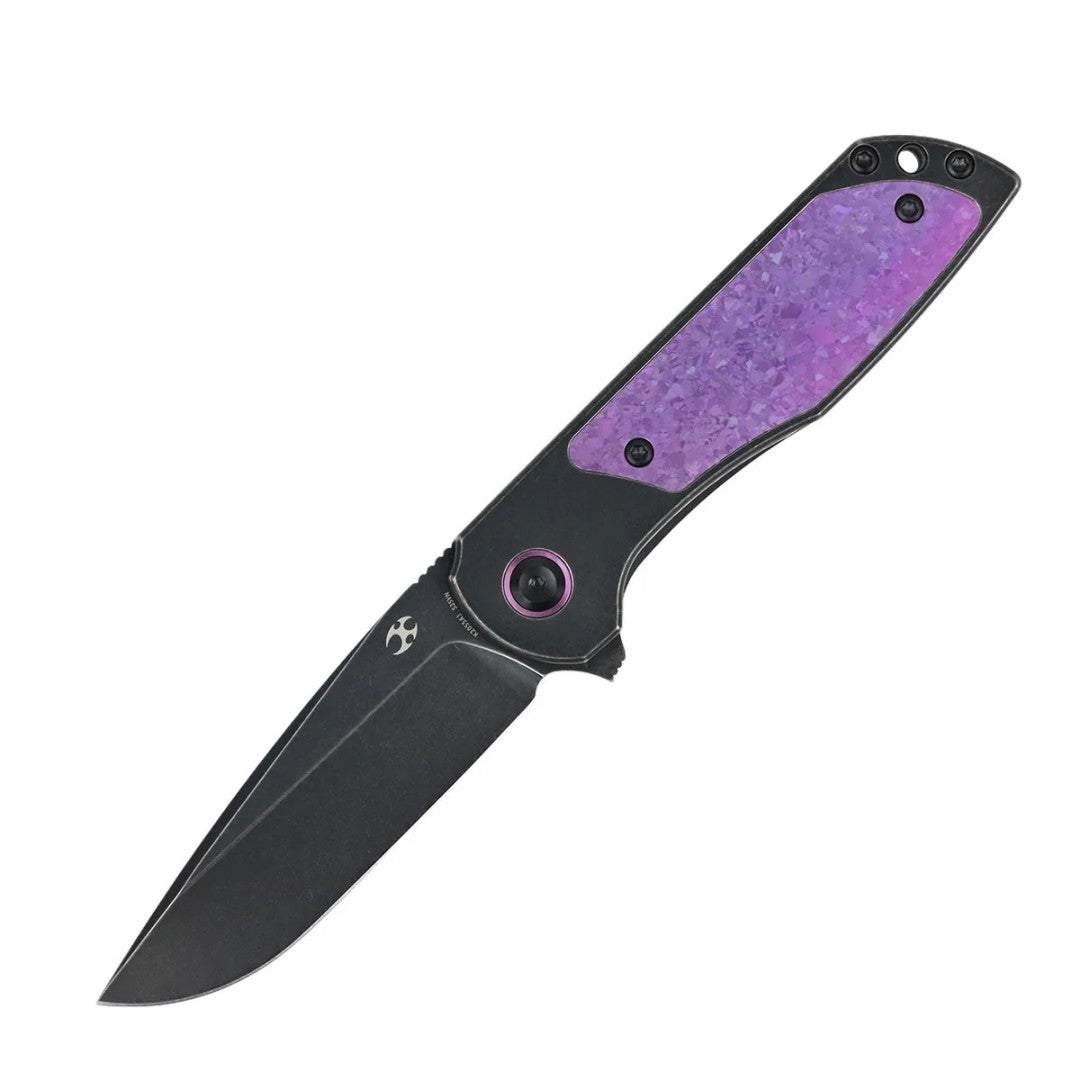
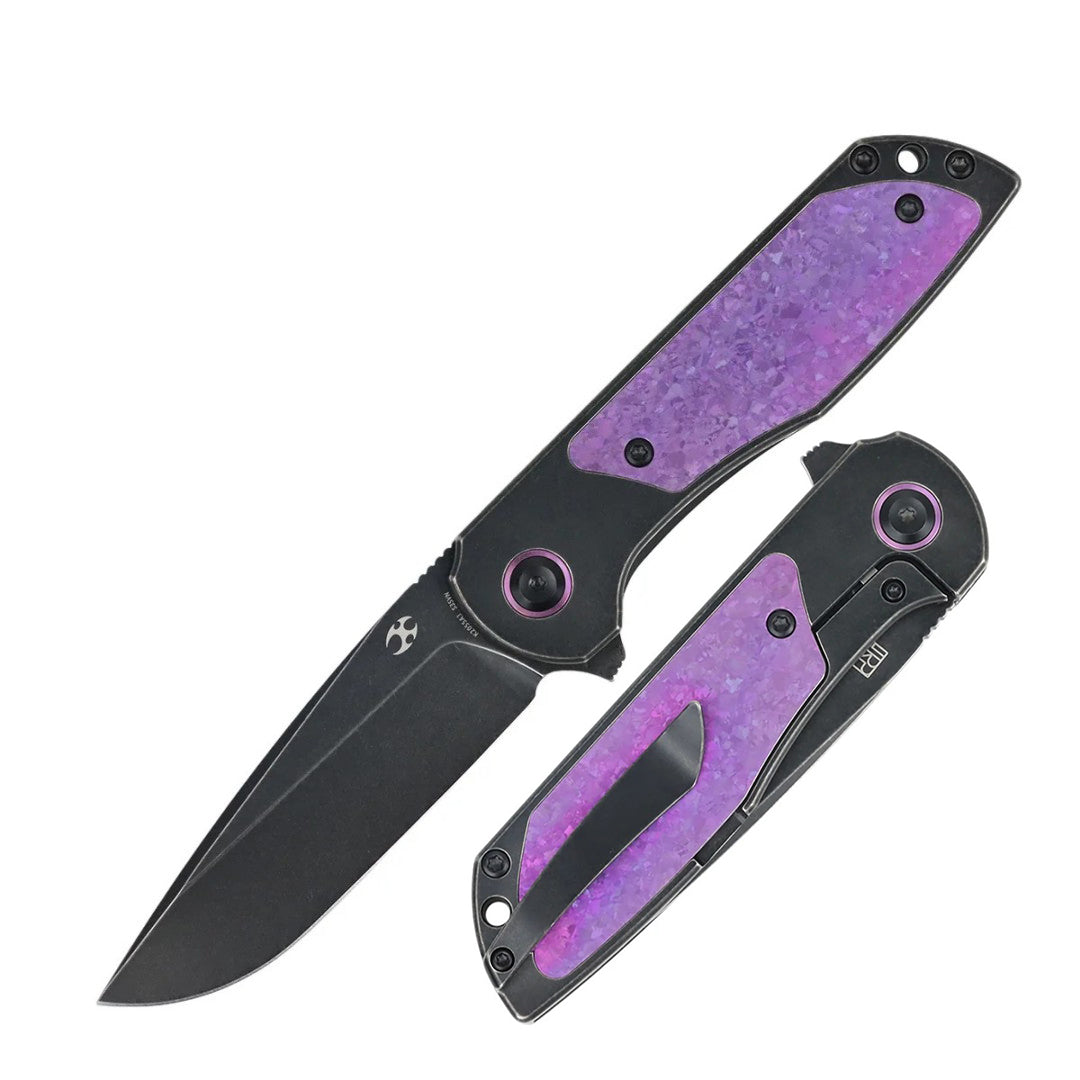
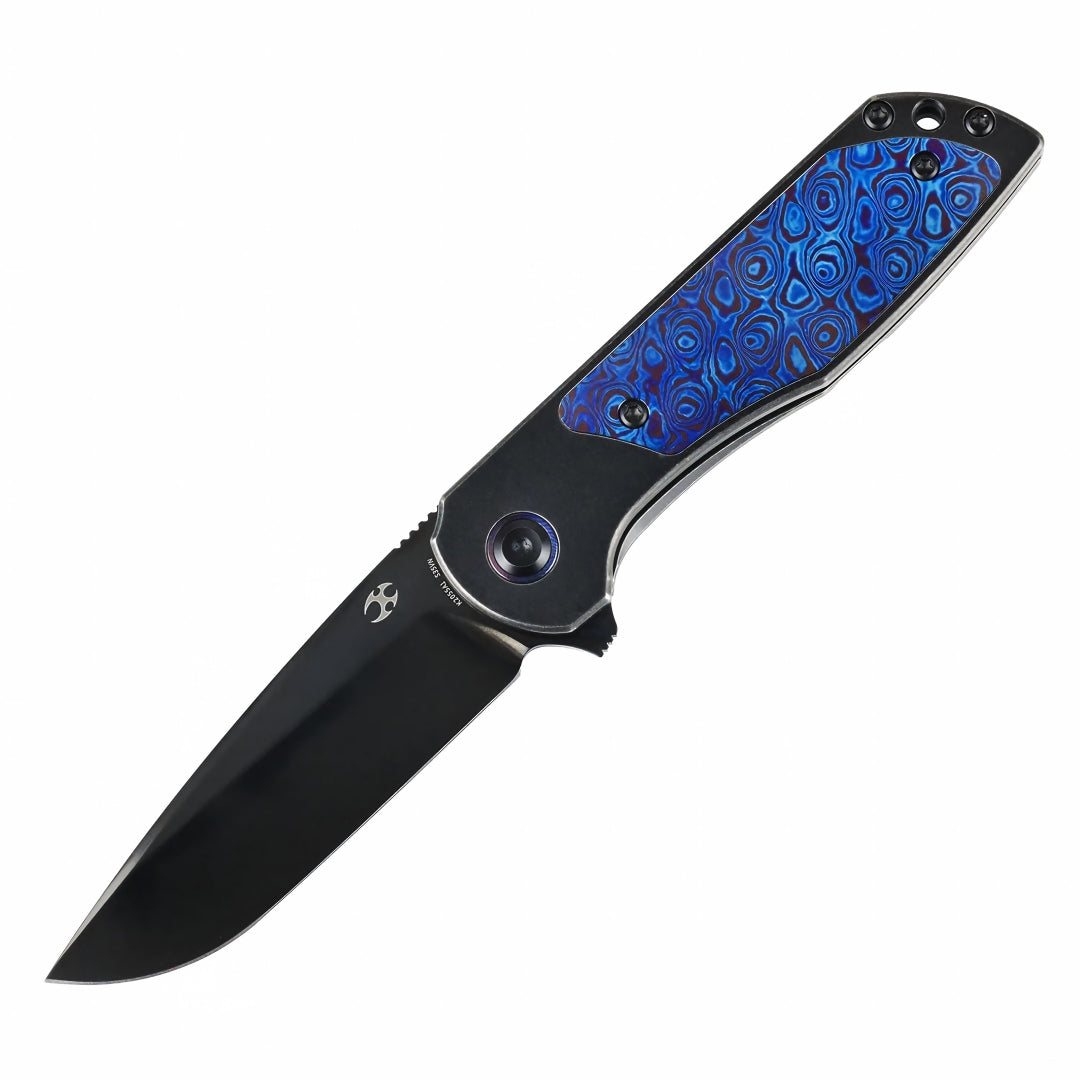
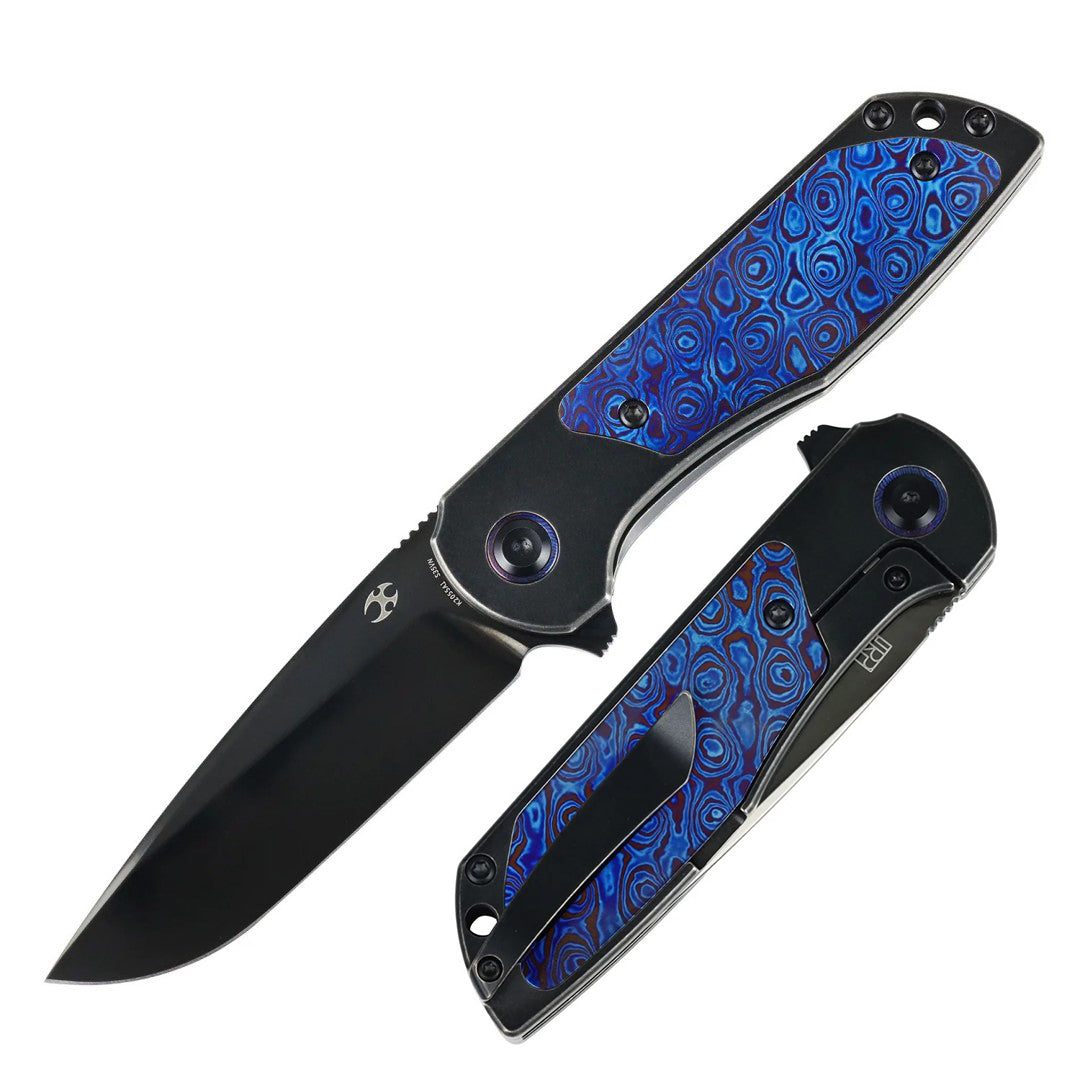
Pair the handle to the blade rather than choosing either in isolation. A Damascus steel blade with a bold pattern suits a simple dark wood, because two competing patterns cancel each other out. A plain satin blade is the right canvas for abalone or a bright kirinite swirl. The QSP Baby Viper QS178-D follows that logic by pairing a laminated Damascus blade with an abalone handle that reads as depth rather than decoration.
Real-World Use
Natural materials need care that synthetics do not. Wood handles should be wiped dry rather than soaked, and an occasional coat of oil or wax stops them drying and cracking in low humidity. Shell inlay needs protection from impact, since abalone is brittle. Composite handles such as kirinite are effectively maintenance free, which makes them a good choice for a fixed blade that lives outdoors.
Ownership Notes
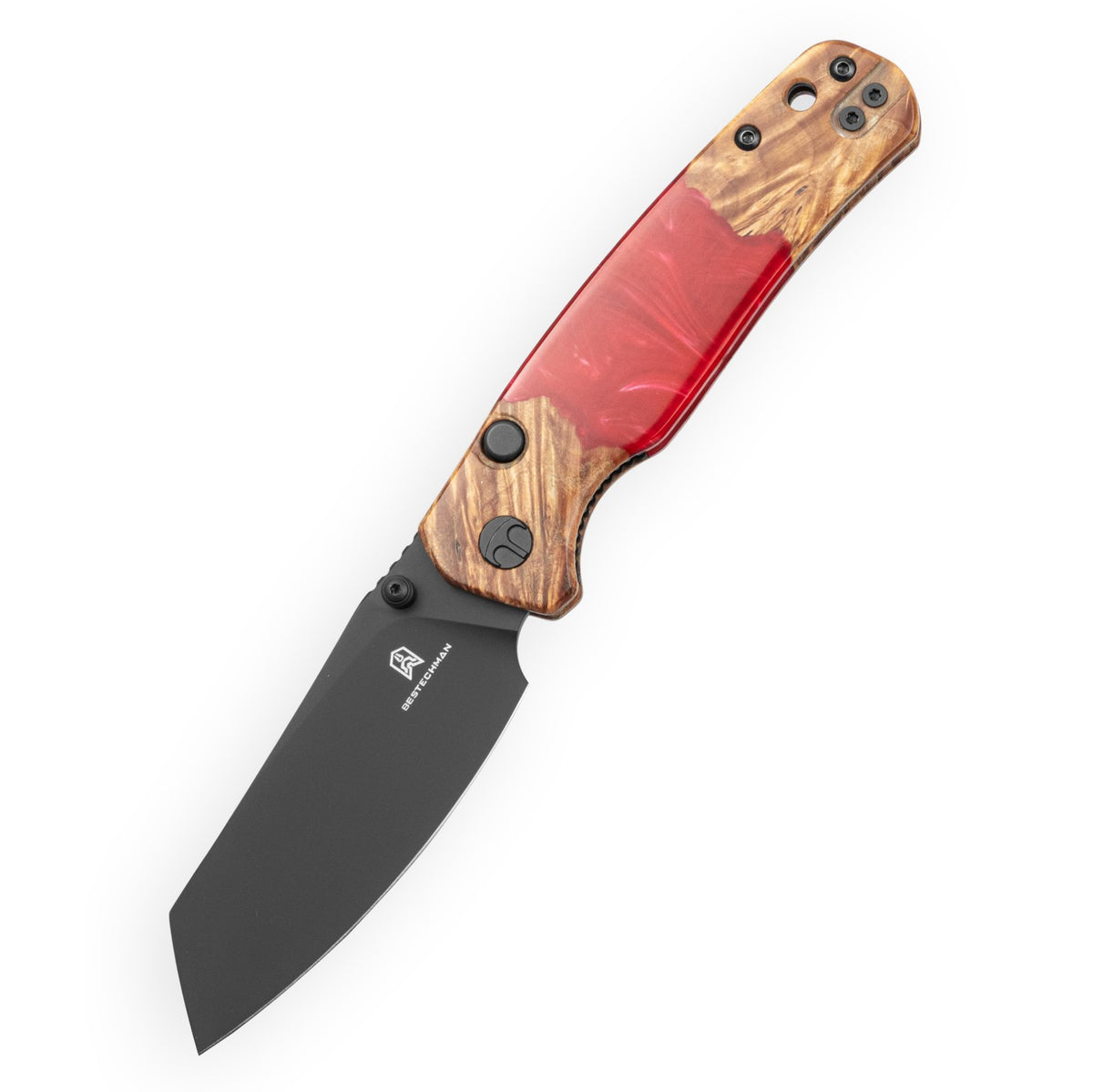
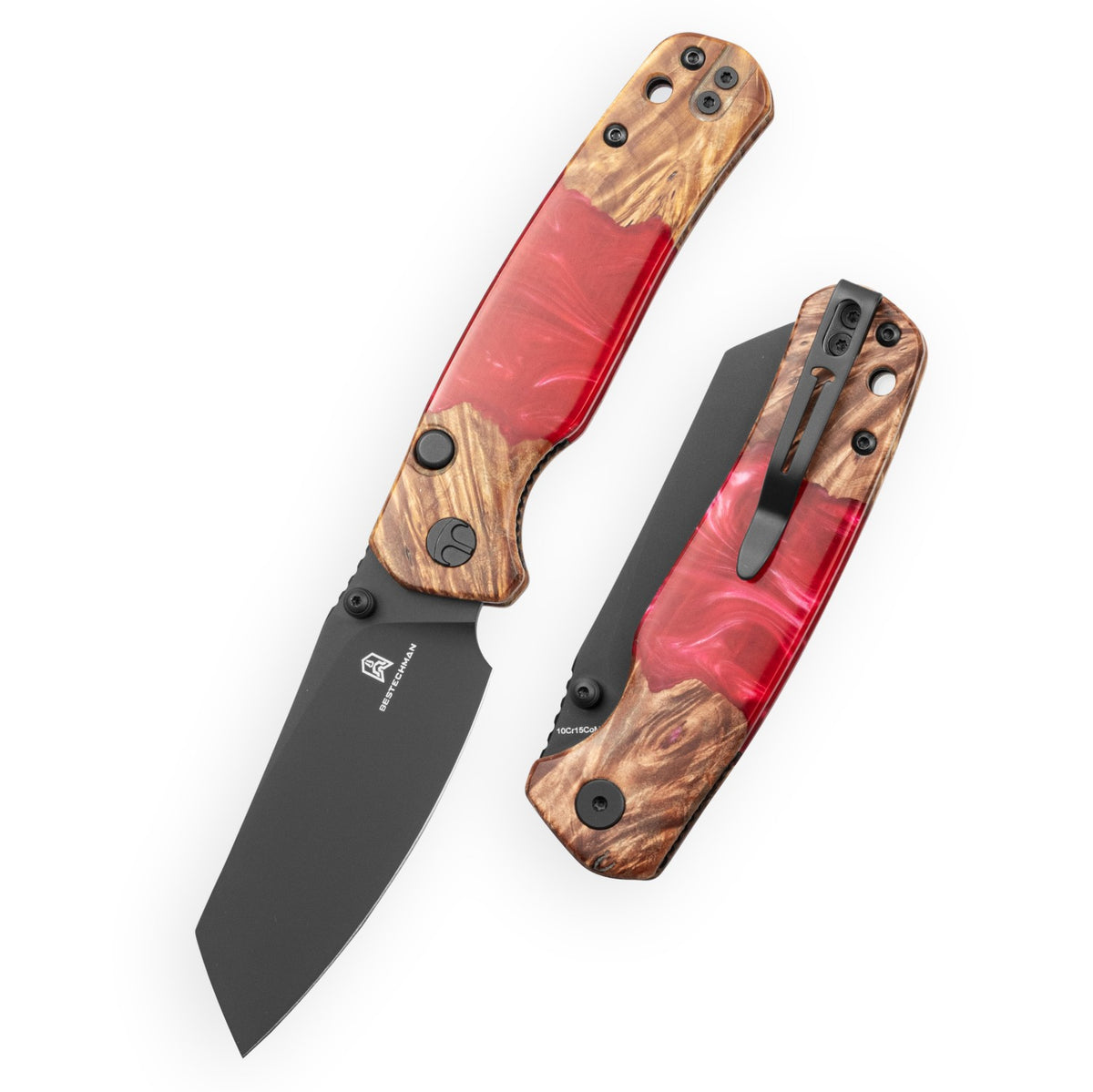
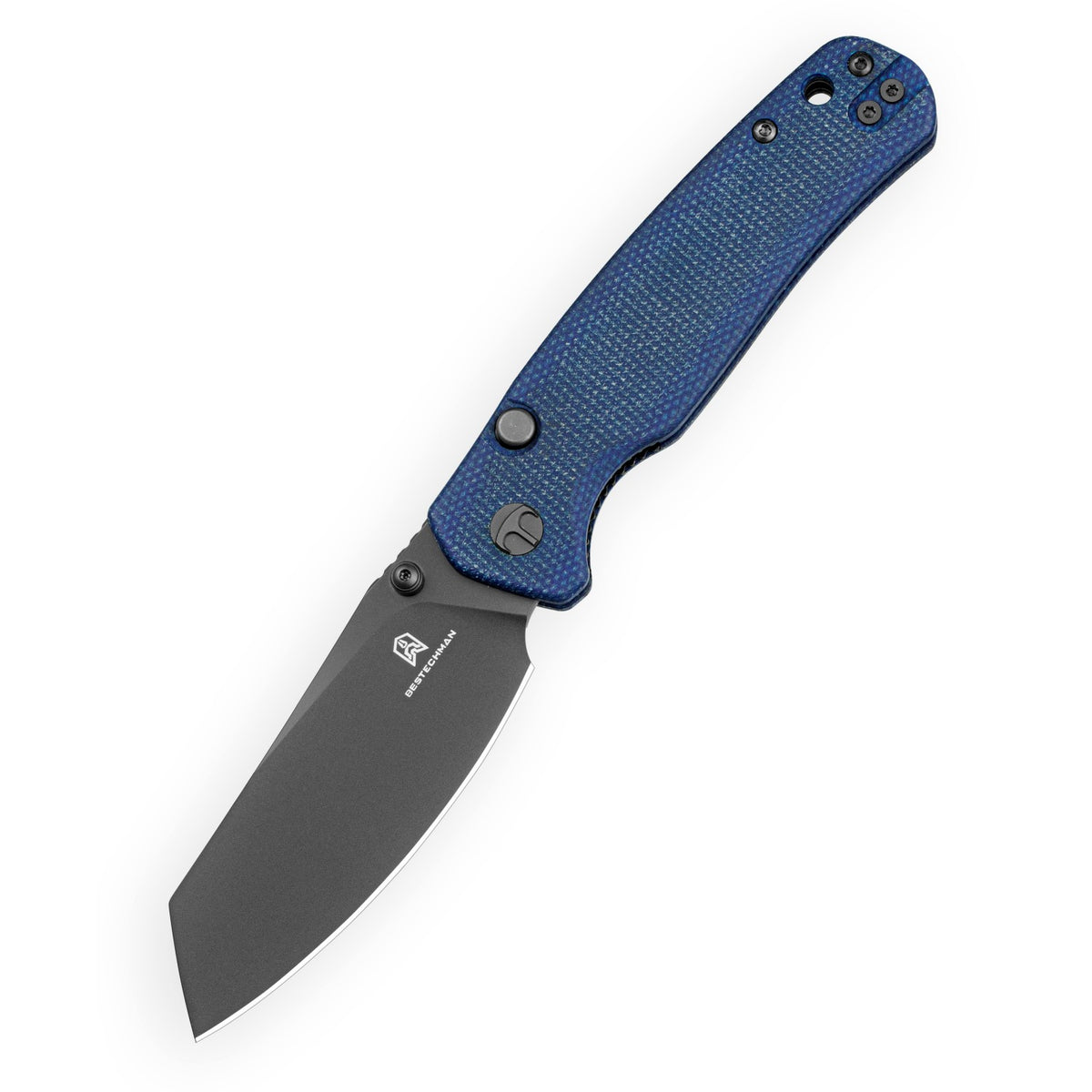
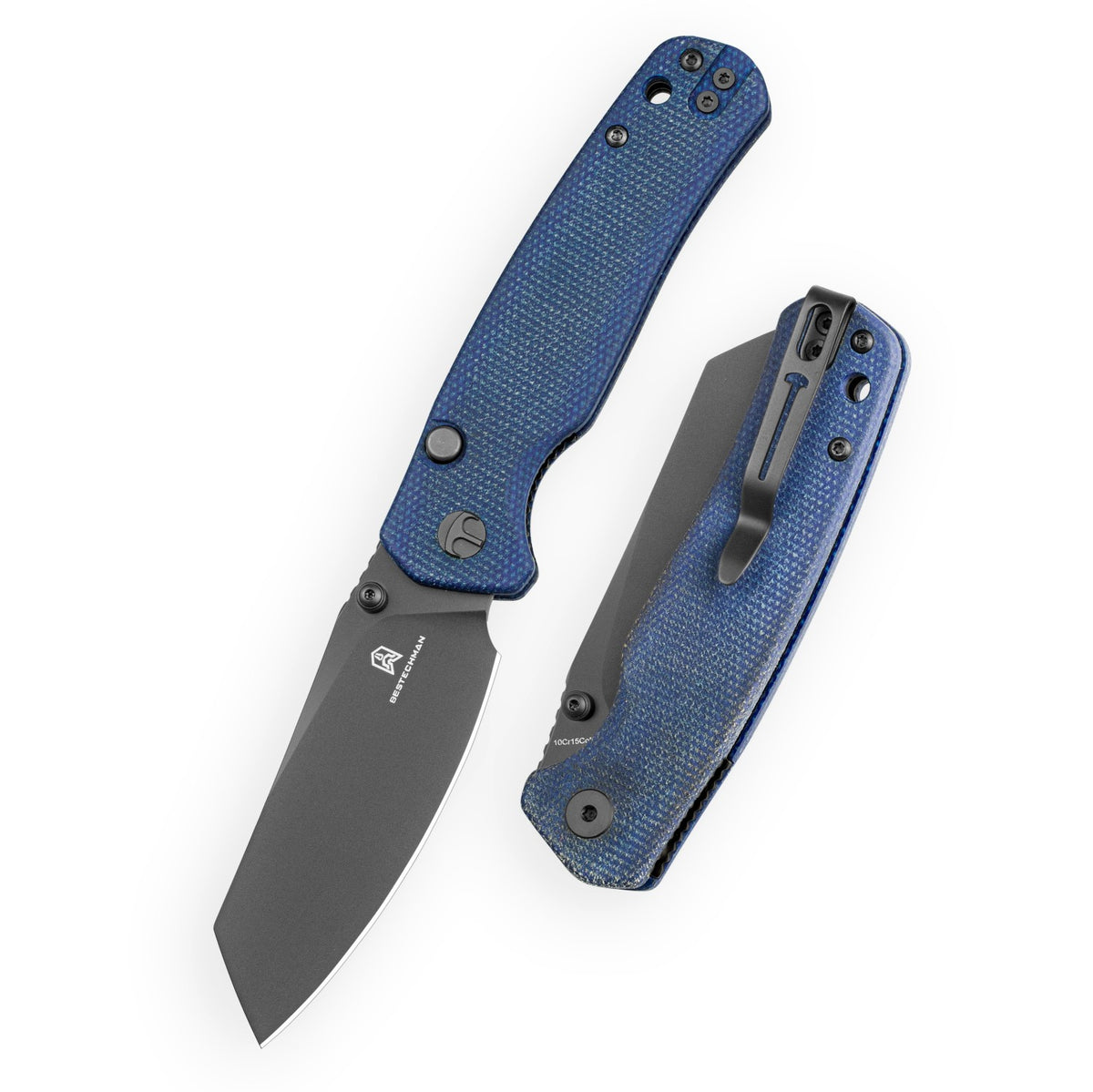
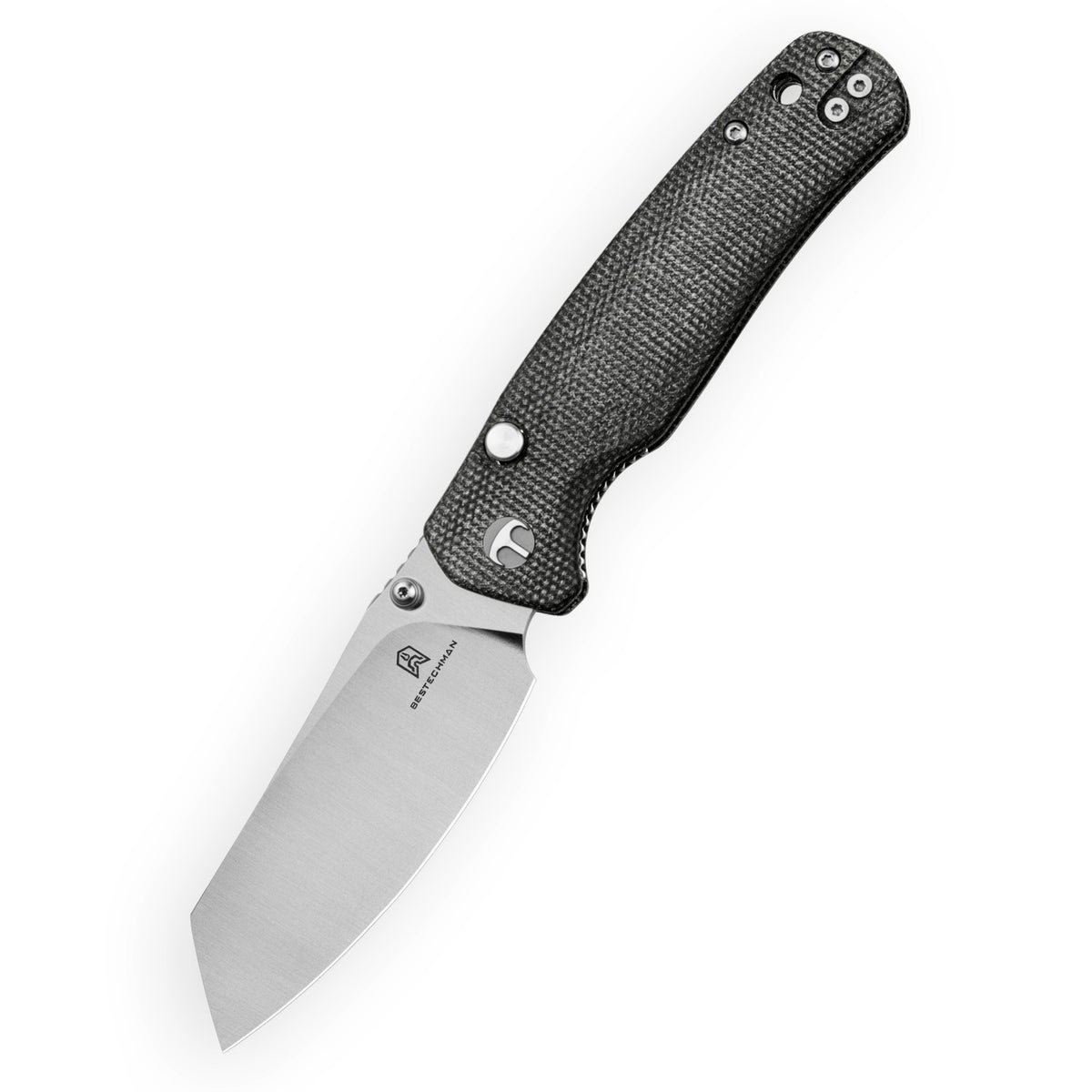
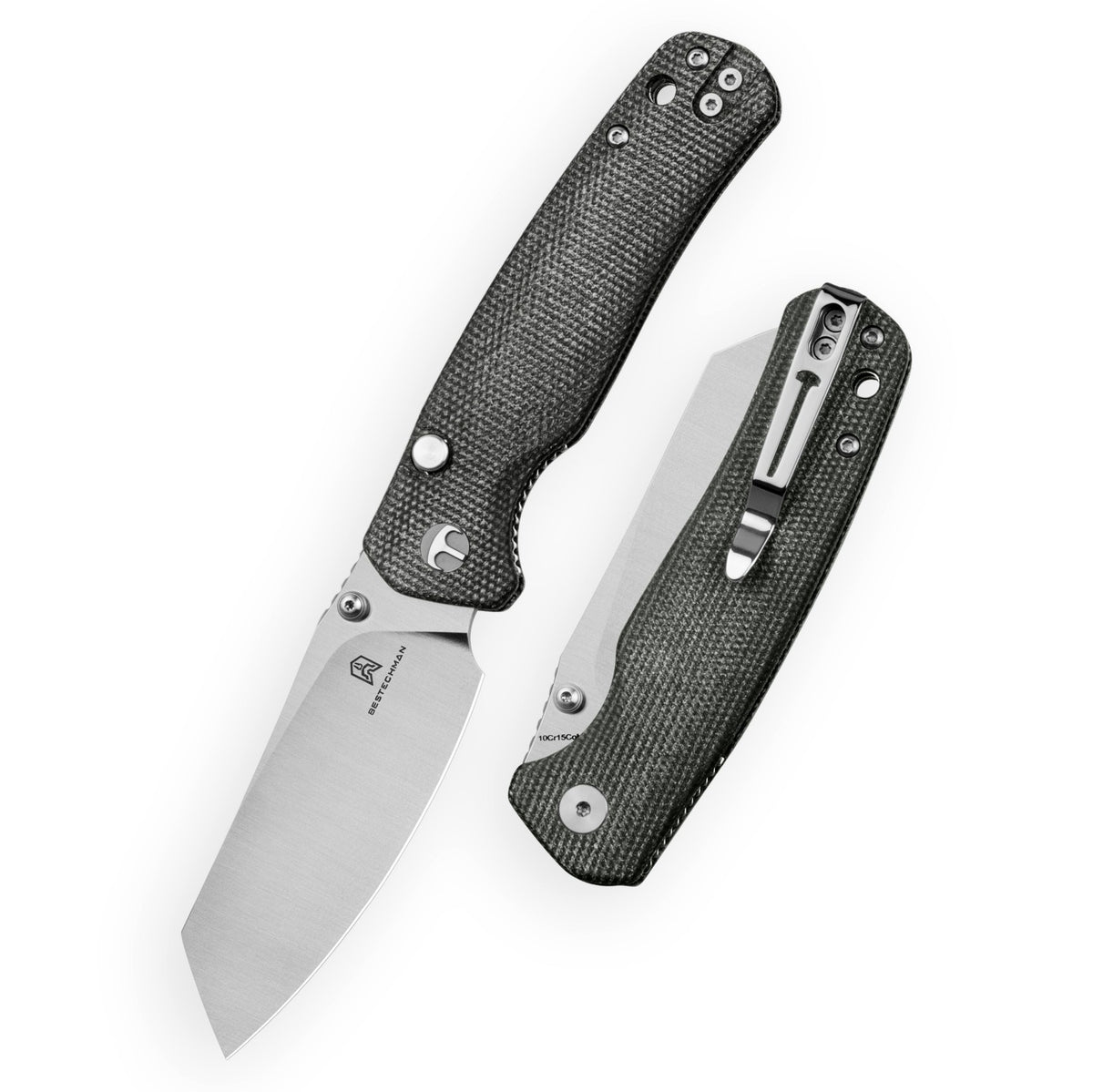
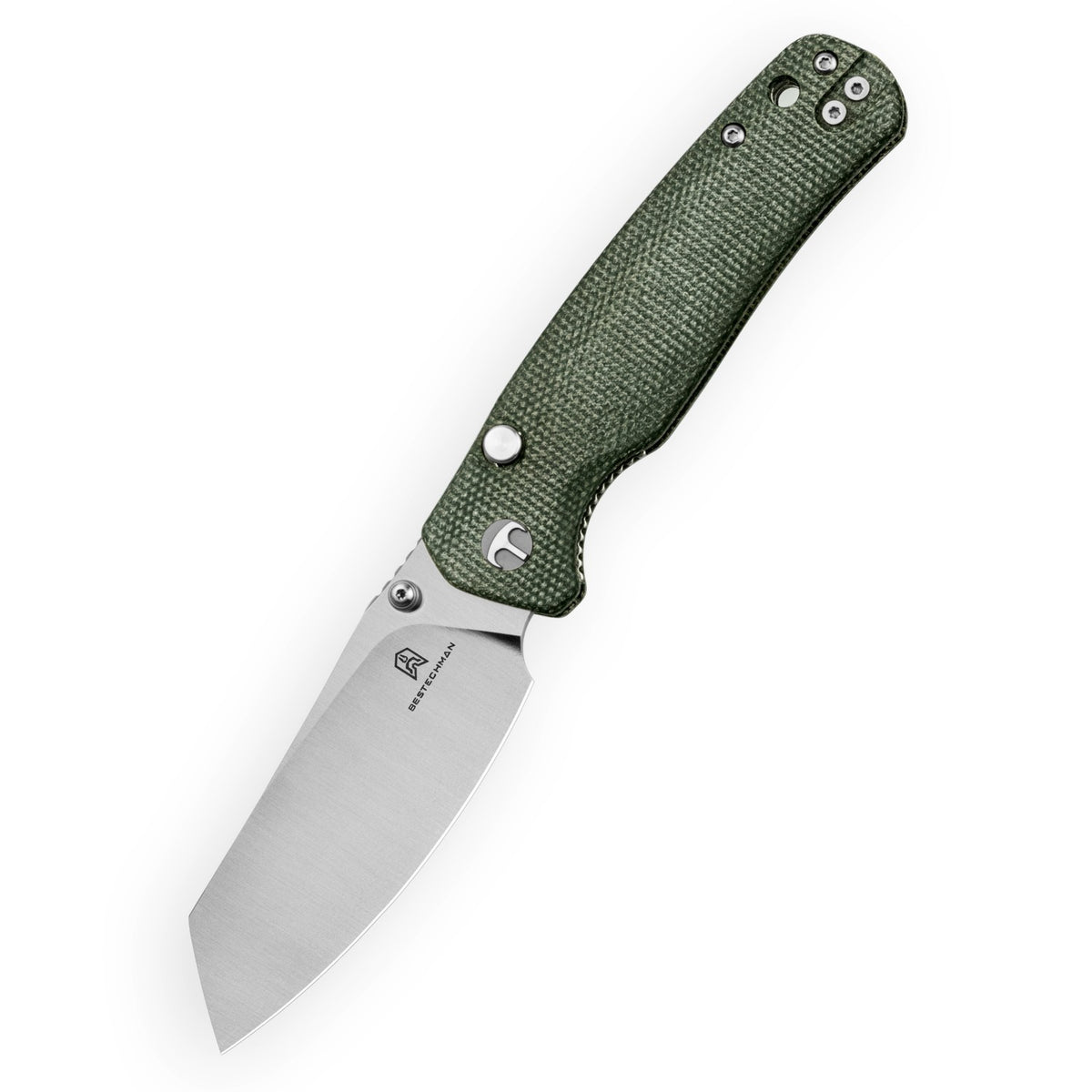
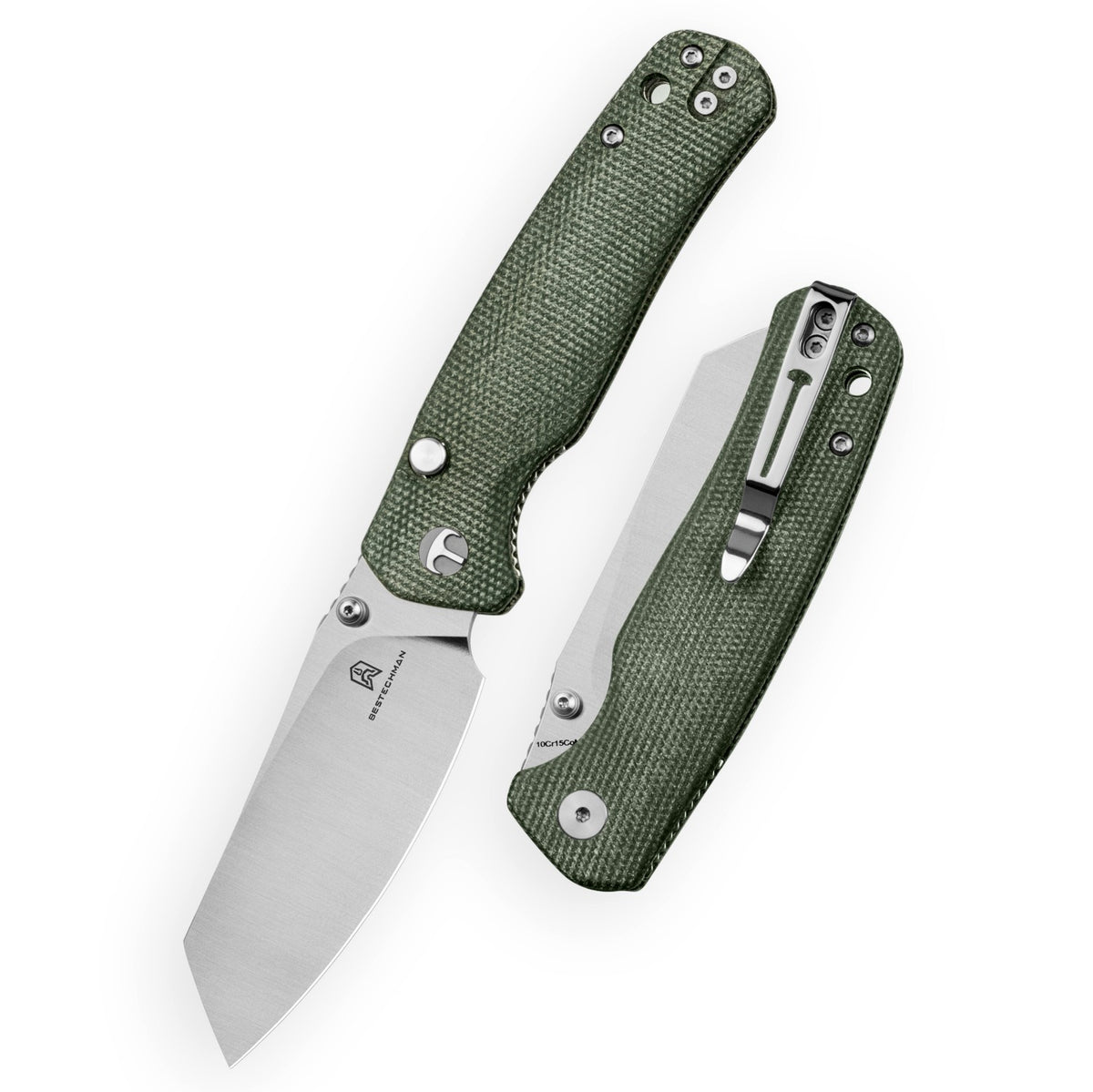
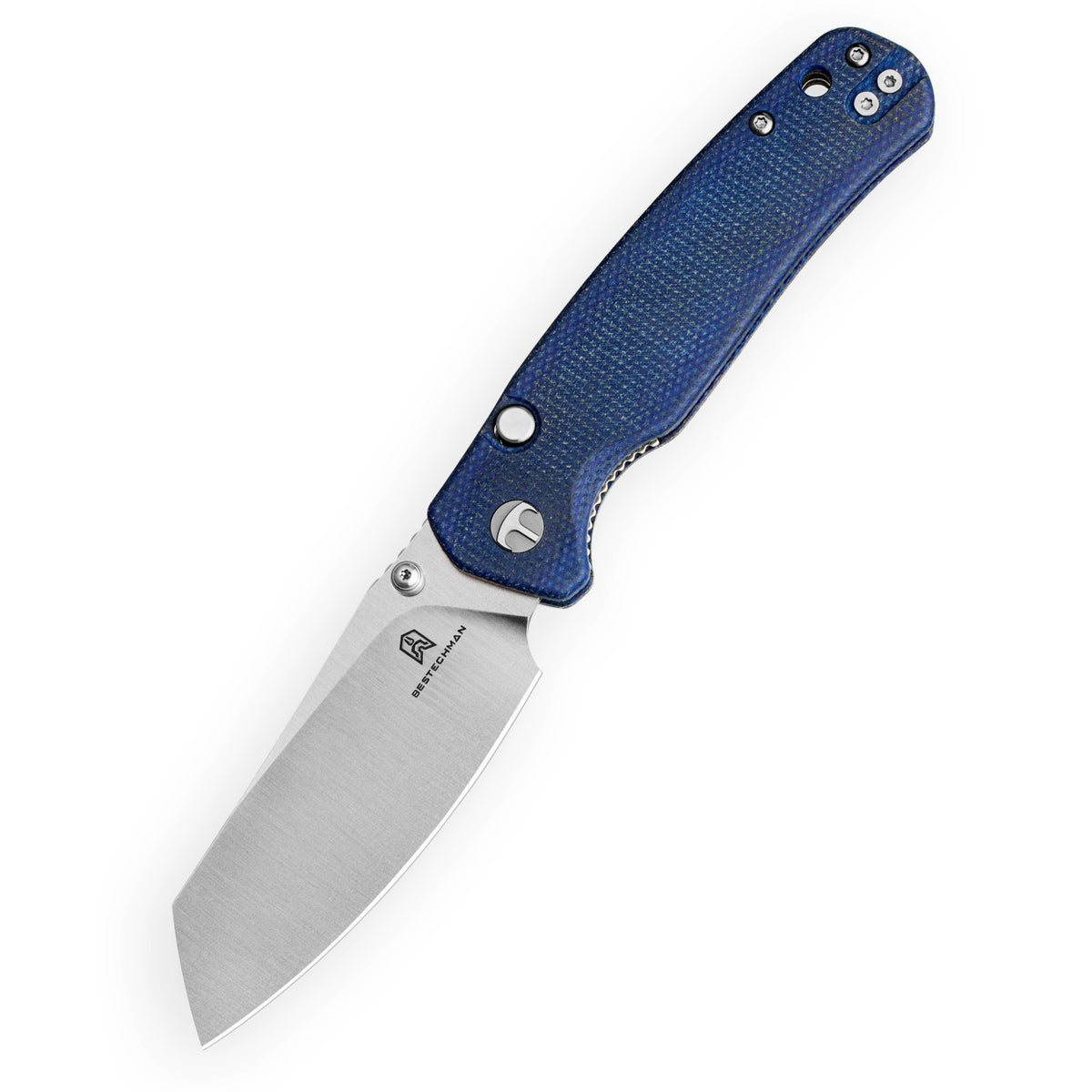
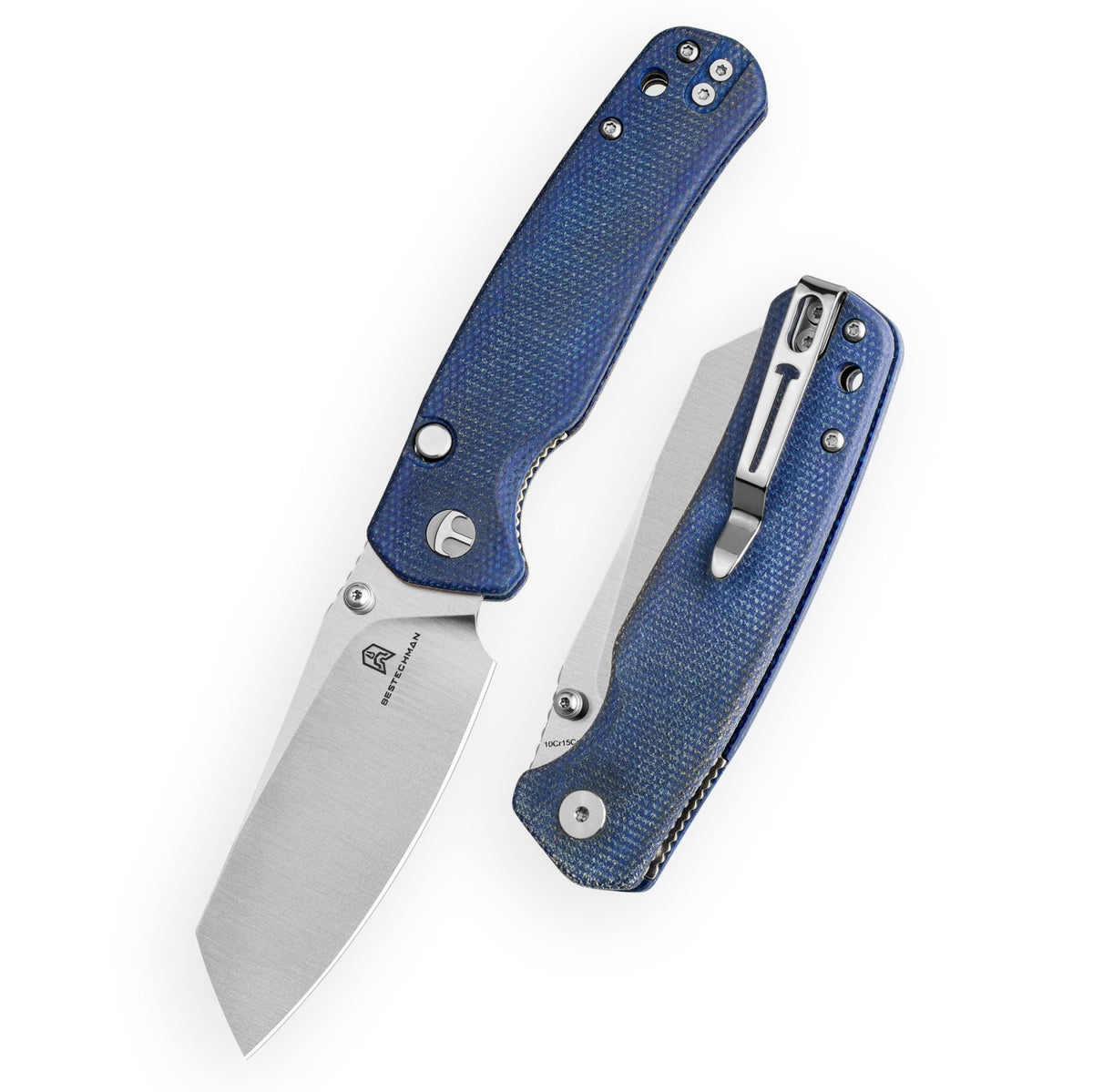
Exotic materials also change how a knife ages, and that is their appeal. A cocobolo handle darkens, koa develops depth and abalone shifts as the light changes, while a synthetic simply stays as it left the factory. Sibling models in the same range often use simpler steels such as 10Cr15MoV with synthetic scales, which is a useful way to see how much of a knife's character lives in the handle. Buyers comparing trims should also consider how a handle will look after five years inside an EDC knives rotation, because natural materials change while synthetics do not. That is either the best reason to choose them or the best reason to avoid them, depending on what you want from a working piece.

Who Is This For?
This guide suits buyers choosing between trims of the same knife, where the steel is fixed and only the handle changes. It also suits anyone who wants a knife that looks different after five years of use. Buyers who want a completely maintenance free tool should stay with G10, micarta or titanium and accept that the handle will never develop character.
Final Verdict
Choose the handle as deliberately as you choose the steel. Dark, simple and stable for a patterned blade, bright and iridescent for a plain one, and always matching the maintenance you are realistically willing to do. See how the materials come together on QSP knives at EdcMall before you decide.
Shop the QSP Baby Viper QS178-D Laminated Damascus & Abalone at EdcMall