

Overview & First Impressions
A headlamp for search and rescue has different priorities than a headlamp for jogging. It has to be operable with gloves, it has to run for hours without you thinking about it, and it has to put light exactly where you point your face without you touching it. The HP35R SAR delivers 4000 lumens across spotlight, floodlight and combined modes, twelve brightness levels, a built in red safety light, and a quick release battery case holding two 5000 mAh cells. It is a professional object and it weighs like one.
Materials & Construction
The lamp head is aluminium with cooling fins that matter when you run 4000 lumens for more than a couple of minutes, and the battery case is a separate block that clips to the rear of the headband to balance the weight. Dual 5000 mAh cells give you the runtime that the output numbers imply, measured in hundreds of hours on the low settings. The headband is wide, backed with grip material, and designed to be adjusted with gloves rather than fingernails. Everything about the housing is overbuilt, which is correct for the use.

Design & Details
Two switches: a rotary dial for mode selection and an electronic button for brightness, both sized for a gloved thumb. That distinction matters, because on a rescue you do not want to cycle through twelve levels to get from flood to spot. The lamp head tilts and holds its angle under load, and the battery case has a cable long enough to route over a helmet rather than under it. The red safety light runs on a separate switch so you can mark your position without killing your night vision.
Real-World Use
Searching a treeline at night, working a rope system, tending a casualty, setting anchors, reading a map in a storm, walking out after a late call. The combined mode is the one you will use for moving, because it gives you a hotspot for distance and spill for your feet at the same time. Flood alone is for close work like knots and medical kits. The flood beam is genuinely wide, and the difference between it and a torch taped to a helmet is not subtle.

Ownership Notes
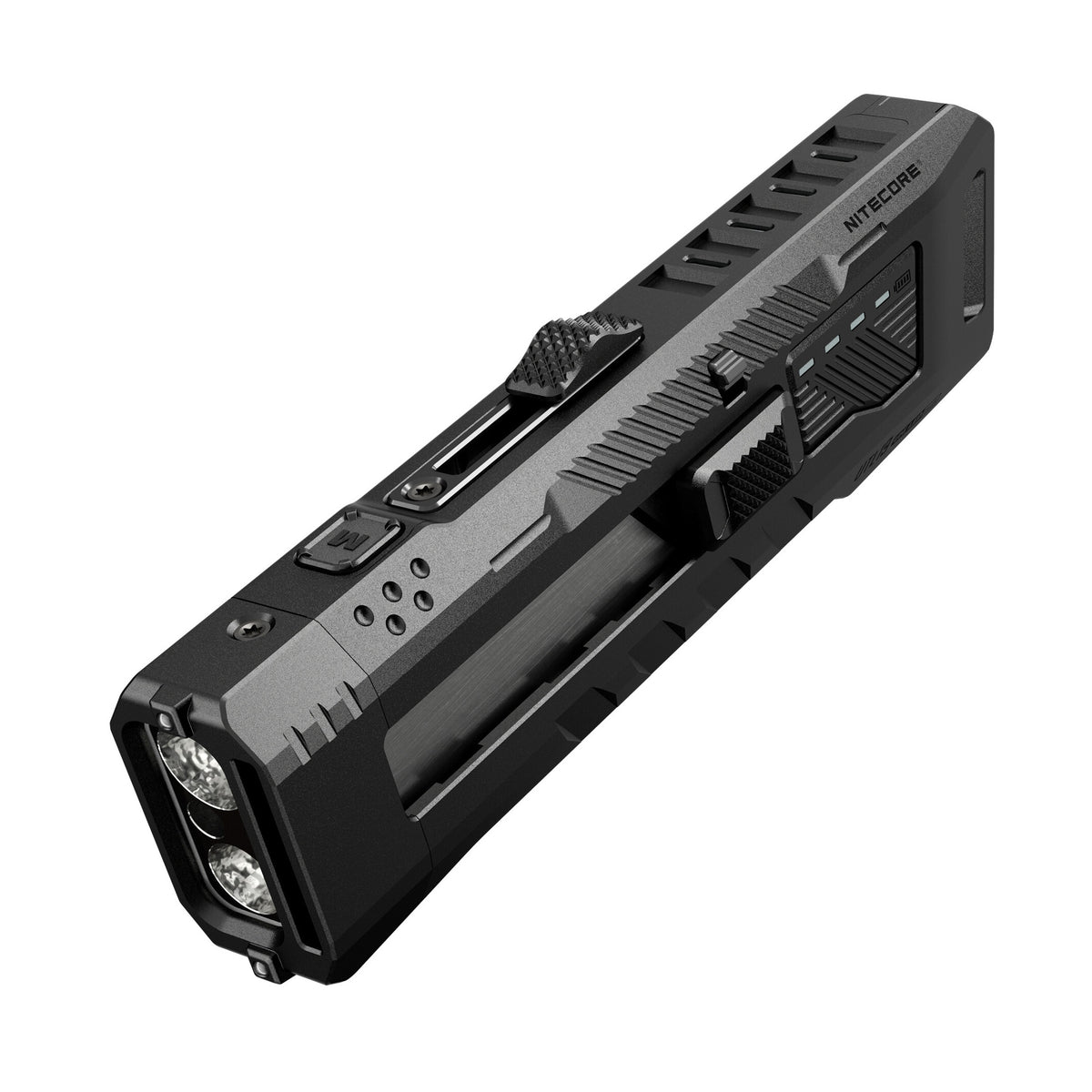
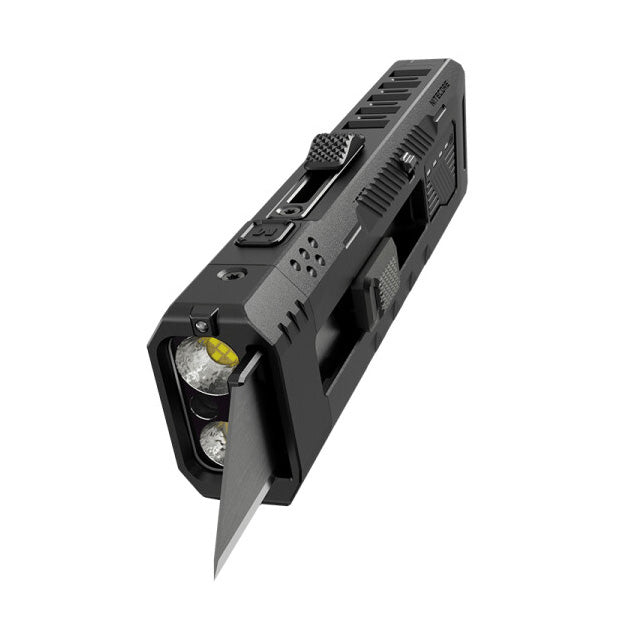
The battery case is the part that fails first on any headlamp this size, so keep the contacts clean and dry and never store the lamp with the cells fully drained. Charge it after every call rather than before the next one. Check the cable where it enters the housing, because that is where a strain break will appear after a season of helmet use. If you work in salt or mud, rinse the housing and dry it before it goes back in the kit bag. Every rescue kit ends up carrying a backup beam, and an EDC flashlight in a chest pocket is the usual answer once the headlamp is already committed to the scene.
Who Is This For?
Buy it if you need a headlamp that will not be the weak link on a night operation. It suits mountain rescue, cave rescue, professional SAR, industrial inspection, and climbers who start before dawn. Skip it if you are hiking, because 4000 lumens and a rear battery block is more weight and more money than a trail needs. Klarus flashlights and Nitecore flashlights both make lighter options for recreational use, and they are the right choice for that job.
Final Verdict
The HP35R SAR is not a headlamp you buy for fun; it is one you buy because the job does not allow for a lamp that dims at the wrong moment. EdcMall lists it alongside the rest of the Fenix flashlights range, and for anyone doing organised search work it is a defensible purchase at a fraction of what a dedicated rescue headlamp used to cost.