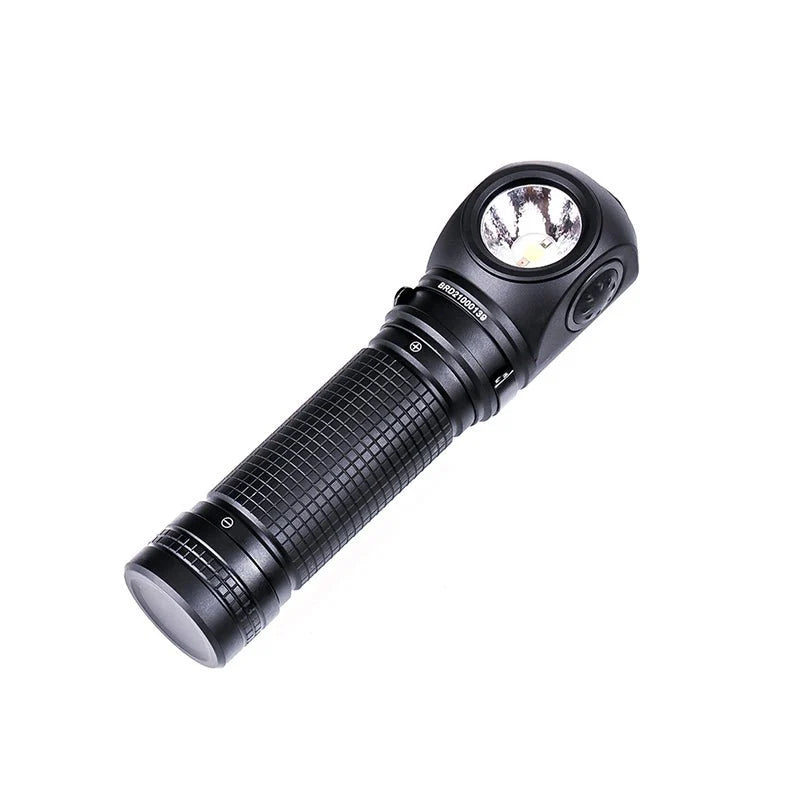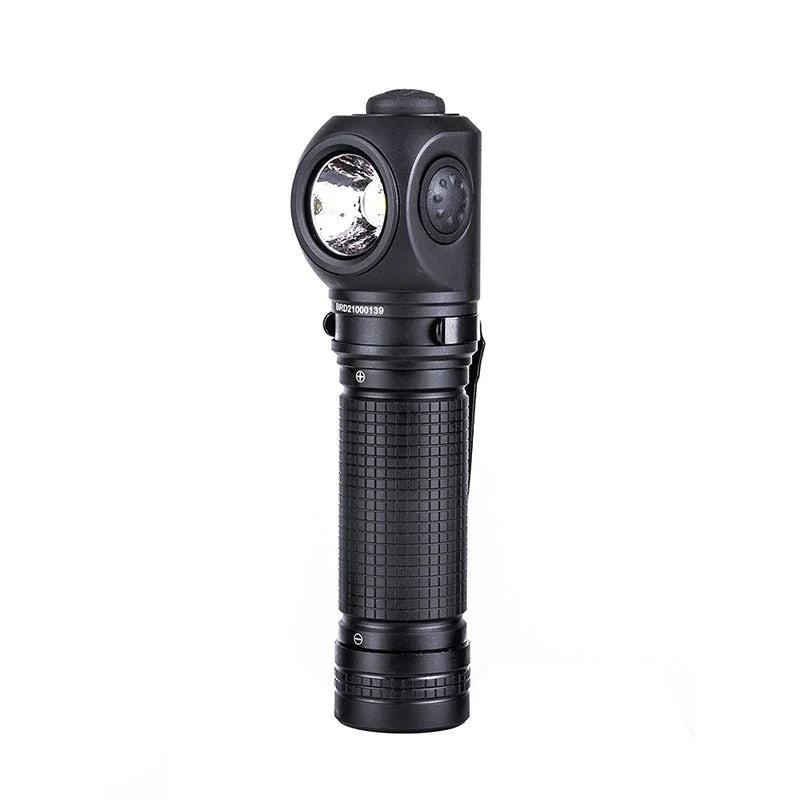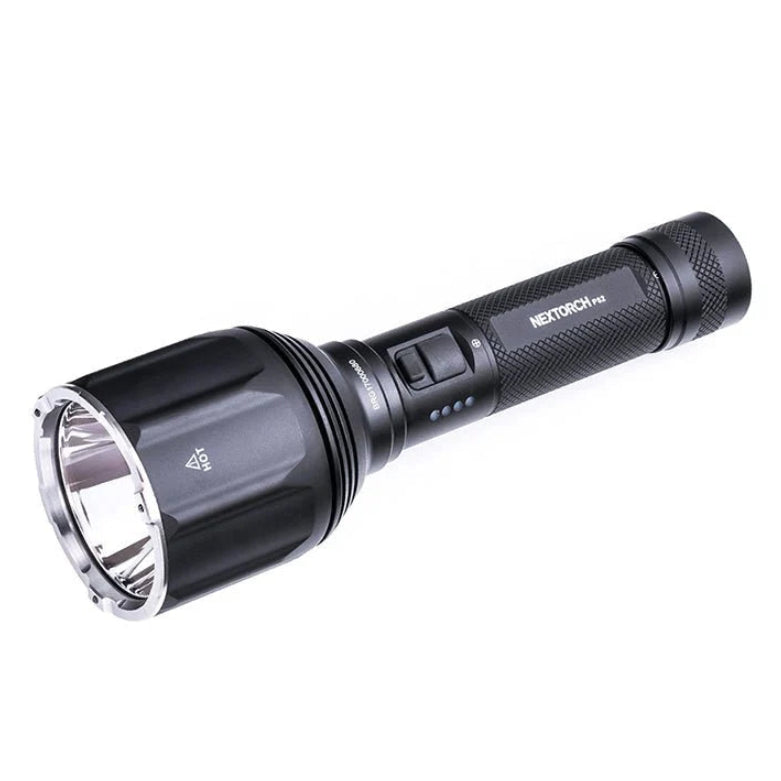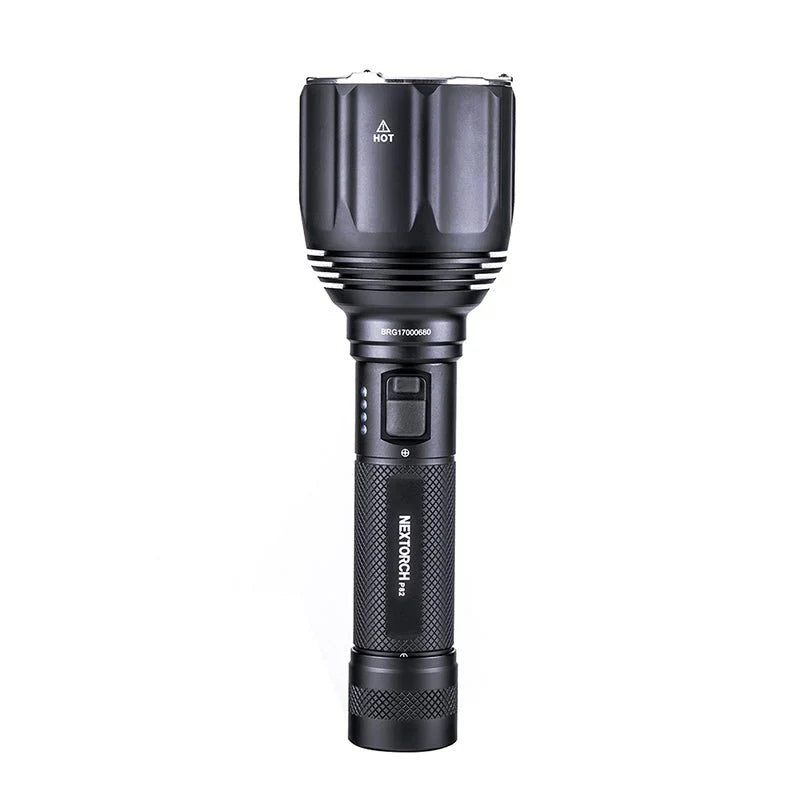

Overview & First Impressions
Two flashlights with identical lumen ratings can look completely different in use, and the reason is tint and color rendering. Tint describes where a beam sits on the warm to cool spectrum, measured in kelvin. Color rendering describes how faithfully that light shows the colors of the objects it touches, measured as CRI. Neither number appears on most packaging, yet both determine whether an EDC flashlight is pleasant to use or actively annoying, especially for close work.
Materials & Construction
A cool white emitter around 6000 to 6500 kelvin looks bright and clinical, and it cuts through ambient light well, but it washes color out and creates harsh glare on nearby surfaces. A neutral emitter between 4000 and 5000 kelvin renders colors far more naturally and is easier on the eyes at close range. Warm emitters below 3500 kelvin feel comfortable indoors but look dim next to a cool light of the same output. High CRI means the beam shows reds and browns accurately, which matters when you are inspecting a wound, a wire color, or a map.

Design & Details
Beam shape interacts with tint more than most buyers expect. A floody beam at cool white turns a small room into a wall of glare, while the same emitter with a tighter hotspot feels purposeful. A neutral tint with a broad flood is the most versatile combination for EDC, because it lights a whole work surface without harsh reflections. Many quality lights now ship with multiple modes, and some offer a high CRI secondary emitter, which is the feature worth paying for if you do close up work.
Real-World Use
Think about your actual tasks. If you use a flashlight outdoors at distance, cool white and raw output serve you best. If you use it indoors, under a car, or for reading and inspection, a neutral high CRI beam will feel dramatically better even at lower output. Anyone who has tried to read a colored label under a cheap cool white keychain light knows the frustration of a beam that renders everything as blue grey.

Ownership Notes
Do not confuse tint with quality. A warm beam is not automatically good, and a cool beam is not automatically bad. A poorly engineered cool light with visible flicker and a greenish cast is worse than a well engineered neutral one, but a well engineered cool light still has legitimate uses. Judge the light by whether the beam suits your tasks, not by which tint the enthusiast forums currently prefer. Buy from a maker with a consistent emitter supply, because a favorite light that is discontinued is a real loss. Nitecore flashlights and Fenix flashlights both publish their emitter choices, and comparing those figures against Klarus flashlights models is the fastest way to learn what you personally prefer in a beam.
Who Is This For?
Prioritize a neutral or high CRI beam if you inspect, repair, or read with a light, if you work with colored wiring, or if you want something comfortable for indoor use. Choose a cool white beam if your priority is maximum throw and output outdoors. If you only own one light, choose neutral, because it is the more broadly useful compromise and it rarely disappoints.
Final Verdict
Lumens sell flashlights, but tint and color rendering determine whether you enjoy using one. Read the kelvin and CRI figures before you read the output figure, and your next purchase will feel like a real upgrade. A flat, high output EDC flashlight such as the Nitecore EDC29 Green shows how much beam quality has improved in compact bodies, and it is available at EdcMall.