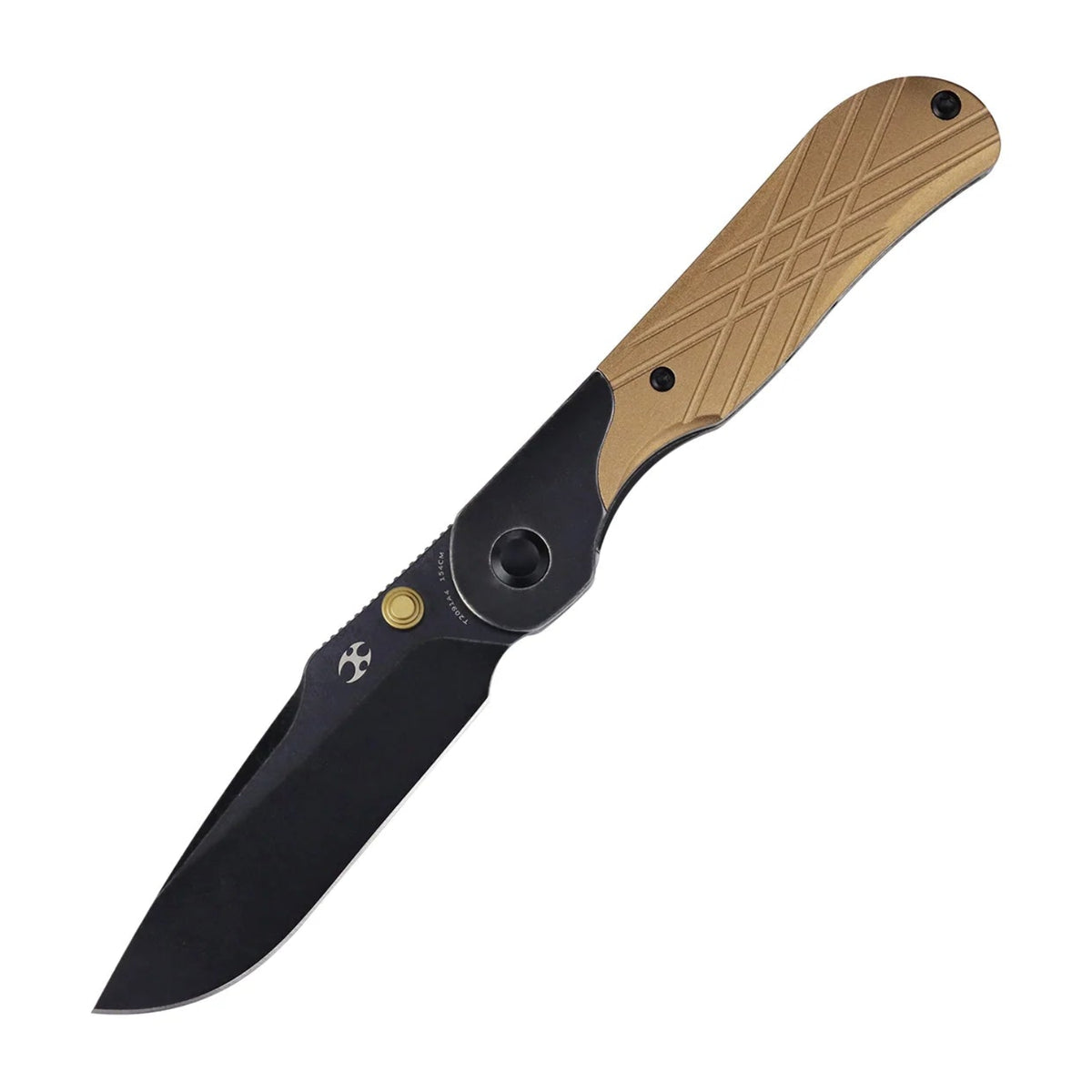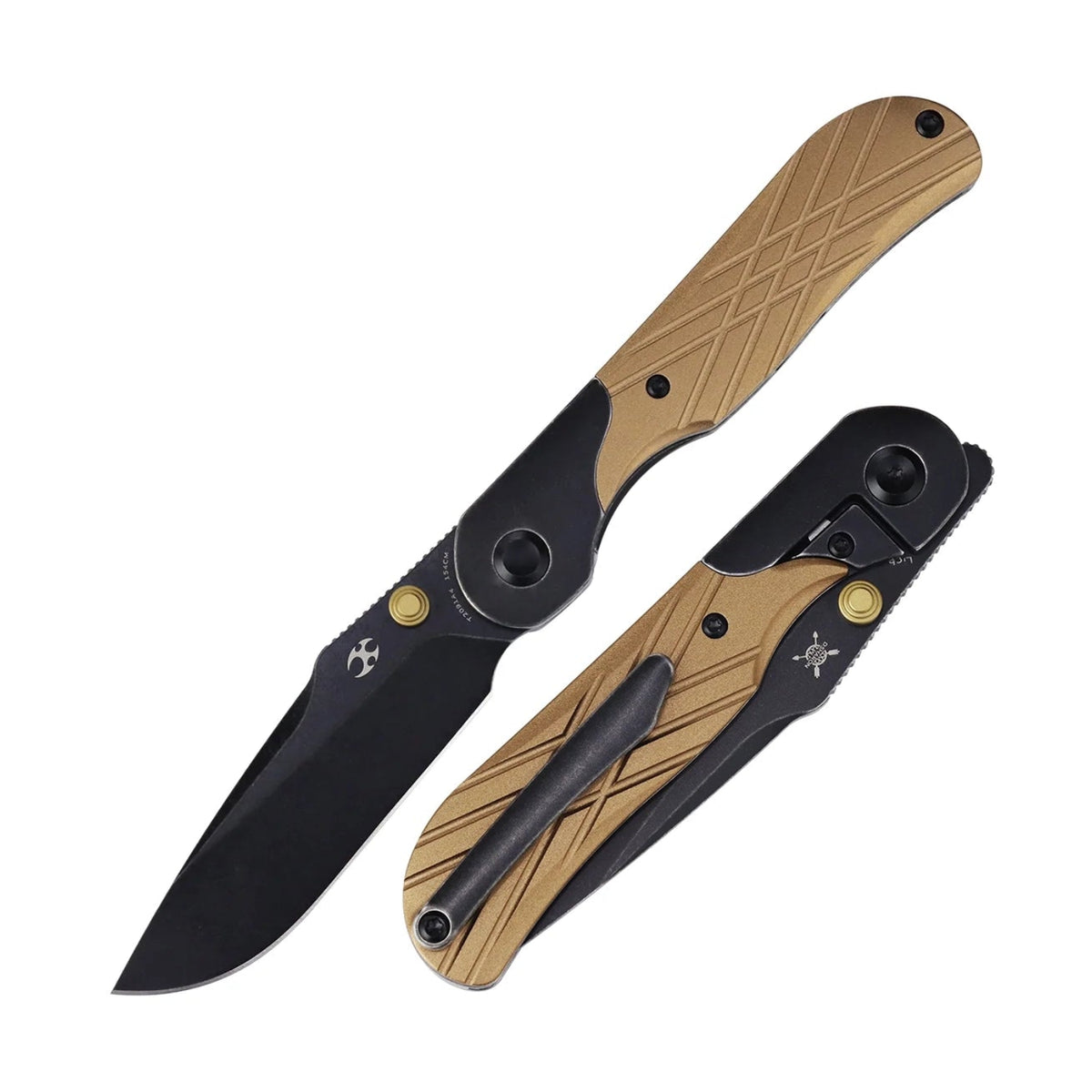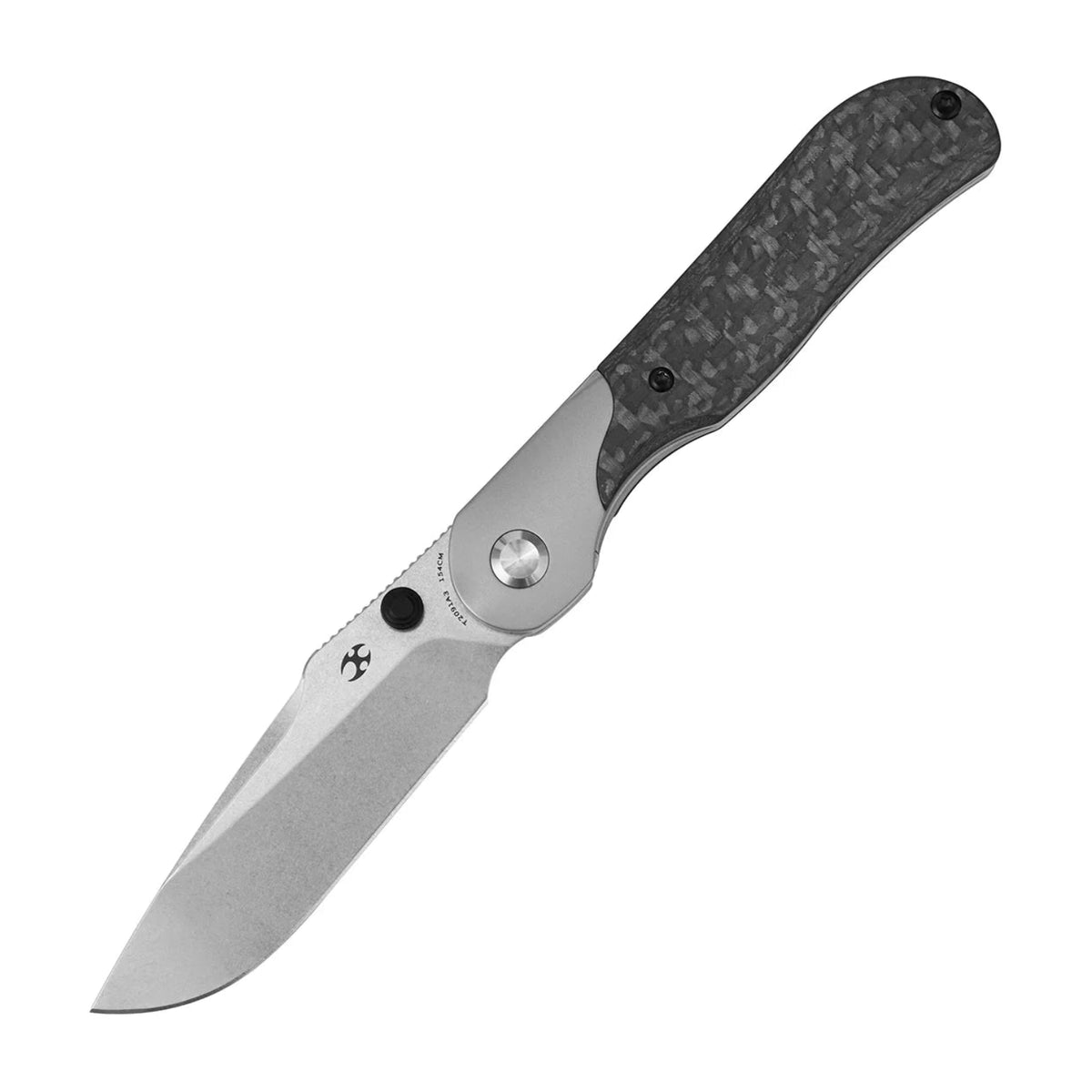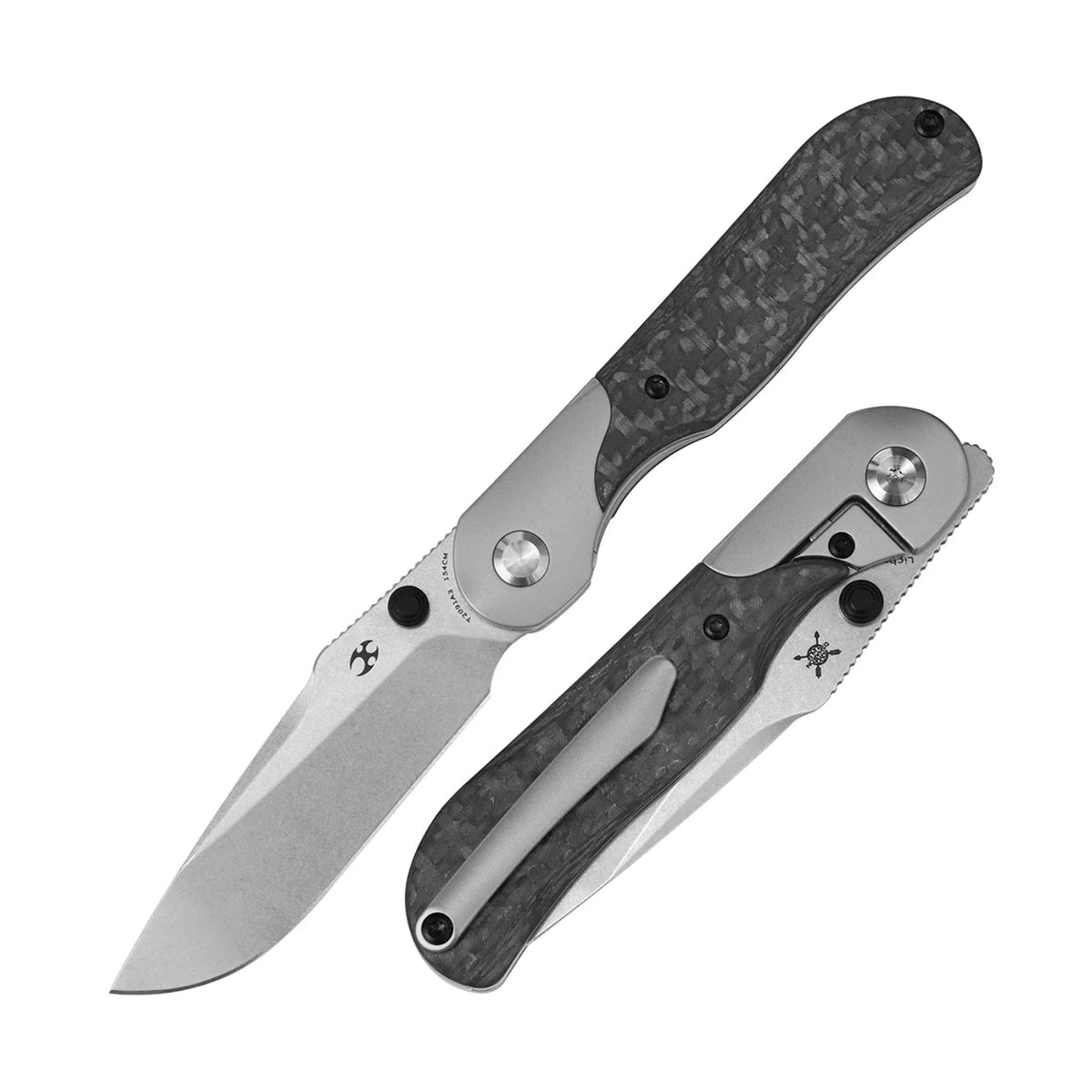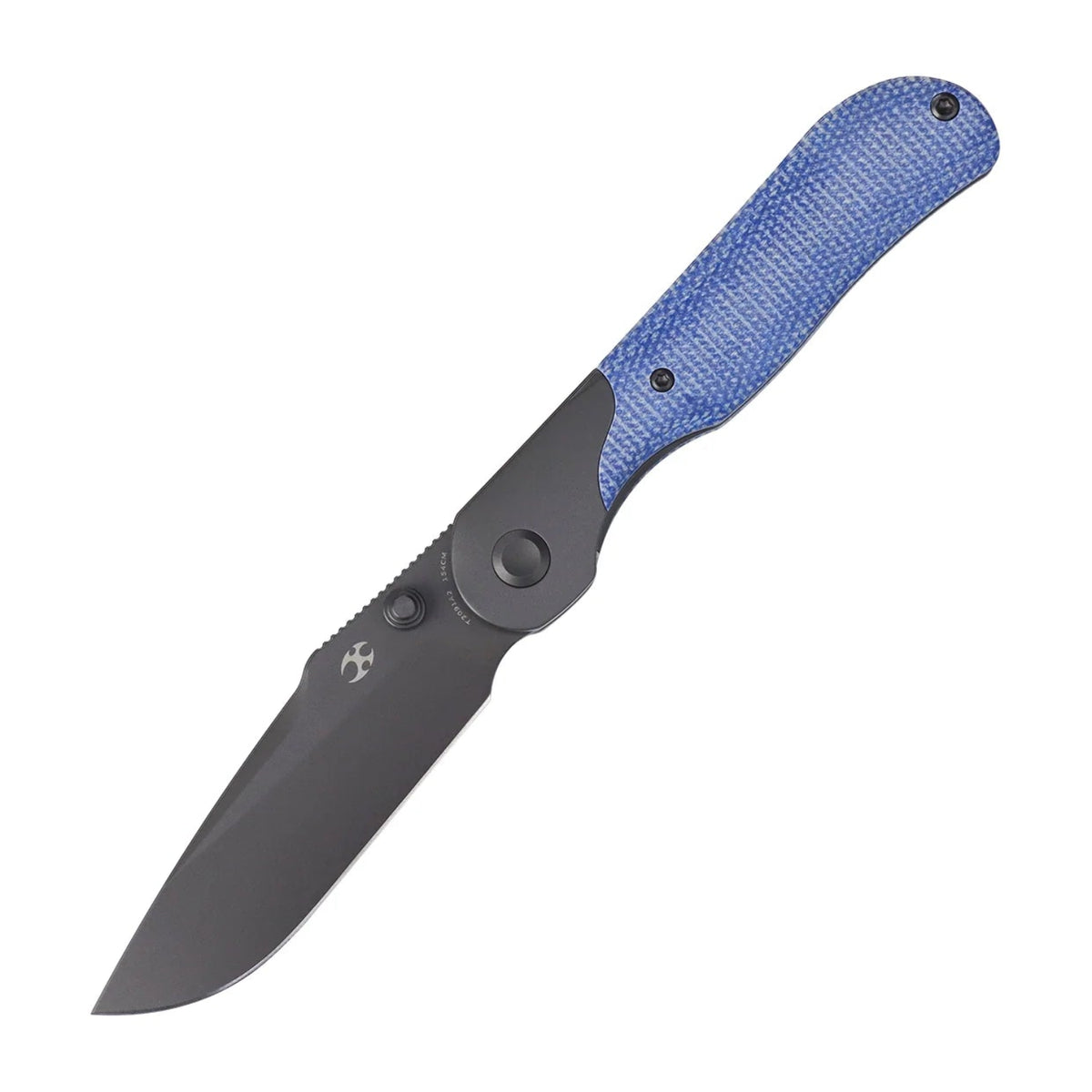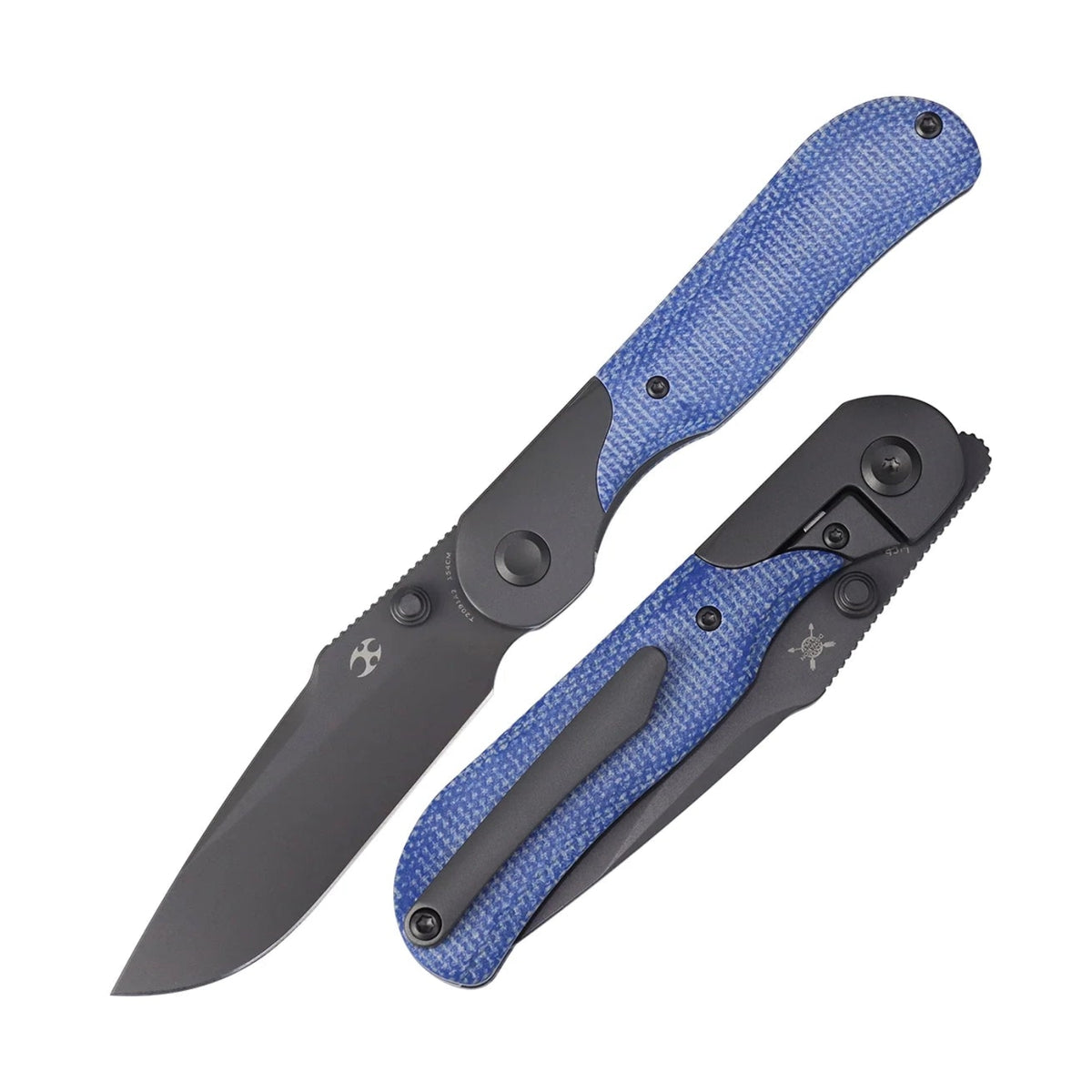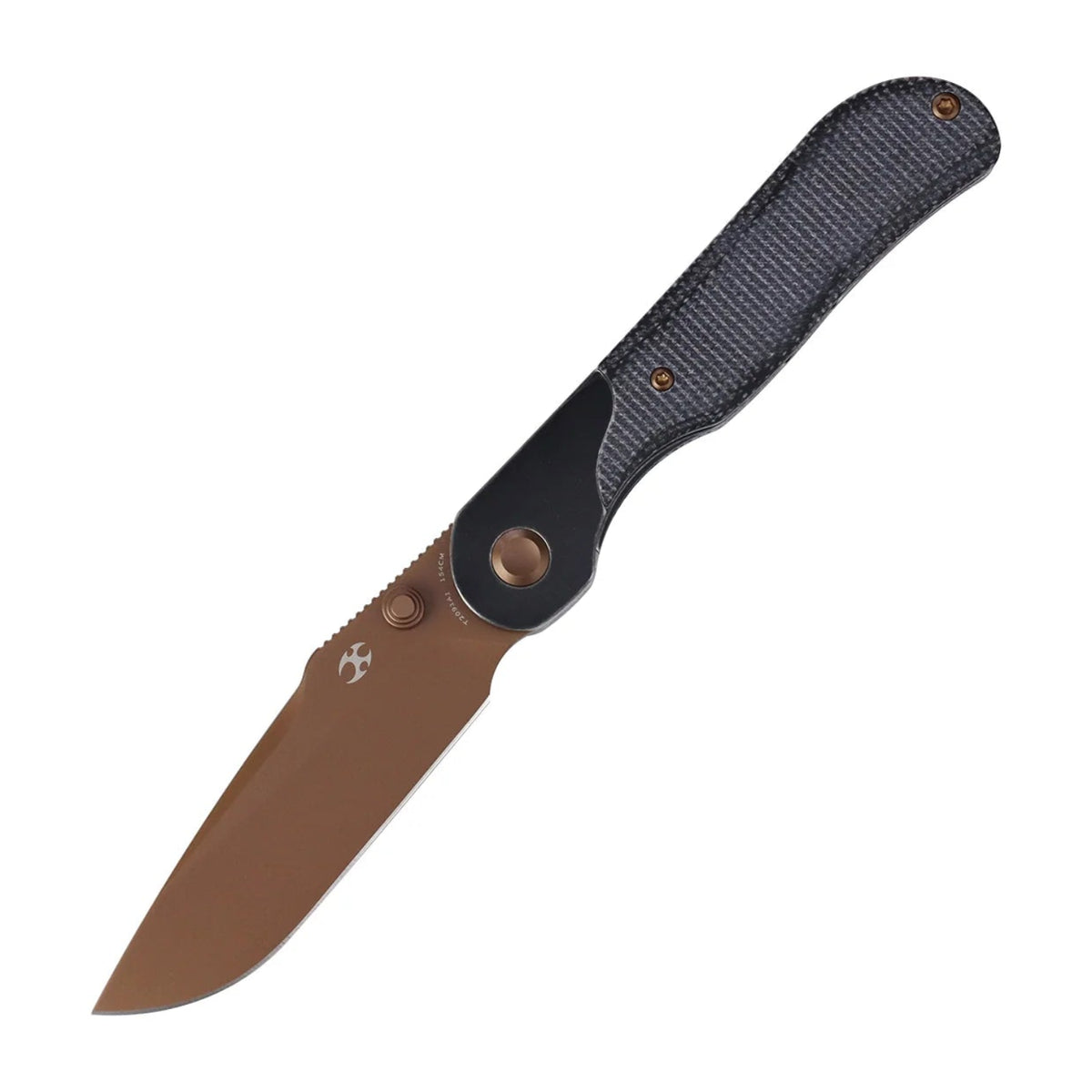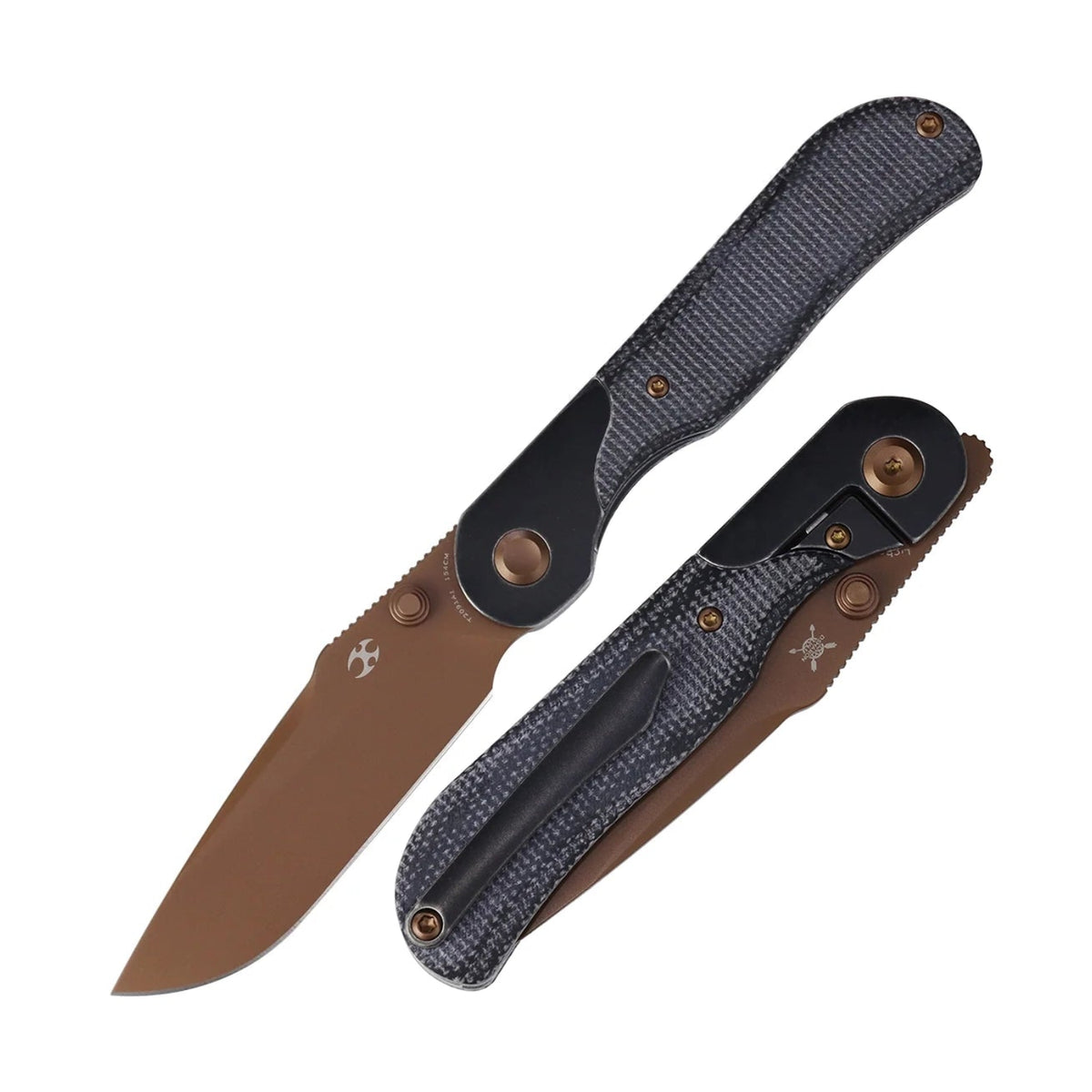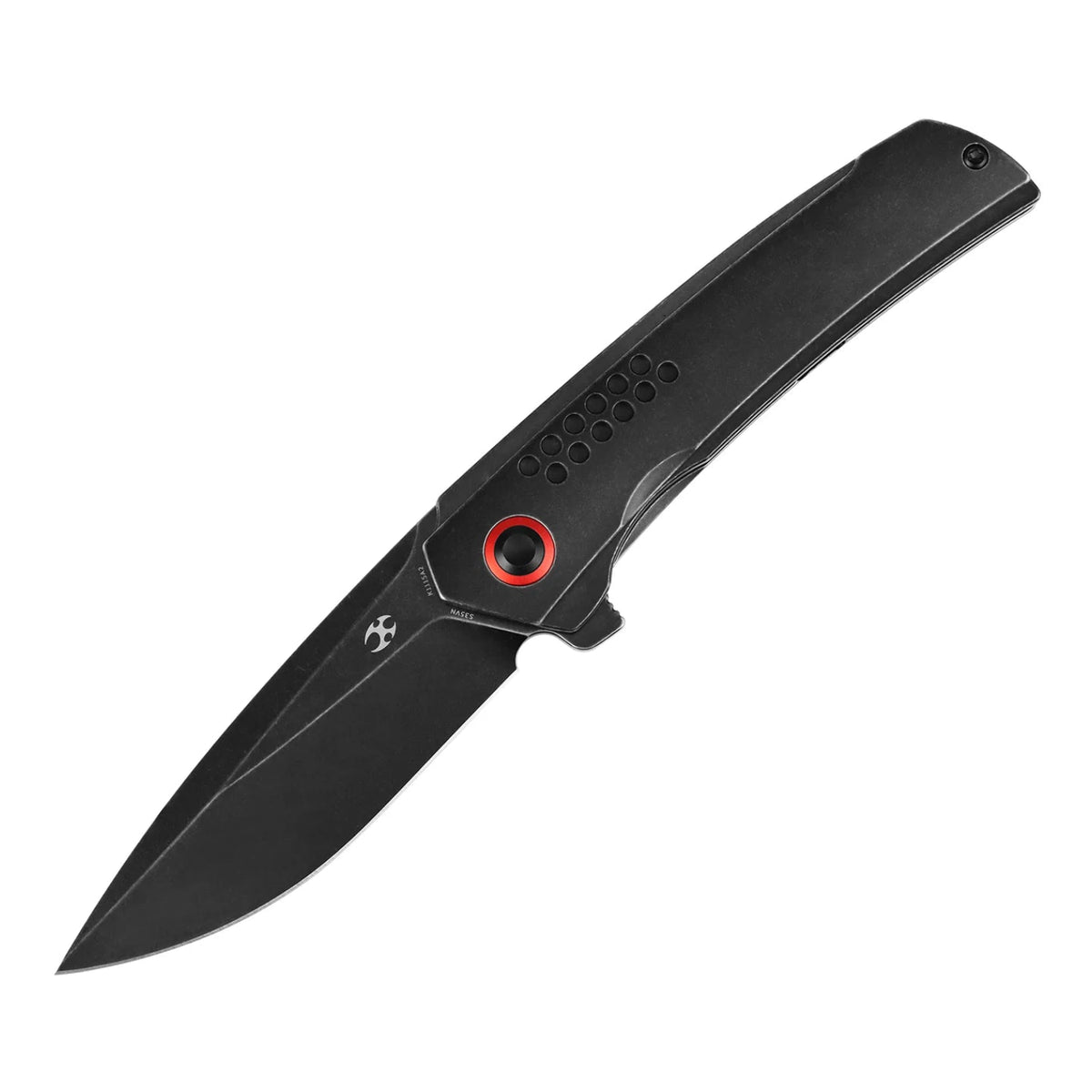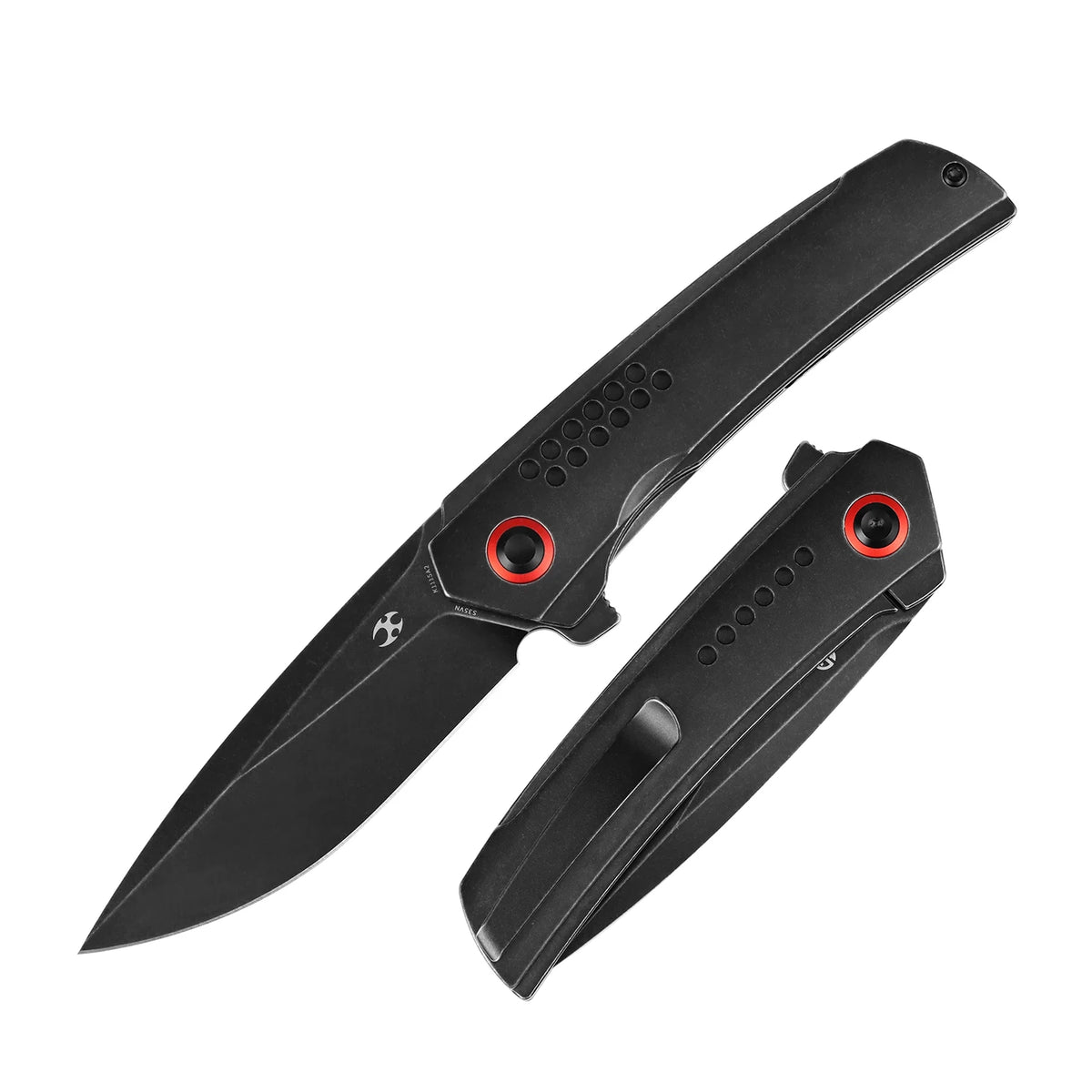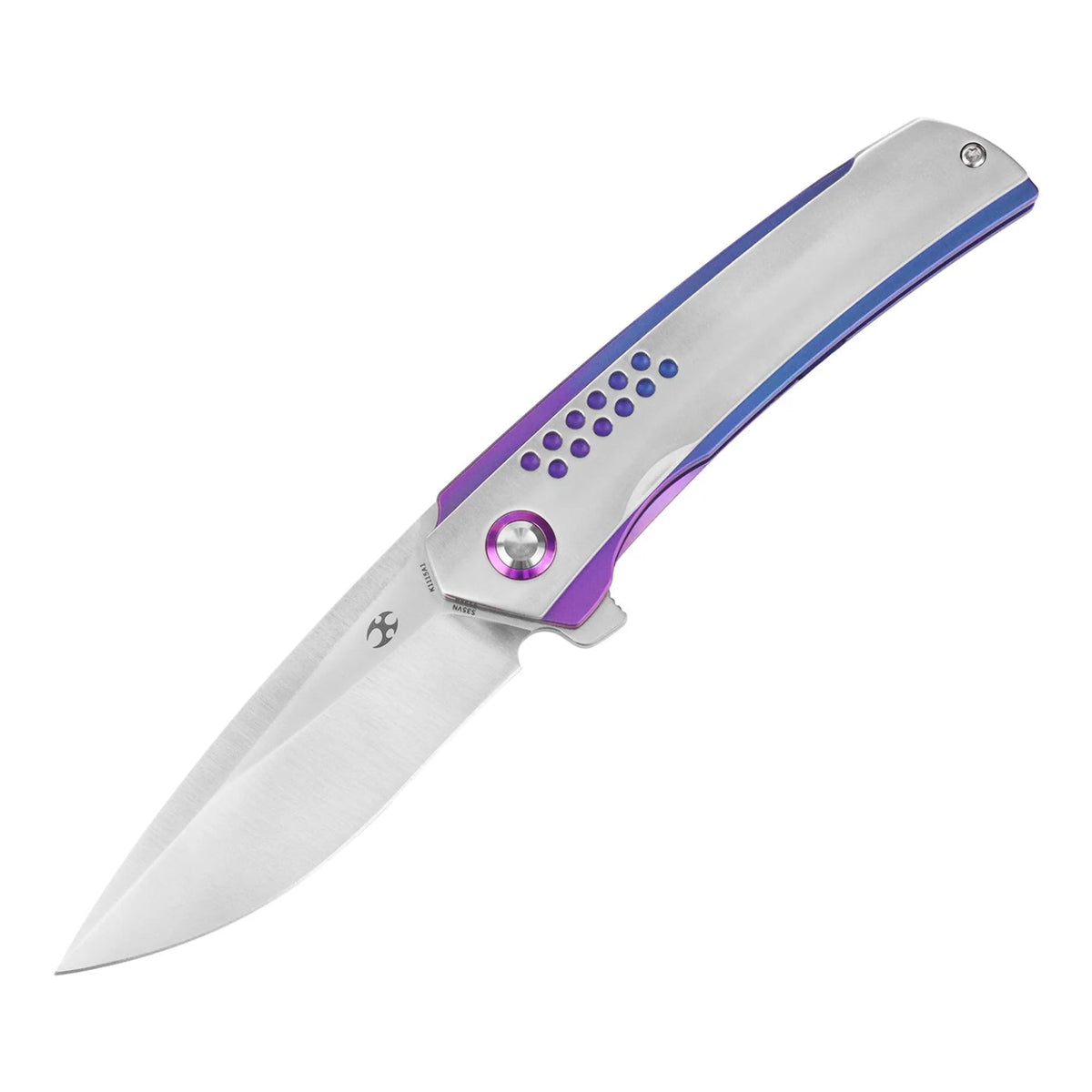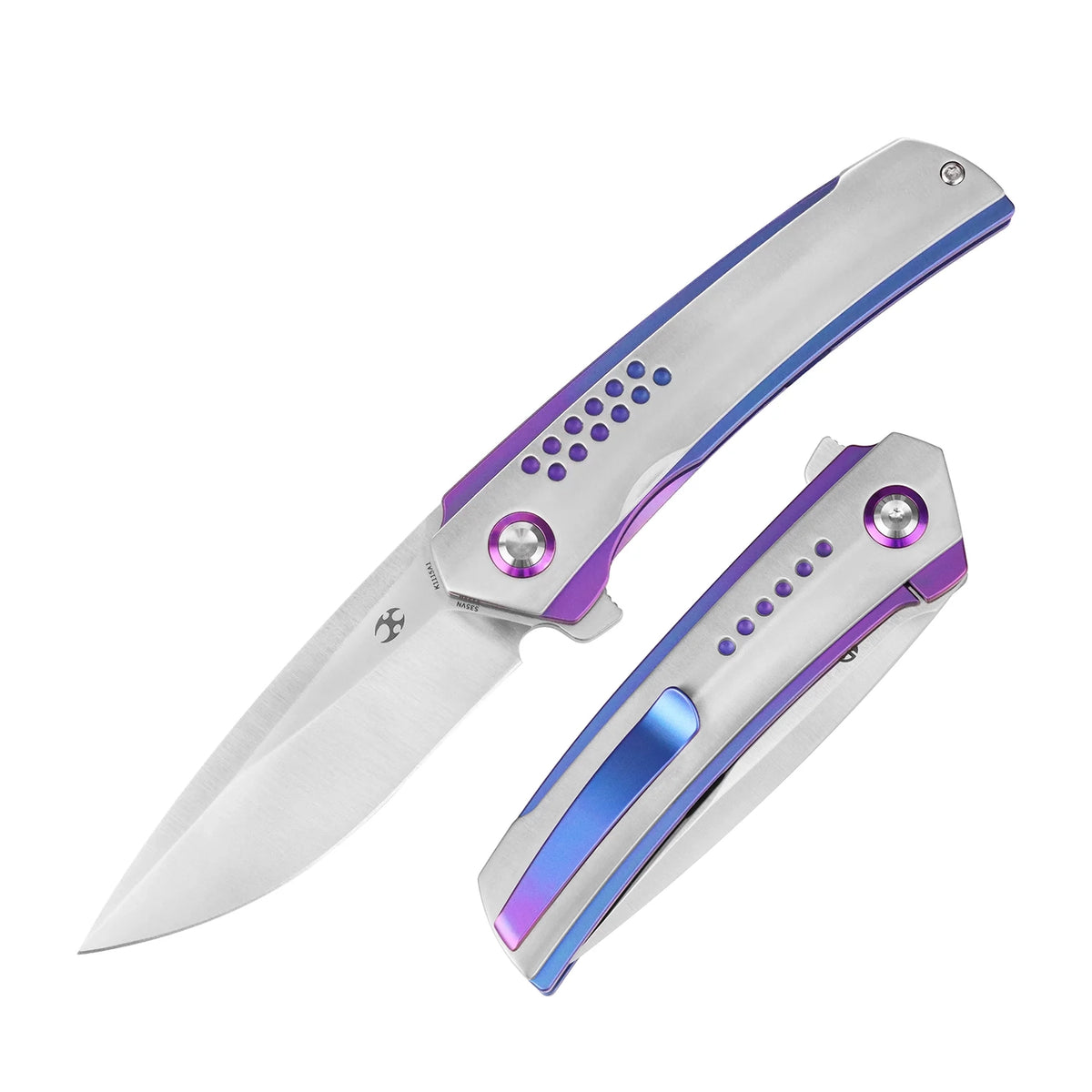

Overview & First Impressions
Gutta percha is latex from a Southeast Asian tree, and in the nineteenth century it was moulded into knife handles, surgical instruments, golf balls and the first transatlantic cable insulation. It is thermoplastic: warm it and it flows, cool it and it holds. That property made it the first practical mouldable handle material, and it explains why modern makers still chase the warm, slightly waxy feel that natural materials provide.
Materials & Construction
Gutta percha softens around sixty degrees Celsius, oxidises in light and eventually turns brittle, which is why surviving examples are often crazed. Celluloid replaced it, then Bakelite, then the acrylics and composites we use now. Hand-carved metal beads invert the same logic: instead of moulding a soft material into shape, the maker removes metal until the shape appears, which is slower and permanent.

Design & Details
Victorian cutlers loved gutta percha because it could be pressed into complex shapes with moulded checkering and integral ferrules. Look at one today and the ergonomics are surprisingly modern. That instinct, shape the material around the hand rather than the machine, is what separates a handmade bead from a turned cylinder. Edges, chamfers and asymmetry all serve grip.
Real-World Use
Natural materials feel different when warm, and that is the honest appeal. A bead that has been handled for a year acquires a sheen that no coating imitates, and it changes colour slightly where fingers rest. Metalwork ages differently, developing a soft polish on high points and darker shadow in recesses. Both are better than a finish that looks new forever because it never absorbs anything.

Ownership Notes
Material history is practical, not academic. Knowing why gutta percha failed tells you why modern composites exist, and knowing why hand carving persists explains why machined beads often feel flat. Collectors of folding knives and lanyard beads end up learning the same lesson: surfaces that record use are worth more than surfaces that resist it. EdcMall stocks both categories. Apeshkov Beads carves by hand for the same reason Victorian cutlers moulded gutta percha: the material has to follow the hand. Collectors of EDC knives who also buy beads are usually chasing that same feeling, which is a surface that records the years rather than resisting them. A warm material also tells you when it is dry, which is a diagnostic that no composite handle ever provides.
Who Is This For?
Buy a hand-carved bead if you like objects that change with handling, or if you collect small metalwork on its own terms. It suits daily carriers and history-minded collectors. Skip it if you want a factory-identical finish forever, or if a bead dangling from your knife would annoy you in use.
Final Verdict
Gutta percha was replaced because it was inconsistent, and the replacement lost the warmth. Hand-carved metal keeps the better half of that trade: permanent, personal and pleasant in the hand. Add one bead to a user knife, handle it daily and watch the surface become yours.