
Overview & First Impressions
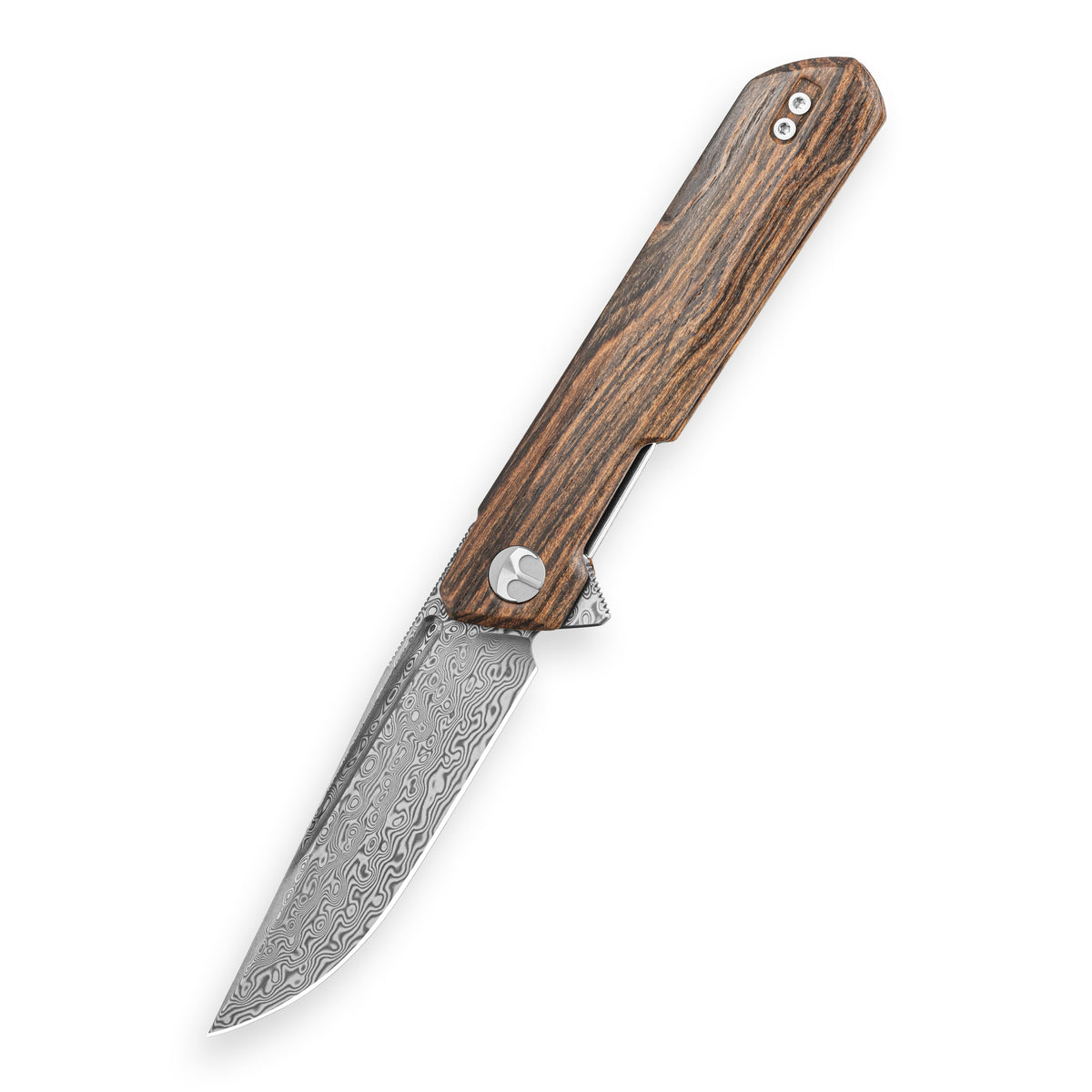
A hamon is a wavy line on a polished blade that marks the boundary between a hardened edge and a softer spine. It is produced by coating the blade in clay before quenching so the clayed spine cools slowly and the exposed edge cools fast. The result is a blade that holds an edge and resists cracking. It is also a signature of traditional carbon steel, and that is the key to understanding why most modern stainless blades cannot produce one.
Materials & Construction
Differential hardening depends on a steel that responds strongly to cooling rate and a geometry that can show the transition. Modern powder metallurgy grades such as M390 harden almost uniformly through their section, which is a feature: consistent hardness means predictable edge behavior and better corrosion resistance. A high-vanadium stainless also will not develop the visible crystalline transition a low-alloy carbon steel does.

Design & Details
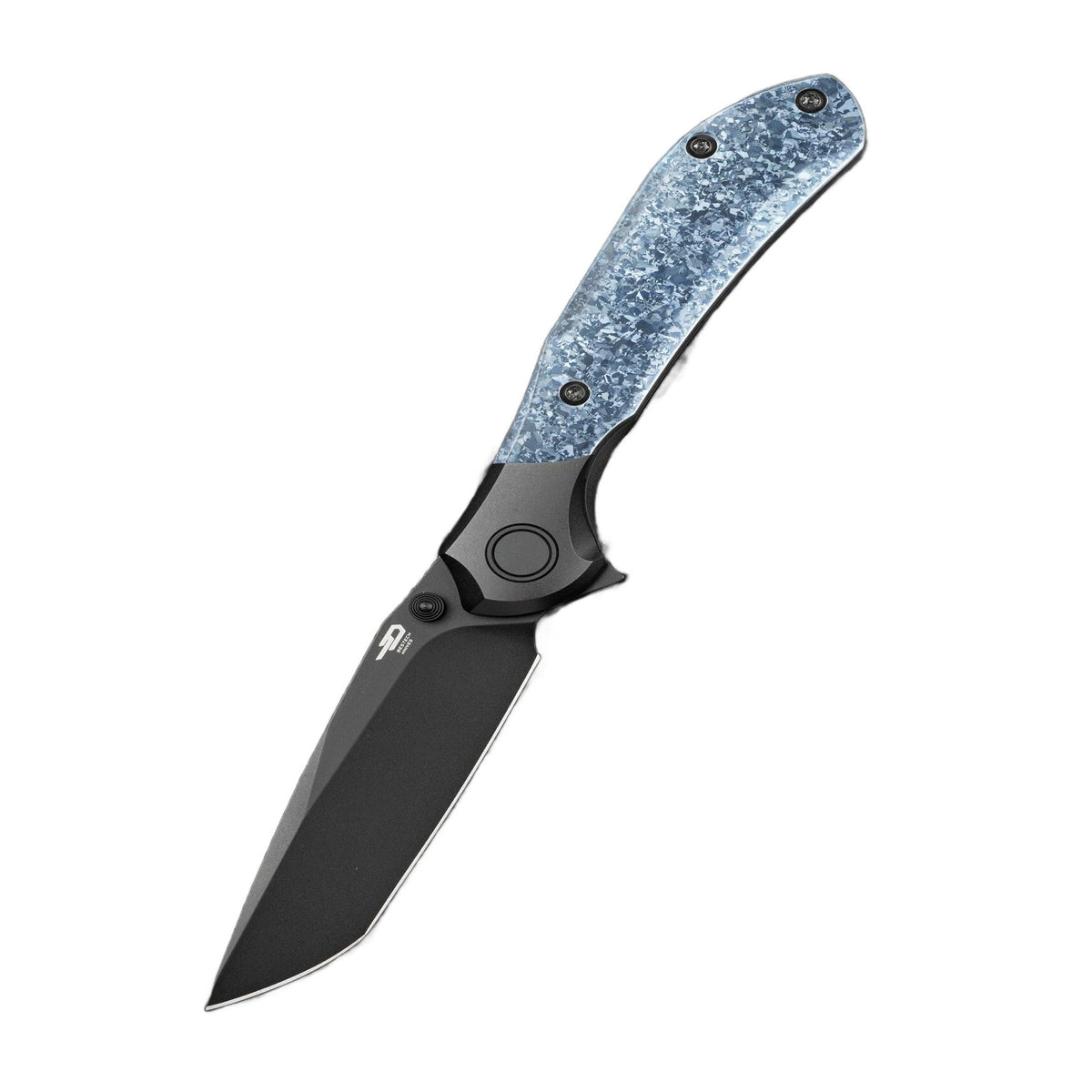
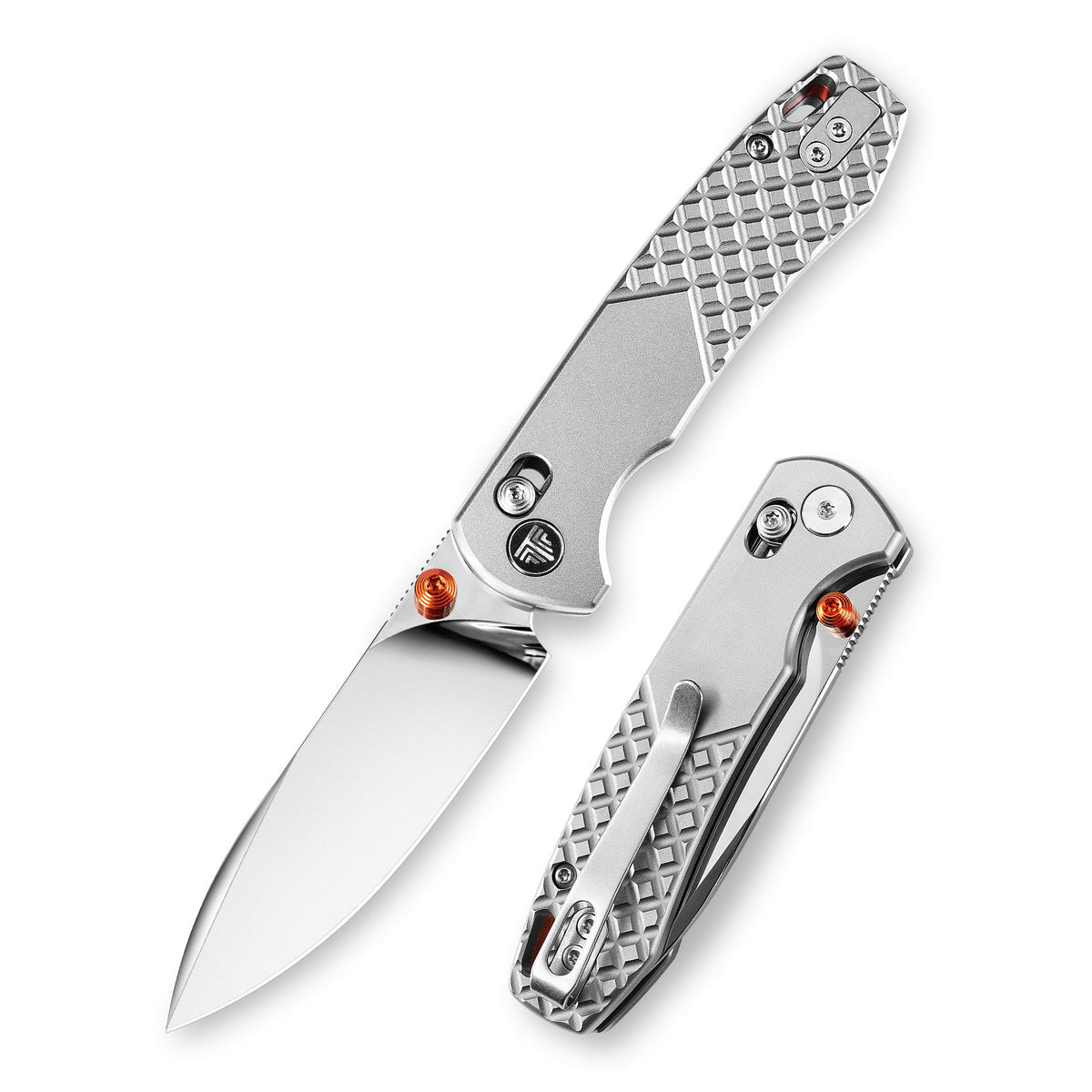
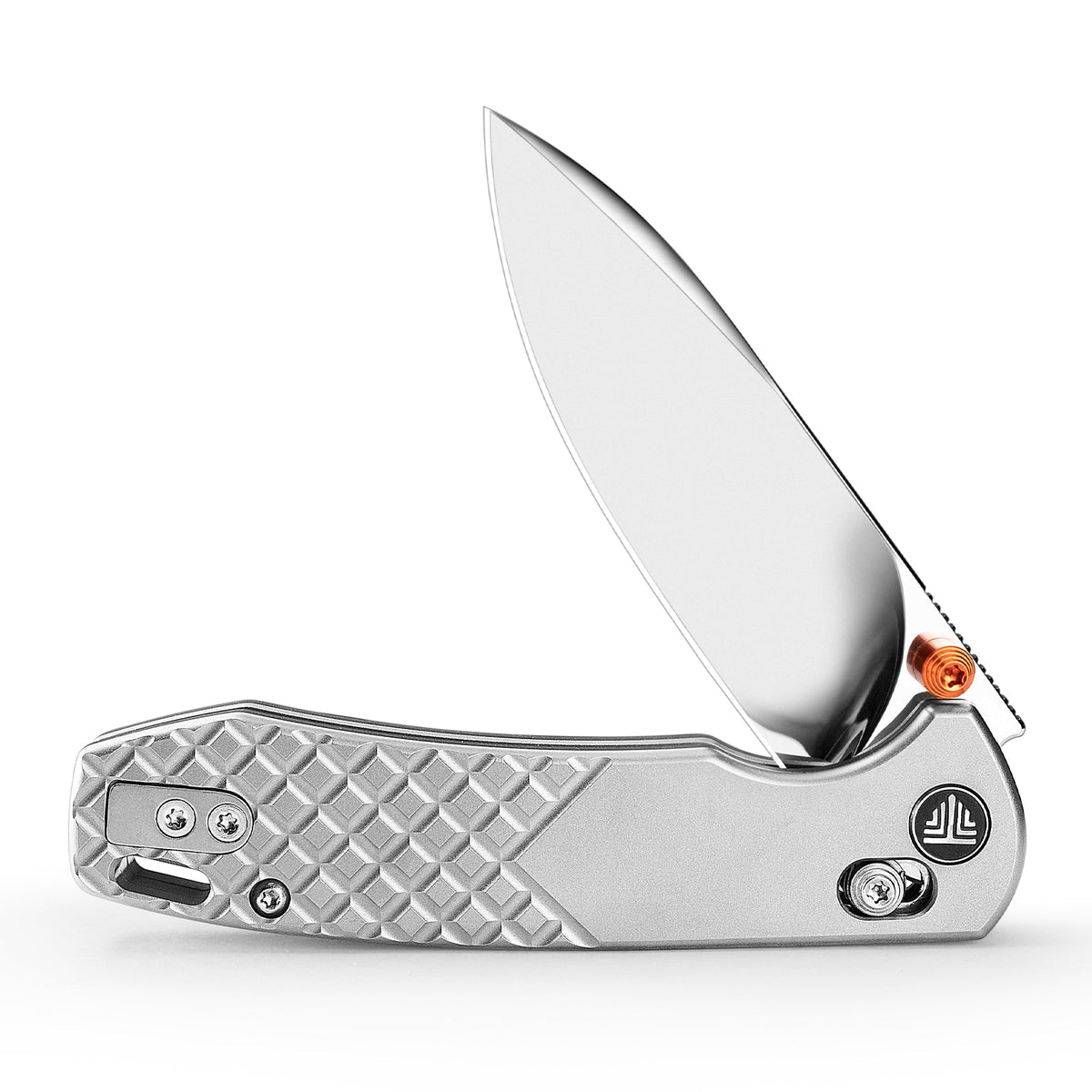
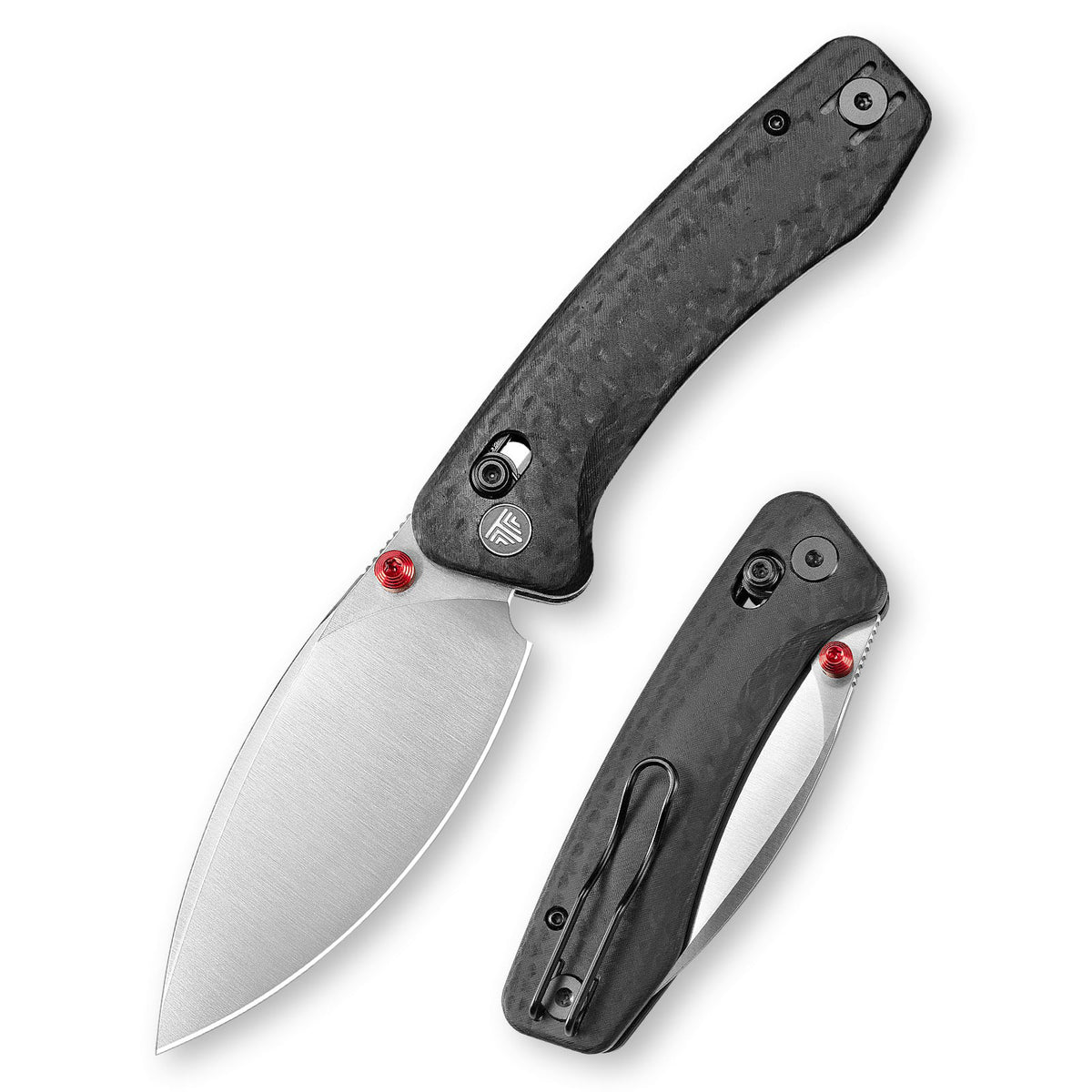
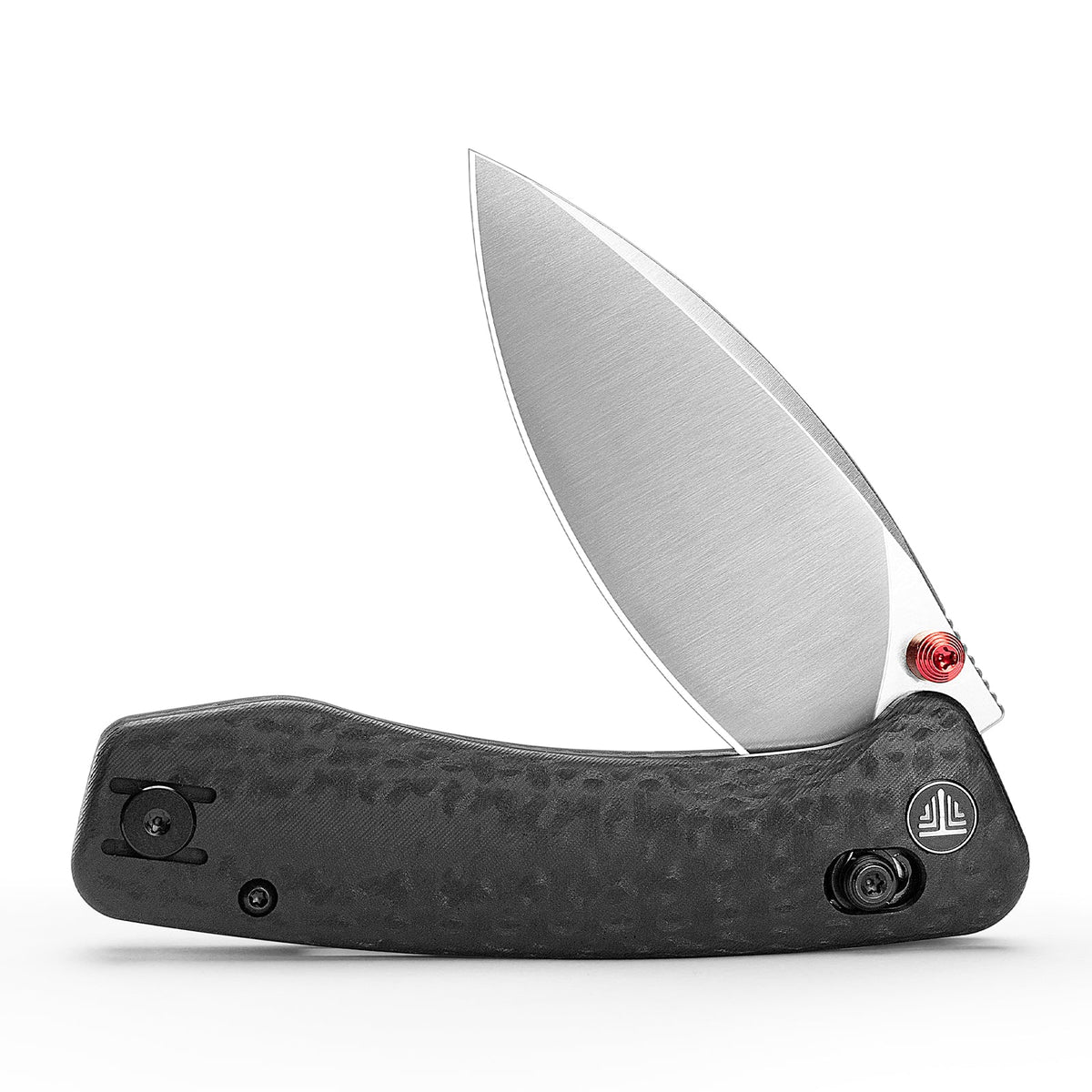
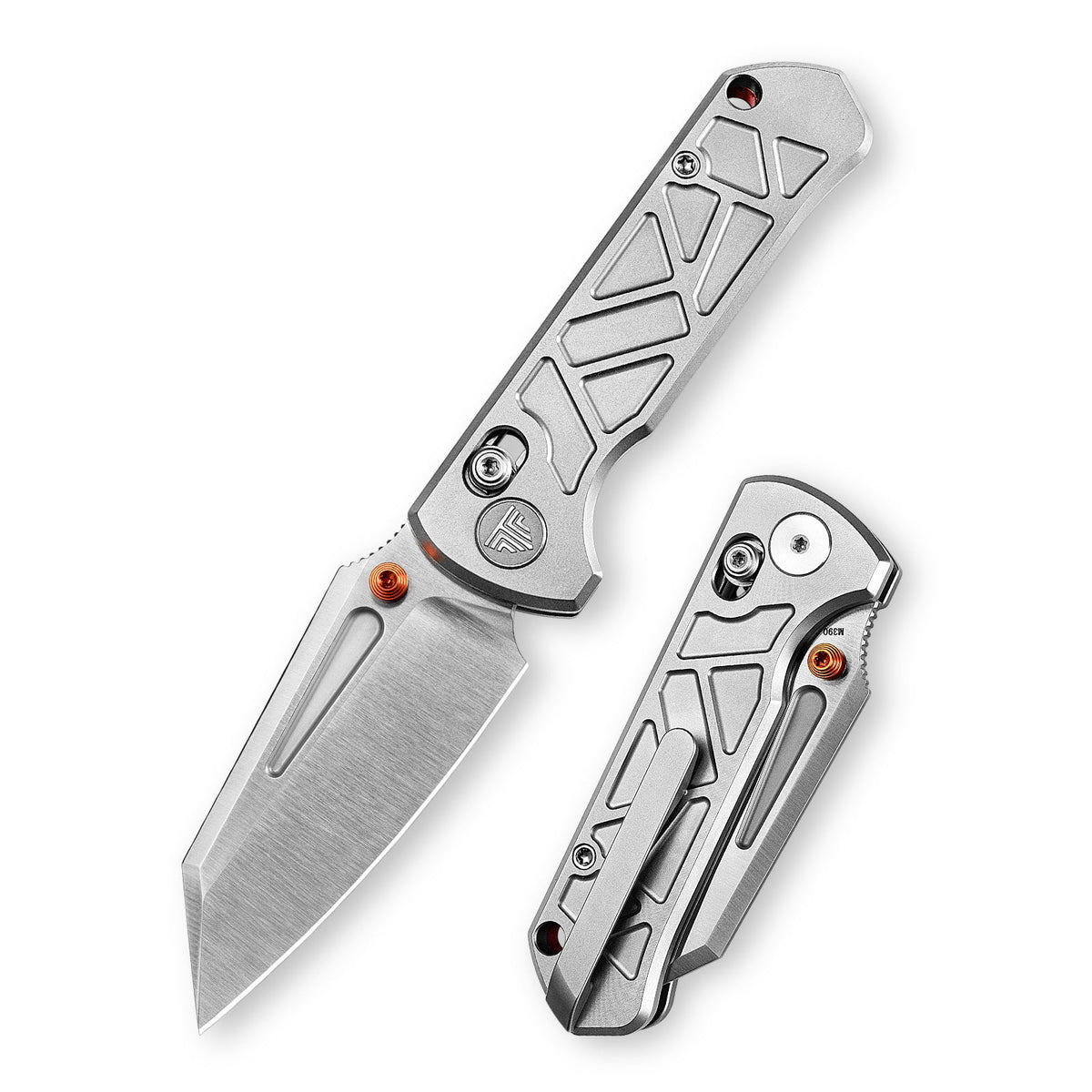
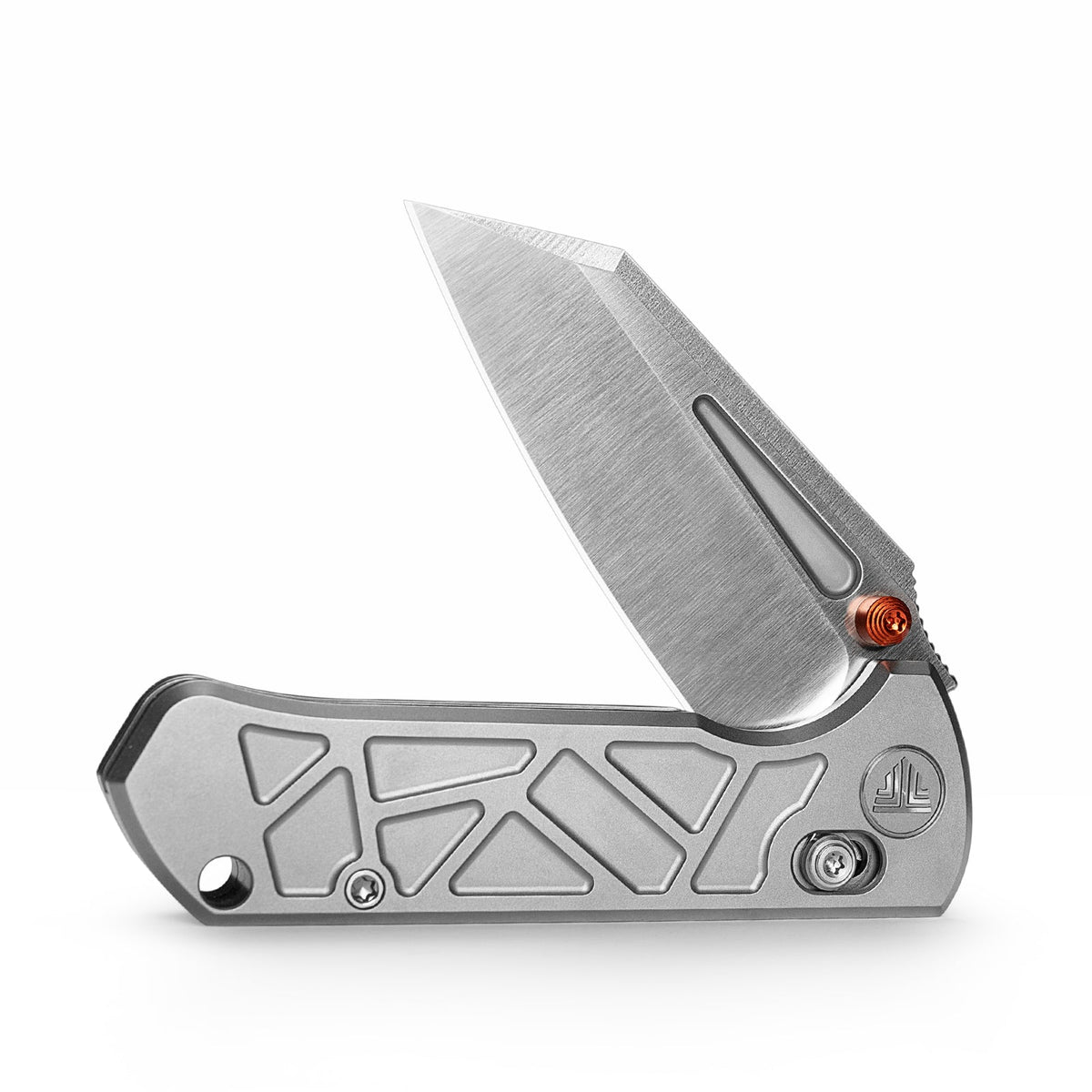
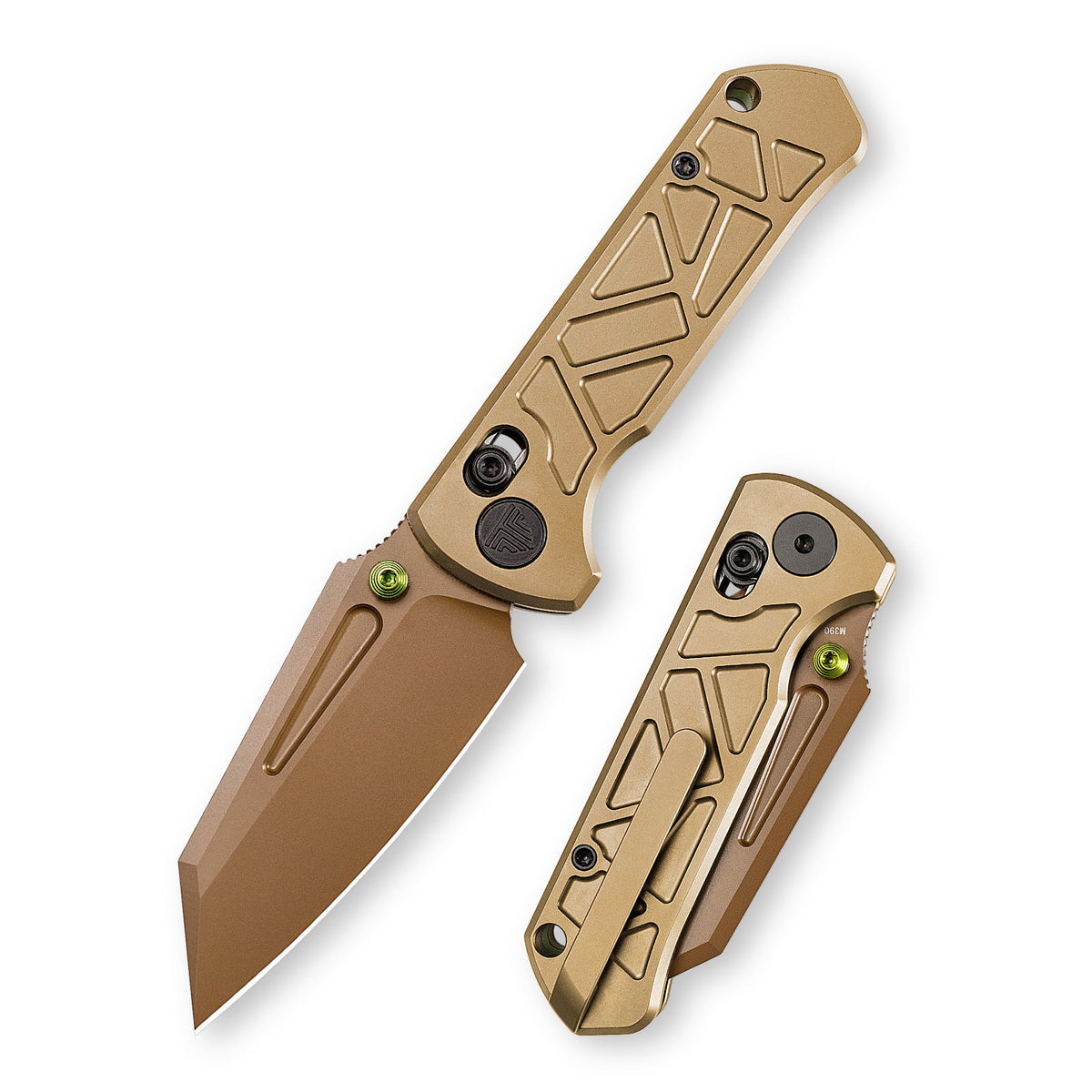
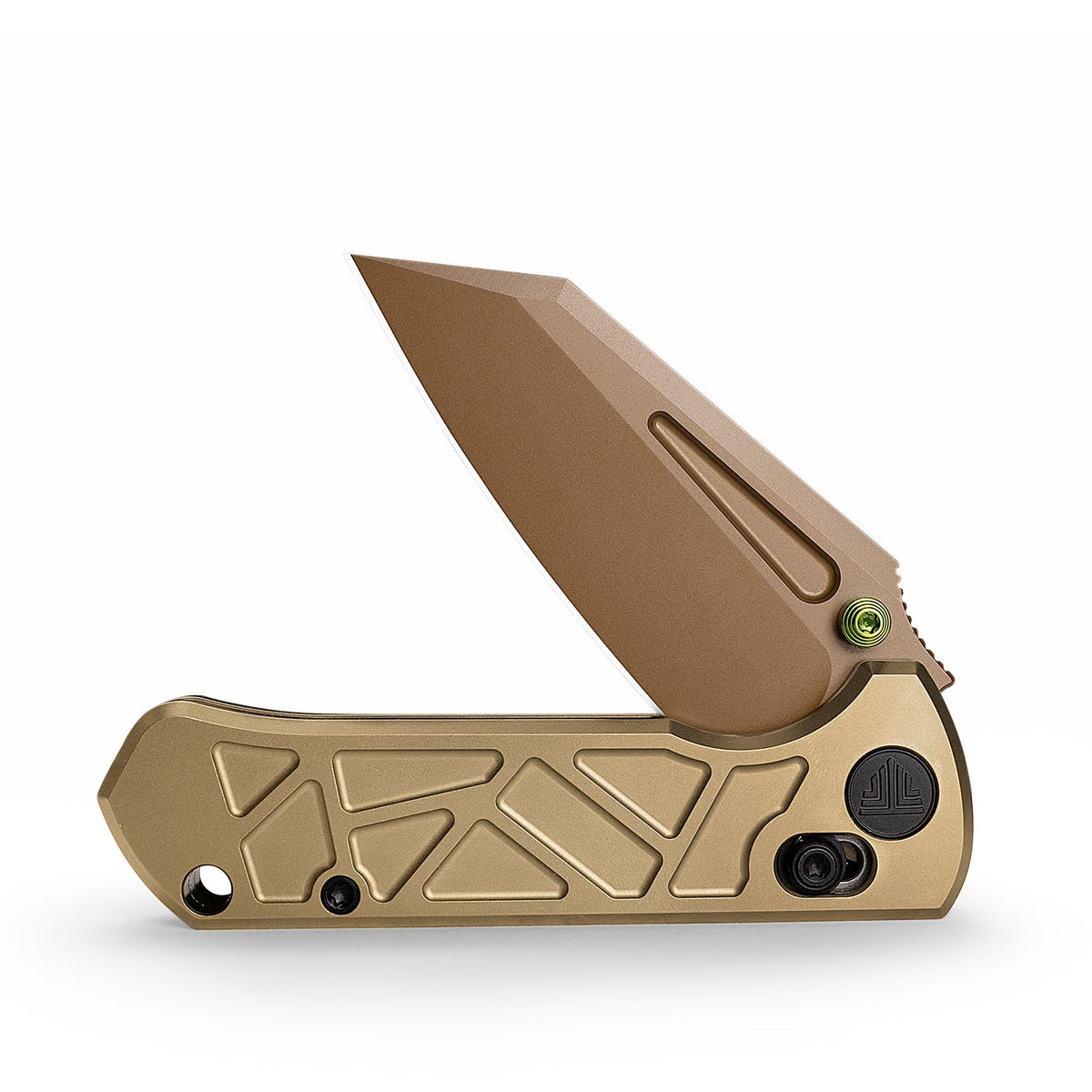
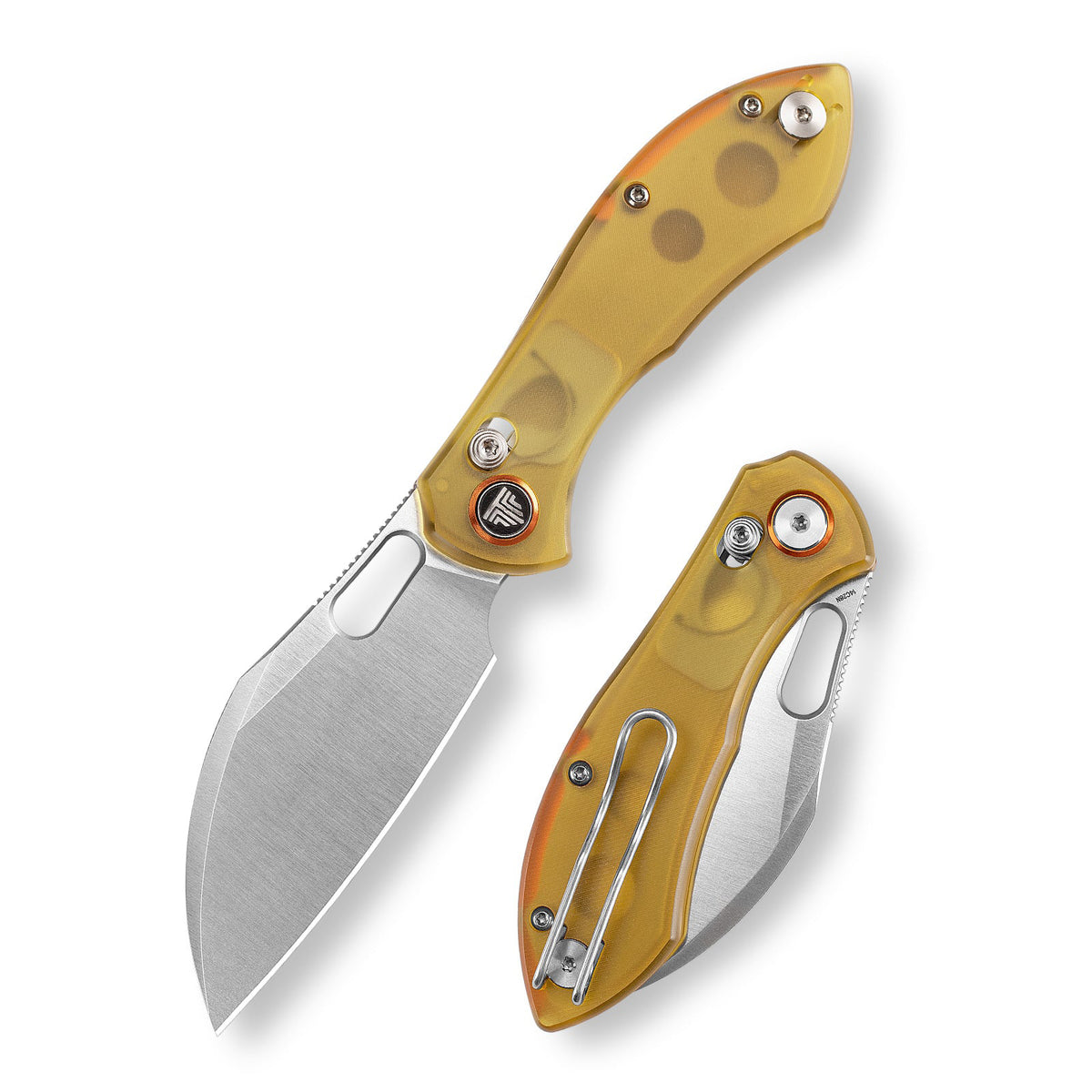
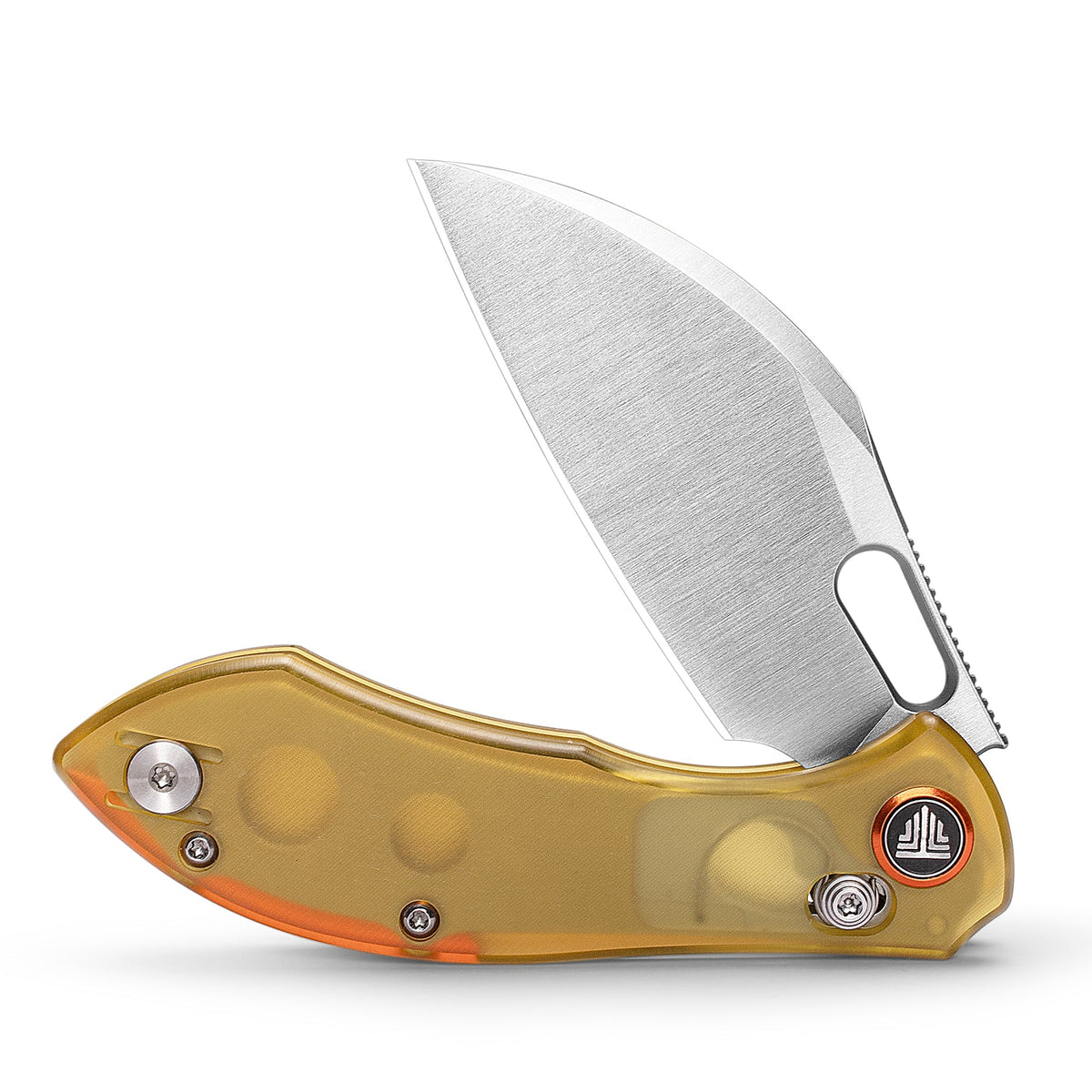
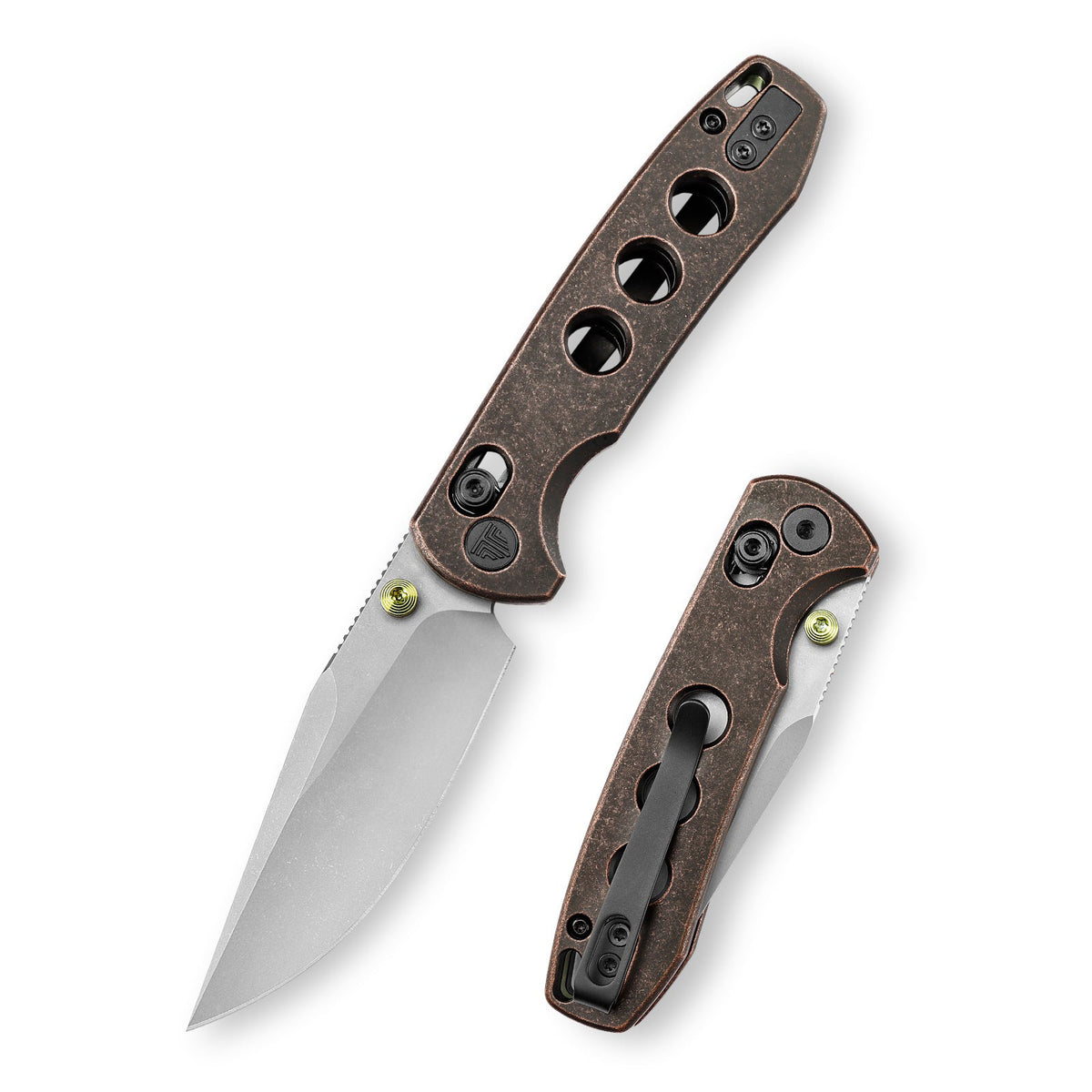
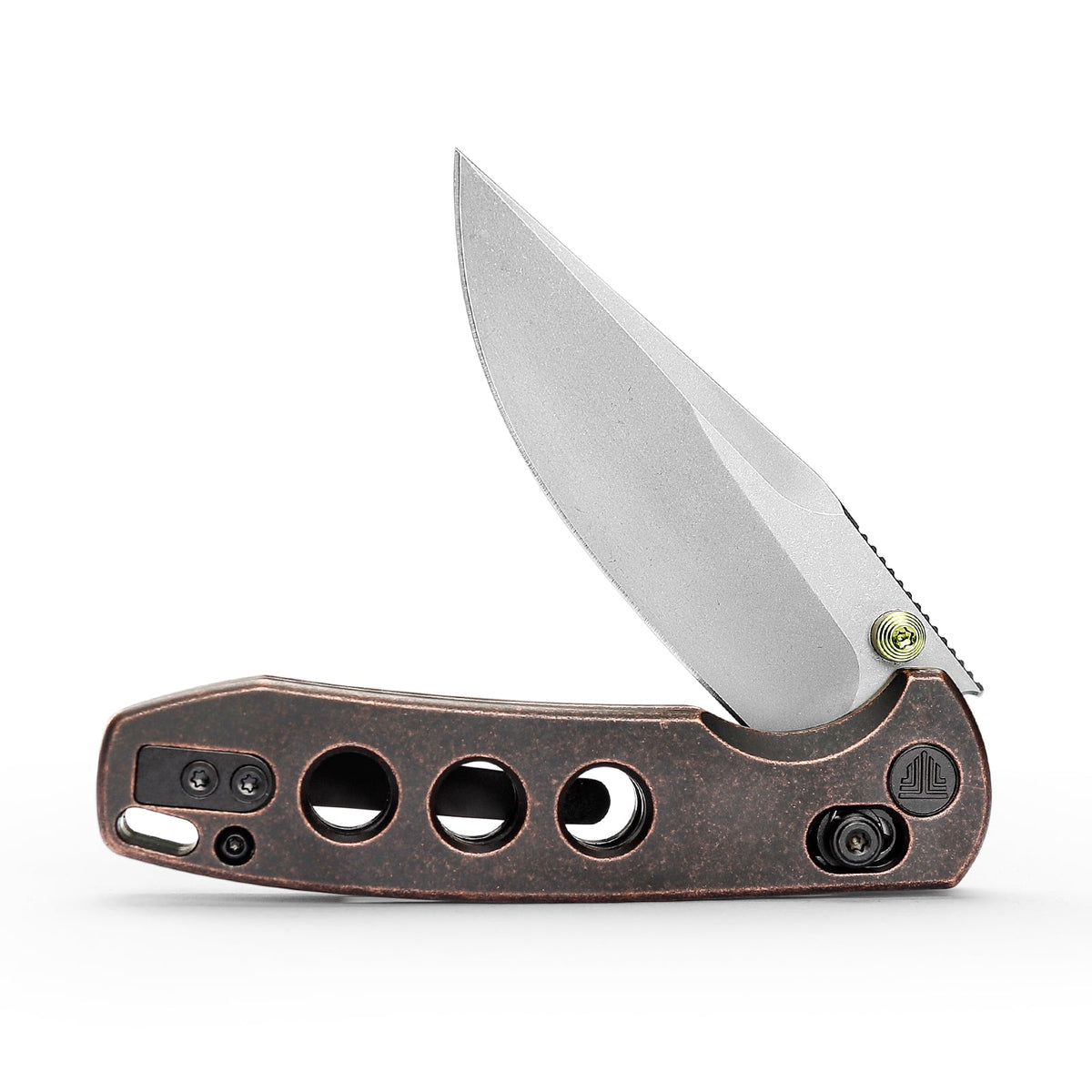
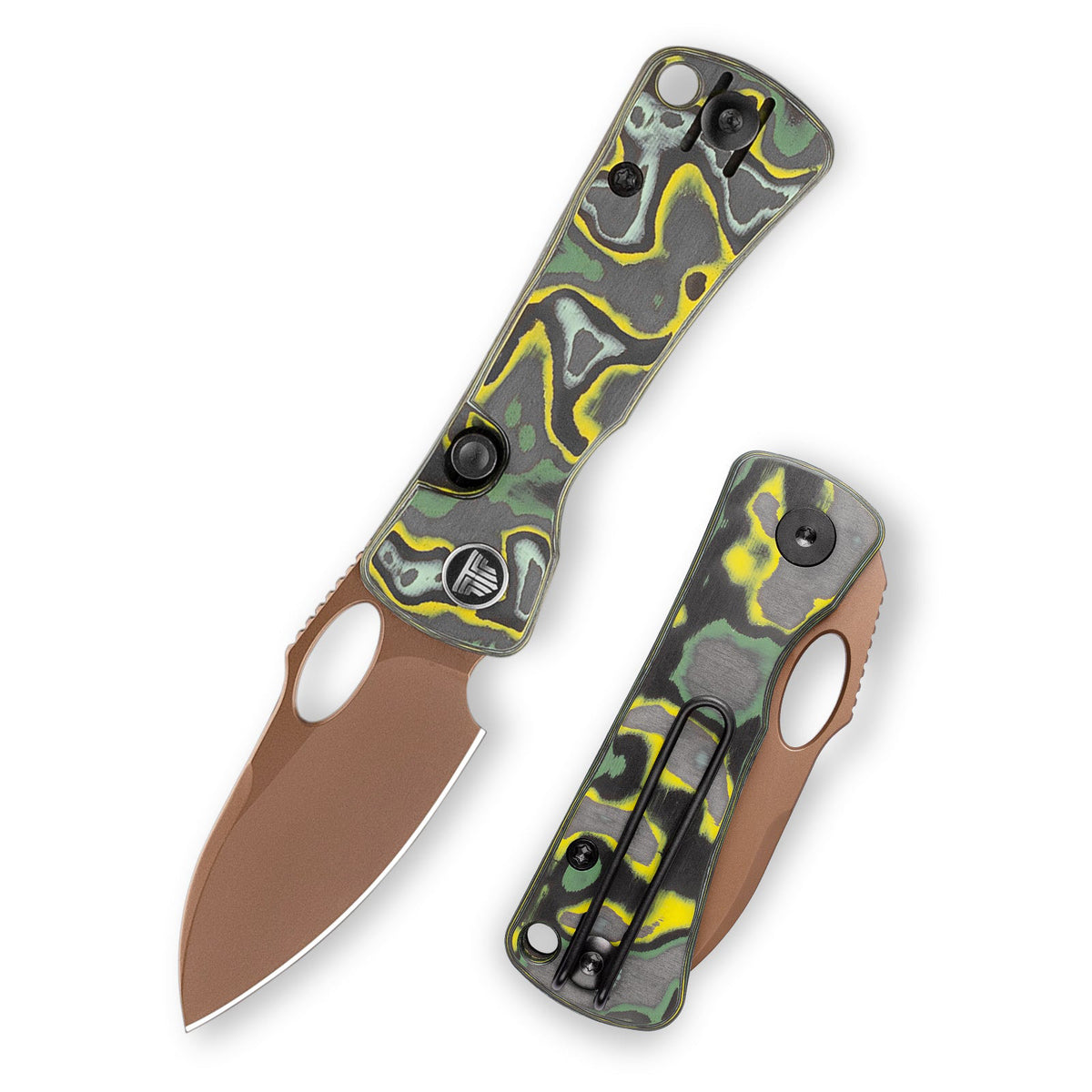
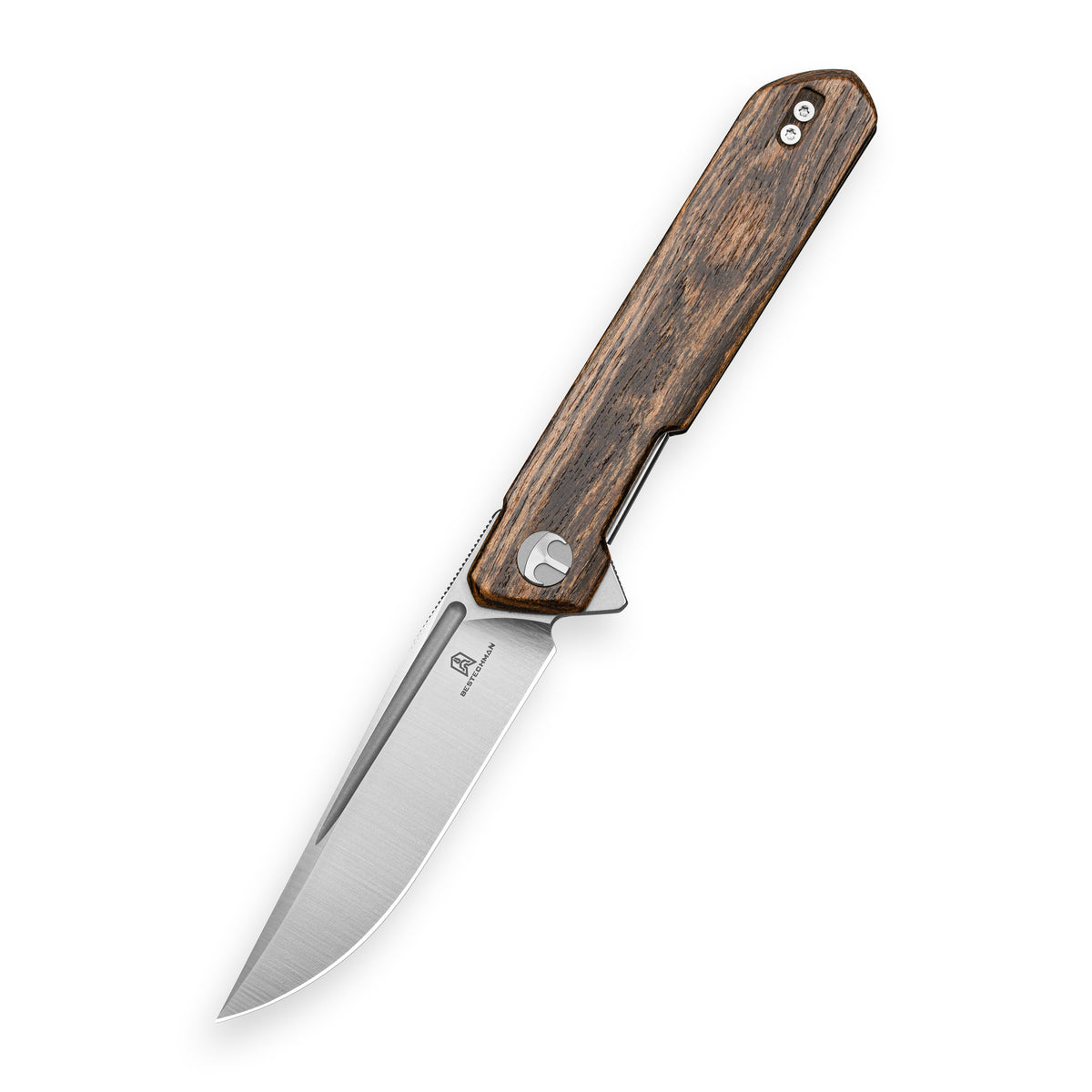
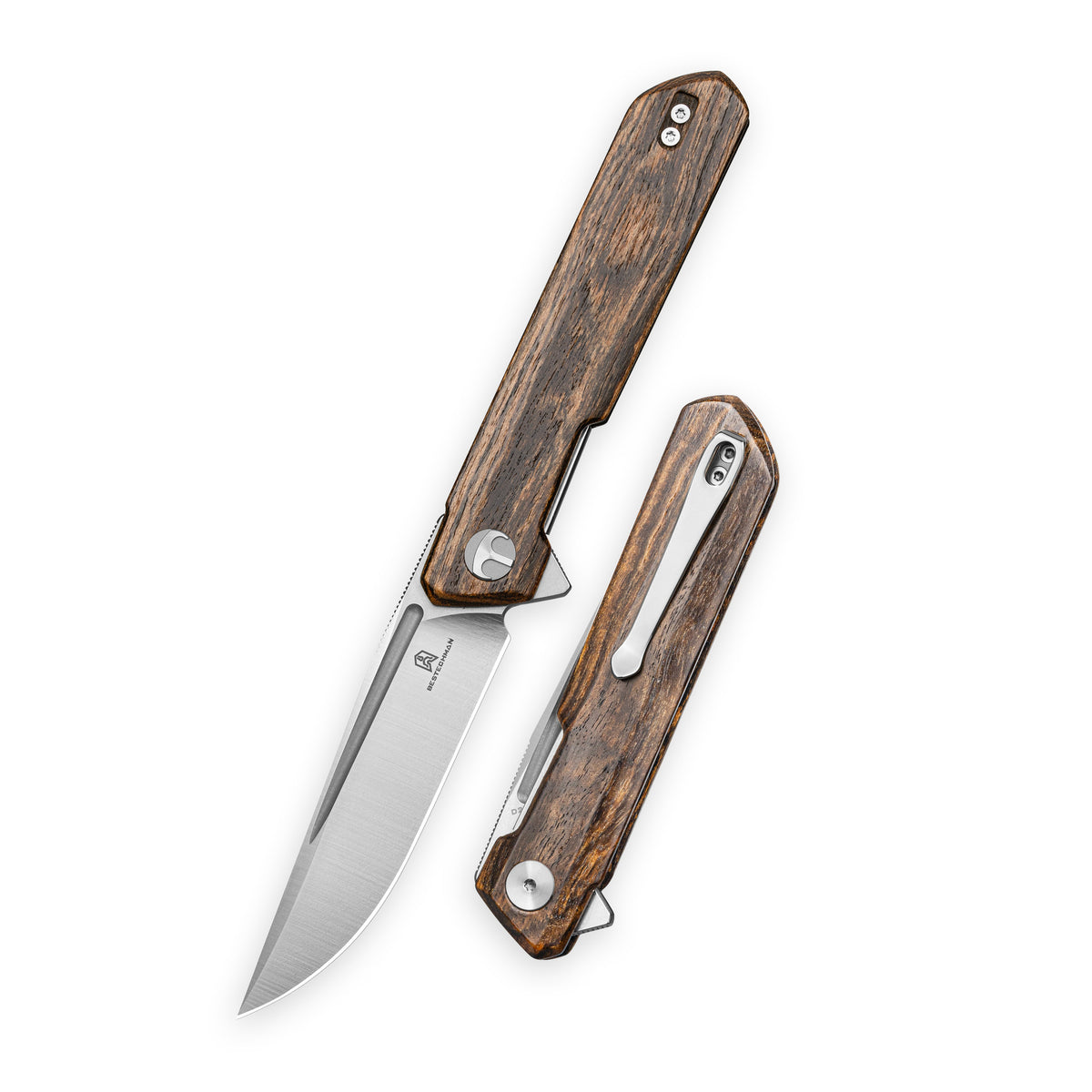
So how do modern makers deliver the look? They substitute a finish line. The Bestech Nyrrdreki BT2607D runs an M390 blade between titanium and carbon fiber with a button frame lock, and the visual interest comes from a crisp grind line, a dark coating and a clean plunge instead of a hamon. Bestech knives treat that transition as a design element on a blade that will never rust in a pocket.
Real-World Use
In real use the difference is entirely practical. A differentially hardened carbon blade can take a keener edge and will show patina with use, and it will rust if it is ignored. A uniform stainless blade will hold a working edge far longer in wet or salty conditions with almost no maintenance, which is why EDC knives have moved in that direction.

Ownership Notes
If you collect hamon blades, store them dry, oil the surface after handling and never store one in a leather sheath for long periods, because leather holds moisture against steel. If you carry a modern stainless folder, the care is the opposite: it needs almost nothing beyond a wipe and an occasional drop of oil. EdcMall carries both worlds, from traditional carbon patterns to modern stainless. There is a handling difference worth noting as well. A button lock release is easier to work with cold or wet hands than a thin liner tab, which is why modern cold-weather and work folders keep moving toward that mechanism even though it has nothing to do with the hamon debate.
Who Is This For?
This is for collectors and enthusiasts who want to understand what they are looking at, and for buyers deciding between a traditional carbon blade and a modern stainless one. If you want visible craft and are willing to maintain it, choose carbon. If you want low maintenance, choose stainless and accept a different aesthetic.
Final Verdict
A hamon is a signature of carbon steel and a slow quench, not a universal feature. Modern stainless trades the line for consistency, and a crisp grind on a coated blade is the modern equivalent.