
Raw knife steel is only as good as the thermal processing behind it. Without precise control over heating cycles, soaking durations, and quenching speeds, even a high-alloy tool steel cannot reach its true performance potential. For daily utility tools, achieving a harmonious balance between edge retention and impact resistance is crucial.
Cutlery manufacturer Kansept has perfected its heat-treatment protocols for air-hardened D2 tool steel. While premium options like CPM-S35VN and CPM-20CV occupy upper-tier price points, Kansept's specialized thermal treating allows D2 to punch far above its weight class in hard-working EDC setups. Understanding this thermal journey clarifies why these blades perform so reliably in the field.
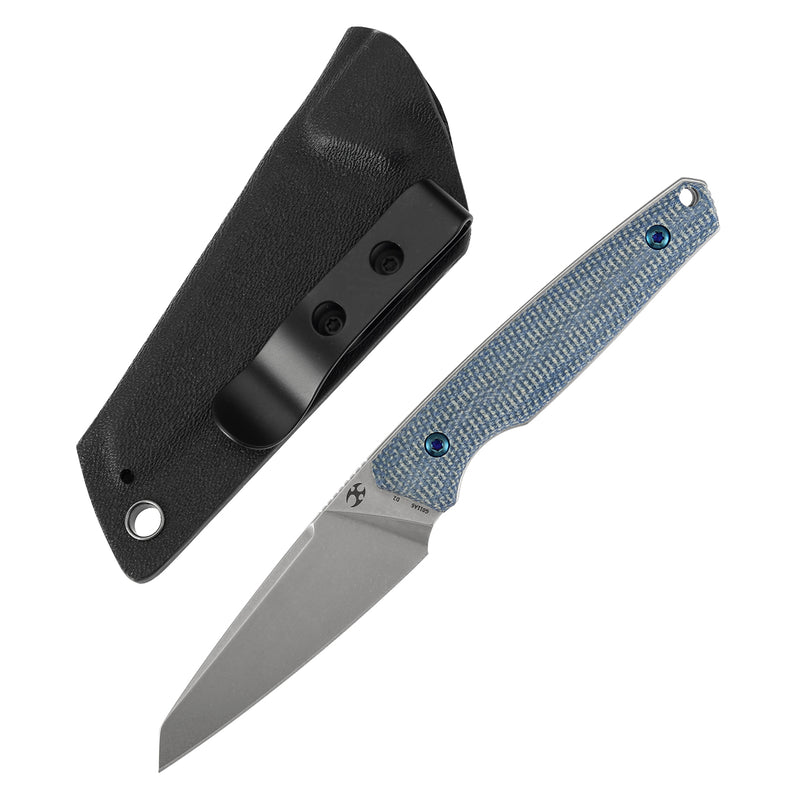
Thermal Processing Steps Breakdown
Transforming raw steel stock into a durable, razor-sharp cutting tool involves strict temperature control across multiple heating and cooling phases.
Atmospheric Vacuum Heating: Blades are heated inside sealed vacuum furnaces to prevent oxygen exposure, eliminating surface decarburization and preserving original carbon content along the cutting bevel.
-
Controlled Preheat Stage: Steel is gradually brought to intermediate temperatures to reduce thermal shock and prevent warping or internal stress fractures.
-
Austenitizing Soak: Blades are held at target temperatures near 1,850°F (1,010°C) to fully dissolve chromium and carbon into the iron matrix.
-
Rapid Air Quenching: High-pressure nitrogen gas cools the blades quickly, locking the atomic structure into ultra-hard martensite.
-
Sub-Zero Cryogenic Treatment: Blades undergo liquid nitrogen baths to convert retained austenite into stable martensite, maximizing edge stability and wear resistance.
-
Dual Tempering Cycles: Repeated stress-relief heating cycles temper peak brittleness, settling final hardness precisely within the 59–61 HRC target range.
Technical Specifications: Untreated vs. Optimized D2
| Thermal Parameter | Basic Commercial Heat Treat | Kansept Vacuum & Cryo Protocol | Practical Slicing Benefit |
| Final Hardness Target | 57–58 HRC (Too Soft) or 62+ HRC (Brittle) | 59–61 HRC (Optimized Balance) | Resists apex rolling without micro-chipping under pressure. |
| Austenite Conversion | Incomplete (Retained Austenite) | Cryogenic Nitrogen Sealed | Prevents edge deformation during continuous abrasive contact. |
| Surface Integrity | High Decarburization Risk | Zero Oxygen Vacuum Chamber | Preserves maximum carbon density directly at the apex. |
| Carbide Distribution | Clustered Carbide Chains | Even Carbide Dispersion | Delivers smoother slicing cuts and consistent sharpening response. |
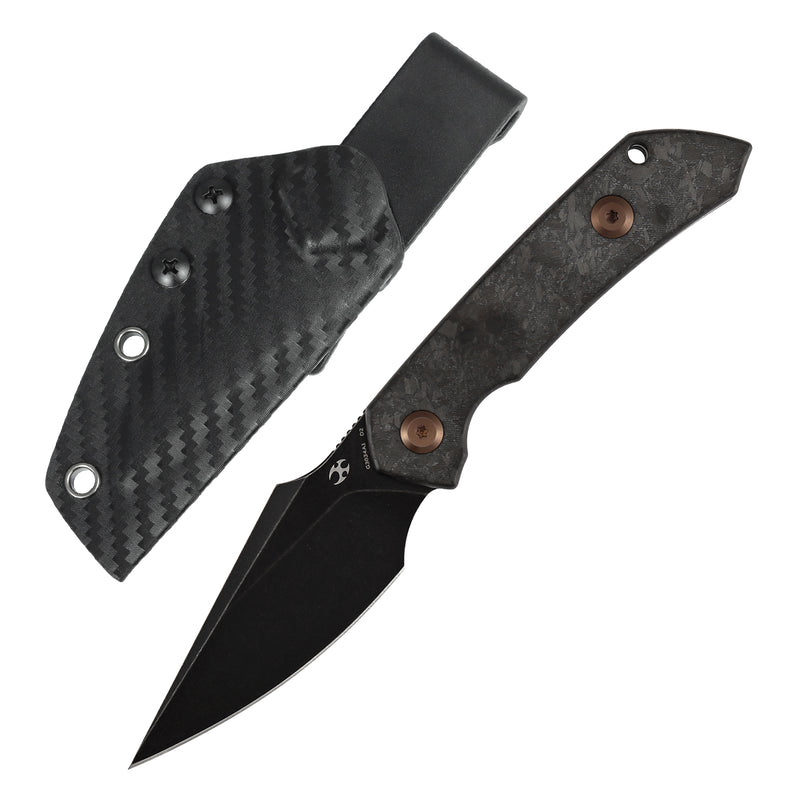
Metallurgy Comparison Across Popular Blade Steels
Evaluating optimized D2 against other common knife steels highlights how proper heat treatment bridges the gap toward high-tier cutlery alloys.
| Steel Alloy | Typical Target Hardness | Edge Retention | Impact Resistance | Stain Protection |
| Kansept Optimized D2 | 59–61 HRC | High | Moderate | Semi-Stainless |
| 14C28N | 58–60 HRC | Medium | Very High | High |
| Nitro-V | 58–60 HRC | Medium | High | High |
| 154CM | 58–60 HRC | Moderate | High | High |
| M390 | 60–62 HRC | Outstanding | Moderate | Exceptional |
| Magnacut | 61–63 HRC | Very High | High | Exceptional |
While ultra-hard super-steels like CPM-S90V or Elmax demand higher material investment, properly heat-treated D2 delivers impressive real-world cutting endurance at a very accessible price point.
Pocket Folders vs. Heavy Utility Tools
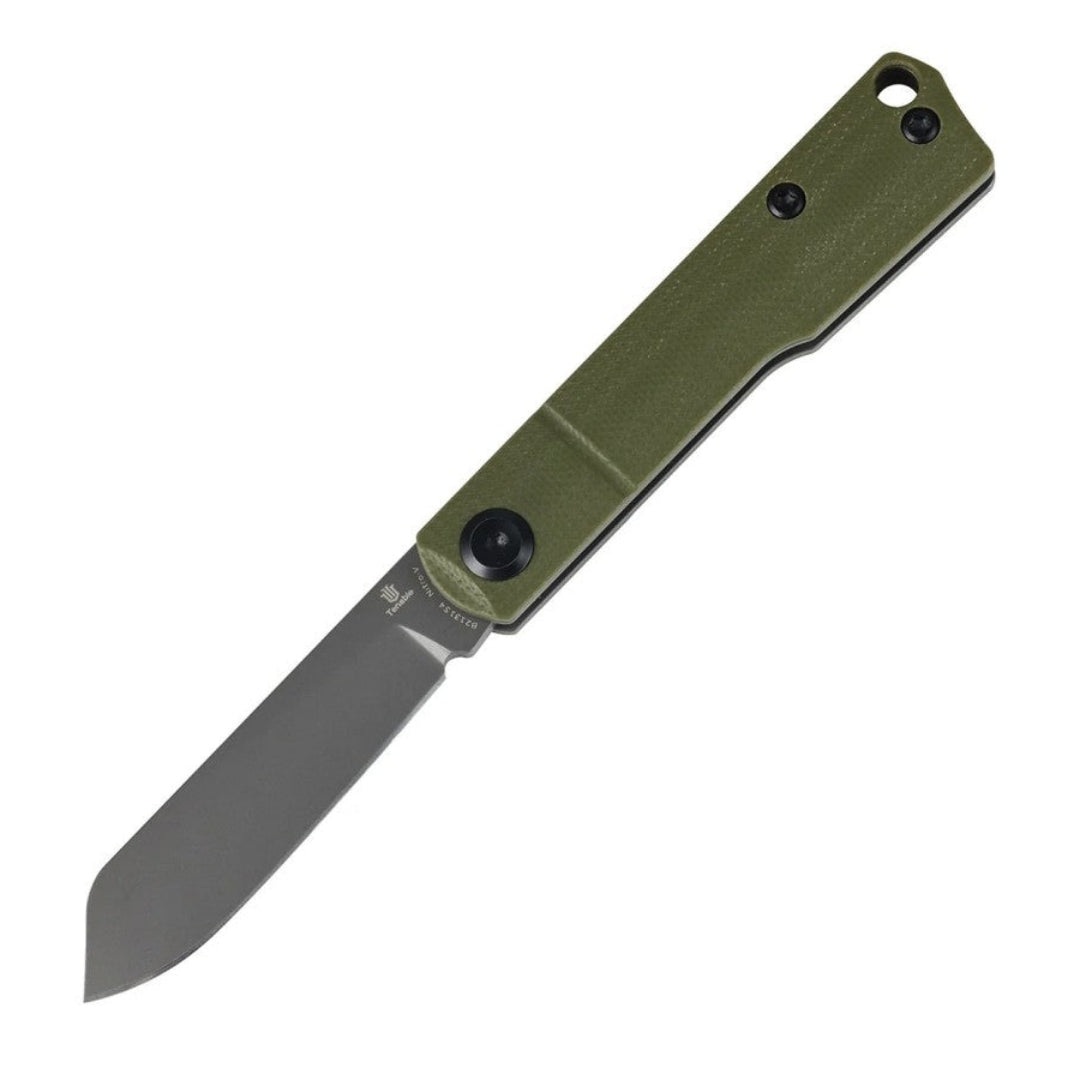
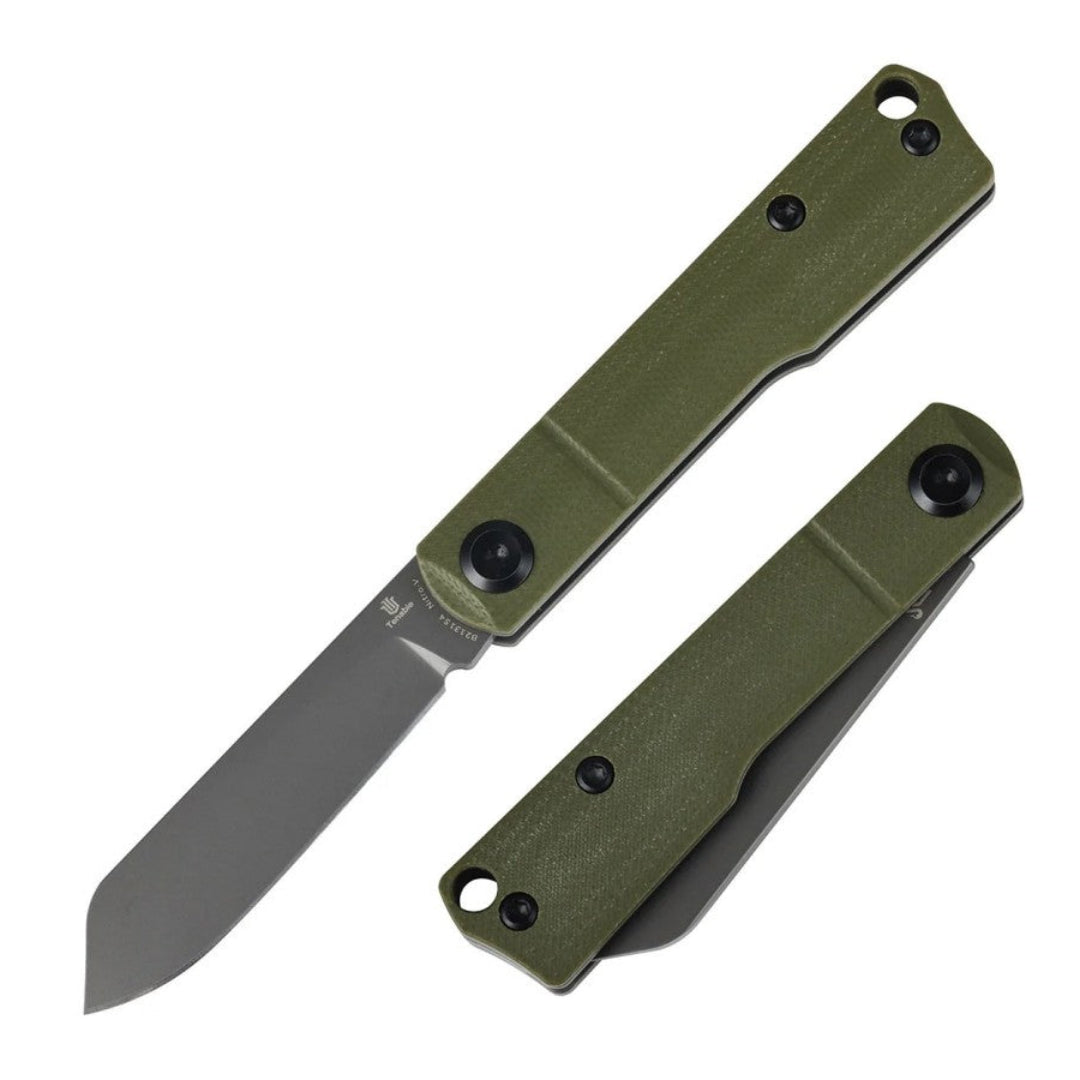
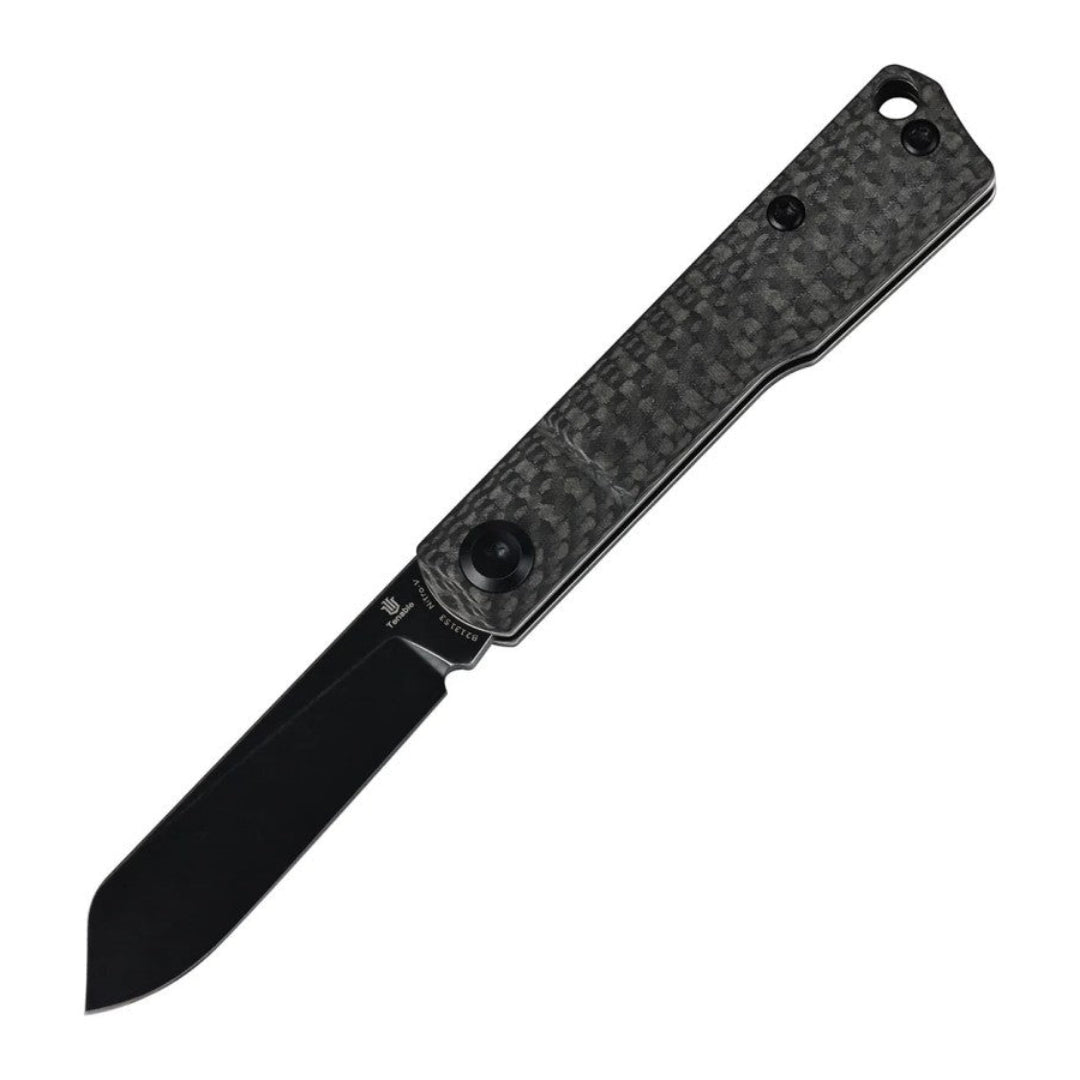
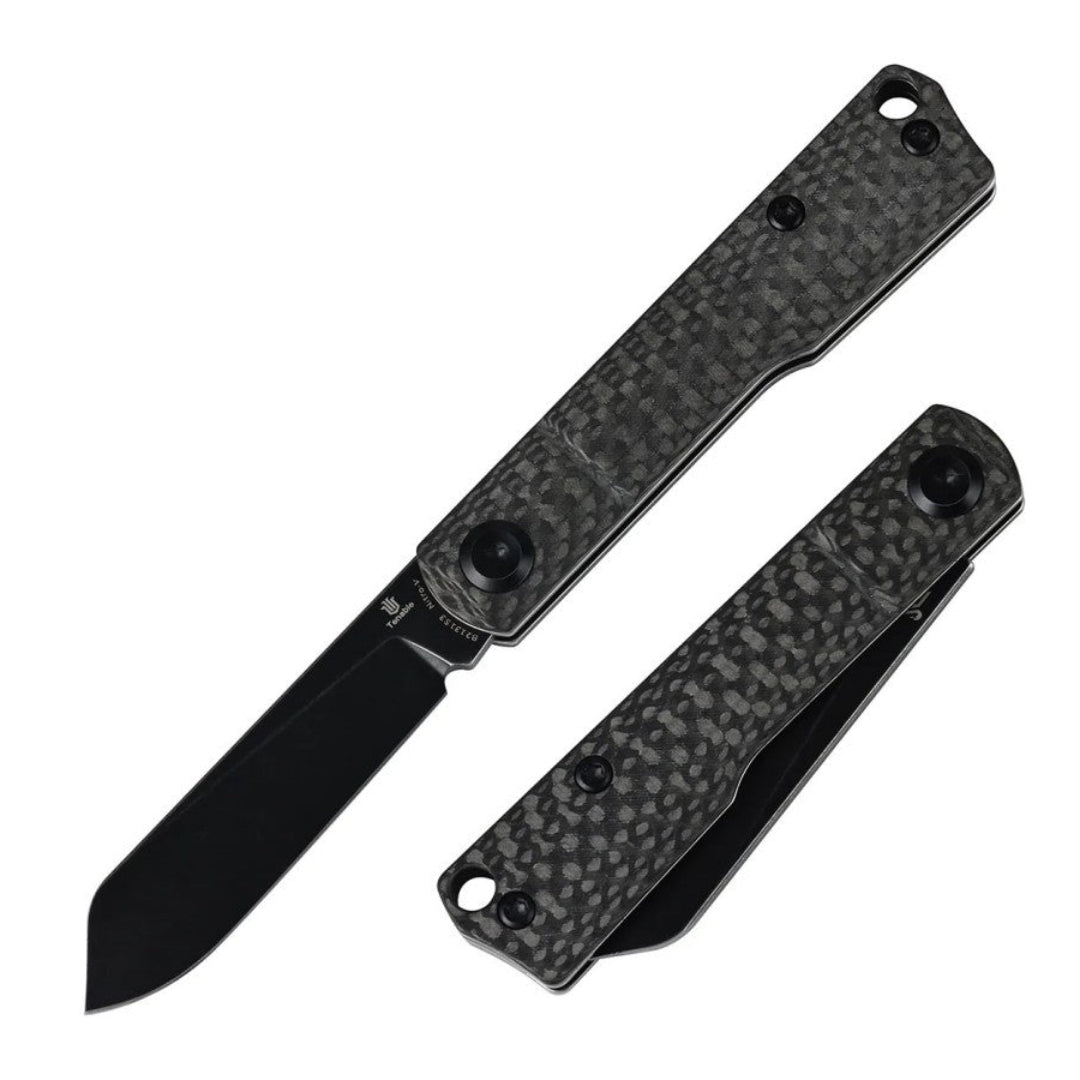
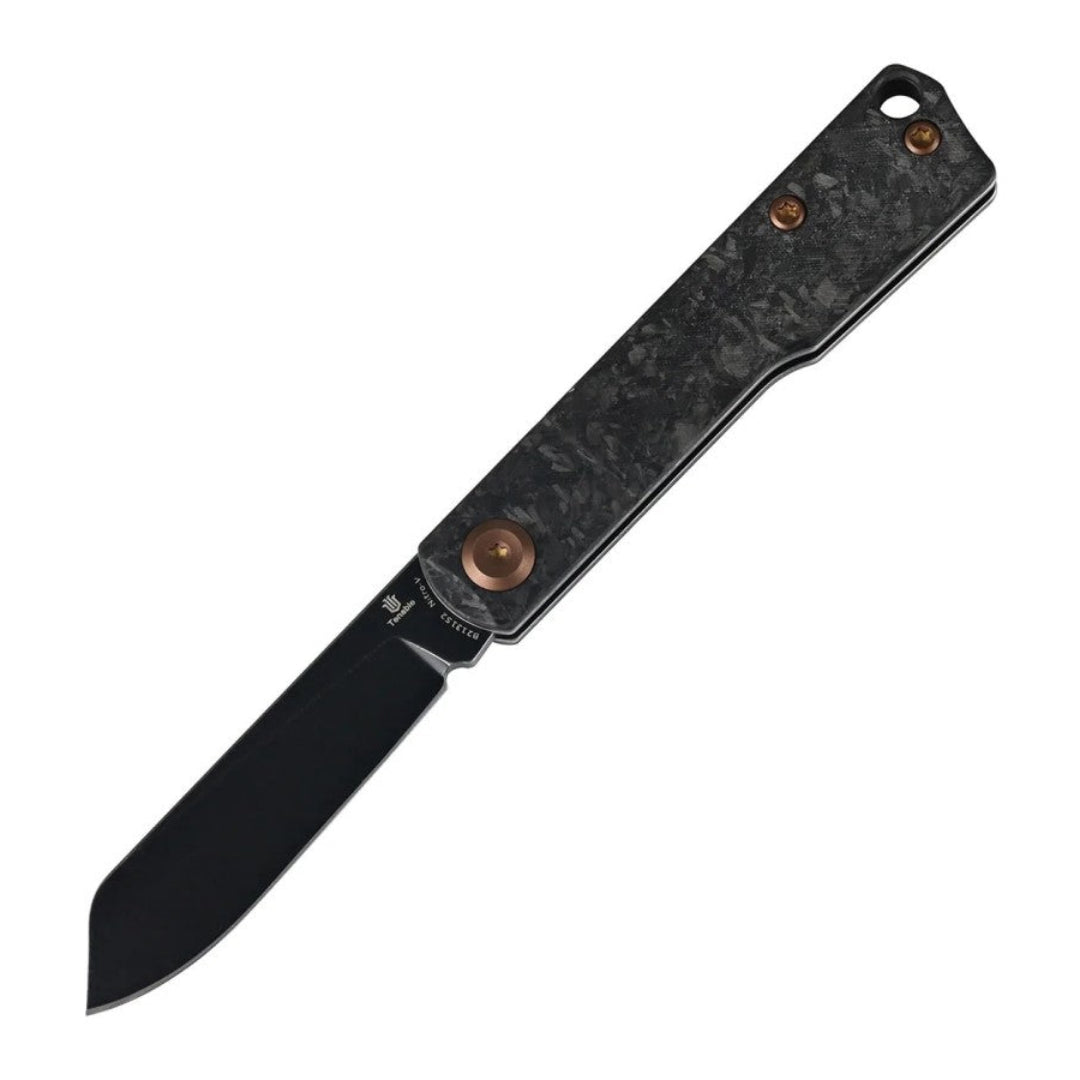
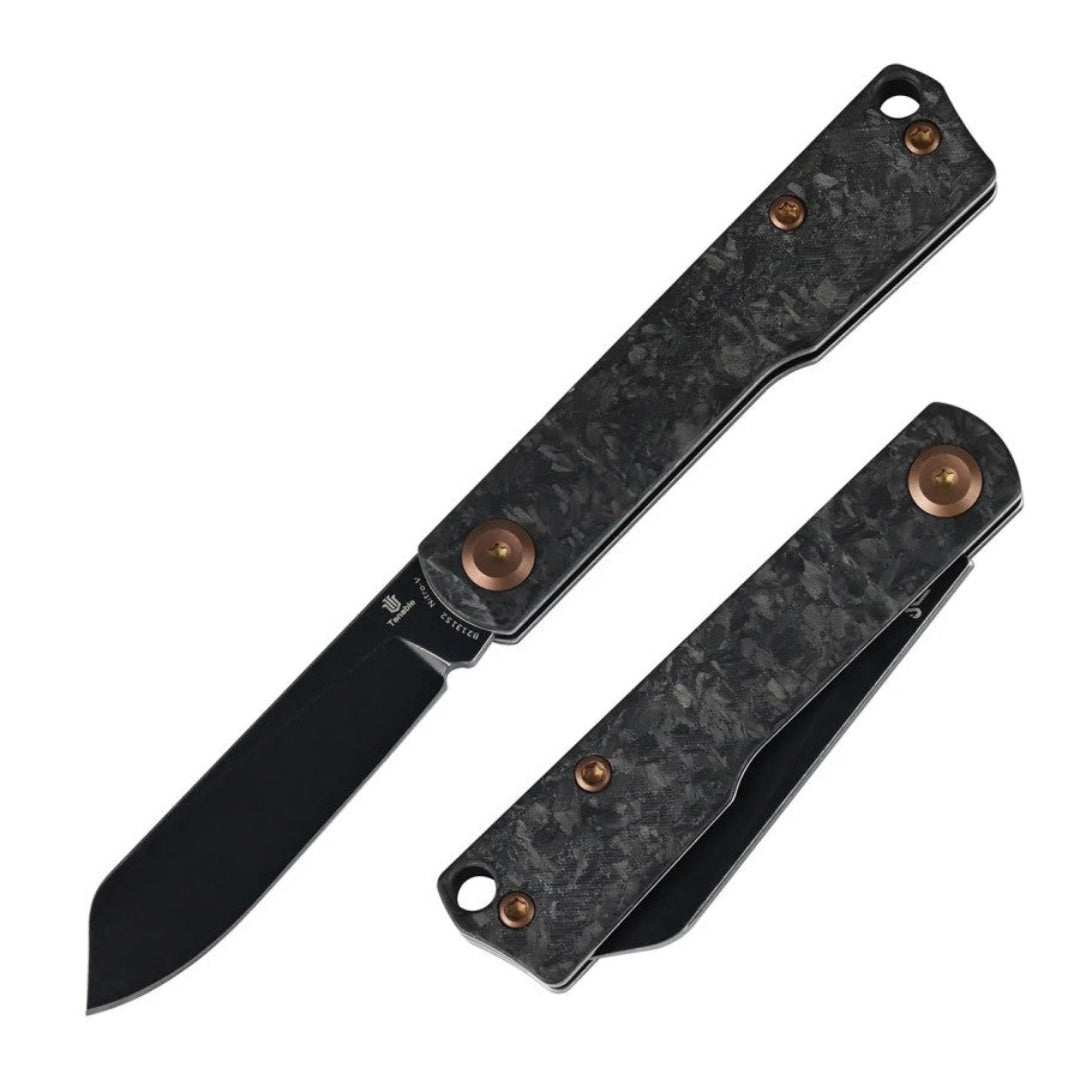
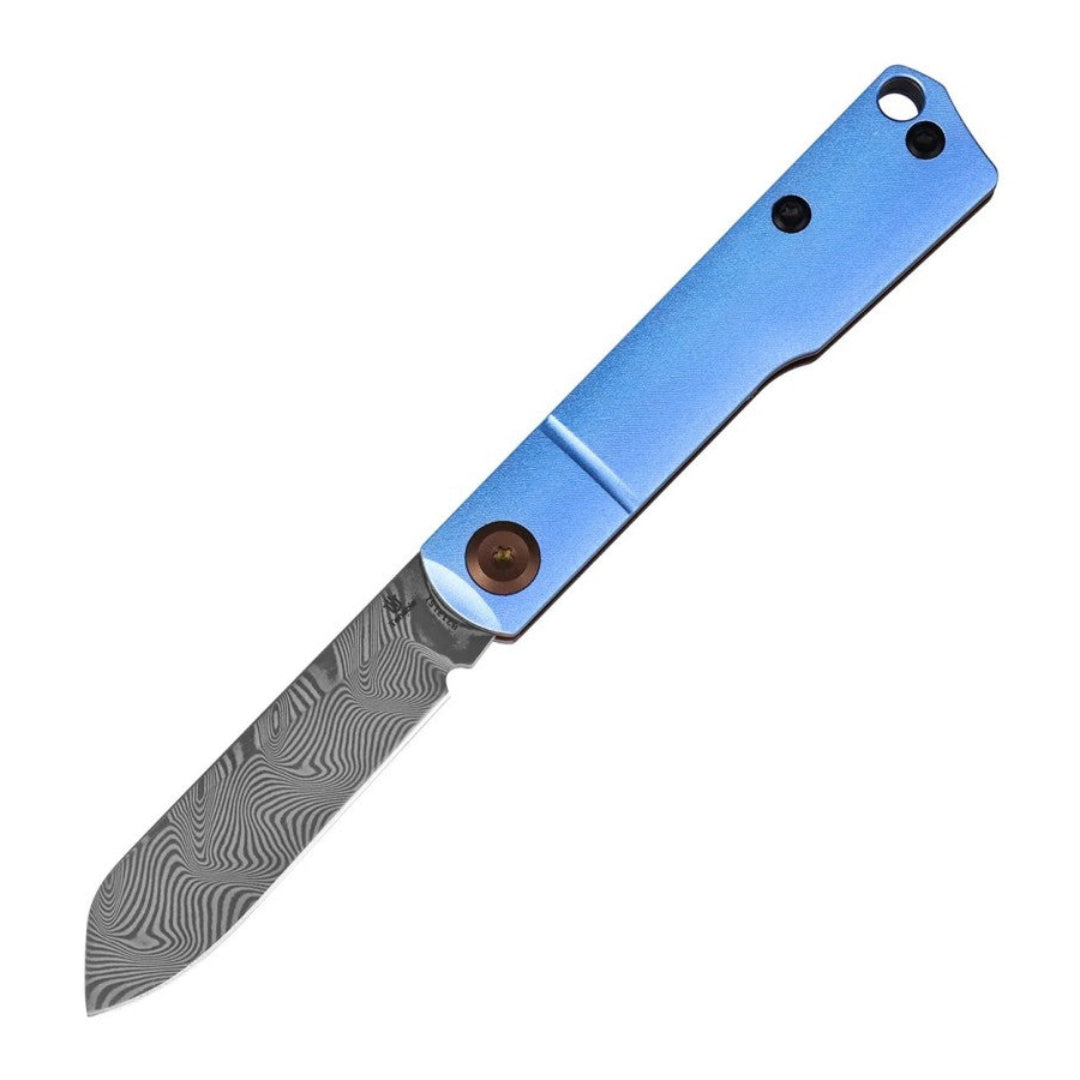
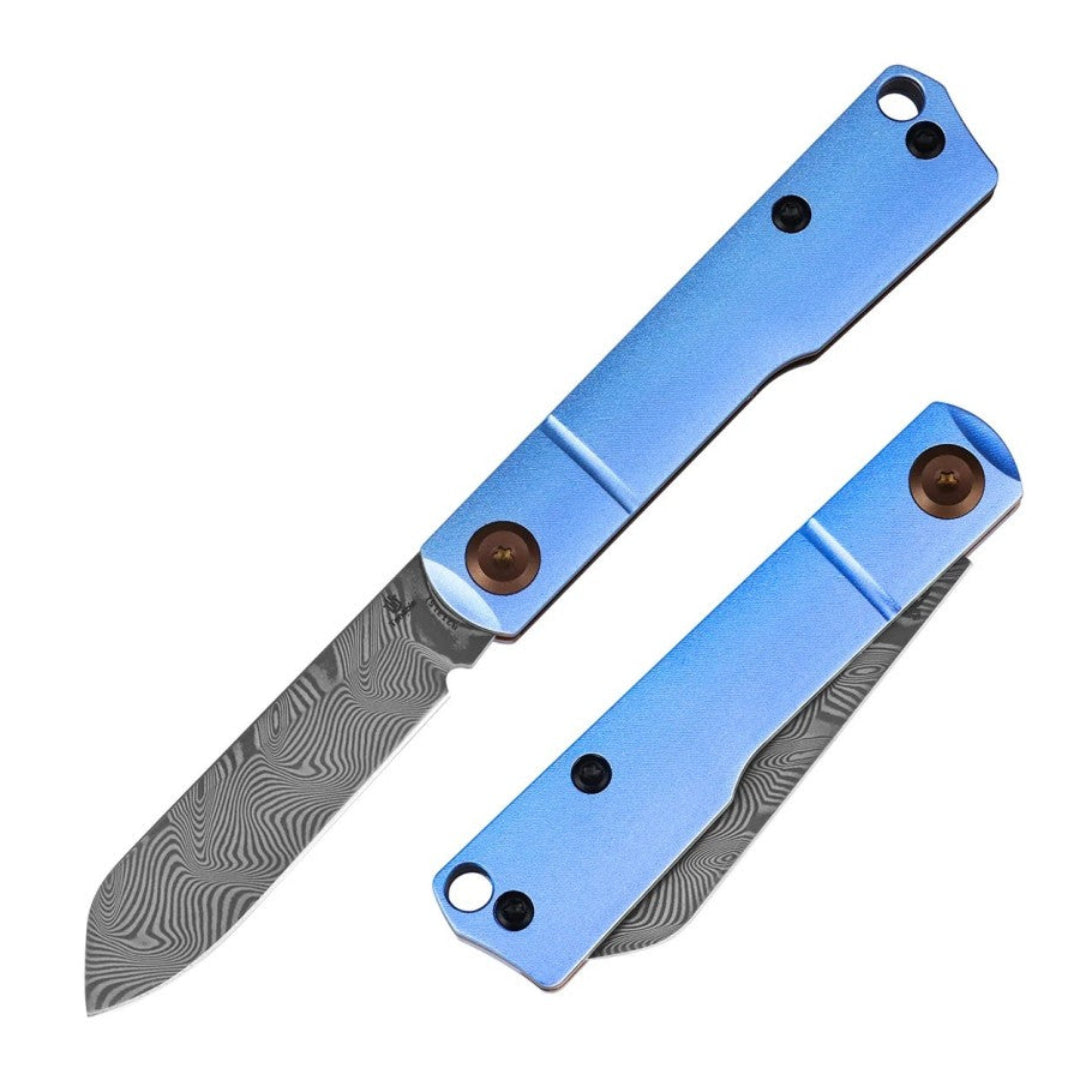
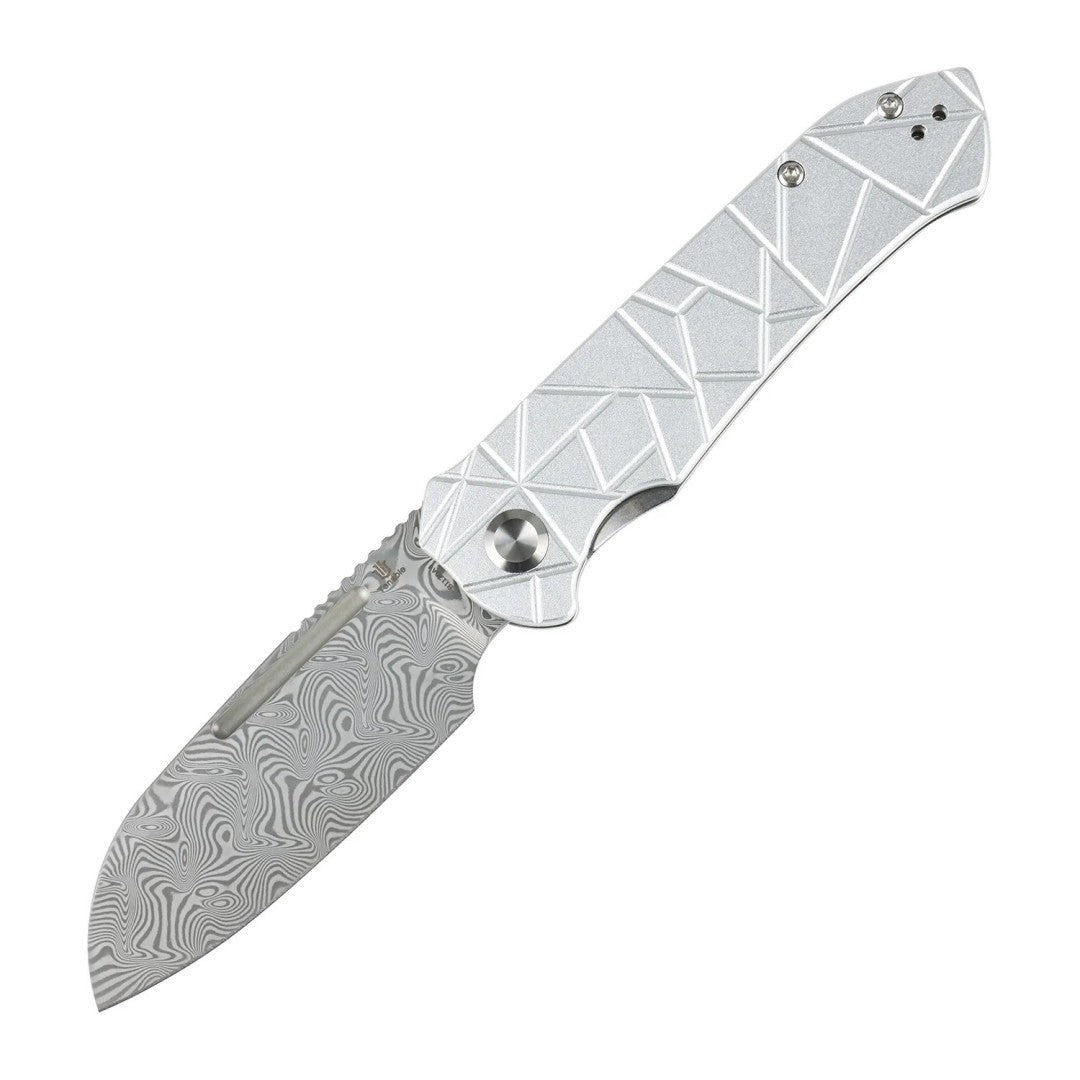
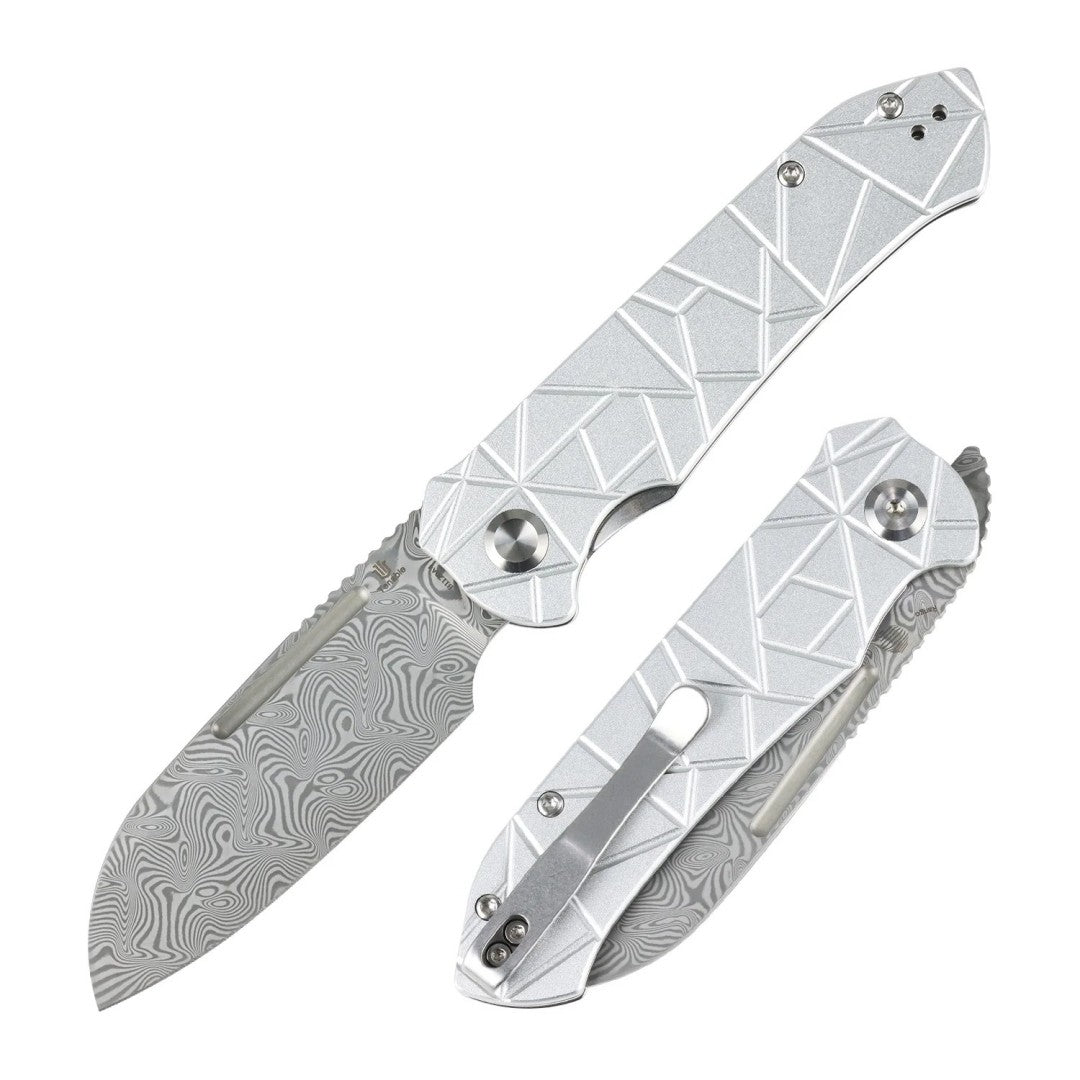
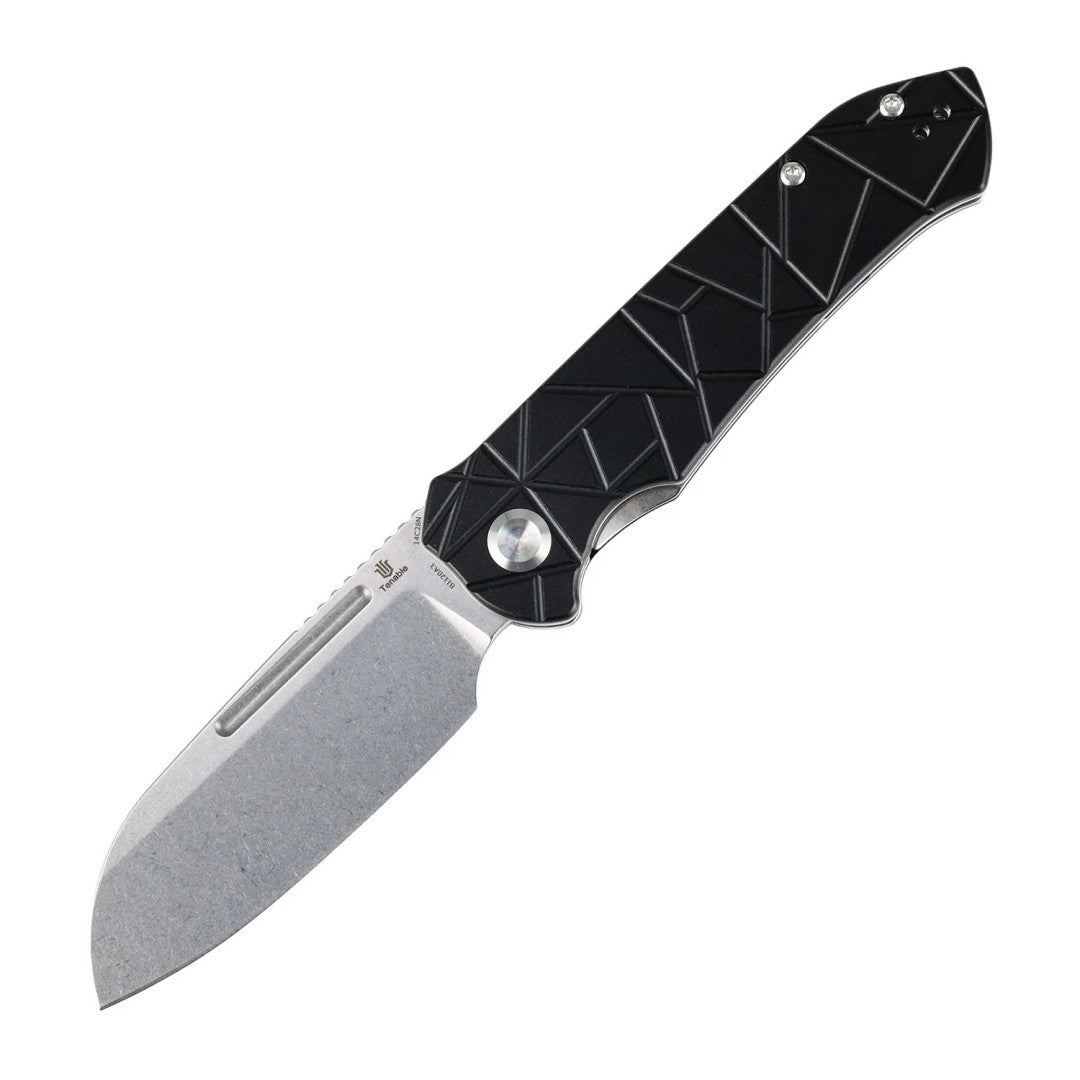
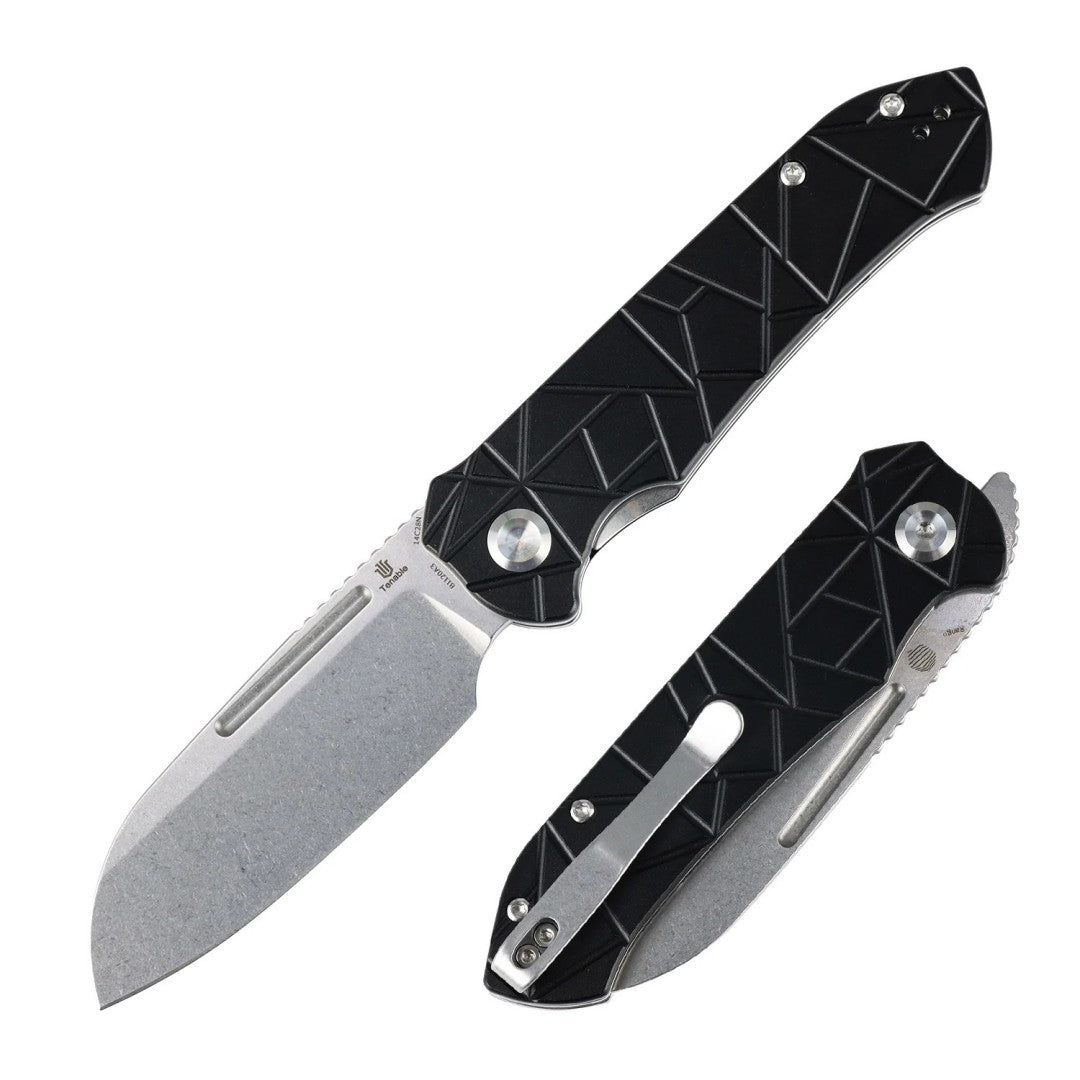
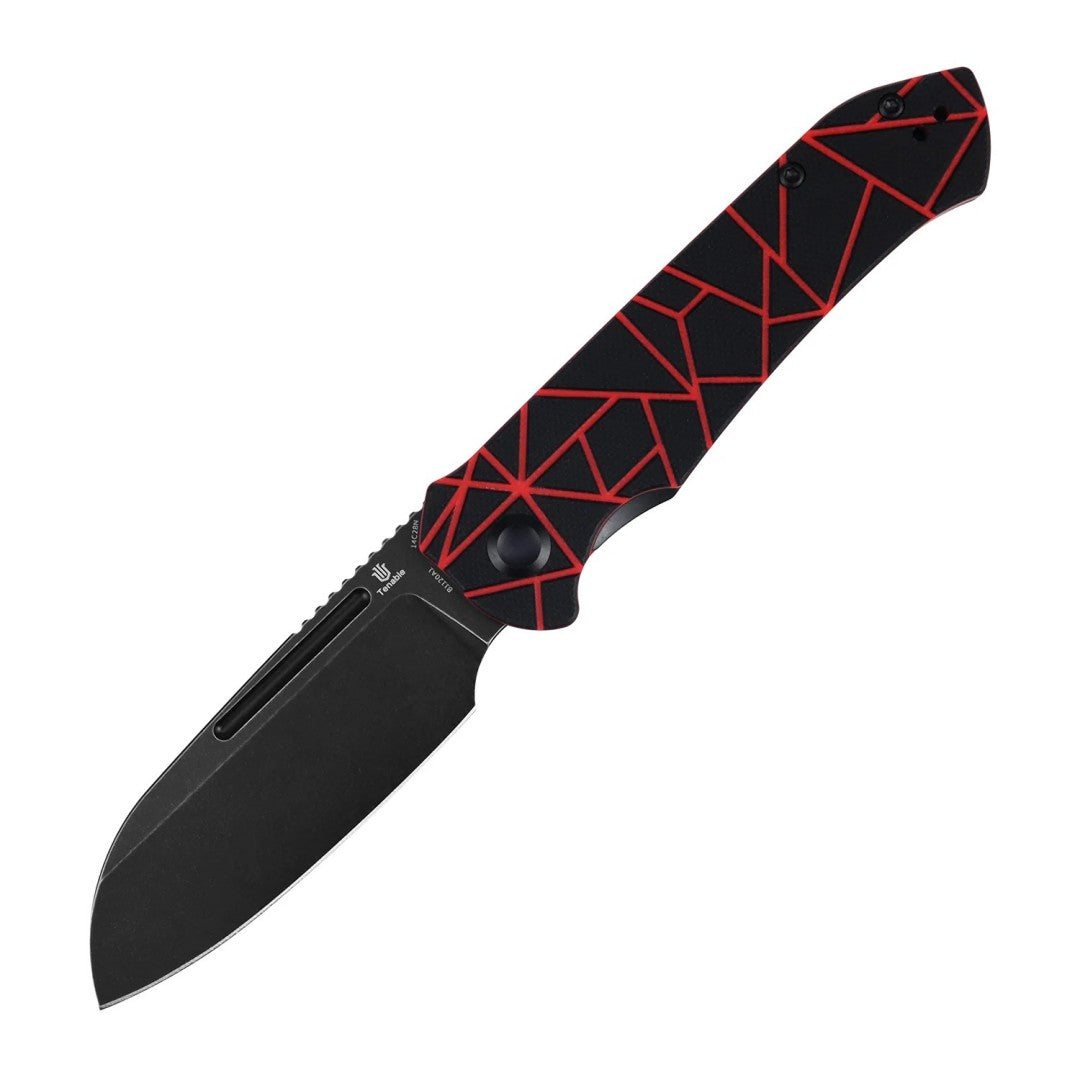
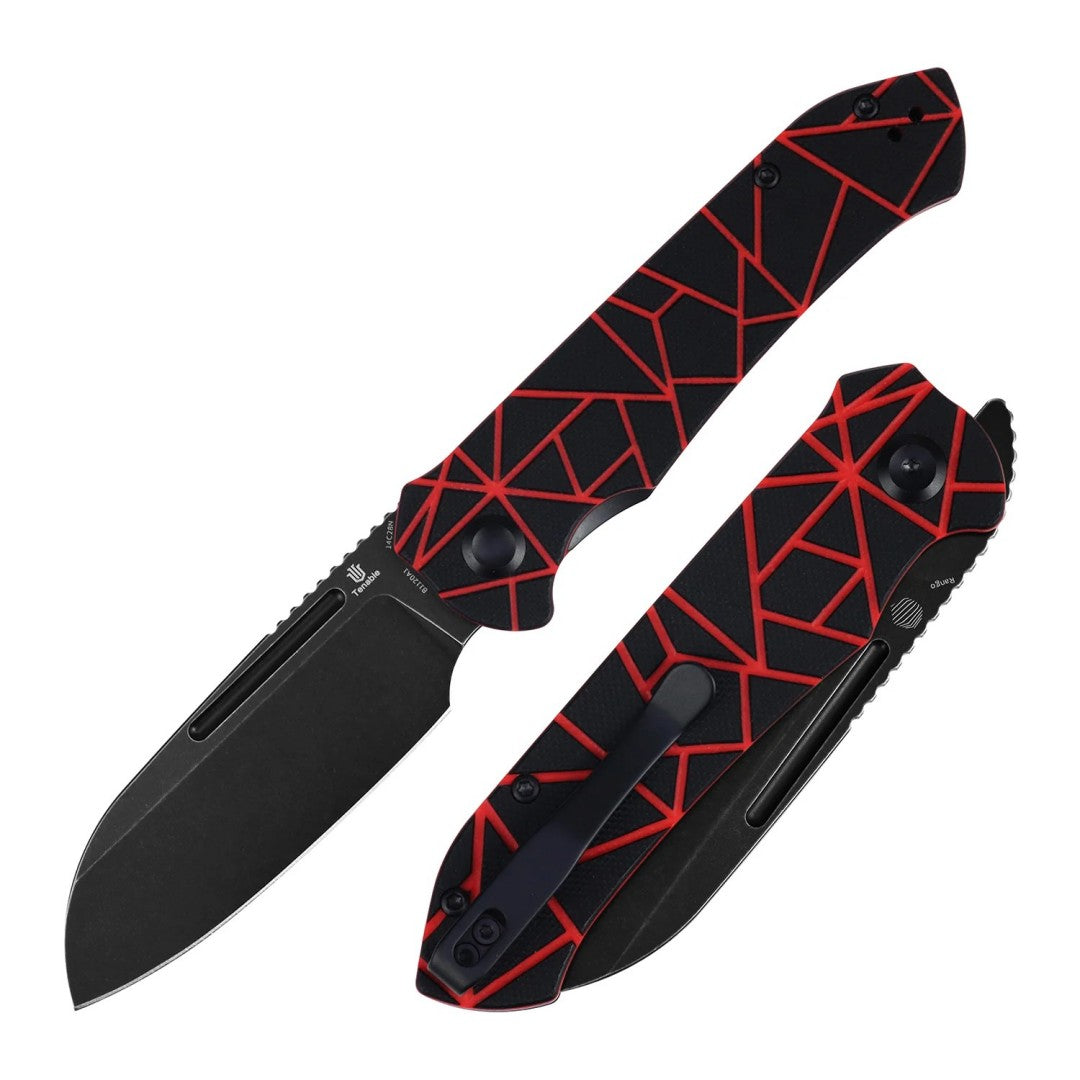
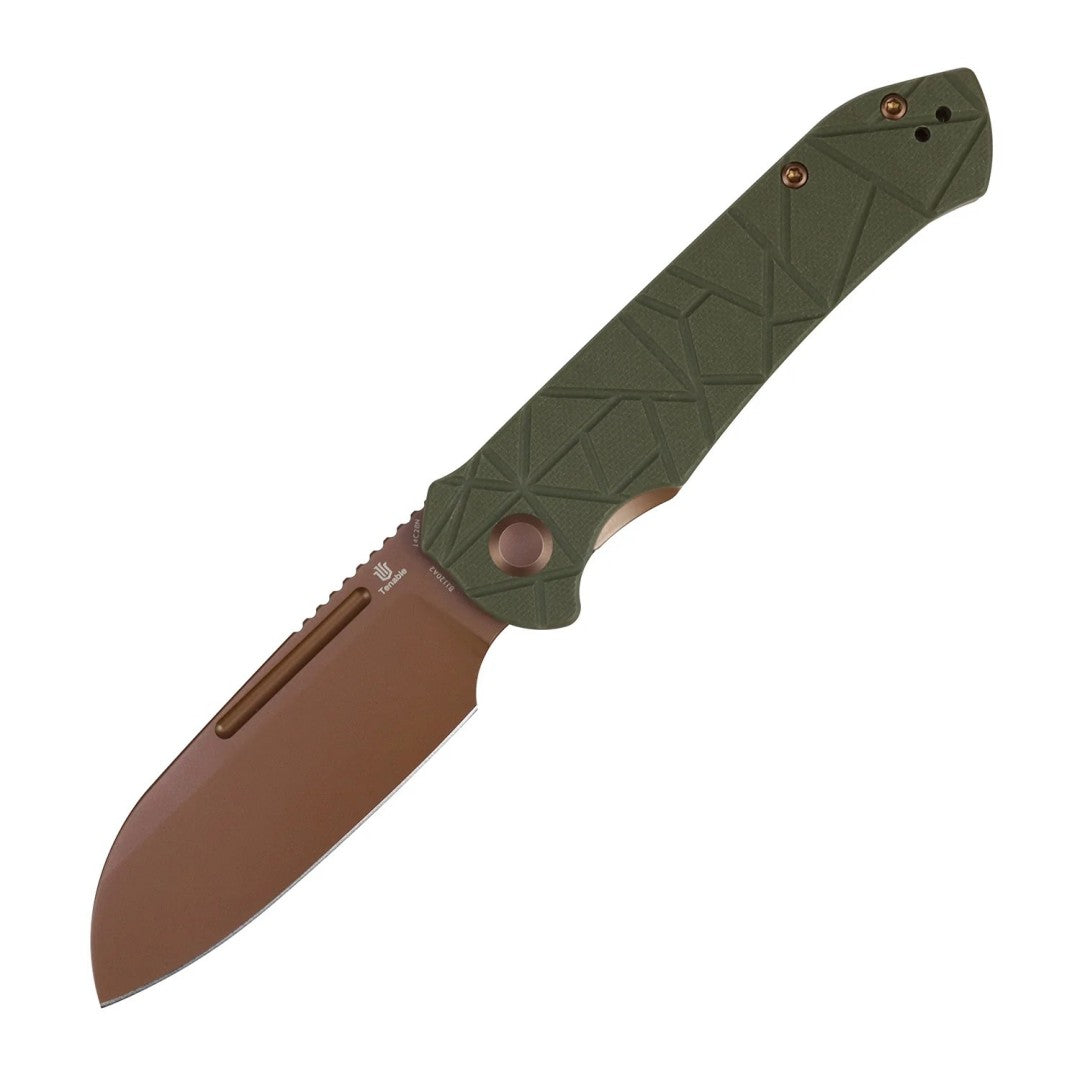
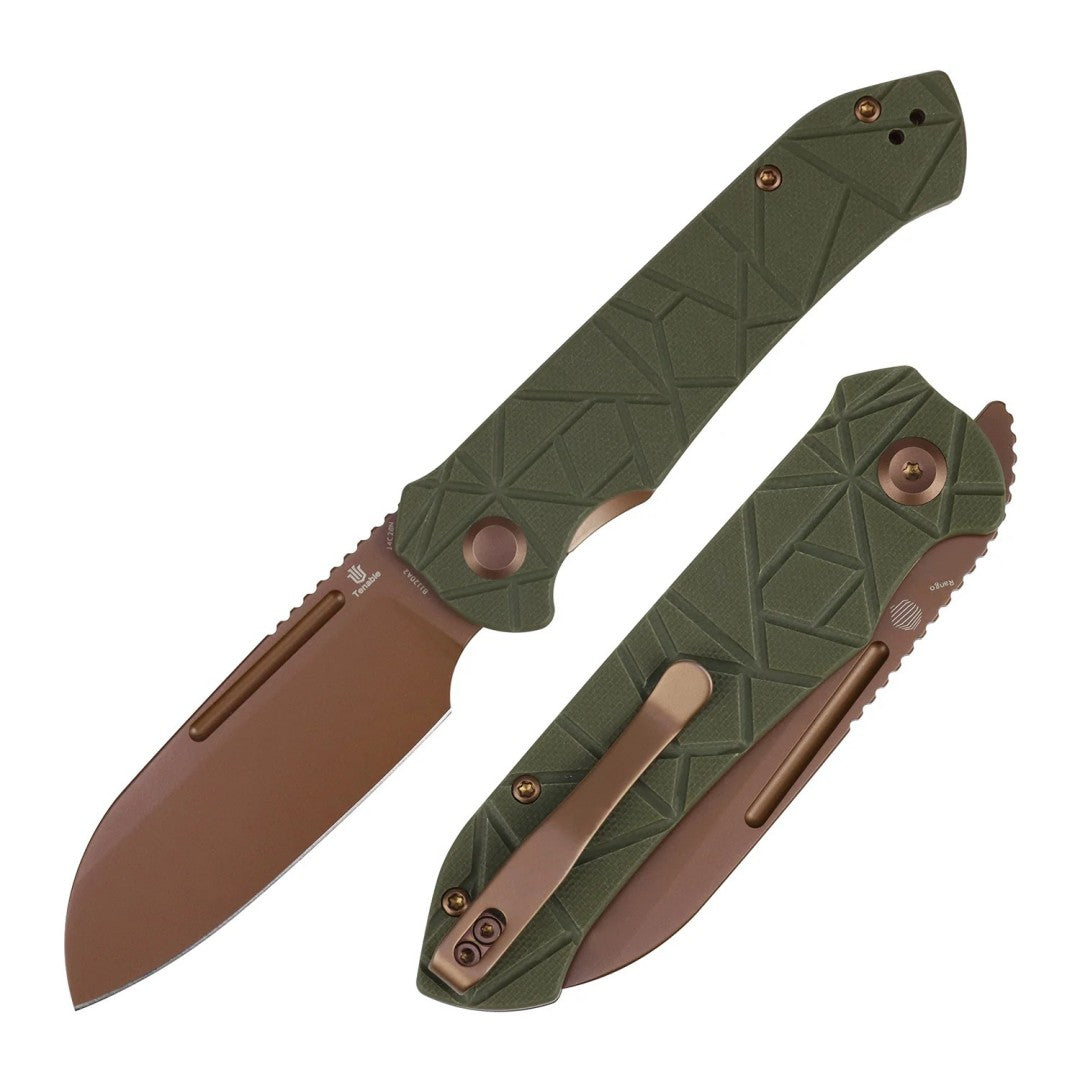
For heavy wilderness batoning and outdoor chopping, survivalists often rely on full-tang Fixed Blade Knives made from high-toughness carbon steels. However, for everyday utility, a precision Folding Knife featuring vacuum heat-treated D2 steel provides ideal wear resistance for slicing cardboard, cutting plastic strapping, and processing cordage.
-
Thin Bevel CNC Geometry: Precision grinding after heat treatment ensures uniform cutting angles and low drag.
-
Corrosion Protection Finishes: Stonewashing, satin polishing, or Black Ti-PVD coatings shield the heat-treated semi-stainless alloy from surface moisture.
-
Smooth Bearing Alignment: Precision heat-treated steel pivot tracks ensure frictionless deployment across thousands of open-and-close cycles.
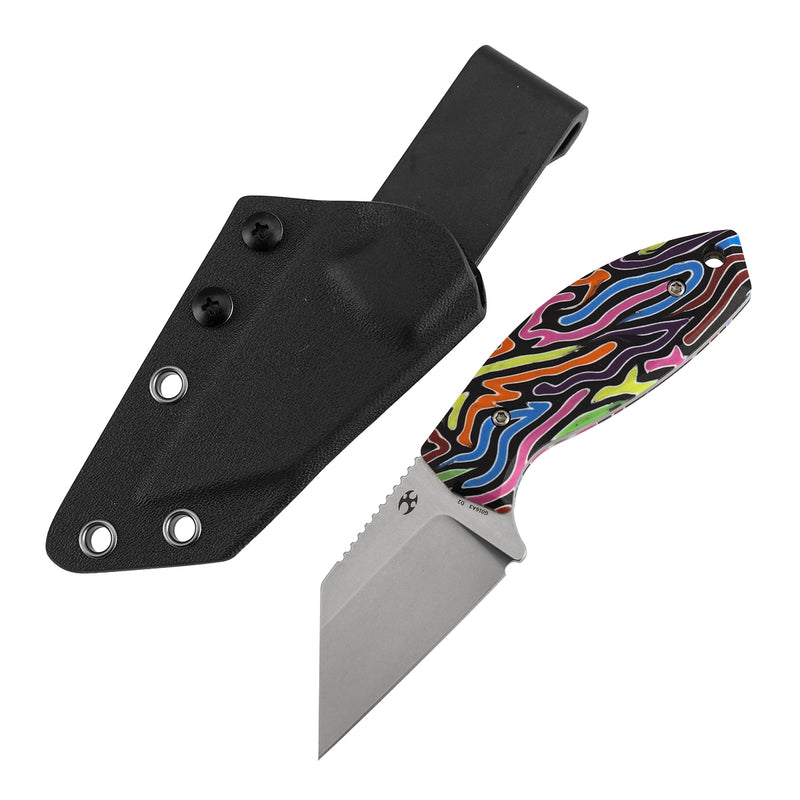
Summary Takeaway
Heat treatment is the heart of knife blade performance. By combining vacuum atmospheric heating, cryogenic processing, and dual tempering cycles, Kansept transforms standard D2 steel into a highly reliable workhorse alloy. The result is a blade that holds a razor-sharp apex through demanding cutting tasks while offering impressive resistance against micro-chipping and wear.