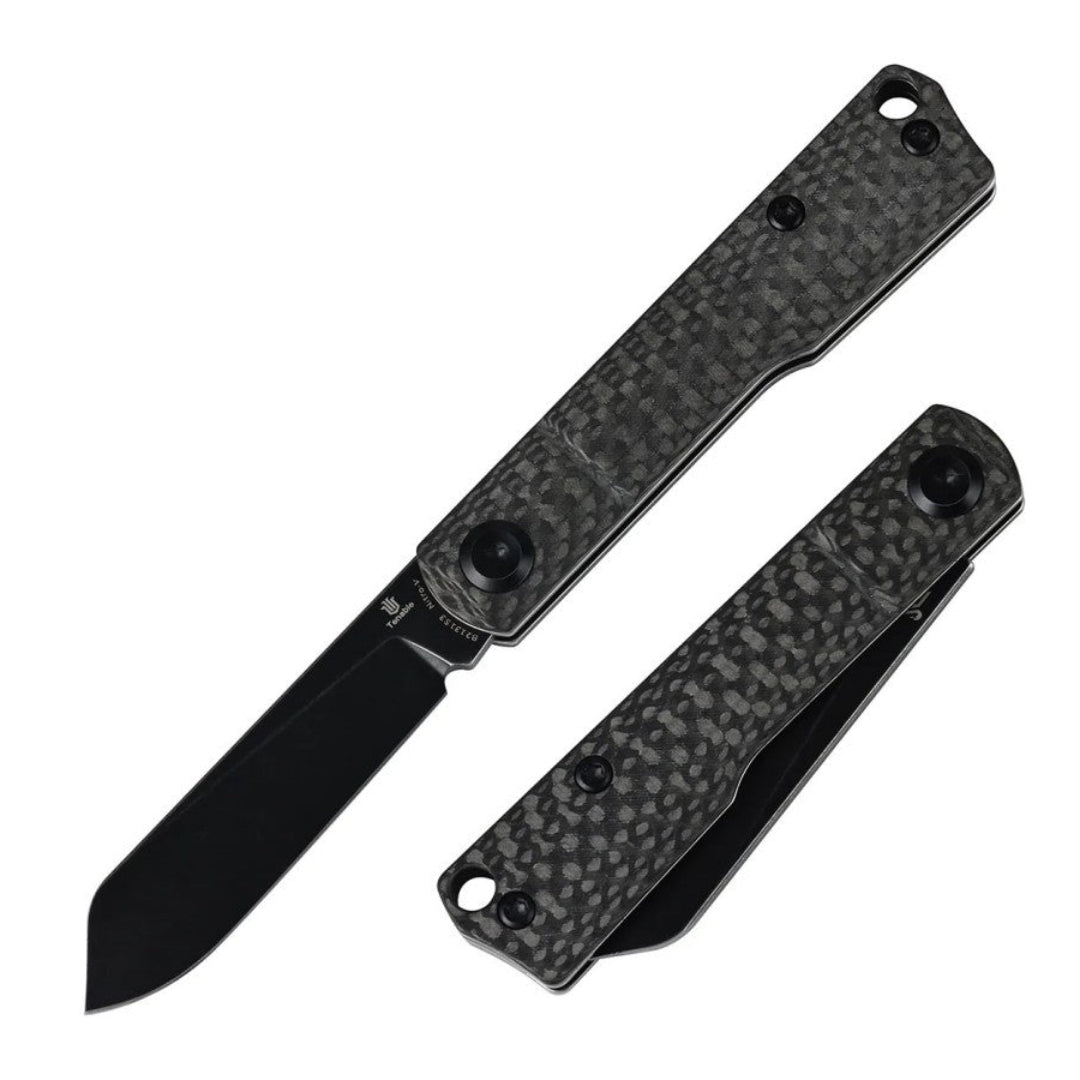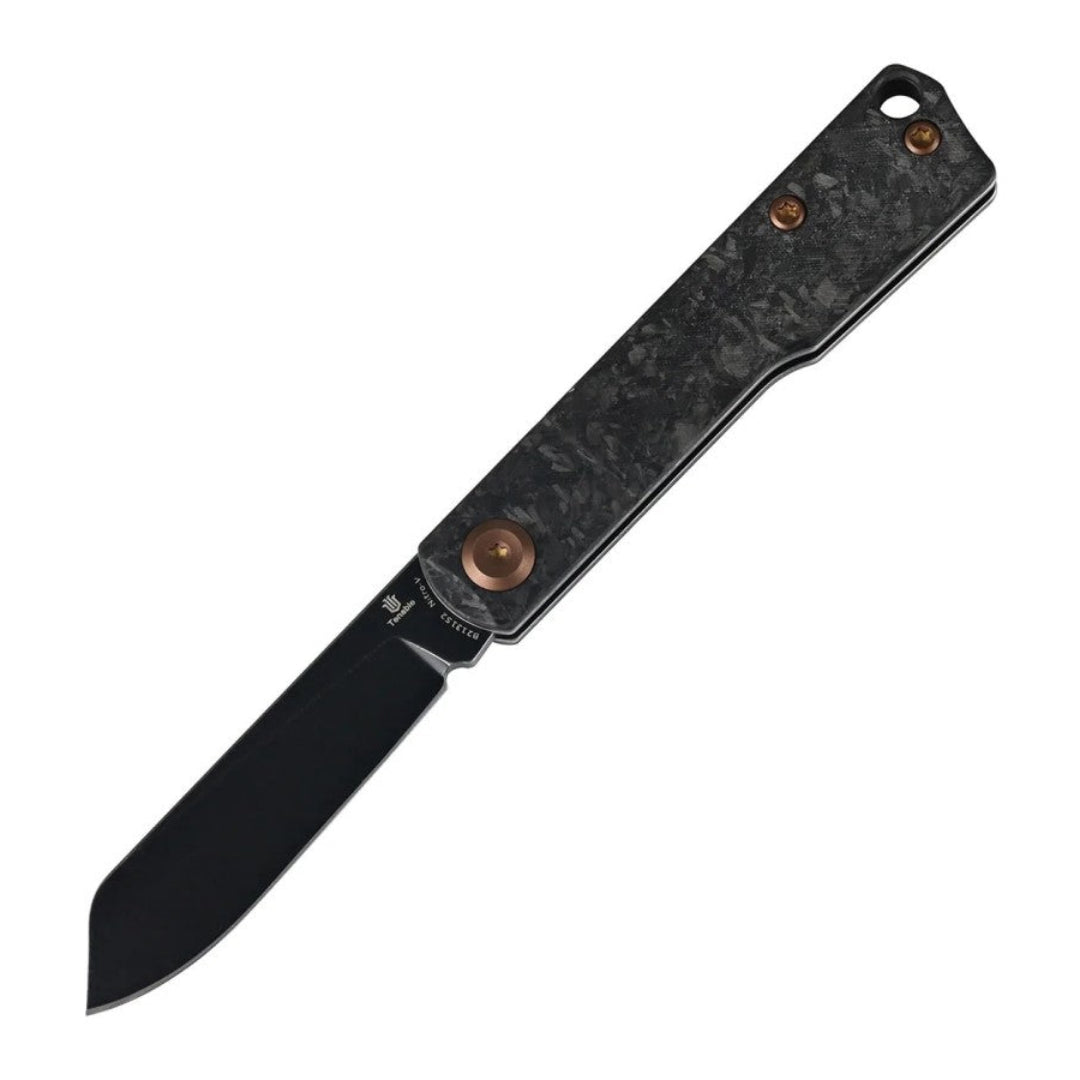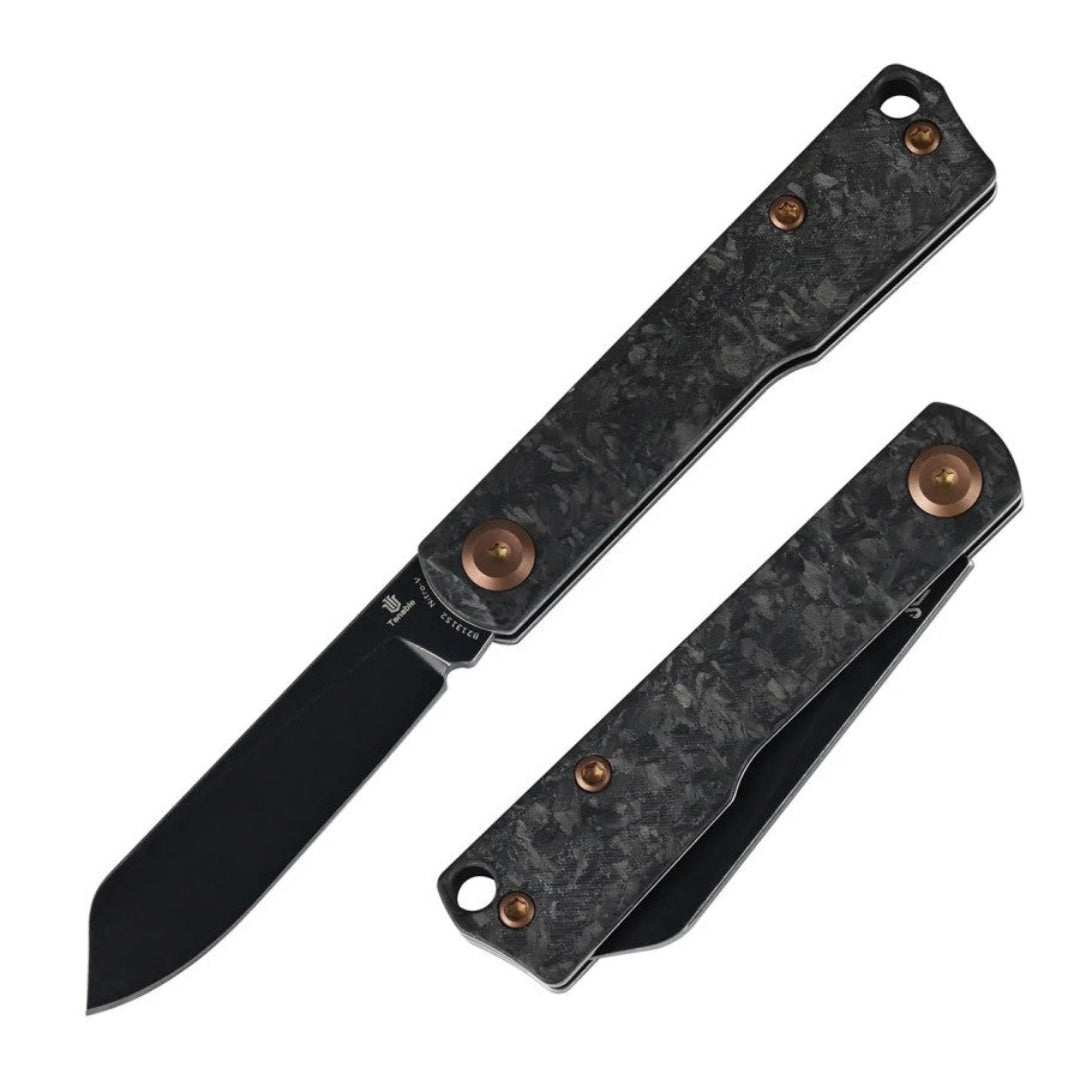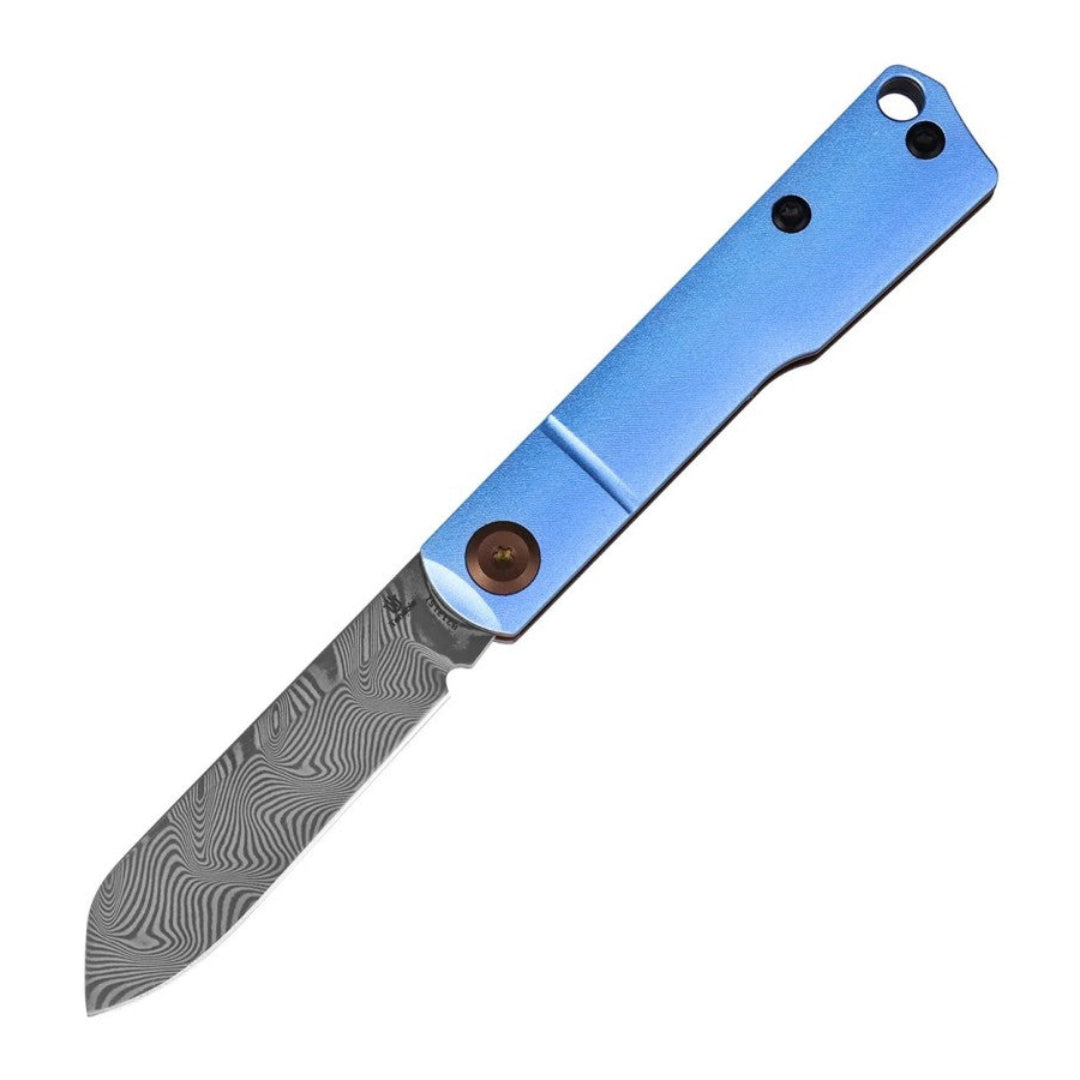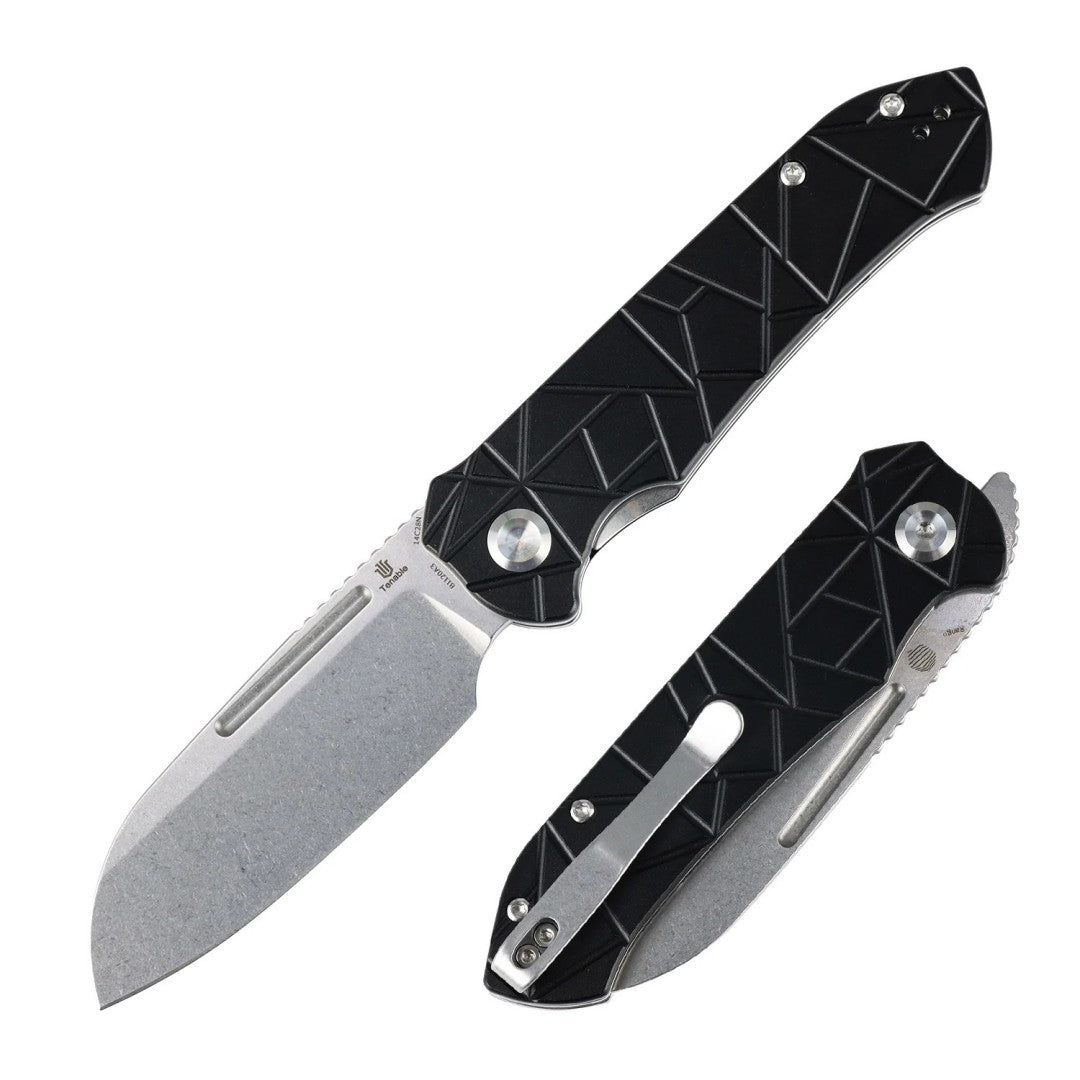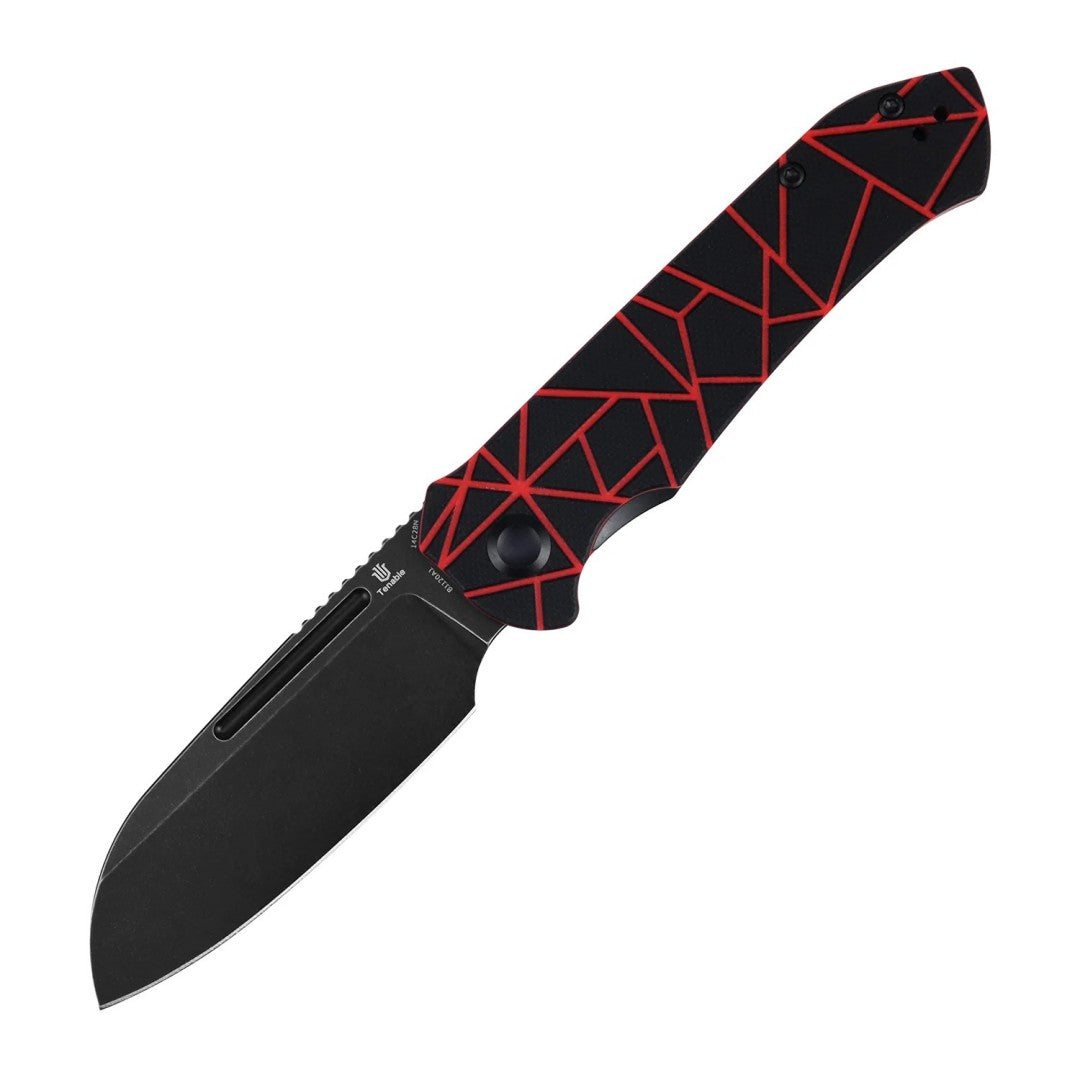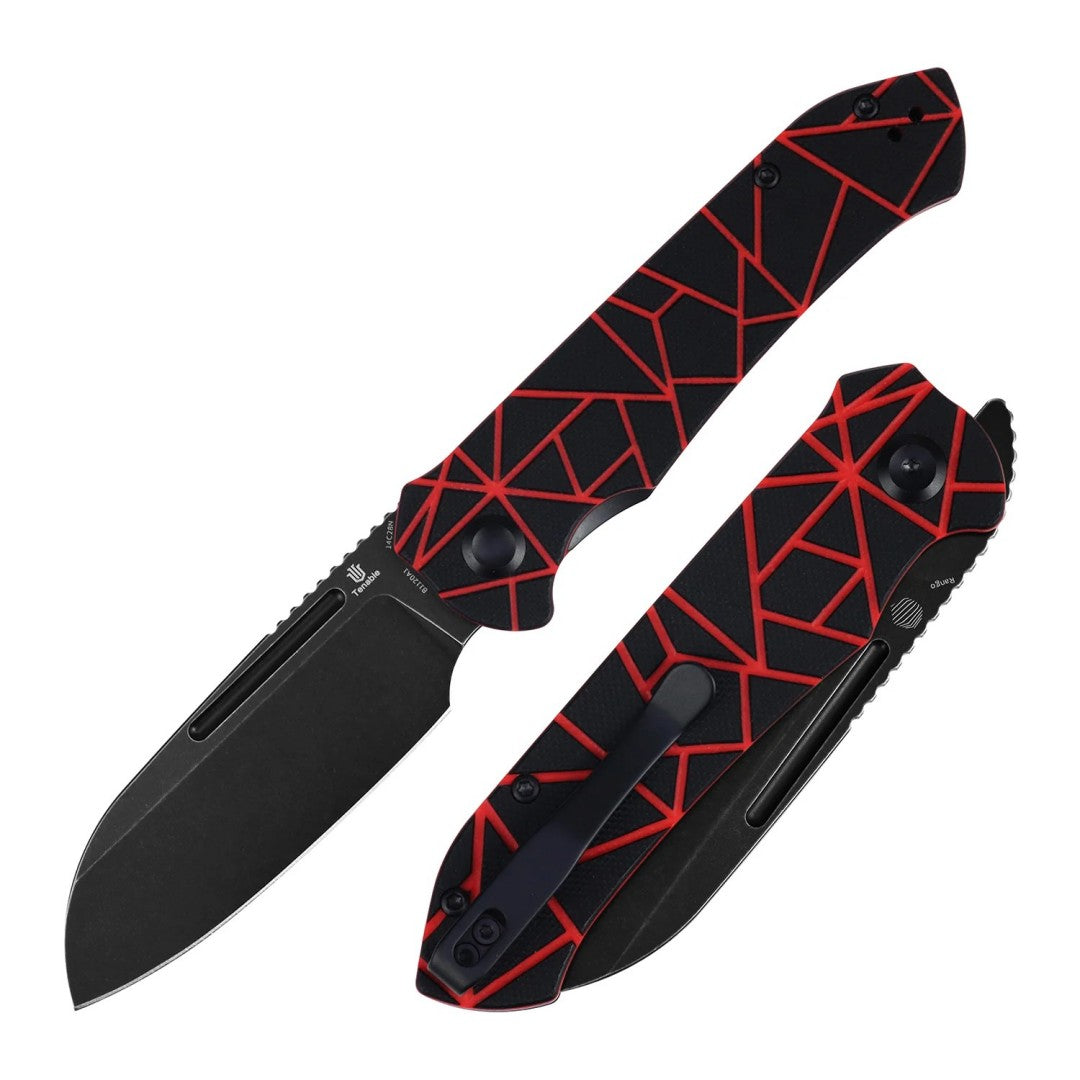

Welcome to our comprehensive guide on keeping your gear in peak condition. The Kansept Fenrir Fixed Blade, masterfully designed by Greg Schob of Sparrow Knife Co., has taken the everyday carry community by storm. If you’ve recently picked up this incredible tactical crossover from our collection at Kansept Fenrir Fixed Blade Knives, you already know it delivers exceptional cutting performance and striking aesthetics. But to ensure this reliable workhorse remains an essential part of your EDC rotation for years to come, proper care is absolutely non-negotiable. In this practical tutorial, we will dive deep into the specific metallurgy of its blade, guide you through rust prevention, detail handle cleaning procedures, and share professional sharpening techniques tailored specifically for this distinctive profile.
Understanding Your Blade's Metallurgy
To maintain a tool properly, one must first understand its elemental composition. The fixed blade variant of the Fenrir utilizes D2 steel, a legendary high-carbon, high-chromium tool steel that has been a staple in the cutlery industry for decades. With a chromium content hovering right around 11.5% to 12%, D2 falls just slightly shy of the generally accepted 13% threshold required for a steel to be classified as fully stainless. Because of this unique chemical makeup, D2 earns the technical designation of a "semi-stainless" steel.
What does this metallurgical reality mean for the end user? It means you are getting the best of both worlds regarding edge retention and structural toughness. The massive, chromium-rich carbides distributed throughout the steel matrix allow the blade to hold a wickedly sharp edge through highly abrasive cutting tasks, such as breaking down heavy cardboard or processing fibrous materials. However, this exact same composition dictates that the steel is inherently susceptible to surface oxidation, patina, and outright rust if left exposed to ambient moisture, corrosive fruit acids, or the salt from human sweat. Grasping this delicate chemical balance is the foundational first step toward professional-grade knife care.
Rust Prevention and Daily Maintenance Protocol
Because the Kansept Fenrir Fixed Blade is built for robust, unrestricted daily use, it will inevitably encounter harsh environments that actively challenge its corrosion resistance. To prevent rust from compromising your D2 blade, disciplined consistency is your most effective tool.
-
Wipe Down Immediately After Use: Never sheath your Fenrir while the blade is wet, dirty, or contaminated with acidic residue. Make it a habit to keep a clean microfiber cloth in your pocket or pack. If you use the knife for camp food prep—such as slicing an apple, cutting citrus, or portioning meats—rinse the blade with fresh water and dry it completely before putting it away.
-
Apply a Protective Micro-Coating: To truly protect the semi-stainless D2 steel from the elements, you must create a microscopic barrier between the bare steel and the surrounding oxygen. We highly recommend applying a light coat of high-quality, food-safe mineral oil, or a dedicated modern knife protectant (such as KPL Knife Shield or Renaissance Wax), every few weeks or immediately after heavy outdoor use. Apply a single drop of oil to each side of the blade, then spread it evenly with a lint-free cloth, leaving only an invisible, protective film.
-
Mindful Long-Term Storage: Be cautious about how you store the fixed blade when it is not in your daily rotation. Do not store the knife inside a leather sheath for prolonged periods (months at a time) if you live in a particularly humid climate, as leather can absorb and trap ambient moisture against the steel. The Fenrir’s Kydex sheath is generally much safer for long-term storage, but ensuring the blade is well-oiled before storage remains a paramount requirement.
Deep Cleaning the Handle Materials
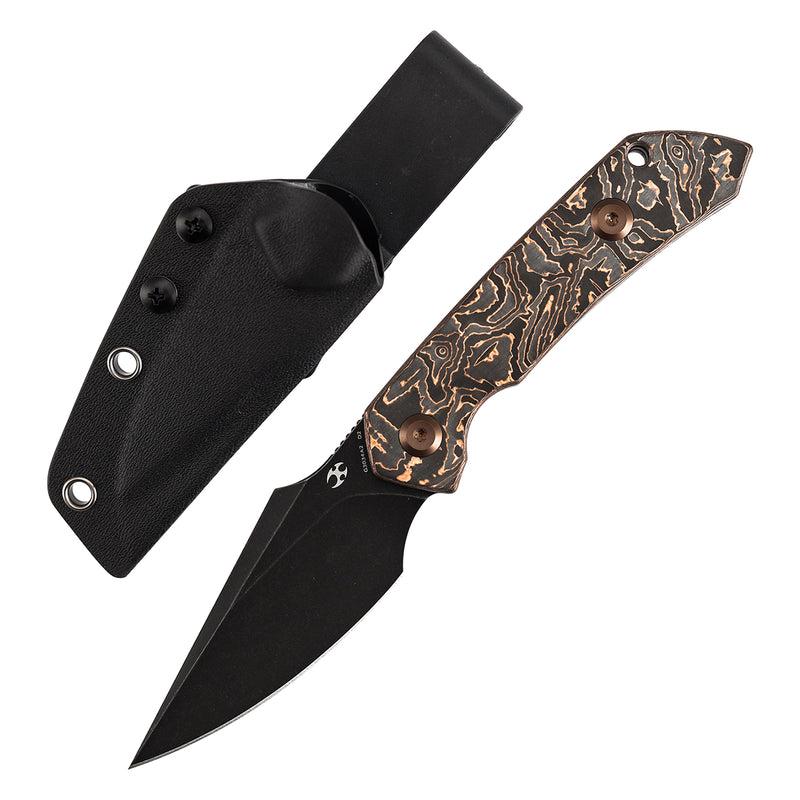
The Fenrir fixed blade is offered in several premium, meticulously crafted handle configurations, including 80s Camo Carbon Fiber, Canvas Micarta, and textured G10. Each material requires a slightly different cleaning approach to maintain its factory-fresh appearance and tactile grip.
-
Carbon Fiber and G10 Models: These durable synthetic materials are practically impervious to water absorption and extreme temperature fluctuations. Over time, however, dirt, pocket lint, and skin oils can become trapped within the intricate milling or water ripple texturing. To clean them, simply use a soft-bristled toothbrush combined with warm water and a drop of mild dish soap to gently scrub the handle scales. Rinse under running water and dry thoroughly with compressed air or a clean towel.
-
Micarta Models: Micarta is universally beloved in the knife community for its grippy, porous nature. This material naturally absorbs hand oils and environmental dirt over time, creating a beautiful, personalized, darkened patina that reflects its frequent use. If you eventually wish to "reset" the Micarta back to its original, lighter, dry-looking state, you can scrub it vigorously with warm water, standard dish soap, and a stiff nylon brush. Once scrubbed, rinse it well and let it air dry completely. Avoid exposing Micarta to heavy lubricating oils unless you intentionally want to permanently darken the handle fibers.
Professional Sharpening for the Harpoon Flat Grind
D2 steel is notoriously wear-resistant. While this characteristic makes it incredibly rewarding when it holds an edge for weeks on end, it can be slightly challenging to sharpen if you allow the apex to become completely blunt. The Fenrir features a striking harpoon-style blade shape paired with a clean flat grind.
-
Select the Right Abrasive: Because of the exceptionally hard, dense carbides present in D2, softer natural sharpening stones will struggle to cut the steel efficiently and may simply polish a dull edge. For best results, you must use high-quality monocrystalline diamond stones or premium ceramic water stones to efficiently apex the steel.
-
Lock in Your Angle: The factory edge on the Fenrir is typically ground symmetrically between 20 to 22 degrees per side. Whether you are utilizing a fixed-angle guided sharpening system or practicing freehand techniques on bench stones, ensure you consistently hold this angle to avoid rounding the apex.
-
Follow the Sweeping Belly: The Fenrir’s large, aggressive cutting belly requires a dynamic sweeping motion during sharpening. As you draw the blade across the abrasive stone, gently lift the handle slightly upward as you approach the tip. This maneuver maintains a consistent bevel width along the curve and ensures that the sharp tip remains piercing-ready.
-
Strop for Final Perfection: After methodically progressing through your abrasive grits and successfully removing the burr, finish the edge on a firm leather strop loaded with diamond emulsion paste (typically 1 micron or 0.5 micron). This final stropping step will align the edge and polish the microscopic serrations left by the D2 carbides, resulting in a razor-sharp, mirror-finished edge that glides effortlessly through material.
Top 3 Recommended Knives to Expand Your Collection
If you appreciate the meticulous design language, premium build quality, and outstanding utility of the Fenrir, here are three recently popular knives from the same manufacturer that absolutely deserve a spot in your rotation. We highly recommend these outstanding models to diversify your carry options:
-
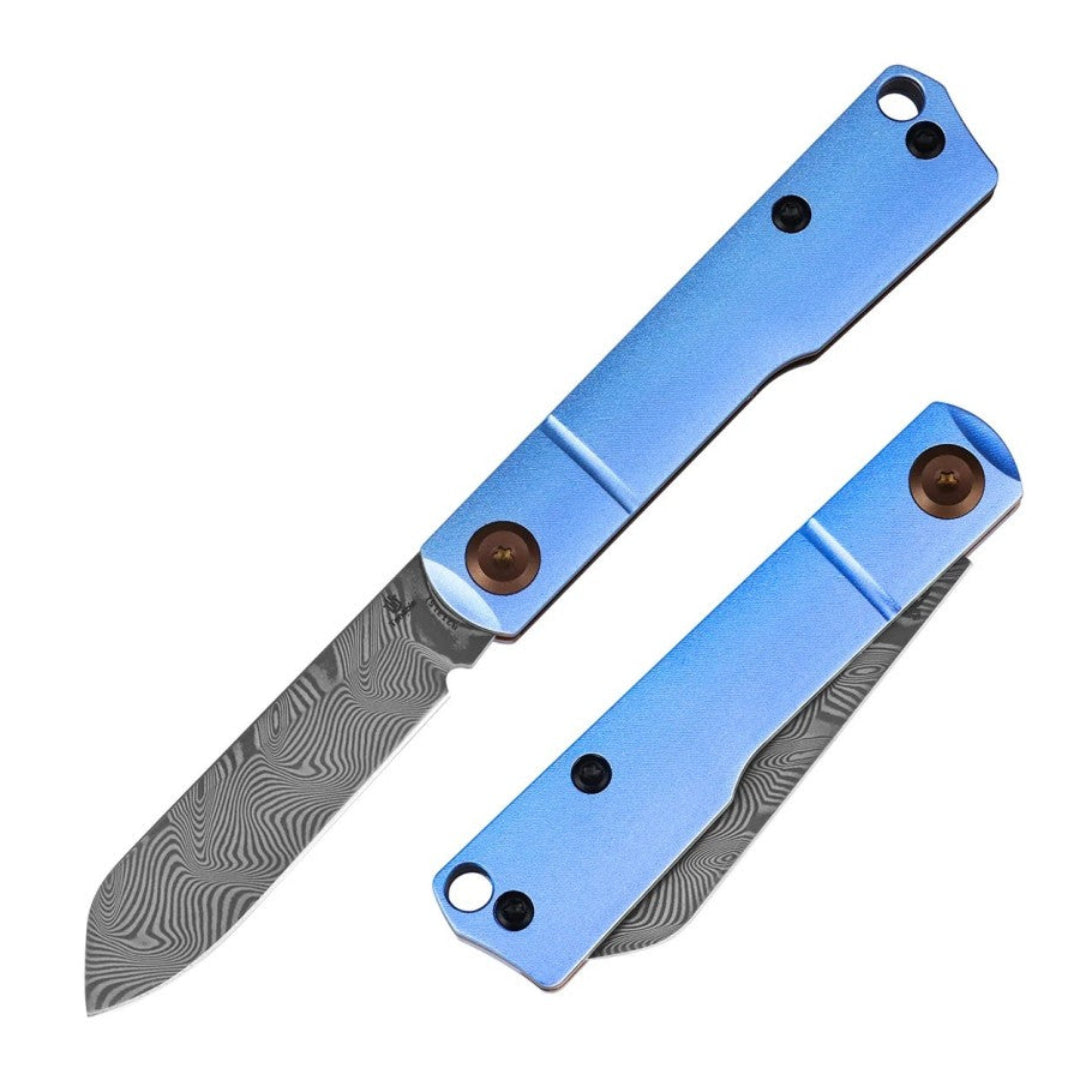
Kansept Little Main Street (Folding Knife)

Designed for exceptional portability, this is an incredibly compact and lightweight folder. Do not let its small stature fool you; this folding knife is a true slicing powerhouse. It is perfectly suited for discreet urban environments or office settings where a larger fixed blade might not be practical or appropriate. -
Kansept Baku (Folding Knife)
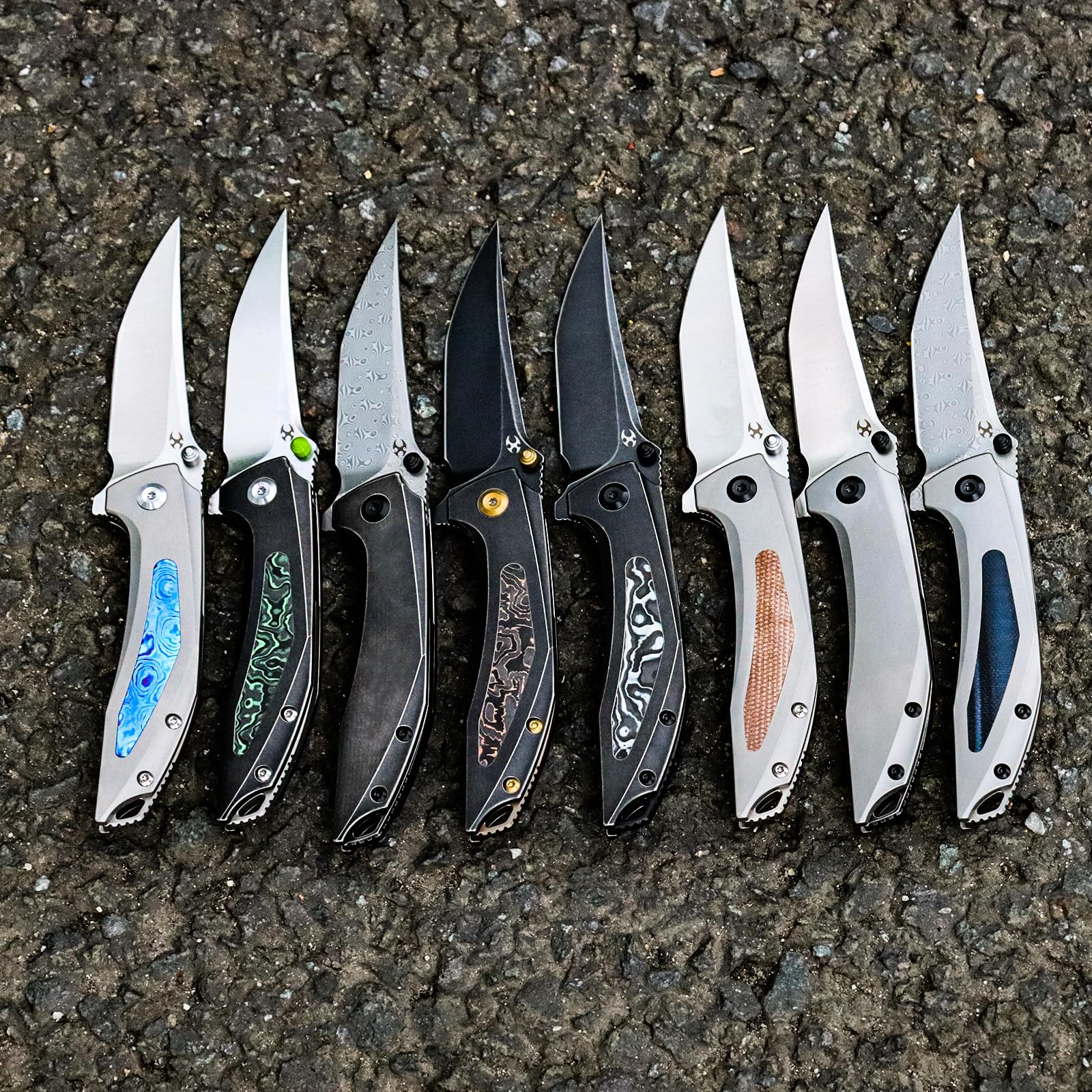
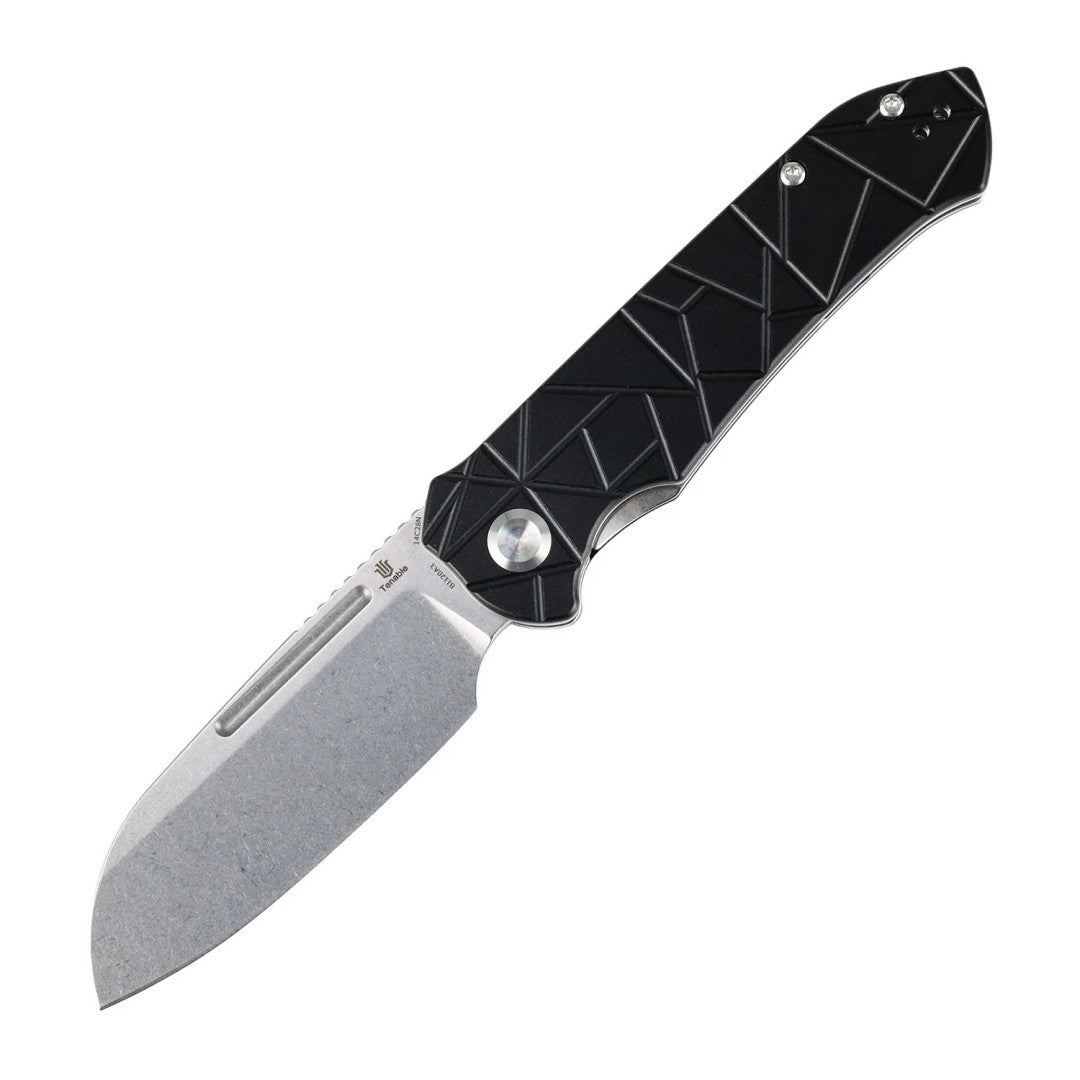
Another masterful design brought to life by Greg Schob. This precision-engineered liner lock folder offers a buttery smooth, reliable deployment mechanism, premium handle scale materials, and a highly ergonomic profile that seemingly melts into the hand for extended precision tasks. -
Kansept Nesstreet (Folding Knife)

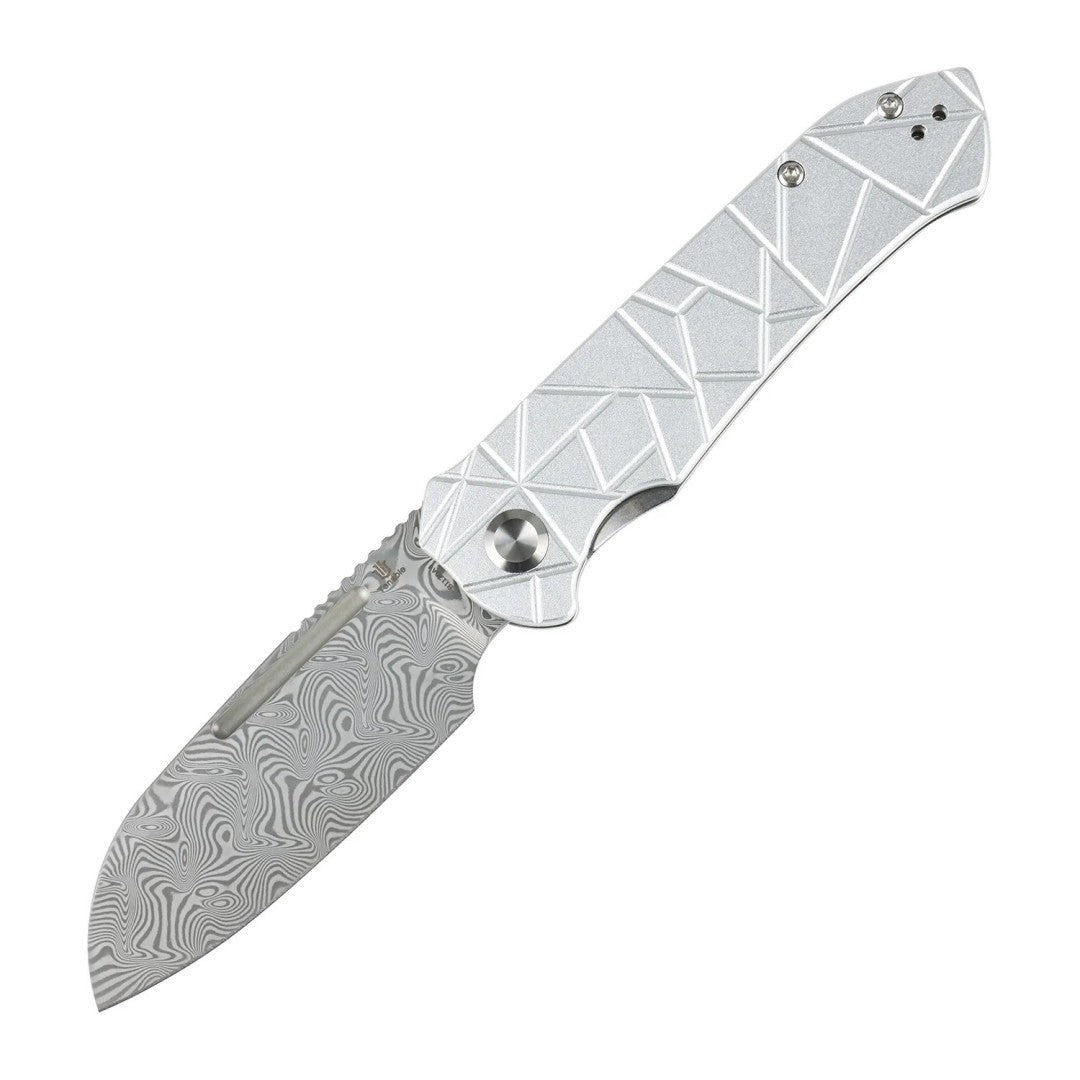
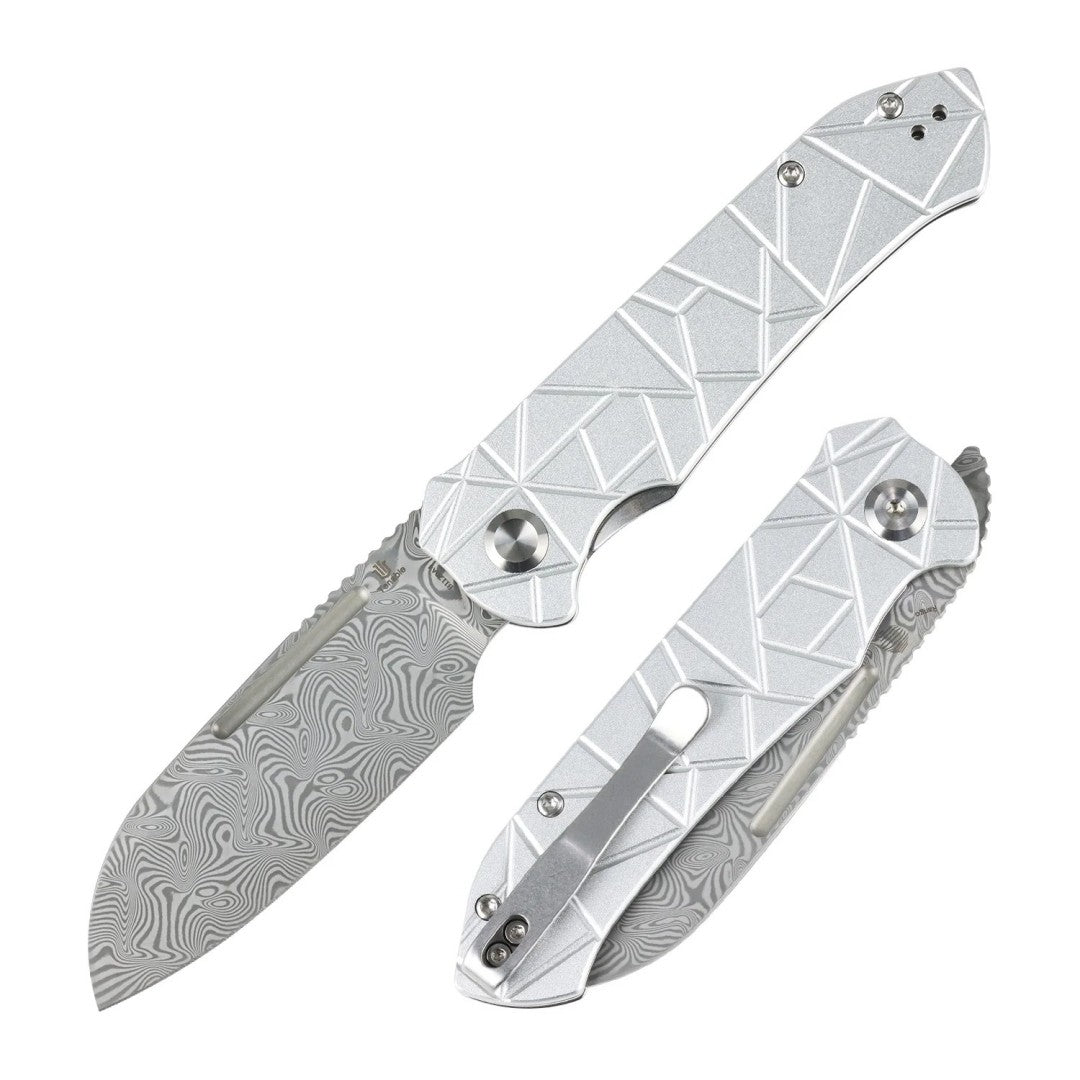
A heavy-duty liner lock folder that flawlessly bridges the gap between rugged utilitarian toughness and elegant aesthetic beauty. Featuring a broad blade profile and a robust handle structure, this folding knife is an absolute workhorse for end-users who demand unwavering reliability in their pocket.
Owning a high-performance blade is only half of the journey; expertly maintaining it is where true knife enthusiasm begins. By thoroughly understanding the semi-stainless nature of D2 steel and keeping the edge finely tuned, your Fenrir will be ready to tackle any challenge. Explore the full range of variants at our Kansept Fenrir Fixed Blade Collection and elevate your everyday carry game today.