

Overview & First Impressions
Ice fishing compresses a whole day into a few square feet of frozen lake, usually in the dark at one end of it. You are dealing with line, bait, shelter hardware, a heater and fish that need to be handled quickly in freezing air. Everything you touch is either wet or frozen, and gear that worked in October starts to misbehave at minus fifteen.
Materials & Construction
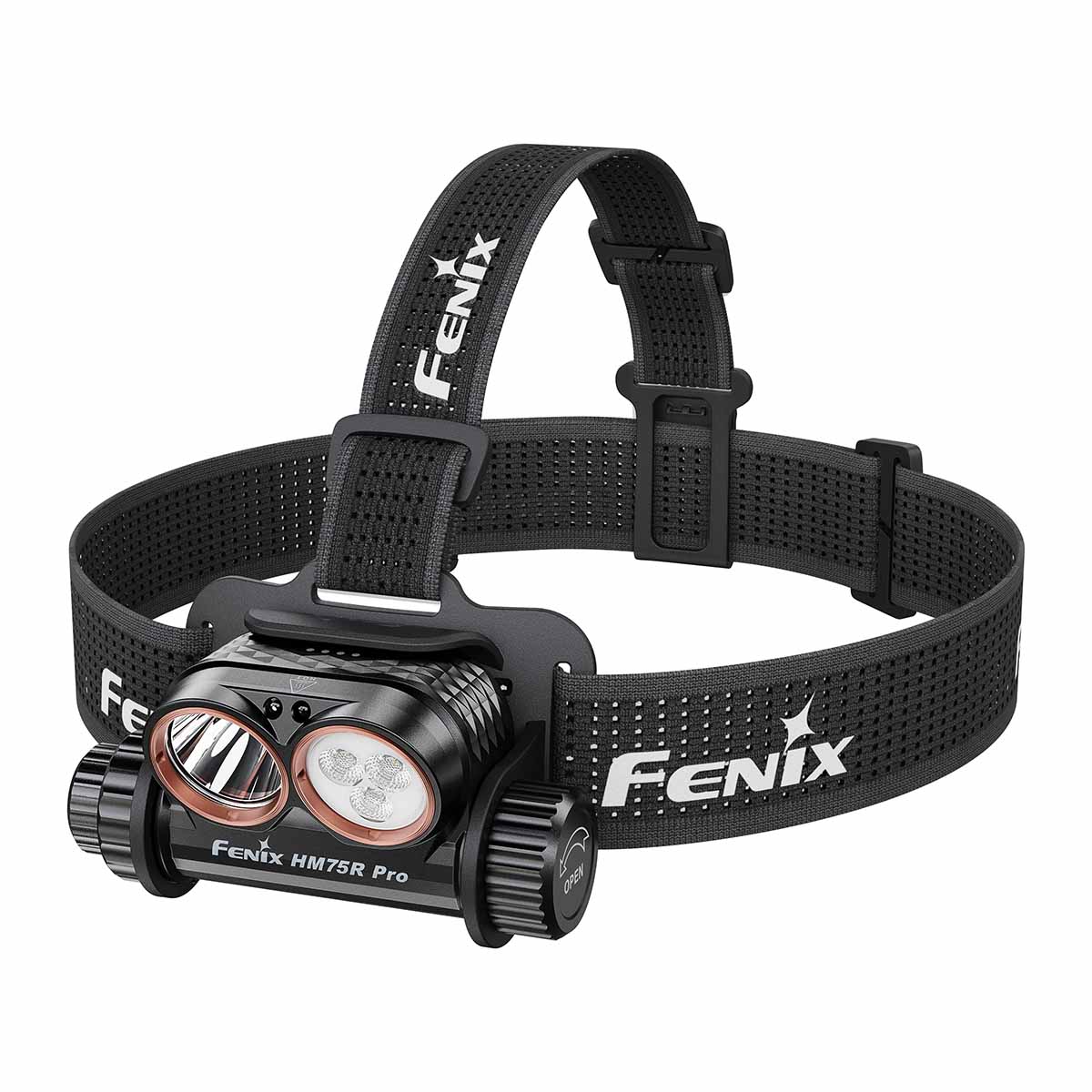
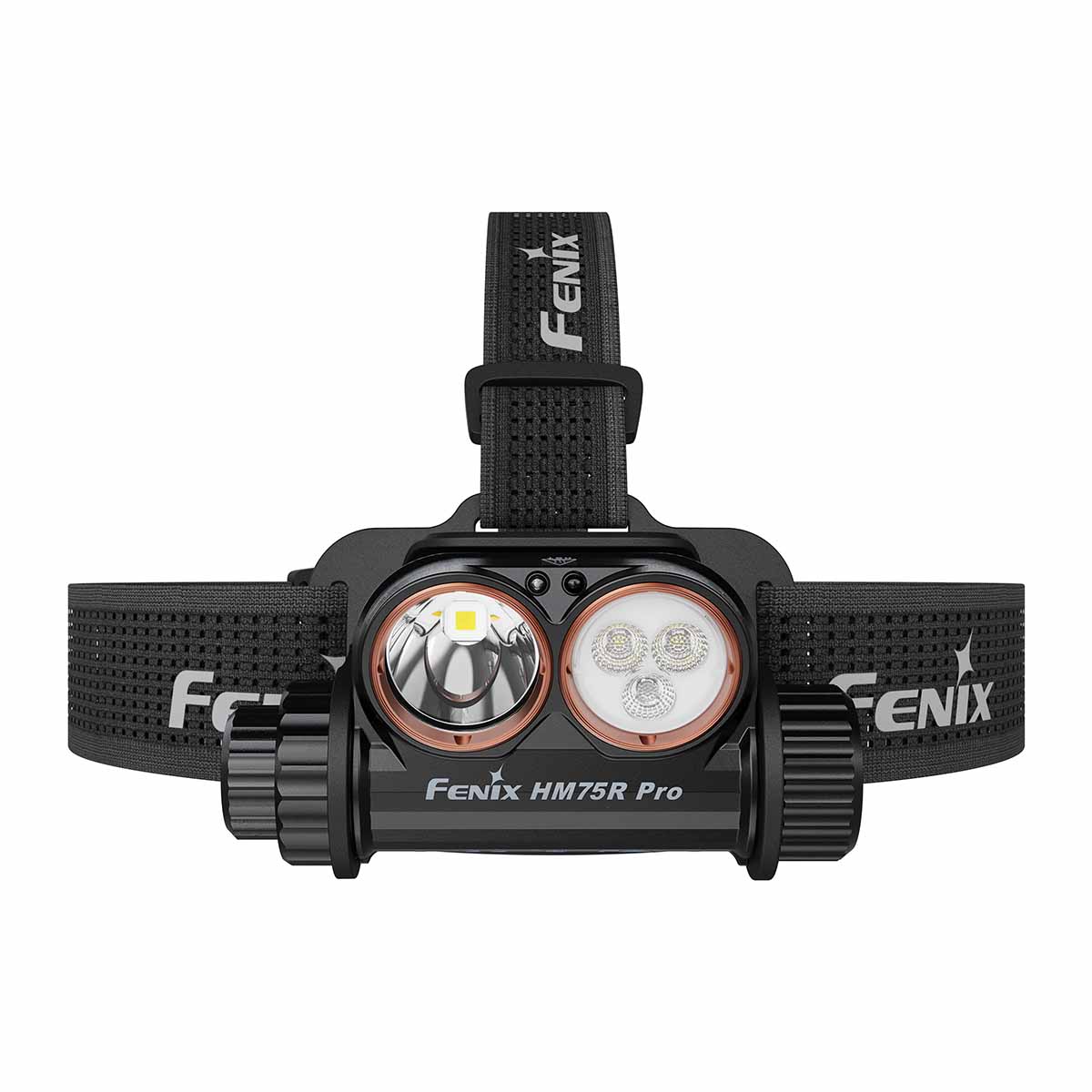
The Klarus HM3 is a good cold-weather light because it is very light, flexible and simple to operate. It delivers up to 670 lumens with a beam reach of about ninety metres, offers spot, flood and a night-vision friendly red output, and adds a hands-free motion sensor so you can switch modes with a wave while your other hand holds a rod. The 180-degree adjustable head lets you aim the beam down at a hole or out across the ice. Klarus flashlights work well here because the lightweight band stays comfortable over a hat.

Design & Details
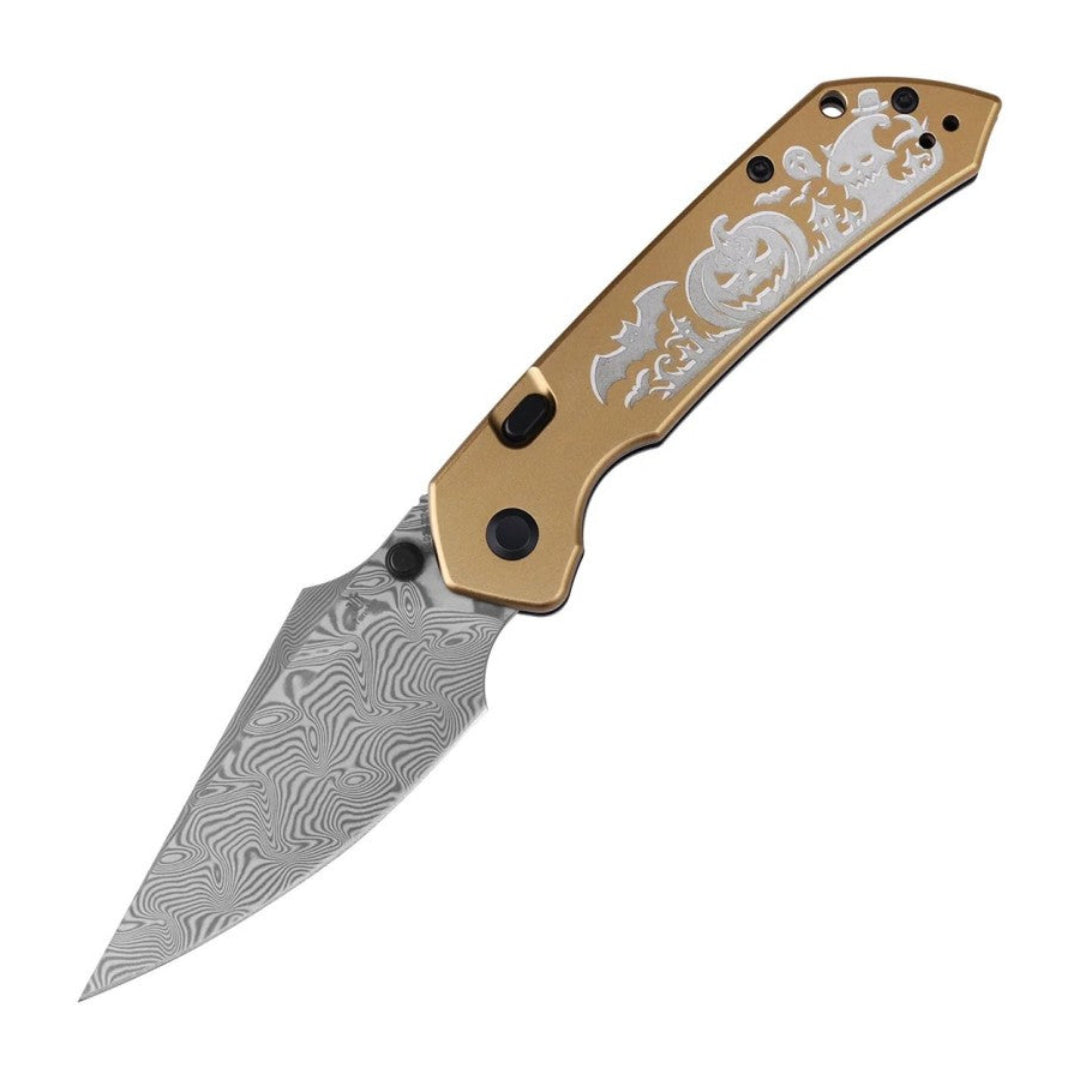
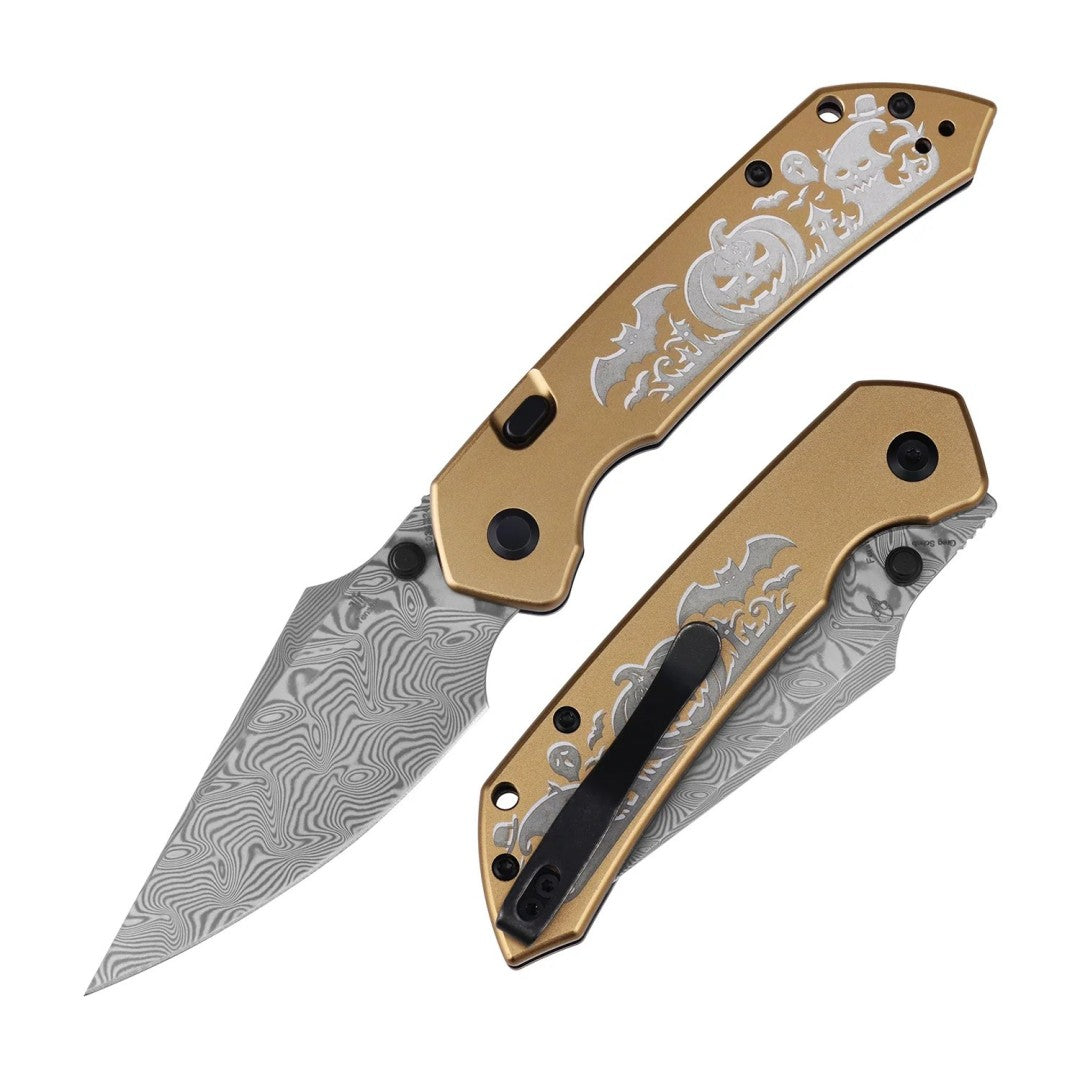
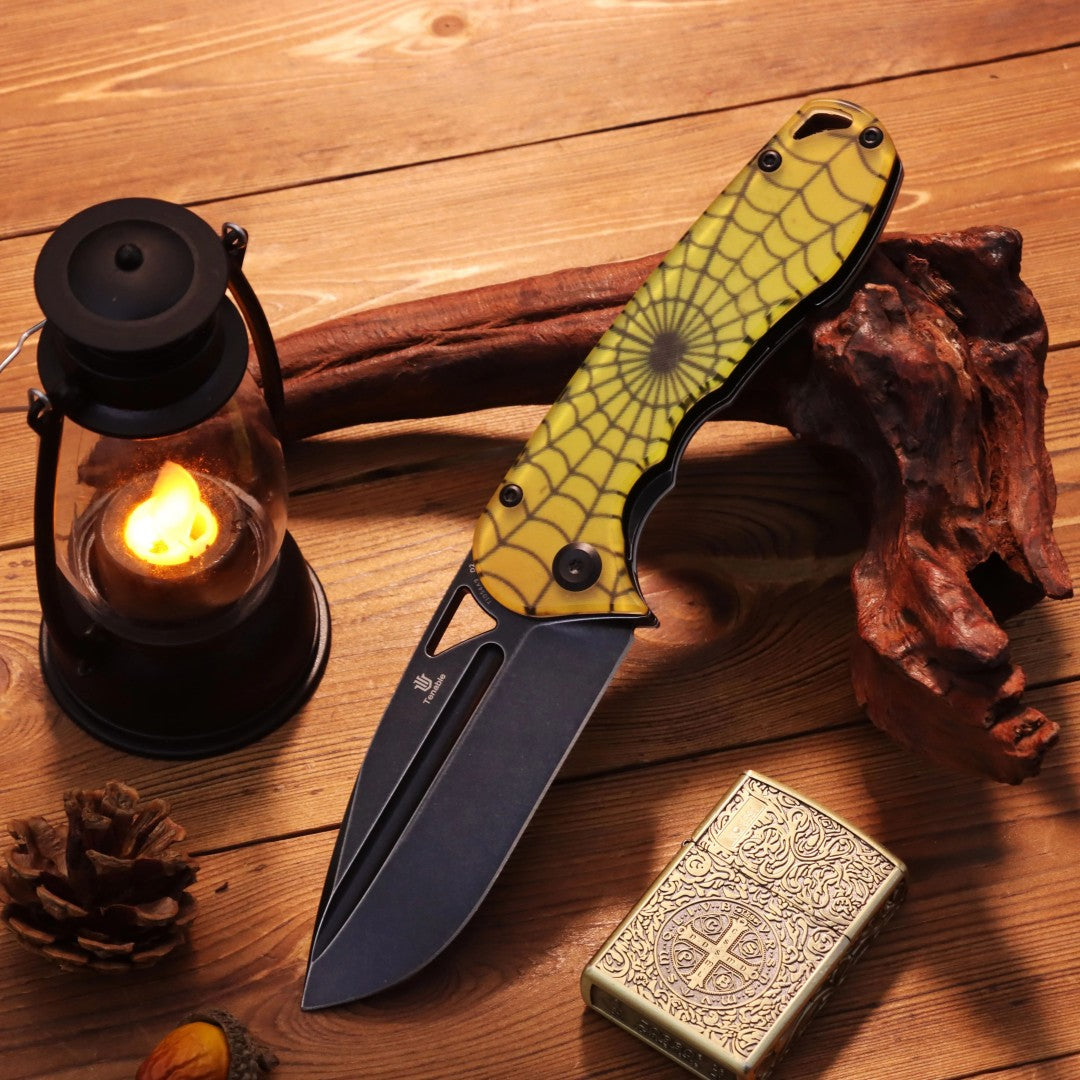
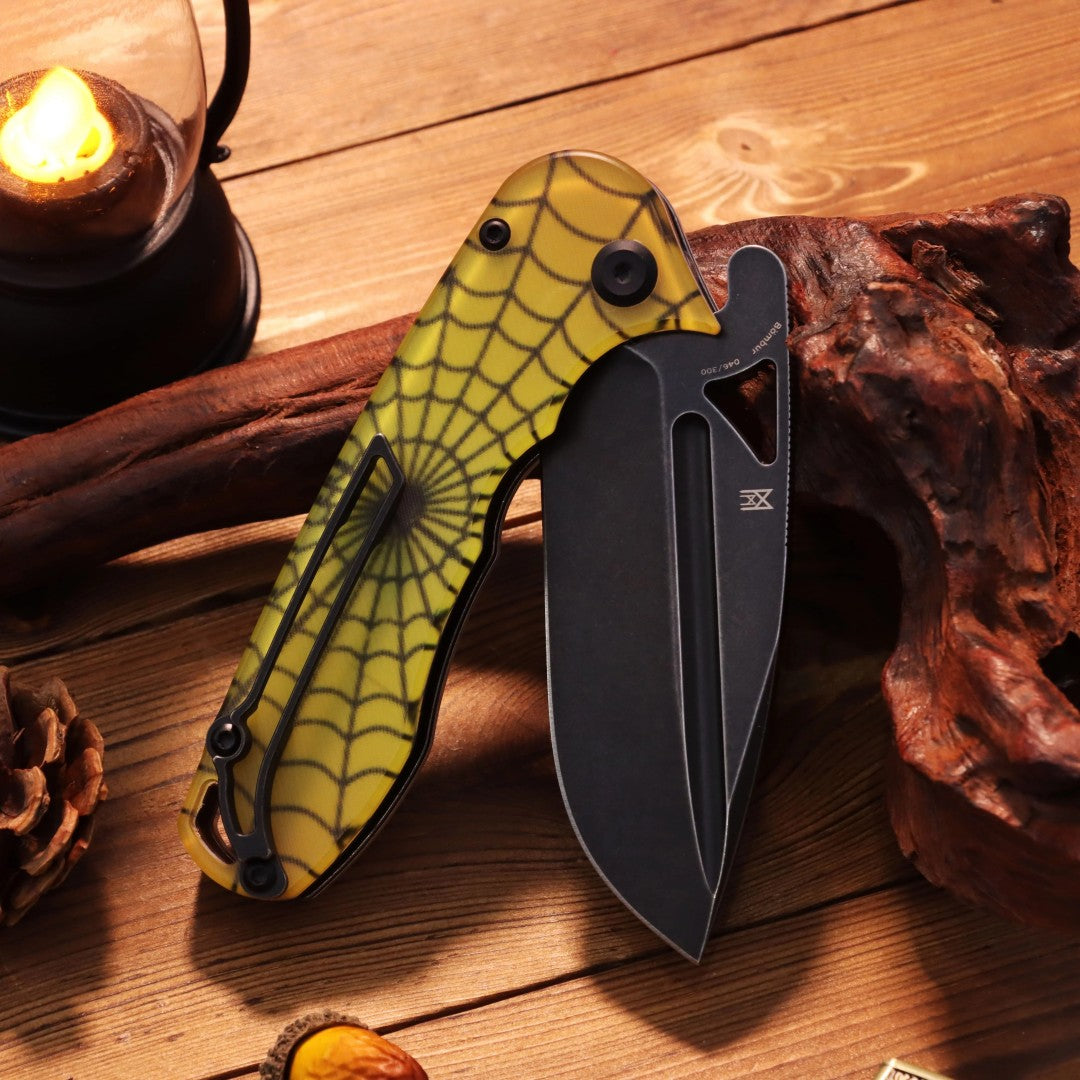
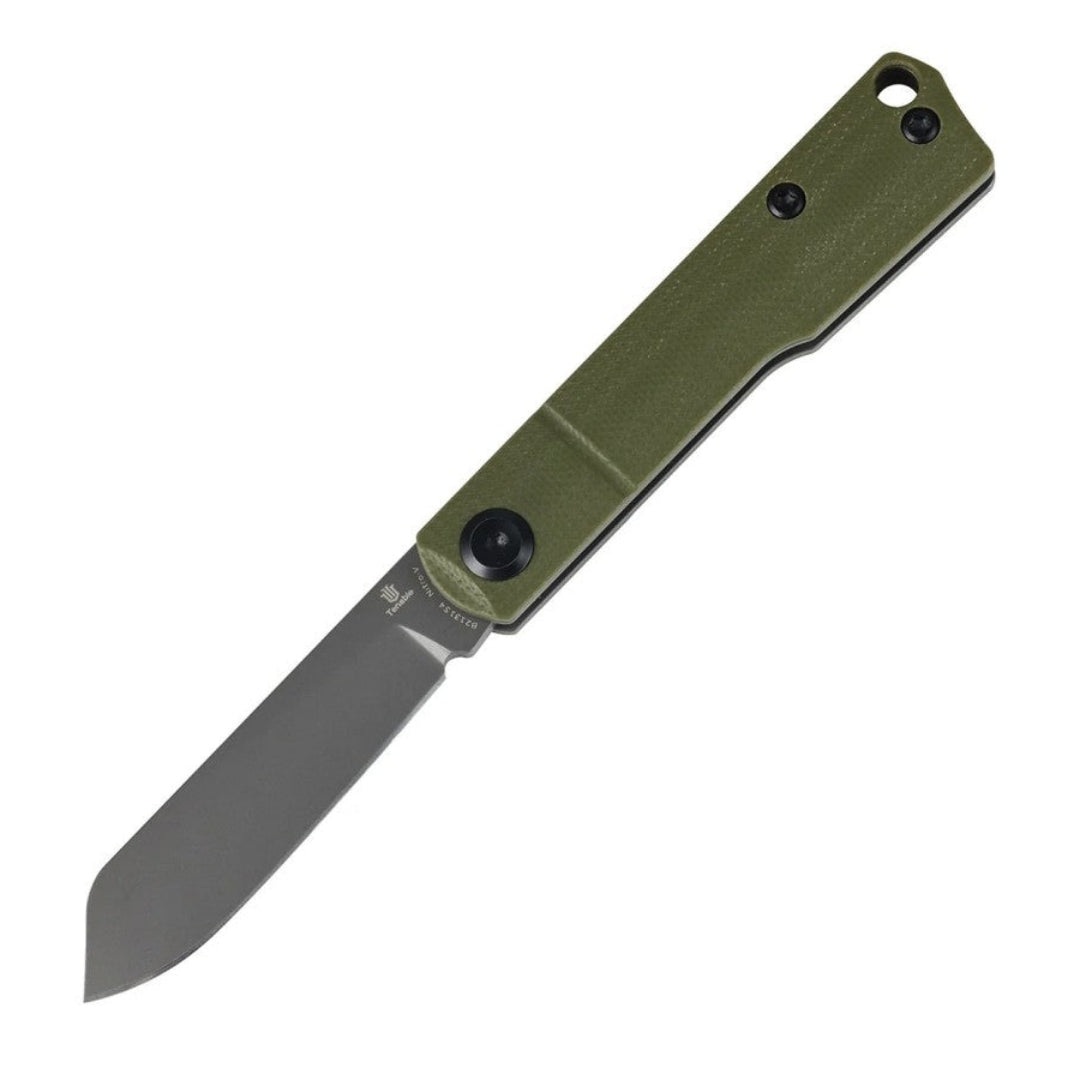
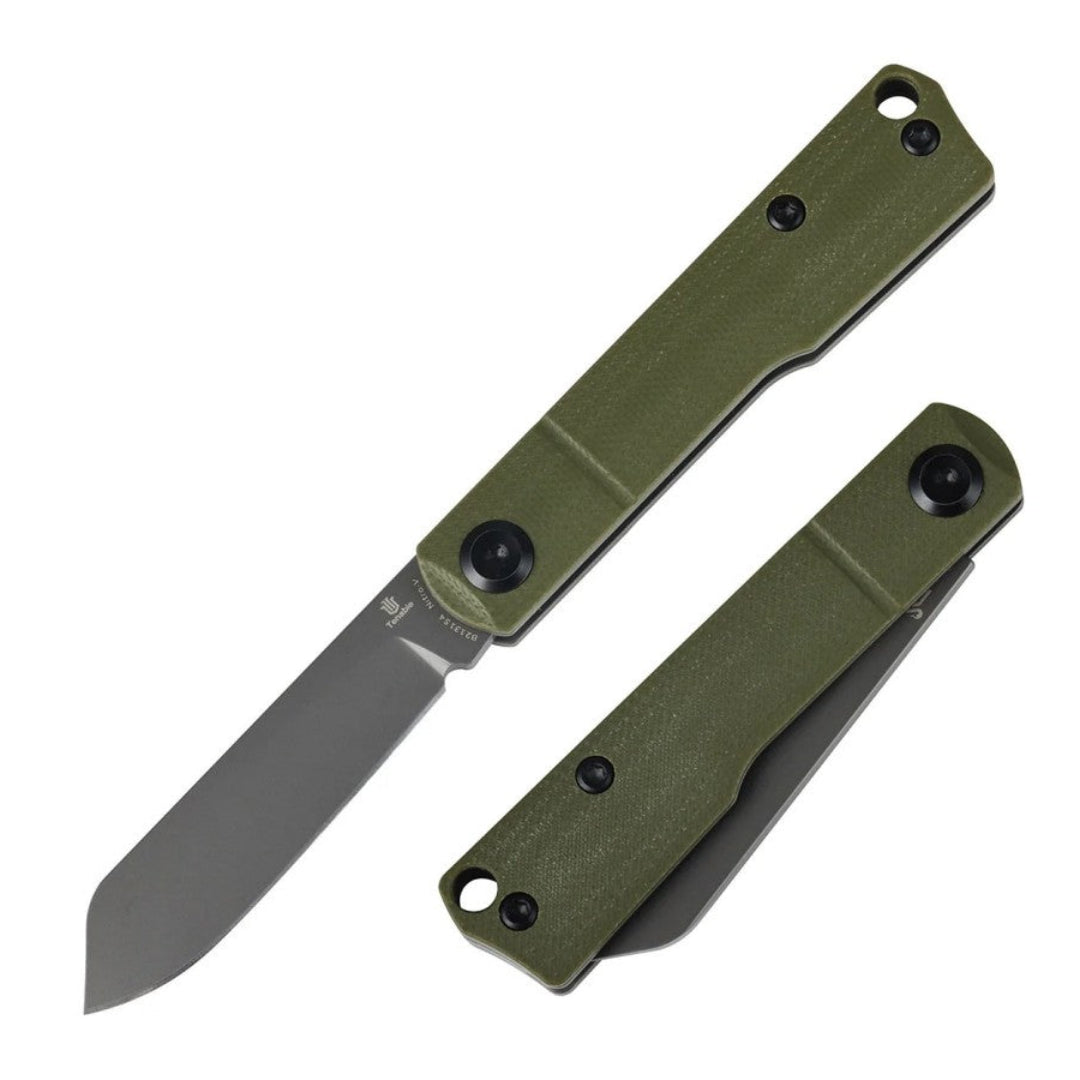
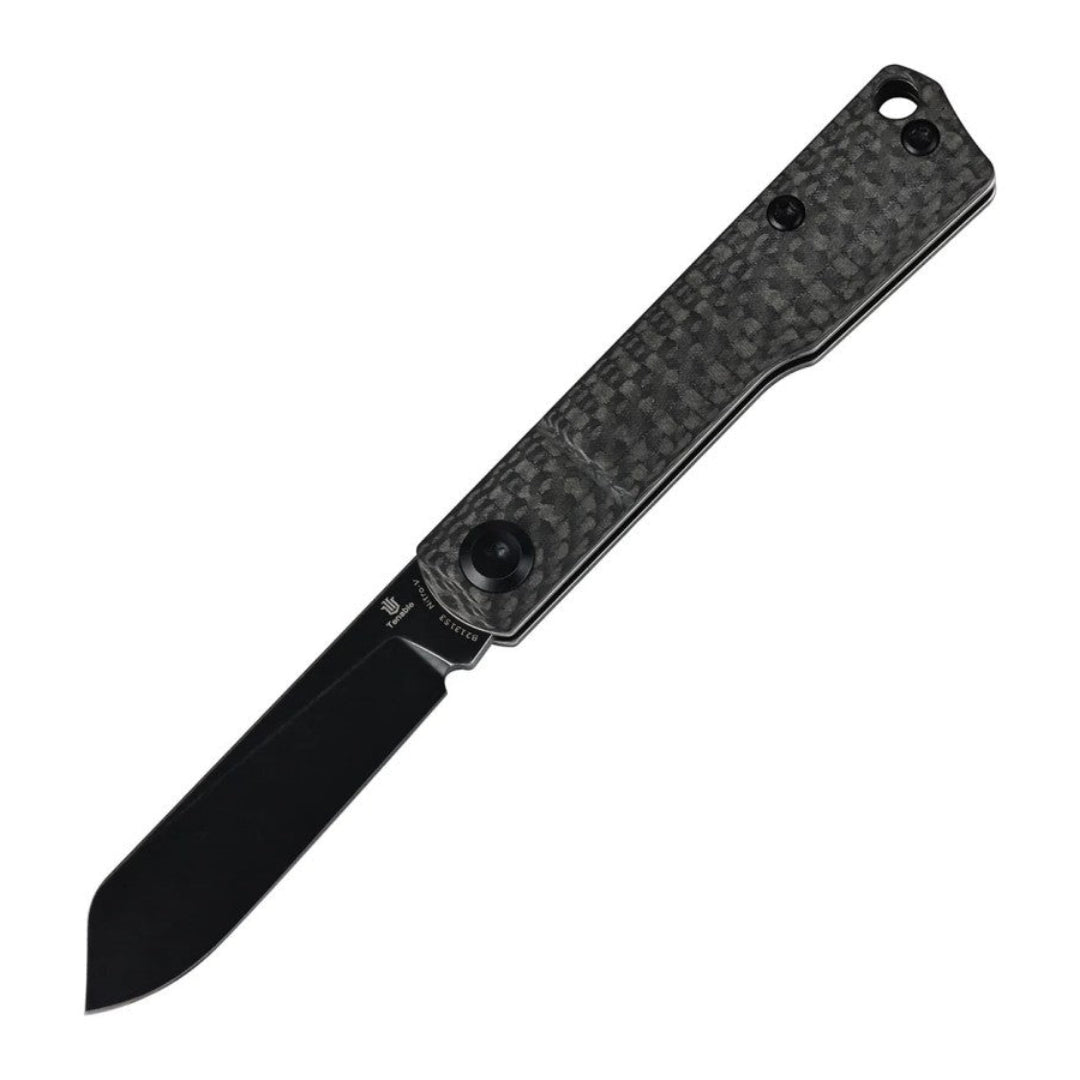
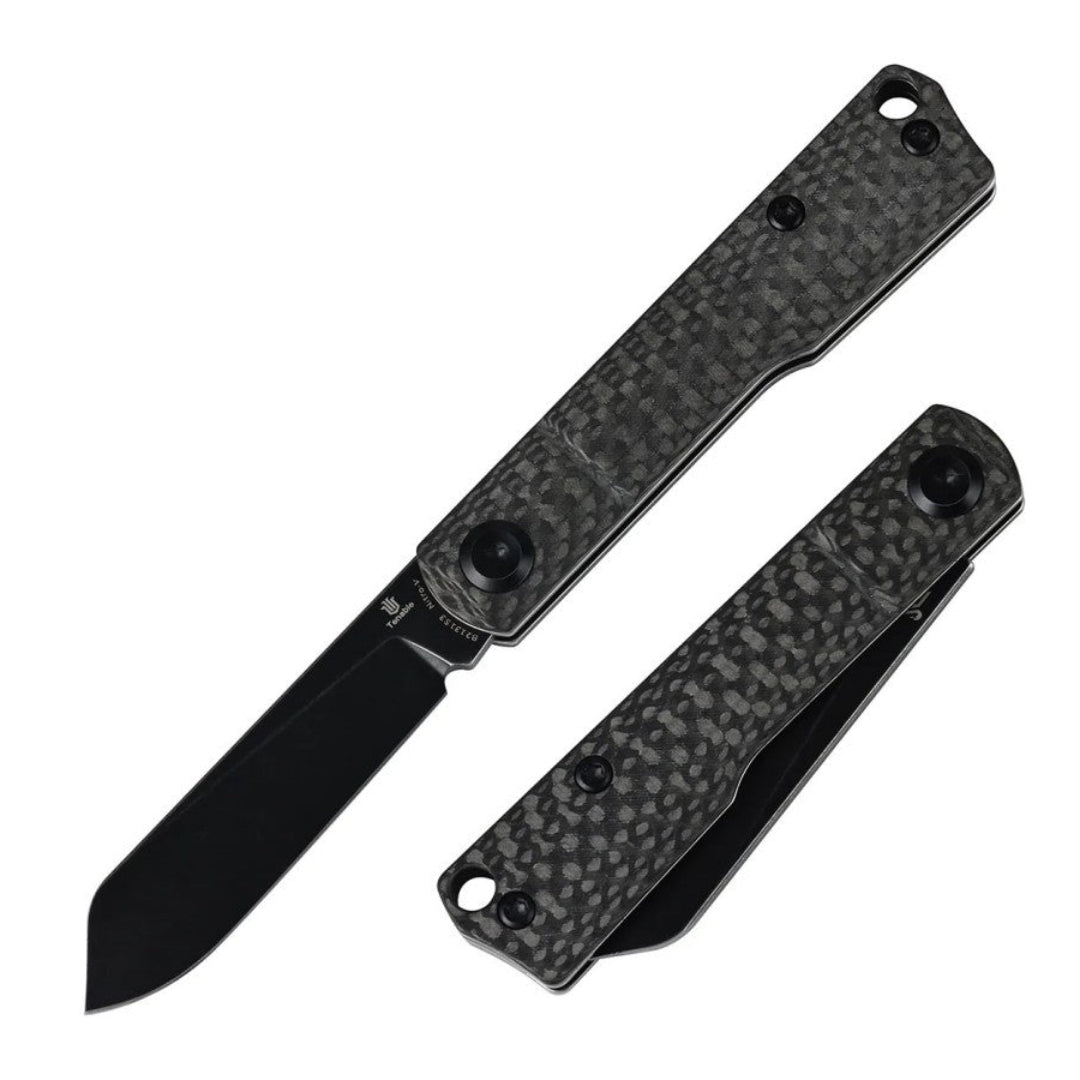
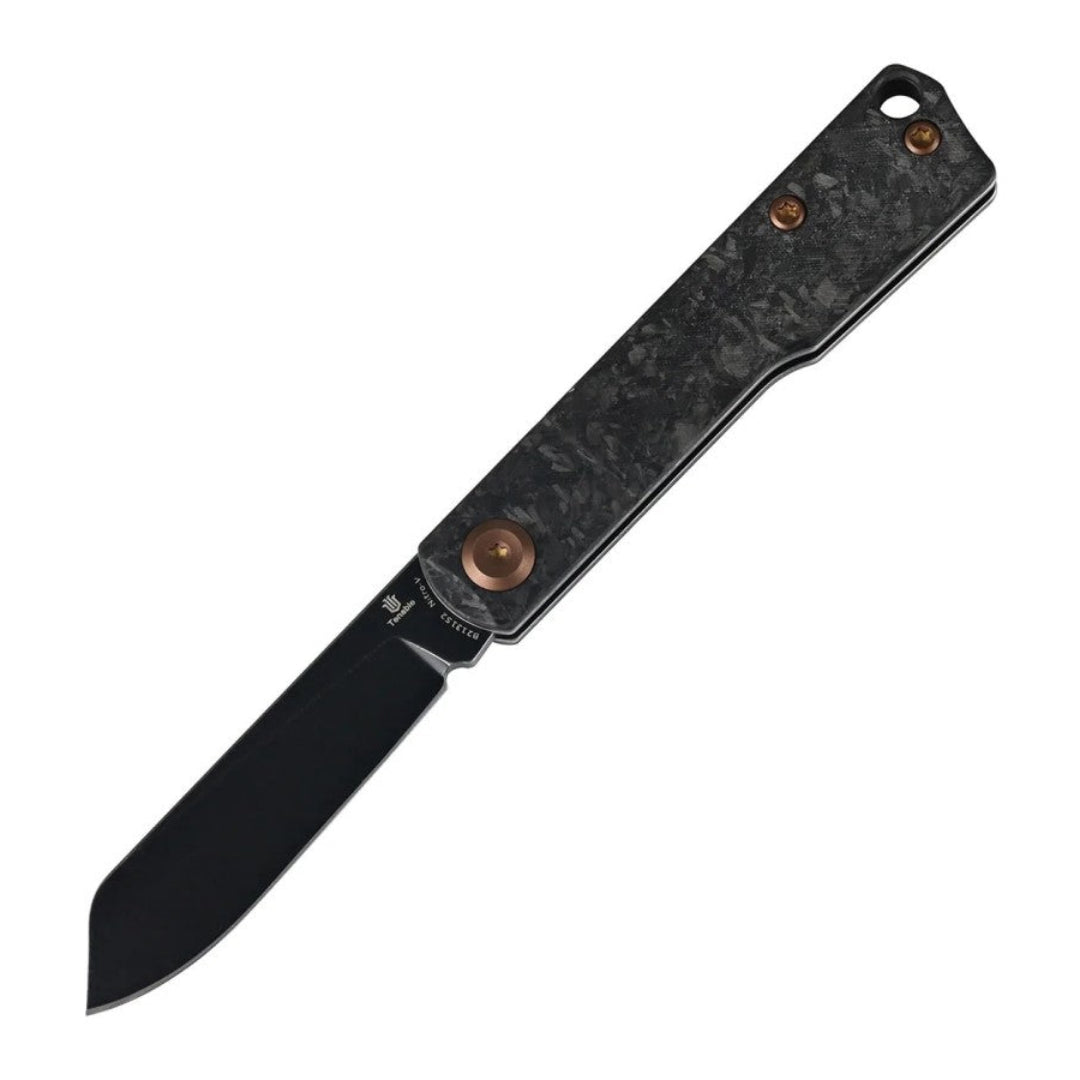
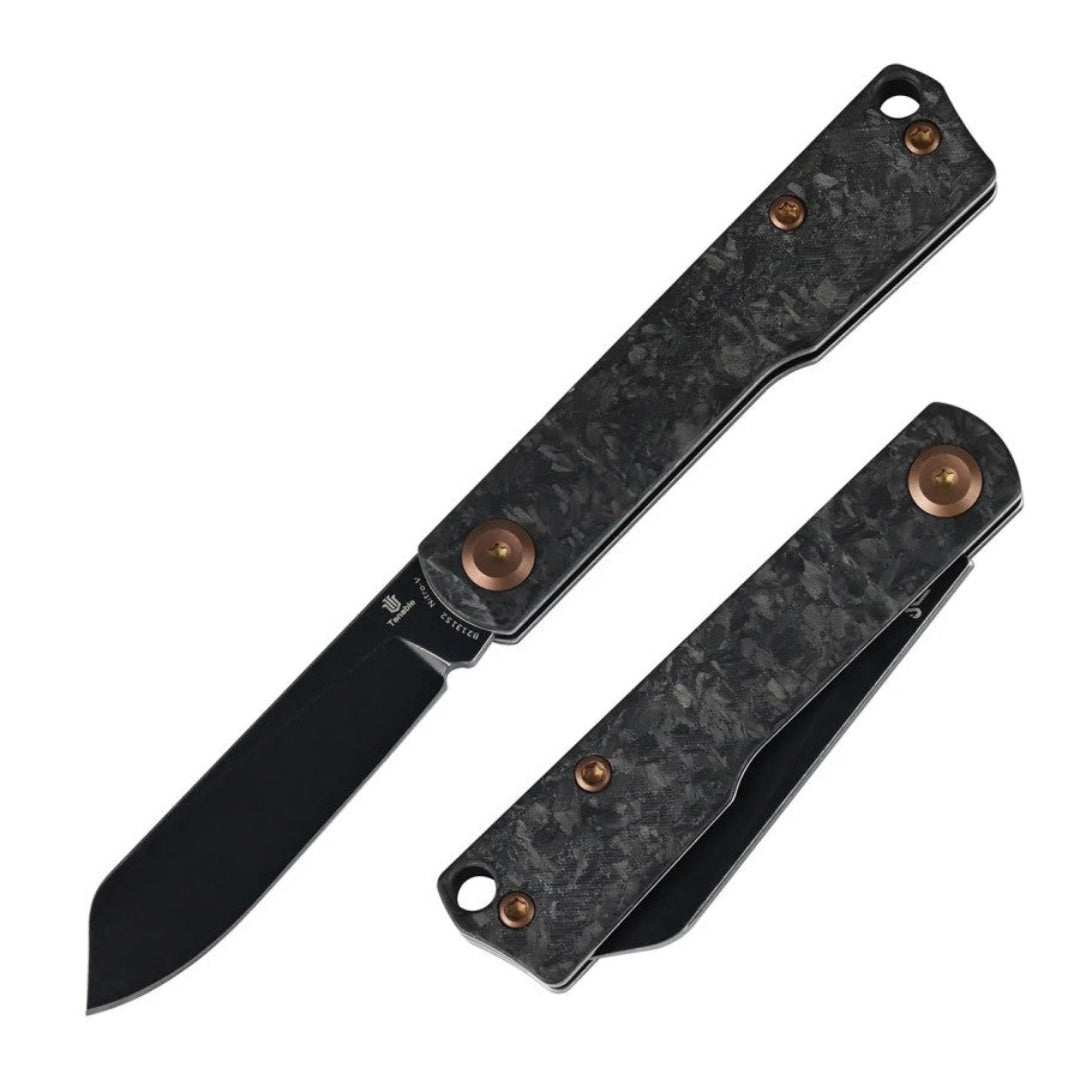
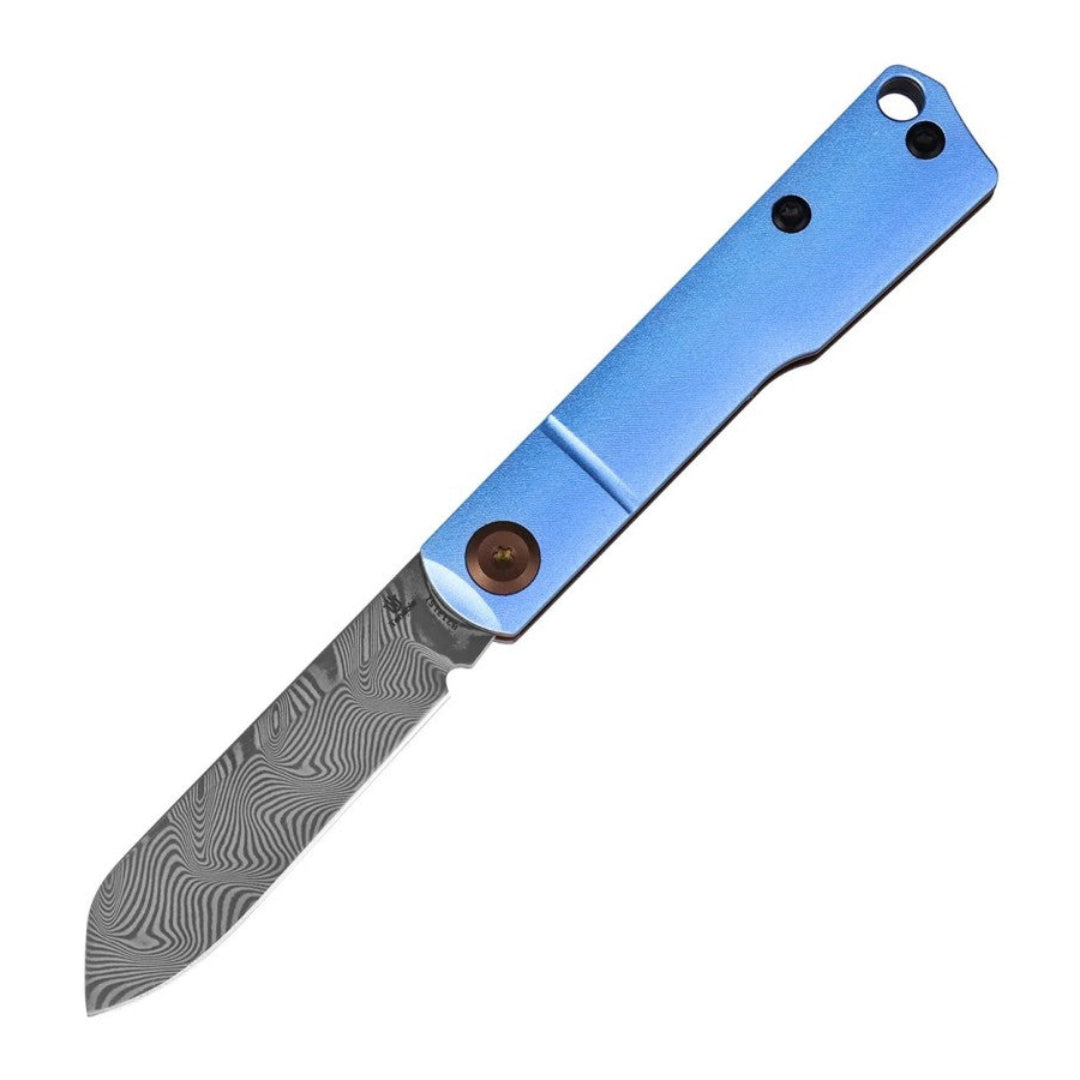
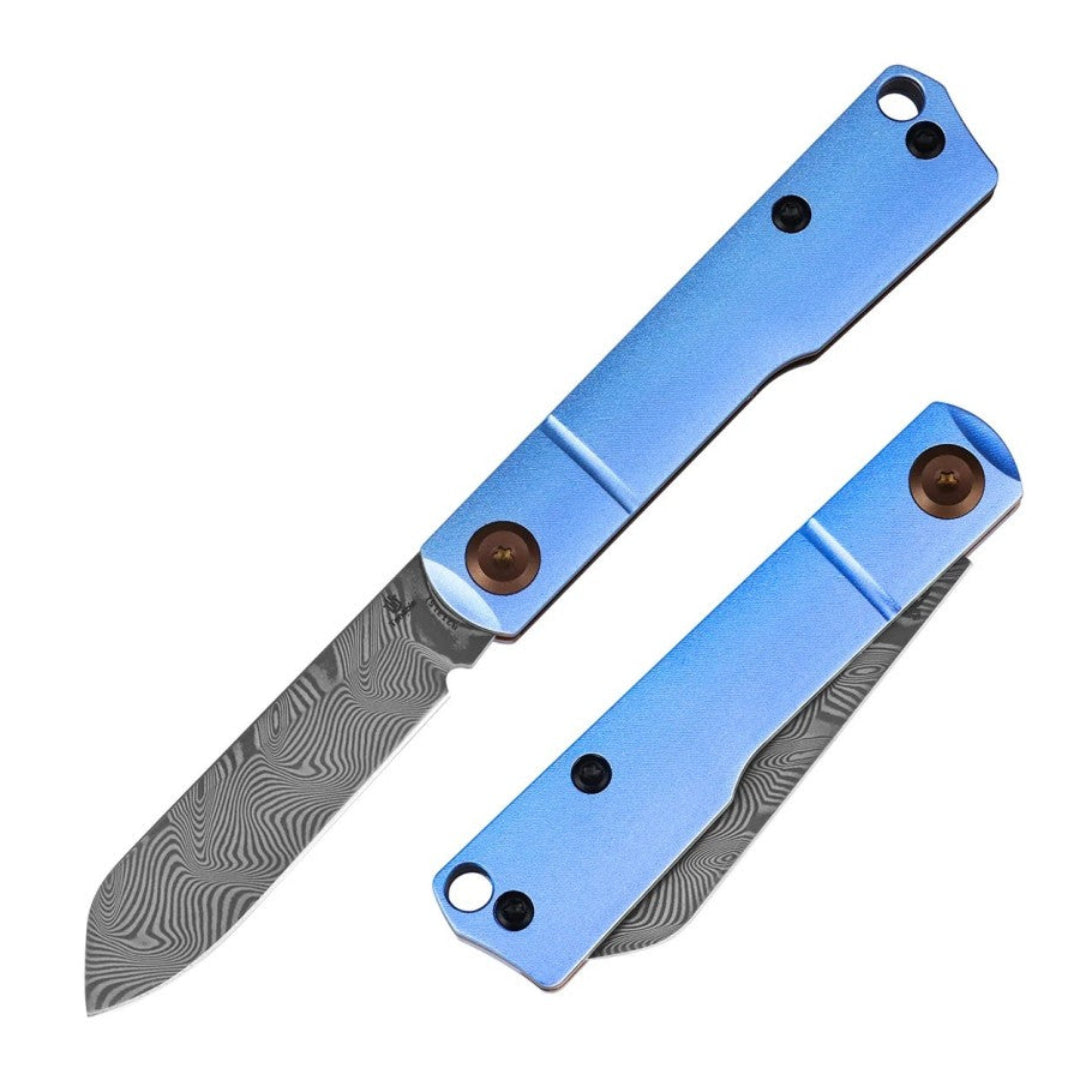
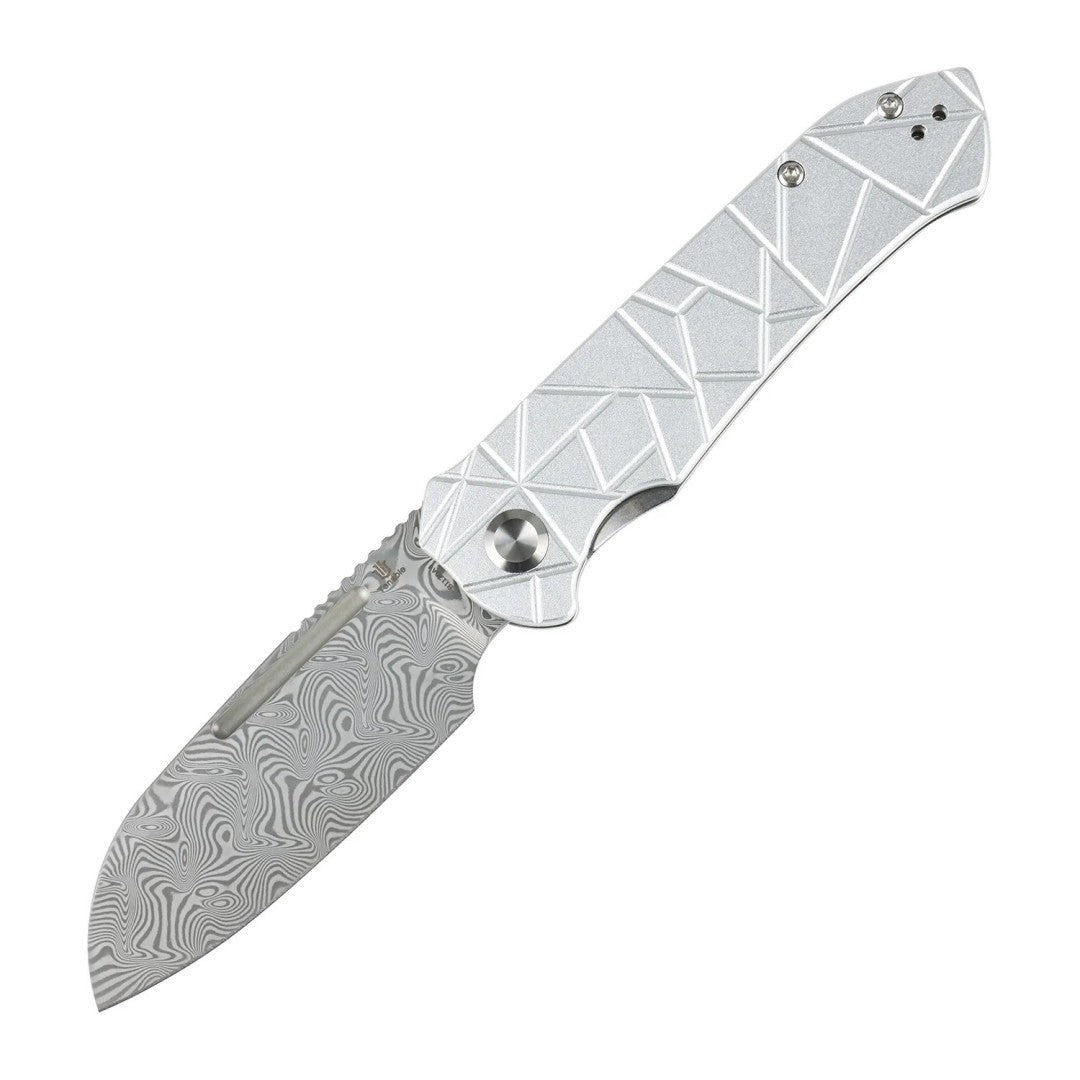
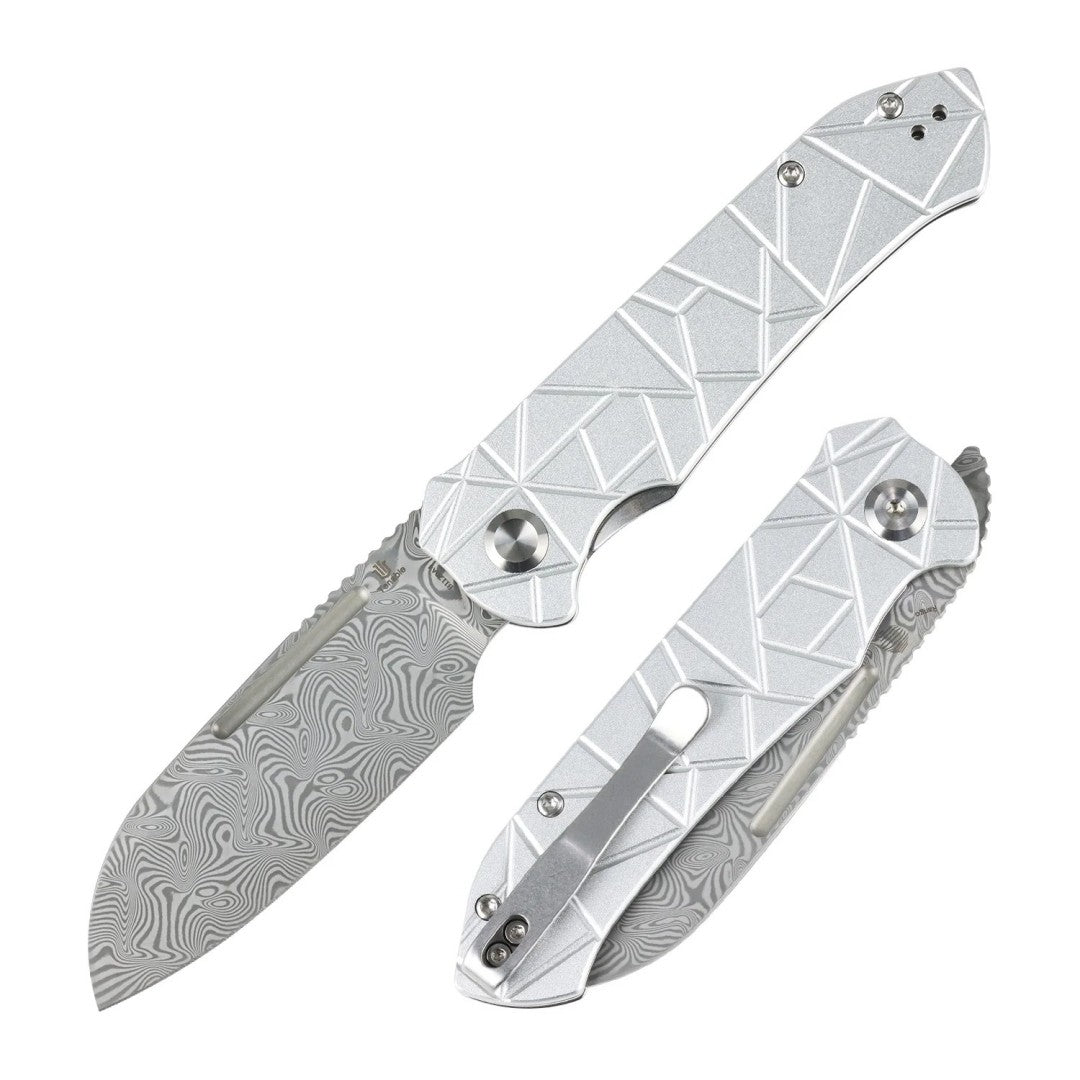
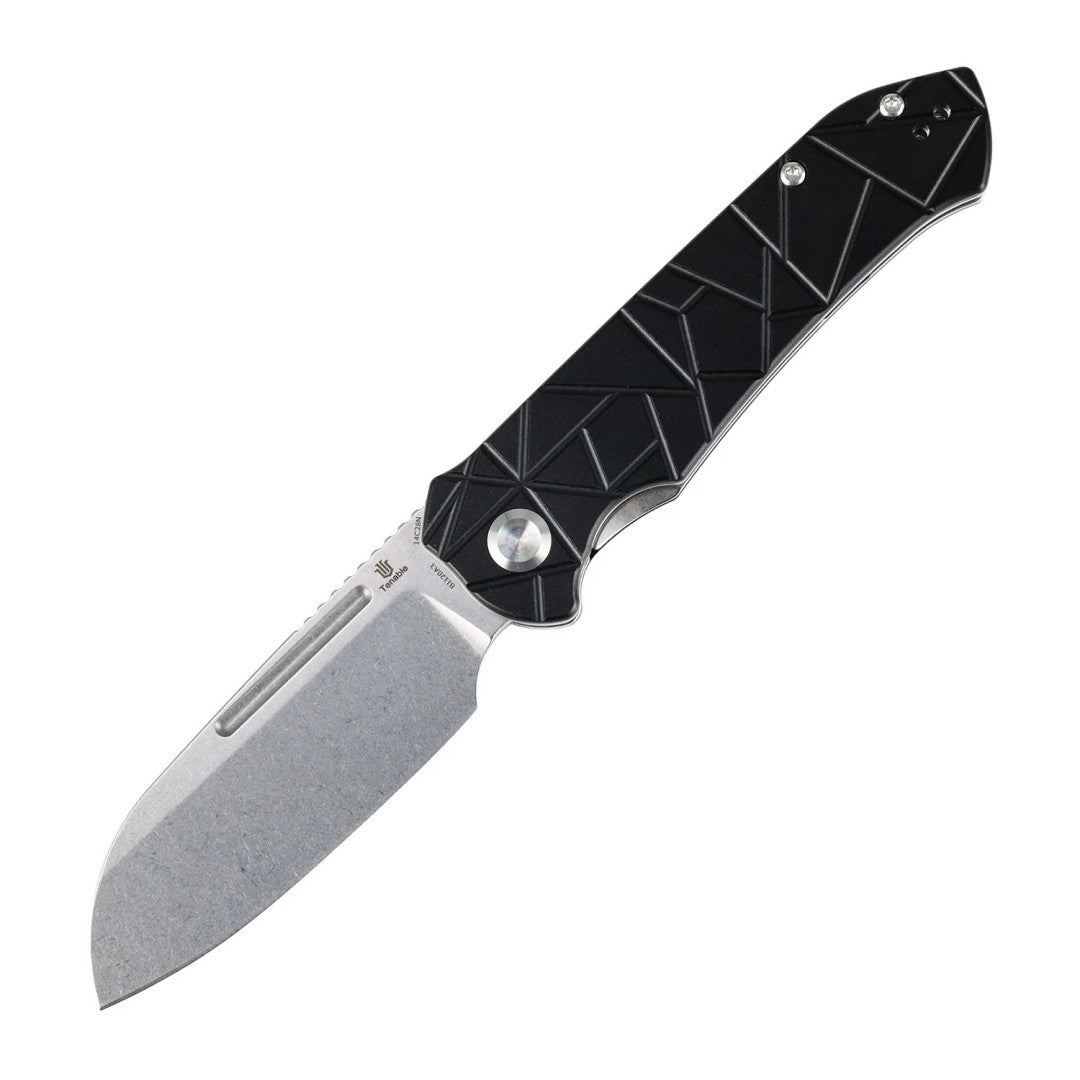
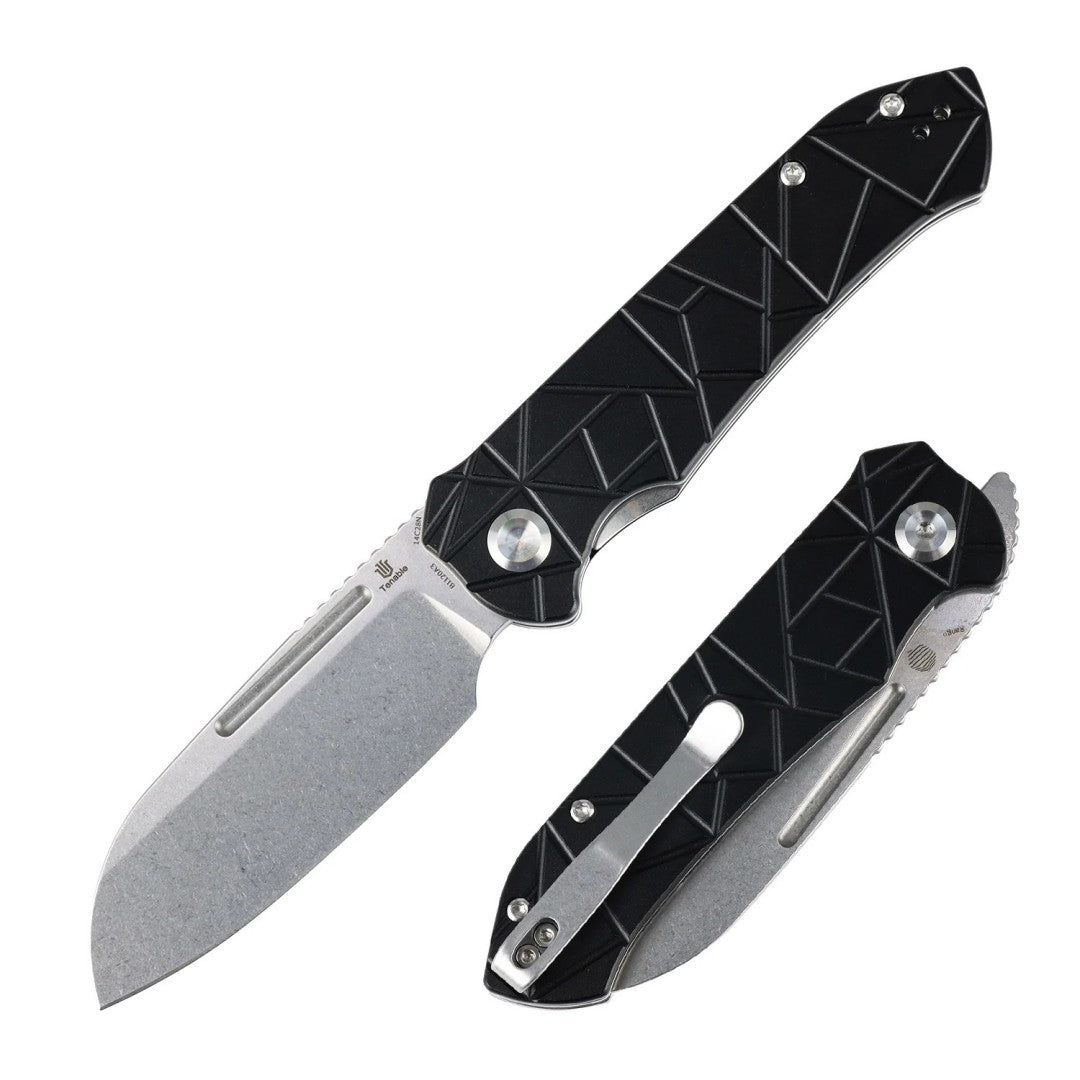
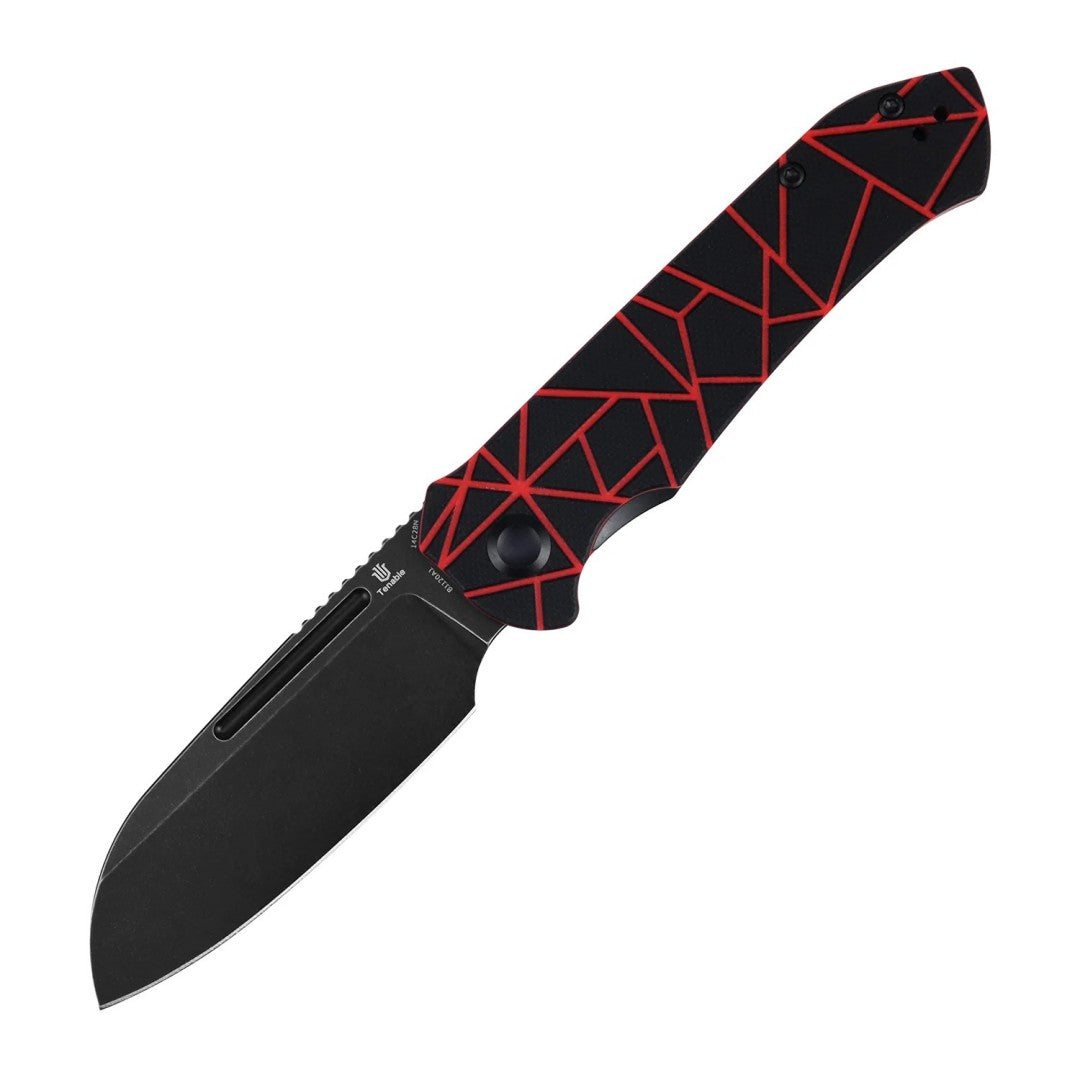
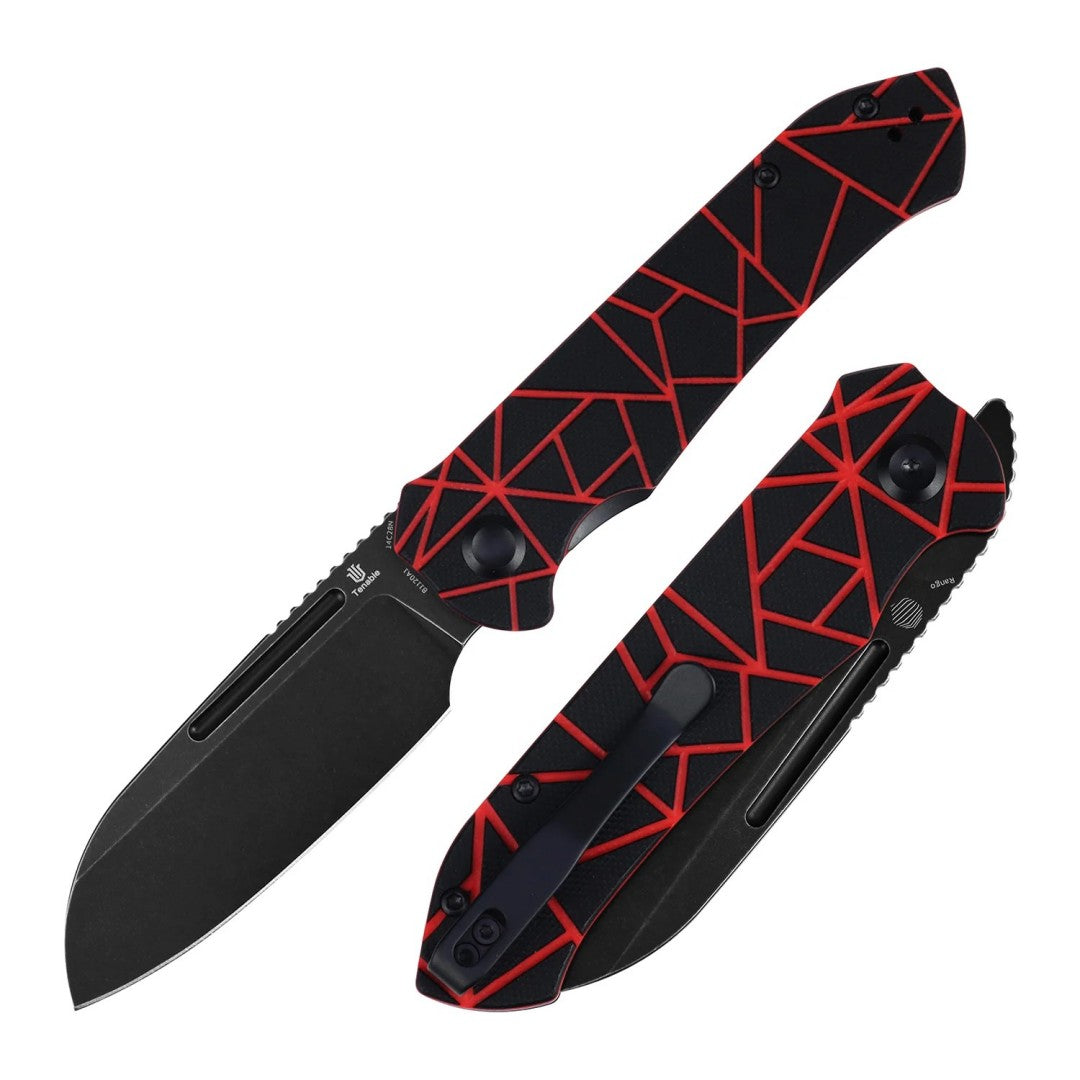
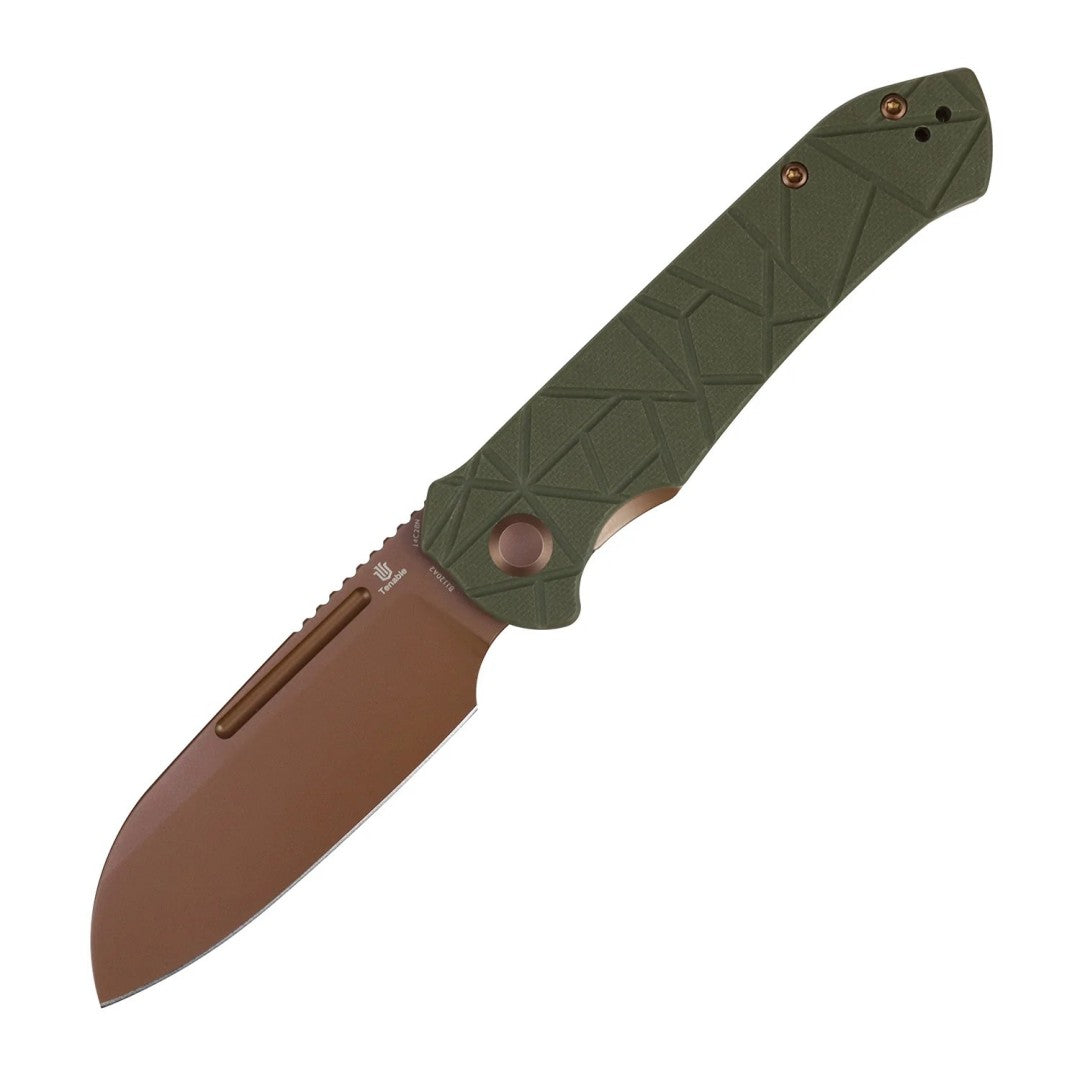
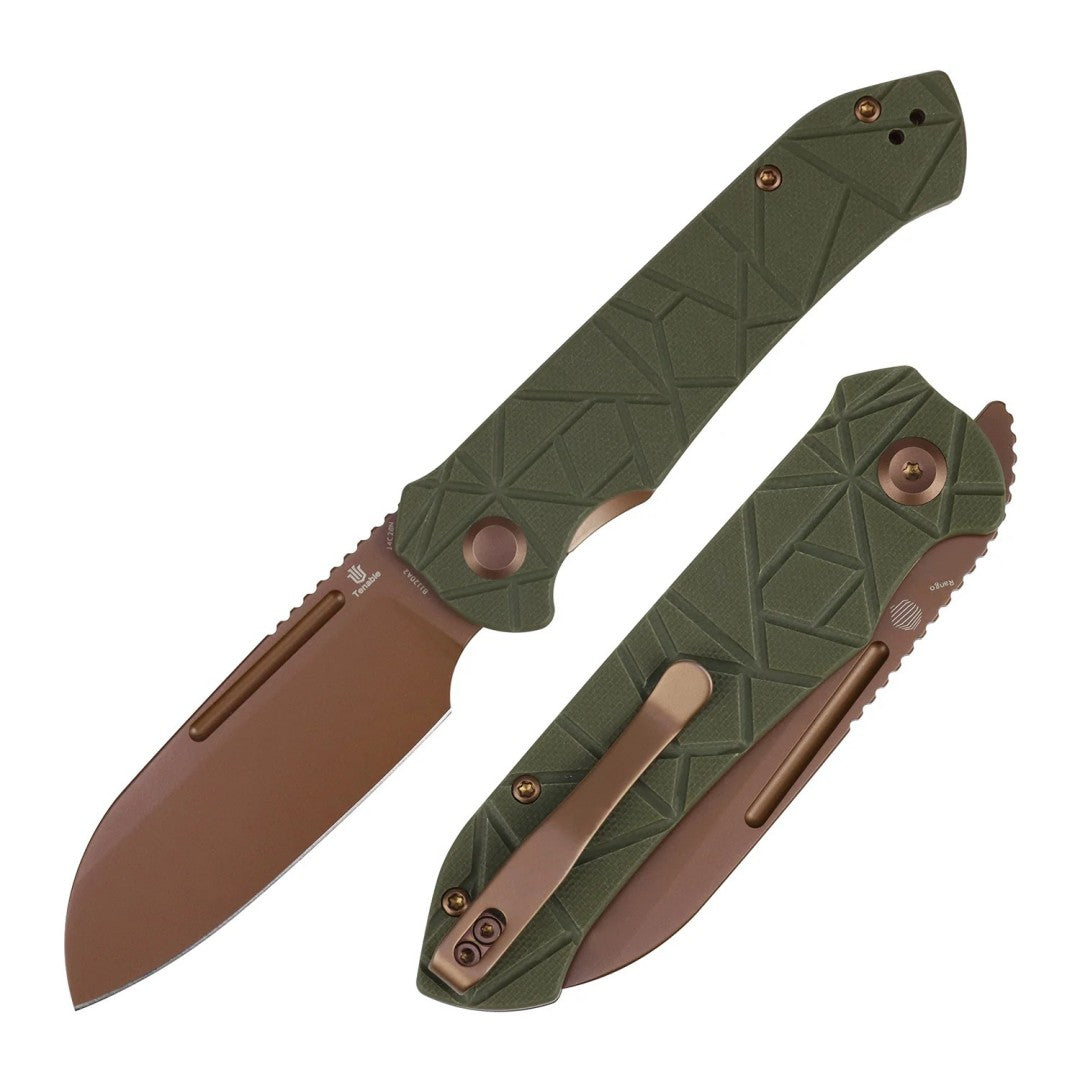
When it comes to cutting tools, cold is the real design constraint. Folding knives stiffen in the cold as lubricant thickens and metal contracts, so a simple mechanism with generous clearances beats a tightly tuned one. Ambiguous detents and small flipper tabs become unusable with gloves on, and the knife has to be openable by feel when your fingers are numb. A lanyard is essential, because a dropped knife on ice will slide further than seems physically reasonable.
Real-World Use
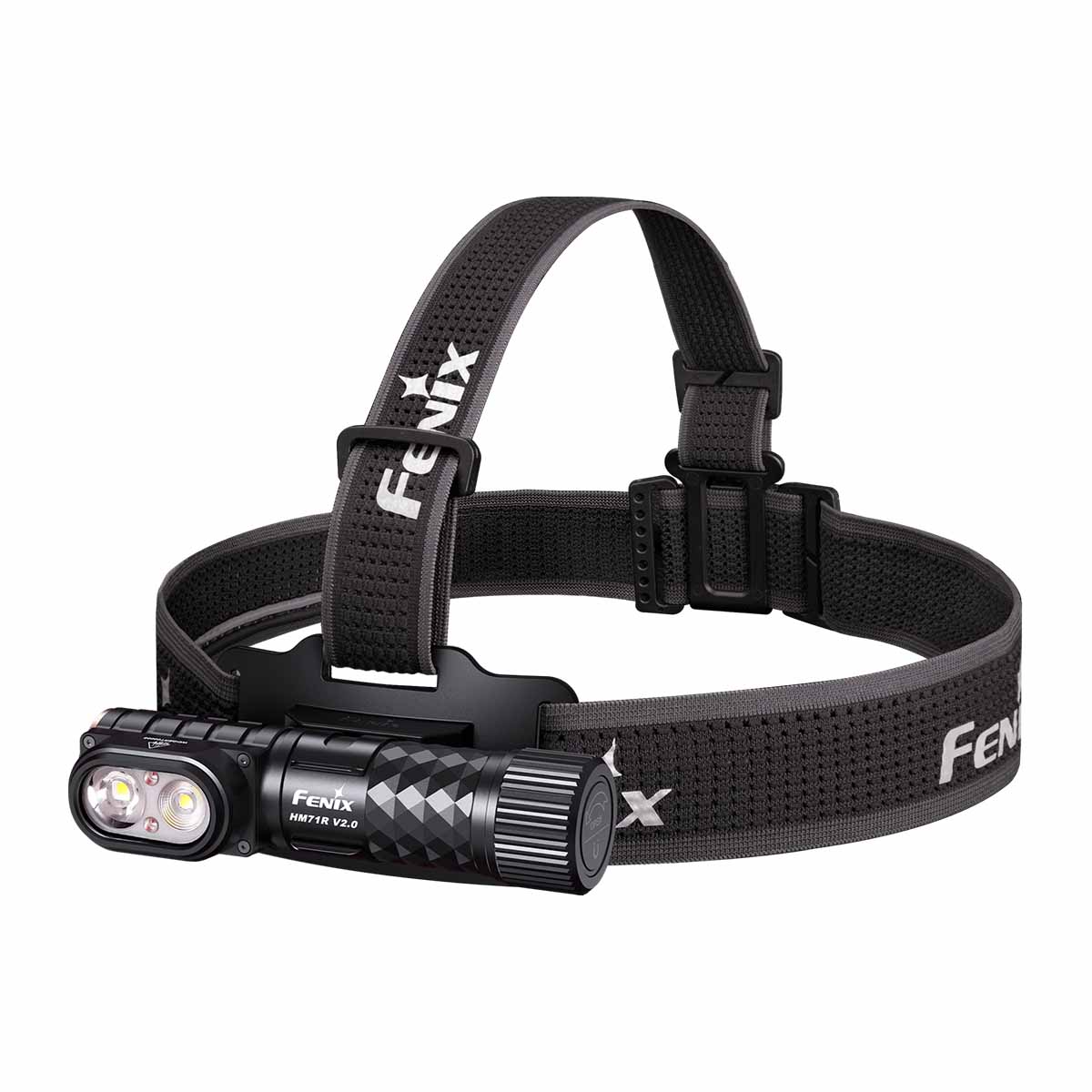
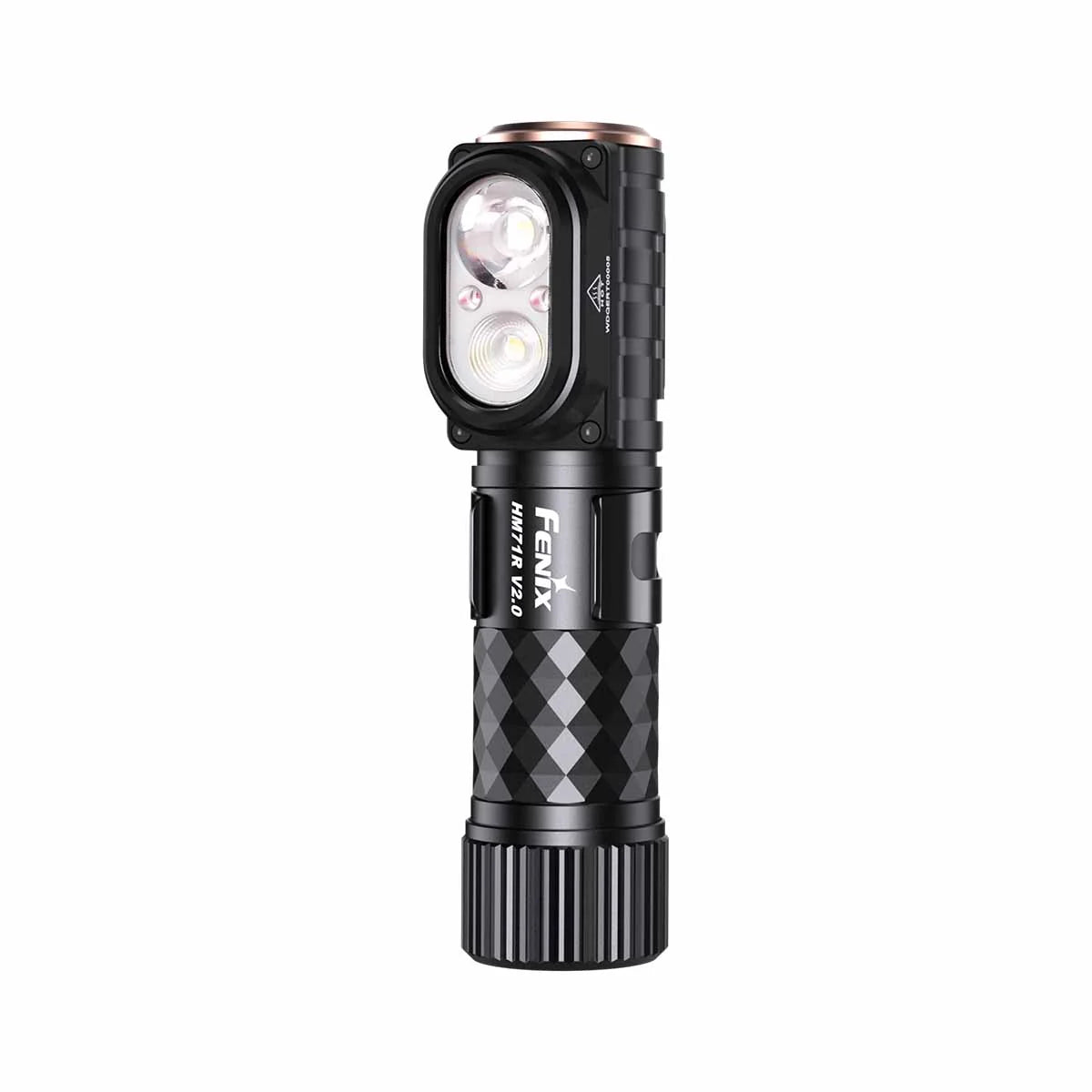
On the ice the knife cuts bait, trims line and leader, opens snack packaging, scores a hole in a bucket lid, cuts cord for a shelter guyline and slices sandwich meat with a gloved hand. An EDC flashlight on a lanyard in a jacket pocket provides the backup when the headlamp battery finally gives up, and EdcMall carries compact lights that suit exactly this kind of layered winter carry.

Ownership Notes
Cold maintenance is mostly about lubricant. Use a light, low-temperature oil rather than a heavy grease, because thick lubricant is what makes a folder impossible to open in February. Keep the knife in an inside pocket so body heat keeps it operable, dry it thoroughly before it goes back into a case, and never leave a light or a knife in a vehicle overnight in deep winter. Charge batteries at room temperature, since cold cells accept very little charge. Ice anglers learn to treat cold as a design constraint rather than an inconvenience. EDC knives chosen for winter should be simple enough that thick lubricant and numb fingers cannot prevent them from opening, and folding knives with generous clearances and a lanyard hole handle a season on the ice far better than tightly tuned designs. Keep the knife warm in an inside pocket when it is not in use.
Who Is This For?
This suits ice anglers, winter campers, snowmobilers, Nordic skiers doing overnight trips and anyone who works outdoors in hard winter. It is more redundancy than a summer angler needs, and anyone fishing in daylight from a heated shack can travel lighter.
Final Verdict
Winter carry is about layers and lubricants. A lightweight headlamp with a hand-free switch, a backup pocket light on a lanyard and a simple folder with thin cold-weather oil will keep working when everything else has stiffened up.