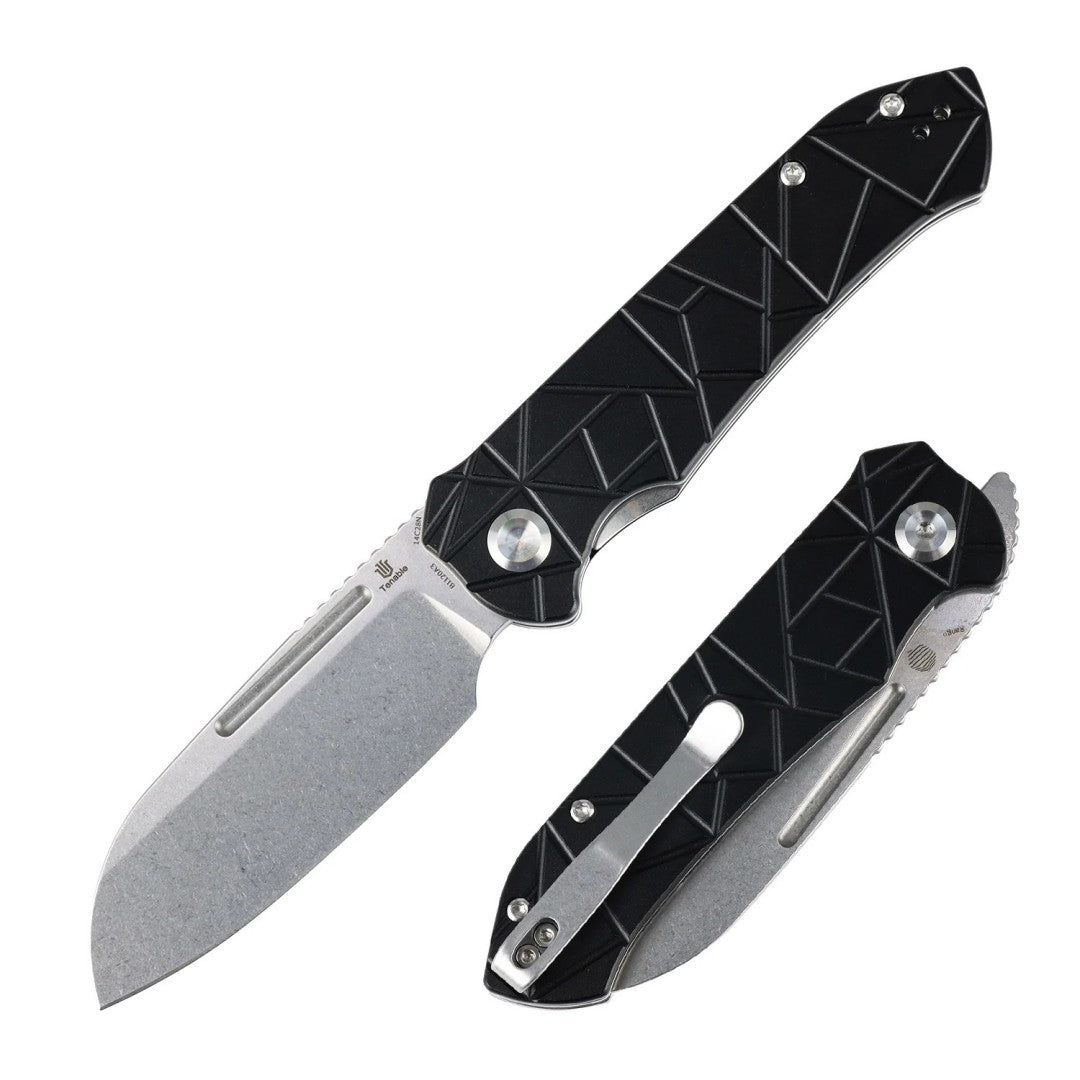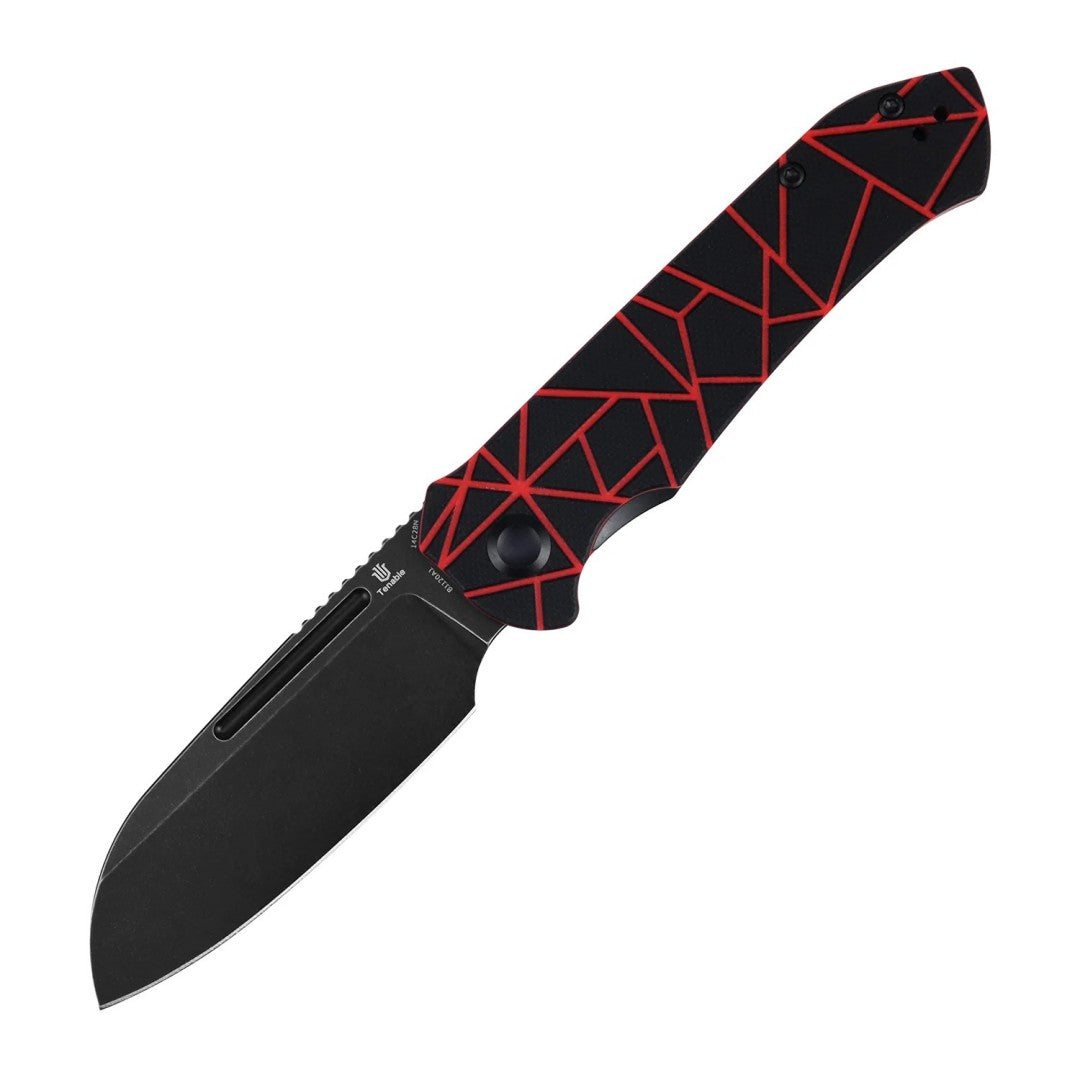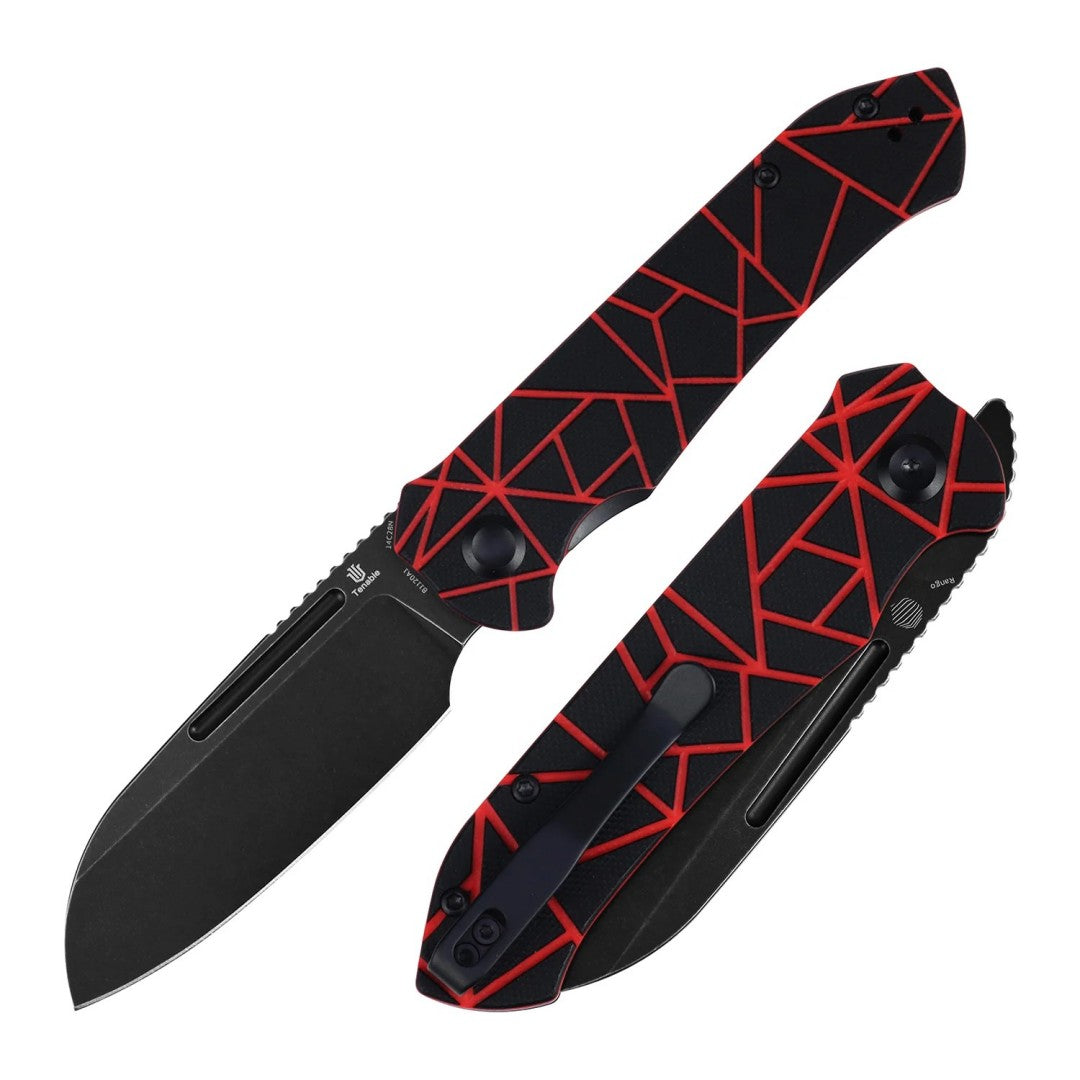
When it comes to upgrading your everyday carry (EDC) setup, choosing a pocket knife that balances jaw-dropping aesthetics with rugged utility can be a challenge. The Tenable Deadite, custom-designed by the highly acclaimed knifemaker Geoff Blauvelt of TuffKnives, has generated significant buzz in the knife community for its aggressive geometry and smooth mechanics.
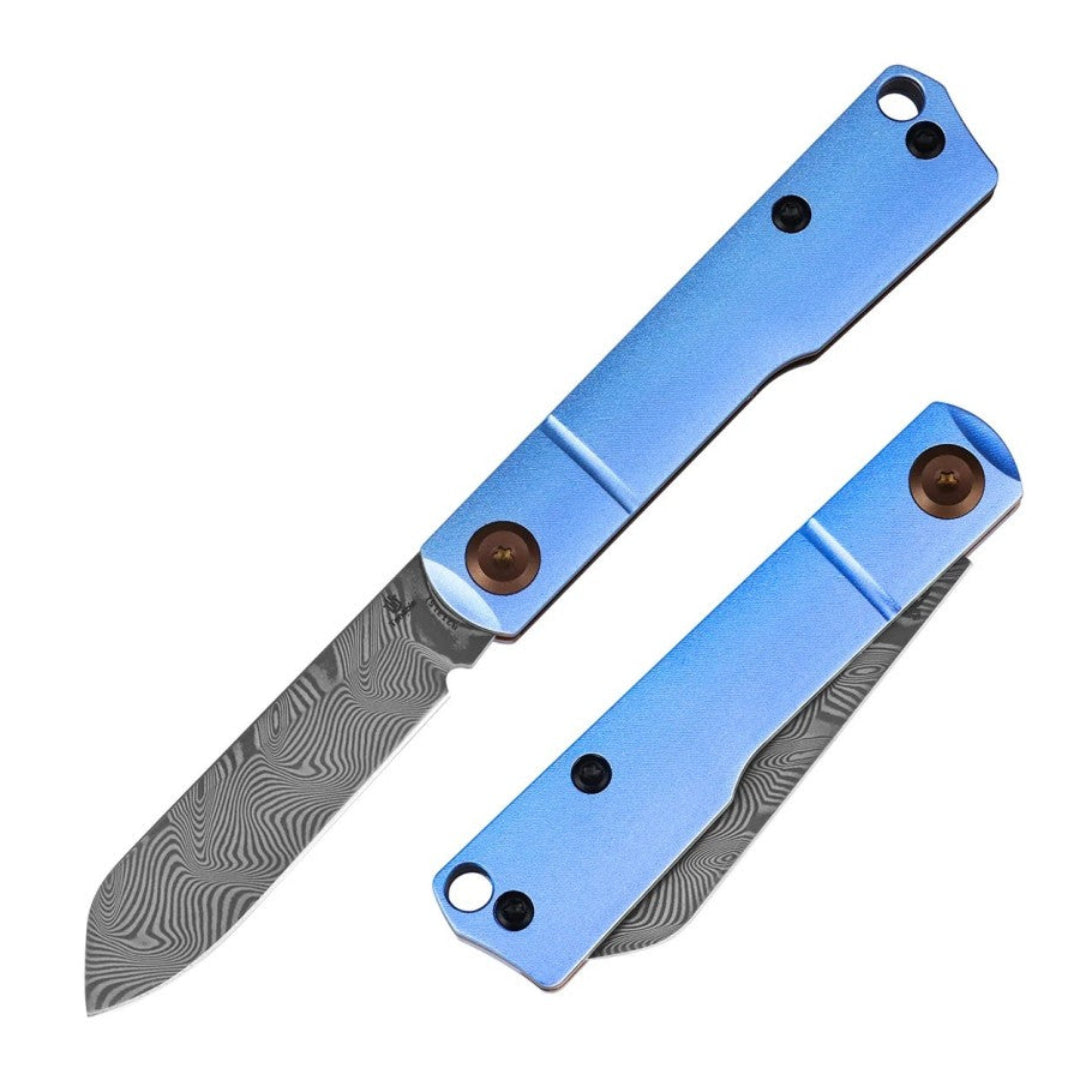
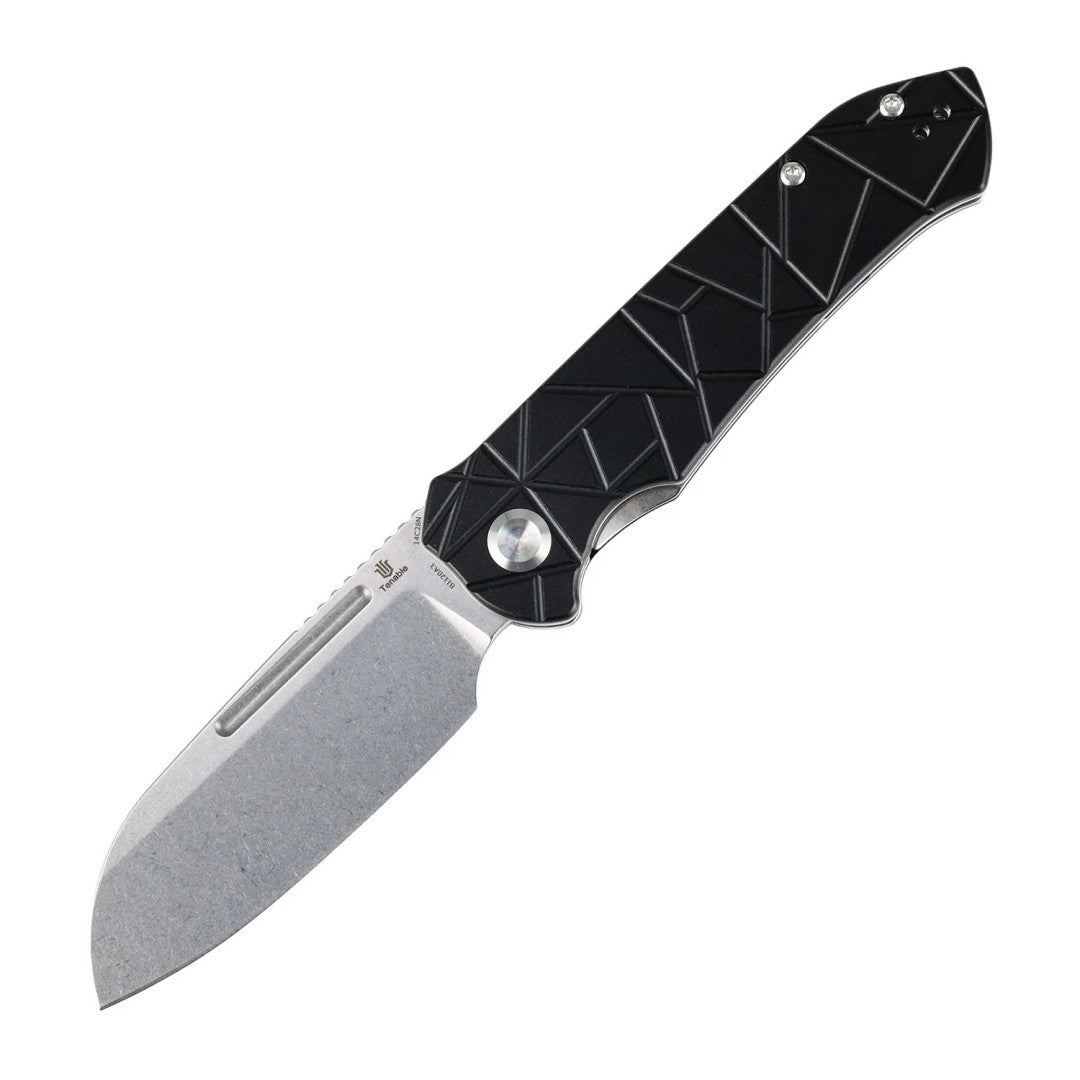
While the standard Sandvik 14C28N models are clear-cut utilitarian choices, the premium Water Ripple Damascus Steel variants (available in the V1 light blue aluminum and V4 amber PEI versions) present a unique question for buyers. Is a Damascus steel folding knife truly worth the investment for an everyday carry tool, or should it be relegated to a display case?

In this deep dive, we break down the performance, durability, costs, and maintenance of the Tenable Deadite Damascus to help you determine if it is the right fit for your pocket.
What Makes the Deadite Damascus Unique?
To understand if this premium folder is worth it, it is essential to look at how this specific blade is constructed.
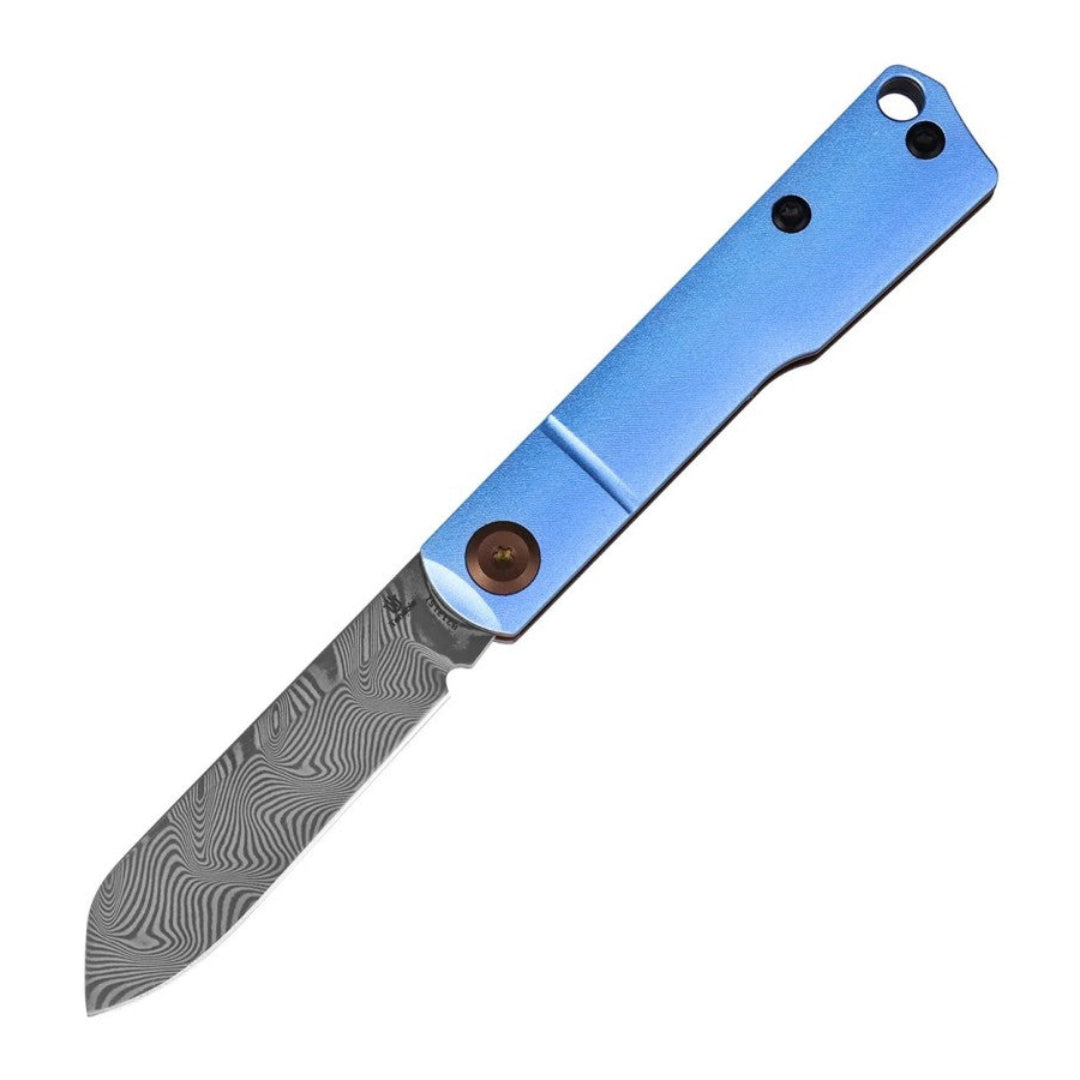
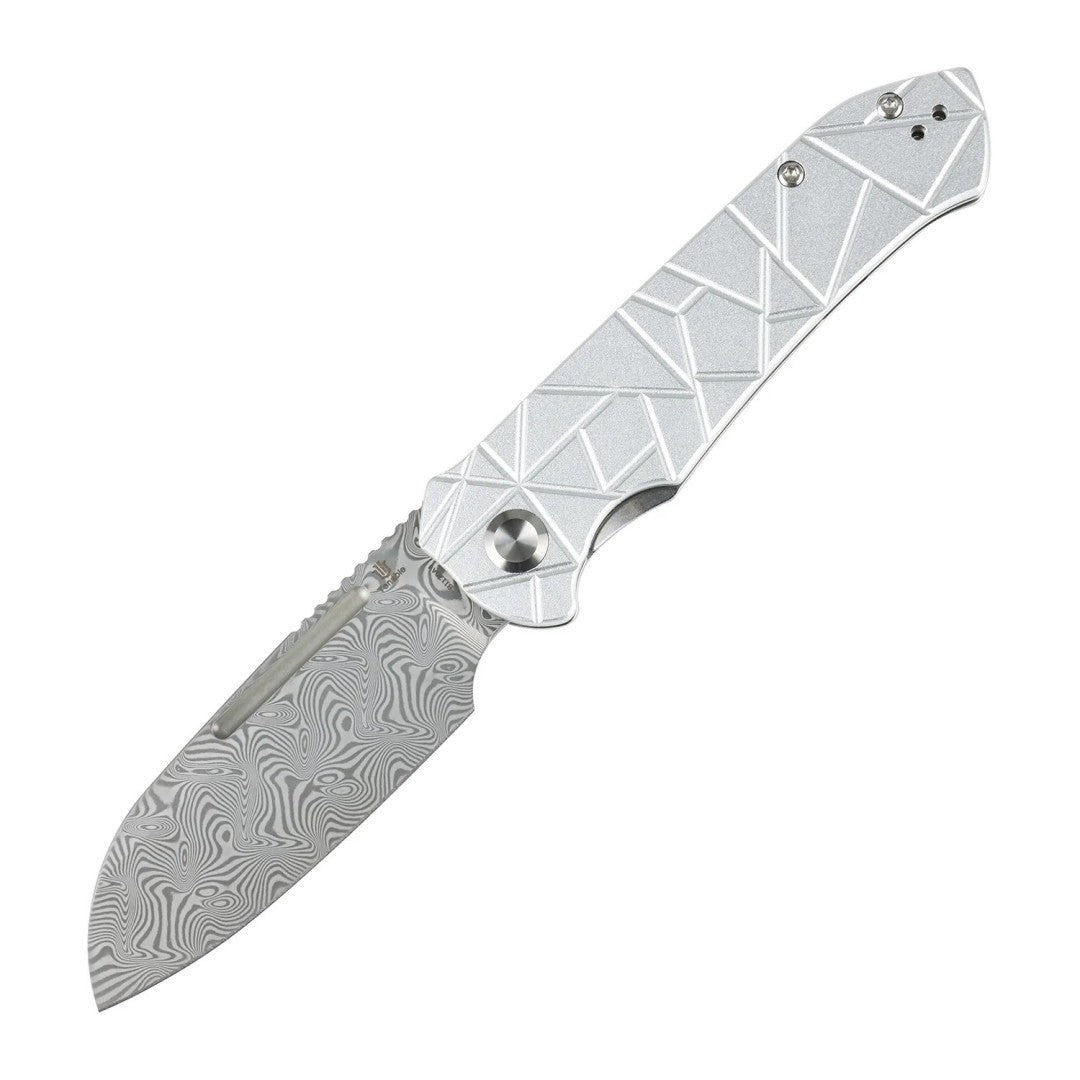
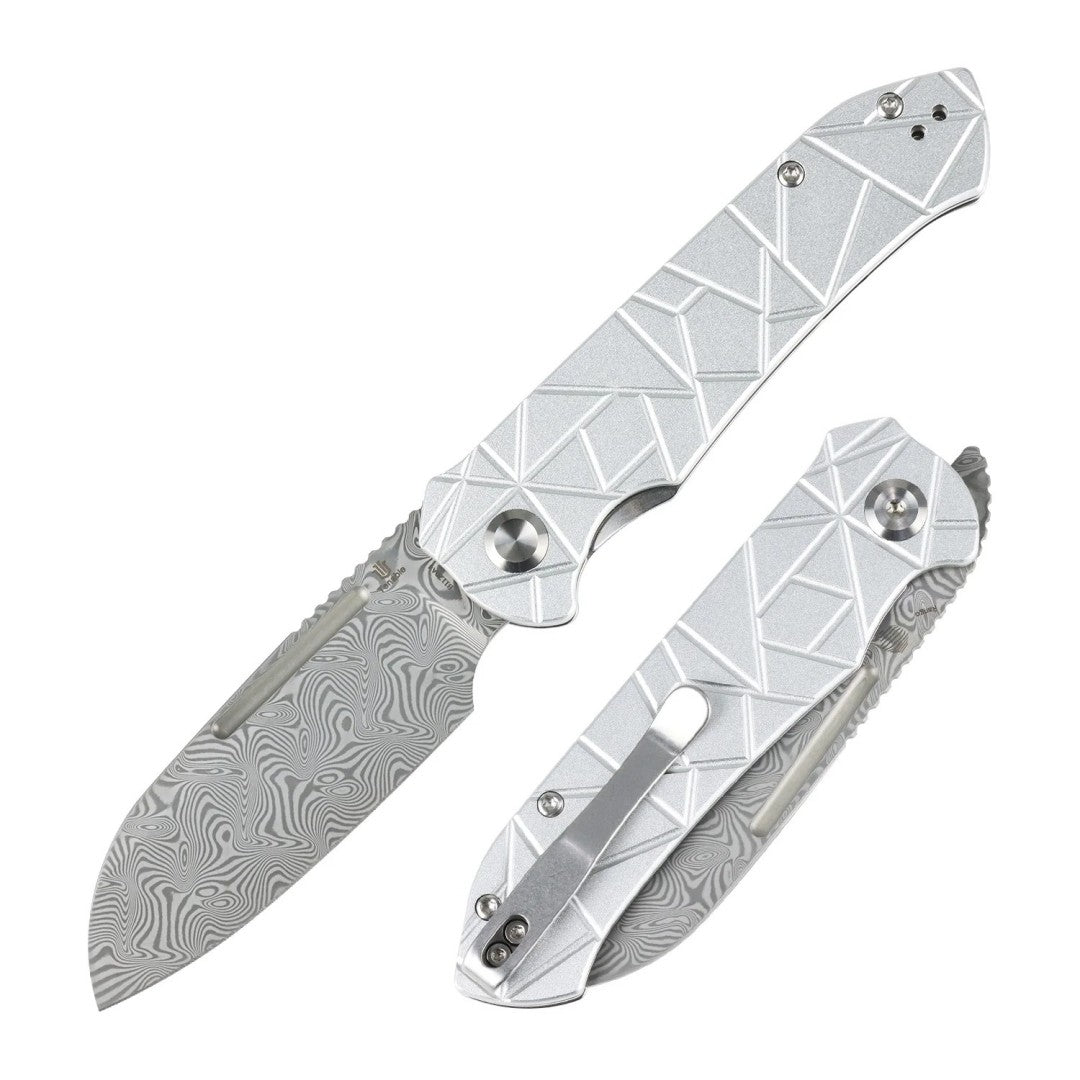
The Water Ripple Damascus steel used in the Tenable Deadite isn’t just a laser-etched pattern on cheap steel. It is created by forge-welding multiple layers of high-quality steel alloys together, folding them repeatedly, and then acid-etching the final product. The acid reacts differently to the varying alloys, revealing a high-contrast, swirling pattern reminiscent of flowing water.
Because of this intricate manufacturing process, no two Deadite Damascus blades are identical. When you purchase a V1 or V4 model, you are carrying a functional tool that features a completely unique piece of abstract art cut directly into a 3.52-inch blade profile.
 Real-World Performance: Cutting on a Daily Basis
The biggest misconception about Damascus steel is that it is fragile or purely ornamental. When properly heat-treated, modern Damascus performs exceptionally well as a daily user.
1. Aggressive Micro-Serrations
Because the blade is composed of alternating layers of harder and softer steels, the cutting edge naturally wears at slightly different rates during use. This creates microscopic serrations along the edge. In everyday carry scenarios, these micro-serrations excel at biting into and slicing through fibrous materials like heavy cardboard, thick rope, zip ties, and packing straps.
2. Edge Retention and Reliability
The core alloys embedded within the Damascus matrix hold an excellent edge, easily matching the longevity of standard mid-to-high-tier stainless pocket knives. Backed by the rock-solid mechanics of Tenable's ambidextrous crossbar lock, the blade deploys rapidly via dual thumb studs and locks into place with zero vertical or horizontal play, giving you full structural confidence during heavy cutting tasks.
 The Maintenance Reality: What Owners Need to Know
If you are considering the Damascus Deadite for EDC, you must be realistic about maintenance. This is the main area where it differs from its 14C28N stainless steel counterparts.
-
Humidity Management: Modern Damascus steel offers decent stain resistance, but it is not completely rust-proof. The acid-etched pockets that create the beautiful water ripple contrast can trap moisture, pocket sweat, or ambient humidity if left neglected.
-
The Upkeep Routine: To keep a Damascus Deadite looking pristine, you must develop a habit of wiping the blade dry after exposure to liquids or acidic materials (like cutting fruit). Periodically applying a thin layer of mineral oil, carbon-steel protector, or high-grade knife wax is required to shield the steel layers from oxidation.
If you enjoy interacting with your gear and maintaining your tools, this minor routine is incredibly rewarding. However, if you prefer a "throw it in a damp drawer and forget it" tool, a coated stainless steel blade like the Deadite V2 might be a safer bet.
Handle Pairings: Premium Style Redefined
Tenable didn’t just stop at the blade; they paired the Damascus steel with two of the most visually stunning handle materials in the entire line:
-
Variant V1 (Anodized Aluminum): Features a sleek, light blue aluminum chassis that provides an ultra-clean, modern appearance with a crisp metallic feel in the hand.
-
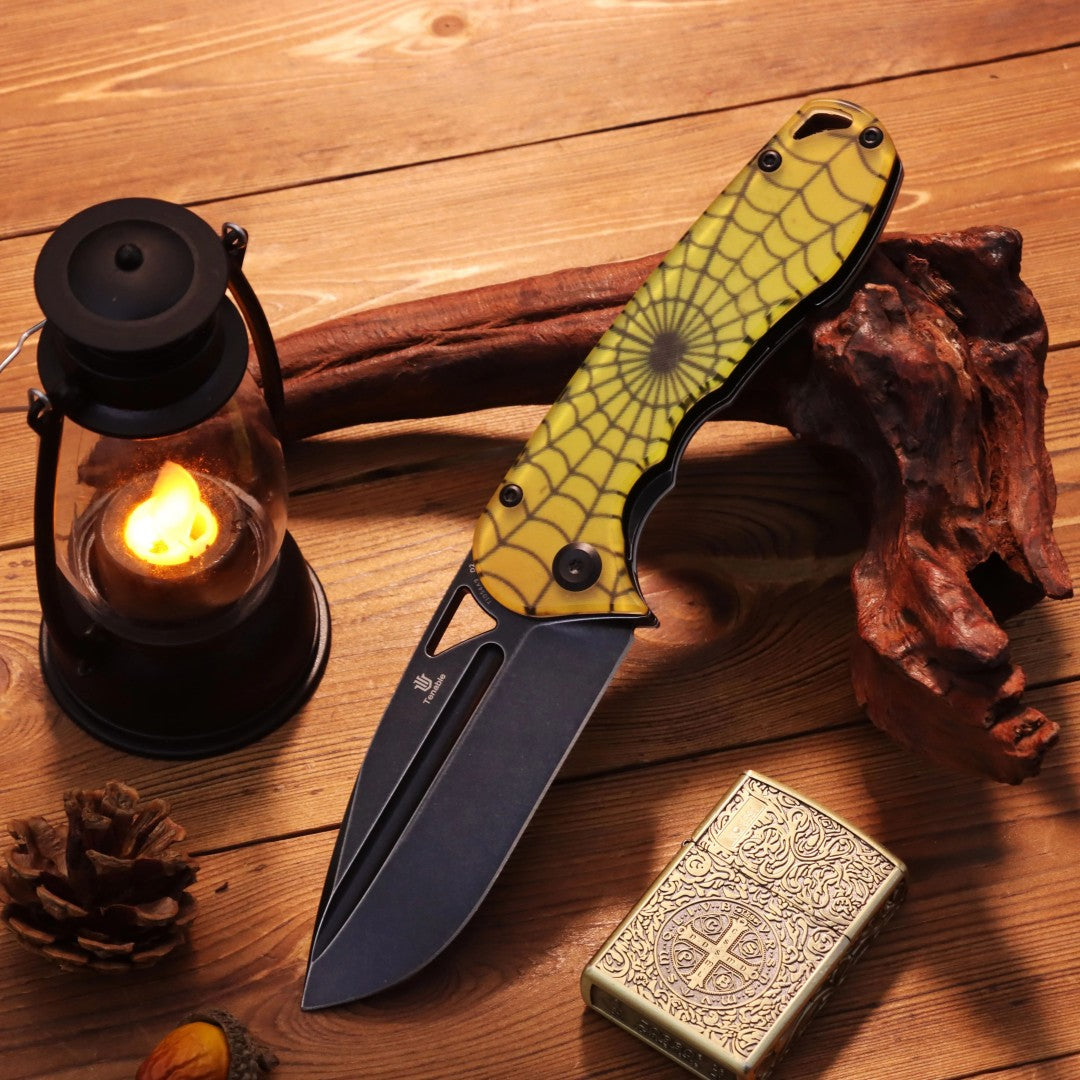
Variant V4 (Amber PEI / Ultem): Features a high-tech, semi-transparent amber engineering polymer. This lets you look directly into the knife to watch the internal omega springs and crossbar mechanism glide back and forth when operating the lock.
These materials elevate the knife from a standard hardware store pocket tool into a highly conversational piece of functional art that immediately stands out when placed on a table.
The Verdict: Is the Damascus Deadite Worth It?
The Tenable Deadite Damascus is absolutely worth it if you view your everyday carry gear as an extension of your personal style and appreciation for custom craftsmanship. It successfully delivers Geoff Blauvelt’s signature TuffKnives custom geometry and a premium, one-of-a-kind forged steel look at a production price point that offers immense value. It cuts aggressively, locks up like a vault, and acts as an immediate conversation starter.
However, if you work in highly corrosive environments (like marine conditions), frequently cut highly abrasive materials that will scuff the etched finish, or simply want a zero-maintenance tool, you should save a few dollars and pick up the Sandvik 14C28N version instead.
For the dedicated knife enthusiast who takes pride in maintaining their gear, the Damascus Deadite is an incredibly satisfying and capable daily companion.
Frequently Asked Questions (FAQ)
Will the water ripple pattern fade away when I sharpen the knife?
No. The Damascus pattern is forged through the entire thickness of the steel, so sharpening the edge will not erase it. However, over time, using highly abrasive polishing compounds across the face of the blade can lightly dull the visual contrast, which can be restored using a mild acid etch.
Is the Damascus version more fragile than the 14C28N version?
No. Modern layered Damascus steel is highly resilient and structurally sound for all standard daily cutting chores. While it is slightly more susceptible to rust if left wet, it will not crack, chip, or break under normal EDC use.
What is the best oil to protect the Deadite Damascus blade?
Standard, food-safe light mineral oil or specialized knife protectants (such as Knife Pivot Lube Cleanser/Oil or Aegis EDC Solutions) work best. Avoid vegetable oils or heavy lubricants like WD-40, which can become sticky and attract pocket lint.