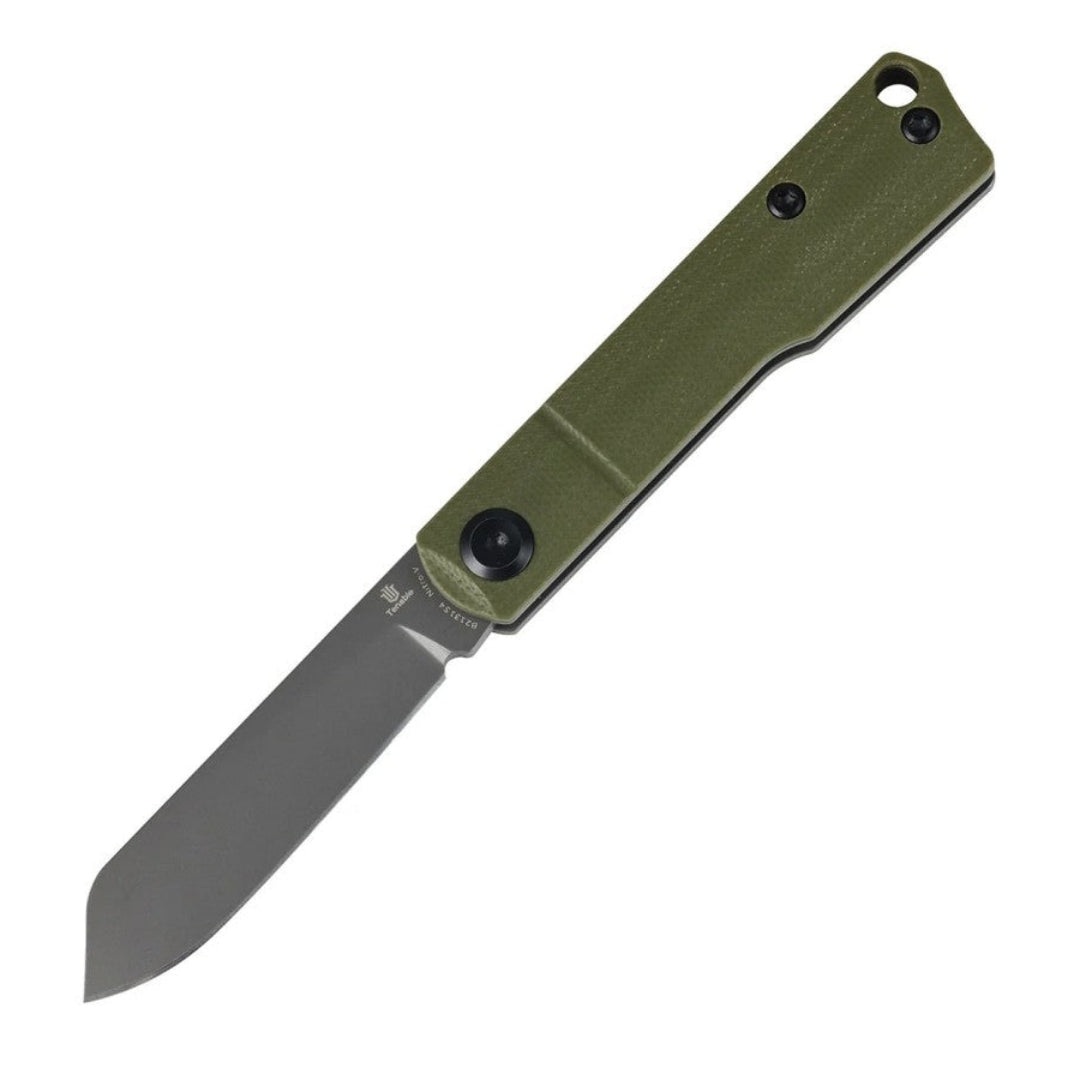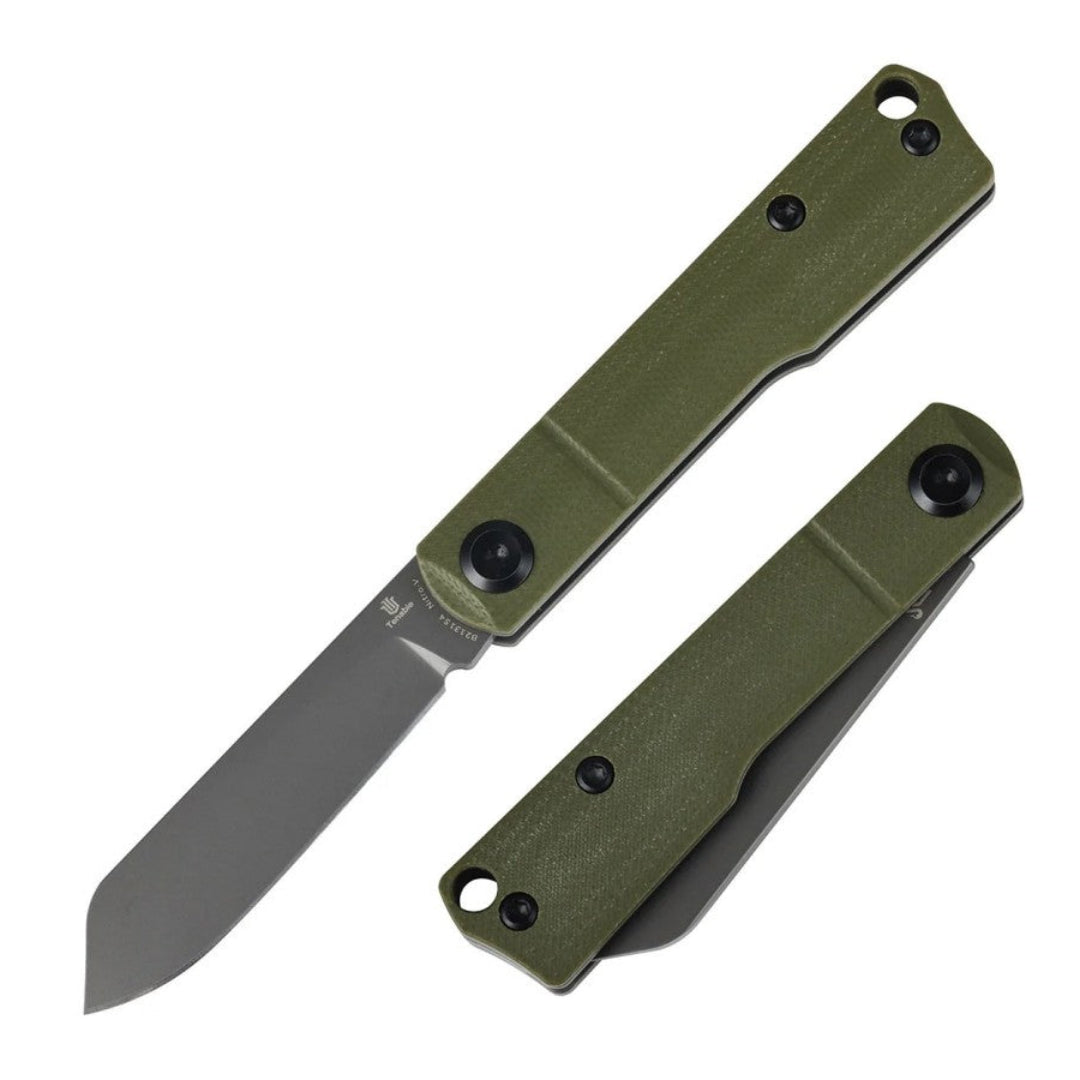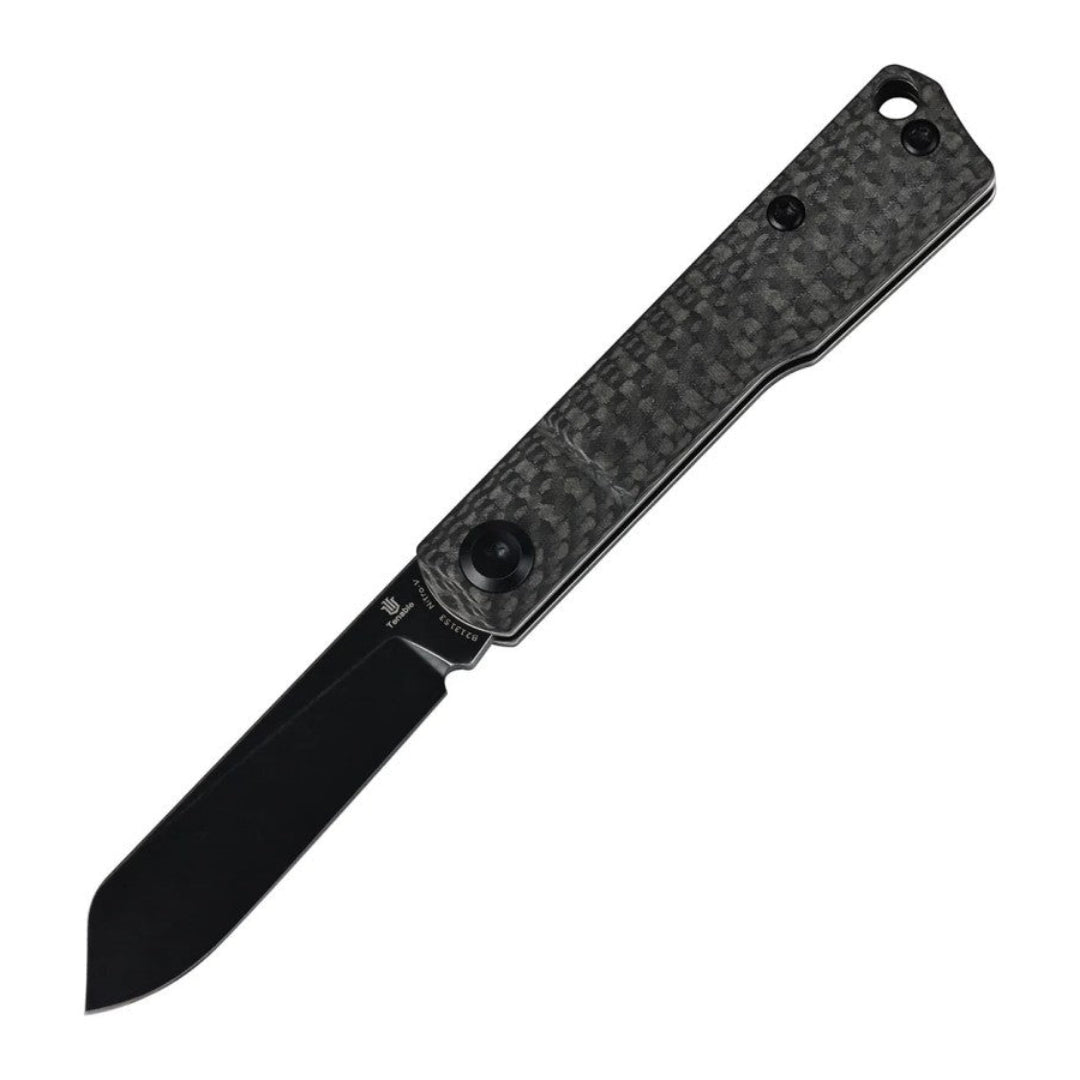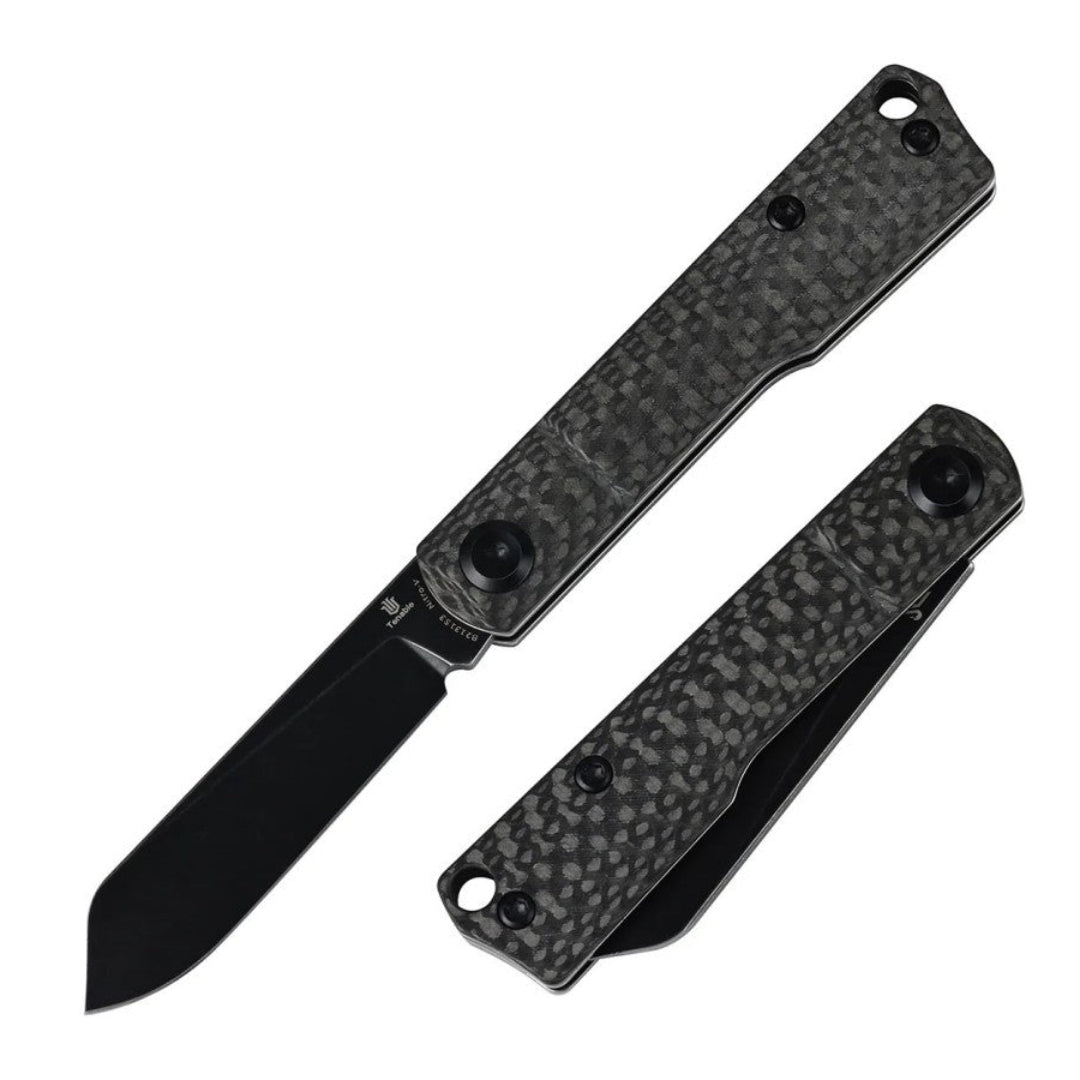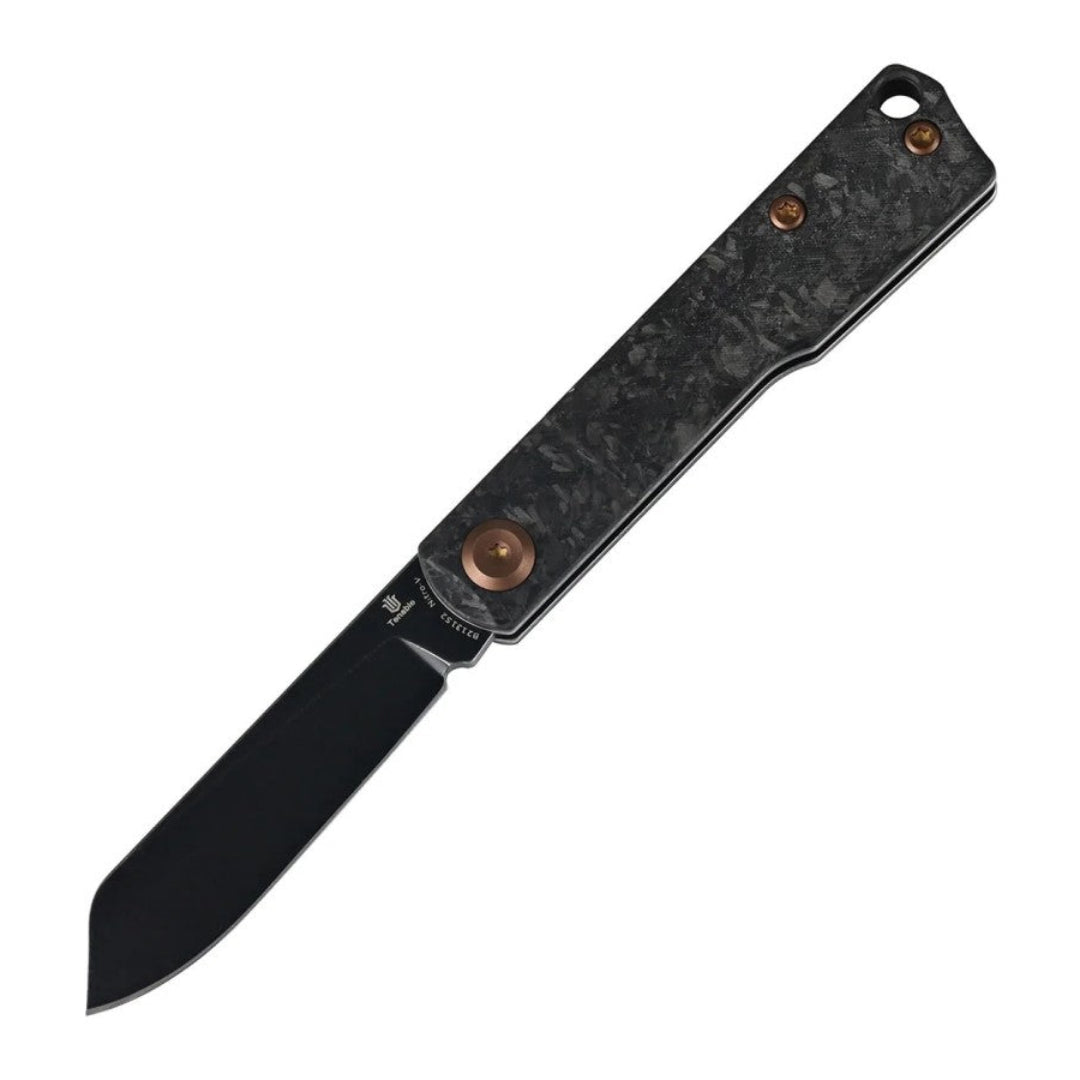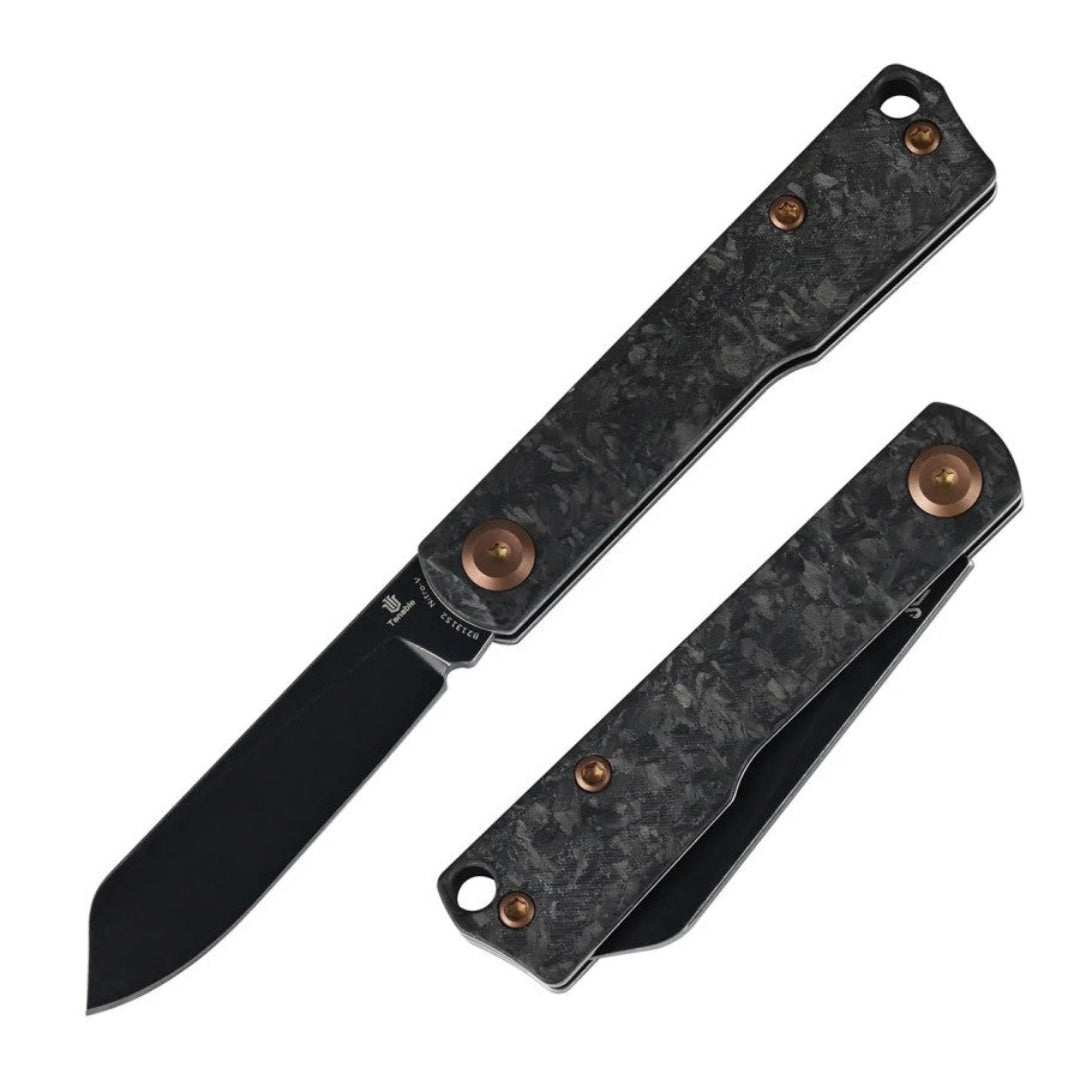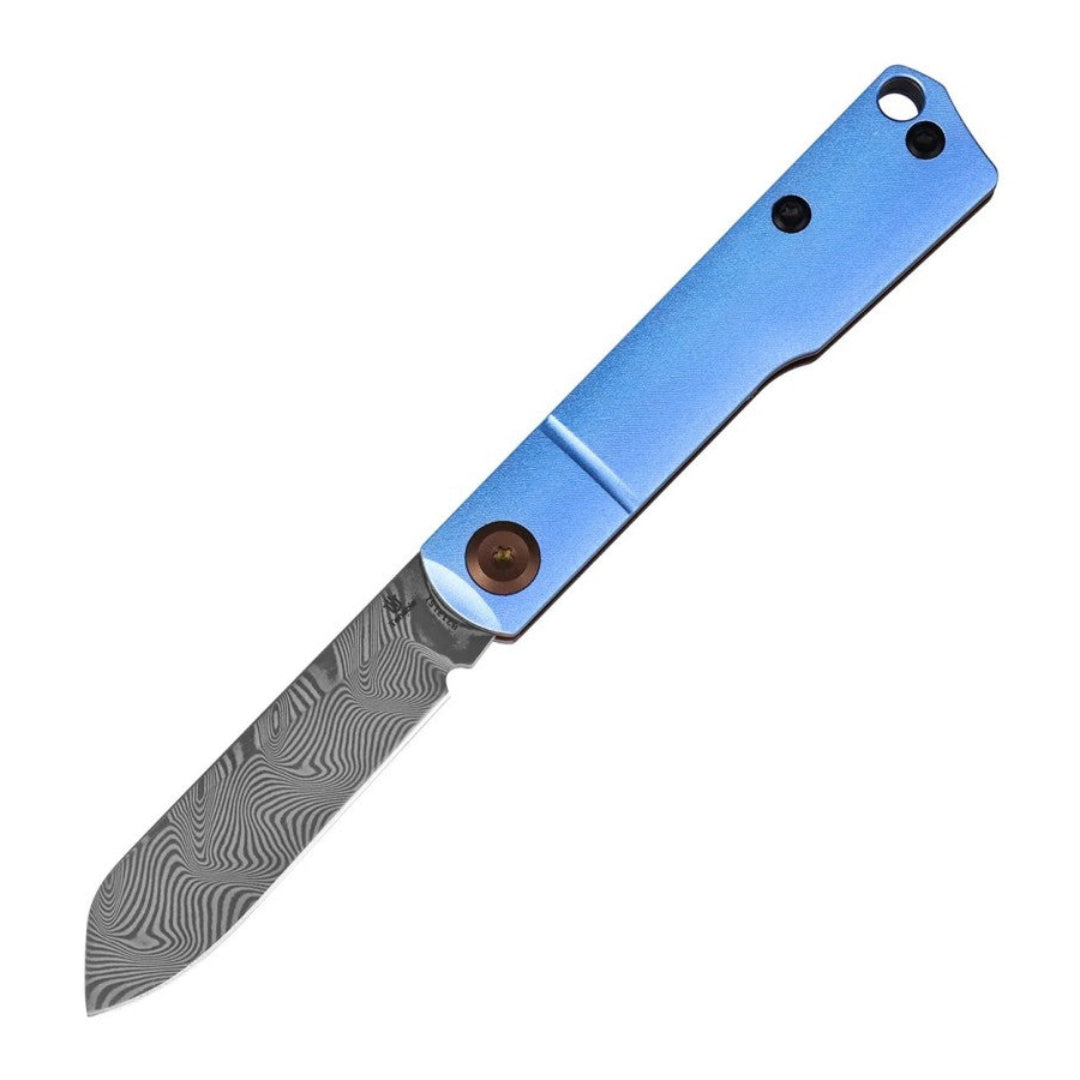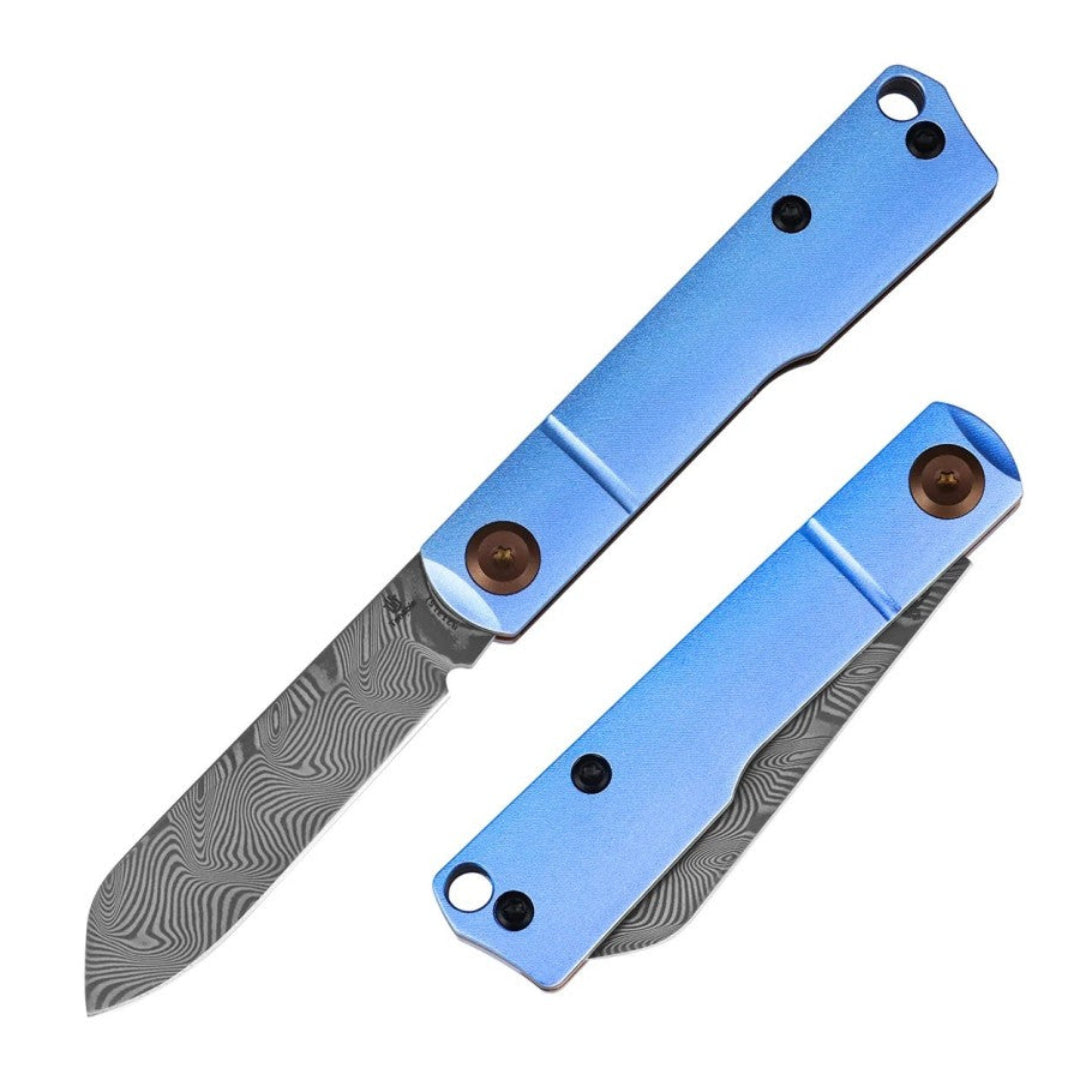
When it comes to choosing between K390 and O1 steel, the decision depends on your specific needs and how you plan to use your tools. Both are high-carbon steels with distinct advantages, and understanding their differences will help you make an informed choice.
K390 Steel: The Tough Performer
K390 is a tool steel known for its exceptional toughness and edge retention. It contains high levels of vanadium and chromium, which contribute to its durability and resistance to wear. This steel is particularly valued in applications where impact resistance matters—such as heavy-duty cutting tools, chisels, and knives that endure demanding work.
One of K390's standout qualities is its ability to withstand stress without chipping or breaking. It maintains a sharp edge reasonably well, though it requires more frequent sharpening compared to some alternatives. The steel is also relatively easy to sharpen, making maintenance straightforward for users who prefer hands-on tool care.
O1 Steel: The Classic Choice
O1 is a water-hardening tool steel that has been trusted for generations. It offers excellent edge retention and is known for being easy to sharpen and work with. O1 steel is popular among craftspeople who value simplicity and reliability in their tools.
This steel is less tough than K390 but compensates with superior edge-holding ability. It's ideal for precision work where maintaining a sharp edge is more important than absorbing heavy impacts. O1 is also more affordable than K390, making it accessible for those building their tool collection.
Key Differences
Toughness: K390 wins in impact resistance and durability under stress. O1 is more brittle and can chip if subjected to heavy impacts.
Edge Retention: O1 holds an edge longer between sharpenings, while K390 requires more frequent maintenance.
Ease of Sharpening: Both are relatively easy to sharpen, though O1 is slightly more forgiving for beginners.
Cost: O1 is typically more budget-friendly than K390.
Which Should You Choose?
Choose K390 if you need a tool that can handle heavy-duty work, frequent impacts, or demanding conditions. It's ideal for professional-grade tools and applications where durability is paramount.
Choose O1 if you prioritize edge retention, ease of maintenance, and cost-effectiveness. It's perfect for precision work, woodworking, and general-purpose cutting tasks.
Ultimately, the better choice depends on your specific application and priorities. Consider the type of work you'll be doing and whether you value toughness or edge retention more highly.