For everyday carry (EDC) enthusiasts who treat their gear as a serious long-term investment, the conversation always returns to blade steel. A knife can look stunning and have buttery-smooth action, but if the steel cannot hold an edge, it fails as a reliable tool.
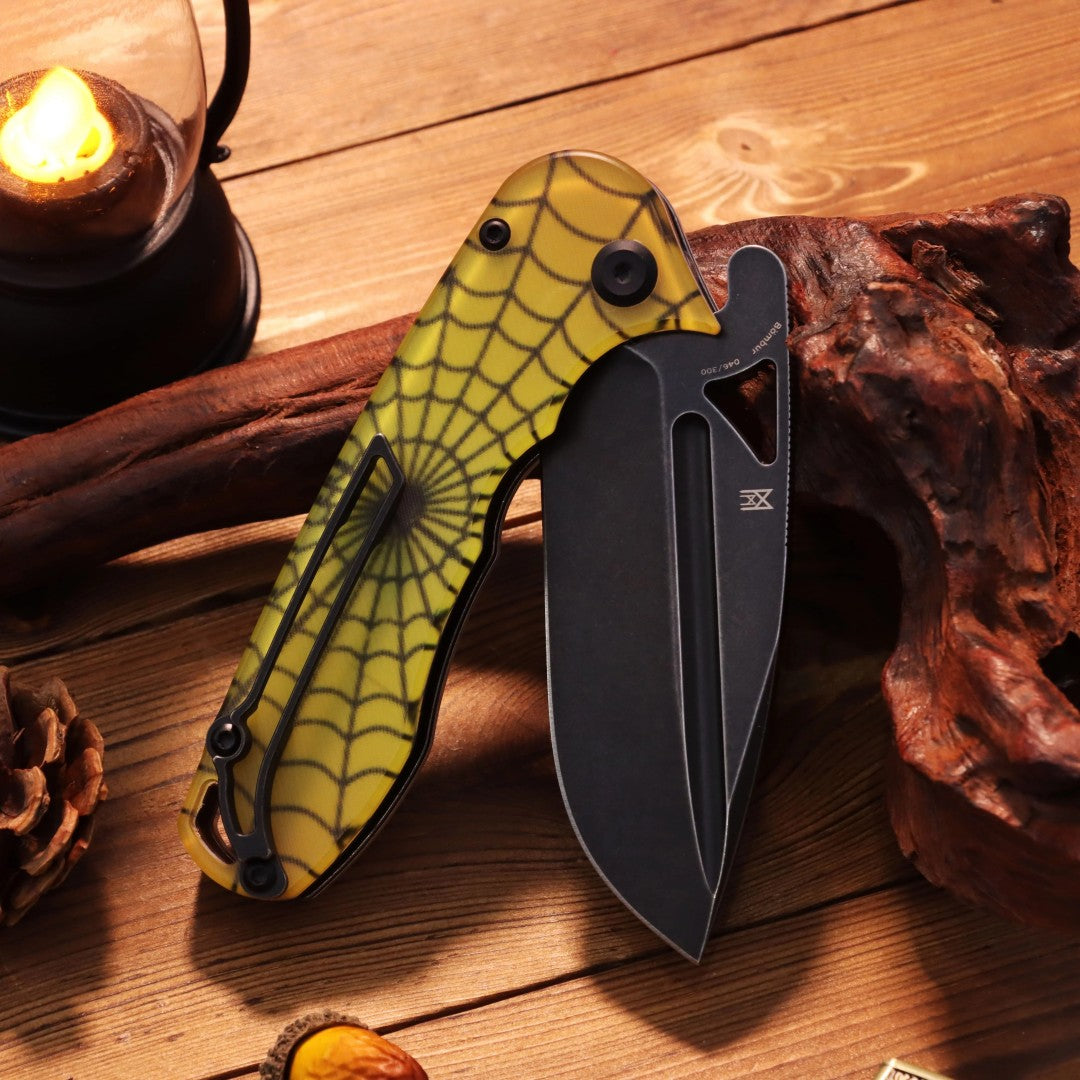
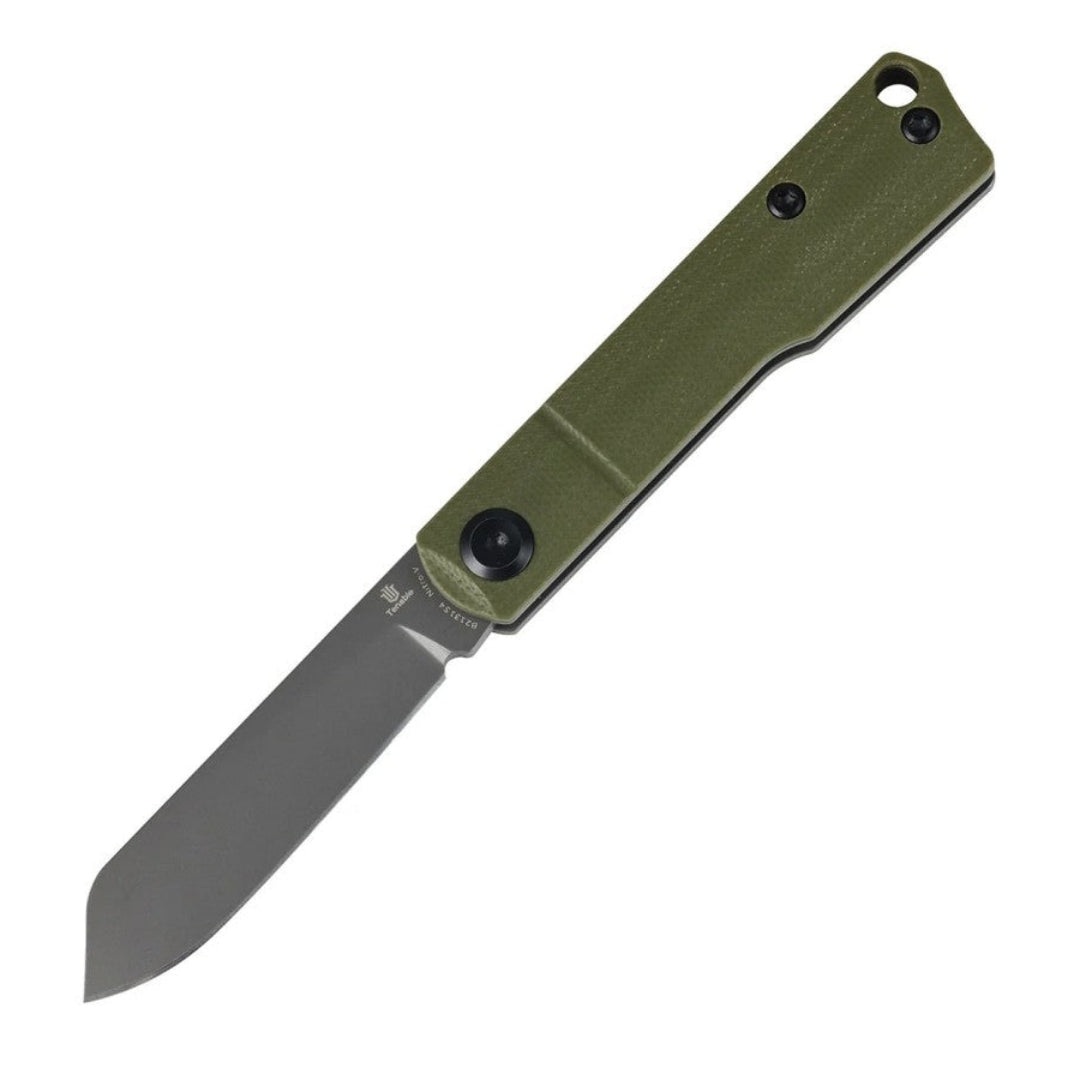
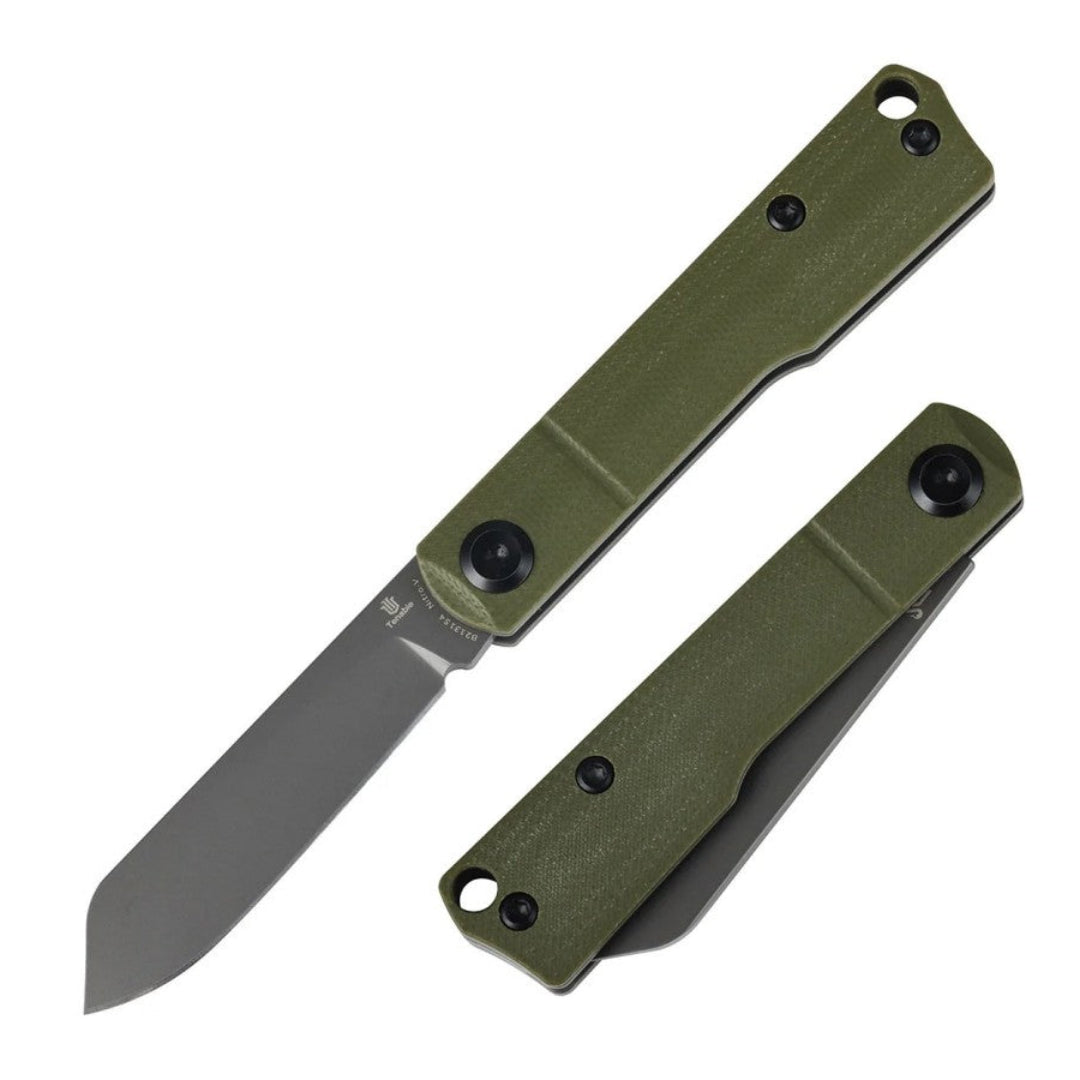
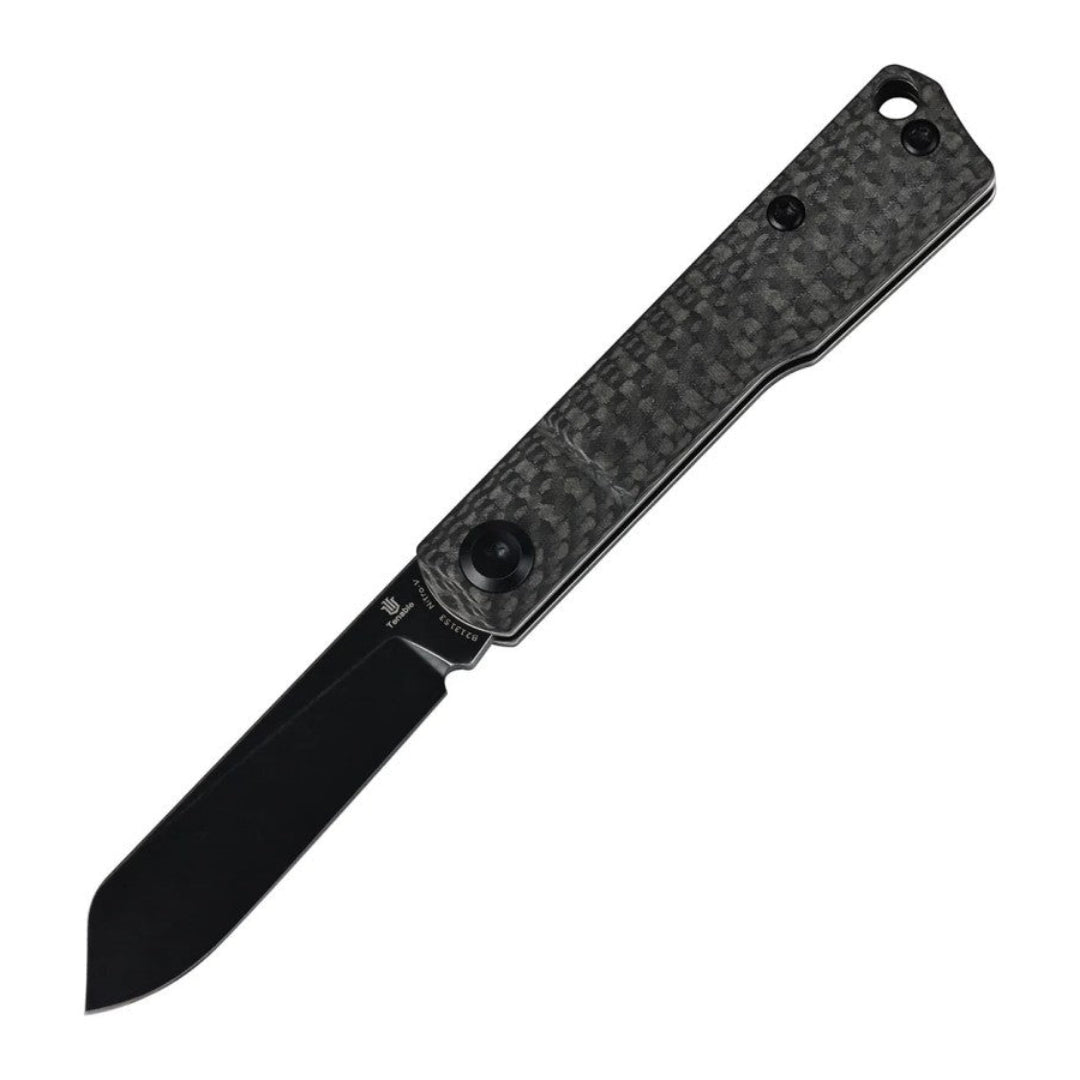
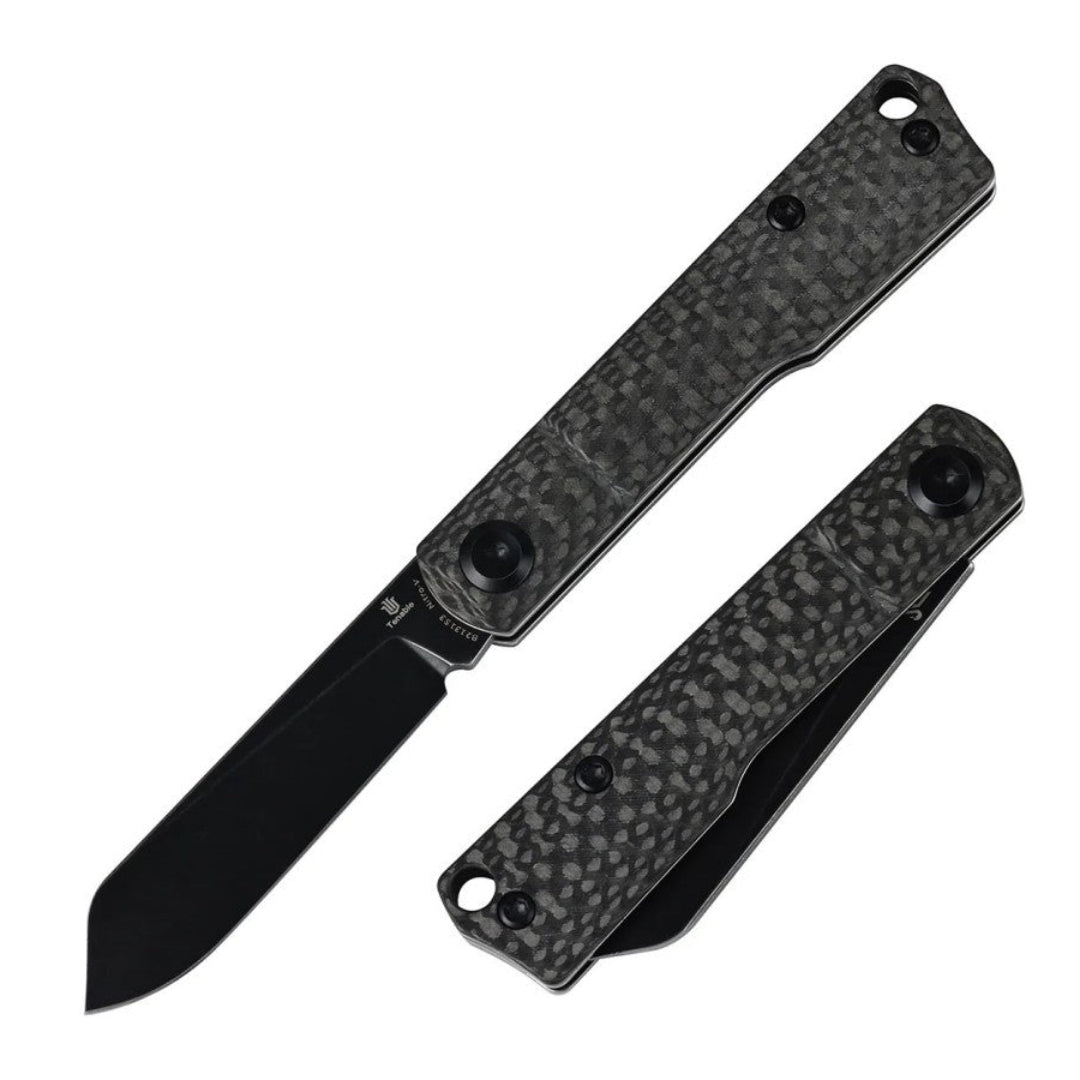
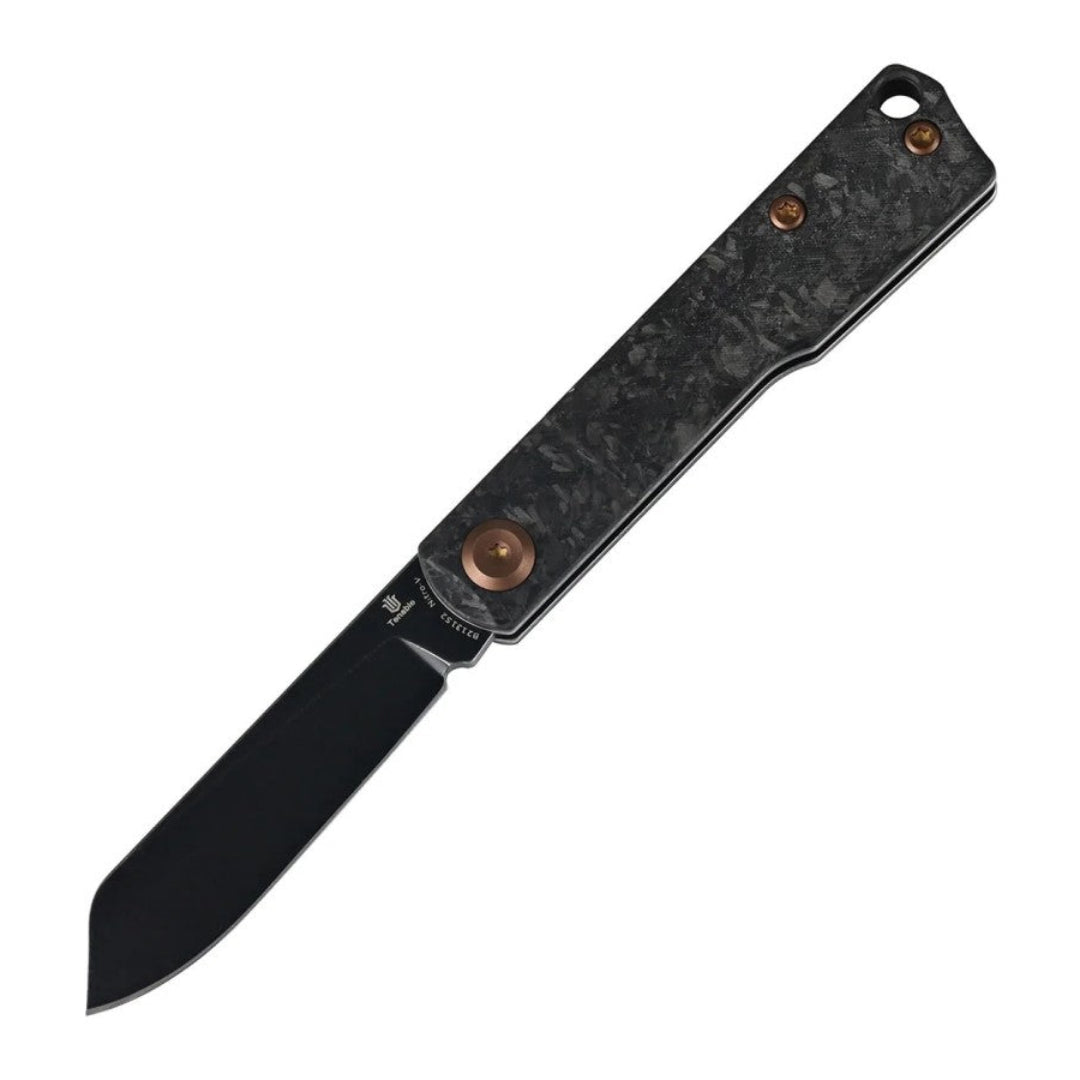
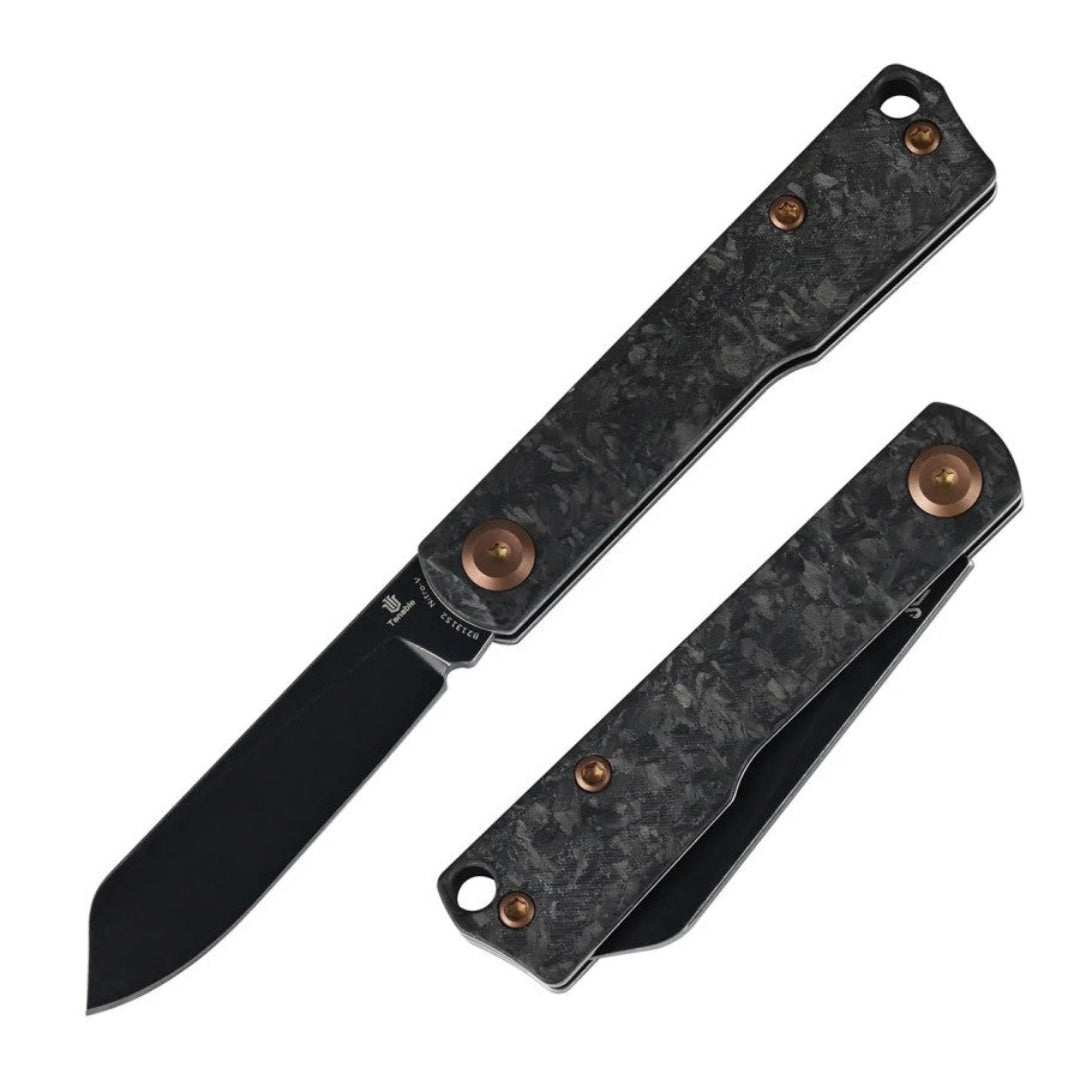
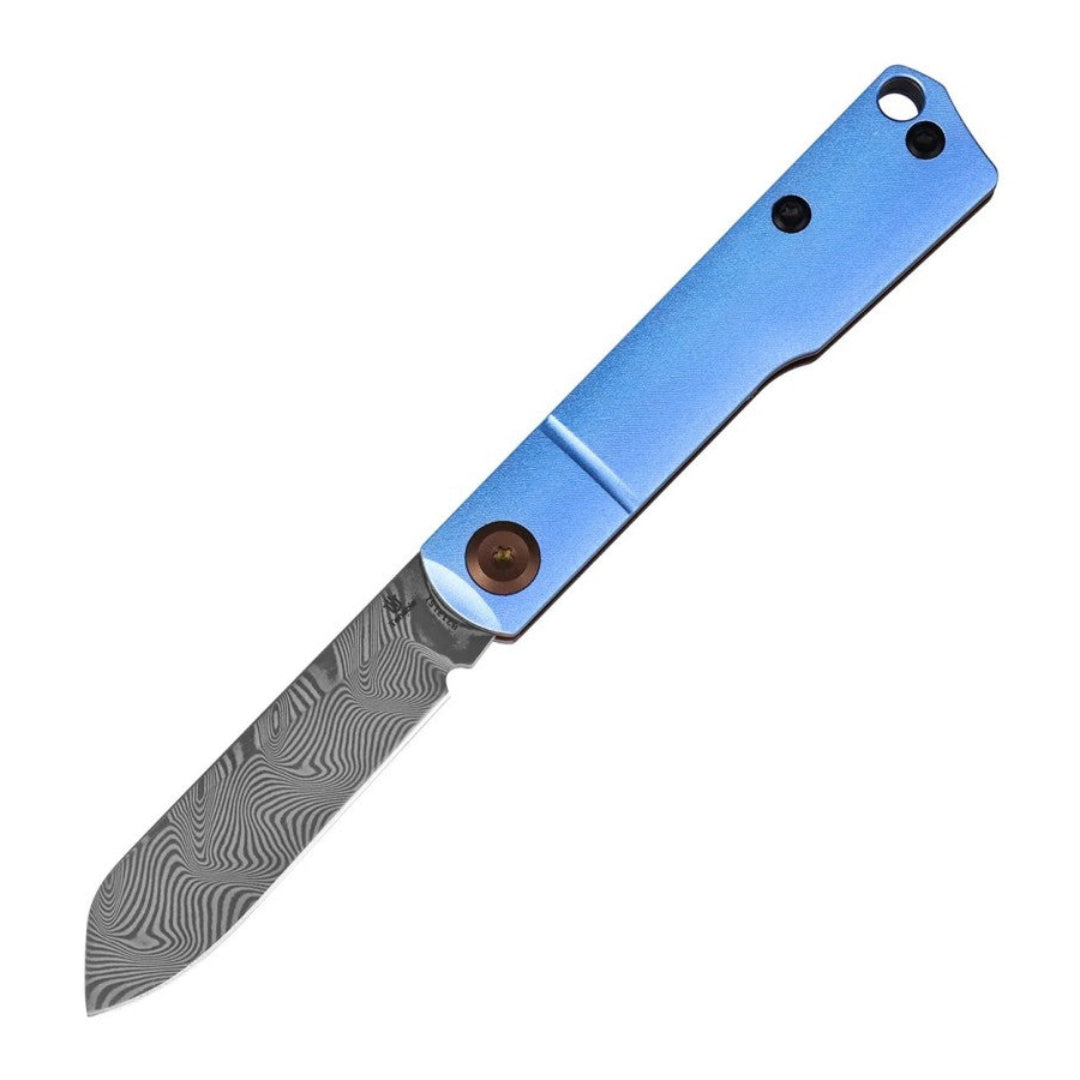
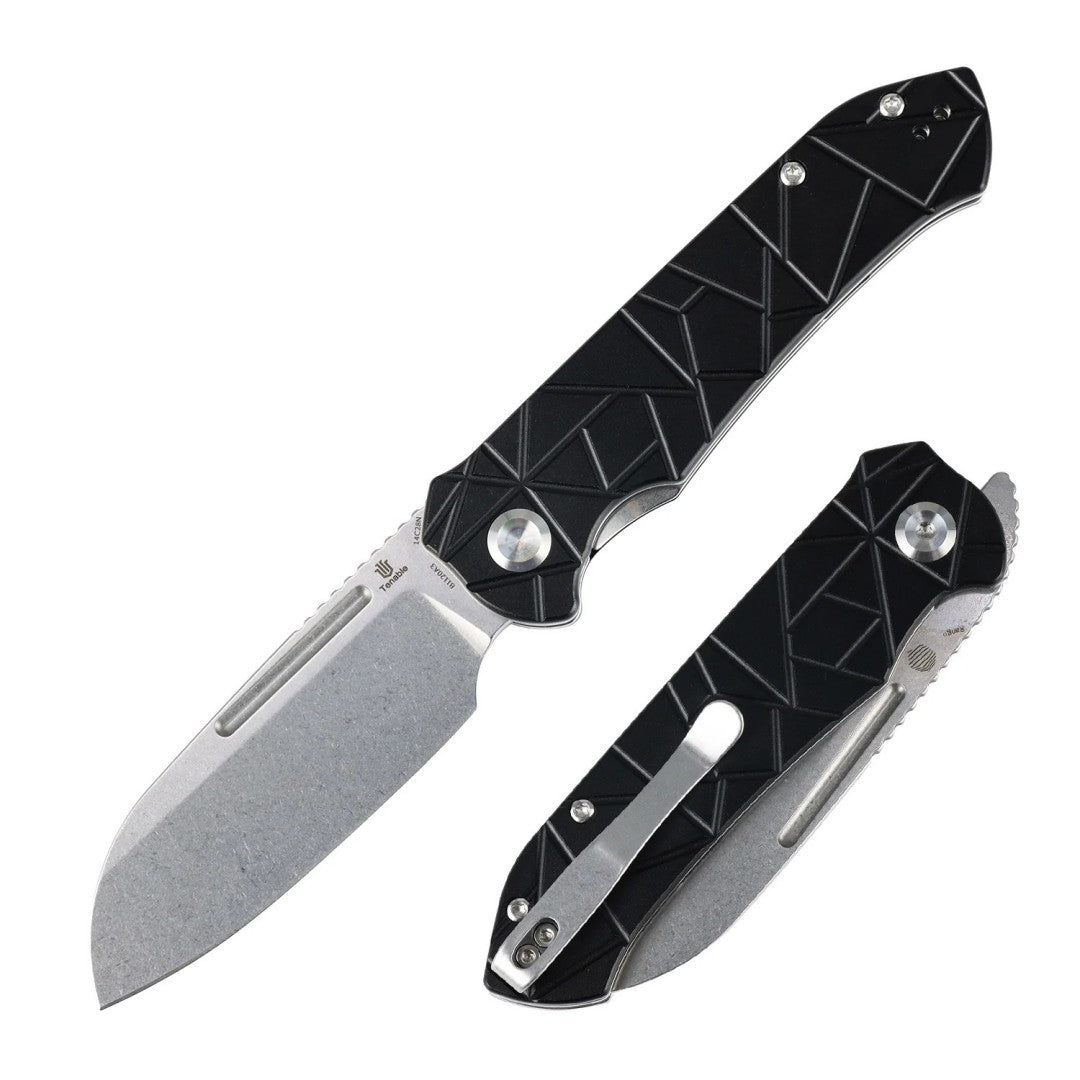
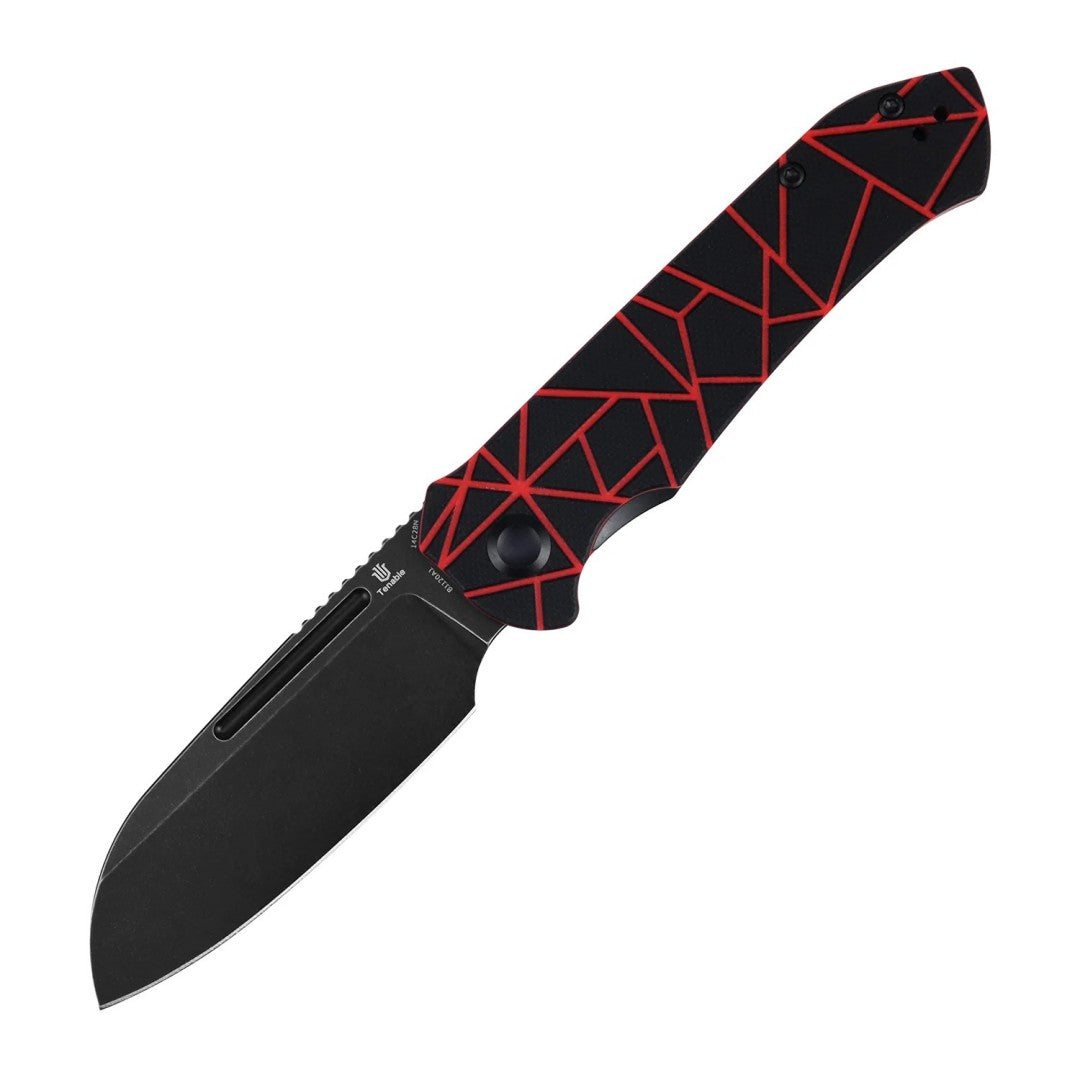
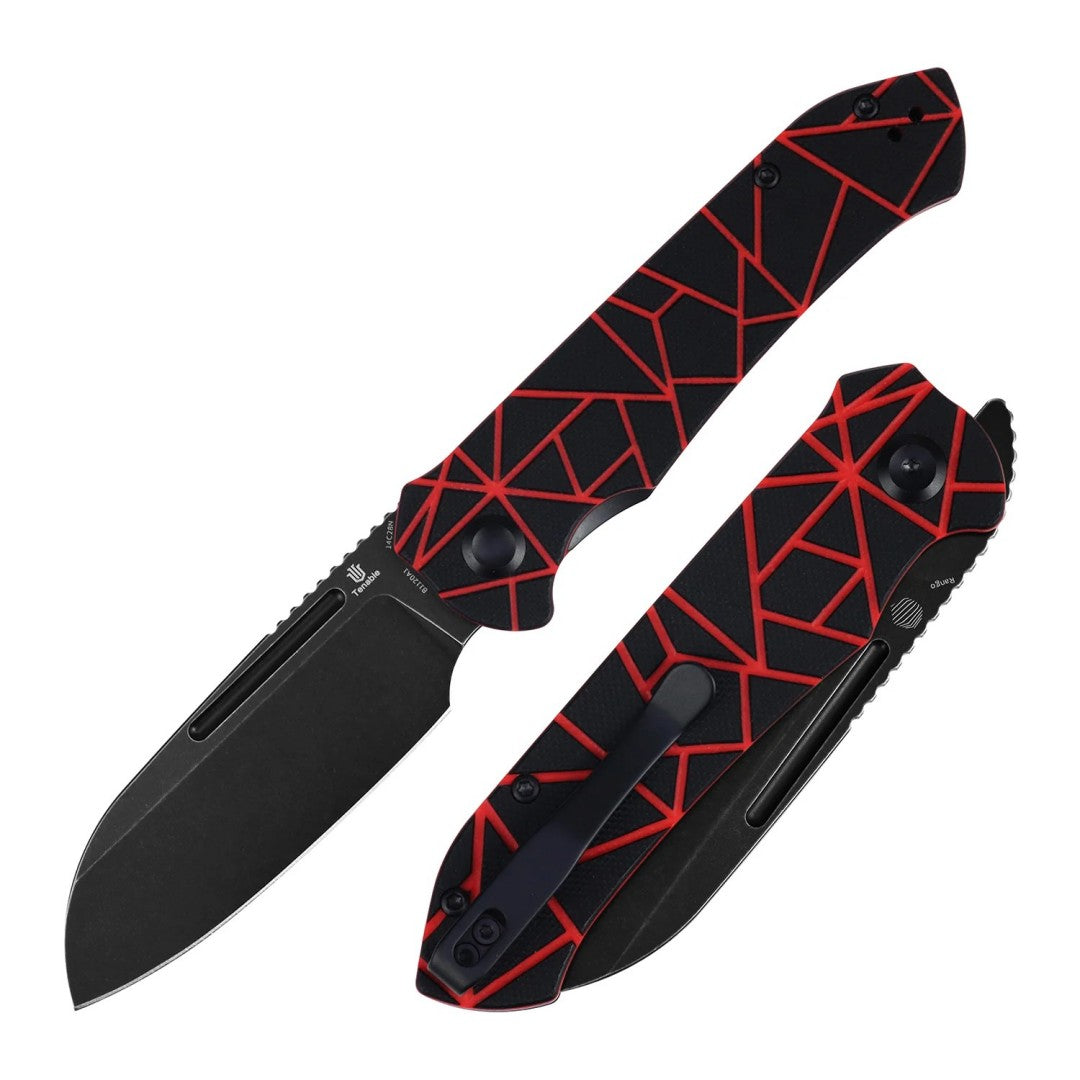
The Kansept Contra, designed by custom maker Nathan Contra, has quickly become a standout folder in the premium tier. While its angular aesthetics and dual-deployment systems capture immediate attention, its true superpower is buried in the atomic structure of its blade.
Let's unpack a full performance breakdown of the elite CPM S90V steel powering the Kansept Contra and discover why it represents the pinnacle of modern metallurgy.

What Makes CPM S90V a Super Steel
Produced by Crucible Industries using their proprietary Crucible Particle Metallurgy (CPM) process, CPM S90V is a high-alloy martensitic stainless tool steel. Traditional steel manufacturing allows elements to pool as they cool, creating uneven clumps of carbide structures. The CPM process prevents this by blasting molten steel through a high-pressure nozzle into a fine powder, which is then hot-isostatically pressed into a completely uniform matrix.
The standout secret behind S90V's legendary performance lies in its specific chemical composition:
| Alloy Element | Percentage | Primary Performance Benefit |
| Carbon (C) | 2.30% | Increases baseline hardness and tensile strength |
| Chromium (Cr) | 14.00% | Provides strong stain resistance and corrosion protection |
| Vanadium (V) | 9.00% | Forms exceptionally hard vanadium carbides for wear resistance |
| Molybdenum (Mo) | 1.00% | Improves high-temperature strength and machinability |
Real-World Performance Metrics
To truly evaluate how the Kansept Contra handles daily tasks, we need to analyze how this chemistry translates into the four main pillars of blade steel performance.
1. Edge Retention (Elite Tier)
This is where CPM S90V completely dominates the market. Thanks to its massive 9% vanadium content, the steel matrix is packed with vanadium carbides. These carbides are significantly harder than the chromium carbides found in standard steels like S35VN or D2. In real-world use, you can cut cardboard, heavy rope, and wood indefinitely without noticing any degradation in slicing aggression.
2. Corrosion Resistance (High Tier)
With 14% chromium, S90V qualifies as a true stainless steel. Because the vanadium grabs the excess carbon to form vanadium carbides, it leaves a huge portion of "free chromium" available throughout the matrix to form a protective chromium-oxide layer. The Contra will easily resist pocket sweat, fruit acids, and damp environments without spotting or rusting.
3. Toughness (Moderate Tier)
Toughness refers to a blade's resistance to chipping or breaking under impact. Because S90V is so densely loaded with hard carbides, it sacrifices a small degree of structural flexibility. While it is incredibly resilient for standard cutting, slicing, and piercing, it should not be used for heavy prying or hammering tasks.
4. Ease of Sharpening (Challenging Tier)
The very trait that keeps the Contra sharp for months—wear resistance—makes it a challenge to sharpen on traditional natural stones. Standard aluminum oxide wheels or Arkansas stones will struggle against the vanadium carbides. To properly maintain or repair this edge, you will need to use premium diamond or ceramic sharpening systems.

How the Contra Geometry Maximizes S90V
A great steel can be held back by bad geometry, but Nathan Contra designed the blade profile to lean directly into S90V's strengths.
The Precision Hollow Grind: Kansept gave the Contra a precise hollow grind. This leaves the spine thick and rigid for structural integrity, while thinning out the steel dramatically right before it transitions into the apex edge. This ultra-thin geometry ensures the knife remains a surgical slicer even after multiple re-sharpenings.
Furthermore, the sheepsfoot tip drops the spine down to meet a straight cutting edge. This eliminates a fragile, needle-thin tip, reinforcing the blade profile against the exact micro-chipping that highly alloyed super-steels can sometimes face under lateral pressure.
Final Verdict
The Kansept Contra isn't just an aesthetically striking piece of pocket art; it is a meticulously engineered cutting tool. By selecting CPM S90V, Kansept ensures that the knife offers a level of edge longevity that few folders on the market can match. If you want a daily workhorse that requires minimal edge maintenance and laughs at abrasive materials, the S90V Kansept Contra is a highly justified premium investment.
Frequently Asked Questions
How does CPM S90V compare to CPM S35VN or M390?
CPM S90V offers significantly higher wear resistance and longer edge retention than both S35VN and M390 due to its 9% vanadium content. However, M390 is slightly easier to sharpen and offers marginally better corrosion resistance, while S35VN provides superior impact toughness and is much easier to field-maintain.
Why does the Kansept Contra utilize a hollow grind on S90V steel?
A hollow grind creates an exceptionally thin edge profile behind the apex. Because S90V holds its edge for an incredibly long time, this thin geometry allows the blade to pass through materials like thick cardboard with minimal resistance, maximizing the slicing efficiency of the hard tool steel.
What is the best way to touch up the edge on an S90V blade?
Because S90V contains ultra-hard vanadium carbides, traditional sharpening stones will glaze over. The best way to touch up your Kansept Contra is by using a high-quality diamond-coated plate or a ceramic rod system, followed by a leather strop loaded with diamond emulsion compound to polish the edge.