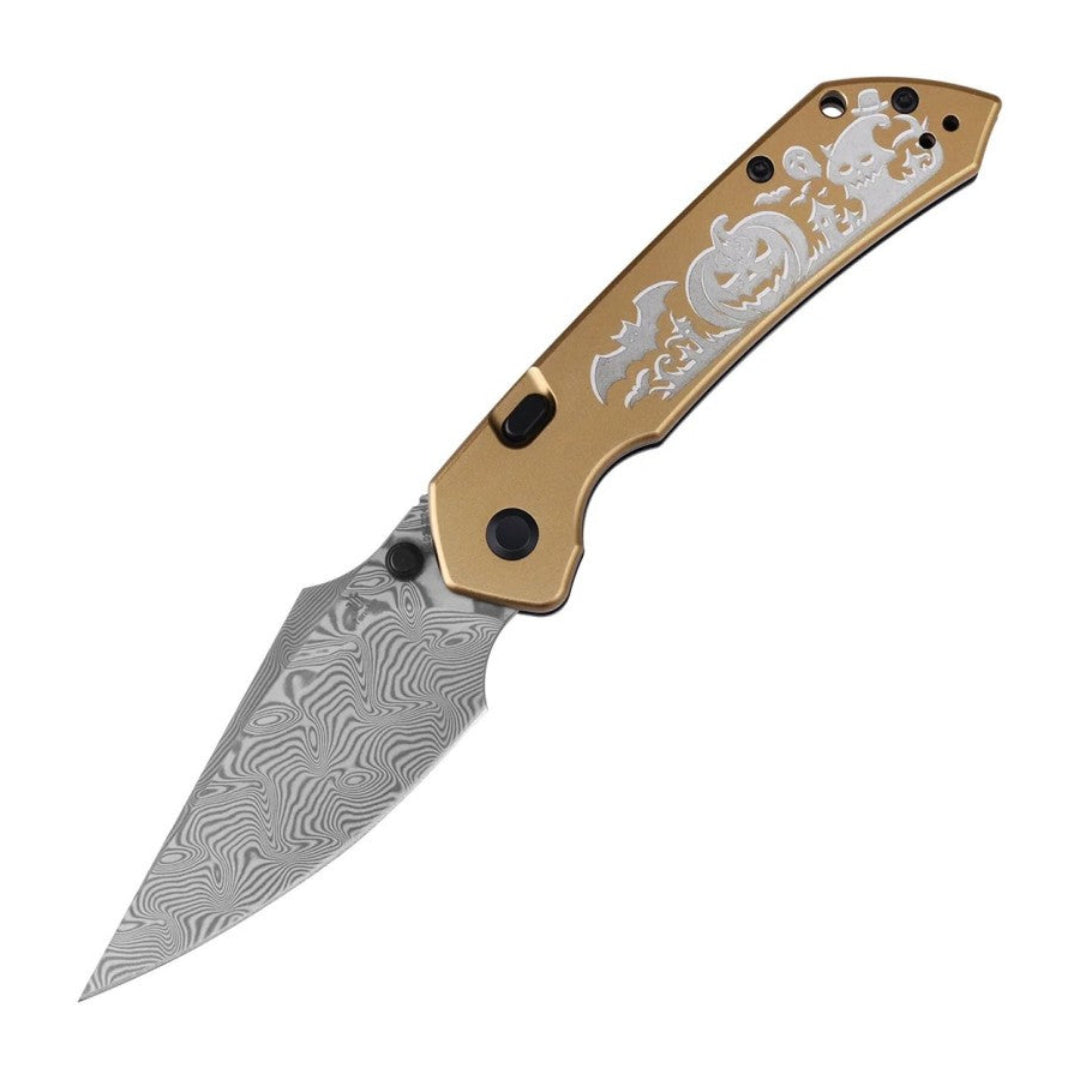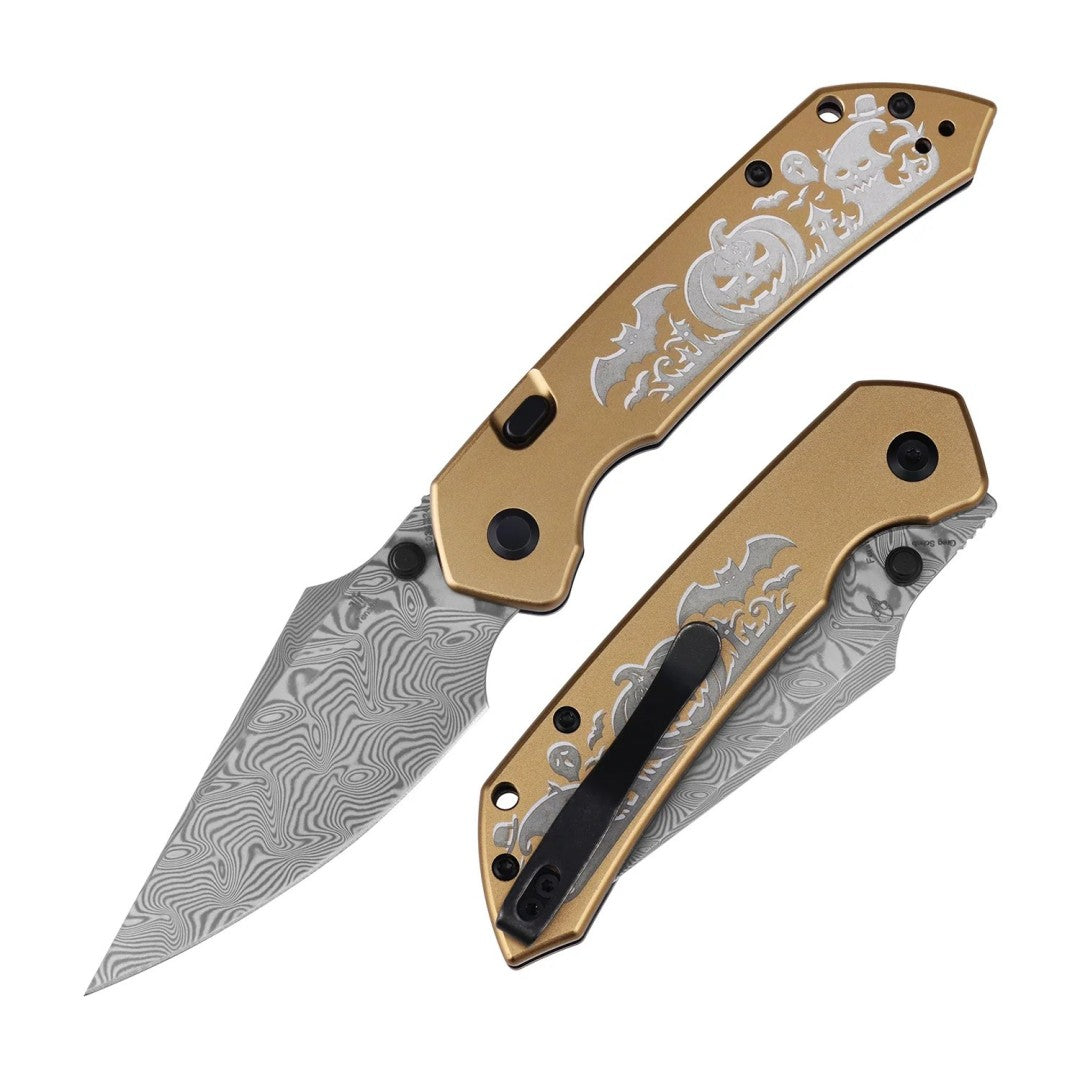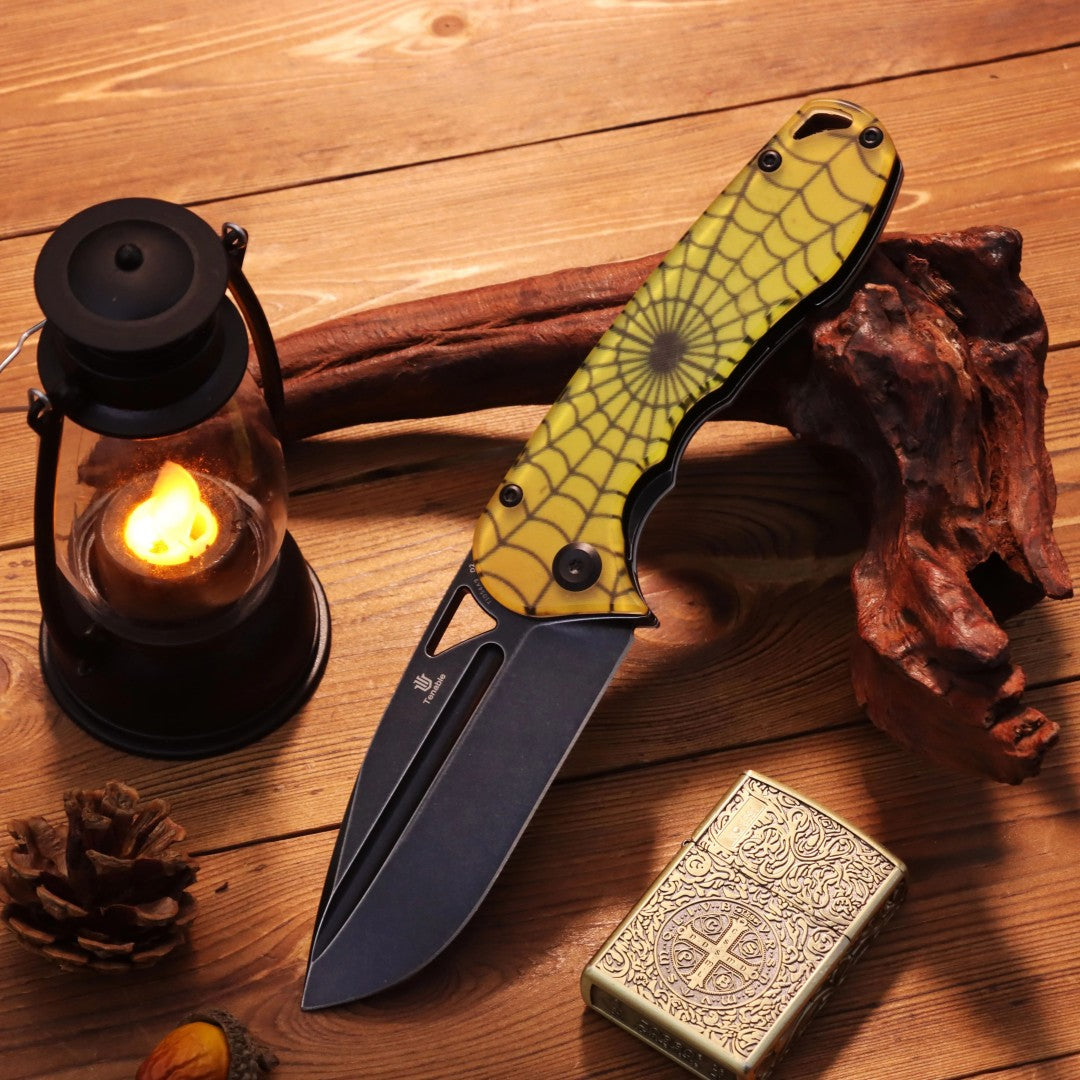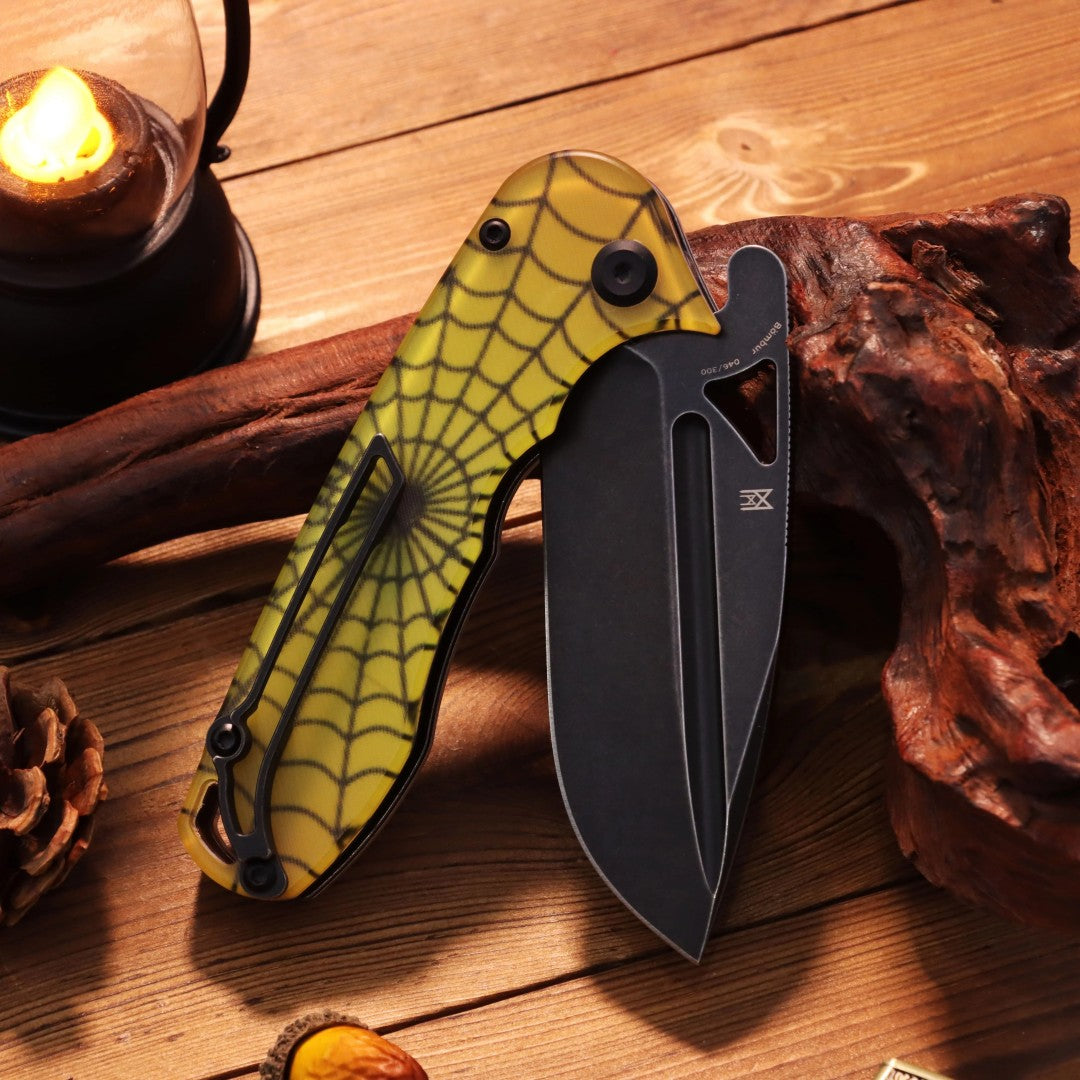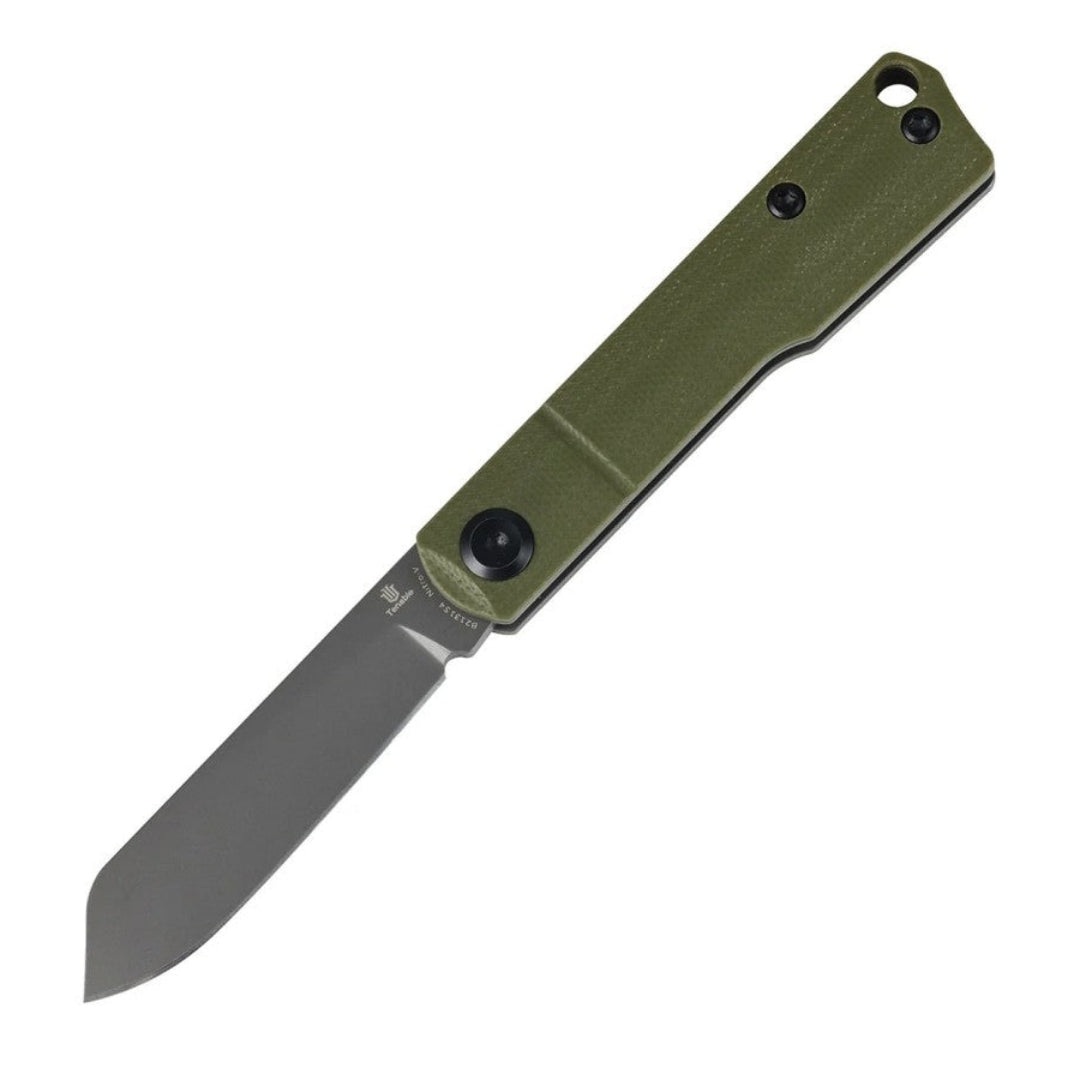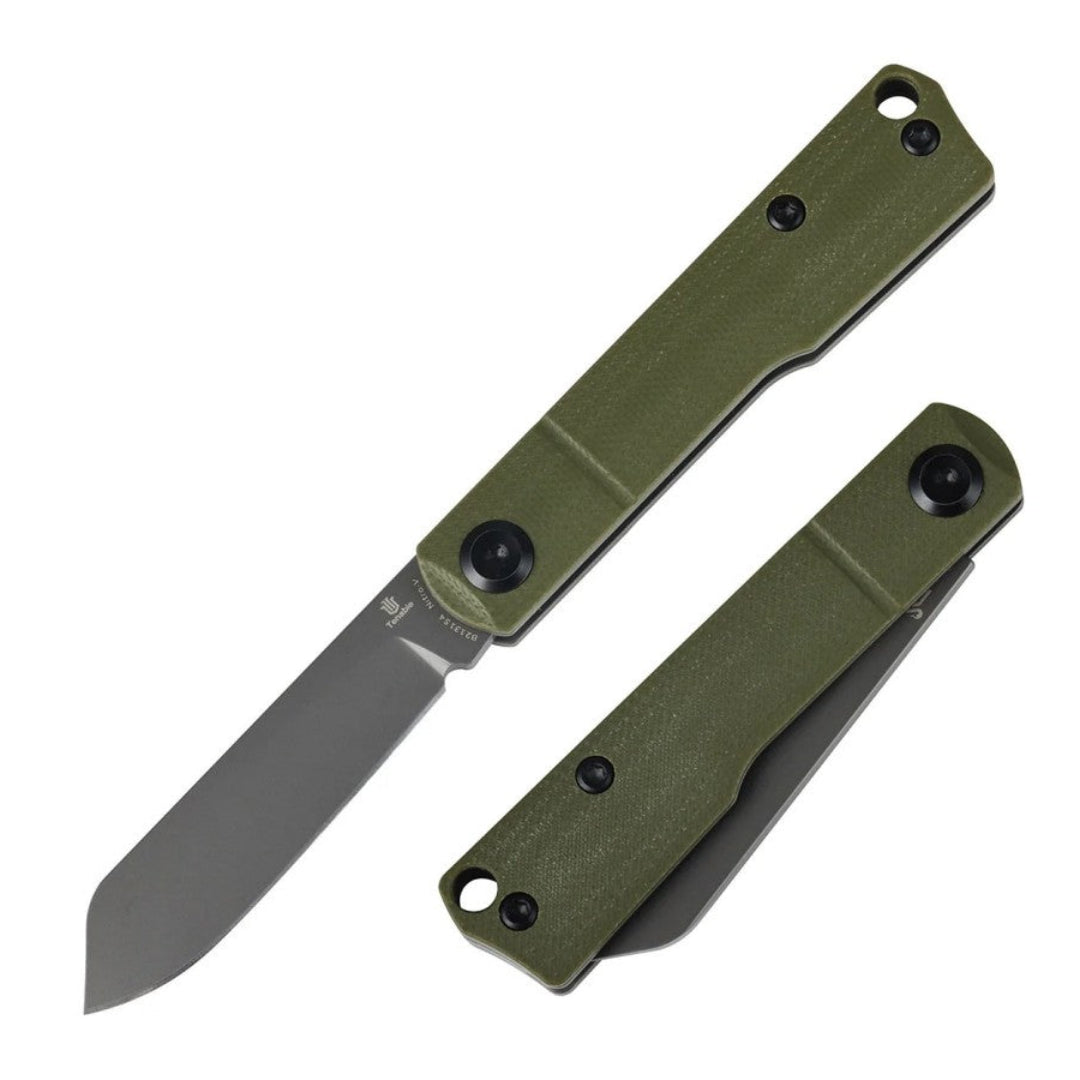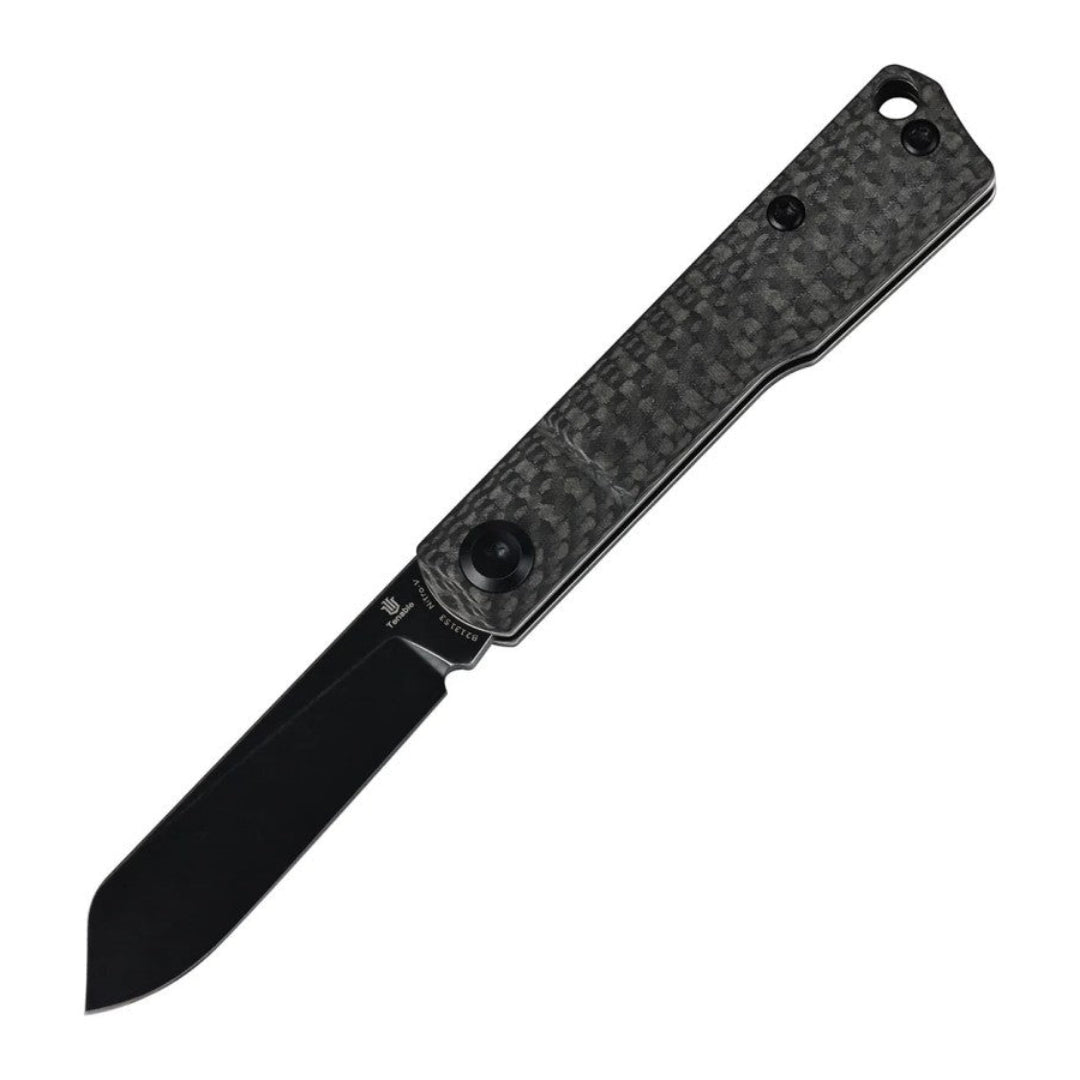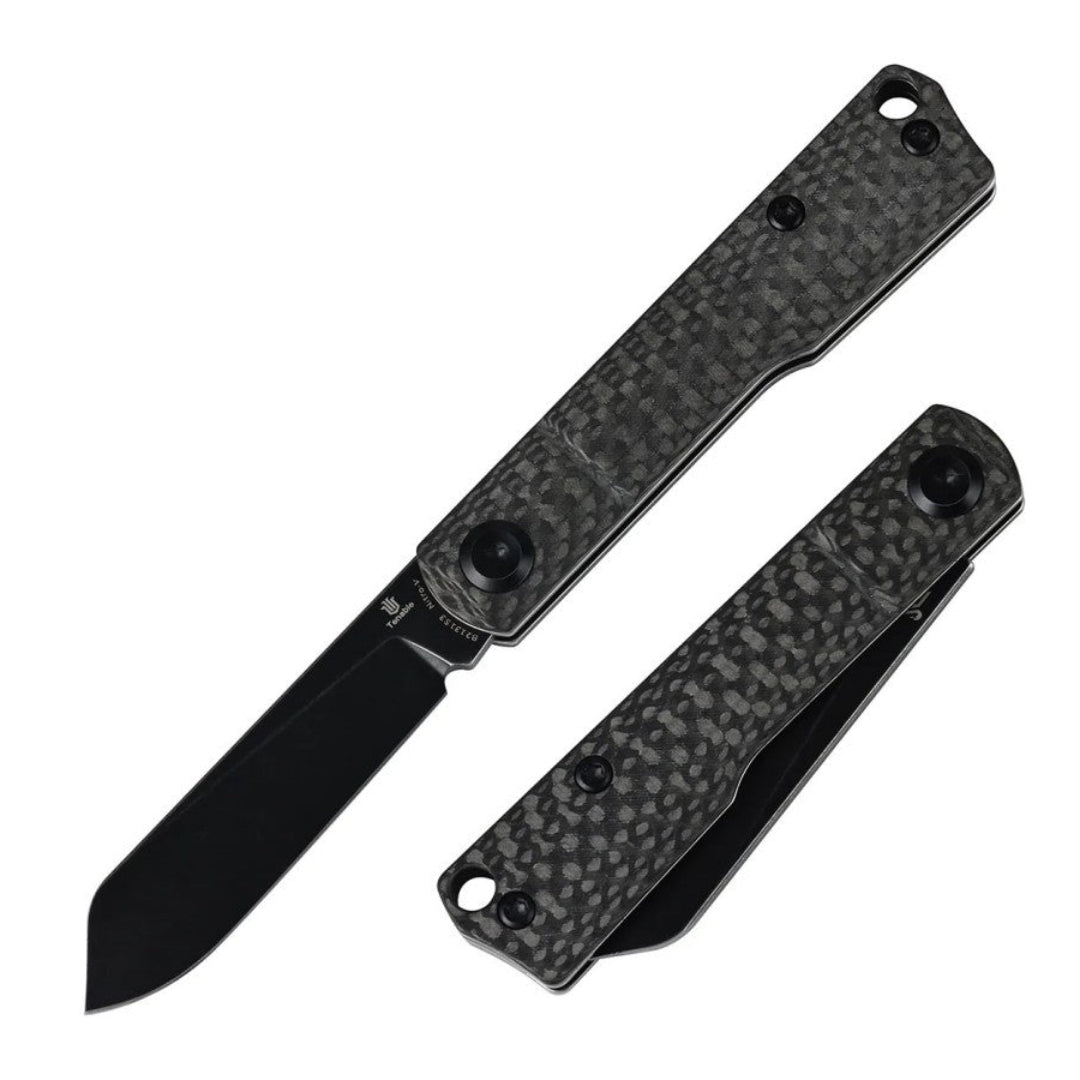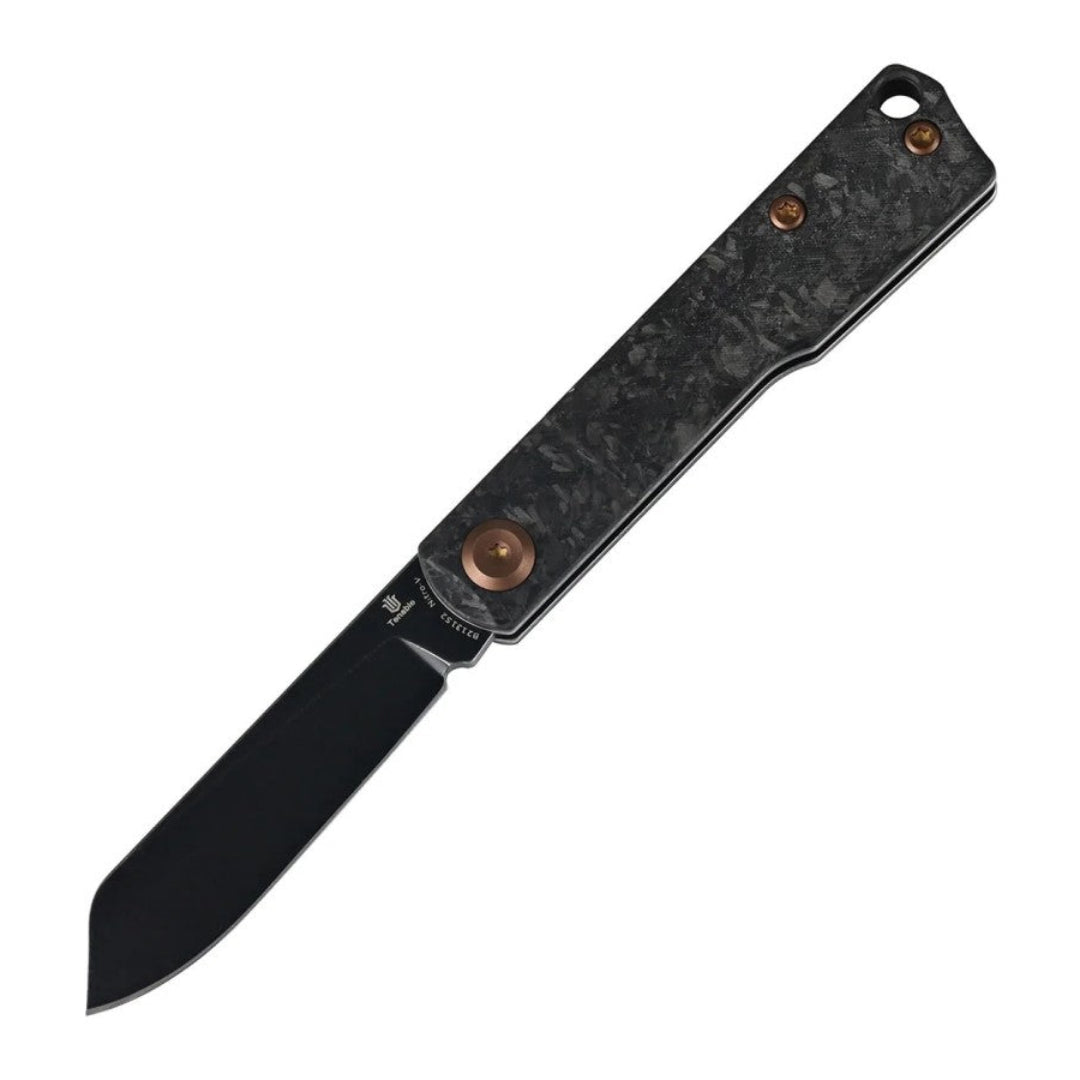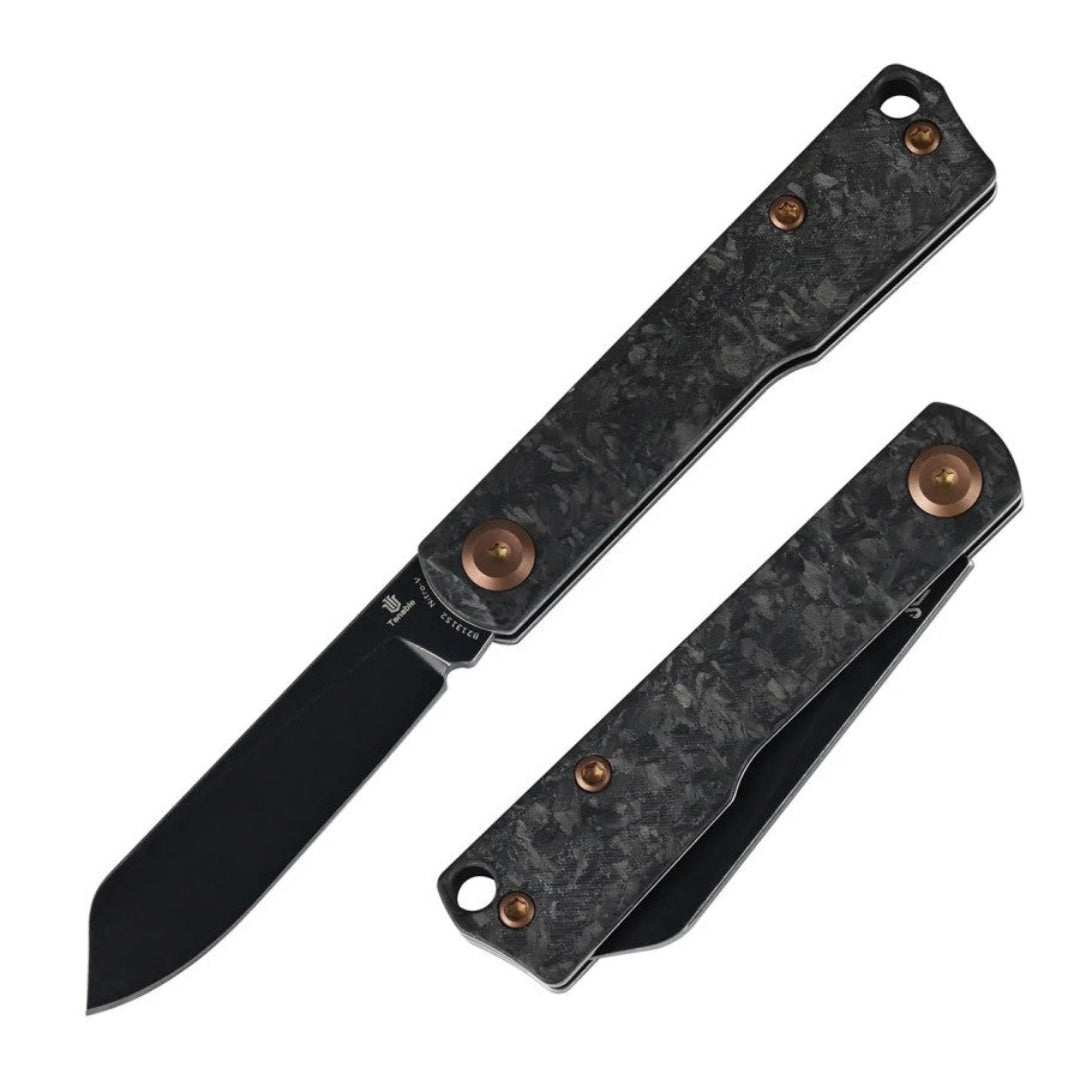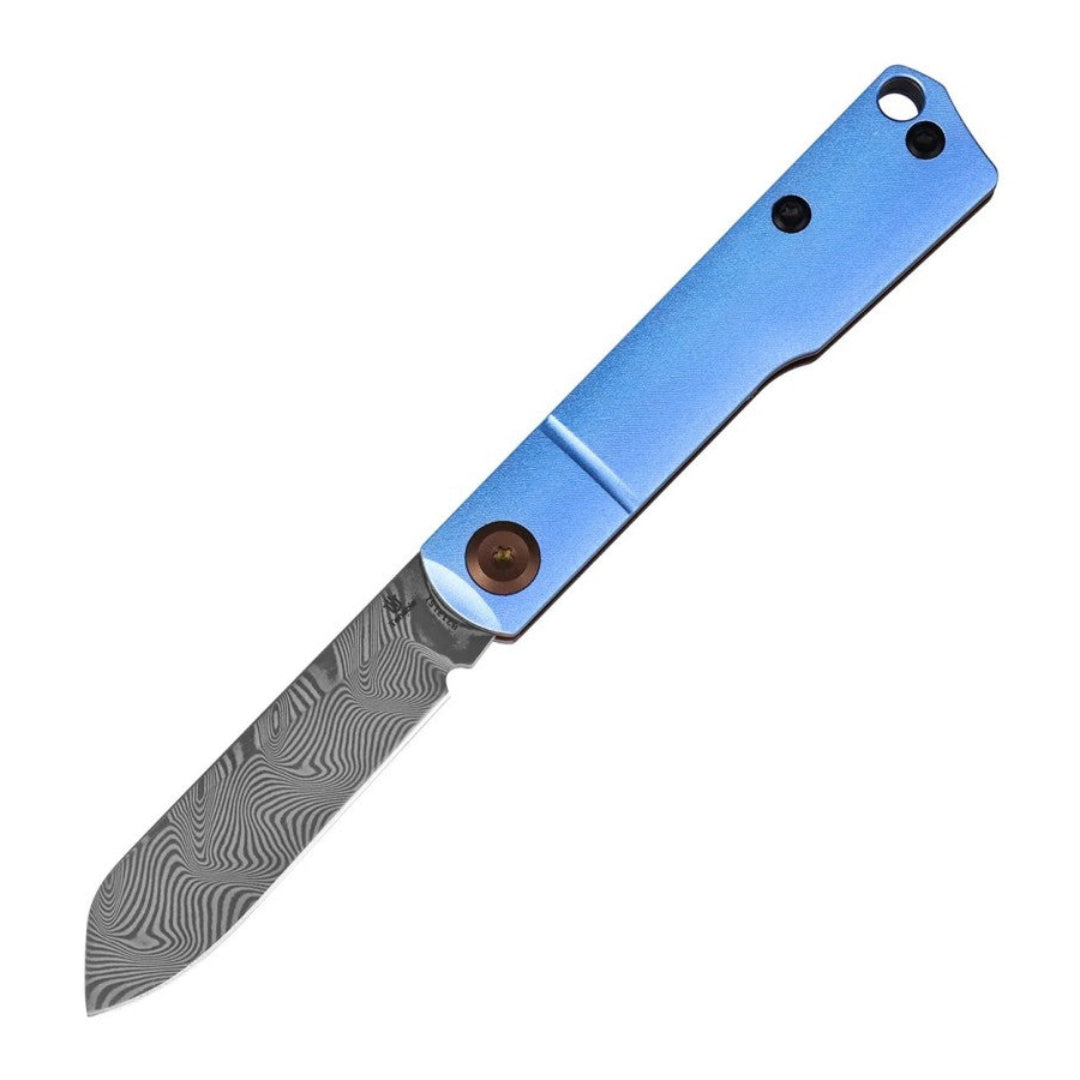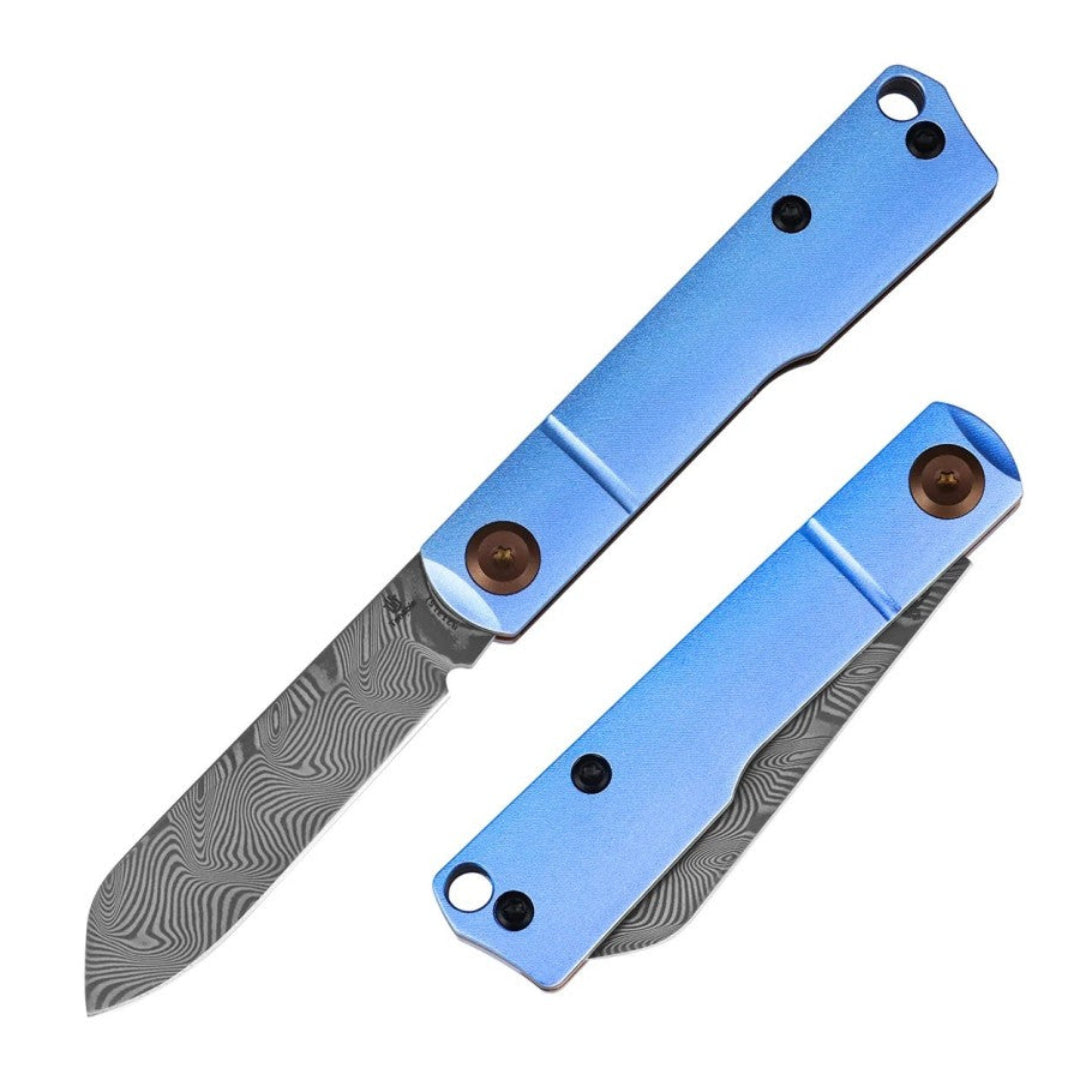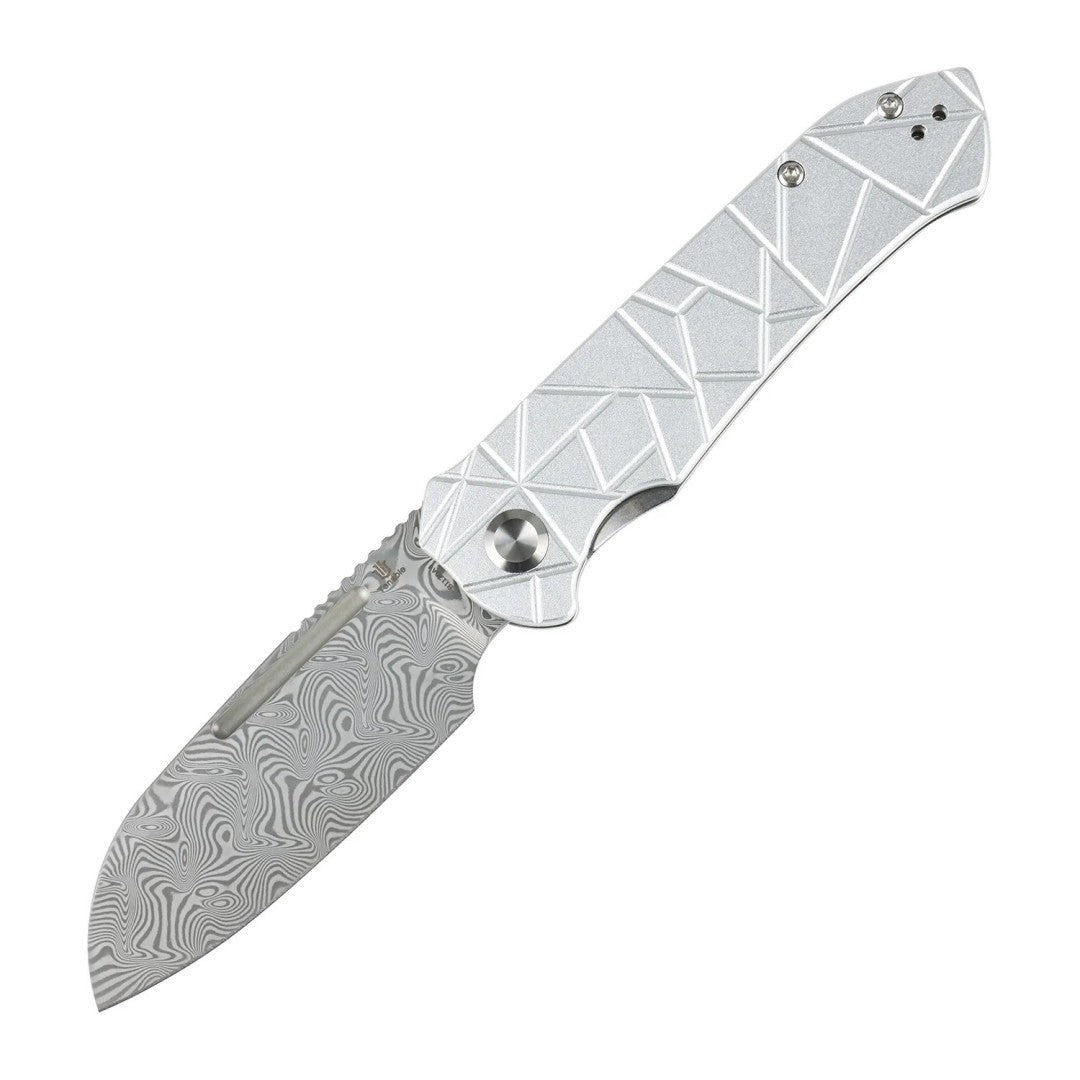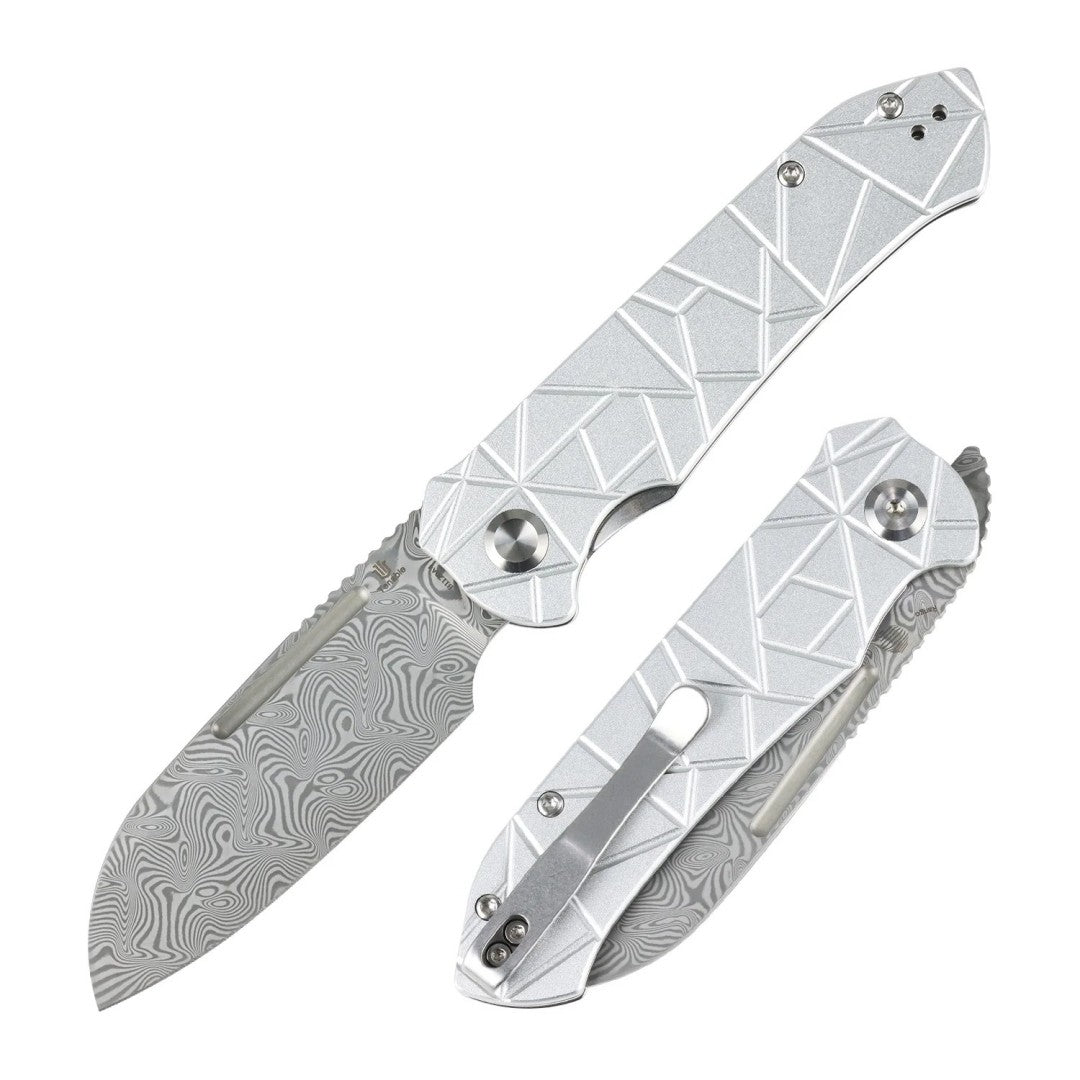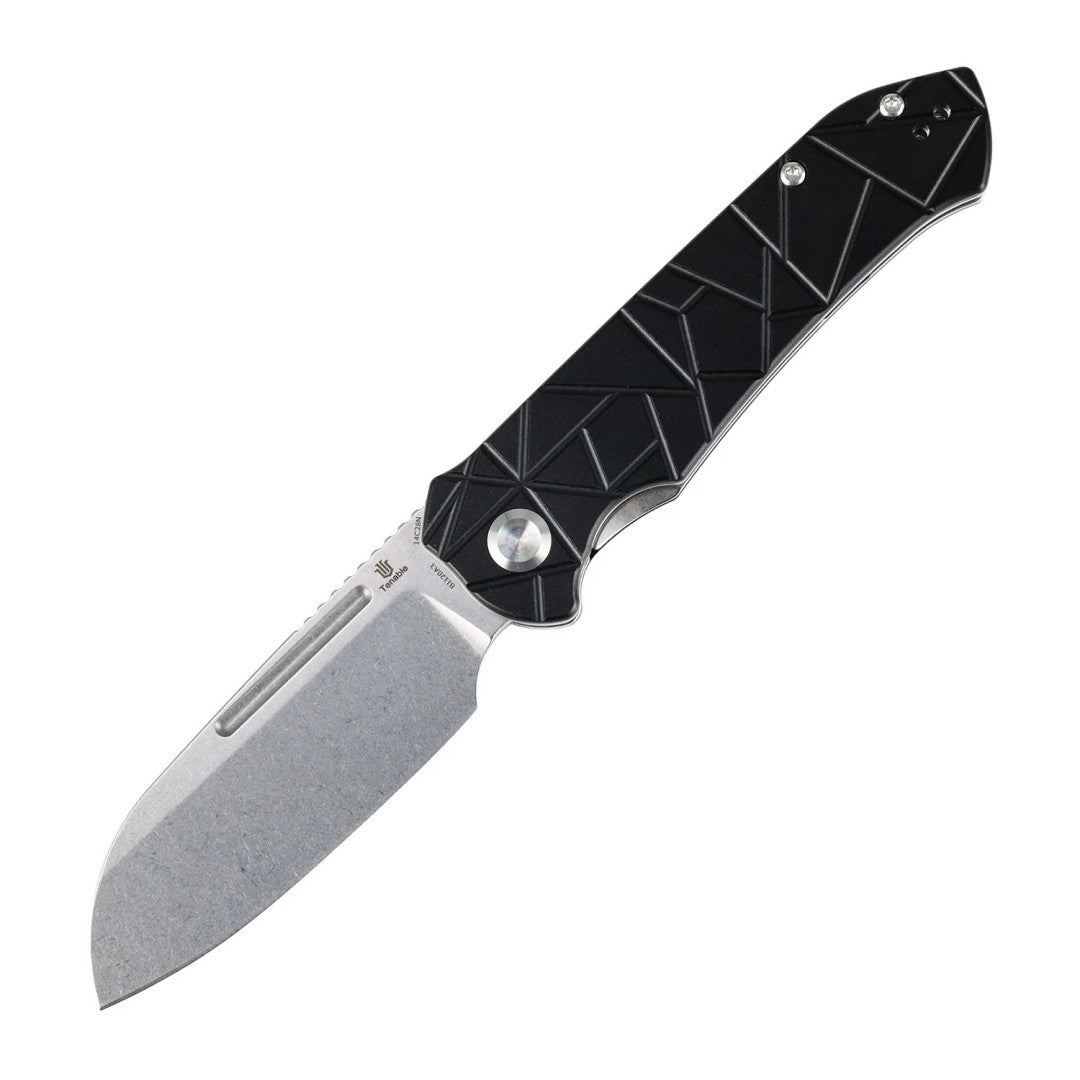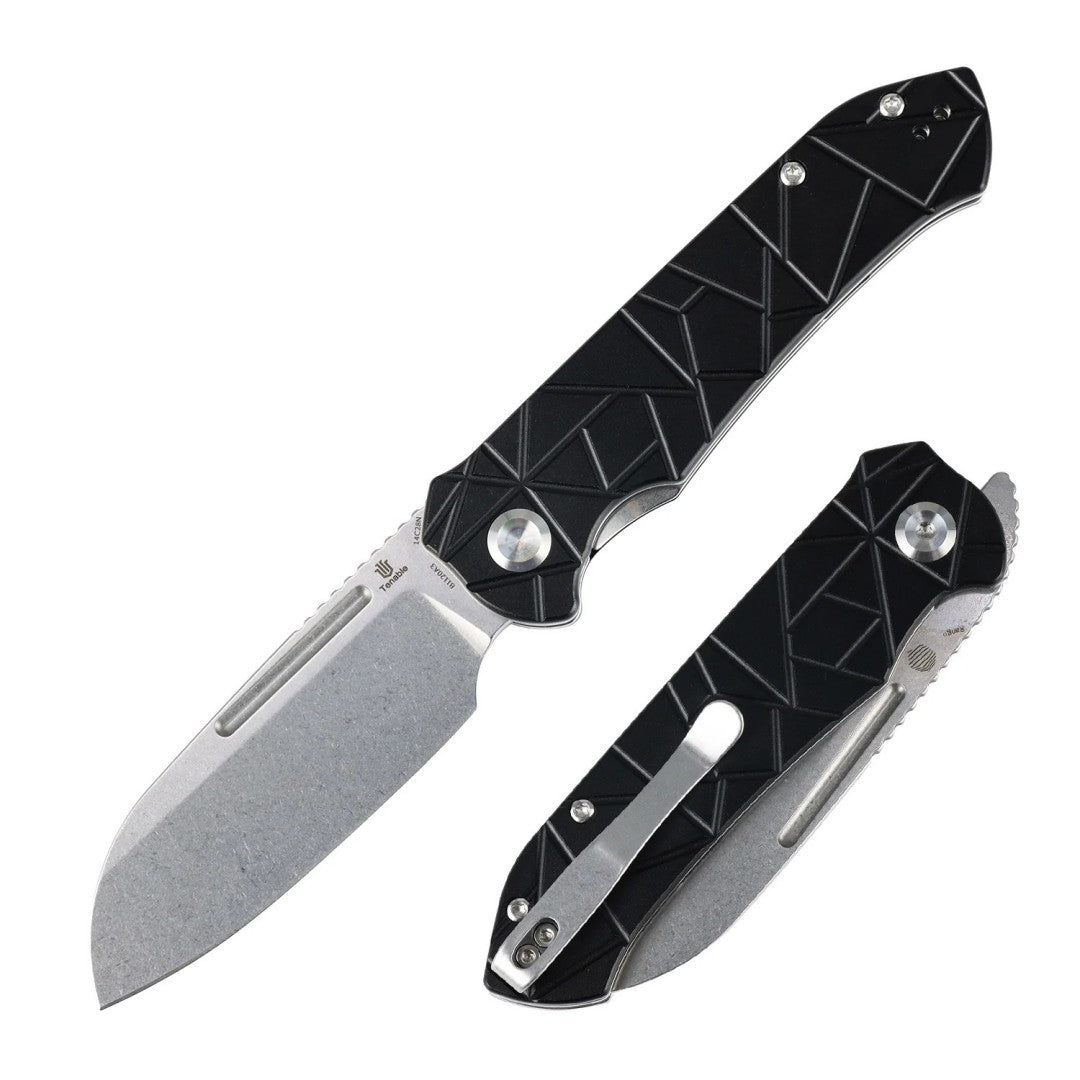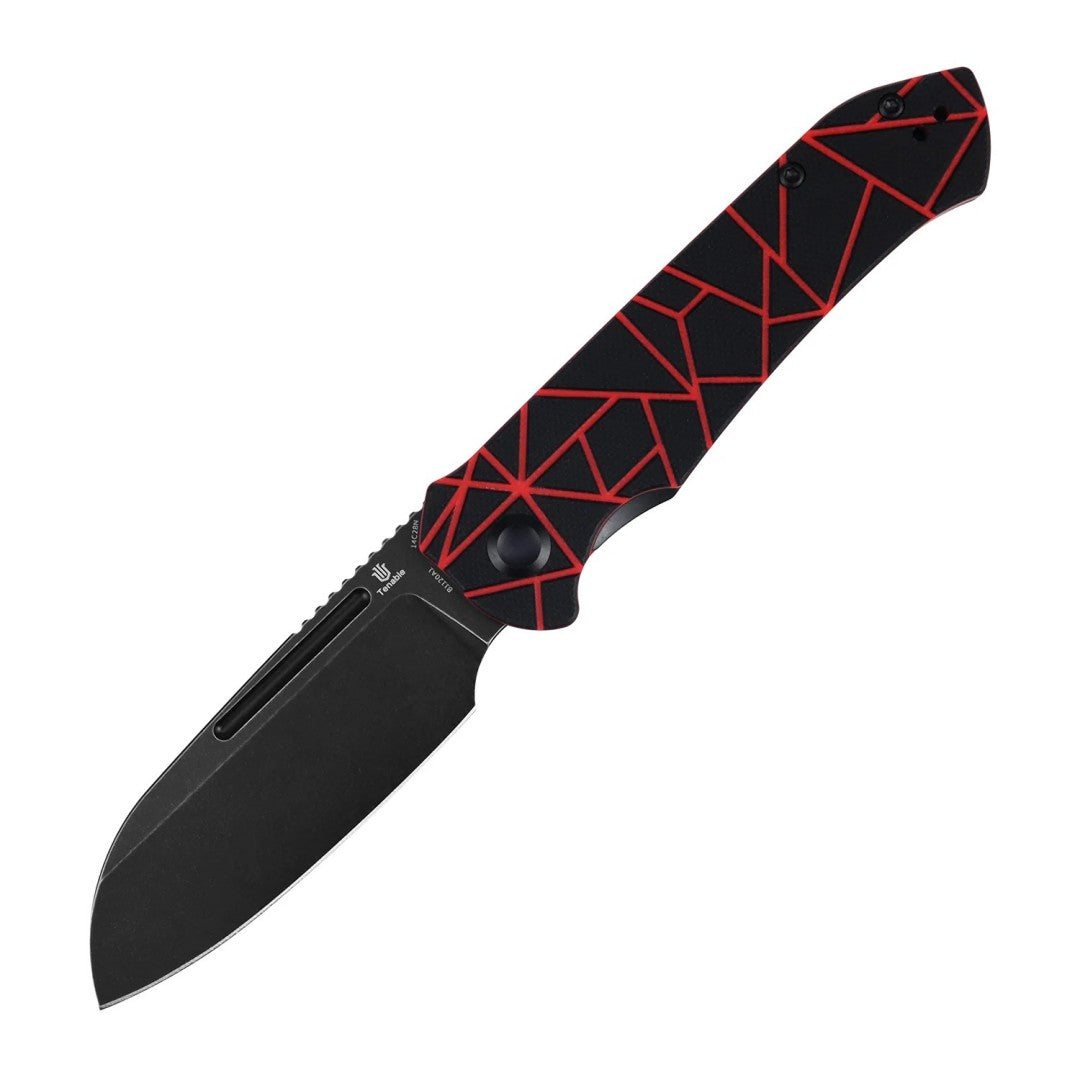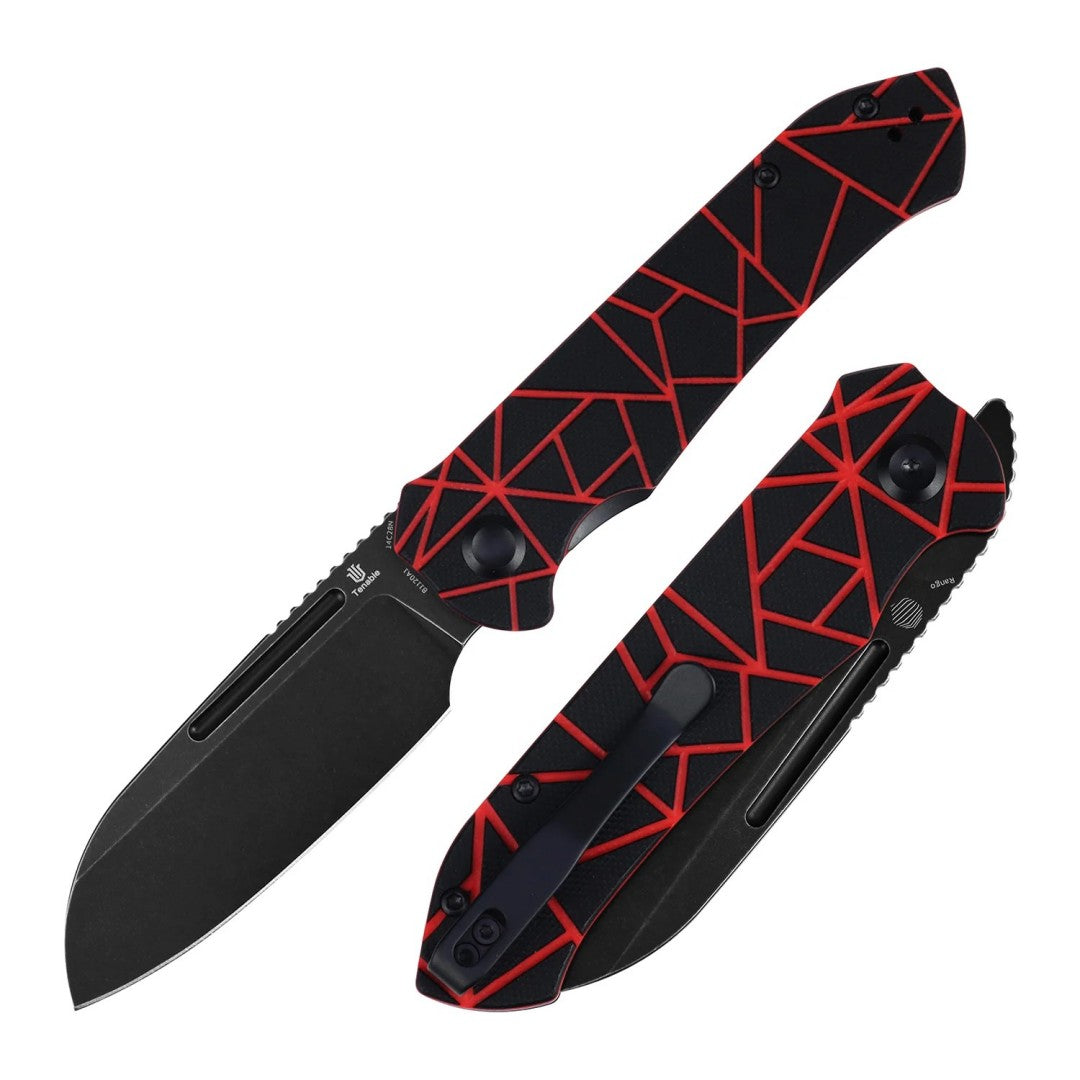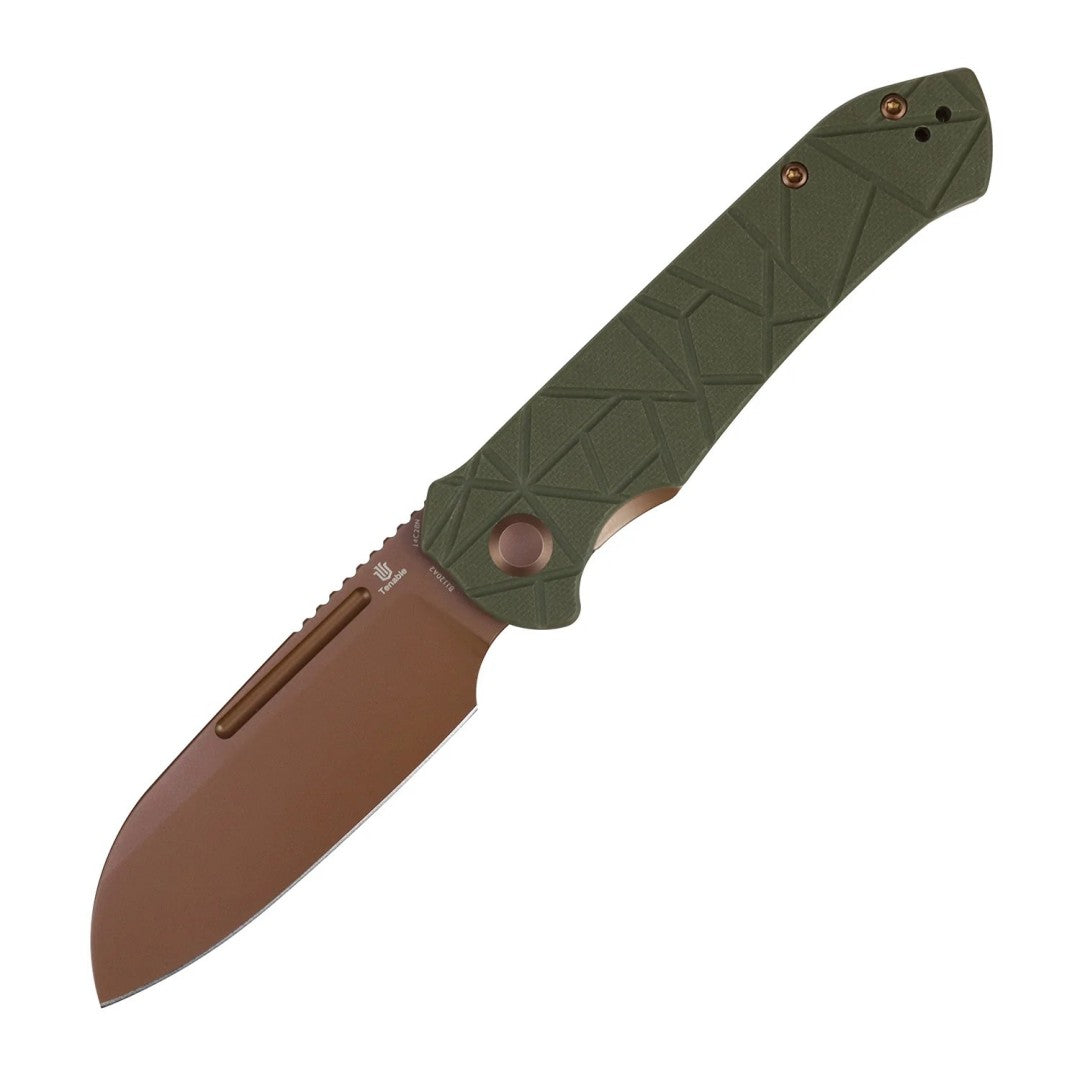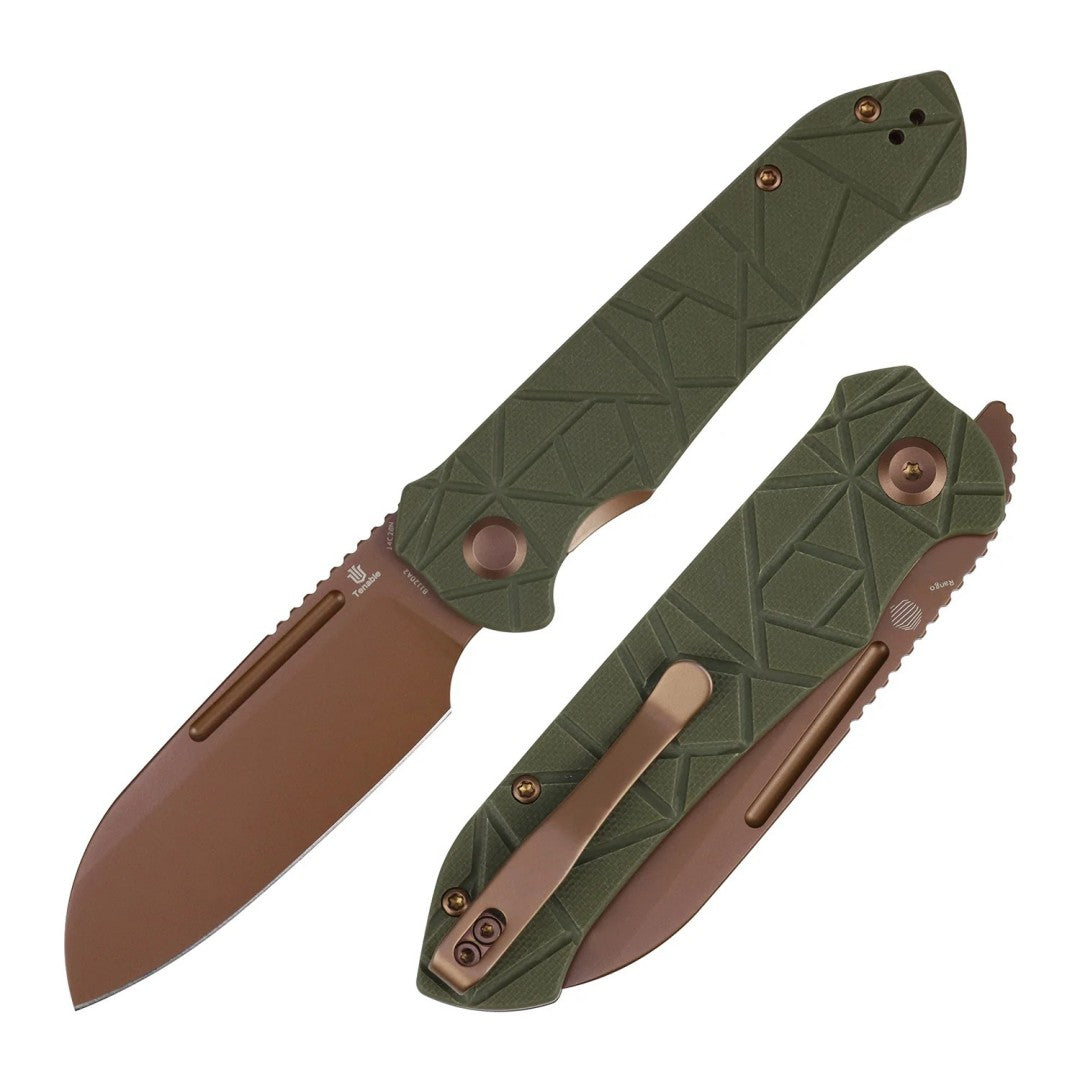
When evaluating a compact pocket knife for everyday carry (EDC), the visual design and locking mechanism often steal the spotlight. However, the true soul of any cutting tool lies within its steel composition and blade geometry. The Kansept Korvid V, born from the creative mind of designer Justin Koch, has taken the EDC community by storm with its unique pocket-cleaver profile. But how does this micro-powerhouse actually perform when put to work?
In this comprehensive guide, we will deliver an in-depth Kansept Korvid V D2 steel blade performance review. We will break down its edge retention capabilities, slicing efficiency, wear resistance, and maintenance protocols to help you understand exactly what to expect from this robust everyday companion.

Understanding D2 Steel: The Workhorse of Modern EDC
To appreciate the cutting performance of the Kansept Korvid V, it is essential to look closely at the chemistry of its blade material: D2 tool steel.
D2 is a high-carbon, high-chromium air-hardening tool steel that occupies a legendary status in the knife-making industry. It is often classified as a "semi-stainless" steel because its chromium content sits around 12%, just a fraction below the 13% threshold required for a full stainless classification.
The structural characteristics of D2 steel provide several unique advantages for daily utility tools:
-
High Carbon Content: Gives the blade immense hardness, enabling it to take a razor-sharp edge and resist deformation.
-
Large Chromium Carbides: Creates exceptional wear resistance, allowing the knife to cut through abrasive materials over extended periods without dulling.
-
Excellent Structural Stability: Prevents the apex of the edge from rolling or chipping easily under normal heavy pressure.
Kansept Knives applies a meticulous vacuum heat treatment process to their D2 steel, optimizing its hardness to a sweet spot that balances edge holding with real-world toughness.
Blade Geometry and Real-World Slicing Performance
A common misconception is that a short, chunky cleaver blade cannot slice effectively. The Kansept Korvid V shatters this assumption through intelligent engineering.
While the blade features a robust spine thickness that guarantees structural strength, it utilizes a broad, high flat grind. This grind choice allows the steel to taper down from the thick spine into a surprisingly thin, precise cutting apex.
Because the blade profile is exceptionally wide from spine to edge, the angle of the flat grind is gentle, reducing drag when pushing through material. In daily application, this translates to excellent slicing performance. Whether you are breaking down heavy double-walled corrugated cardboard boxes, cutting through thick nylon rope, or scoring industrial plastic straps, the Korvid V bites deeply and tracks cleanly along the cut path.
While it lacks a traditional fine, piercing point for surgical puncture tasks, the straight cleaver edge offers unparalleled control for draw cuts and utility scoring, putting maximum downward leverage exactly where your thumb guides it.

Comprehensive Edge Retention Guide
Edge retention is where the Kansept Korvid V truly shines, proving its worth as a high-value daily workhorse. Thanks to the dense composition of chromium carbides within the D2 matrix, the blade holds its cutting edge far longer than standard stainless steels like 8Cr13MoV or 440C.
The D2 Cutting Cycle
-
The Factory Razor Edge: Out of the box, Kansept delivers the Korvid V with a beautifully polished, razor-sharp edge. At this stage, it will effortlessly slice through phone book paper and shave hair.
-
The Working Edge: After extensive cutting of cardboard, zip ties, and heavy packaging materials, the initial hair-shaving sharpness will transition into what knife enthusiasts call a "working edge." D2 steel excels at maintaining this aggressive, toothy working edge for an incredibly long time. Even when it no longer shaves hair, the microscopic carbide teeth continue to saw through rope and fabric with ease.
-
The Dulling Point: D2 resists abrasive wear so effectively that you can go weeks, or even months, of regular office or warehouse use before noticing a significant decline in daily cutting efficiency.
Wear Resistance vs. Toughness: Striking the Balance
Every blade steel requires a trade-off. Because D2 steel is highly optimized for wear resistance and hardness, it trades off a small amount of impact toughness compared to softer, springier steels.
What does this mean for your Kansept Korvid V? It means the blade is engineered for cutting, slicing, and scoring. It handles dense polymers, wood carving, and repetitive packaging tasks flawlessly. However, due to its high hardness, it should not be used as a pry bar or a screwdriver. Subjecting the fine cutting apex to severe twisting forces or impact against hardened metal objects can result in micro-chipping along the edge. Used correctly as a dedicated cutting instrument, the toughness is more than sufficient for heavy daily workloads.
Corrosion Resistance and Maintenance Best Practices
As a semi-stainless tool steel, the D2 blade on the Korvid V requires just a tiny bit more mindfulness than a standard stainless steel folder to keep it looking pristine.
While it easily resists standard environmental moisture, the steel can develop a natural patina or surface rust spots if left completely wet, exposed to acidic fruit juices, or stored in high-humidity environments for prolonged periods. To preserve the beautiful finishes—whether your Korvid V features the elegant rose gold coating, the sleek gray TiCn, or the rugged stonewashed blackwash—follow these simple maintenance rules:
-
Wipe Clean: After cutting wet or acidic materials, wipe the blade dry before folding it back into the handle.
-
Light Lubrication: Periodically apply a drop of mineral oil or specialized knife pivot oil to the blade face and the caged ceramic ball bearings to ensure smooth deployment and a barrier against moisture.
-
Stropping: Instead of waiting for the blade to become completely dull, spend two minutes stropping the edge on a leather strop loaded with polishing compound every week. This maintains that vicious working edge indefinitely without needing to fully reshape the steel on sharpening stones.
Sharpness Restoration: How to Sharpen Kansept D2 Steel
Eventually, after miles of successful cutting, your Korvid V will require sharpening. Because D2 is highly wear-resistant, it can feel stubborn on traditional oil stones or low-grade whetstones.
For the best results, we highly recommend using diamond abrasives or ceramic sharpening systems. Diamond plates cut through the hard chromium carbides of D2 steel effortlessly, allowing you to establish a clean bevel and apex quickly.
Maintain a consistent sharpening angle between 18 and 20 degrees per side to perfectly match the factory geometry. Because D2 naturally favors a toothy structure, you do not need to mirror-polish the edge up to ultra-fine grits; a medium-to-fine finish (around 600 to 1000 grit) followed by a light stropping will yield an aggressively sharp edge that bites instantly into any material.

Conclusion: The Ultimate Verdict on Korvid V Blade Performance
The Kansept Korvid V D2 steel blade performance review confirms that this pocket cleaver is far more than a quirky novelty item. It is a highly engineered, relentlessly durable utility tool packaged into a remarkably compact frame.
By pairing Justin Koch’s highly leveraging cleaver shape with the exceptional wear resistance and edge retention of properly heat-treated D2 tool steel, Kansept has created an absolute powerhouse for daily cutting chores. If you want an EDC companion that stays sharp through brutal cutting schedules, minimizes maintenance, and cuts with absolute authority, the blade performance of the Korvid V will exceed your expectations day after day.