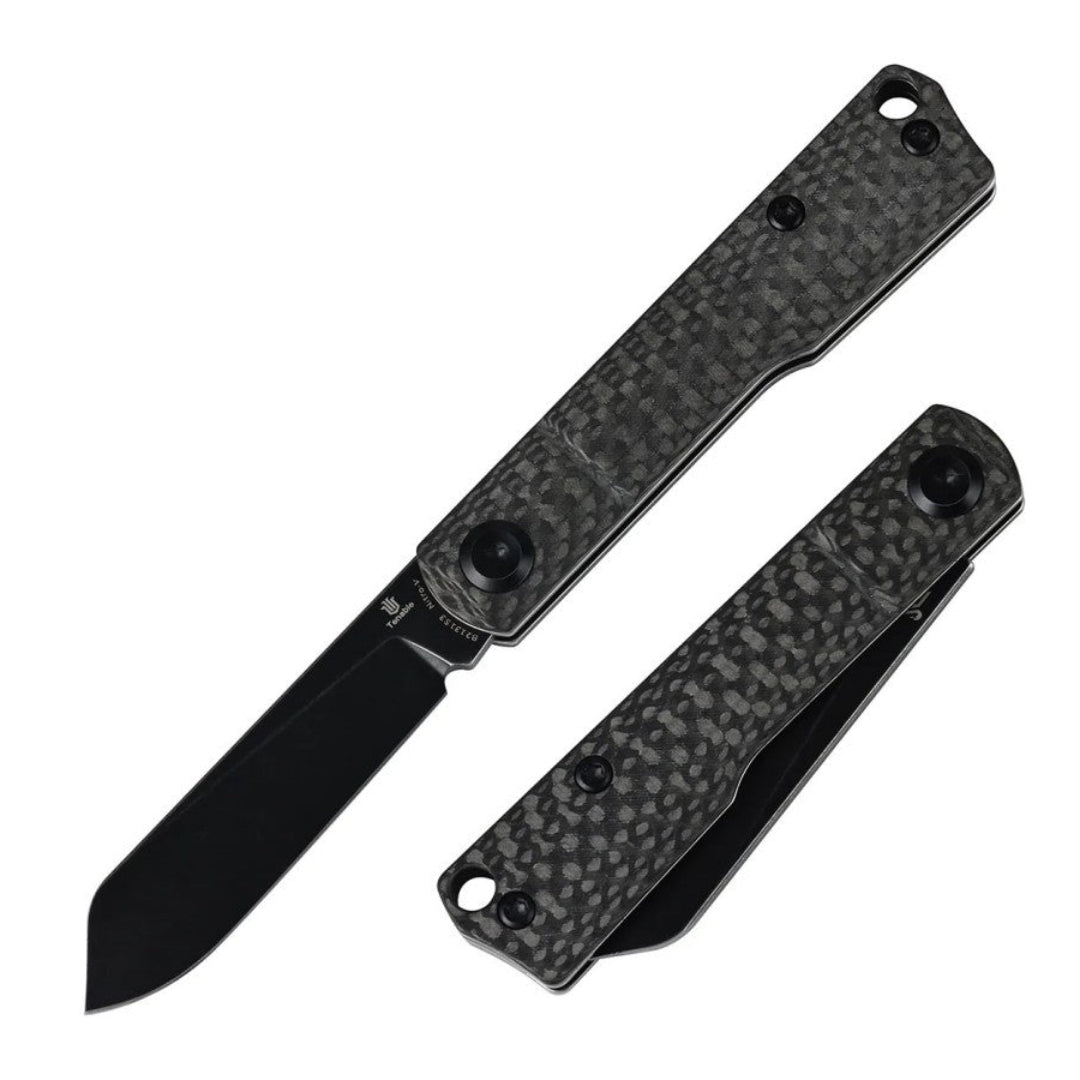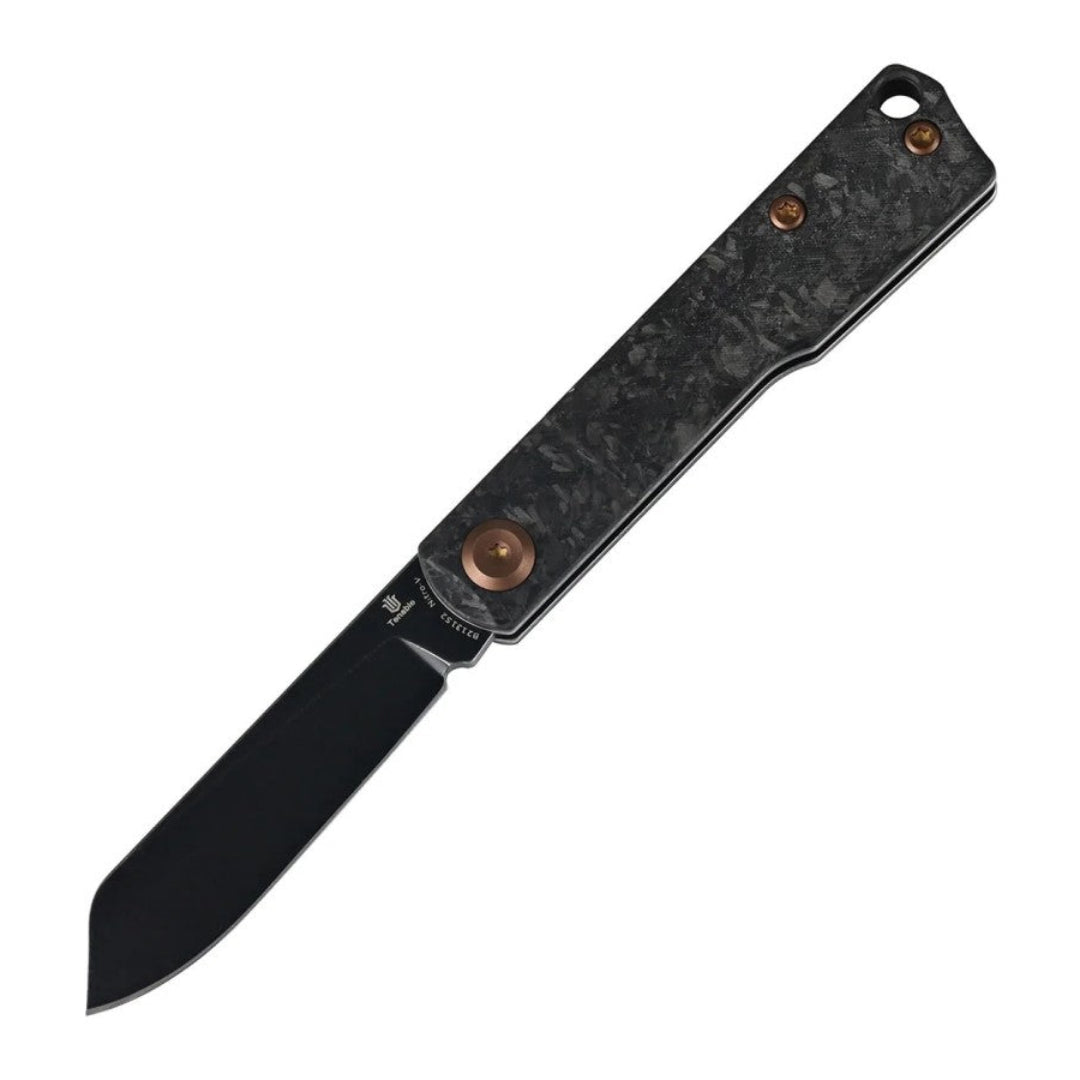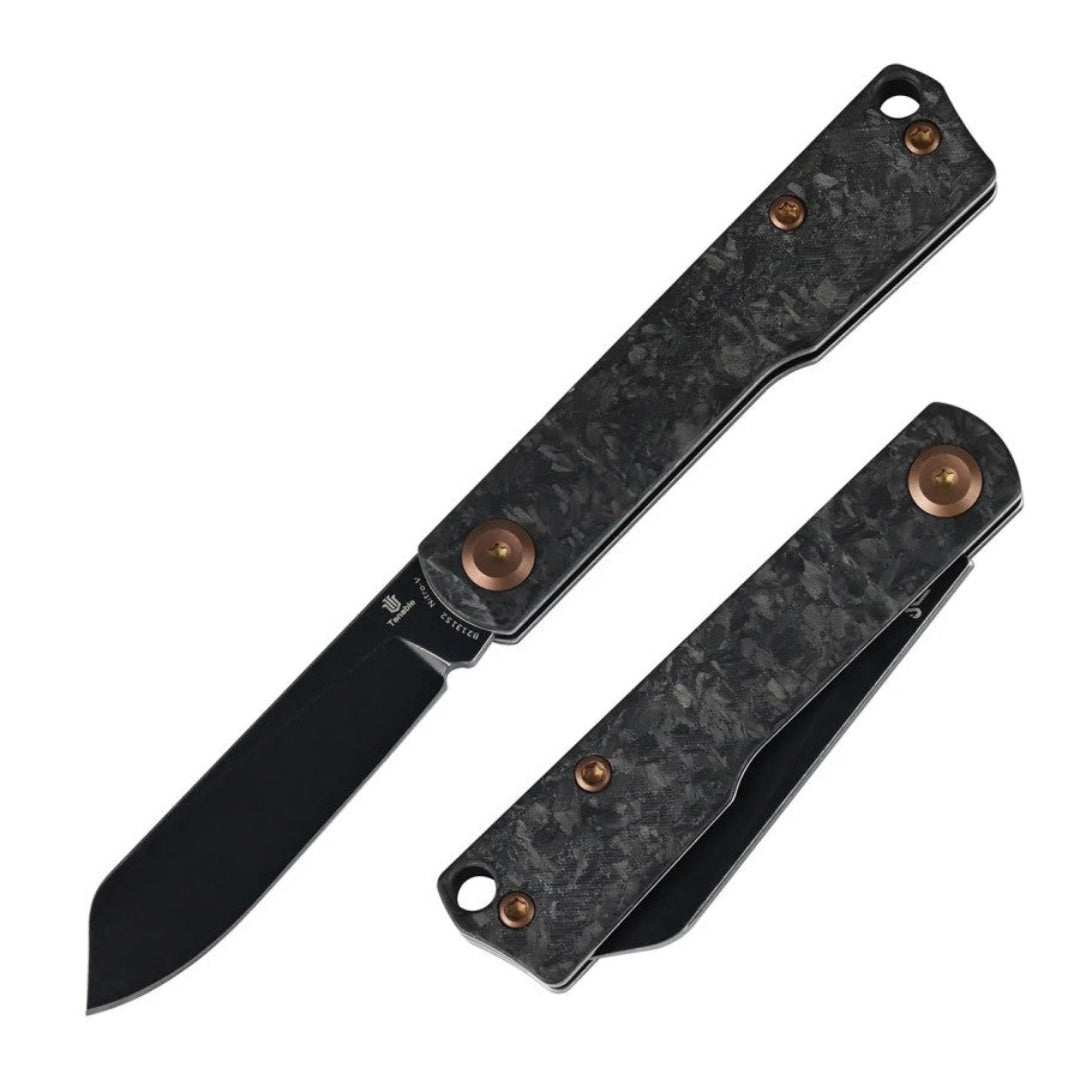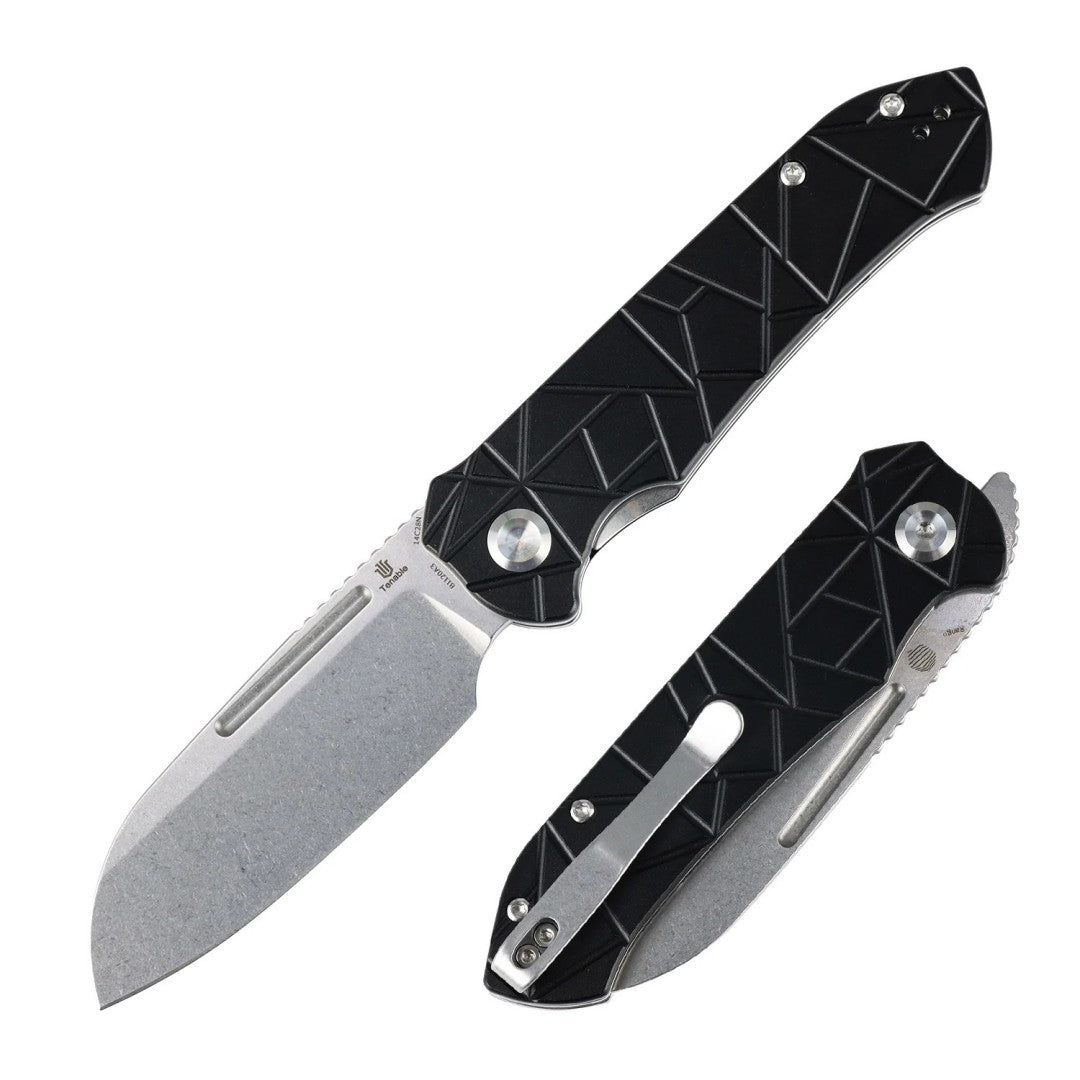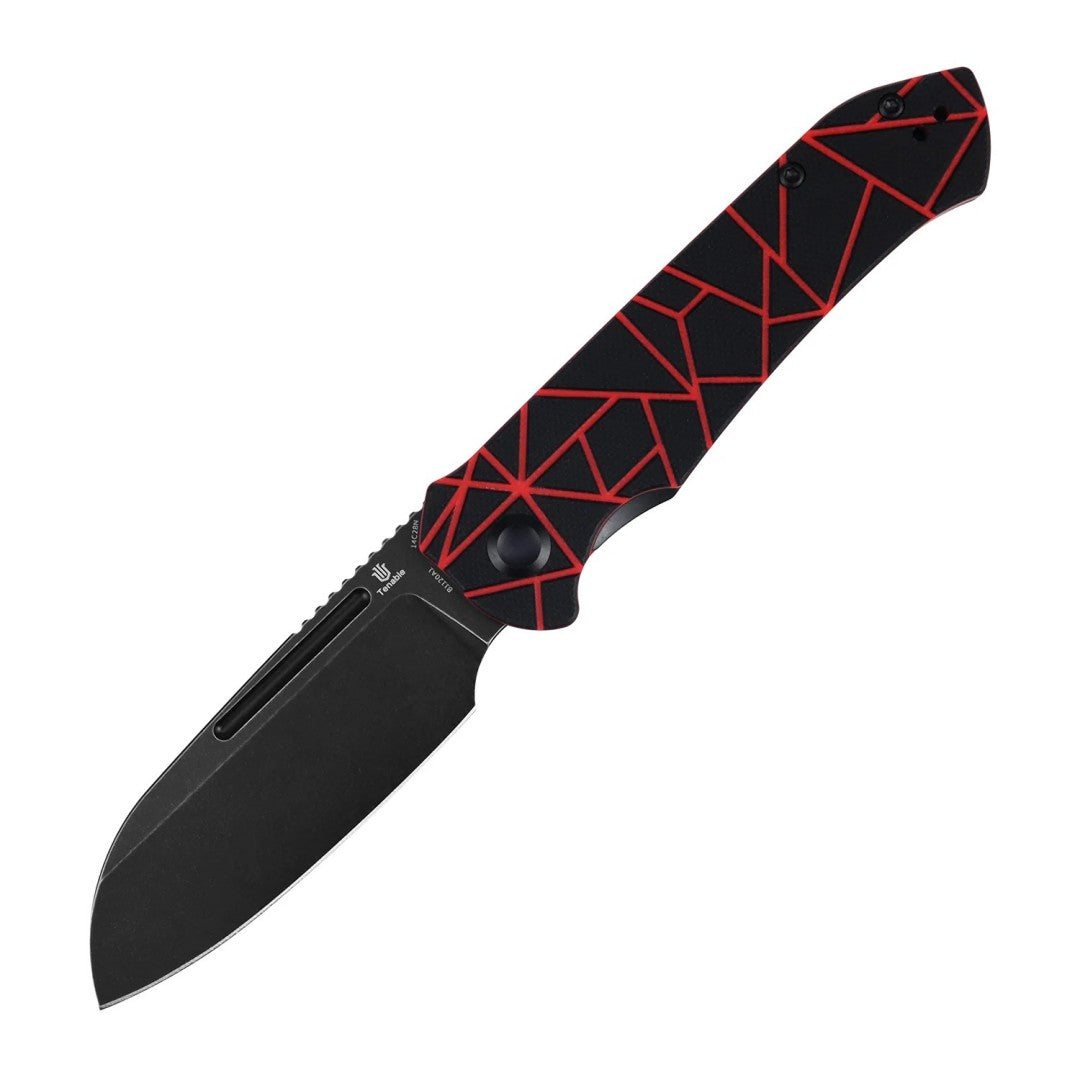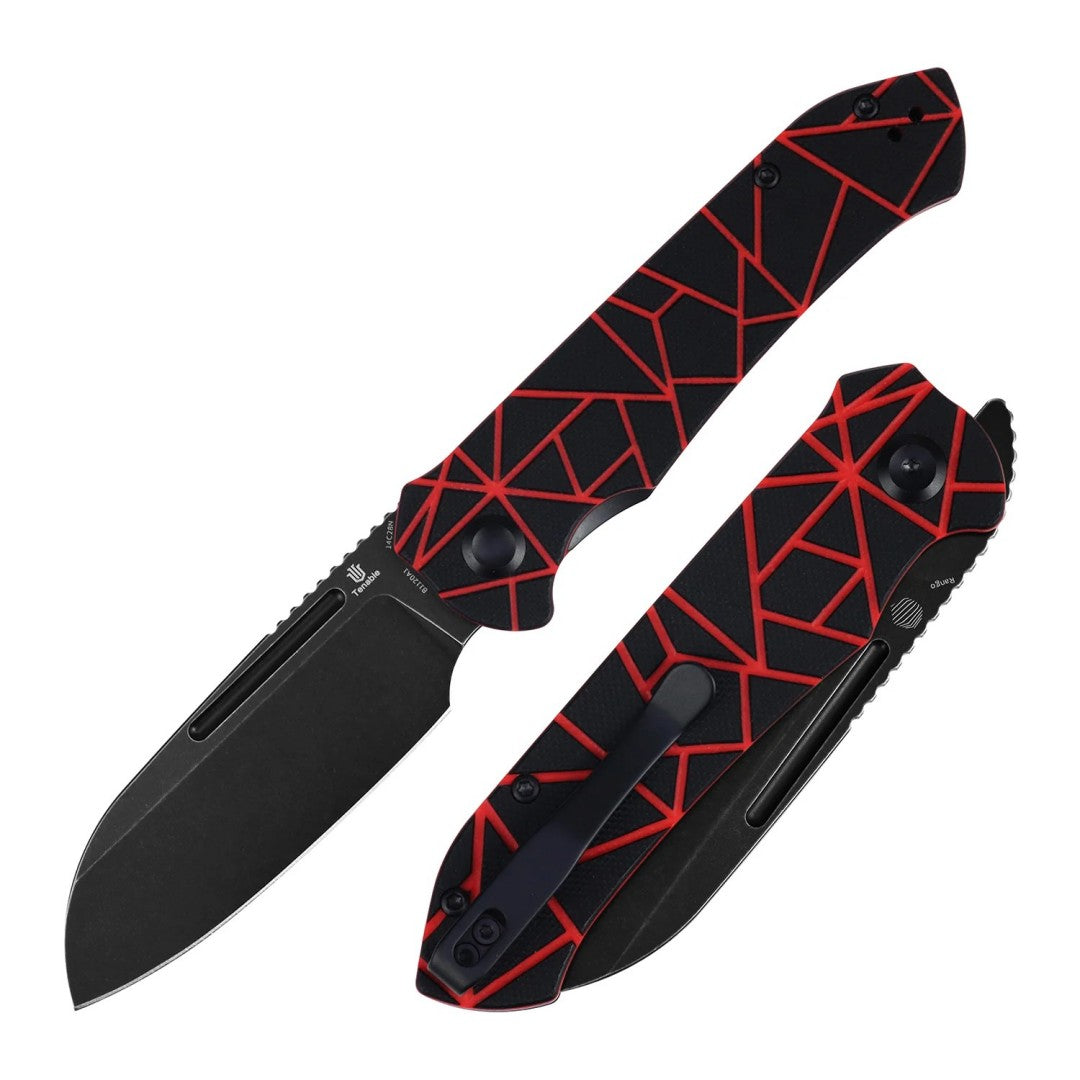
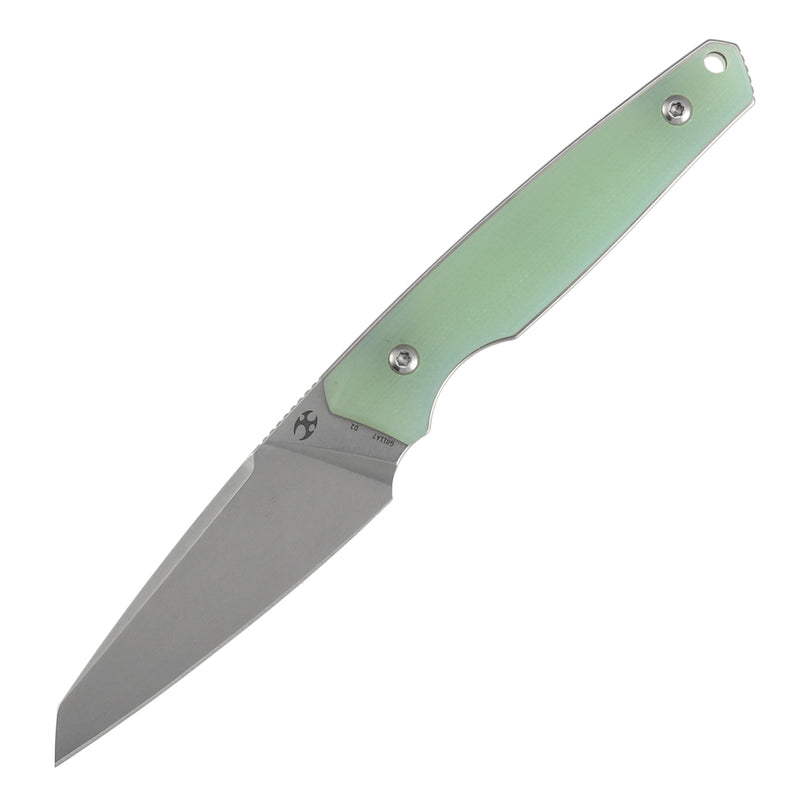
When integrating a fixed blade into your daily routine, your choice of blade steel is the single most critical factor determining real-world performance. A beautiful handle design means very little if the edge dulls after opening a few shipping boxes or rusts after a rainy afternoon outdoors. The Kansept Parr, engineered by Canadian custom knife maker Jonathan Styles and expertly manufactured by Kansept, has quickly become a favored option in the EDC community for its compact and ultra-reliable footprint. However, because this model is available in three drastically different steel types, buyers often find themselves at a crossroads.
Choosing between budget-friendly tool steel, premium powder metallurgy, and artistic pattern-welded steel changes everything from edge retention to maintenance intervals. Let us break down the performance profiles of S35VN, D2, and Damascus to find the absolute best match for your pocket.

The Performance Profiles At A Glance
Before diving into the specific real-world applications, it helps to understand how these three alloys compare across the core pillars of metallurgy: edge retention, toughness, and corrosion resistance.

CPM-S35VN: The Premium Modern All-Rounder
For the user who demands peak performance without compromise, the premium CPM-S35VN powder steel variant represents the pinnacle of modern metallurgy for daily utility carry. Developed by Crucible Industries, this steel incorporates niobium carbides alongside vanadium to form an incredibly fine grain structure.
-
Pros: Exceptional edge retention, high corrosion resistance, and excellent chip resistance under hard downward pressure.
-
Cons: Higher initial price point and requires quality ceramic or diamond stones to sharpen when it eventually dulls.
In daily practice, the S35VN model is a complete "set-and-forget" tool. If your routine involves cutting abrasive materials like heavy cardboard, thick ropes, or zip ties, this steel keeps its razor-sharp factory edge significantly longer than traditional steels. Furthermore, because it is highly stainless, you can use it for humid outdoor tasks or food preparation without worrying about rust spots forming from sweat or moisture.
D2: The Budget-Friendly Industrial Workhorse
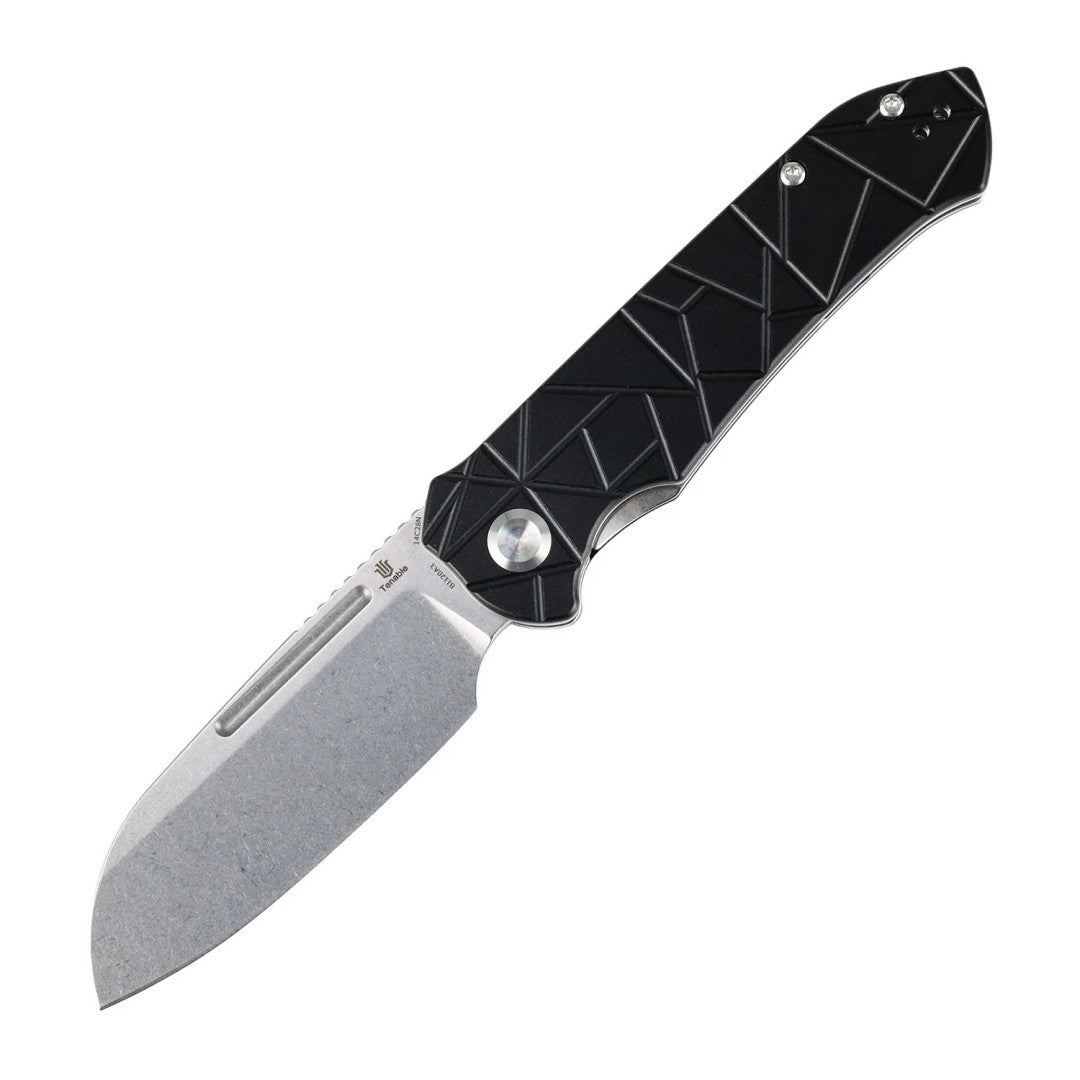
If you want a rugged, no-nonsense utility tool that delivers maximum cutting power for your dollar, the variants featuring D2 tool steel are incredibly compelling. D2 is a high-carbon, high-chromium semi-stainless steel that has been a benchmark in the tool-and-die industry for decades.
-
Pros: Highly accessible price, aggressive slicing aggression due to large chromium carbides, and easy to maintain on standard sharpening stones.
-
Cons: Vulnerable to corrosion if neglected; requires basic maintenance to keep clean.
The D2 version is designed to be used hard and treated like a true work tool. Because of its microscopic carbide structure, it maintains a highly aggressive "micro-tooth" edge that tears through dense fibrous materials with ease. However, since it only contains about 12% chromium, it falls just short of being classified as true stainless steel. If you carry the D2 version inside a hot pocket during summer or use it in wet environments, you will need to wipe the blade down and occasionally apply a thin coat of mineral oil to prevent patination or surface spotting.

Damascus: The Collector's Functional Art
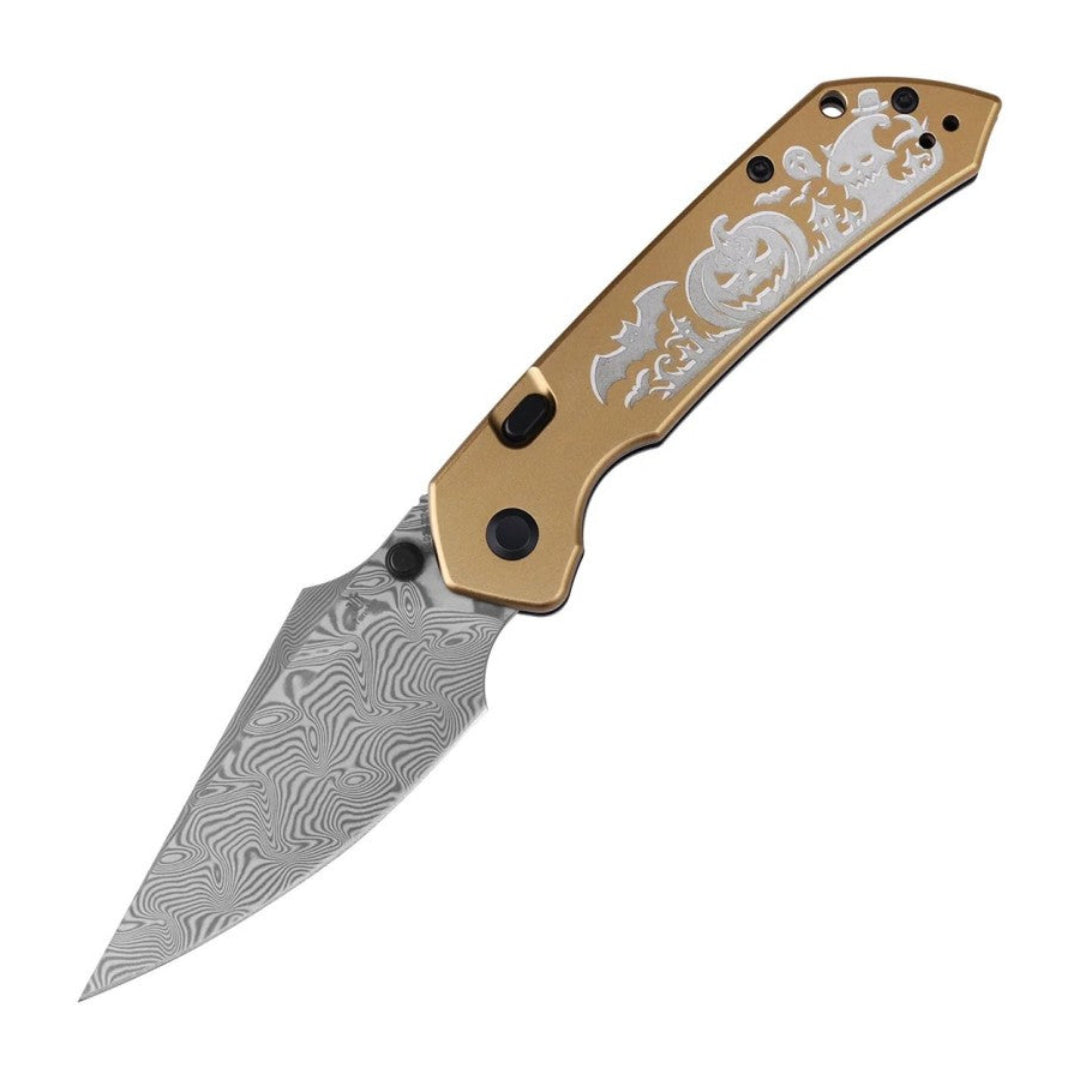
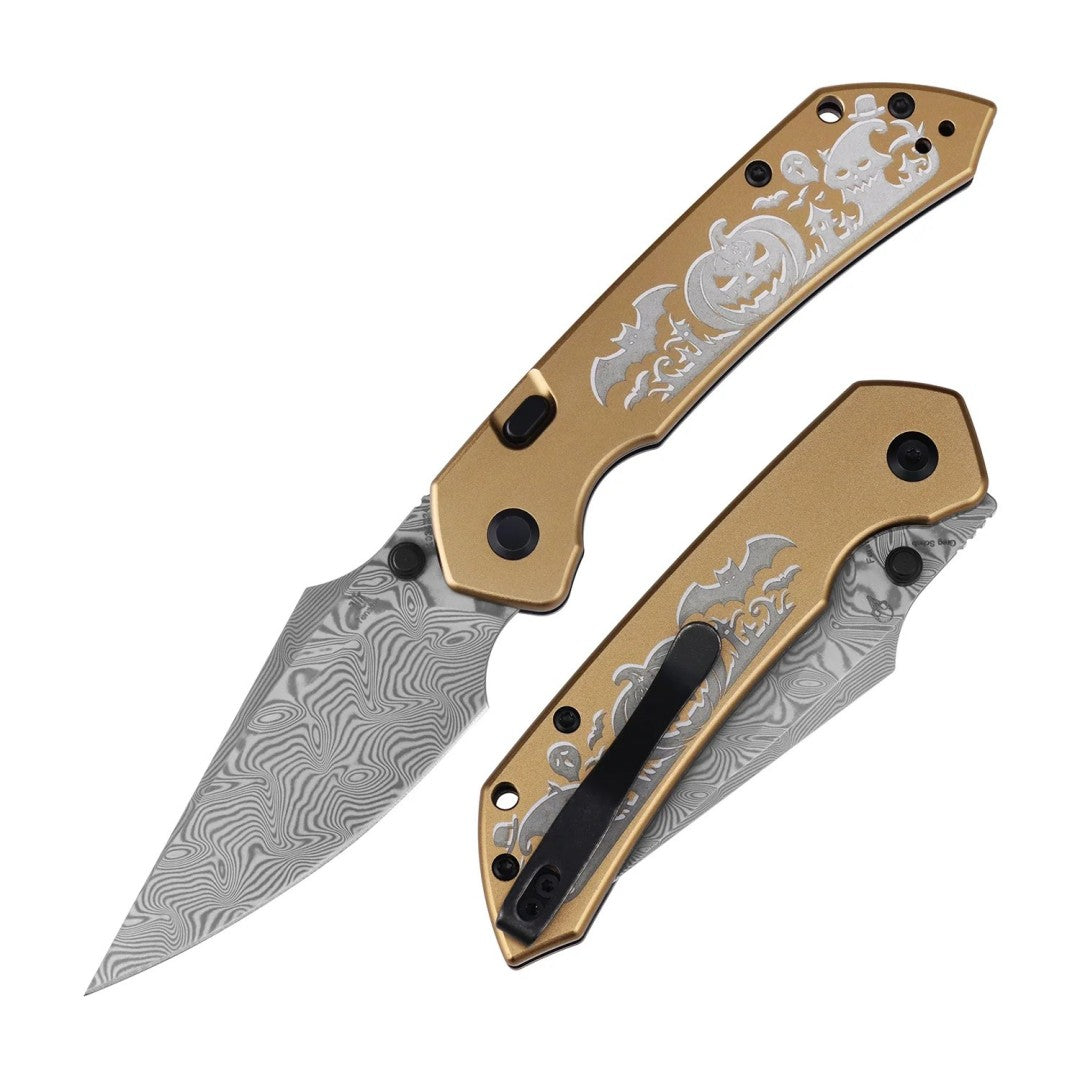
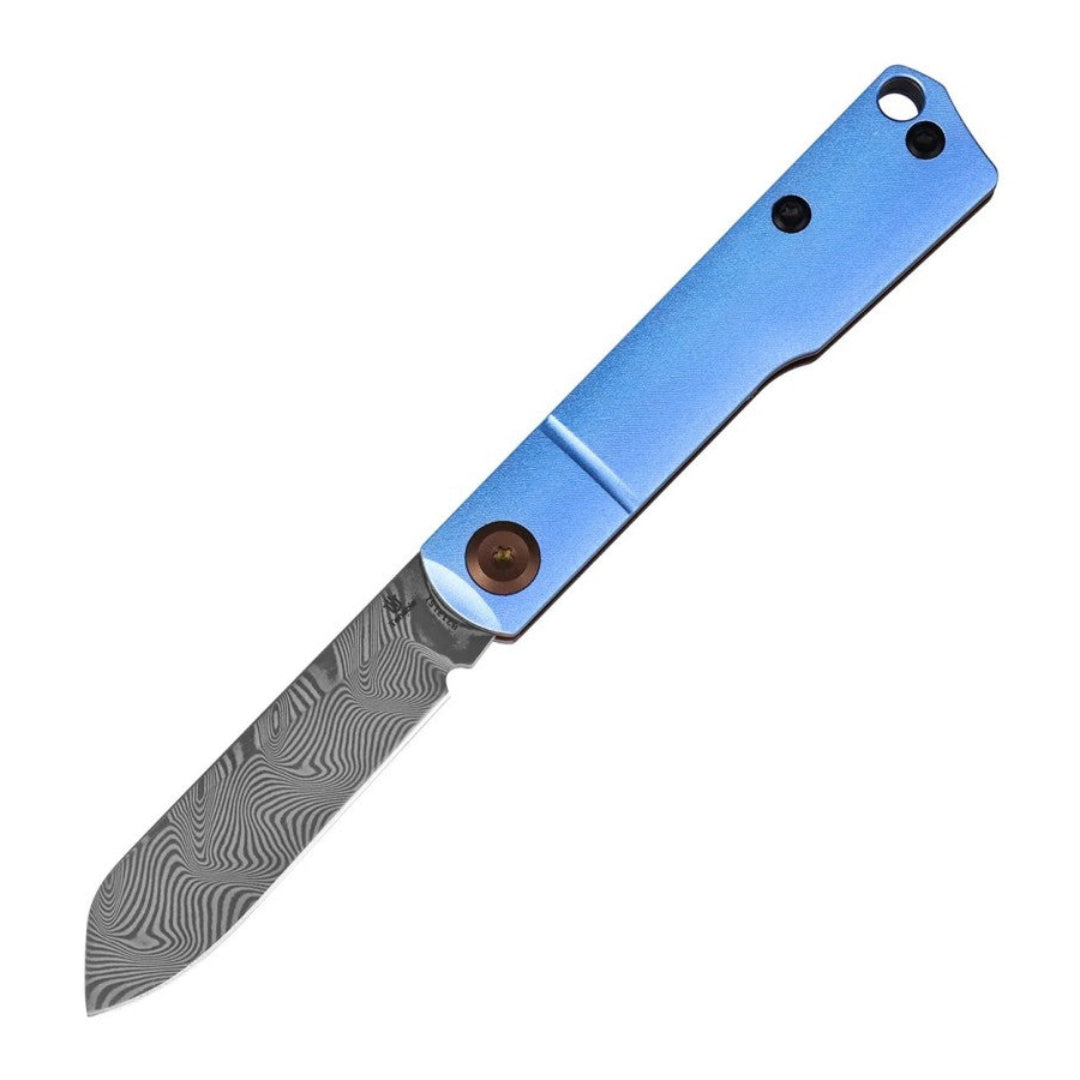
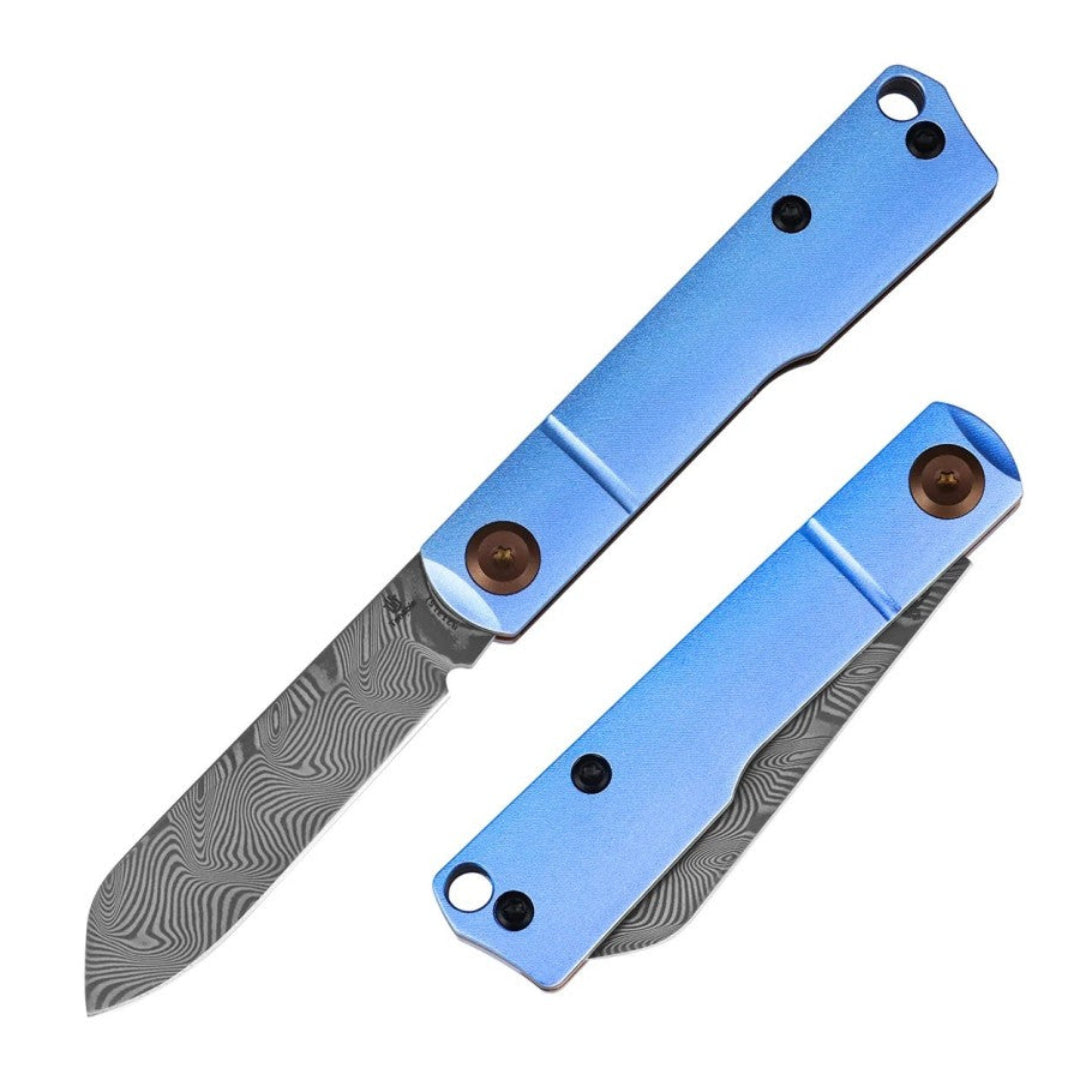
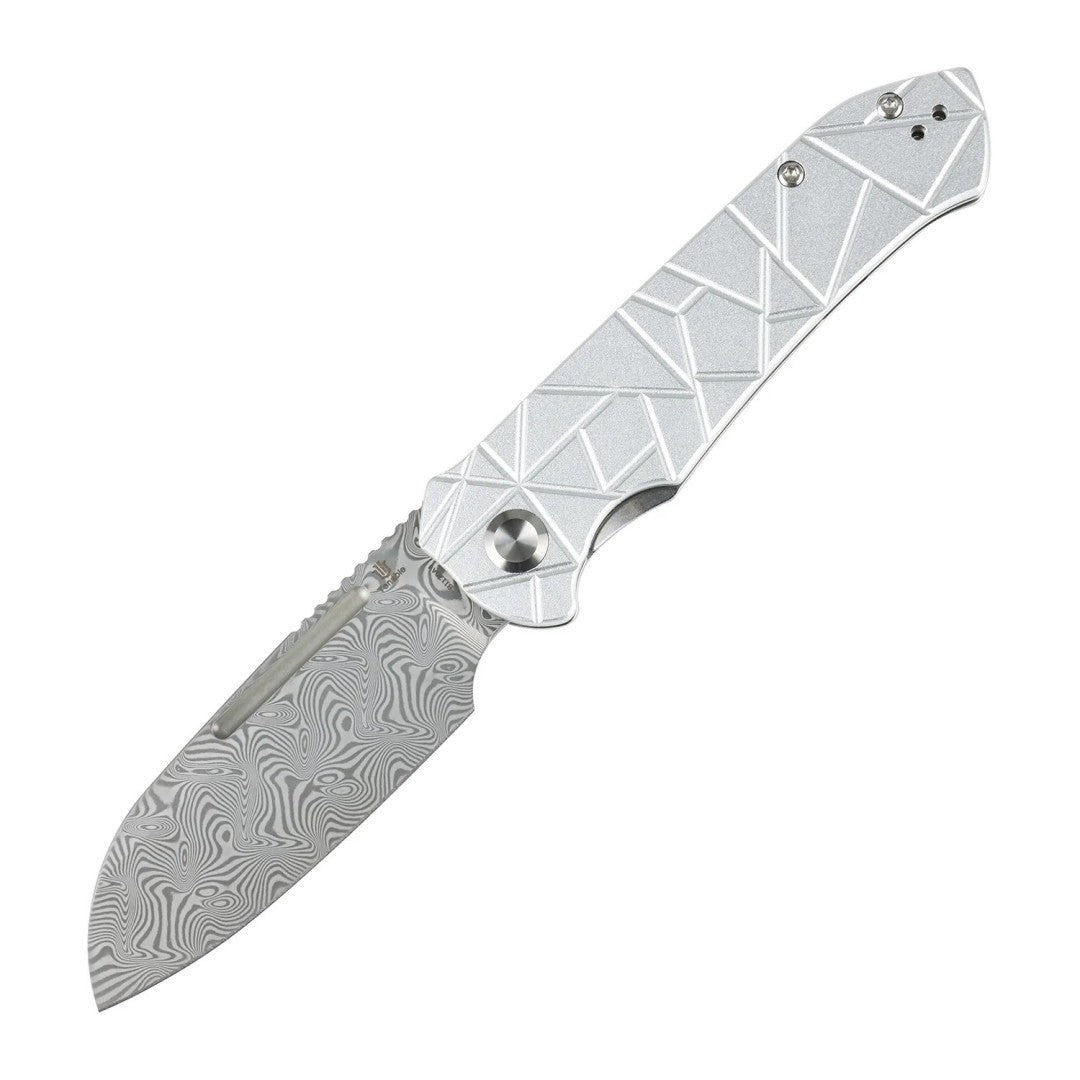
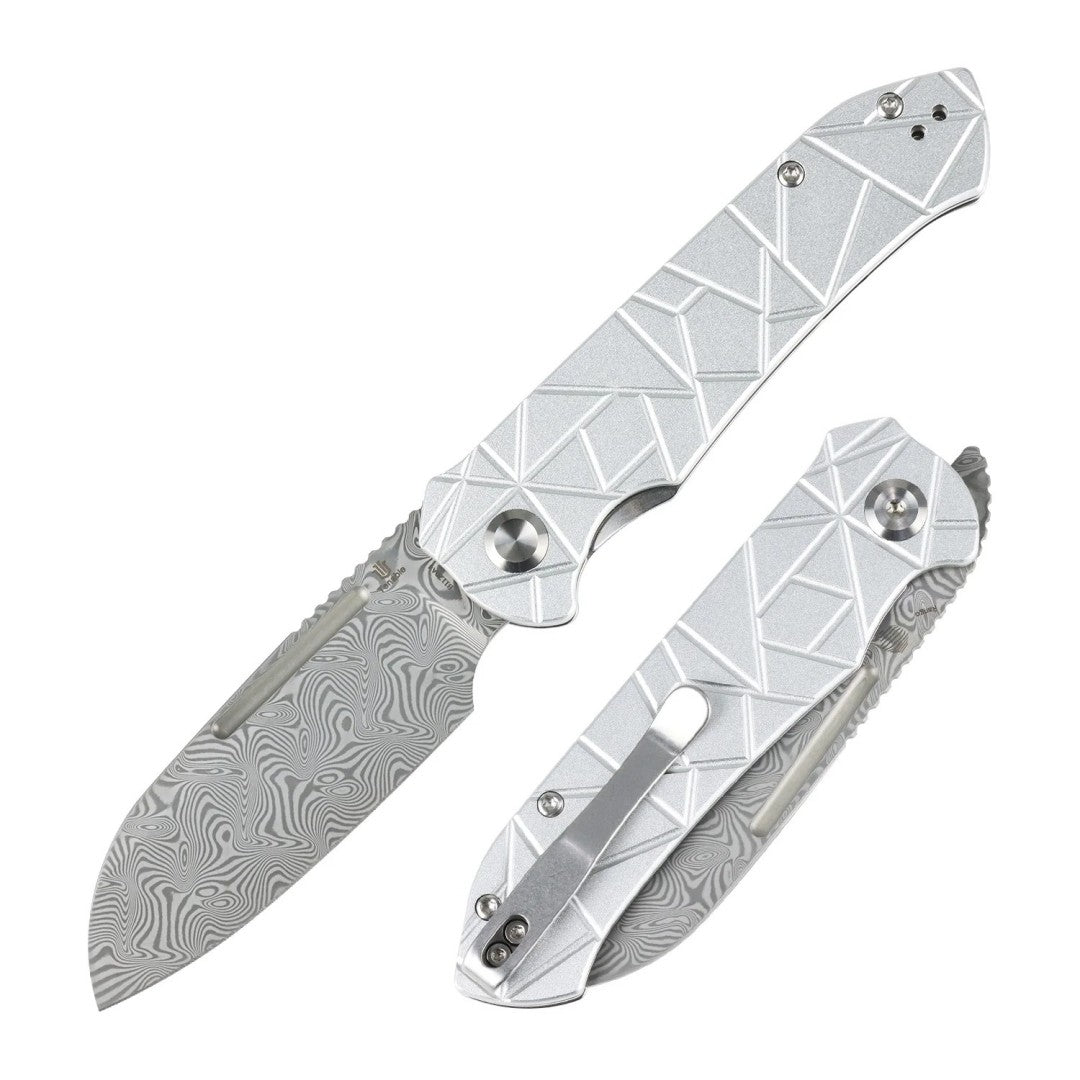
For those who view their tools as an extension of personal style, the Damascus steel versions offer unparalleled visual character. This steel is created by forge-welding multiple layers of contrasting steel alloys together, etching the final blade in acid to reveal a mesmerizing, twisting wave pattern.
-
Pros: Exquisite, unique visual aesthetics; turns a standard tool into a premium conversation piece.
-
Cons: Harder to spot-clean, and performance can vary slightly depending on the specific core alloys used in the forge weld.
The Damascus version does not sacrifice utility for looks; it remains a fully heat-treated, razor-sharp tool. The alternating layers of hard and soft steel create micro-serrations along the cutting edge as it wears, resulting in excellent slicing longevity. However, because of the etched texture on the flats of the blade, it can trap pocket lint and moisture more easily than a smooth satin finish. It is the ultimate choice for light office carry, formal environments, or for enthusiasts who value the artisanal heritage of pocket gear.

Which Steel Belongs In Your Pocket?
To make your final decision as simple as possible, match your choice to your primary daily environment:
Choose CPM-S35VN If:
You want the absolute best performance available, live in a humid or coastal environment, hate sharpening your tools frequently, and view your gear as a long-term investment.
Choose D2 If:
You want a high-value, abuse-tolerant tool that you won't feel guilty about scratching up during heavy construction work or mechanical tasks.
Choose Damascus If:
You prioritize executive styling, appreciate traditional blacksmith aesthetics, and want an heirloom-grade pocket companion that stands out every time you deploy it.