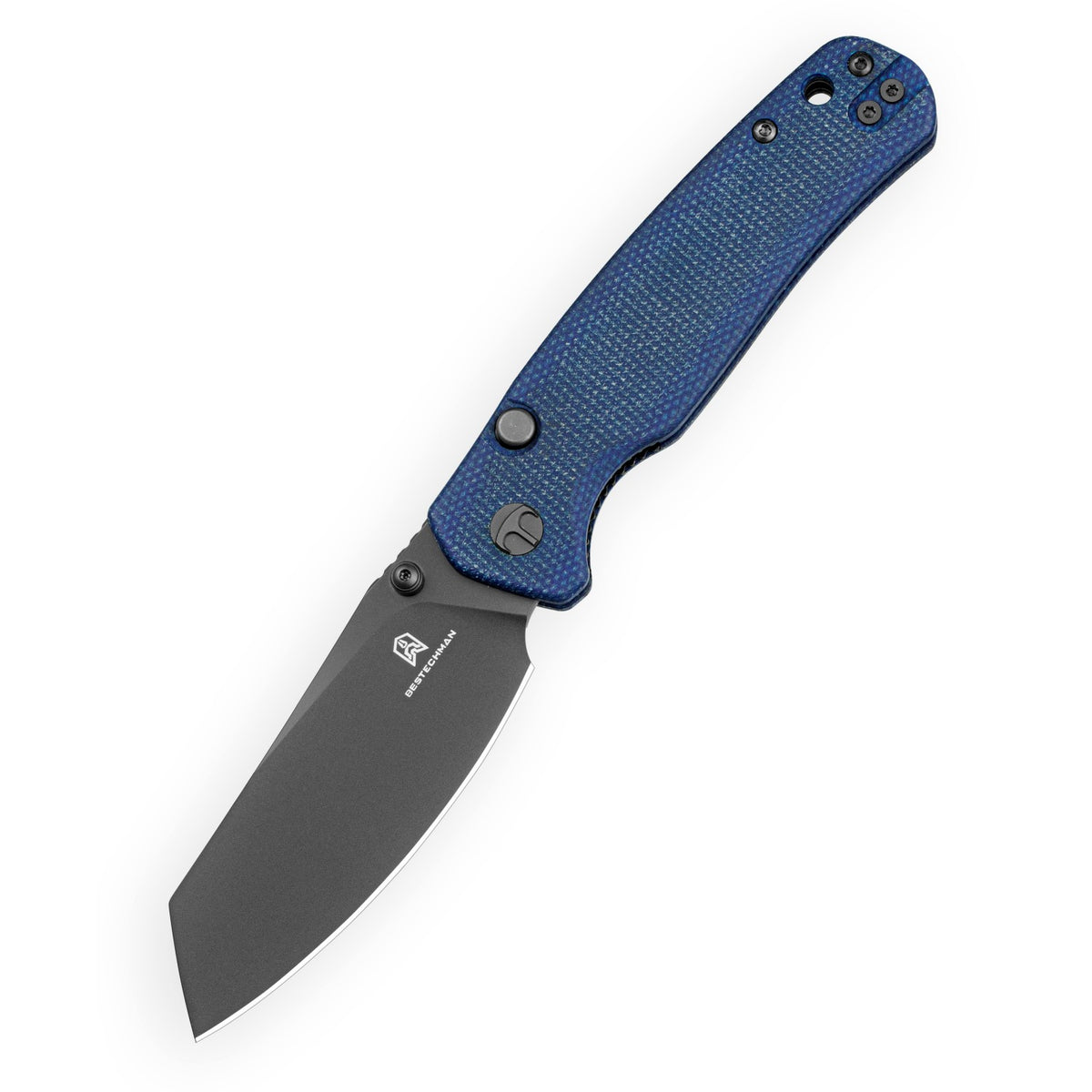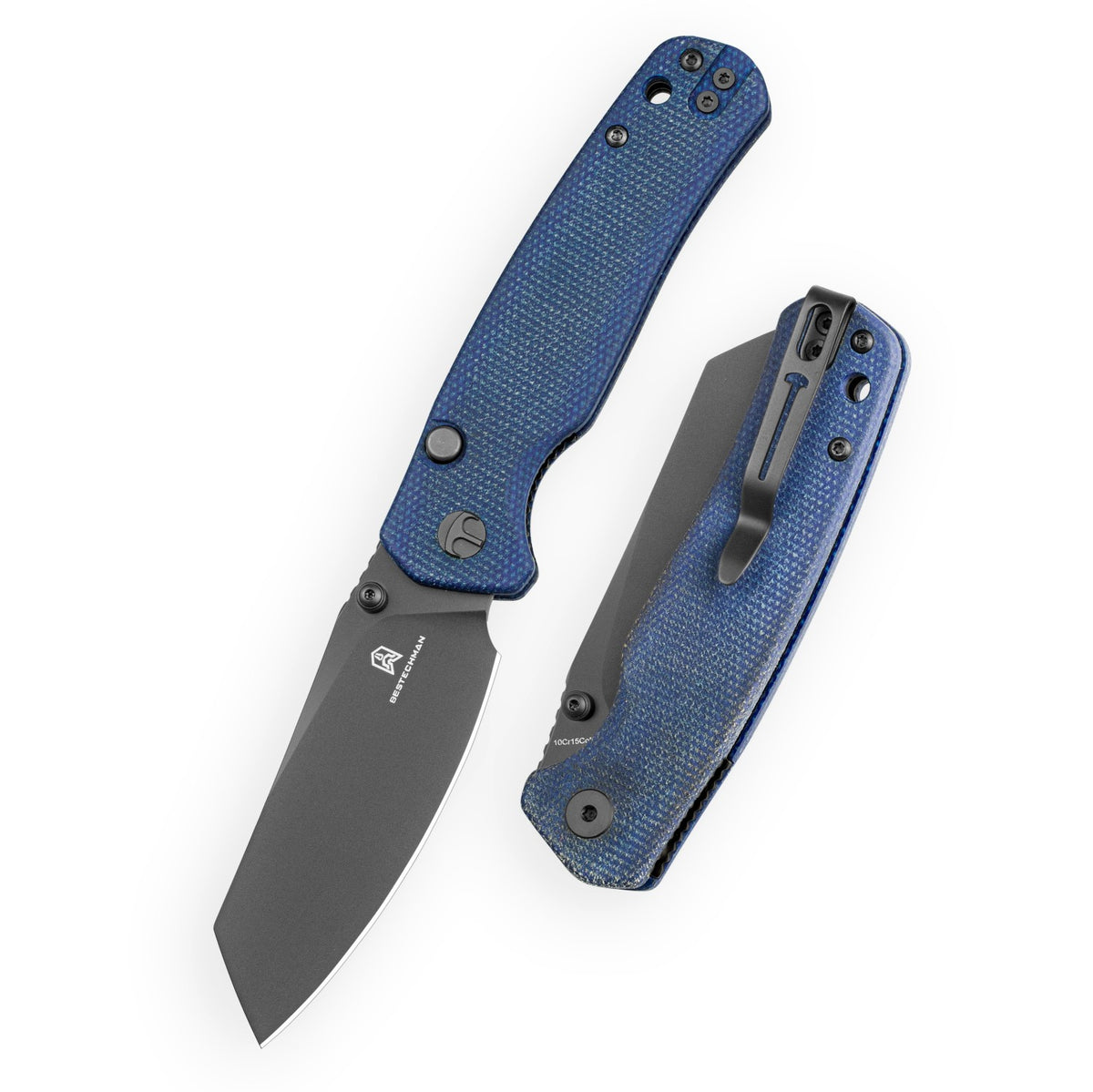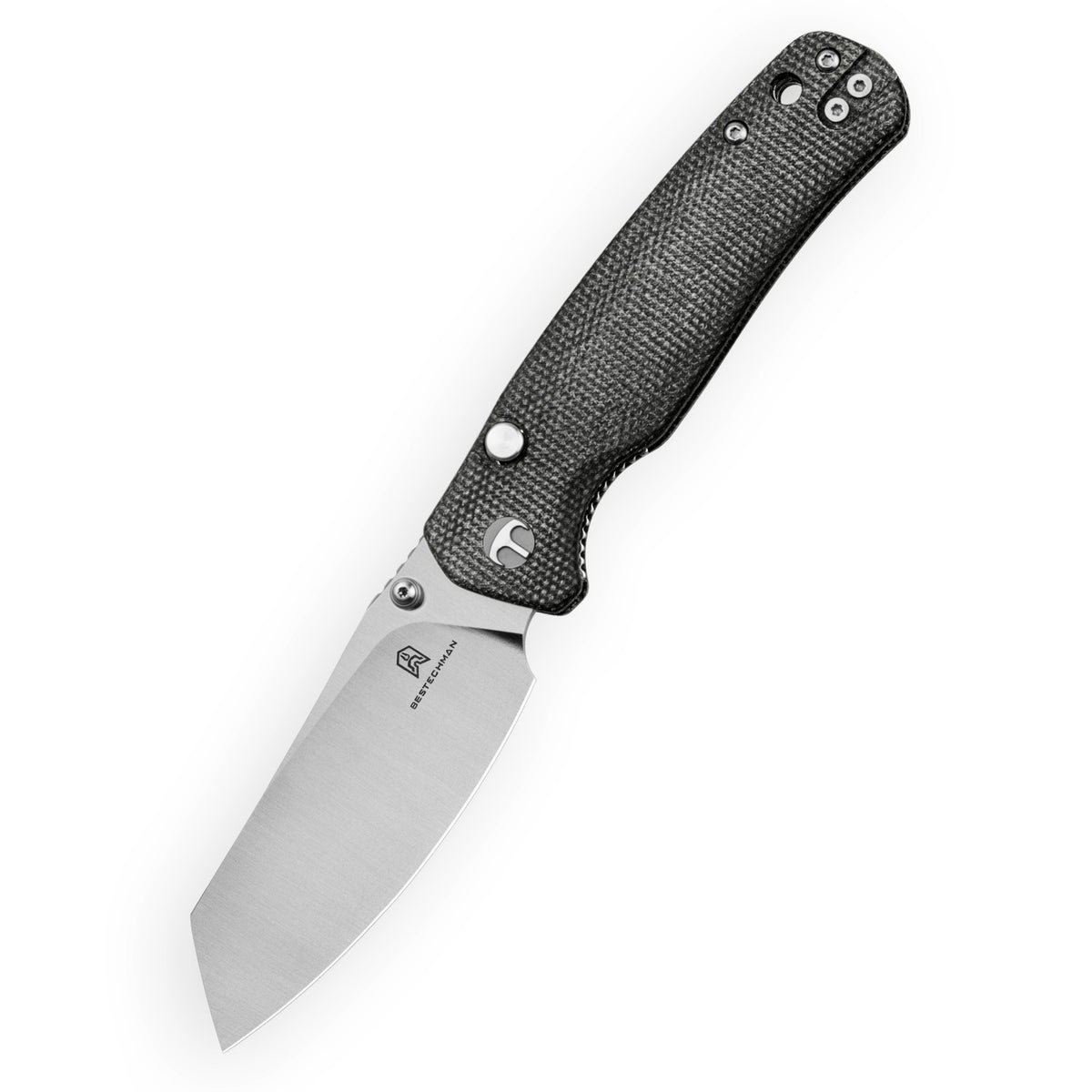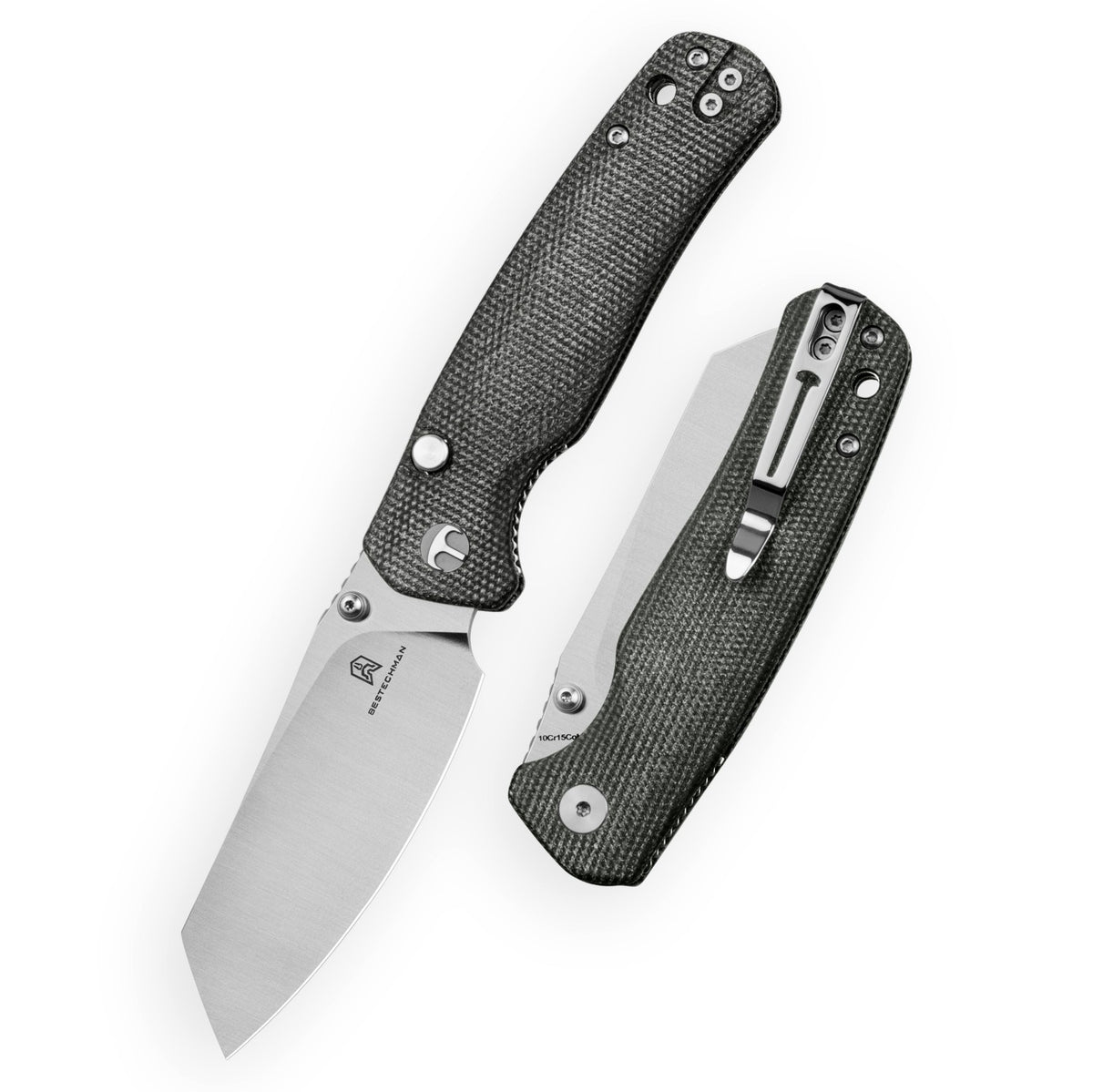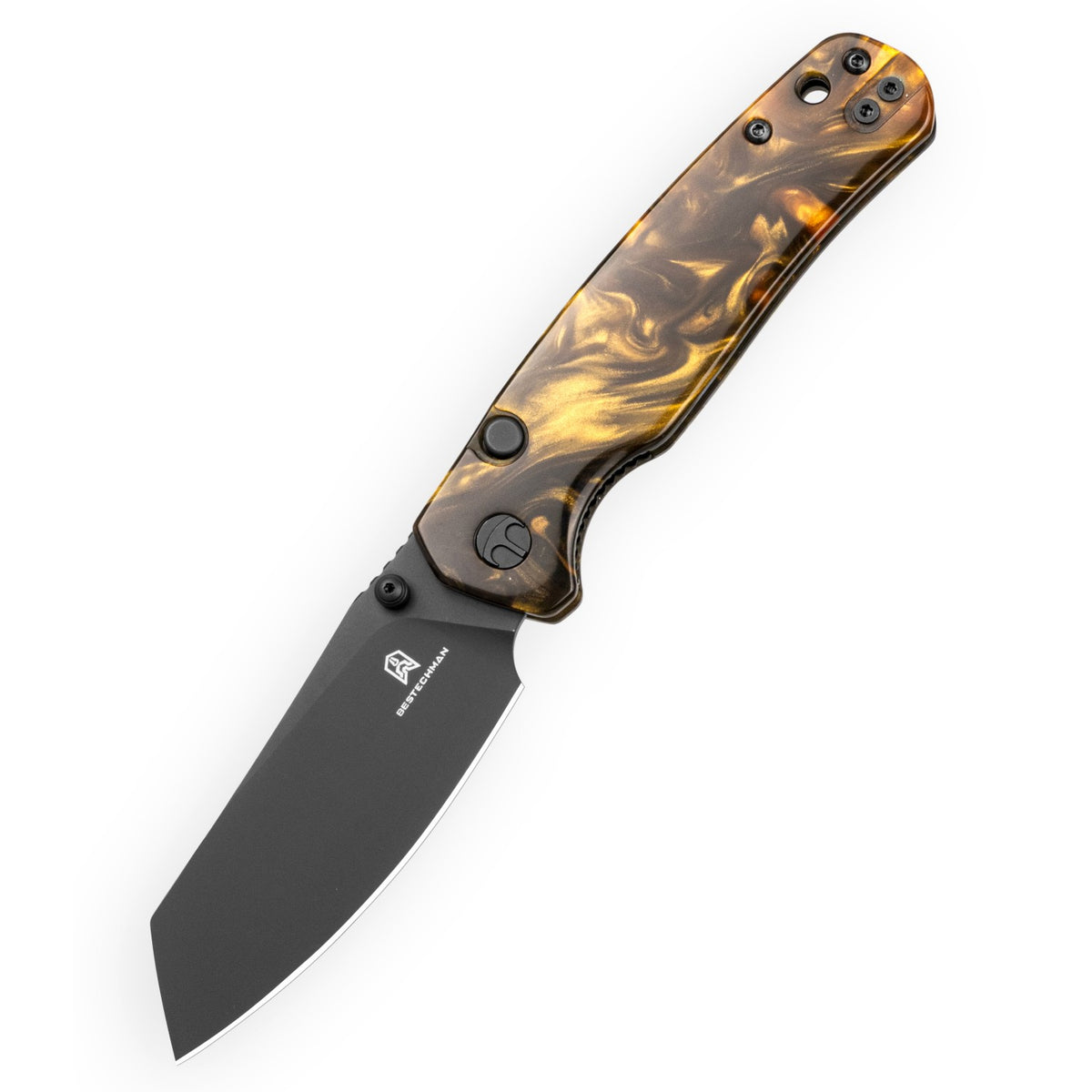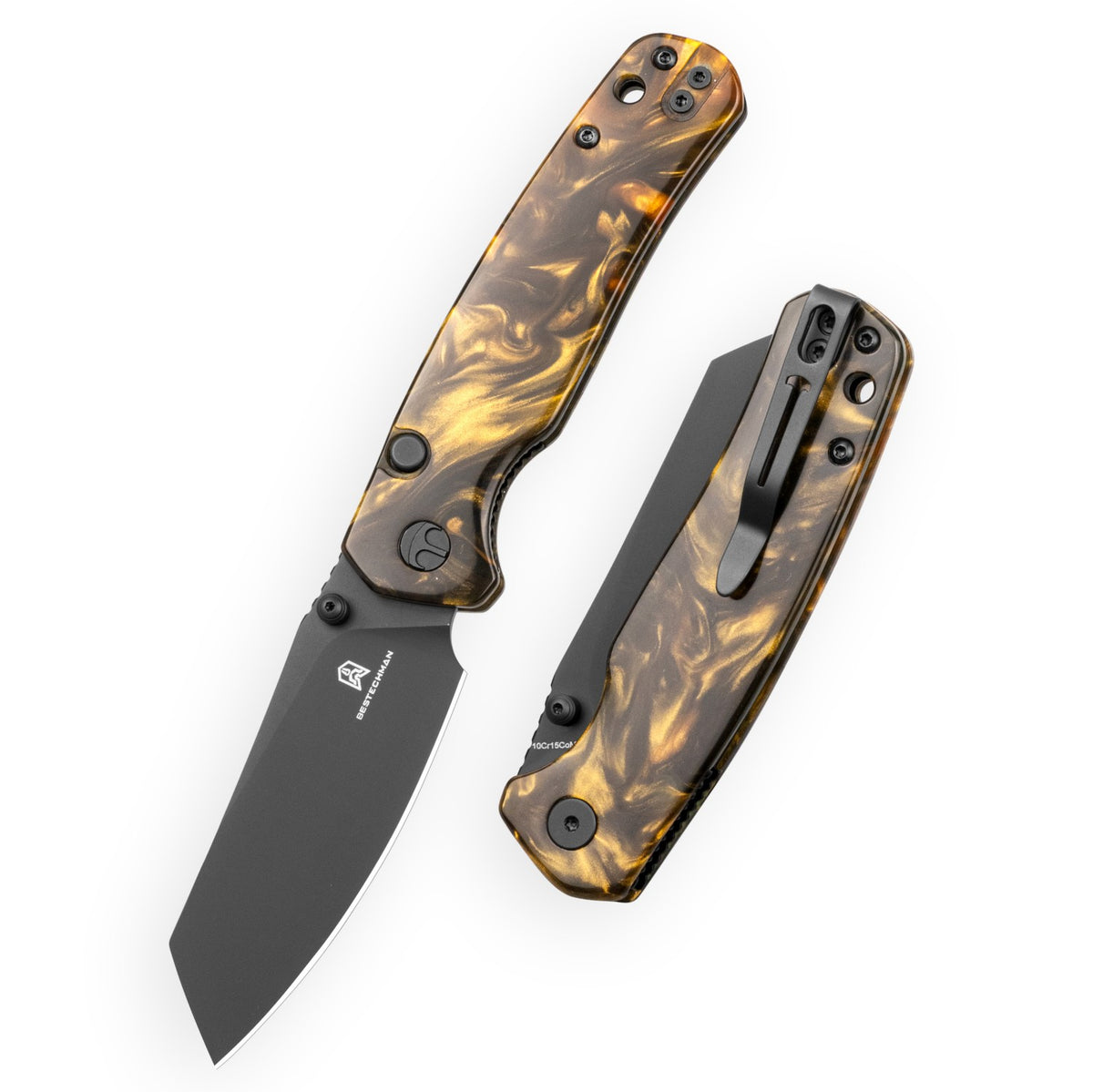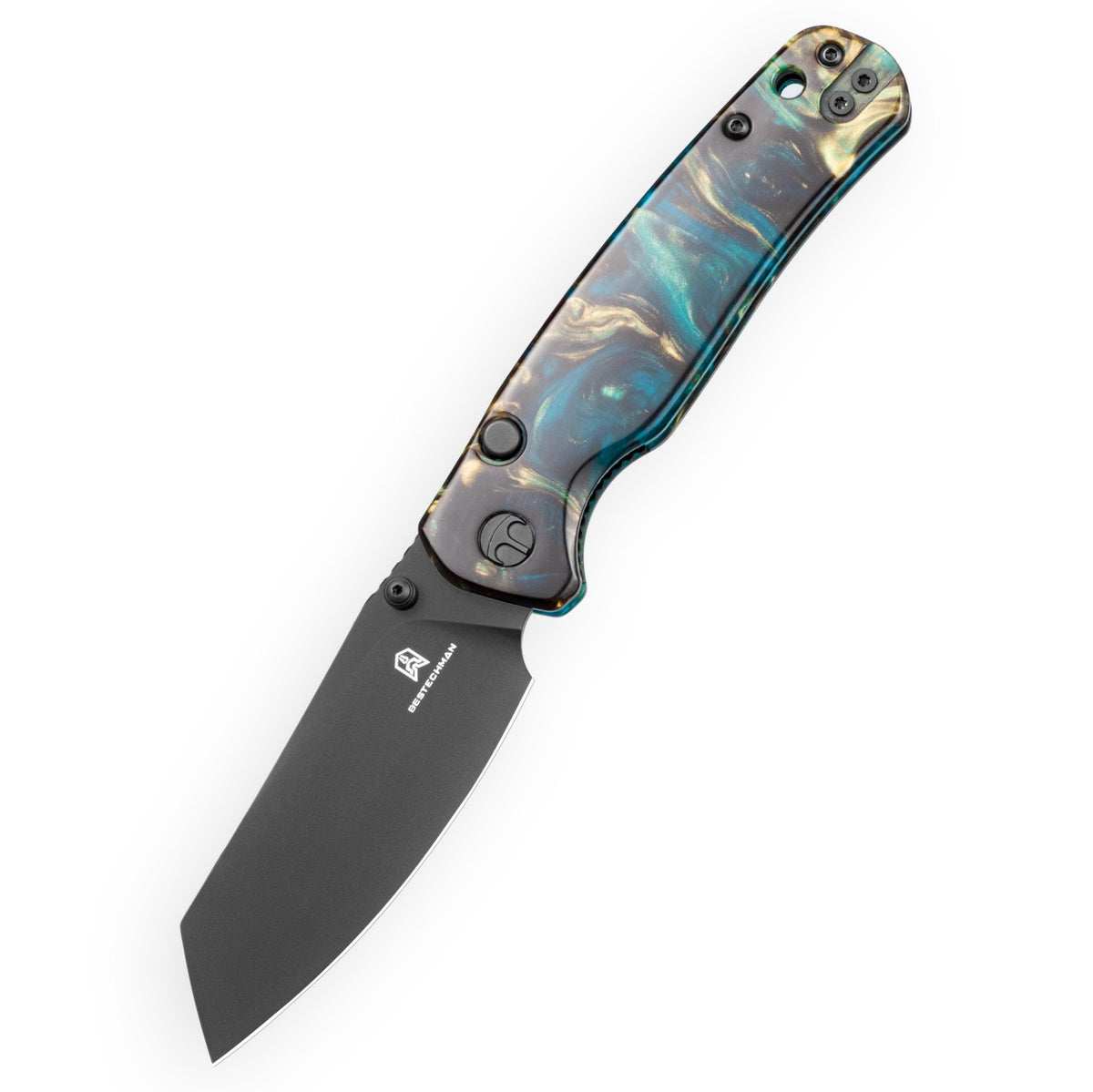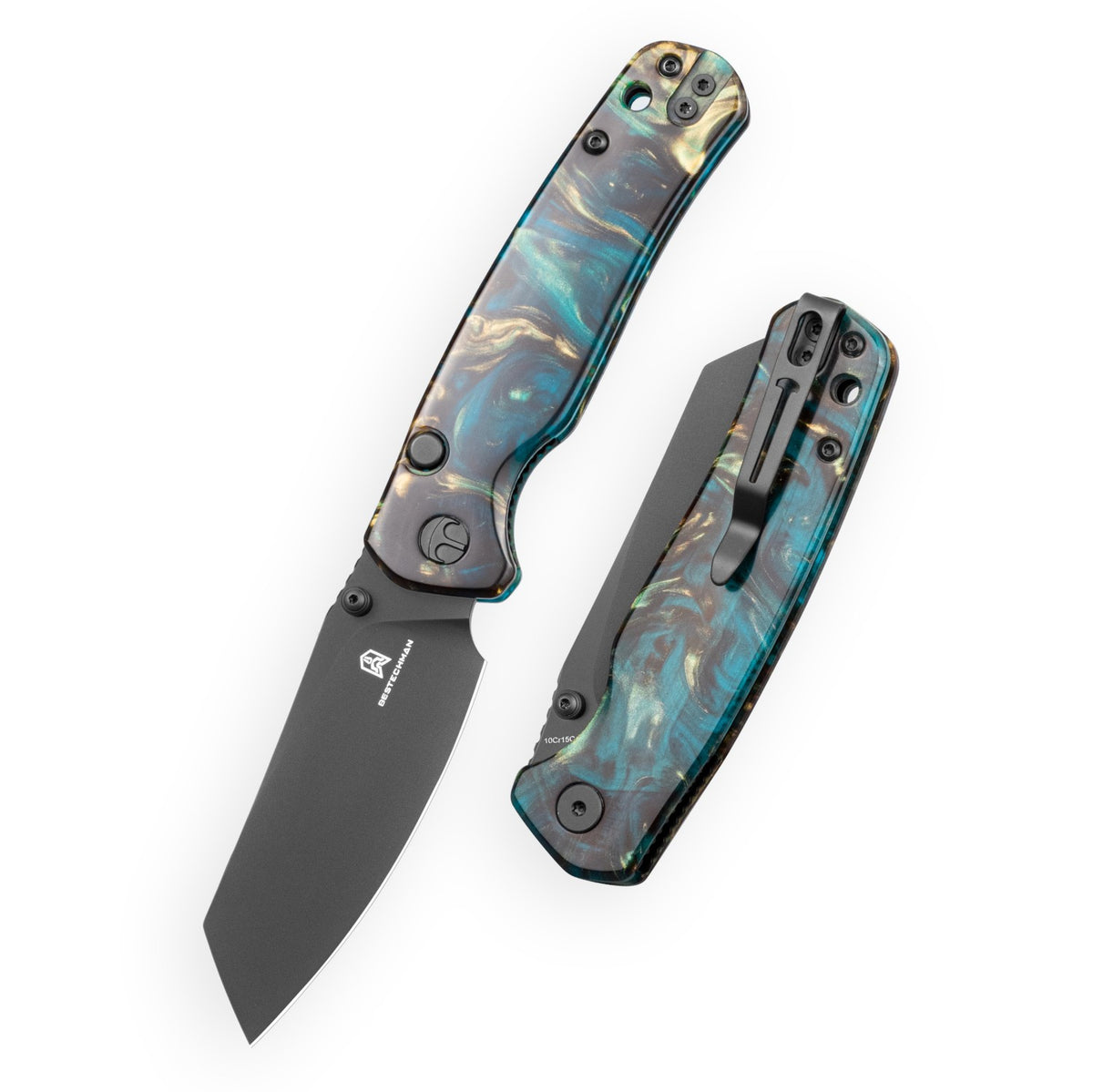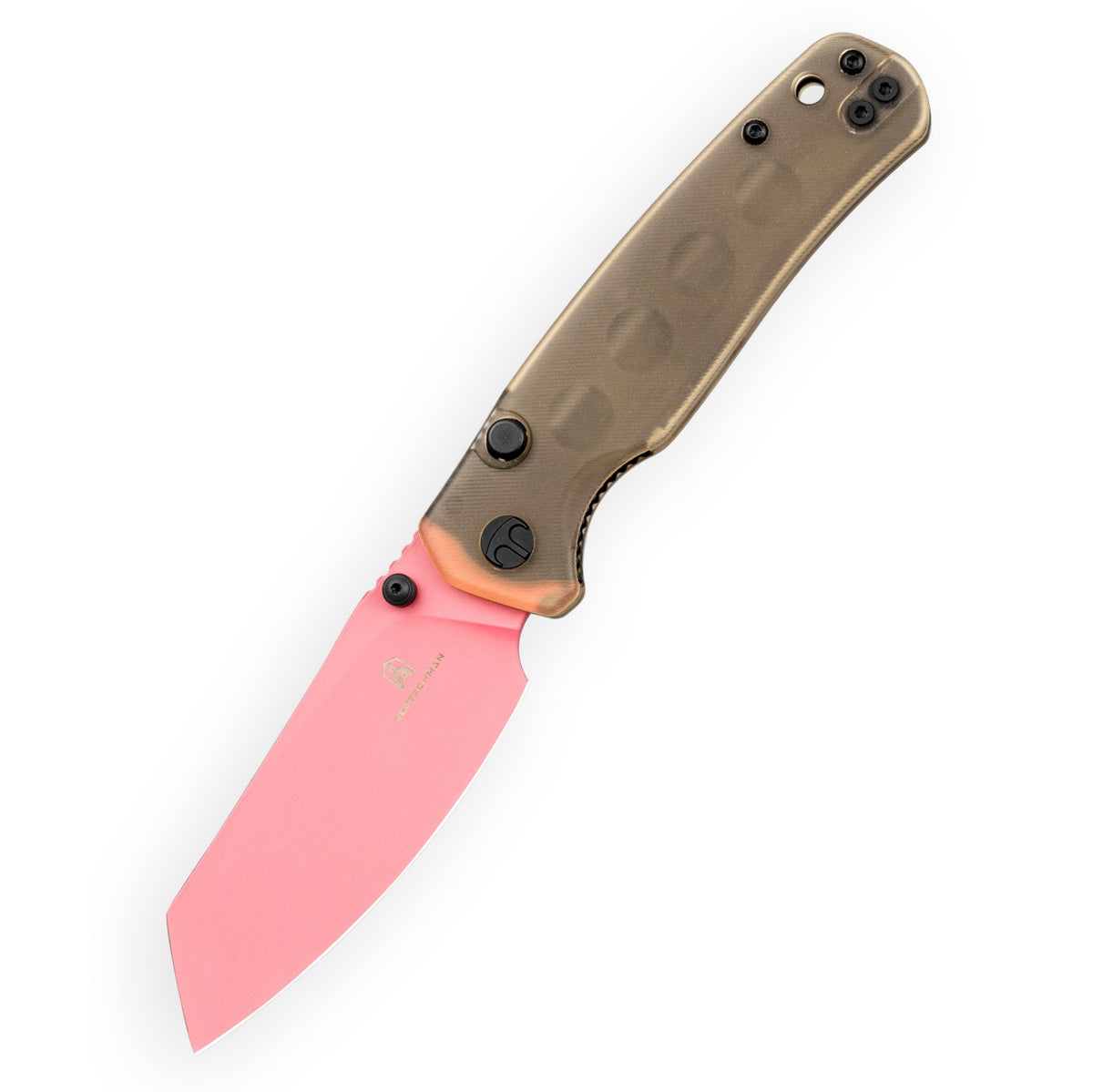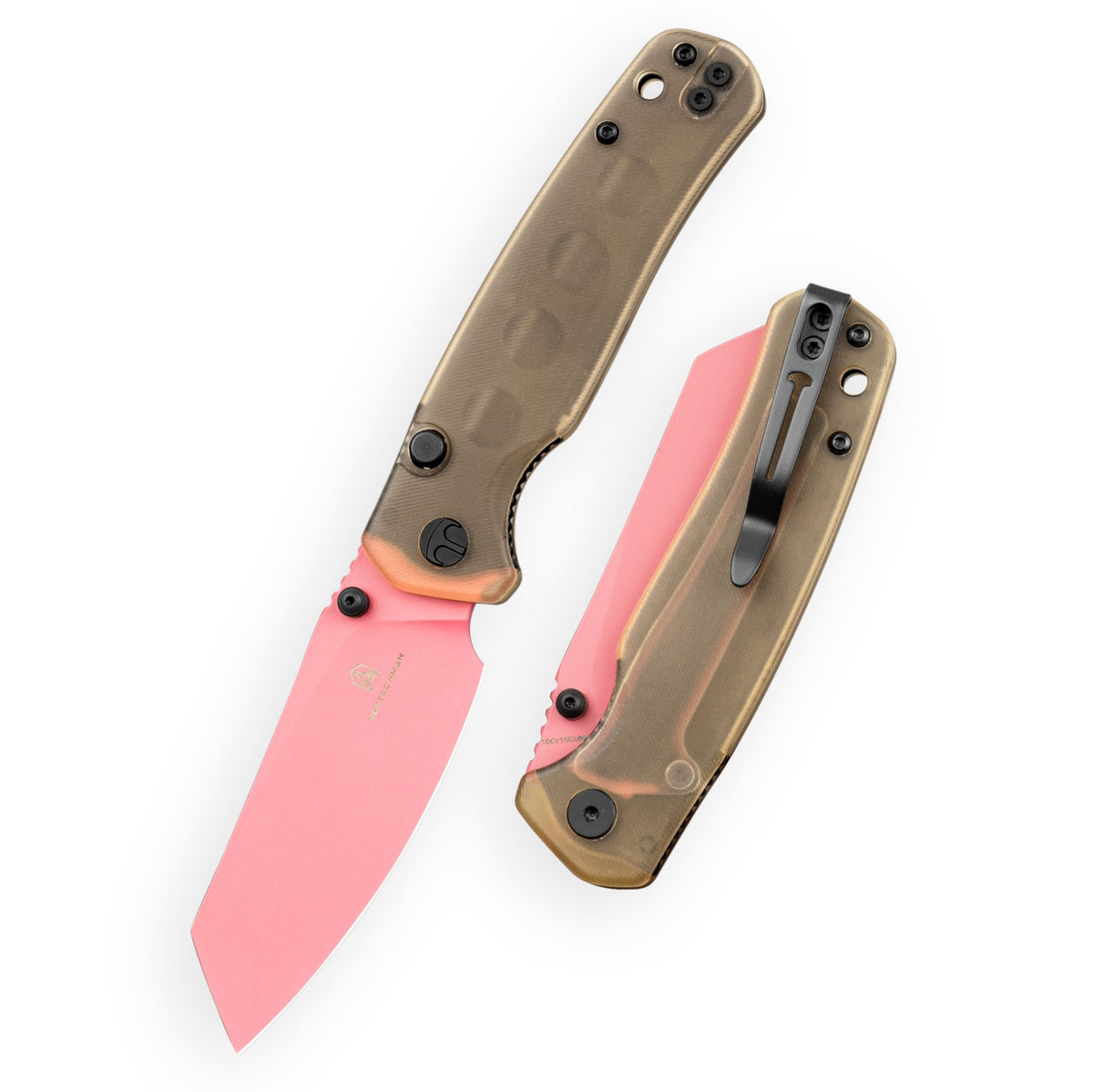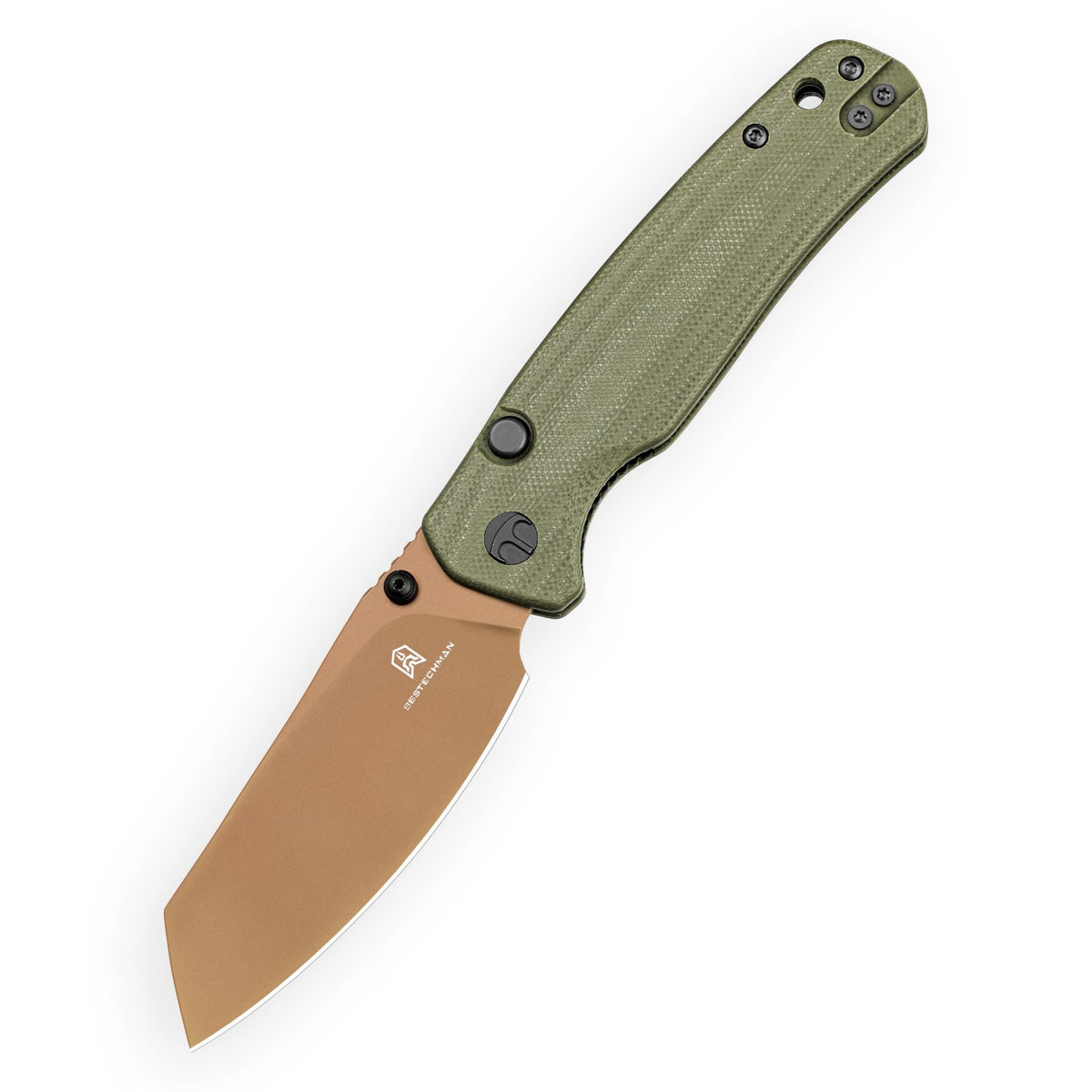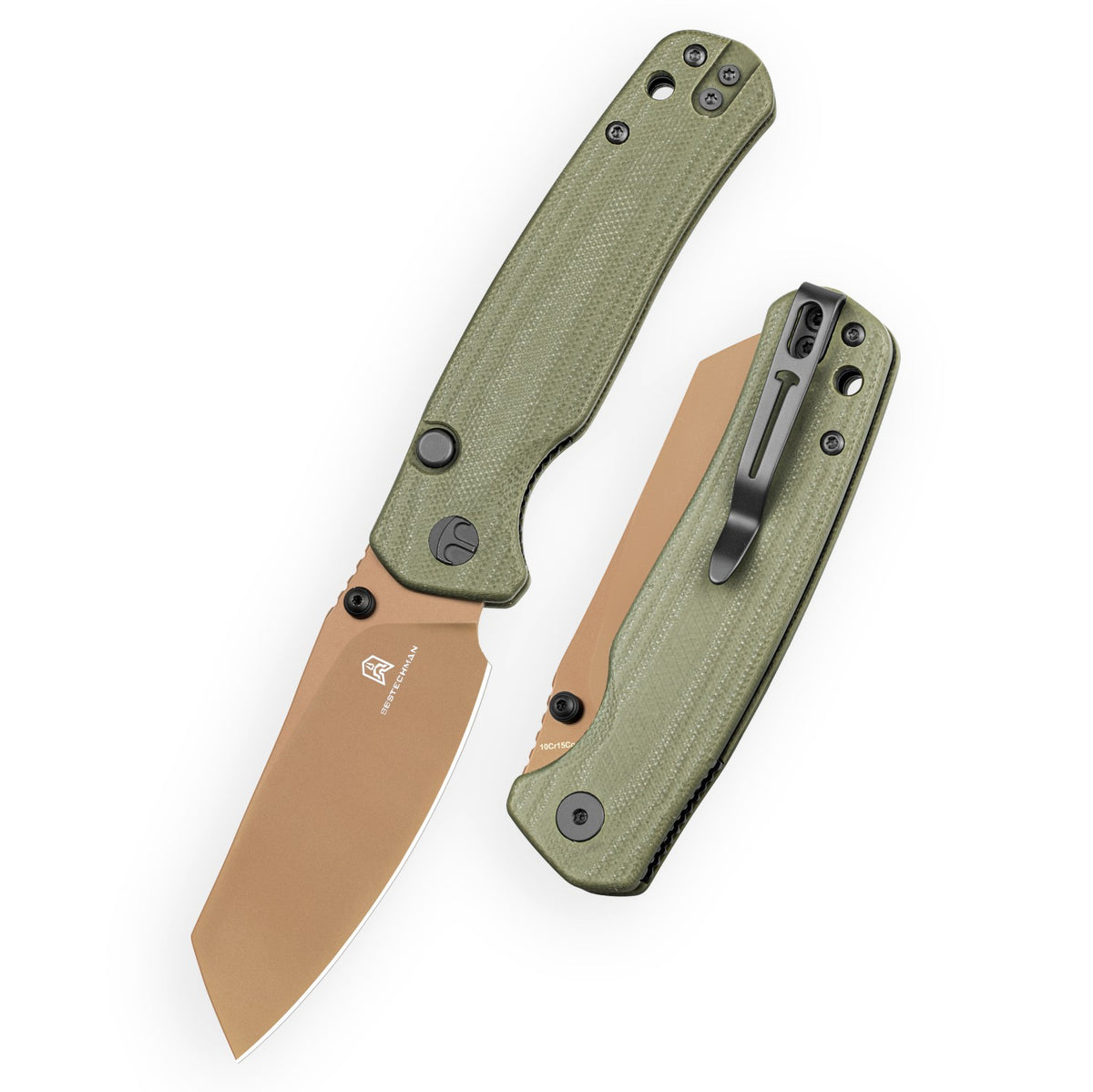

Overview & First Impressions
A collaboration knife is a translation. A custom maker works in single pieces, adjusting geometry by feel across months. A production factory works in batches of hundreds, where every dimension has to be specified in advance and every part has to be interchangeable. When the two meet, the interesting question is not what was lost but what survived, and the answer tells you a great deal about how to judge a collaborative release.
Materials & Construction
The designer's influence usually shows in three places. The blade profile and grind come straight from the custom original, because that is the part with real intellectual content. The handle ergonomics survive almost intact, since a drawing can carry finger grooves and palm swell accurately. What changes is the material specification: a one-off custom in exotic patterned steel becomes a production run in a predictable stainless such as 154CM or CPM-S35VN, chosen so that every unit performs identically and can be serviced for years.

Design & Details
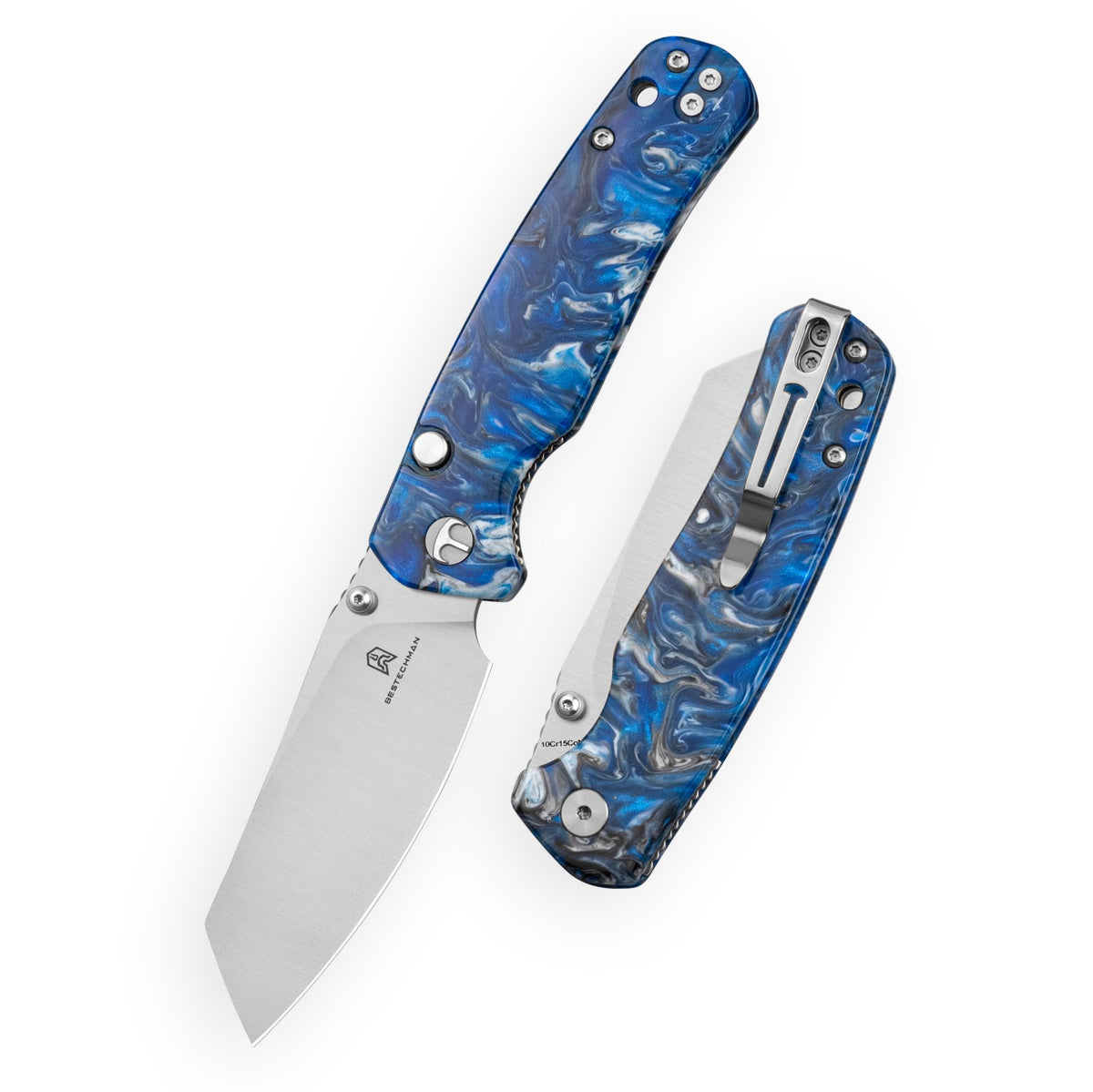
The mechanism is where factories add value rather than subtract it. A custom maker might hand-fit a liner lock on one knife; a factory can offer the same design with a crossbar lock, a button lock or a nested liner, each with controlled tolerances. That is a genuine upgrade, because a clean, repeatable lock action is harder to achieve by hand than a beautiful blade. Buyers who dismiss production collaborations as diluted customs are usually ignoring the mechanism entirely.
Real-World Use
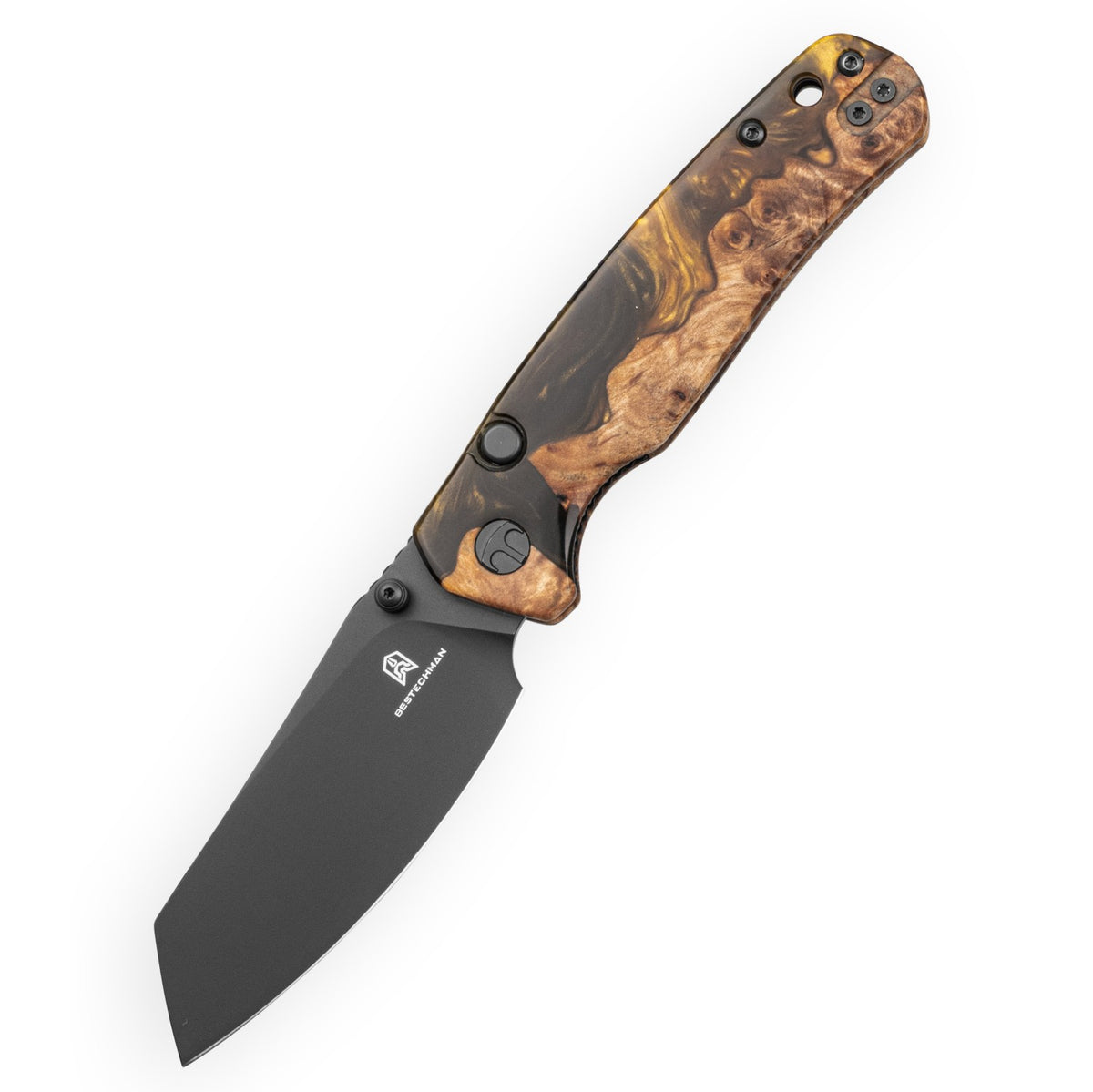
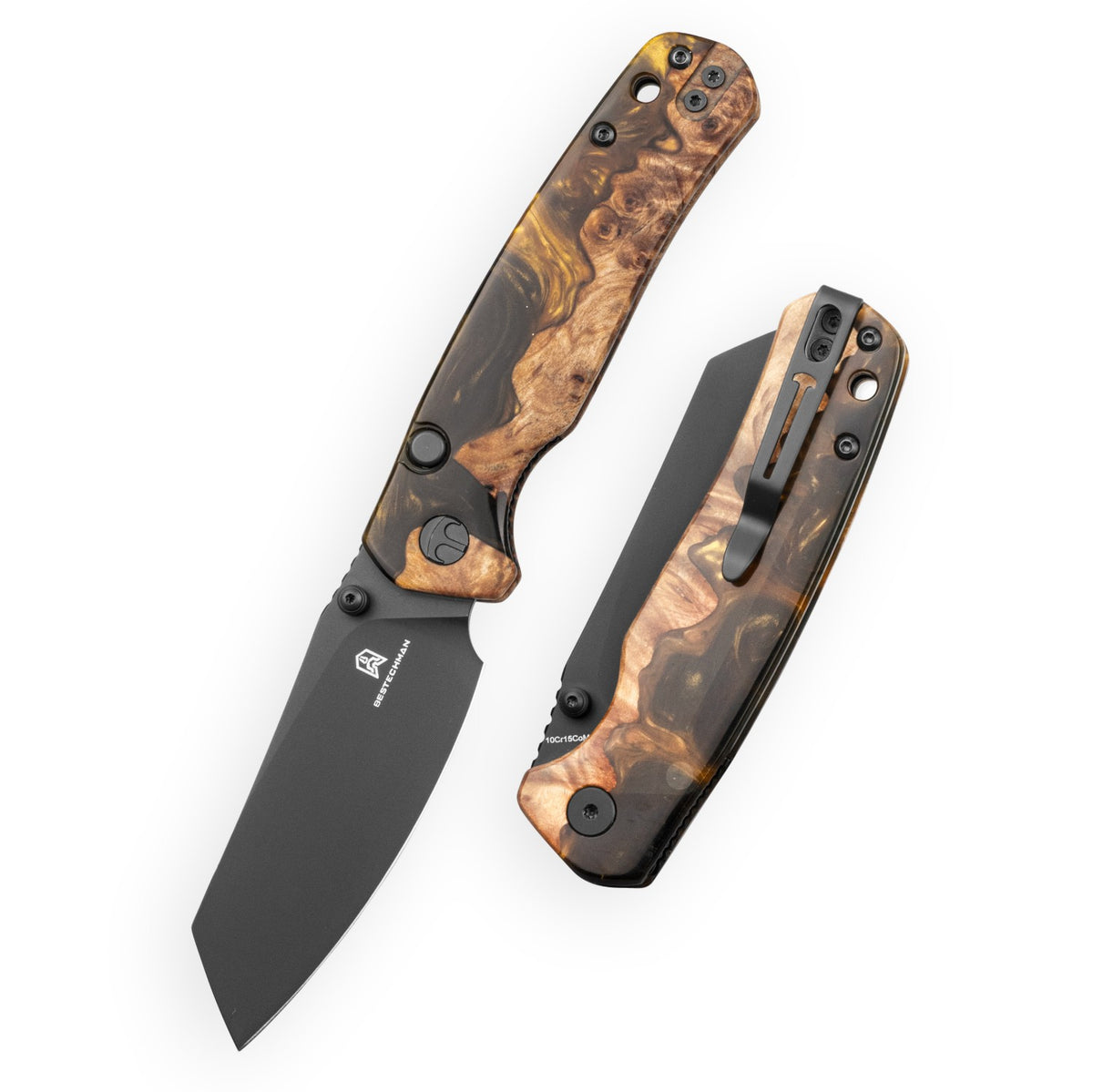
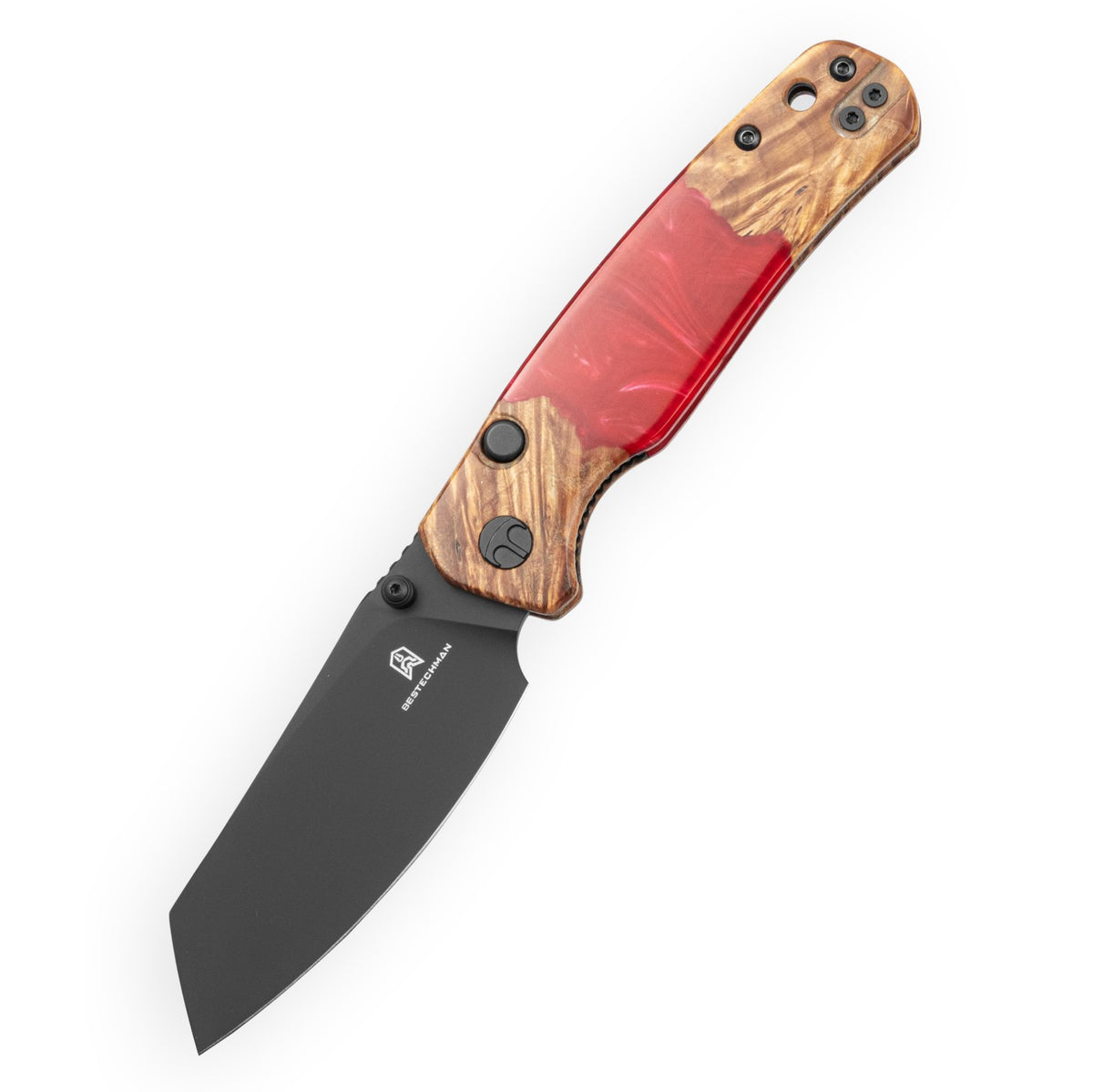
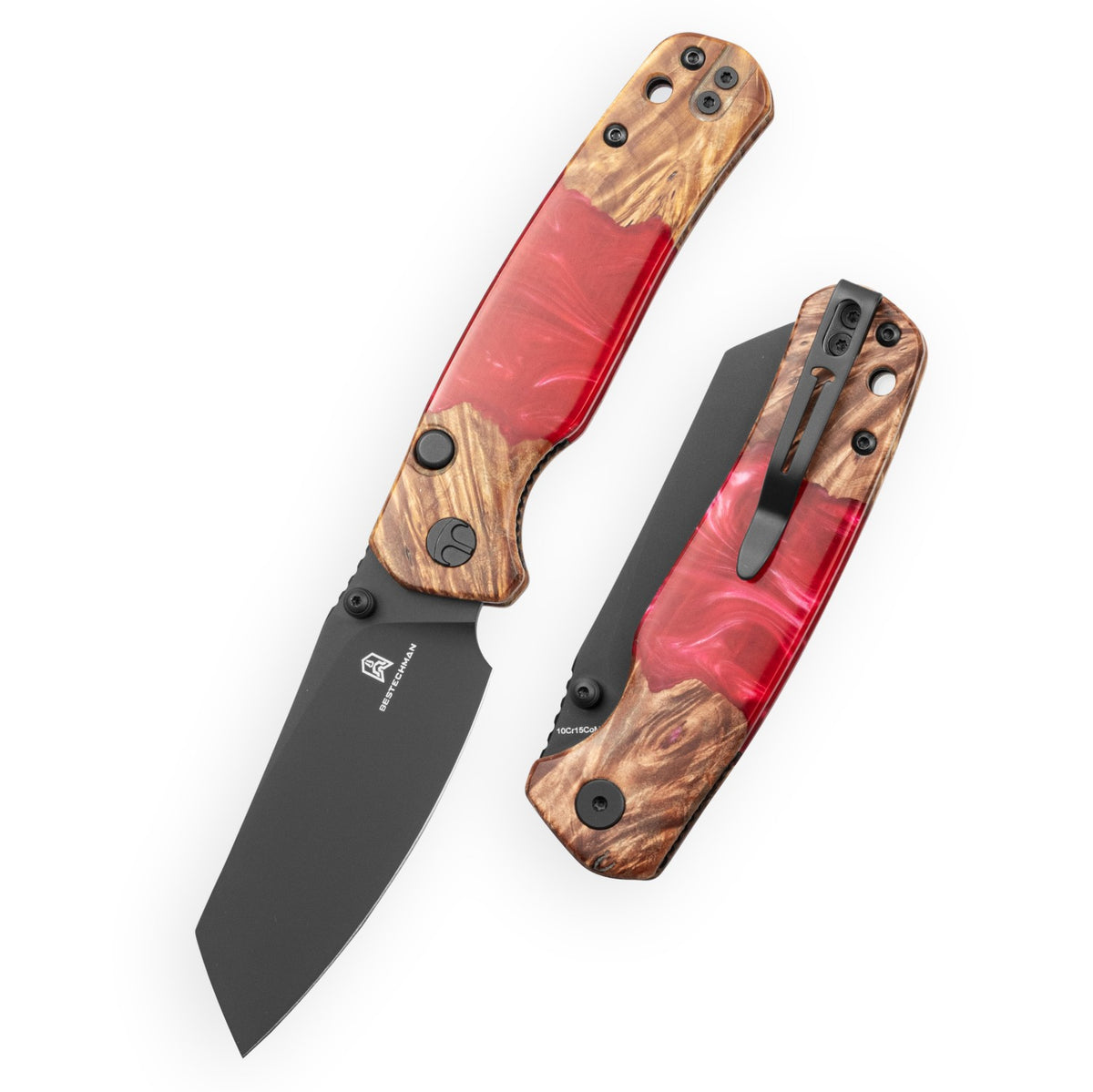
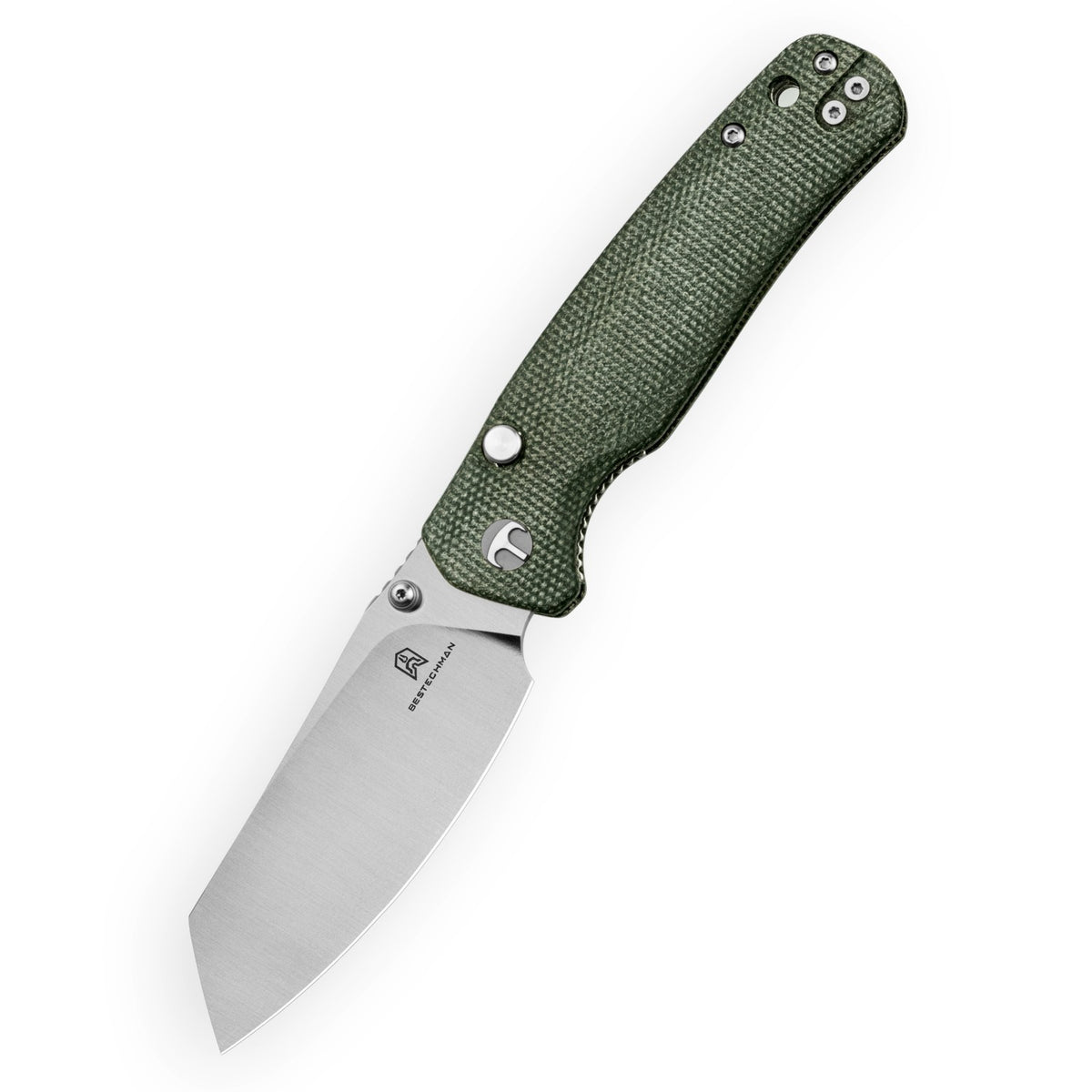
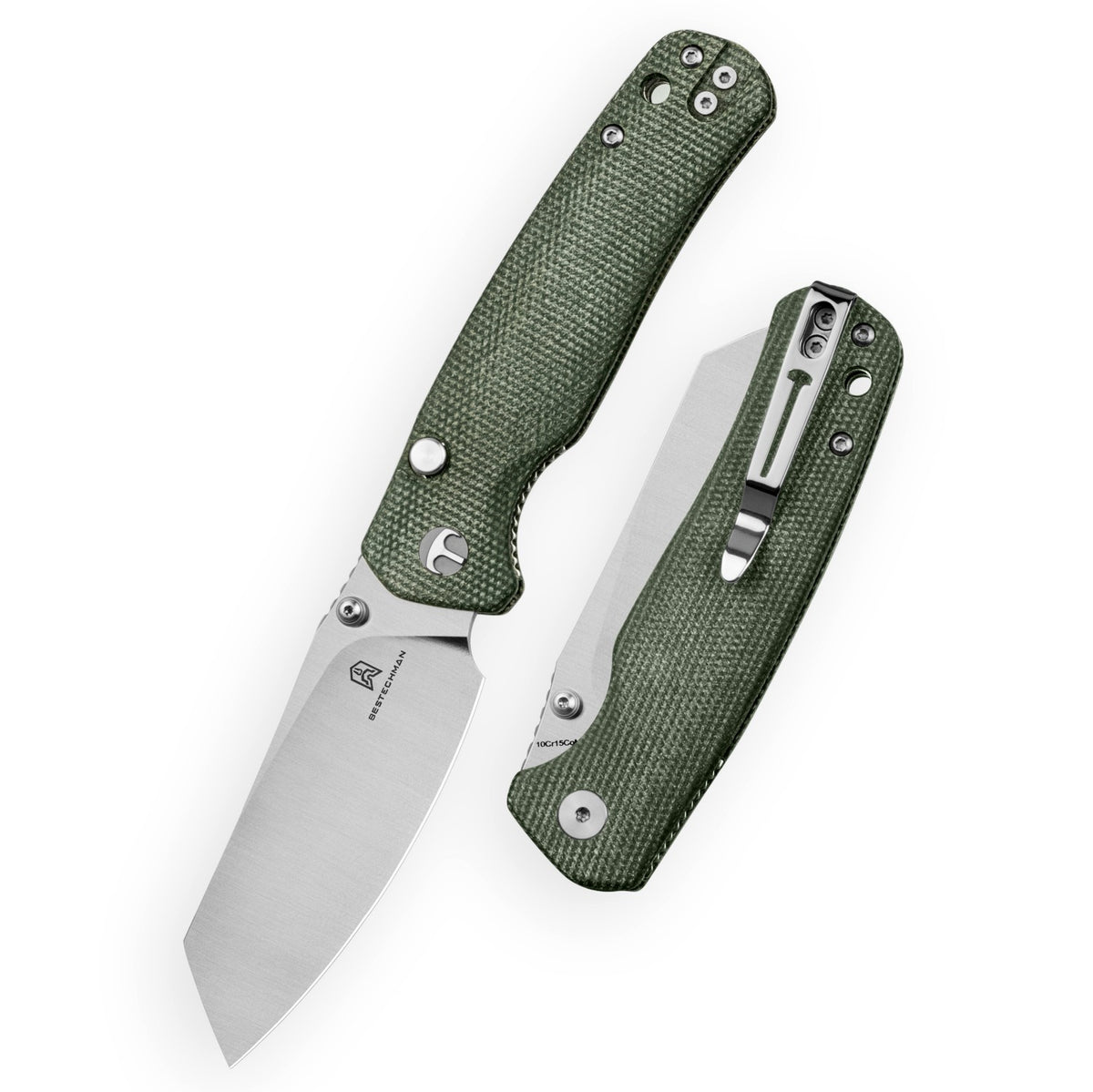
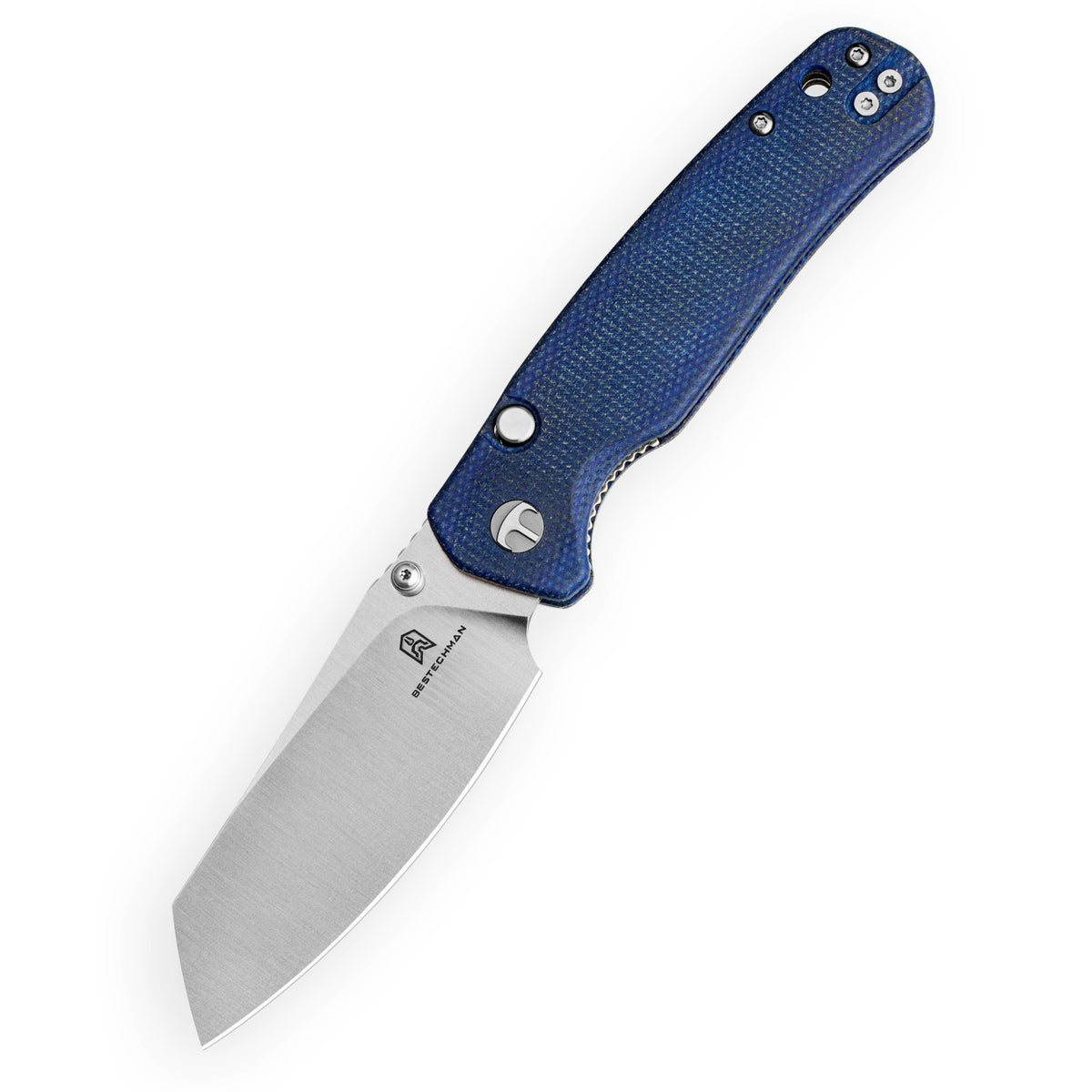
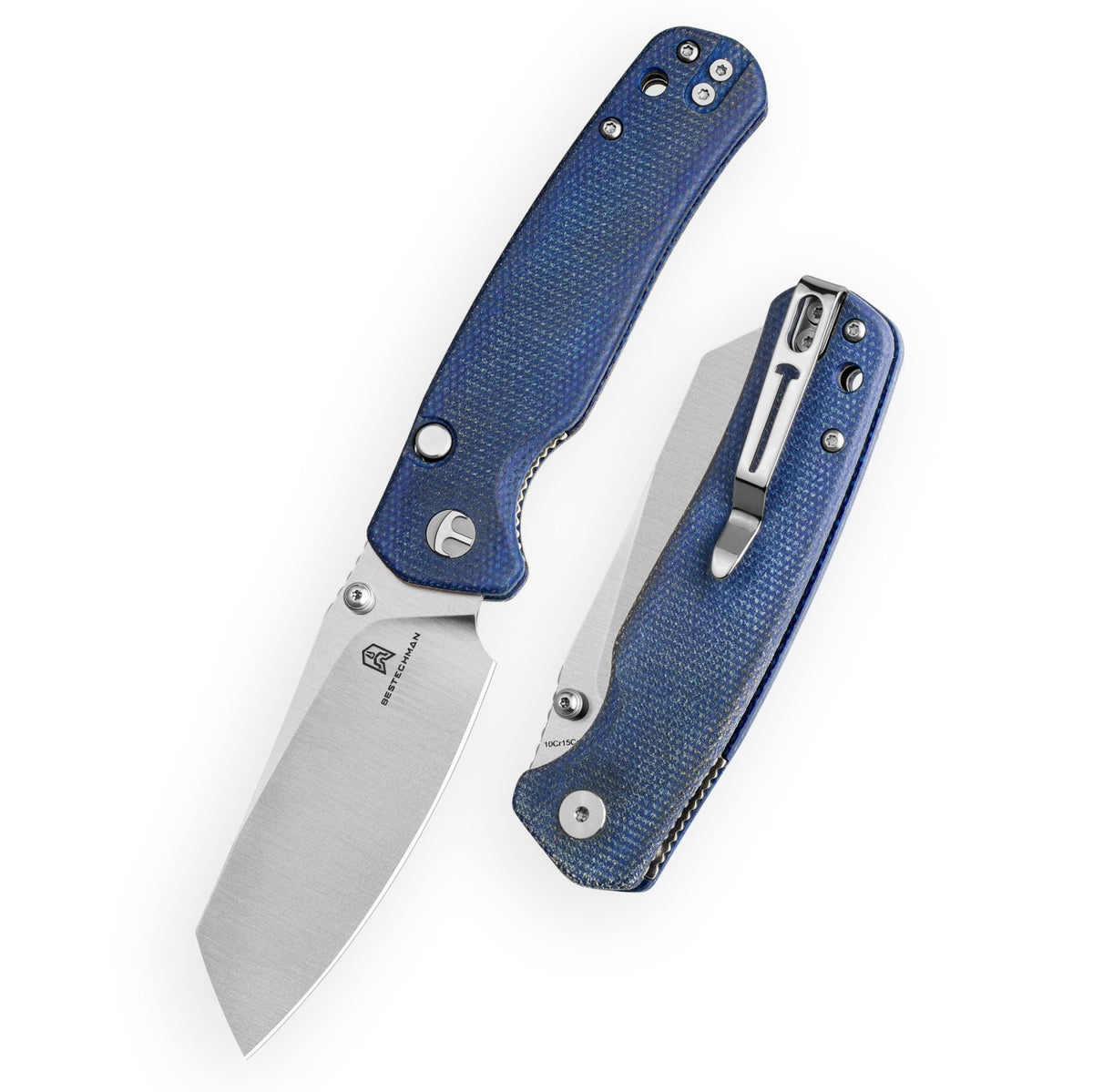
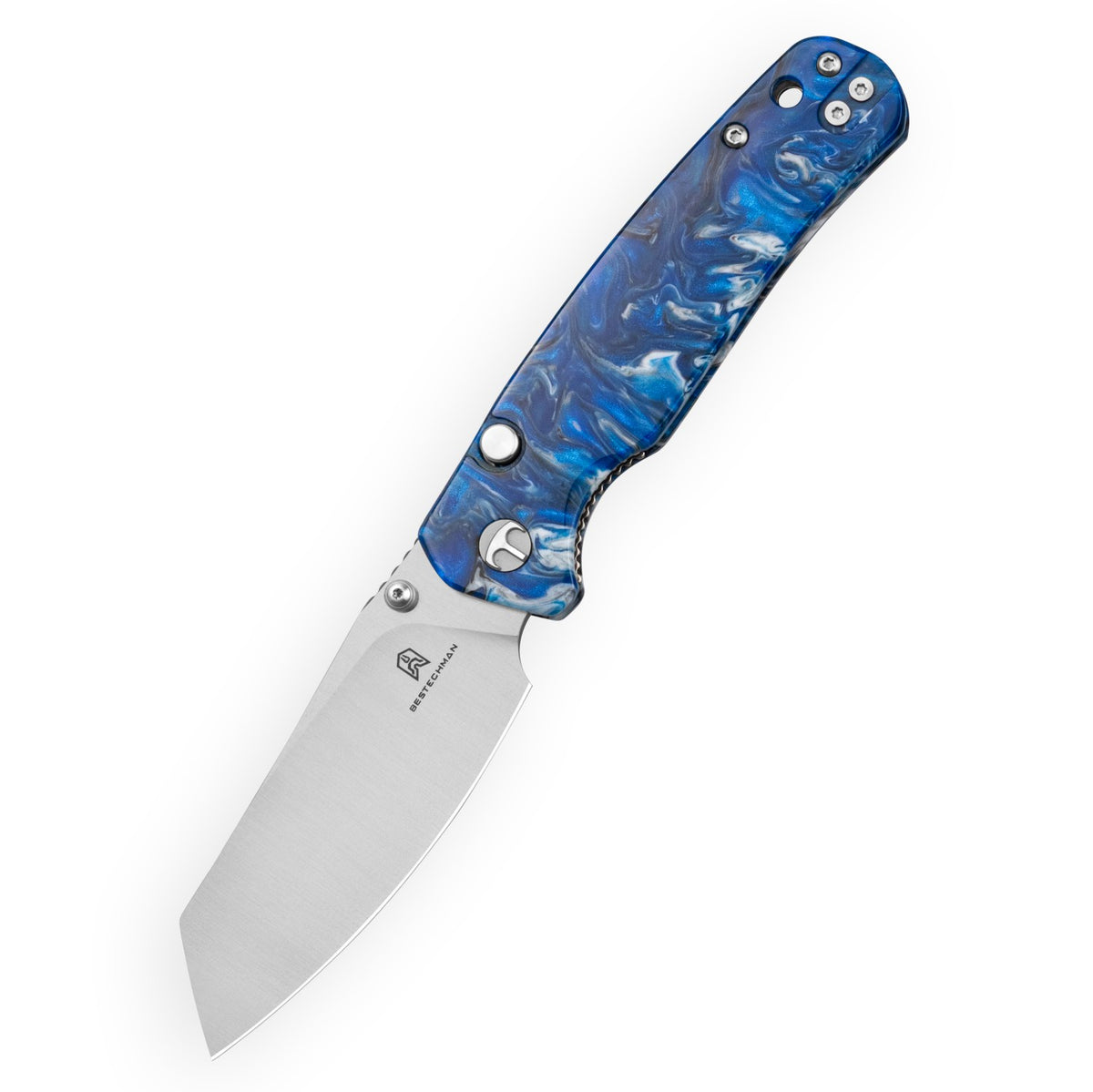
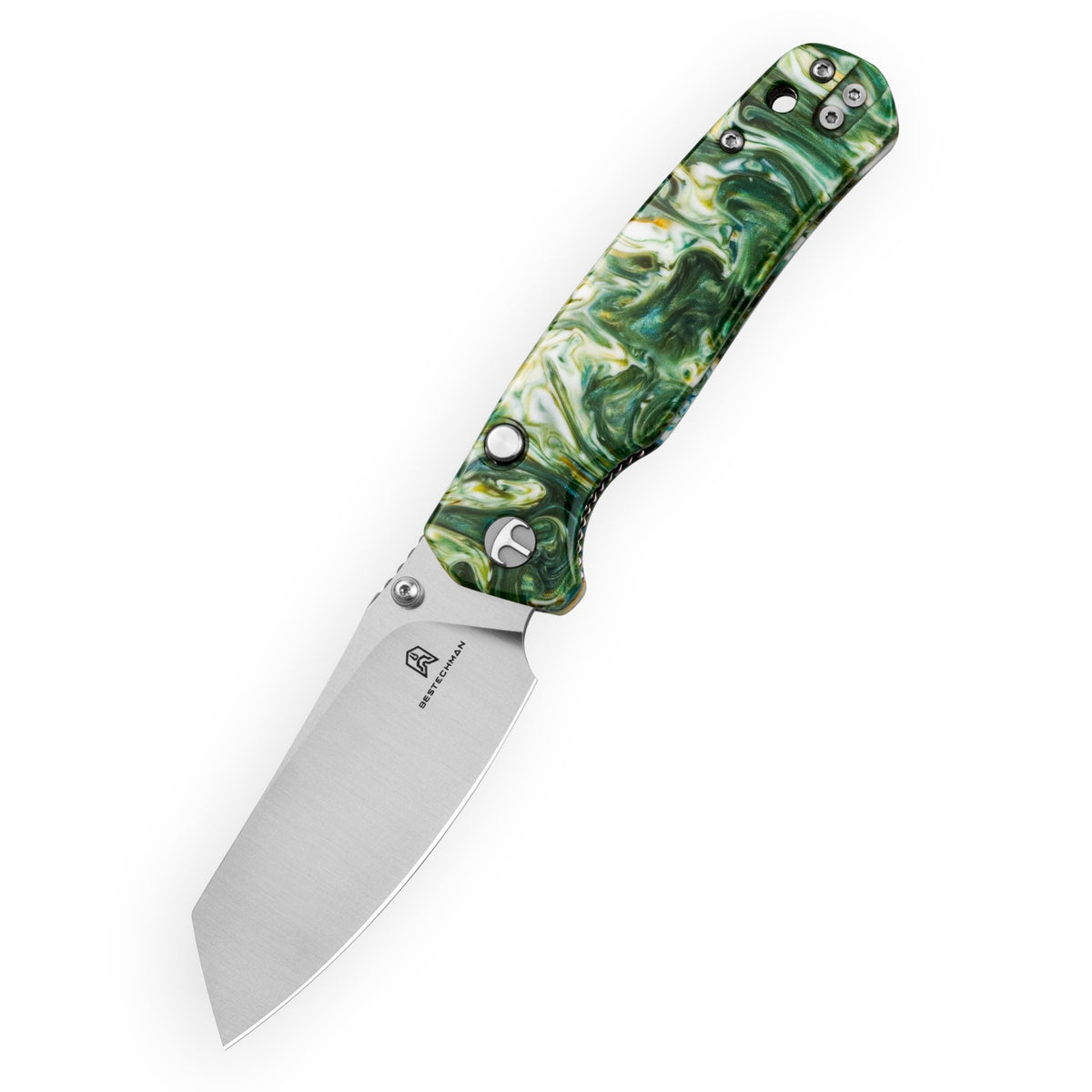
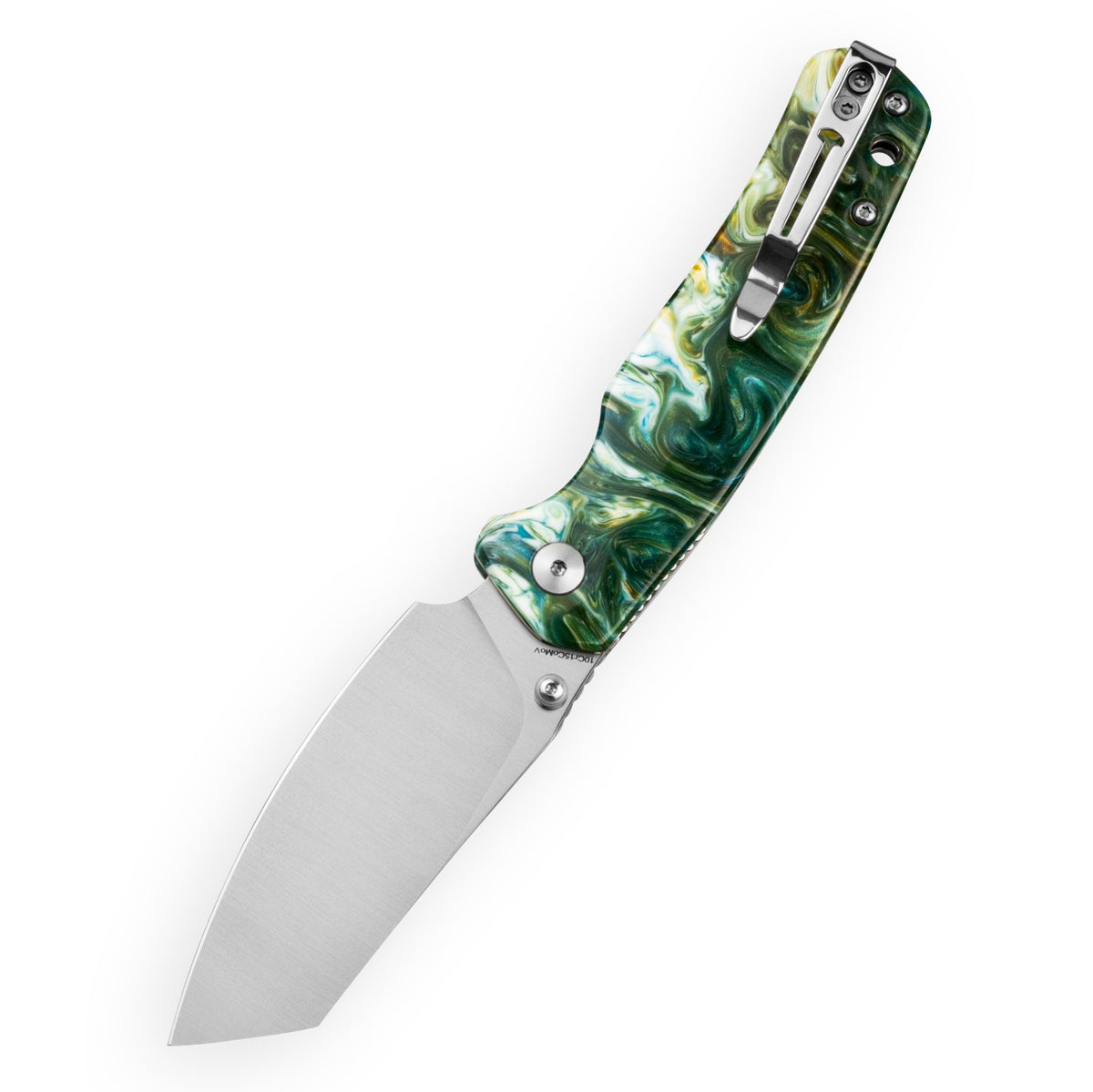
When evaluating a collaboration, ask what the designer actually contributed. A recognizable silhouette matched to a real designer's body of work is worth paying for. A generic drop point with a signature etched on the blade is not. Look at the grind: a compound or hollow grind taken from a custom original usually indicates genuine involvement, while a flat grind on a pattern the maker never produced suggests a marketing exercise.

Ownership Notes
Collaborations are also the cheapest route into a designer's thinking. A custom from a well-known maker may cost many multiples of a production version, and the production knife lets you live with the ergonomics and the blade profile before deciding whether the custom is worth pursuing. That is a legitimate use of the category, not a compromise. A good collaboration also reveals what a factory can do that a solo maker cannot: consistent lock geometry, interchangeable parts and a service path that lasts a decade. That is why the same design language shows up across Kansept knives and Tenable knives at once, and why a piece such as the Tenable Deadite is worth handling alongside its custom ancestor. For anyone building a collection of EDC knives on a real budget, collaborations remain the most efficient way to own a designer's thinking.
Who Is This For?
This is for buyers who want to understand what they are paying for when a knife carries a designer name, and for collectors deciding whether a collaboration belongs in a rotation or a display case. It also helps anyone comparing two knives that look similar but sit at very different prices.
Final Verdict
Judge a collaboration by the blade profile, the grind and the ergonomics rather than the signature. Where those three carry the designer's actual thinking, the knife is worth its premium. The Kansept Deadite and its counterpart in the Tenable knives lineup are useful studies in how the same design language survives translation across two factories.
Shop the Kansept Deadite T1081V3 154CM Crossbar Lock at EdcMall