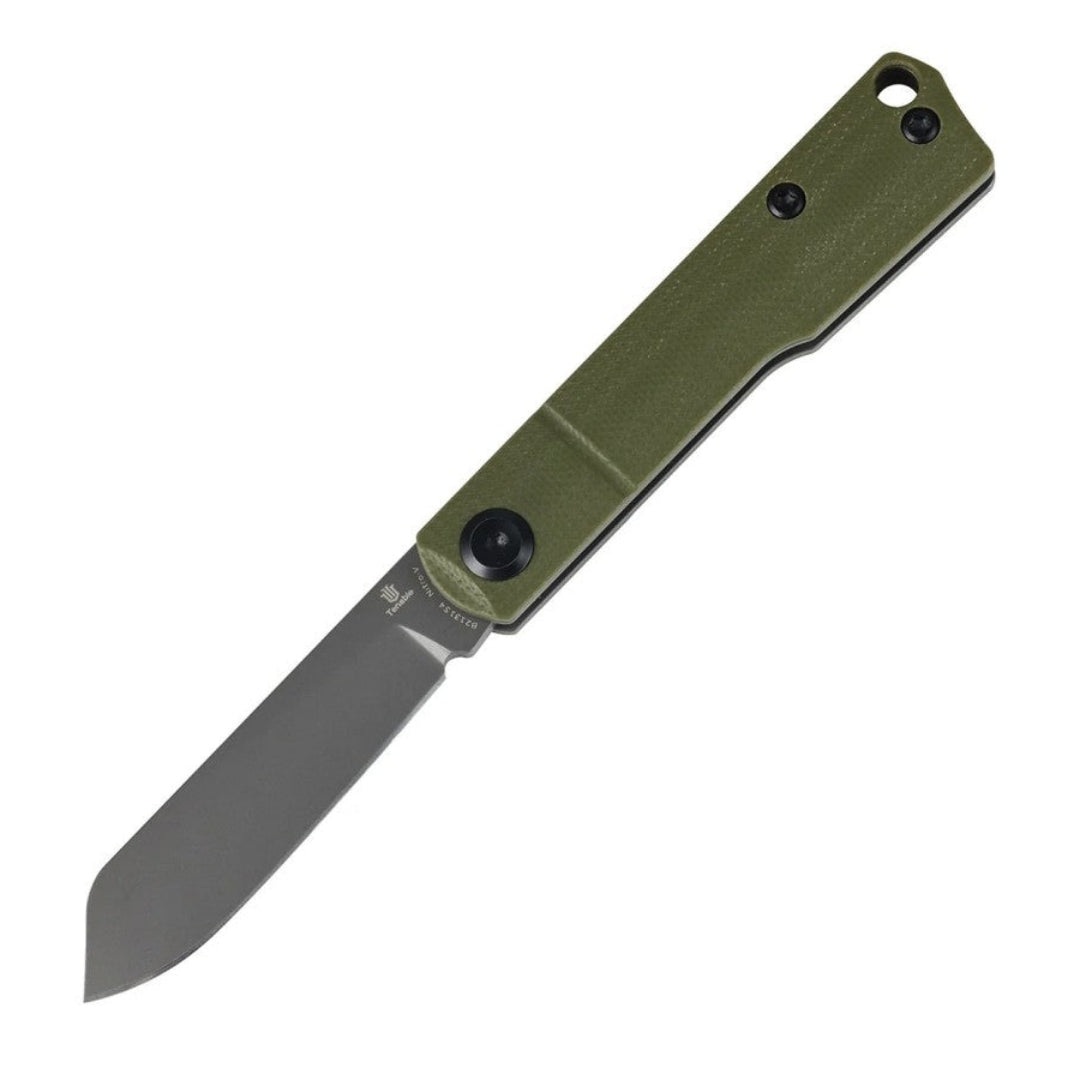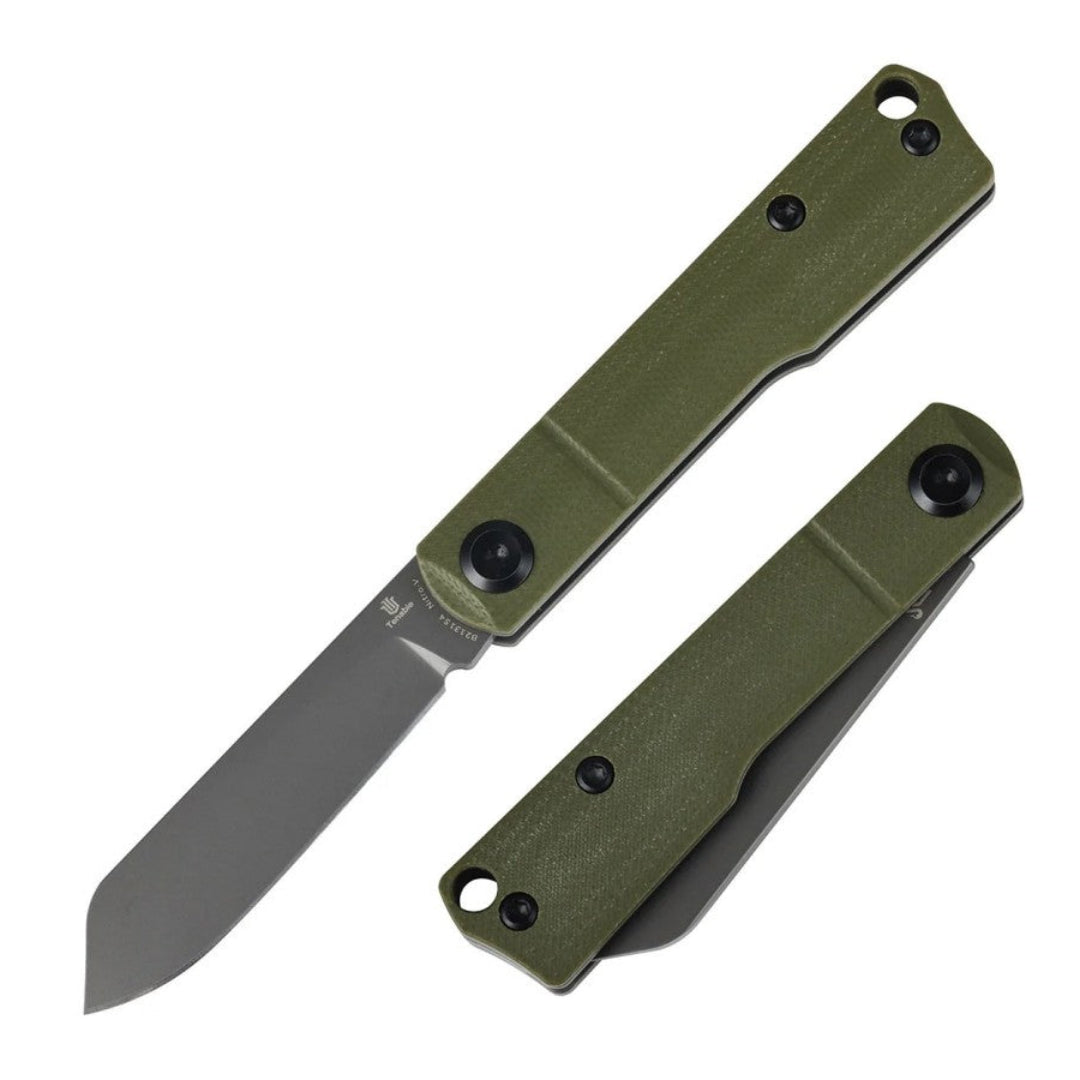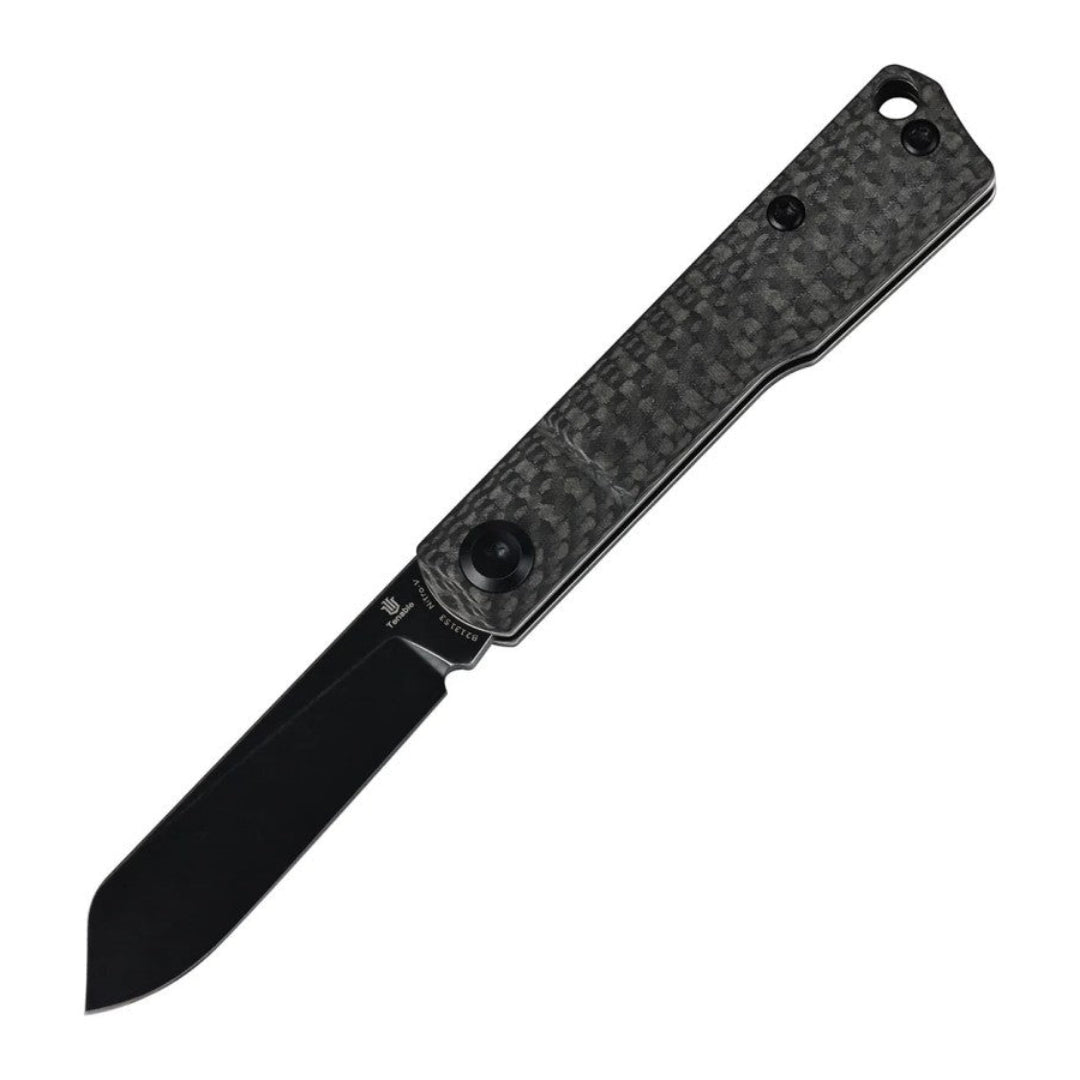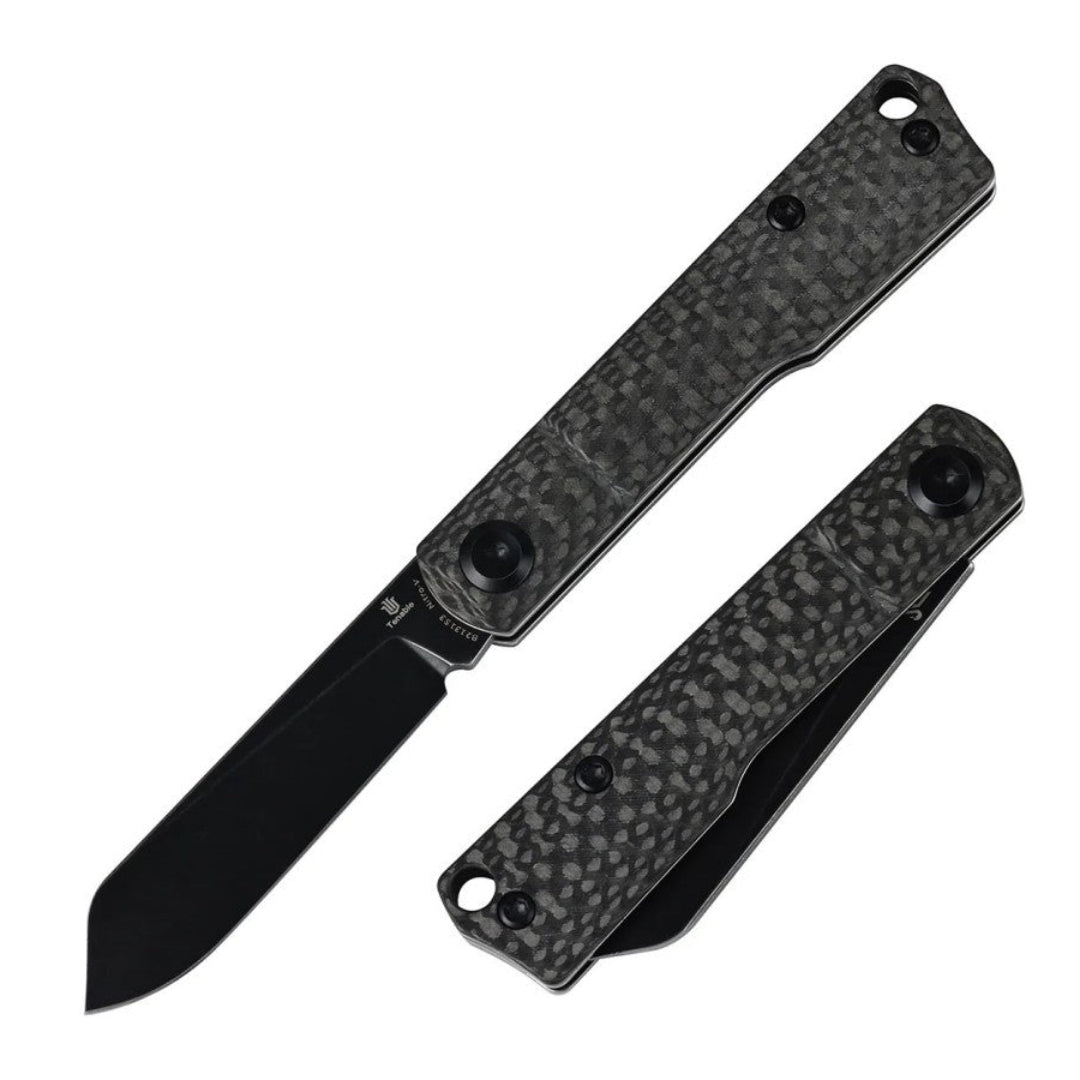


Overview & First Impressions
Most complaints about a folding knife that feels wrong come down to three adjustable variables: pivot tension, lock engagement and detent strength. All three can be tuned, and none of them requires a workshop. Understanding what each one controls will let you take a knife that feels vague and turn it into one that opens with a satisfying snap and locks up solidly.
Materials & Construction
The pivot is usually a shouldered screw running through a washer or bearing assembly. Phosphor bronze washers give a smooth, low-maintenance action and tolerate grit well. Caged bearings feel faster but collect dust and dislike salt. The lock interface is where two hardened surfaces meet, and a top liner lock or a frame lock relies on the lock bar travelling a short distance onto the tang, so the geometry of that contact surface determines whether you get lock rock or a firm stop.

Design & Details
Blade play comes in two flavors, and confusing them leads to bad adjustments. Lateral play, side-to-side movement, is almost always a pivot tension problem. Vertical play, up-and-down movement when locked, is a lock engagement problem. Tightening the pivot will not fix vertical play; increasing lock travel will. Diagnose before you turn a screw, because over-tightening a pivot to chase vertical play makes the action stiff and solves nothing.
Real-World Use
Adjust the pivot a quarter turn at a time and test after each change. The target is an action that flicks open cleanly with no lateral movement when the blade is locked. If the blade swings freely but the lock feels soft, the lock bar needs more engagement rather than more pivot tension. Detent strength is set by the detent ball and the hole in the tang; a weak detent usually means the ball is not seating deeply enough, and a very strong one usually means the tang face needs a light polish.

Ownership Notes
Make one change at a time and write down what you did. Tuning is iterative, and a knife that felt better after two adjustments can be ruined by a third made on a guess. If a knife arrives with vertical play or a lock that fails a spine test, that is a warranty matter rather than a tuning opportunity, and it should go back to the seller unresolved. The same discipline applies to every folding knives platform you own: understand which variable you are changing before you change it, and the adjustment becomes predictable rather than experimental. Owners who tune their EDC knives patiently usually end up with a rotation that feels better than anything they could buy off the shelf.
Who Is This For?
This is for owners who want to understand their knives rather than simply carry them, and for anyone whose favorite folder has developed a rattle or a stiff action after a year of use. It is also useful preparation before buying used, because knowing what can and cannot be fixed changes what a knife is worth.
Final Verdict
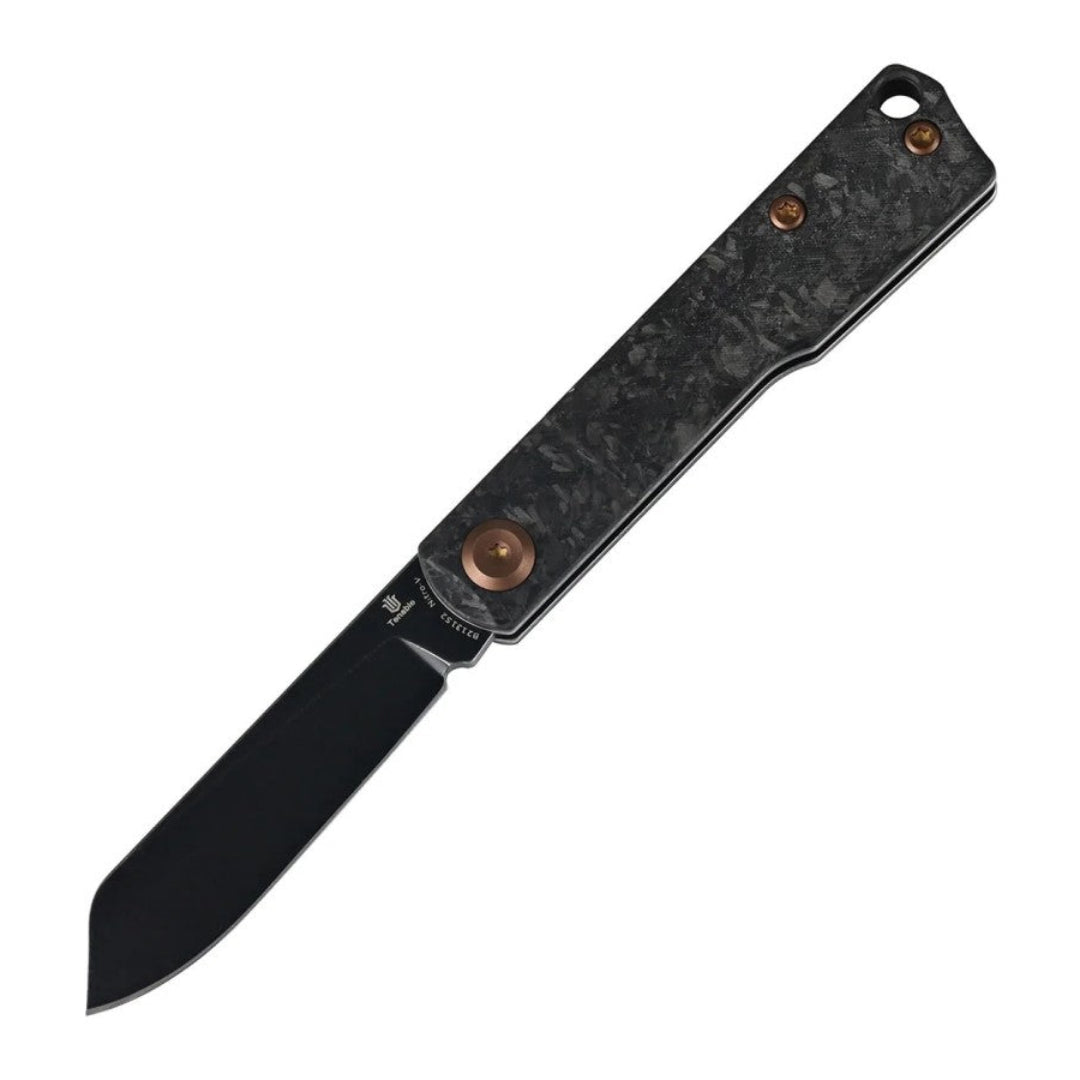
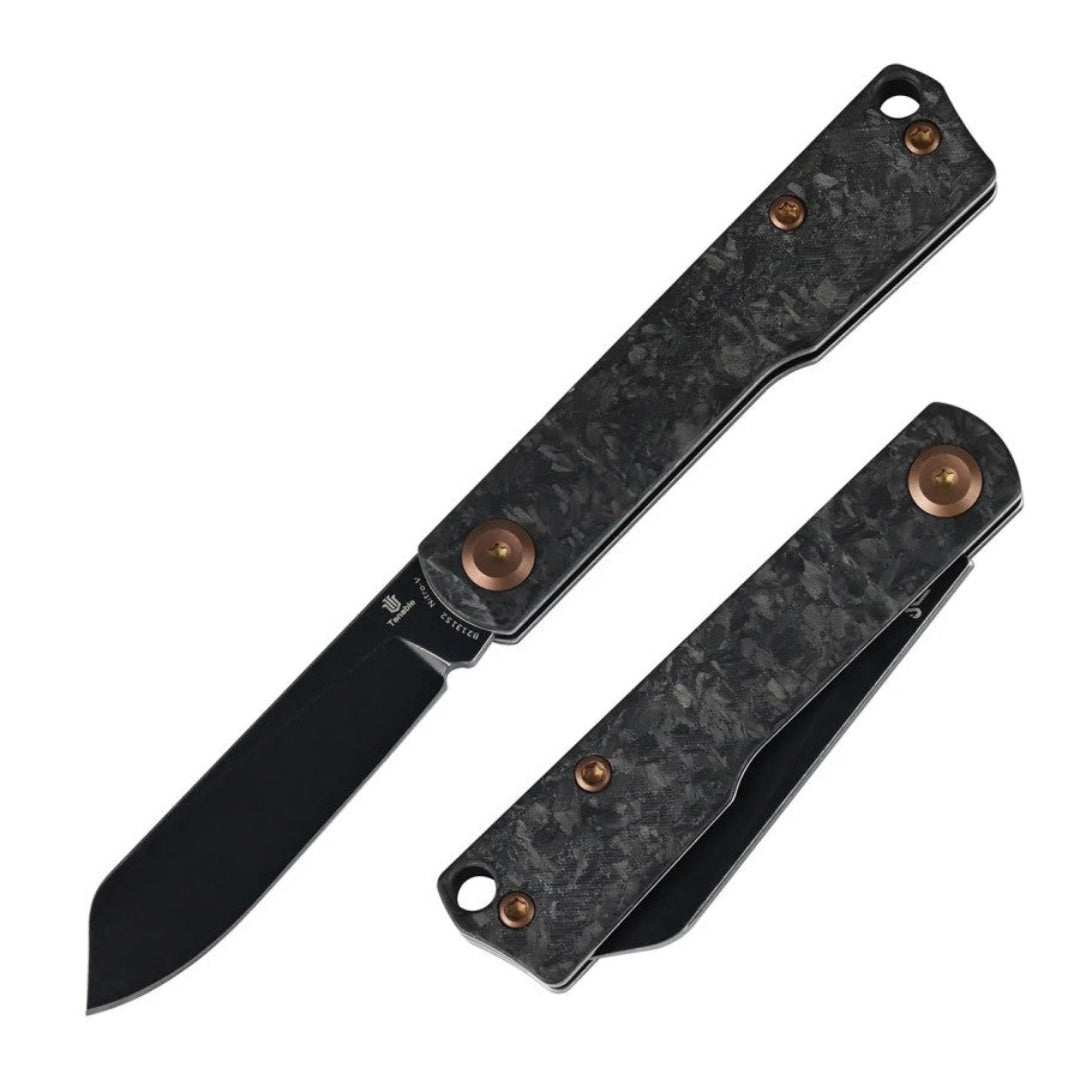
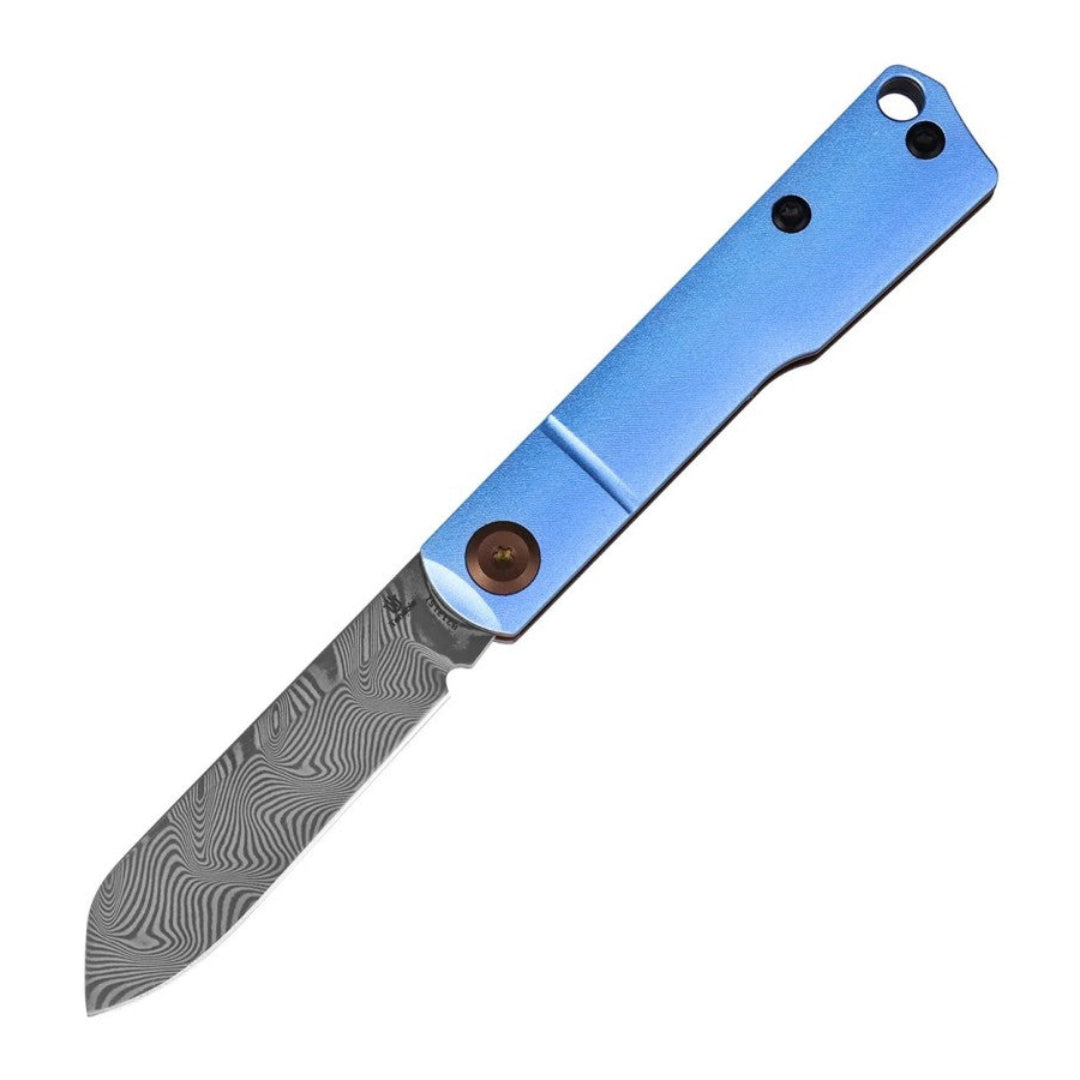
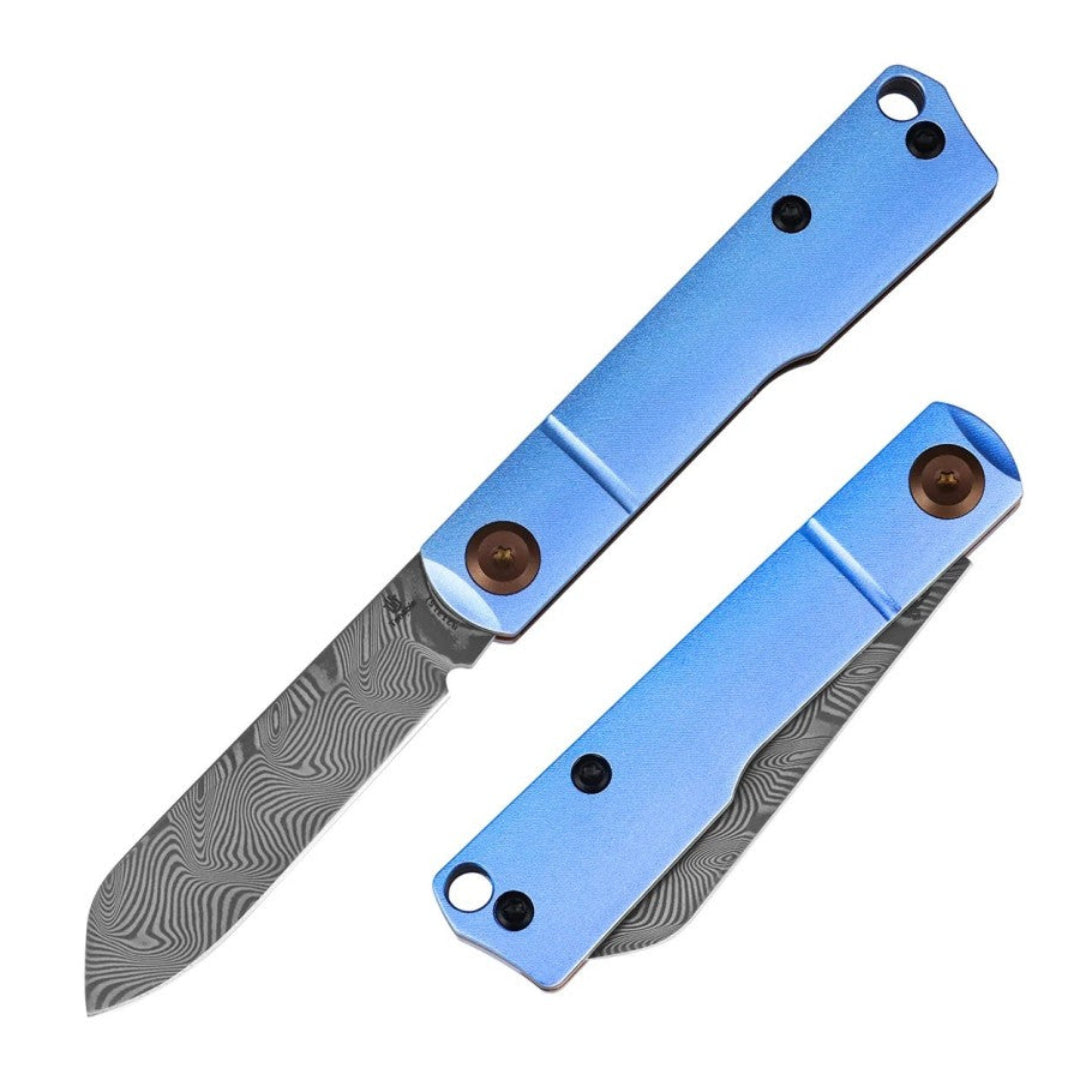
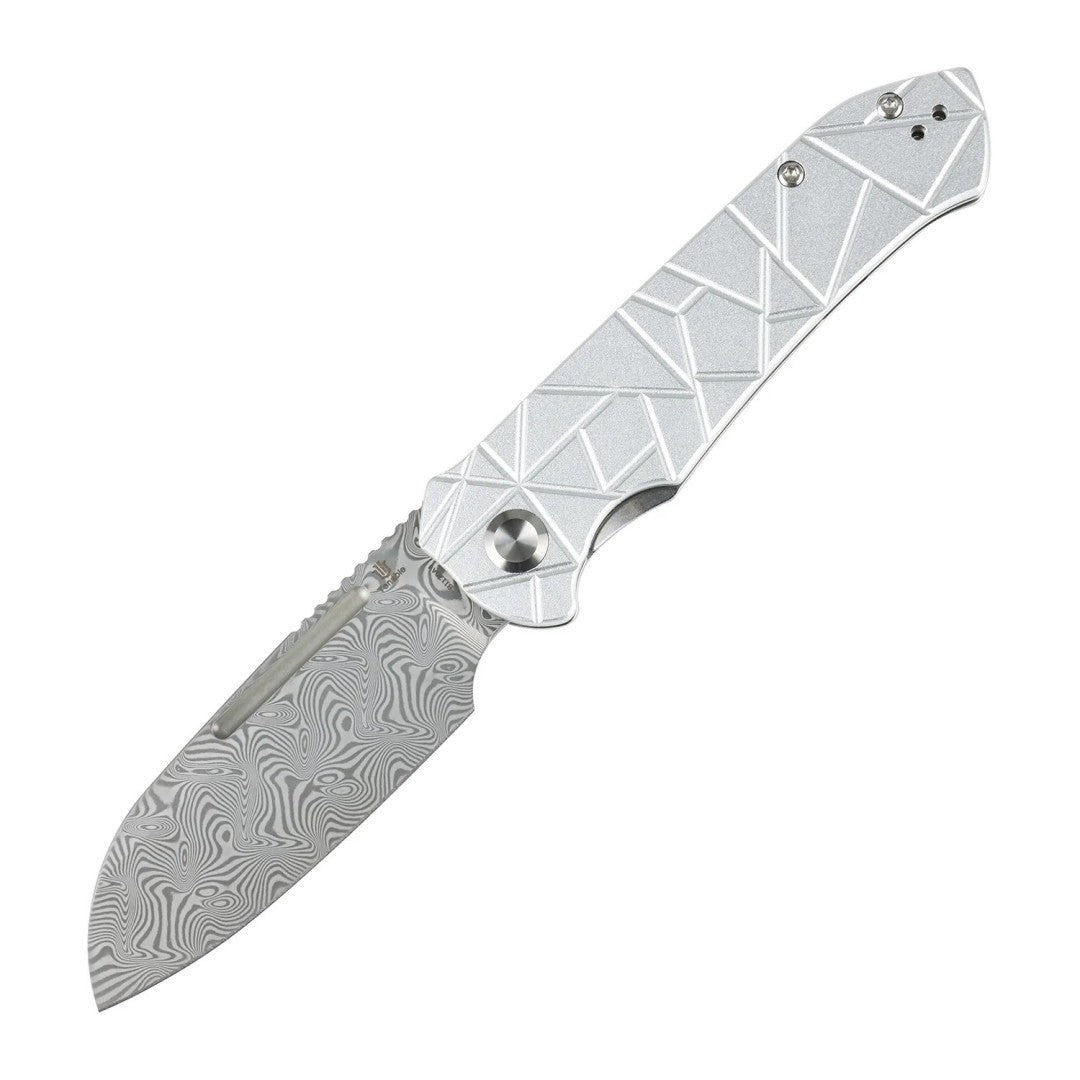
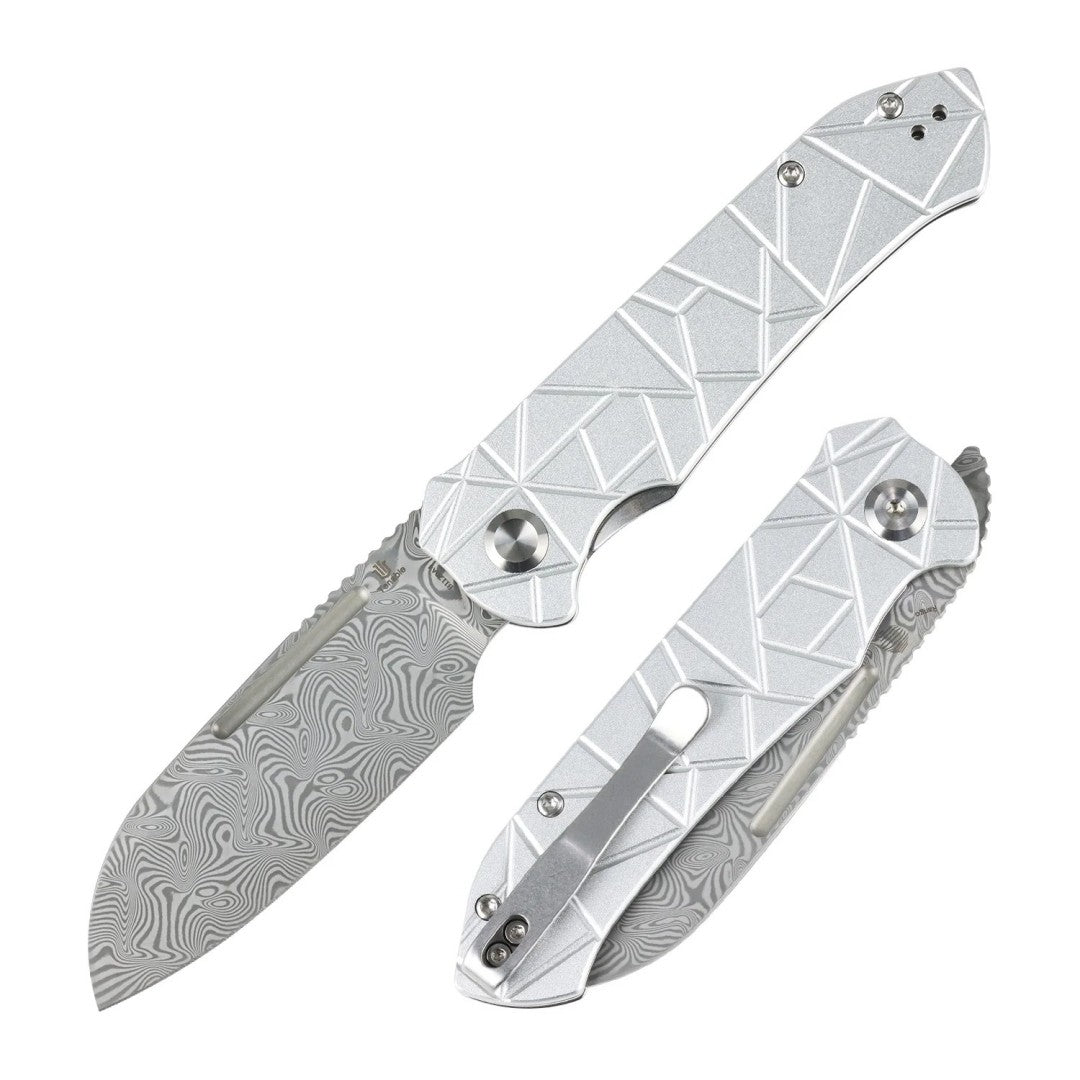
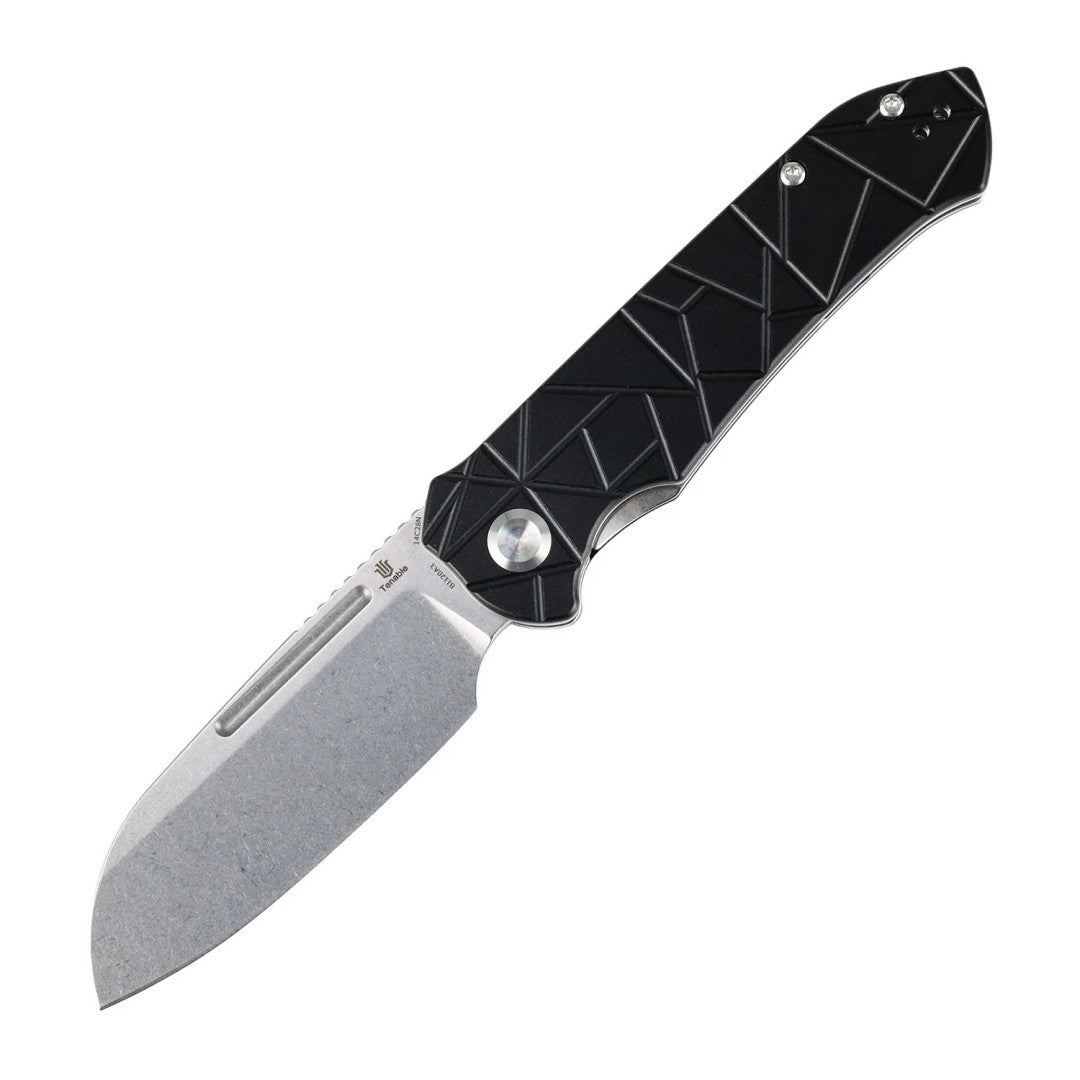
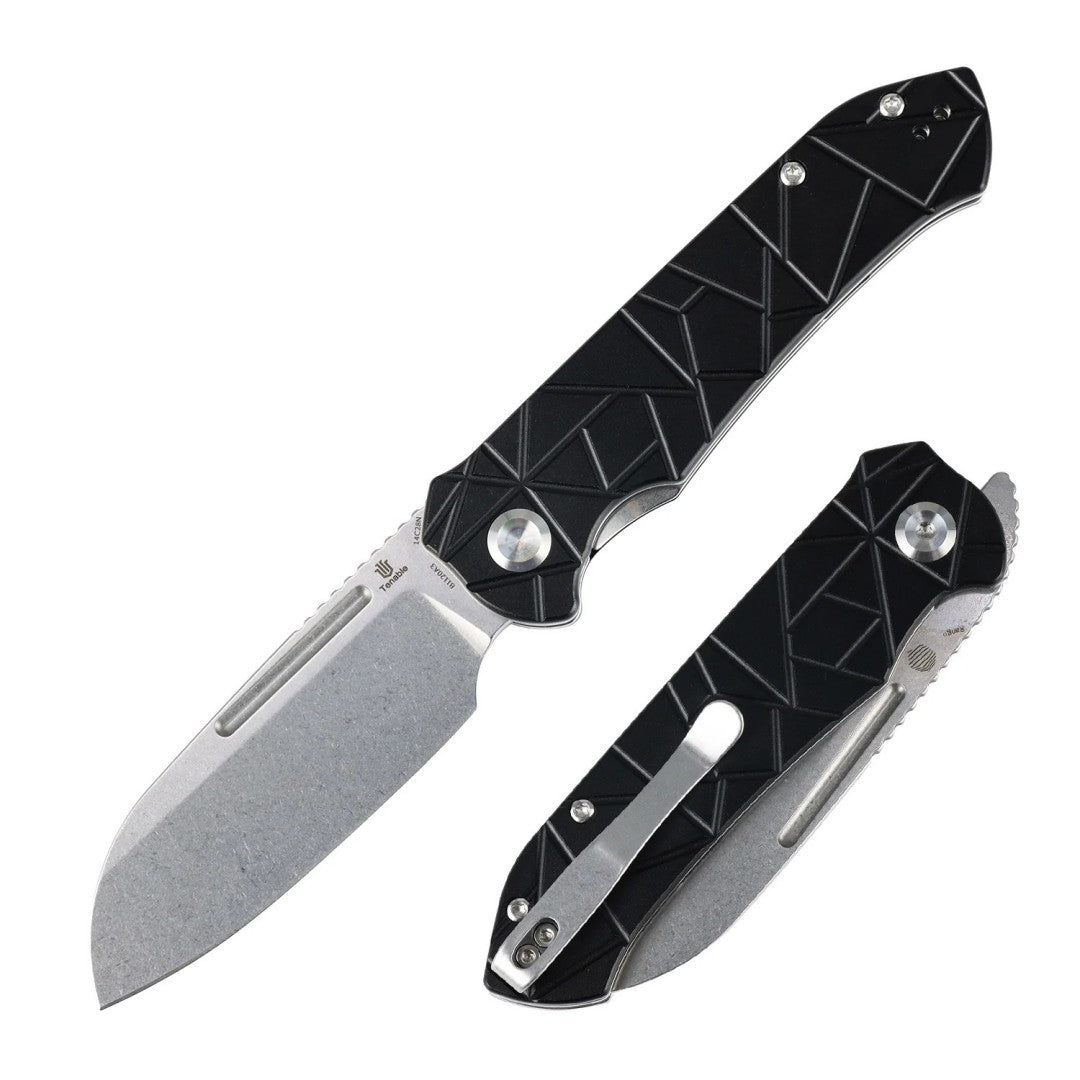
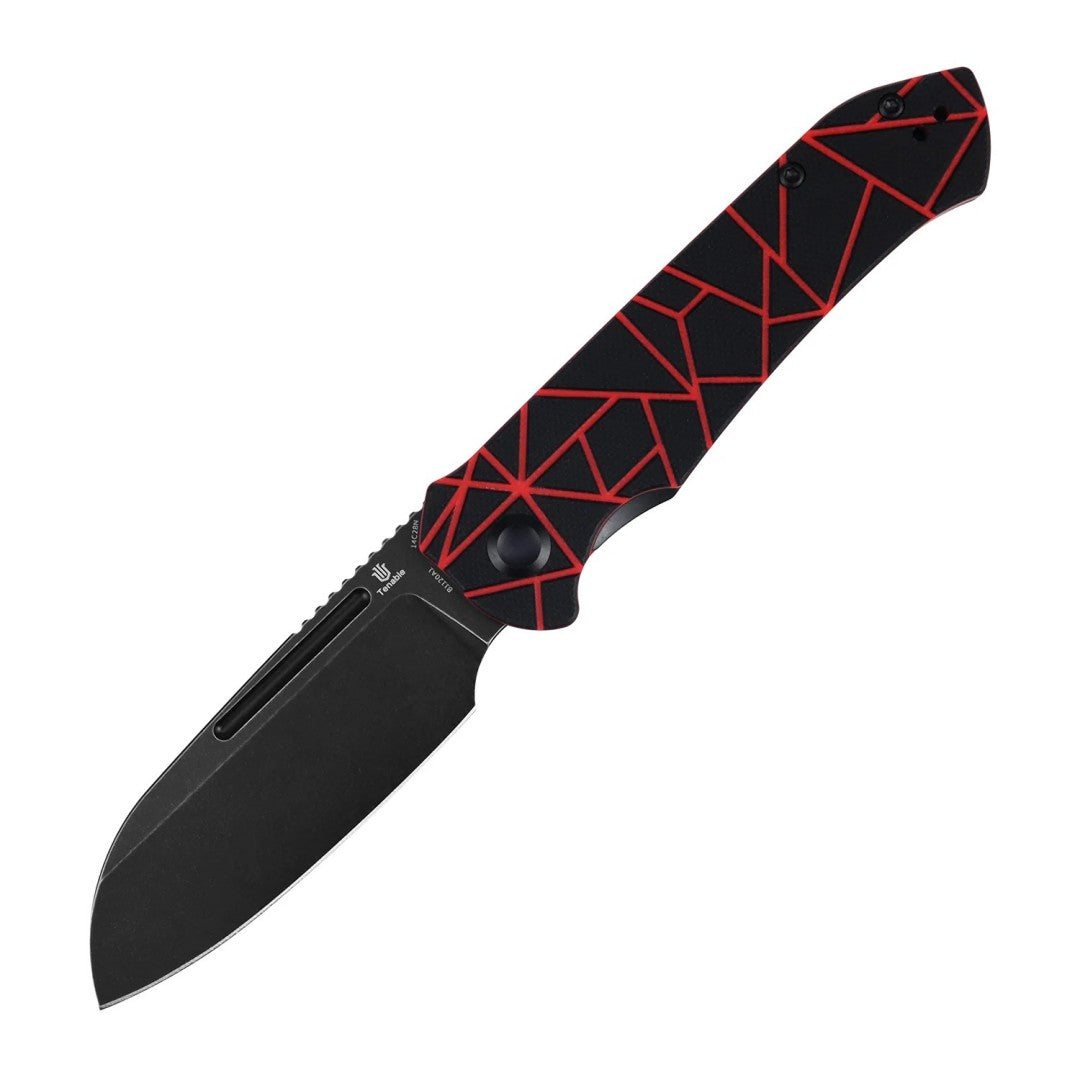
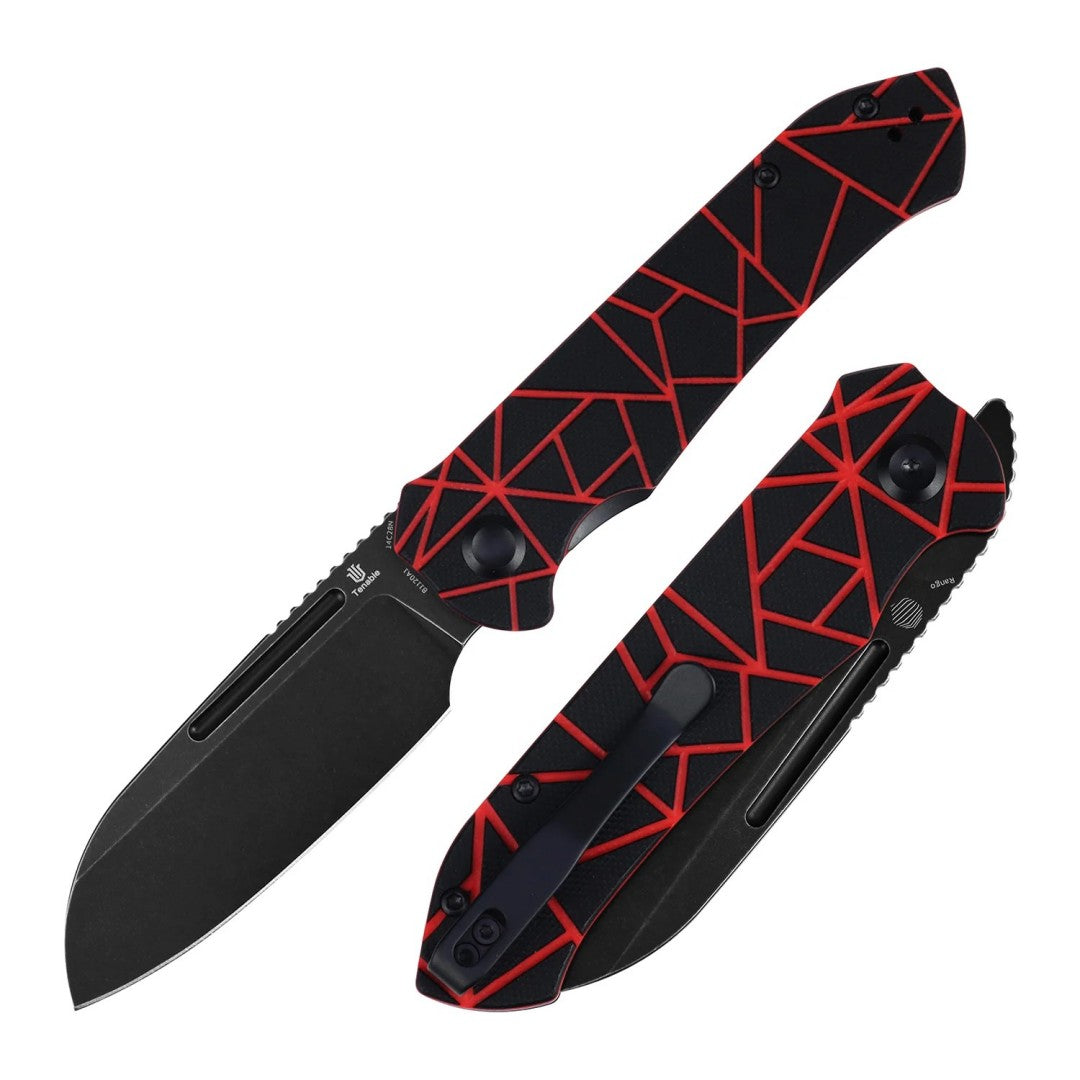
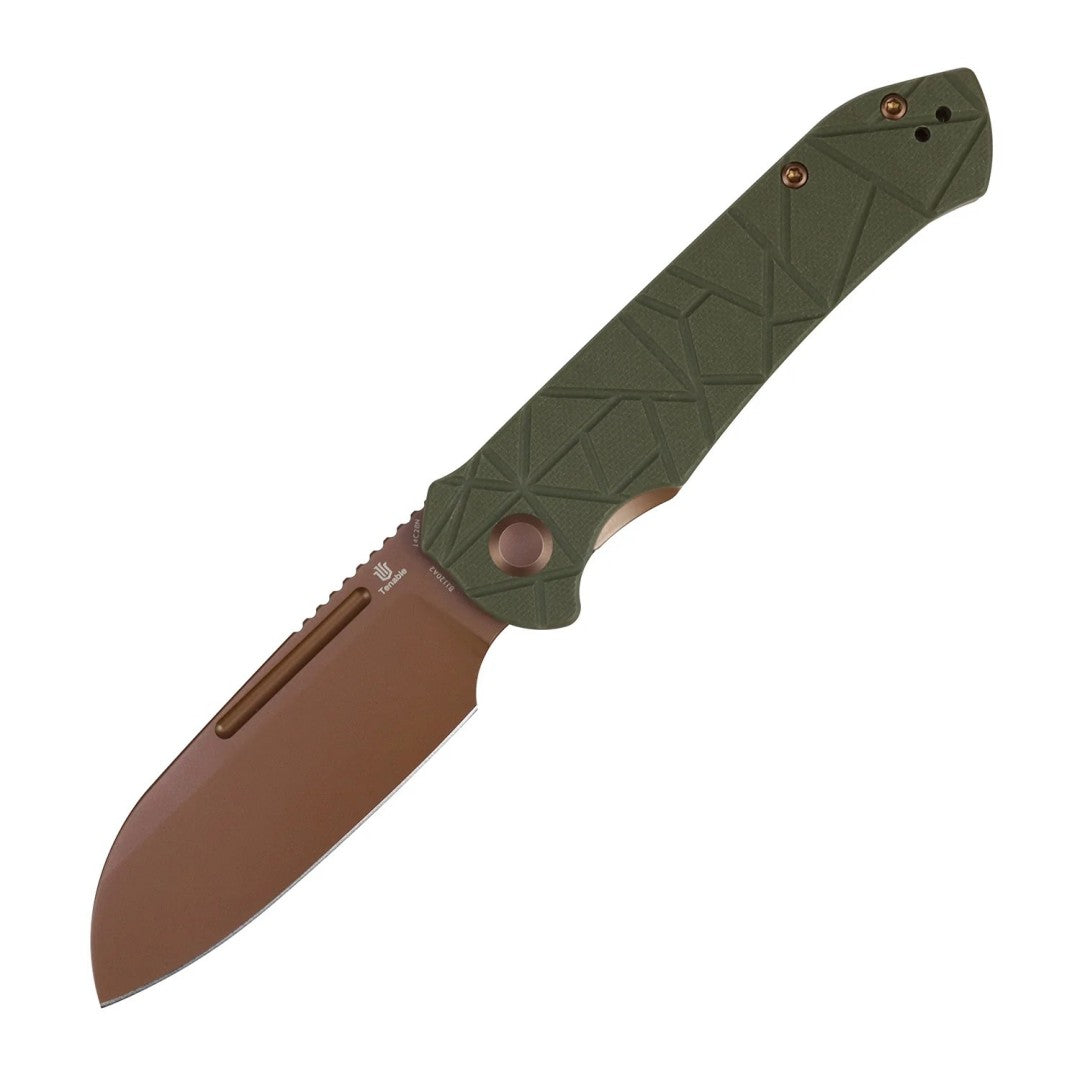
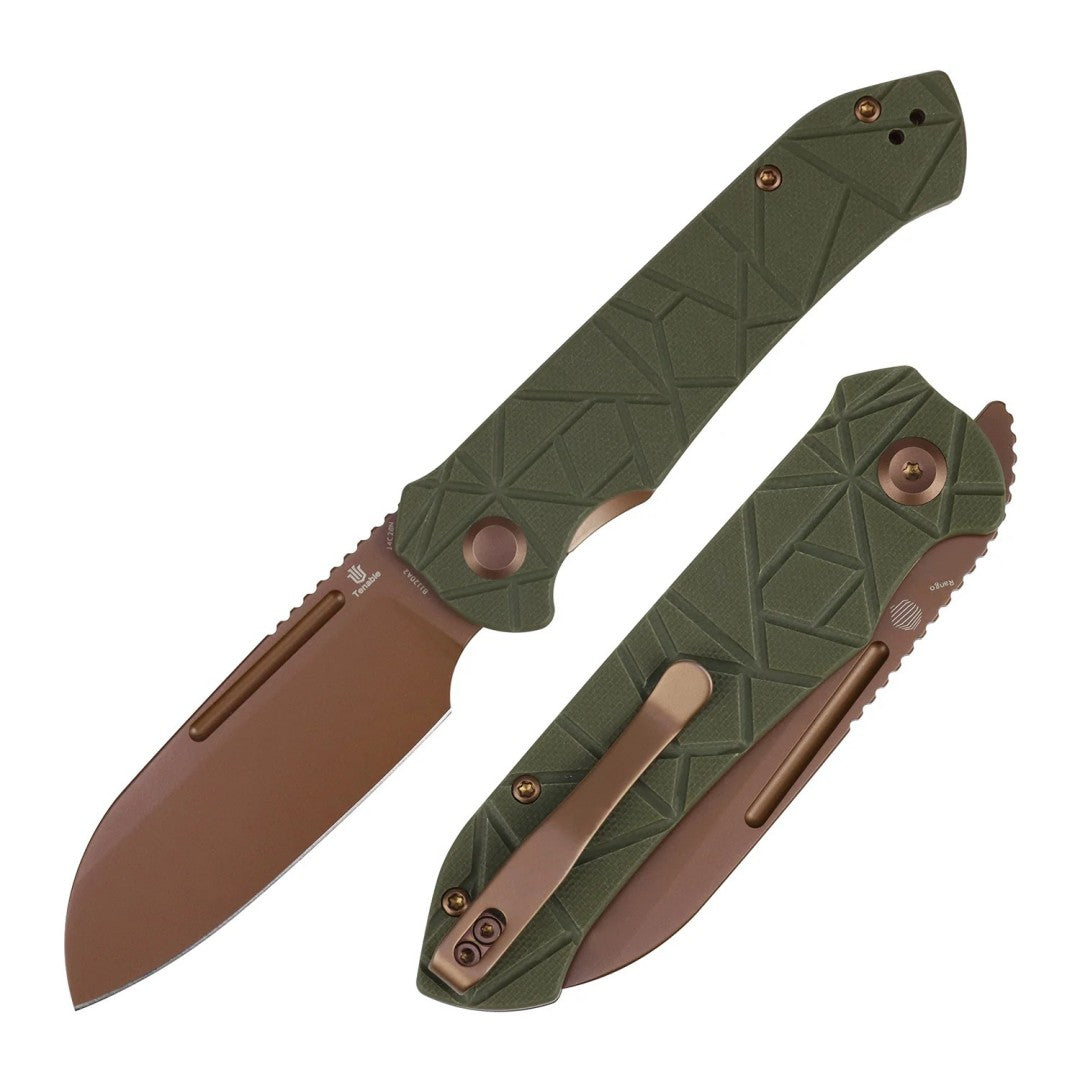
Learn to tell lateral play from vertical play, change one variable at a time, and most vague-feeling knives can be brought back to spec in ten minutes. A well-built top liner lock platform such as the Kansept Main Street gives you a clean starting point. Browse the Kansept knives range at EdcMall to see the mechanism types side by side.
Shop the Kansept Main Street K1015H3 Elmax Top Liner Lock at EdcMall