

Overview & First Impressions
Coastal living is a slow corrosion experiment on everything you own. Salt aerosol rides the wind for kilometres inland, humidity rarely drops below seventy percent, and a blade that looks fine in a drawer can show a spot of orange overnight. The good news is that rust is almost entirely a maintenance problem, and the EDC knives that survive on the coast are usually the ones whose owners rinse and dry them on a schedule.
Materials & Construction
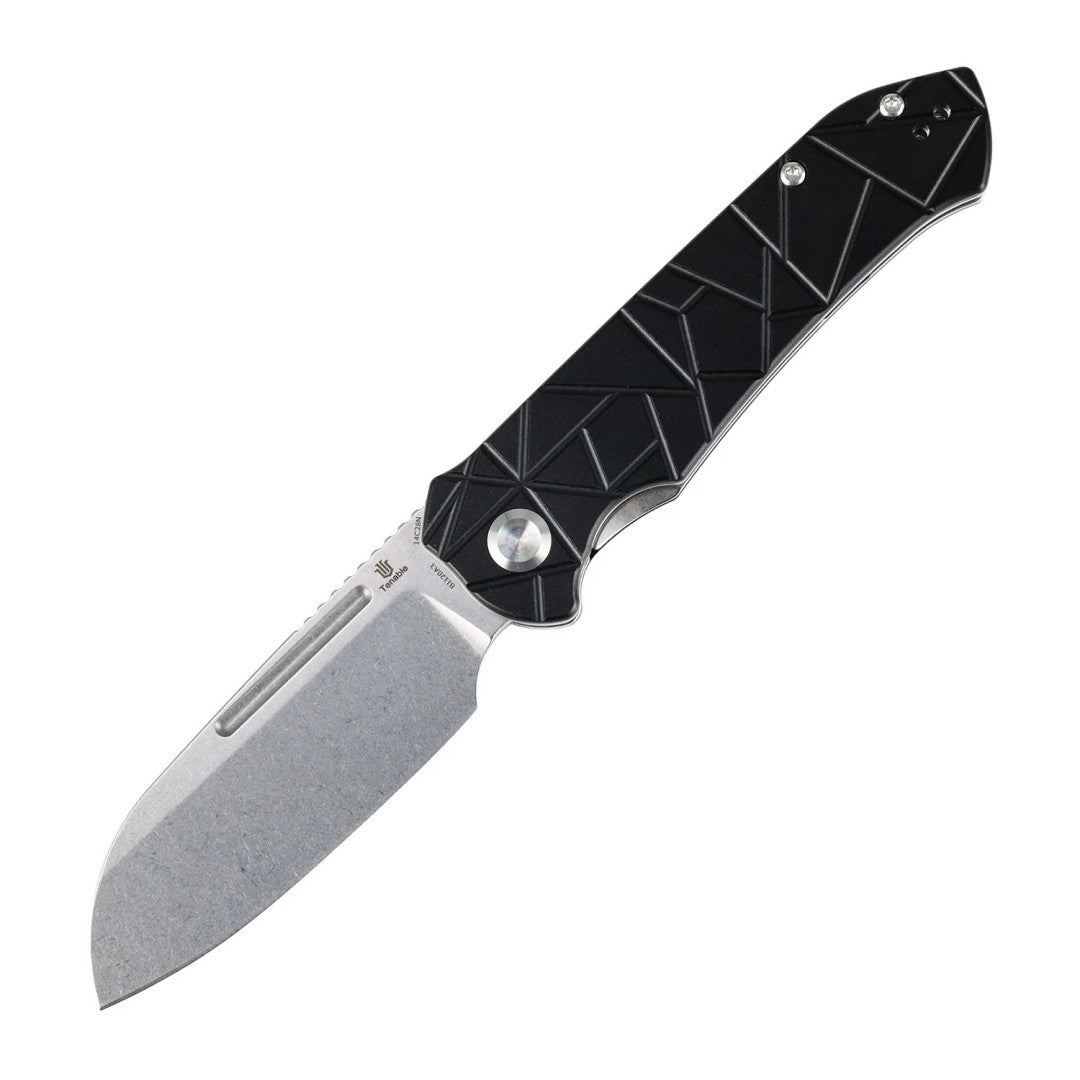
Steel choice sets the baseline. 154CM is a high-carbon stainless with enough chromium to resist staining while still taking a durable edge, which makes it a sound everyday answer near the sea. Higher-chromium powder steels resist even more, and non-stainless tool steels will rust no matter what you do. The Kansept Quasar T1099V5 uses a 154CM blade in a crossbar lock frame, and Kansept knives generally offer stainless and coated options that suit damp climates.

Design & Details
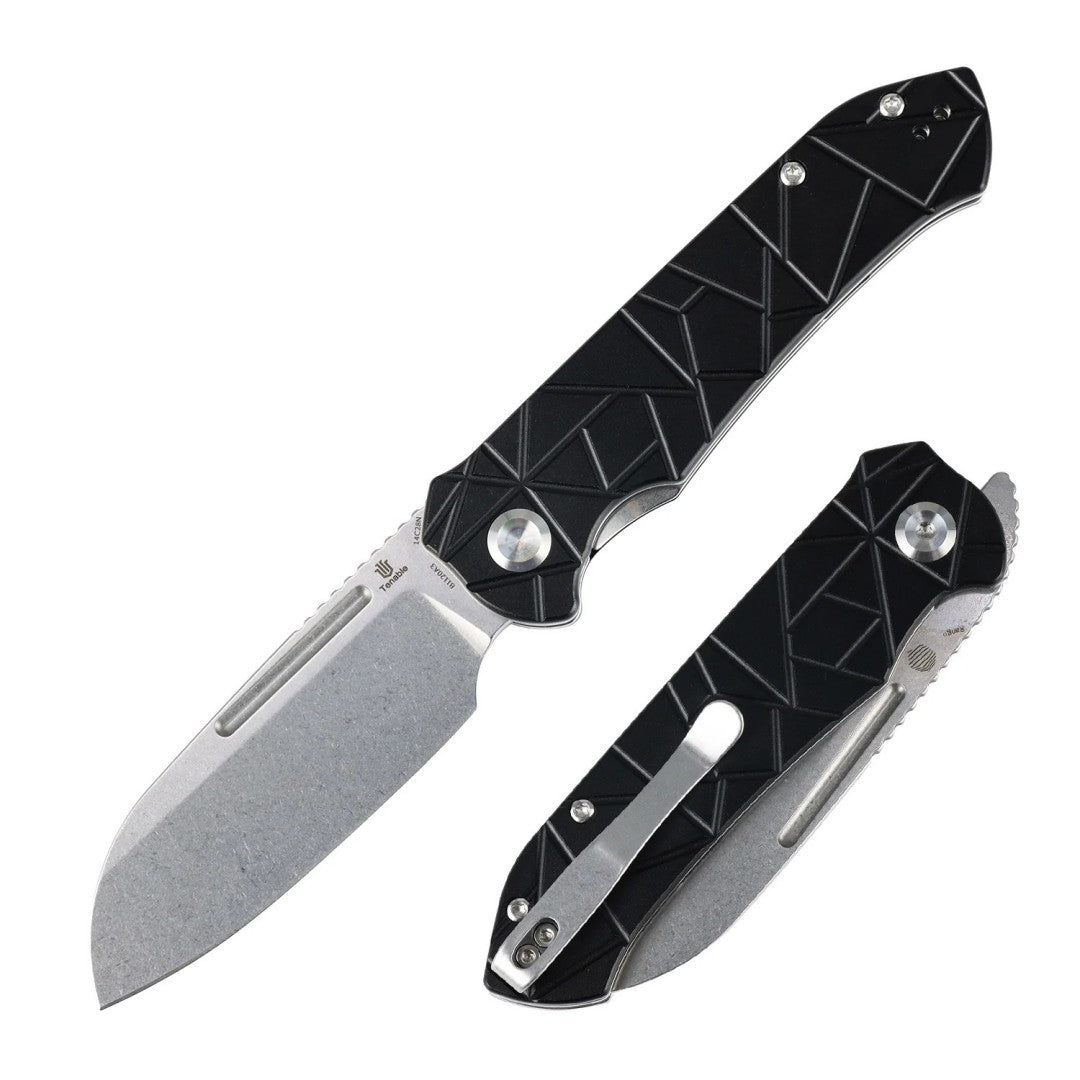
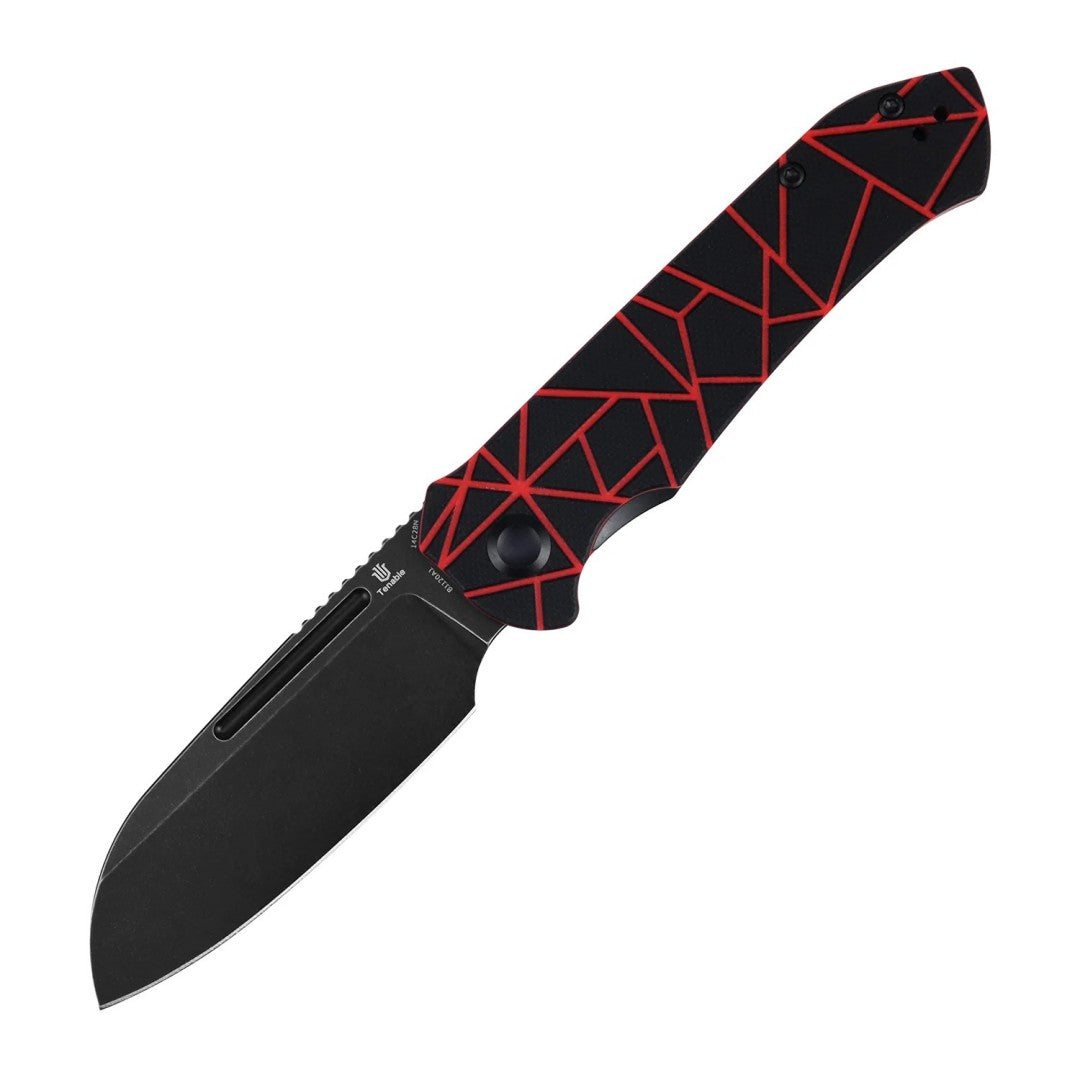
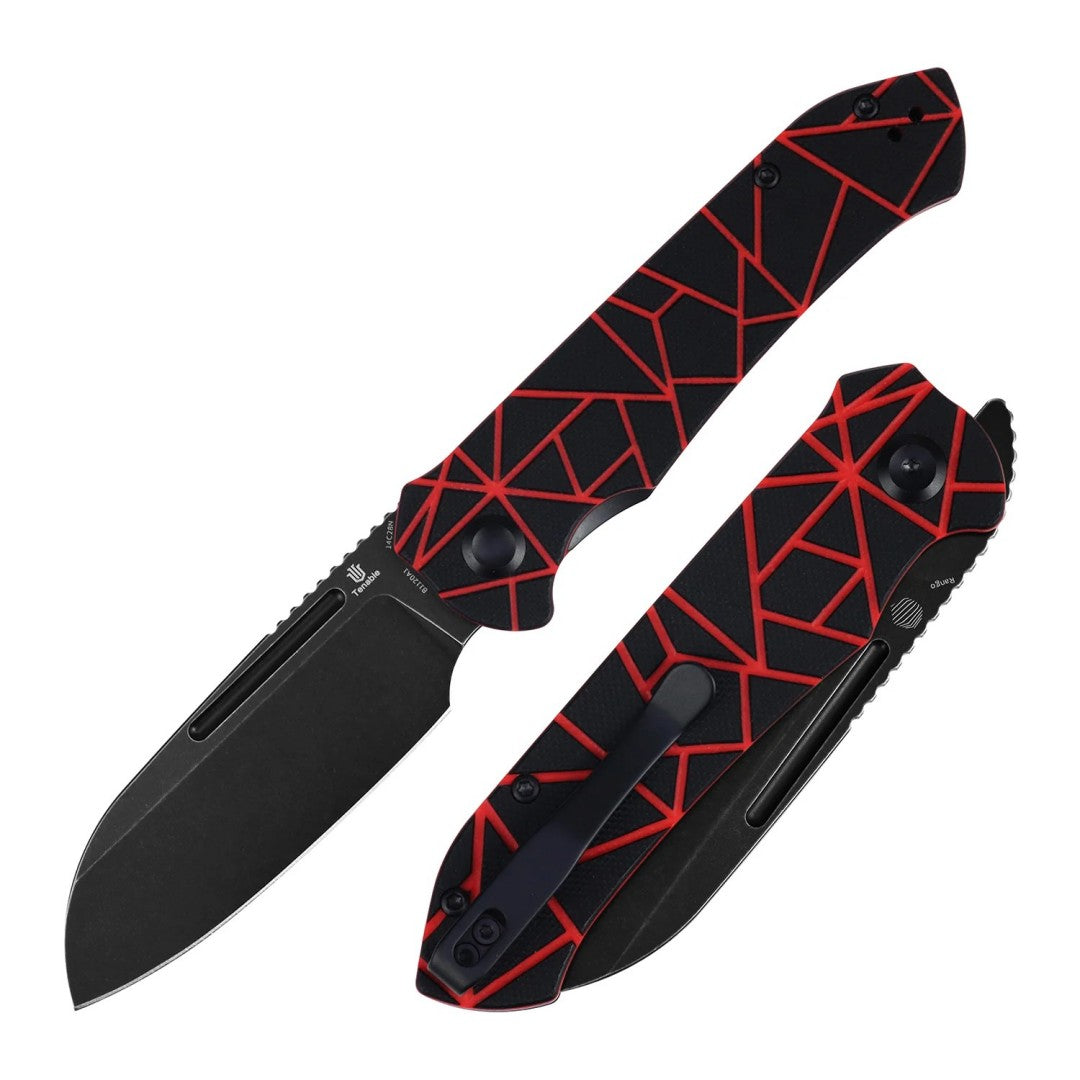
The areas that rust first are the ones you cannot see: under the scales, inside the pivot, along the tang and beneath a pocket clip. Knives with open back construction and a clean handle frame drain and dry far faster than sealed designs with deep inlays. Coated blades slow surface corrosion but can hide it at the edge, so any coating should be inspected at the apex, where it always wears first.
Real-World Use
Daily habits matter more than any product. A blade that is wiped after use and dried before it goes back in a pocket will outlast an identical blade left damp against a warm body. Folding knives carried in a pocket are constantly exposed to humidity and salt from skin and air, so a quick wipe is worth more than any expensive treatment.

Ownership Notes
The routine is simple and takes two minutes: rinse with fresh water if the knife has been near the sea, dry it thoroughly including the pivot, apply a thin film of oil or a dry lubricant, and store it away from damp. EdcMall carries folders and lights built to tolerate exactly this kind of humid, salt-exposed daily carry, which makes protecting them far easier. Coastal owners also learn to keep a small maintenance station, so the habit costs seconds rather than minutes. A fresh water bottle, a microfibre cloth and a small bottle of lubricant in a drawer near the door is enough to make the routine automatic. Wipe the blade on the way in, dry the pivot, oil it lightly and put the knife back in the pocket. Little and often beats a big clean-up after the corrosion has already started.
Who Is This For?
This is for anyone living or working within a few kilometres of the sea, along a shipping lane or in a tropical climate. Inland and dry, rust is a minor concern. If your windows face salt water, choose stainless, keep the handle open and build the wipe and oil habit into your week.
Final Verdict
Rust is not bad luck, it is missed maintenance. A corrosion-resistant blade, an open handle design, a fresh water rinse after salt exposure and a thin film of oil will keep a coastal carry clean for years. Spend the two minutes and the steel will repay you.