

Overview & First Impressions
Survey work alternates between long walks through rough ground and long stretches of standing still over a mark. Both phases punish the wrong gear. You need light that leaves both hands free for a rod, prism or controller, and you need a cutting tool that can deal with brush, flagging tape, lath and rope without slowing down a day that already has a lot of ground to cover. A handheld EDC flashlight is useful; a headlamp is essential.
Materials & Construction
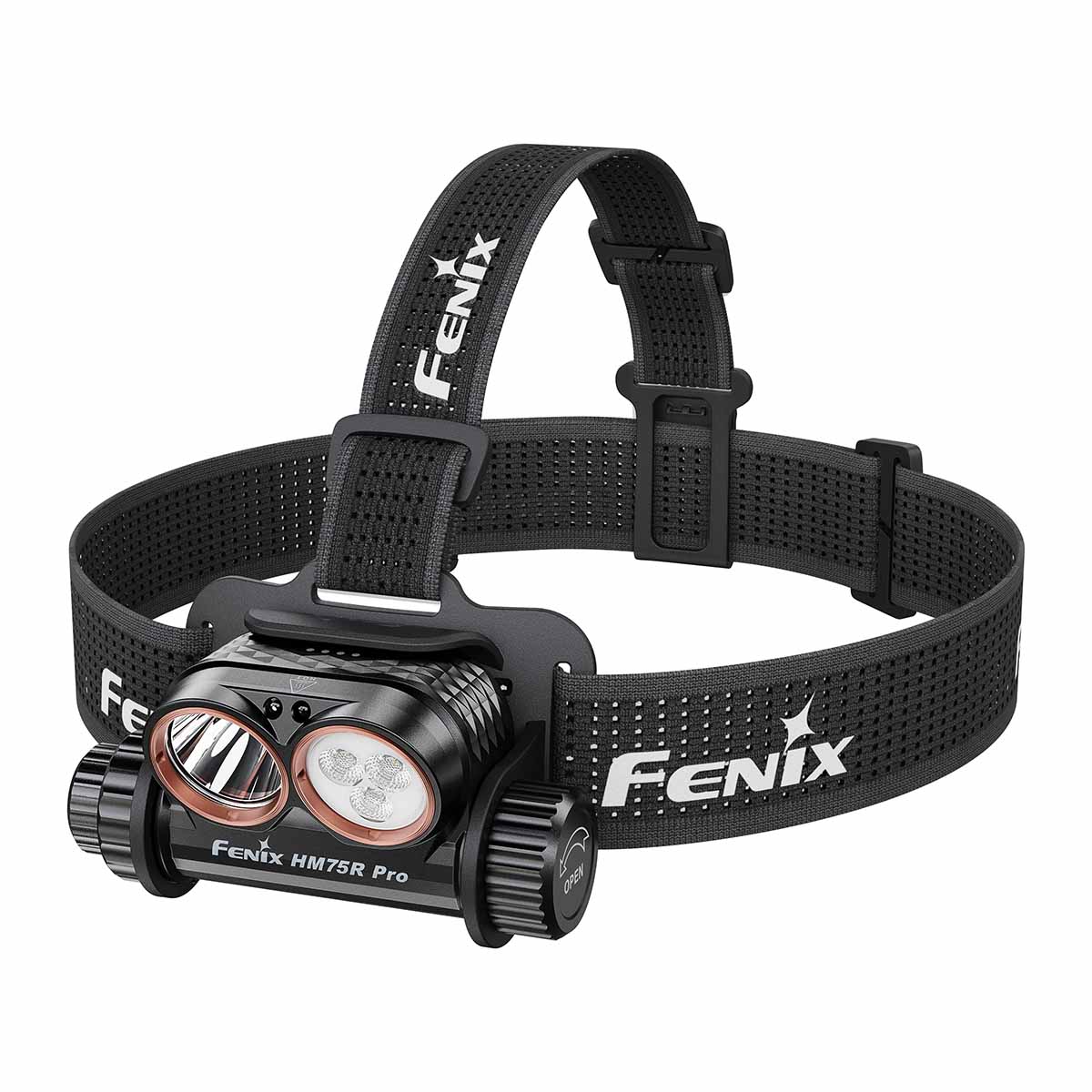
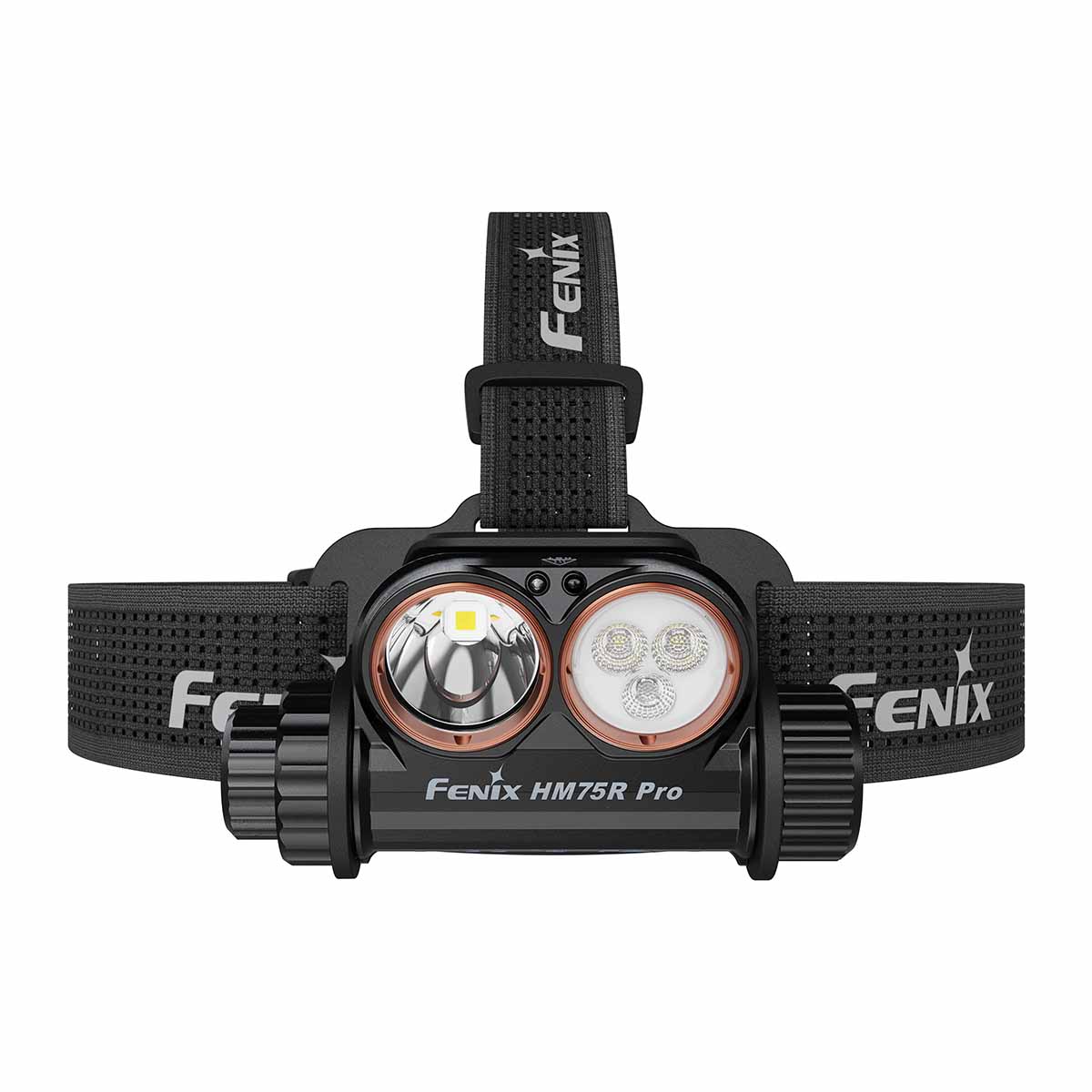
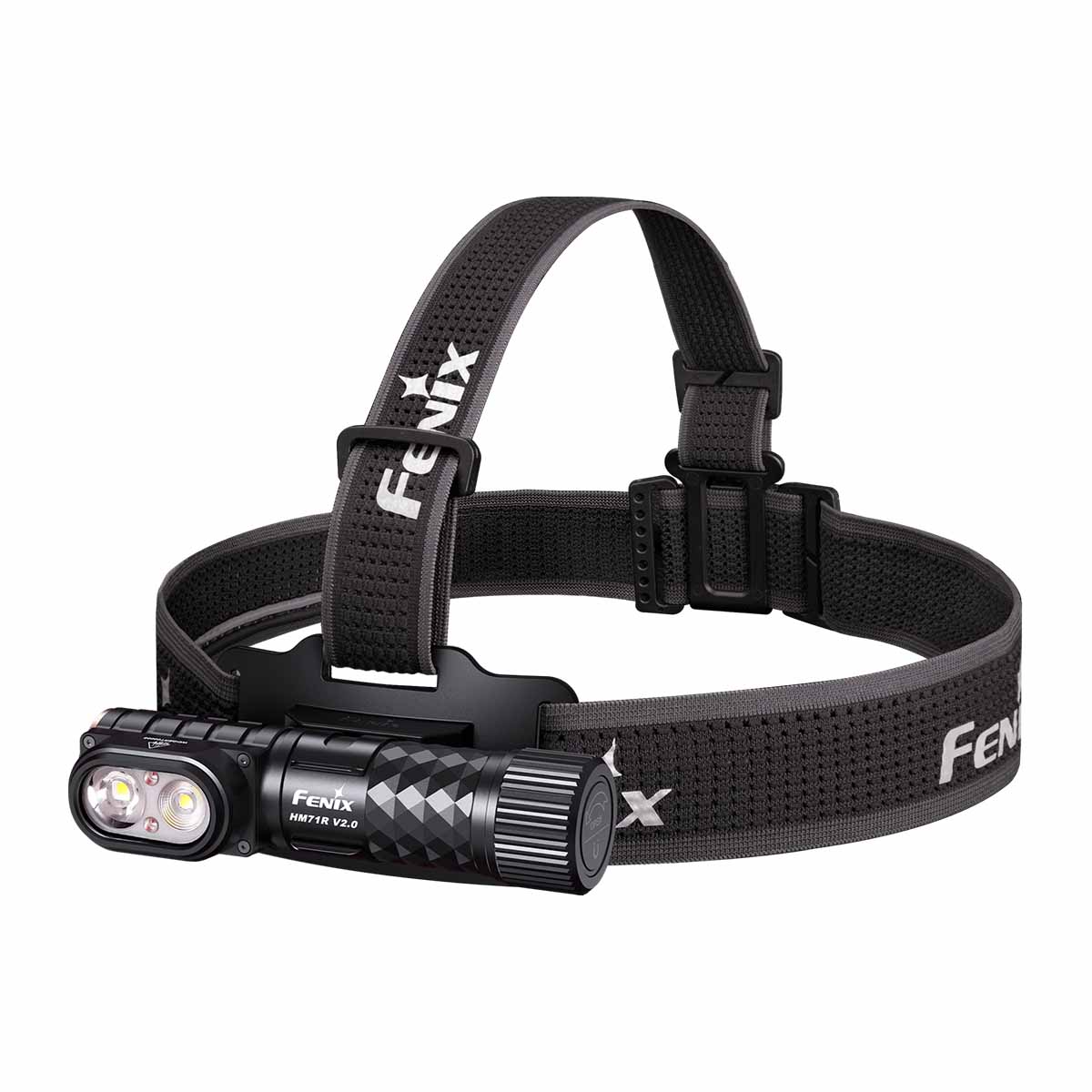
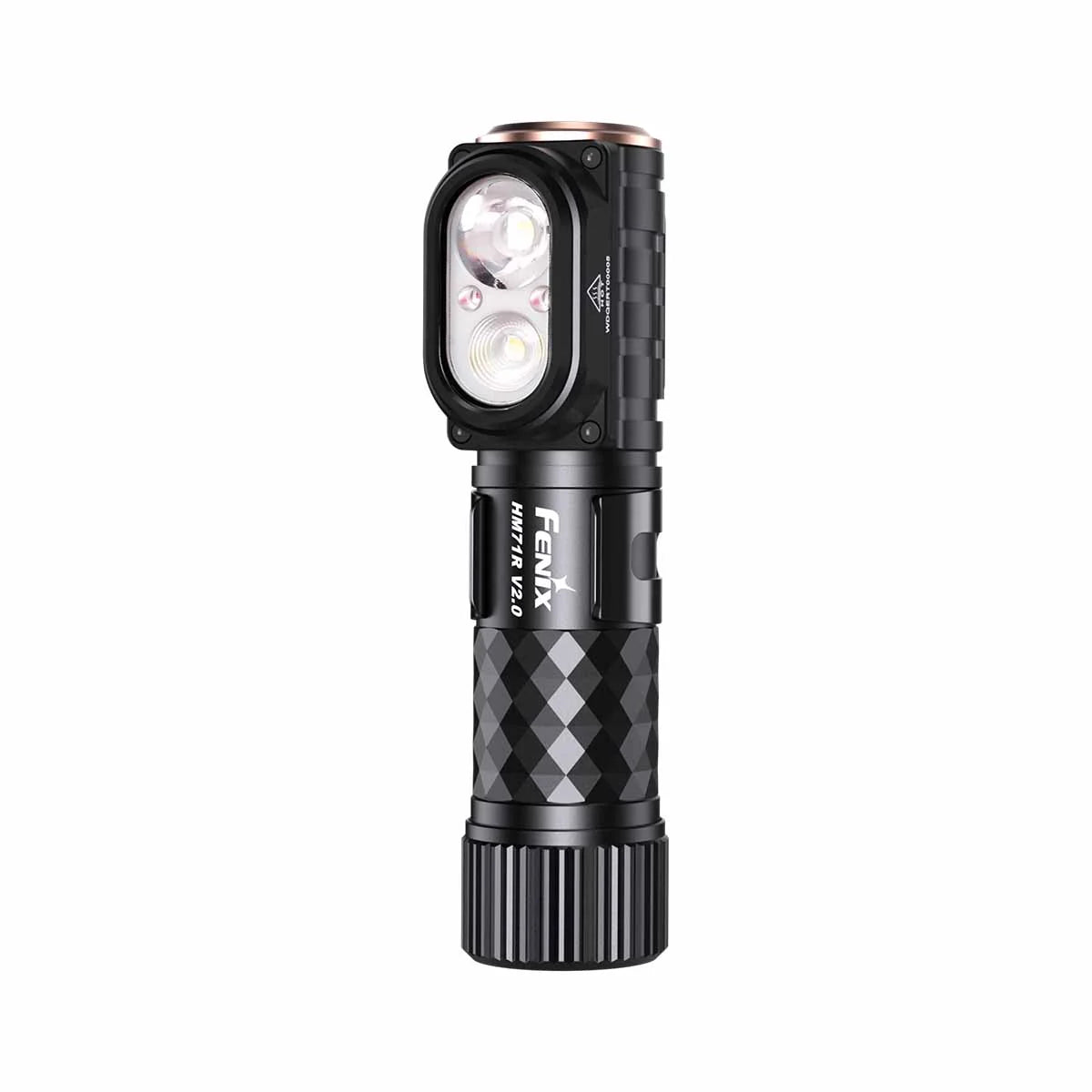
The Fenix HM71R V2 runs 3500 lumens with independent spot, flood and red emitters, and its mechanical rotary toggle plus electronic button give access to thirteen modes without cycling through menus. For a surveyor, that means a bright flood for reading a level bubble and a narrow spot for walking a baseline at dusk. Fenix flashlights handle this kind of repeated daily charging better than consumer lights, and the sealed body survives rain, dust and an accidental drop off a tripod.

Design & Details
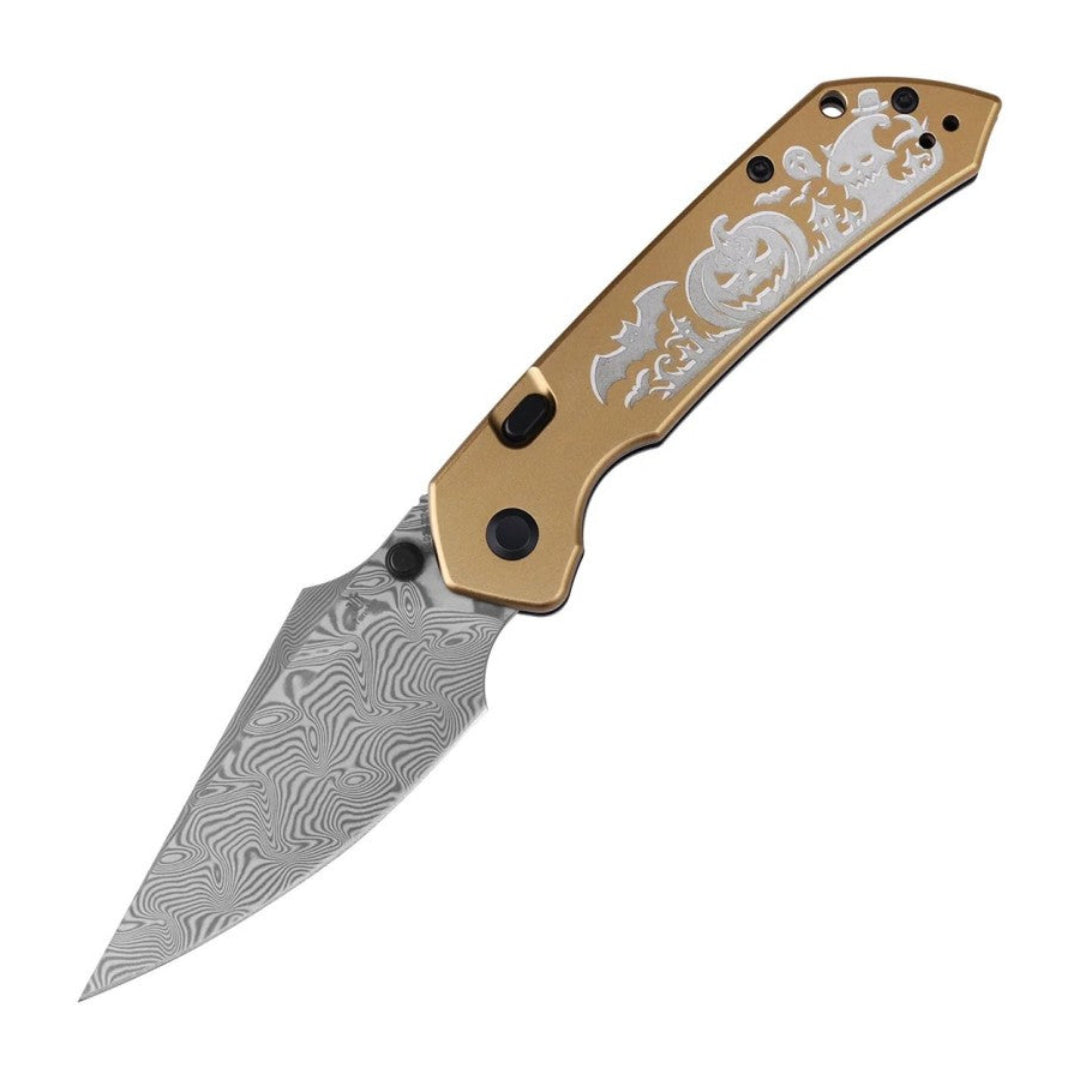
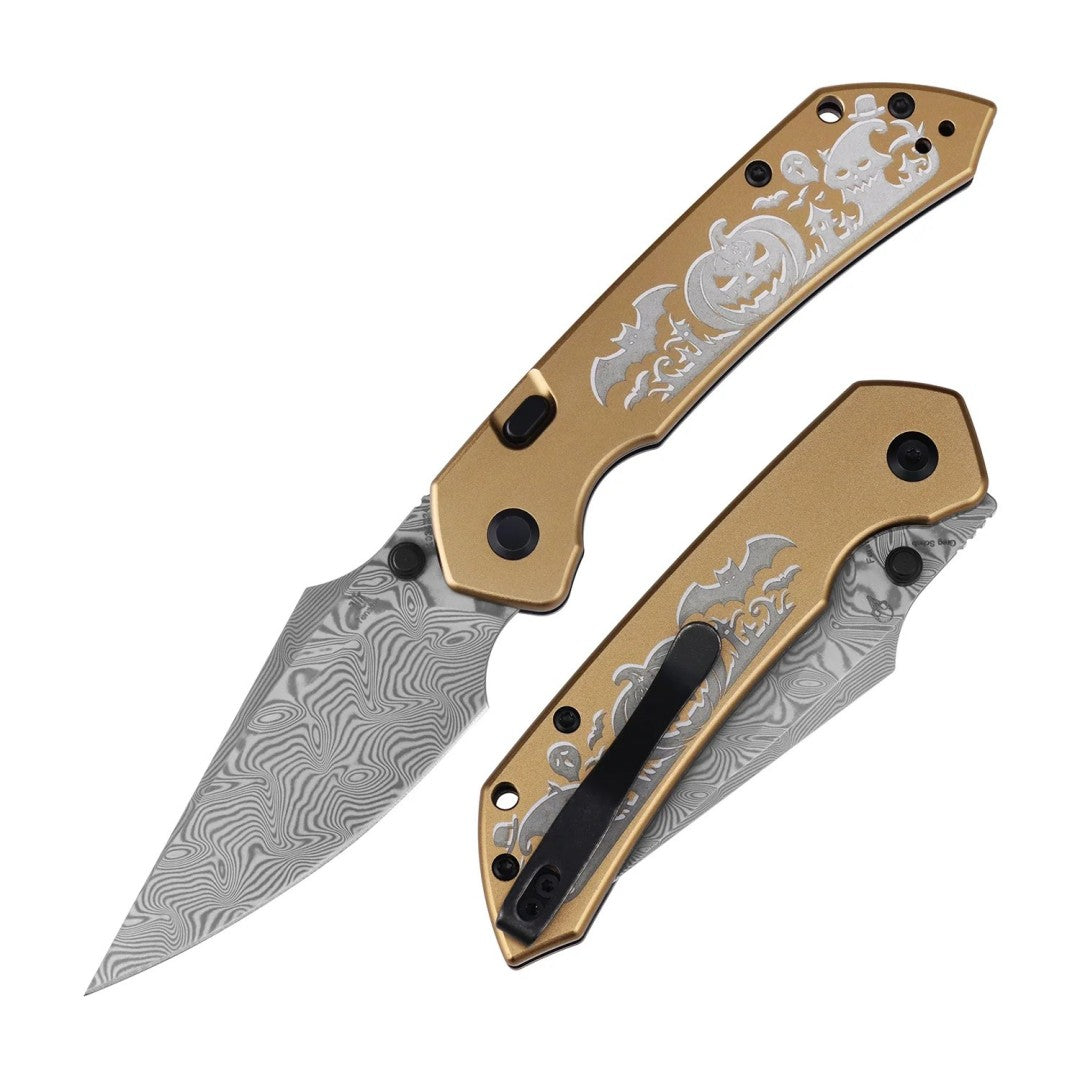
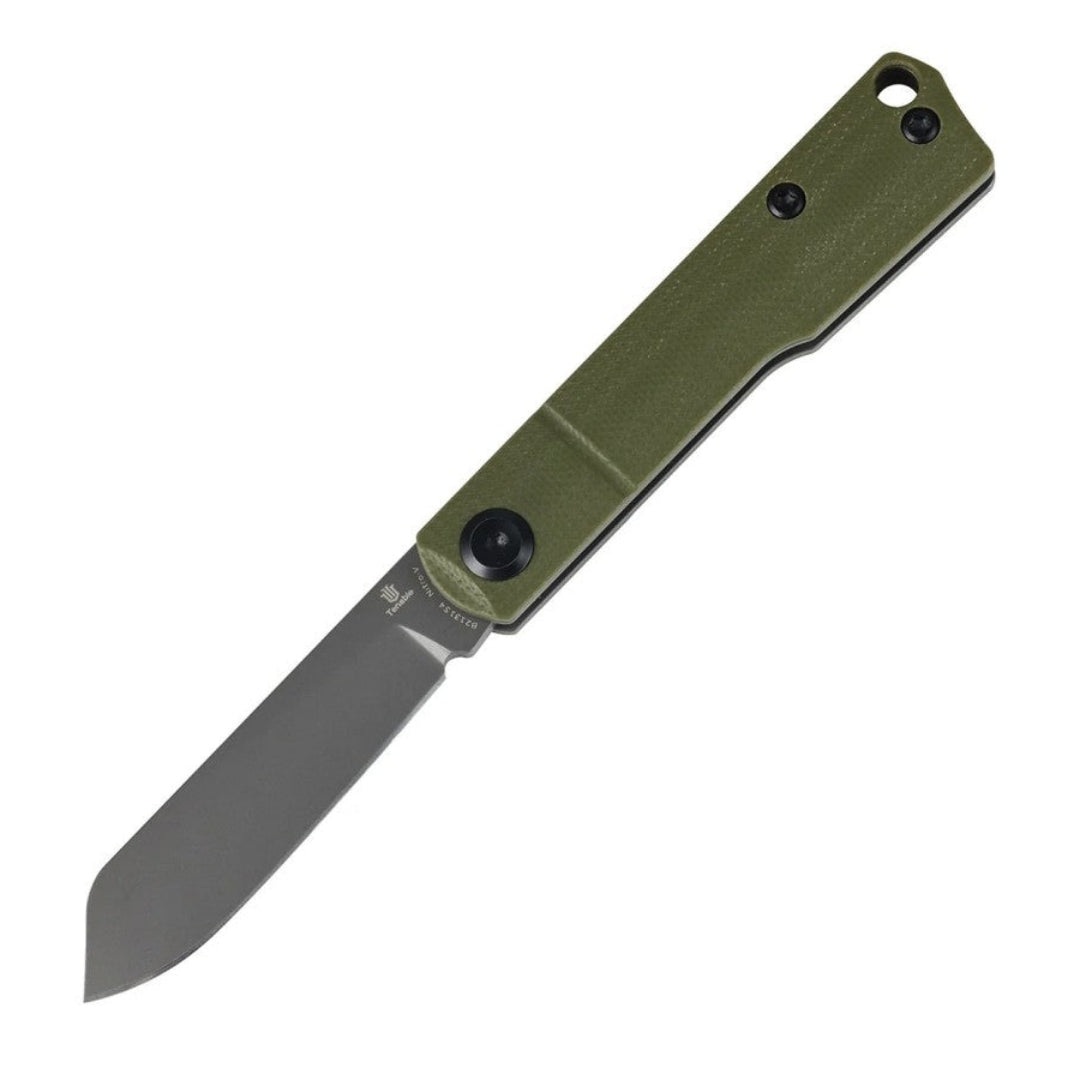
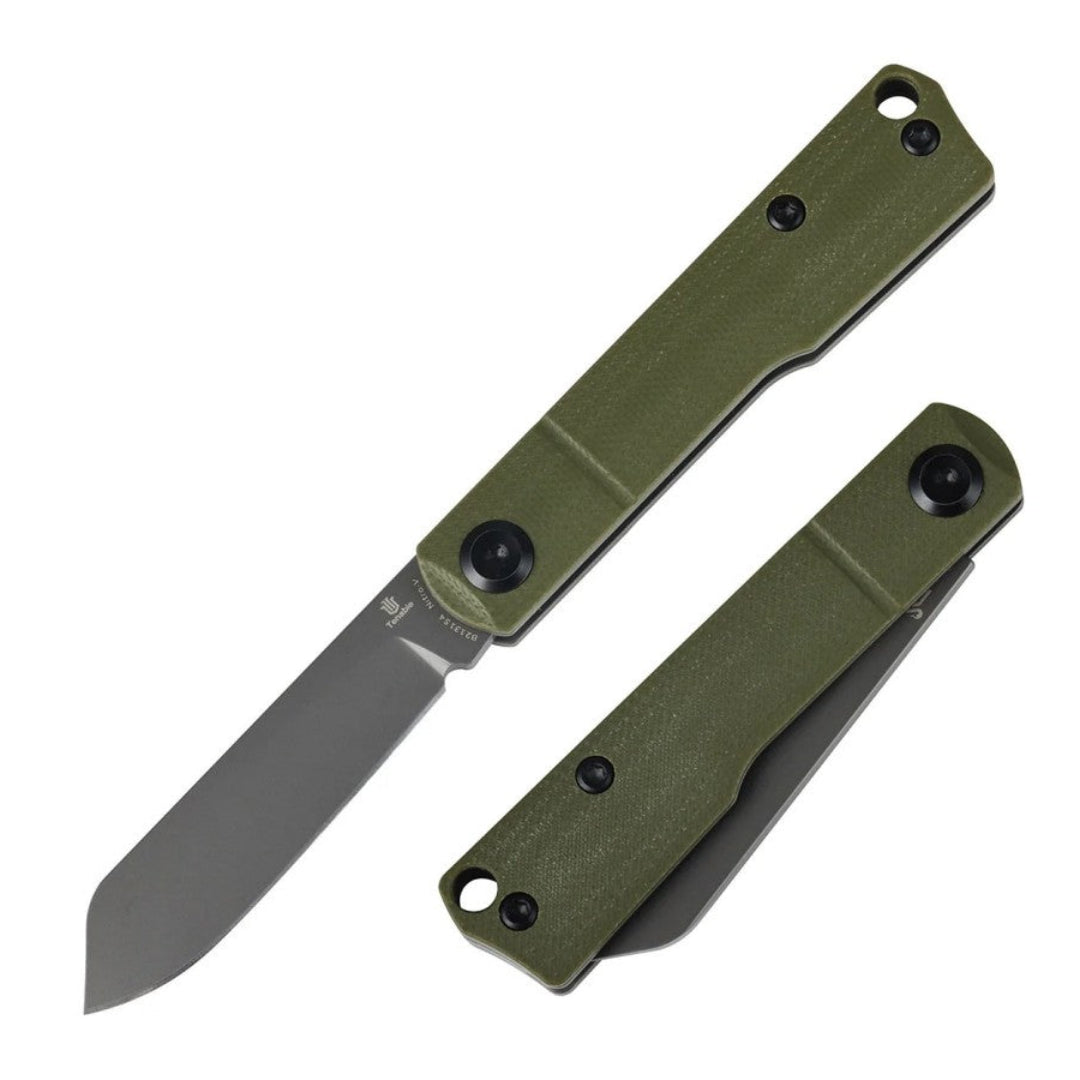
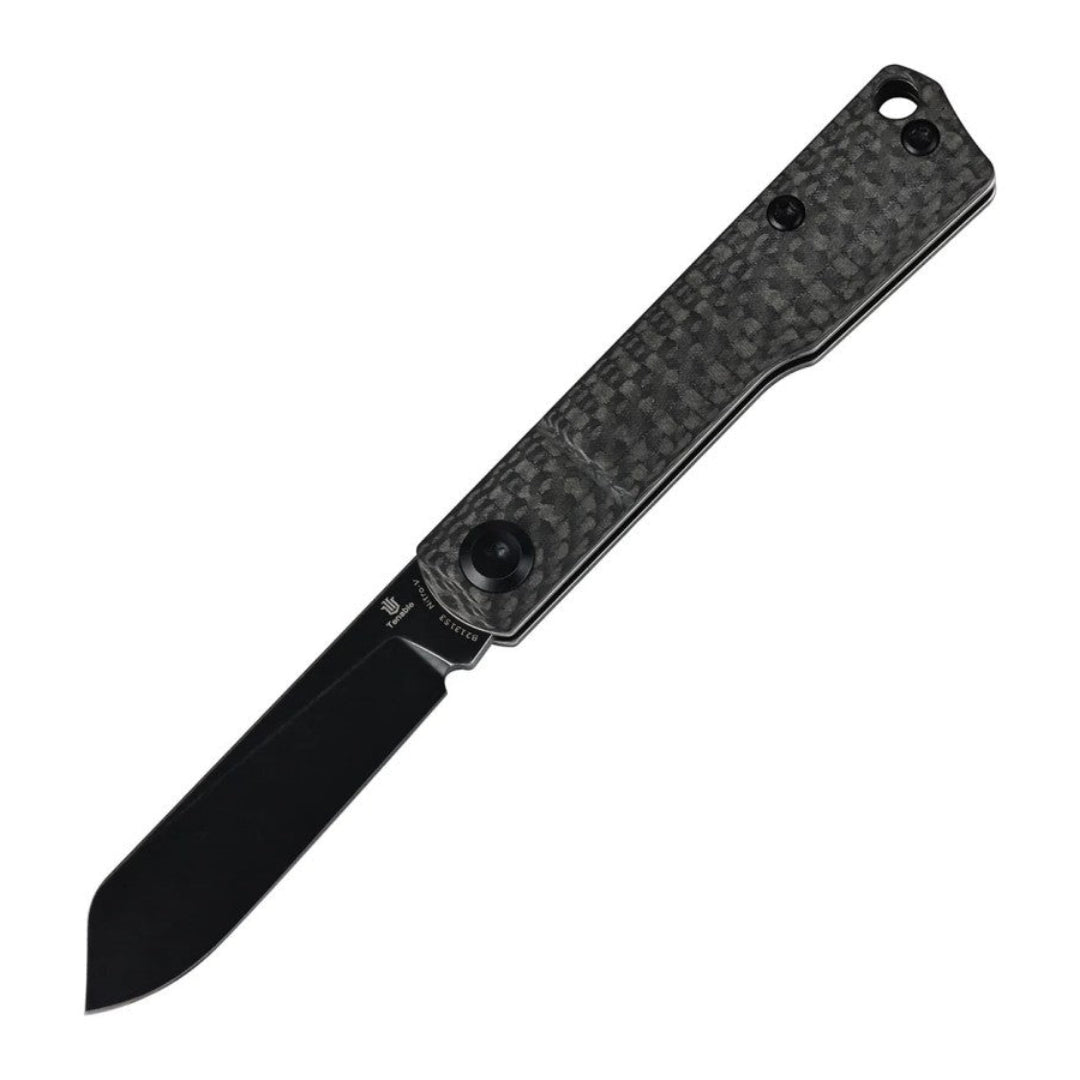
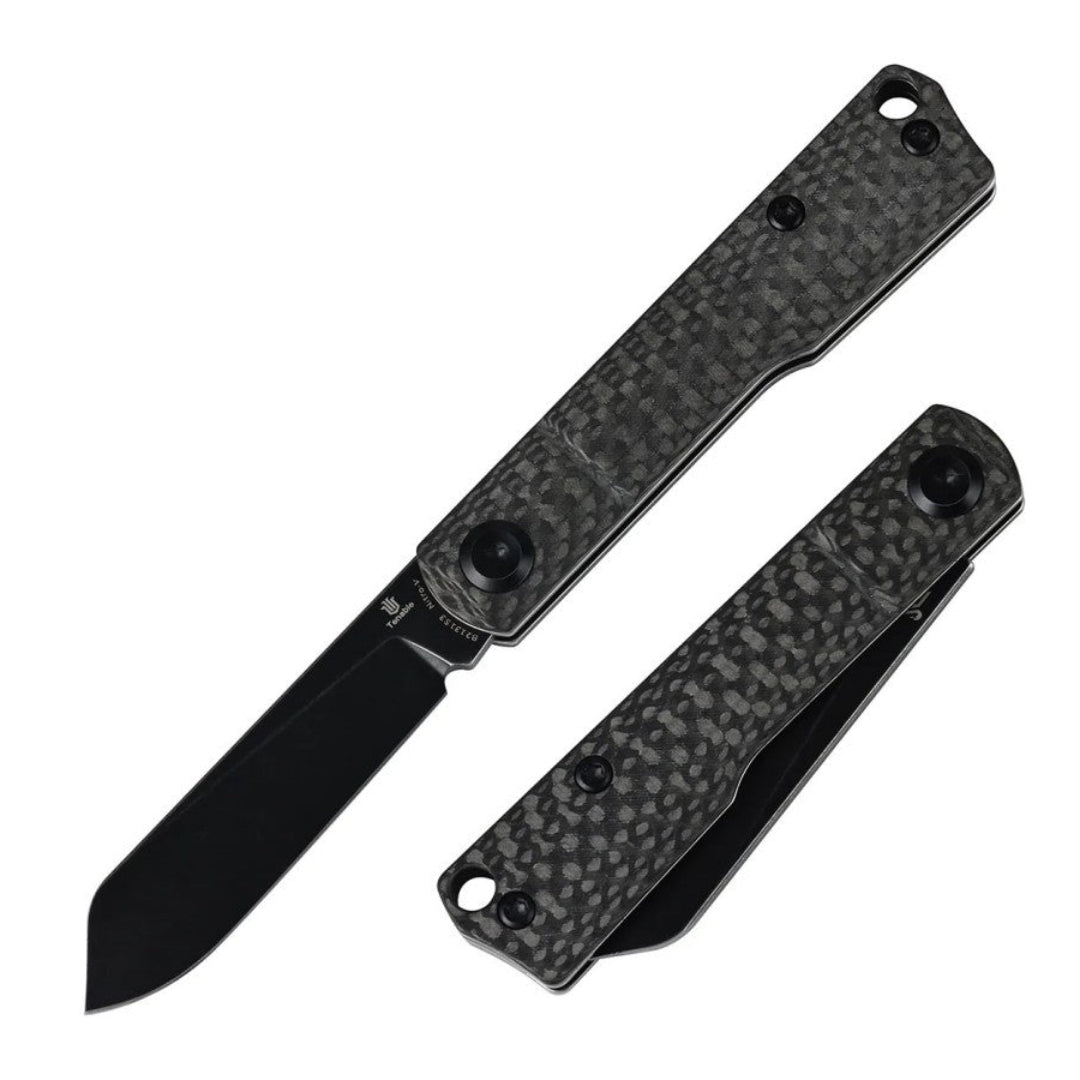
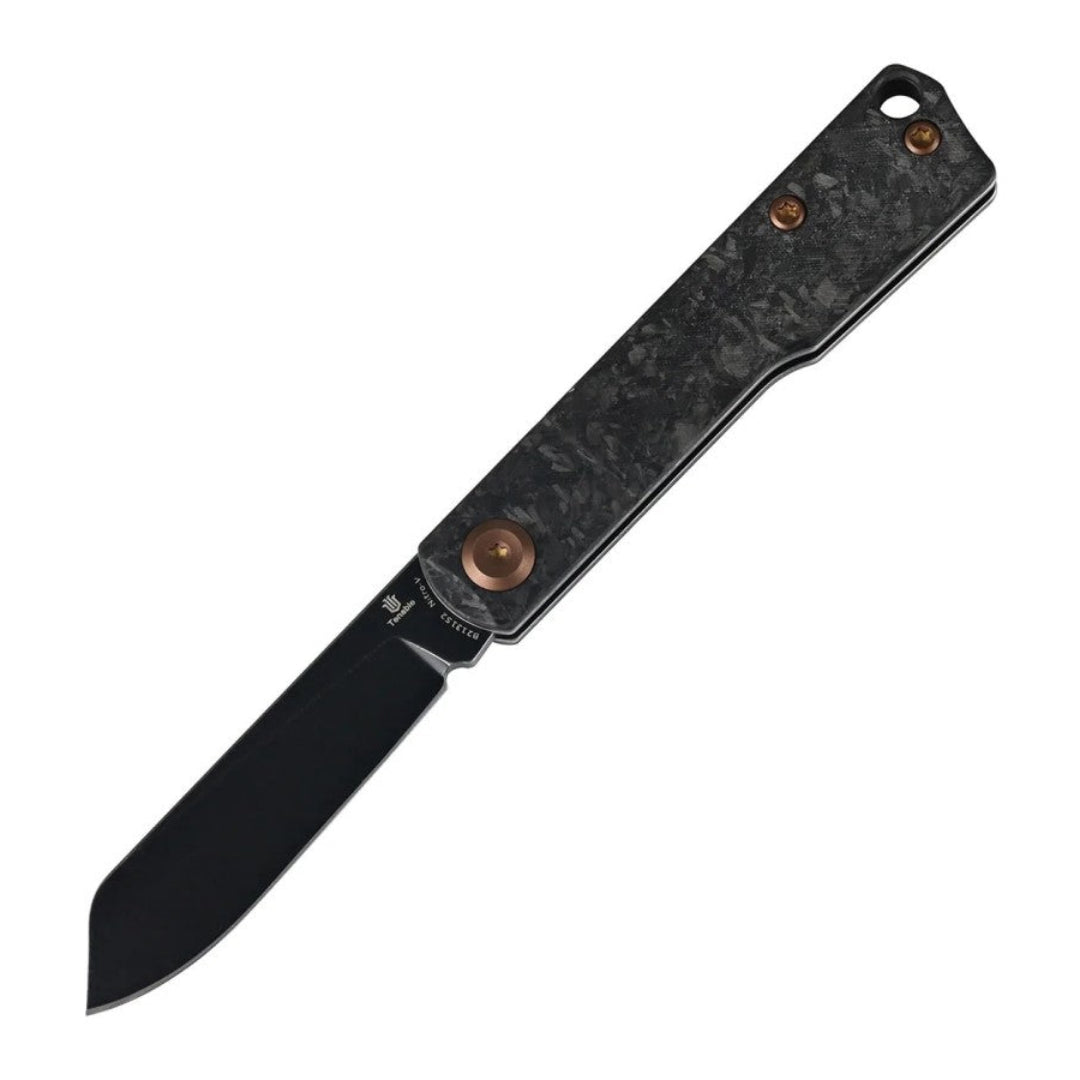
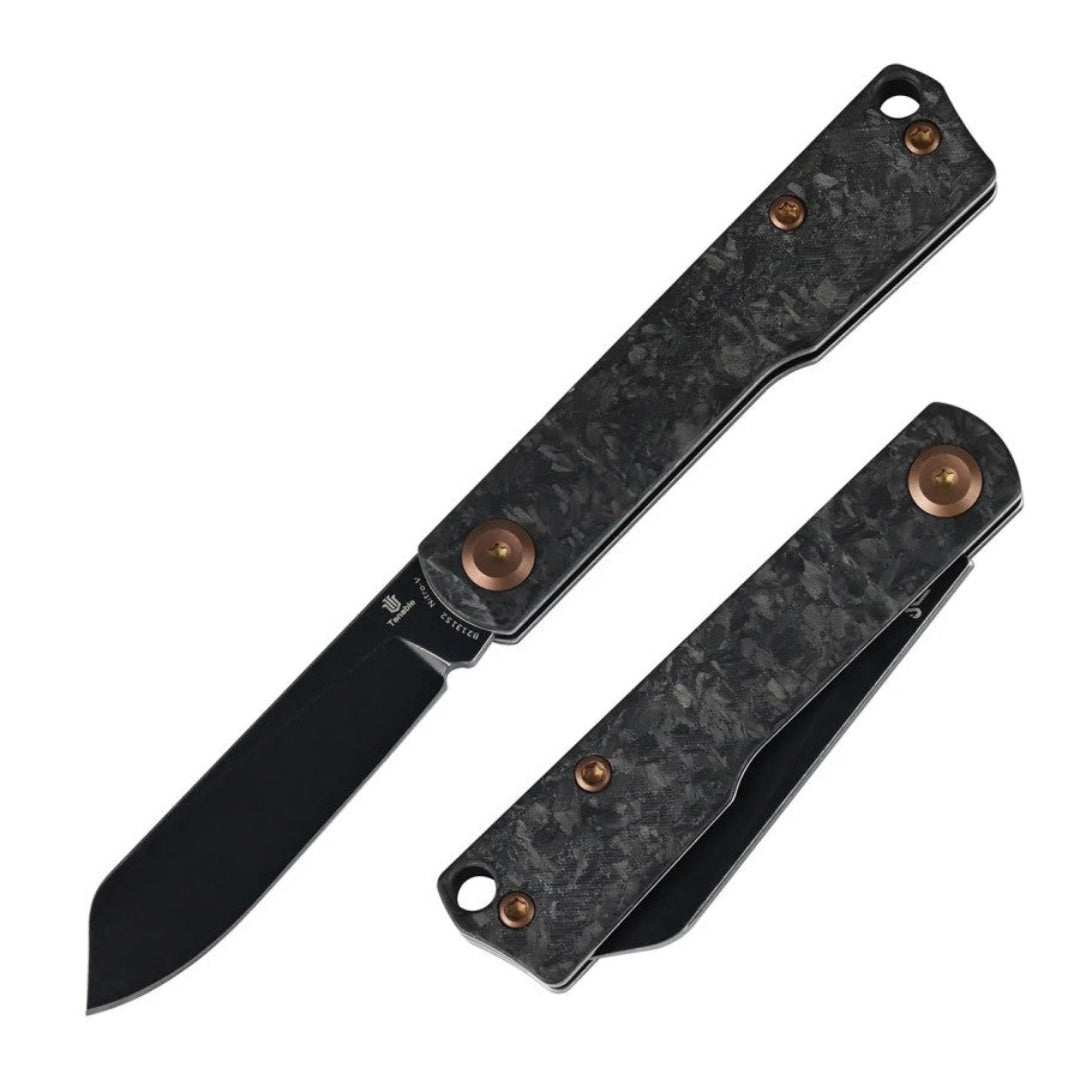
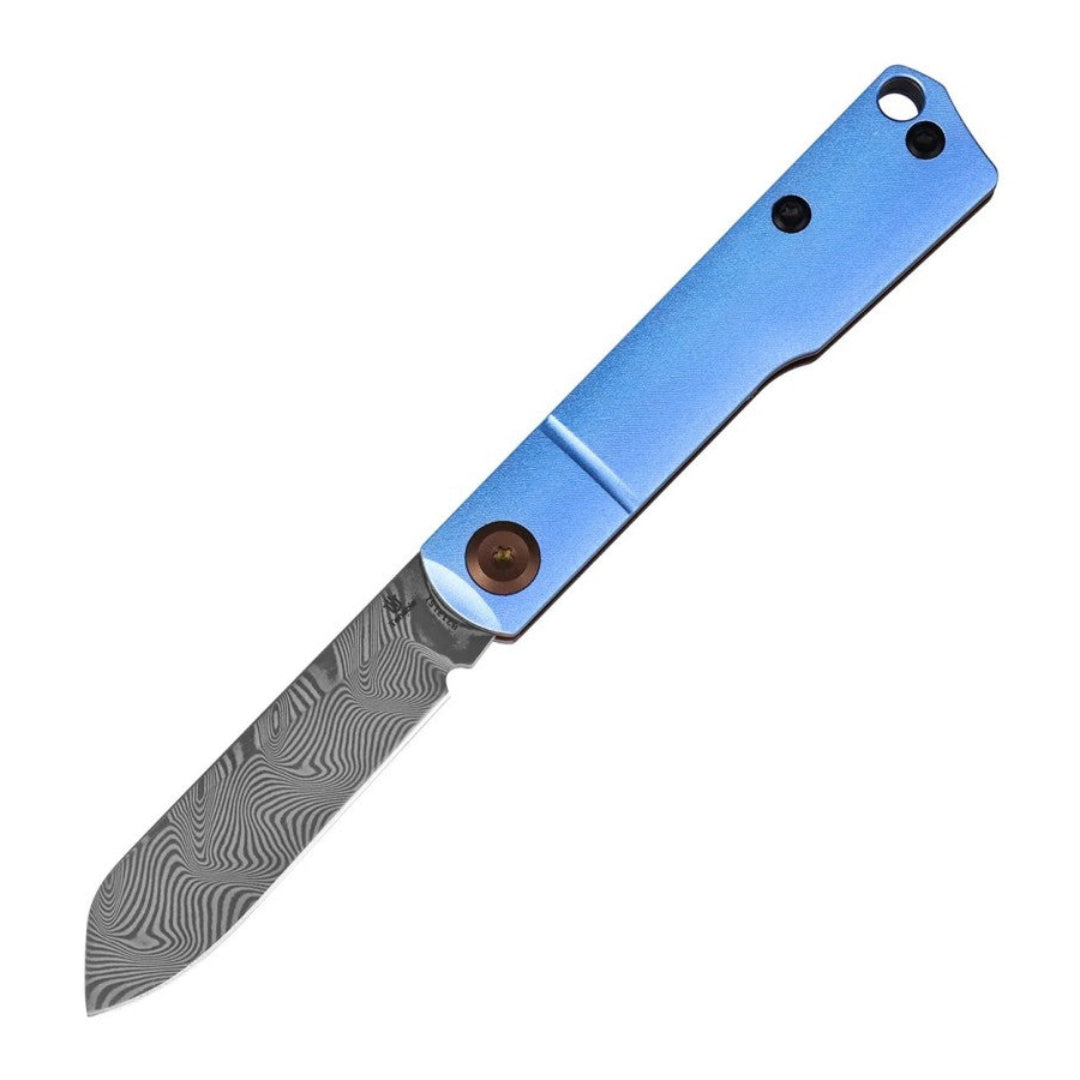
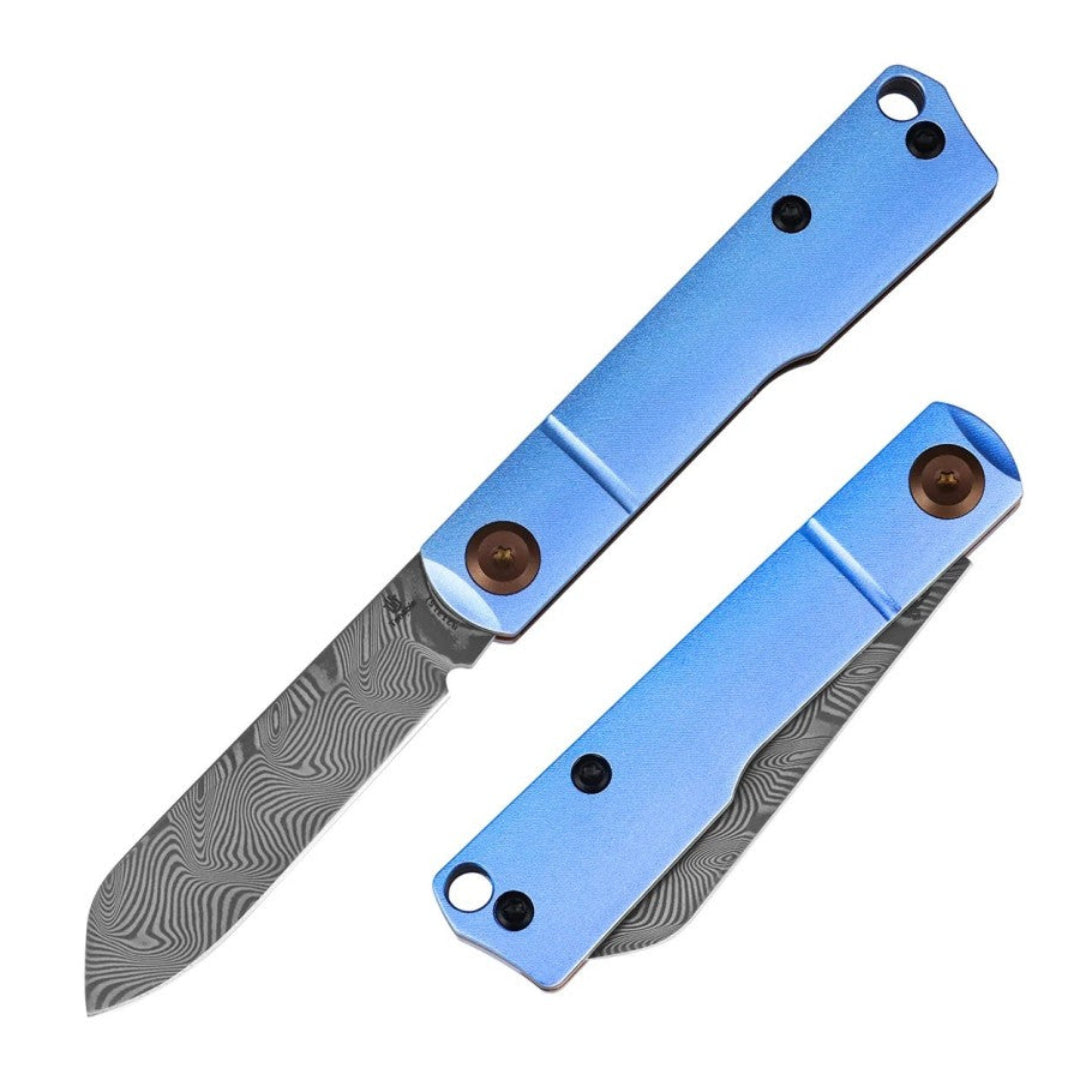
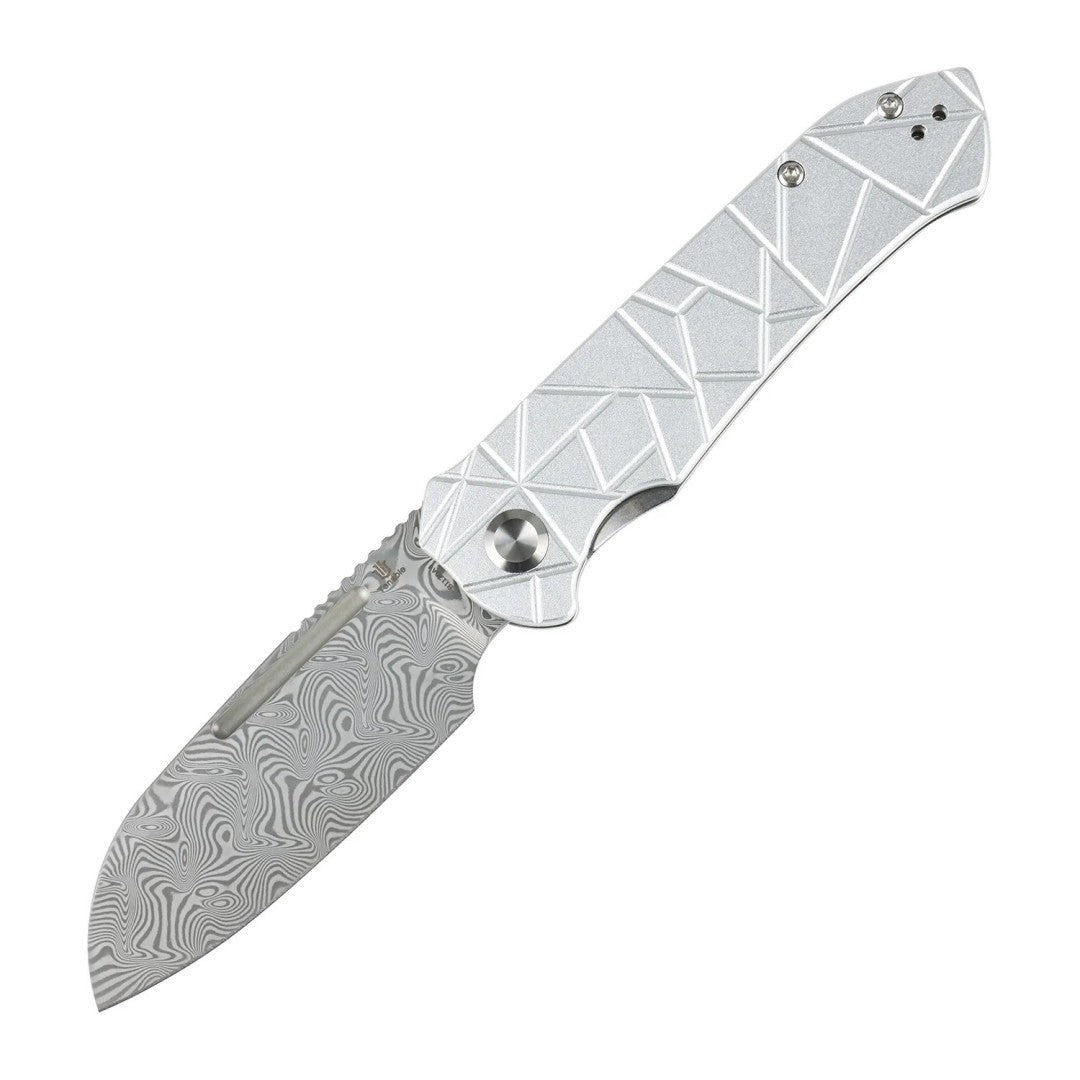
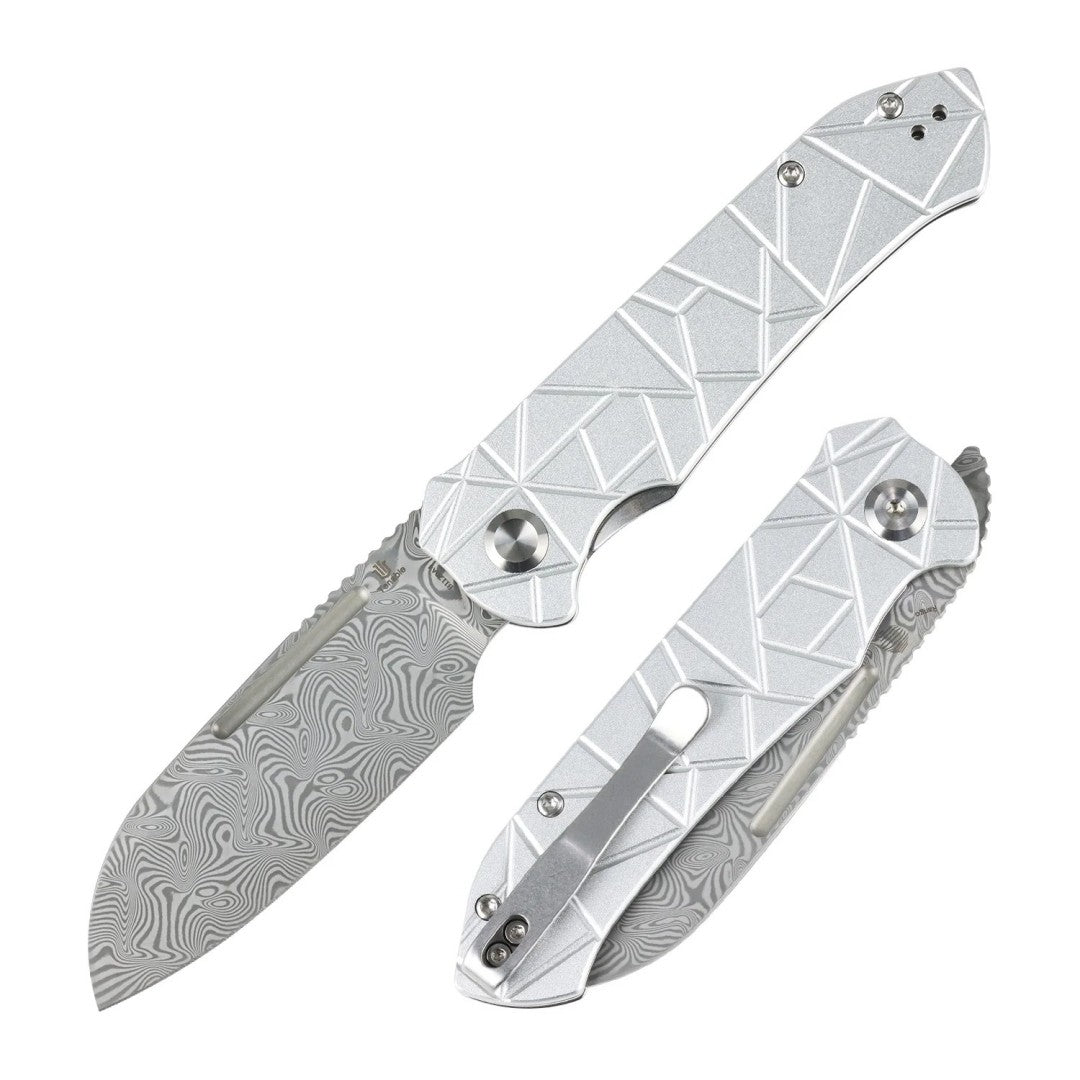
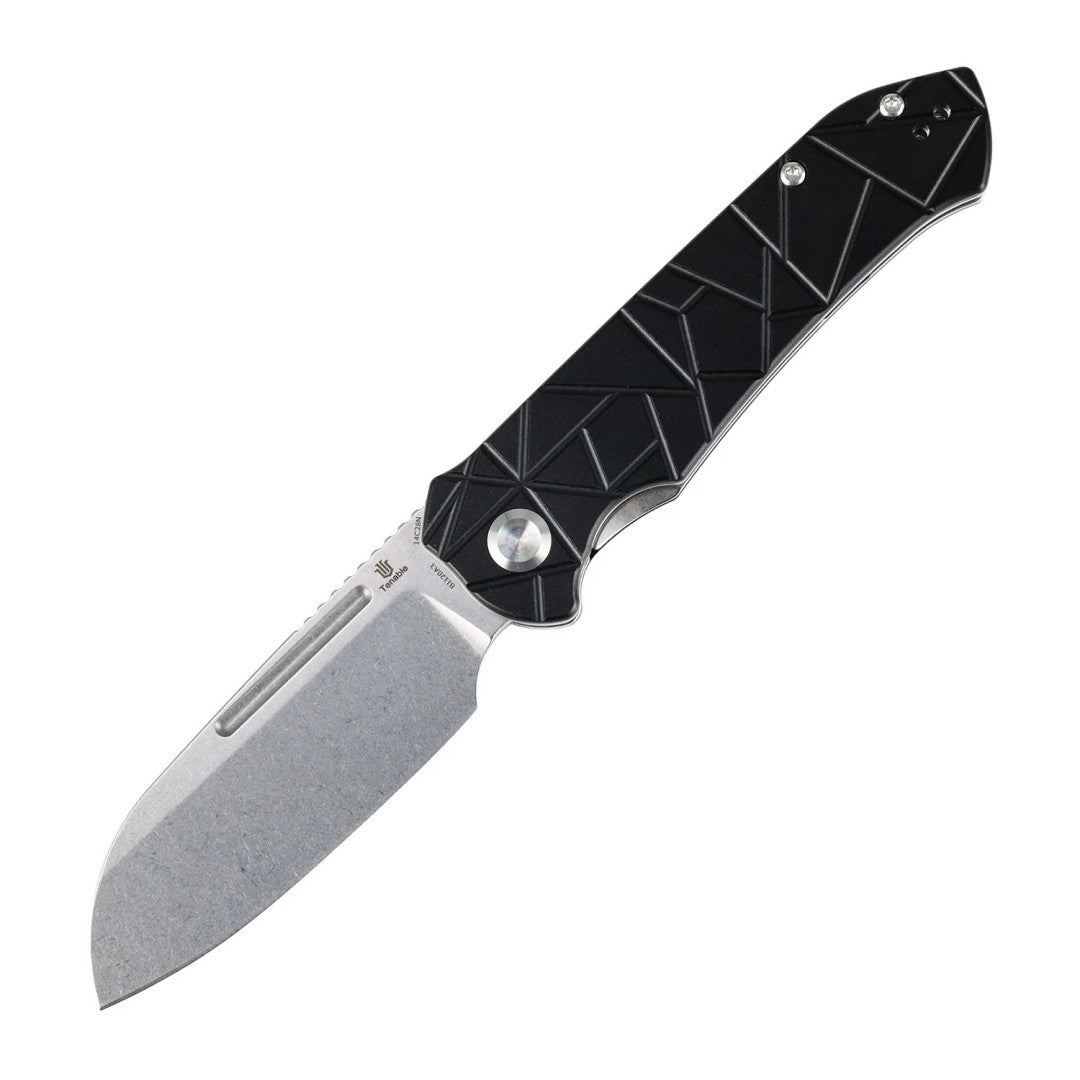
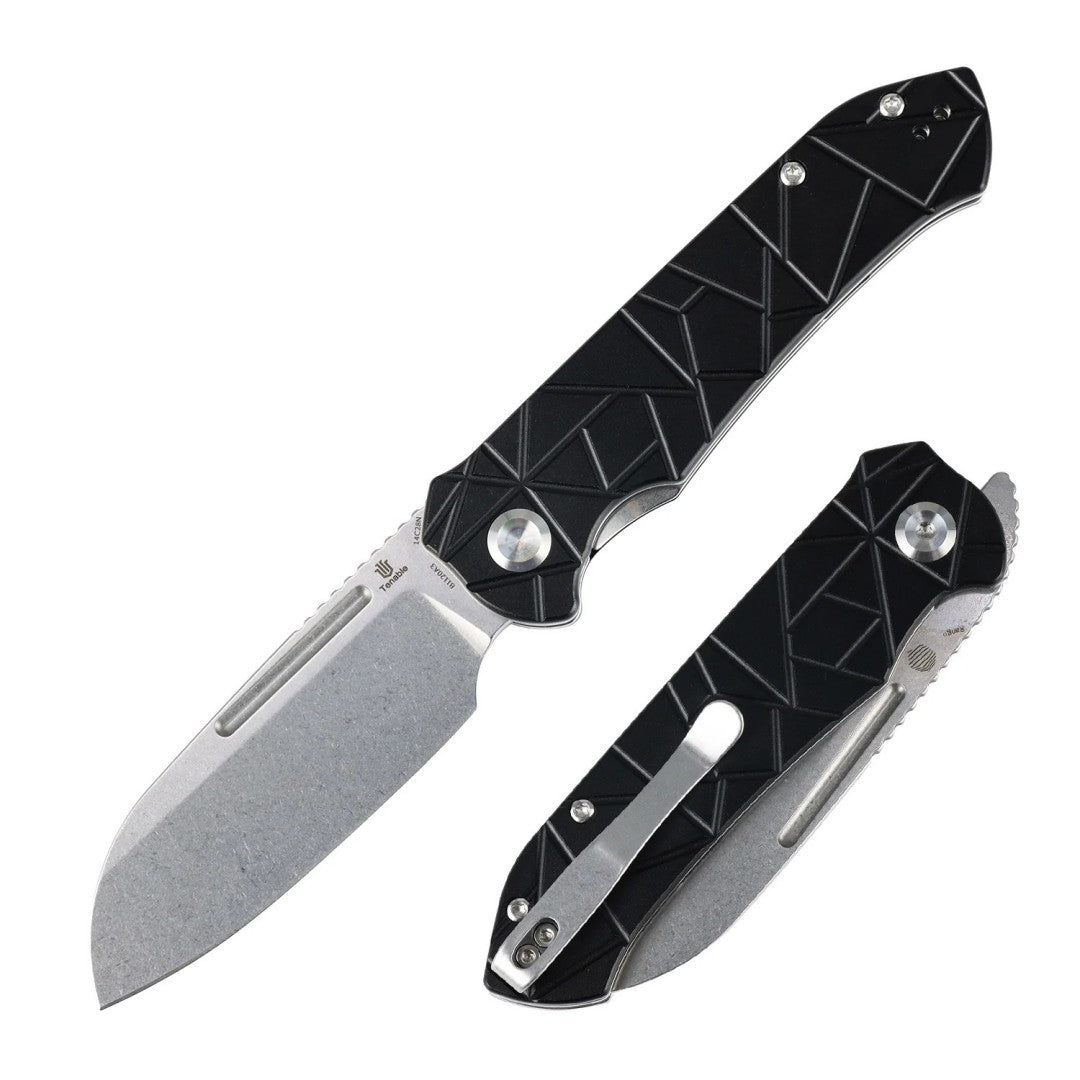
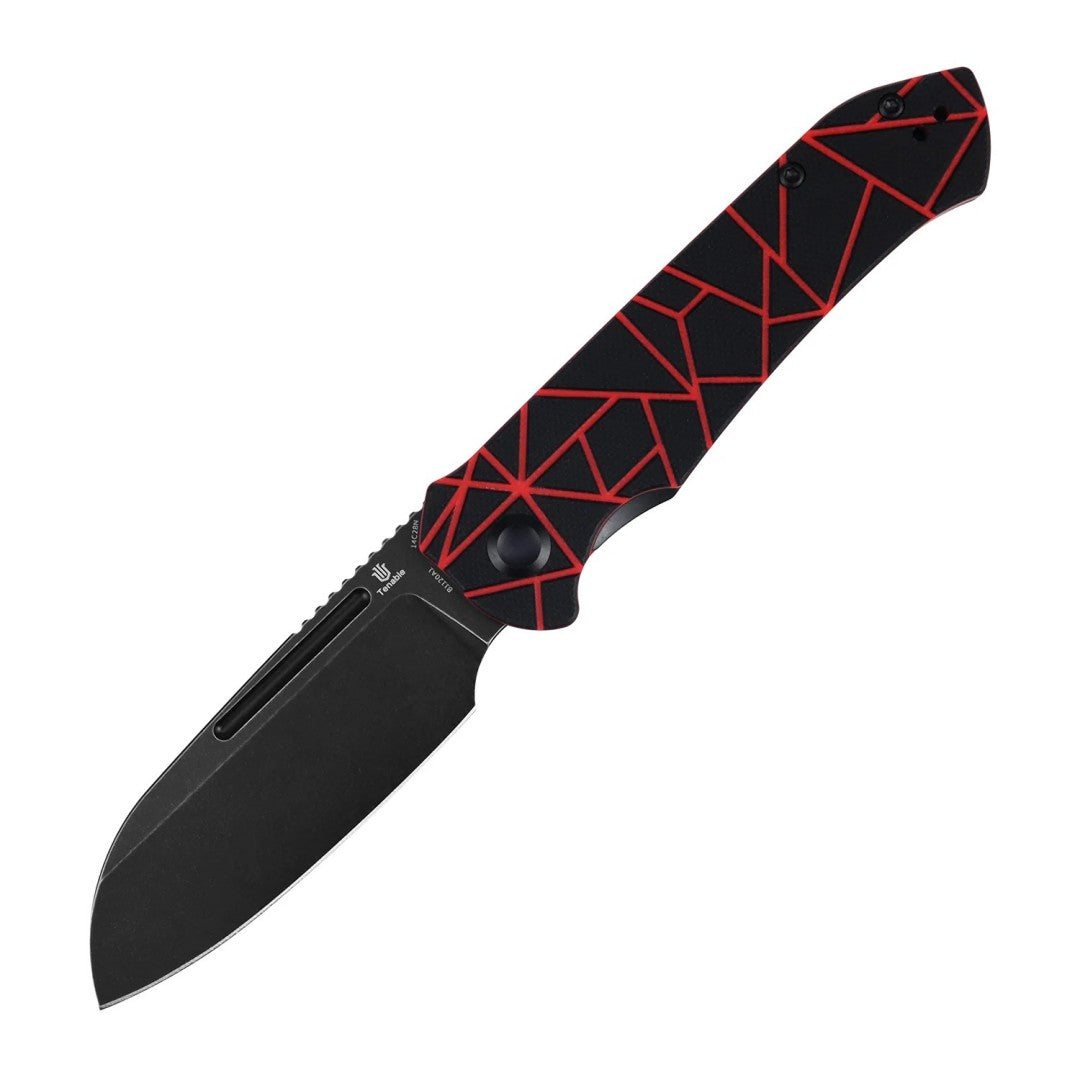
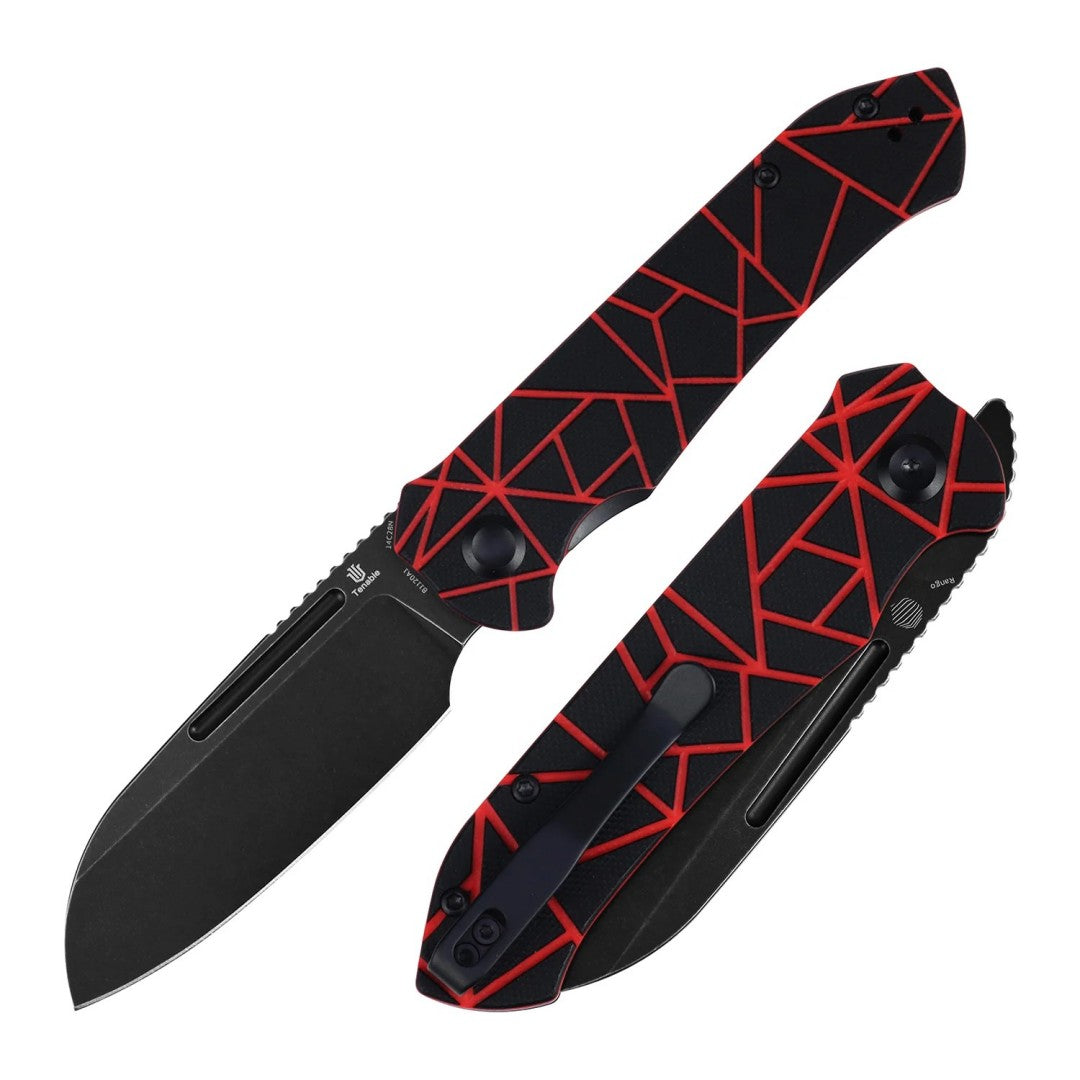
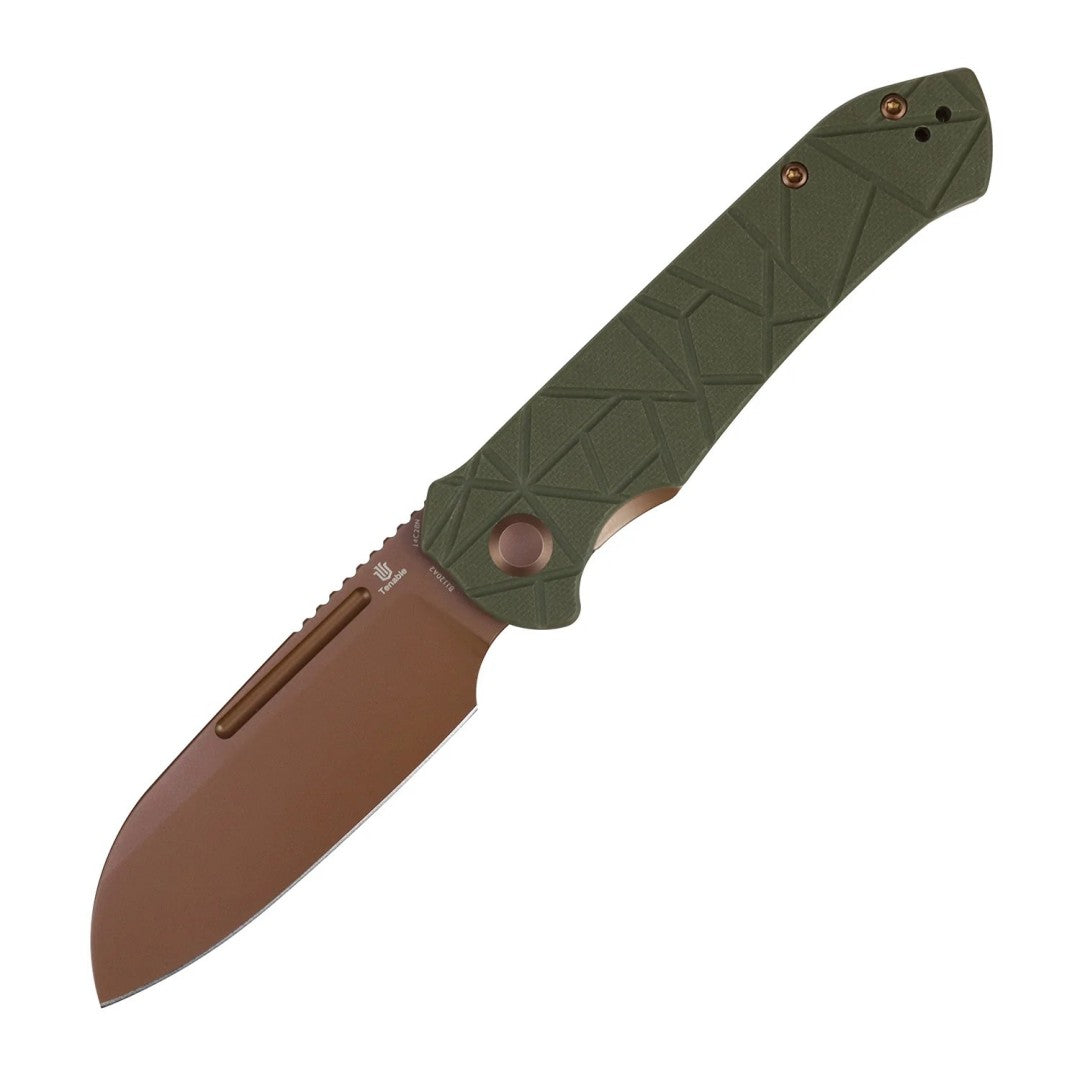
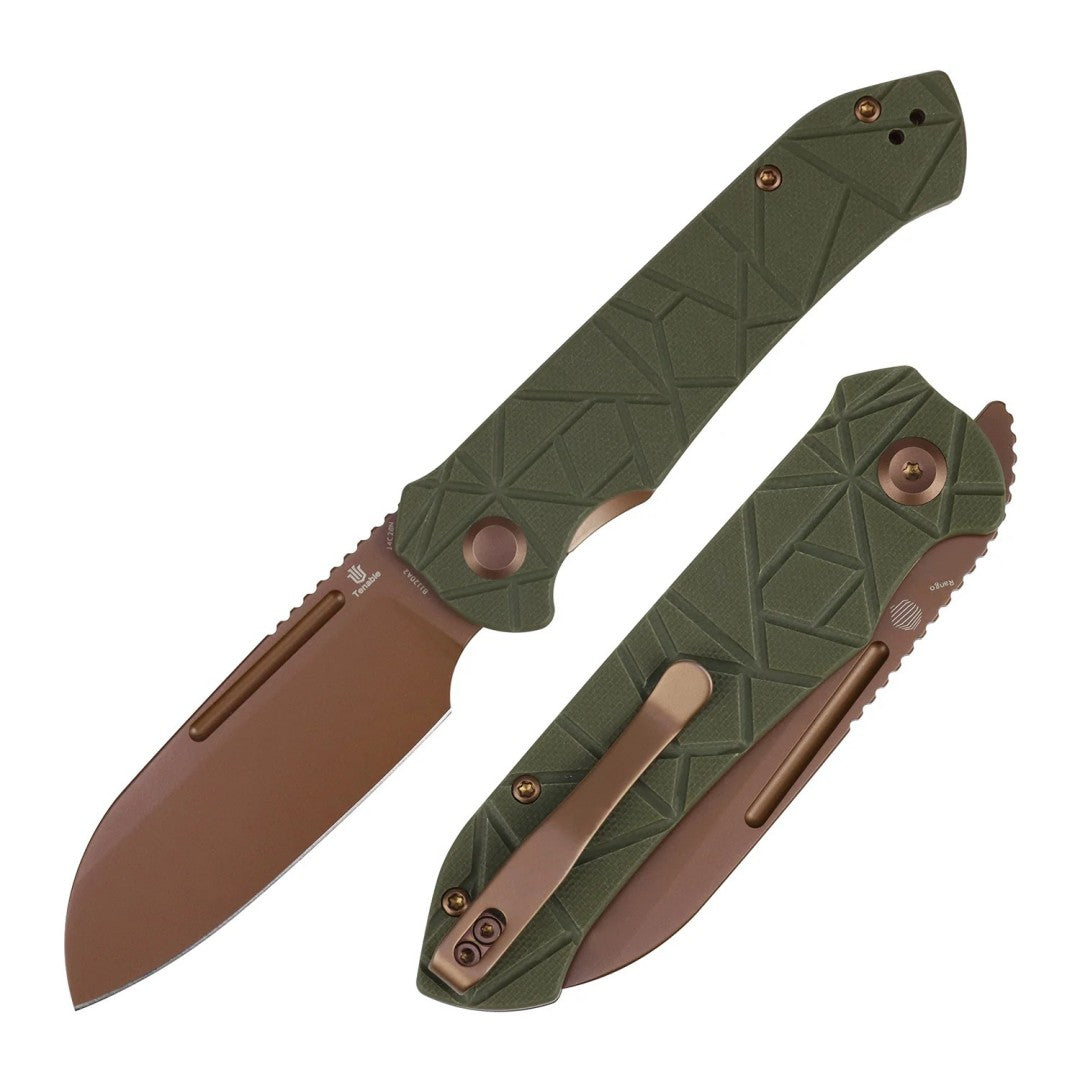
Tools divide into two classes. A folding blade rides in a pocket or vest pouch for flagging tape, cord and packaging, while a fixed blade lives in a belt sheath for heavier brush work, where a strong, non-folding blade is simply safer and more efficient. Splitting the roles means neither tool is compromised. Both should be stainless, because fieldwork means dew in the morning, sweat all day and rain on the drive home, and neither should need special attention to keep working.
Real-World Use
A normal day involves clearing line of sight, cutting lath to length, tying and trimming flagging, and occasionally hacking a path to a monument that has not been visited in years. Grazing and timber property adds wire and fence work. Because the work is often solo and remote, redundancy matters: a spare light in the pack, a small stone or diamond card, and a first aid kit sized for a cutting injury rather than a household injury.

Ownership Notes
Field maintenance is about keeping grit out. Wipe and dry both blades at the end of every day, and put a thin film of oil on the fixed blade if it will sit for a while in a damp sheath. Check that the sheath retention still holds, especially after a wet week, since leather can soften. Recharge the headlamp the night before a field day rather than in the morning, and keep a charged spare cell in the truck for the days that run long.
Who Is This For?
This is for land surveyors, geomatics crews, archaeological field teams, geologists and utility locators. It also suits anyone doing long reconnaissance walks. If your work stays within sight of a vehicle and ends before dark, a pocket light and a single folder are sufficient and the heavier kit is unnecessary weight.
Final Verdict
Invest in the light and in footwear, then treat the blades as supporting tools. Headlamps beat handhelds for hands-free fieldwork, fixed blades beat folders for brush, and folding knives still handle the ninety percent of cuts that are small and quick. EDC knives chosen for fieldwork should be light enough that you never think about leaving them in the truck.