
Overview & First Impressions
Every water ripple blade starts as a sandwich that should not work: dissimilar steels stacked, welded at welding heat, folded, twisted and ground until hundreds of layers reveal themselves in the acid bath. The mystique around Damascus steel often hides how mechanical the process actually is, and understanding the billet is the fastest way to separate genuinely well made pattern-welded knives from bar-stock patterns etched onto ordinary steel. Both are sold as Damascus; only one of them is it.
Materials & Construction
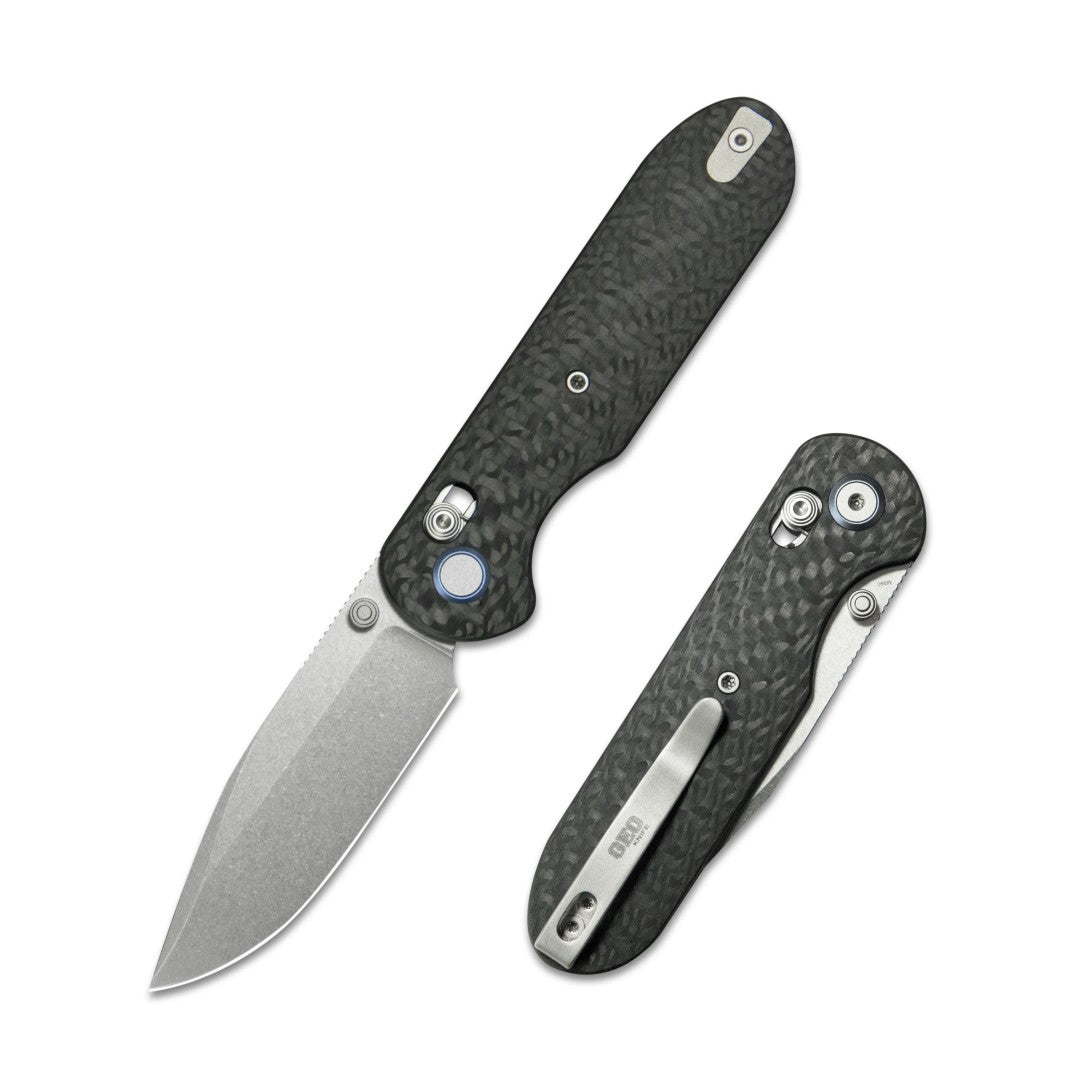
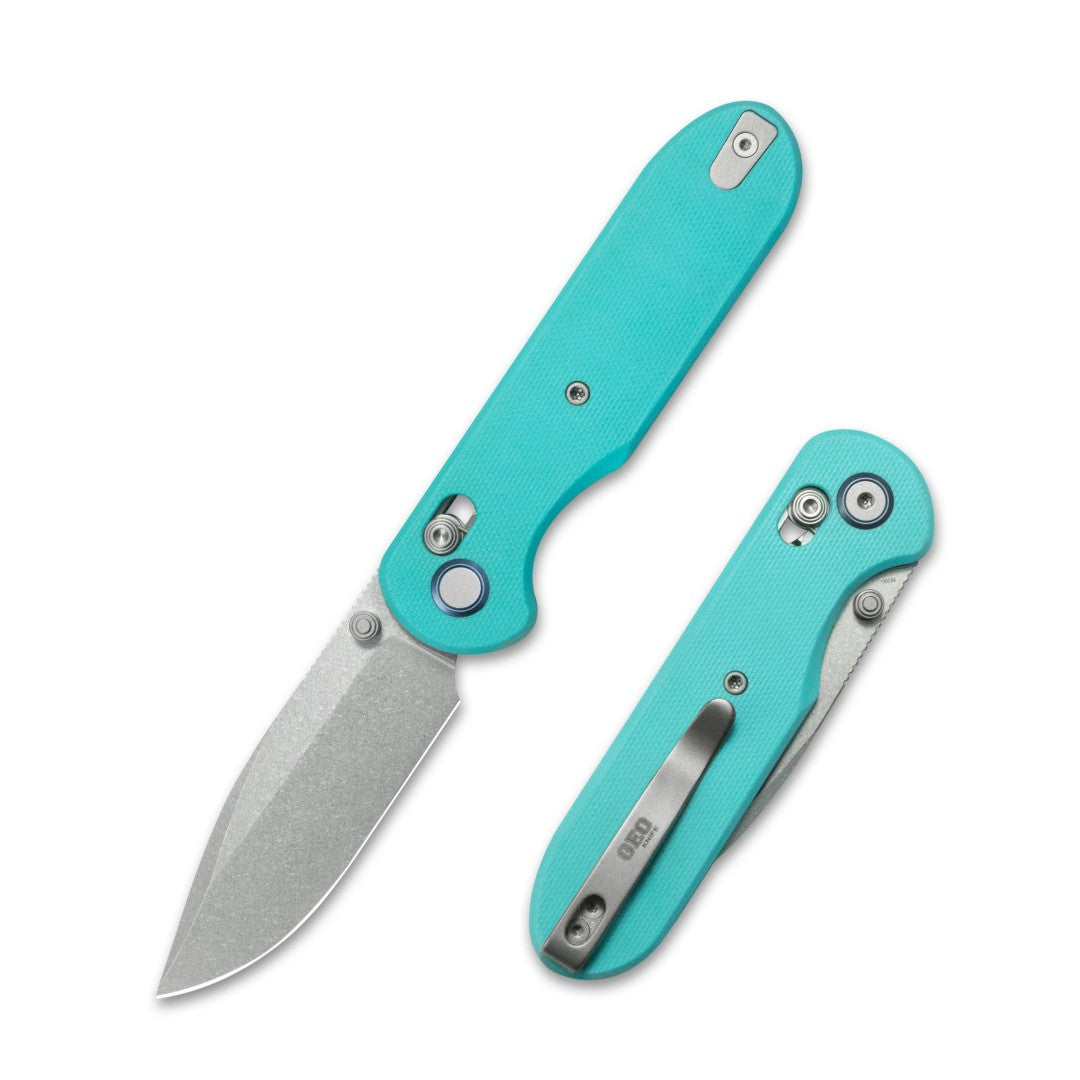
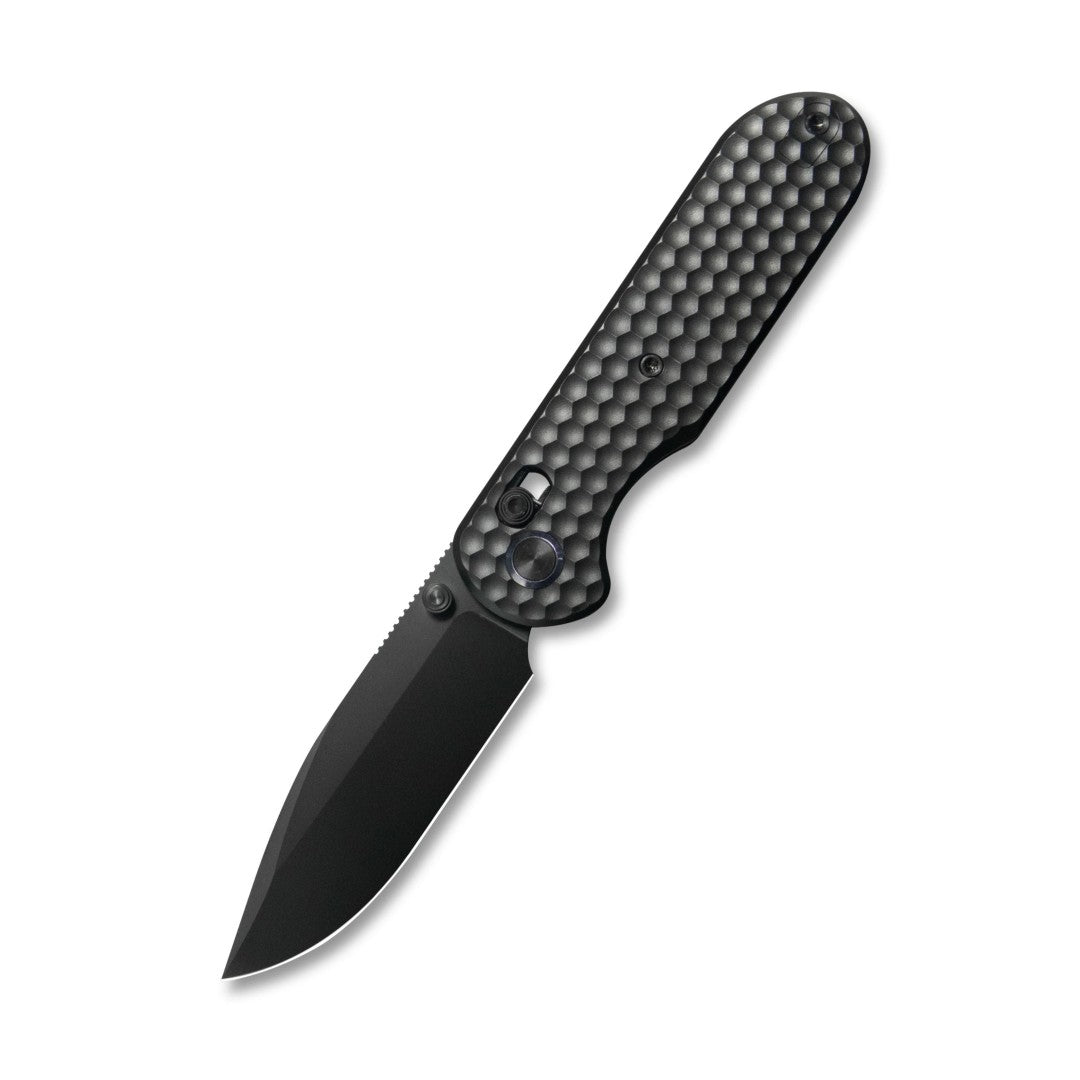
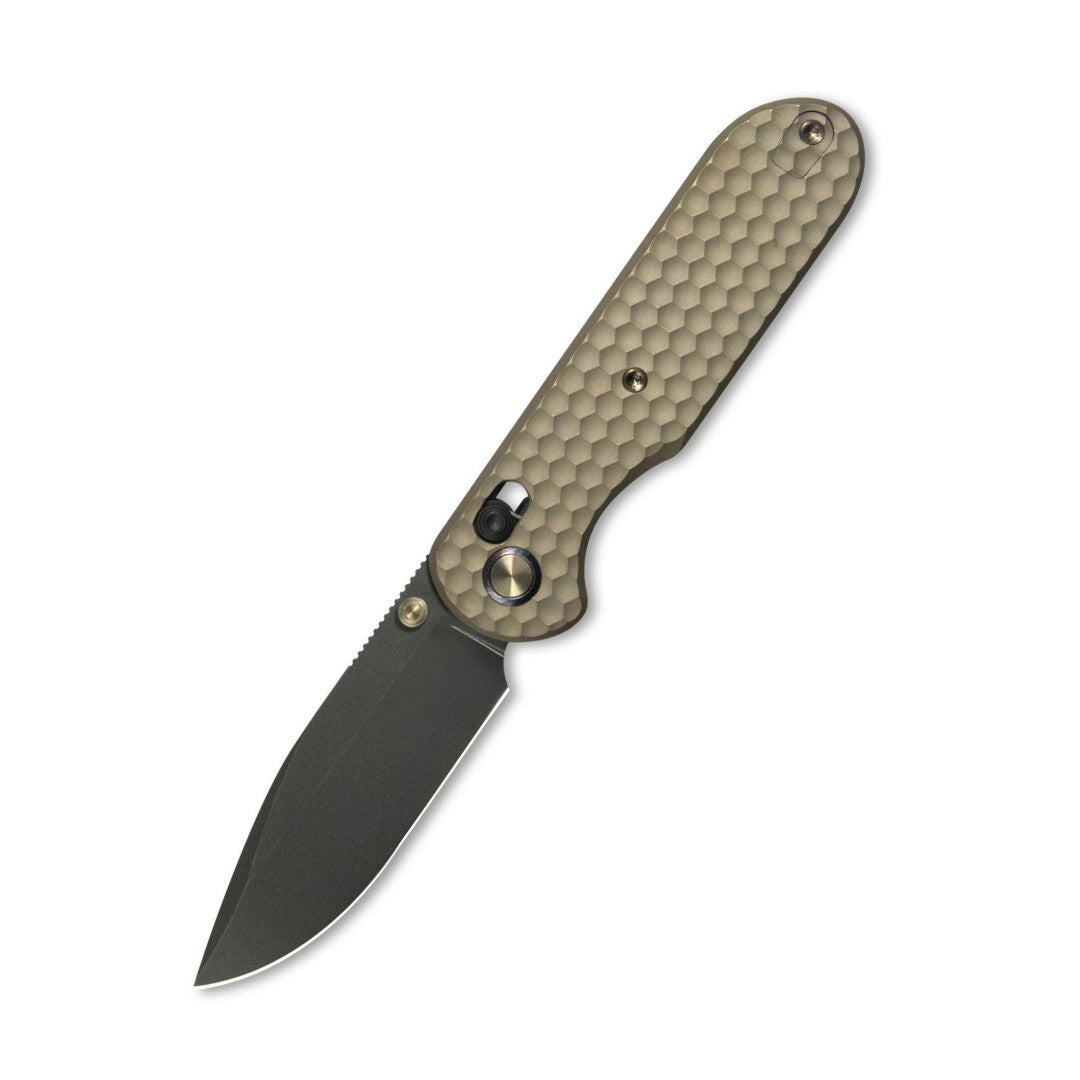
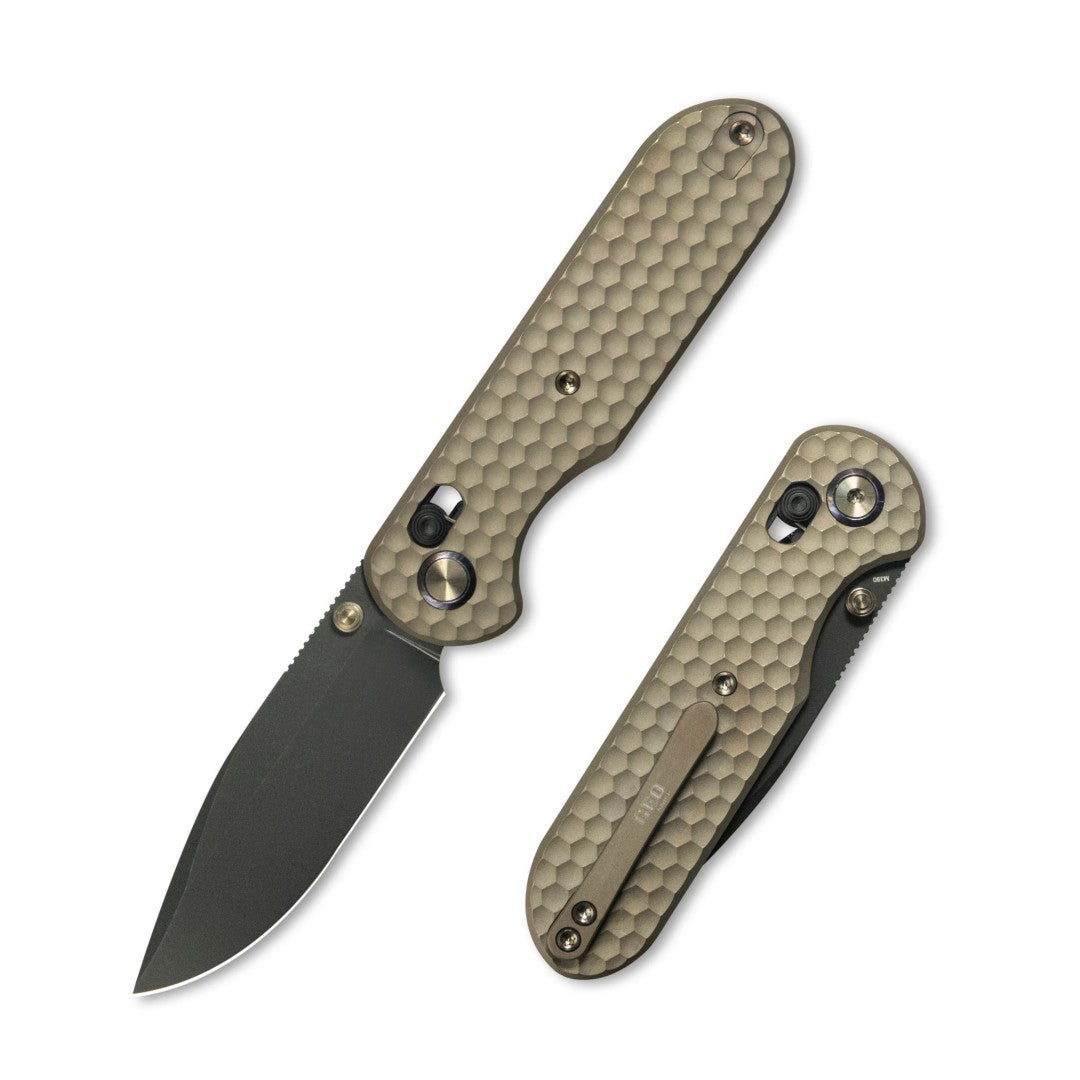
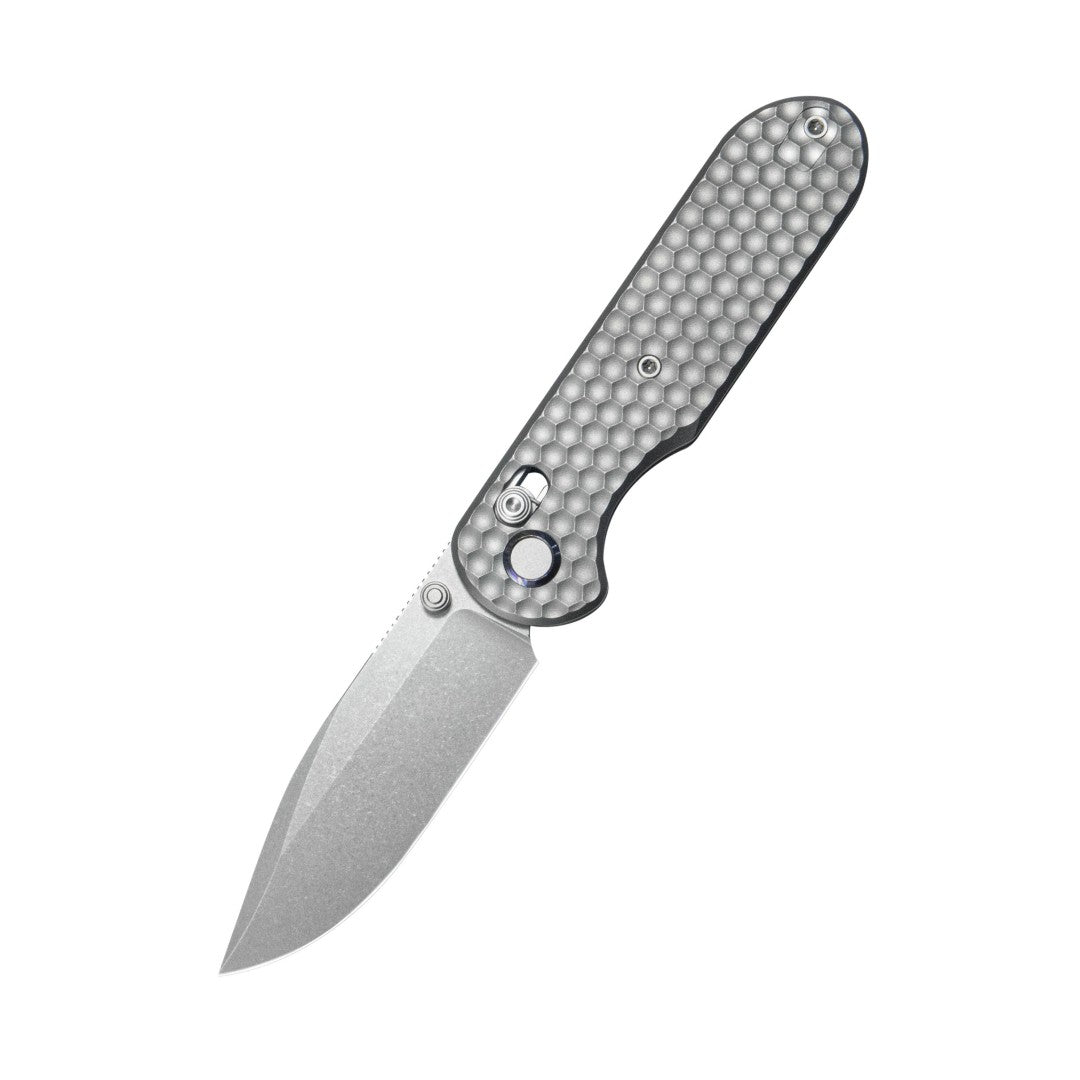
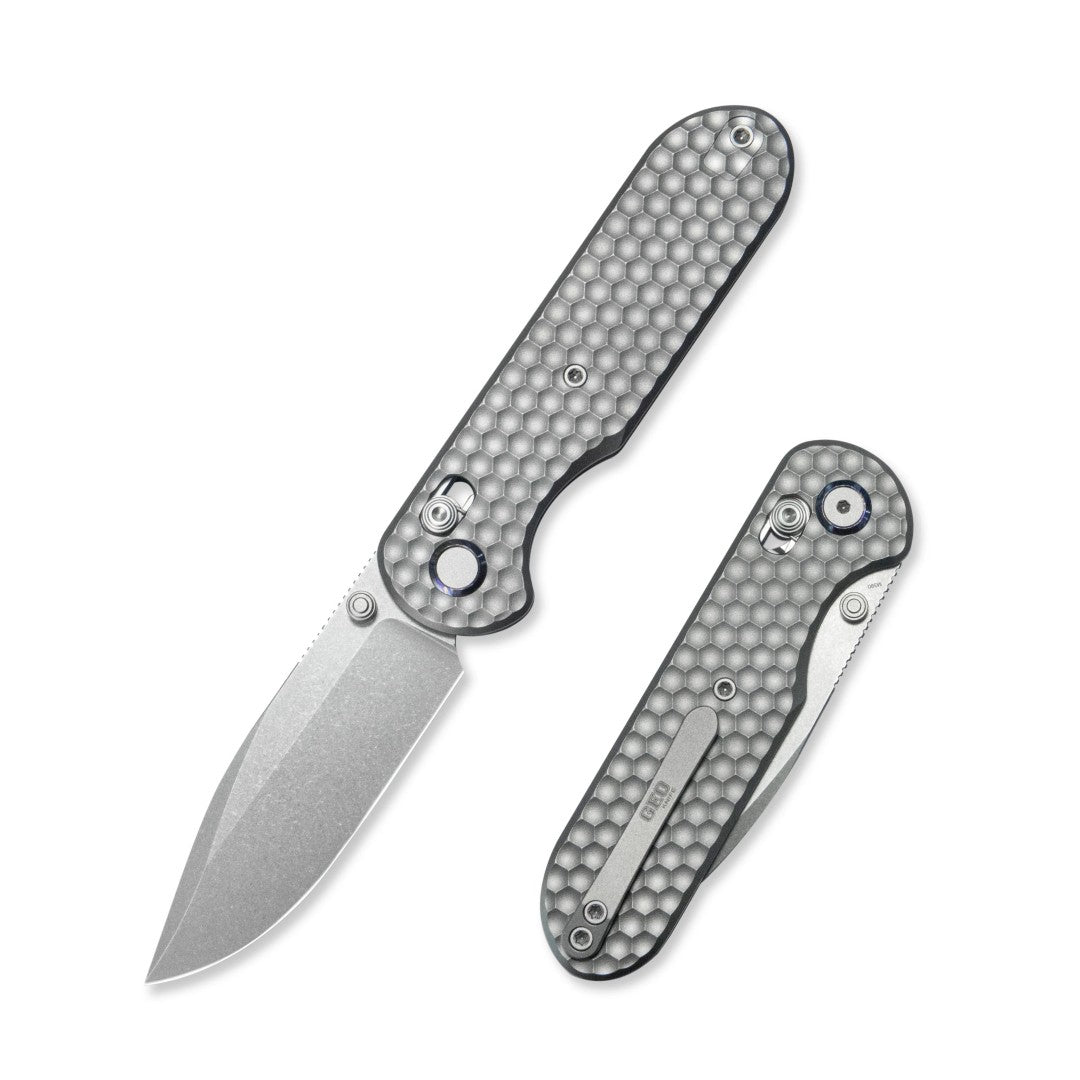
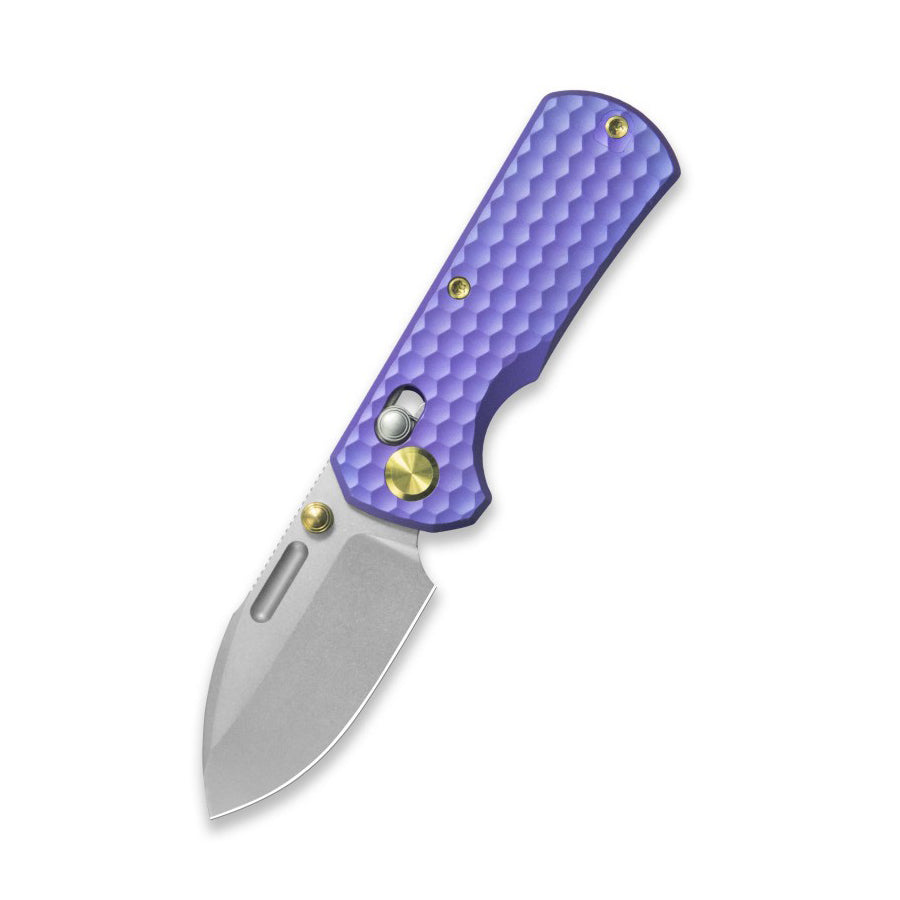
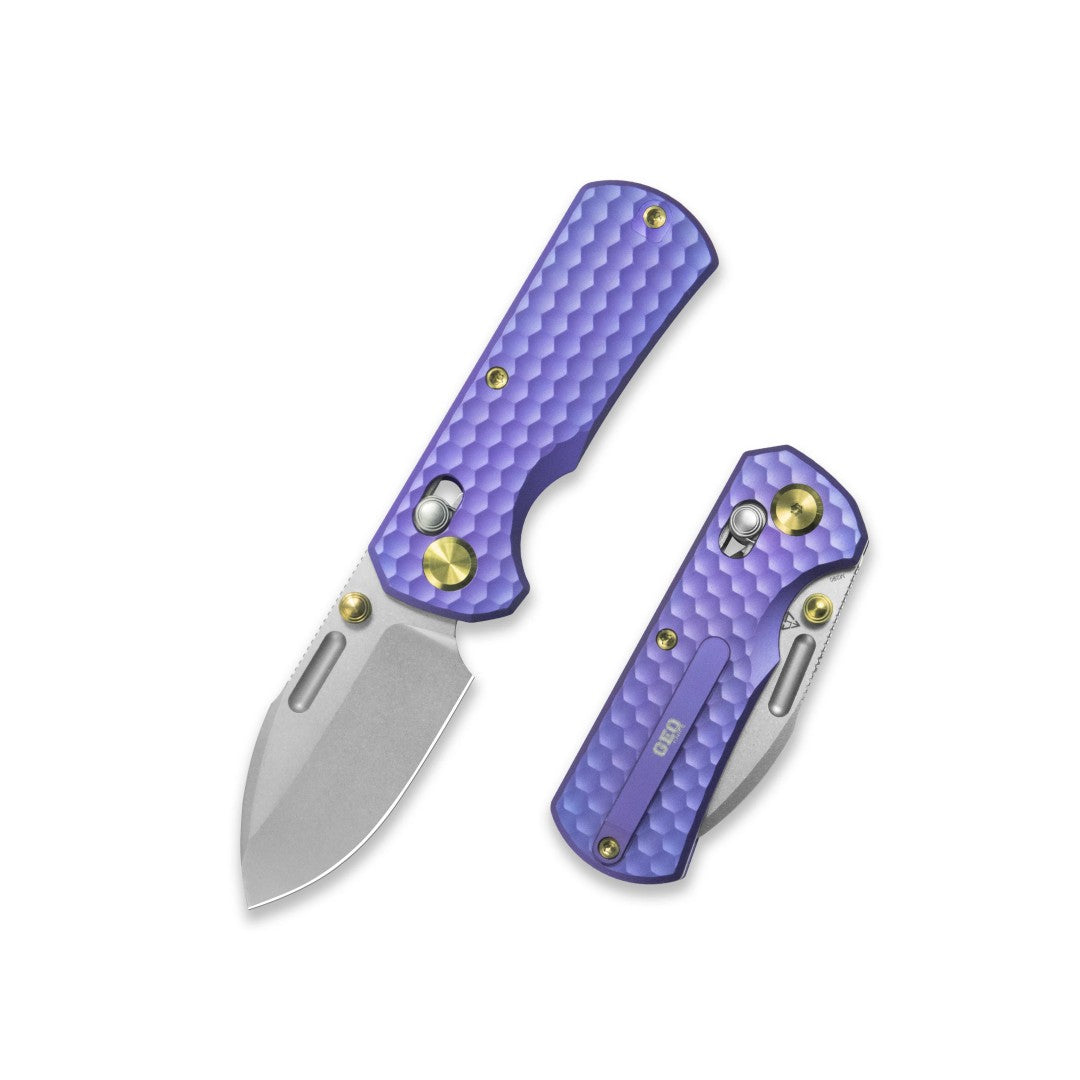
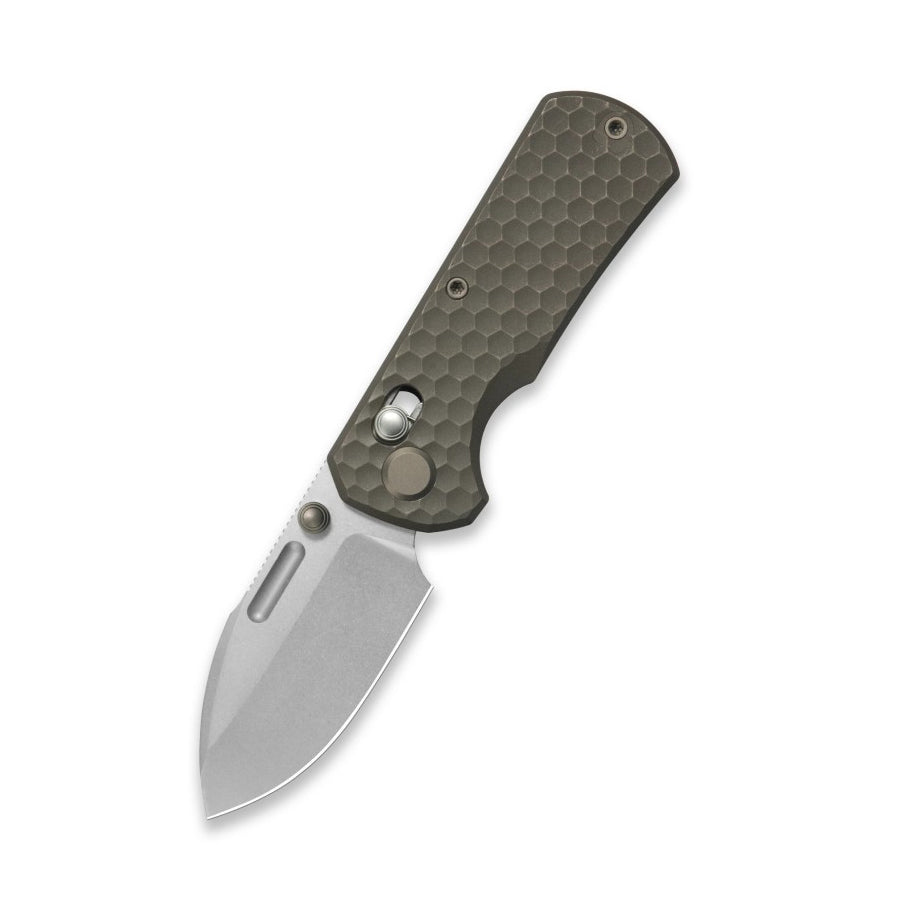
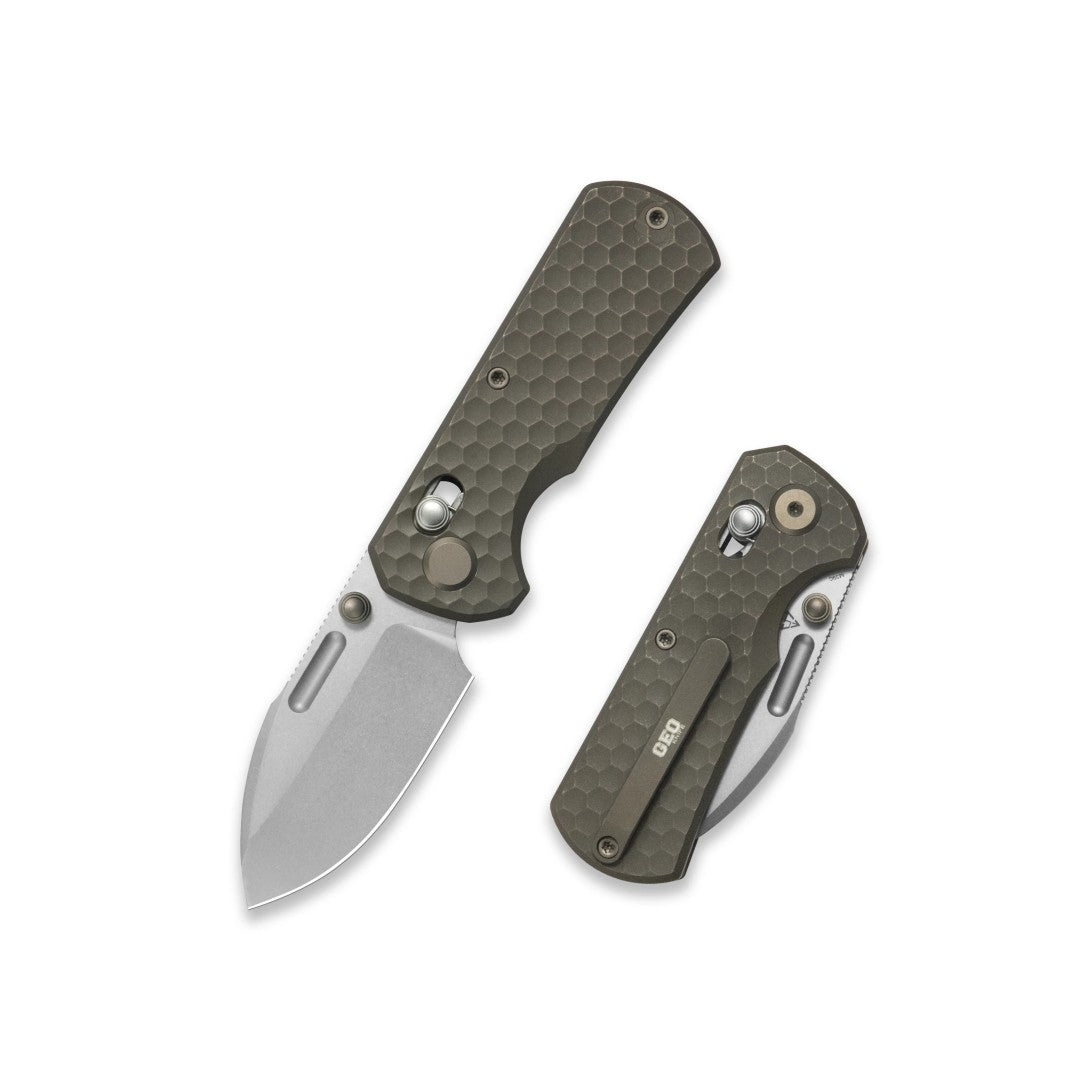
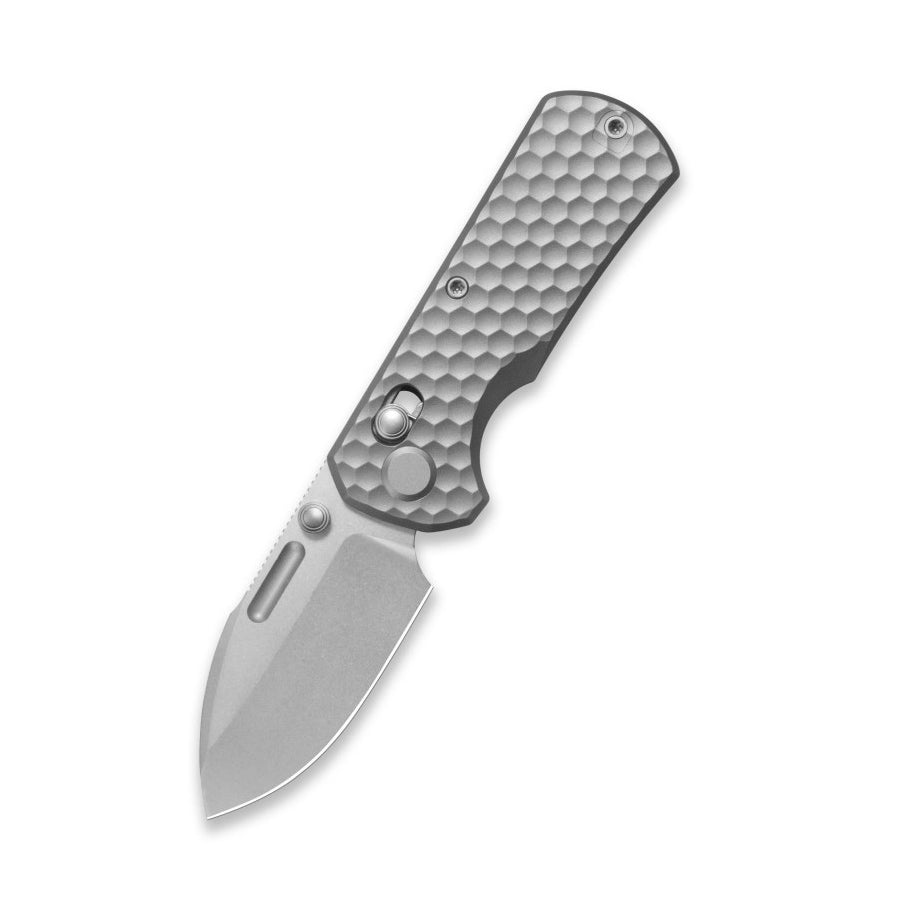
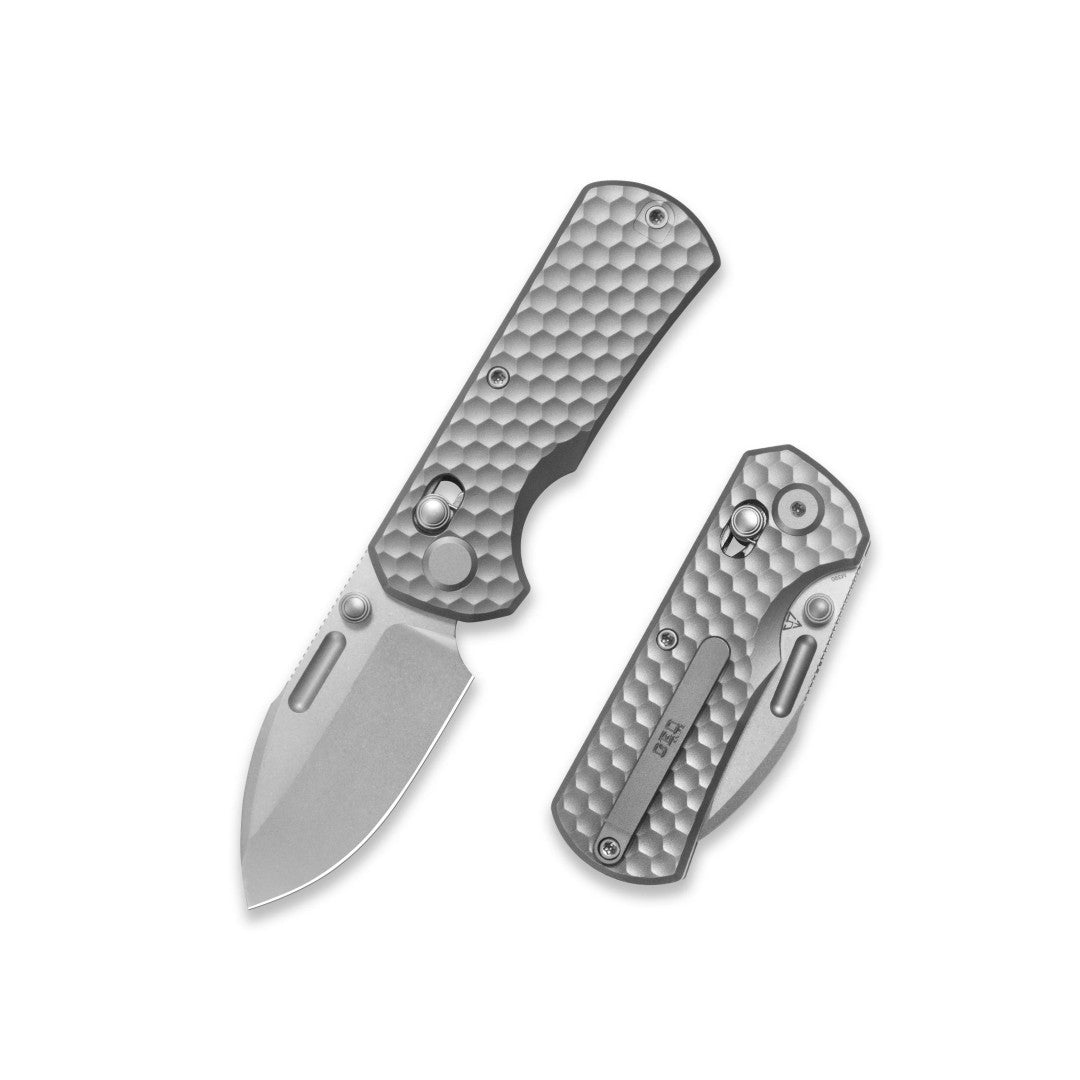
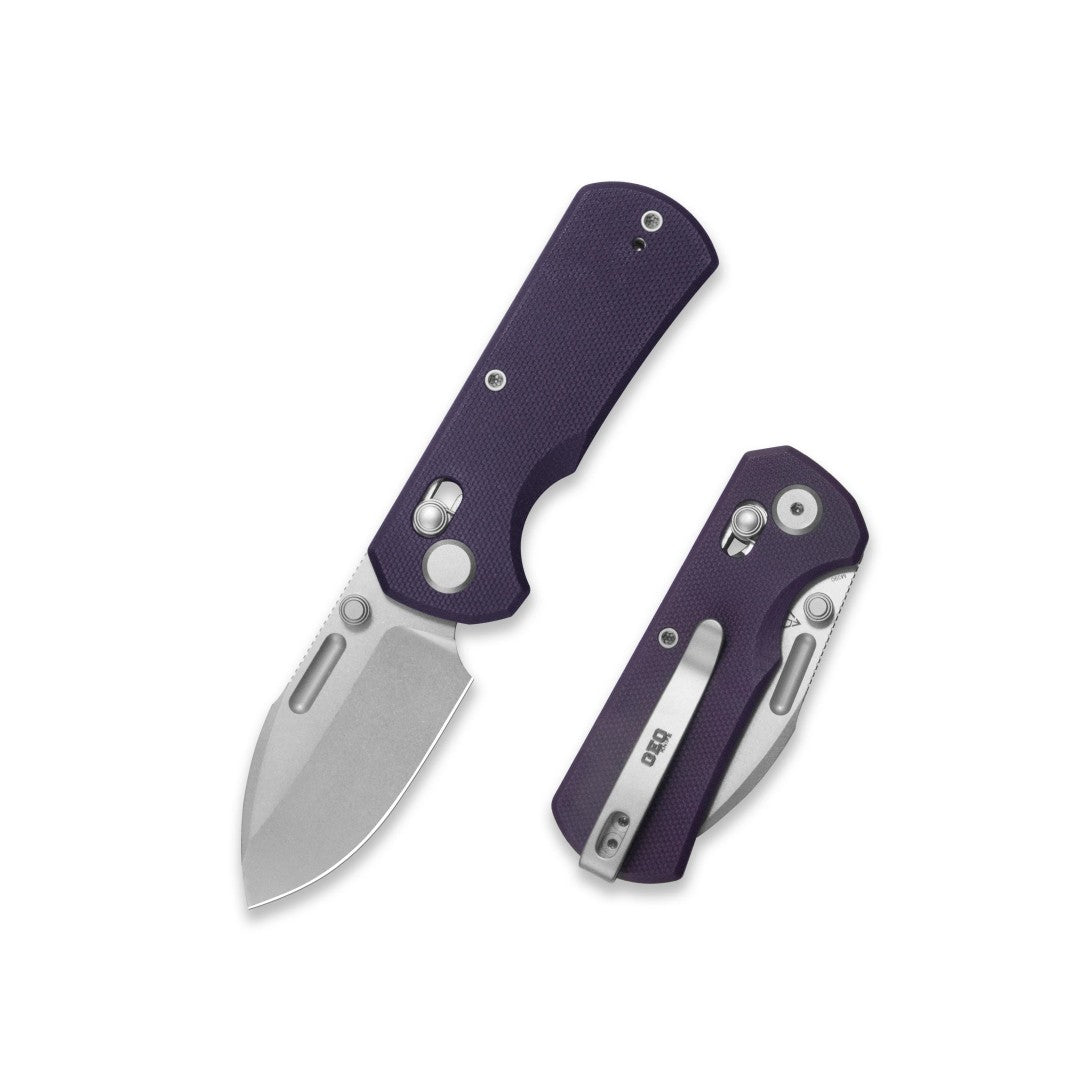
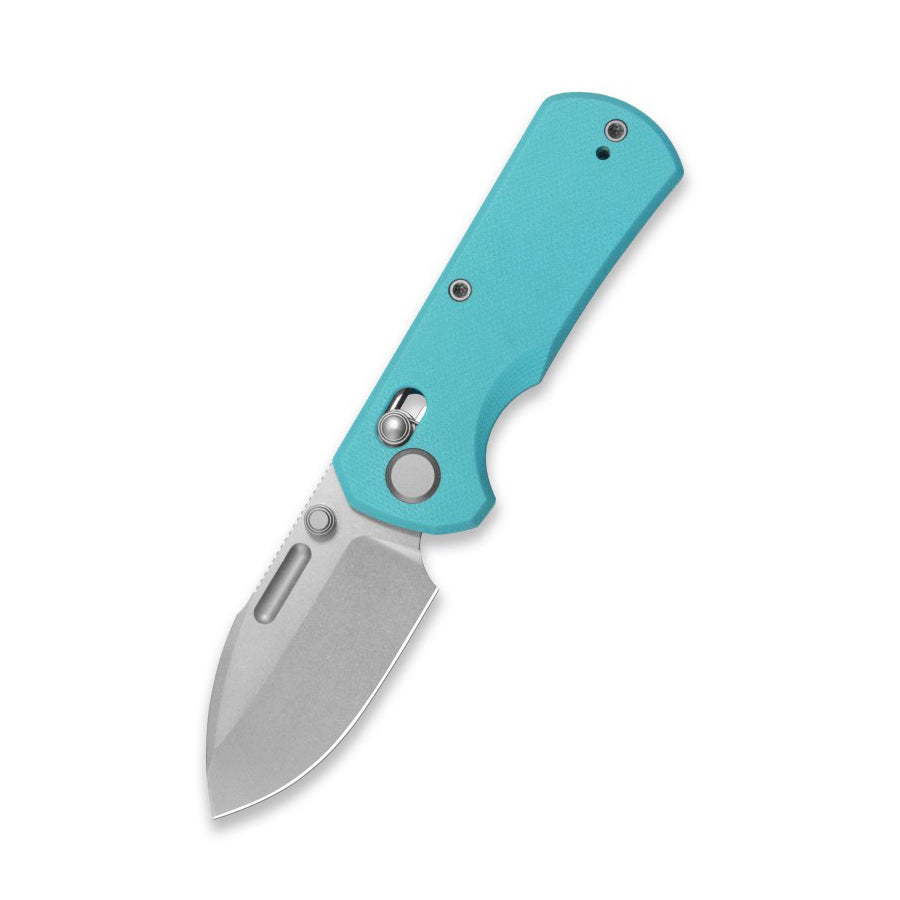
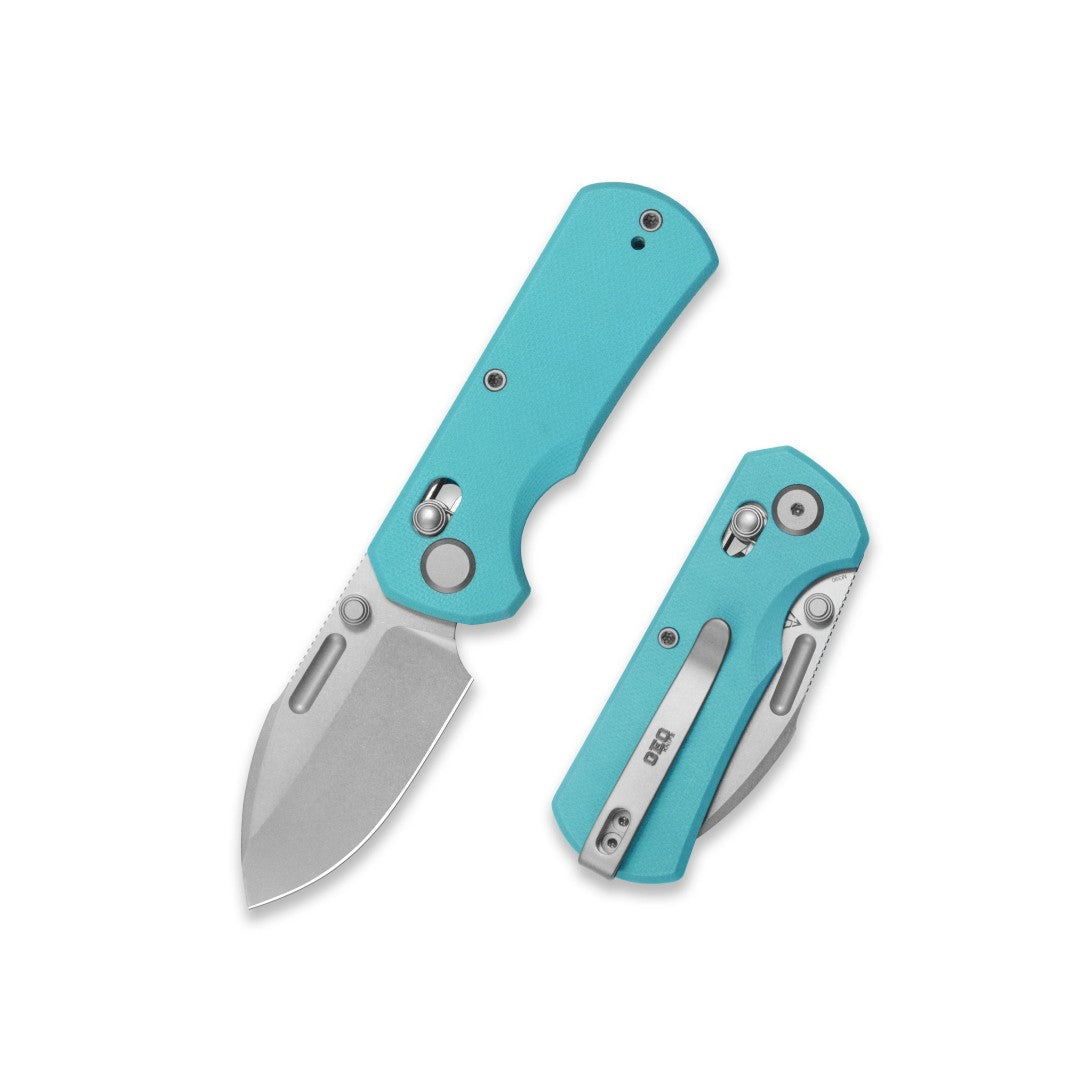
A billet is built from alternating layers of high carbon and lower alloy steel chosen to etch at different rates. The stack is forge welded, drawn out, folded and welded again, so a blade described as having 200 layers has been through a deliberate doubling sequence. The etch then eats the two steels at different depths, and the pattern is the topography left behind. The water ripple pattern on the Tenable Deadite shows this clearly: the flow lines are real layers, cut and contoured, not a print. That is what separates true Damascus steel from cosmetic imitation.

Design & Details
Pattern choice is where the smith's skill becomes visible. Straight laminates are the easiest; twisted billets create the star and ladder patterns; controlled distortion creates ripple and raindrop effects, and every additional manipulation is another chance for a weld flaw to survive. Reputable makers forge their billets clean enough to inspect, which is why it is worth buying from houses that stand behind their steel. Tenable knives heat treat their pattern-welded blades to match the layer steels, because a beautiful billet with a mediocre edge is decoration rather than a tool.
Real-World Use
Care follows from construction. The two steels in a billet etch differently because they corrode differently, which means a pattern-welded blade is less corrosion resistant than its stainless sibling: wipe it after use, oil it lightly, and never store it damp or the pattern will gain unwanted new topography. Sharpen as usual, expecting the micro-serration of layer lines at the very edge, which most users read as aggression in the cut rather than as a flaw.

Ownership Notes
Inspect a Damascus blade in raking light before buying, whether new or used. Genuine billets show depth: the pattern shifts as the light moves because it lives below the surface. Etched bar stock shows a flat uniform image that looks identical from every angle. Check the steel at the edge too, where heavy regrinds sometimes expose the layer count of a cheap billet. Ten seconds of light tells you what the certificate claims an hour to explain.
Who Is This For?
This suits buyers choosing their first pattern-welded knife, collectors who want to explain what they own, and anyone curious why two blades with identical patterns can differ tenfold in price. It also suits woodworkers and metalsmiths who appreciate process. Skip the pattern entirely if you need a corrosion proof work knife; there is no shame in stainless for daily abuse.
Final Verdict
Layers are forge work, patterns are skill, and etching is the reveal. Buy billets from makers who stand behind their welds, care for the steel like the mixed metal it is, and enjoy a blade that is literally one of a kind. The Tenable Deadite range and other Damascus steel EDC knives at EdcMall are good places to see genuine patterns in person.
Shop the Tenable Deadite B1081V4 Water Ripple Damascus at EdcMall