

Overview & First Impressions
Lumen figures dominate flashlight marketing because they are easy to compare, and they are also the least useful single number for predicting how a light will perform. Two lights rated at three thousand lumens can behave completely differently in the field depending on how long they hold that output, how the beam is shaped, and how far the hotspot actually reaches. Learning to read runtime and candela turns a specification sheet into an honest description of a tool.
Materials & Construction
Candela measures intensity at the center of the beam, and it is what determines throw. Beam distance is calculated from candela, so a high candela light with modest lumens will reach further than a flood light with far more lumens. Runtime is expressed in hours at each output level, and the important detail is whether the listed figure applies to a regulated output or to a gradually declining curve. A well regulated light holds a steady level until the cell is nearly empty, then signals a step down.

Design & Details
Most modern lights use a thermal step down, so turbo output lasts only as long as the body can shed heat. That is normal and not a defect, but it means the honest specification is the sustained level rather than the peak. Look for a stated runtime at the highest mode the light can hold indefinitely, and compare that figure across models. Also check whether the drive circuit is fully regulated, since an unregulated light dims steadily from the first minute and makes brightness feel unreliable.
Real-World Use
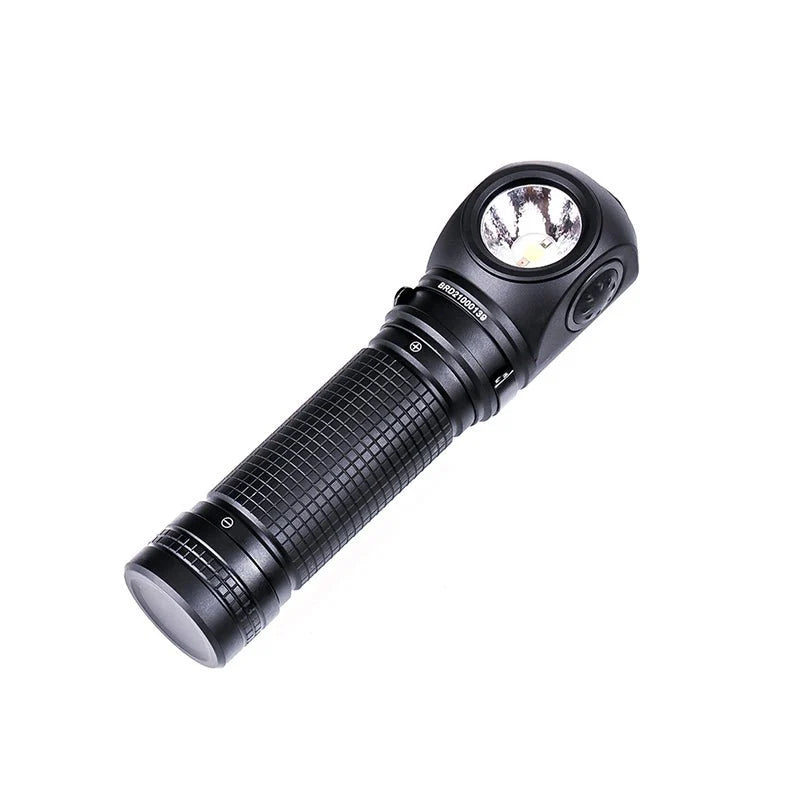
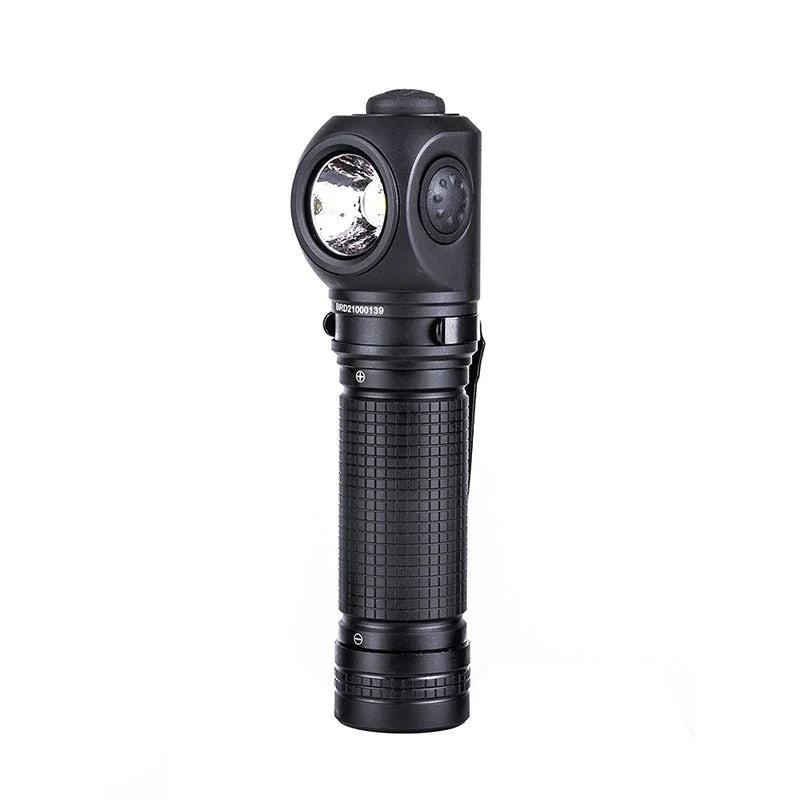
Match beam character to distance. Searching a treeline, scanning a trail ahead, or signaling across a field demands candela. Lighting a workbench, changing a tire, or walking a dark hallway demands an even flood with modest candela, because a tight hotspot creates tunnel vision and glare at close range. The most useful EDC lights offer both, either through a beam shaping optic or through a dedicated flood and throw mode.

Ownership Notes
Battery chemistry complicates the picture. A light using disposable cells may deliver different runtimes than the same model using rechargeable lithium, and cold weather reduces capacity noticeably. If you rely on a light for safety, test it in the conditions you actually expect, including low temperature, and carry a spare cell rather than trusting a single charge. Test your light on a cold night and time how long it holds its top usable level, and you will learn more than any chart can teach. Compare a Fenix flashlights model against a Nitecore flashlights model and a Klarus flashlights model using the same EDC flashlight routine, and the differences become obvious within a single trip.
Who Is This For?
Read spec sheets carefully if you buy lights for outdoor use, emergency kits, or professional work, where a promised runtime that does not materialize is a genuine problem. If you use a light for occasional indoor tasks, output and beam shape matter far more than the exact runtime curve, and a simpler specification is entirely adequate.
Final Verdict
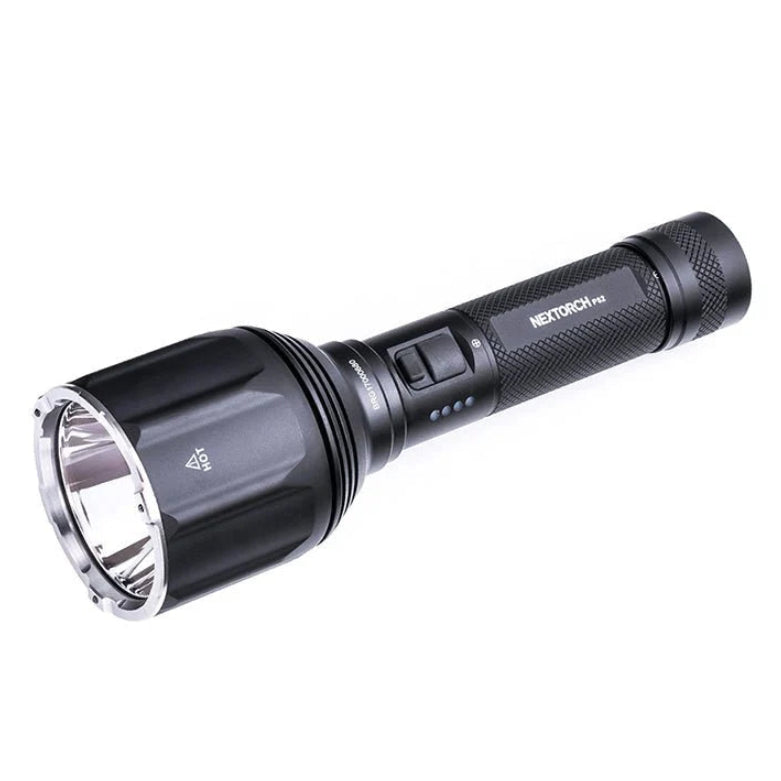
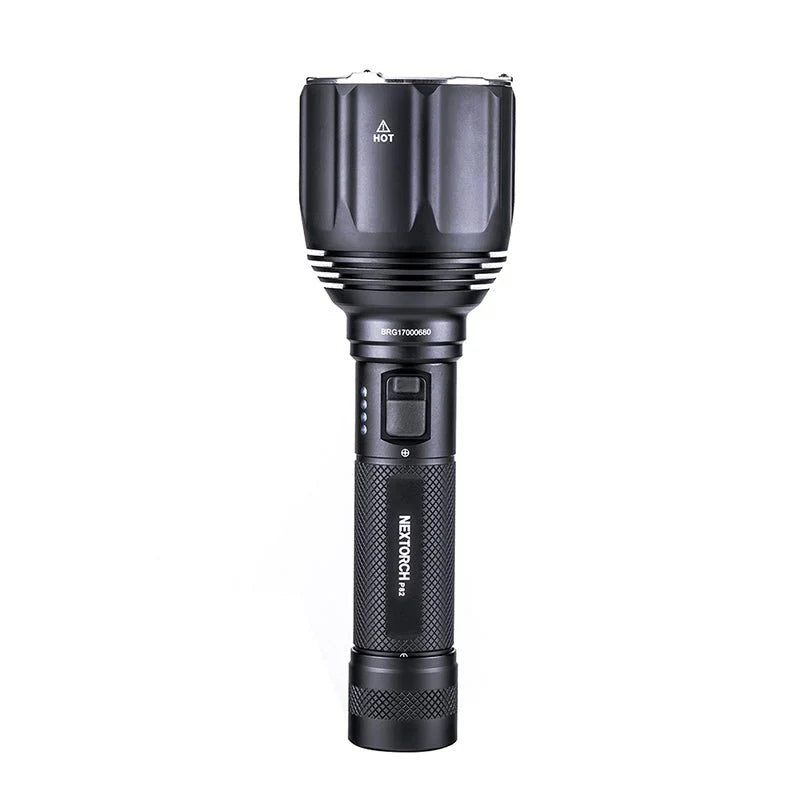
Trust candela for reach, sustained runtime for usefulness, and treat turbo numbers as a headline rather than a promise. A light that publishes honest regulated figures is telling you something about its engineering. A high output model such as the Fenix LR50R V2 illustrates what a well specified search and rescue platform looks like, and it is available at EdcMall.