The history of pocket knives stretches all the way back to ancient Rome. Archaeologists have found small folding blades called "penknives" in the ruins of Pompeii—originally used for sharpening quills. By the 17th century, European craftsmen were crafting exquisite personal knives for nobility, with handles inlaid with ivory and silver, serving as both tools and status symbols.

With the industrial revolution in the 19th century, pocket knives became everyday carry for the masses. American frontiersmen, British sailors, French farmers—nearly every working man carried a reliable folder on his belt. They used them to whittle wood, open letters, repair harnesses, and even as a last-resort defense tool.
But today, a Chinese workshop called Sao Knives is breathing new life into this traditional form. Founded in 2022 in Sichuan province, Sao Knives is the brainchild of Max Sao—a former hardcore collector who owned hundreds of Spydercos, Benchmades, and Cold Steels at his peak. Yet his true love remained those small, non-locking traditional slipjoints with natural bone handles—the classics from GEC, Queen, and Northwood.

The problem was, while beautiful, these vintage pieces didn't fit modern life. Riveted construction meant you couldn't swap scales. The action was stiff. They felt like museum pieces—meant to be admired, not actually used. "I wanted to do more than just copy the past," Max explains. "I wanted tradition to live in the present day." So Sao Tools was born—not with a grand manifesto, but a simple mission: give pocket knives the soul of vintage classics with the bones of modern engineering.

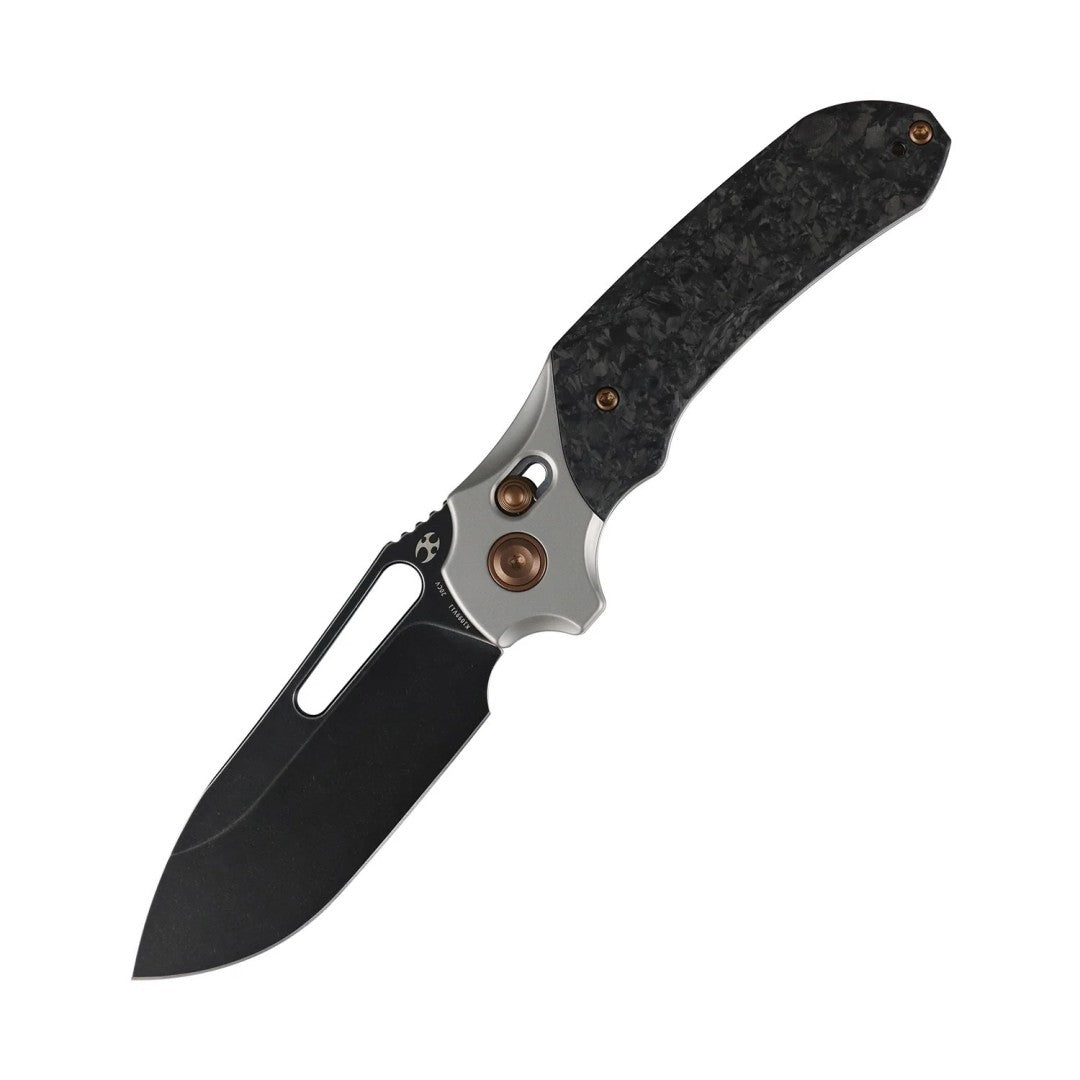
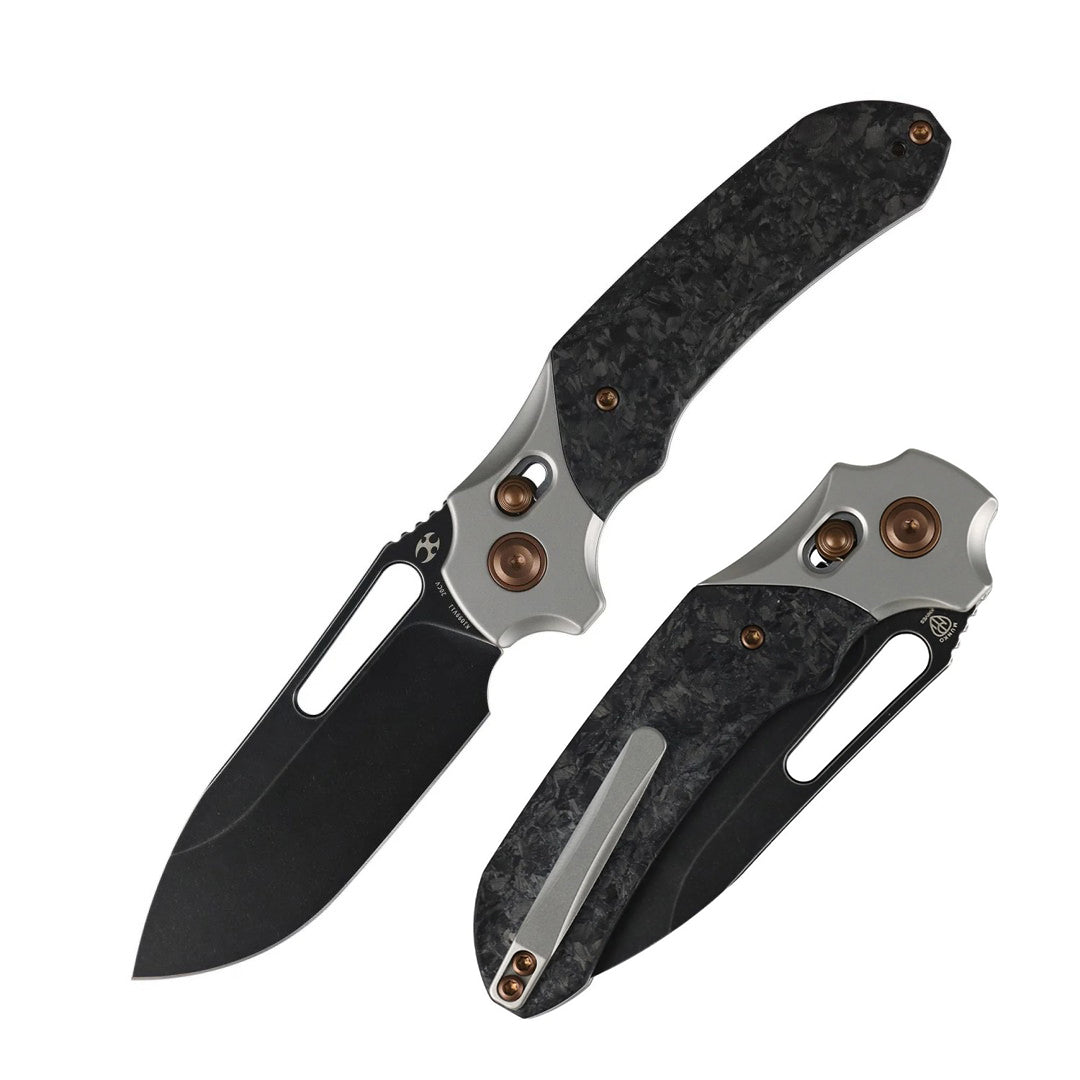
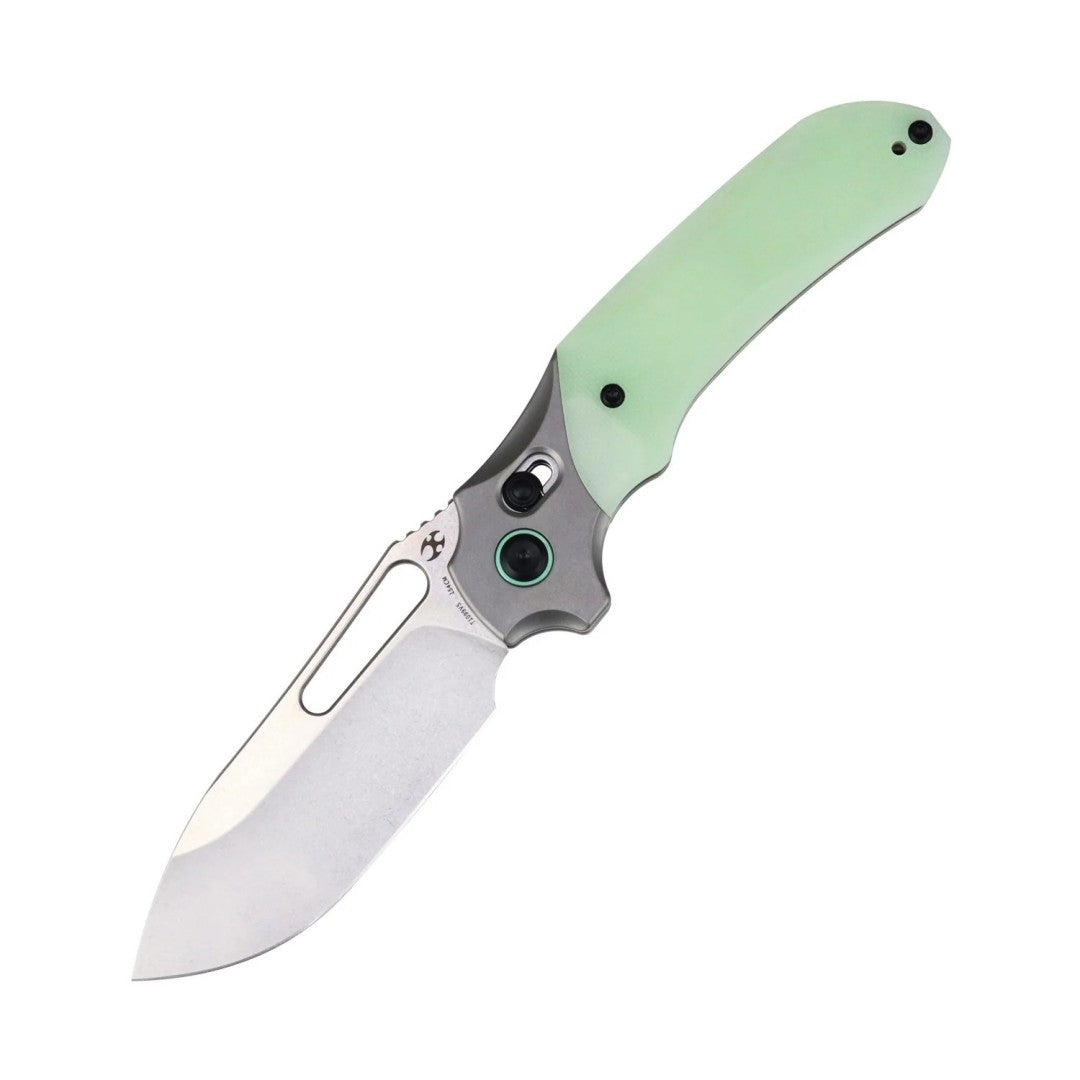
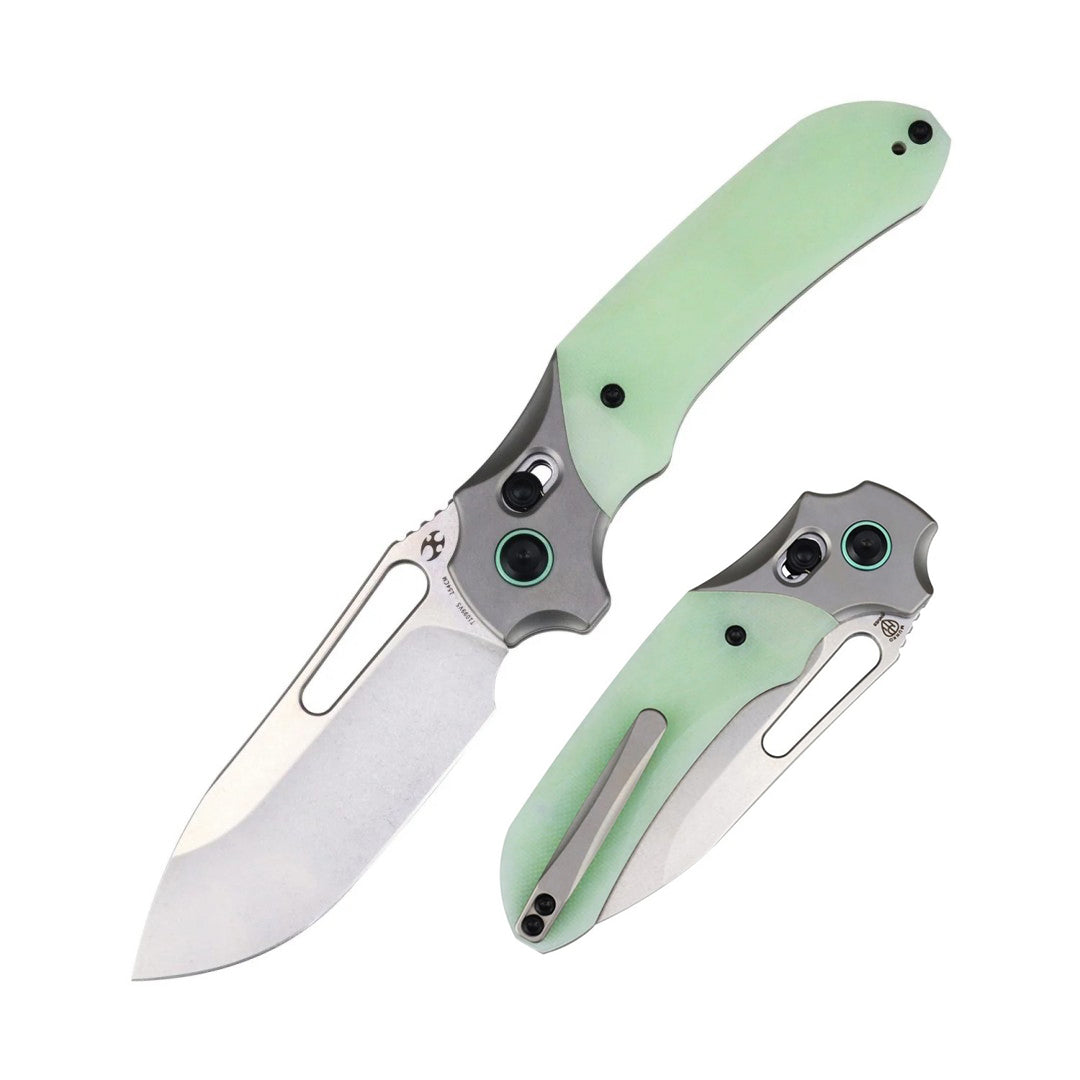
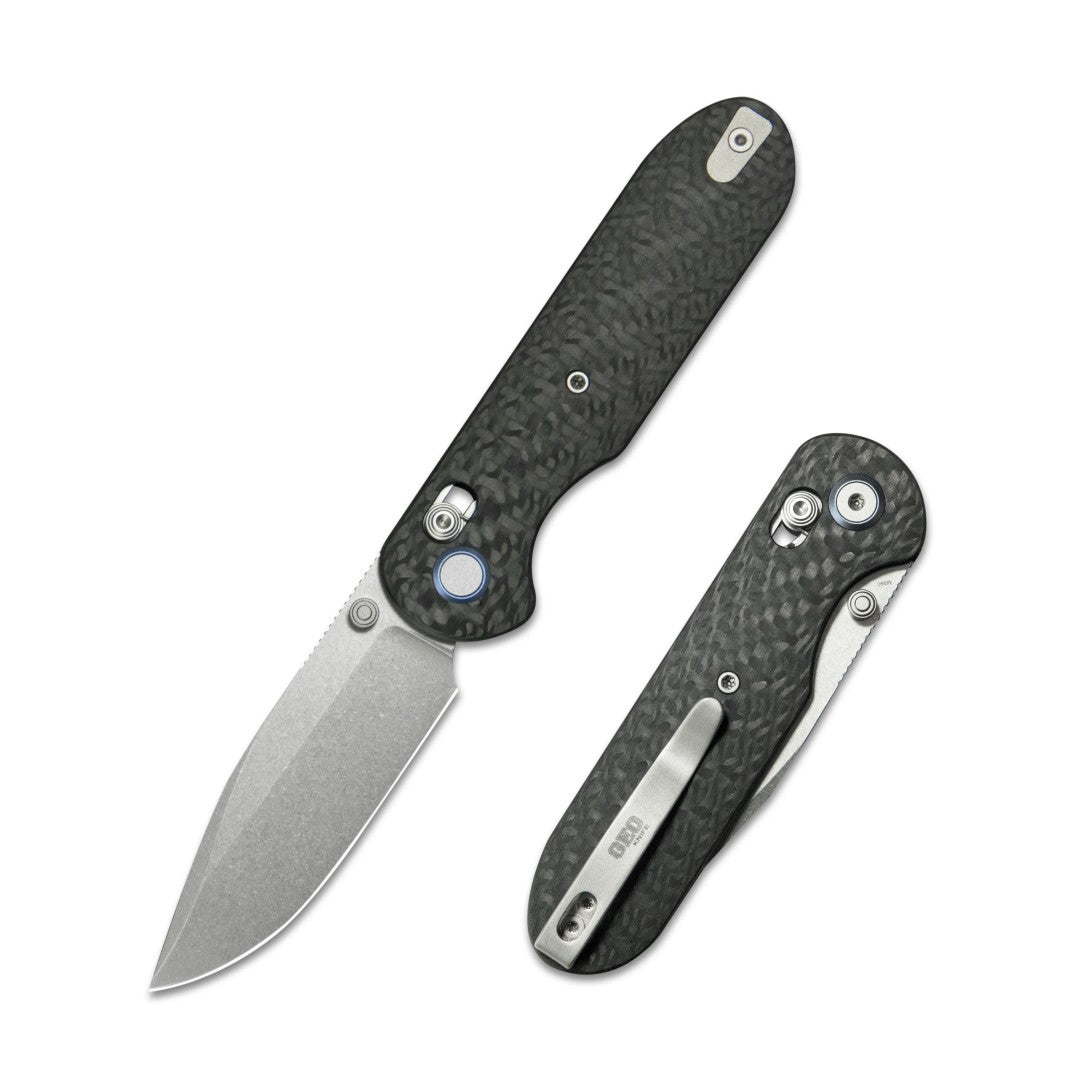
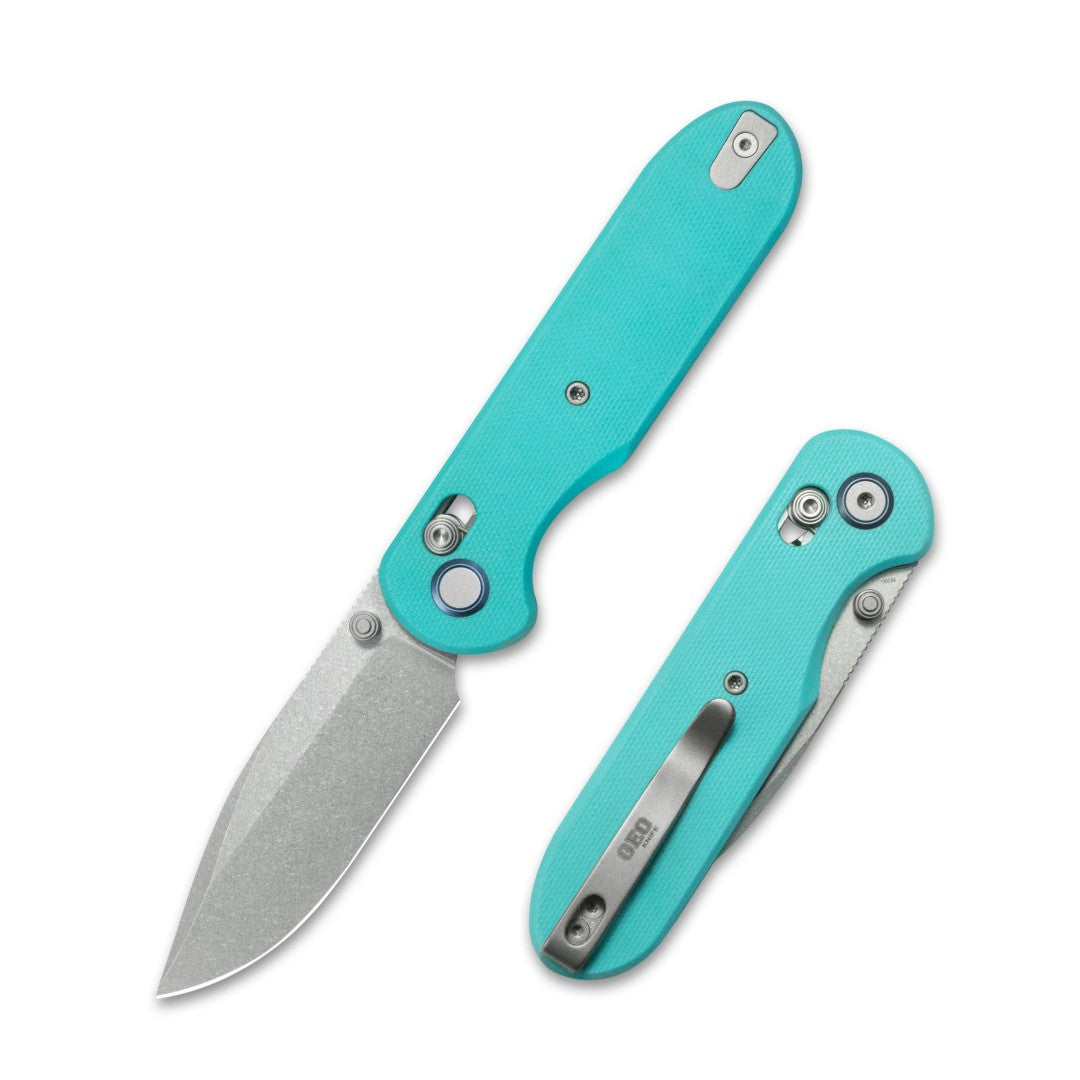
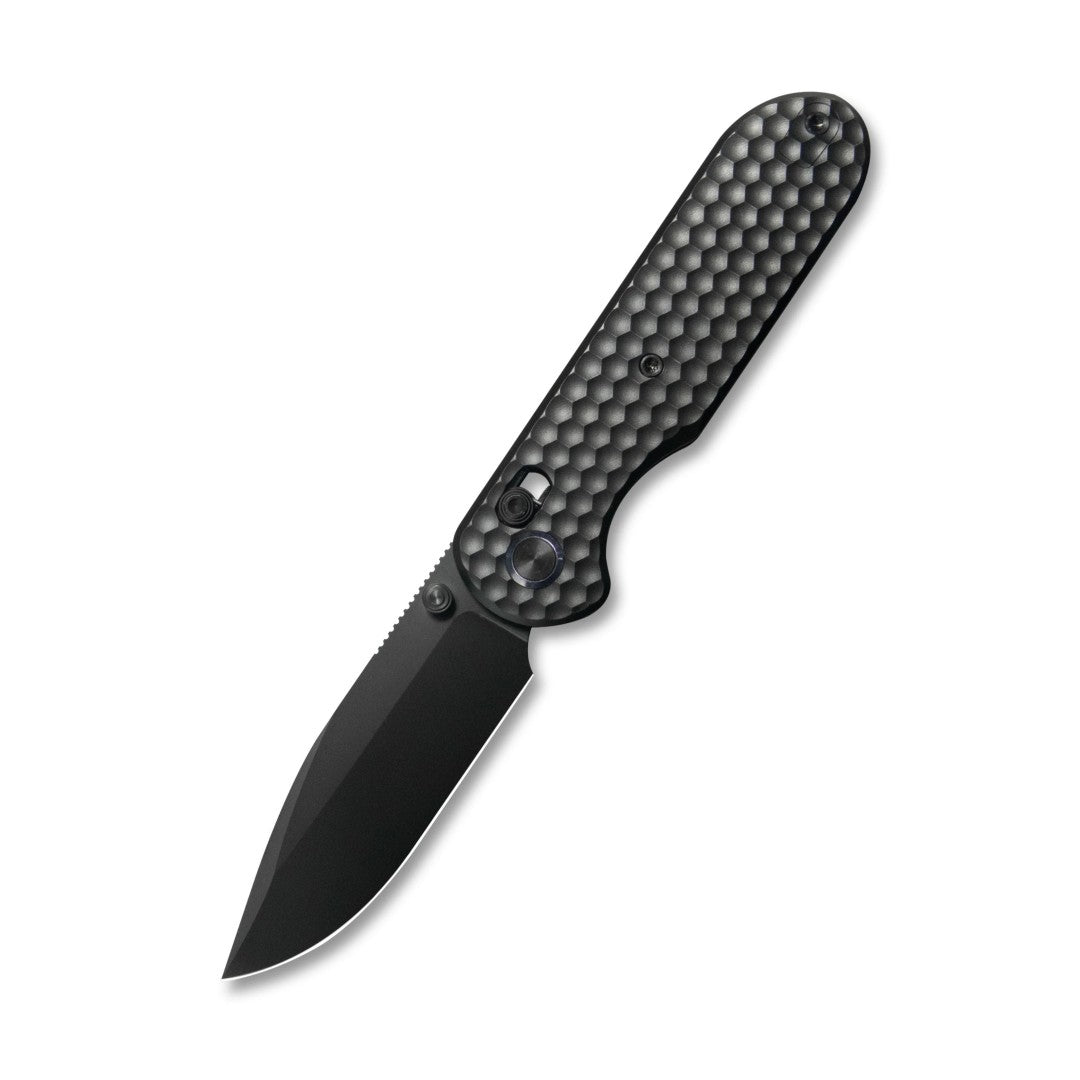
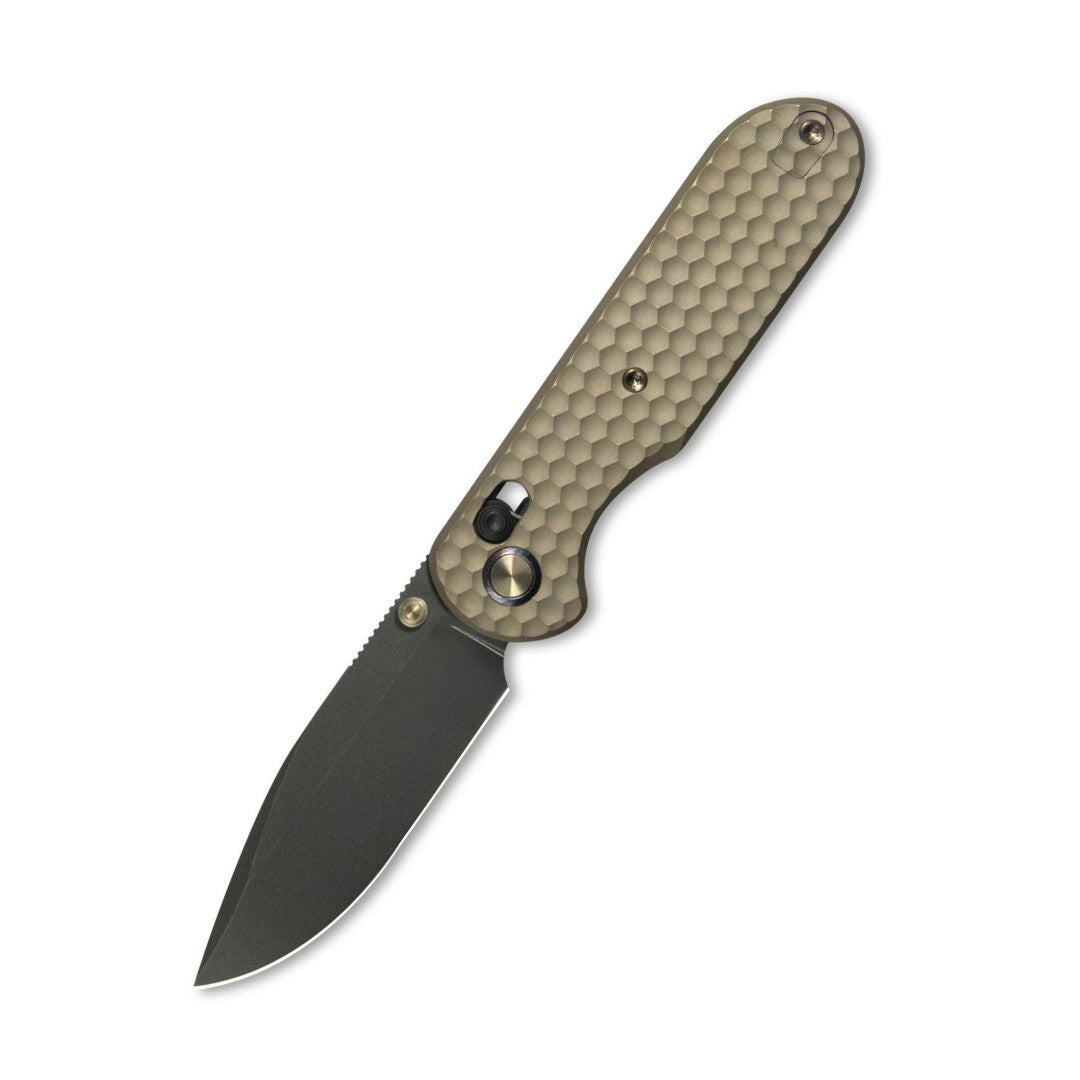
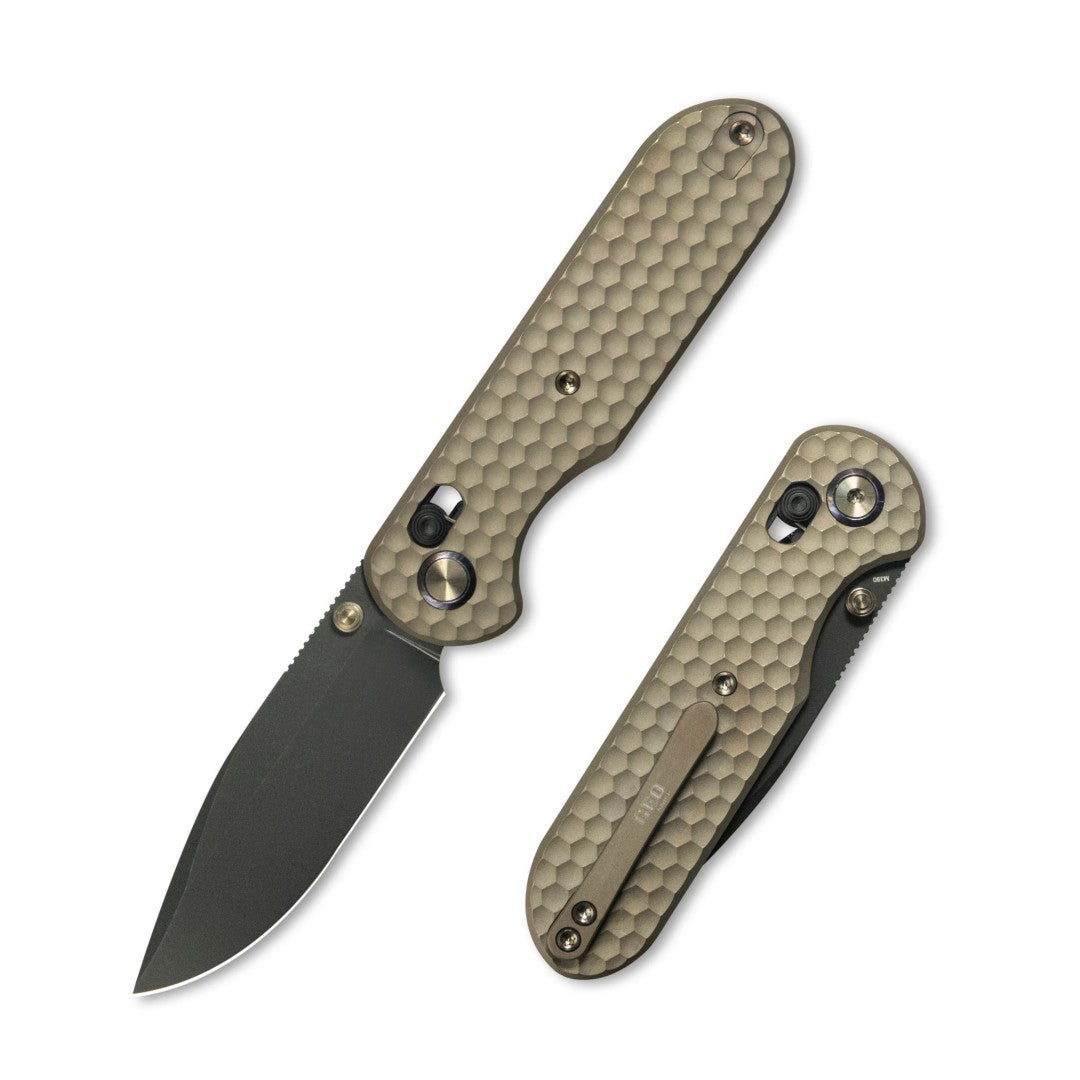
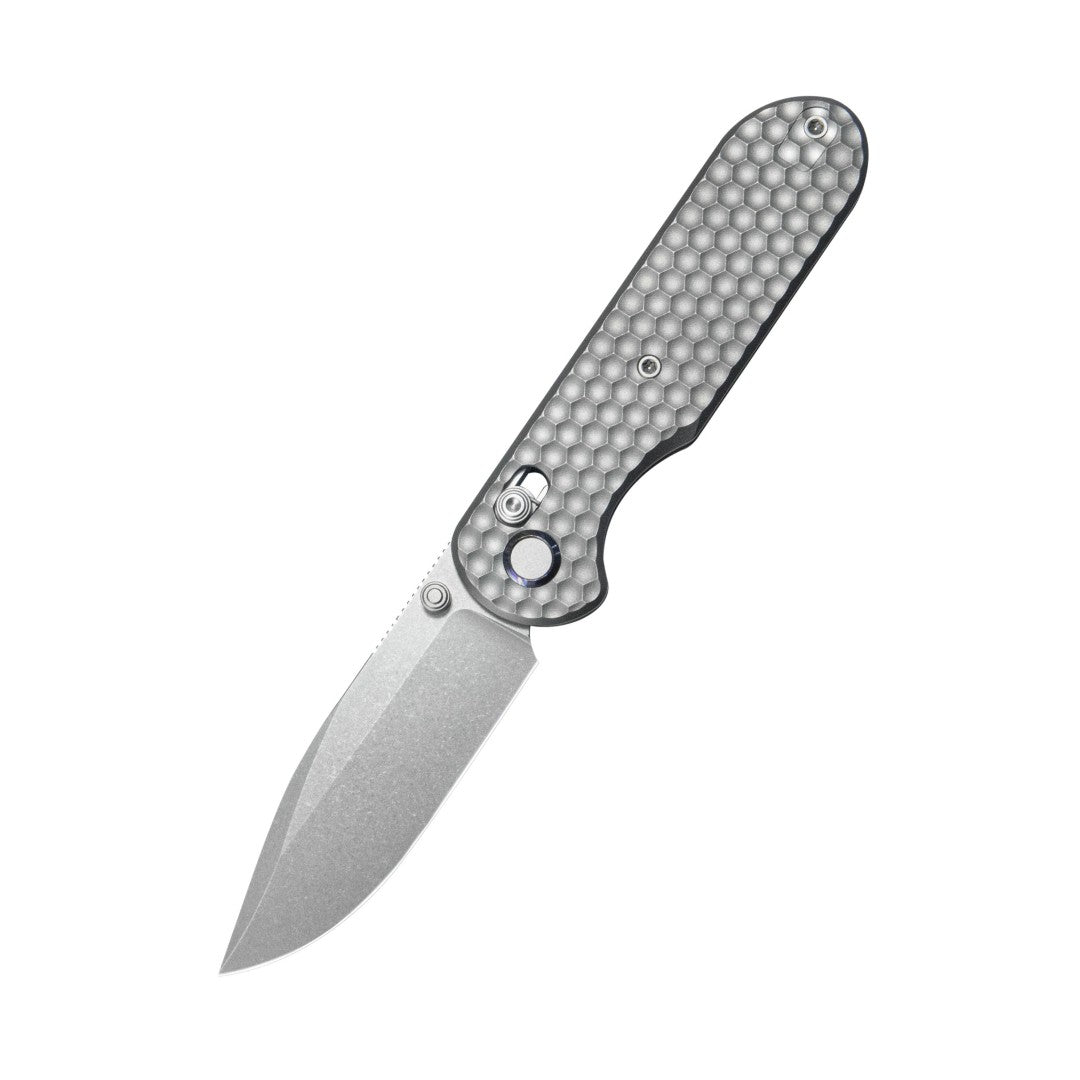
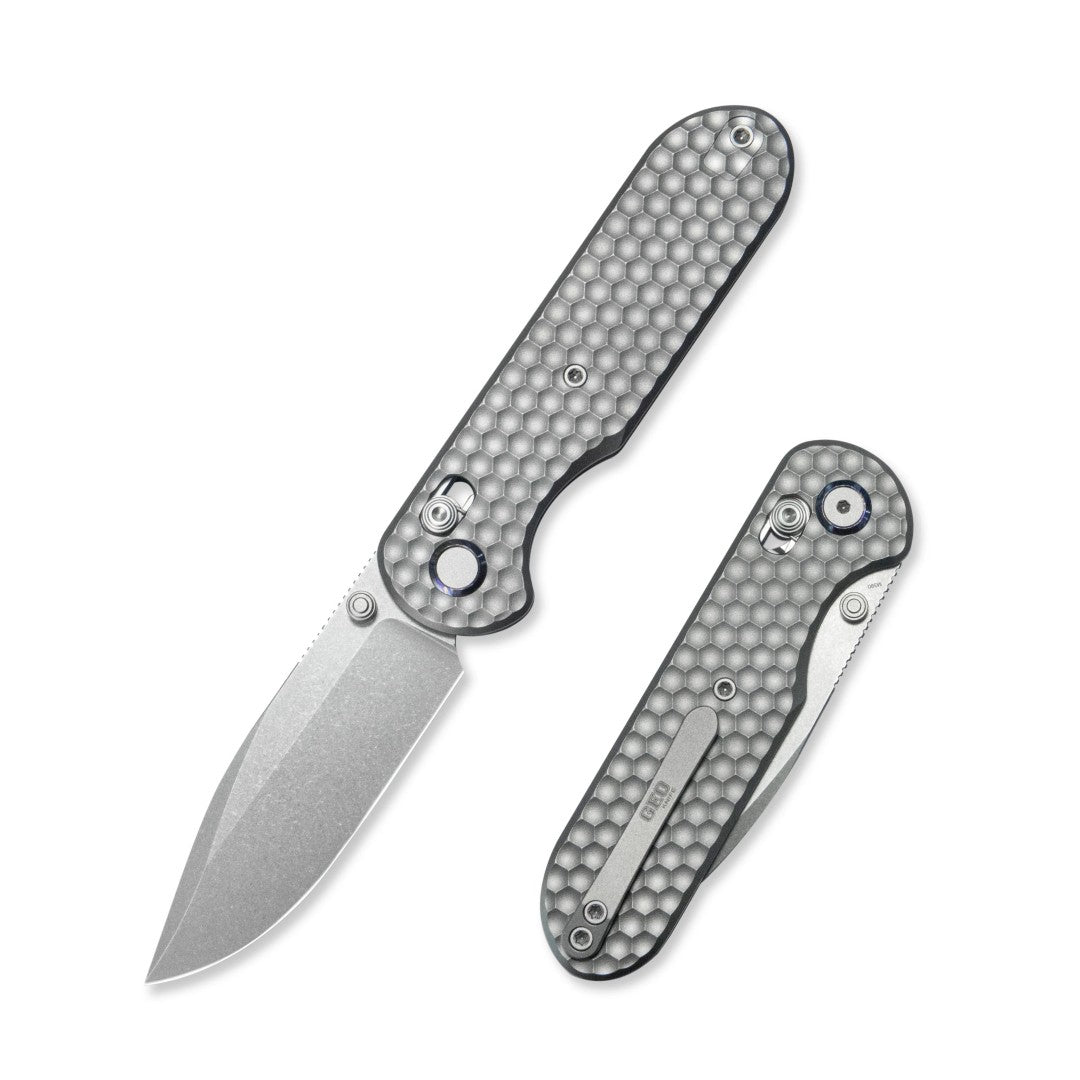
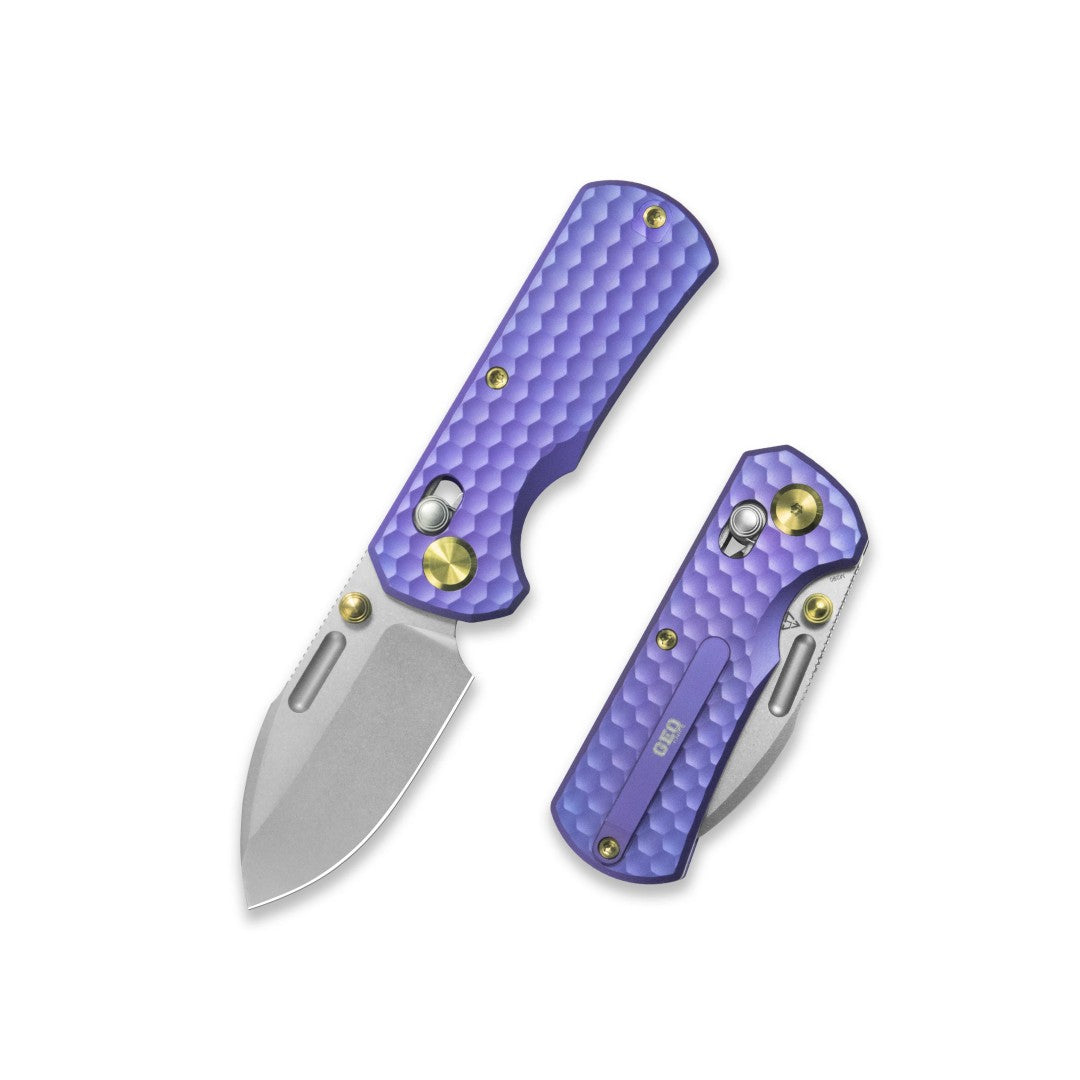
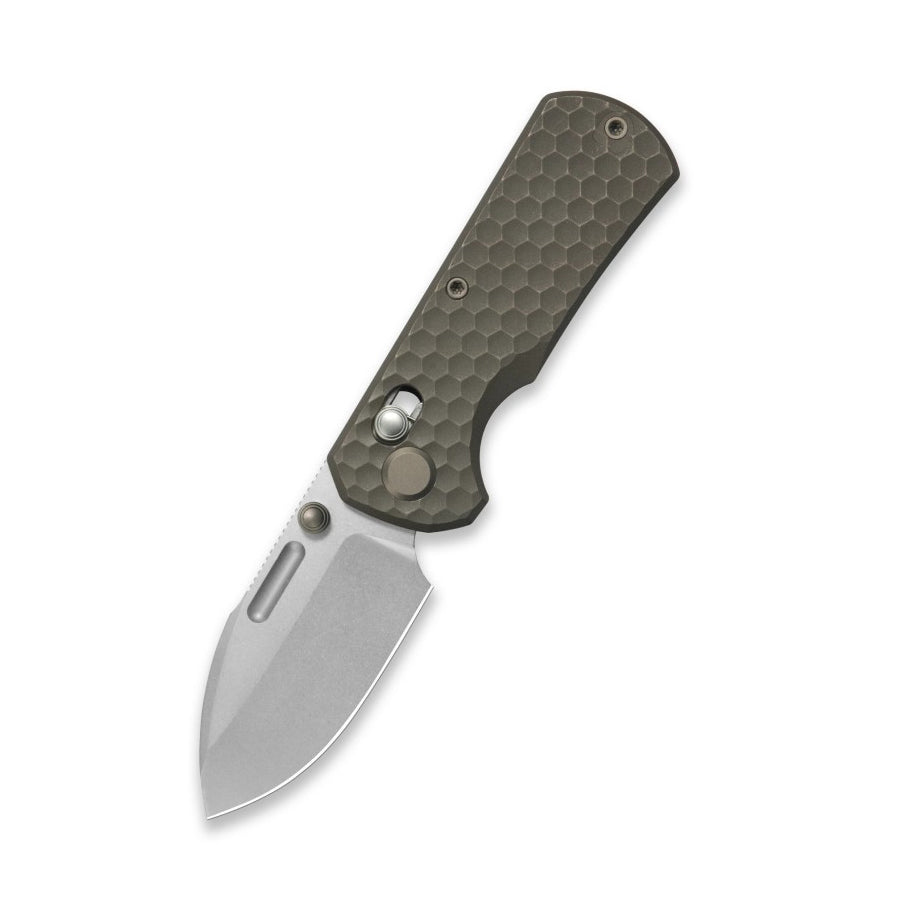
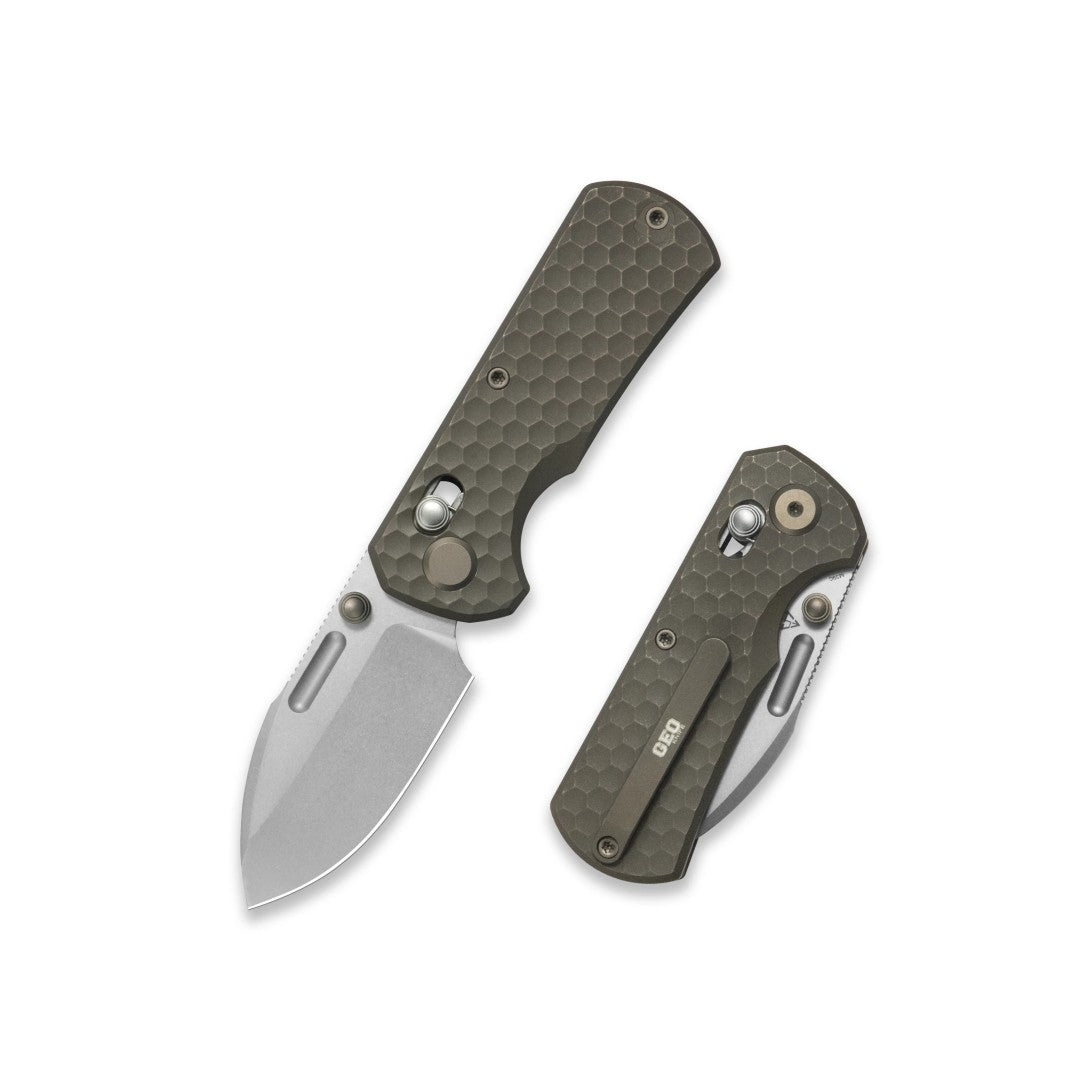
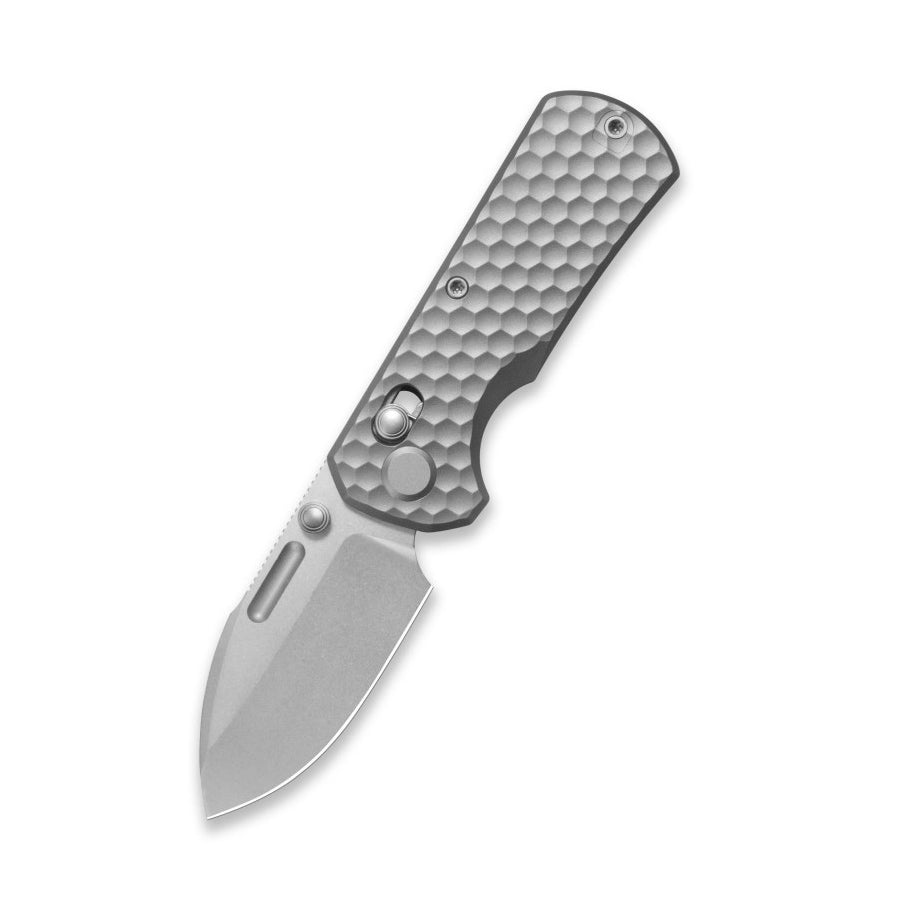
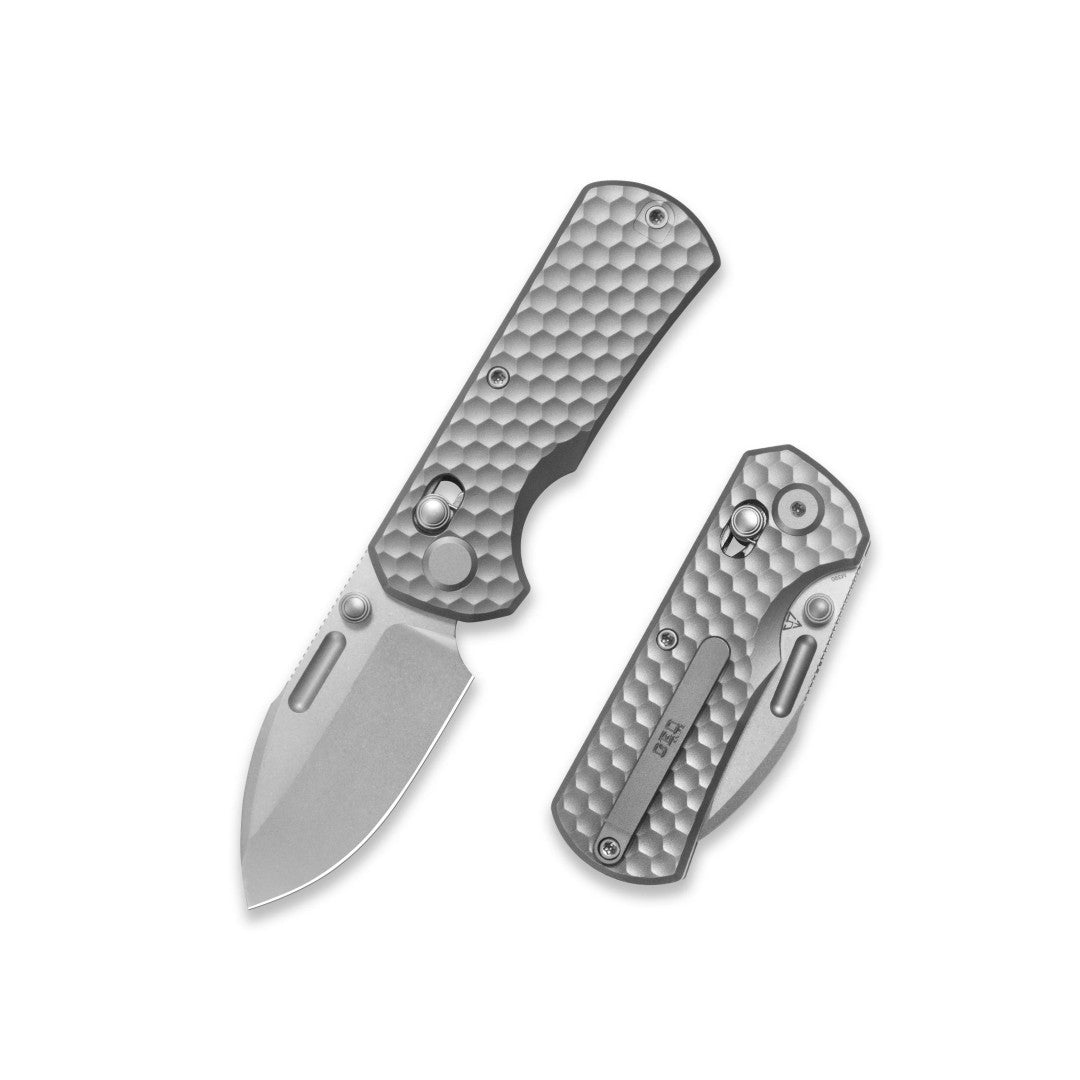
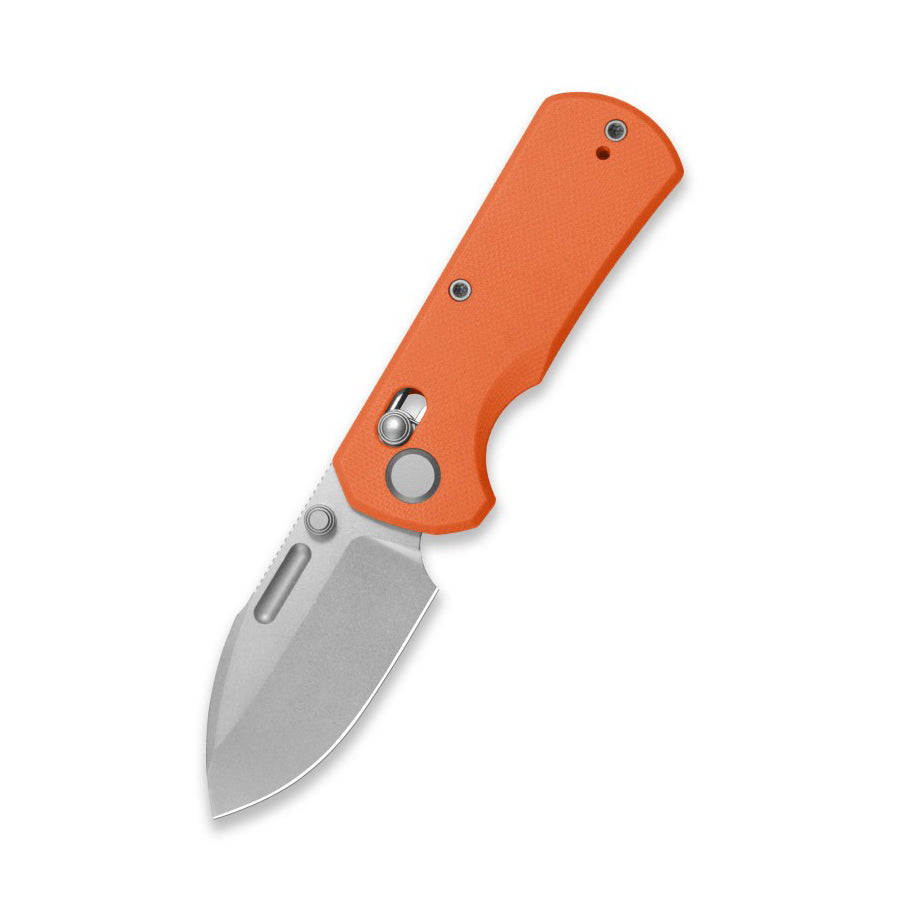
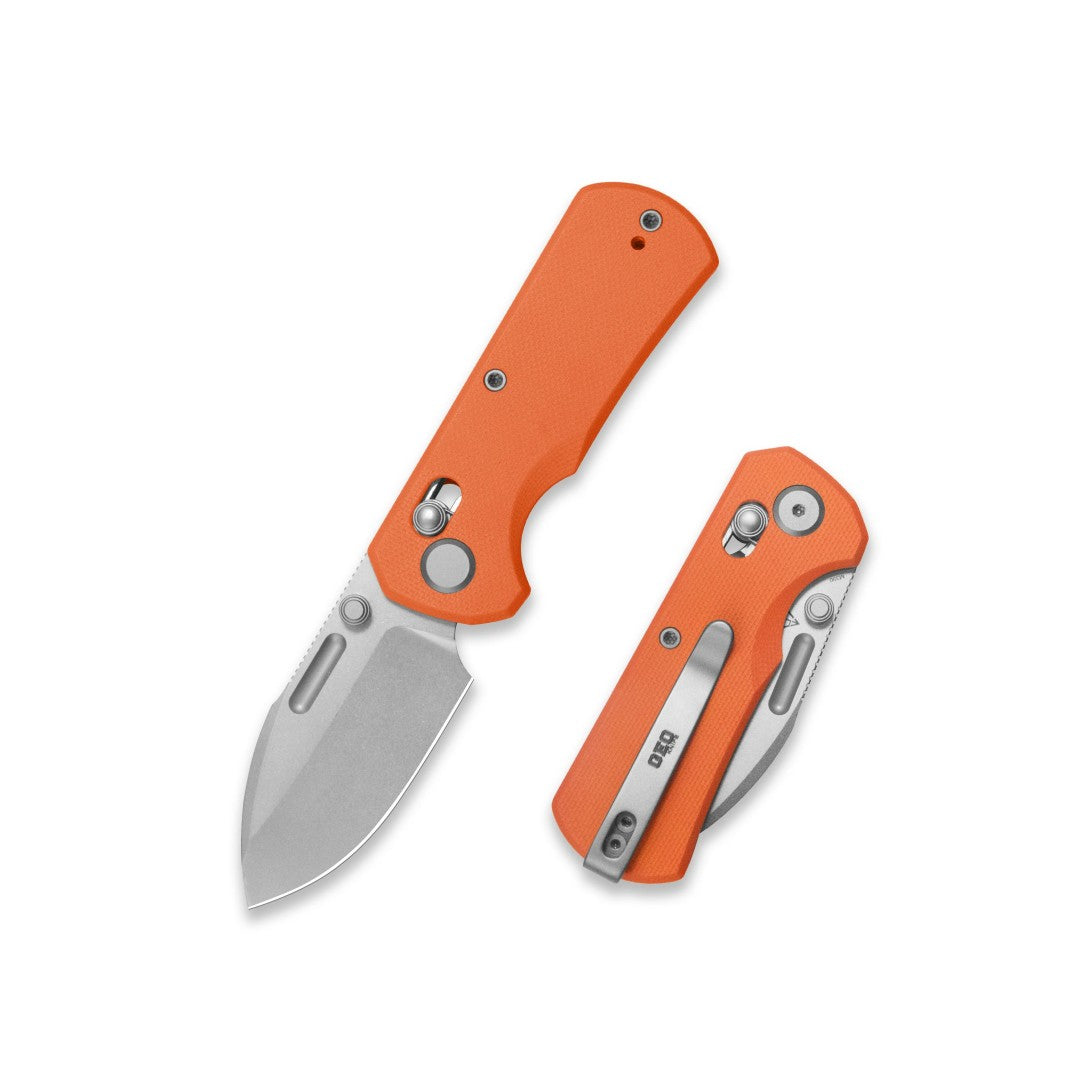
Their 2025 release, the "Feilani" (Flying Lanny), represents this philosophy perfectly. It's a modern interpretation of the classic "Lanny" pattern. The "Flying" in the name isn't about speed—it's about freedom. Gone are the rivets; instead you get thick steel liners with removable scales. Want to switch from stag to mammoth ivory, walrus tusk, or ebony? Pop them off and swap them out like changing your shirt.
The traditional clunky slipjoint mechanism is replaced with a modern spine flipper, paired with washer construction (not bearings) to achieve that perfect balance of smooth action without blade play—a tricky feat for handmade knives, but the Feilani nails it.

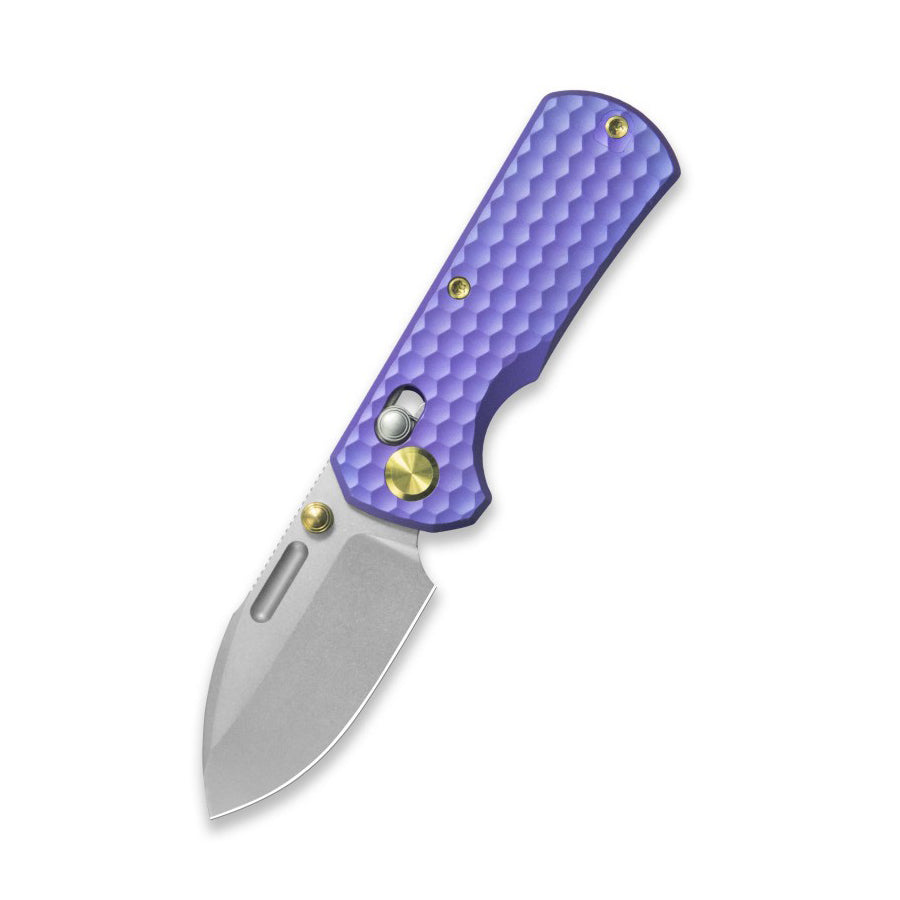
The blade is CPM-20CV steel, available in satin, stonewash, or black PVD finishes. Handle options include stag, bone, G10, and Micarta, with the bolstered version offering additional scale choices. Overall length is 17.6cm with a 3mm thick blade. The steel-liner version weighs 86 grams, while the titanium version drops to 67 grams—perfect dimensions and weight for daily EDC carry.
For Max, a pocket knife has never been just a tool. It's a companion in your pocket, a gentle weapon against life's rough edges, a bridge connecting century-old craftsmanship to contemporary daily life. He rarely rattles off specs; instead, he talks about how a knife gets refined through countless prototypes and revisions. He describes how black ebony feels in your palm on a winter day—"like touching the marks of time." He explains how the lanyard lets your pinky hook in for leverage, eliminating the need for a pocket clip and preserving the clean lines of the handle.
As he wrote in "The Road of Pocket Knives": "More and more people are falling in love with my knives, and I hope people from all over the world will use and appreciate them—carrying these blades to different places, embracing beauty and goodness."
Today, the pocket knife has transcended its role as mere tool to become the heart of EDC (Everyday Carry) culture. Whether it's peeking from the pocket of a city commuter's jeans, riding in an outdoor enthusiast's tactical vest, or displayed in a collector's glass cabinet—it continues writing its story in different forms.
If you're interested in the Feilani, reach out through the Sao Knife official account below or drop a message to this official account.
Disclaimer: The information provided in this article is for reference only and does not constitute any investment or purchase advice. Brand and product information is provided by the relevant companies, and we assume no responsibility for the accuracy, adequacy, or completeness of the information. Users bear their own risks.