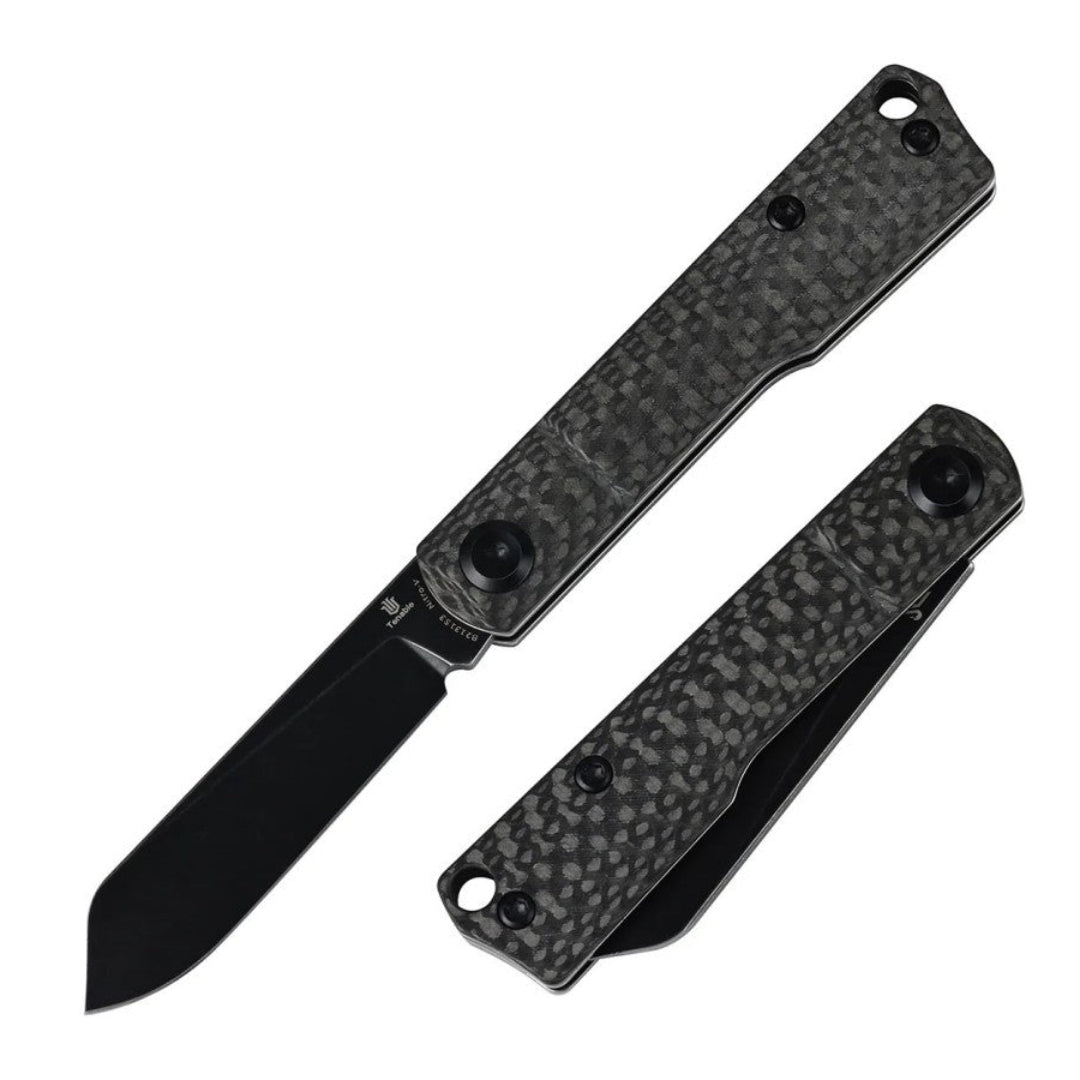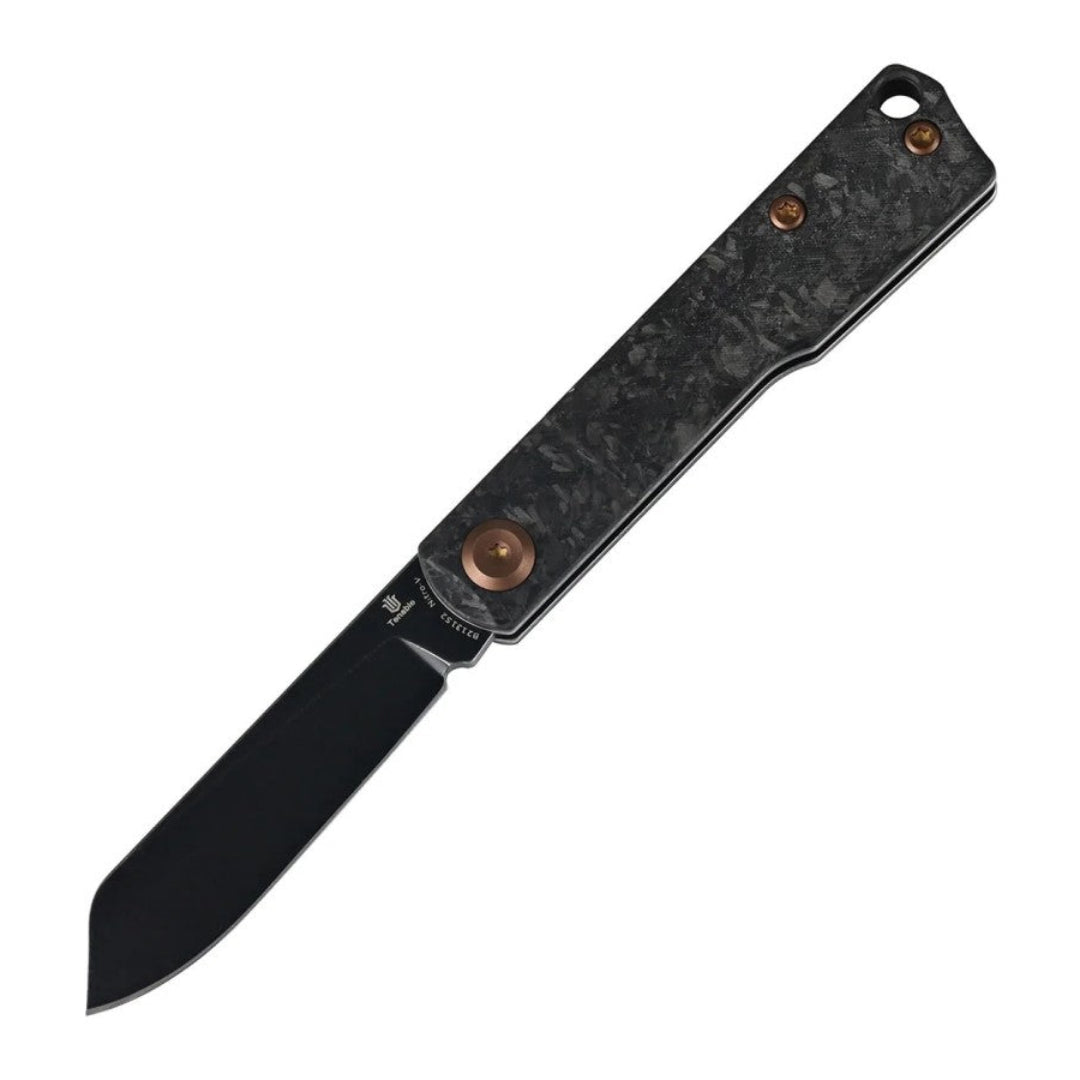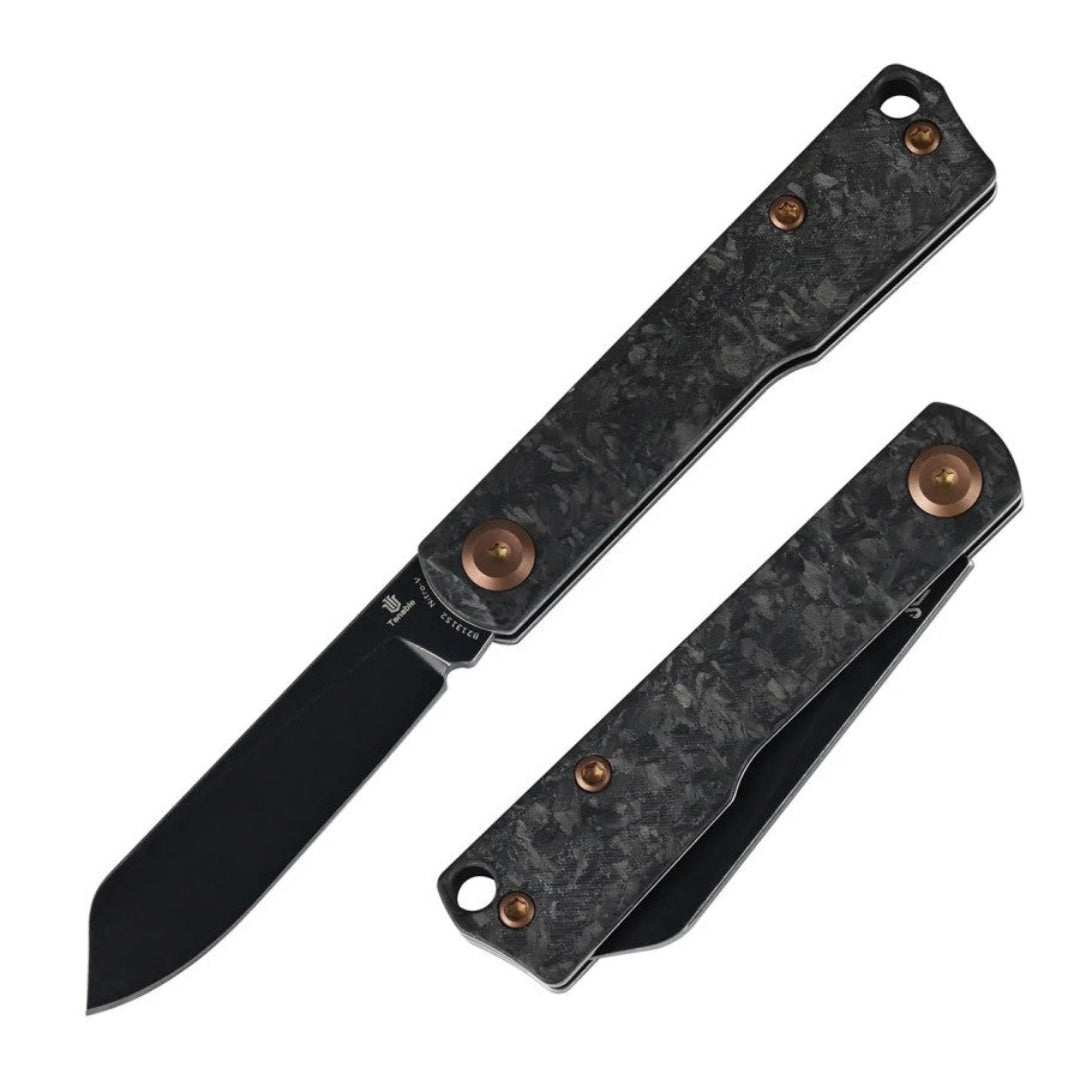


Overview & First Impressions
A shellfish hatchery runs on water, and water is what destroys tools. Technicians move larvae between tanks, cut and knot mesh screen, sample algae cultures, inspect bags of seed and keep a record of every tank on the rack. Salt water, iodine dips and constant humidity mean the EDC knives on a hatchery bench are judged on how they look after a full week of exposure rather than how they look in a photograph.
Materials & Construction
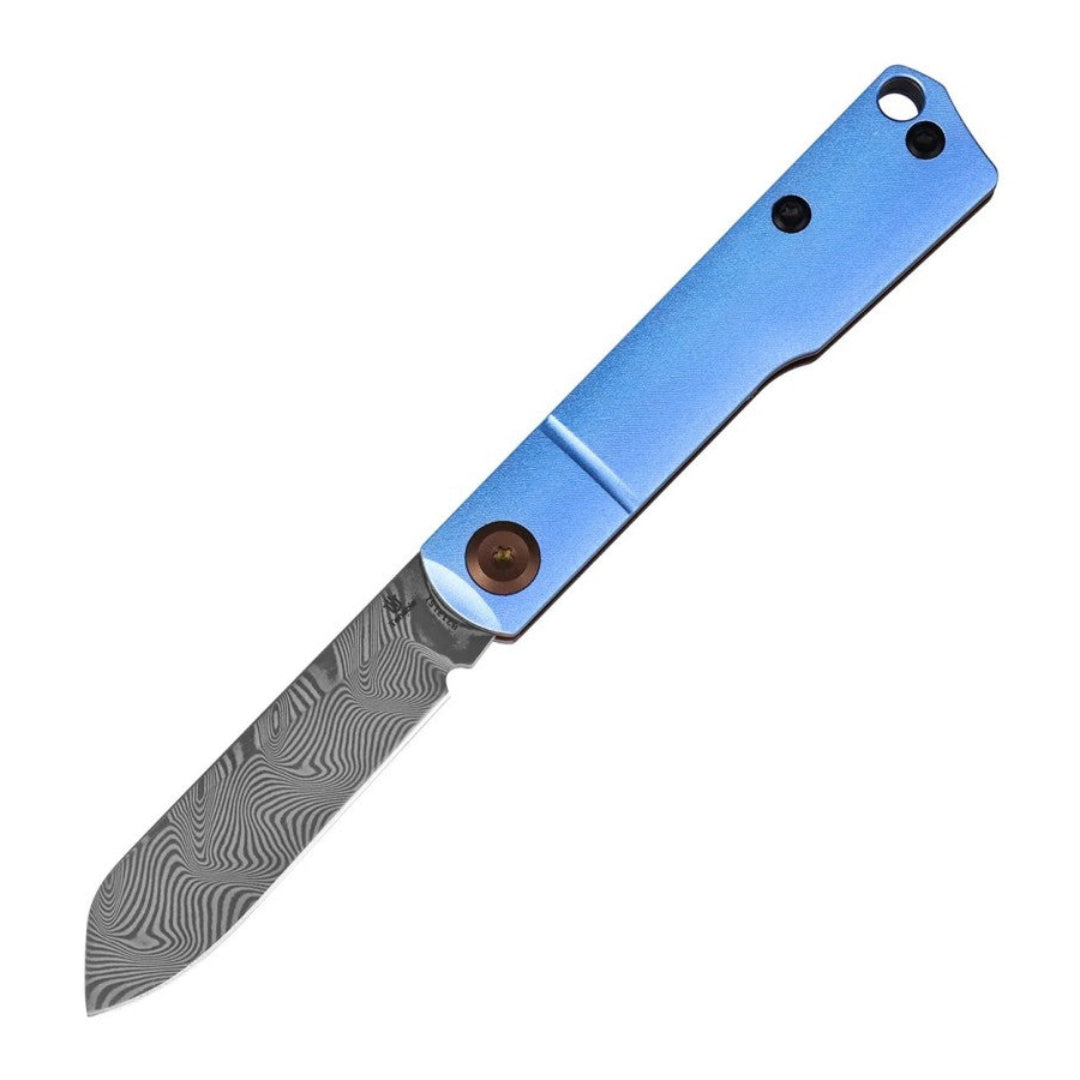
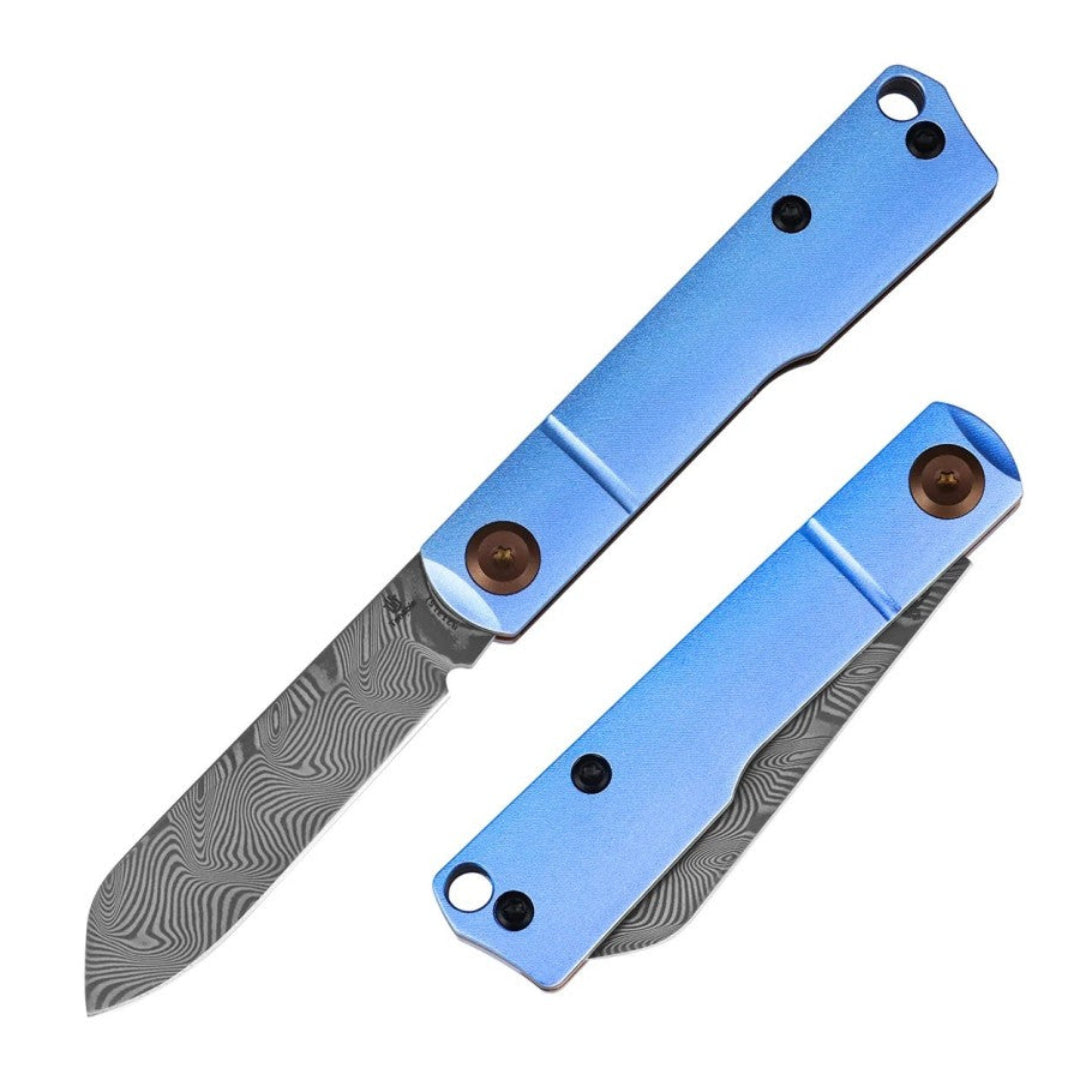
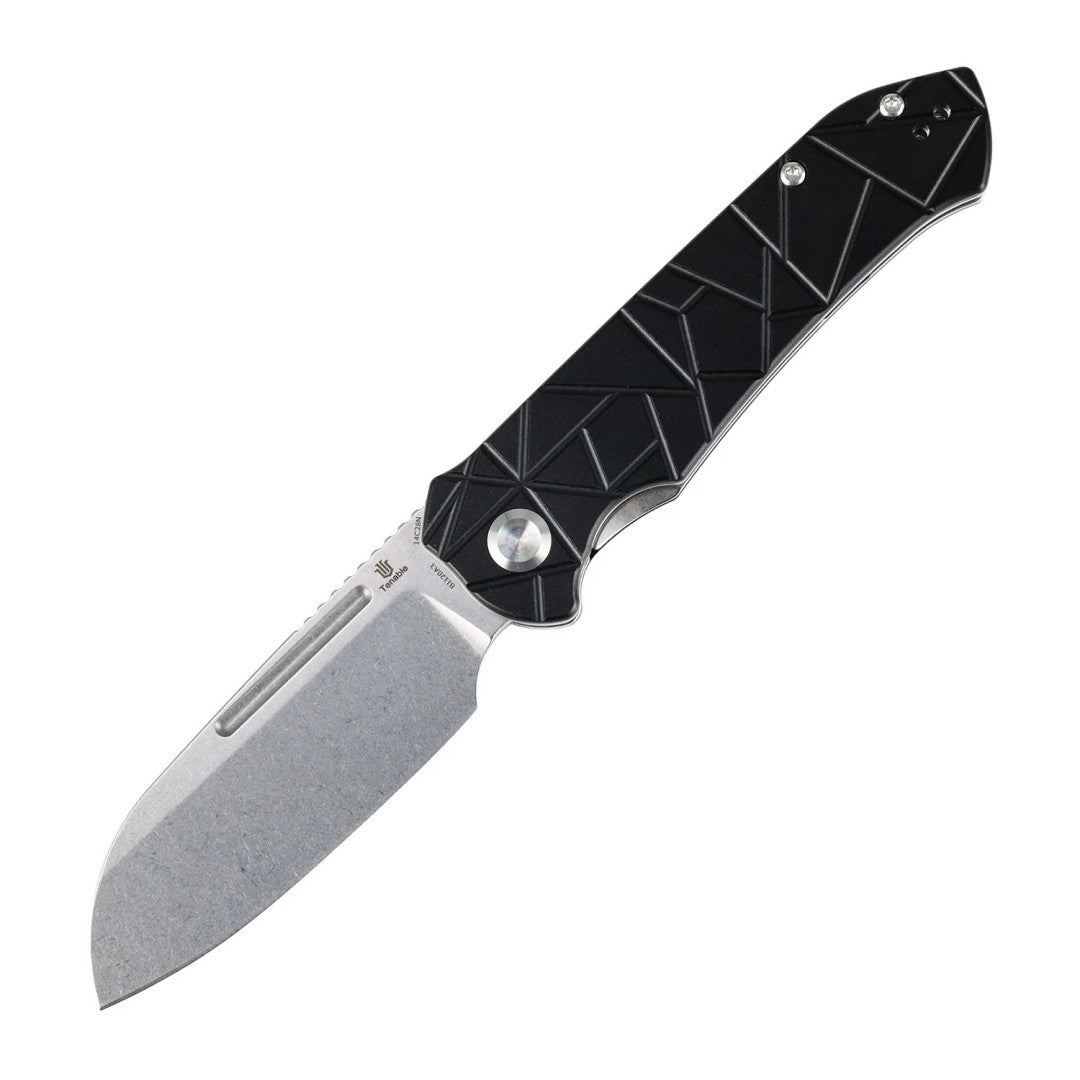
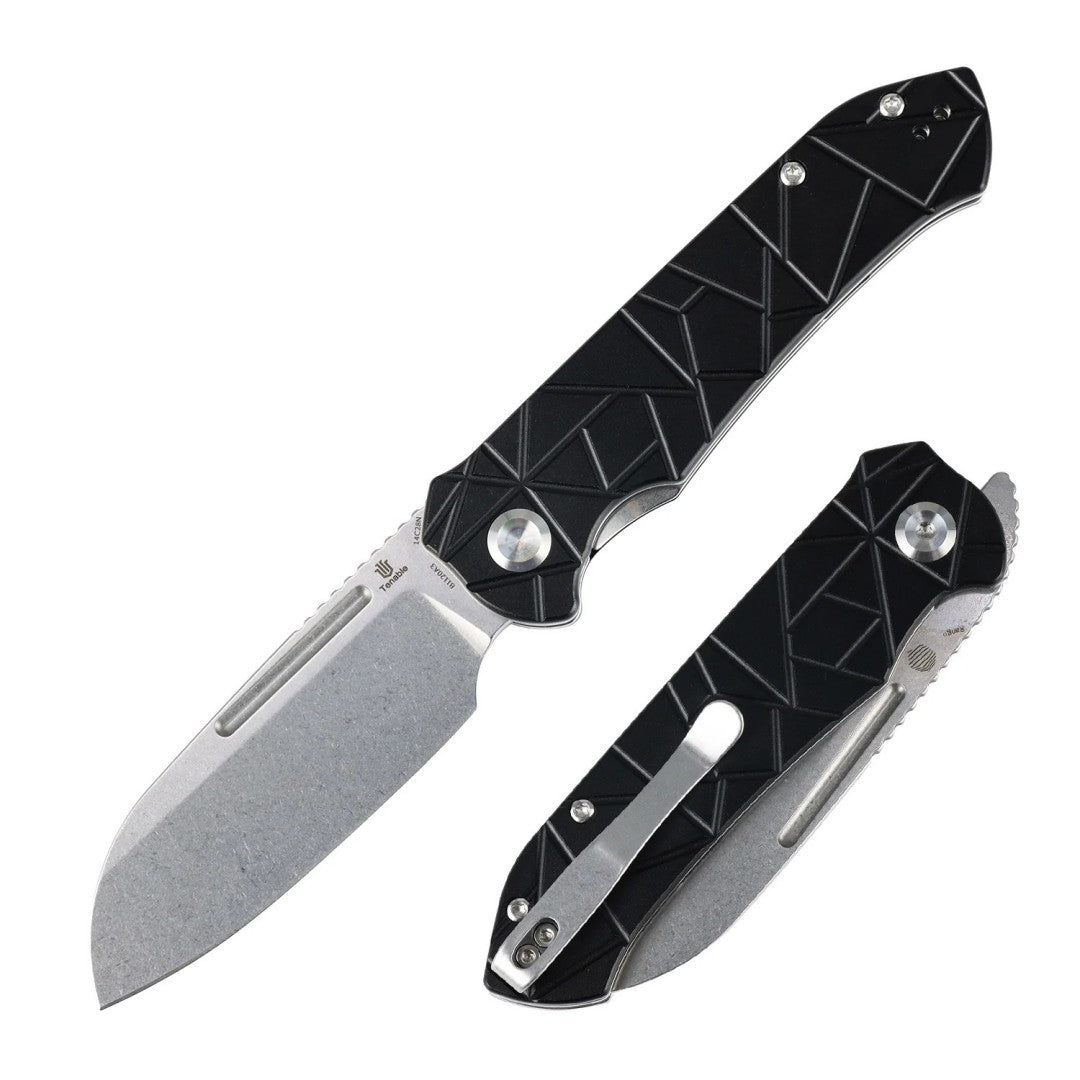
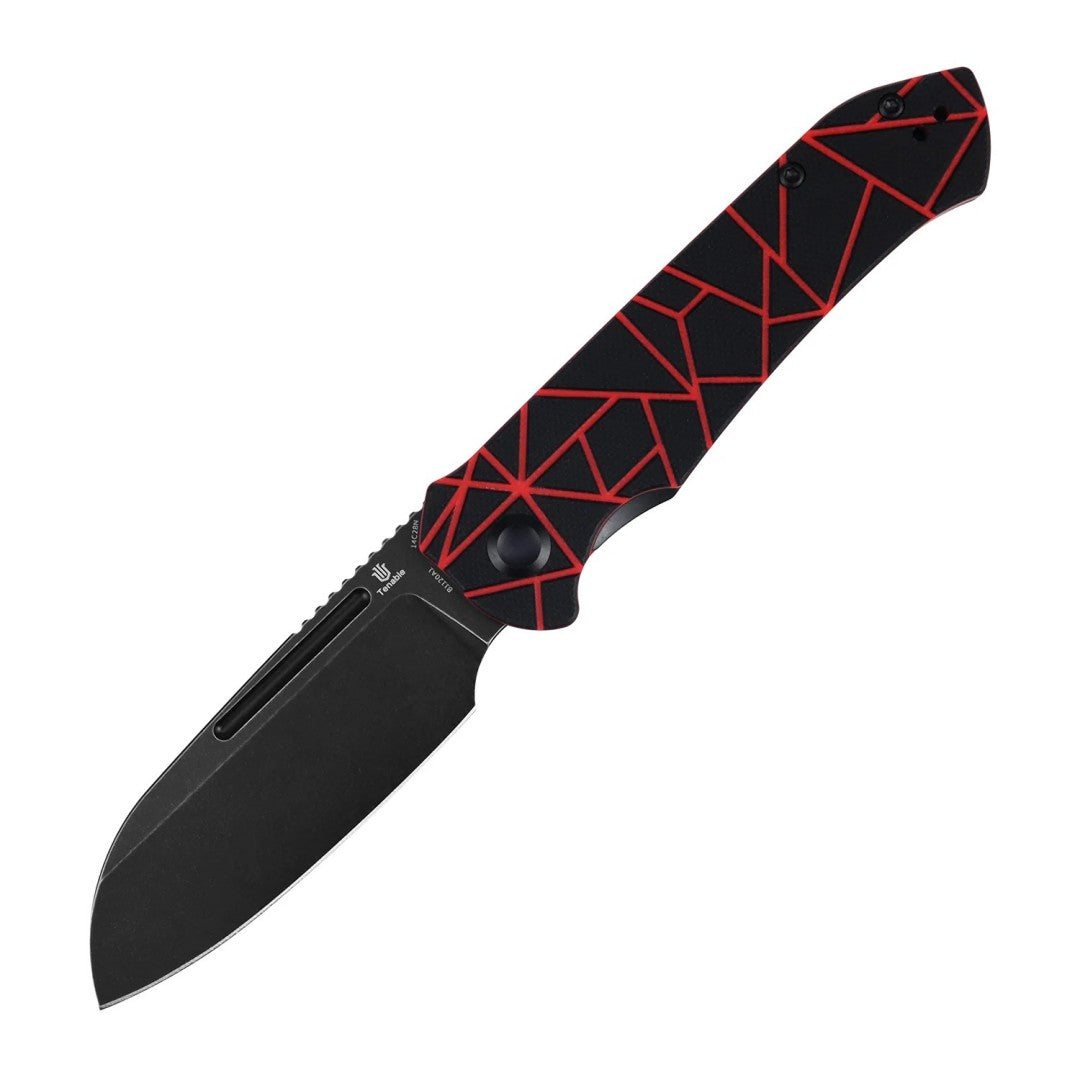
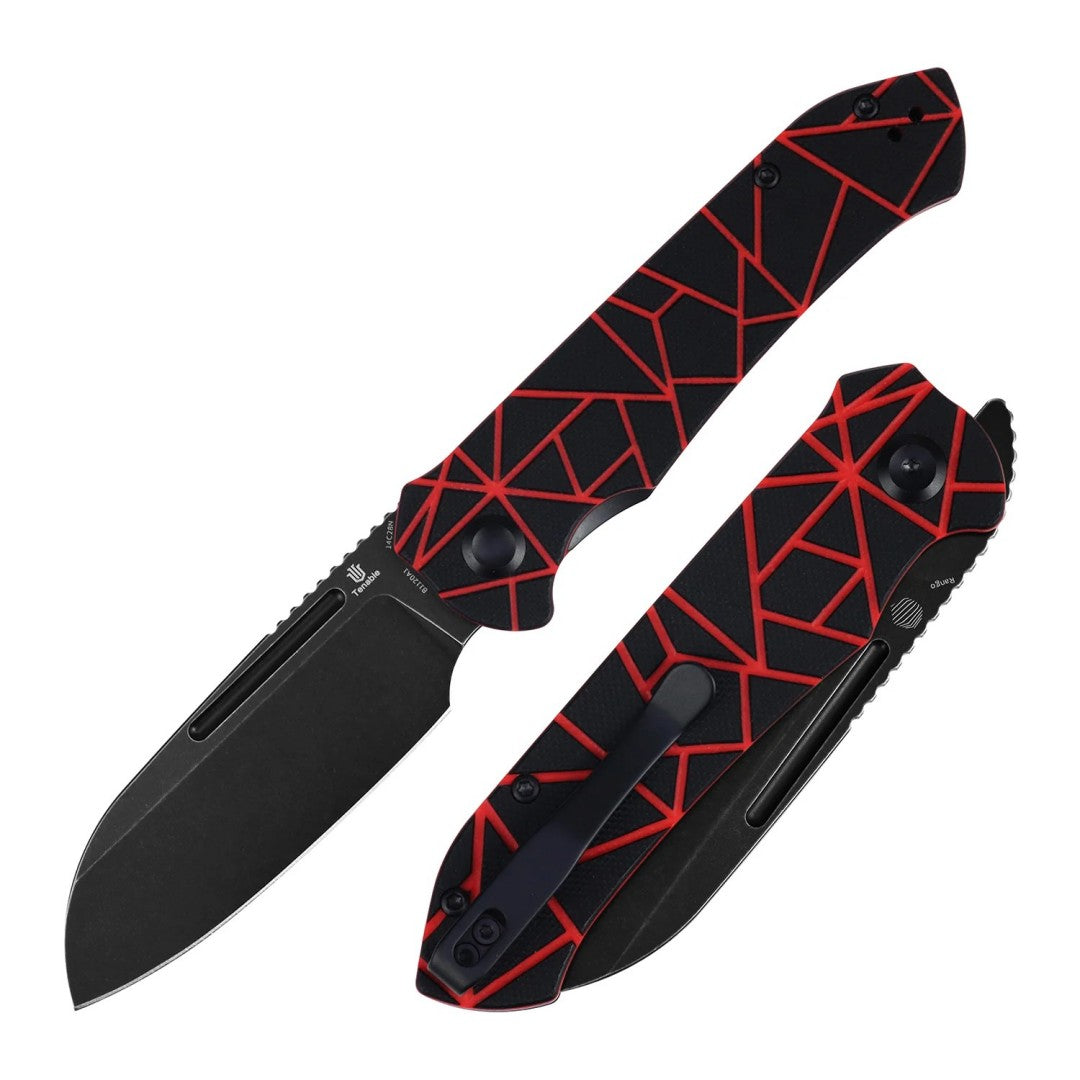
14C28N earns its place here because the steel combines corrosion resistance with a fine, stable edge, so a blade that is rinsed at the end of a shift does not develop the pitting that ruins a cheaper alloy. The Bestech Cobber BG68B pairs that edge with a light blue G10 handle and a crossbar lock, a mechanism that keeps the fingers away from the blade path when the other hand is holding a culture tube. Bestech knives build this pattern to be cleaned and used again.

Design & Details
Hatchery work favours folding knives with an open frame, because grit and salt collect in every crevice and a design that can be rinsed and blown out beats one that traps water. A bright handle is easier to find when it lands in a bucket of mesh, and a blade with a little belly cuts flexible screen and banding material cleanly. Weight matters too: a knife that rides in a wader pocket should not pull the pocket down.
Real-World Use
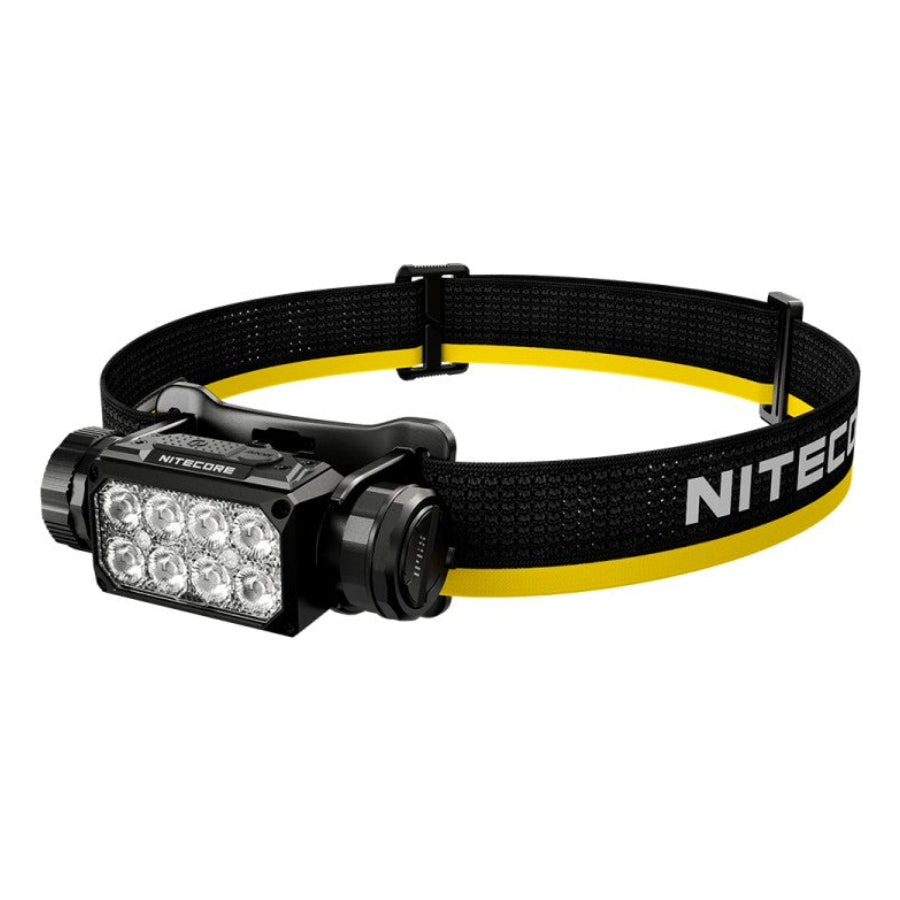
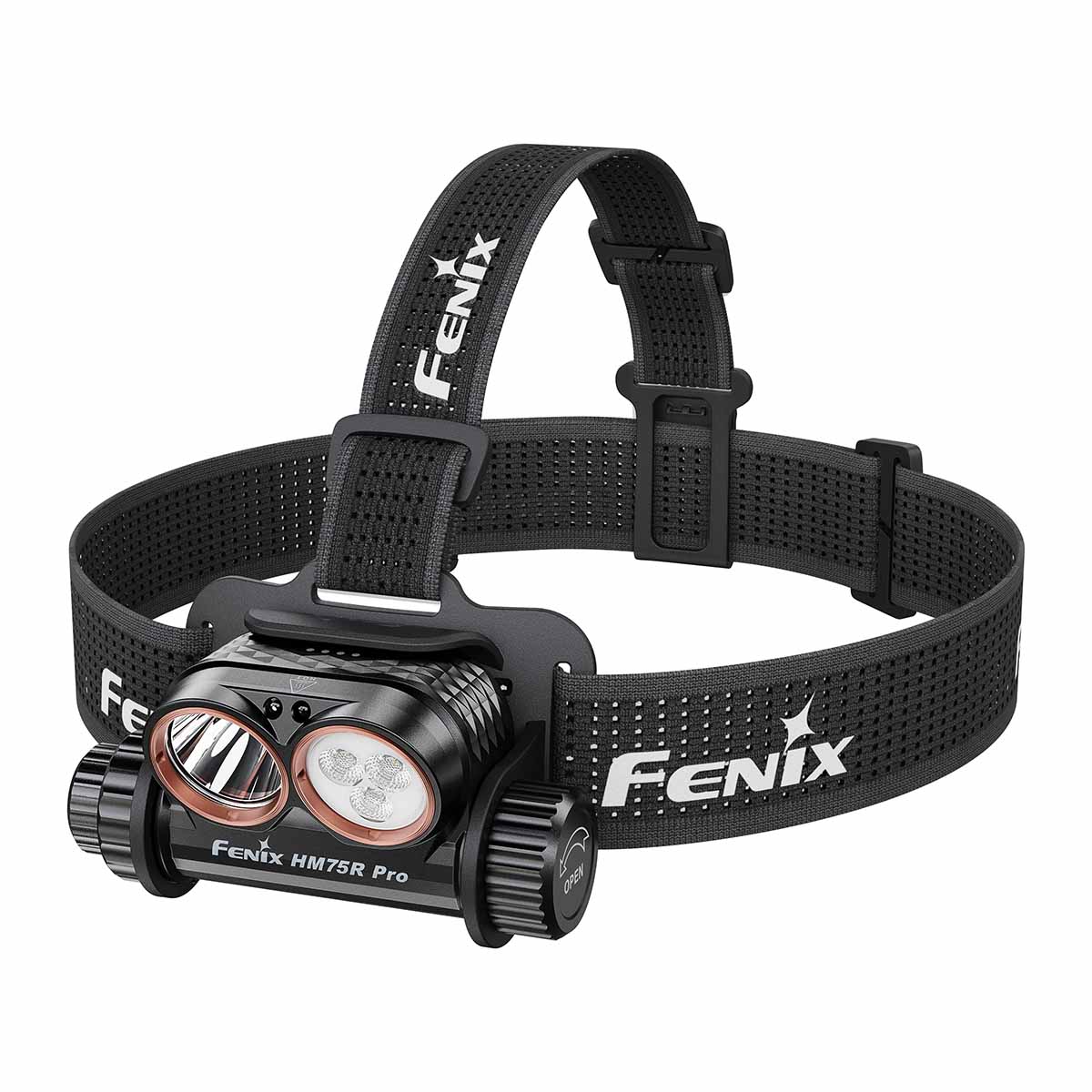
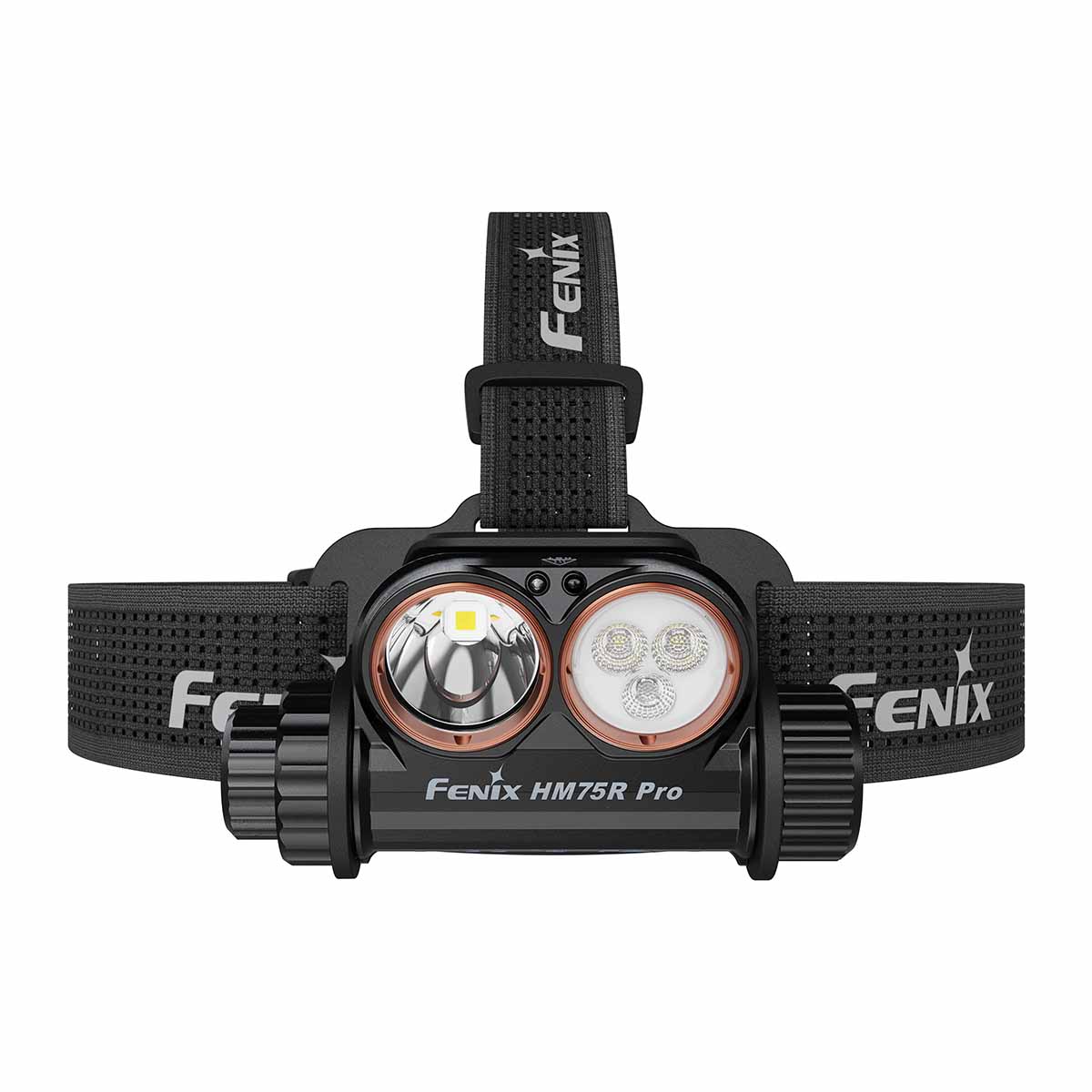
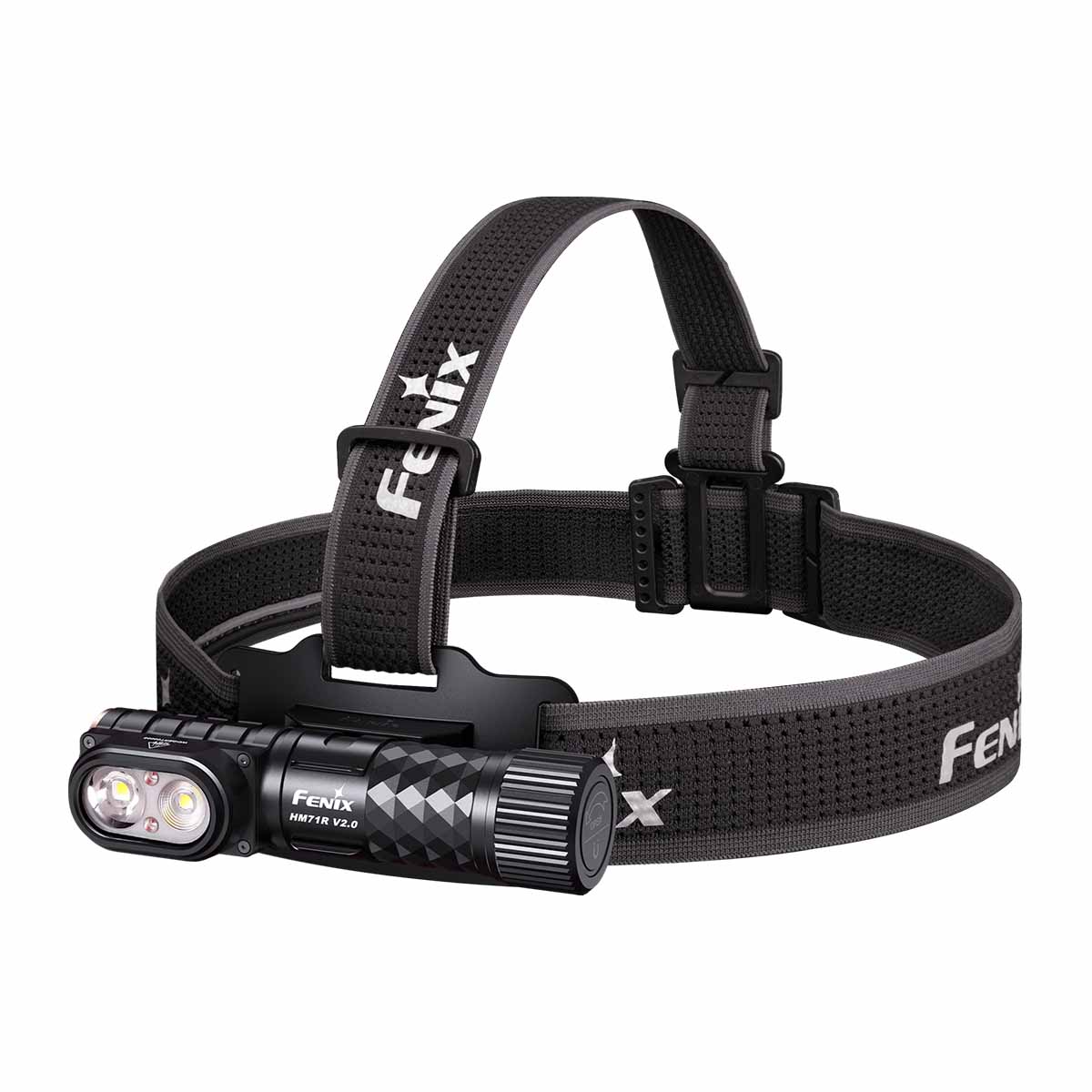
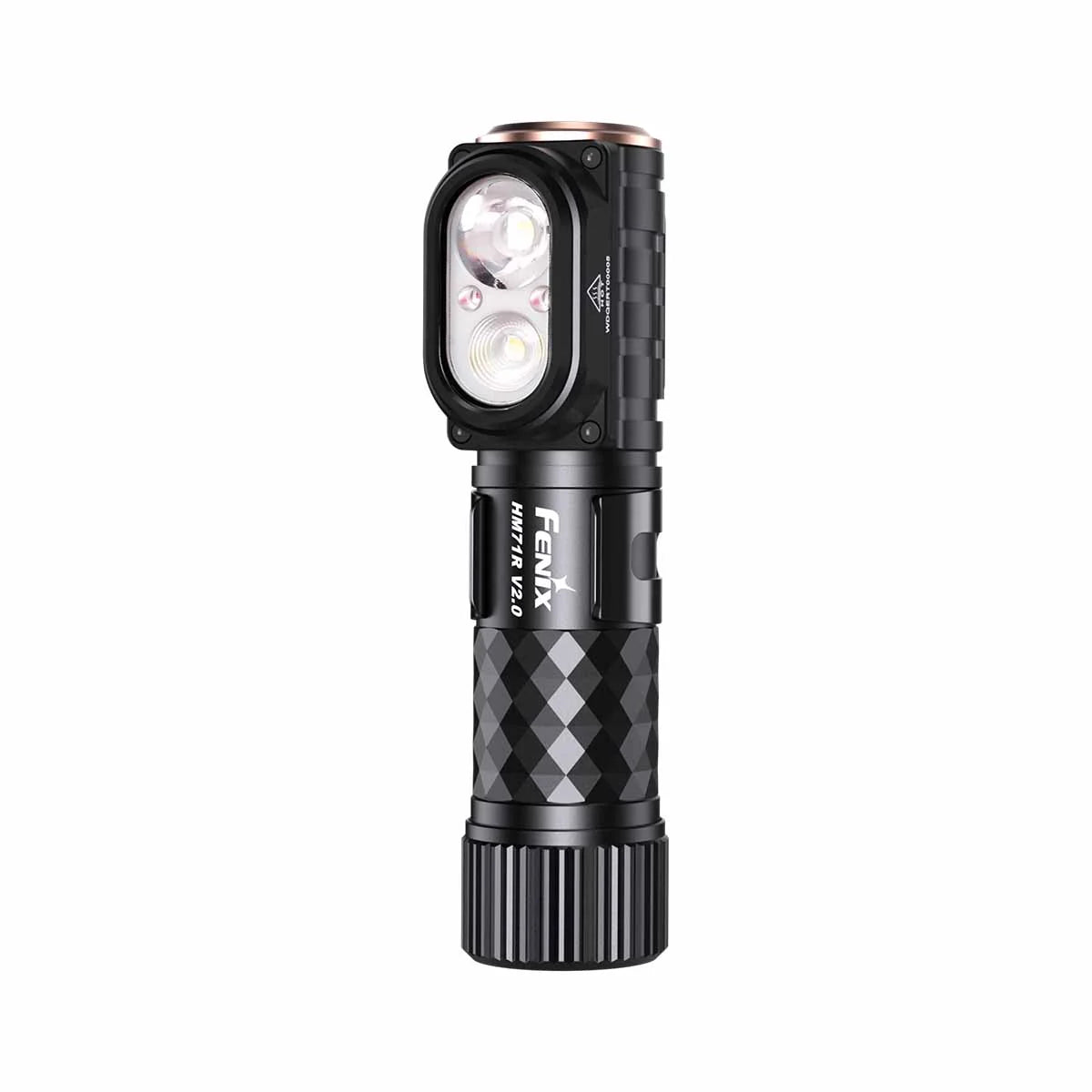
On the bench the knife trims mesh screen to size, cuts the cord on a sample bag, opens feed sacks, splits a length of tubing and cuts a knot that will not come loose by hand. Between tanks, a compact headlamp is far more useful than a phone, because both hands are wet and often occupied with a tray of larvae.

Ownership Notes
The maintenance routine is the interesting part. Rinse in fresh water, dry the pivot with compressed air, apply a light food-safe lubricant and leave the knife open overnight so any trapped moisture can escape. Keep two identical knives so one can dry while the other works. EdcMall carries the corrosion-minded folders and lights that suit a wet room. Hatchery managers also standardise the small tools across a team. When every bench carries the same folder and the same compact light, a replacement is a swap rather than a decision, and new staff learn the routine in an afternoon instead of a season. Label the storage, restock the consumables weekly and record anything that failed near a tank. Two identical knives and one drying rack solve most of the corrosion problem.
Who Is This For?
This is for hatchery technicians, aquaculture students, oyster and clam growers, and the research staff who run larval rearing trials. Hobby aquarists will not need this durability. If your hands are in salt water five days a week, the extra cost of a better stainless alloy pays itself back within a season.
Final Verdict
In a hatchery, steel choice and cleaning discipline beat features. A nitrogen-tough stainless blade, a simple open frame, a lock that is easy to work with wet hands and a rinse-and-dry habit will keep a knife useful for years. Buy two and rotate.