
Overview & First Impressions
A knife is a piece of steel under permanent load. Every stamping, every grind and every bend leaves residual stress in the material, and residual stress is where a crack starts. Manufacturers manage it two ways. Stress relief is a controlled low-temperature cycle that lets internal stress relax after machining. Shot peening blasts the surface with small media so the outermost layer goes into compression, which makes it much harder for a crack to begin.
Materials & Construction
The effect is most important on thin, highly stressed sections: a lock bar, a pivot tang, a thin blade spine. A fine-grained stainless such as 14C28N responds well to both processes because its structure is uniform. In practice the visible benefit is fewer unexplained failures, especially at the sharp inside corners where a blade transitions into a tang.

Design & Details
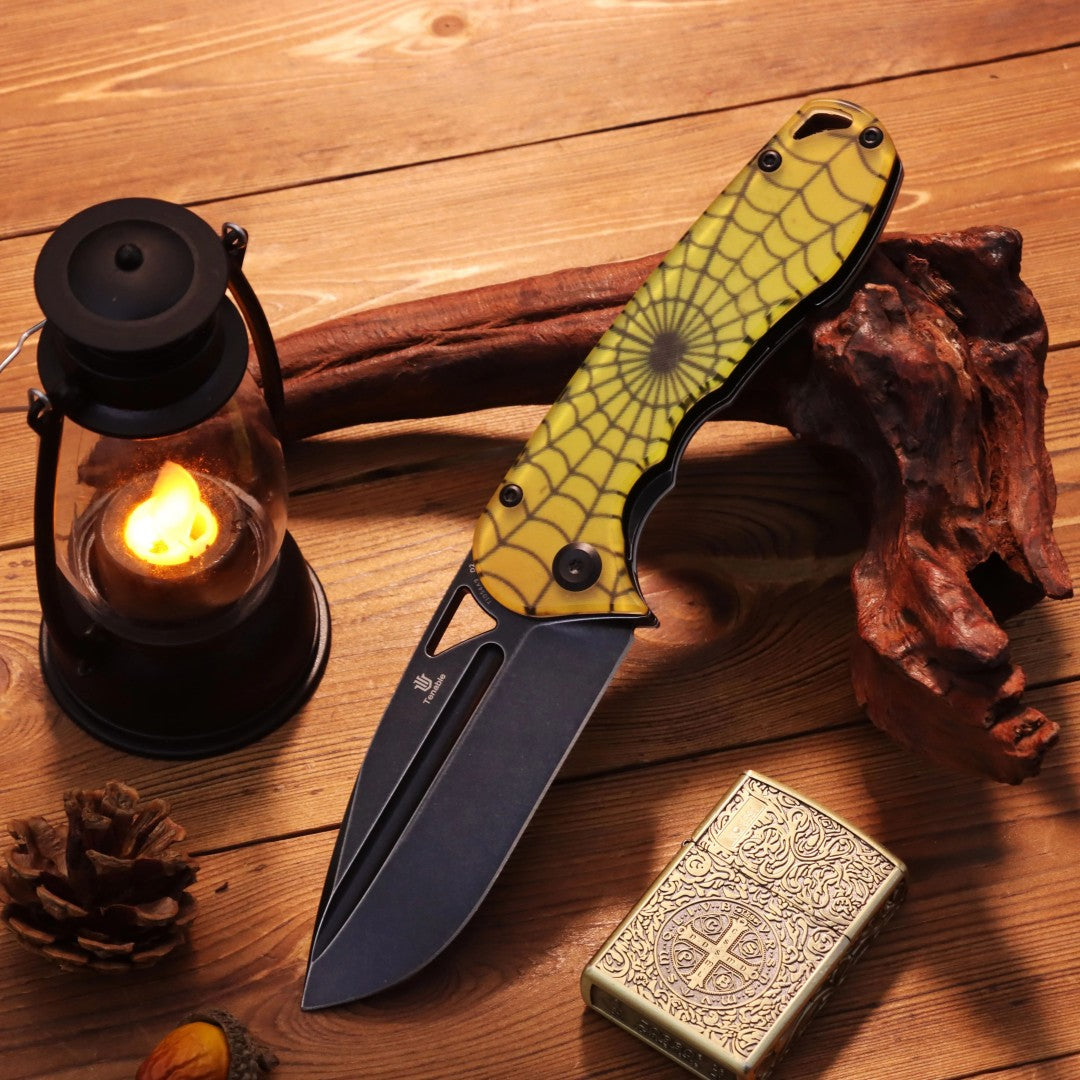
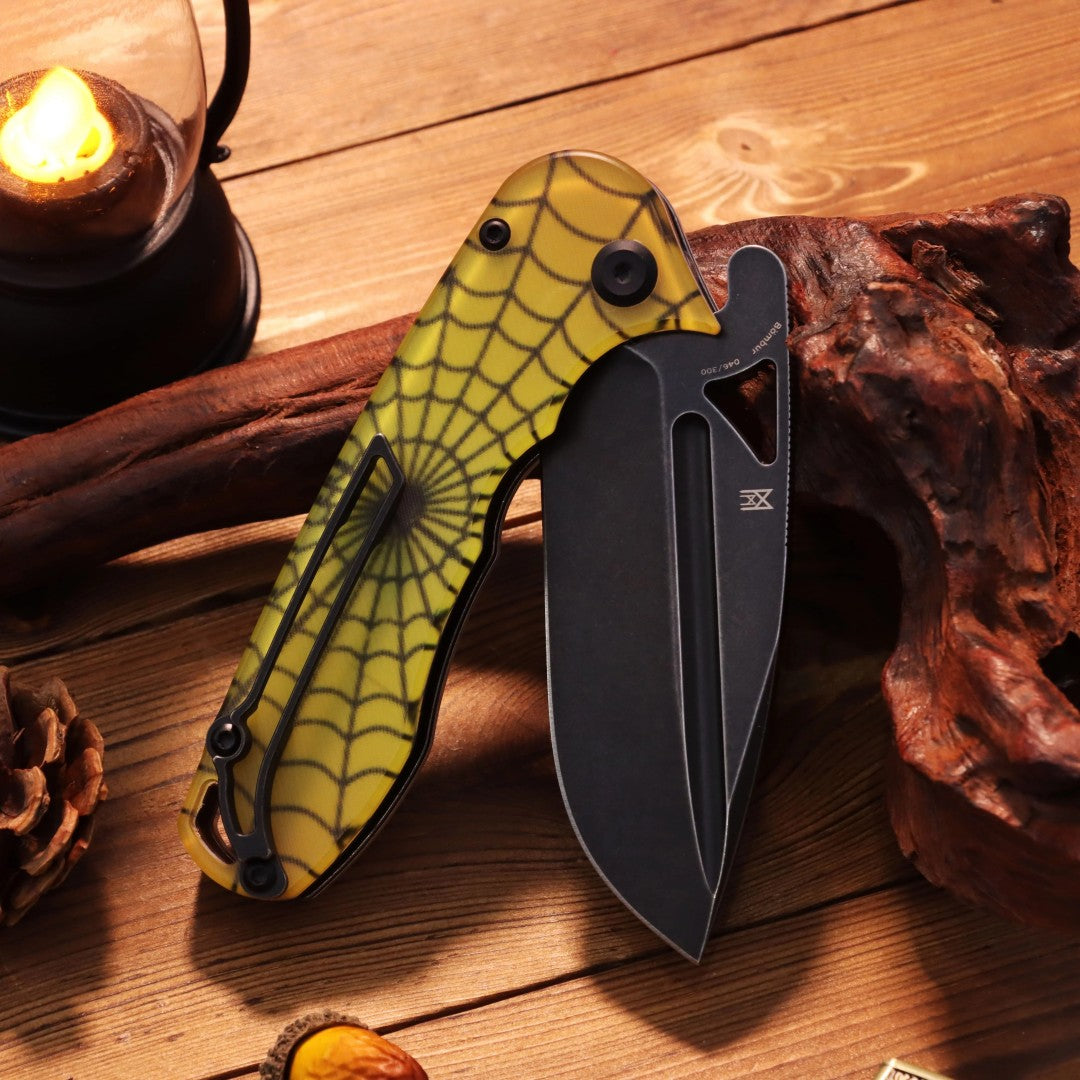
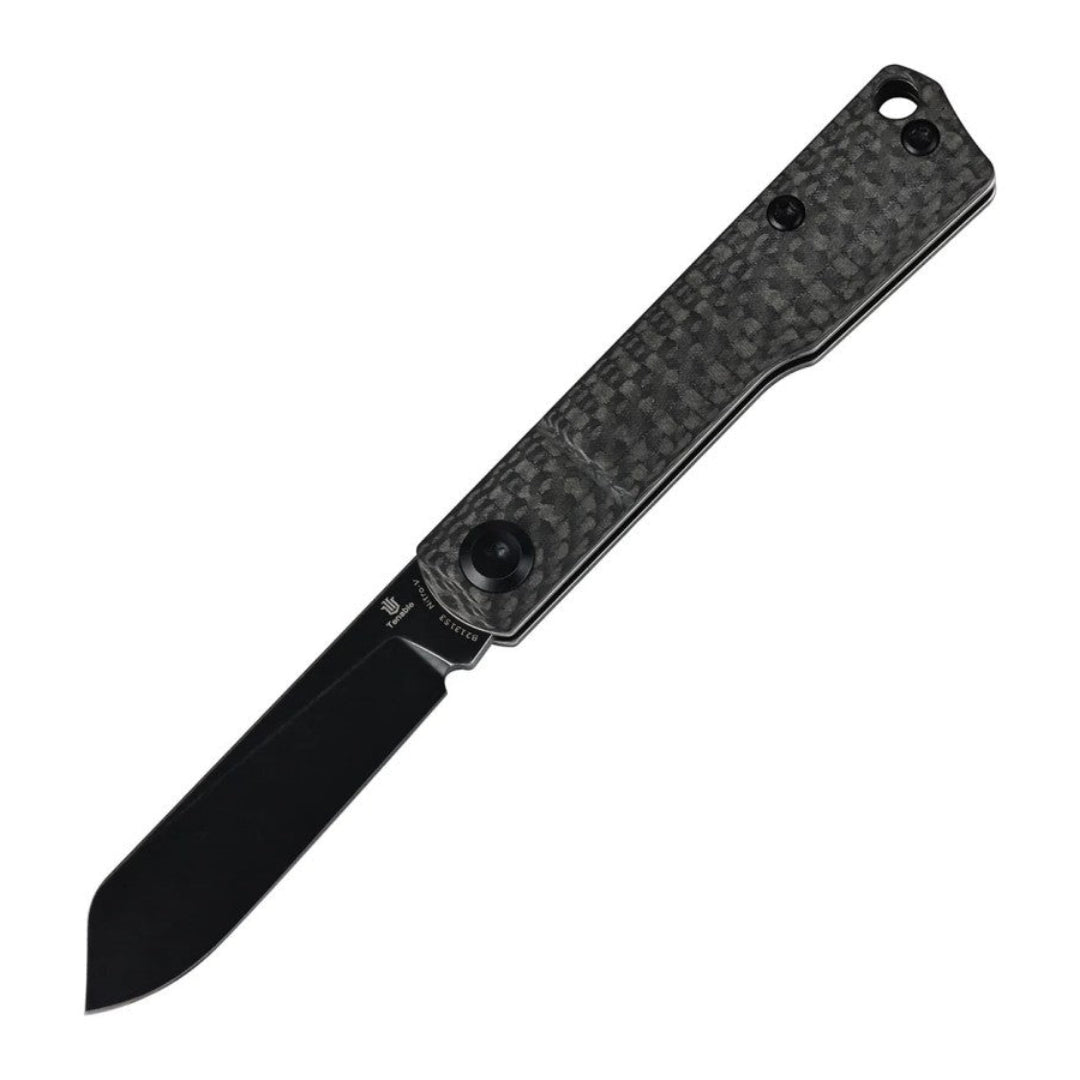
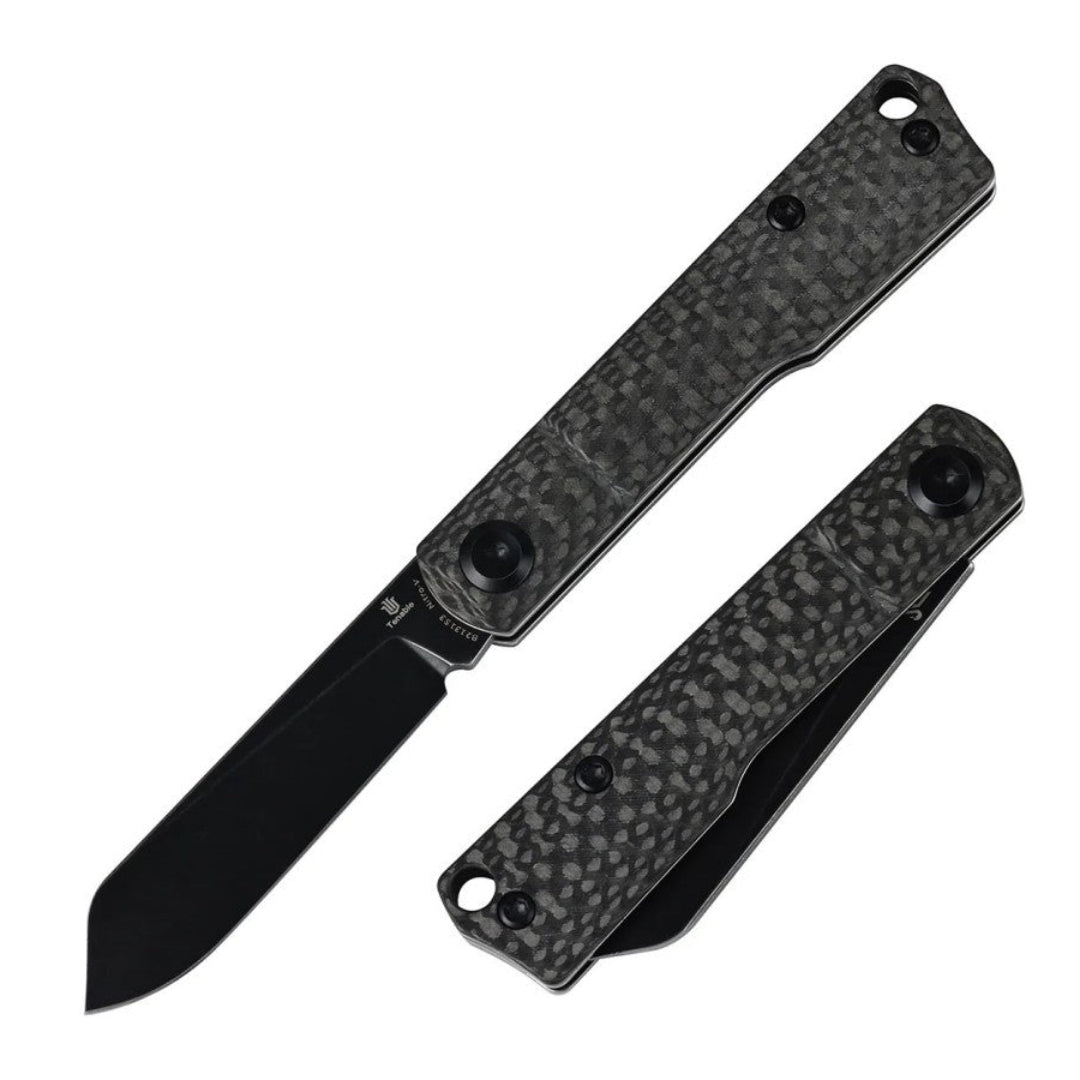
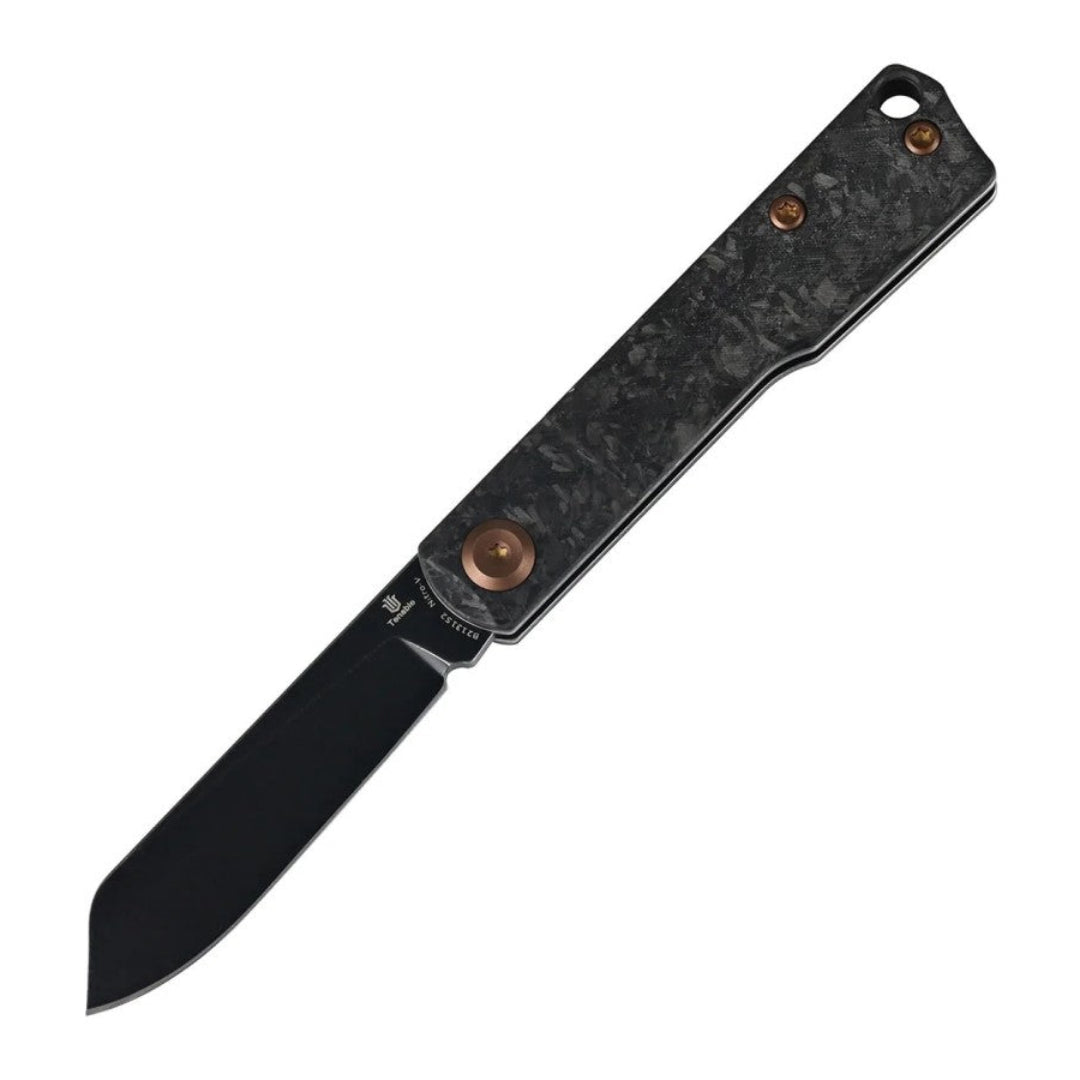
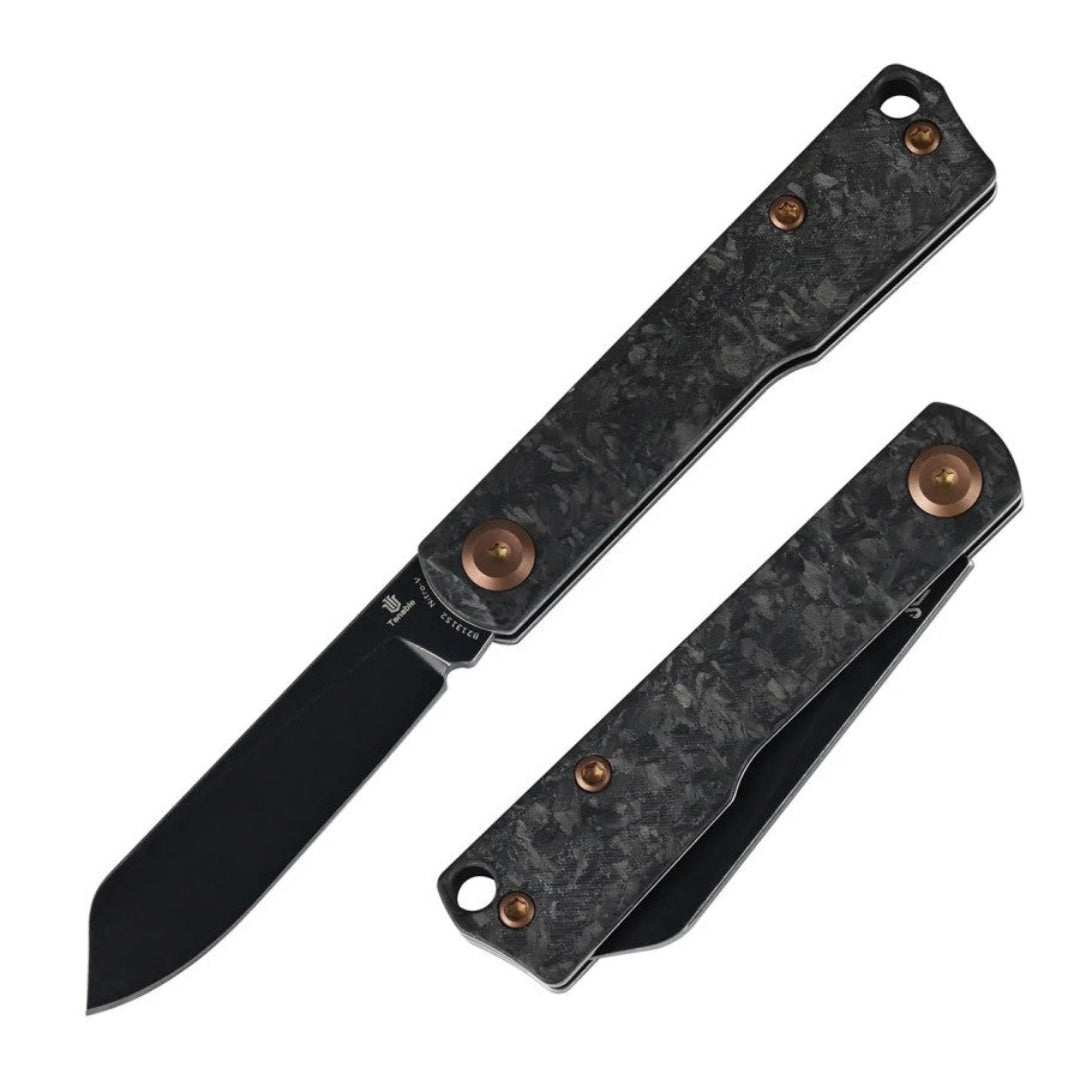
The Tenable Entity B1036H4 carries a 14C28N blade in a G10 handle with a top liner lock. Tenable knives build folding knives patterns where the lock bar is a long thin spring under constant load, which is exactly the part that benefits from controlled stress relief. A top liner lock also transfers load through a larger contact area, which reduces peak stress on the blade tang.
Real-World Use
A user experiences this as durability rather than performance. The blade does not chip at the plunge line, the lock does not develop a crack at the relief cut, and the pivot area does not fail after thousands of openings. These are the failures that end a knife's life early, and they are almost always the result of treatment and geometry rather than bad steel.

Ownership Notes
You cannot shot peen a knife at home, but you can avoid undoing the work. Never grind aggressively near the plunge line or the lock relief, because localized heat creates new residual stress exactly where it is most harmful. Keep the lock face clean, avoid over-tightening the pivot, and do not use the blade as a pry bar. EdcMall carries folders whose internals are built to take years of that use. It also explains why two knives from the same production run can behave differently. If a maker skips stress relief on one batch, the parts that looked identical coming off the grinder will fail at different rates in the field, and the failure will be blamed on the steel rather than on the process that was actually responsible for it.
Who Is This For?
This is for buyers who use a knife hard and want it to last, and for anyone interested in why some inexpensive knives fail early. A light-duty user will never notice. If your knife sees daily deployment and occasional real load, the manufacturing process behind the tang is worth knowing about.
Final Verdict
Toughness is not only about steel. Stress relief and shot peening protect the places where a folding knives pattern actually fails, and those are the details that separate a durable tool from a disposable one.