

Overview & First Impressions
Above the treeline in winter, every piece of gear has to justify its weight twice. The calculation is simple: a little more warmth, a little more light and a tool that will not fail when your hands are numb. Snowshoe trips and winter ascents are not survival situations if they are planned well, but the margin between a good day and a bad one is narrower than in summer, and the tools you carry are what widen it back out.
Materials & Construction
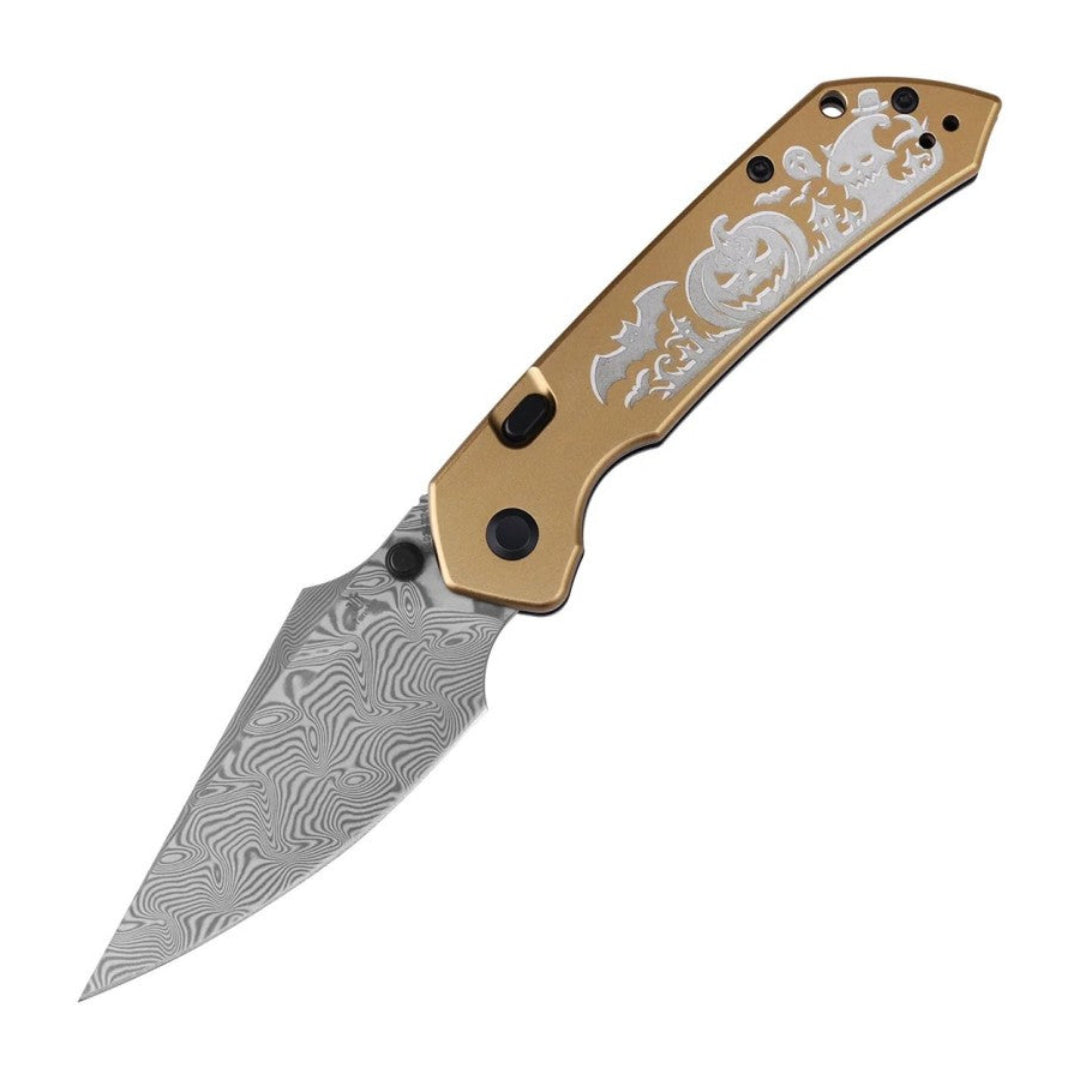
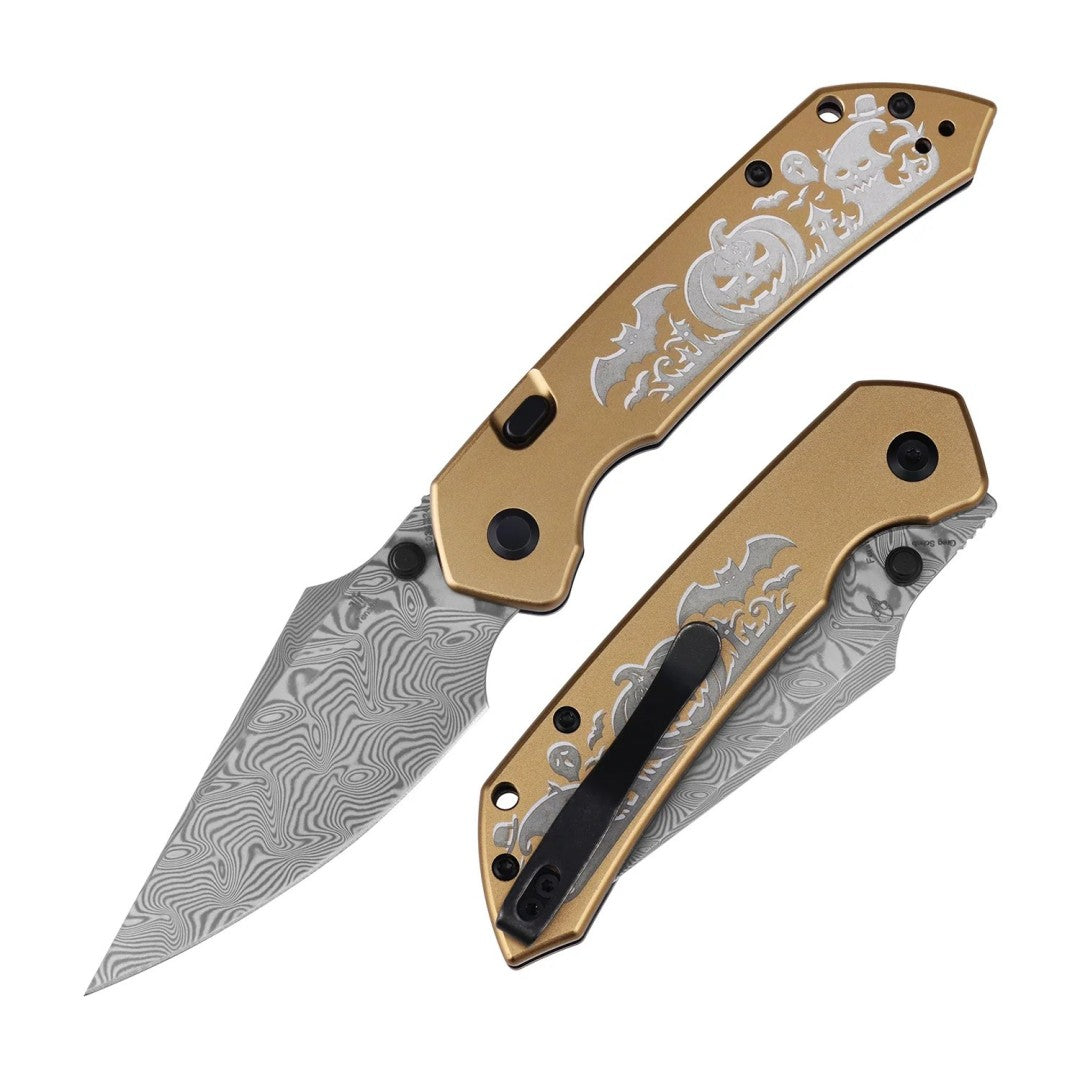
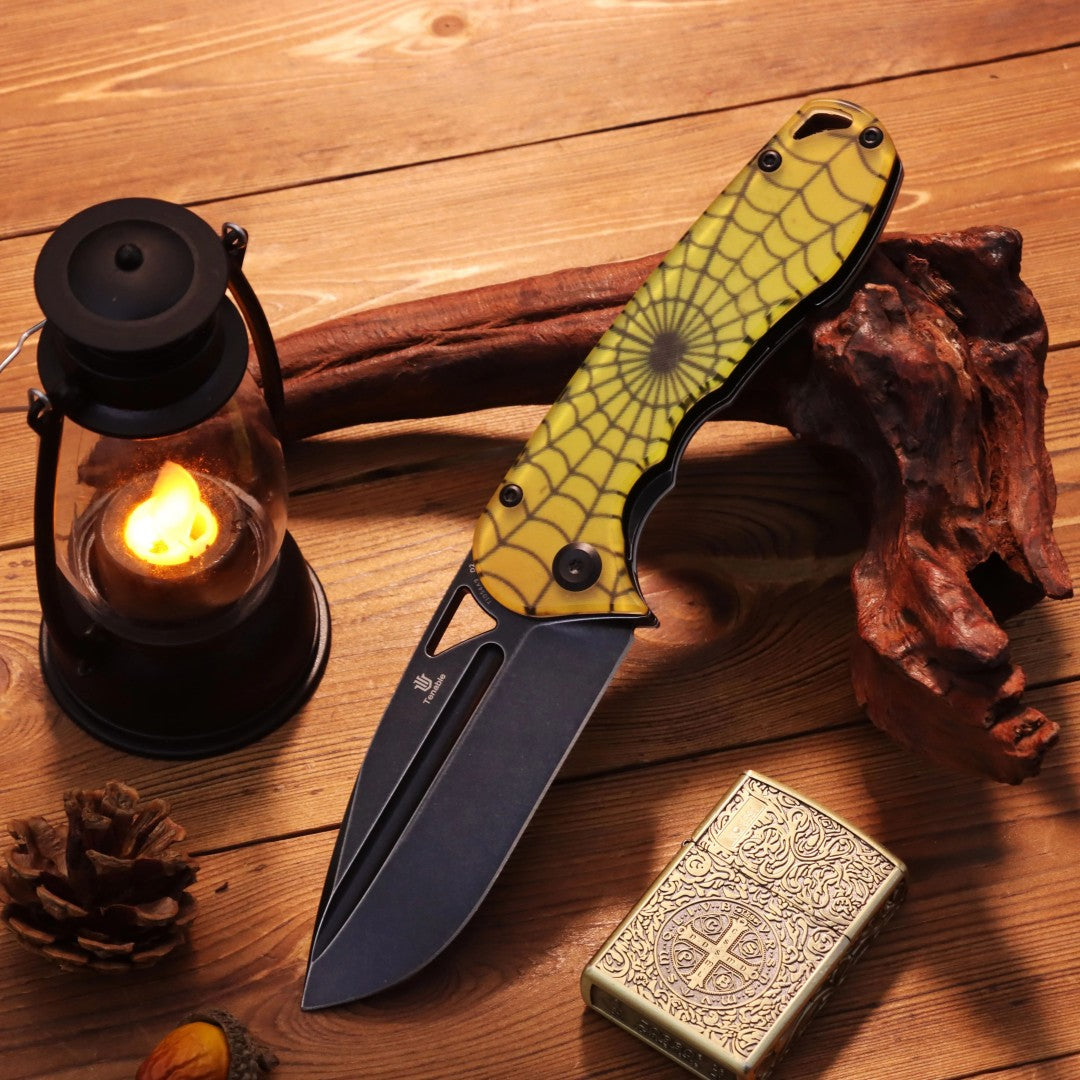
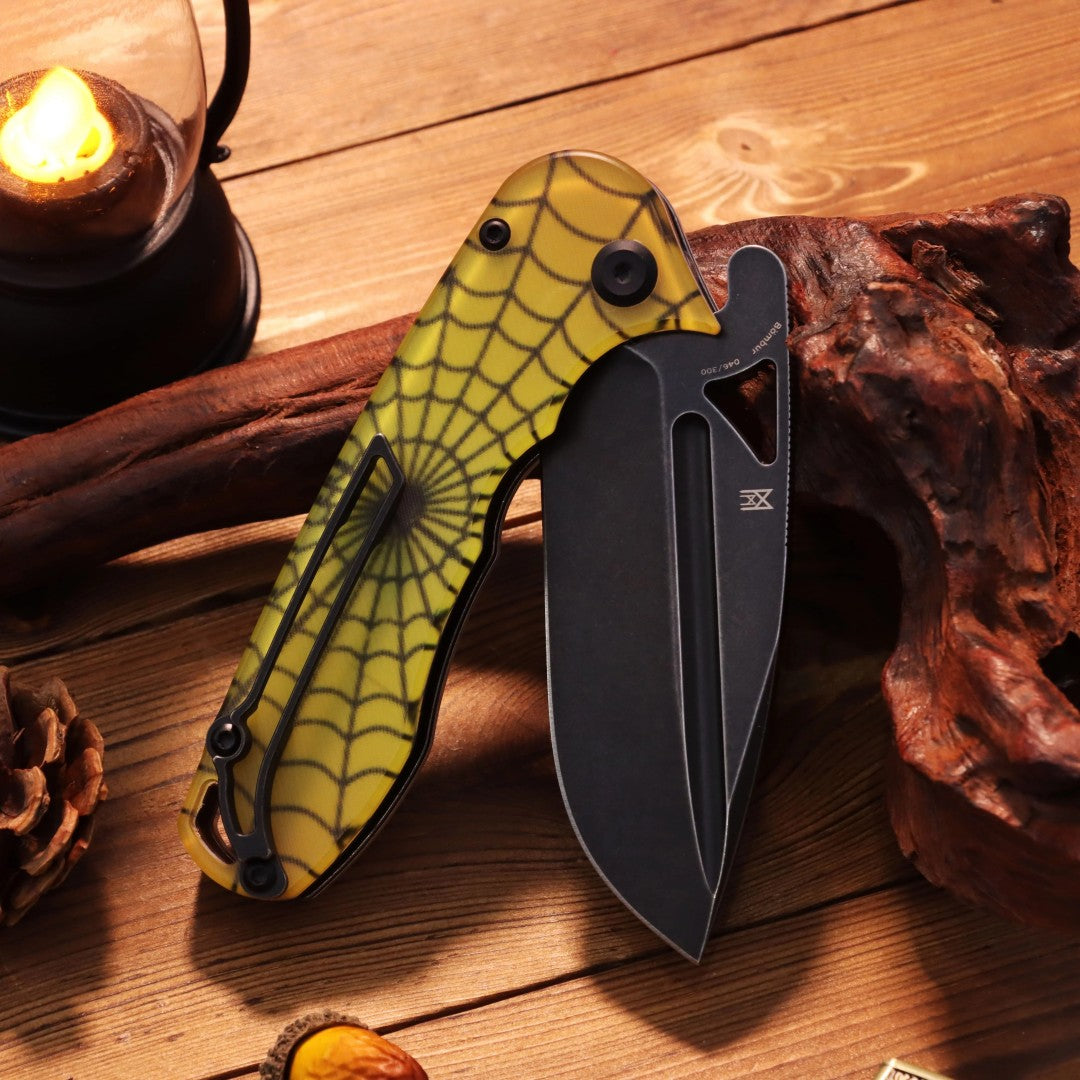
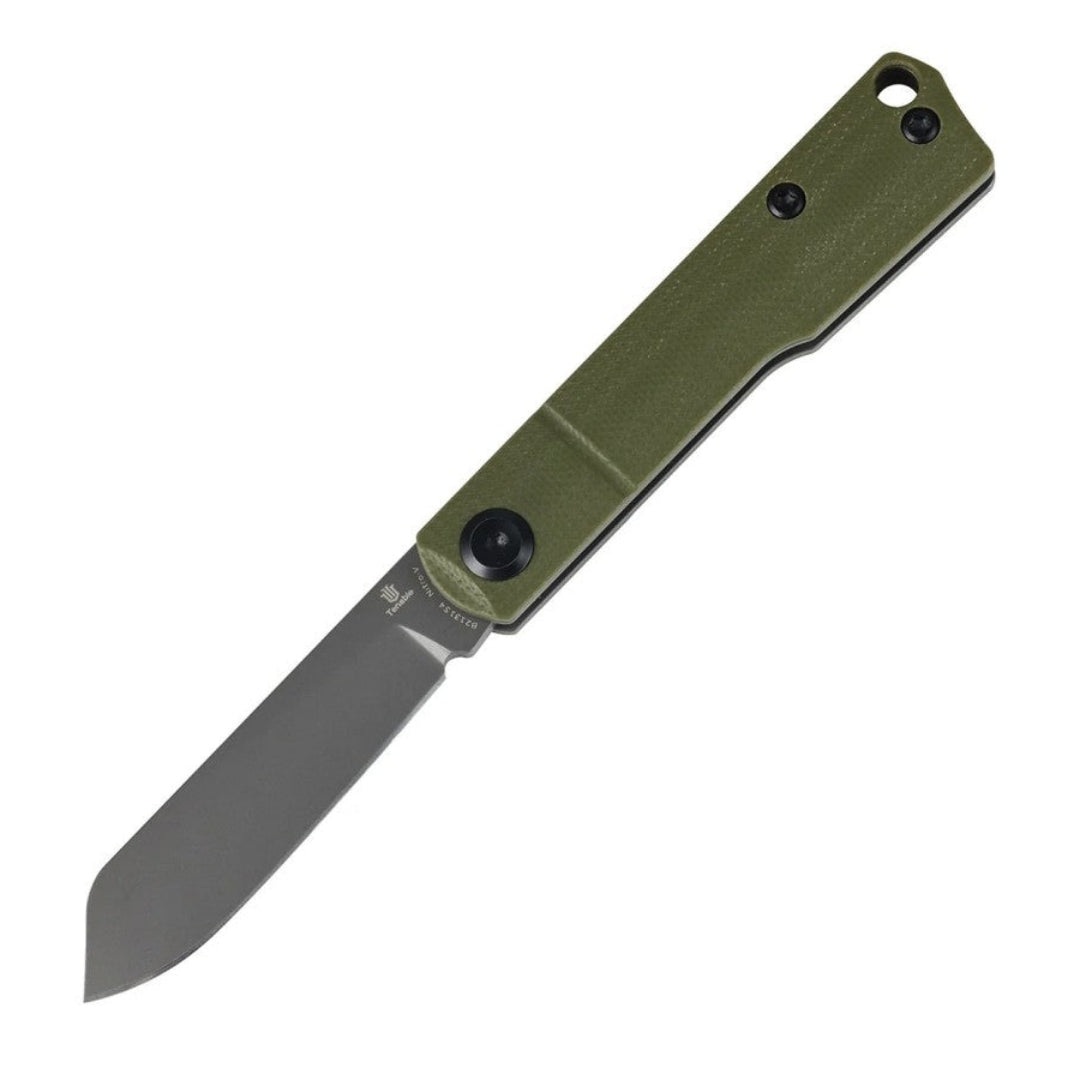
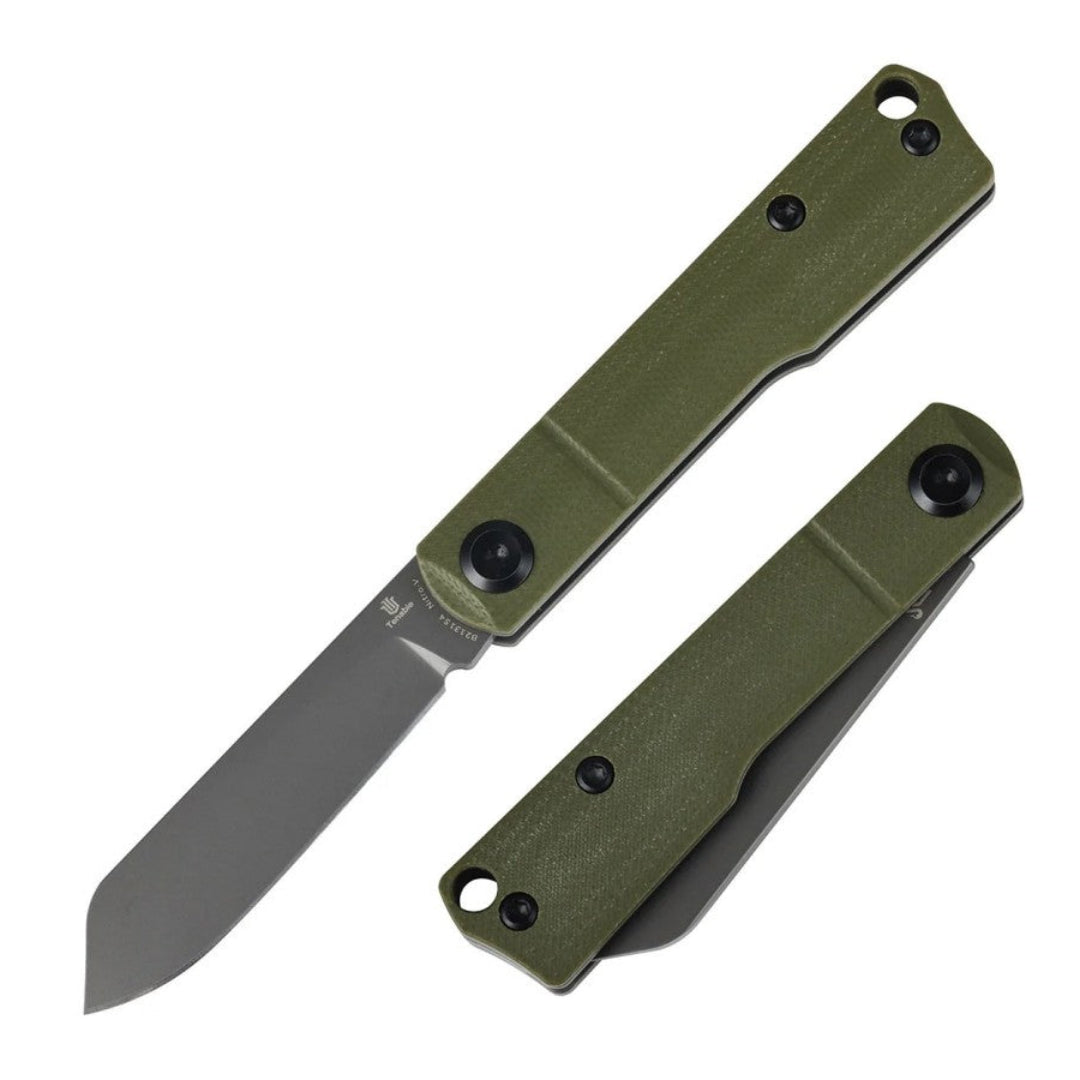
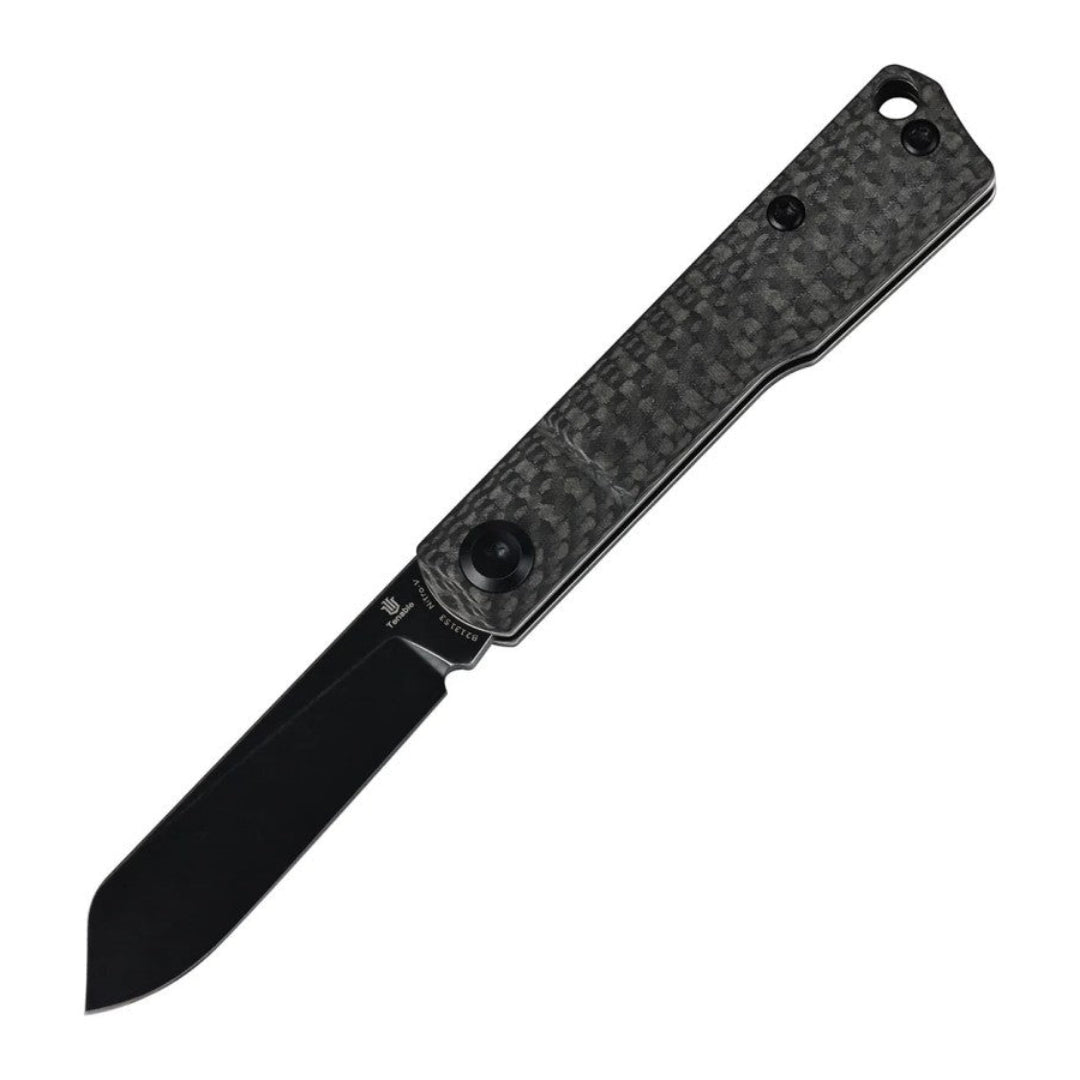
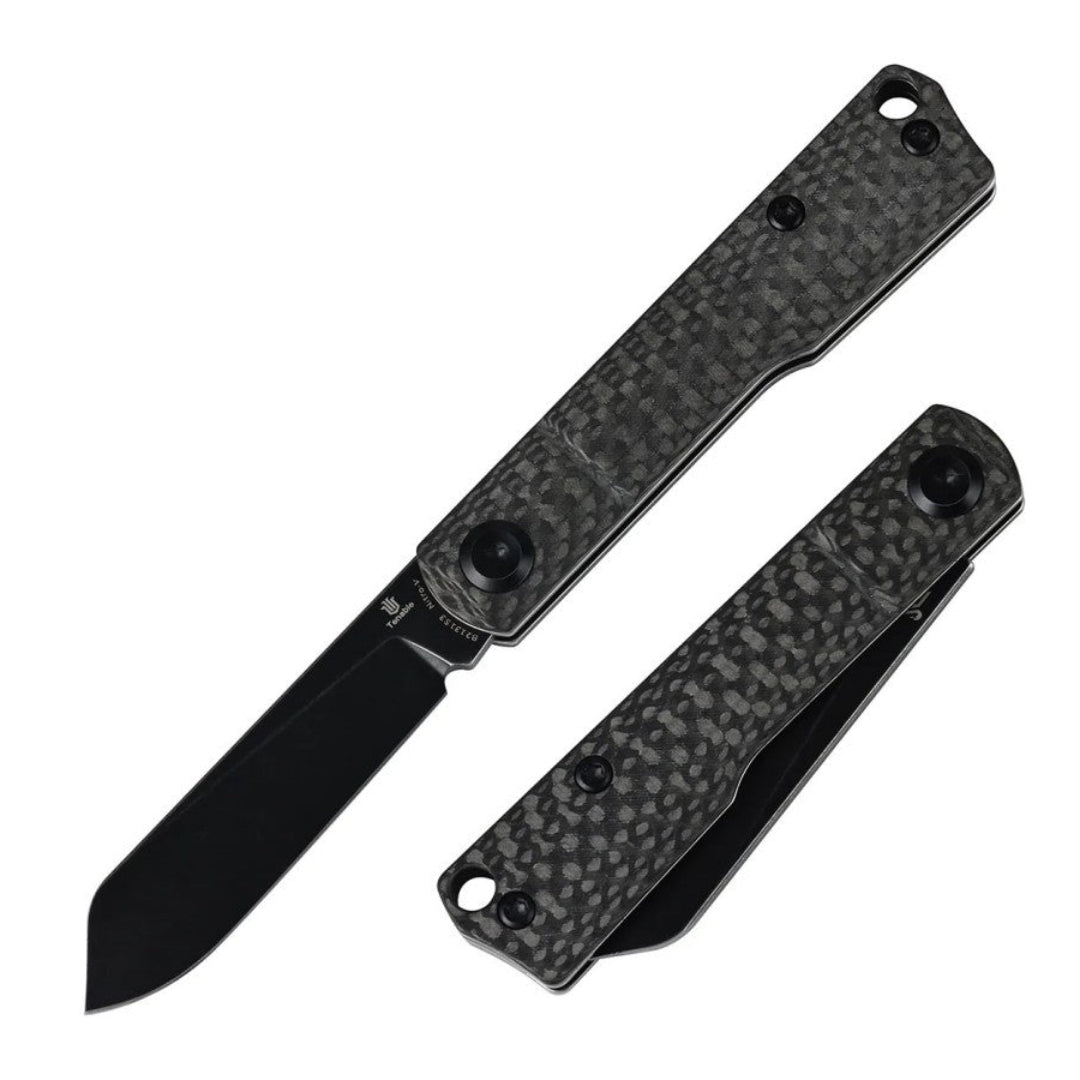
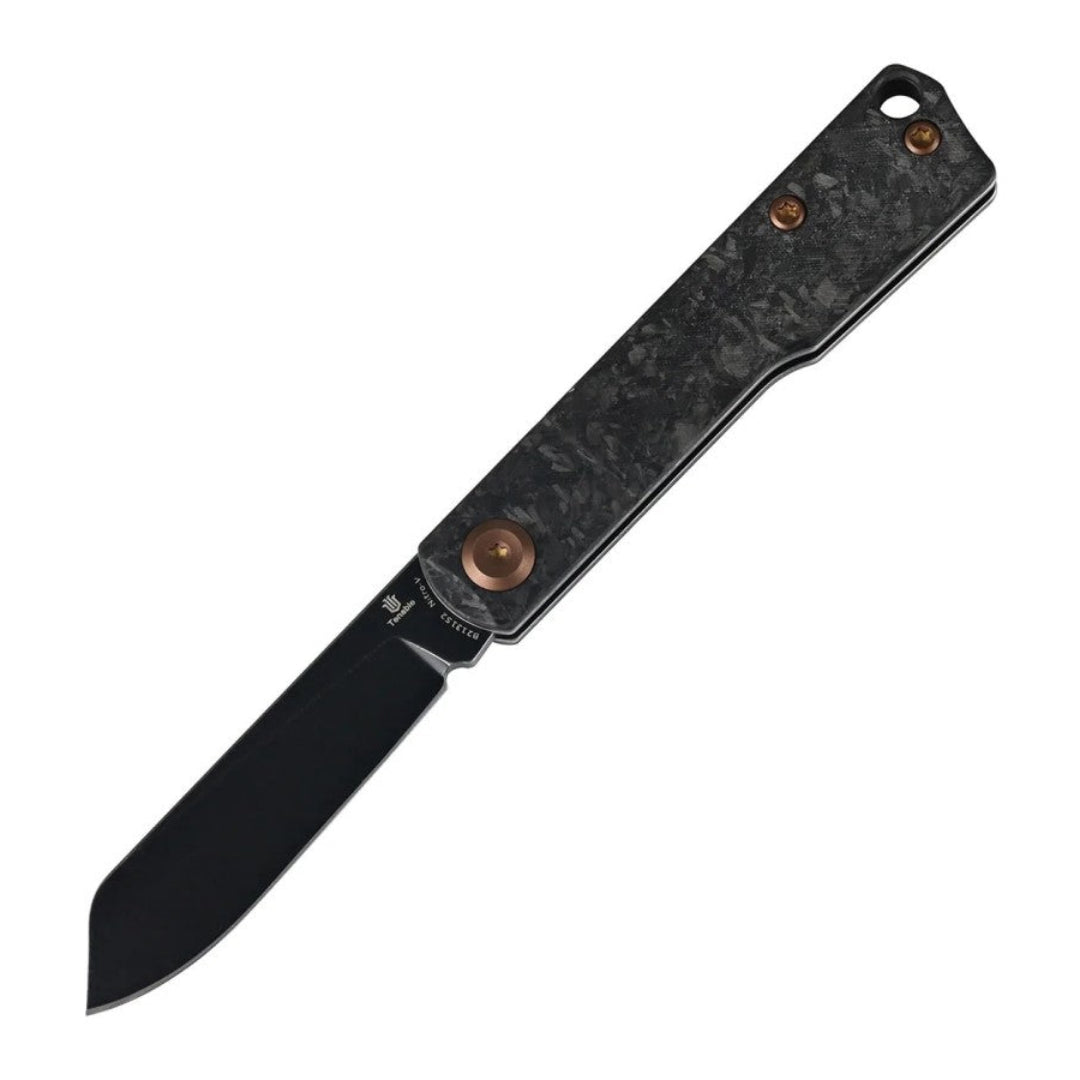
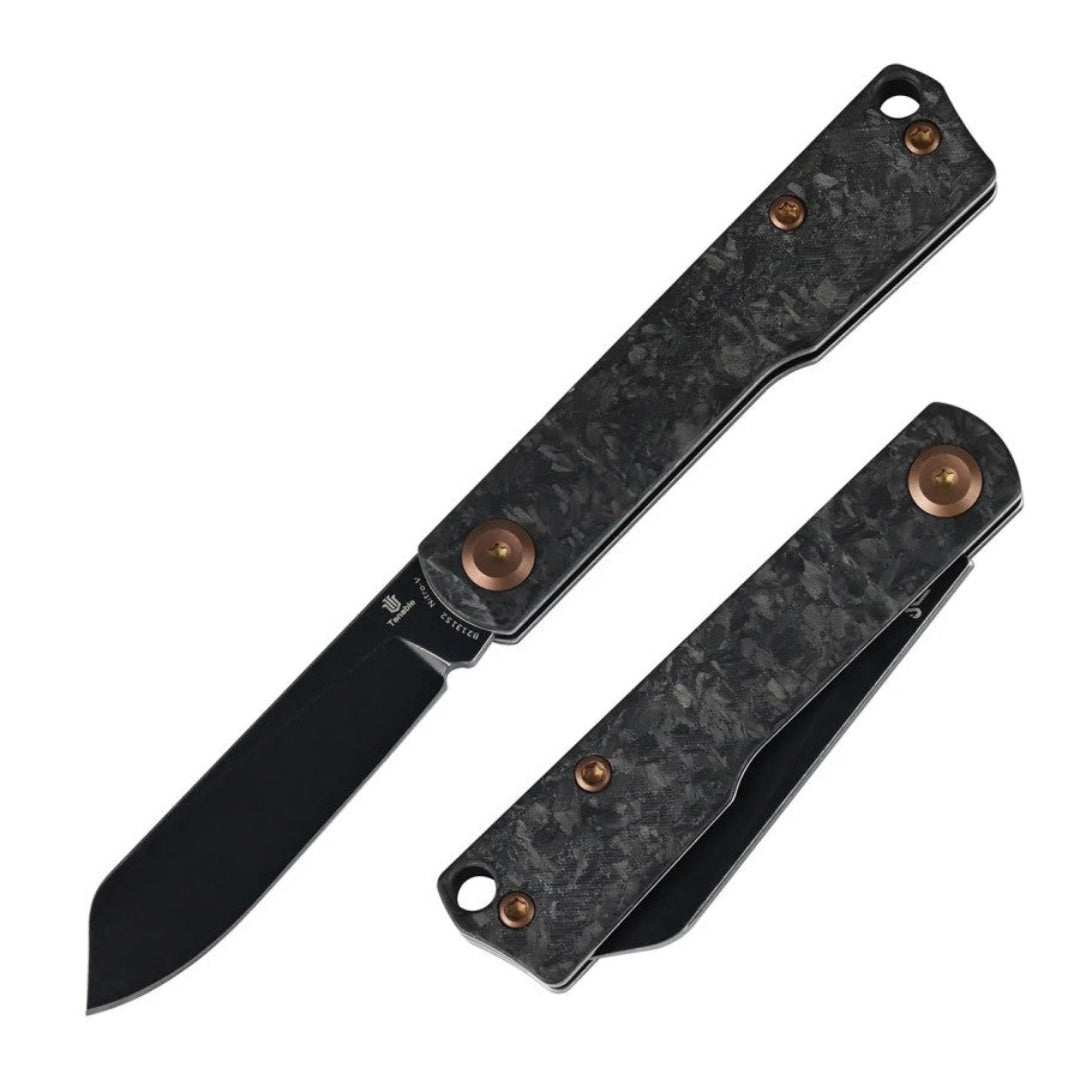
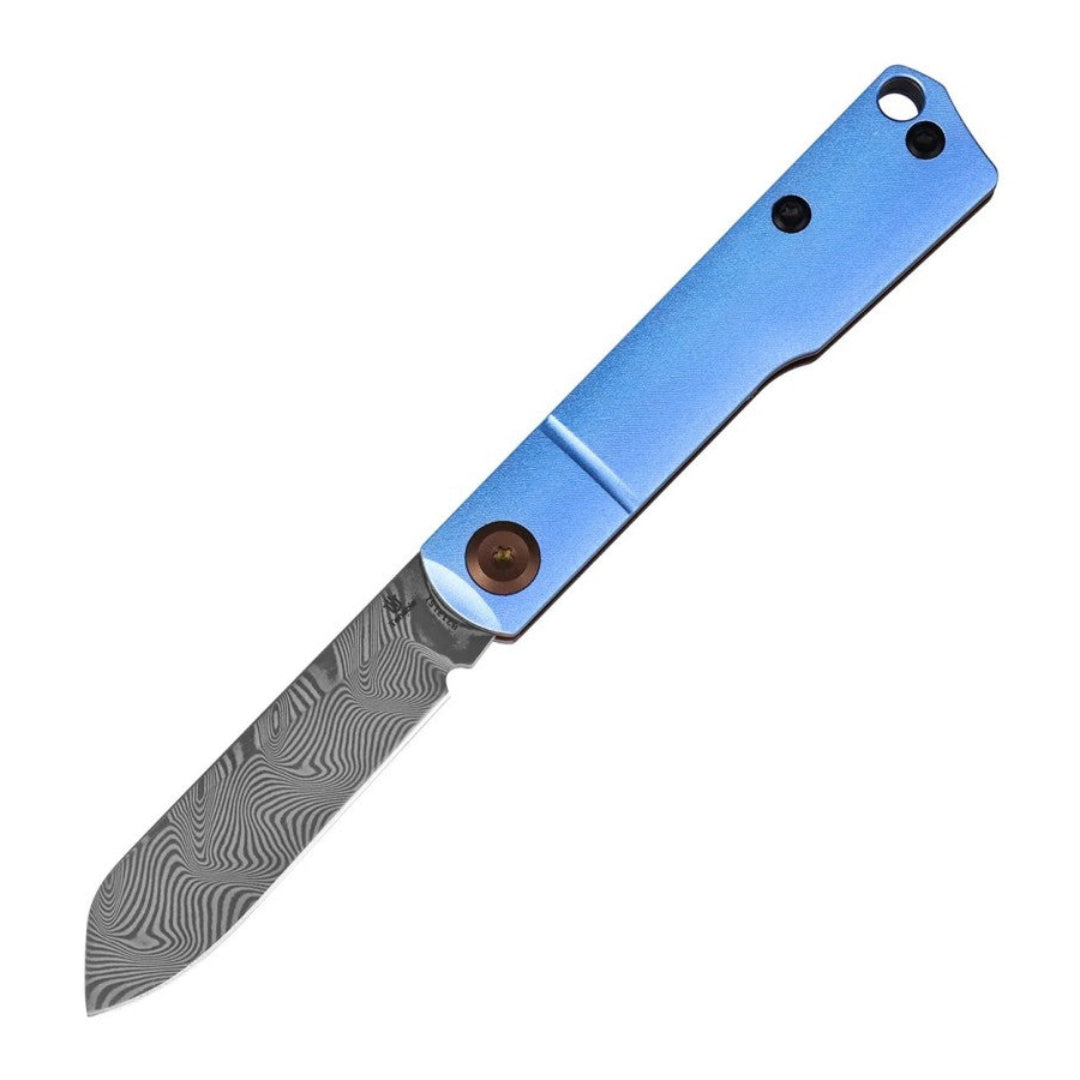
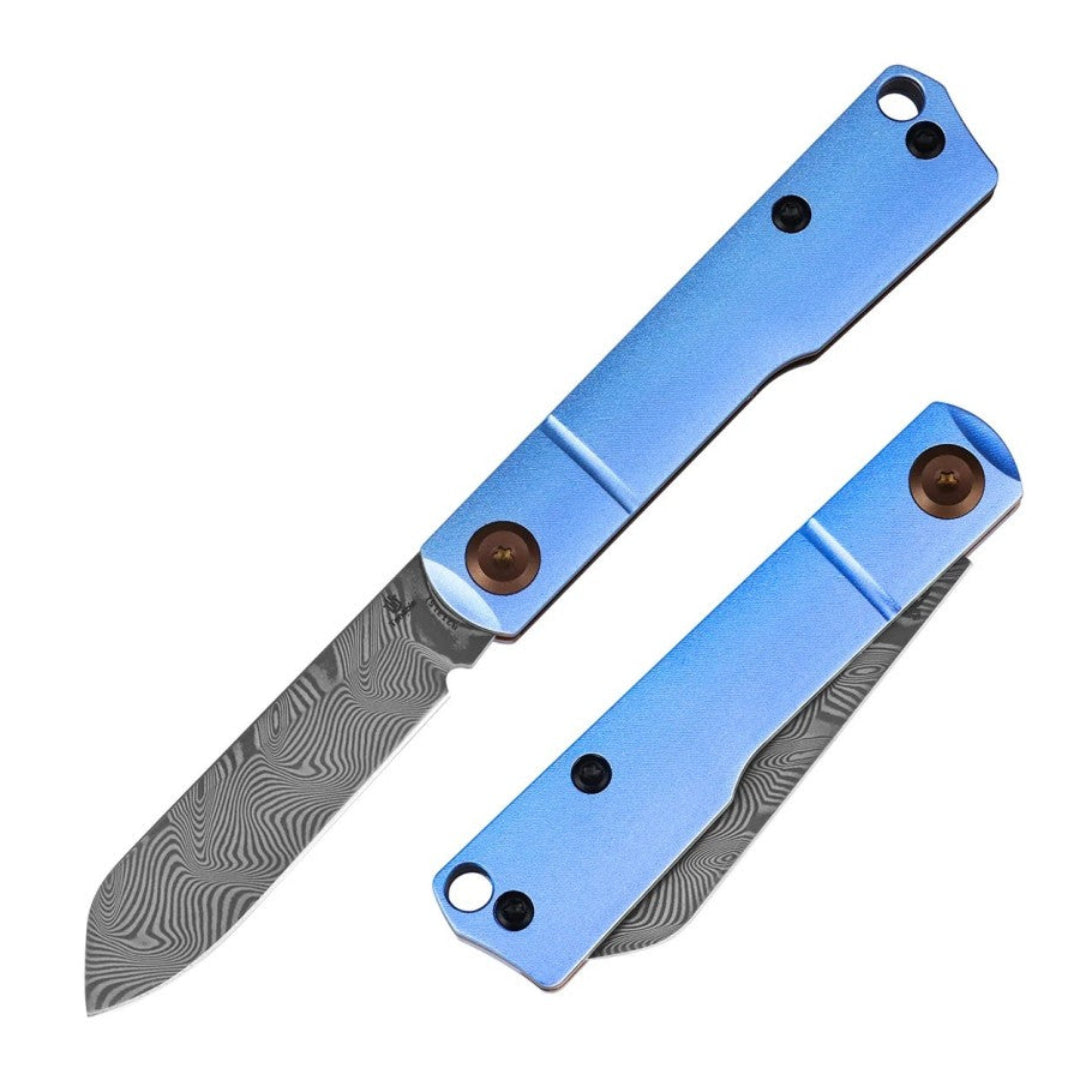
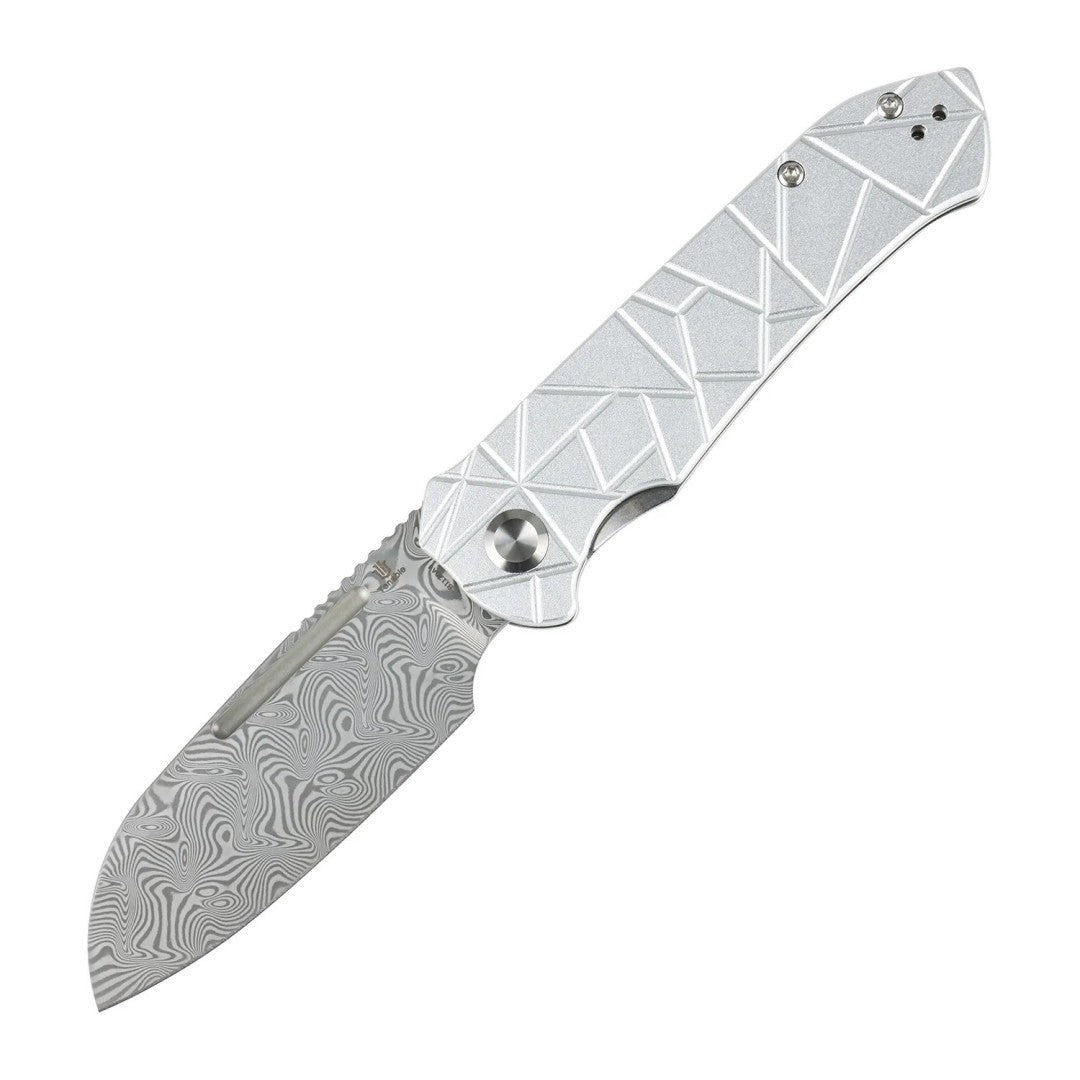
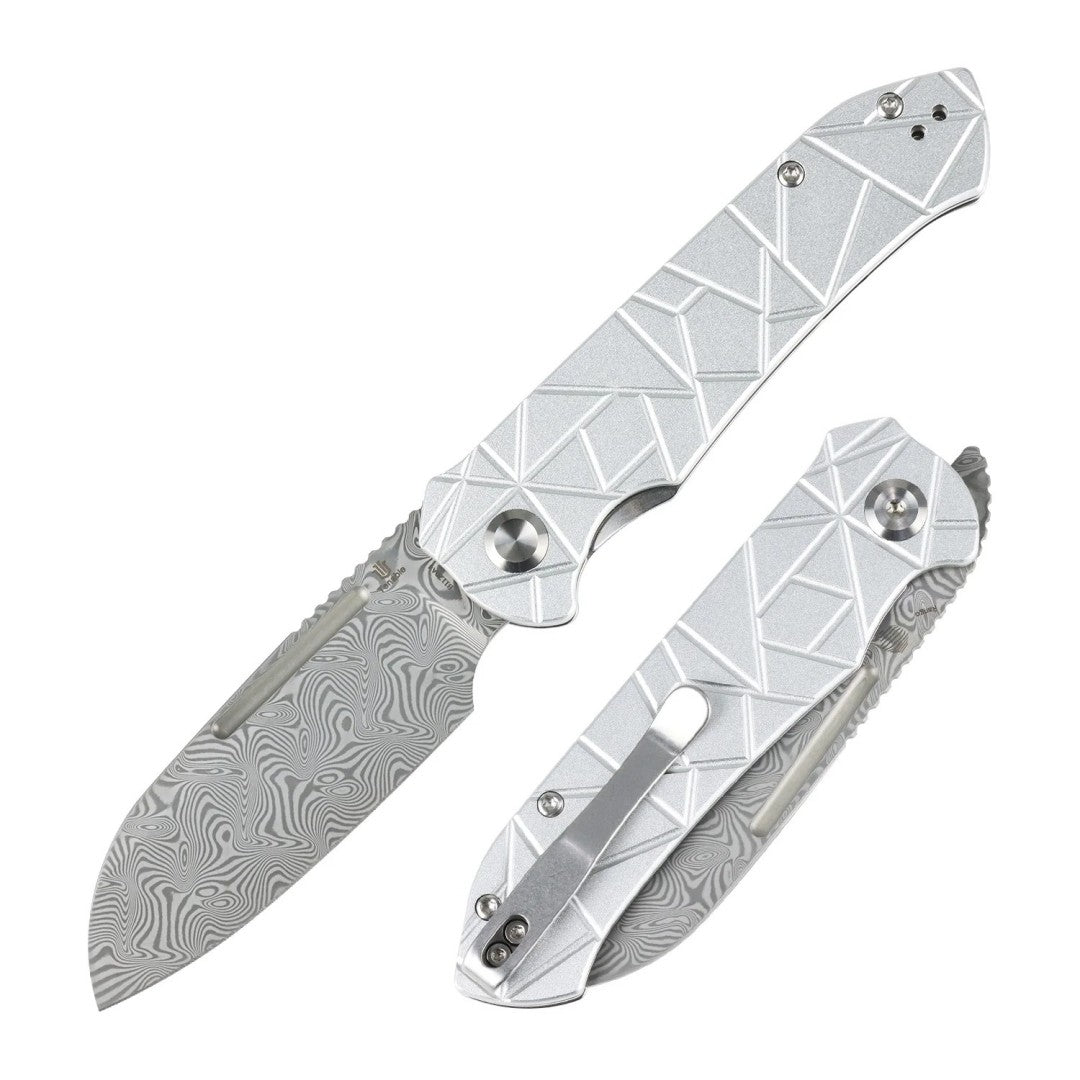
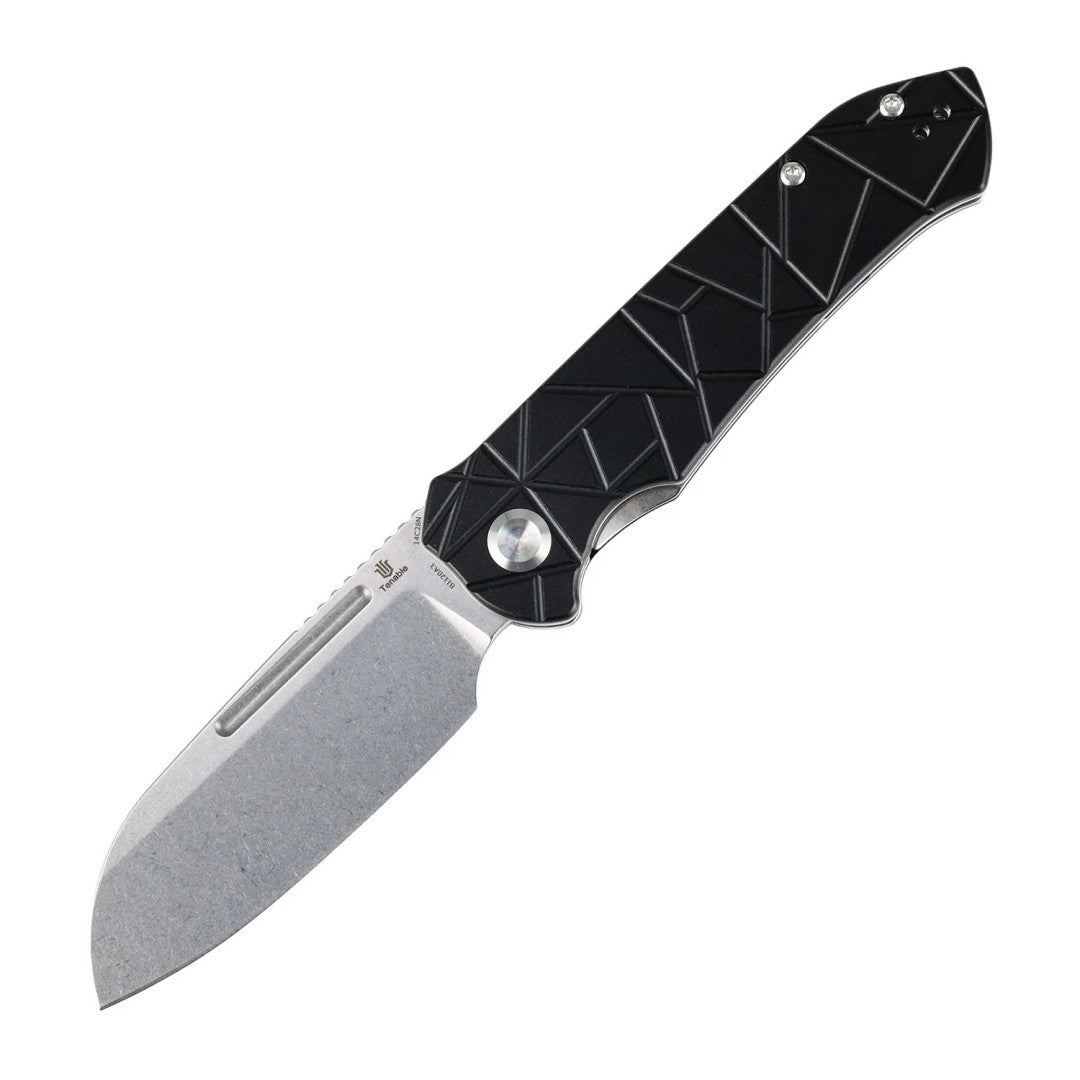
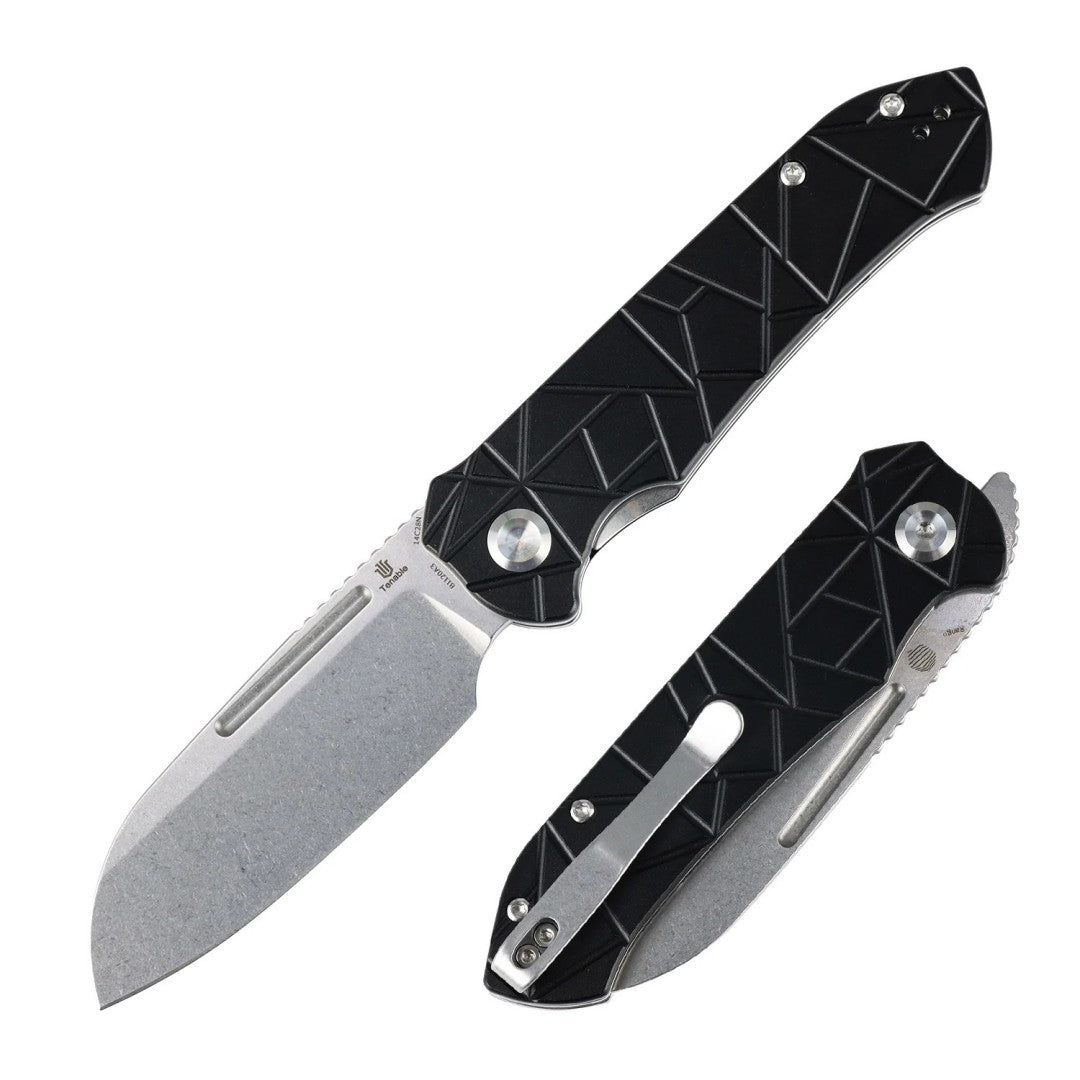
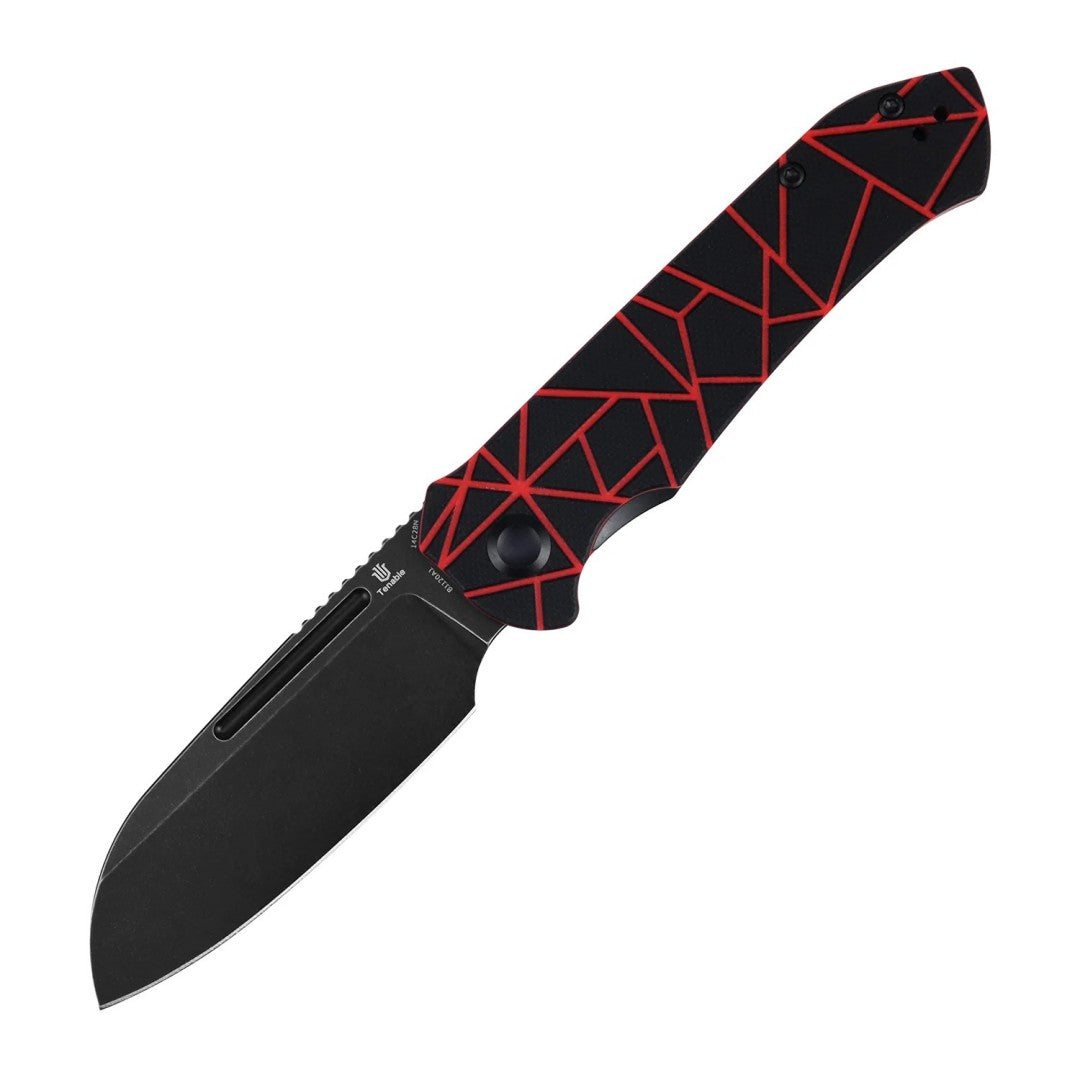
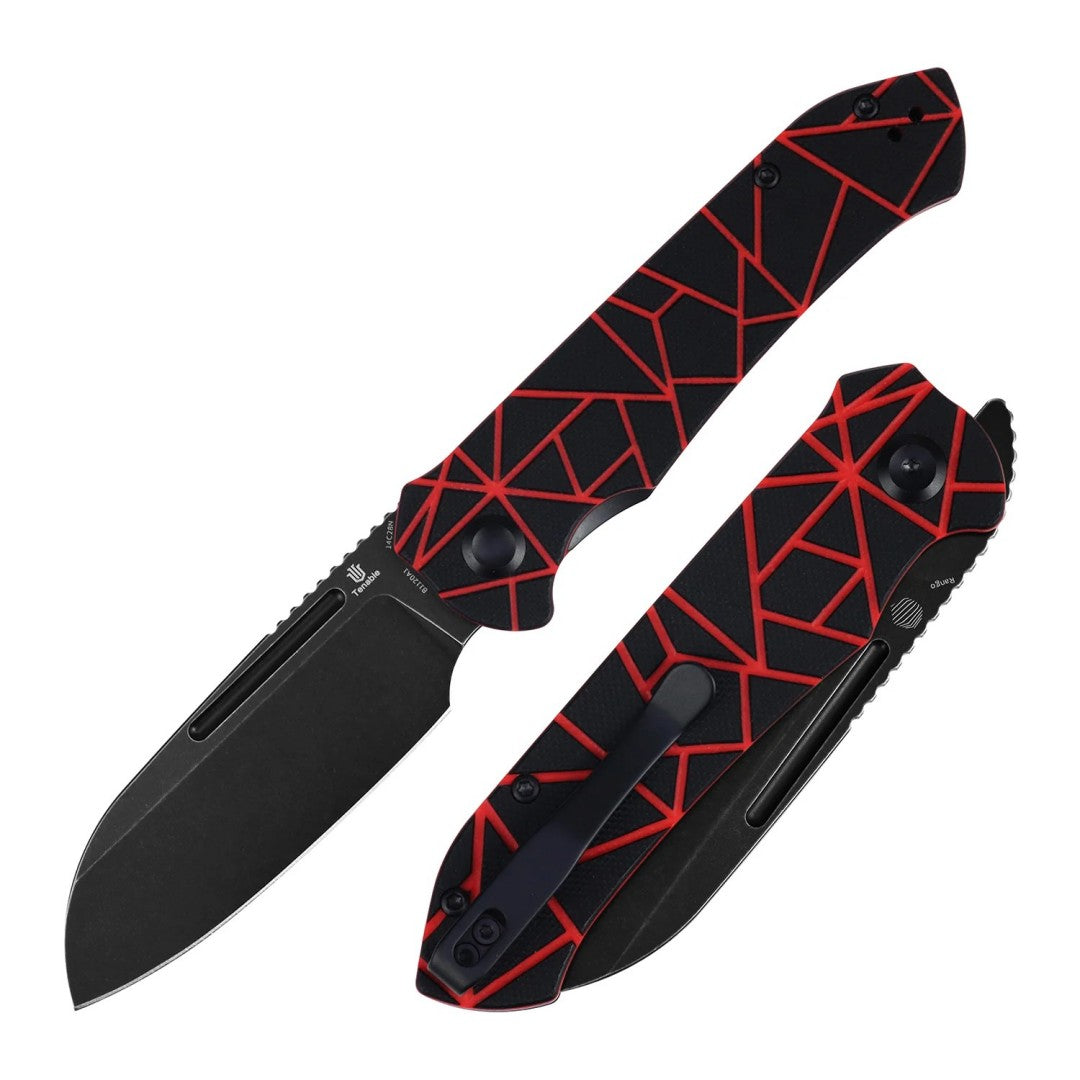
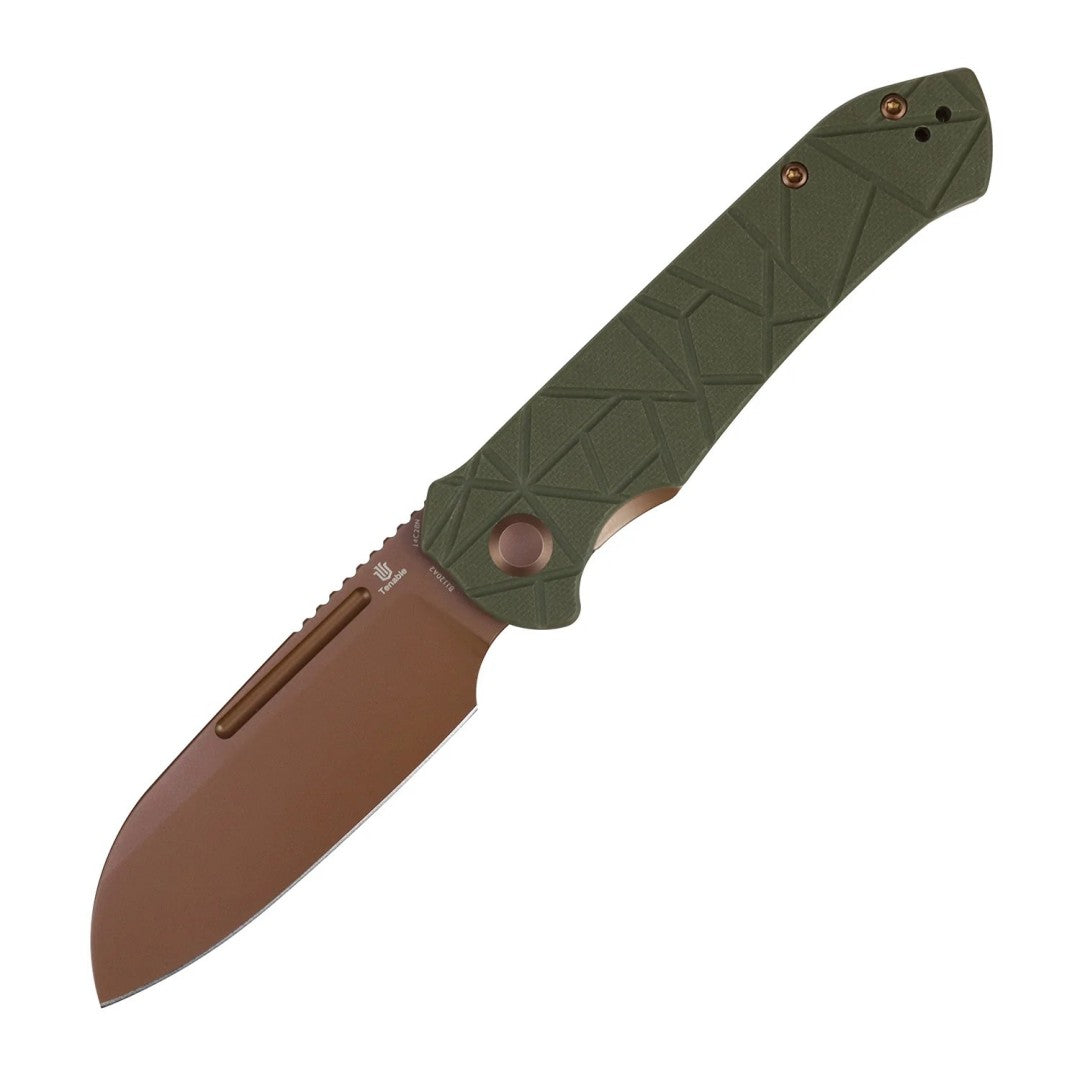
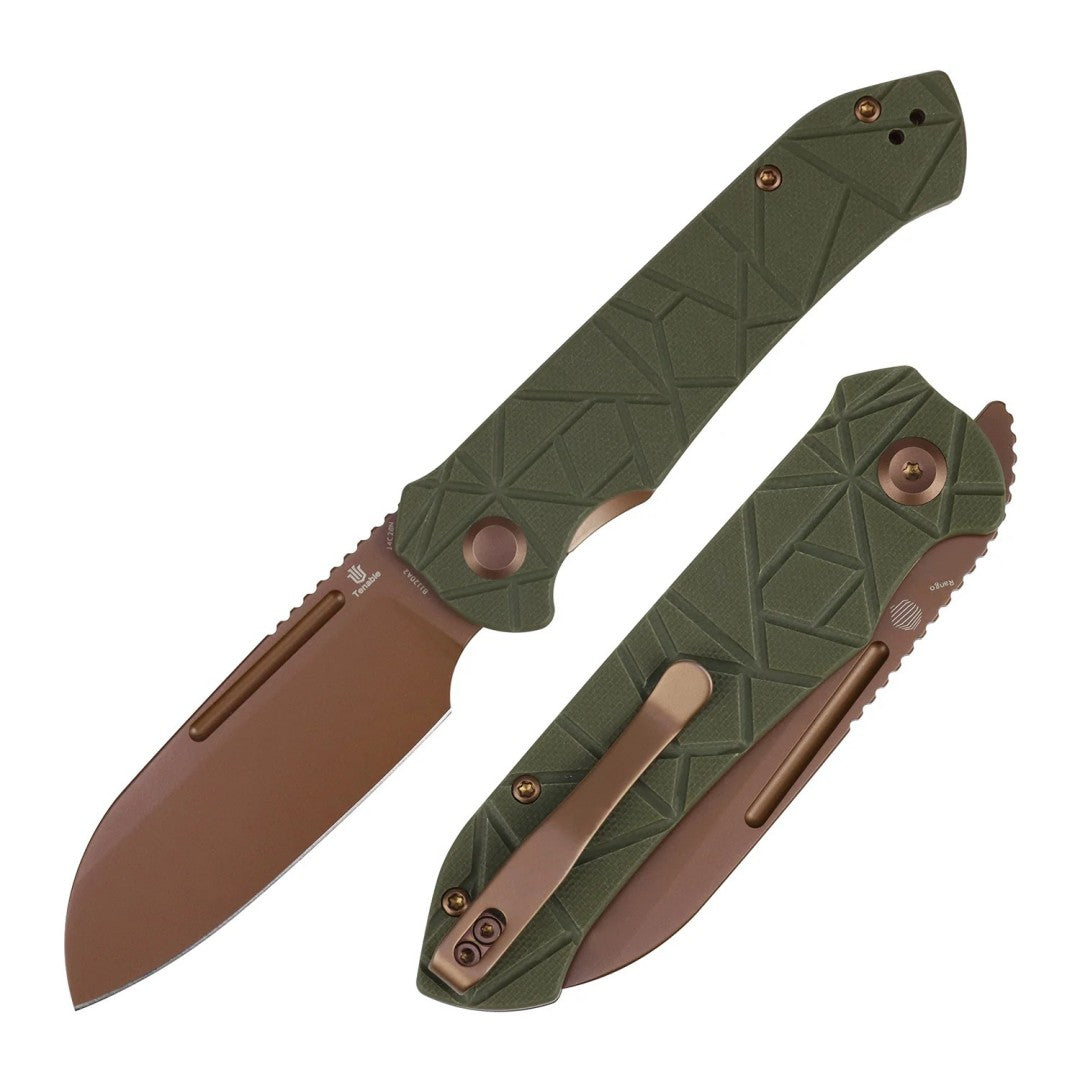
Cold changes how a knife behaves. Lubricants thicken, detents stiffen and a thin glove makes a small flipper tab almost impossible to find. Choose a titanium frame lock with a generous opening surface over something elegant and minimal. A CPM-S35VN blade holds an edge in the cold, resists corrosion from snow and sweat, and has enough toughness not to chip when you are working with clumsy hands. Kansept knives build this specification well, and the Ptarmigan series is a good example of a winter-appropriate frame lock.

Design & Details
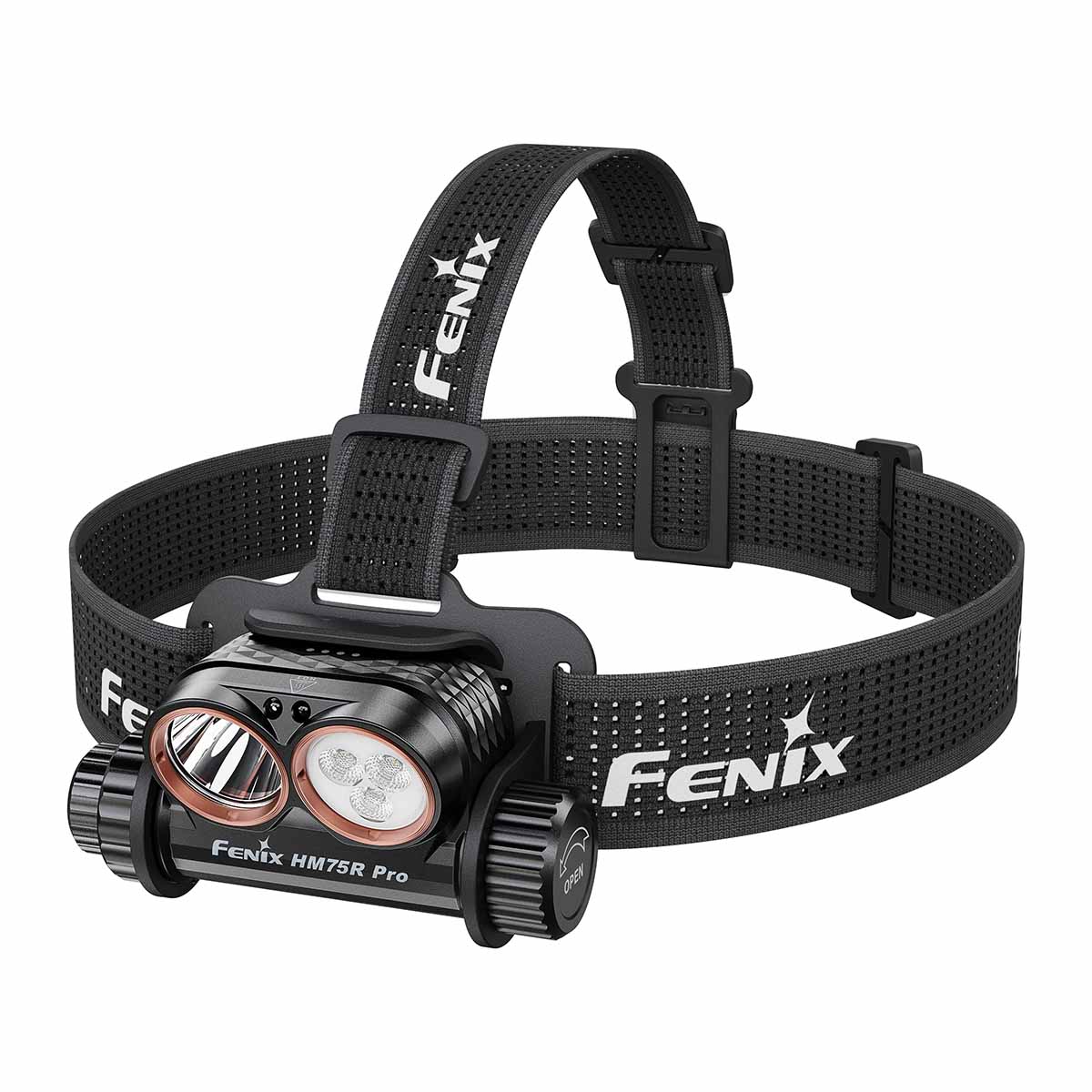
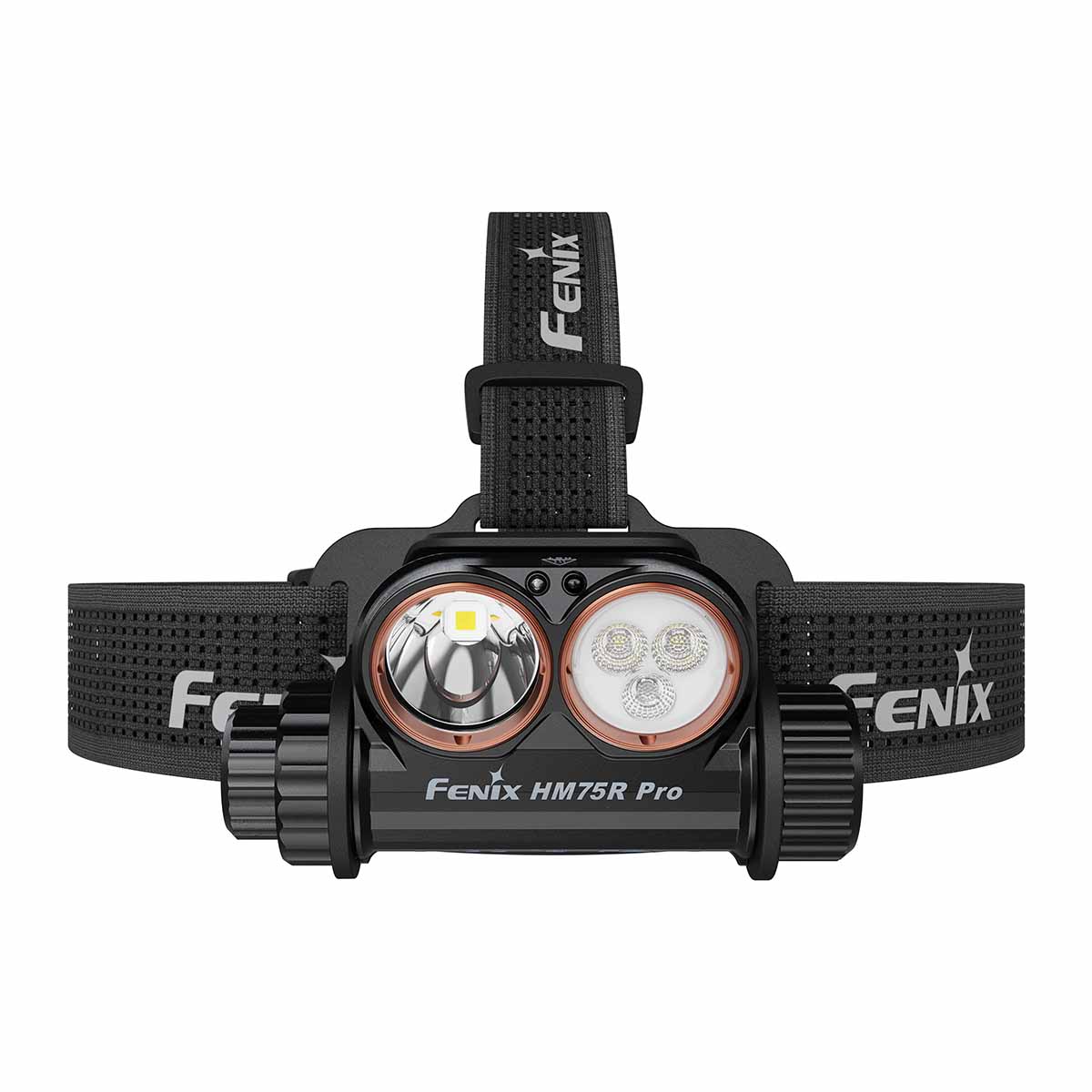
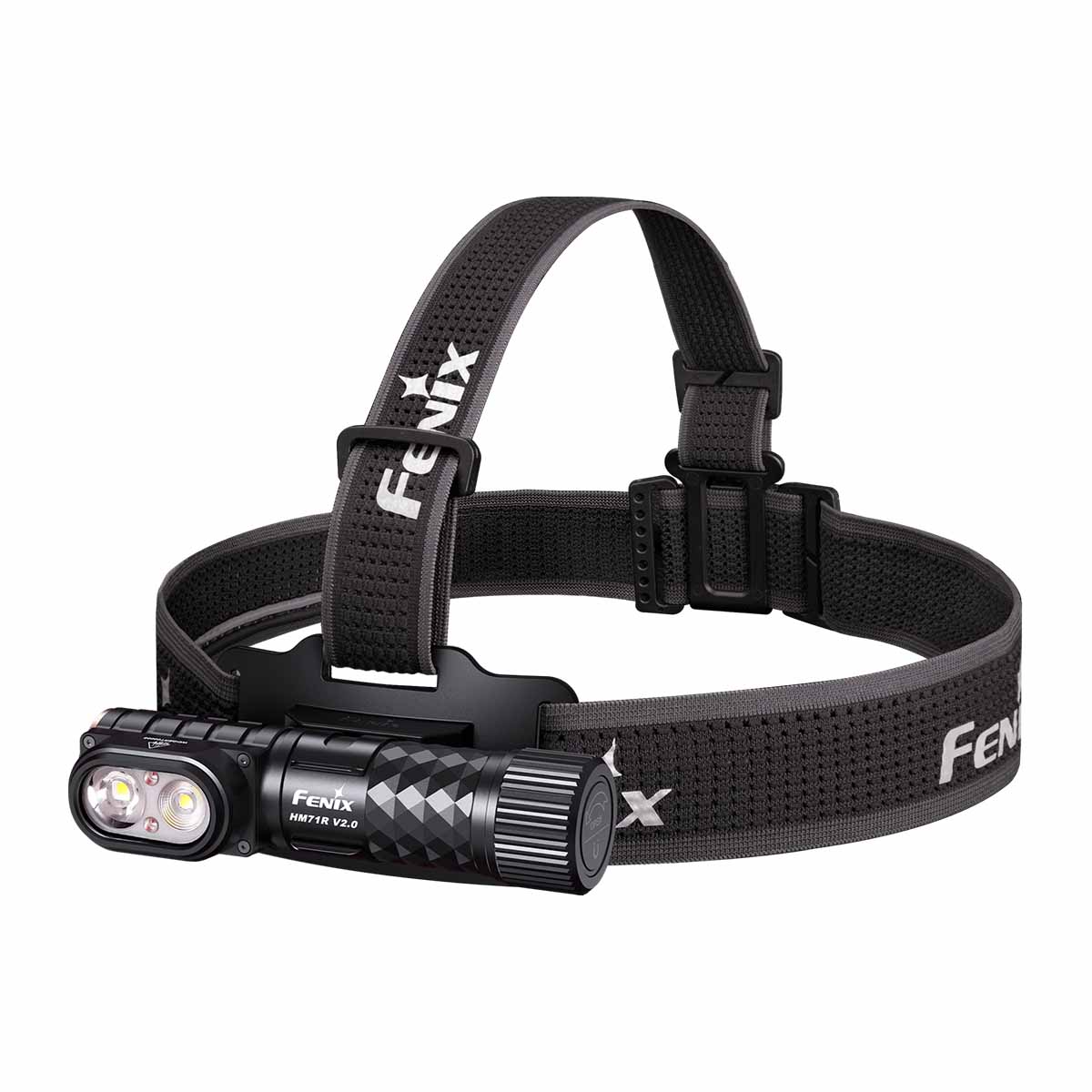
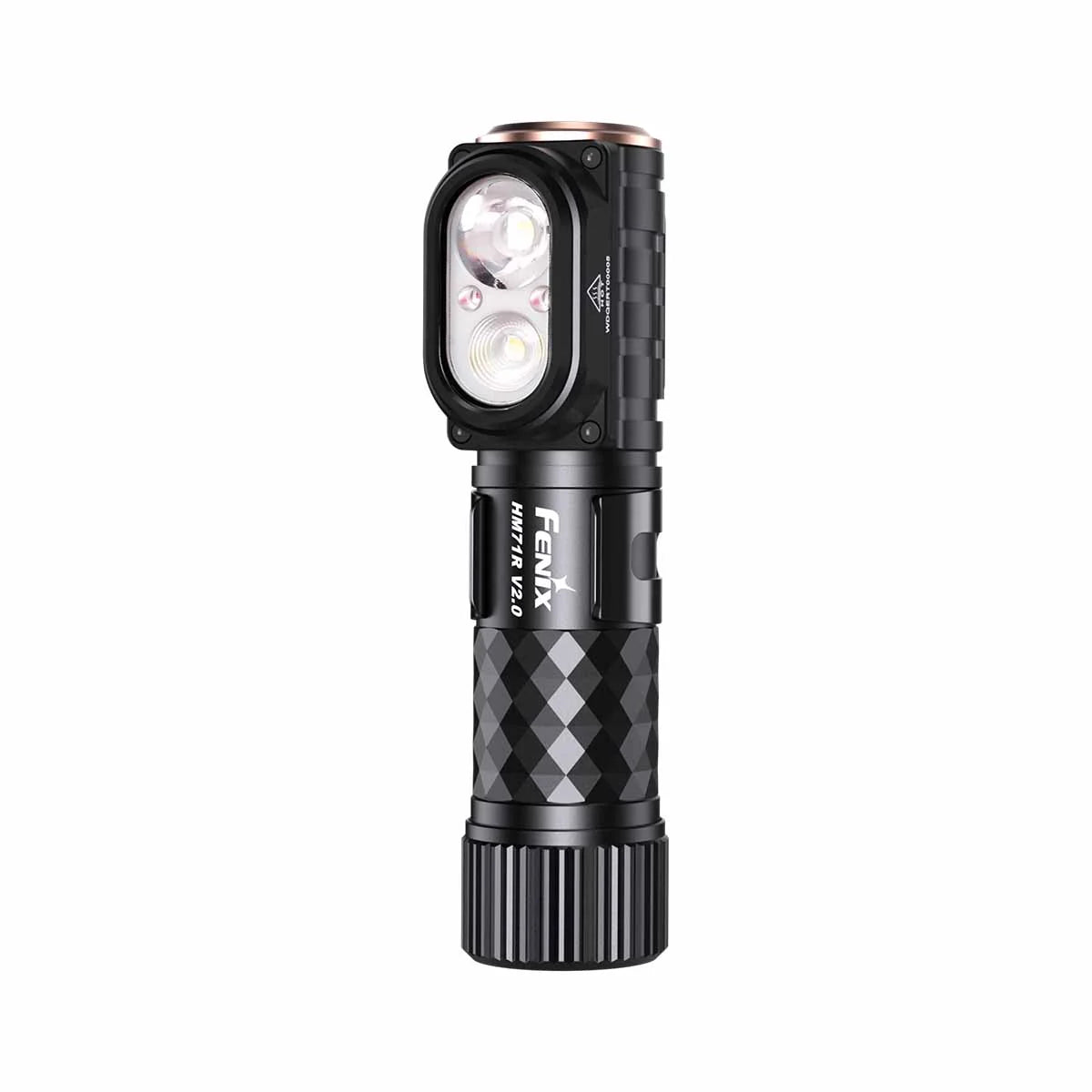
Light is the other half of the kit, and it is where winter gear most often fails. Lithium cells lose a large share of their capacity below freezing, so a headlamp kept inside a jacket rather than in a pack pocket is the difference between a bright and a dim night. Pair a headlamp for hands-free work with a small hand light for route finding. Keep both on the same charging standard so one cable runs the whole kit. Fold the knife's clip inwards so it does not catch on a pack strap.
Real-World Use
Practically, winter work is about friction. Somebody has to cut a repair patch, trim a boot liner, open a frozen food bag or free a jammed binding, and it will happen with gloves on. Practise opening your knife with gloves before you need to, because the first attempt in the field should not be the first attempt ever. Do the same with your headlamp controls, since finding a mode switch by feel in the dark is a skill rather than a given.

Ownership Notes
Two habits separate comfortable winter travellers from uncomfortable ones. First, keep metal away from bare skin, which means gloves stay on and a knife is never tucked inside a base layer where it can freeze to your body. Second, dry everything at the end of the day, because moisture that freezes overnight will lock a pivot solid by morning. A small cloth kept in an inner pocket is worth its weight for wiping a blade before it goes back into a pack. Winter travellers who carry EDC knives and folding knives quickly learn that a stiff detent is worse than a dull edge, because a tool you cannot open with gloves on is a tool you do not have.
Who Is This For?
Snowshoers, winter mountaineers, ski tourers, ice climbers and backcountry skiers should all carry a knife and a headlamp sized for the trip. Resort skiers need far less. If you go above the treeline in winter, treat the knife and light as mandatory rather than optional, and choose both for glove operation rather than for looks.
Final Verdict
Winter gear should be chosen for cold, gloved, clumsy hands and then trusted. A titanium frame lock in CPM-S35VN and a headlamp kept warm inside a jacket cover the two failures that actually happen: a tool you cannot open and a light that will not run.