
Overview & First Impressions
Storm season does not reward the dramatic. The households that come through a multi day outage well are the ones whose kits are boring: charged lights with real runtime, a way to boil water, food that needs no cooking, and a cutting tool that handles the cleanup when the roof tiles and the fence panels come down. Everything on that list is cheap the week before the season and scarce the day after, which is the entire argument for assembling it now.
Materials & Construction
Lighting is where outages are won, and runtime beats brightness by a wide margin. The Klarus flashlights range includes the CL2 Pro, and its 14000mAh battery is the feature that matters: it runs a room at low output for nights, doubles as a power bank for phones and radios, and hangs where a family actually gathers. A handheld EDC flashlight covers the corridor and the garage, but the object that keeps a household calm through a dark evening is the lantern, and its capacity should be chosen like a water tank, larger than the plan requires.

Design & Details
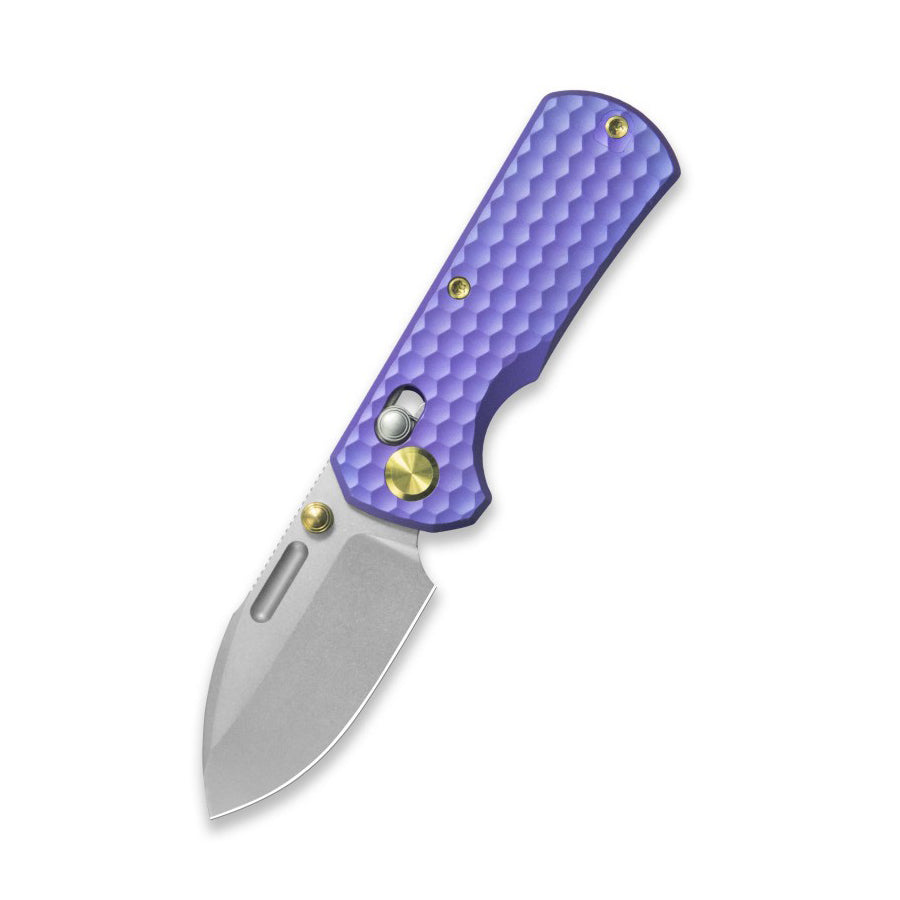
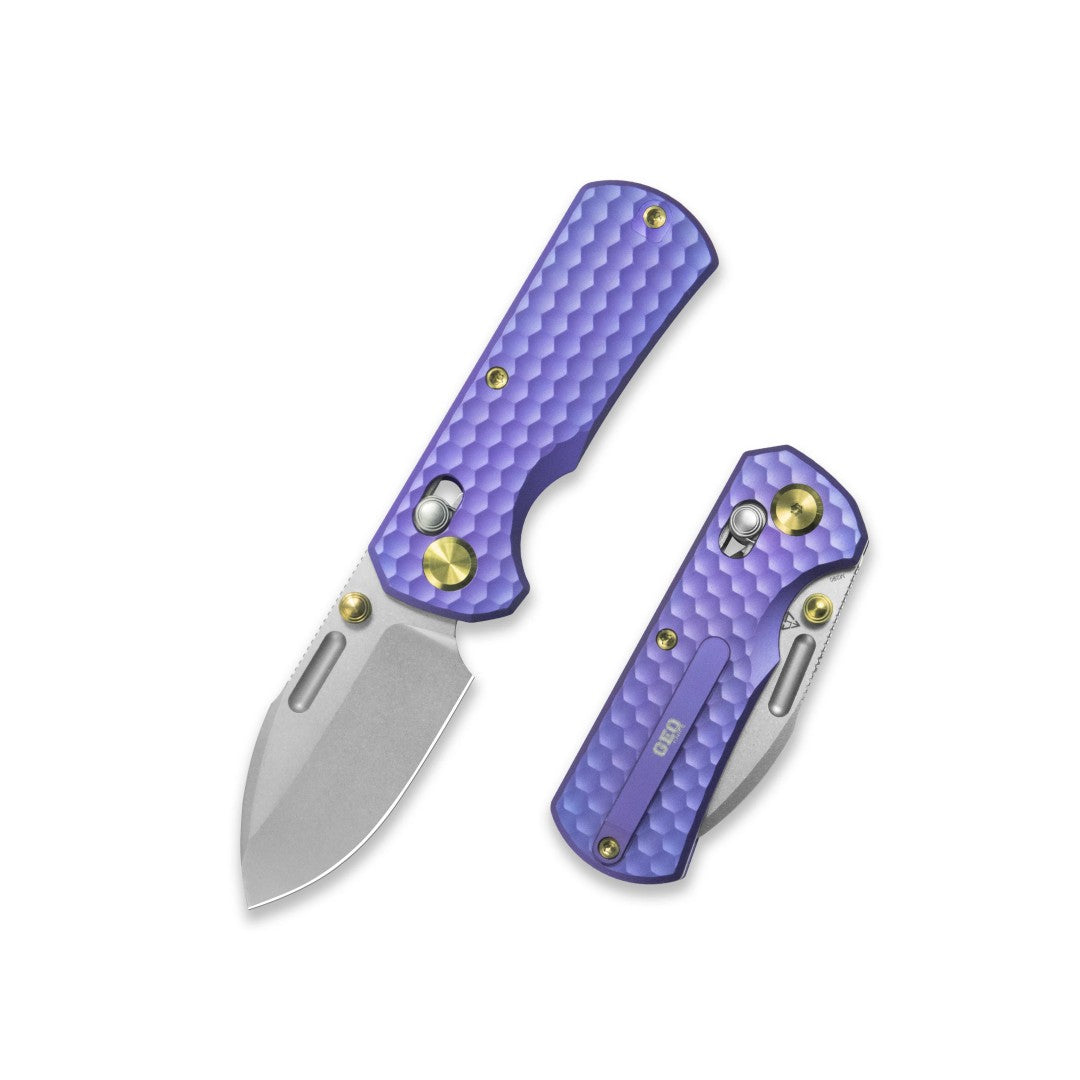
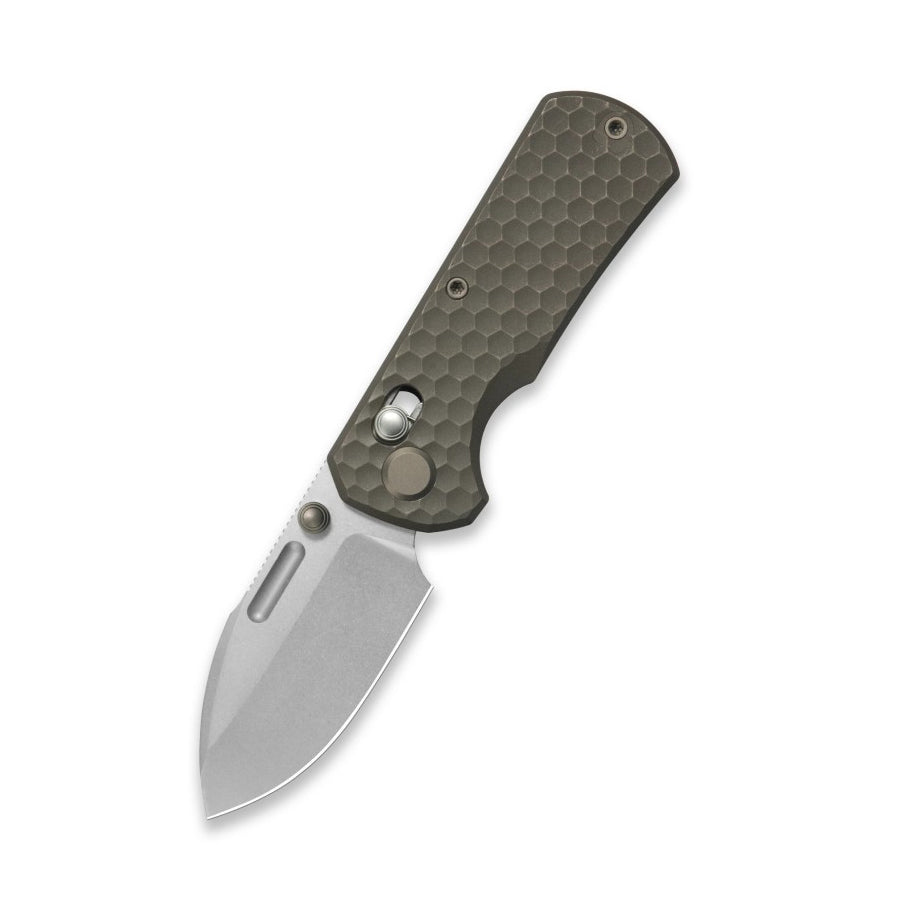
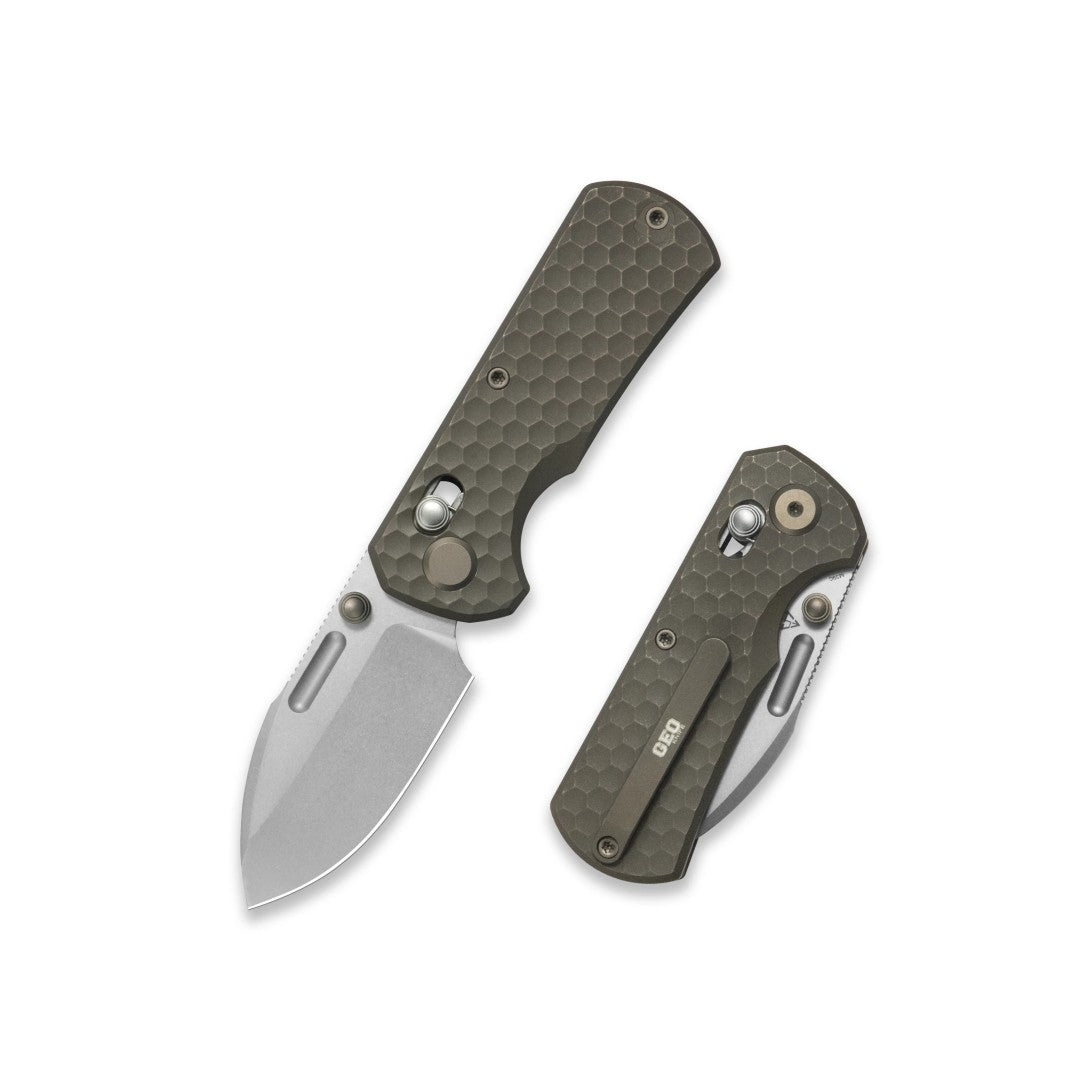
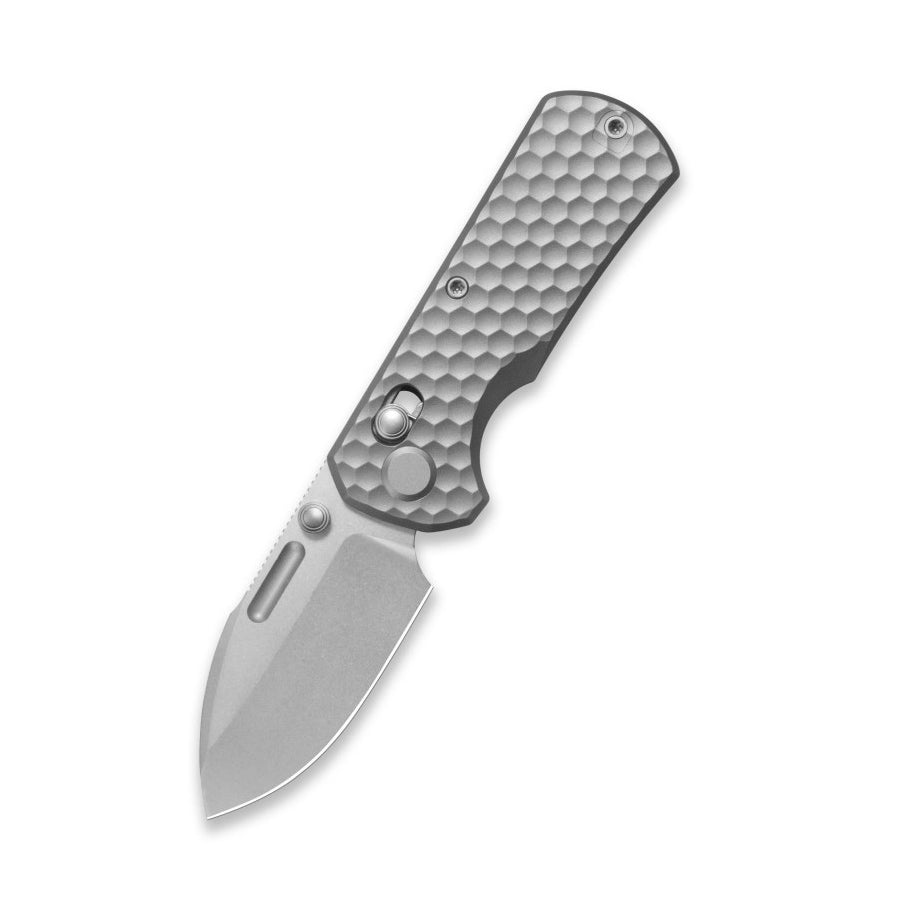
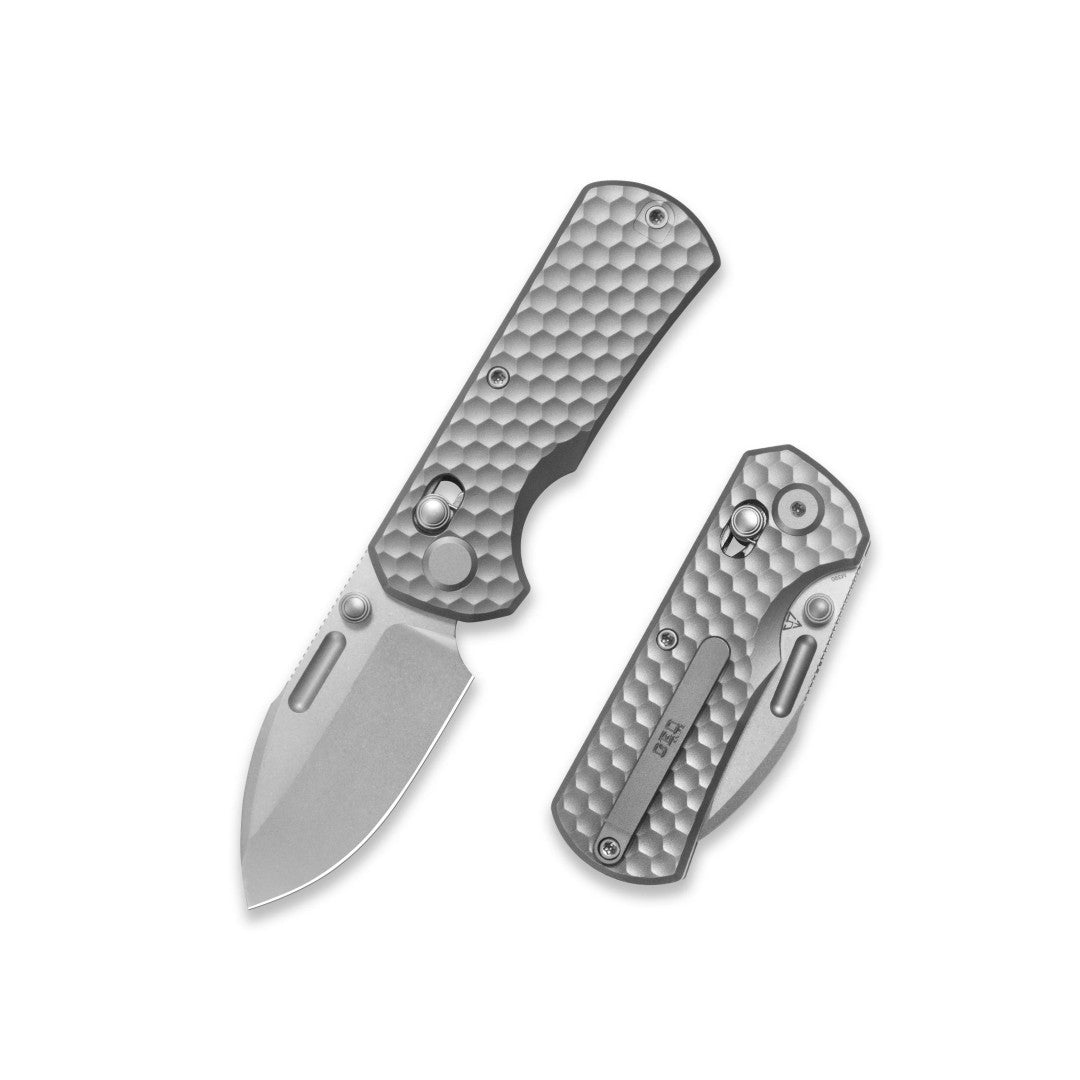
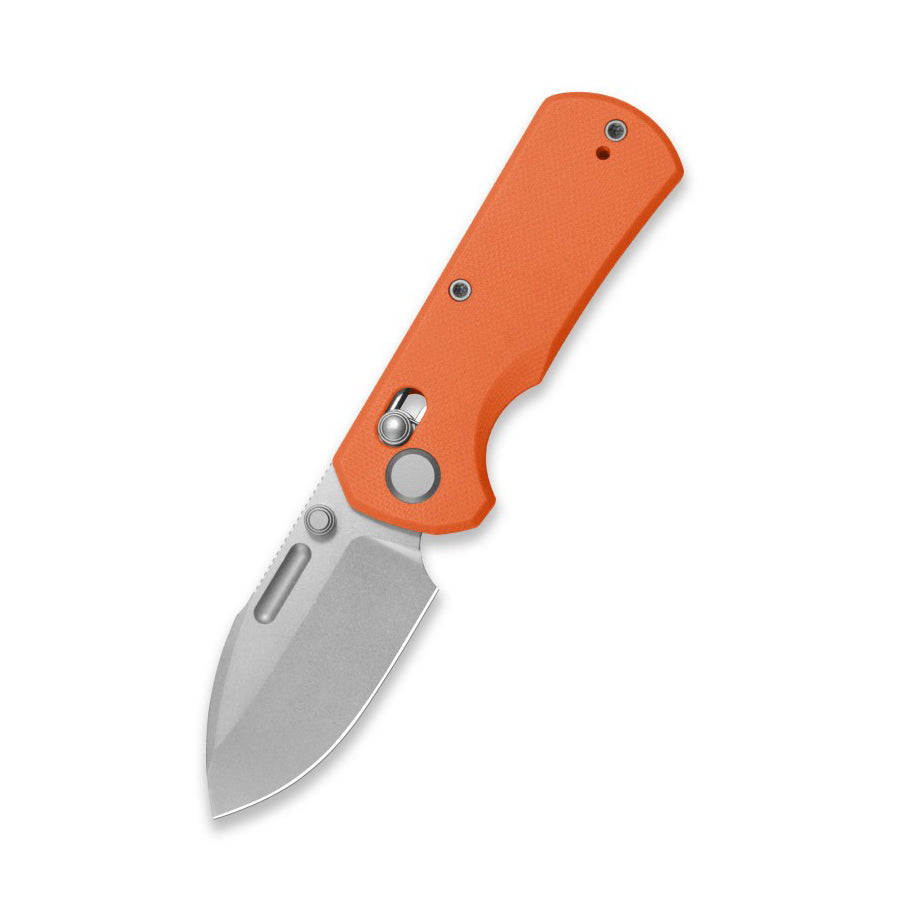
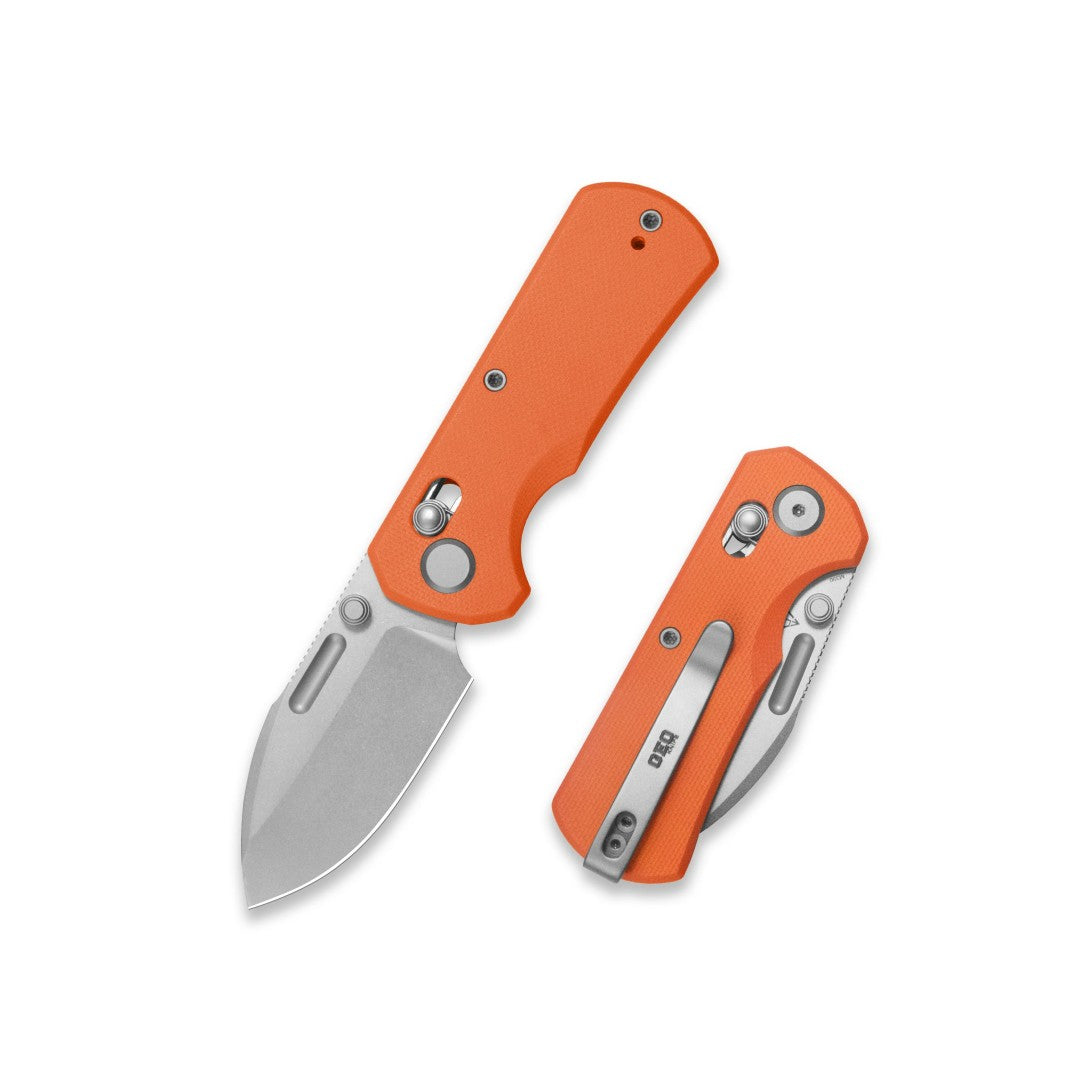
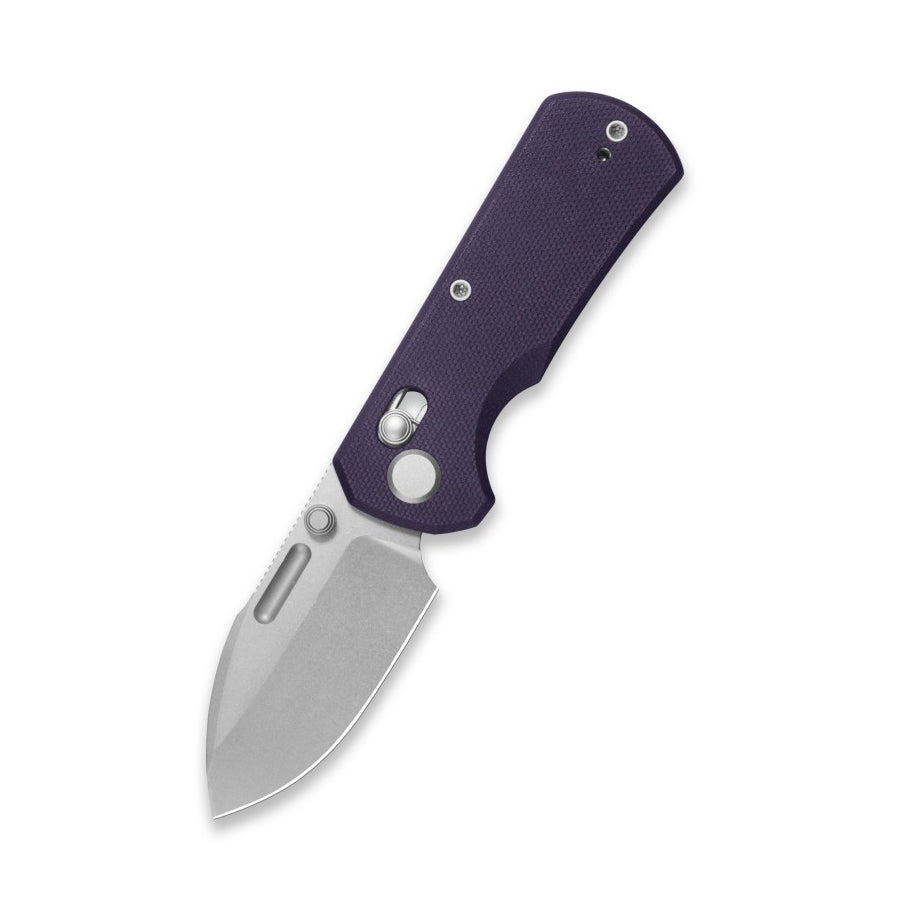
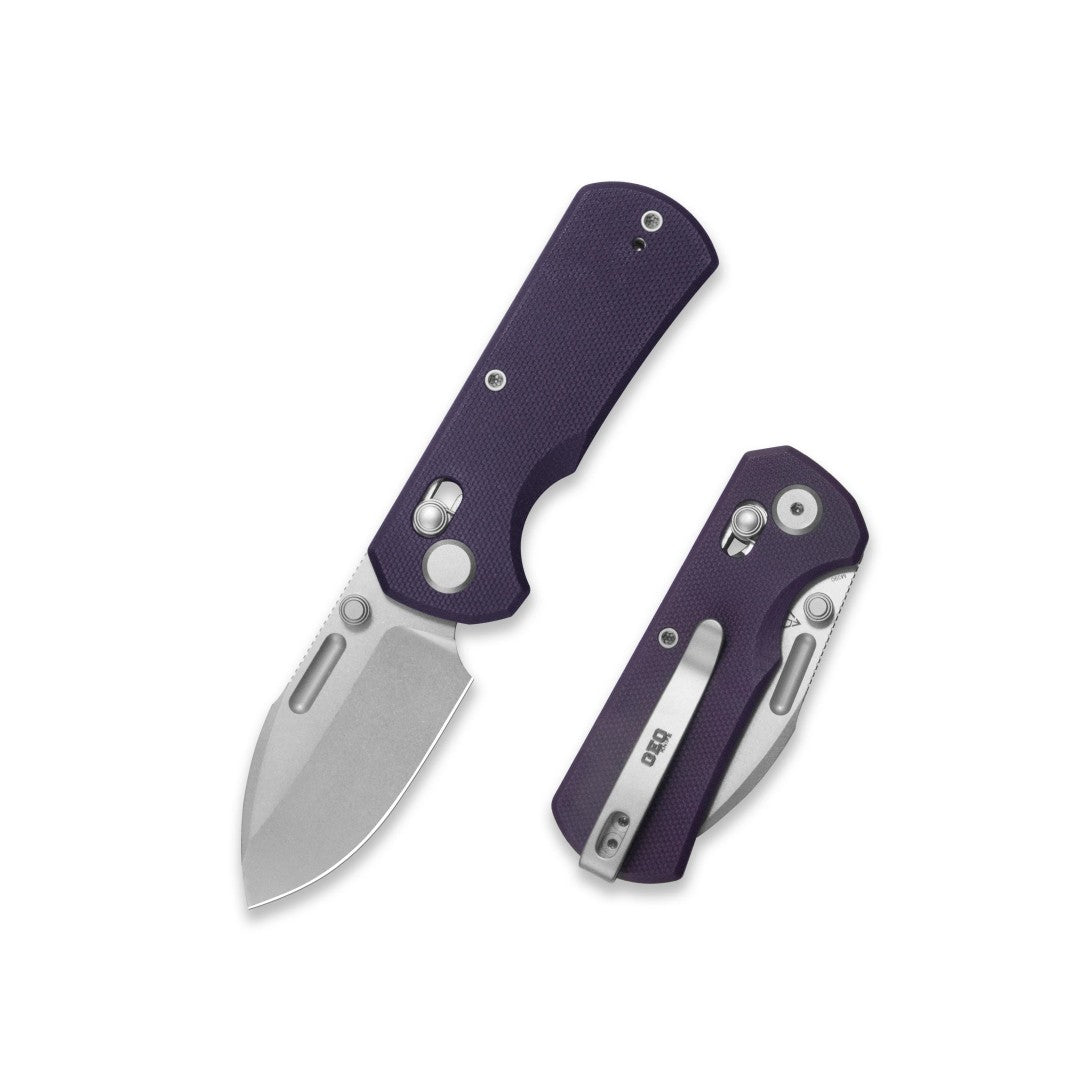
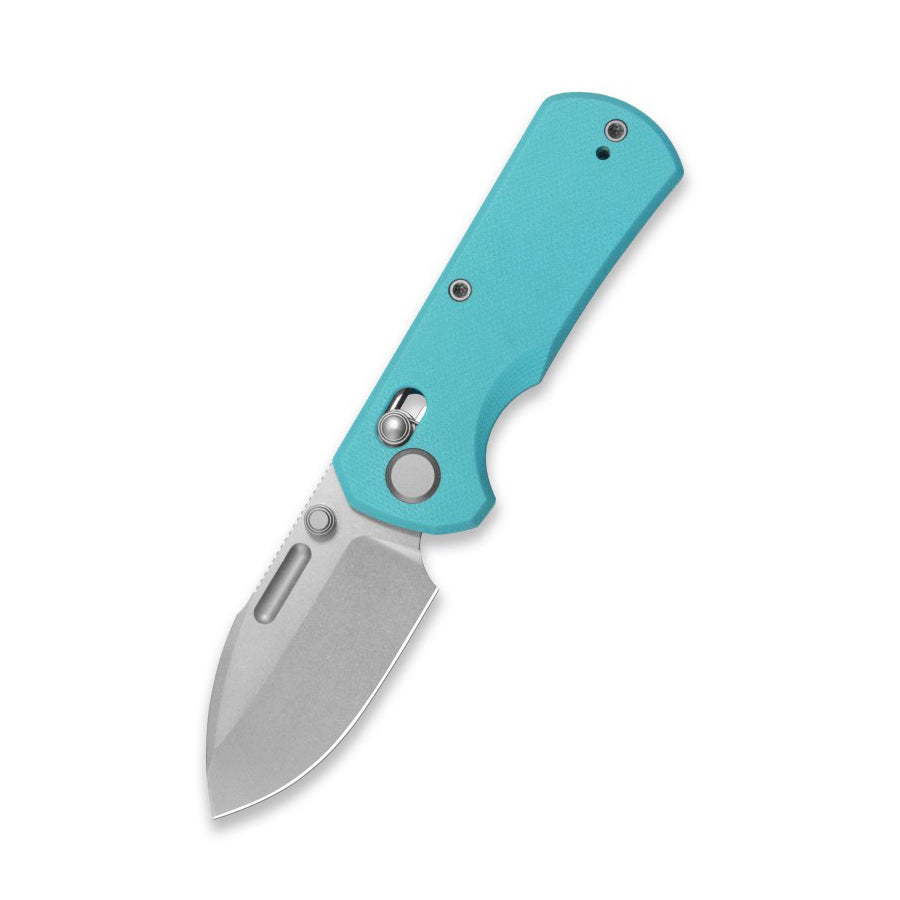
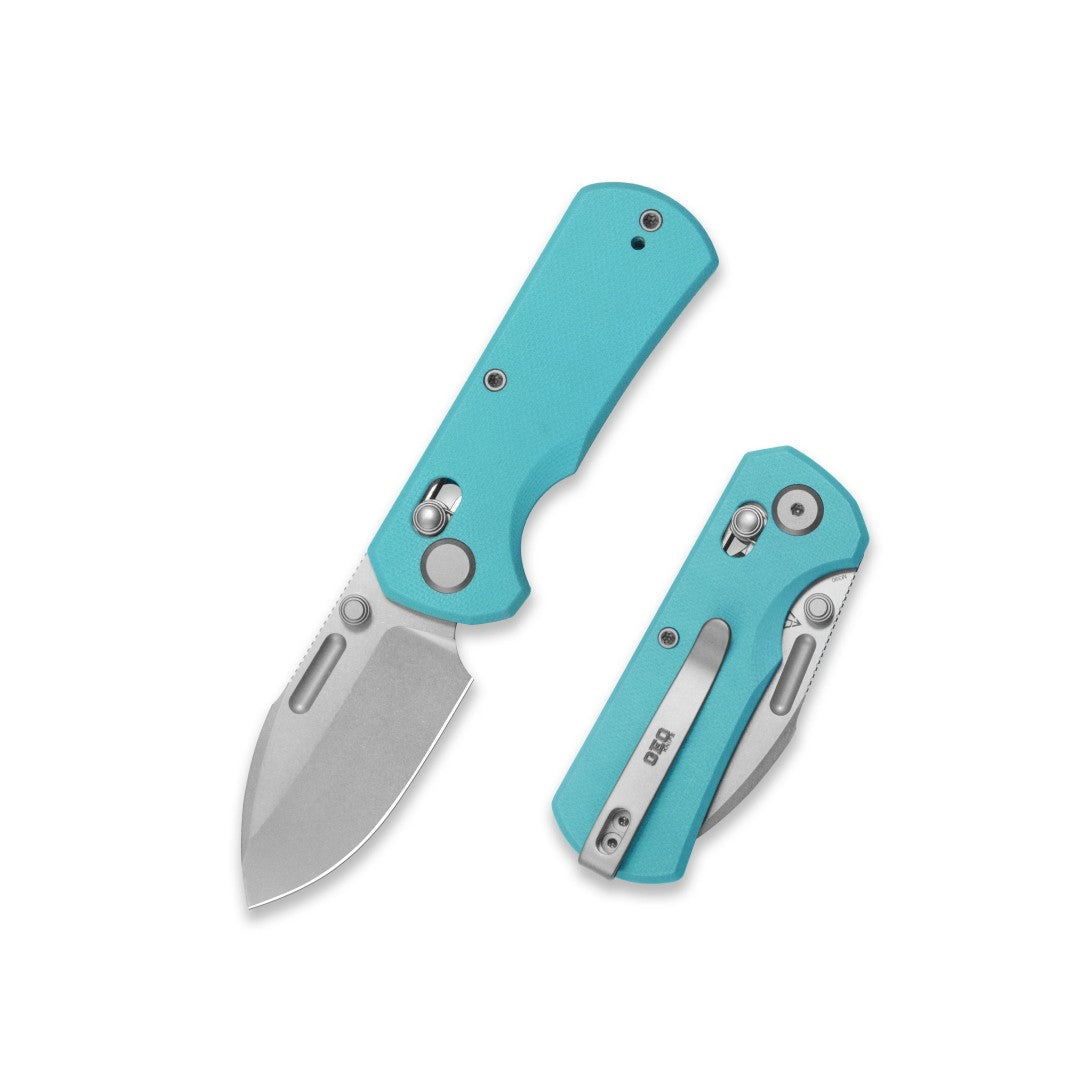
For cutting, storm cleanup is a punishing mix of wet timber, tangled cordage, sheet metal edges and packaging from supplies. A full tang fixed blade in a sheath handles it without the hinge failure a folder risks at the worst moment, and it is the one tool in the kit that should be chosen for toughness over refinement. Add work gloves and eye protection, because post storm injuries are overwhelmingly hand and eye injuries inflicted by materials that moved during the wind.
Real-World Use
Stage the kit where the dark will find you, not where the shelf is tidy: lantern in the kitchen, handheld by the bed, blade and gloves by the door. Test everything on the first of the month, lights charged, blades clean, fuel topped. During the outage, run the lantern low and save the handheld for movement, and treat every downed line as live. The boring rules are boring because they were written by people who learned them the hard way.

Ownership Notes
After the storm, the maintenance round matters as much as the preparation round. Dry every case, wipe the blade and oil it, backwash any water filters you used, and recharge the lantern before repacking rather than promising to do it later, because later is the next storm. Replace anything consumed, on the day, while the list is fresh. A kit that gets restored the weekend it is used stays a kit; one that waits becomes a pile.
Who Is This For?
This suits households in hurricane, typhoon and severe storm regions, rural homes on overhead power lines, and anyone who has already spent one dark evening reorganising a kitchen by phone screen. It also suits small businesses assembling a continuity drawer. Skip the fixed blade only if your storm cleanup is strictly urban and light; everywhere else, toughness earns its handle.
Final Verdict
Runtime first, toughness second, staging third: a lantern with real capacity, a handheld light, a fixed blade for the cleanup, and a monthly test the household actually performs. The Klarus CL2 Pro and a stout blade cover the heavy lifting. Compare Klarus flashlights and EDC knives at EdcMall while the weather is still on your side.