

Overview & First Impressions
Flood and swiftwater rescue is a low-visibility discipline. Water carries silt, debris and reflected glare, and the rescuer is usually wet, gloved and working against a current. That combination makes lighting the single most consequential piece of personal kit, because everything else depends on being able to see what you are doing. Teams that practise regularly settle on a flat, pocketable light rather than a bulky hand torch, and they carry a cutting tool that will release a trapped line under load.
Materials & Construction
The Nitecore EDC15 is a good illustration of where compact lights have gone. It puts out 1200 lumens with a 227-yard throw from a body only 0.63 inches thick, and it adds adjustable UV illumination rated to 1350 mW. That second emitter is more useful than it sounds: UV reveals fluorescent leak tracer, marker dye and contamination that white light simply washes out. A 1050 mAh rechargeable cell covers a full shift. Nitecore flashlights are well suited to this role because the flat form factor disappears in a PFD pocket.

Design & Details
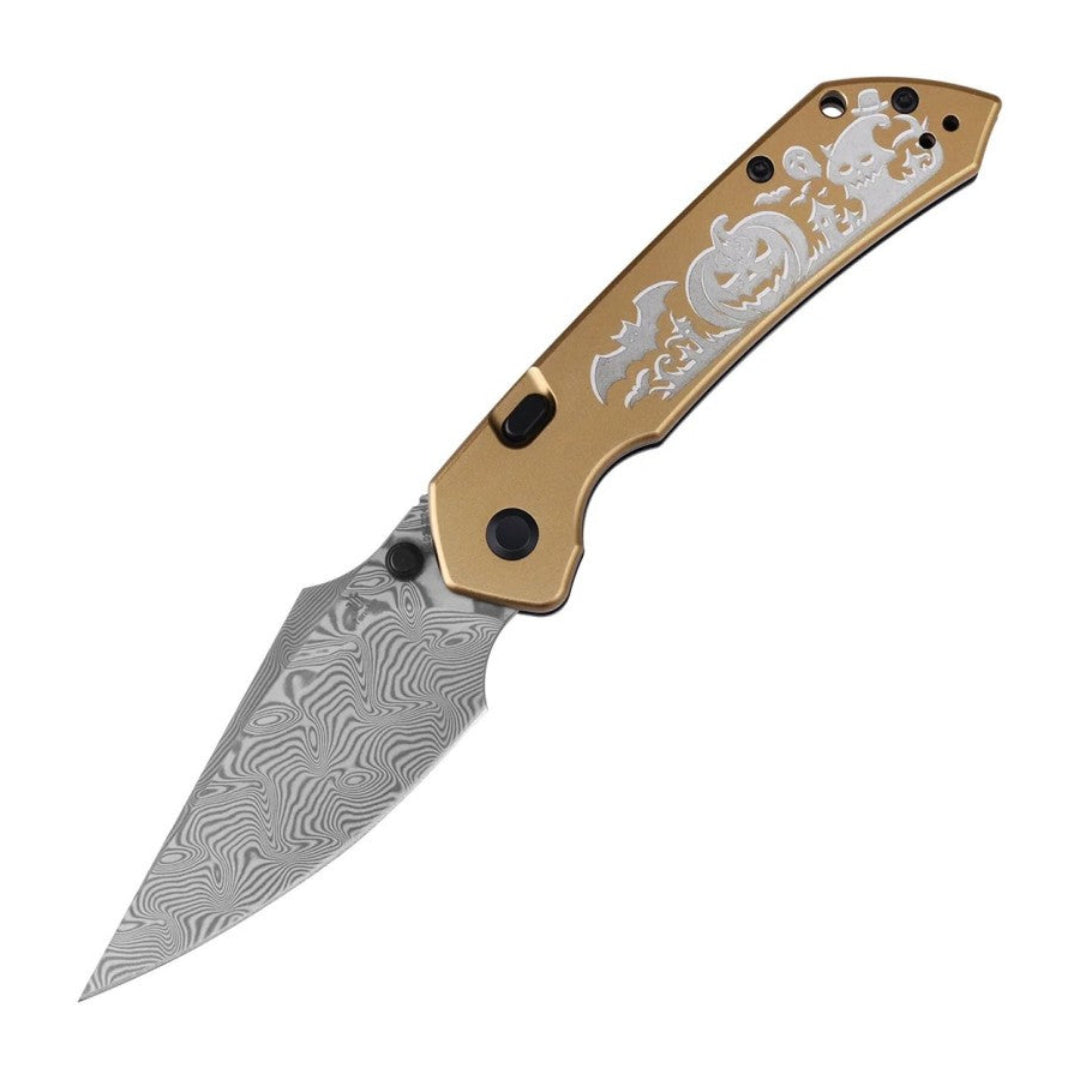
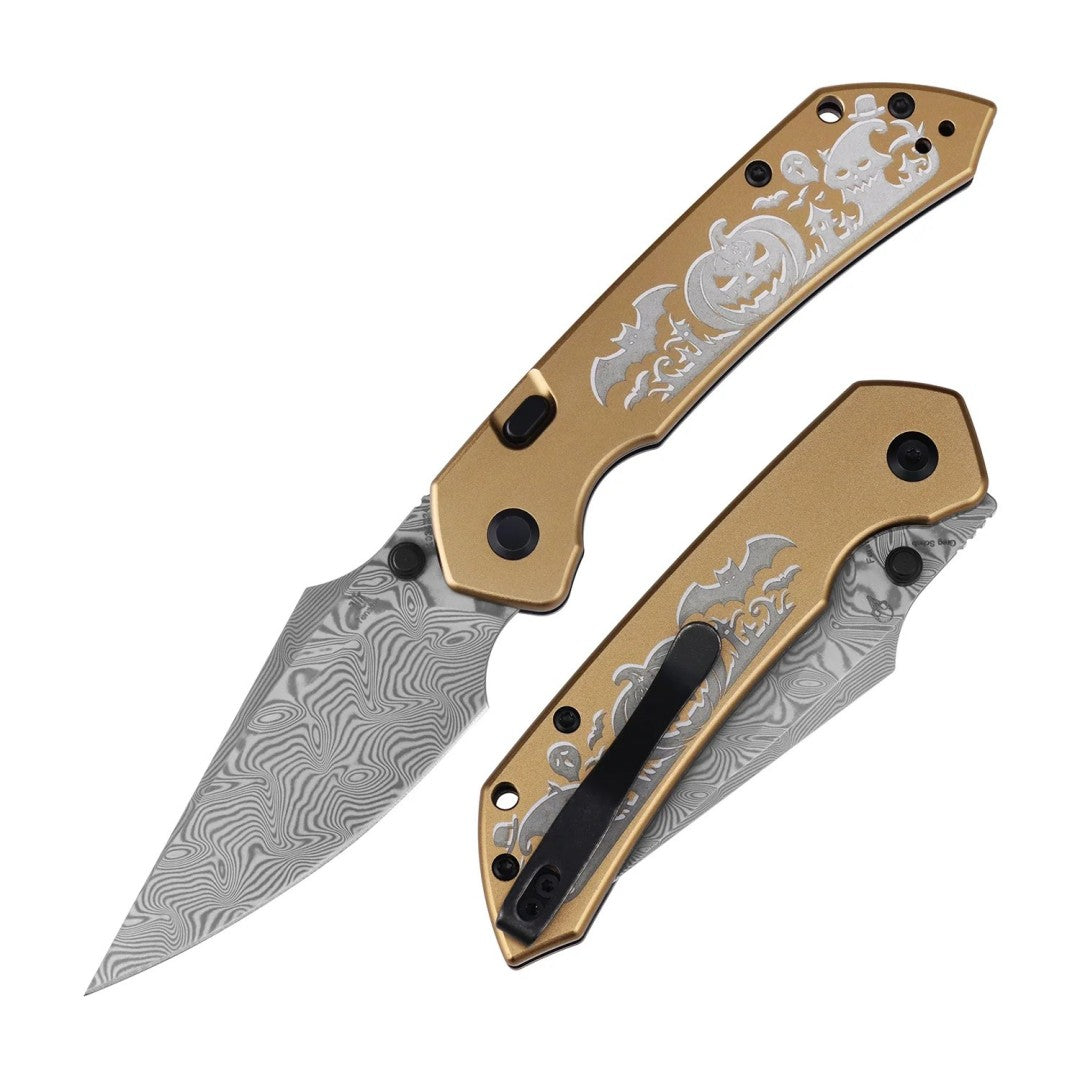
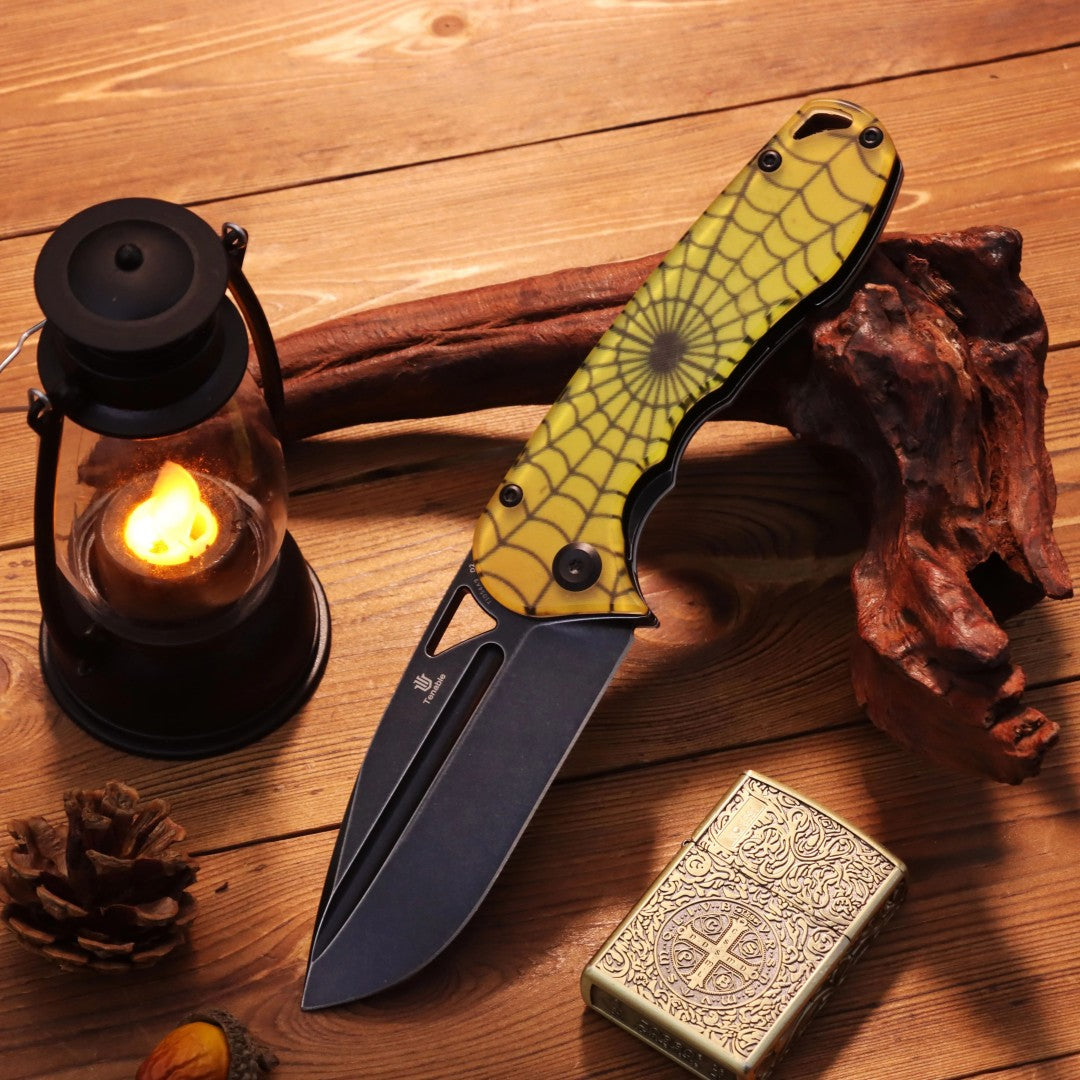
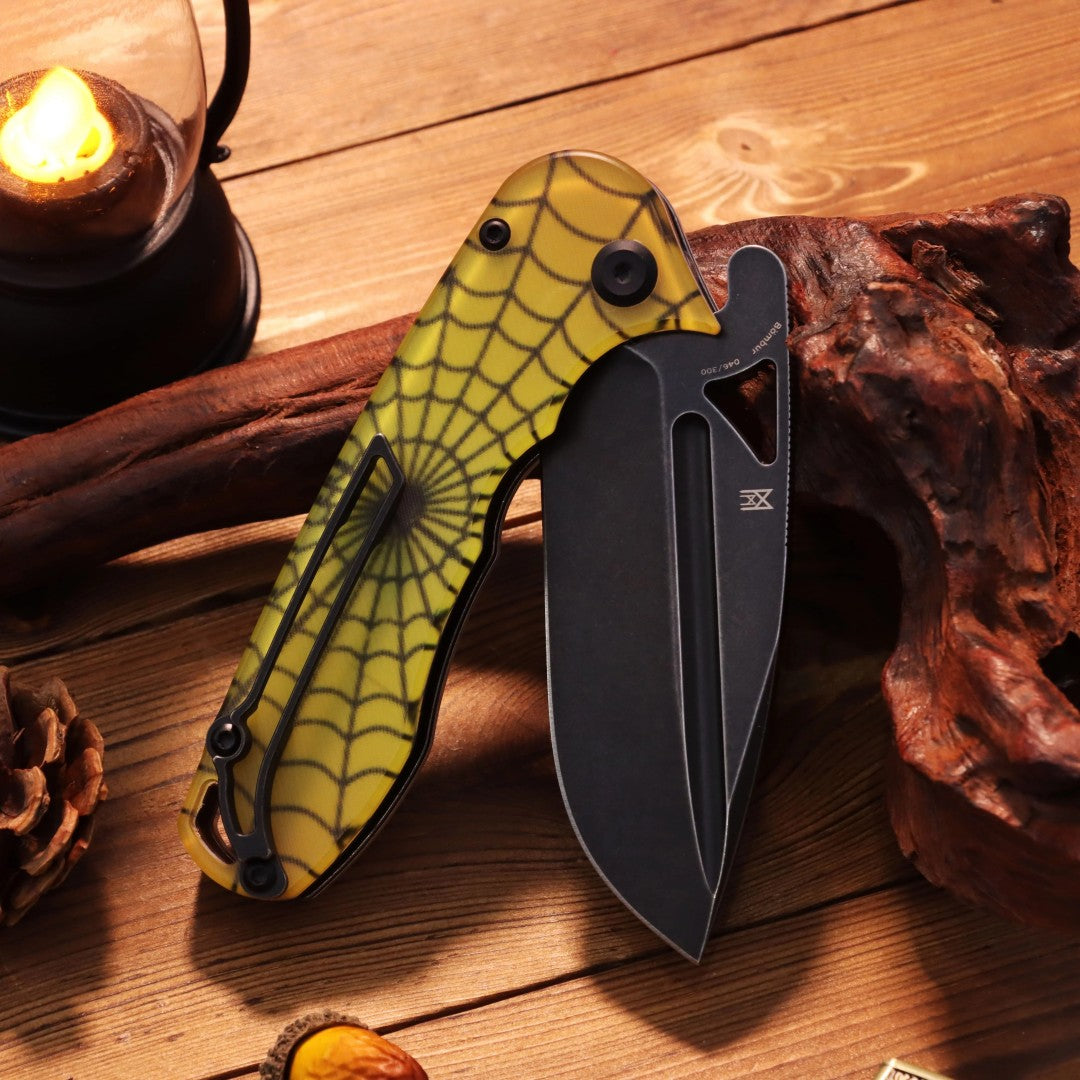
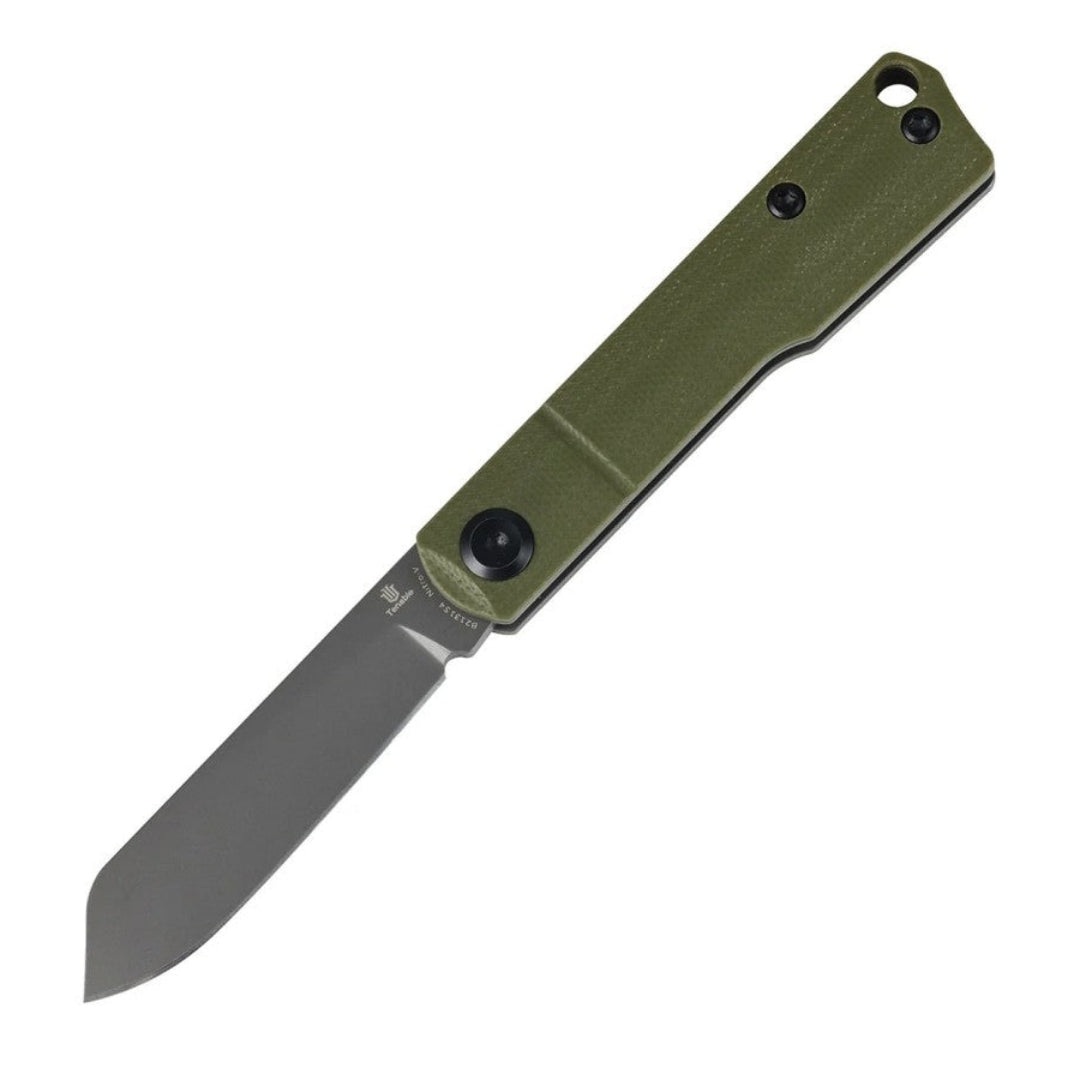
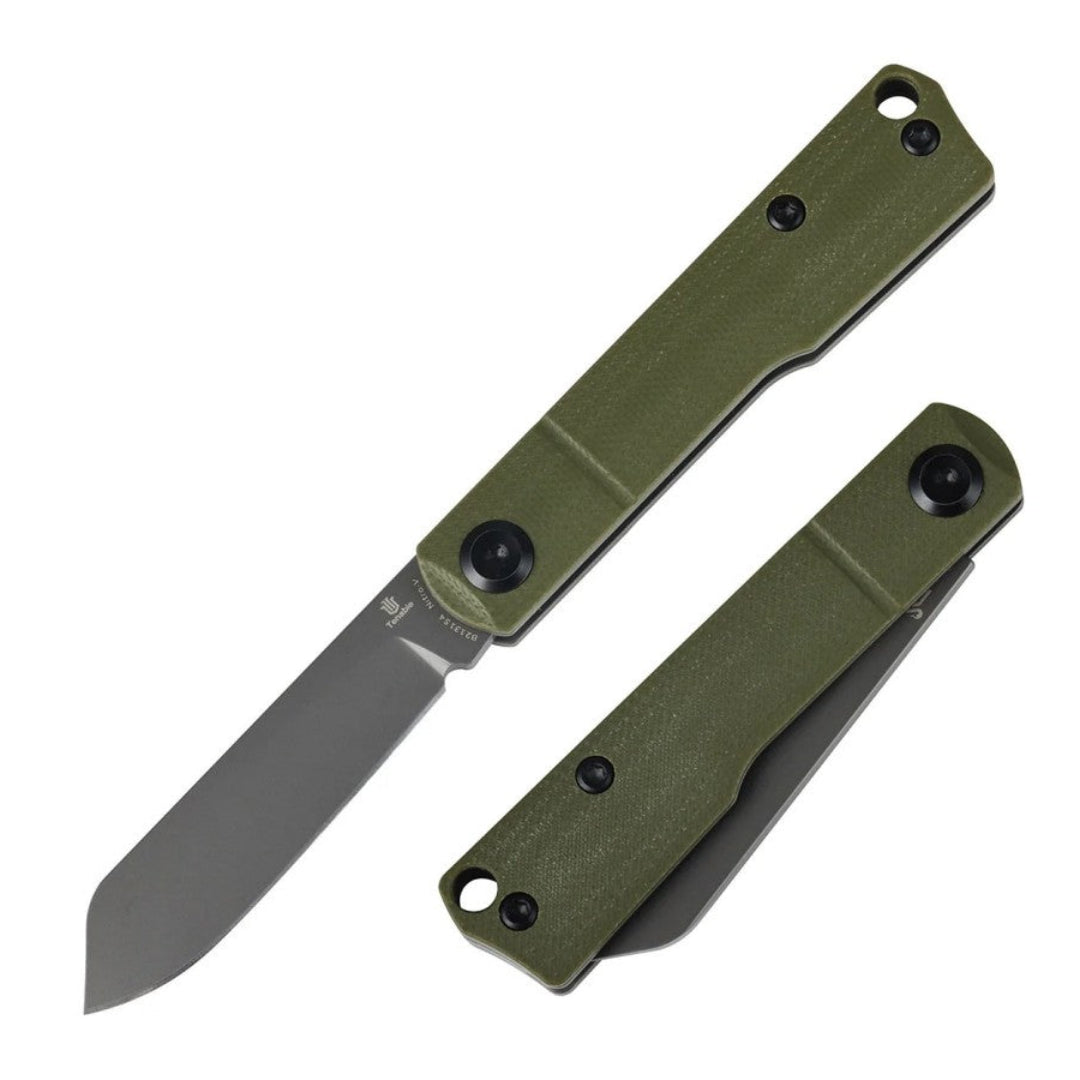
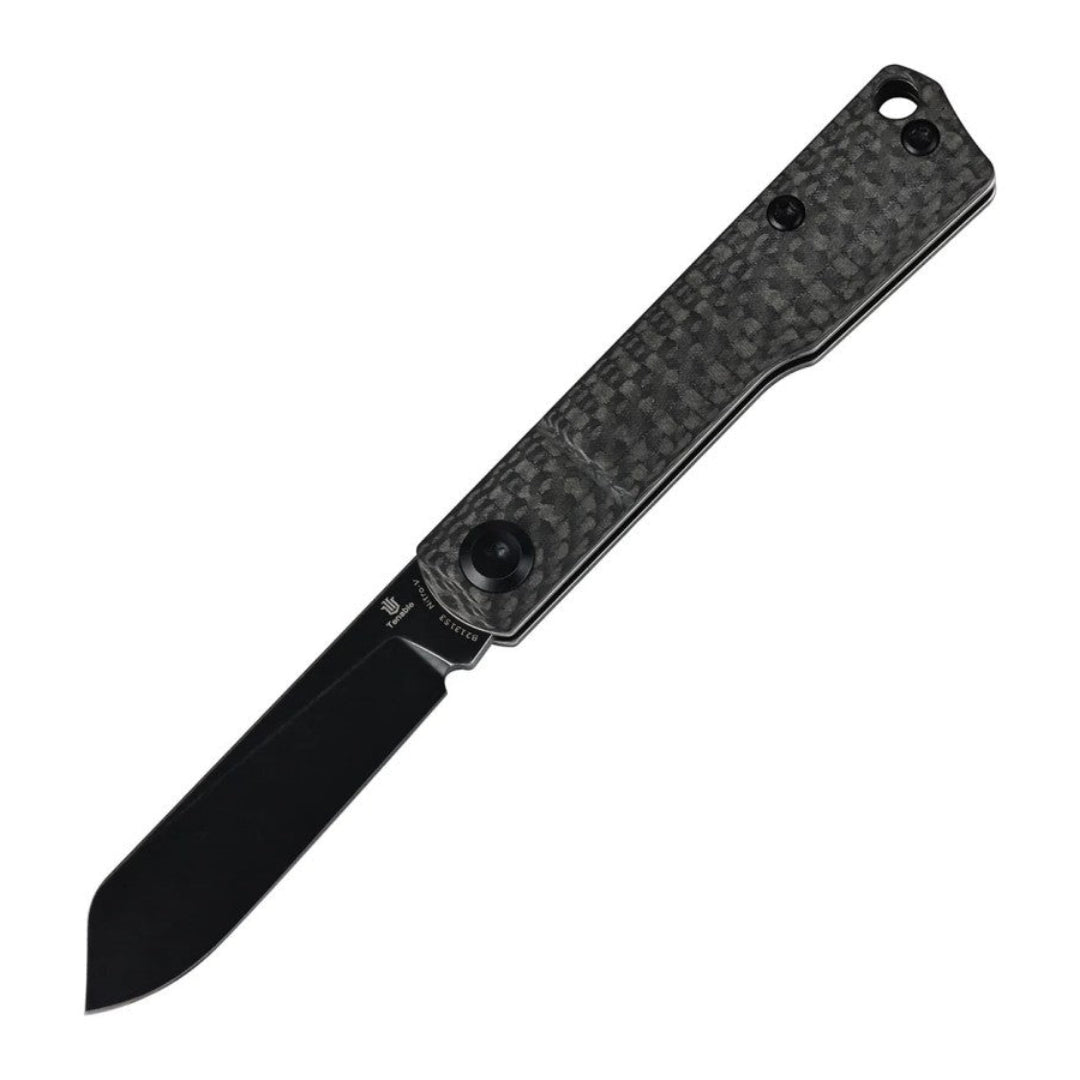
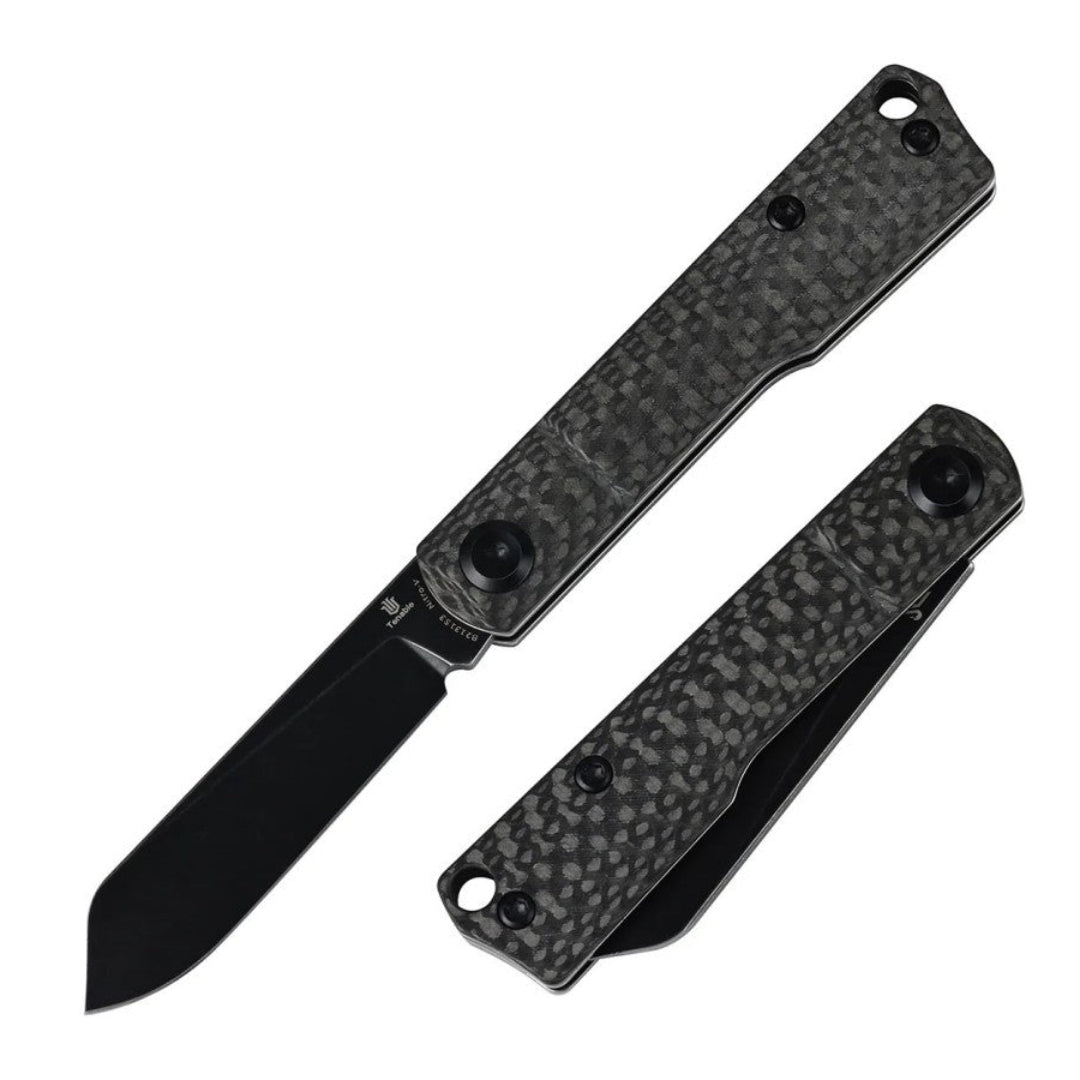
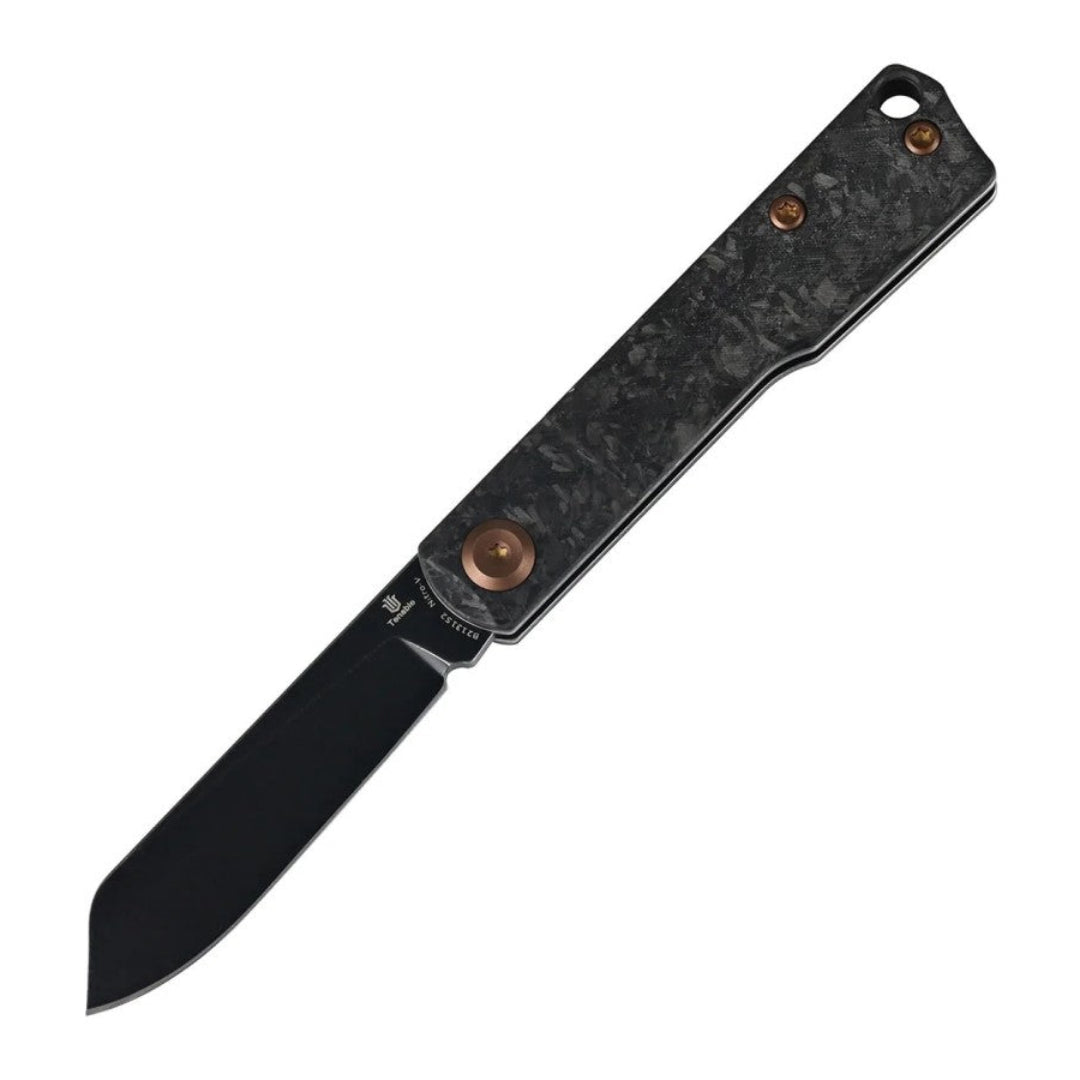
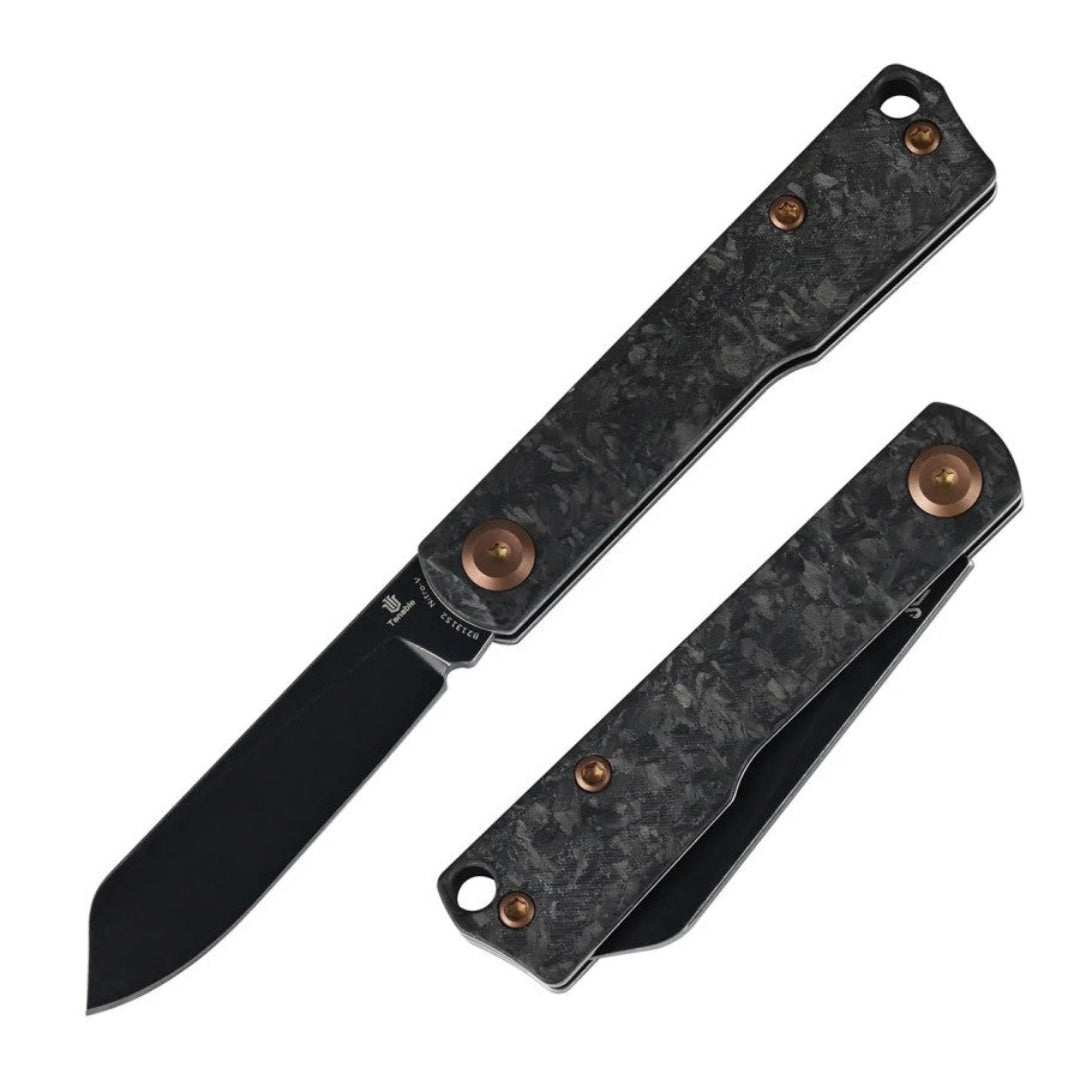
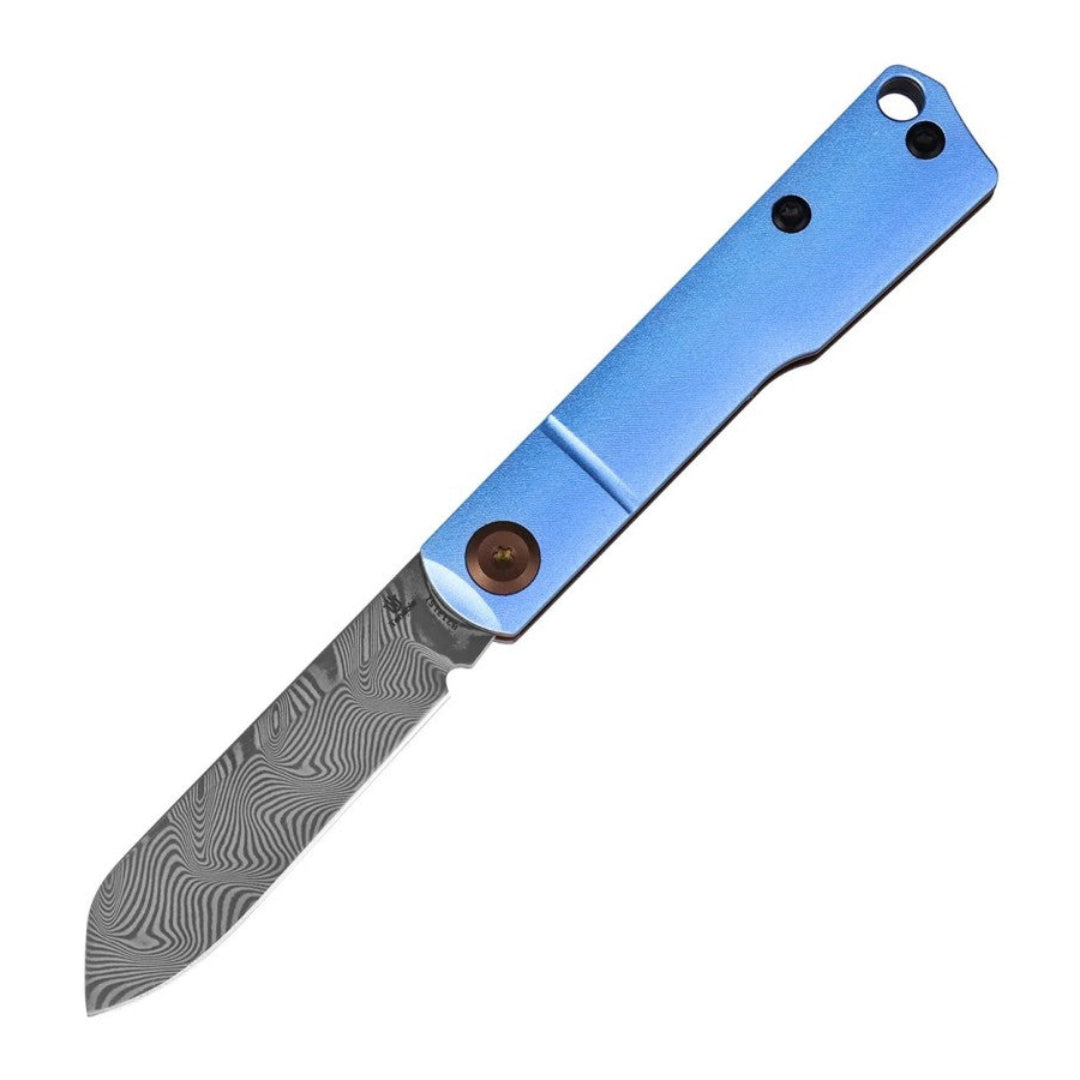
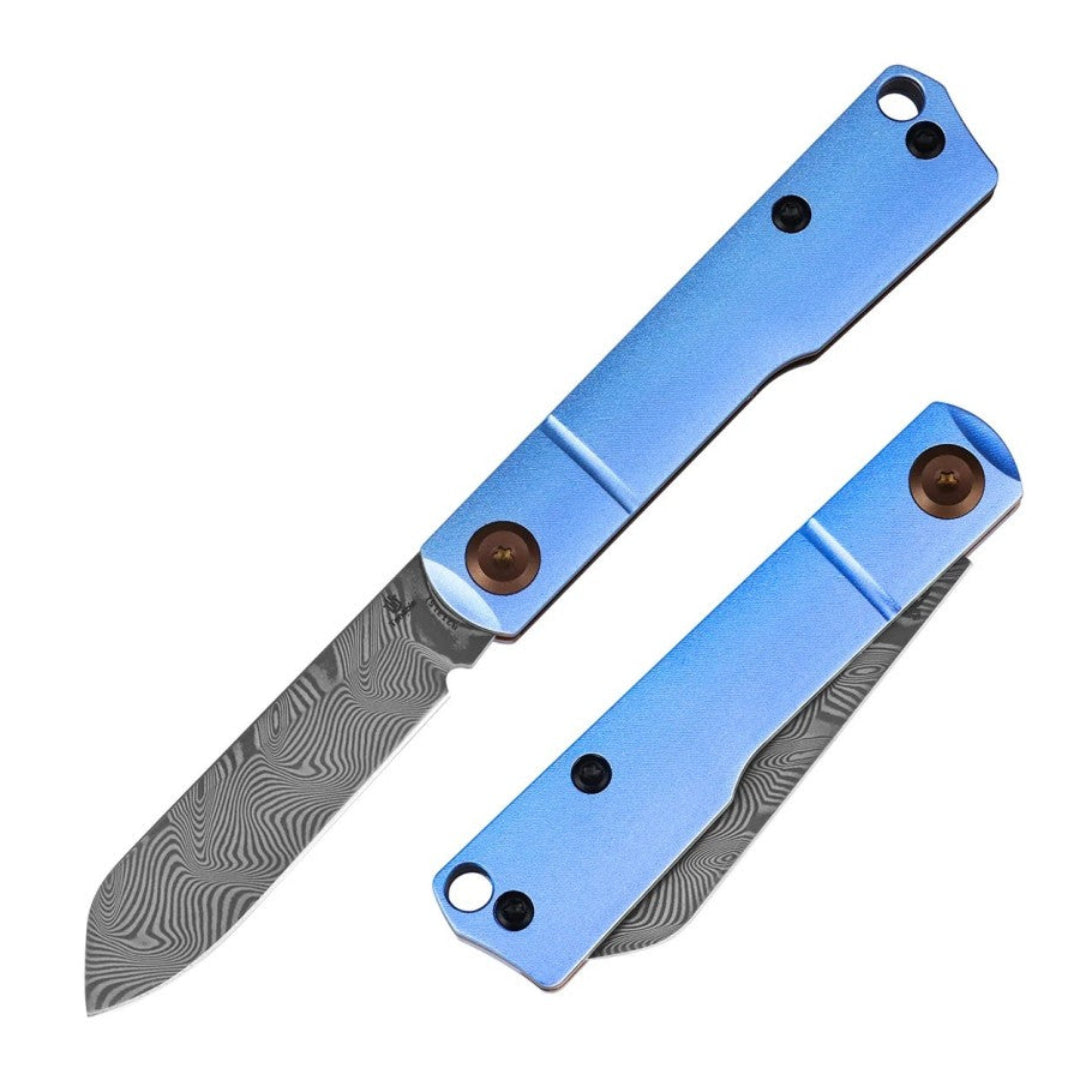
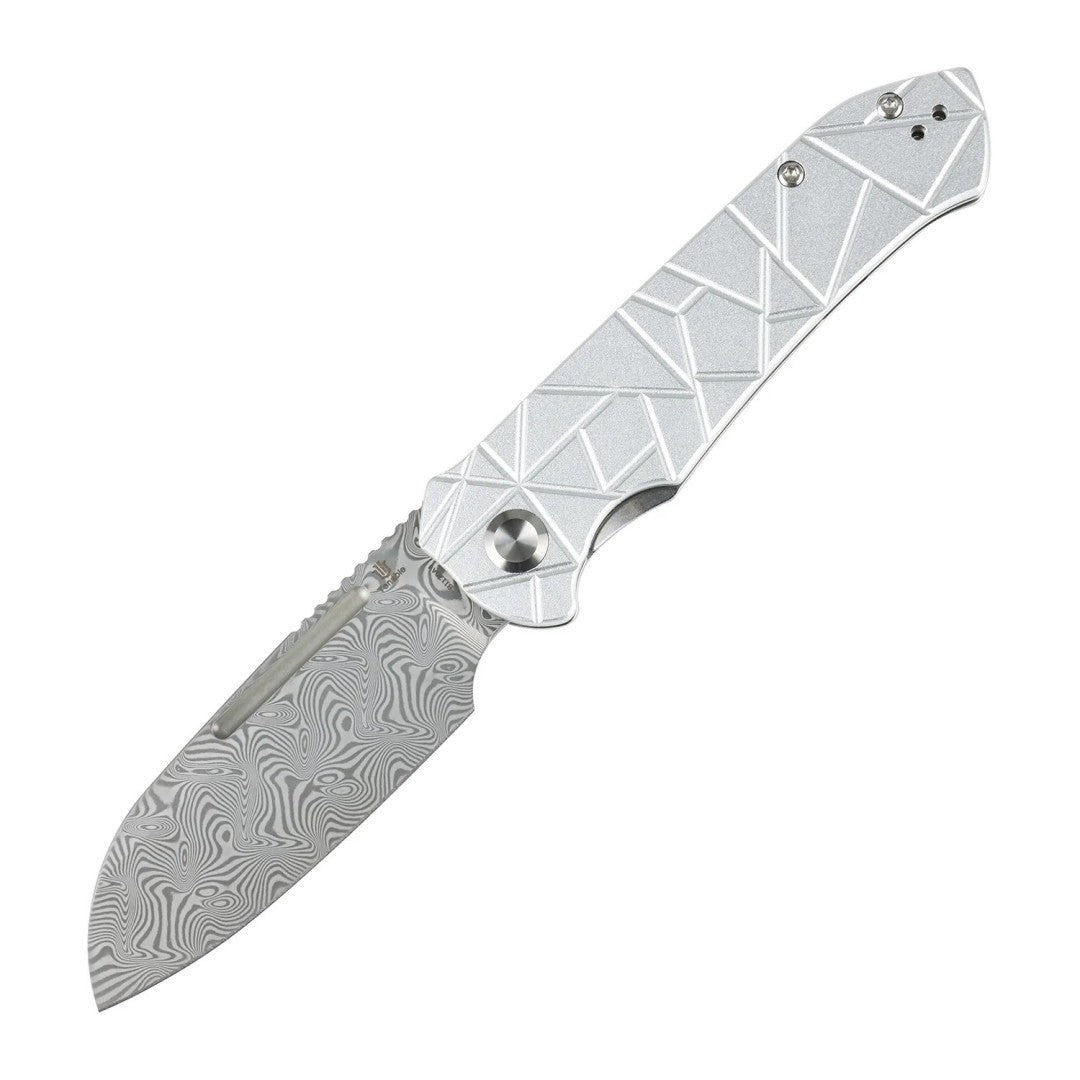
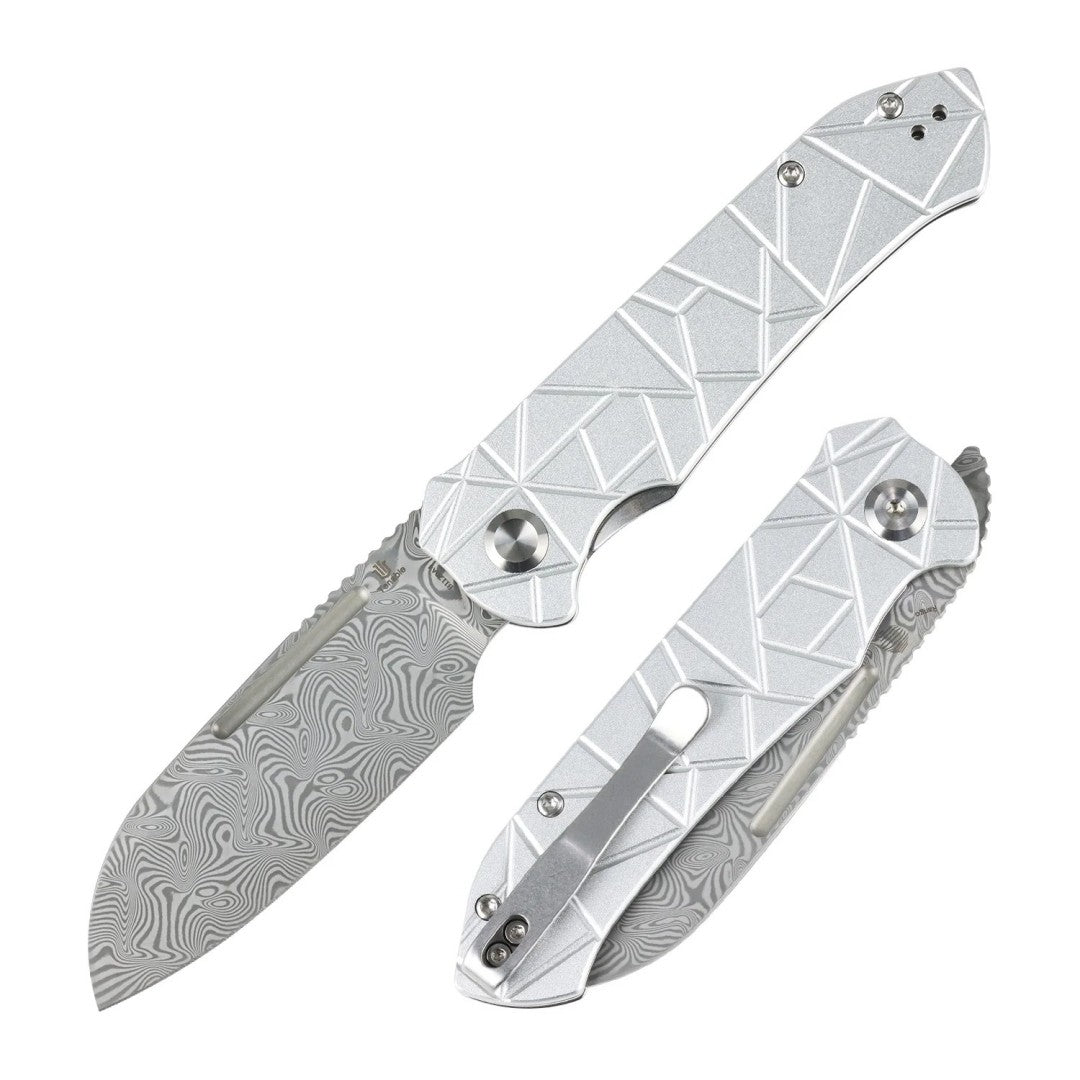
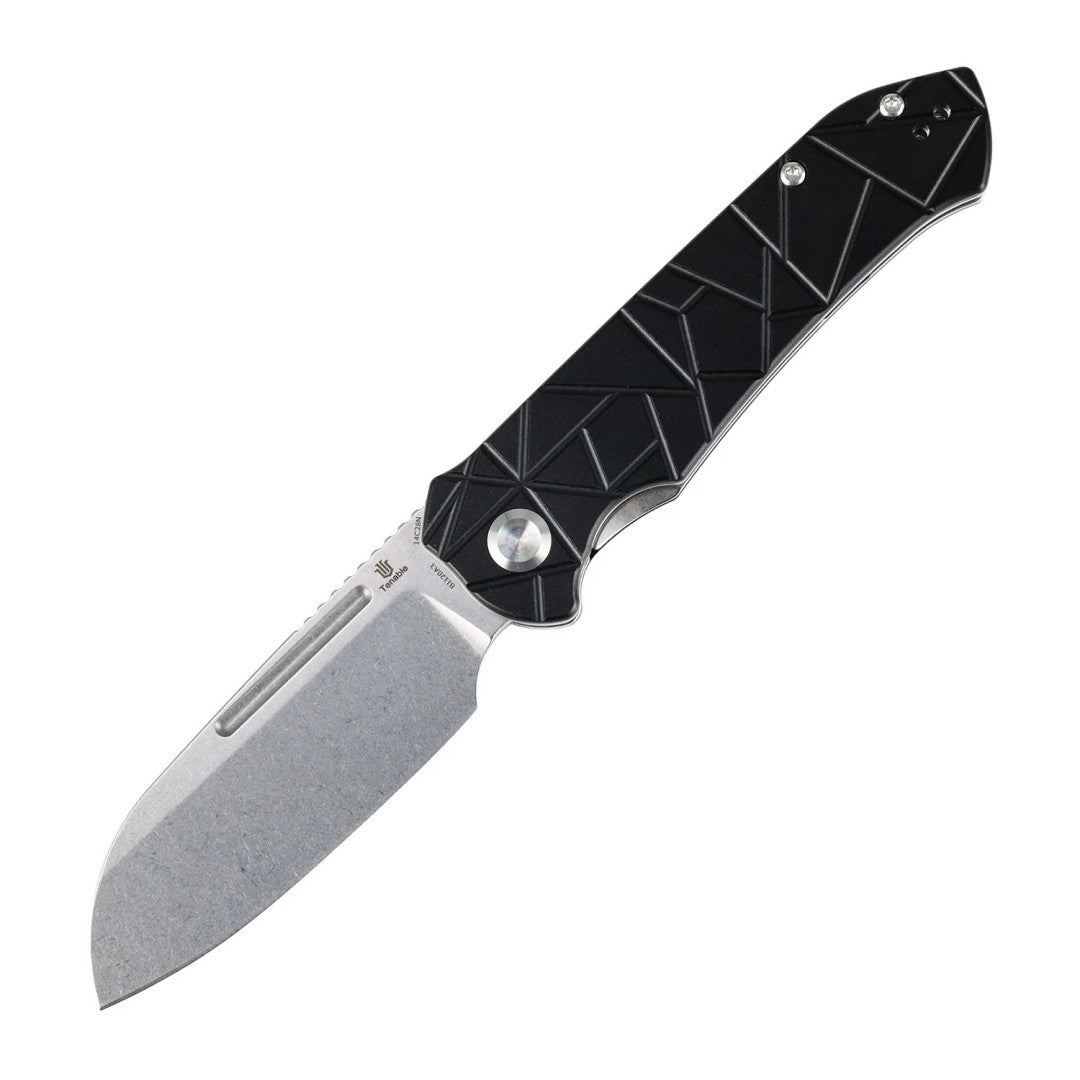
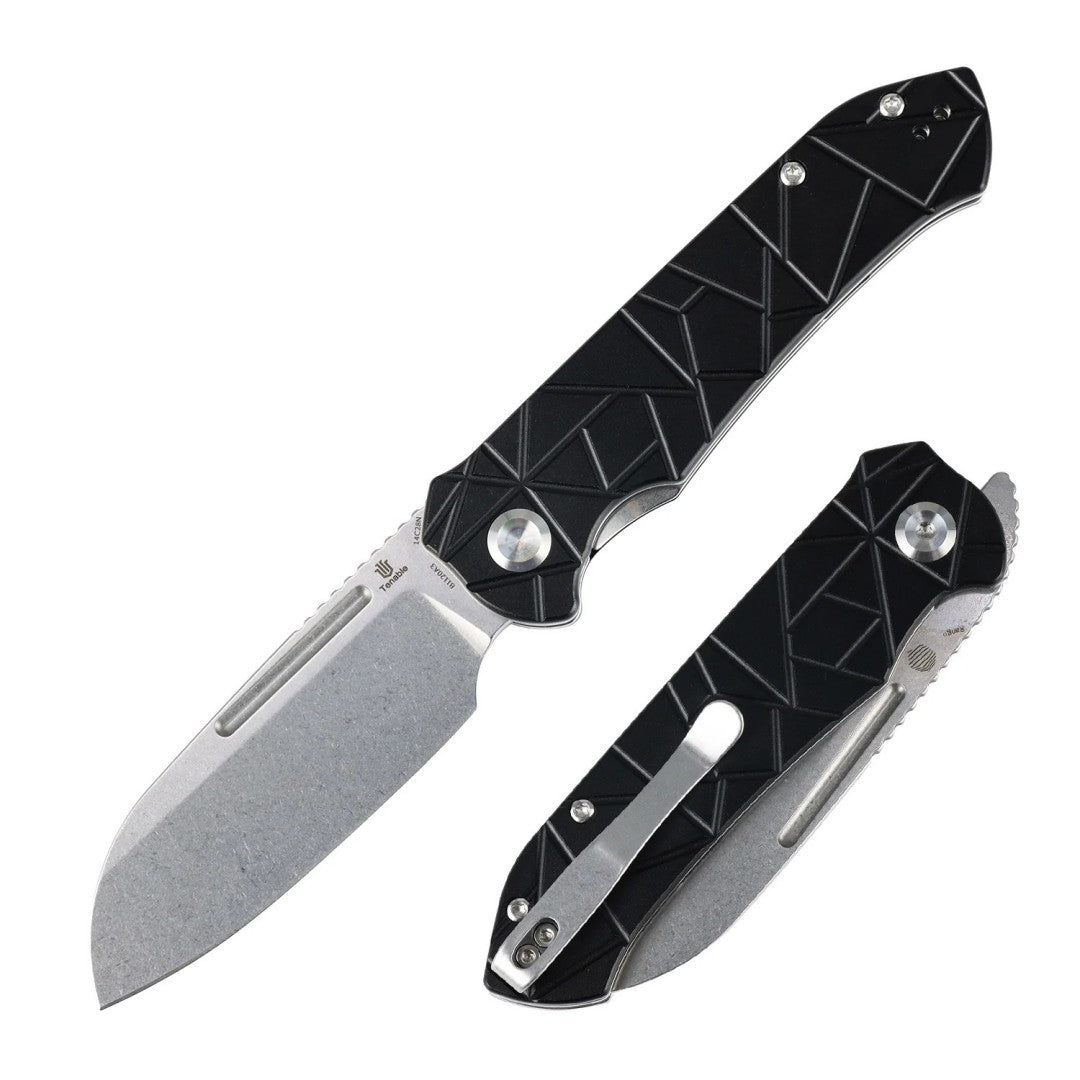
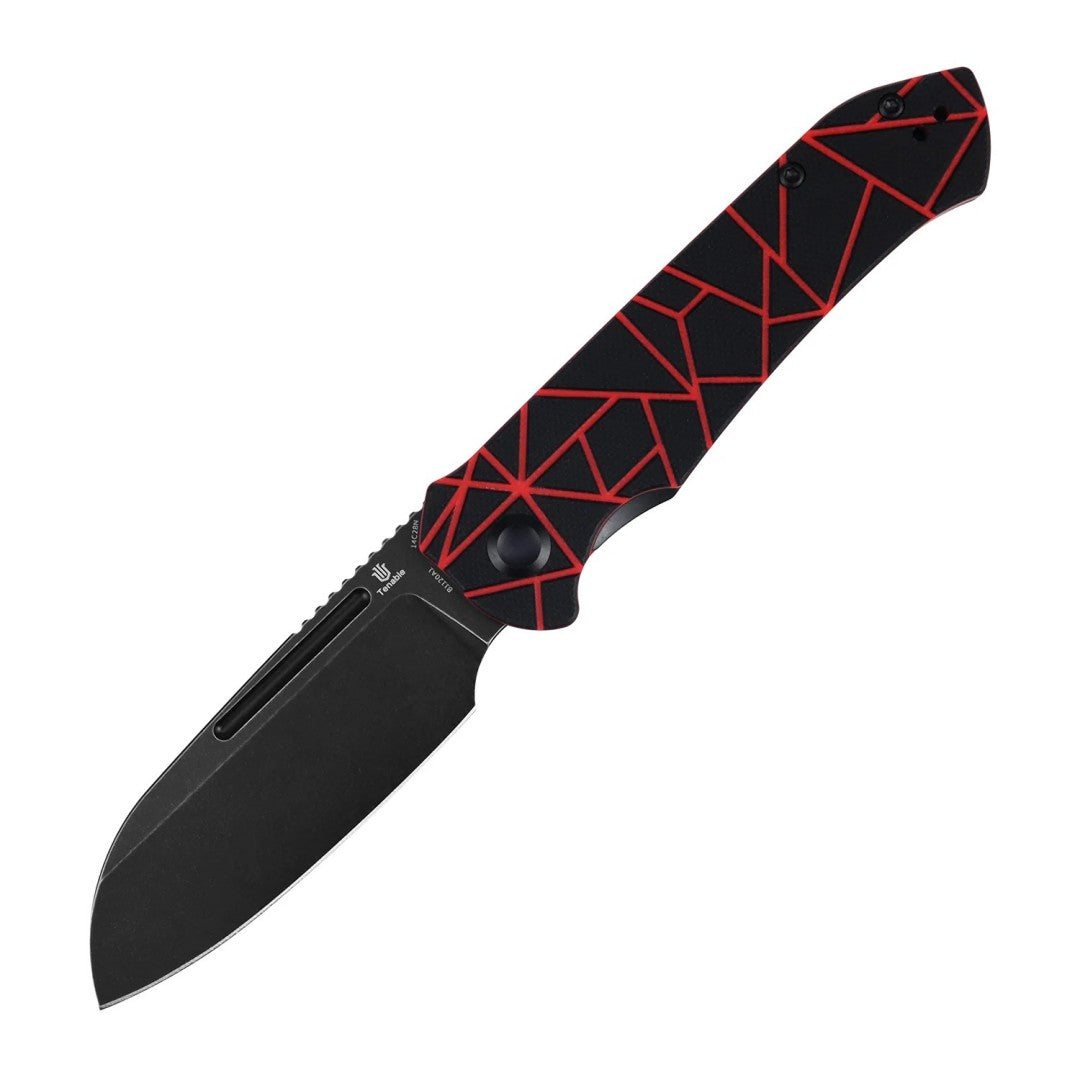
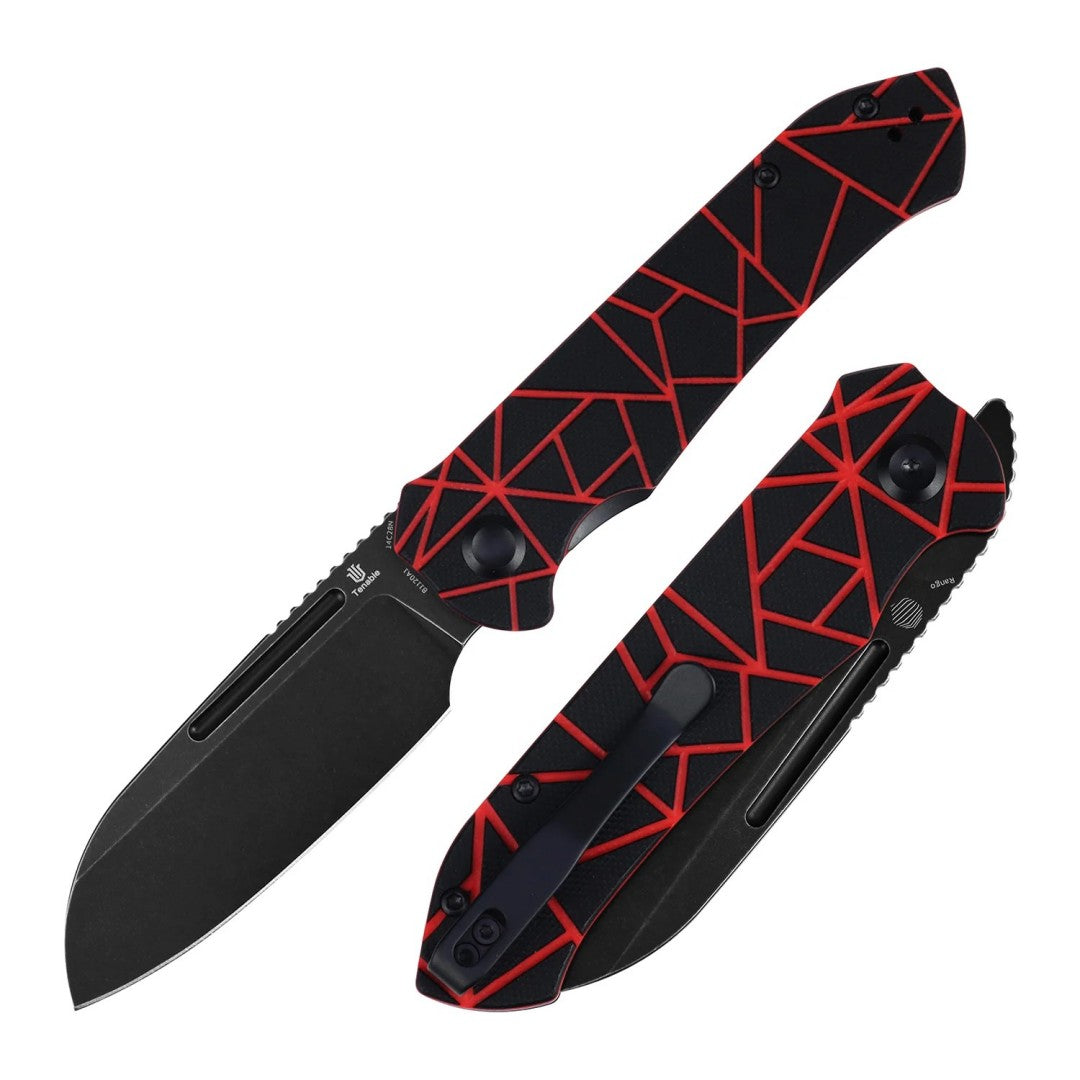
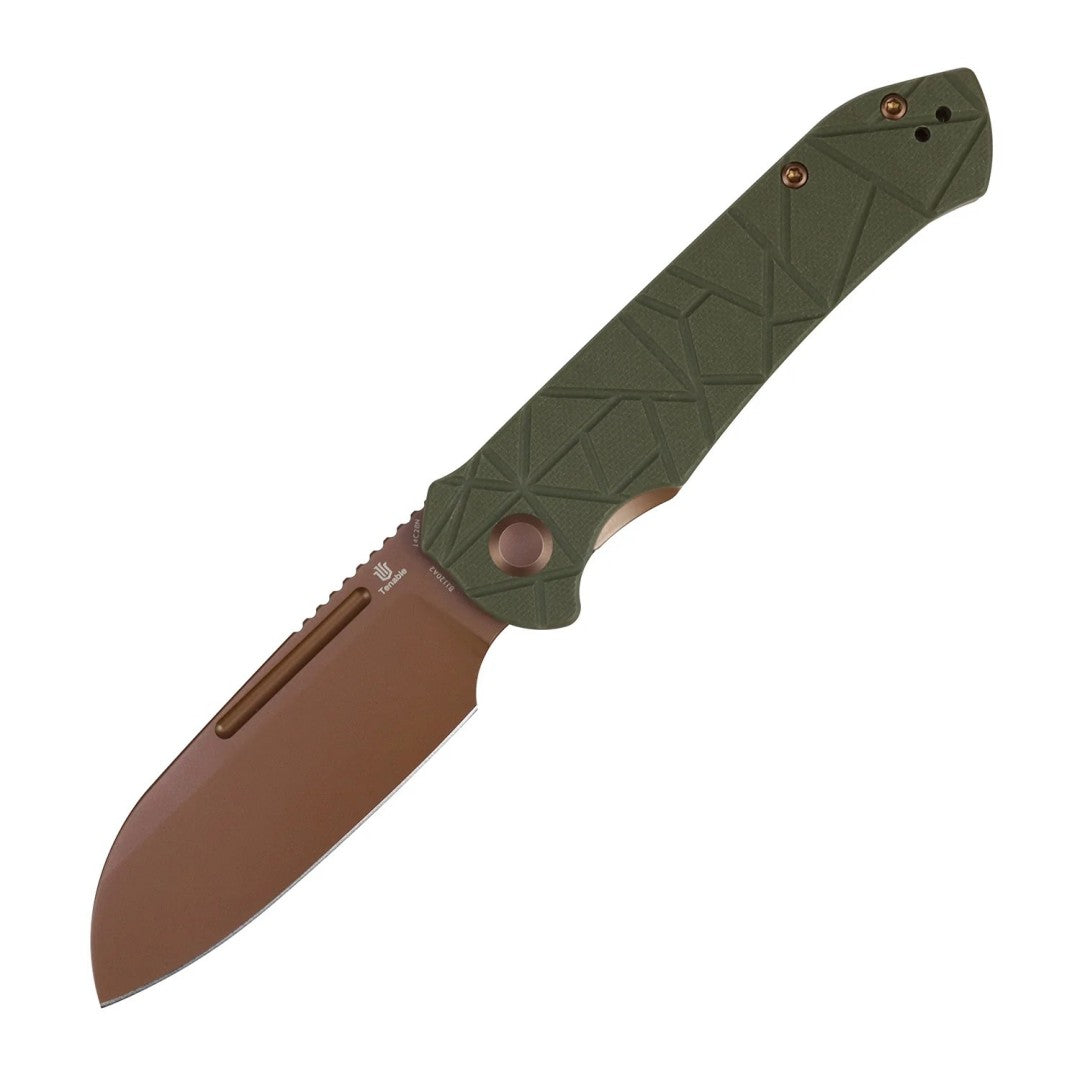
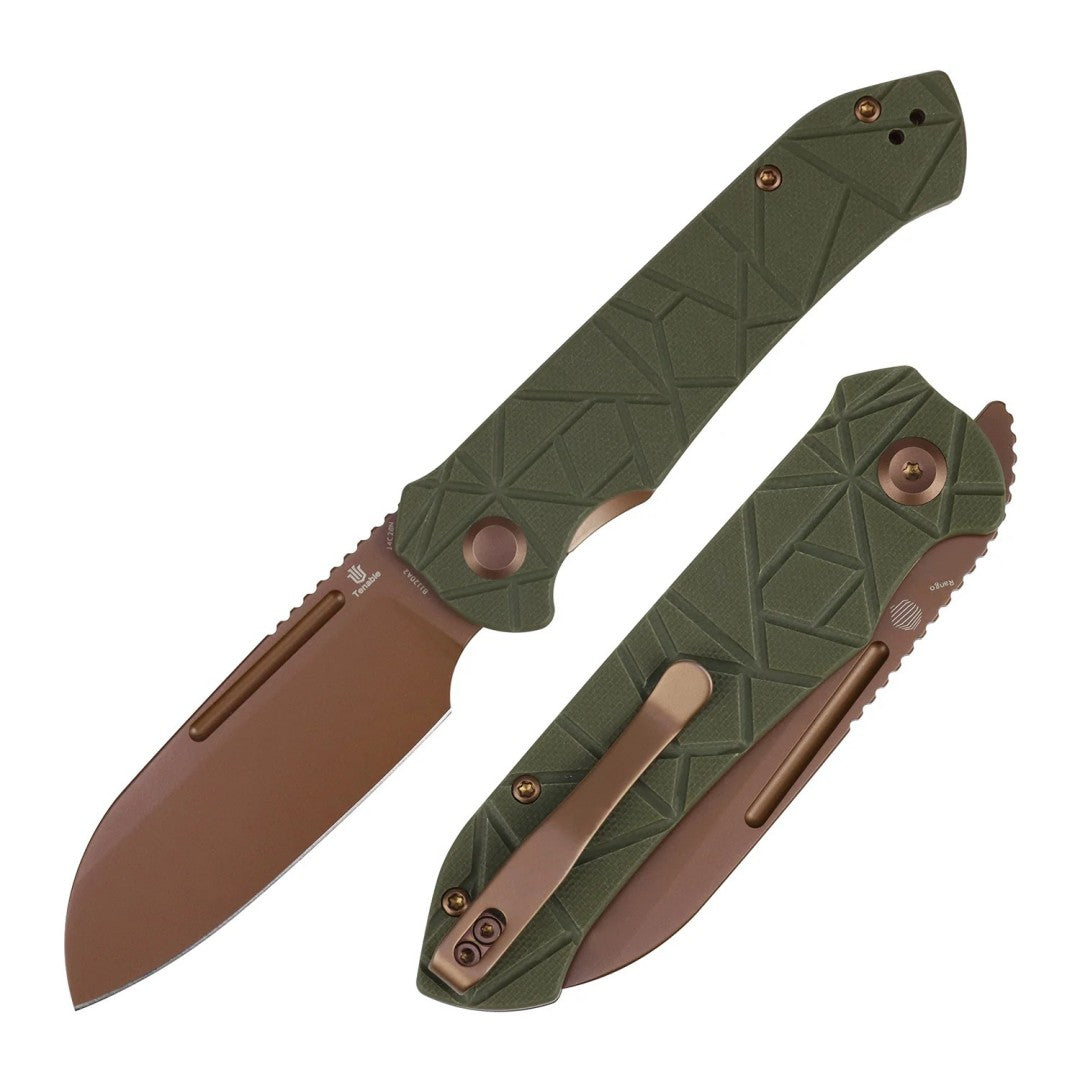
For cutting, the requirement is different from ordinary carry. Rescue folding knives need to open and close with one wet, gloved hand, hold a locking blade under load and be cleanable in the field. Rope, webbing and cable all punish a fine edge, so a slightly thicker blade with a corrosion-resistant stainless steel is a better choice than a slicing showpiece. A lanyard hole is not optional, because anything that can be dropped into moving water will be.
Real-World Use
In practice the light is on a lanyard clipped inside a PFD so it can be retrieved by feel, and the knife rides in a sheath pocket on the same harness. During a reach or a throw the light gets angled rather than held, which is why a clip and a flat body matter more than raw output. EDC flashlight selection for water work should prioritise waterproofing, a switch you can find blind and a beam that is wide enough to see a bank, not just a hotspot.

Ownership Notes
Rinse and dry everything after every deployment. Flood water is biologically dirty, and a pivot packed with organic grit will seize within days. Strip the knife, brush the lock interface, dry with compressed air and re-lubricate lightly. On the light, inspect the charging port cover and the O-ring seat, and do not trust a light that has been submerged in muddy water until you have cycled it through every mode. Replace lanyards annually rather than waiting for one to fail. Water rescue teams that train together tend to standardise their personal kit, because a tool you cannot operate under stress is a liability rather than an asset. EDC knives for that role should be light, corrosion resistant and easy to find by feel, which is a different brief from a general purpose folder. EdcMall carries compact options in both categories, and buying the light and the knife as a matched pair is worth the small extra effort.
Who Is This For?
This is aimed at swiftwater and flood rescue technicians, fire department water teams, coast guard auxiliaries, kayak instructors and guides who run moving water commercially. Casual paddlers do not need this level of redundancy, and a simple dry bag with a basic torch and a rescue knife is enough for recreational river trips.
Final Verdict
Keep it simple, keep it tethered and keep it clean. A flat, waterproof light with a spare emitter function, a locking folder with a corrosion-resistant blade and a strict post-call cleaning routine cover the realistic failure modes on moving water. The kit that works is the kit you can operate without looking.