

Overview & First Impressions
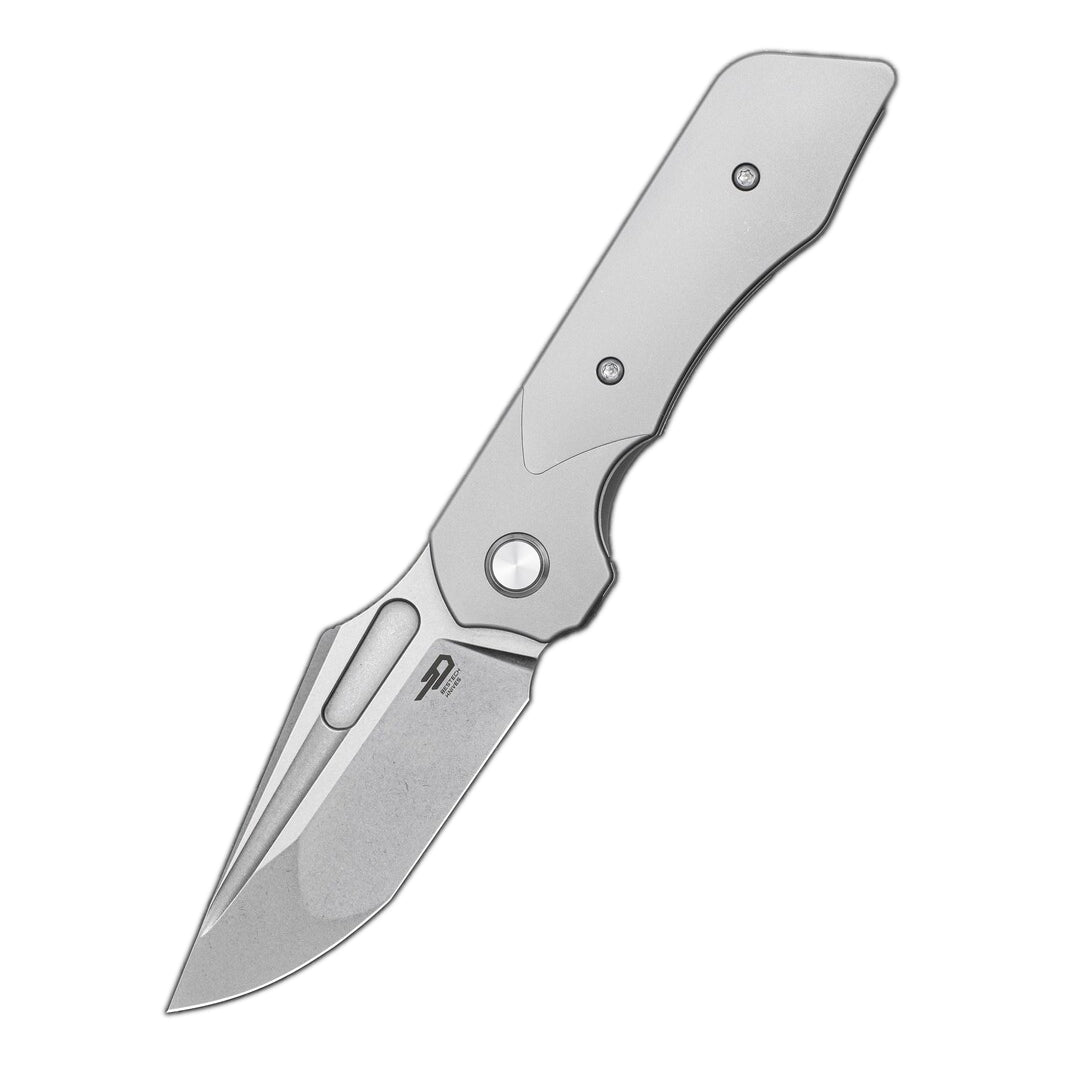
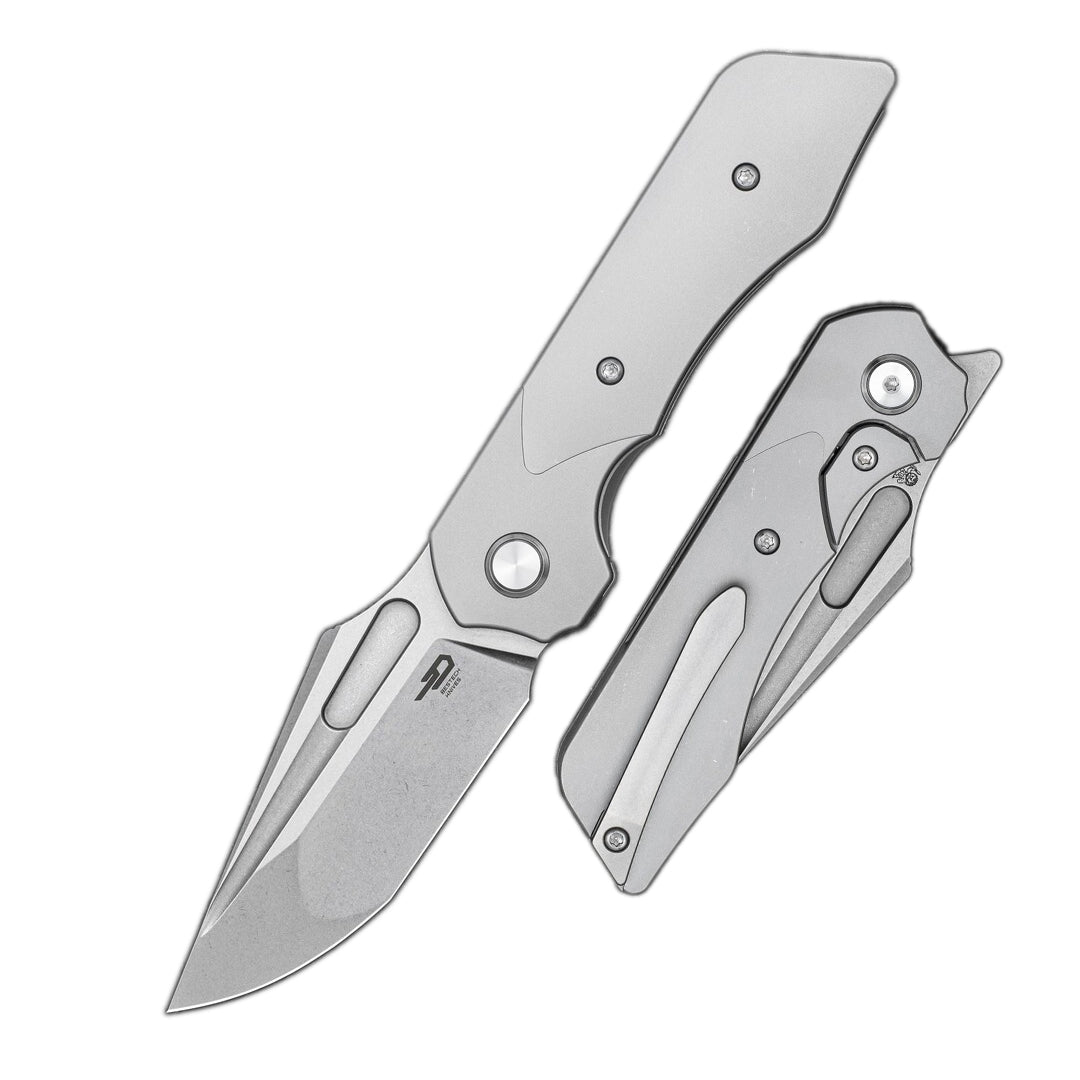
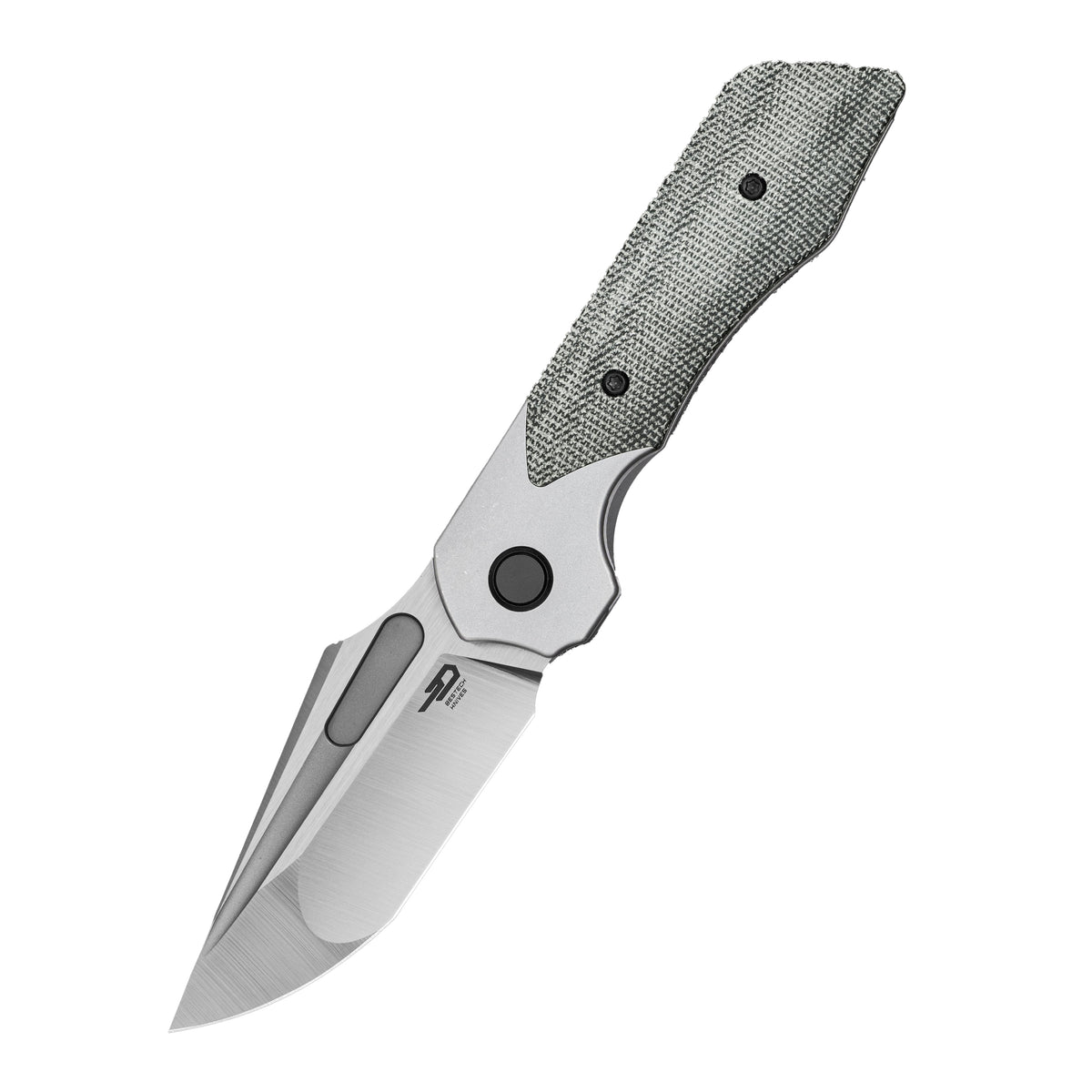
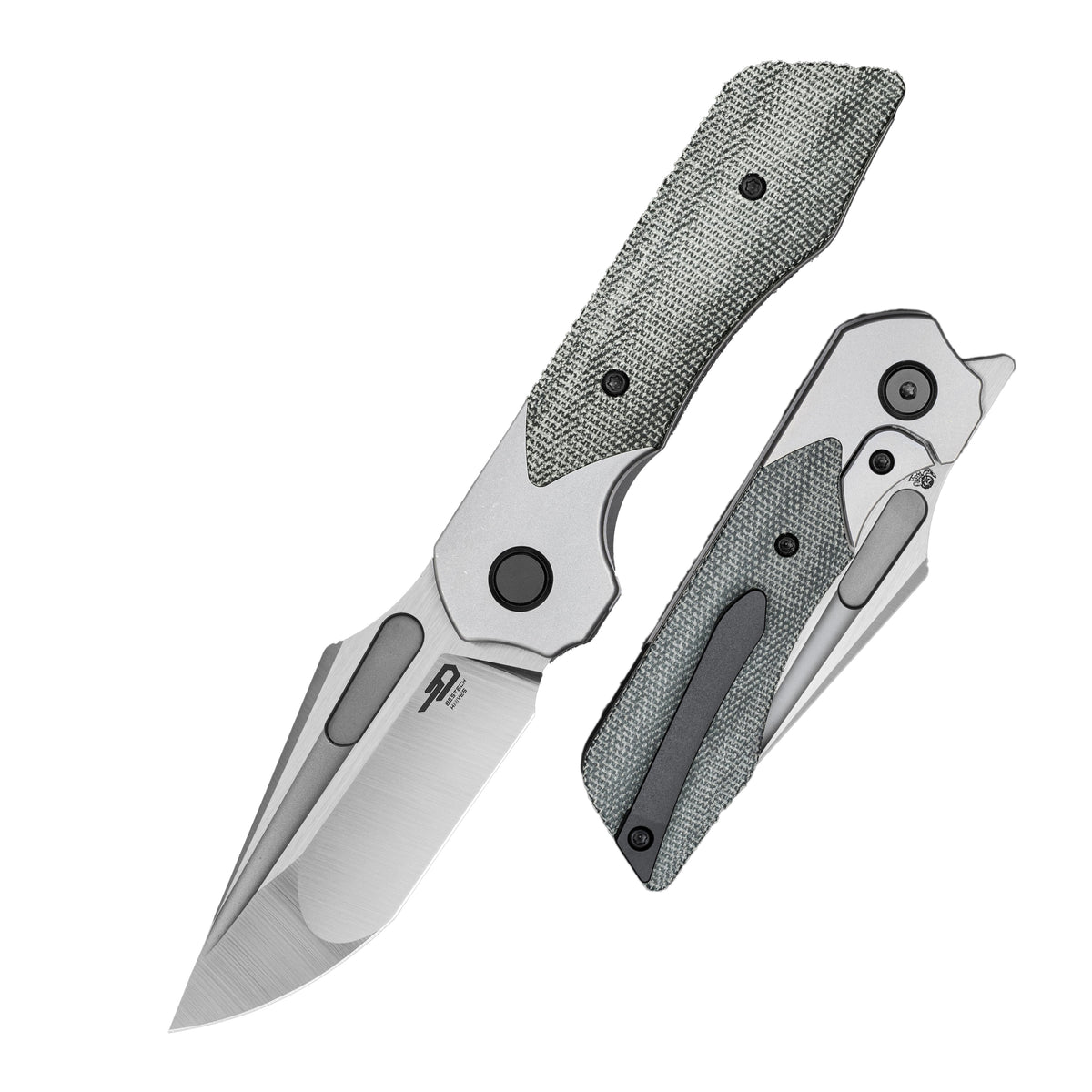
The tatara is the clay furnace where Japanese iron sand became steel, and the reason it matters is that it produced a heterogeneous bloom rather than a uniform ingot. Sorting that bloom by carbon content is the origin of every graded steel tradition in Japan. The Mcusta Sengoku series carries that inheritance in a modern way, and the MC-0186G does it with an SPG2 blade and a pakkawood handle.
Materials & Construction
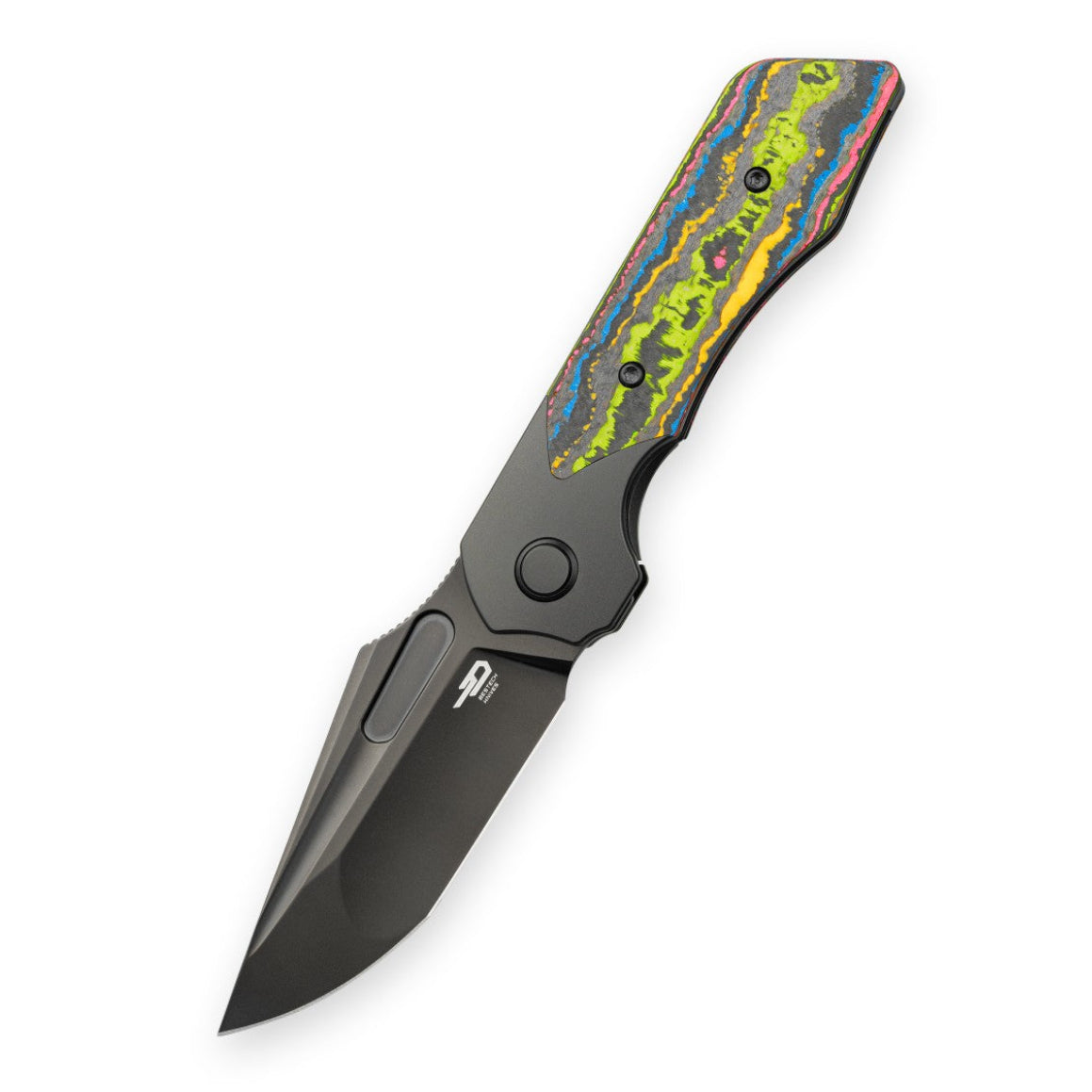
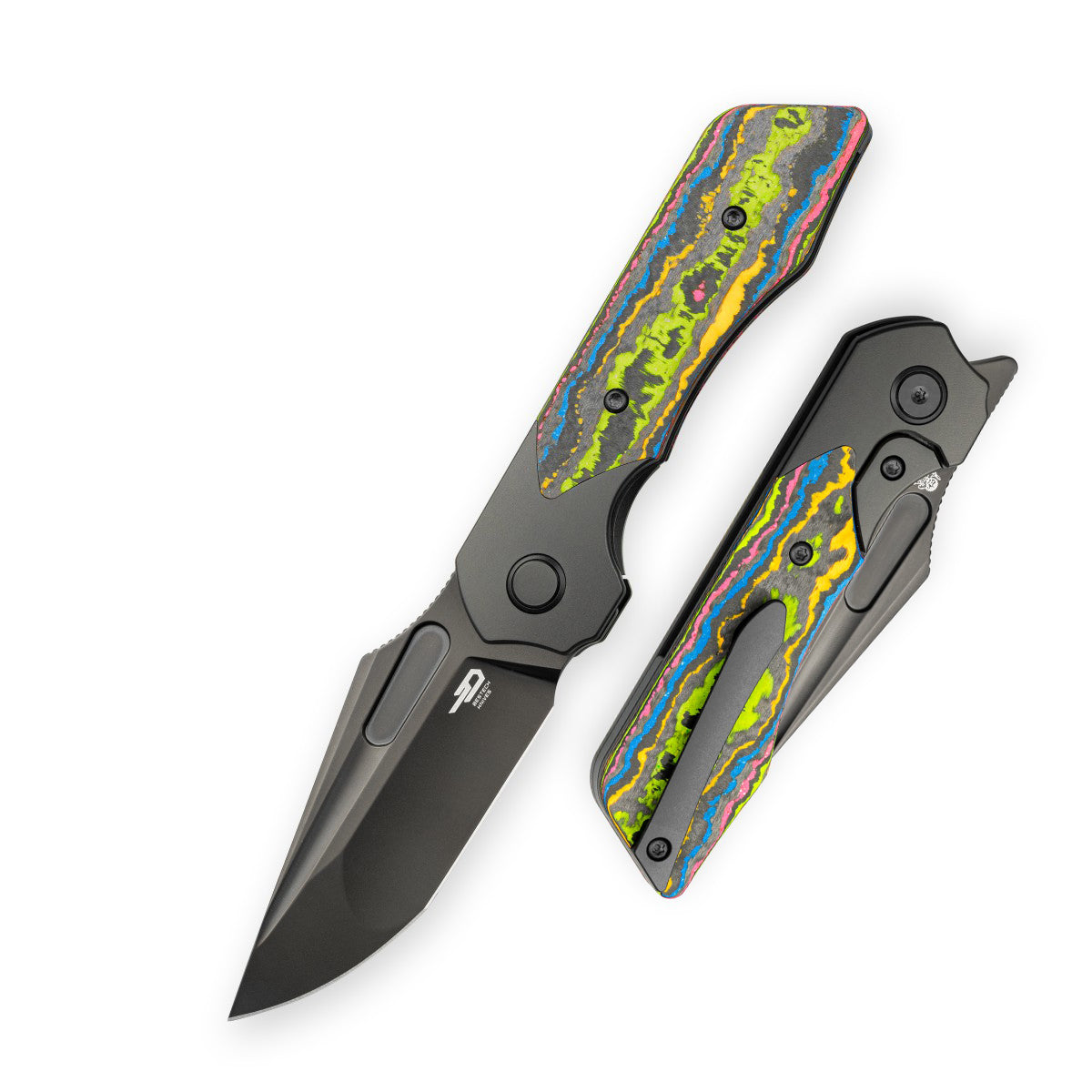
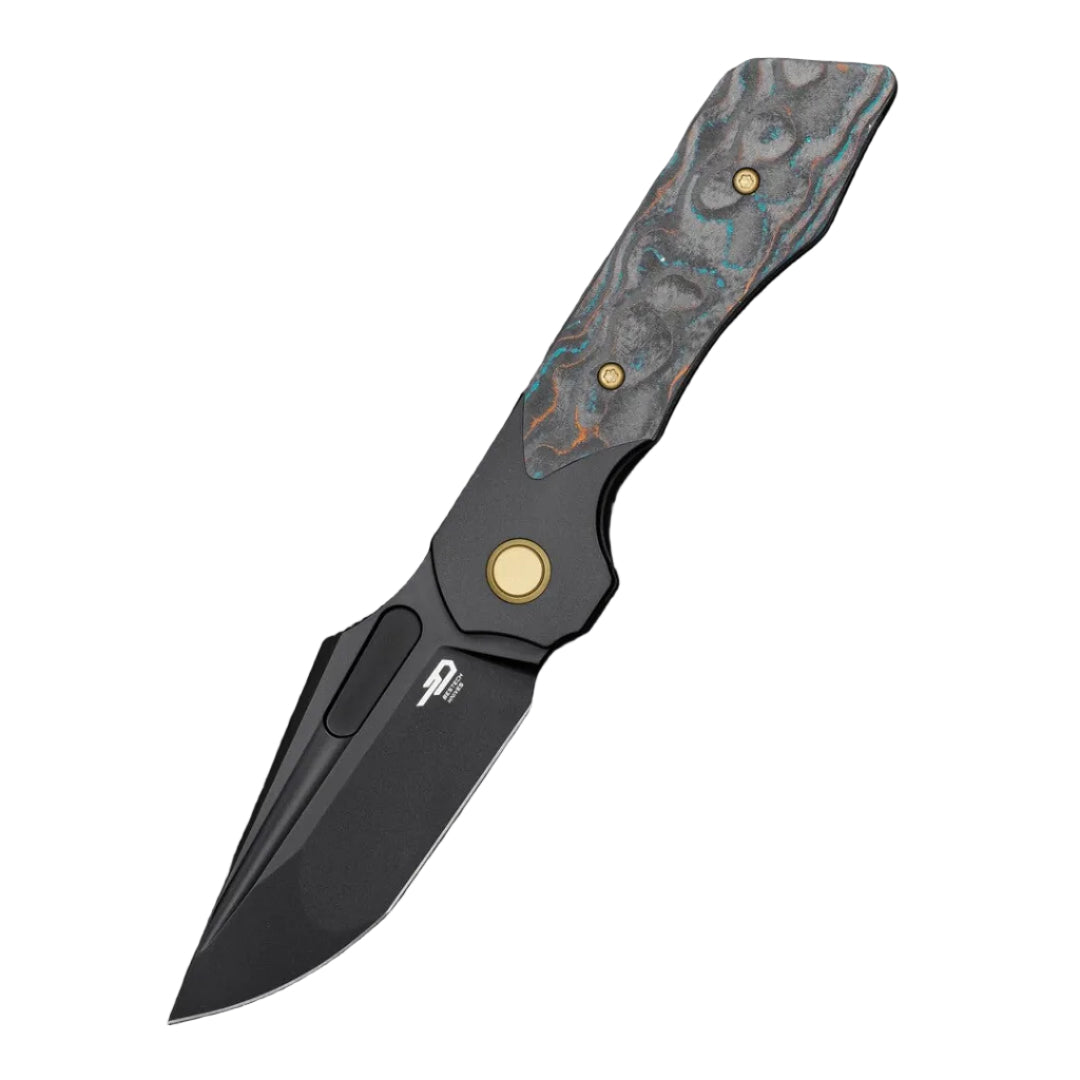
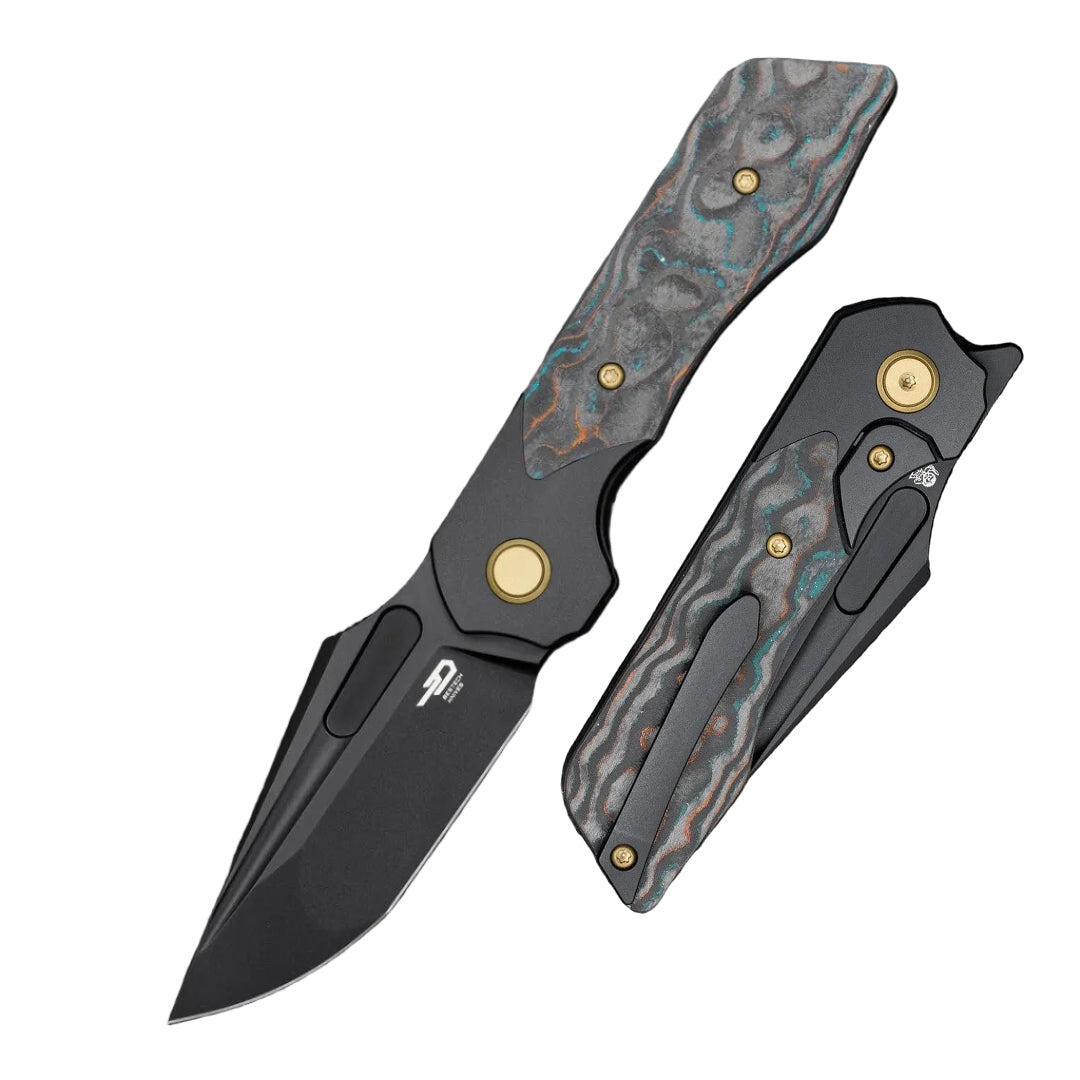
SPG2 is a powder metallurgy stainless built for edge stability, with a fine carbide structure that polishes to a high gloss and holds a thin bevel without crumbling. It behaves like the good end of the Japanese tradition: not the hardest steel available, but a balanced one. The blade sits in a handle of laminated pakkawood, stabilised so it will not move with humidity, shaped with the Sengoku crest work that gives the series its identity. Mcusta knives assembles these in Japan.

Design & Details
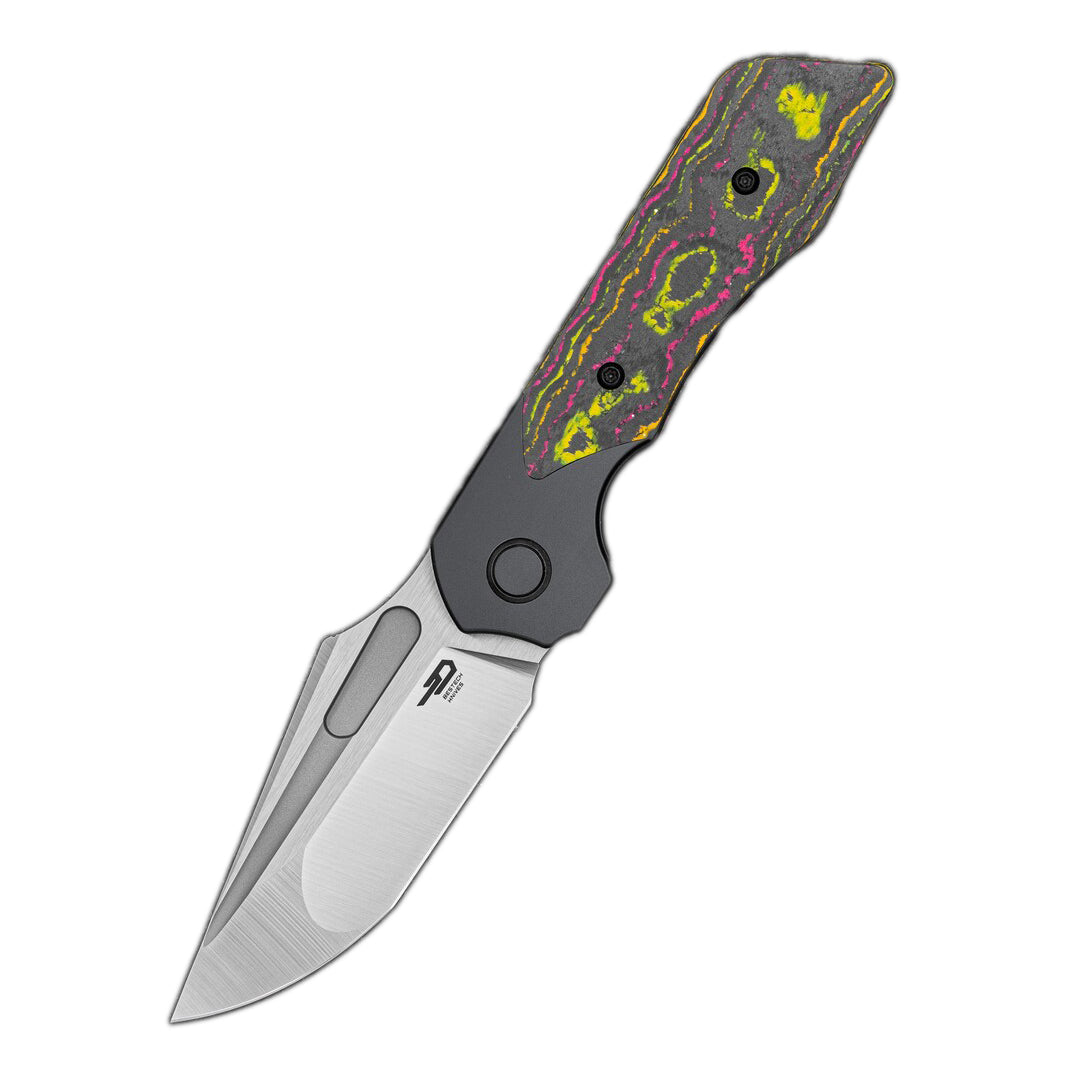
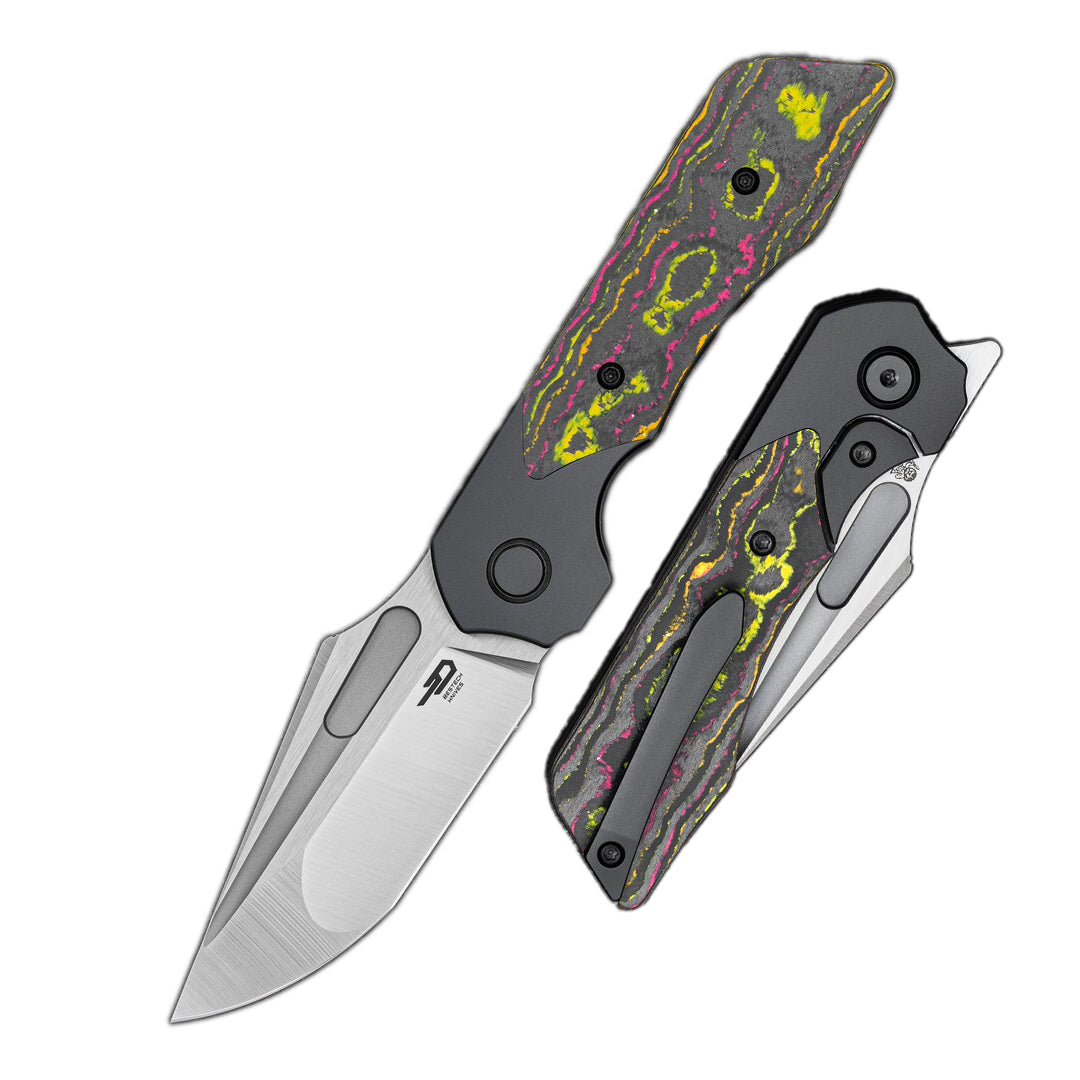
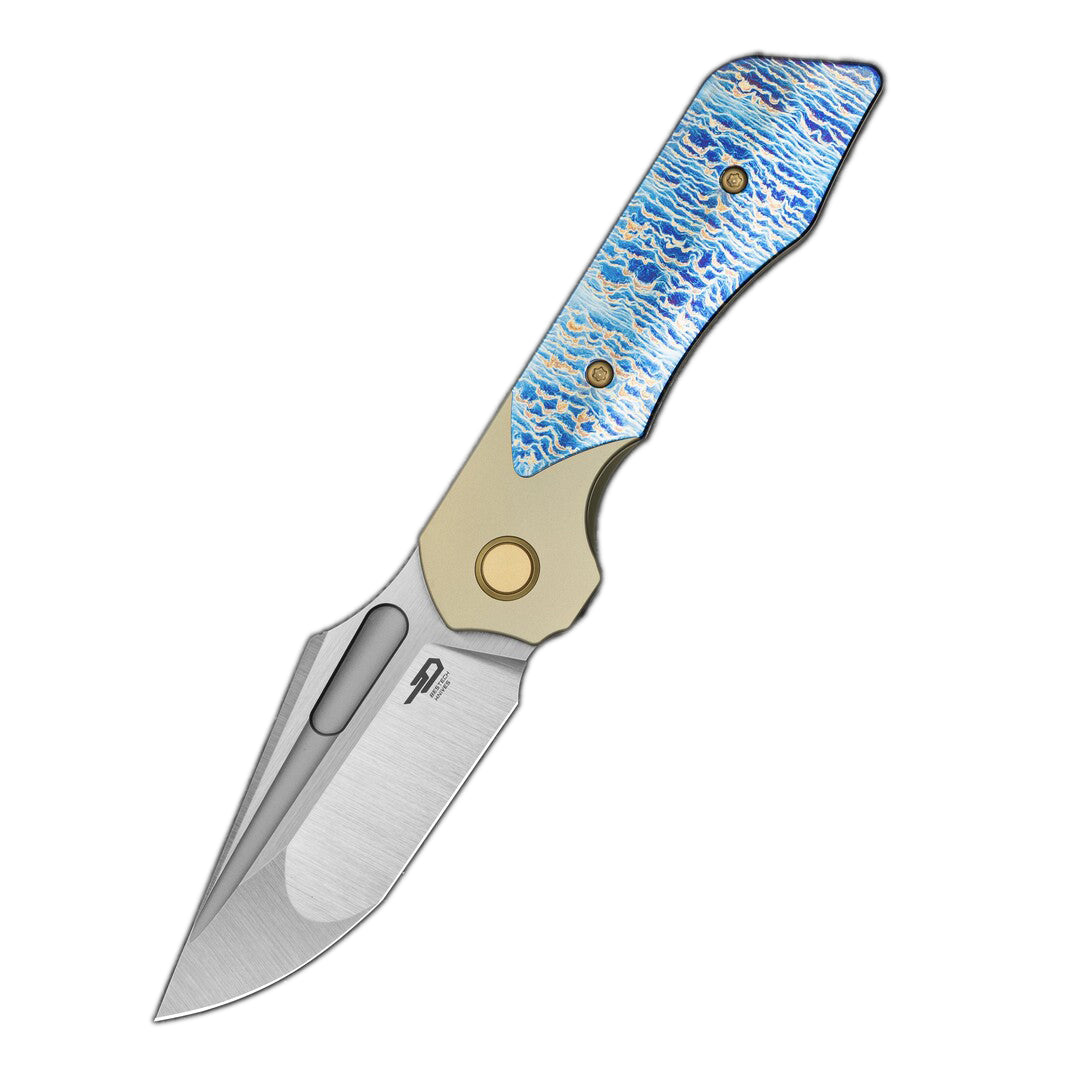
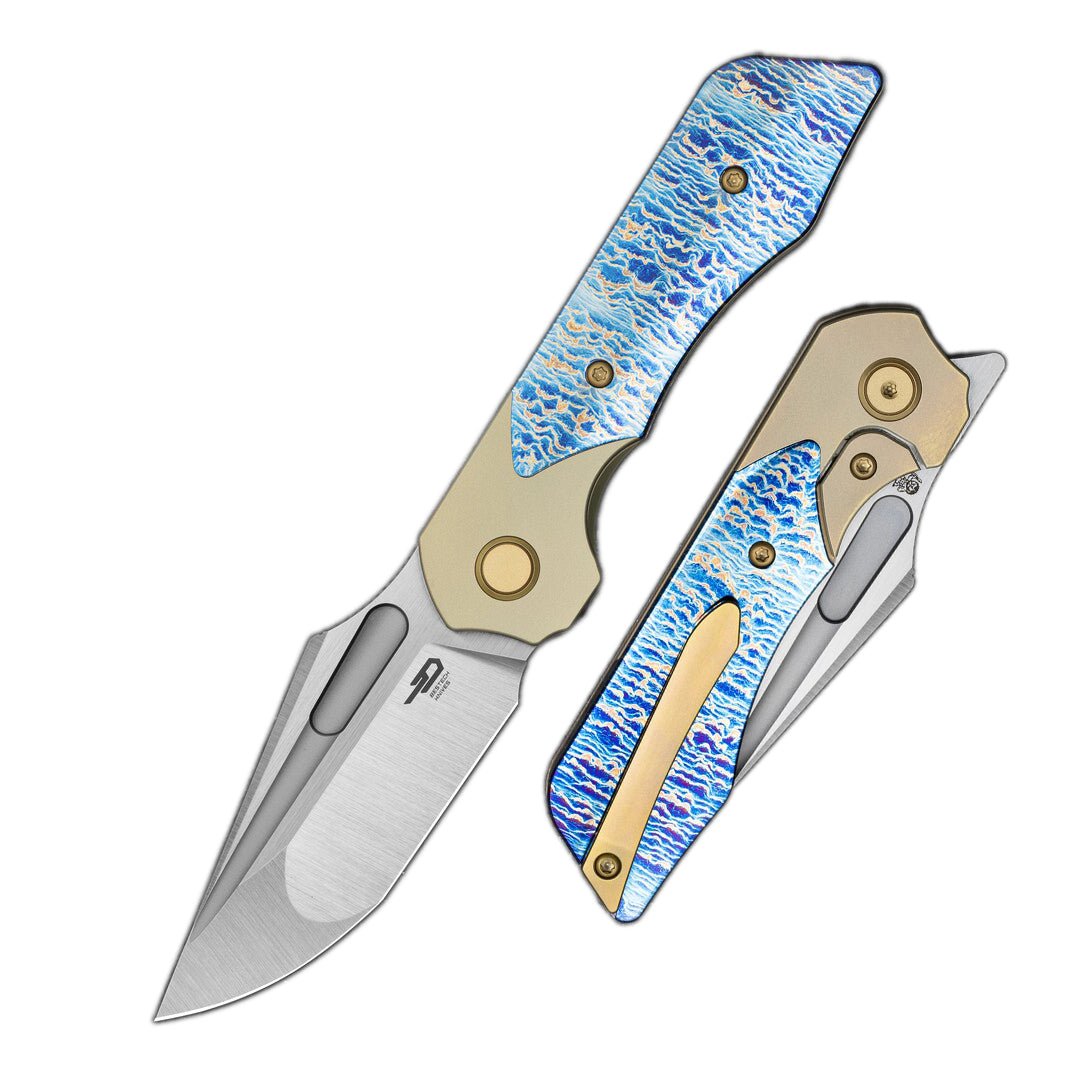
The Sengoku Busho line commemorates the warlords of the warring states period, and the MC-0186G is dedicated to Date Masamune, the one eyed dragon of Sendai. Crest inlays on the handle do the storytelling, while a liner lock does the work. The blade is a practical drop point with a high flat grind, and the handle is contoured rather than slab sided, which is where production Japanese folding knives usually separate themselves from the competition.
Real-World Use
In a week of ordinary carry the knife opened mail, broke down a box and trimmed cord, and the SPG2 edge showed no rolling. The pakkawood stayed warm and grippy in a cold workshop, which is the practical argument against metal handles. Deployment is a thumb stud with a smooth, unhurried action rather than a flick, and that suits the character of the knife. The crest inlay has not lifted.

Ownership Notes
Japanese knife culture is often reduced to a single word, hardness, and that misses the point. The tradition is about sorting and layering: hard steel where the cut happens, tough steel where the shock lands, and geometry that suits the task. A modern powder steel in a well contoured handle is a continuation of that thinking, not a departure from it. The tatara is the ancestor, not the competitor. Mcusta knives has been building this pattern for years, and EdcMall carries the Sengoku variants alongside the plainer handles. Buyers who want one Japanese EDC knife with a story behind it will find the choice easier once they handle both. Among EDC knives with Japanese steel this one sits at the patient end of the market.
Who Is This For?
This suits collectors of Japanese knives and anyone who wants a folding knife with a story that is visible on the handle. It rewards users who prefer a smooth action over a flipper snap. It does not suit buyers who want a tactical look, and it is not the knife for heavy outdoor abuse because the handle is furniture grade.
Final Verdict
The MC-0186G is the most culturally specific knife in the range and one of the most comfortable to hold. SPG2 gives it real edge stability, the pakkawood gives it warmth, and the Sengoku crests give it a reason to exist beyond specification. Buy it for the story and keep it for the geometry.