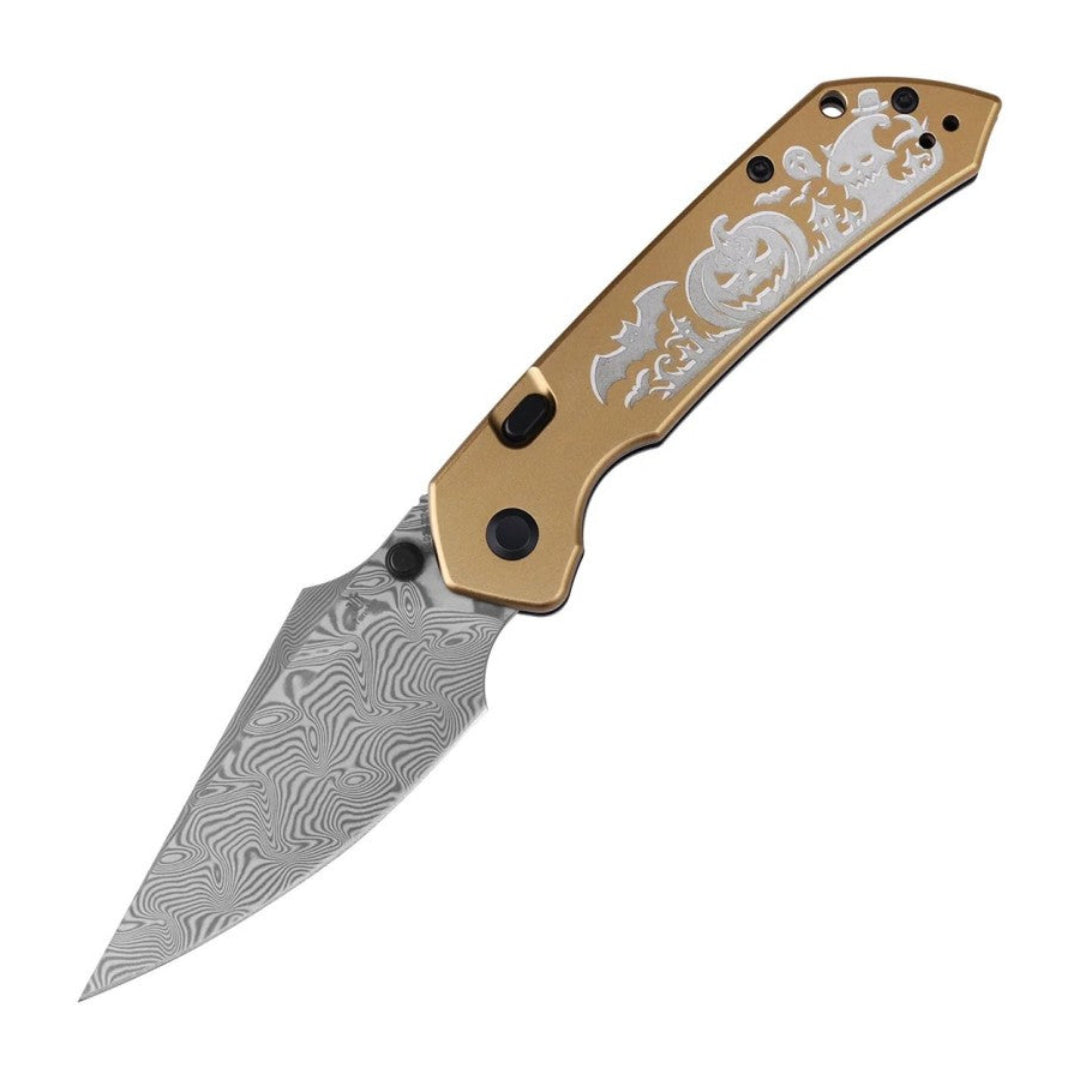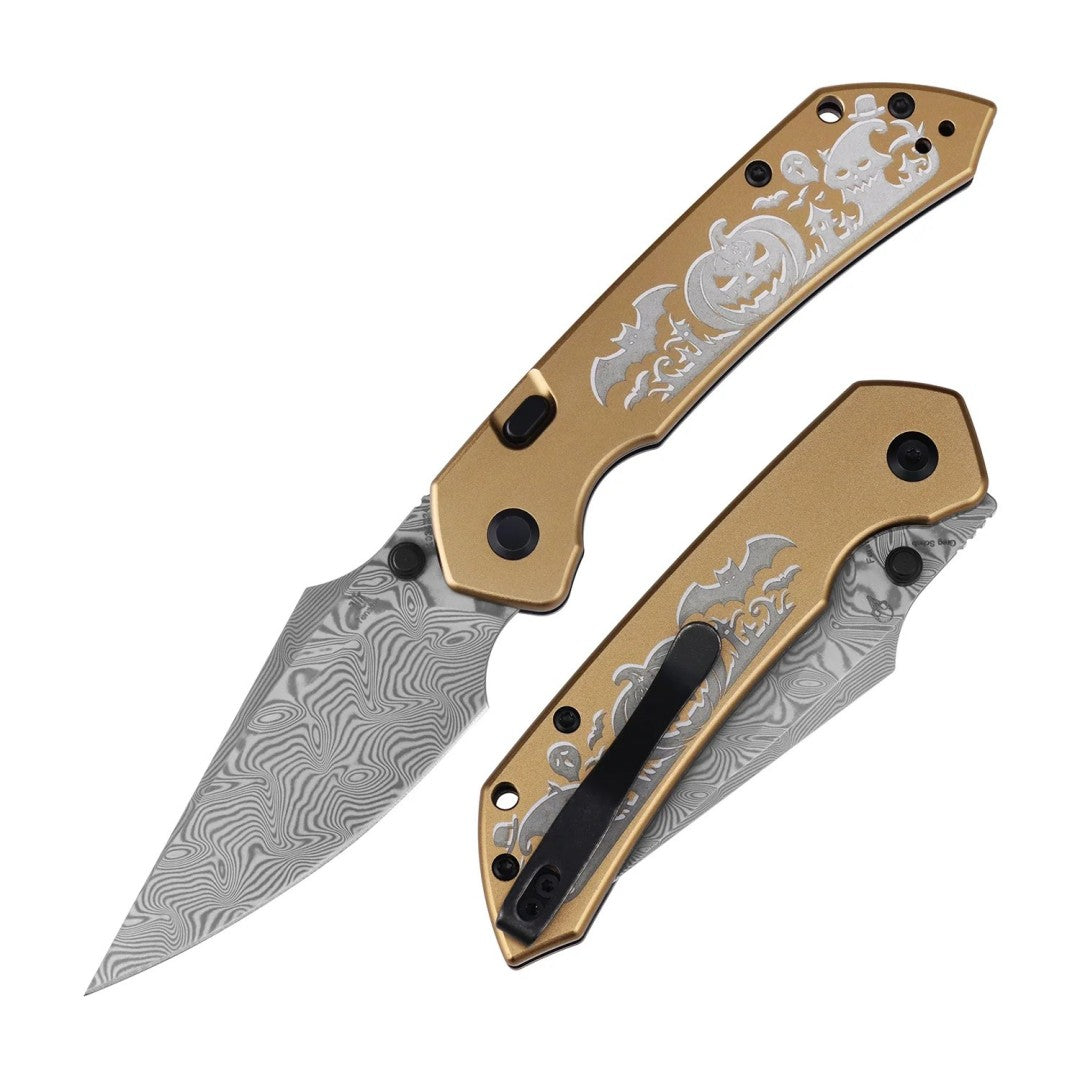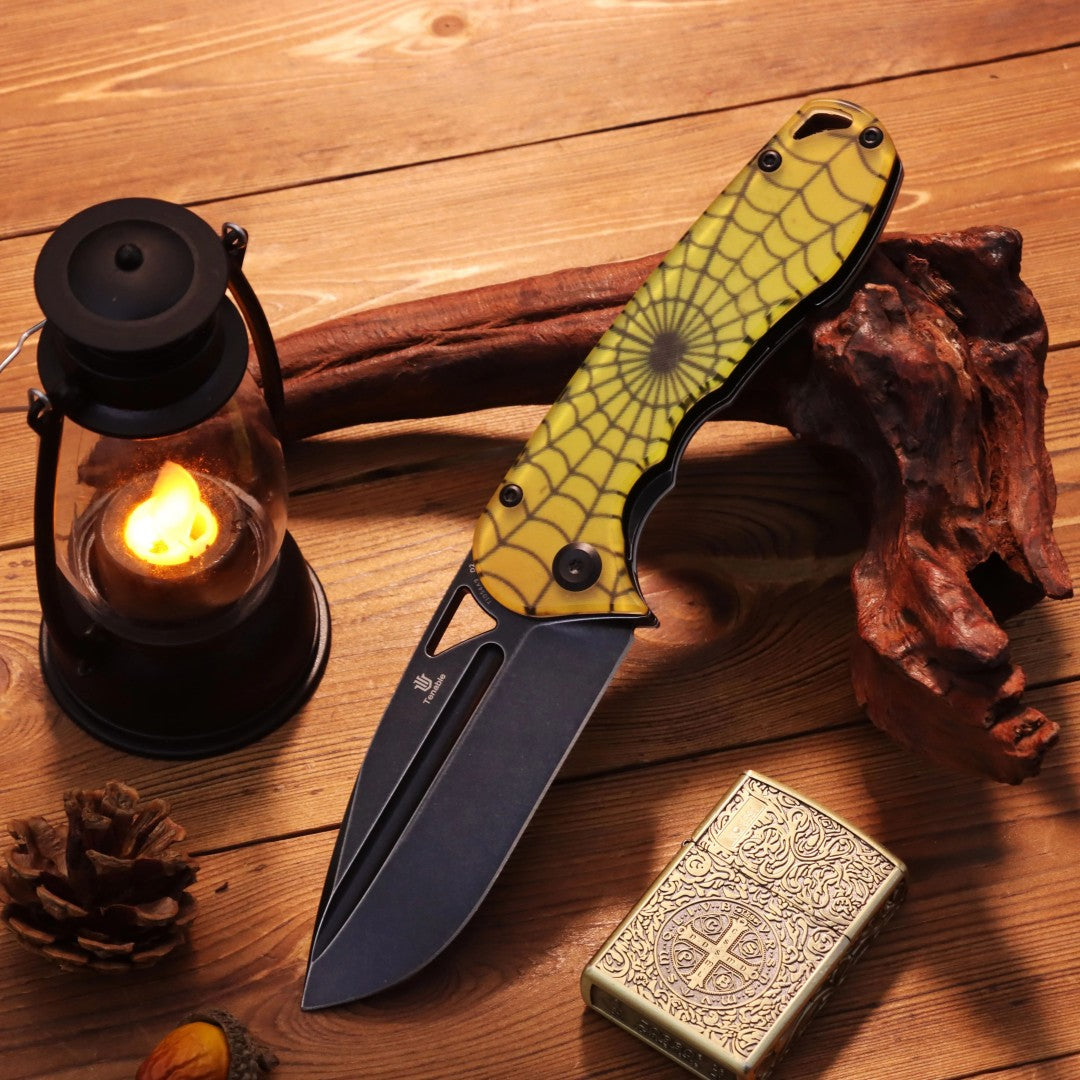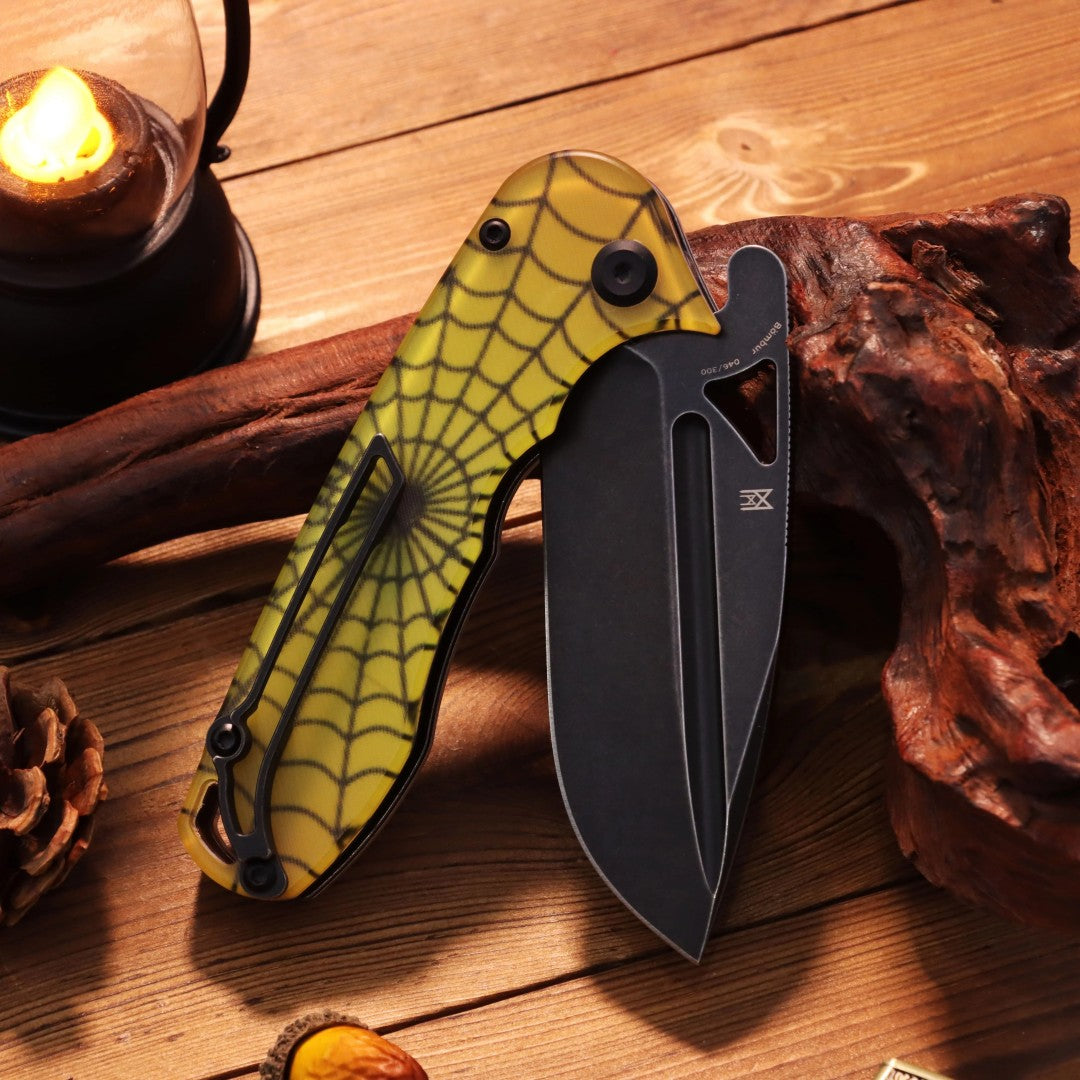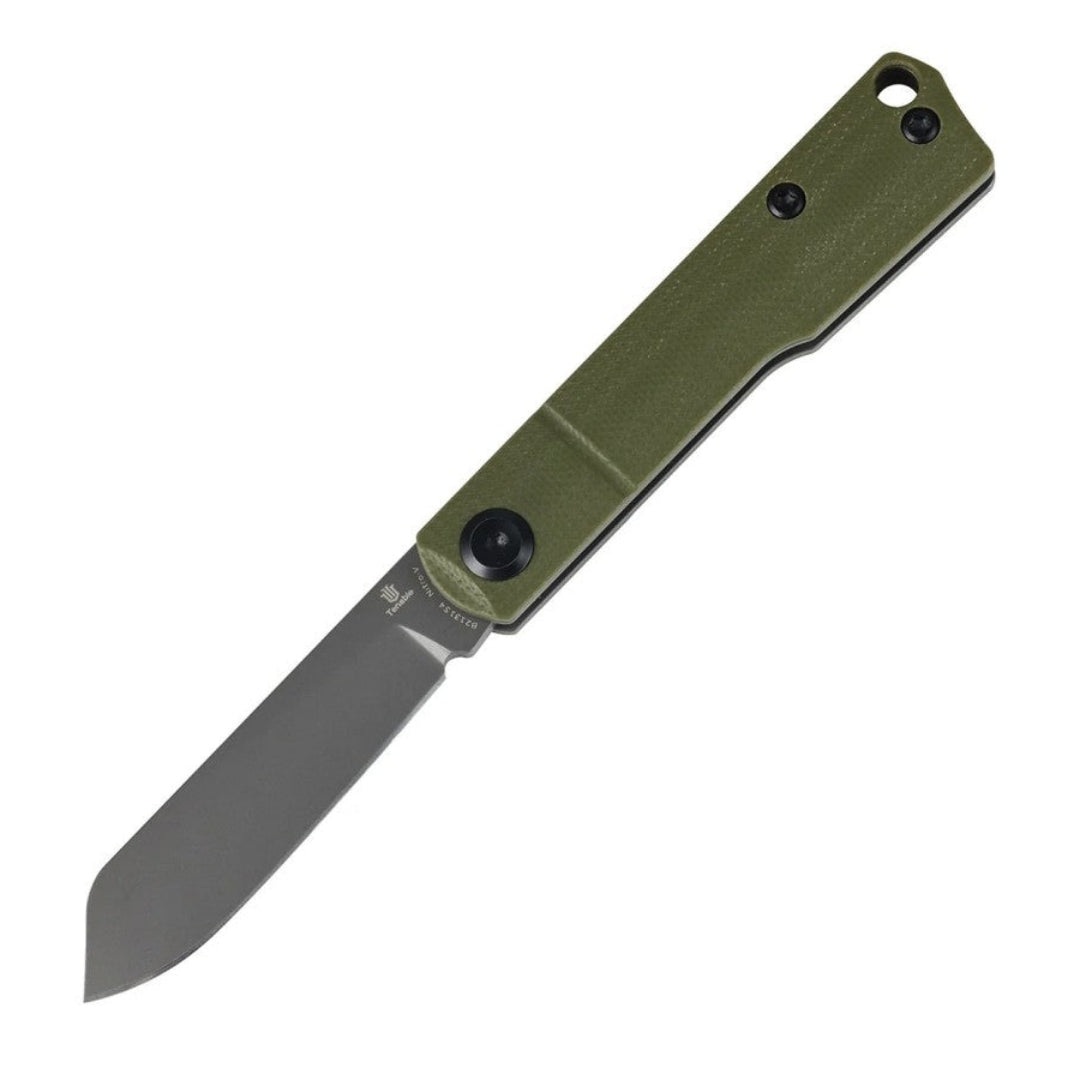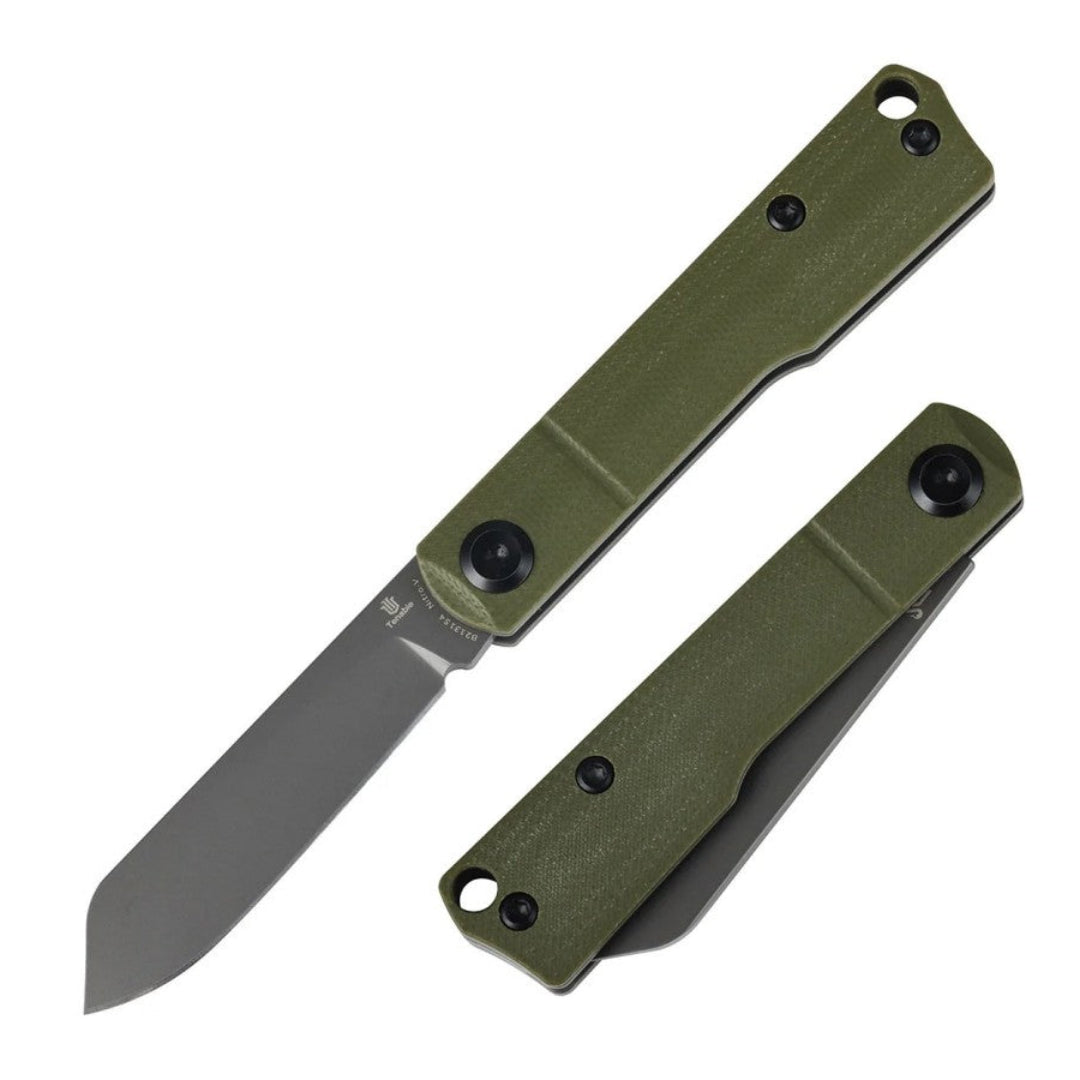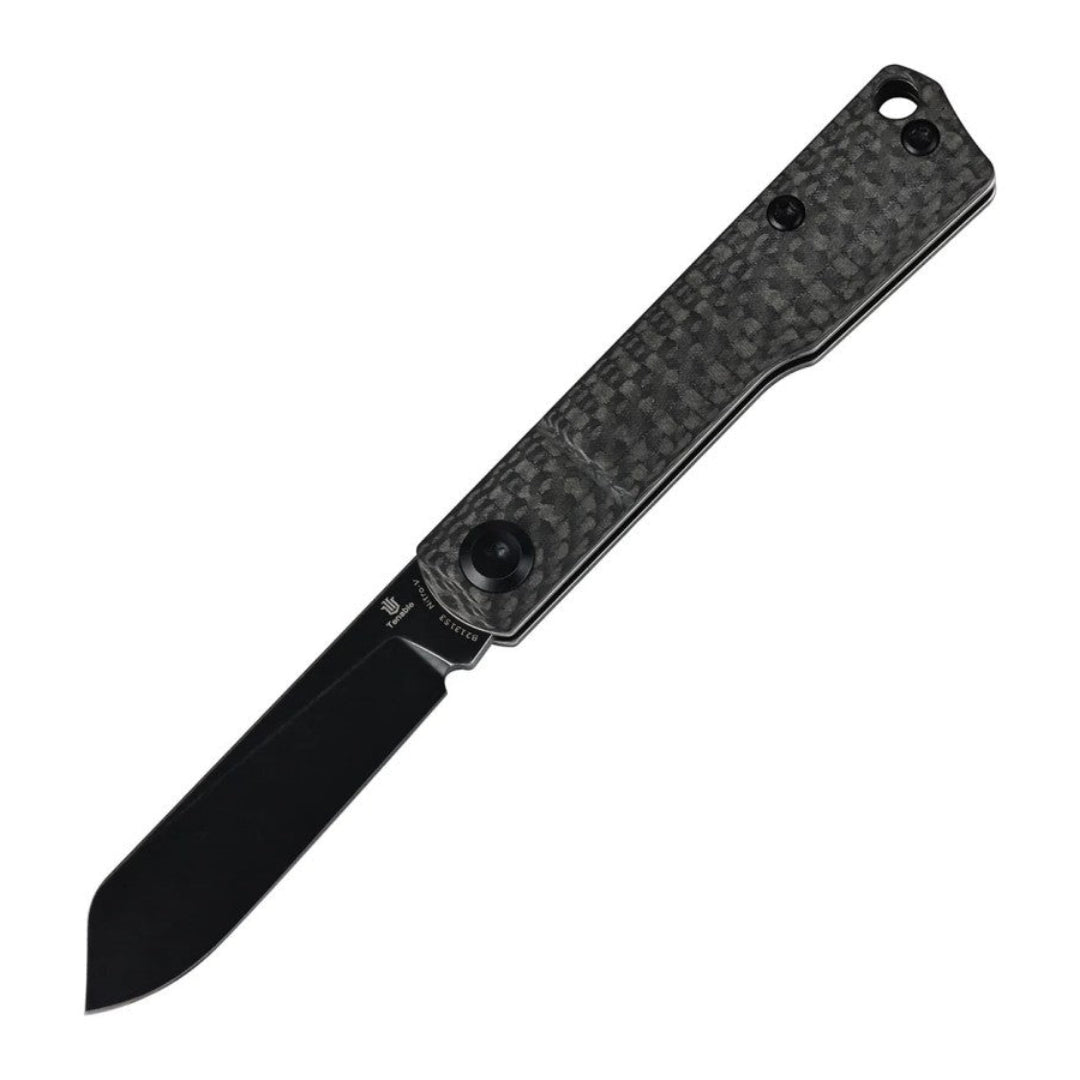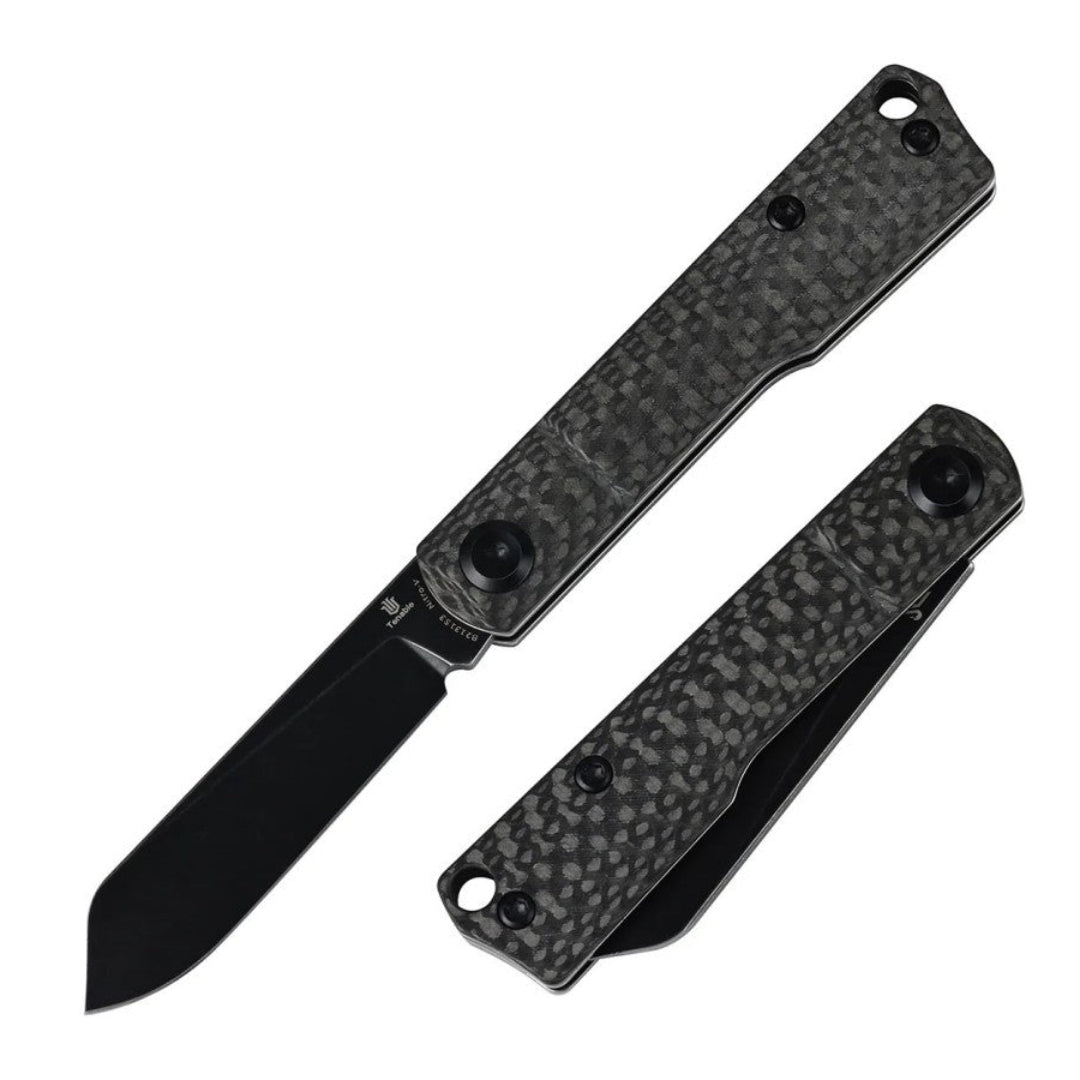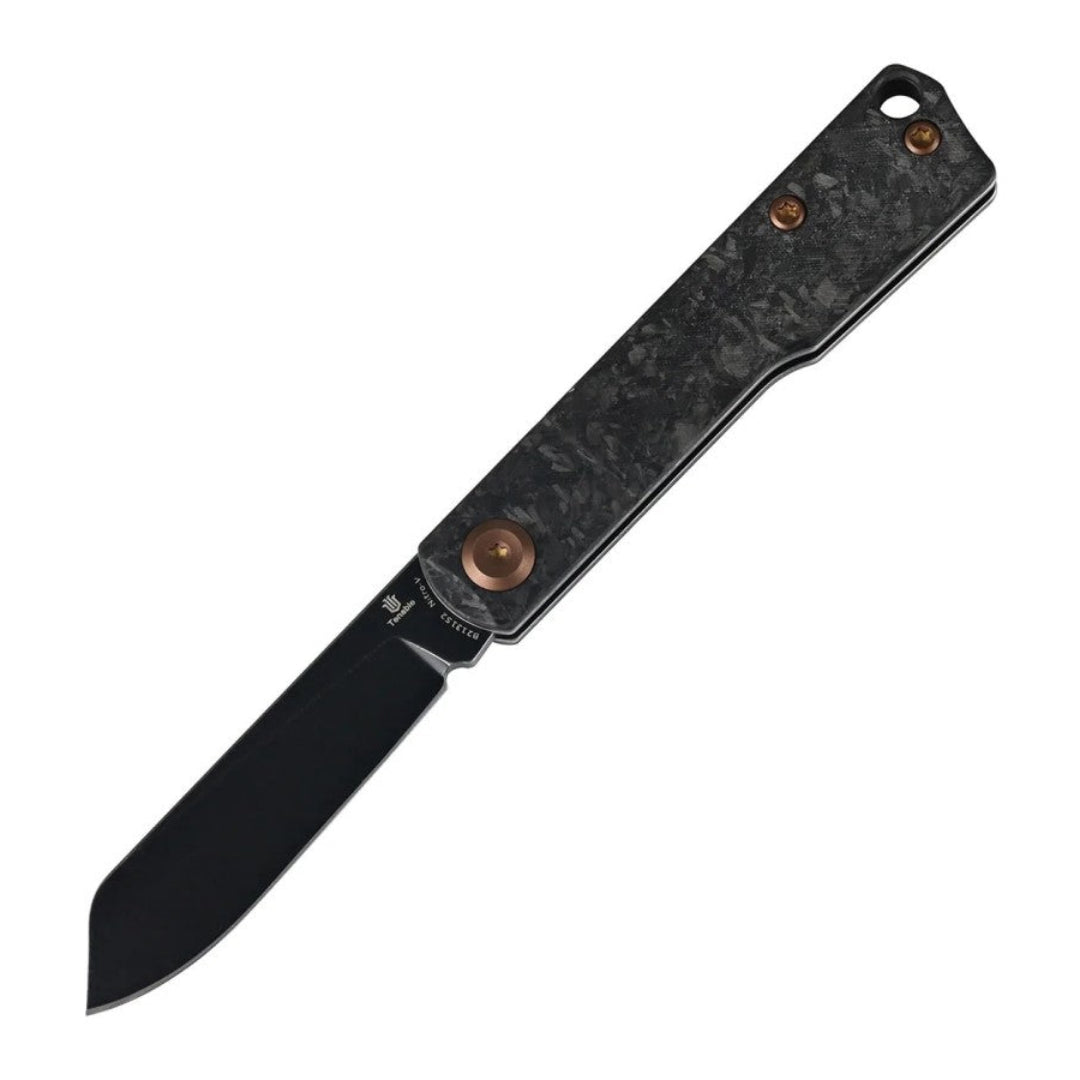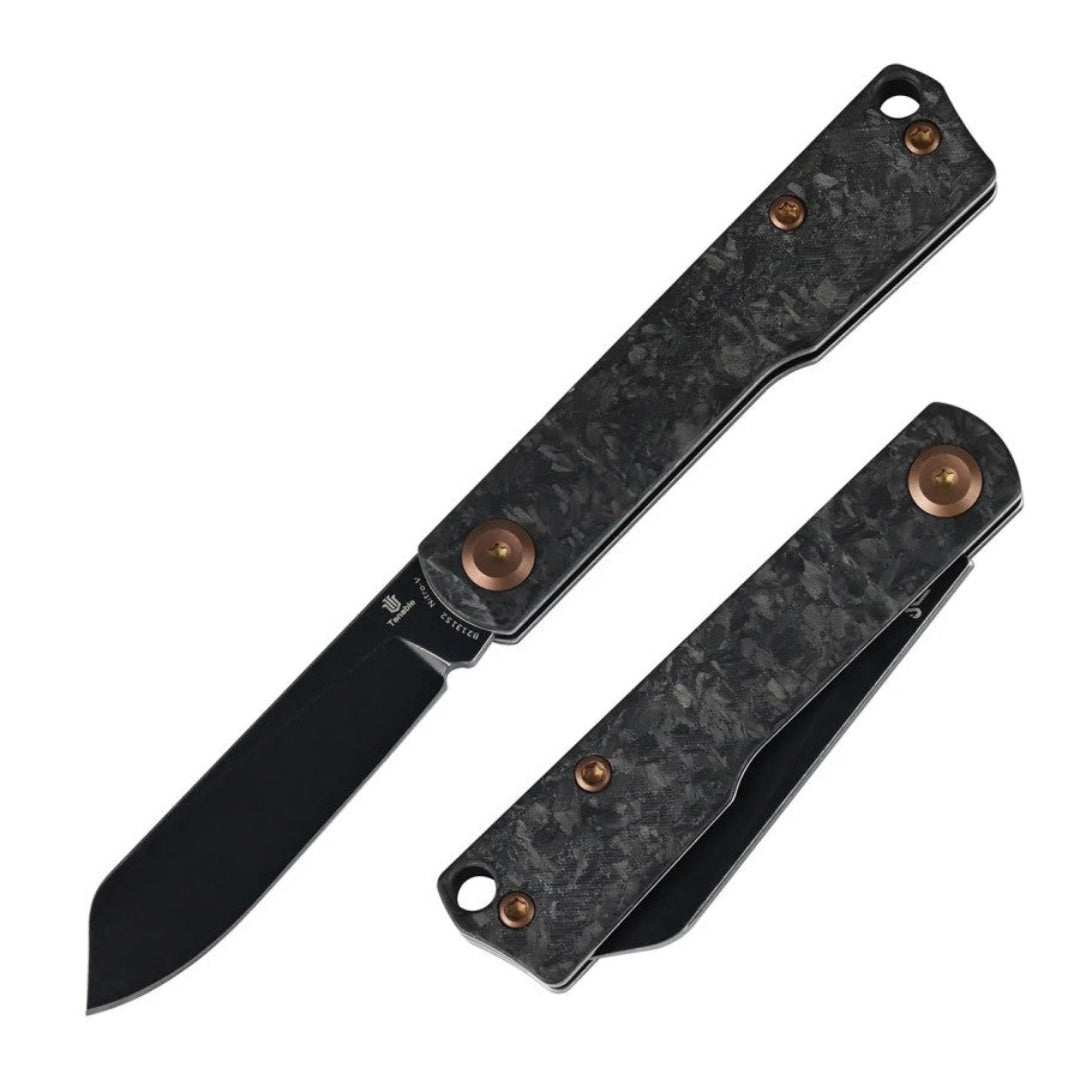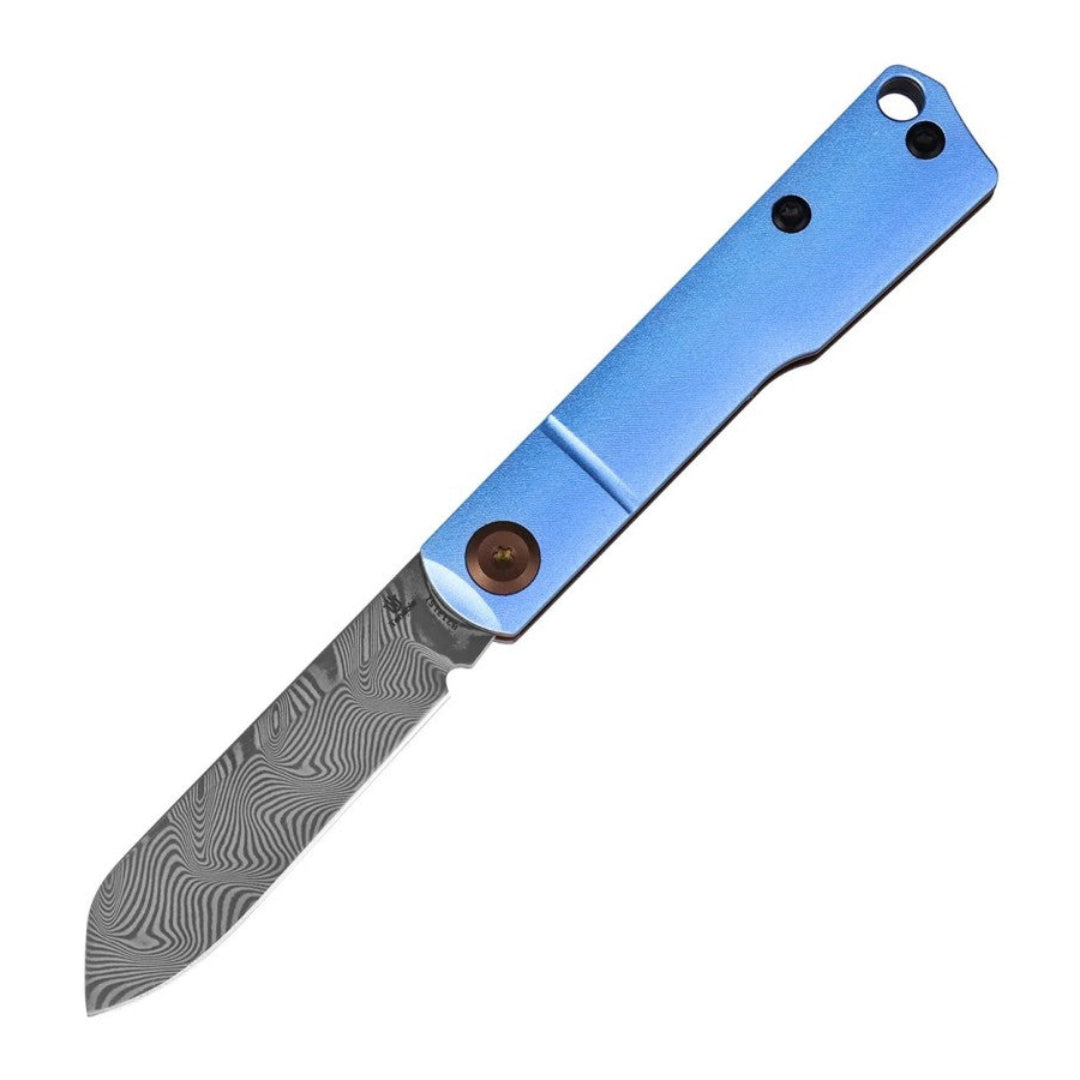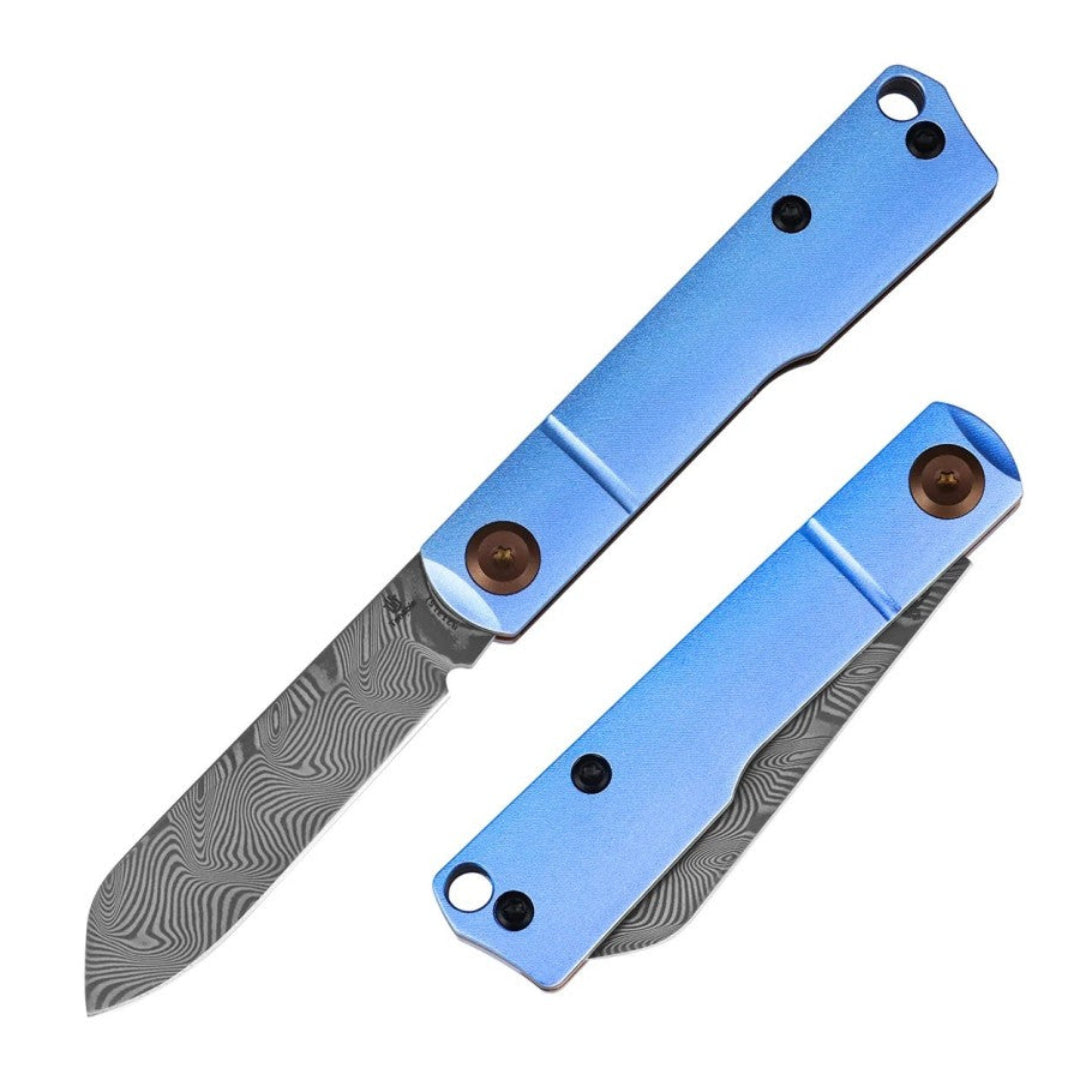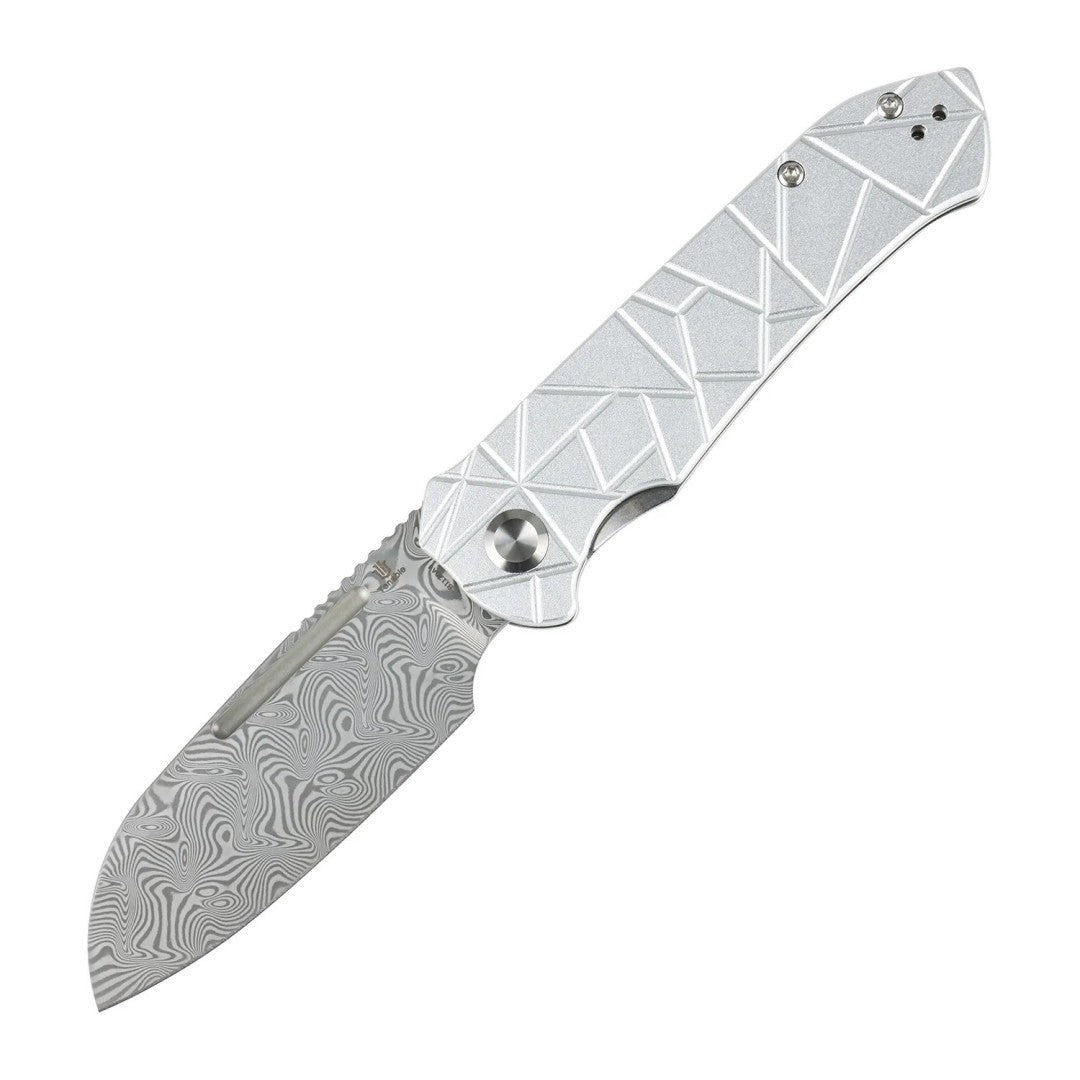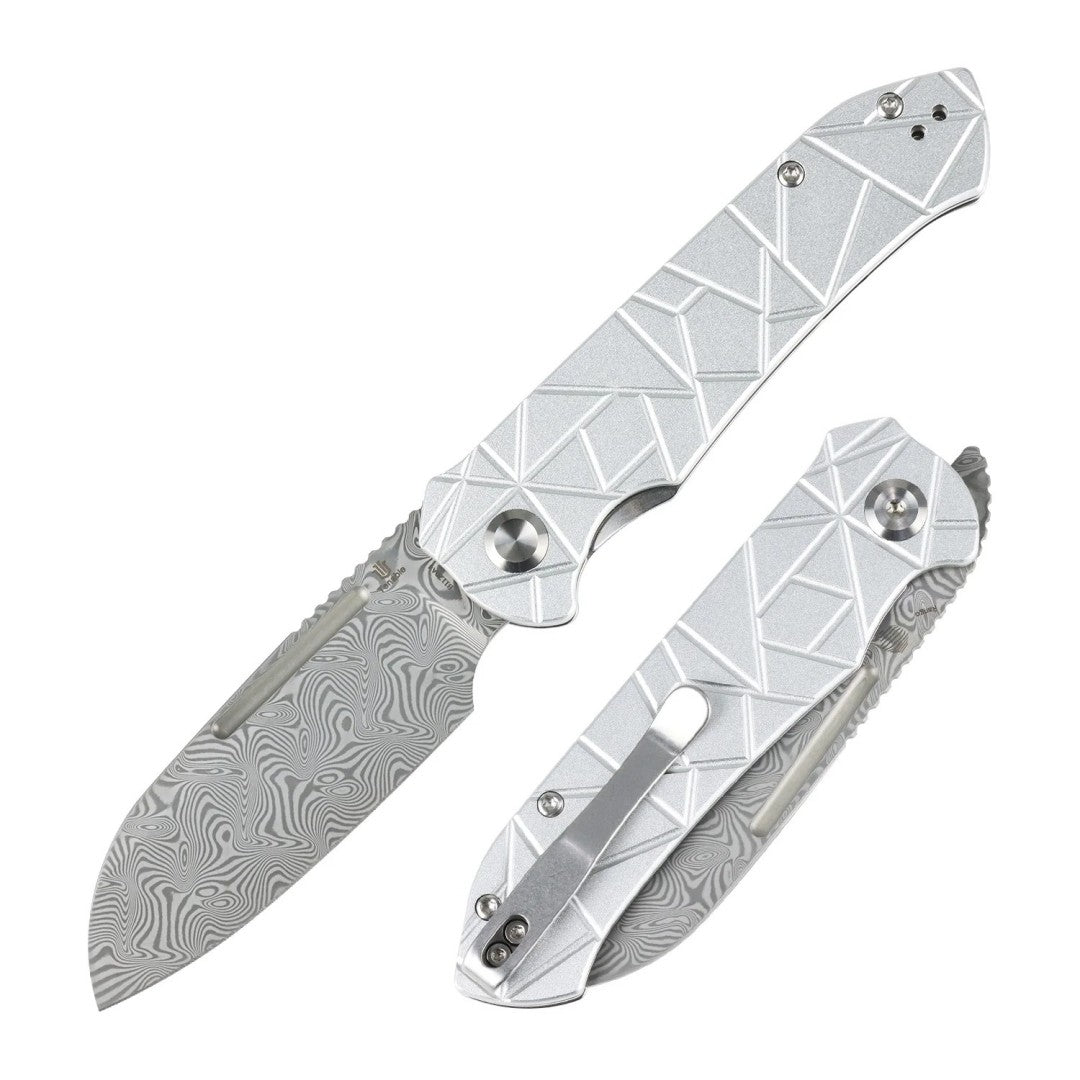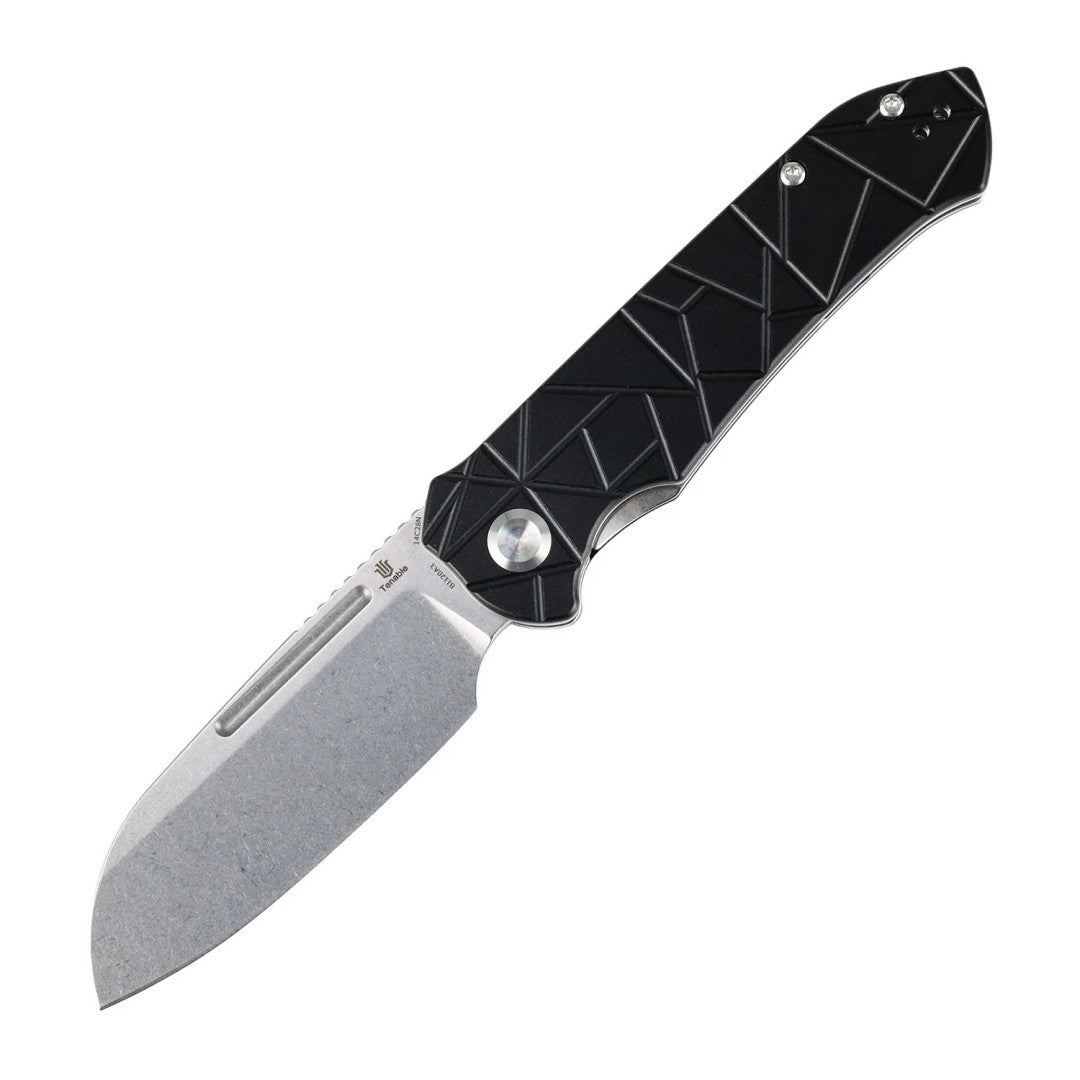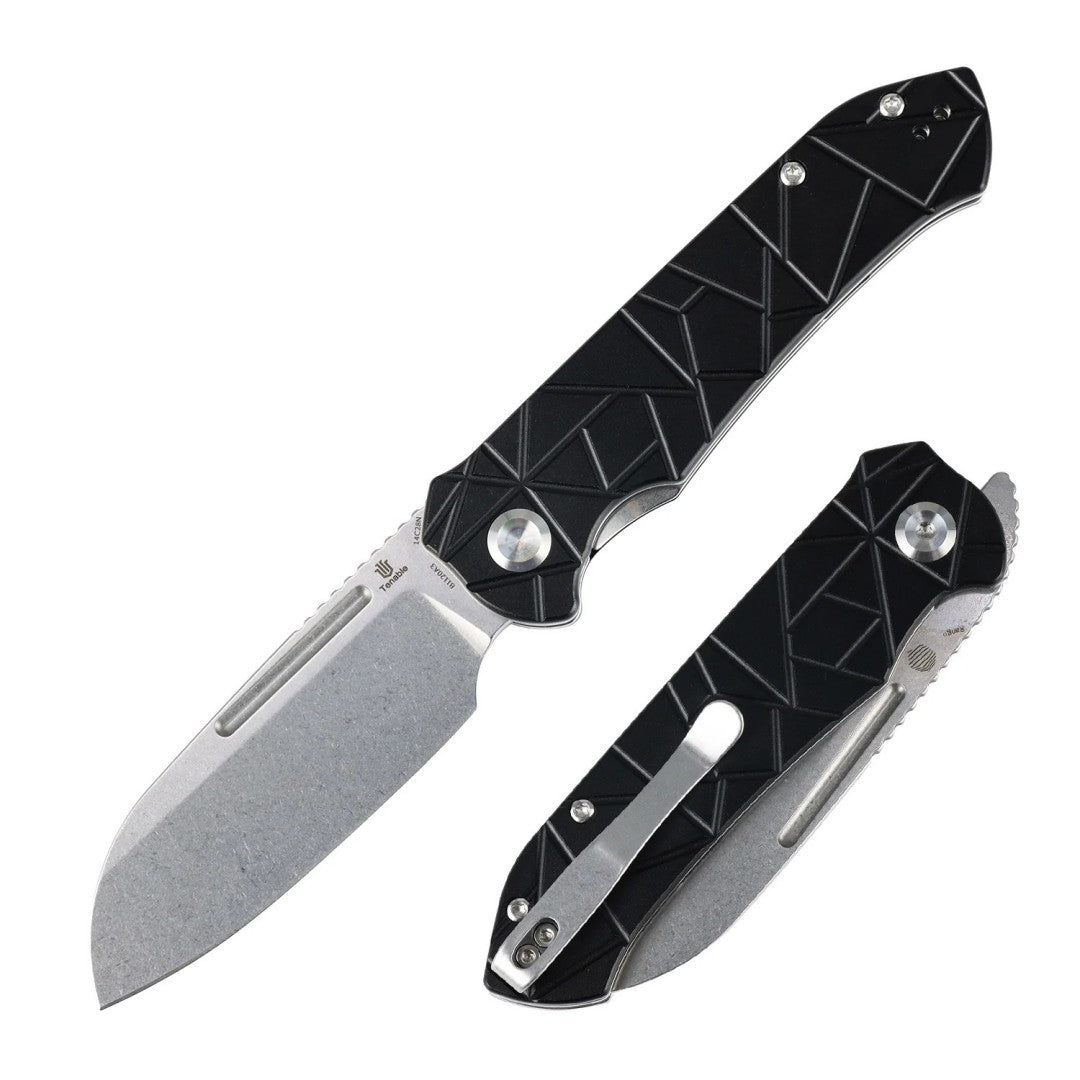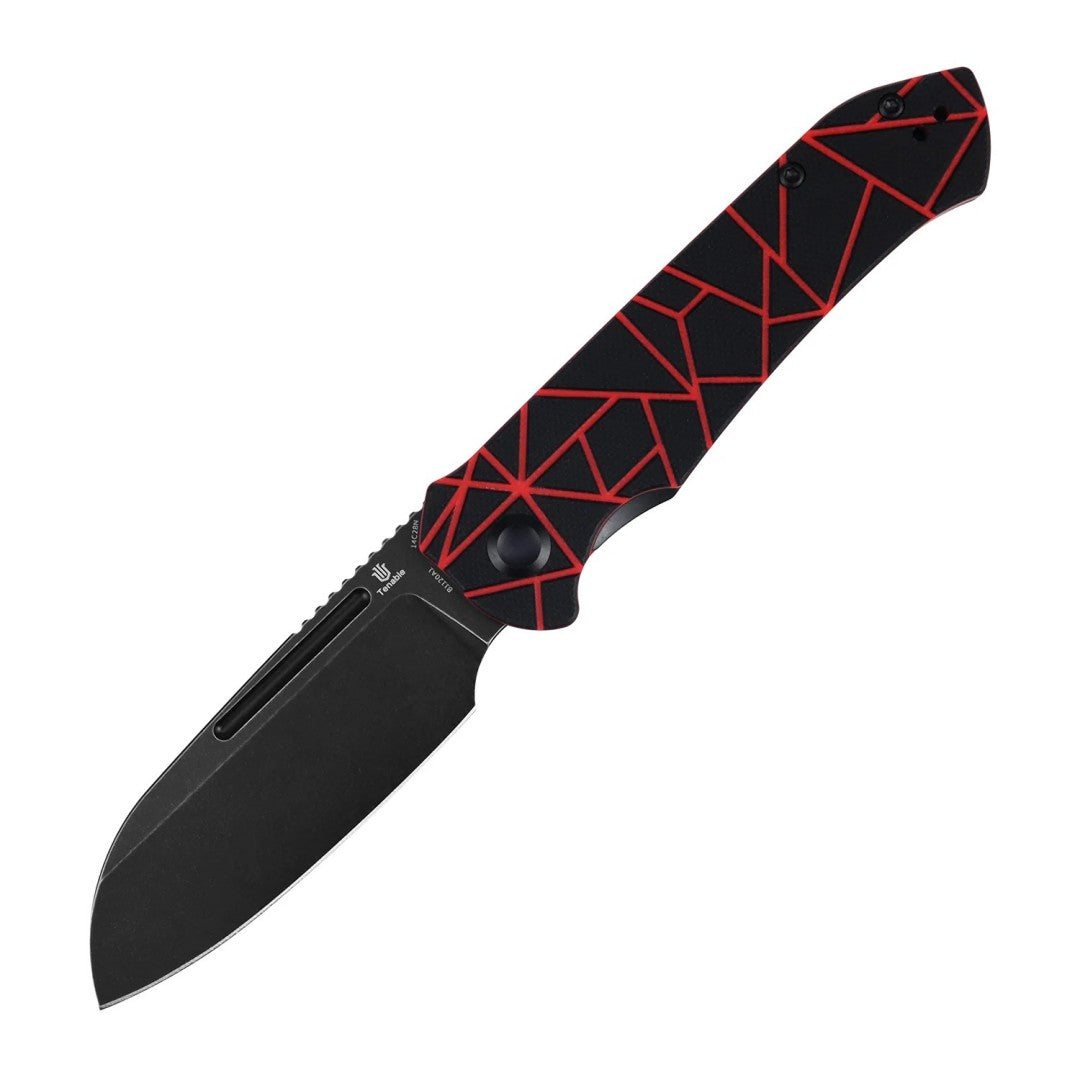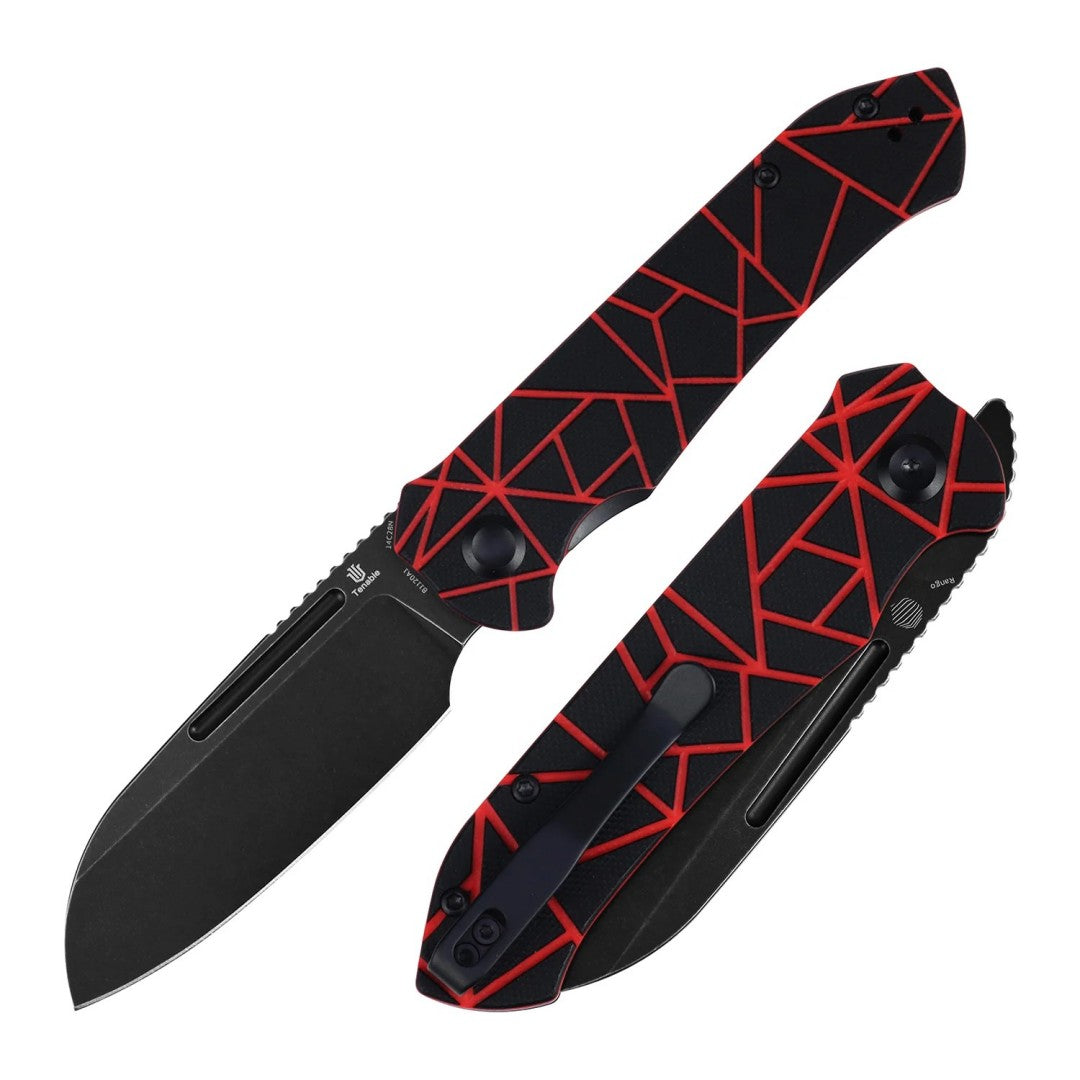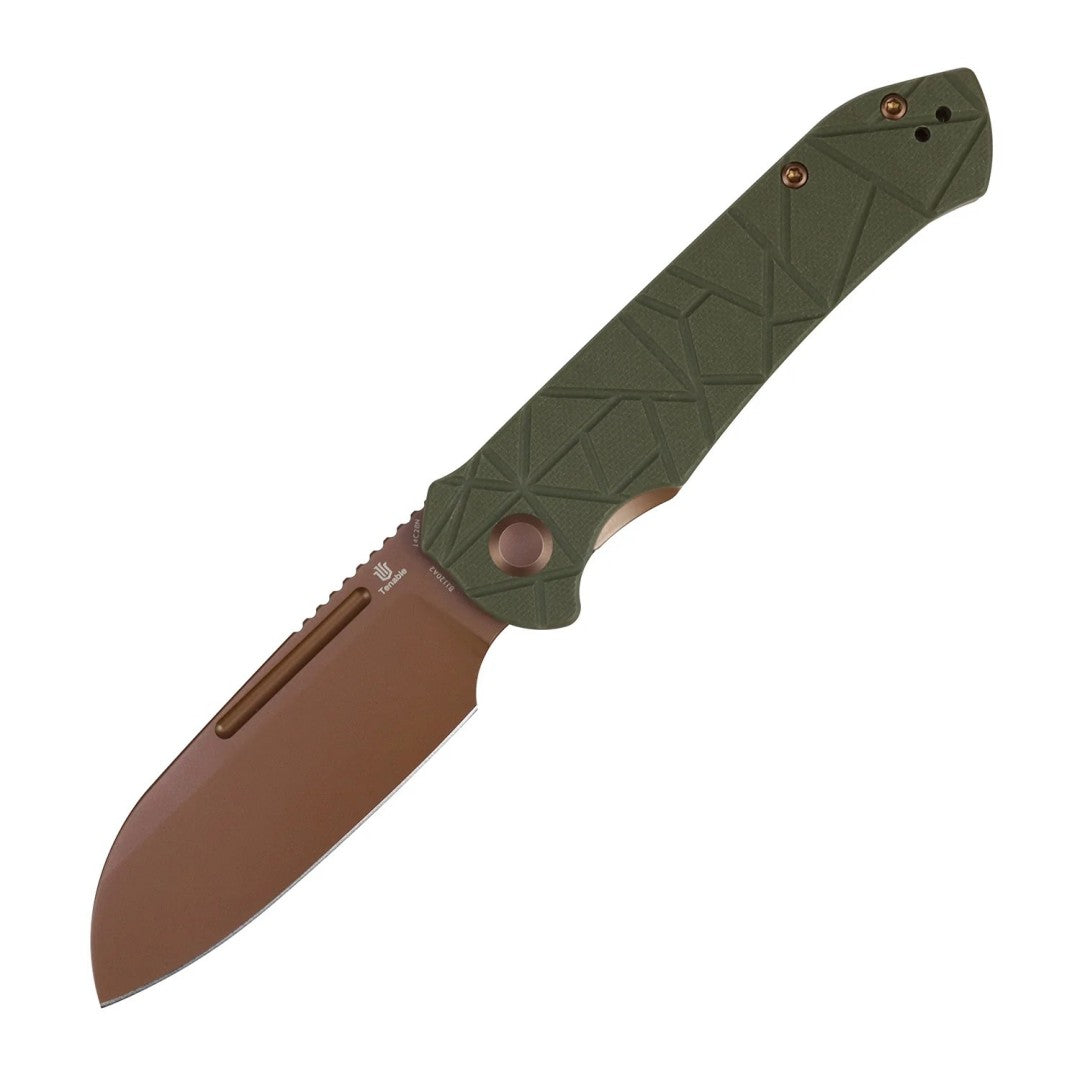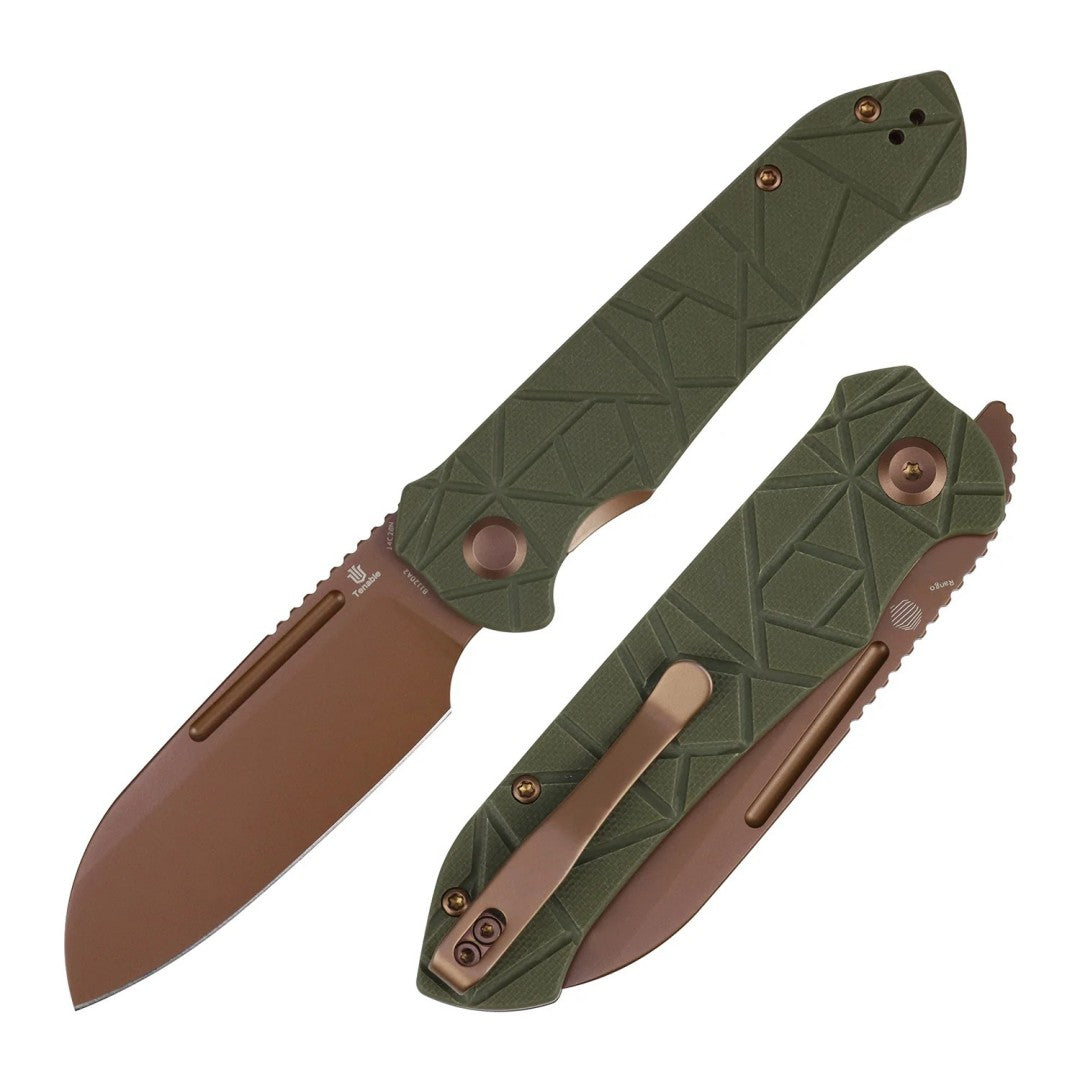
When selecting a high-performance everyday carry (EDC) knife, understanding the metallurgy behind the edge is just as critical as the ergonomics of the handle. Tenable has earned significant acclaim within the pocket gear community by releasing the Tenable Loki series, a platform designed by custom maker Steven Dunnuck that highlights two completely distinct blade steel paths. Depending on the model you select from this premium lineup, you are choosing between traditional tool steel muscle and modern stainless innovation. This comprehensive Tenable Loki Blade Material Contrast provides a direct D2 vs. Nitro-V performance breakdown, allowing you to weigh edge retention, toughness, and corrosion resistance against your actual daily cutting requirements.

The Chemical Profiles: Breaking Down the Elements
To understand how these two steels behave under stressful conditions, we must look at the specific chemical building blocks that Tenable utilizes for each knife configuration. The difference in their alloying elements completely alters their structural properties.
High-Carbon D2 Tool Steel
D2 is a high-carbon, high-chromium tool steel that sits right on the border of being classified as stainless. Its primary strength comes from massive, incredibly hard chromium carbides that form within the steel matrix. This gives the D2 variants of the Loki series immense resistance to abrasive wear, allowing the edge to maintain its slicing capability through weeks of continuous contact with rough materials.
Nitrogen-Infused Nitro-V
Nitro-V is a highly specialized, modern alloy designed specifically for high-end cutlery. It takes a proven stainless foundation and infuses it with nitrogen and vanadium. By replacing a portion of the carbon with nitrogen, the steel achieves an exceptionally fine, uniform grain structure. This atomic layout allows the folding Loki models to take an absolute laser-like edge while providing structural attributes that traditional tool steels cannot match.
Head-to-Head Performance Matrix
When putting these two steels through rigorous testing, their individual strengths shine in completely different environments. Let's contrast their core capabilities side-by-side:
| Performance Metric | D2 Tool Steel (Fixed Blades) | Nitro-V Steel (Folding Knives) |
| Edge Retention | Excellent (High volume of hard carbides) | High (Fine-grained wear resistance) |
| Corrosion Resistance | Moderate (Requires basic oil maintenance) | Extreme (Immune to sweat and humidity) |
| Impact Toughness | Very High (Resists chipping under heavy force) | High (Flexible under lateral stress) |
| Sharpening Ease | Moderate (Requires precise abrasive stones) | Very Easy (Quickly responds to ceramic rods) |
| Edge Geometry | Aggressive Bite (Microscopic toothiness) | Surgical Keenness (Laser-like push cuts) |

Edge Retention vs. Slicing Characteristics
The way these two steels cut is fundamentally different due to their grain structures. The D2 tool steel on the Loki fixed blades features large carbide clusters. On a microscopic level, this gives the cutting edge a subtle, aggressive "toothiness." When you are sawing through dense outdoor rope, thick cardboard, or green wood, the D2 blade acts like a miniature saw, biting relentlessly into the material. It holds this working edge for an incredibly long duration under harsh friction.
Nitro-V, conversely, thrives on surgical push cuts. Because its grain structure is so tightly refined by the vanadium, it can be sharpened down to an ultra-thin, razor-like angle. The folding Loki models utilizing Nitro-V will glide through plastic wrap, open envelopes, and slice food with zero resistance. While it may require a quick touch-up sooner than D2 when cutting abrasive cardboard, its edge can be restored to hair-shaving sharpness on a simple leather strop in less than a minute.
Environmental Resilience and Field Maintenance
Where you carry your tool dictates how much maintenance your steel will demand. This is where the contrast between D2 and Nitro-V becomes most apparent for an EDC setup.
If your knife spends its life clipped inside a pocket against your body, it is constantly exposed to warmth, sweat, and localized humidity. For this style of carry, Nitro-V is the absolute champion. The nitrogen enhancement makes the steel virtually immune to rust, pitting, and staining, allowing you to carry your folder in humid climates or use it for food preparation without a single worry.
D2 tool steel has a lower free-chromium content, meaning it is susceptible to micro-oxidation if left wet or covered in acidic juices. Tenable smartly addresses this by applying advanced surface finishes to their D2 fixed blades, such as protective blackwash, stonewashing, or gray TiCn coatings. However, users must still practice basic knife maintenance—wiping the blade clean after use and applying a light coat of mineral oil—to keep the steel pristine.

The Verdict: Matching Steel to Intended Use
Ultimately, this metallurgical contrast reveals that Tenable did not select these alloys at random; they matched the steel to the physical architecture of the tool.
The full-tang Tenable Loki fixed blades leverage the raw, high-impact toughness and aggressive bite of D2 tool steel, making them perfect for rugged jobsites, survival kits, and wilderness camping. Meanwhile, the smooth-flipping liner lock folders utilize the extreme rust resistance, surgical keenness, and effortless maintenance of Nitro-V steel, making them the premier choice for urban commuting and clean daily carry. Align your choice with your personal environment, and experience what engineered utility truly feels like.