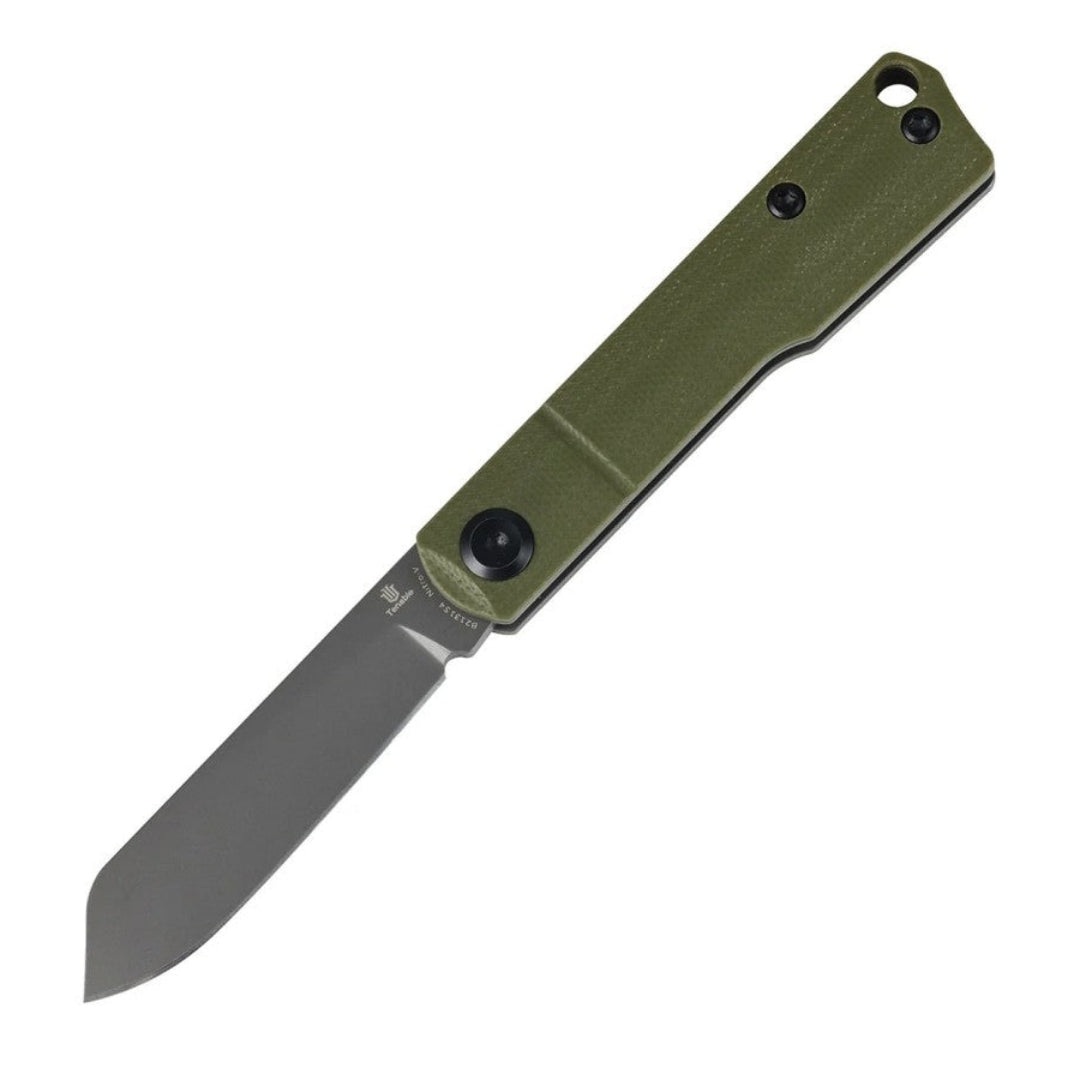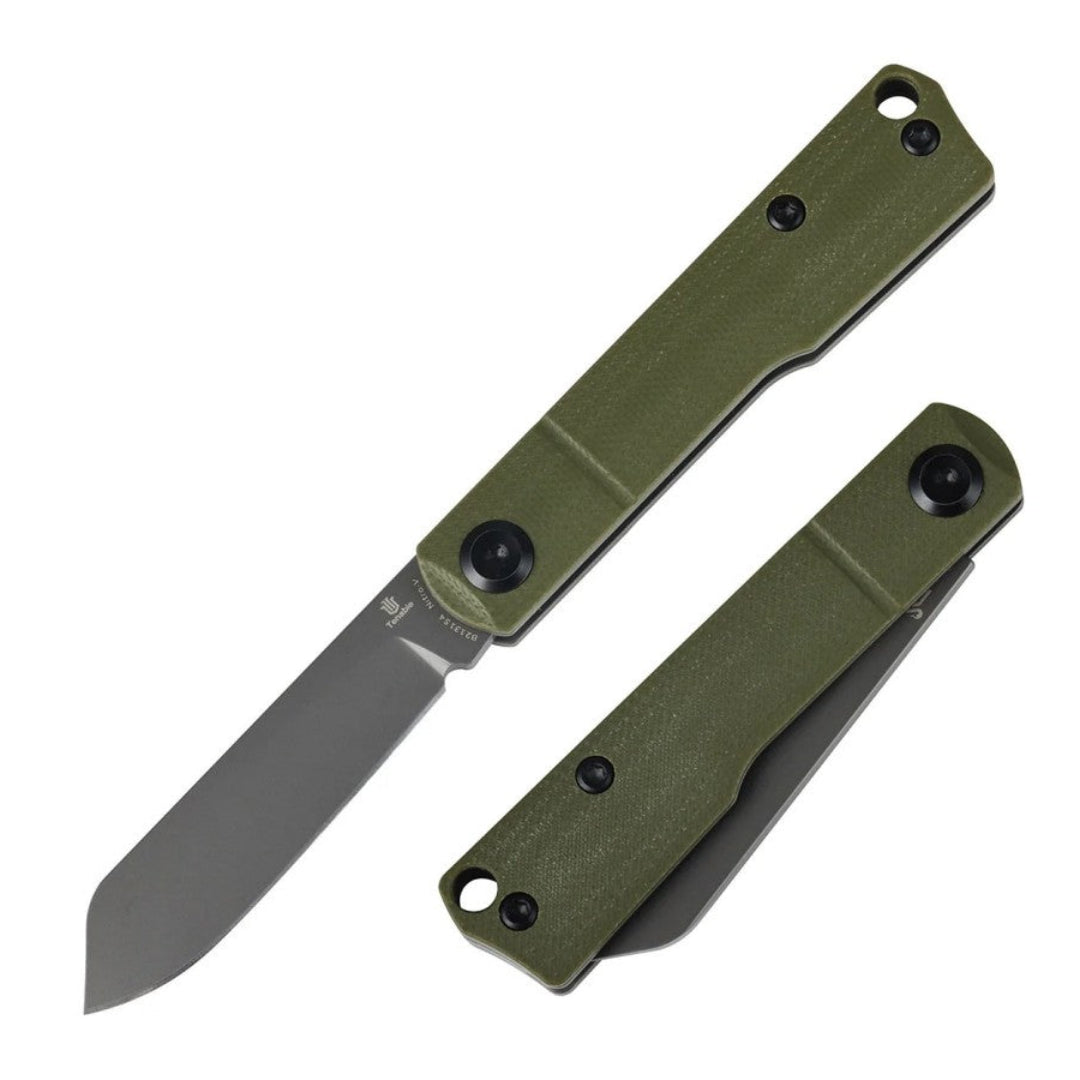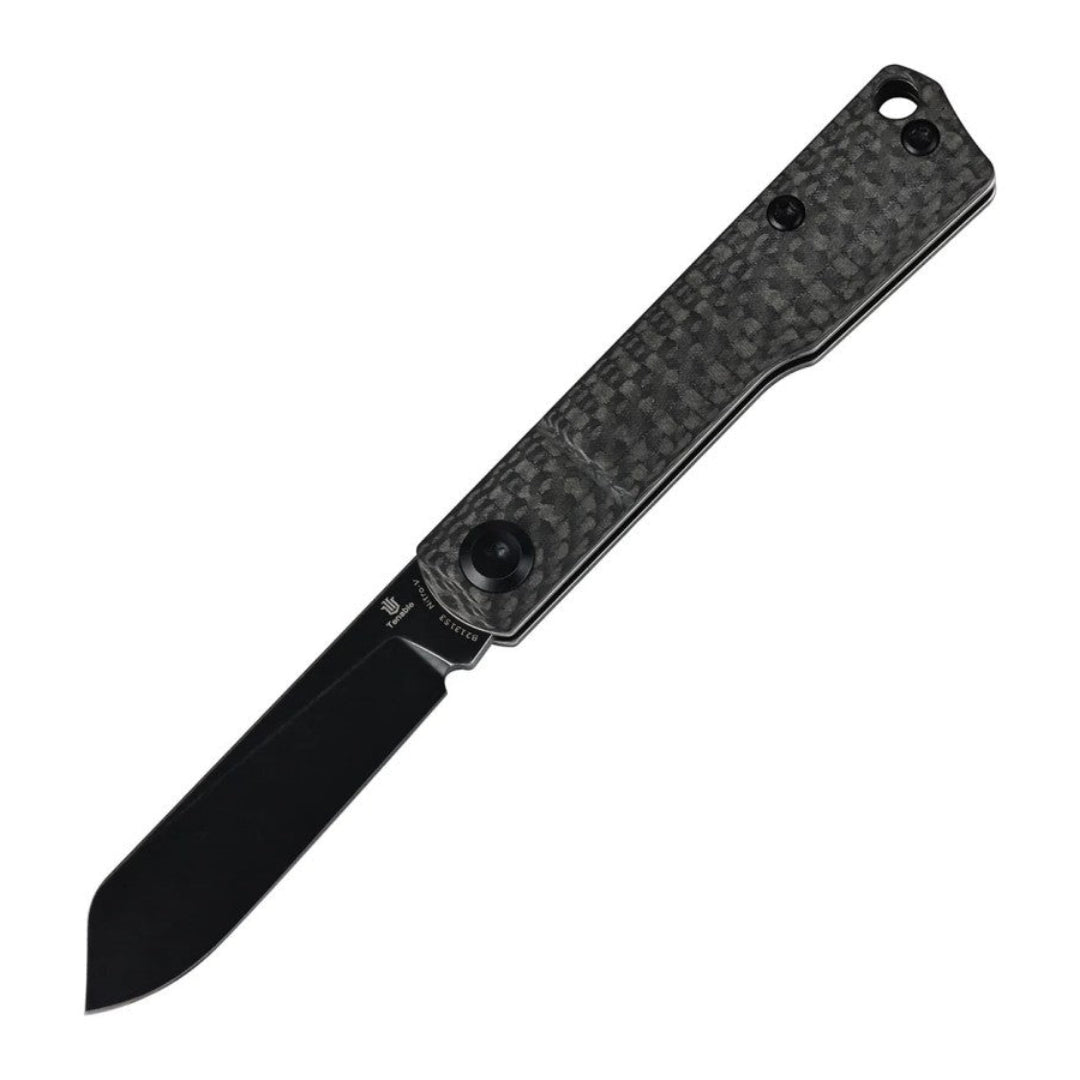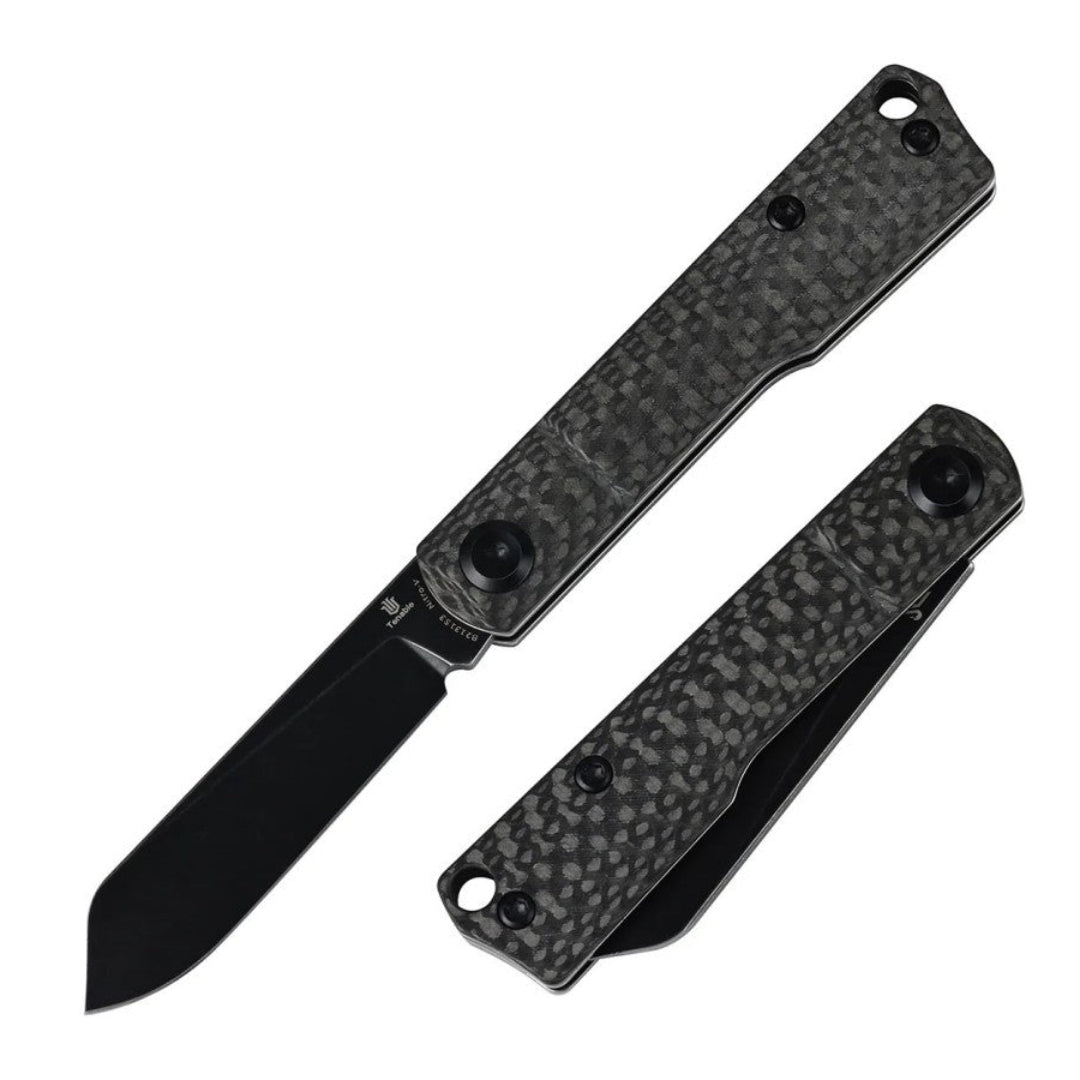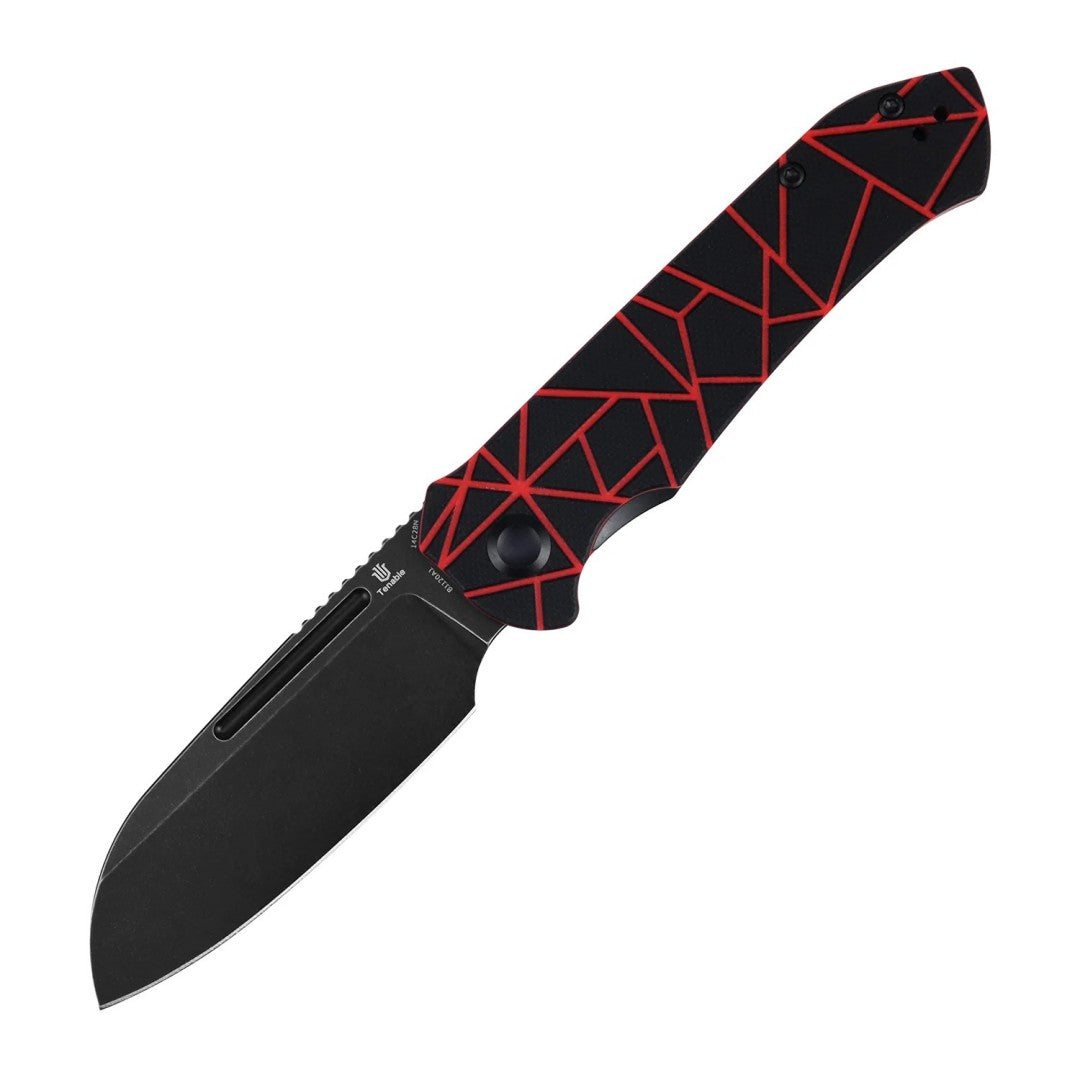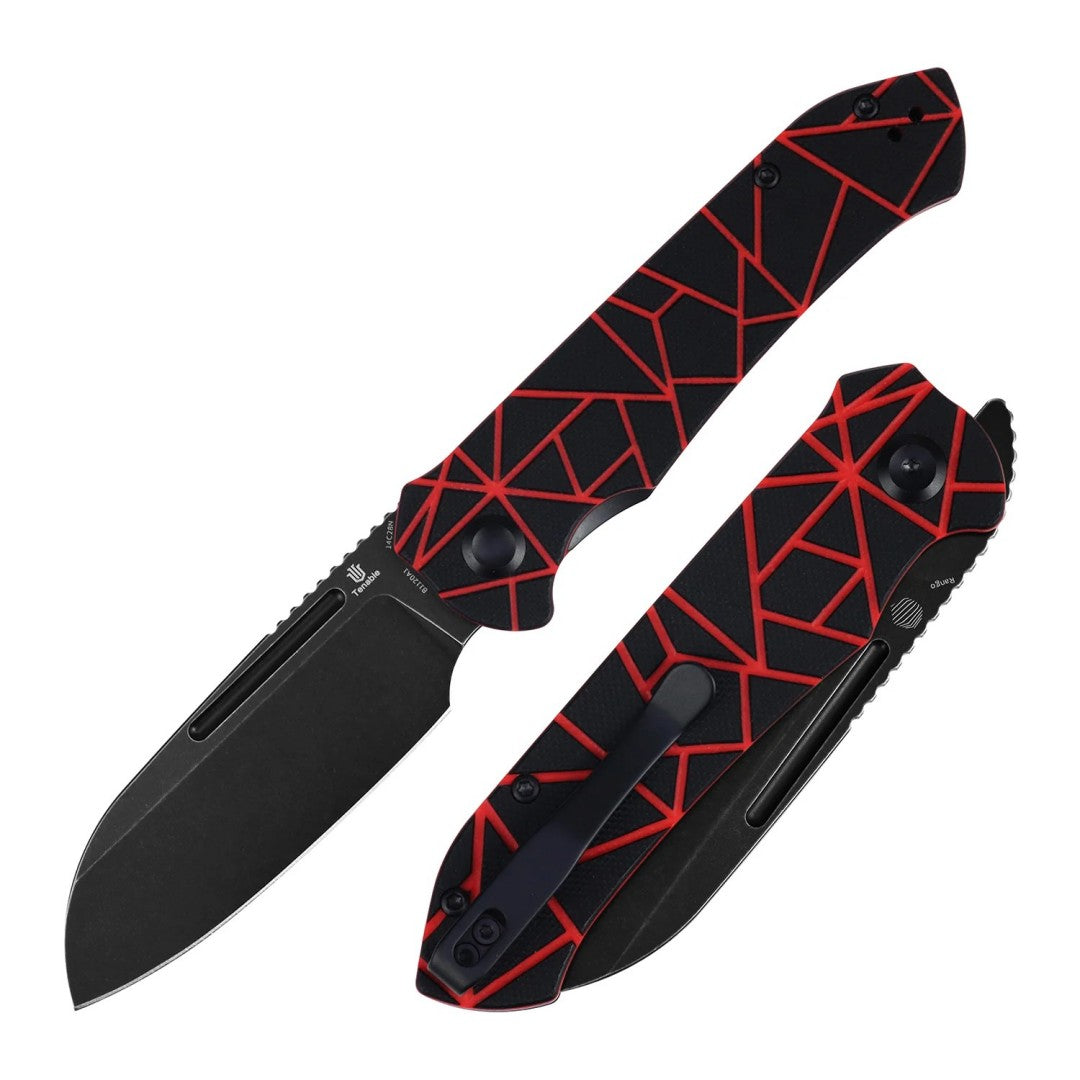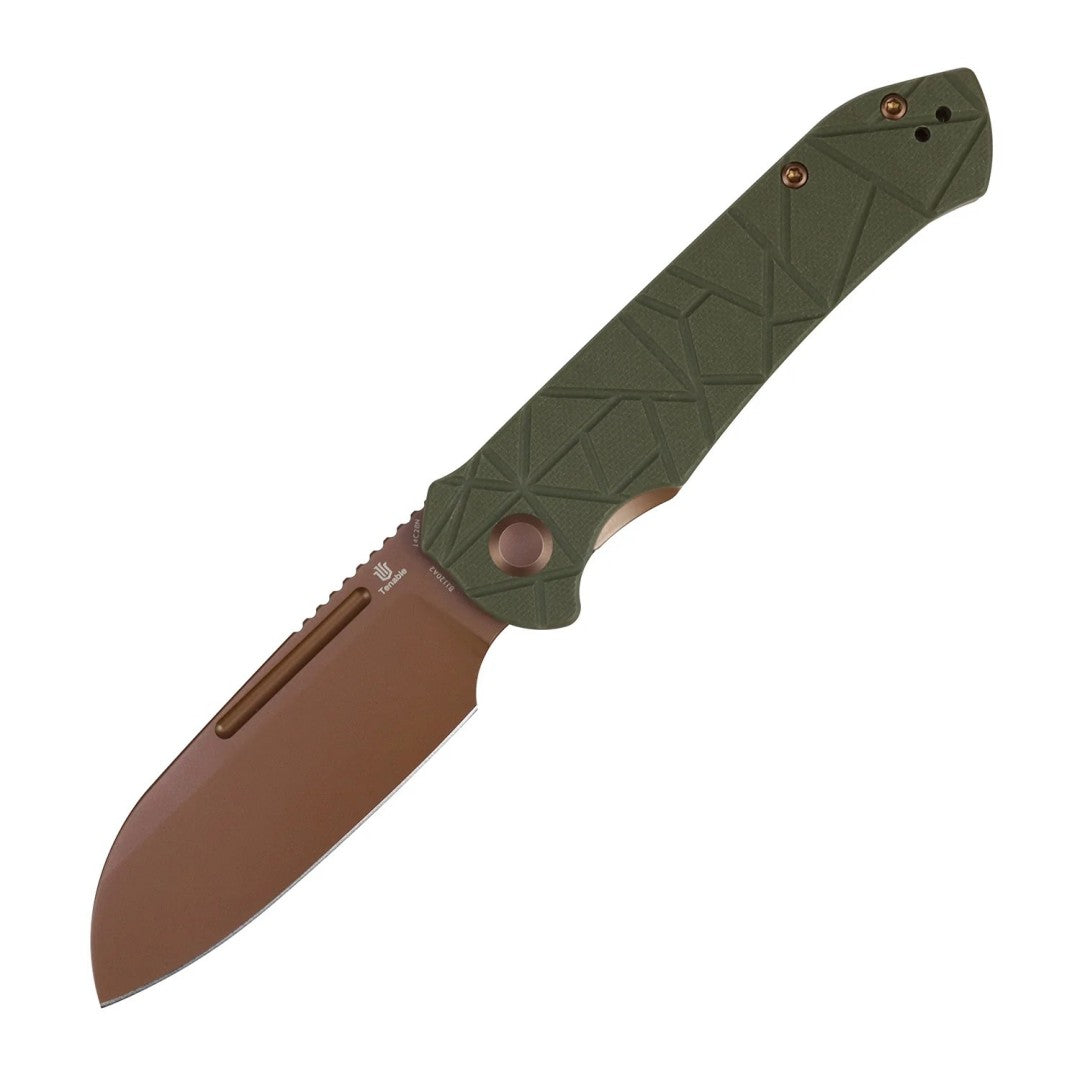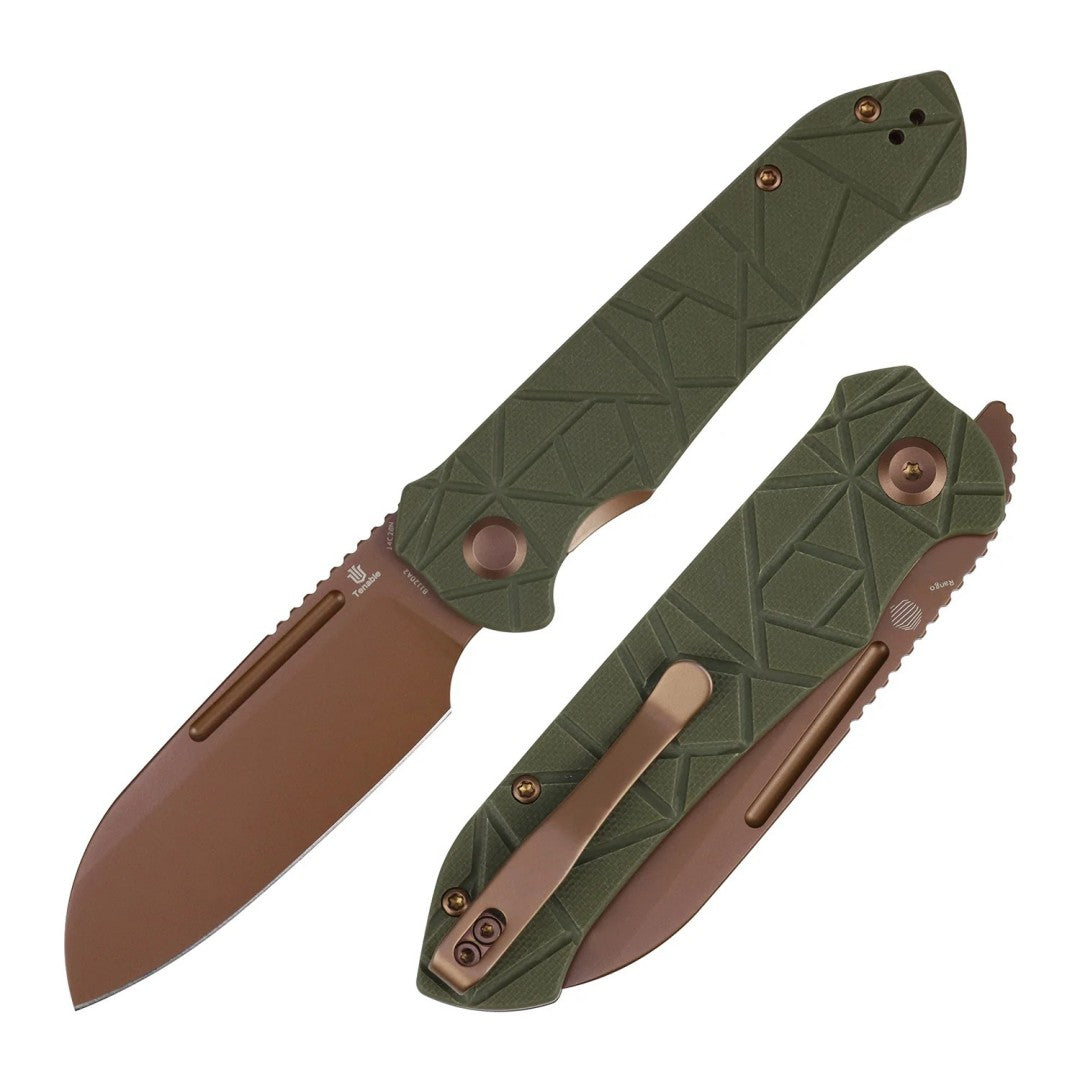
Every iconic pocket knife begins with a vision—a distinct philosophy of how form should meet function in the palm of your hand. When the manufacturing powerhouse Kansept decided to collaborate with custom knife maker Ron Steele, the goal wasn't merely to release another production folder into a crowded market. Instead, it was an ambitious pursuit to bring premium, custom-level engineering to the global EDC community. The resulting creation, the Kansept Strip, stands as a testament to what happens when a designer’s unyielding aesthetic meets an industry leader's advanced manufacturing capabilities. This is the design story behind a collaboration that has captivated gear enthusiasts worldwide.

The Vision of Ron Steele Design
To truly appreciate this folding knife, one must understand the philosophy of its creator, Ron Steele. Known in the custom knife world for his utilitarian, stripped-back approach to knifemaking, Steele believes that a tool should be as clean as possible without losing an ounce of its capability.
His custom pieces are celebrated for their seamless transitions and lack of unnecessary visual clutter. In designing this specific model, Steele wanted to create a pocket knife that felt like an extension of the user—a slim, geometric tool that could slide unnoticed into a pocket but deploy instantly into a robust, unyielding workhorse. The challenge was translating these exacting custom tolerances into a production environment.
From Custom Blueprints to Production Reality
When a custom designer partners with a production company, details can easily get lost in translation. However, Kansept's technical team worked closely with Steele to ensure every single arc, chamfer, and detent path matched his original blueprints.
The structural backbone of the knife relies on a highly precise titanium frame lock chassis. To maintain the minimalist spirit of the design, the lock bar is meticulously integrated into the frame, utilizing a hardened steel lock bar insert that prevents sticky disengagement and guarantees a rock-solid lockup. The alignment must be absolutely flawless, a feat achieved through Kansept's state-of-the-art CNC milling processes.

Balancing Elements: Material Innovation
A crucial chapter of this design story lies in the selection of materials. Steele’s profile provides a stark canvas, allowing the textures and grains of premium handle options to take center stage. The collaboration explicitly sought to offer something for every tier of collector and user:
-
The Hard-Use Workhorse: Merging stone-washed titanium frames with rugged, high-friction brown Micarta inlays. This variant is built for the grease, grime, and unpredictability of field tasks.
-
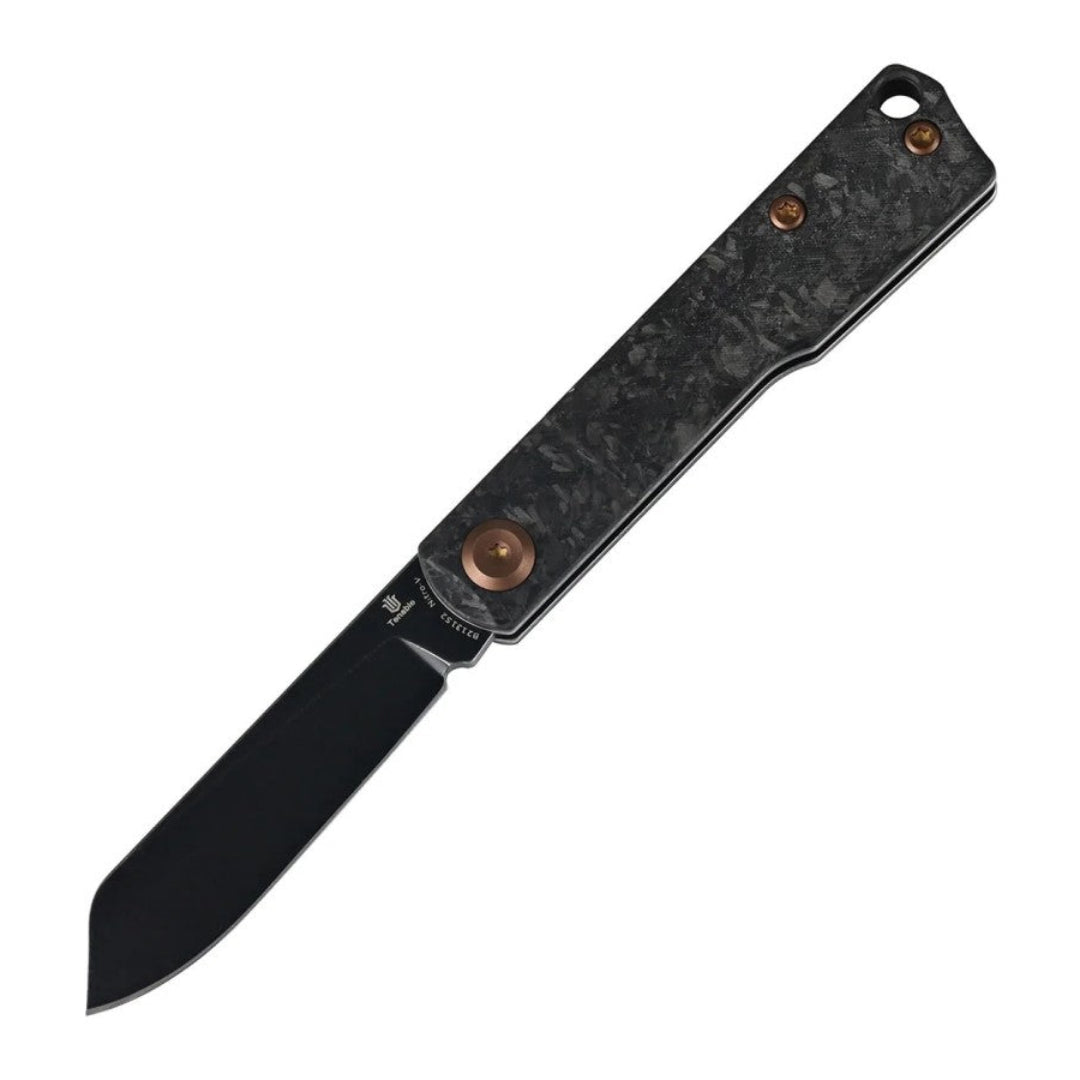
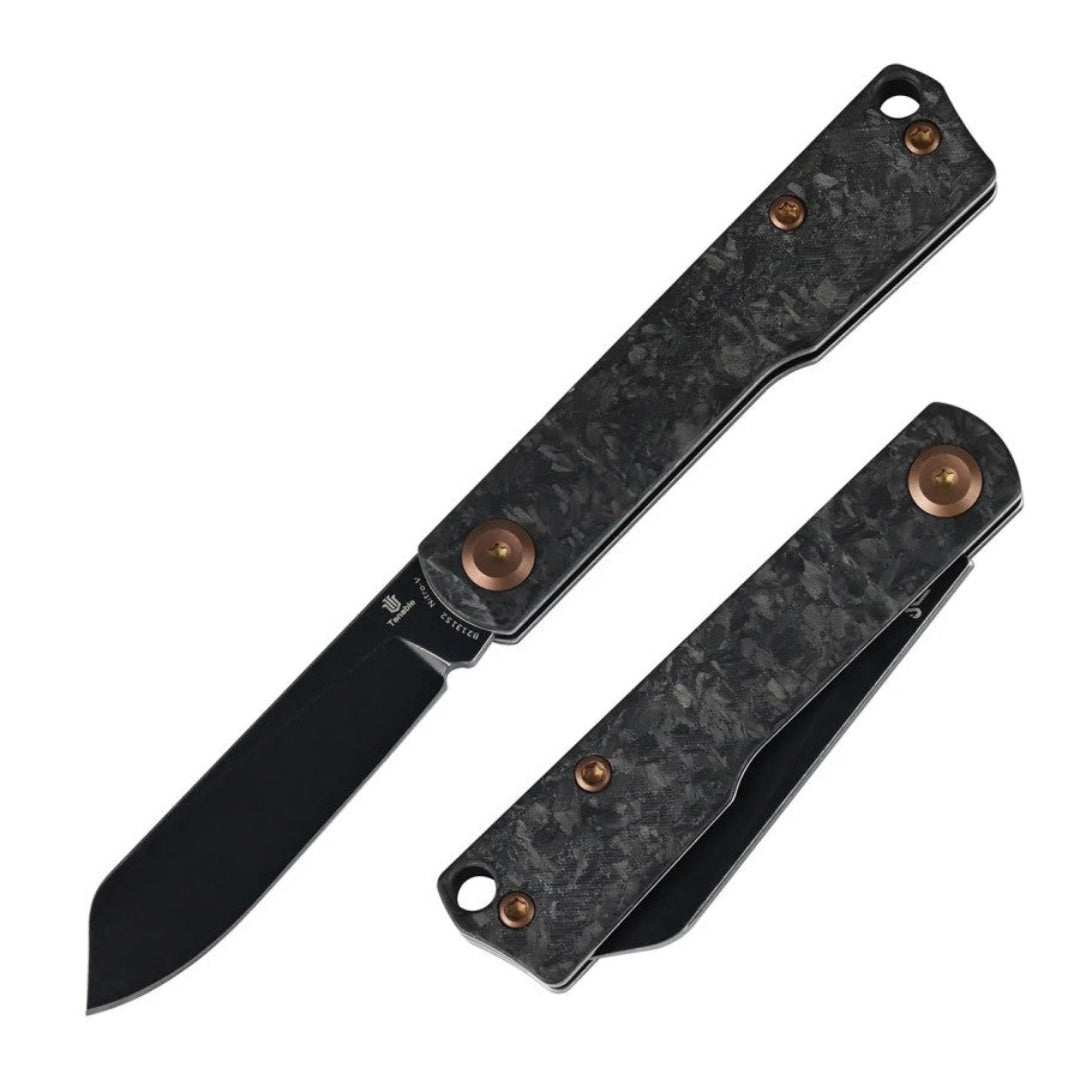
The Modern Tech Aesthetic: Utilizing classic carbon fiber or the vibrant Purple Haze Fatcarbon scales nested beautifully into blackwashed titanium handles.
-
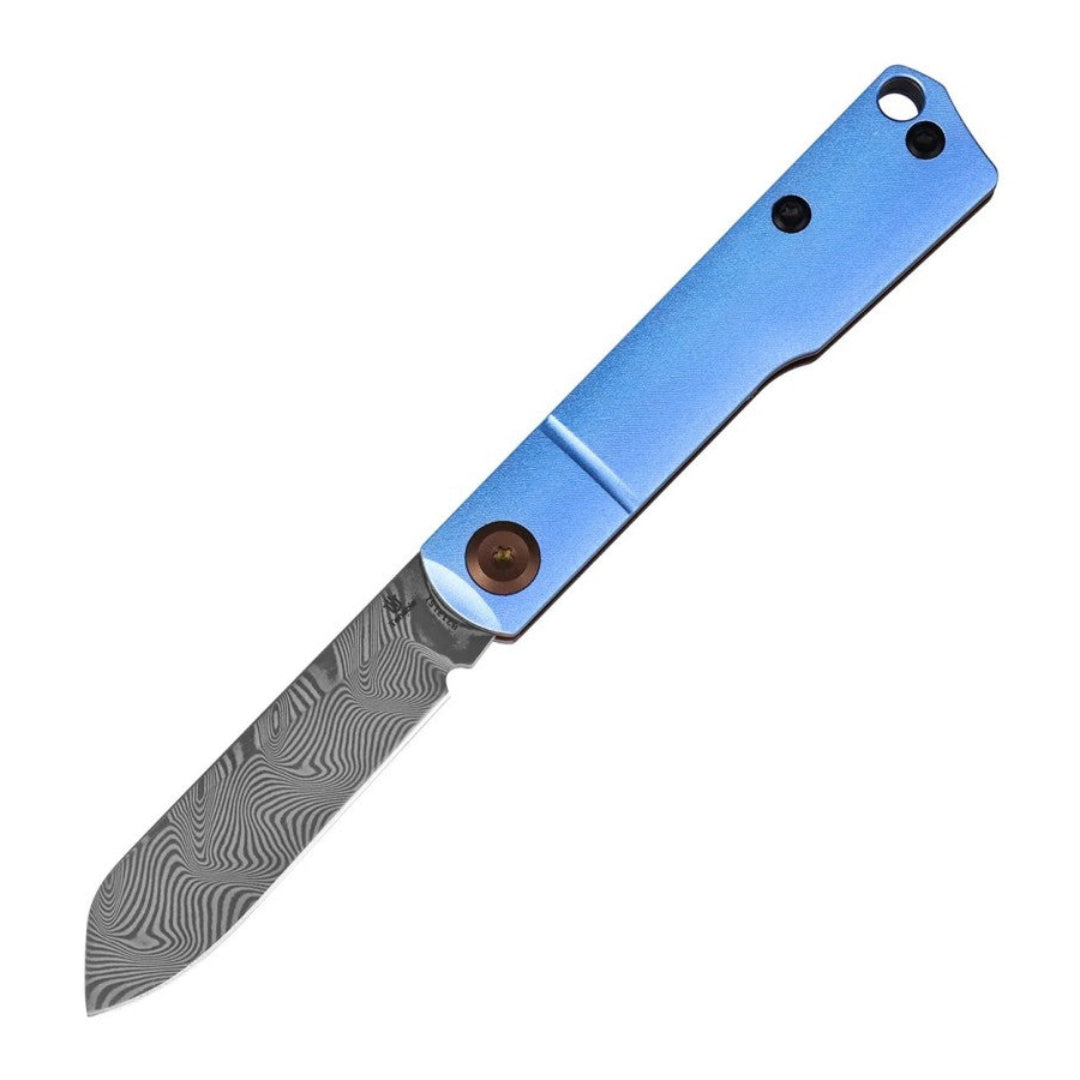
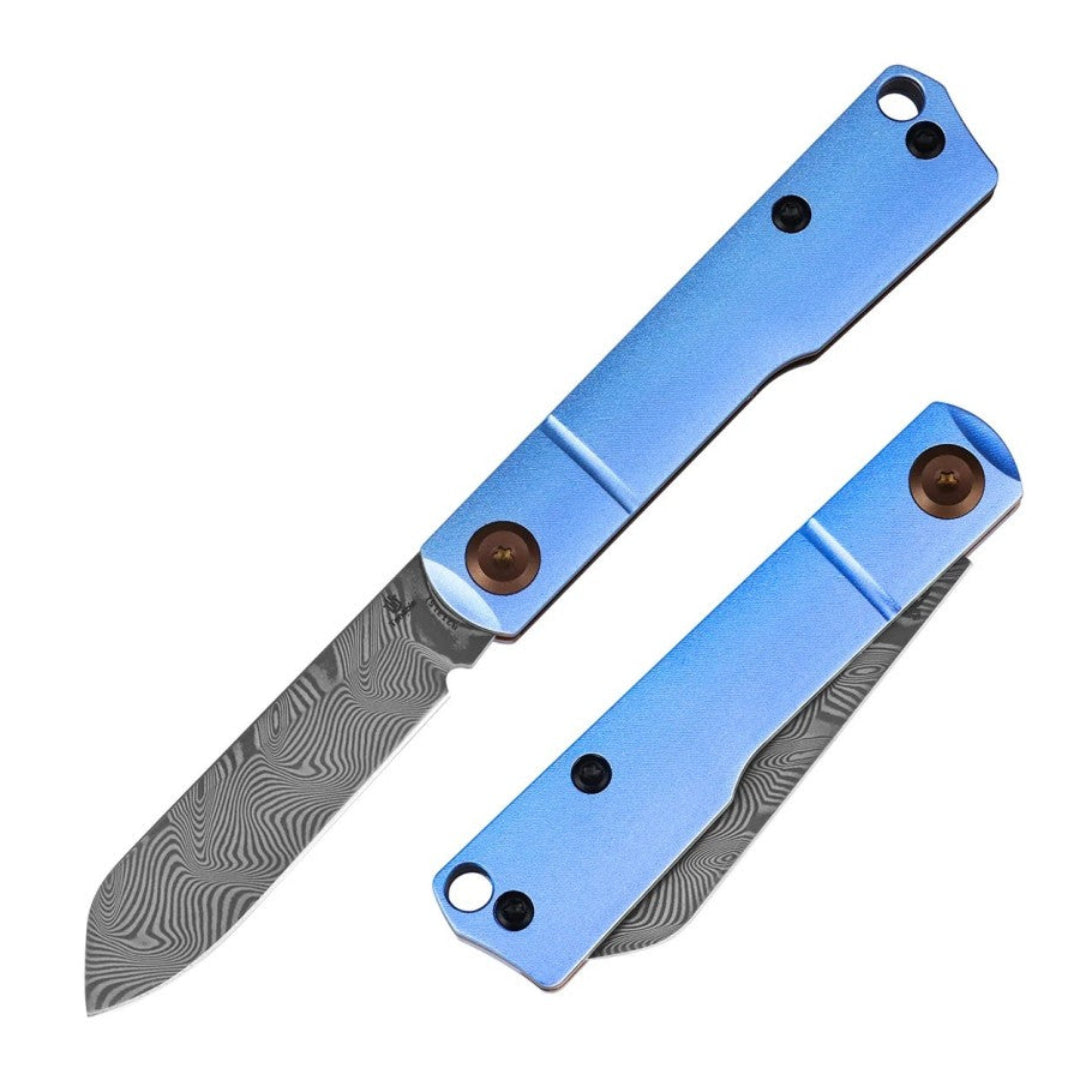
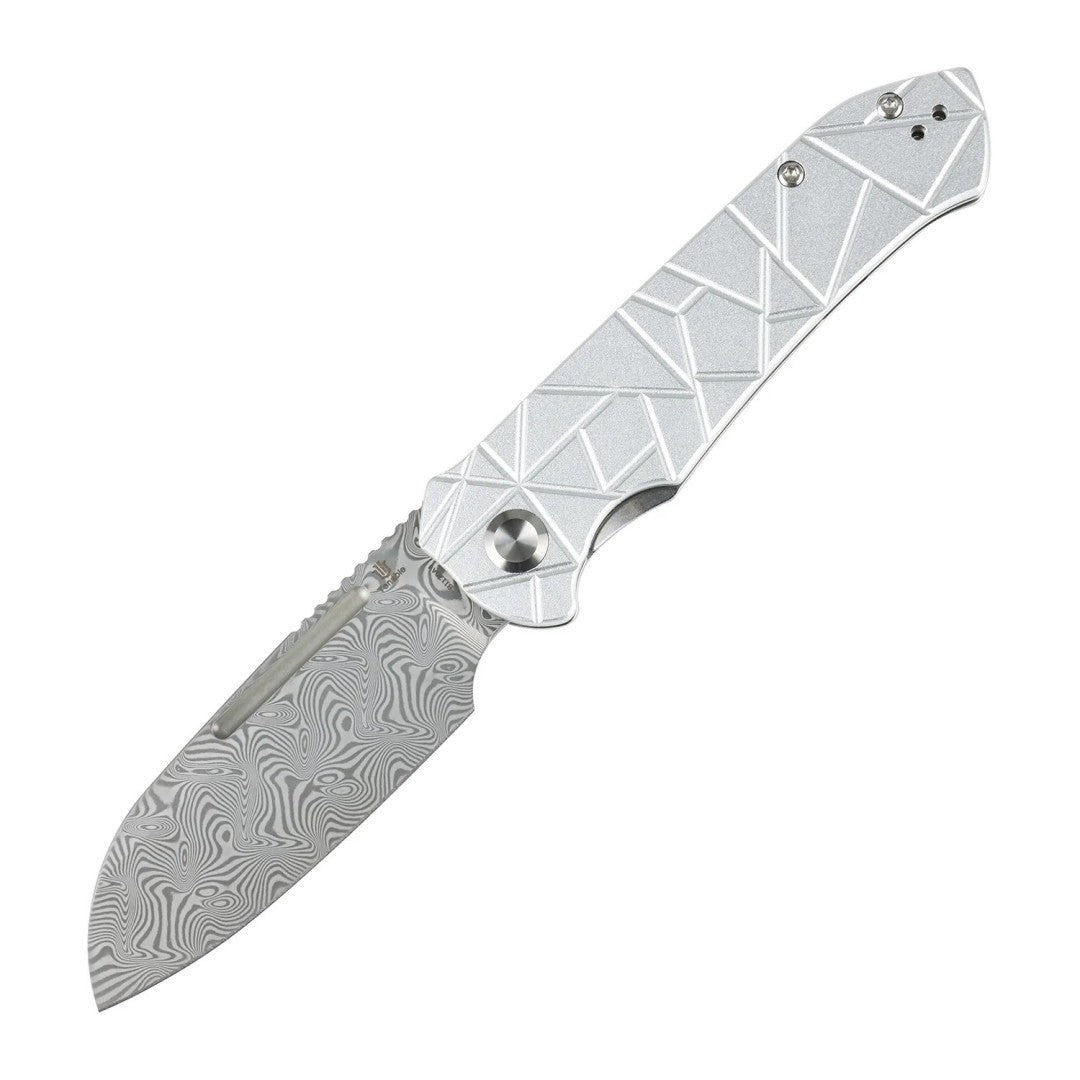
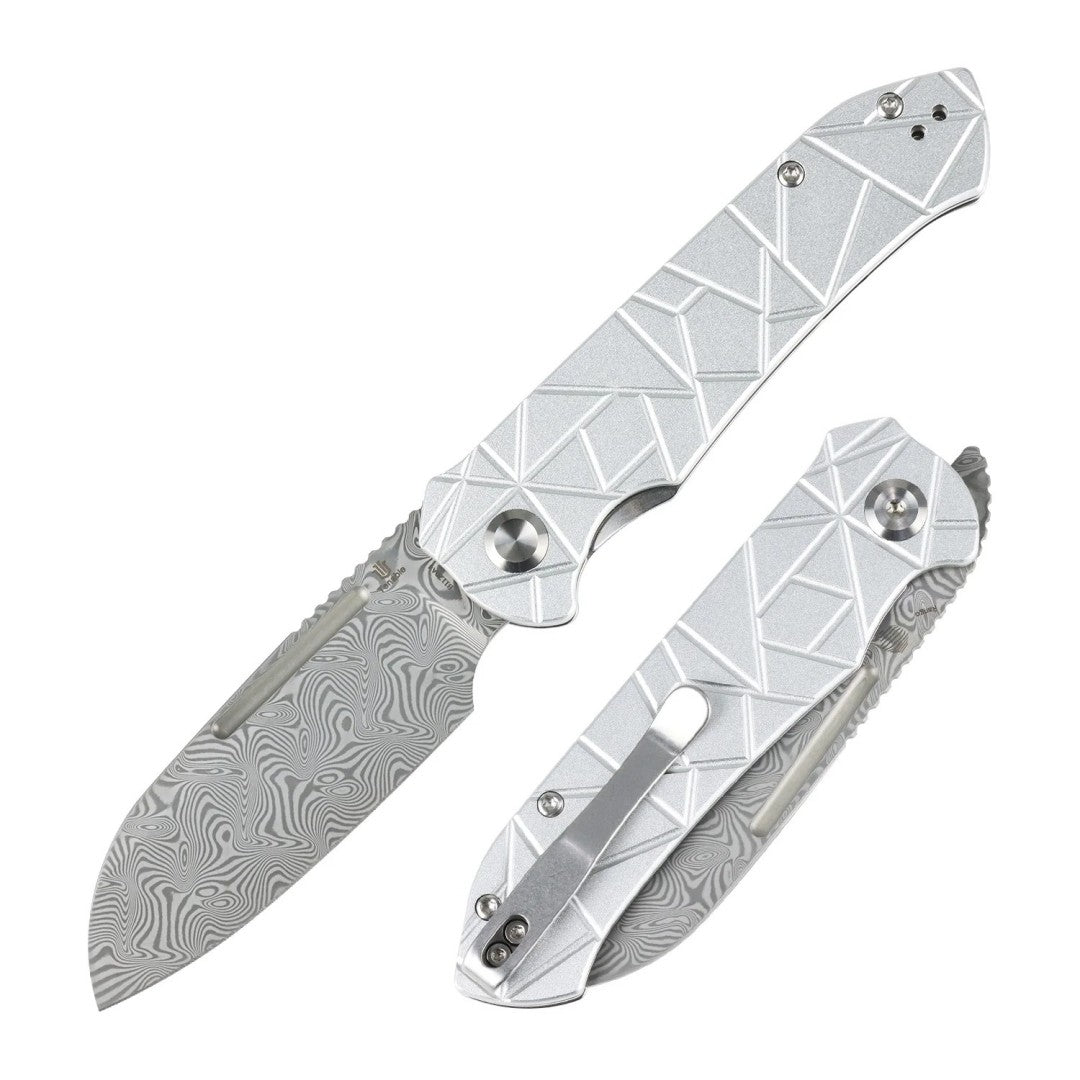
The Artisan Heirloom: Pairing striking Damascus steel blades with 80s Camo Carbon Fiber handles, creating a mesmerizing visual rhythm that bridges the gap between modern technology and historic metallurgy.
Engineering the Dual-Deployment System
One of the most heavily debated aspects during the prototyping phase was the deployment mechanism. Standard flipper tabs often protrude like an eyesore when a knife is closed, completely disrupting a clean profile.
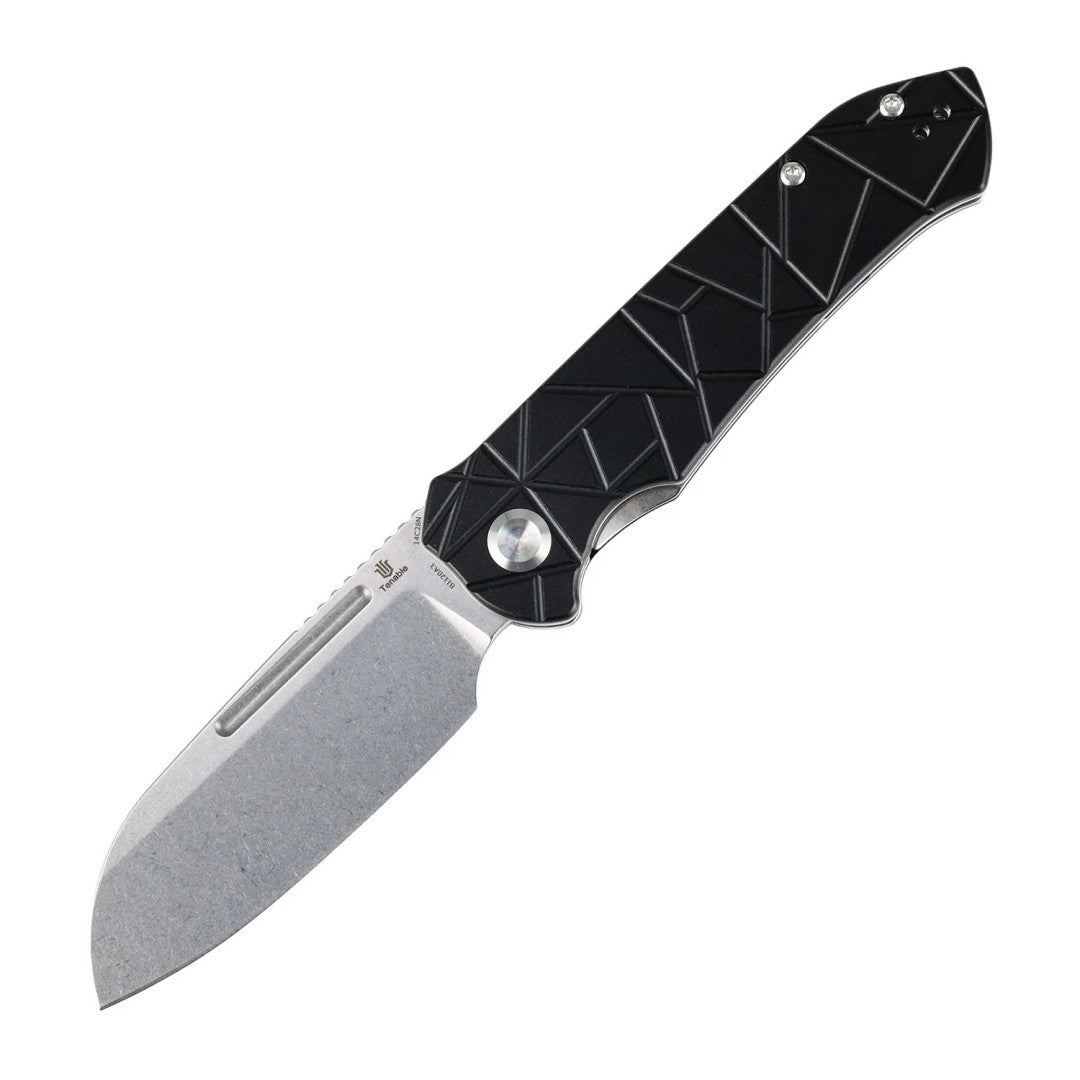
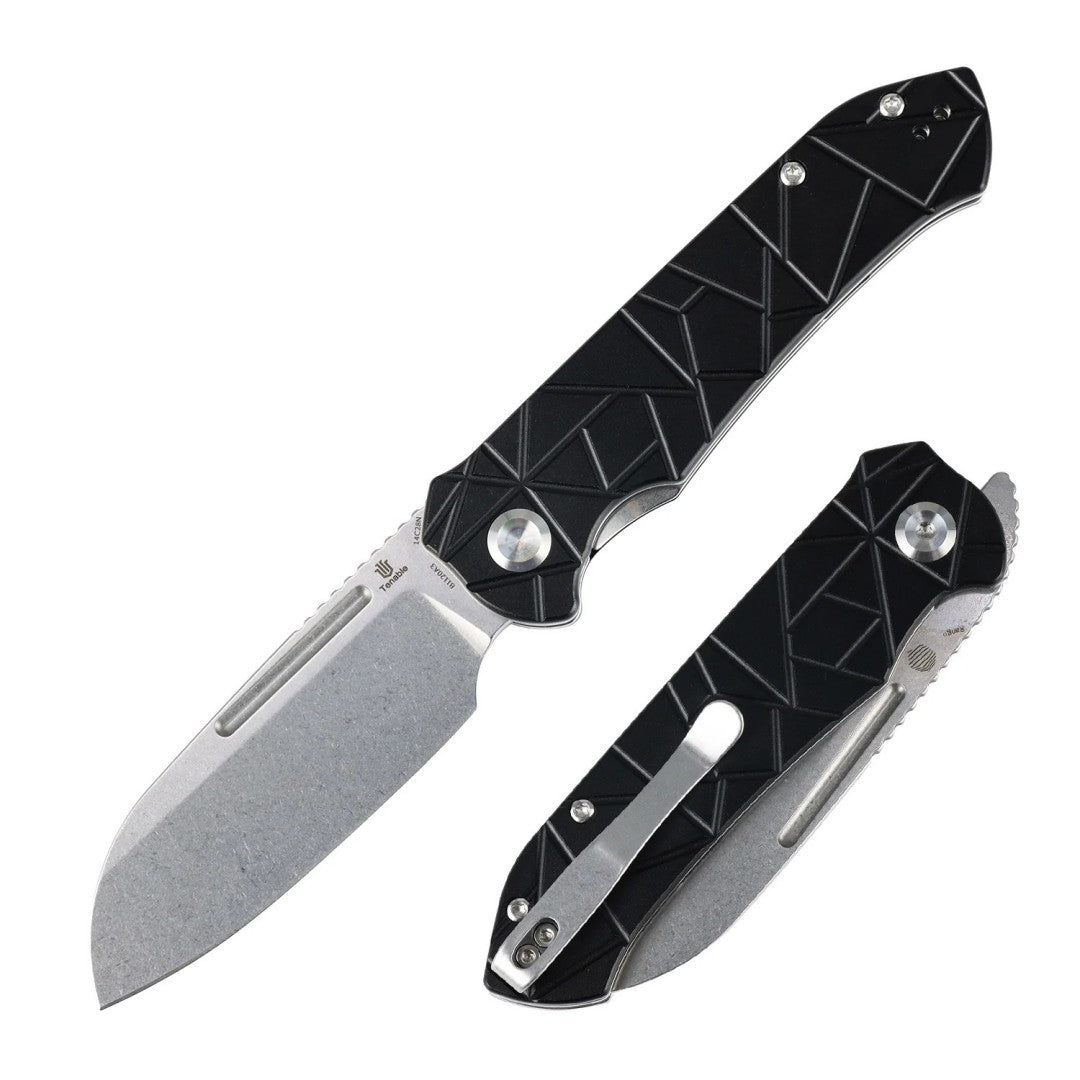
Steele solved this by engineering a low-profile front flipper tab that sits flush with the handle spine. When closed, it is nearly invisible; when actuated, it pivots smoothly on a fine-tuned ceramic ball bearing system. To add further versatility for traditional deployment preferences, an elongated thumb hole was precision-cut into the blade flat. This dual-deployment capability ensures that whether you prefer a rapid index-finger flip or a slow, deliberate thumb roll, the blade responds with hydraulic smoothness.

The Ultimate Utility: The Modified Wharncliffe
The crowning achievement of the collaboration is the blade itself. Measuring 3.4 inches with a robust 0.138-inch thickness, the modified Wharncliffe shape was chosen for its unparalleled daily utility. The perfectly straight cutting edge allows the user to apply uniform downward pressure across the entire surface, making short work of heavy cardboard, leather, or rope.
By utilizing American CPM MagnaCut steel for the primary models, the design gains an elite level of edge retention, toughness, and near-absolute corrosion resistance. The result is a pocket knife that doesn't just look like a piece of industrial art—it performs like an absolute beast. It is a harmonious marriage of custom design DNA and production mastery, proving that true minimalist style is forged through intentional engineering.