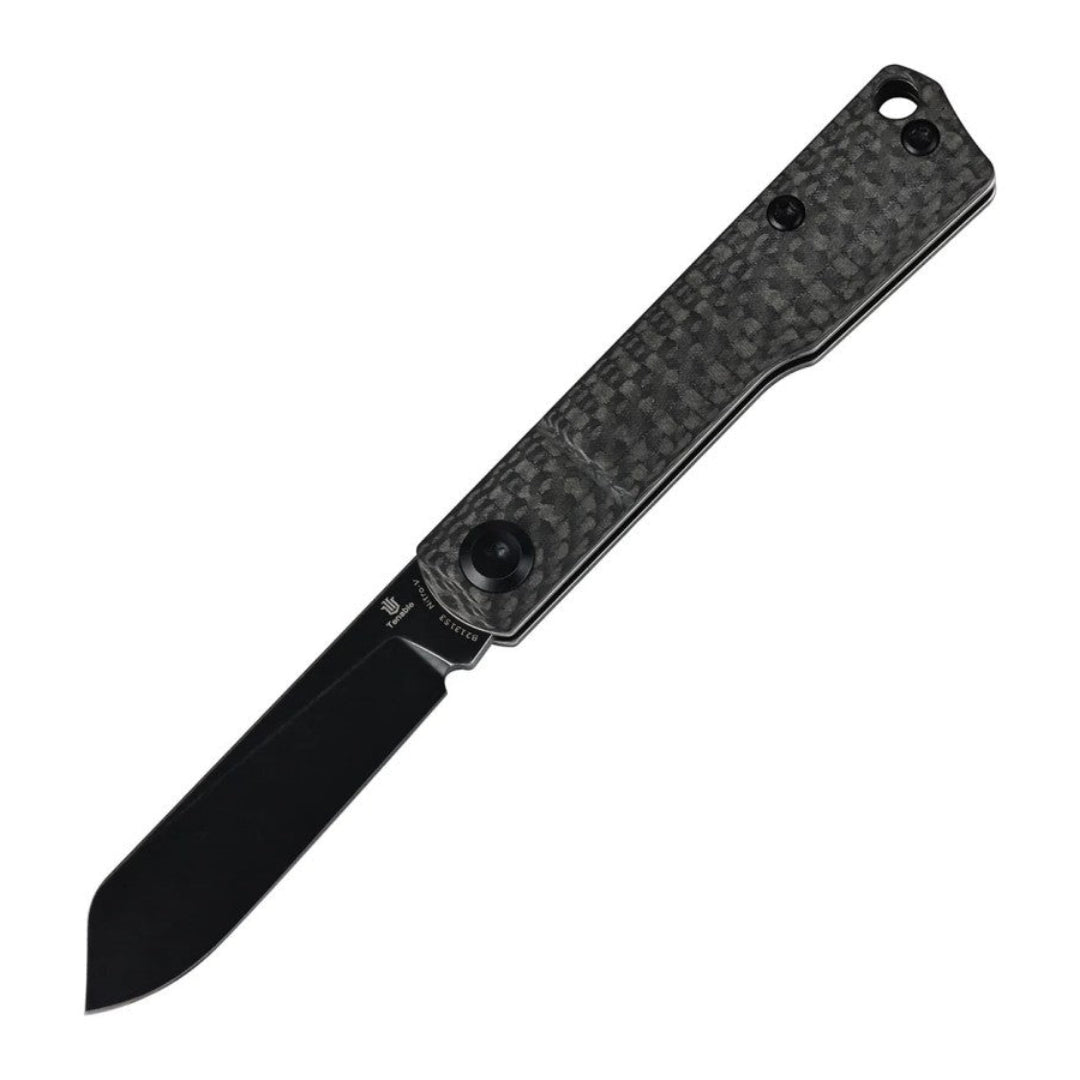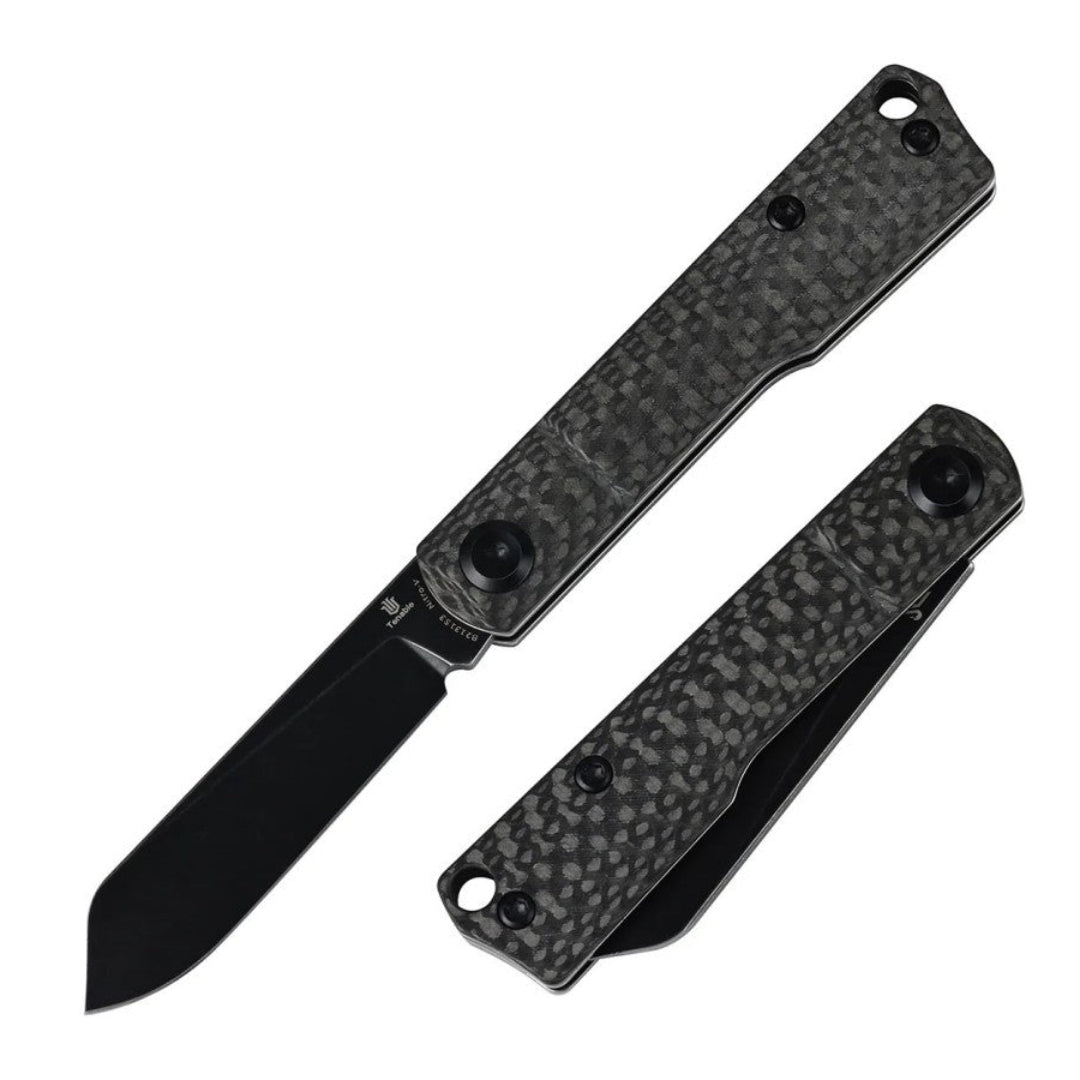

Overview & First Impressions
Almost every claim about edge holding comes down to heat treatment, not the steel name on the box. A modern blade is heated to an austenitizing temperature, held, quenched and then tempered twice or three times to trade some hardness for toughness. Vacuum furnaces do this without oxygen, so the surface stays clean and decarburization is avoided. Cryogenic treatment then takes the blade down to a deep sub-zero temperature to finish the transformation that room-temperature quenching leaves incomplete.
Materials & Construction
The effect is measurable in grades like CPM-20CV, a high-vanadium powder metallurgy stainless with exceptional wear resistance. Incomplete transformation leaves retained austenite in the structure, which is soft and unstable. A cryogenic cycle converts most of it to martensite, which raises hardness, improves dimensional stability and makes the tempering response more predictable from one blade to the next.

Design & Details
The Bestech DUCI BT2605A shows what good treatment looks like on a production folder: a CPM-20CV blade in a titanium handle with a frame lock. Bestech knives run this pattern with an even finish and a crisp grind, which is what you get when a blade has been processed in a controlled vacuum cycle rather than a rudimentary open furnace. A folding knives pattern also shows the benefit most clearly, because a thin tang cannot tolerate inconsistent hardness.
Real-World Use
In daily use proper treatment shows up as an edge that stays sharp longer and does not chip when it hits a staple or a wire tie. It also shows up in sharpening: a correctly treated high-vanadium blade raises a burr that is small and even, and it takes a clean edge from a fine stone in a few passes instead of fighting the abrasive.

Ownership Notes
Heat treatment is done before you get the knife, but the care practice still matters. Do not use a coarse belt grinder or a heavy pull-through on a high-hardness blade, because localized heat can undo in seconds what a furnace did in hours. Sharpen cool, sharpen often, and keep a light coat of oil on the blade. EdcMall carries folders built from treated powder metallurgy steels and the guided sharpeners that respect them. It also explains price differences between two knives that list the same steel. A controlled vacuum cycle, a deep cryogenic soak and two tempers cost real money, and the blades that receive them hold an edge noticeably longer than the ones that do not.
Who Is This For?
This is for enthusiasts who want to know what they are paying for, and for buyers comparing two knives that use the same steel at different prices. A casual user will not feel the difference. If you sharpen often and care about holding an edge, treatment quality is the spec that actually matters.
Final Verdict
Steel grade sets the ceiling and heat treatment decides how much of it you get. Vacuum processing plus a cryogenic cycle is the difference between a blade that performs and one that only sounds good on paper.