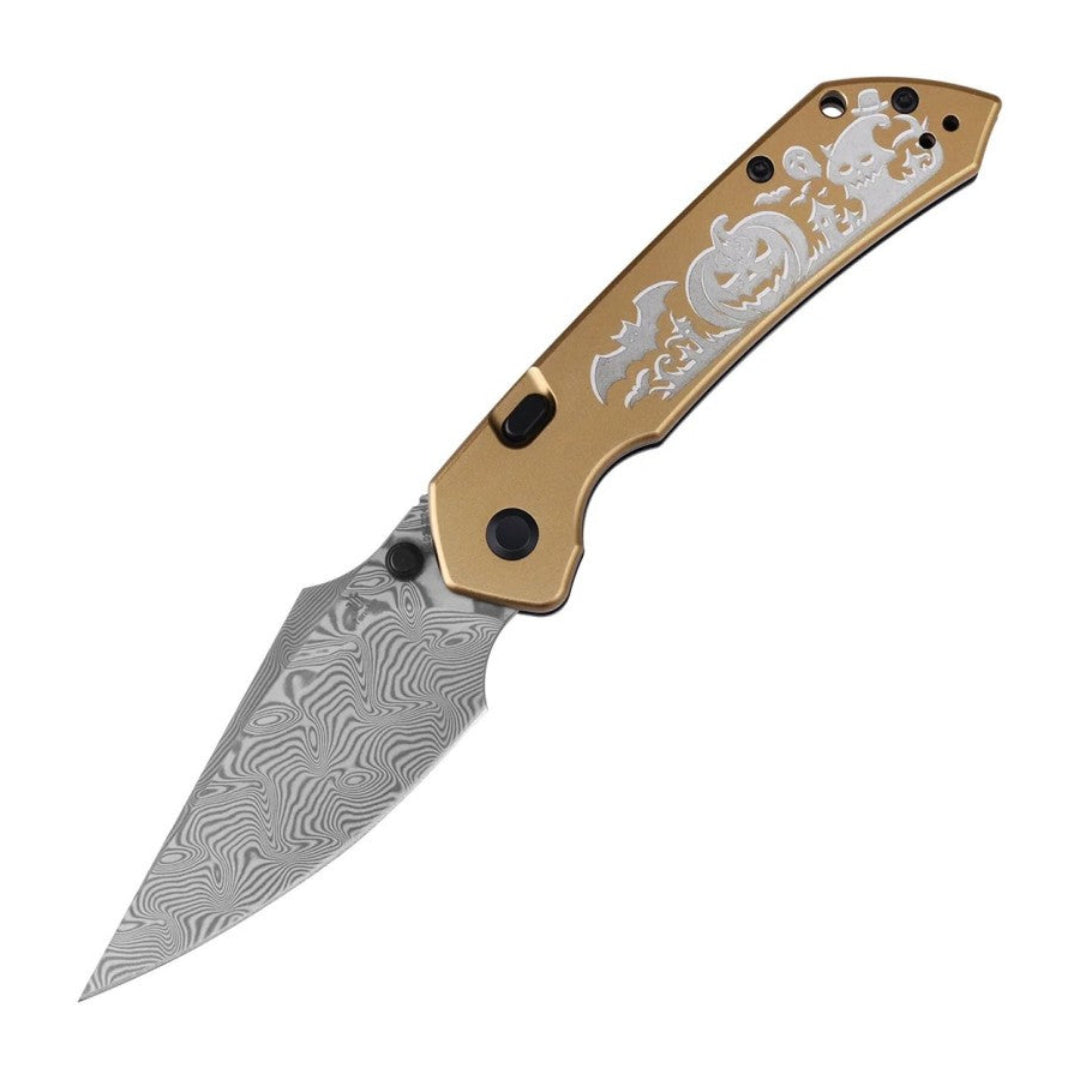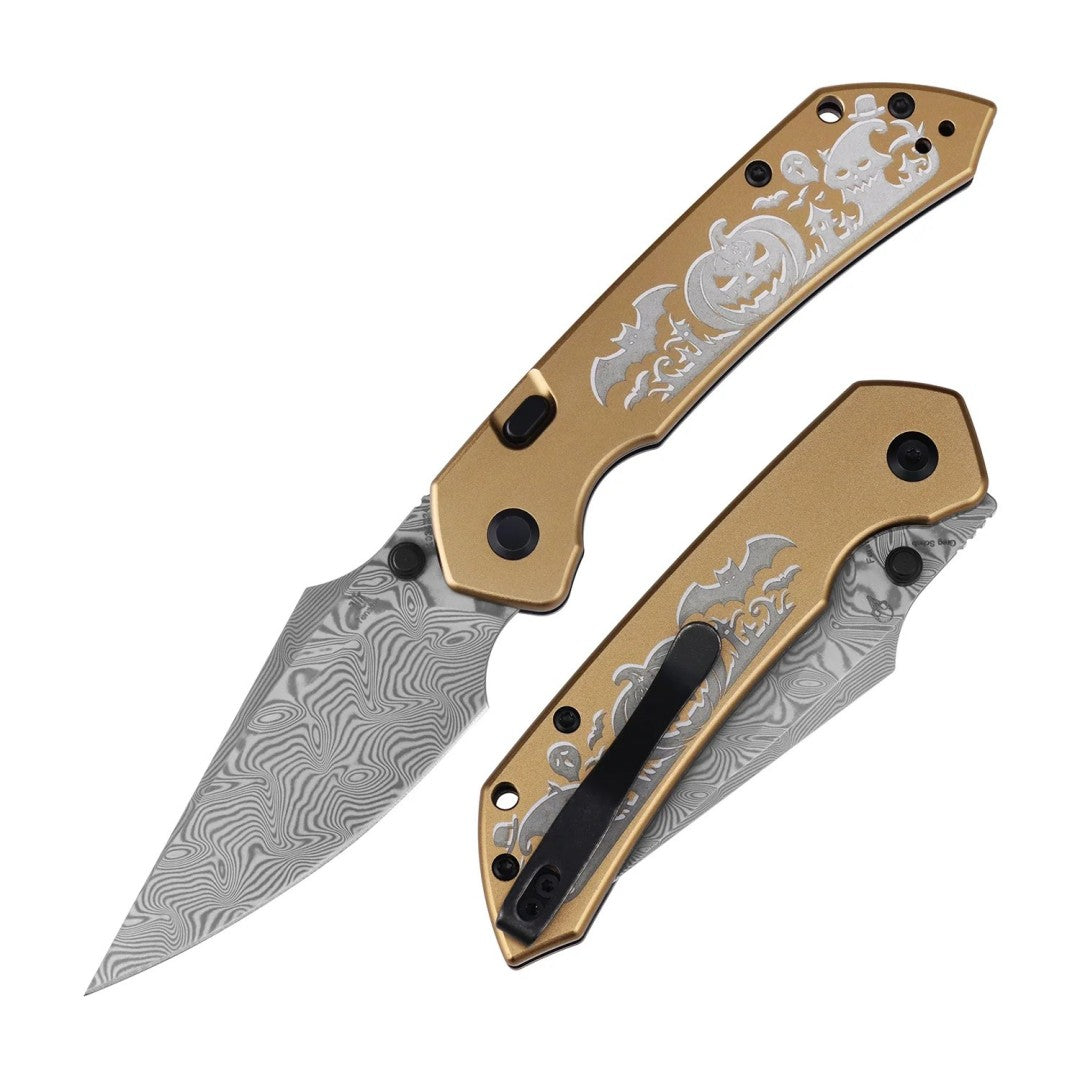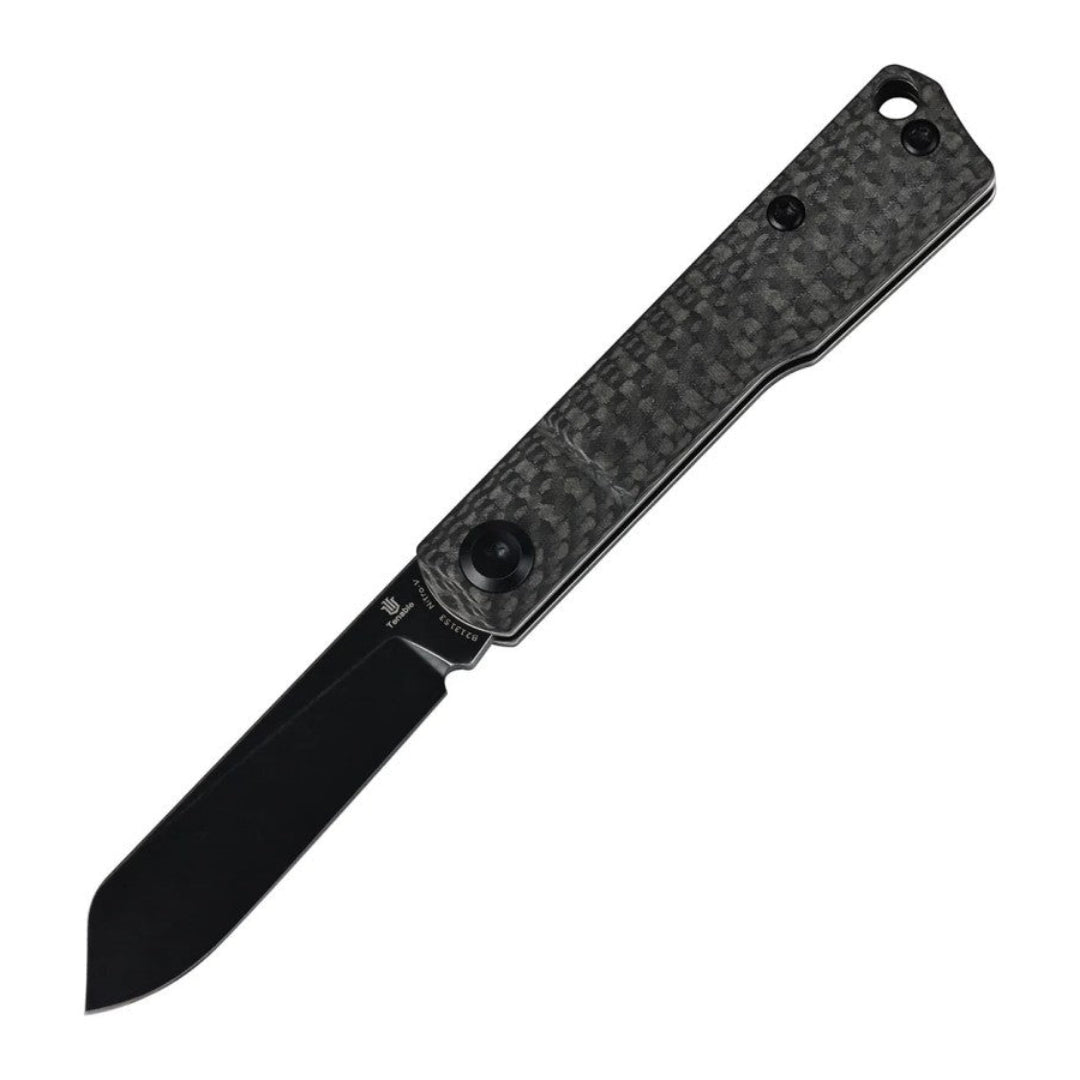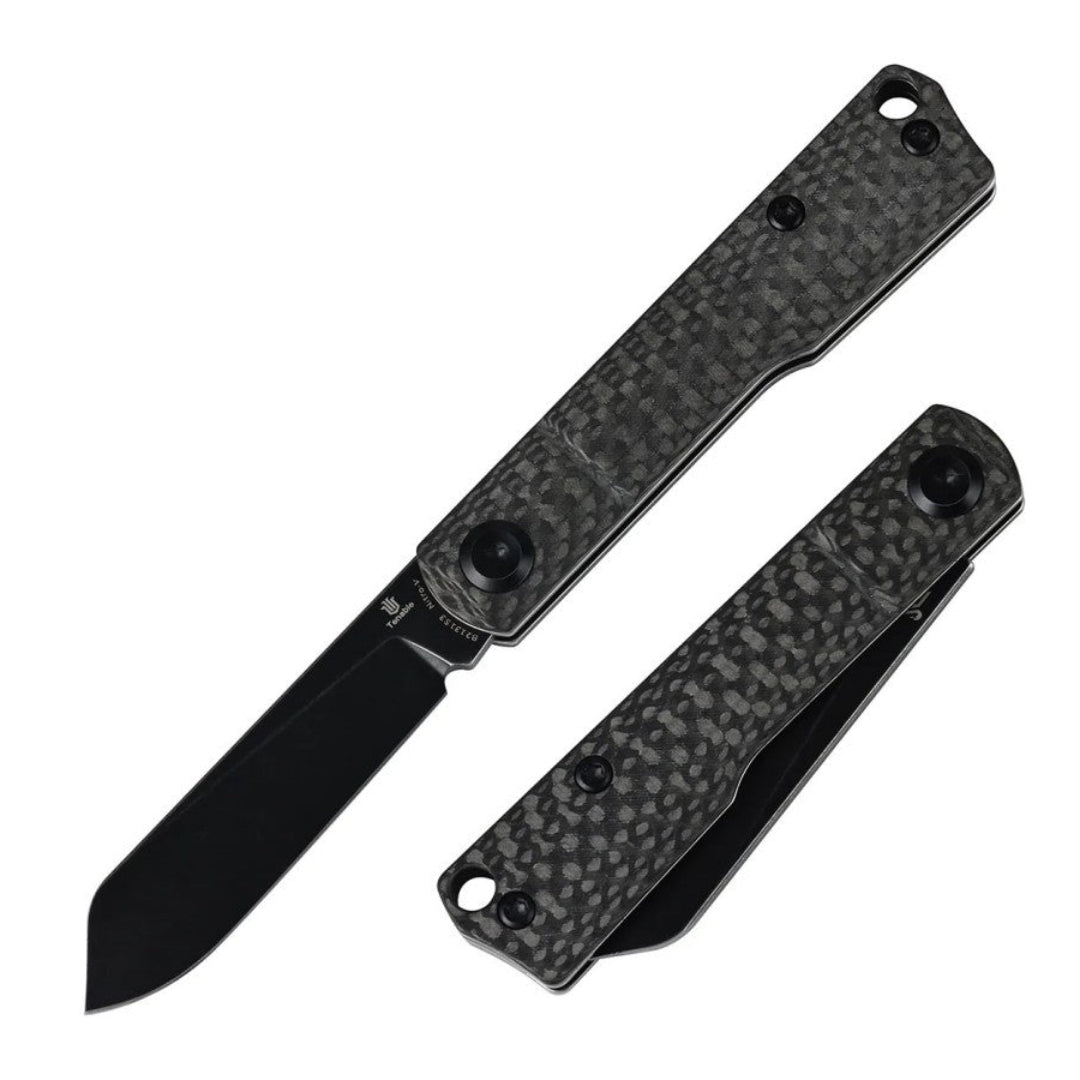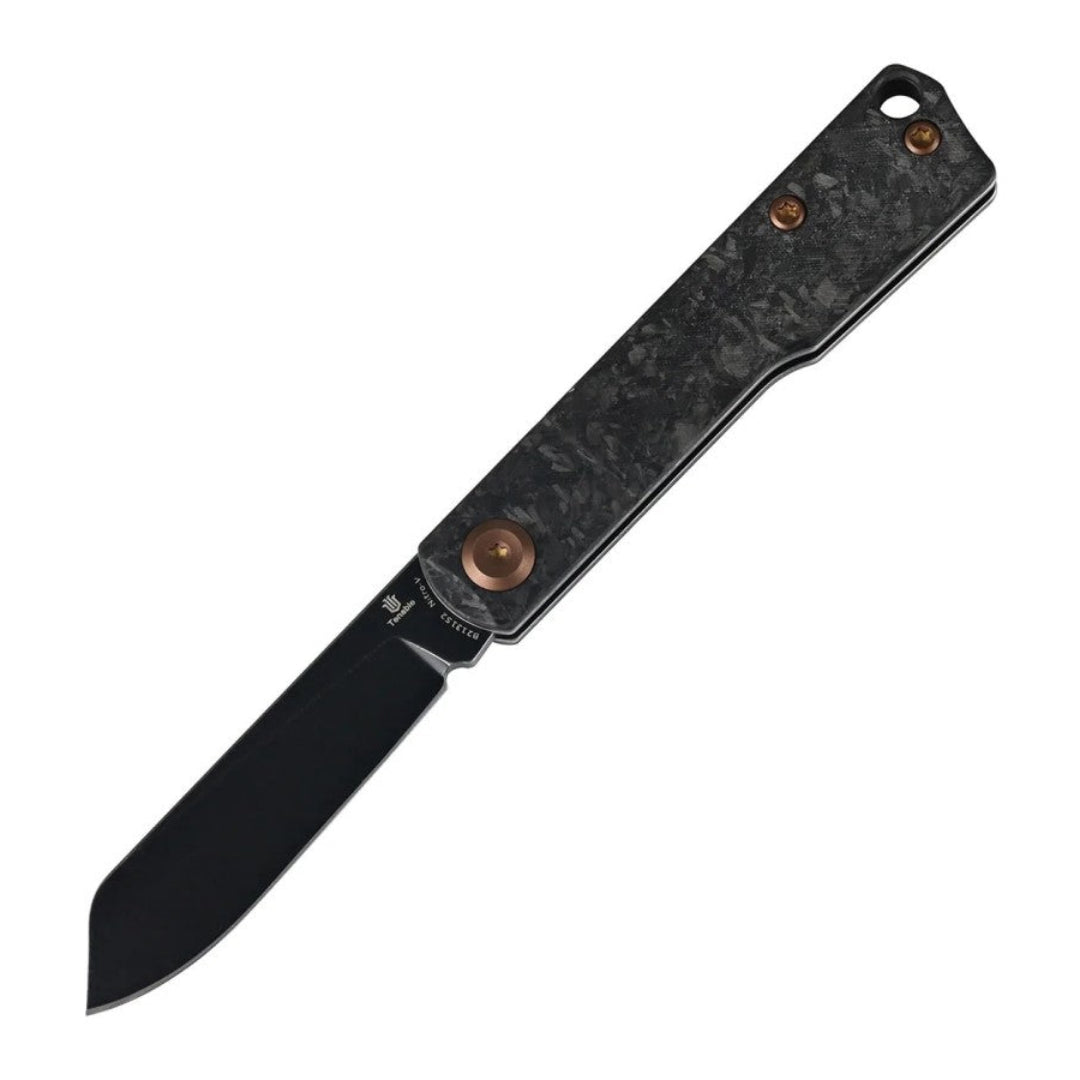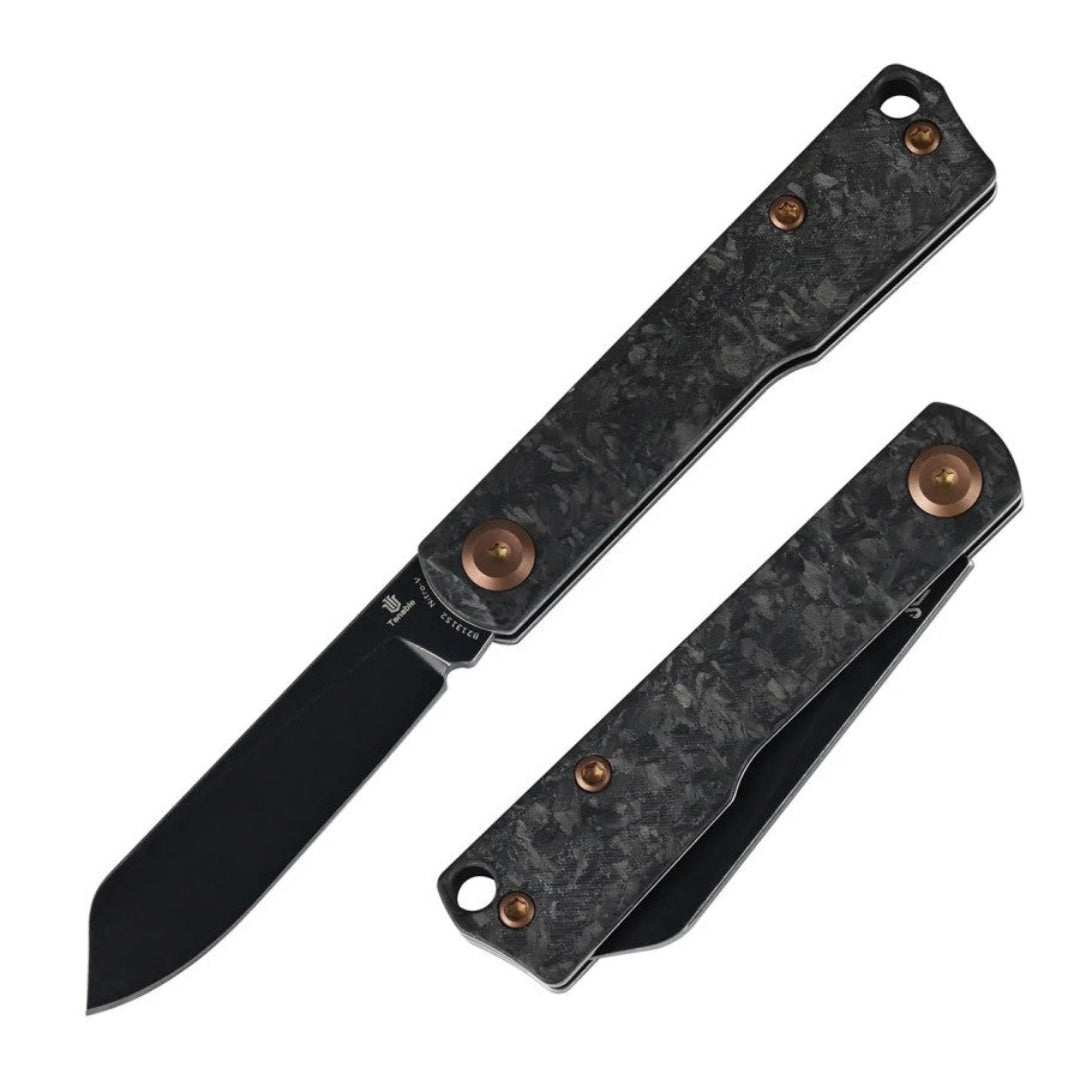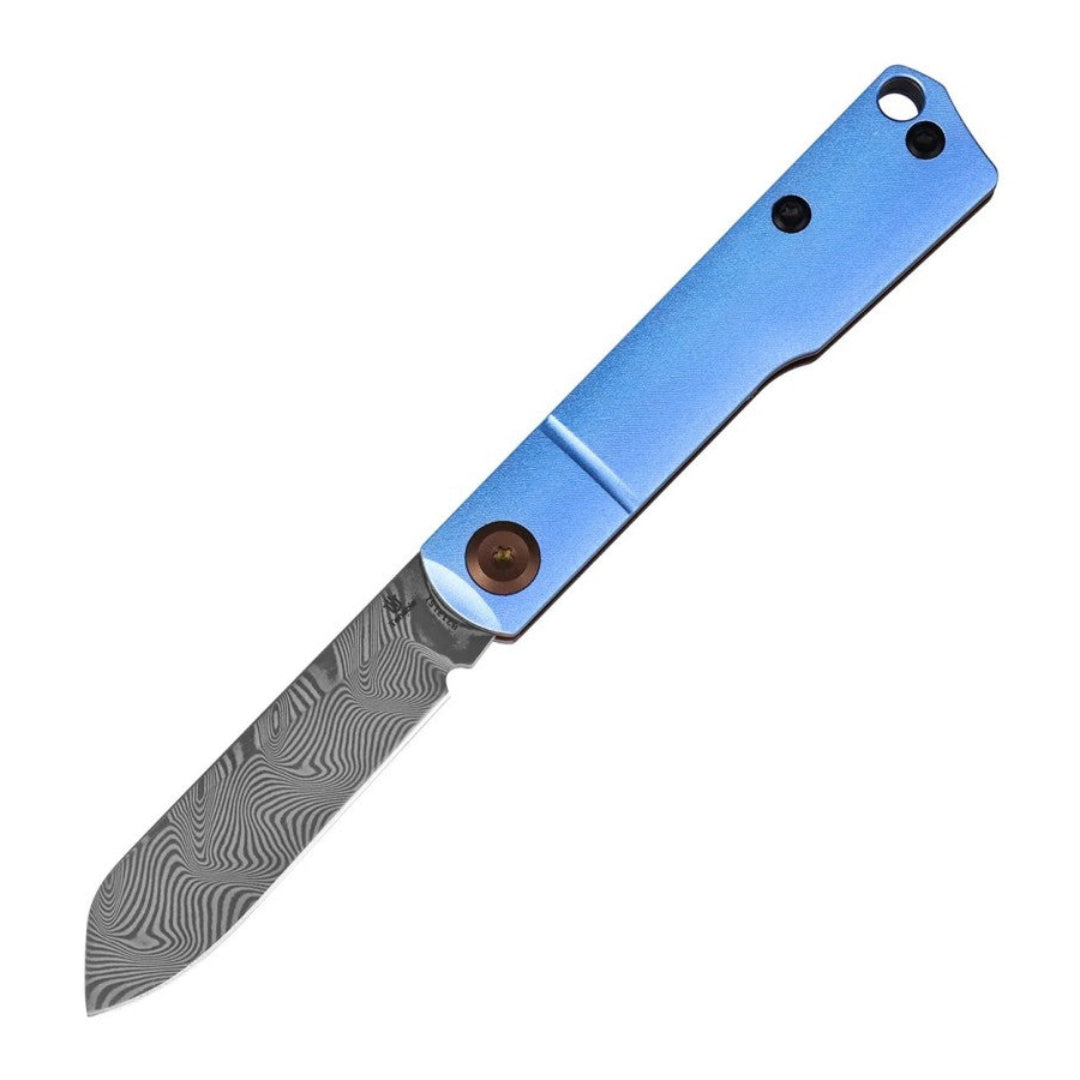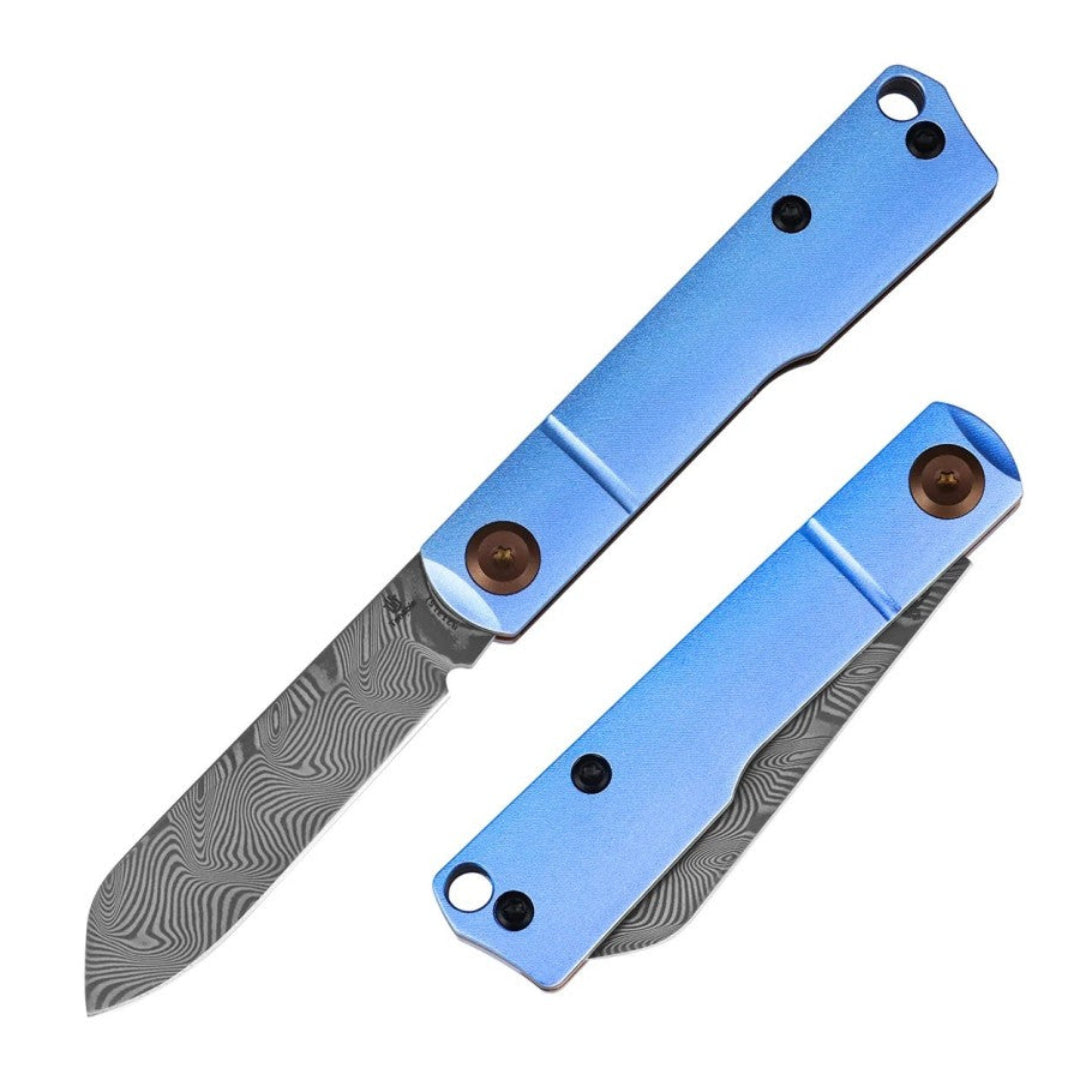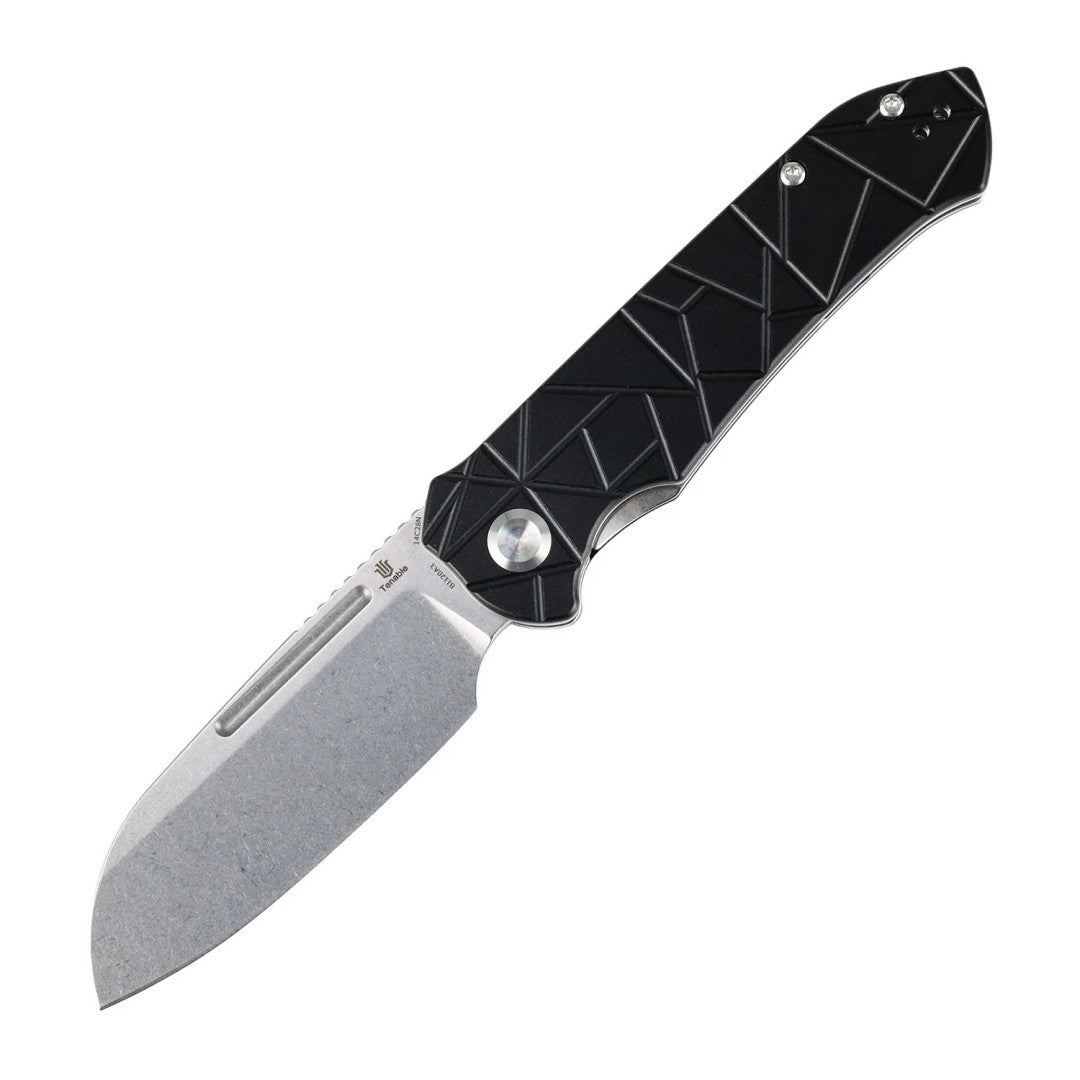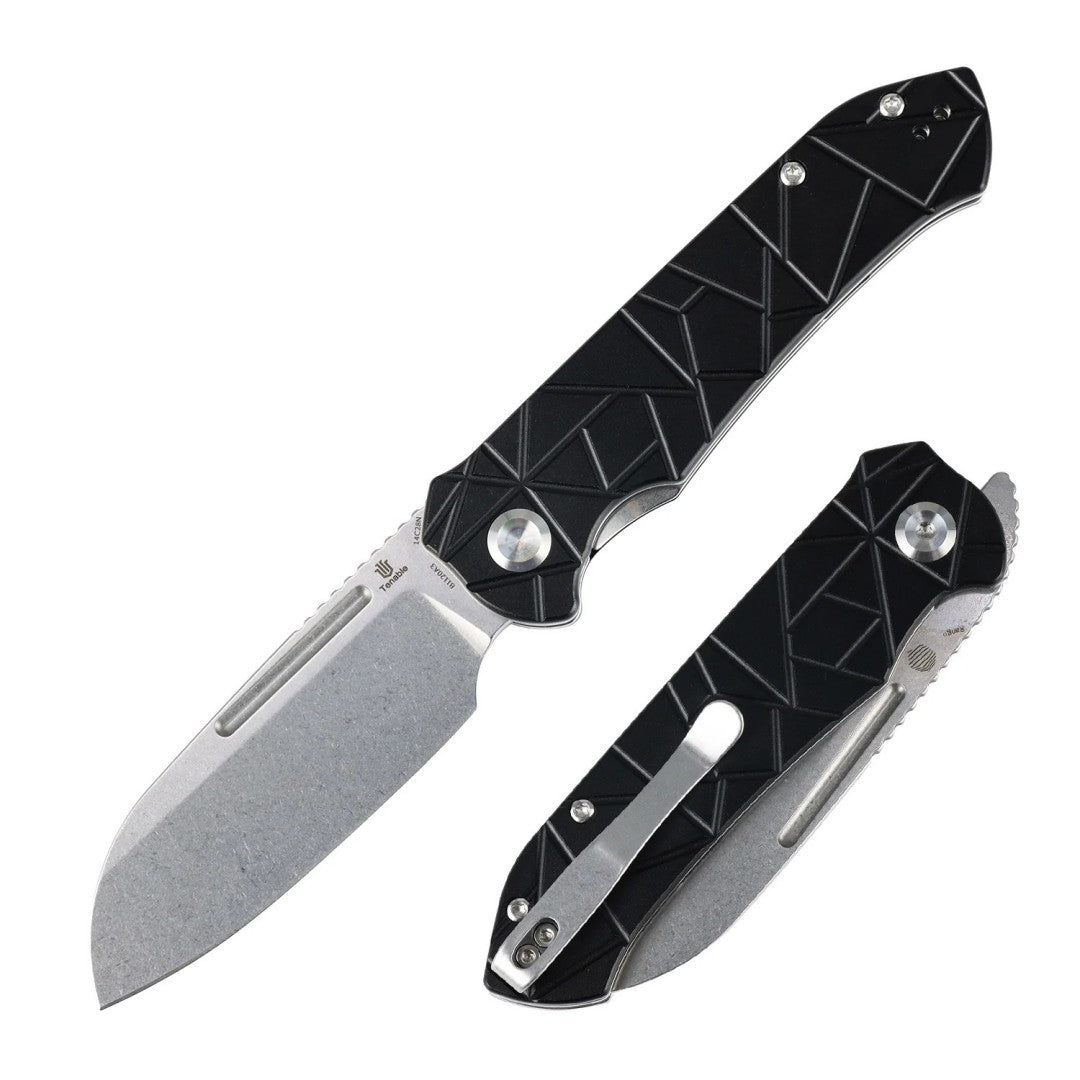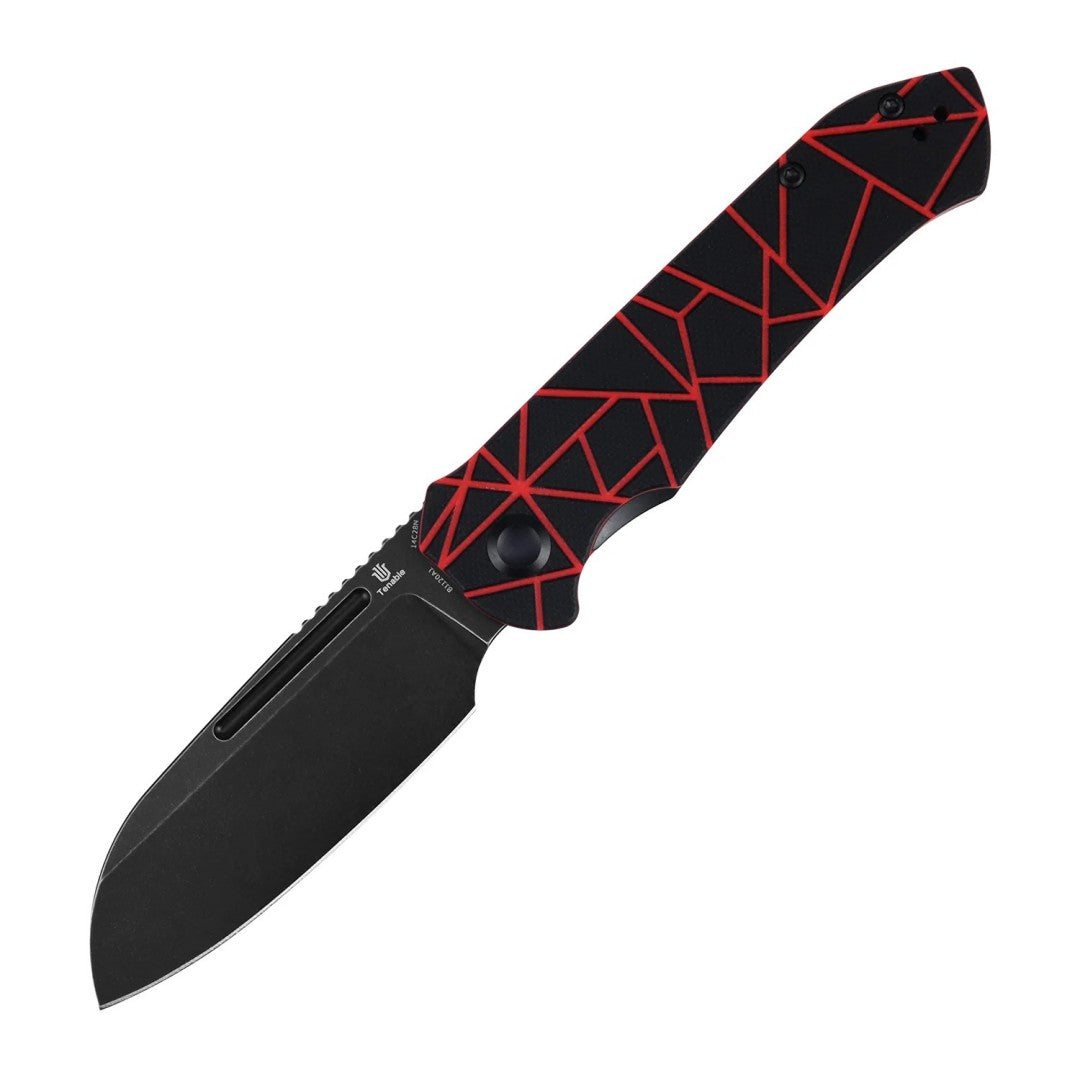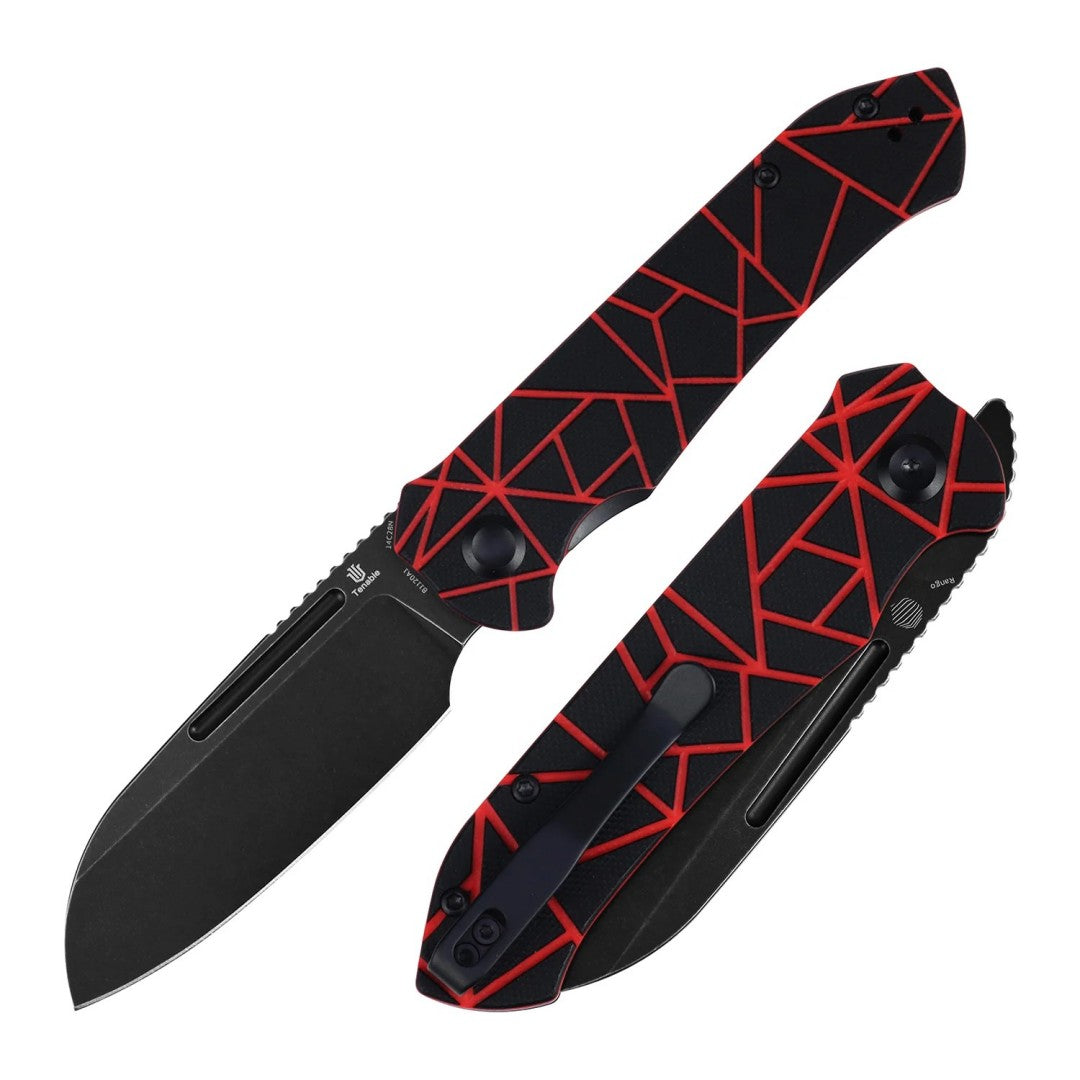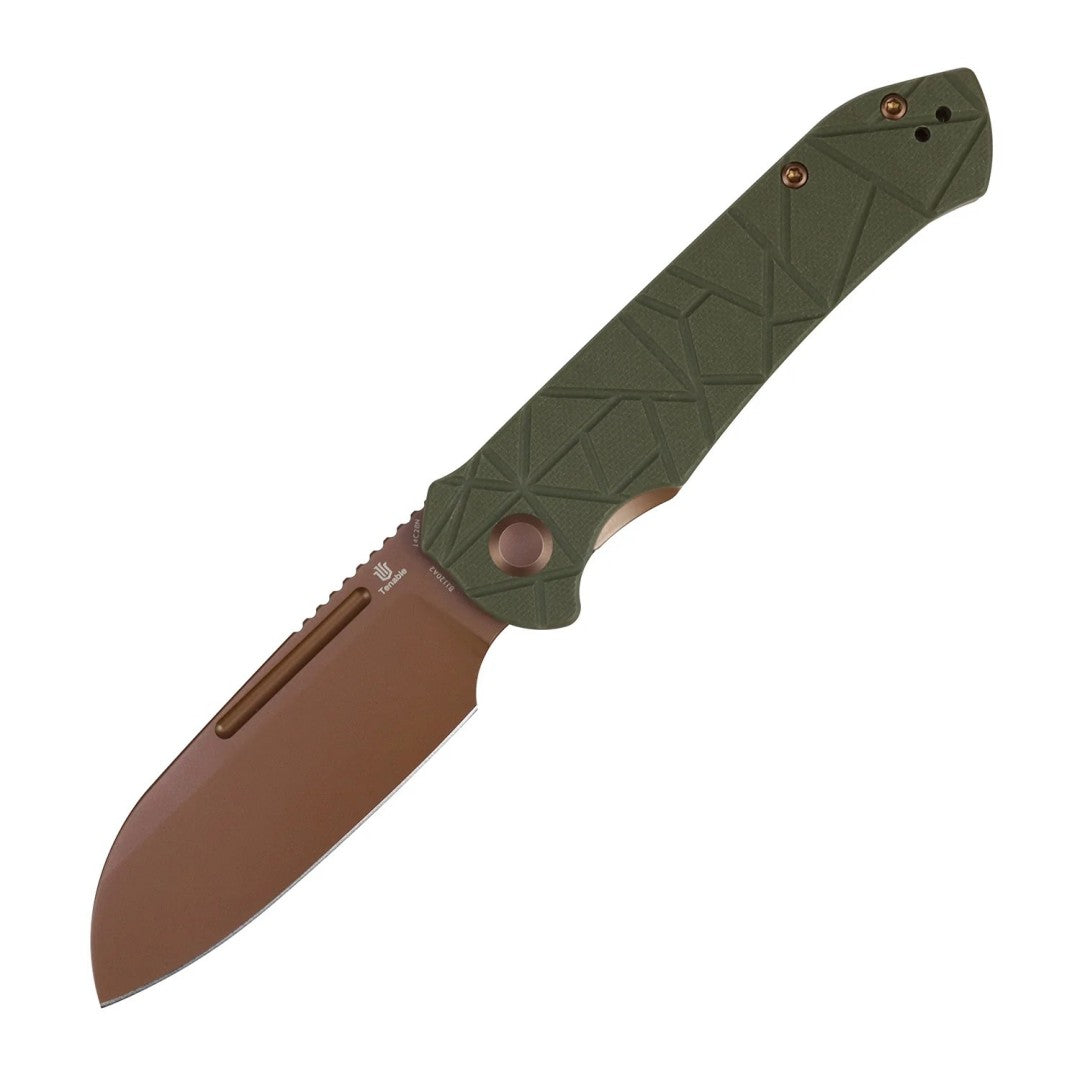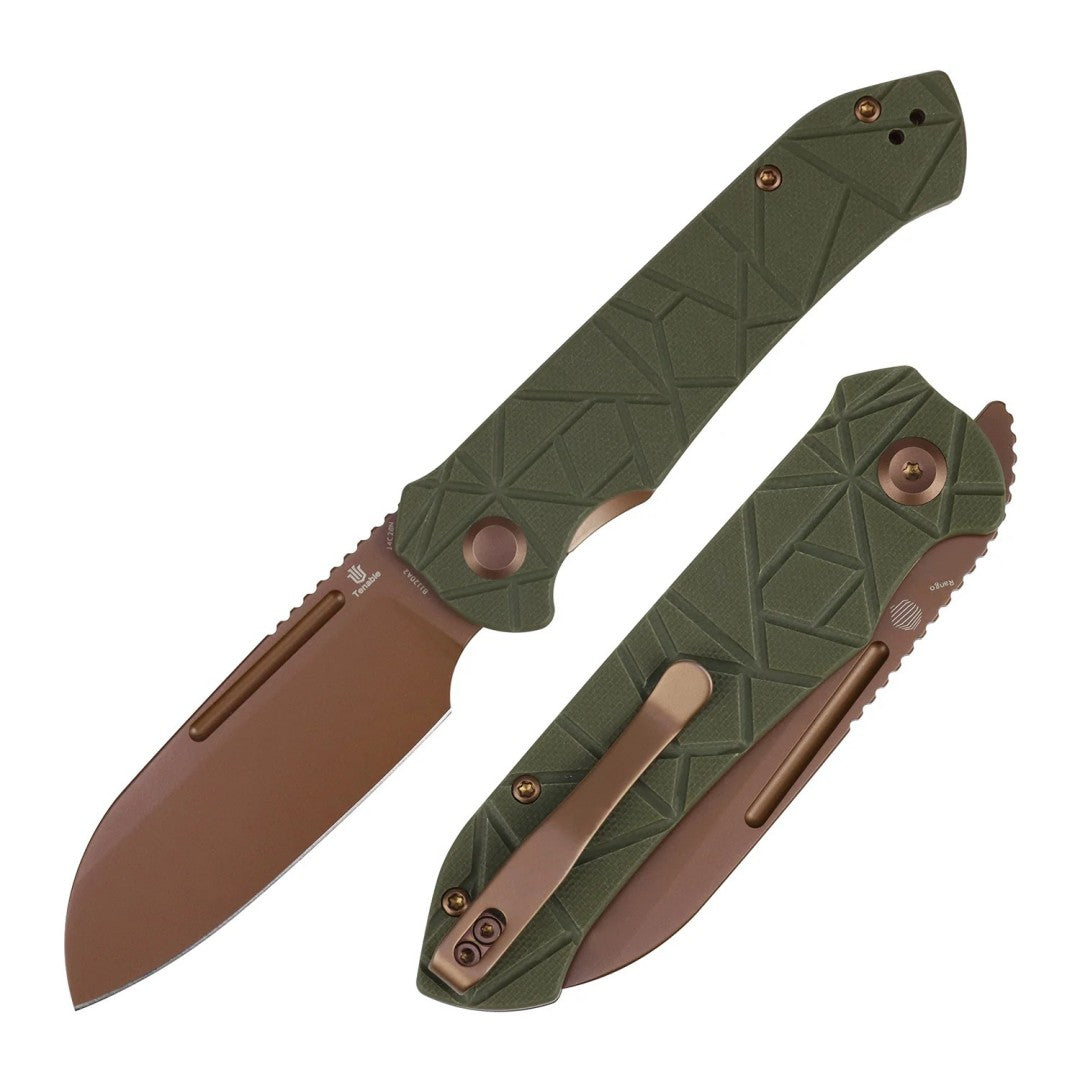

Nagao Higonokami Friction Folder Knife Brass Handle Blue paper Steel Hand Forging Tanto Large 17CM

In the fast-paced world of Everyday Carry (EDC), we are often bombarded by "perfection." Machined titanium, laser-etched logos, and sterile, computer-controlled finishes dominate the market. Yet, there is a counter-movement growing among enthusiasts—a return to tools that feel human. At the forefront of this movement is the Nagao Higonokami, a knife that embodies the Japanese philosophy of Wabi-Sabi: finding beauty in imperfection, impermanence, and the industrial soul of hand-forged steel.
For those who view their gear as more than just utility, a Nagao knife is a living piece of history. In this article, we explore how the "industrial elegance" of these knives creates a unique connection between the tool and the user.
Understanding Wabi-Sabi in Metallurgy
Wabi-Sabi is a world view centered on the acceptance of transience. In the context of Japanese cutlery, it refers to the marks of the forge, the slight variations in a hand-stamped handle, and the way a blade evolves over years of service.
Unlike mass-produced factory knives, a Nagao Higonokami is not "flawless." You may find a slight asymmetry in the fold of the brass handle or a unique "scale" pattern on the blade from the heat-treatment process. These aren't defects; they are the fingerprints of the blacksmith. In a world of digital clones, these tools offer a tangible link to a 100-year-old tradition in Miki, Japan.
The Industrial Aesthetic: Form Following Function
The elegance of a Nagao knife comes from its refusal to be decorative. It is a tool stripped to its absolute essence. This minimalist construction serves the EDC community in three specific ways:
1. The Raw 'Kuro-uchi' Finish
Many Nagao blades feature the Kuro-uchi (blacksmith's) finish—a dark, carbonized layer left on the steel after forging. This matte, industrial look provides a striking contrast to the polished edge. It serves a functional purpose, too, acting as a natural barrier against rust, while reinforcing the "working tool" aesthetic.
2. The Living Handle: Brass and Iron
Whether you choose a brass (Shin-chu) or iron handle, the material is designed to change. Brass, in particular, is the ultimate Wabi-Sabi material. When you first receive your knife, it glows like gold. After a month in your pocket, it begins to dull and darken, developing a deep, chocolatey patina that is unique to your specific grip and environment.
3. The Uncomplicated Pivot
There are no ball bearings or complex washers here. The Higonokami uses a simple rivet. This industrial simplicity means that the knife can be serviced with a basic hammer and anvil (or even a smooth stone). There is an elegance in knowing that your tool is built to survive for generations, not just until the next tech cycle.
Why the 'Imperfection' is an EDC Strength
To the uninitiated, the friction-fold design might seem primitive. But for the veteran EDC collector, the Nagao Higonokami represents the pinnacle of reliability.
-
Tactile Feedback: Because the knife is so simple, you feel every vibration through the handle. When you are carving wood or slicing leather, the knife "talks" to you, letting you know exactly how much pressure to apply.
-
Adaptability: The lack of a mechanical lock makes the Higonokami one of the most versatile tools for global travel. Its "friction folder" status makes it legally compliant in many regions where "tactical" knives are restricted, allowing you to carry a high-performance blade with a sophisticated, non-aggressive profile.
The Evolution of the Blade: Blue Paper Steel
While the exterior is industrial and raw, the "heart" of the knife is a masterpiece of metallurgy. Most Nagao knives utilize Aogami (Blue Paper Steel). This high-carbon steel is prized for its ability to take an edge that feels "alive."
As you use the knife, the high-carbon core will develop a blue-grey patina. This shift in color is the ultimate expression of Wabi-Sabi—the steel is literally changing in response to the work it does. It becomes a record of the boxes opened, the pencils sharpened, and the meals prepared.
Maintenance as a Ritual
Appreciating the industrial elegance of a Nagao knife means engaging in its upkeep. This isn't a "disposable" utility blade; it is a partner.
-
Patina Management: Some choose to polish their brass handles back to a shine, while others let the patina grow heavy. Both are valid ways to appreciate the material.
-
Oiling: A simple ritual of applying camellia oil to the blade after use prevents rust and honors the craftsmanship of the forge.
-
The Edge: Sharpening a Nagao blade on a whetstone is a meditative process. The flat grinds make it an excellent tool for those learning the art of manual sharpening.
Conclusion: Elevating the Everyday
In a culture of the "new and shiny," the Nagao Higonokami stands as a reminder that character is earned through use. Its industrial elegance doesn't come from a showroom floor; it comes from the fire of the forge and the pocket of the user.
When you add a Nagao to your EDC rotation, you aren't just carrying a knife. You are carrying a philosophy—an appreciation for the honest, the handmade, and the beautifully imperfect.
Experience the soul of Japanese steel. Discover our collection of hand-forged Nagao Higonokami knives at EDCmall and start your own journey into Wabi-Sabi.