Overview & First Impressions
A welding bay destroys equipment politely. There is no single dramatic failure, just grinding dust settling into every gap, spatter bouncing off benches, and a fine conductive haze that finds its way into anything with a pivot. That is why EDC knives in a fabrication shop get judged differently from anywhere else. Cleaning ability beats fidget factor. A blade you can flush out with an air nozzle and re-lubricate in ninety seconds will outlast a prettier tool every time, and folding knives with open channel construction win by default.
Materials & Construction
Steel choice is the first real decision. A high-vanadium stainless such as M390 holds a working edge through abrasive material, which matters when your cutting list includes fiberglass tape, wire insulation and abrasive-backed sandpaper. The IKA DAGGER runs its M390 blade at 62 HRC, and the ceramic ball bearings inside keep deployment smooth even when the action is gritty. Bestech knives have a long record in exactly this role, and the liner lock here is thick enough to trust with a gloved hand.

Design & Details
The titanium frame and Fatcarbon Dark Matter Gold inlays look like jewellery, but the practical argument is rigidity. A three-point-nine inch blade in a 160.5 gram package resists the twisting loads that come with prying a stuck hose clamp or levering a piece of scrap. The liner lock engages with a positive click that you can hear over a running angle grinder, which is worth more on a shop floor than any finish upgrade.
Real-World Use
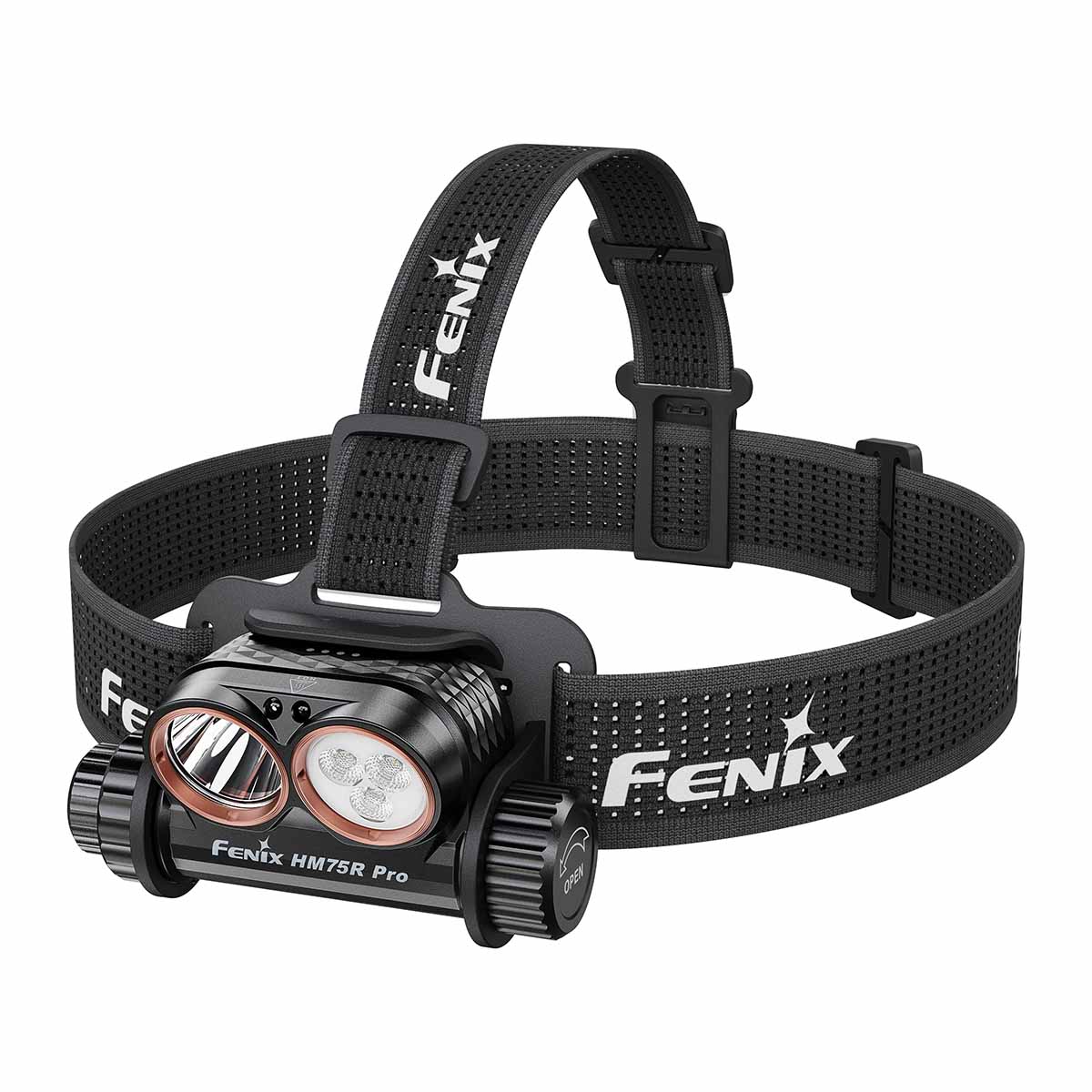
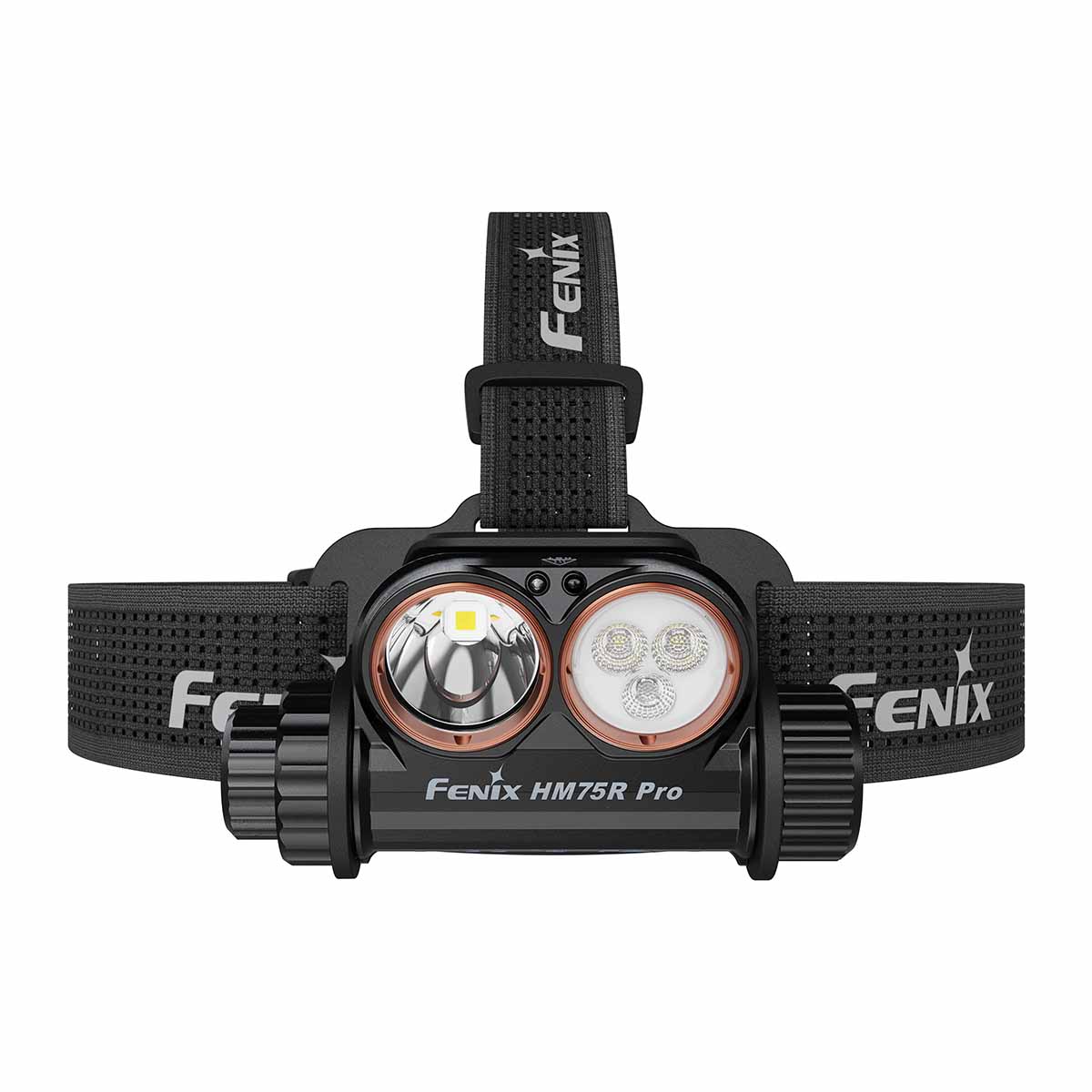
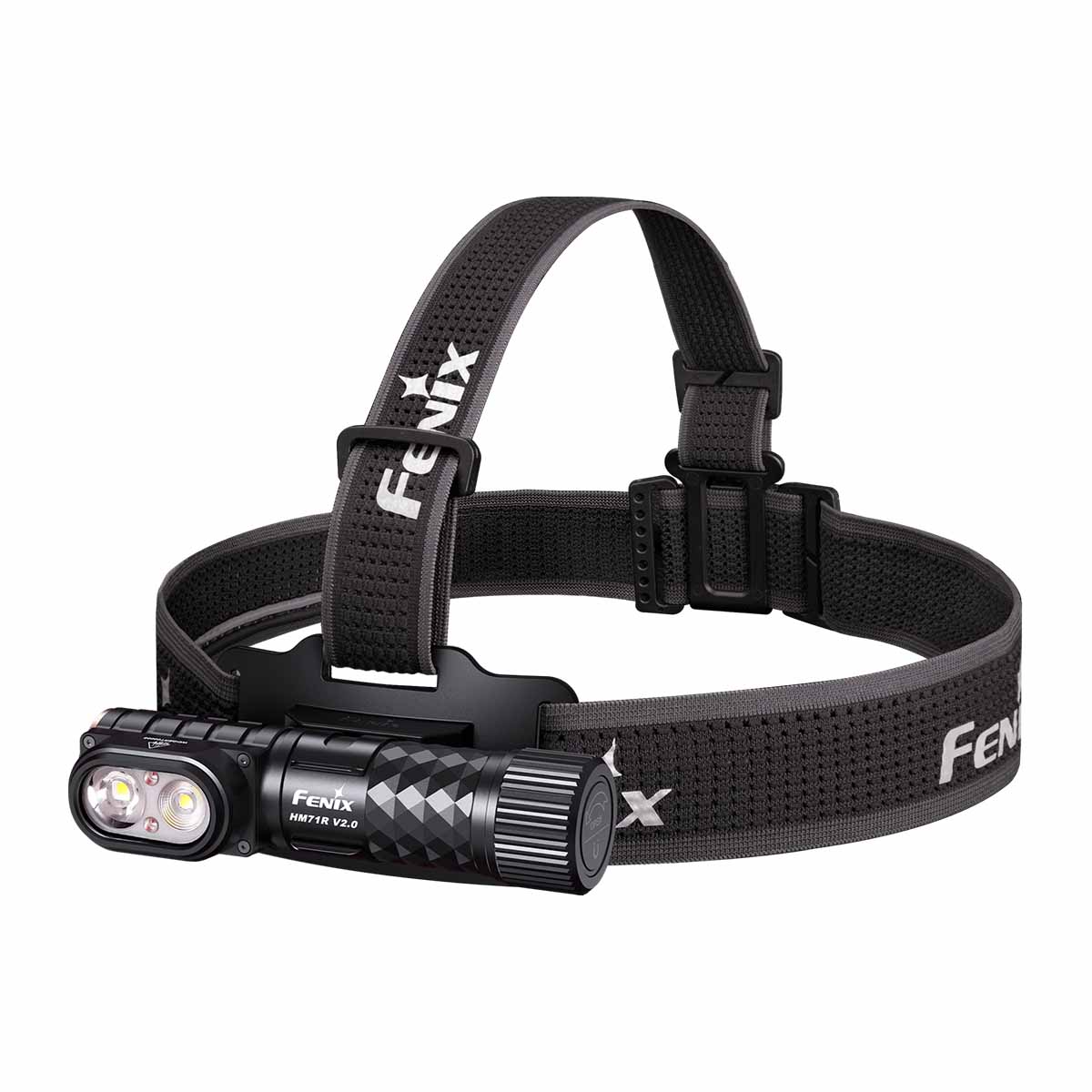
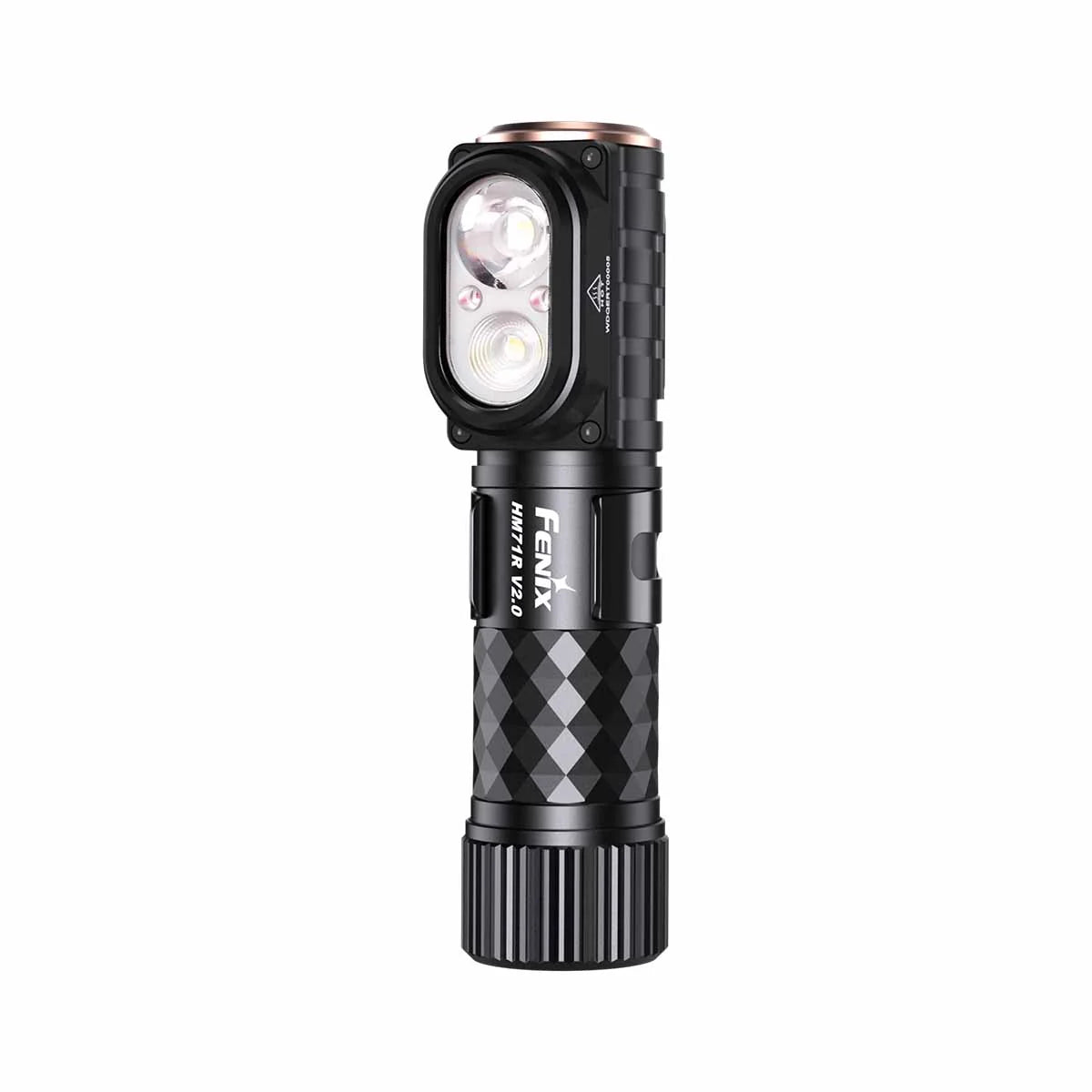
Day to day the knife opens boxes of consumables, trims silicone and fiberglass tape, cuts zip ties off cable bundles and deburrs the edge of a fresh cut on aluminium. Gloves change everything, so test every candidate with thick leather on. Thumb studs beat flipper tabs once your hands are insulated, and a blade that can be flicked open with the wrist alone is a liability, not a feature. This is also where an EDC flashlight earns its spot, because the underside of a welding table is always darker than it looks.

Ownership Notes
Maintenance is the whole game. Blow the pivot out at the end of every shift, wipe the blade with a dry cloth rather than a solvent, and re-oil sparingly. Grinding dust is abrasive and mildly conductive, so a drop of gritty oil does more harm than no oil at all. Check the liner lock engagement monthly and re-tension the pivot if the blade develops side to side play. An M390 edge touched up on a ceramic rod every second week will stay sharp for months of shop duty without a full sharpening session.
Who Is This For?
This setup suits welders, fabricators, ironworkers, millwrights and anyone who spends a shift within arm's reach of a grinder. It is overkill for an office. If your cutting is limited to envelopes and packing tape, a lightweight budget folder does the same job for a fraction of the money. Serious shop hands should spend the premium, because a knife that keeps working in a dirty environment is cheaper than replacing three that do not.
Final Verdict
Anyone building a shop kit should think in systems rather than individual tools. EDC knives, folding knives with open construction, a pocket light, a marker and a tape measure cover ninety percent of what a fabrication bay throws at you. Pick a steel that tolerates dust, a lock you can operate with gloves, and a design you can strip down and clean without hunting for a special bit. Then maintain it on a schedule and stop thinking about it.